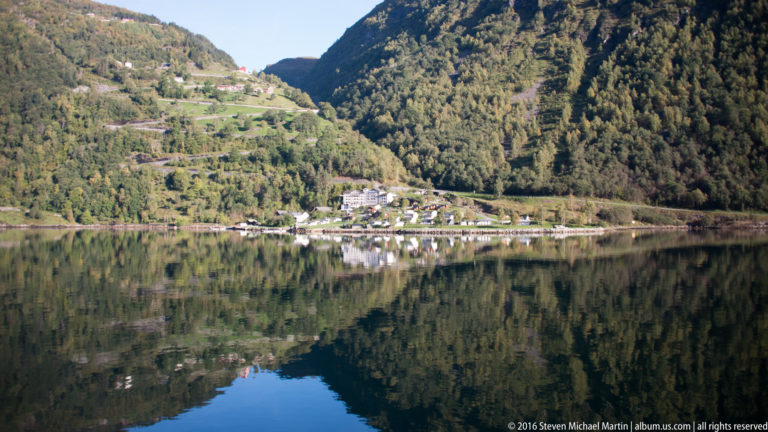
UNESCO Natural World Heritage Sites
UNESCO Natural World Heritage Sites preserve landscapes recognized for their exceptional geological, ecological, and environmental significance. These locations are identified as possessing Outstanding Universal Value, meaning their importance extends beyond national boundaries and contributes to the shared natural heritage of humanity. Natural sites are evaluated according to criteria that include exceptional natural beauty, major stages in the Earth’s geological history, ongoing ecological processes, and habitats important for biodiversity conservation.
The diversity of natural heritage environments reflects the wide range of physical processes that shape the Earth’s surface. Marine ecosystems preserved within Ocean environments illustrate the ecological importance of coral reefs, island chains, and coastal waters. Arid landscapes represented in Desert environments demonstrate how climate, wind, and erosion shape distinctive geological formations, while Plains environments preserve grassland ecosystems influenced by continental climate patterns.
Coastal landscapes included within Coastal environments illustrate the interaction between ocean currents, sediment transport, and shoreline processes. Forest ecosystems are represented through both Rain Forest environments and Arboreal Forest environments, demonstrating the ecological complexity of habitats shaped by climate, elevation, and biodiversity. Mountain landscapes preserved within Mountain environments illustrate tectonic uplift, glaciation, and elevation-driven ecological variation across some of the most visually dramatic environments on Earth.
Together, these natural heritage sites represent ecosystems and landforms shaped by long-term geological processes and environmental change. Through their global distribution, UNESCO Natural World Heritage Sites provide insight into the dynamic relationship between climate, biodiversity, and the physical processes that continue to shape the natural world.