 16 portfolios
Exploring Africa
Africa presents an extraordinary diversity of landscapes shaped by ancient geology, climatic variation, and deep human history. From the Mediterranean coast of North Africa to the savanna ecosystems of the south, the continent preserves some of the world’s most significant archaeological sites, wildlife habitats, and cultural traditions. The portfolios represented here illustrate how environments ranging from desert plateaus and river basins to tropical forests and coastal cities have influenced both early civilizations and modern conservation efforts.
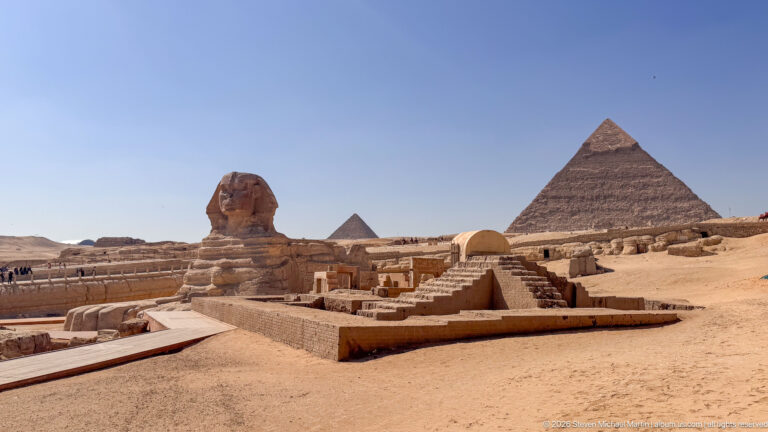
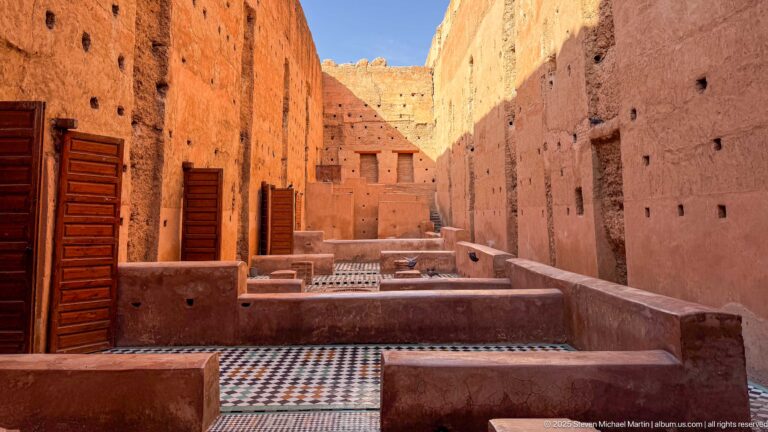
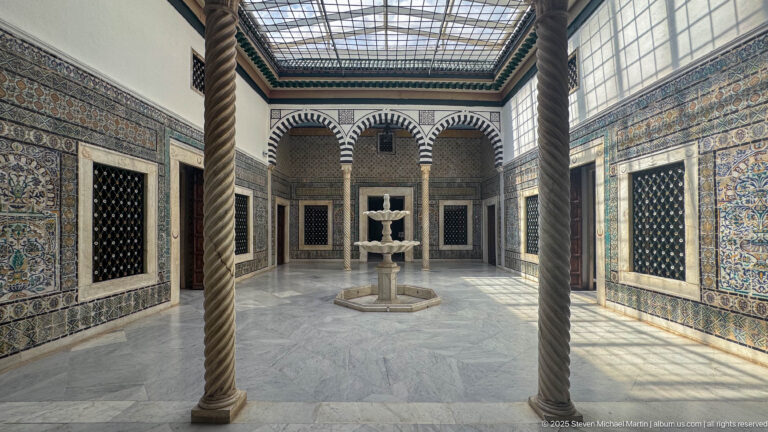
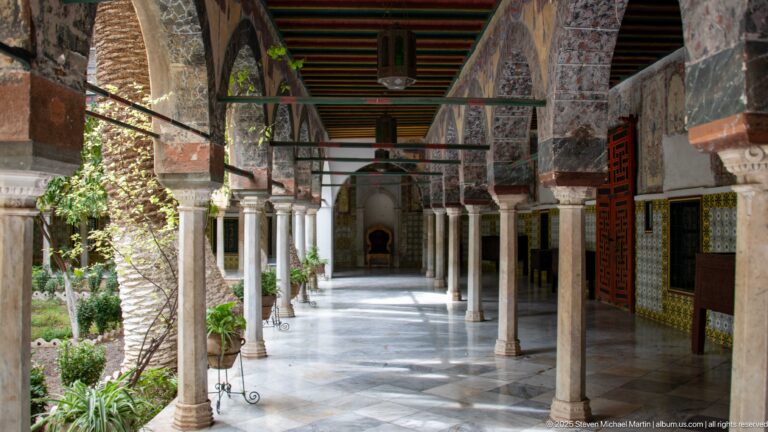
North Africa reflects layers of Mediterranean and Saharan history, where ancient cities and artistic traditions illustrate connections between Africa, Europe, and the Middle East. Sites documented in Algeria, Tunisia, Egypt, and Morocco demonstrate the influence of Phoenician, Roman, Islamic, and later European civilizations through preserved architecture, urban centers, and museum collections that illustrate thousands of years of cultural development.
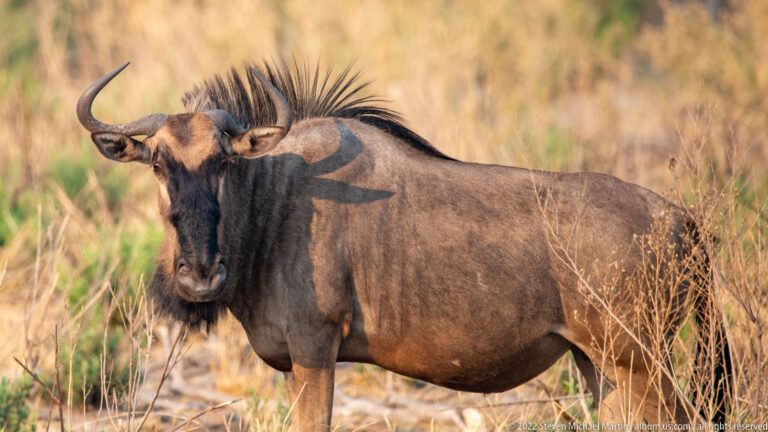
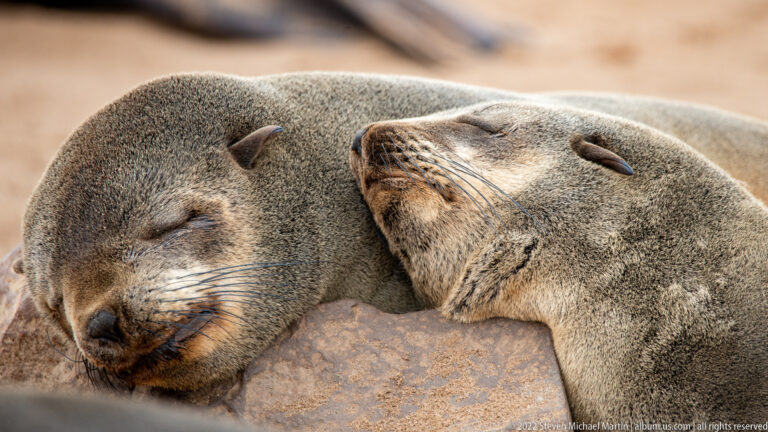
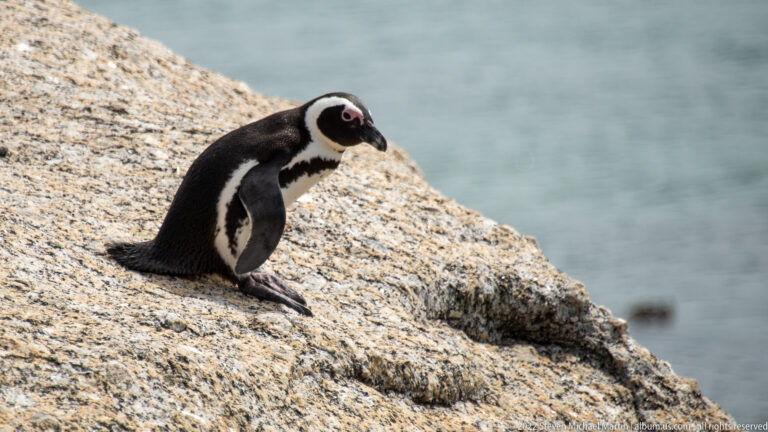
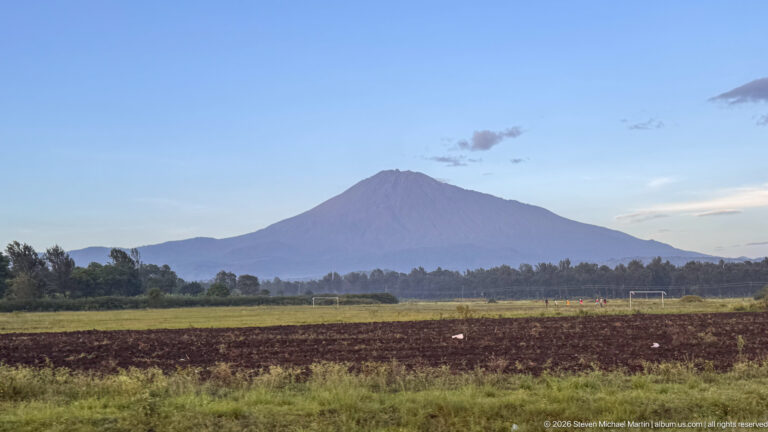
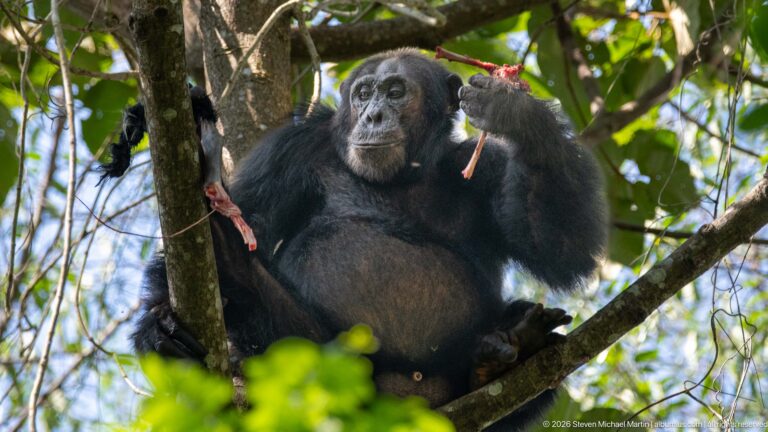
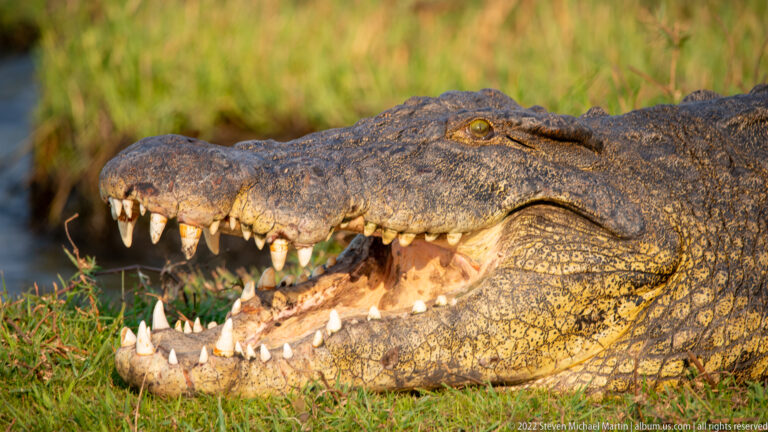
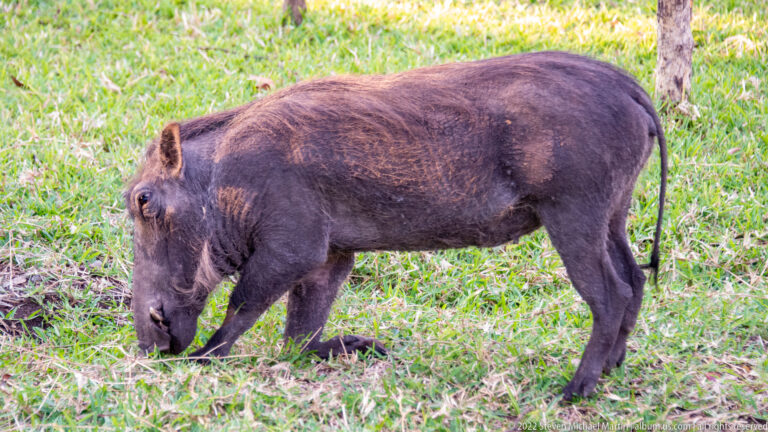
Sub-Saharan Africa highlights some of the most important wildlife environments remaining on the planet, where protected ecosystems support large mammals and endangered species within landscapes shaped by seasonal rainfall and geological processes. Conservation-focused environments documented in Botswana, Namibia, South Africa, Tanzania, and Uganda illustrate the ecological importance of savanna, desert, and forest habitats supporting diverse wildlife populations. The river systems documented in Zambia and the dramatic landscape of Zimbabwe further demonstrate how water and geology shape the continent’s natural environments. Together, these locations highlight the remarkable geographic and cultural diversity that defines Africa and contributes to its global significance.