Ho Chi Minh City
Ho Chi Minh City Ho Chi Minh City developed as a major commercial center influenced by French colonial administration and […]
Explore Portfolio
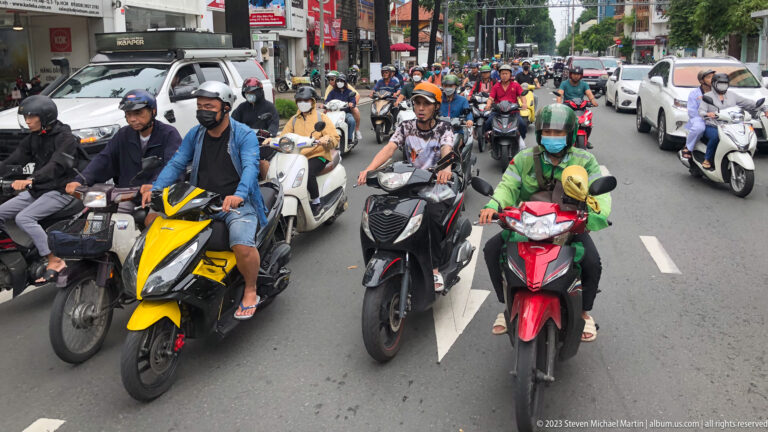
This portfolio reflects a focused visit to Ho Chi Minh City, a city whose architecture and public spaces reveal the layered history of southern Vietnam. Formerly known as Saigon, the city developed as a major commercial center influenced by Vietnamese dynasties, French colonial administration, and the political upheavals of the twentieth century. Today, Ho Chi Minh City presents a complex urban landscape where religious sites, civic buildings, and museums preserve visible traces of those successive eras.
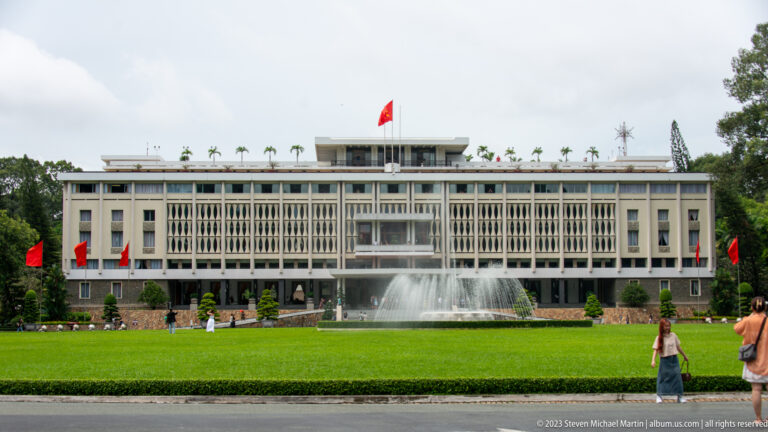
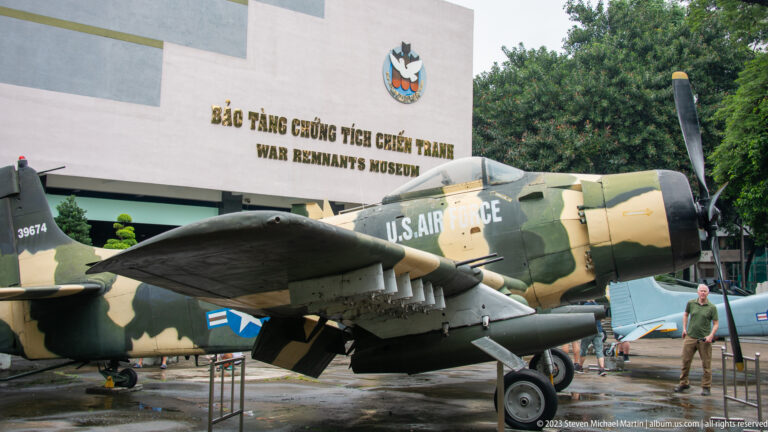
The historical dimension of the city is especially evident at the War Remnants Museum and the Independence Palace, two sites that reflect Vietnam’s twentieth-century political history from different perspectives. Together, they illustrate the profound effects of war, national division, and reunification on the modern identity of the country. These institutions also provide important context for understanding Ho Chi Minh City not only as a commercial capital, but also as a place deeply shaped by memory and historical interpretation.
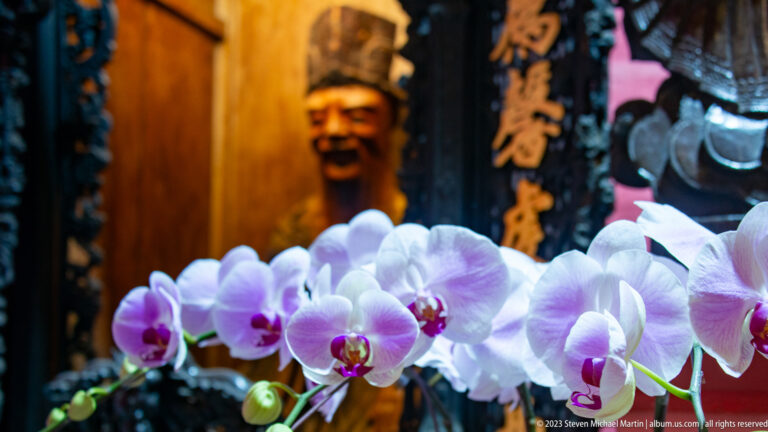
Alongside these civic and historical landmarks, the Jade Emperor Pagoda reveals another side of the city’s character through religious architecture influenced by Chinese spiritual traditions and local devotional practice. Its richly decorated interior, layered symbolism, and atmospheric detail contrast with the formal political spaces of the museum and palace, showing how different aspects of Ho Chi Minh City’s identity coexist within the same urban setting. Together, these portfolios offer a compact but meaningful introduction to Vietnam through the cultural, religious, and historical dimensions of one of its most important cities.
The following itineraries include locations in this country:
