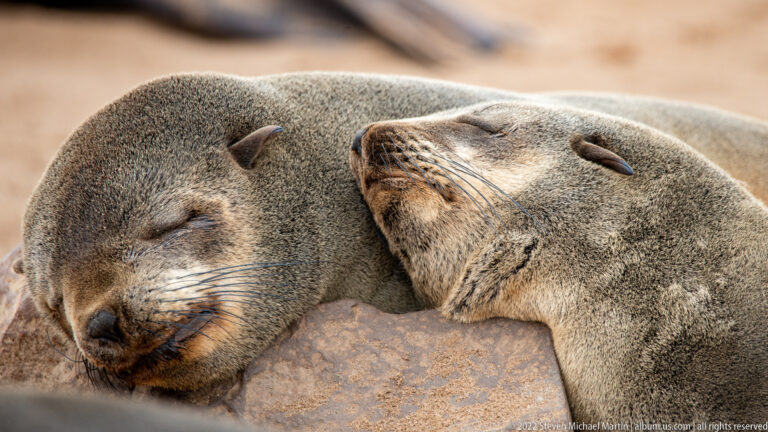
Cape Cross Seal Reserve
Cape Cross – Namibia The windswept shoreline of Cape Cross Seal Reserve lies along the rugged Atlantic coast of Namibia. […]
Explore Portfolio
Namibia preserves one of the most visually distinctive landscapes in Africa, where desert environments, coastal geography, and protected wildlife reserves create a remarkable sense of scale and isolation. The Namib Desert, considered one of the oldest deserts in the world, shapes much of the country’s ecological character through arid conditions that support uniquely adapted plant and animal species. Namibia’s geography illustrates how climate and terrain influence settlement patterns, conservation practices, and the development of national parks designed to protect fragile ecosystems.
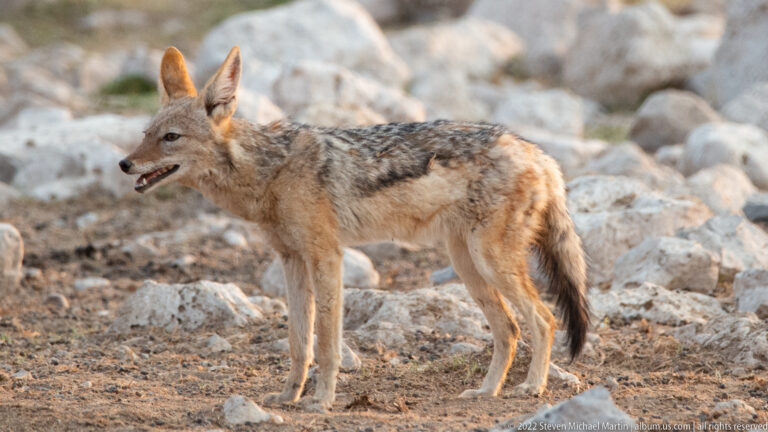
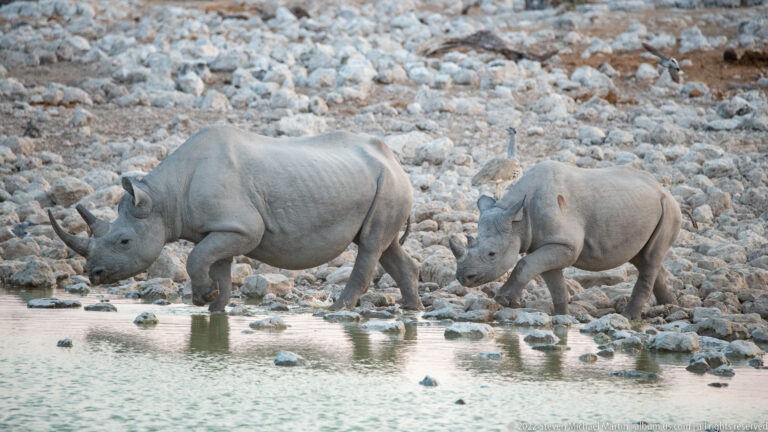
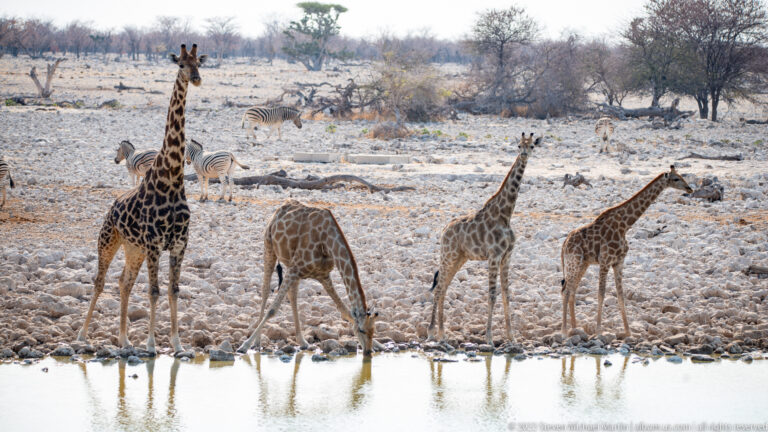
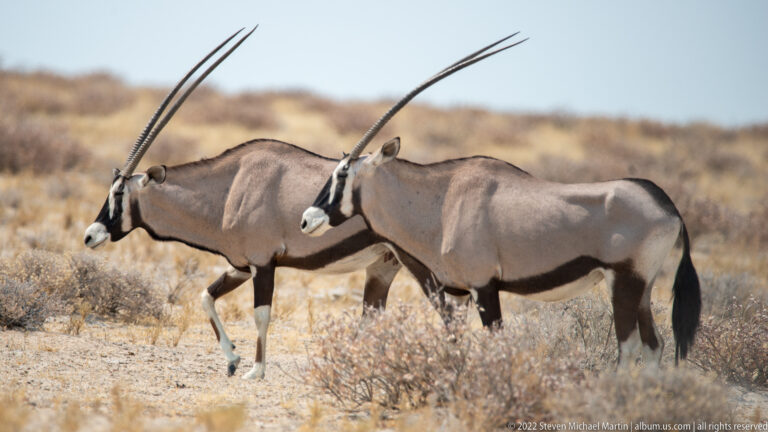
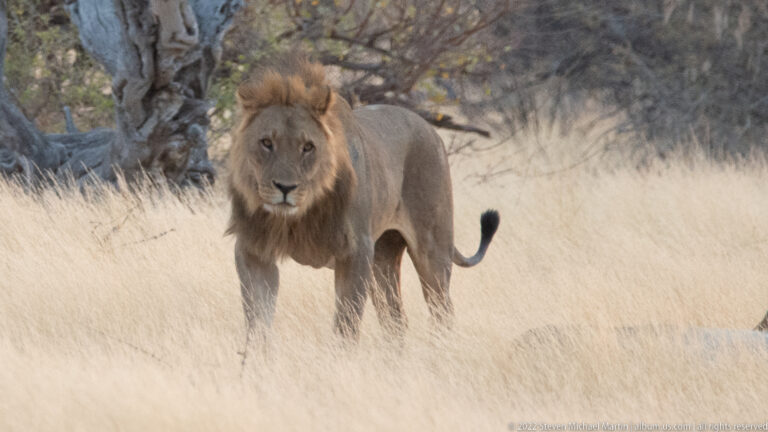
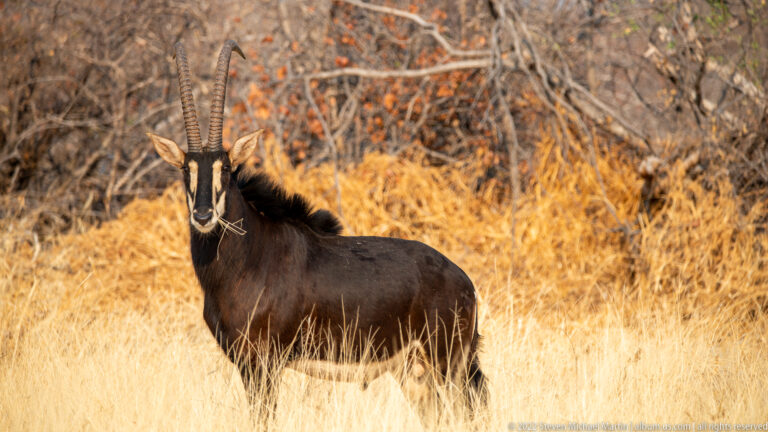
The open grasslands and salt pans of Etosha National Park provide one of southern Africa’s most important wildlife observation environments, where seasonal water sources attract diverse species across expansive plains. Locations including the Etosha Plain and the wildlife-rich Okaukuejo Waterhole (morning, afternoon, and evening visits) illustrate how animals congregate in areas where access to water shapes daily movement patterns. These environments demonstrate the relationship between landscape conditions and wildlife behavior within arid ecosystems.
Beyond Etosha, the dramatic terrain of the Namib Desert and the rugged coastline documented in Damaraland and the Skeleton Coast highlight the environmental contrasts that define Namibia’s geography. Coastal wildlife encounters at Cape Cross Seal Reserve illustrate the interaction between marine ecosystems and desert landscapes. Together, these sites reveal how Namibia’s natural environment contributes to one of the most distinctive ecological and visual experiences in southern Africa.
The following itineraries include locations in this country:
