2012 Olympics: Equestrian Dressage and Greenwich
2012 Olympics Equestrian Dressage at Greenwich Park Equestrian events at the London 2012 Olympic Games were held in Greenwich Park, […]
Explore Portfolio
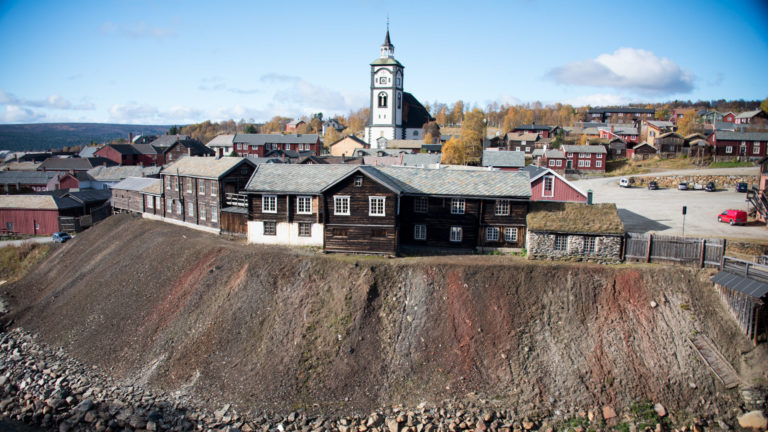
UNESCO Industrial World Heritage Sites preserve locations that illustrate the technological, economic, and social transformations associated with the Industrial Revolution and the development of modern industry. Industrial heritage includes factories, mills, mines, transportation networks, and engineered landscapes that demonstrate how advances in technology reshaped patterns of production, labor, and urban development beginning in the eighteenth century. These sites document major changes in manufacturing processes, engineering methods, and resource extraction that contributed to global economic integration and the emergence of industrial society.
Industrial landscapes often include interconnected systems of infrastructure such as canals, railways, ports, and power generation facilities that supported the movement of raw materials and finished goods. UNESCO recognizes industrial heritage not only for technological innovation but also for its social significance, reflecting the lives of workers, the development of industrial communities, and the transformation of rural environments into centers of production. Preserved industrial complexes illustrate how engineering solutions responded to geographic conditions, natural resources, and evolving economic networks.
Many UNESCO industrial sites represent early or influential examples of industrial processes that shaped modern economies, including mining regions, ironworks, textile mills, and hydroelectric systems. These sites provide insight into the relationship between technological progress and cultural change, demonstrating how industrialization influenced architecture, transportation systems, and patterns of settlement. Through preservation of industrial heritage landscapes, UNESCO highlights the lasting importance of technological innovation in shaping the modern world and the environments in which contemporary societies developed.