UNESCO Archaeological World Heritage Sites
UNESCO Archaeological World Heritage Sites preserve physical evidence of past civilizations through ruins, excavated settlements, ceremonial complexes, and cultural landscapes shaped by long periods of human activity. Archaeological sites document societies that have disappeared or evolved, providing insight into patterns of settlement, technology, belief systems, and social organization across thousands of years. Archaeology preserves material remains that form part of the historical record, allowing interpretation of human development through artifacts, structures, inscriptions, and landscape modifications left by earlier cultures.
Many UNESCO-designated archaeological sites represent exceptional testimony to cultural traditions or civilizations that no longer exist, meeting criteria established to identify locations of Outstanding Universal Value. These sites may include prehistoric ceremonial landscapes, ancient cities, burial complexes, defensive structures, and agricultural systems that illustrate long-term interaction between human populations and their environments. Archaeological heritage demonstrates important stages in human history, including the emergence of urban settlement, religious practice, trade networks, and technological innovation.
Preservation of archaeological environments provides opportunities for continued research as excavation techniques and scientific methods evolve. Many archaeological sites remain only partially excavated in order to protect remaining material for future study and improved analytical approaches. Through conservation of material evidence from earlier civilizations, UNESCO Archaeological World Heritage Sites contribute to understanding the origins of cultural traditions and the continuity of human experience across diverse geographic regions and historical periods.
Date Visited: October 7, 2018
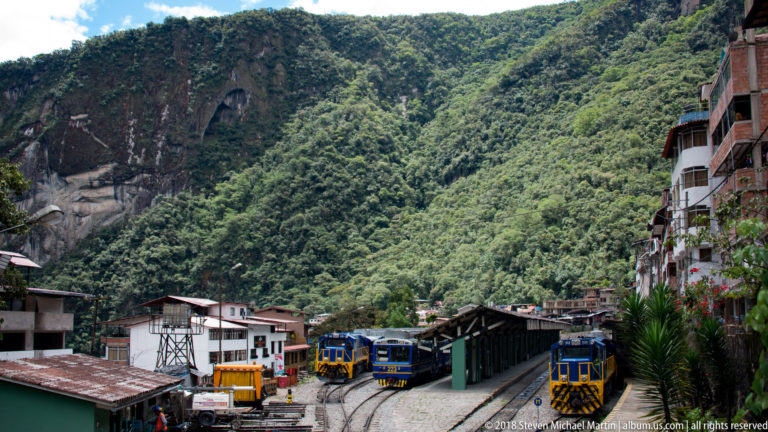
Aguas Calientes – Peru The small mountain town of Aguas Calientes, officially known as Machu Picchu Pueblo, lies along the […]
Explore Portfolio Date Visited: September 30, 2021
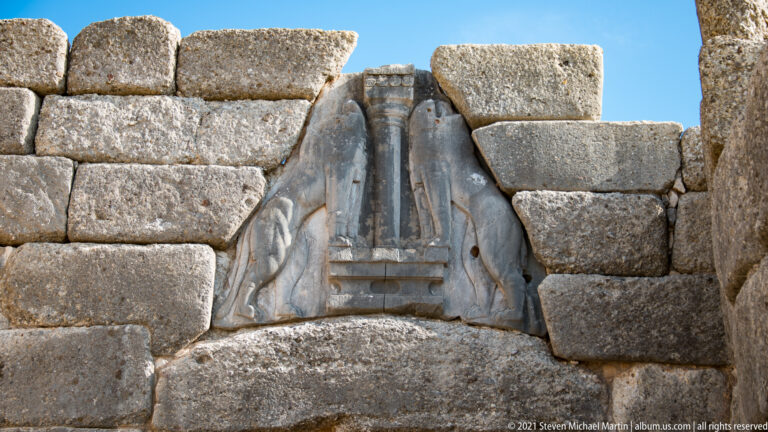
Mycenae – Greece The ancient citadel of Mycenae was one of the most powerful centers of the Mycenaean civilization, which […]
Explore Portfolio Date Visited: September 30, 2021
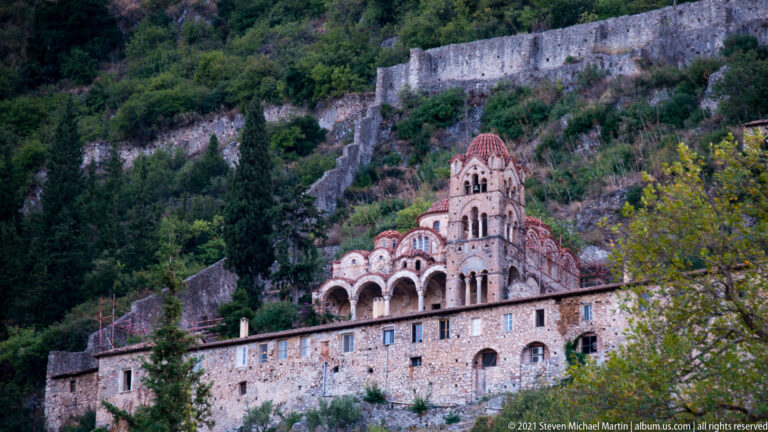
Mystras – Greece The remarkable ruins of Mystras spread across a steep hillside near the modern city of Sparta in […]
Explore Portfolio Date Visited: October 1, 2021
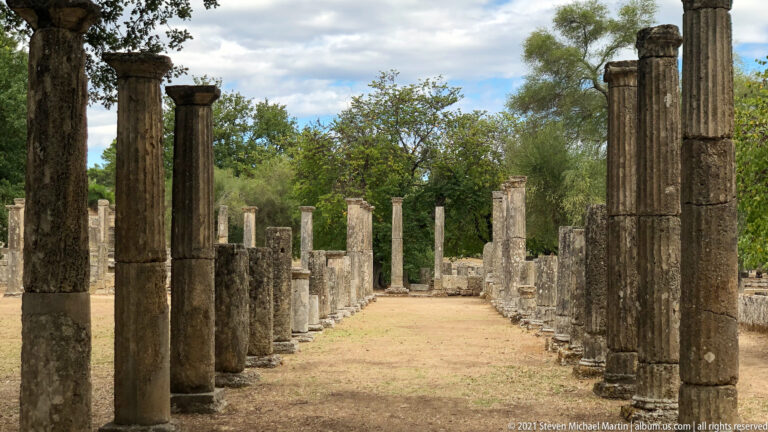
Olympia – Greece The sacred sanctuary of Olympia stands in the western Peloponnese and served as one of the most […]
Explore Portfolio Date Visited: September 29, 2024
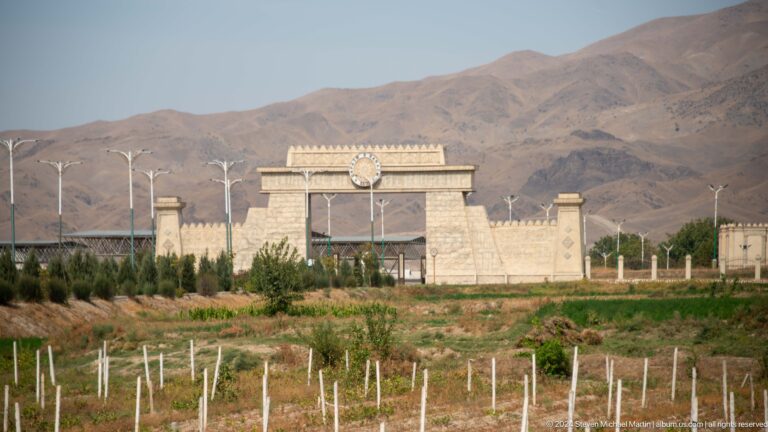
Ancient Sarazm Ancient Sarazm is one of the oldest known settlements in Central Asia, dating to the fourth millennium BCE. […]
Explore Portfolio Date Visited: September 30, 2021
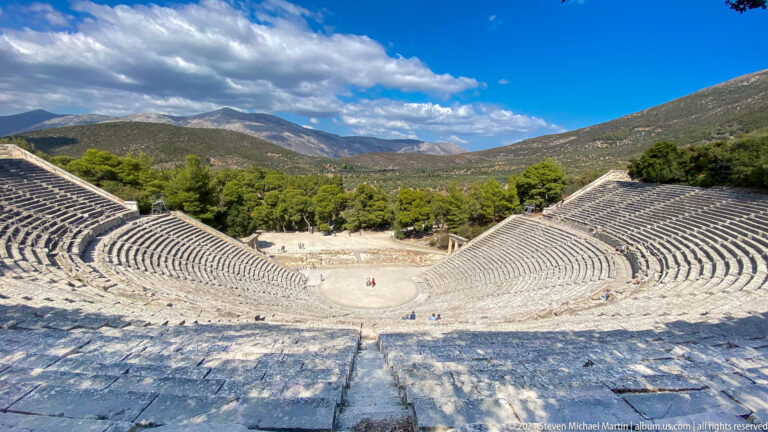
Asklepieion at Epidaurus – Greece The sacred sanctuary of Sanctuary of Asclepius at Epidaurus was one of the most important […]
Explore Portfolio Date Visited: October 2, 2023
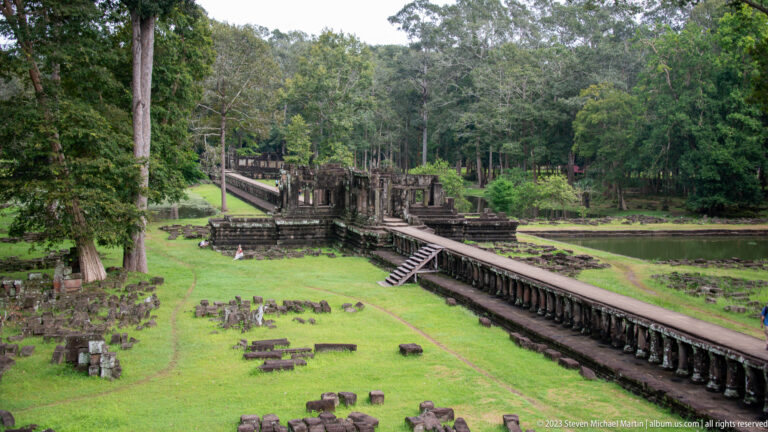
Angkor Thom Angkor Thom served as the royal capital of the Khmer Empire during the late twelfth and early thirteenth […]
Explore Portfolio Date Visited: September 30, 2023
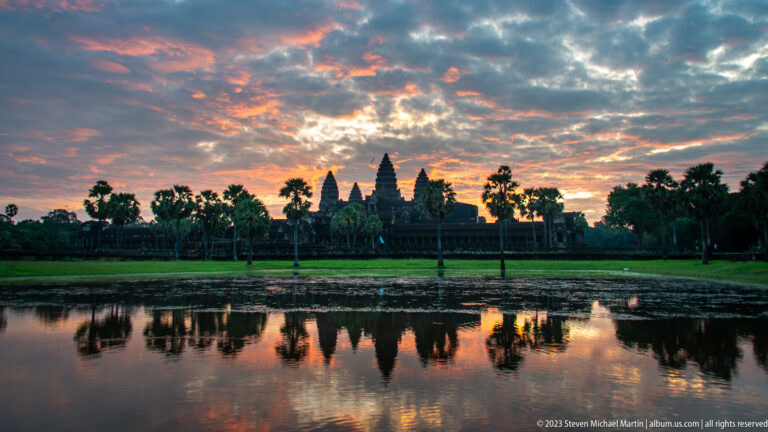
Angkor Wat Angkor Wat is one of the largest and most significant temple complexes in the world, constructed in the […]
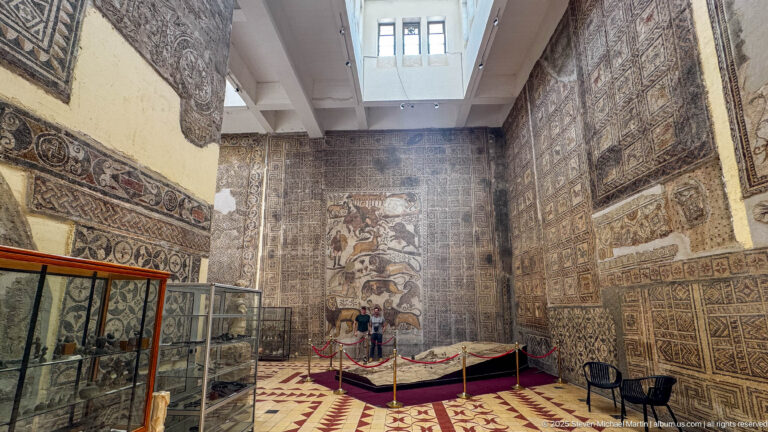
Explore Portfolio Date Visited: September 23, 2025
Archaeological Museum of Timgad – Algeria The Timgad Archaeological Museum houses many of the artifacts uncovered during excavations of the […]
Explore Portfolio Date Visited: January 18, 2018
Brú na Bóinne – County Meath, Ireland Brú na Bóinne lies along a bend of the River Boyne in County […]
Explore Portfolio Date Visited: February 21, 2026
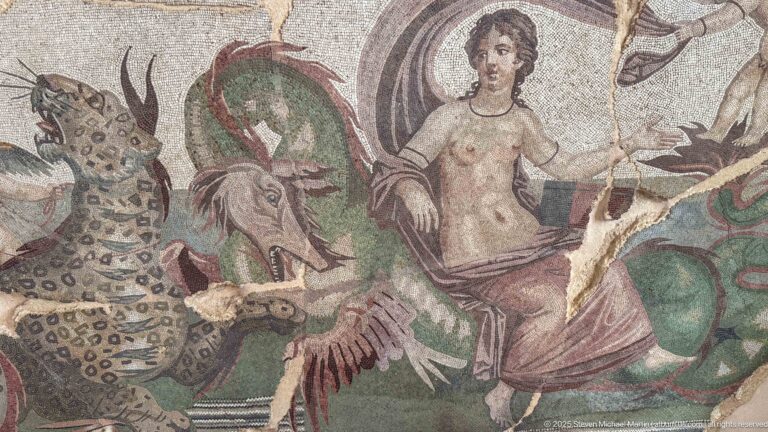
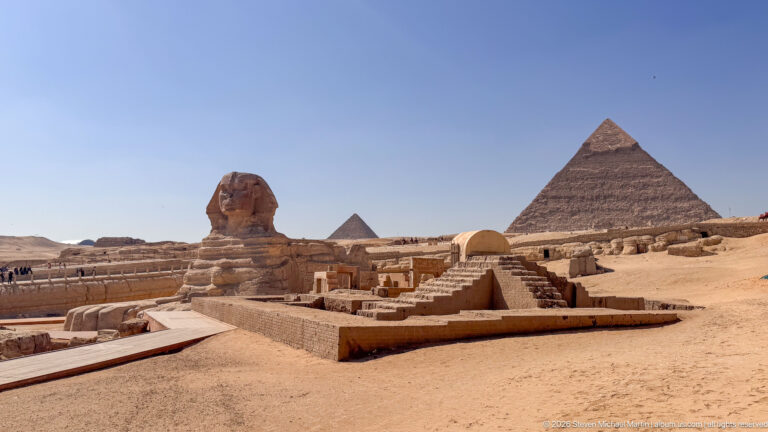
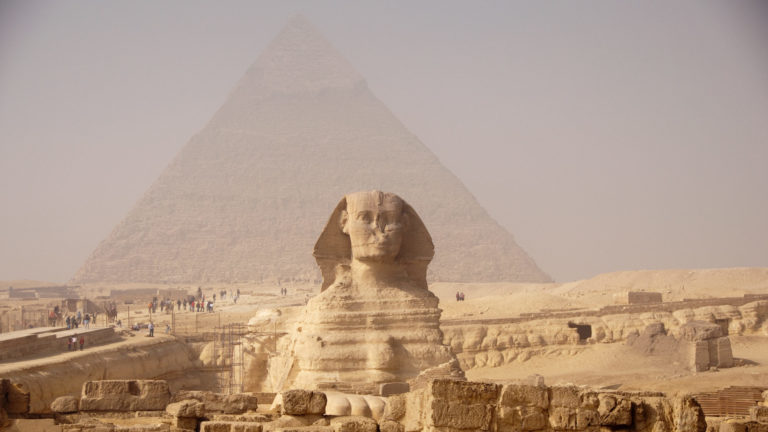
Cairo and Giza – Egypt The journey through Cairo and Giza reveals one of the most extraordinary concentrations of ancient […]
Explore Portfolio Date Visited: September 25, 2025
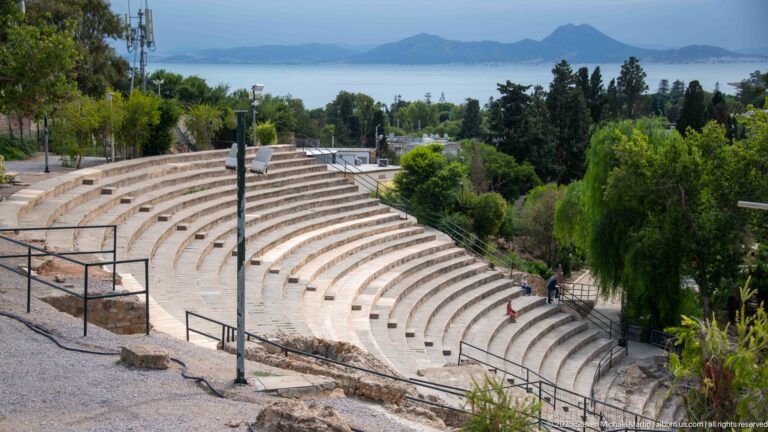
Carthage – Tunisia The ancient city of Carthage lies along the Mediterranean coast just north of Tunis. Founded by Phoenician […]
Explore Portfolio Date Visited: September 25, 2025
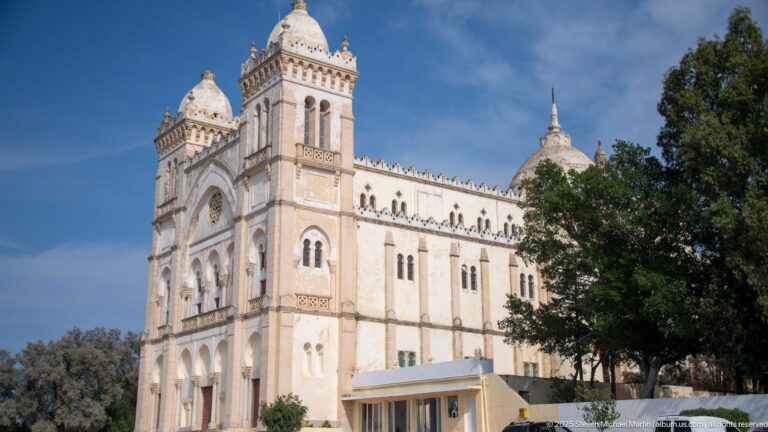
Carthage L’Acropolium – Tunisia The Carthage Acropolium, originally known as the Cathedral of Saint Louis, stands on Byrsa Hill, the […]
Explore Portfolio Date Visited: September 24, 2025
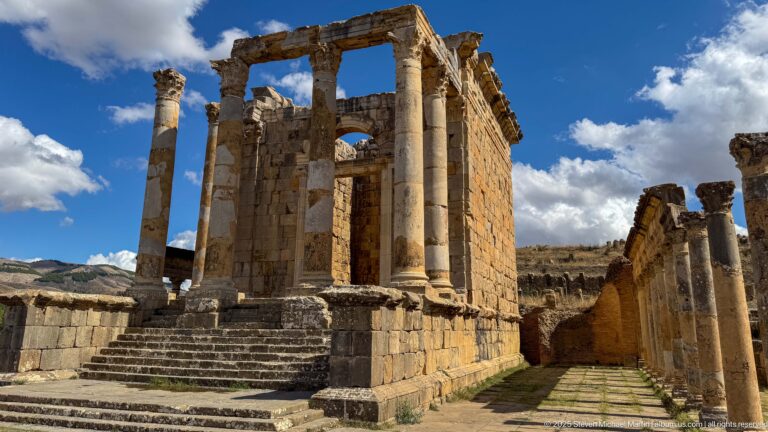
Djemila – Algeria The ancient Roman city of Djemila, known in antiquity as Cuicul, lies among the mountains of northern […]
Explore Portfolio Date Visited: September 24, 2025
Djemila Museum – Algeria The Djemila Museum preserves many of the remarkable artifacts discovered during archaeological excavations of the ancient […]
Explore Portfolio Date Visited: December 26, 2009
Giza Giza is one of the most important archaeological landscapes in the world and preserves some of the most recognizable […]
Explore Portfolio Date Visited: February 21, 2026
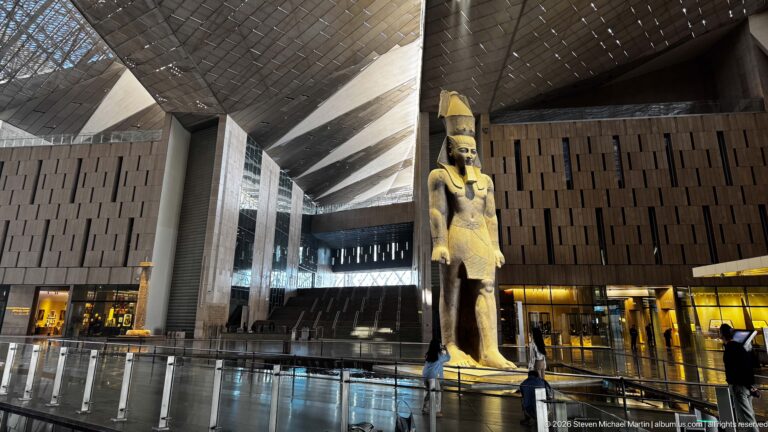
Grand Egyptian Museum – Main Collection – Giza, Egypt The main exhibition halls of the Grand Egyptian Museum house one […]
Explore Portfolio Date Visited: February 21, 2026
Grand Egyptian Museum – Courtyard and Grand Staircase – Giza, Egypt The Grand Egyptian Museum (GEM) stands on the edge […]
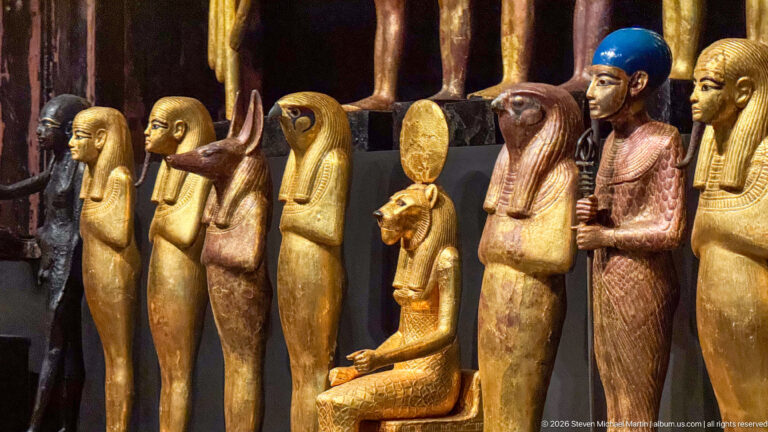
Explore Portfolio Date Visited: February 21, 2026
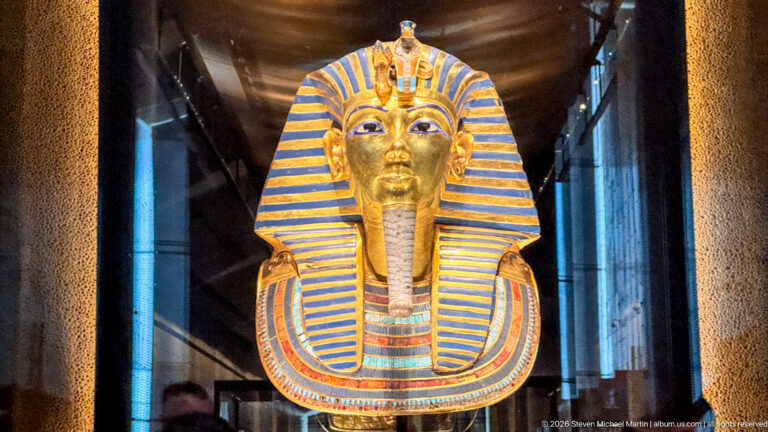
Tutankhamun Exhibit in Grand Egyptian Museum – Egypt The Grand Egyptian Museum’s Tutankhamun galleries bring together one of the most […]
Explore Portfolio Date Visited: October 7, 2016
Jelling Mounds – Denmark The historic monuments of Jelling Mounds stand among the most important Viking sites in Scandinavia. Located […]
Explore Portfolio Date Visited: December 26, 2009
Karnak Temple Complex The Karnak Temple Complex is one of the largest religious building projects in the world and represents […]
Explore Portfolio Date Visited: December 28, 2009
Luxor and the Valley of the Kings and Queens Luxor was one of the most important religious centers of ancient […]
Explore Portfolio Date Visited: October 8, 2018
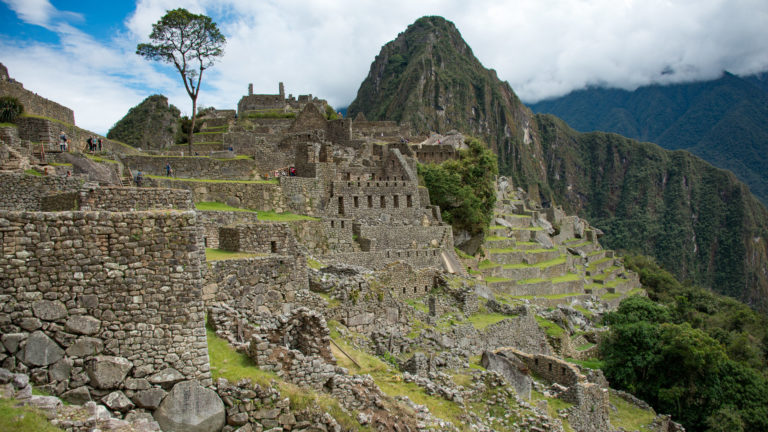
Machu Picchu – Peru The legendary mountain citadel of Machu Picchu stands high among the cloud-covered peaks of the Andes […]
Explore Portfolio Date Visited: October 8, 2021
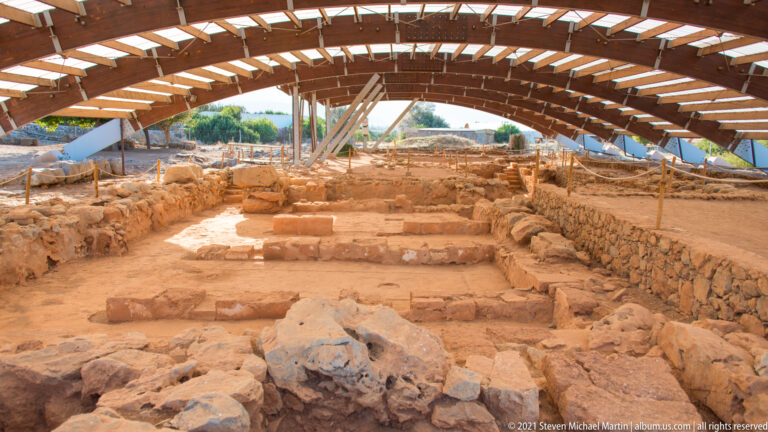
Malia (Minoan Palace) The Malia Minoan Palace represents one of the principal centers of the Minoan civilization on the island […]
Explore Portfolio Date Visited: February 7, 2017
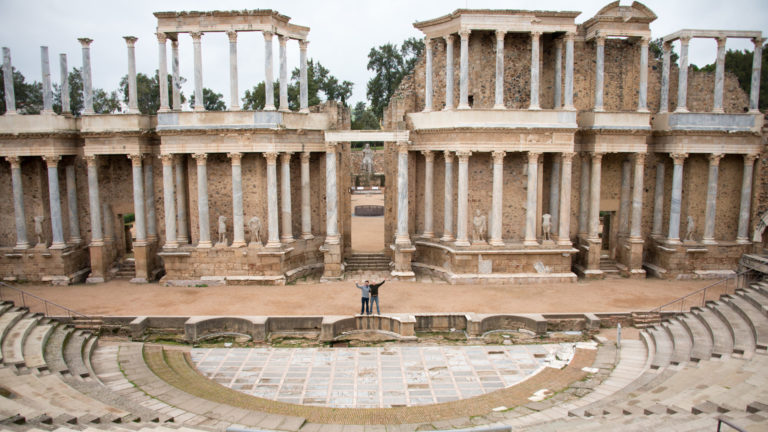
Mérida Mérida was founded as a Roman colony in the first century BCE and became an important administrative center within […]
Explore Portfolio Date Visited: October 9, 2021
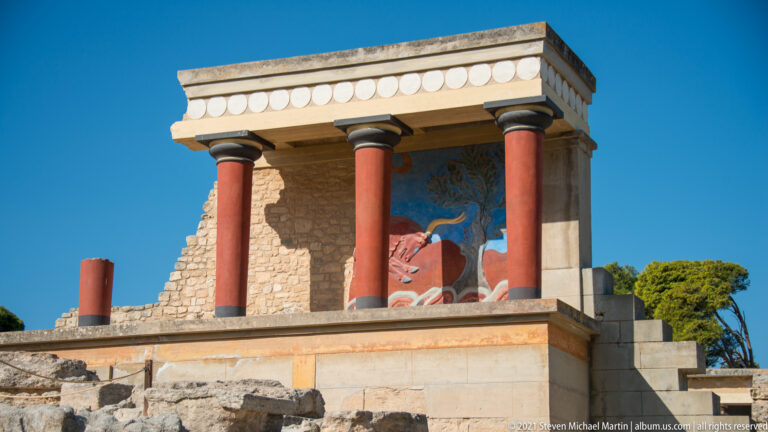
Minoan Palace of Knossos The Minoan Palace of Knossos is one of the most significant archaeological sites associated with the […]
Explore Portfolio Date Visited: October 1, 2011
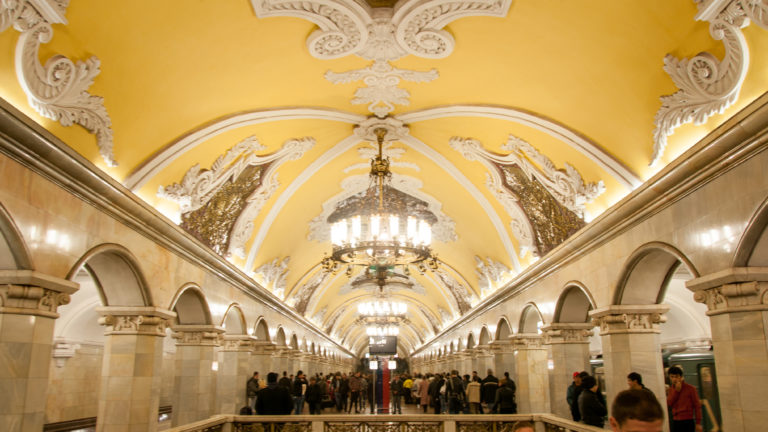
Moscow Metro The Moscow Metro was constructed during the Soviet period and became known for its elaborate architectural decoration and […]
Explore Portfolio Date Visited: February 18, 2026
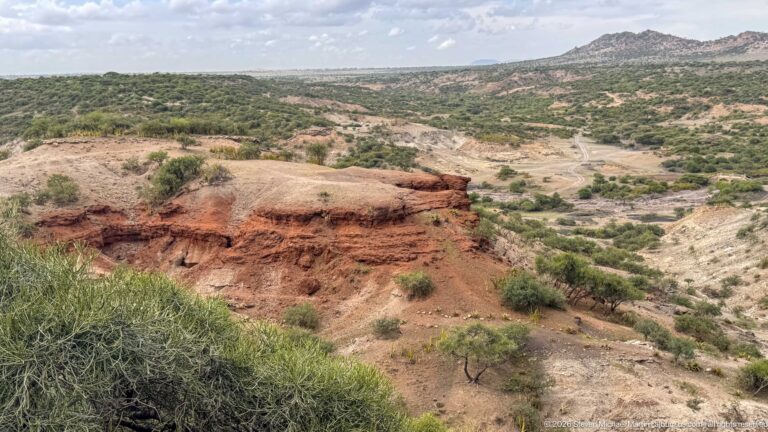
Olduvai Gorge – Tanzania Olduvai Gorge lies along the eastern edge of the Serengeti ecosystem within the Ngorongoro Conservation Area […]
Explore Portfolio Date Visited: September 30, 2021
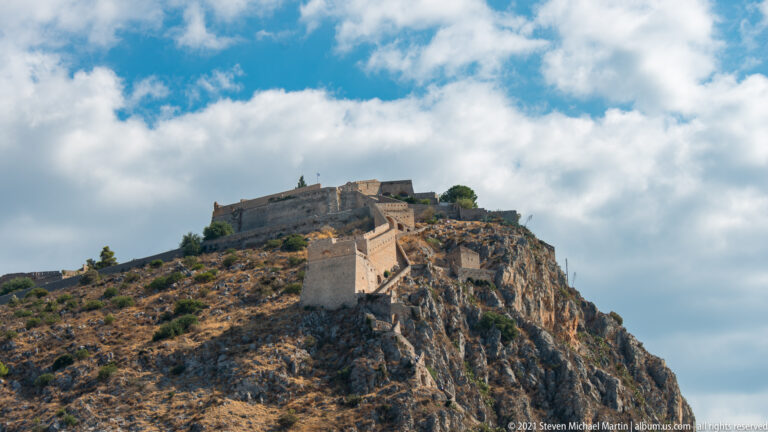
Palamidi Fortress – Nafplio, Greece The imposing Palamidi Fortress rises high above the coastal town of Nafplio overlooking the Argolic […]
Explore Portfolio Date Visited: February 8, 2026
Petra – Jordan The ancient city of Petra lies hidden among the desert mountains of southern Jordan and is one […]
Explore Portfolio Date Visited: April 5, 2024
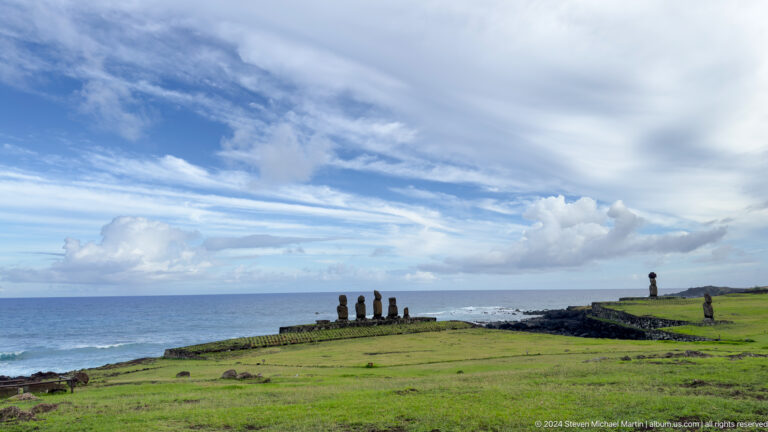
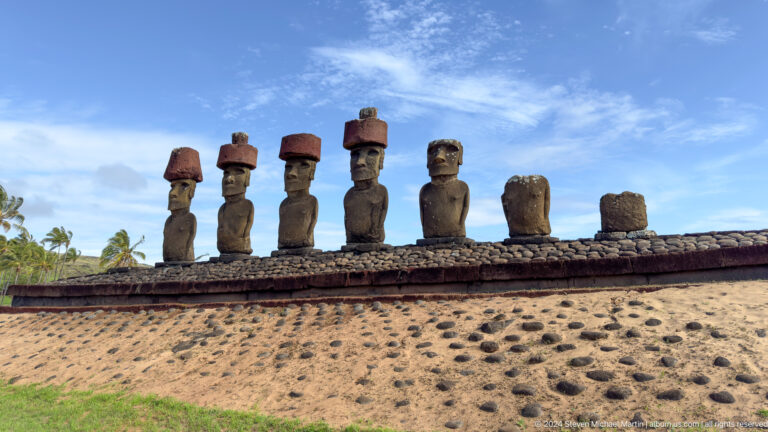
Ahu Tahai – Easter Island The ceremonial complex of Tahai Ceremonial Complex lies near the modern town of Hanga Roa. […]
Explore Portfolio Date Visited: April 4, 2024
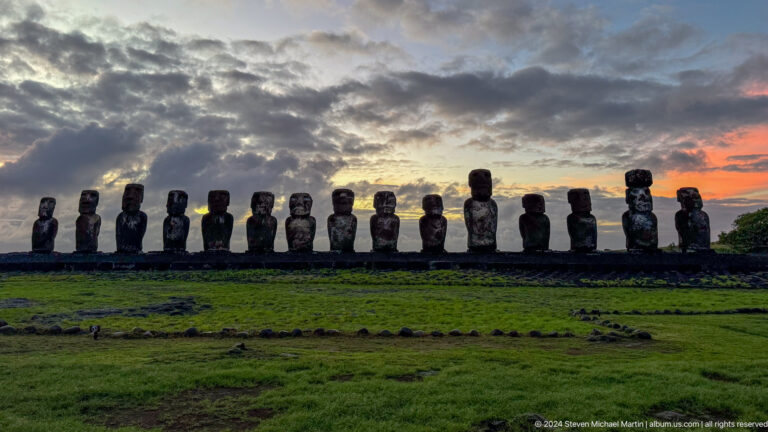
Ahu Tongariki – Easter Island The monumental platform of Ahu Tongariki is the largest ceremonial site on Easter Island. Along […]
Explore Portfolio Date Visited: April 5, 2024
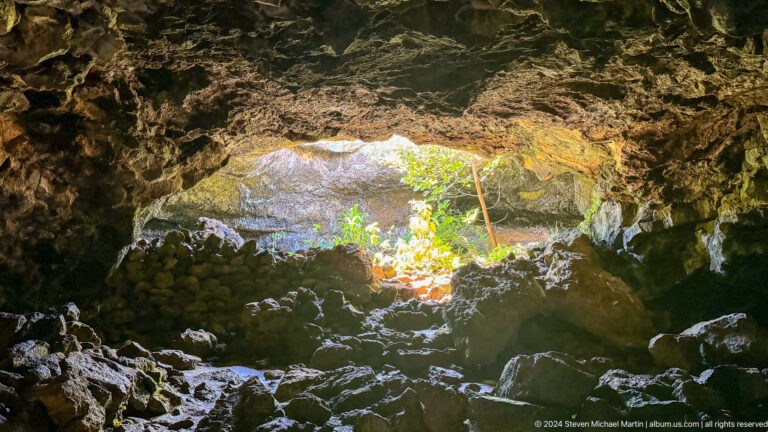
Ana Te Pahu – Easter Island Ana Te Pahu is the largest lava tube cave on Rapa Nui. Formed by […]
Explore Portfolio Date Visited: April 5, 2024
Anakena Beach – Easter Island The white sands of Anakena Beach form one of the most picturesque landscapes on Rapa […]
Explore Portfolio Date Visited: April 3, 2024
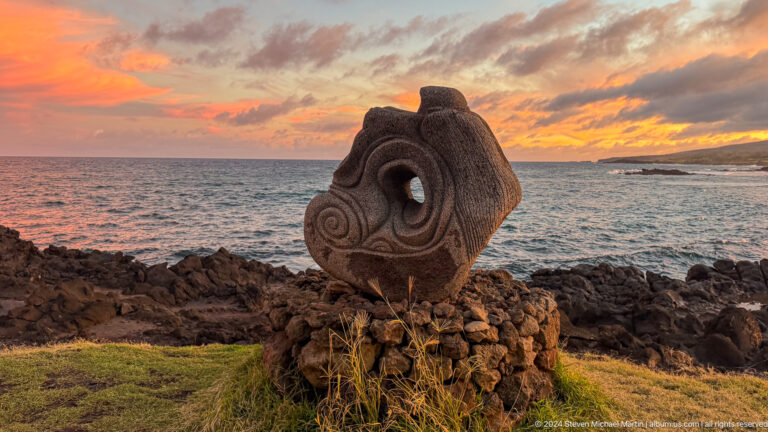
Rapa Nui (Easter Island) – Chile The remote island of Rapa Nui, commonly known as Easter Island, lies in the […]
Explore Portfolio Date Visited: April 5, 2024
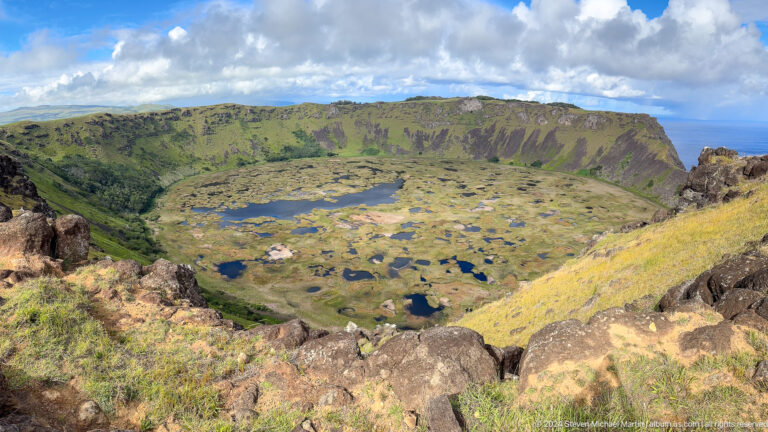
Rano Kau Crater – Easter Island The volcanic crater of Rano Kau rises along the southwestern edge of the island […]
Explore Portfolio Date Visited: April 5, 2024
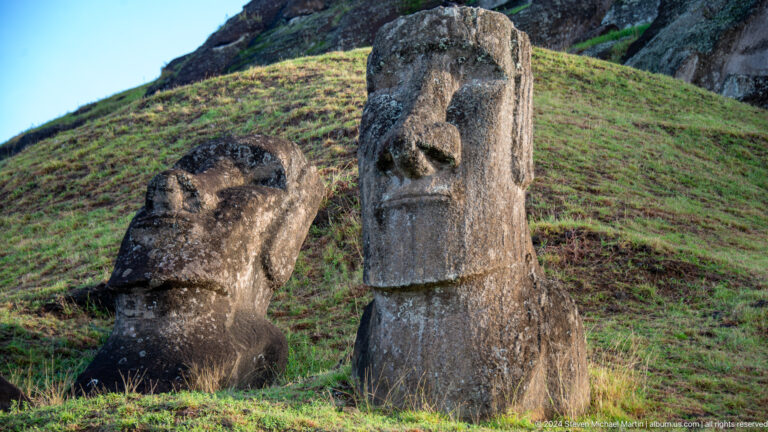
Rano Raraku – Easter Island The volcanic crater of Rano Raraku served as the primary quarry where the famous moai […]
Explore Portfolio Date Visited: February 23, 2019
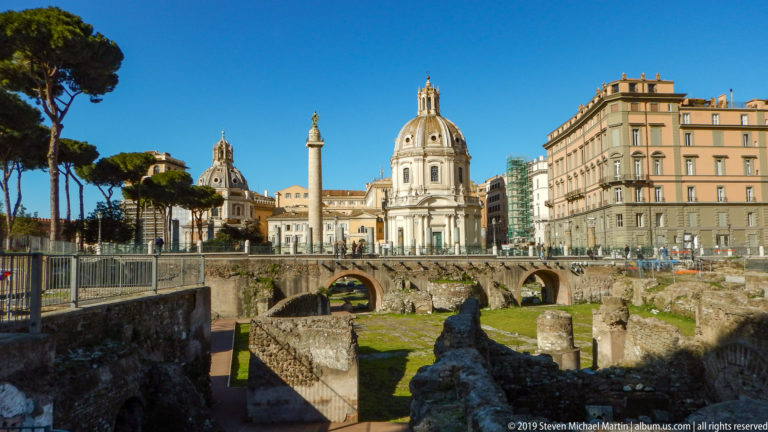
Rome – Italy The historic city of Rome stands as one of the most influential cities in the history of […]
Explore Portfolio Date Visited: October 4, 2021
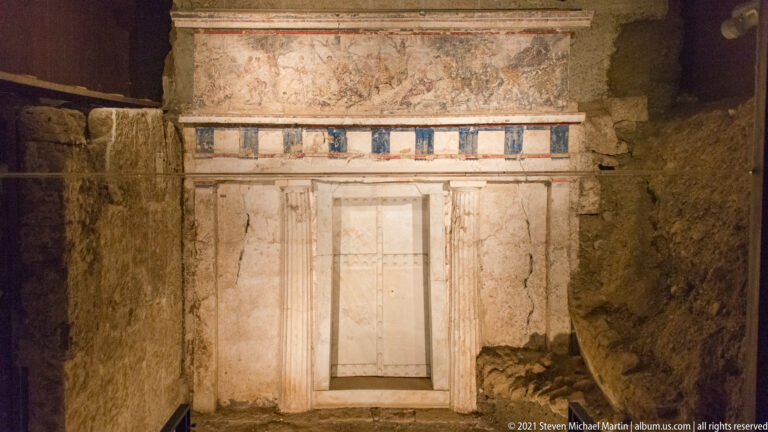
Royal Tombs of Aigai (Vergina) – Greece The remarkable burial complex of the Royal Tombs of Aigai lies beneath a […]
Explore Portfolio Date Visited: February 15, 2019
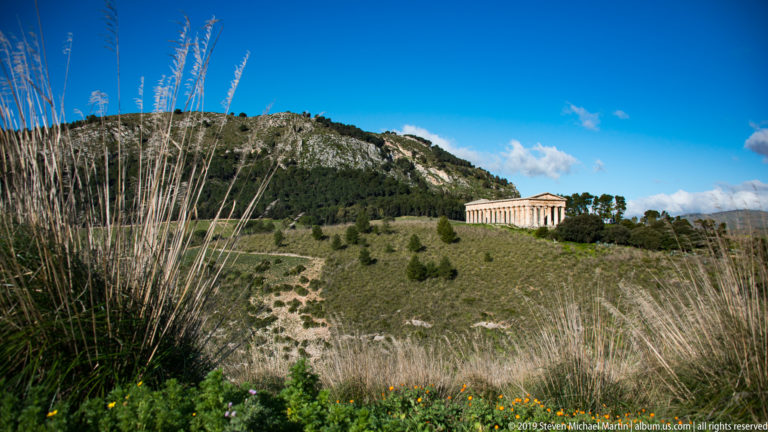
Segesta – Sicily, Italy The ancient site of Segesta lies among the rolling hills of western Sicily. Founded by the […]
Explore Portfolio Date Visited: November 2, 2019
Split – Croatia Split lies along the Dalmatian coast of the Adriatic Sea, backed by the mountains of the Croatian […]
Explore Portfolio Date Visited: September 27, 2009
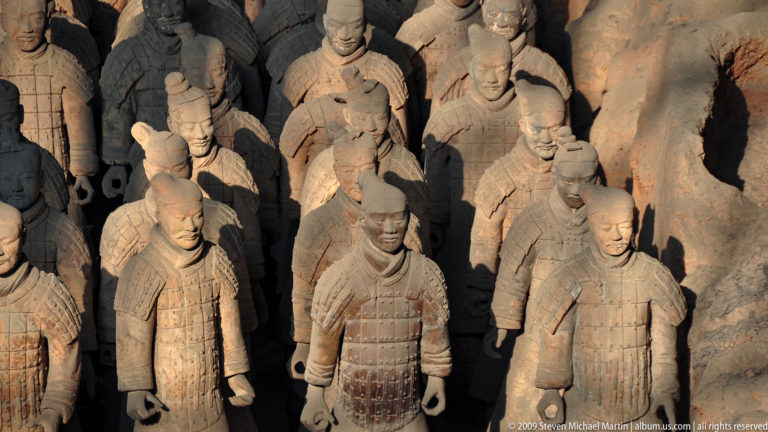
Terracotta Warriors The Terracotta Army was created during the Qin dynasty to accompany the first emperor of unified China, Qin […]
Explore Portfolio Date Visited: October 15, 2017
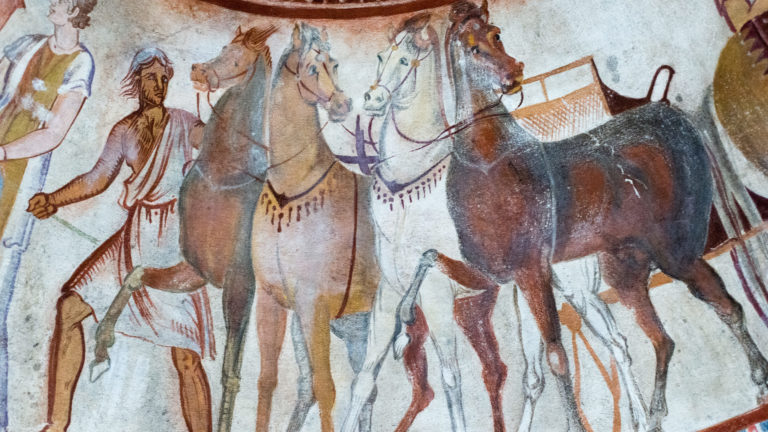
Thracian Tomb – Kazanlak Valley, Bulgaria The Thracian Tomb located near Kazanlak lies within the Valley of the Thracian Kings, […]
Explore Portfolio Date Visited: February 14, 2012
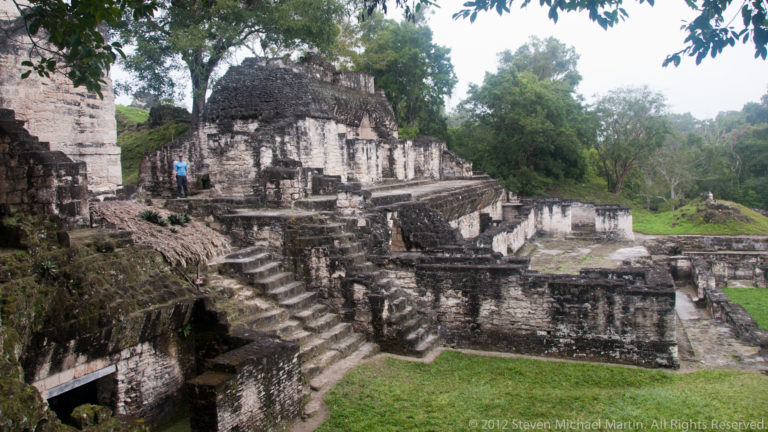
Tikal Tikal is one of the most significant archaeological sites of the ancient Maya civilization, located deep within the tropical […]
Explore Portfolio Date Visited: September 23, 2025
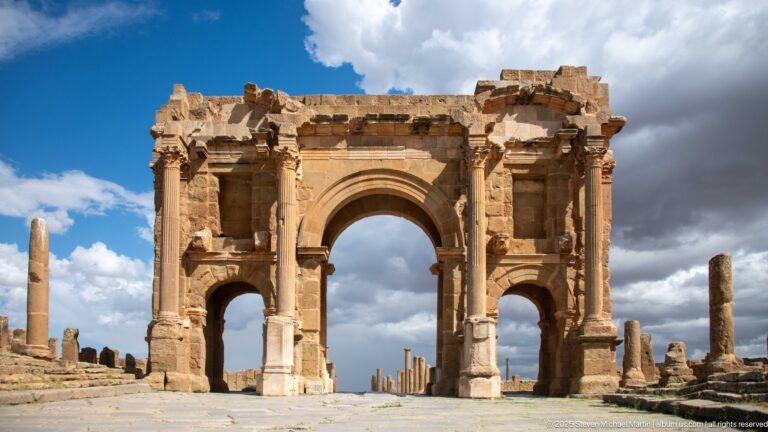
Timgad – Algeria The ancient city of Timgad was founded around 100 AD by the Roman emperor Trajan as a […]
Explore Portfolio Date Visited: February 16, 2019
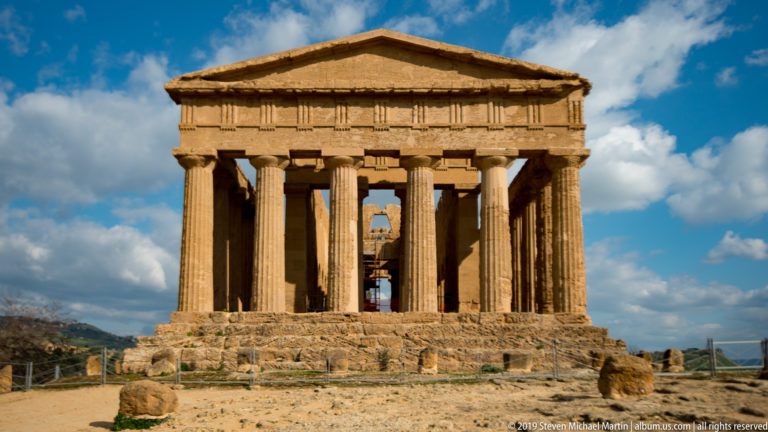
Agrigento – Sicily, Italy The ancient city of Agrigento stands along the southern coast of Sicily and was originally founded […]
Explore Portfolio Date Visited: February 24, 2019
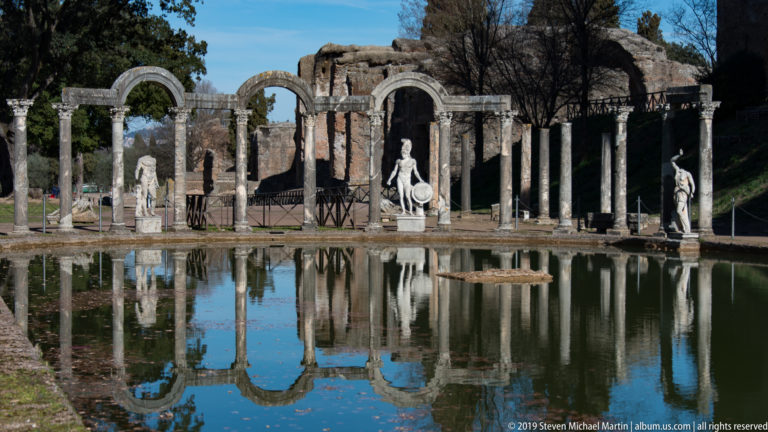
Villa Adriana – Tivoli, Italy The vast archaeological complex of Hadrian’s Villa, also known as Villa Adriana, lies just outside […]
Explore Portfolio Date Visited: February 14, 2012
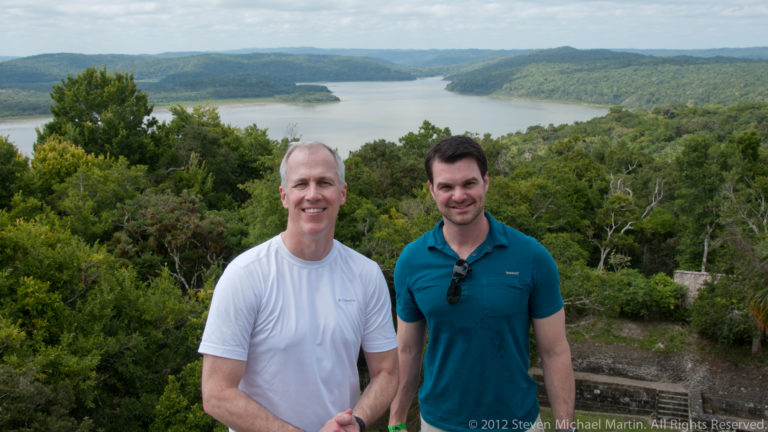
Yaxhá Yaxhá is located between two lagoons within the protected forests of northern Guatemala, creating a distinctive setting for this […]
Explore Portfolio
All regions All countries All states / places All itineraries All designations
Showing 0 portfolios.