A journey through the historic cities and landscapes of northern and central Europe shaped by the legacy of the Frankish kingdoms and the powerful trading network of the Hanseatic League.
This itinerary explores the historic regions of northern and central Europe where two powerful forces shaped the development of medieval society: the Frankish kingdoms and the Hanseatic League. The Franks established one of the most influential early medieval empires under rulers such as Charlemagne, laying the foundations for much of Western Europe’s political and cultural structure.
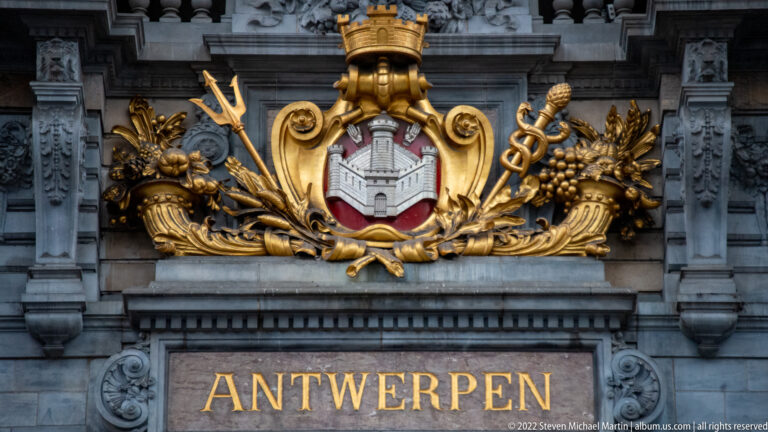
Centuries later, the cities of northern Europe formed the Hanseatic League, a powerful network of merchant towns that controlled trade across the Baltic Sea and North Sea. Their wealth and influence transformed many coastal cities into thriving commercial centers with distinctive architecture, fortified ports, and grand merchant houses.
The journey follows these historical corridors through cathedral cities, medieval market towns, and historic ports that illustrate the economic and political development of Europe during the Middle Ages.
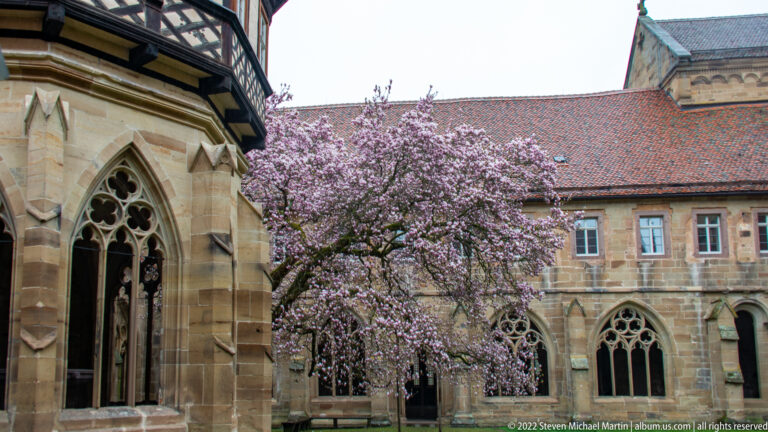
Maulbronn Monastery – Baden-Württemberg, Germany The Maulbronn Monastery lies in the rolling countryside of Baden-Württemberg in southwestern Germany. Founded in […]
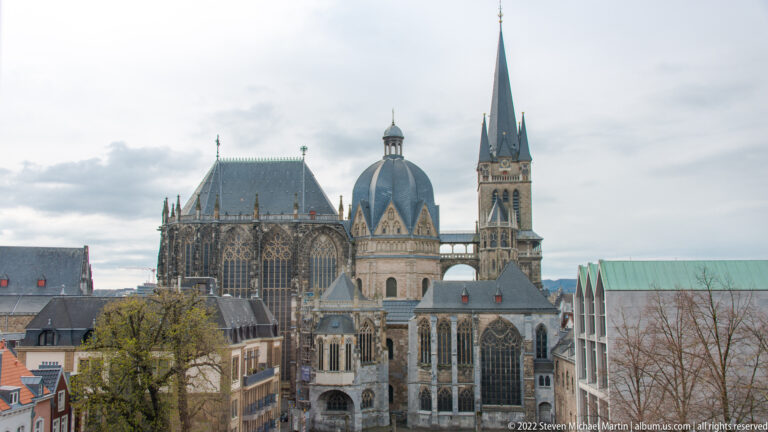
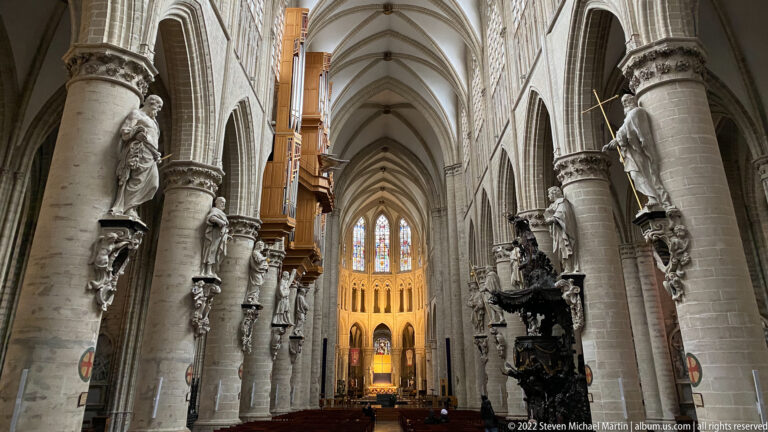
The journey begins in regions associated with the early Frankish kingdoms, where medieval cities and cathedrals reflect the political power that once extended across much of Western Europe. From there the route moves northward into the territories of the Hanseatic League, where prosperous trading cities developed along the Baltic and North Sea coasts.
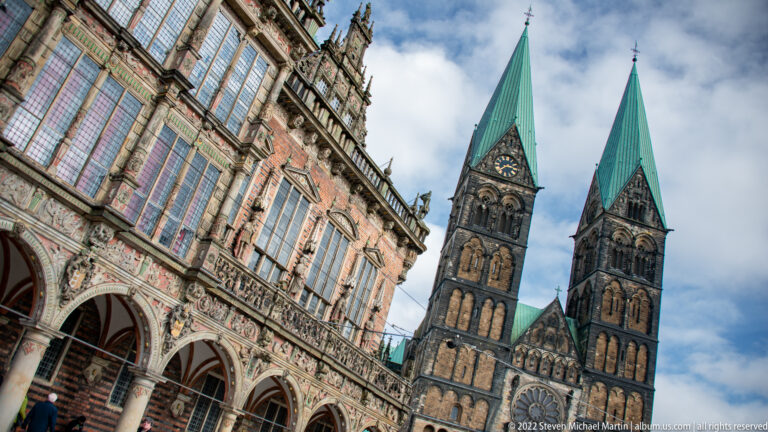
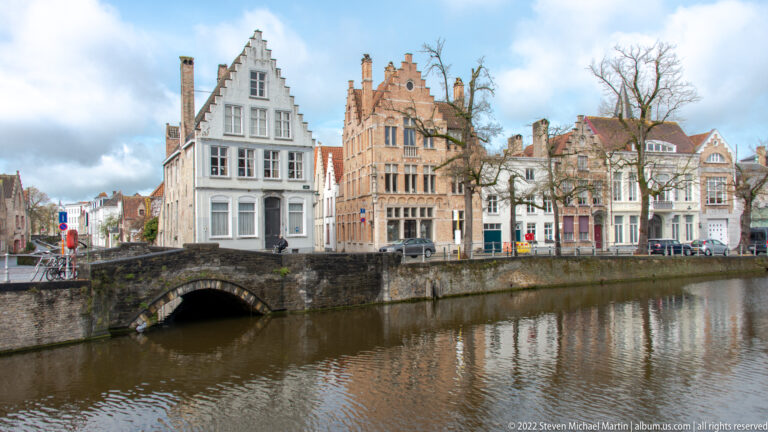
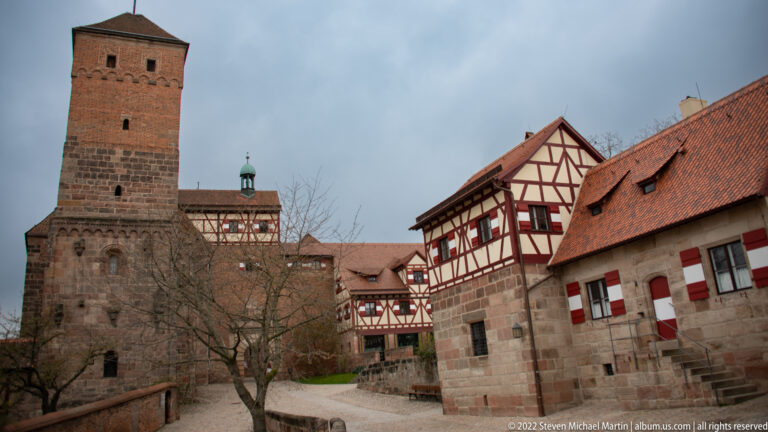
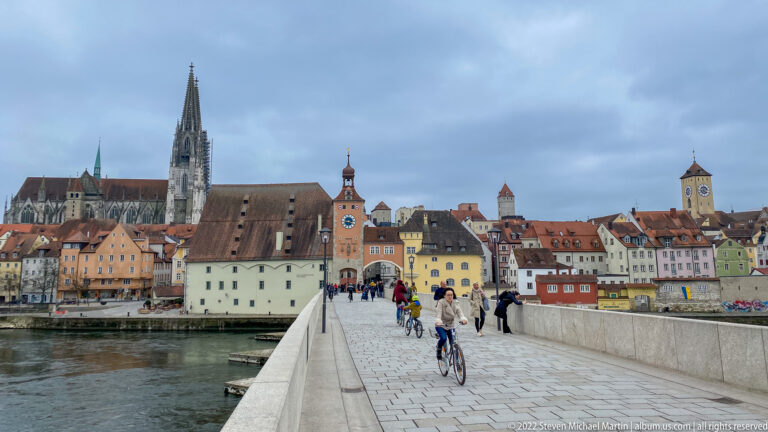
Along the route visitors encounter medieval town centers, Gothic brick churches, and historic merchant districts that preserve the legacy of centuries of commerce and cultural exchange. The itinerary connects inland cathedral cities with coastal trading ports that once formed the backbone of northern Europe’s economic network.