This journey explores the development of political and cultural influence across the Pacific region, where maritime trade routes connected Asia, the Americas, and Europe. Exploration during the sixteenth century created new networks of exchange that allowed empires to expand beyond continental boundaries. Ports, colonial settlements, and cultural landmarks illustrate the global connections formed through Pacific navigation.
Unlike land-based empires, many Pacific powers relied on naval strength to maintain influence across distant territories. Maritime trade enabled the exchange of goods, ideas, and technologies between regions separated by vast distances. These connections contributed to the emergence of global economic networks linking the Pacific world.
Sites included in this itinerary reflect the interaction between indigenous societies, Asian dynasties, and European exploration. The resulting cultural landscape demonstrates how ocean travel influenced political authority and cultural identity across the Pacific region.
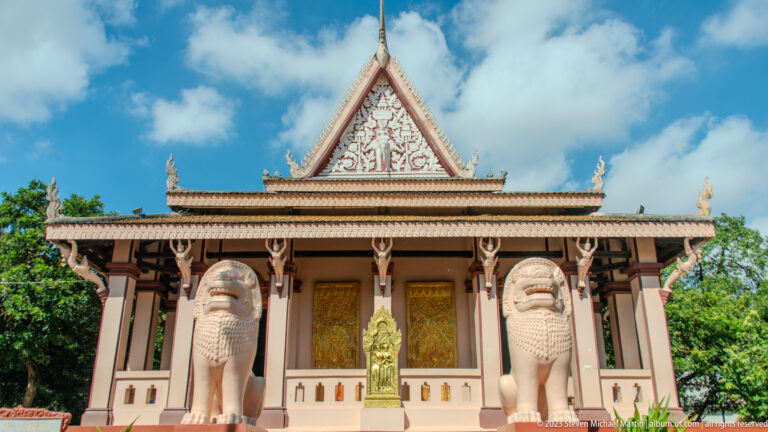
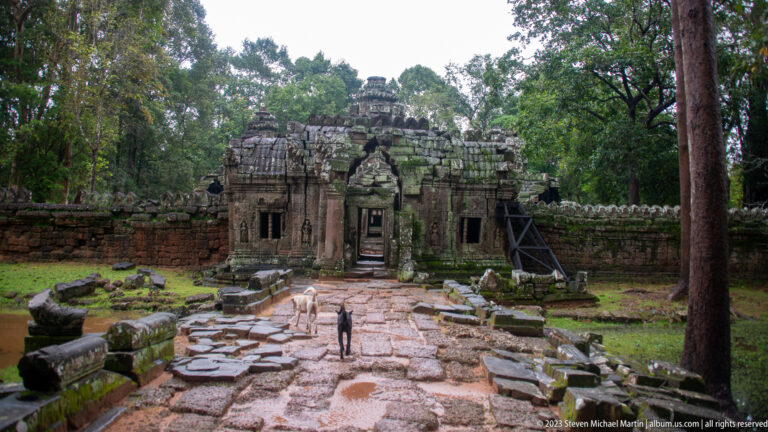
Artisans Angkor Artisans Angkor preserves traditional Khmer artistic techniques that have been practiced for centuries in Cambodia. The workshops focus […]
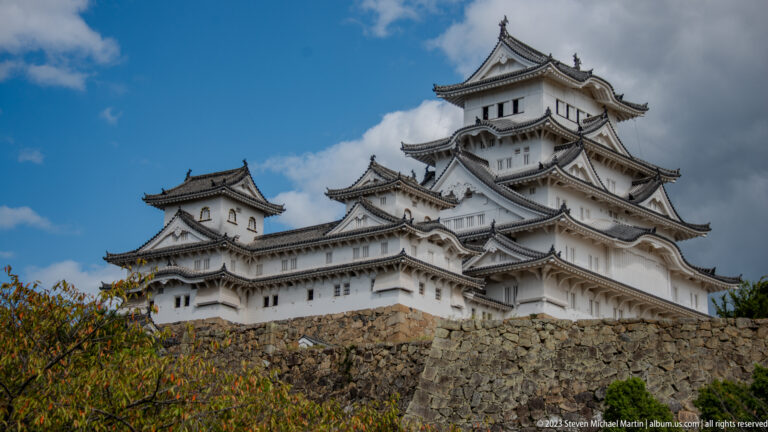
Himeji Castle Himeji Castle is one of the best-preserved examples of Japanese feudal architecture, originally constructed in the fourteenth century […]
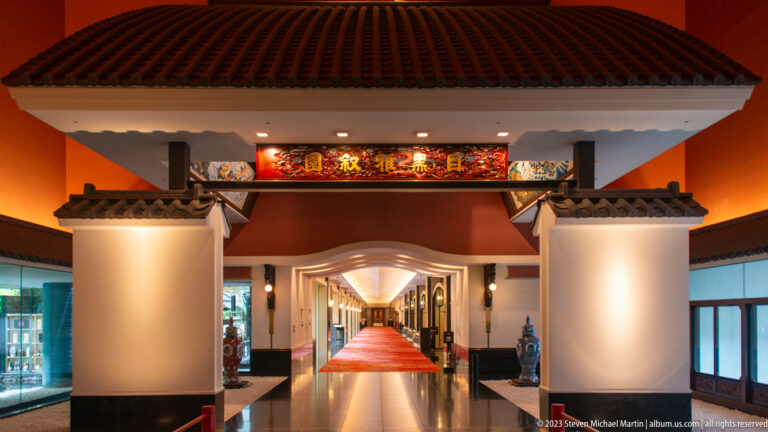
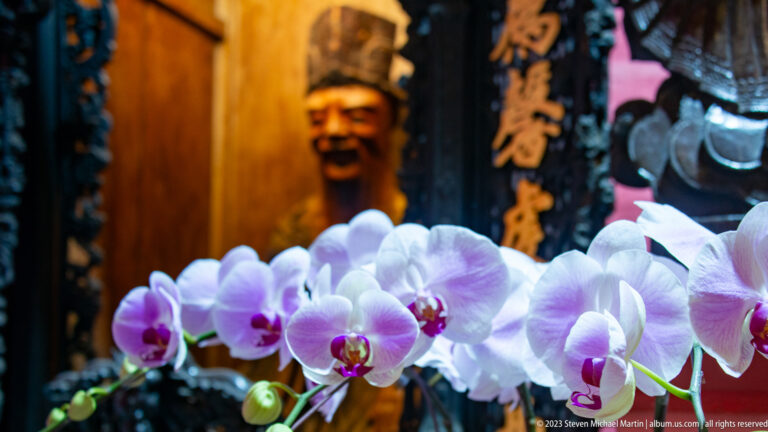
Hotel Gajoen Hotel Gajoen in Tokyo is known for its elaborate interior decoration reflecting traditional Japanese artistic craftsmanship combined with […]
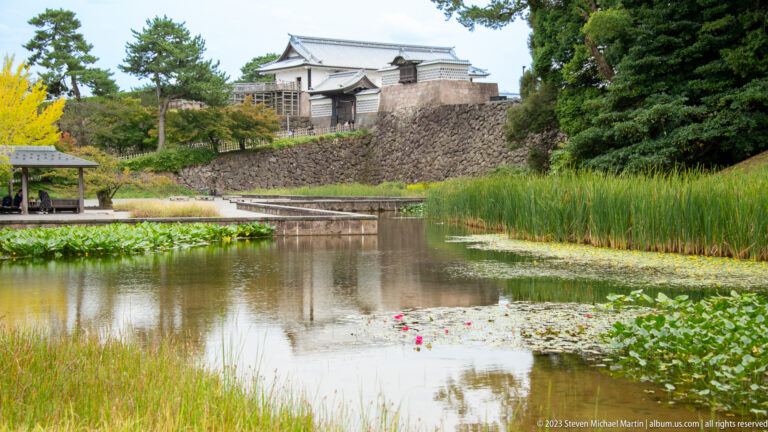
Kanazawa Castle Kanazawa Castle developed as an important regional administrative center during Japan’s feudal period. Constructed and expanded under the […]
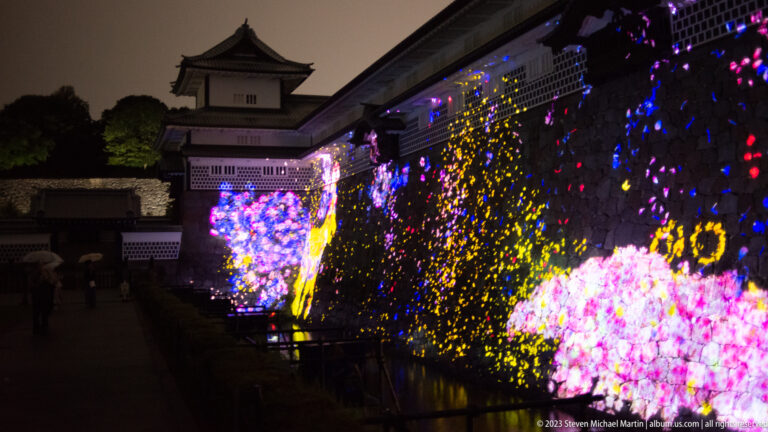
Kanazawa Castle Light Festival The Kanazawa Castle Light Festival illuminates historic castle structures, highlighting architectural details through carefully designed lighting. […]
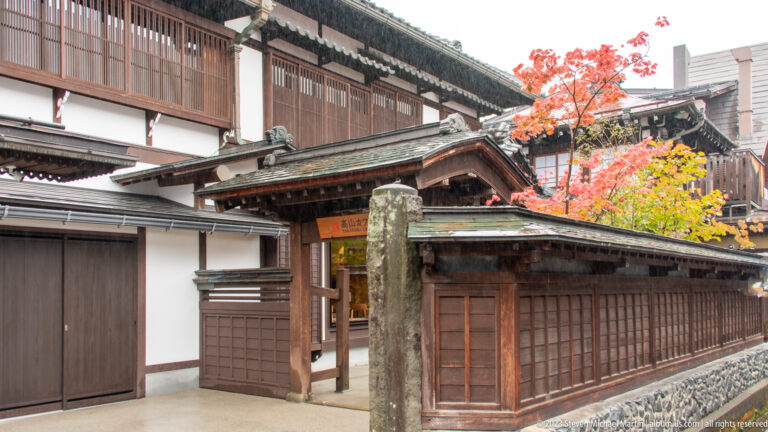
Kanazawa Samurai and Ninja Homes Kanazawa preserves residential districts associated with samurai families who served regional feudal lords during the […]
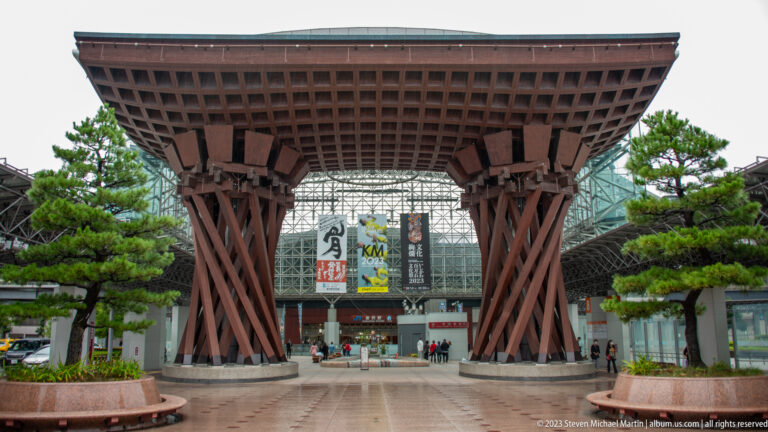
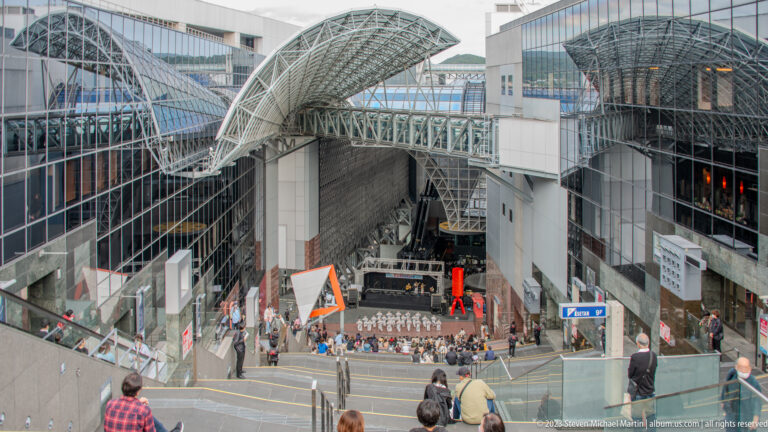
Kyoto Station Kyoto Station represents a modern architectural interpretation of transportation infrastructure within one of Japan’s most historic cities. The […]
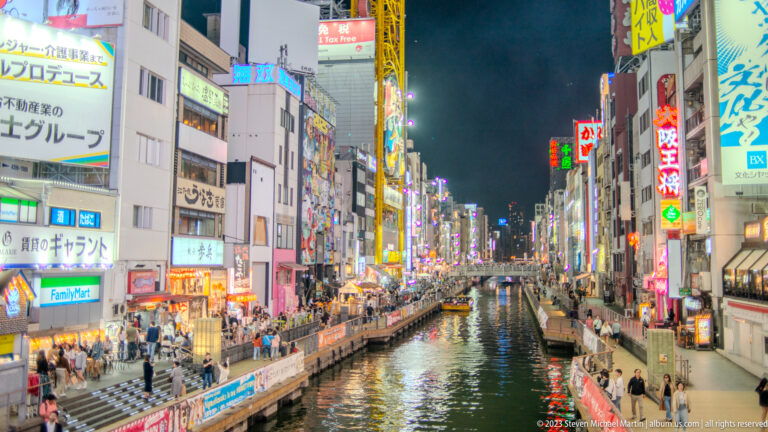
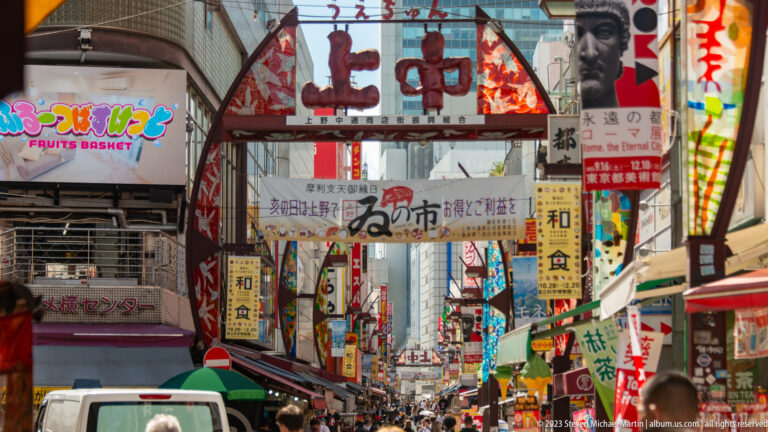
Osaka Osaka developed as an important commercial center during Japan’s early modern period, benefiting from its location along major transportation […]
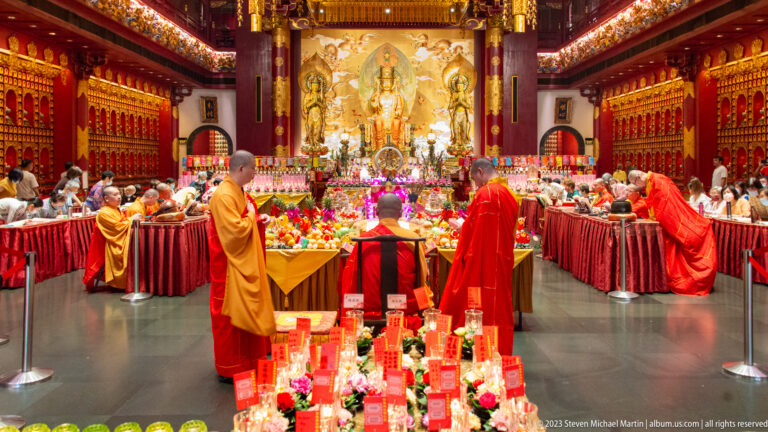
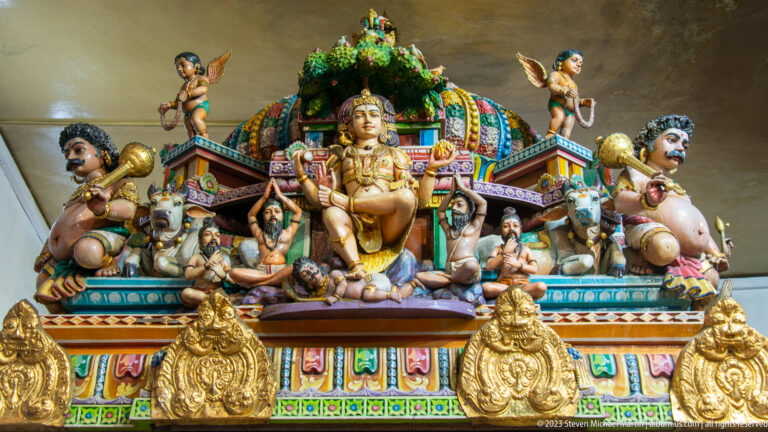
Singapore Chinatown Singapore’s Chinatown developed as an important settlement area for Chinese merchants who participated in maritime trade networks across […]
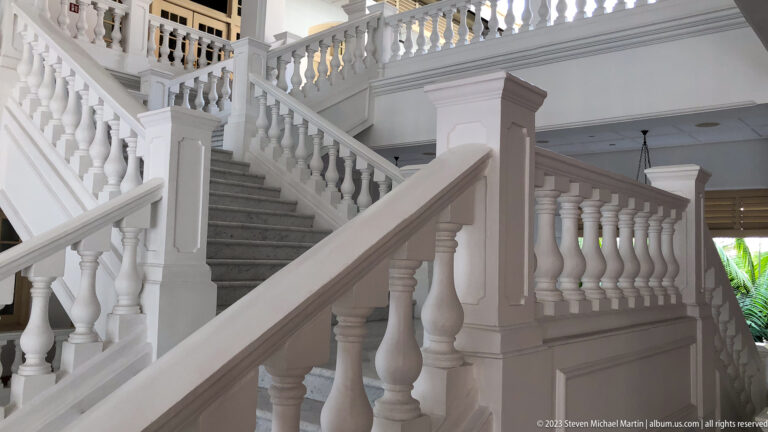
Singapore Colonial Singapore’s colonial district reflects the influence of British administration during the nineteenth and early twentieth centuries. Government buildings, […]
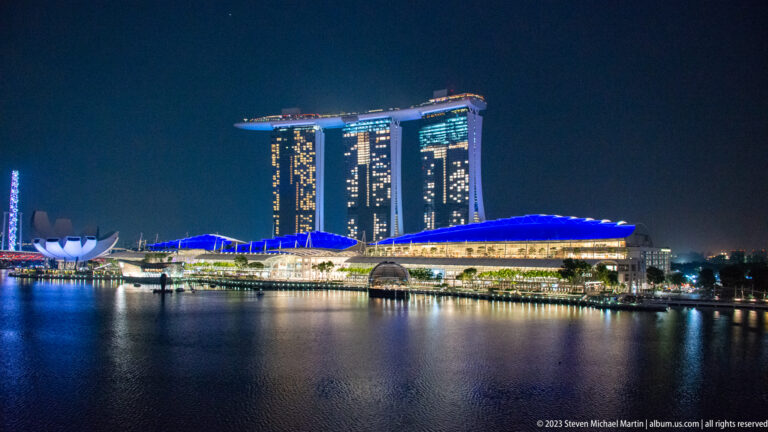
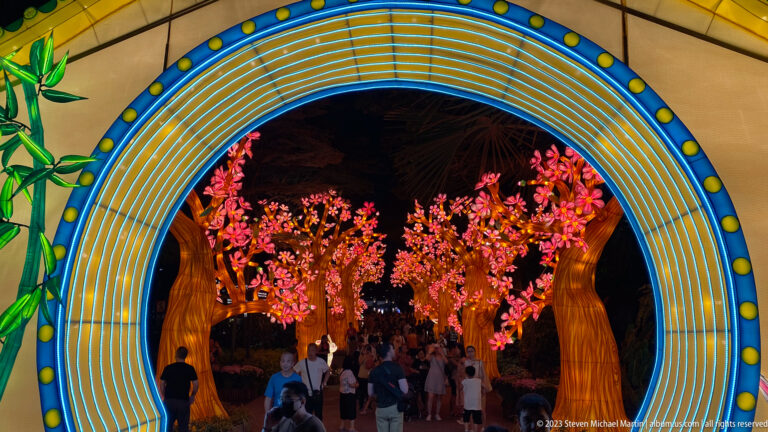
Singapore Gardens by the Bay Singapore’s botanical gardens reflect the role of scientific research and agricultural experimentation in supporting colonial […]
The itinerary connects major Pacific cultural centers associated with maritime exploration, imperial expansion, and trade networks linking Asia with the wider world. Historic ports, urban centers, and cultural landmarks illustrate the development of transoceanic connections that shaped global history.