Crusades, Moors & Age of Exploration

Crusades, Moors & the Age of Explorers

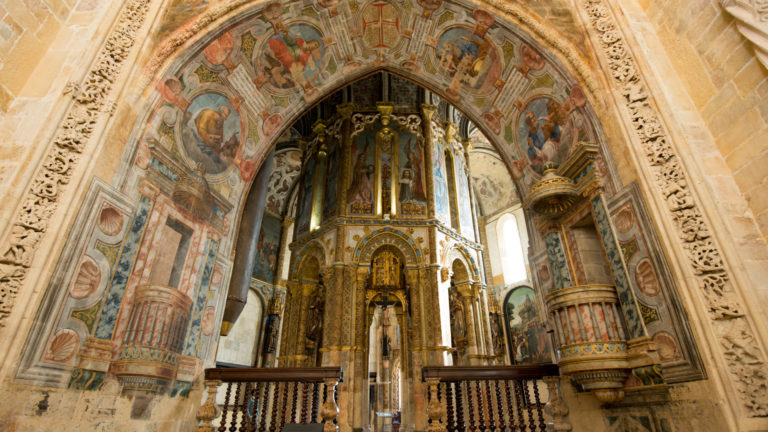
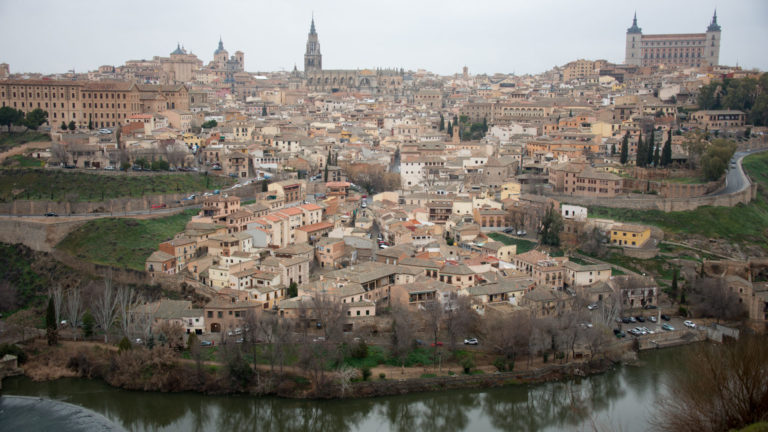
This journey explores the historical transition from the medieval world shaped by religious conflict to the early modern period defined by global exploration. Sites associated with the Crusades, Islamic Spain, and emerging maritime empires illustrate how cultural exchange and political competition influenced the development of Europe and the Mediterranean region. Architectural monuments reveal the interaction of Christian and Islamic artistic traditions over several centuries.

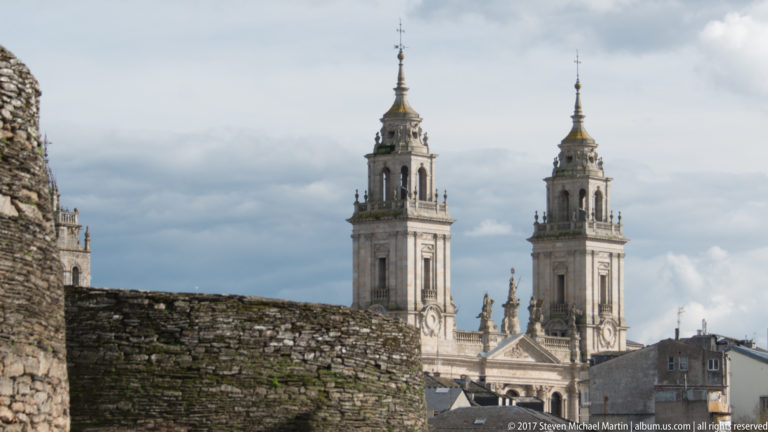
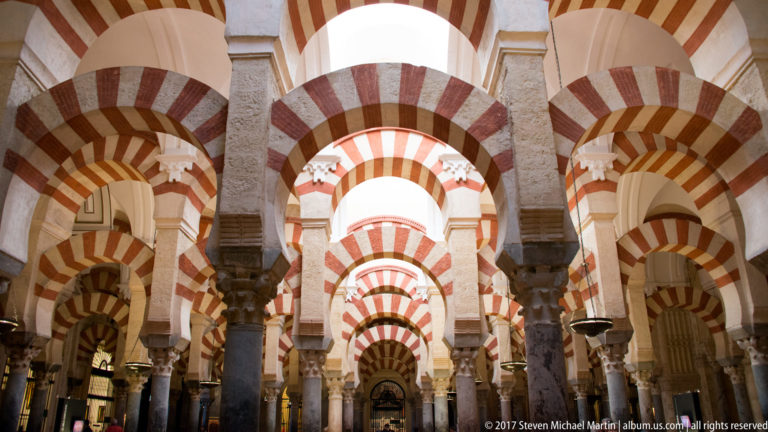
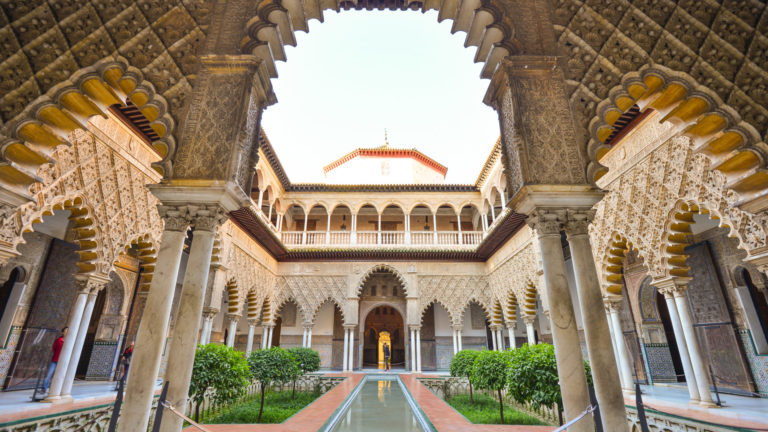
During the medieval period, regions of southern Europe experienced significant cultural transformation through contact between Christian kingdoms and Islamic societies. Architectural achievements, including fortified cities, mosques converted into cathedrals, and royal palaces, demonstrate the blending of artistic styles that developed through both cooperation and conflict. These interactions influenced intellectual exchange, trade, and technological advancement.

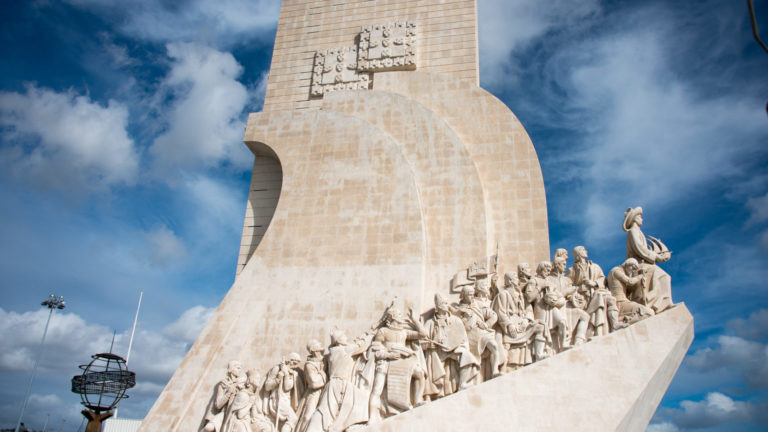
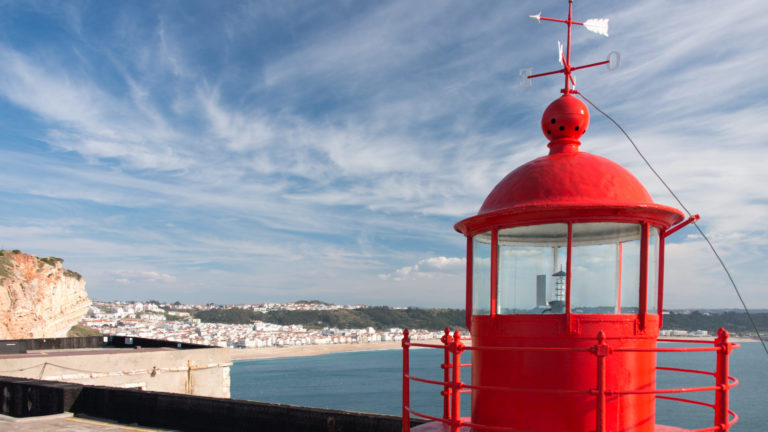
The later emergence of maritime exploration expanded European contact with Africa, Asia, and the Americas. Advances in navigation and shipbuilding allowed explorers to establish new trade routes beyond the Mediterranean world. Together, these sites illustrate the historical connections linking medieval religious conflict with the global expansion that followed.

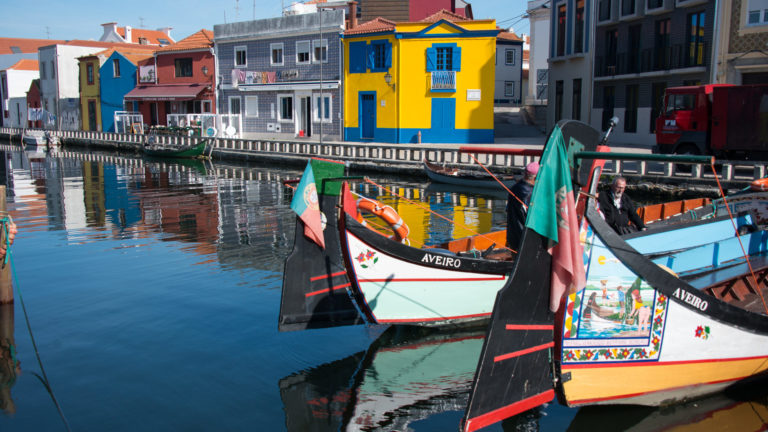
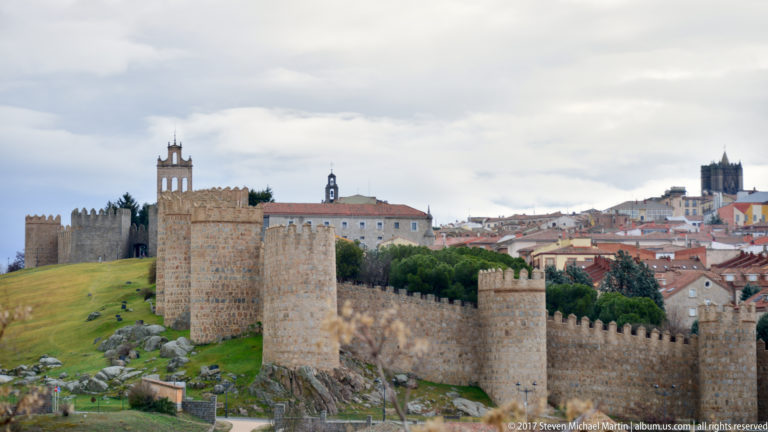
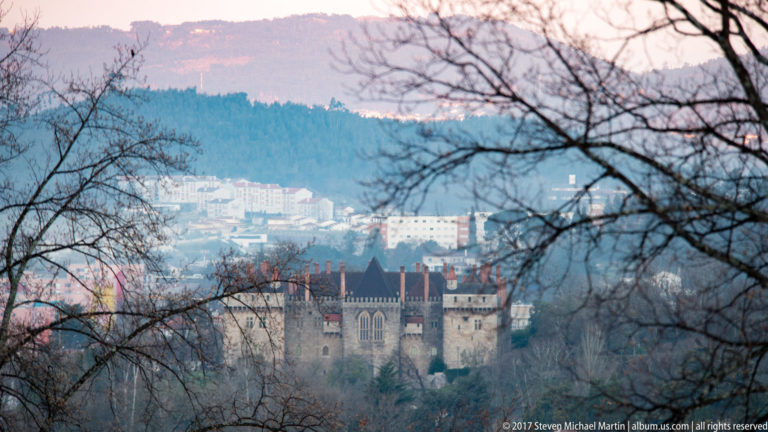
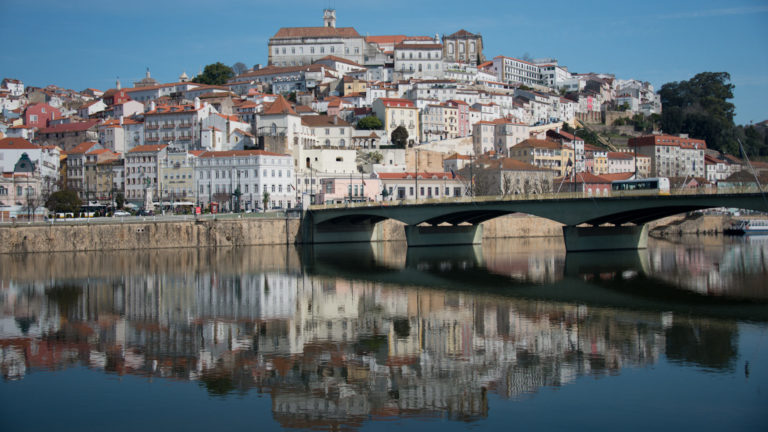
Aveiro, Portugal

Aveiro, Portugal

Date Visited: February 17, 2017
Aveiro Aveiro developed as an important coastal and lagoon-based settlement shaped by maritime trade and salt production. The network of […]
Explore Portfolio
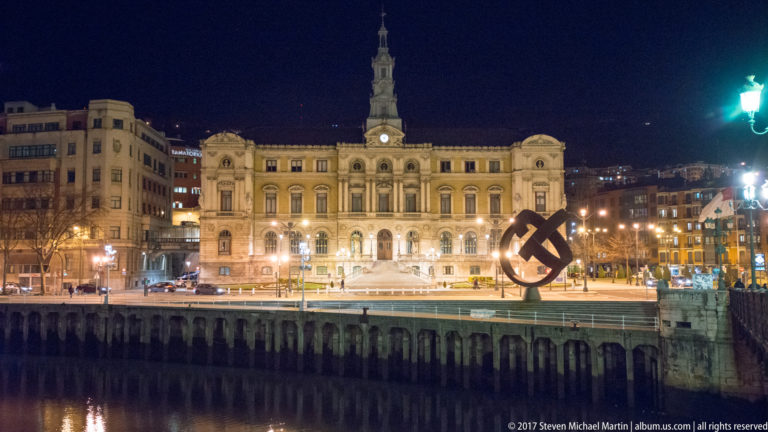
Bilbao, Spain

Bilbao, Spain

Date Visited: February 14, 2017
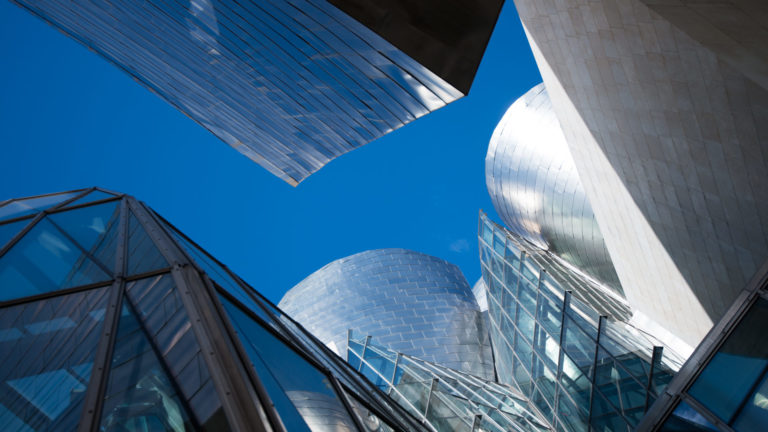
Bilbao Bilbao developed as an important commercial center in the Basque Country, influenced by maritime trade and regional industry. Its […]
Explore Portfolio
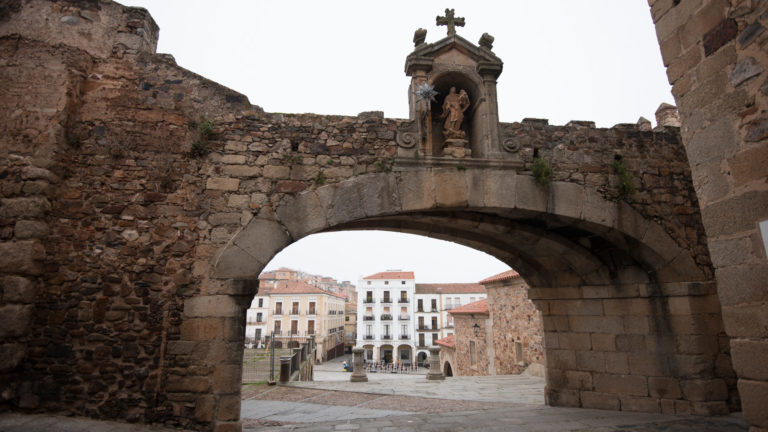
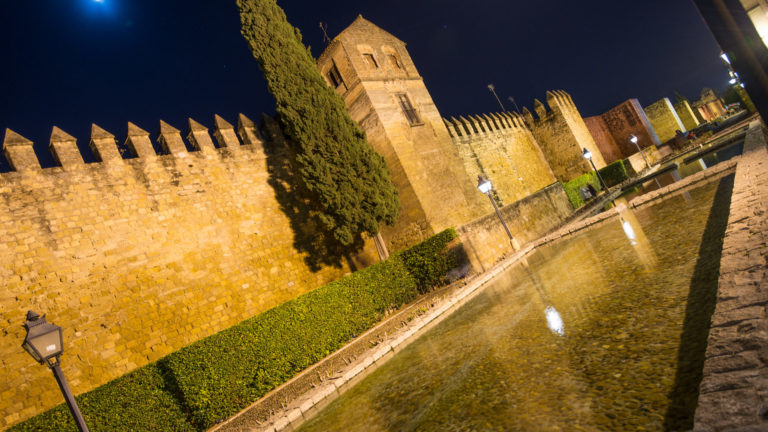
Caceres, Spain

Caceres, Spain

Date Visited: February 6, 2017
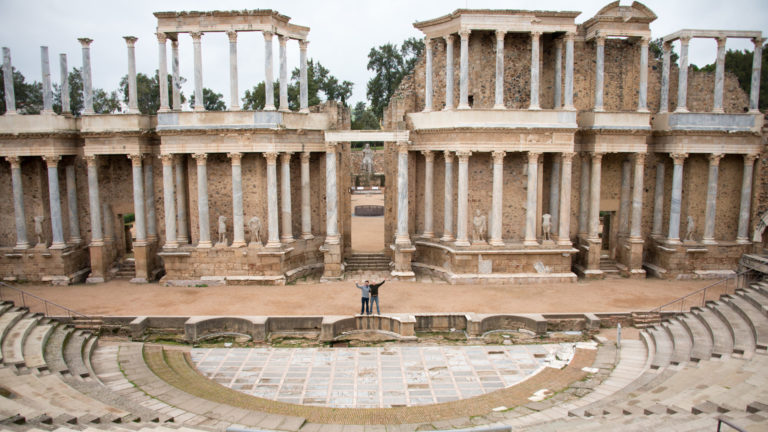
Cáceres Cáceres preserves an exceptional historic center shaped by Roman foundations, Islamic influence, and later medieval Christian development. Stone towers, […]
Explore Portfolio
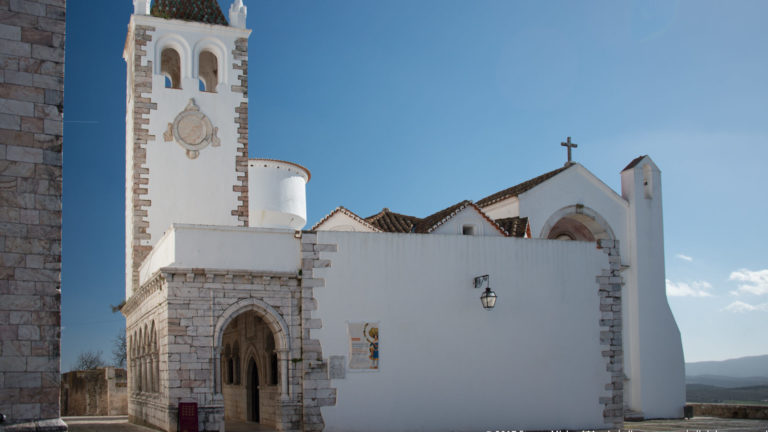
Estremoz, Portugal

Estremoz, Portugal

Date Visited: February 6, 2017
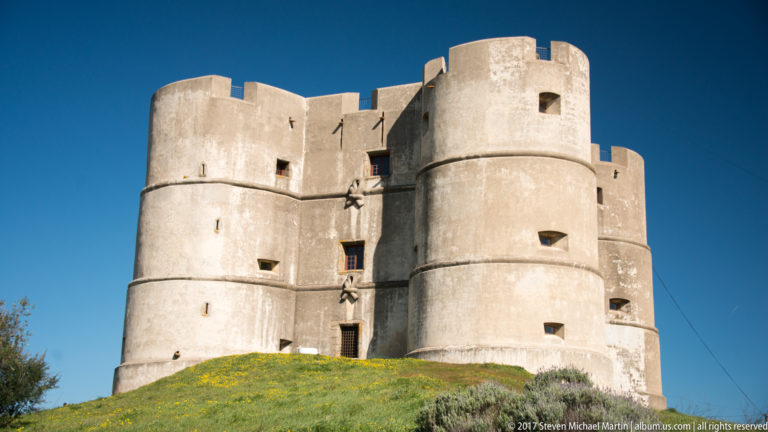
Estremoz Estremoz developed as a fortified town associated with regional defense and royal residence in the Alentejo region of Portugal. […]
Explore Portfolio
Granada, Spain

Granada, Spain

Date Visited: February 9, 2017
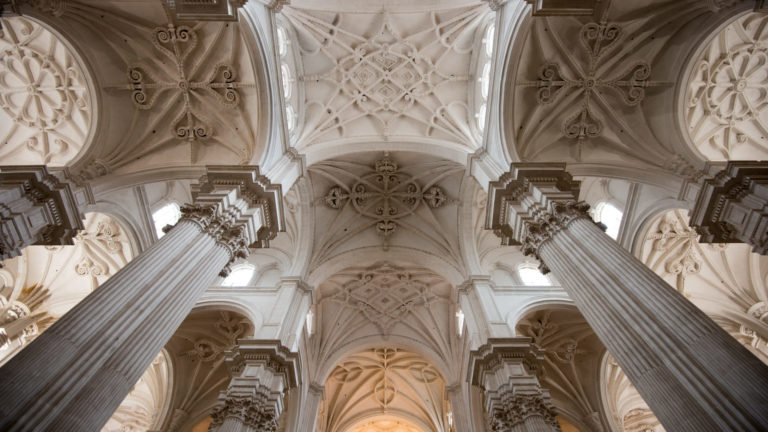
Granada Granada was the final major Islamic capital on the Iberian Peninsula before its conquest by Christian forces in 1492, […]
Explore Portfolio
Madrid, Spain

Madrid, Spain

Date Visited: February 11, 2017
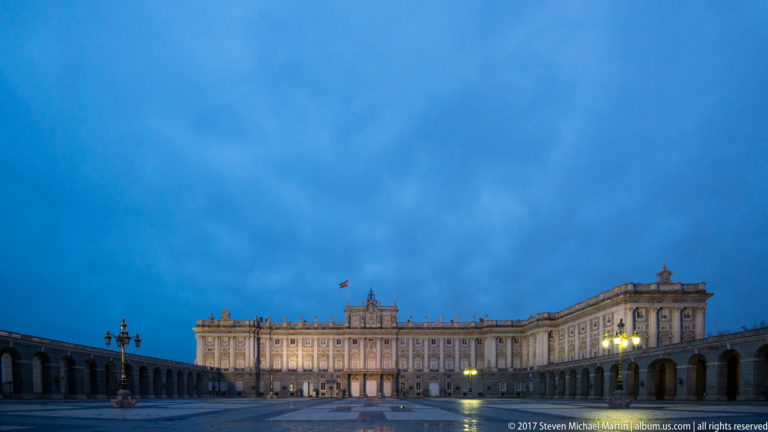
Madrid Madrid developed as the political capital of Spain during the early modern period, reflecting the consolidation of royal authority […]
Explore Portfolio
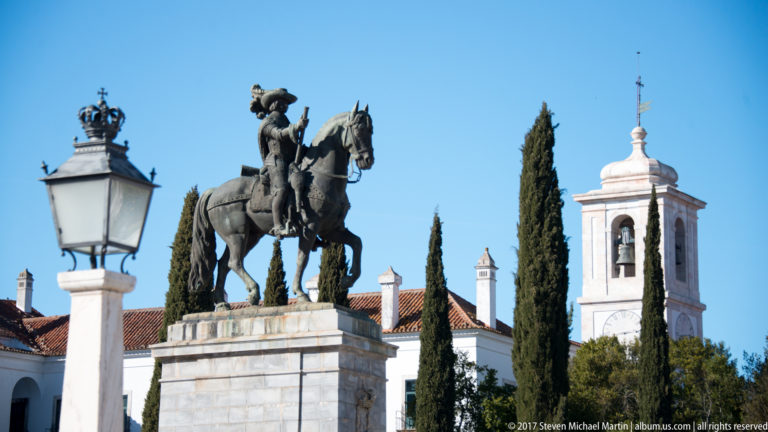
Marvao, Portugal

Marvao, Portugal

Date Visited: February 5, 2017
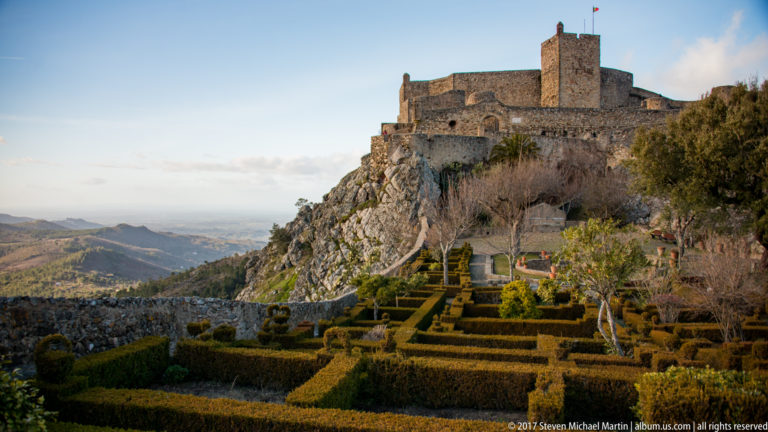
Marvão Marvão is a fortified hilltop town in Portugal positioned along historic defensive frontiers between Christian and Islamic territories. The […]
Explore Portfolio
Santander, Spain

Santander, Spain

Date Visited: February 15, 2017
Santander Santander developed as an important coastal city along the Bay of Biscay, shaped by maritime trade and regional connections […]
Explore Portfolio
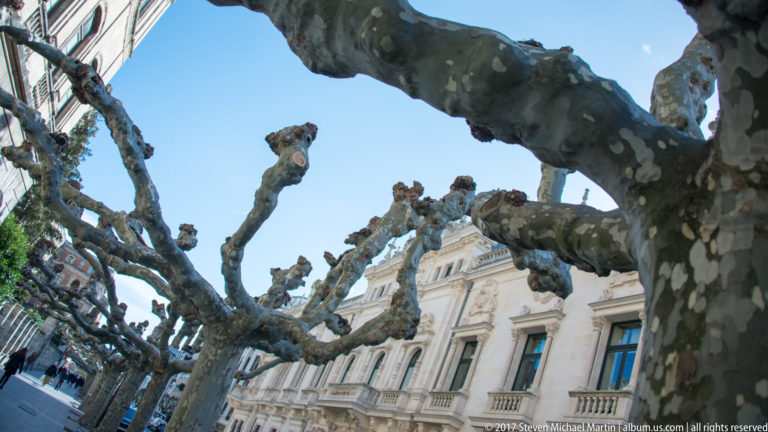
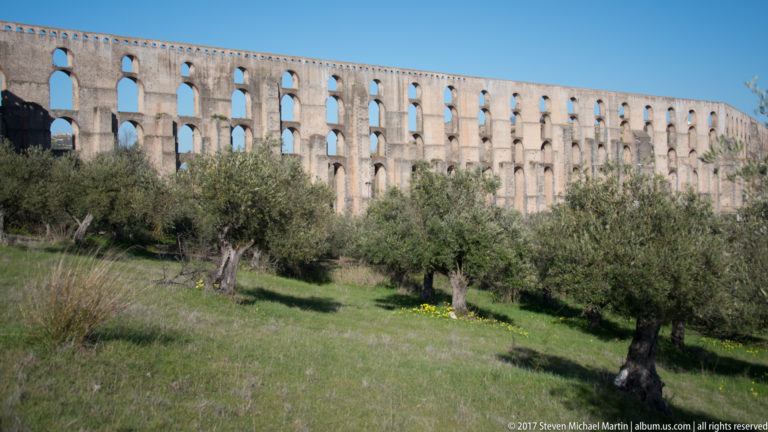
Segovia, Spain

Segovia, Spain

Date Visited: February 13, 2017
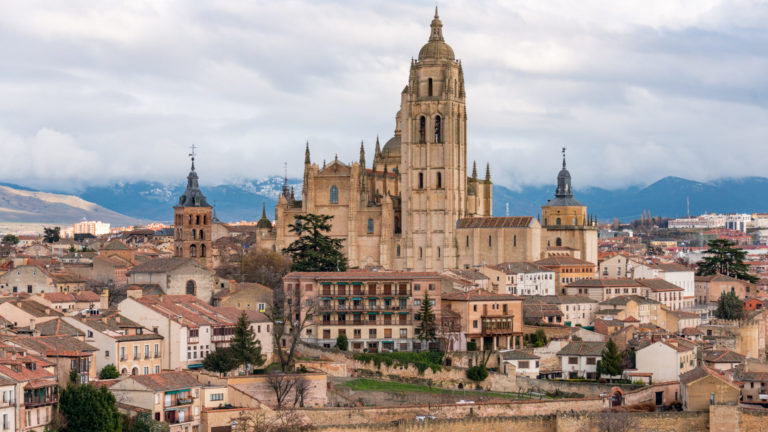
Segovia Segovia preserves significant monuments associated with Roman engineering and medieval royal authority. The Roman aqueduct, constructed in the first […]
Explore Portfolio
Crusades, Moors and the Age of Explorers Itinerary Map
0 locations to explore.
Showing 0 portfolios.

Route Overview

The itinerary connects locations associated with the Crusades, the Moorish presence in Iberia, and the development of maritime exploration. Castles, cathedrals, mosques, and port cities demonstrate how religious tradition, political authority, and trade networks shaped the transition from medieval Europe to the early modern world.