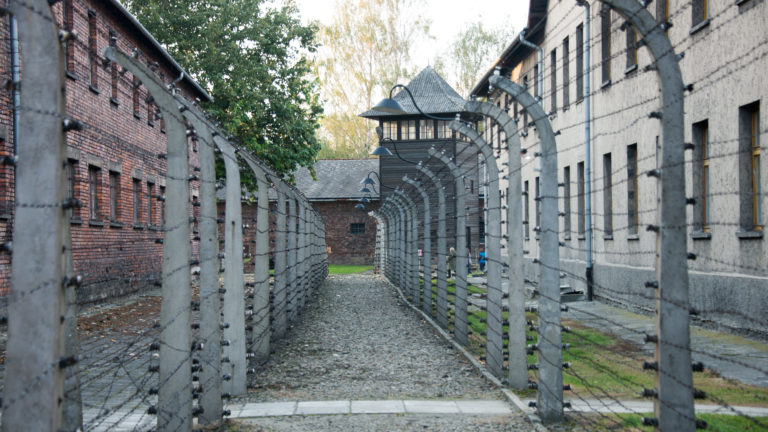
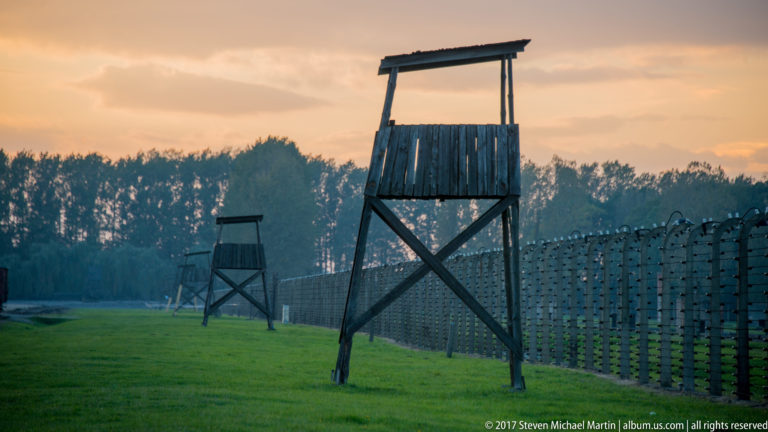
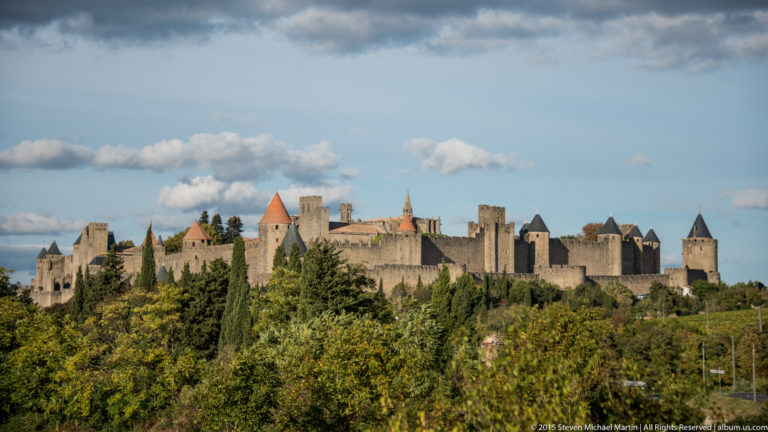
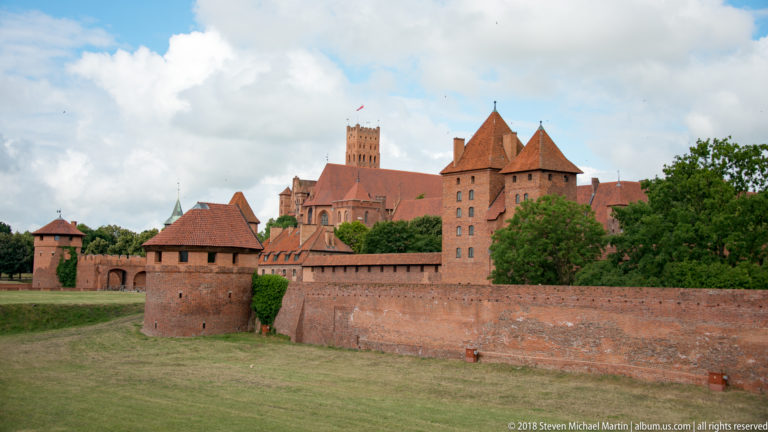
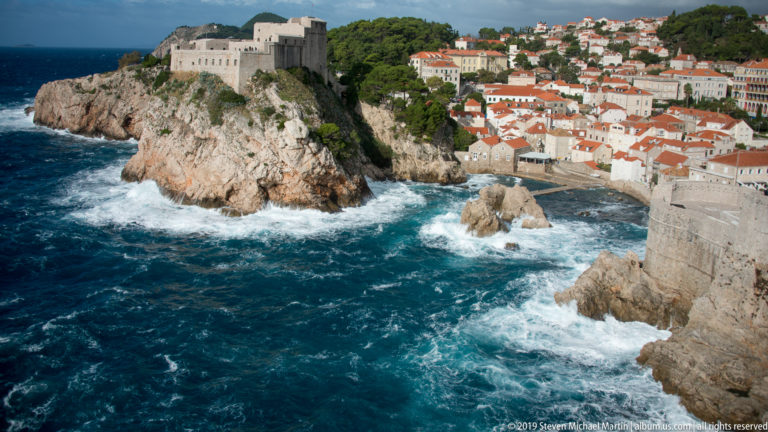
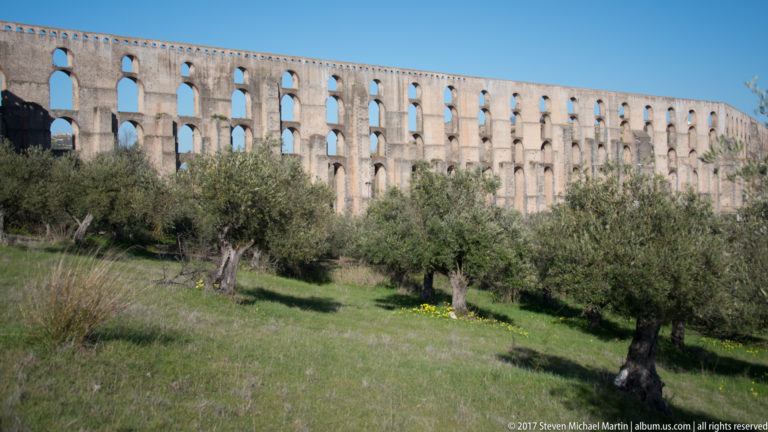
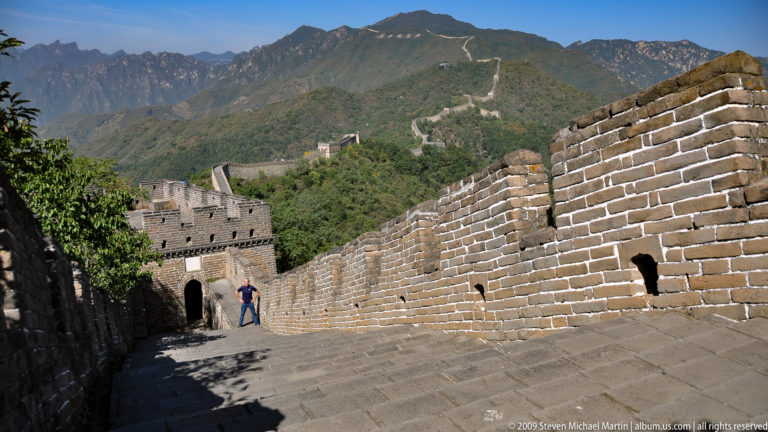
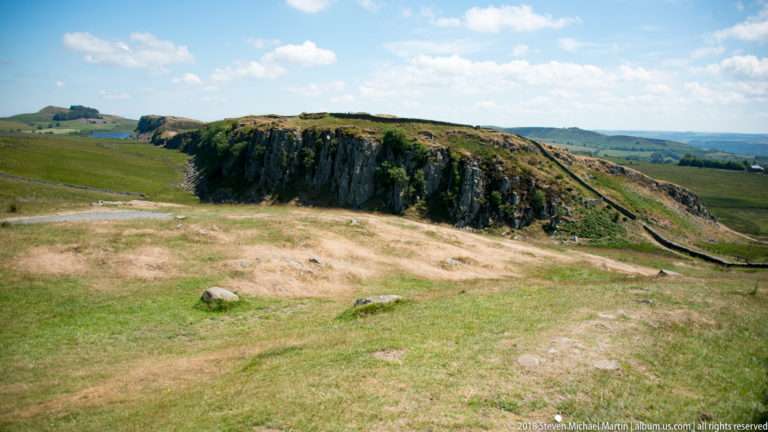
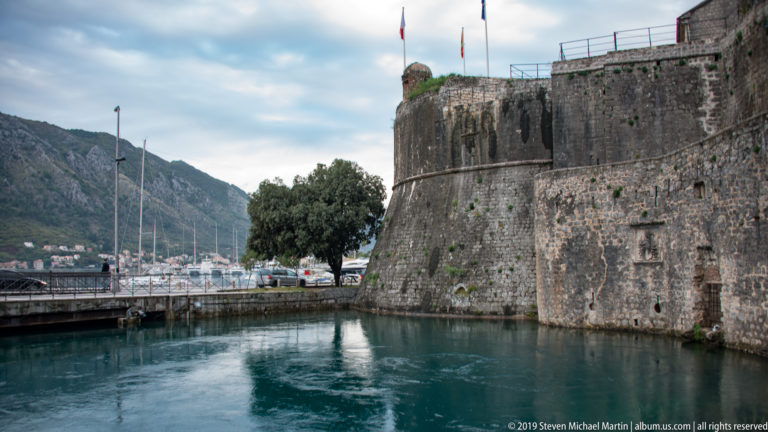
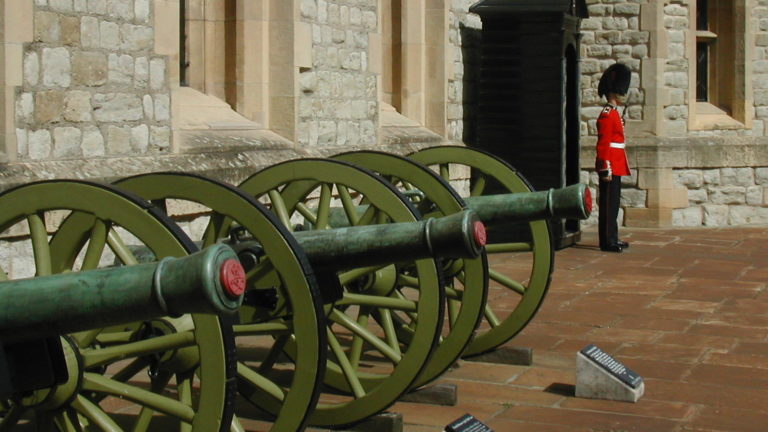
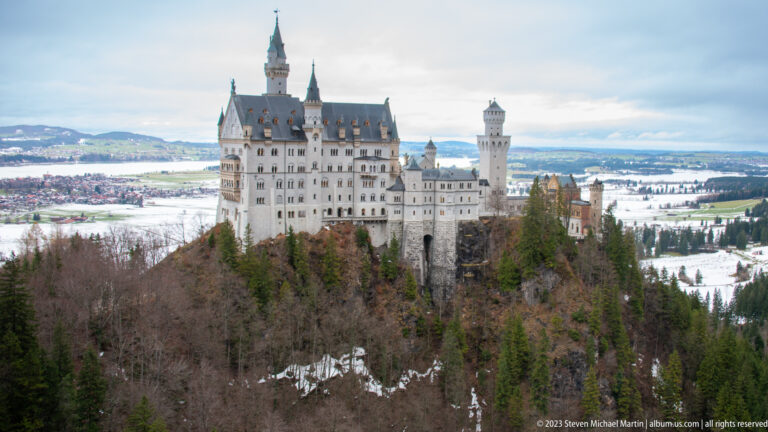
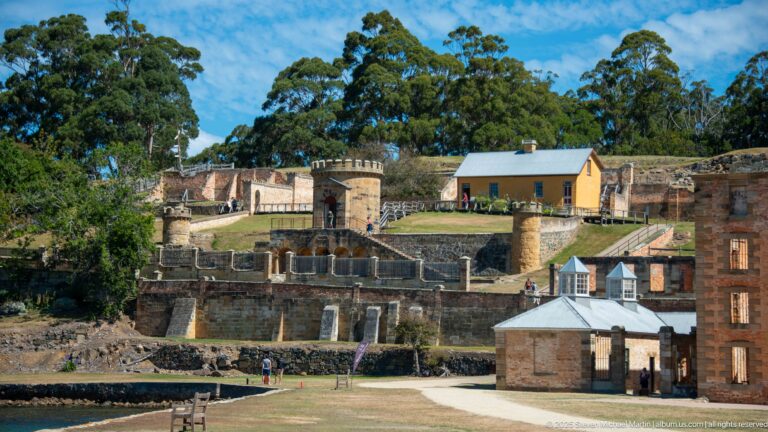
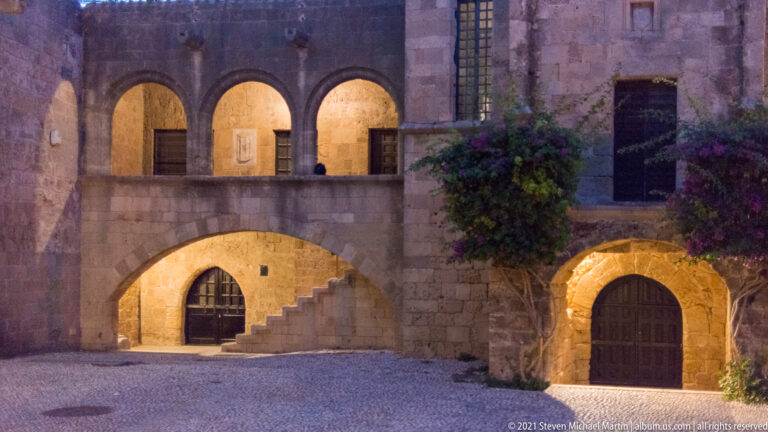
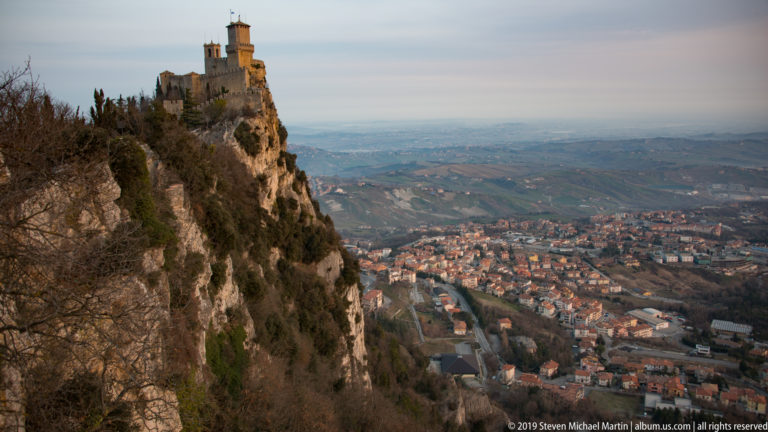
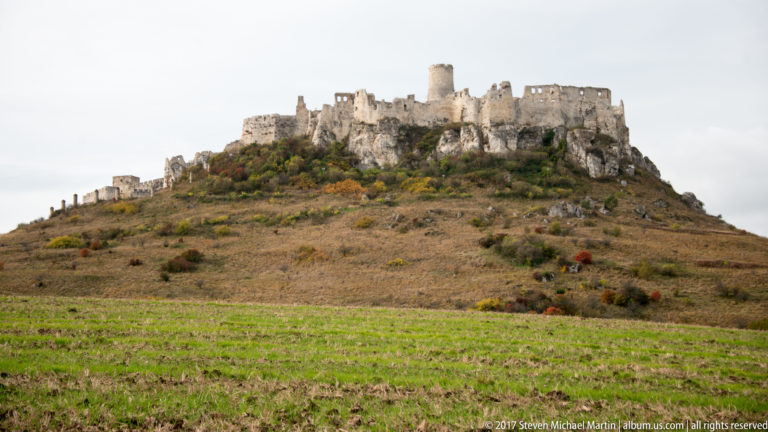
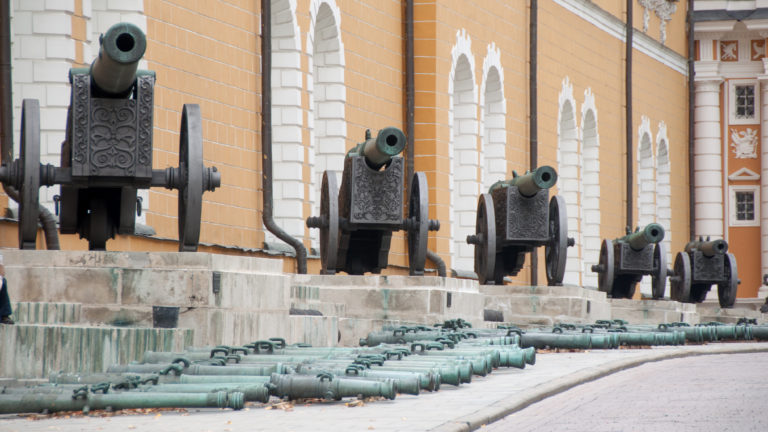
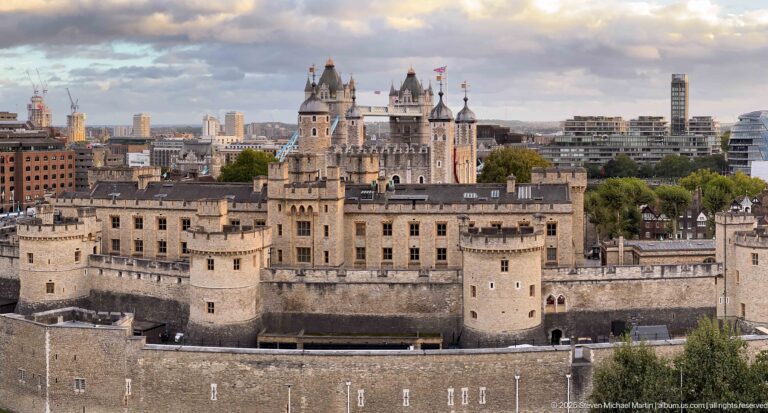
UNESCO Fortification World Heritage Sites preserve defensive structures designed to protect cities, trade routes, and strategic landscapes across centuries of political and military change. Fortified environments include walled cities, castles, citadels, bastions, and defensive walls constructed in response to evolving technologies of warfare. These sites illustrate how geography, engineering, and political authority influenced urban planning and architectural form, often resulting in complex defensive systems adapted to both natural terrain and advancing military technology. Fortifications are recognized by UNESCO for demonstrating important stages in architectural and technological development as well as their role in shaping regional history.
Many fortified sites illustrate the transition from medieval defensive walls to more sophisticated bastioned systems developed in the early modern period. The work of military engineers such as Sébastien Le Prestre de Vauban reflects advances in geometry, artillery defense, and coordinated urban planning that influenced fortification design across Europe and beyond. UNESCO recognizes fortified landscapes not only as military structures but also as cultural environments that shaped patterns of settlement, governance, and economic exchange.
Fortifications often evolved into historic urban centers where defensive architecture became integrated into civic identity and cultural heritage. Preserved walls, gates, towers, and citadels demonstrate the relationship between technological innovation and historical context, illustrating how societies responded to external threats while shaping distinctive architectural traditions. UNESCO Fortification World Heritage Sites provide insight into the strategic importance of defensive architecture and the lasting influence of fortified landscapes on the historical development of cities and regions across the world.
Himeji Castle Himeji Castle is one of the best-preserved examples of Japanese feudal architecture, originally constructed in the fourteenth century […]