Browse by Country
Countries are ordered by the number of approved collection members, then alphabetically.
Greece (18)
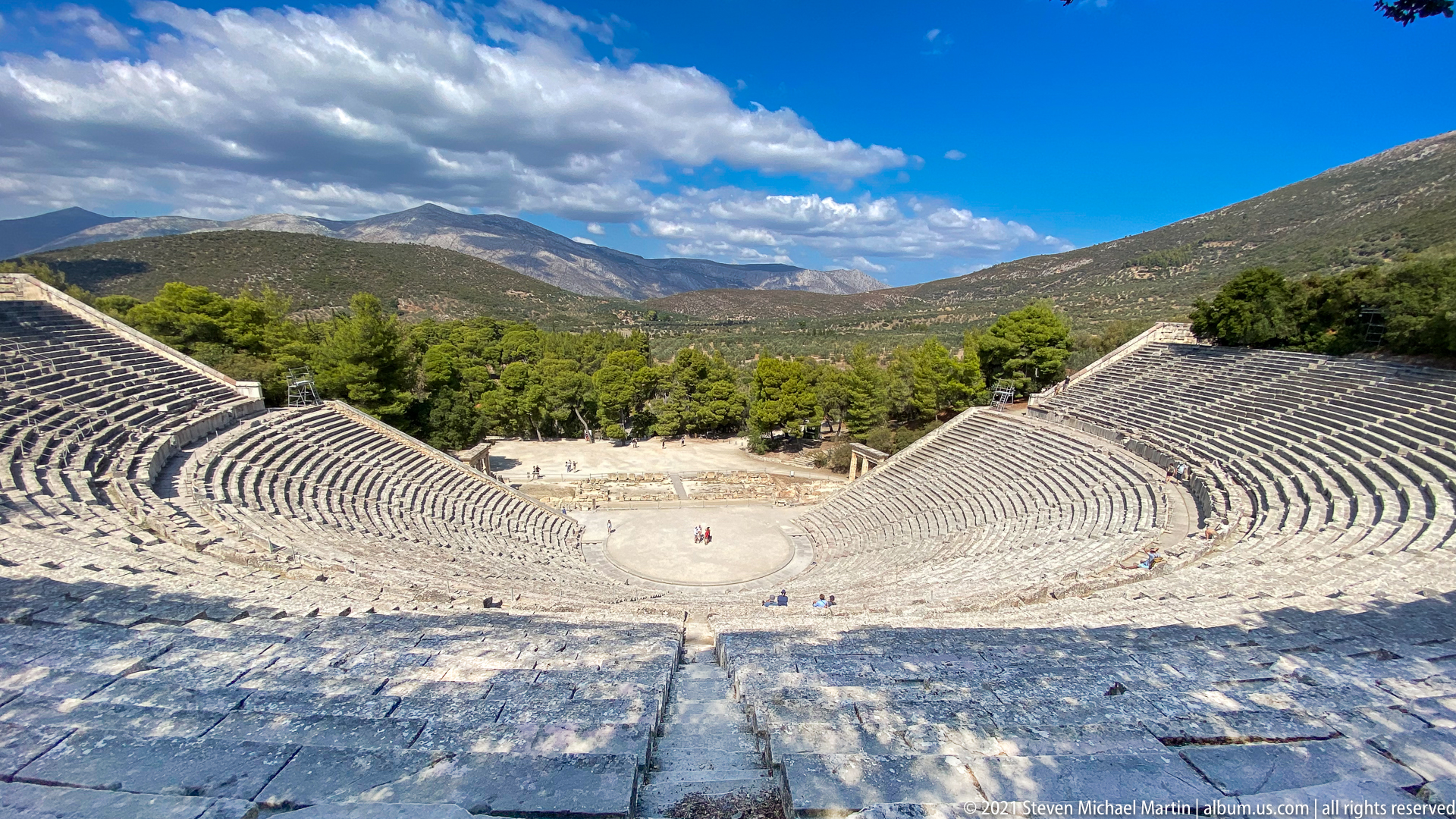
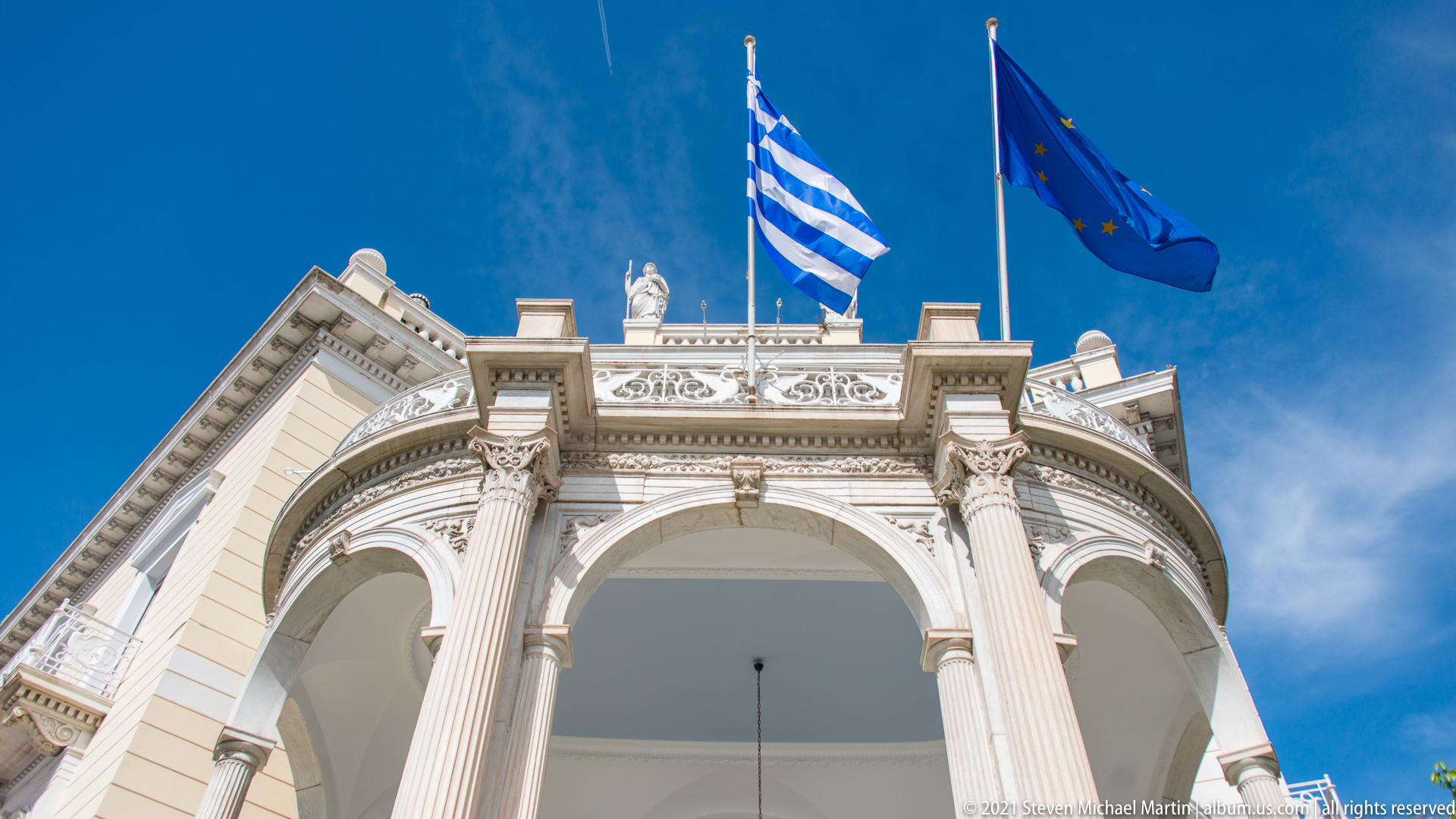
Greece is represented by 18 portfolios in this collection, including Acropolis, Ancient Olympia , Mangata Home, and Ancient Theatre at the Asklepieion of Epidaurus.
★ #5
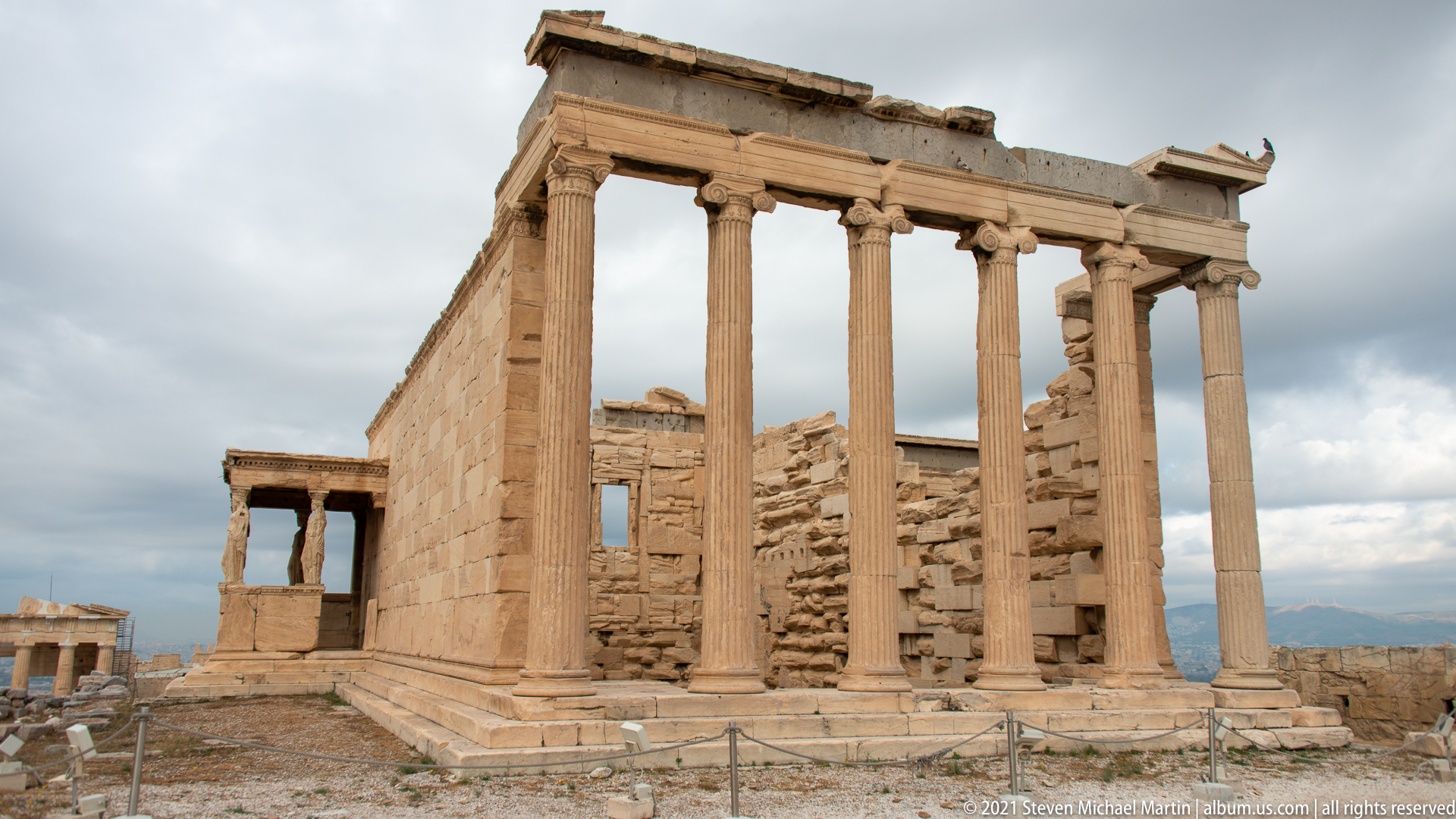
Acropolis
The Acropolis of Athens stands as one of the most recognizable archaeological sites in the world, representing the political and cultural achievements of classical Greece.
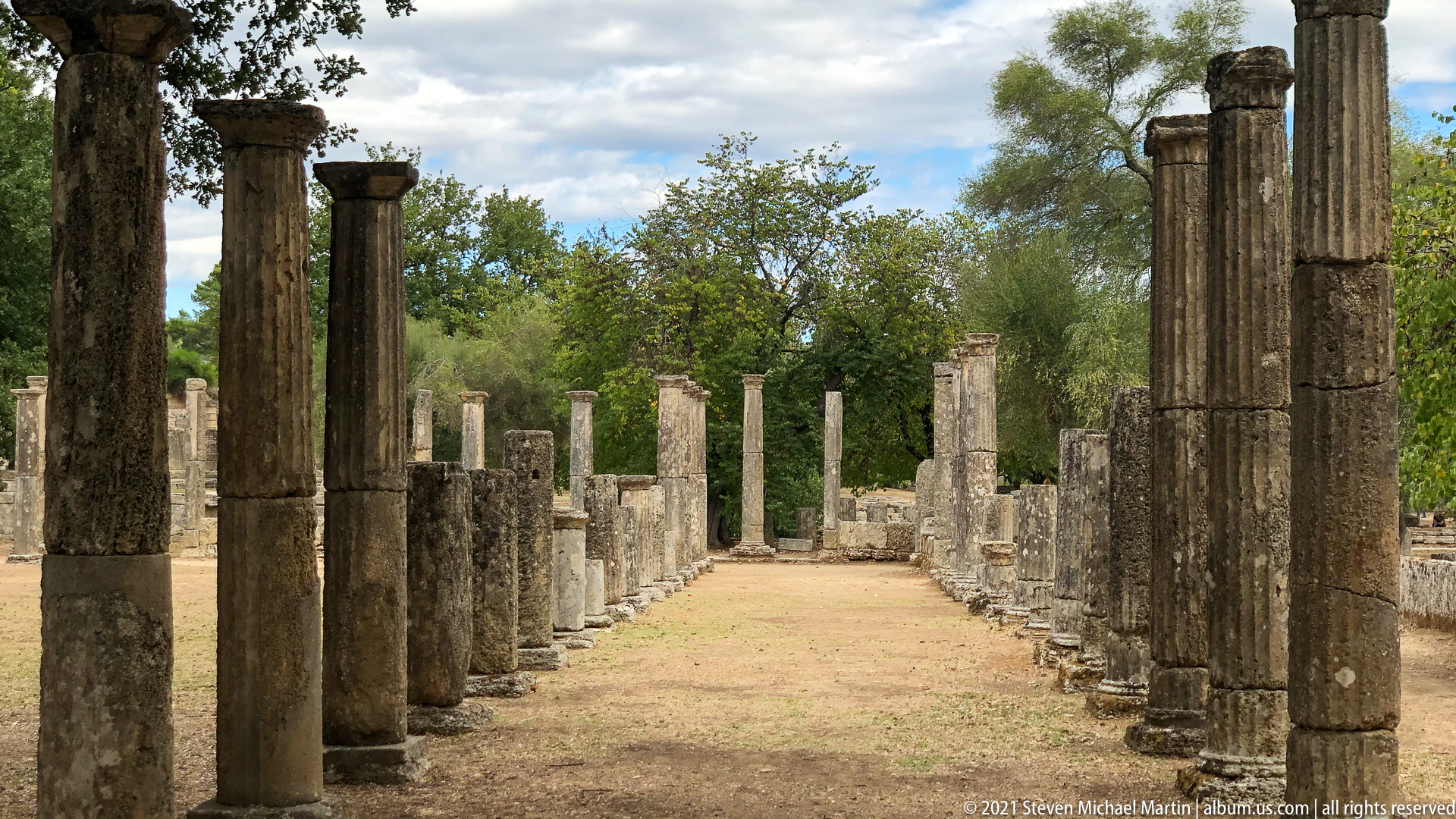
Ancient Olympia , Mangata Home
The sacred sanctuary of Olympia stands in the western Peloponnese and served as one of the most important religious centers of the ancient Greek world. Dedicated to Zeus, the site hosted the ancient Olympic Games, which were first held in 776 BCE.
Archaeological Museum of Rhodes
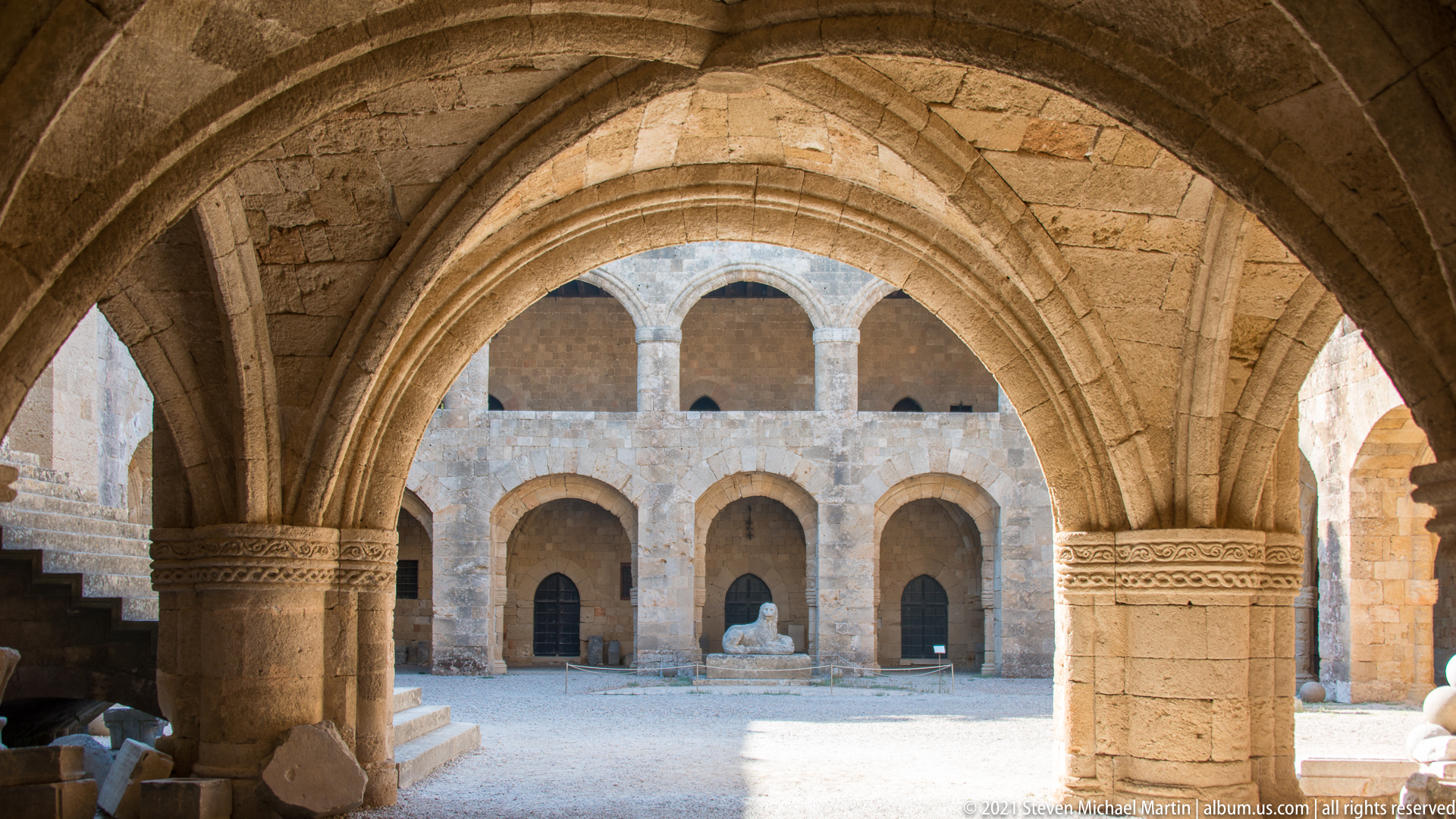
The Rhodes Archaeological Museum is housed within the former Hospital of the Knights, a medieval structure that reflects the island’s later historical importance.
Archaeological Site of Dion
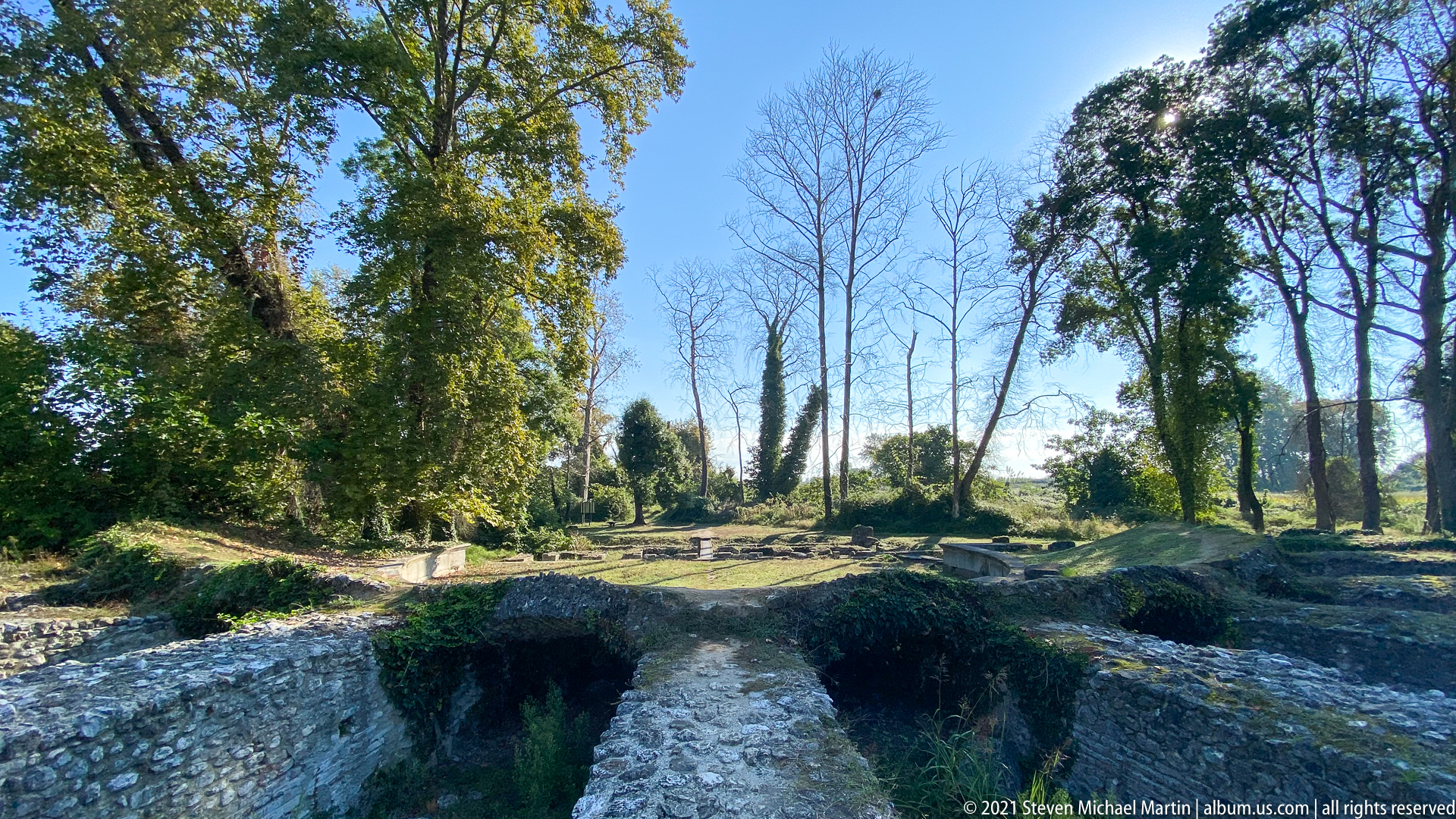
The Archaeological Museum of Dion preserves artifacts discovered at the nearby ancient city dedicated to Zeus, located at the base of Mount Olympus.
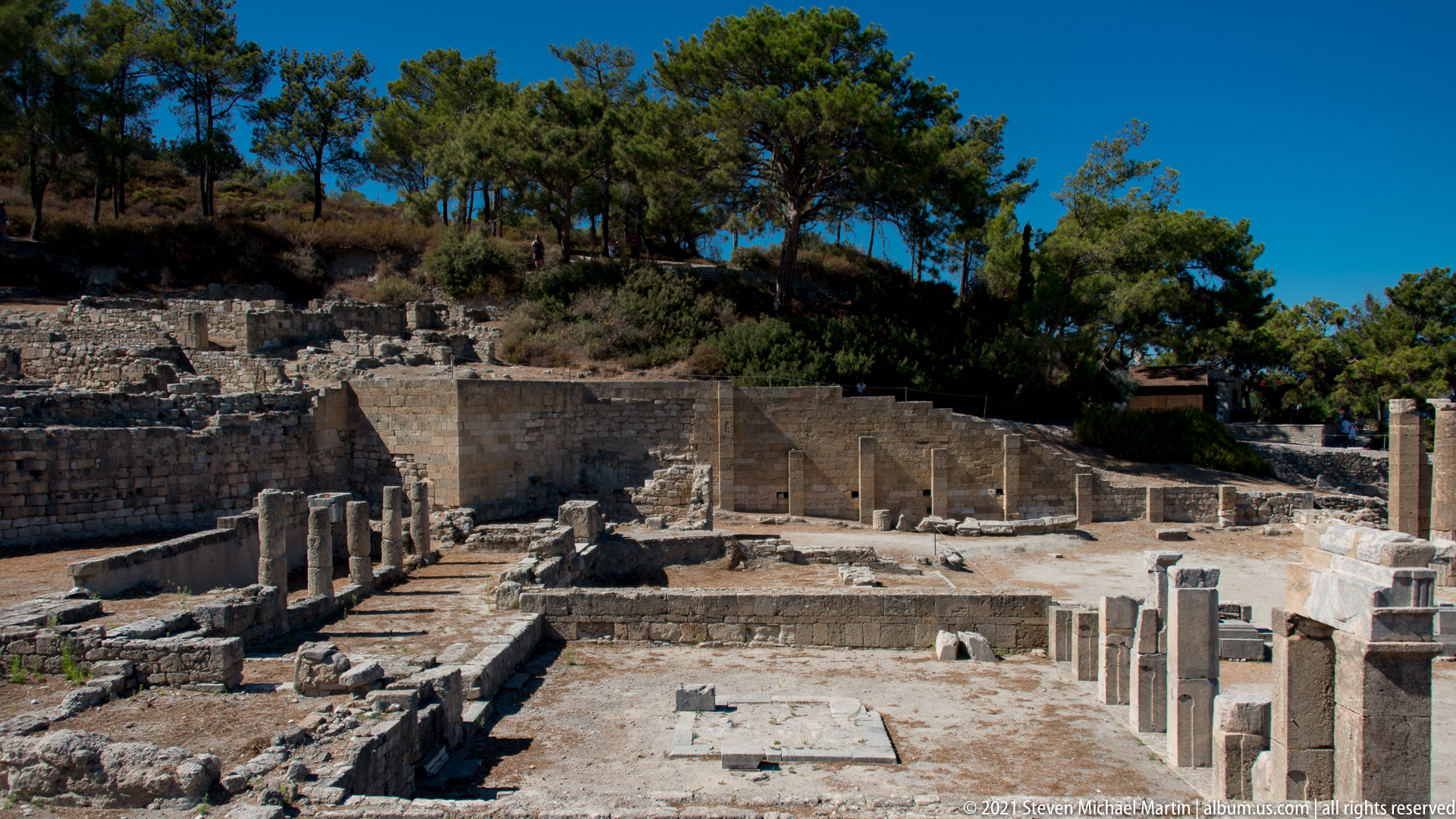
Archaeological Site of Kamiros
Kamiros was one of the principal ancient cities of Rhodes and offers a well-preserved example of urban planning from the classical Greek period.
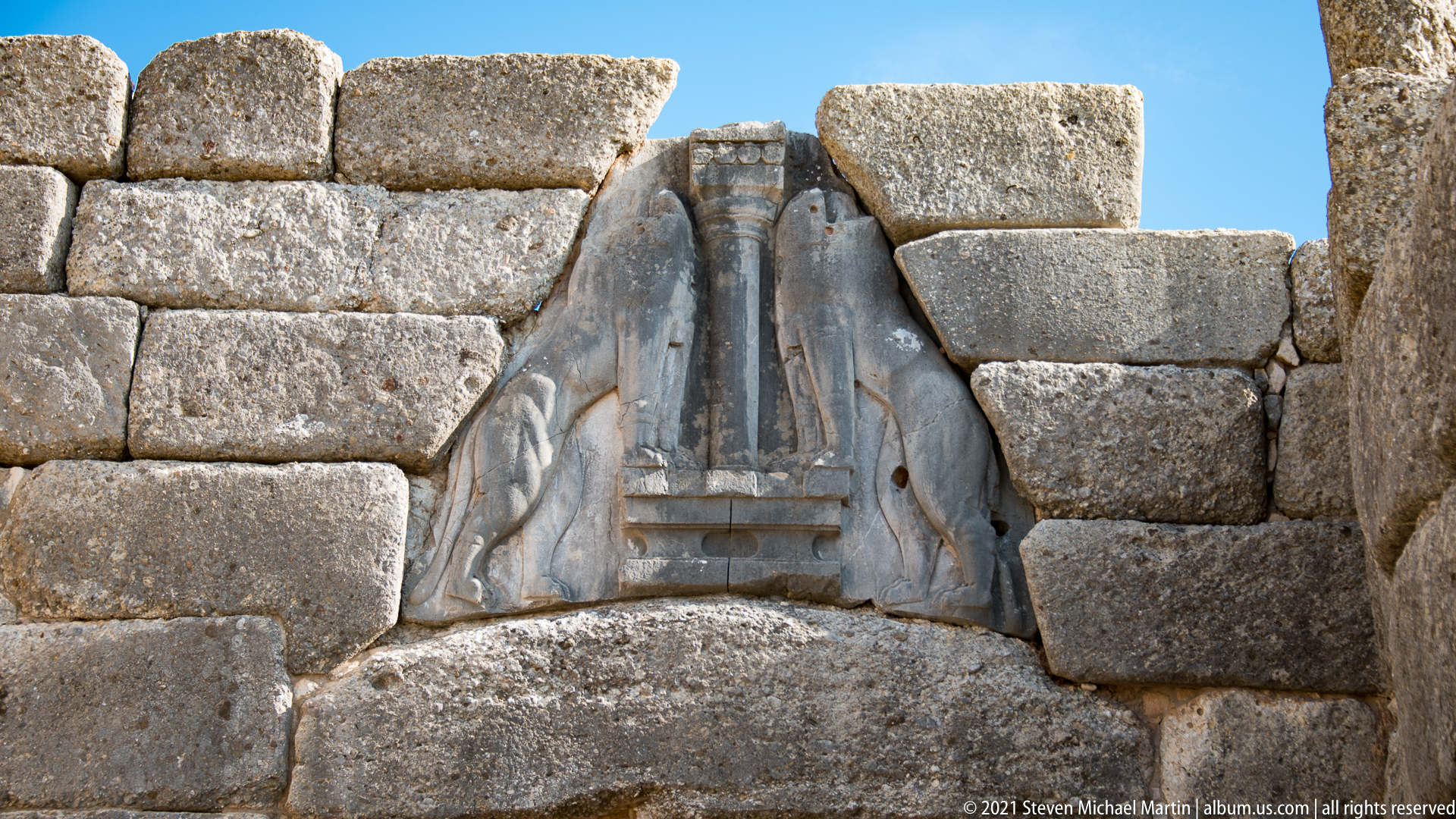
Archaeological site of Mycenae
The ancient citadel of Mycenae was one of the most powerful centers of the Mycenaean civilization, which dominated much of the Greek world during the Late Bronze Age.
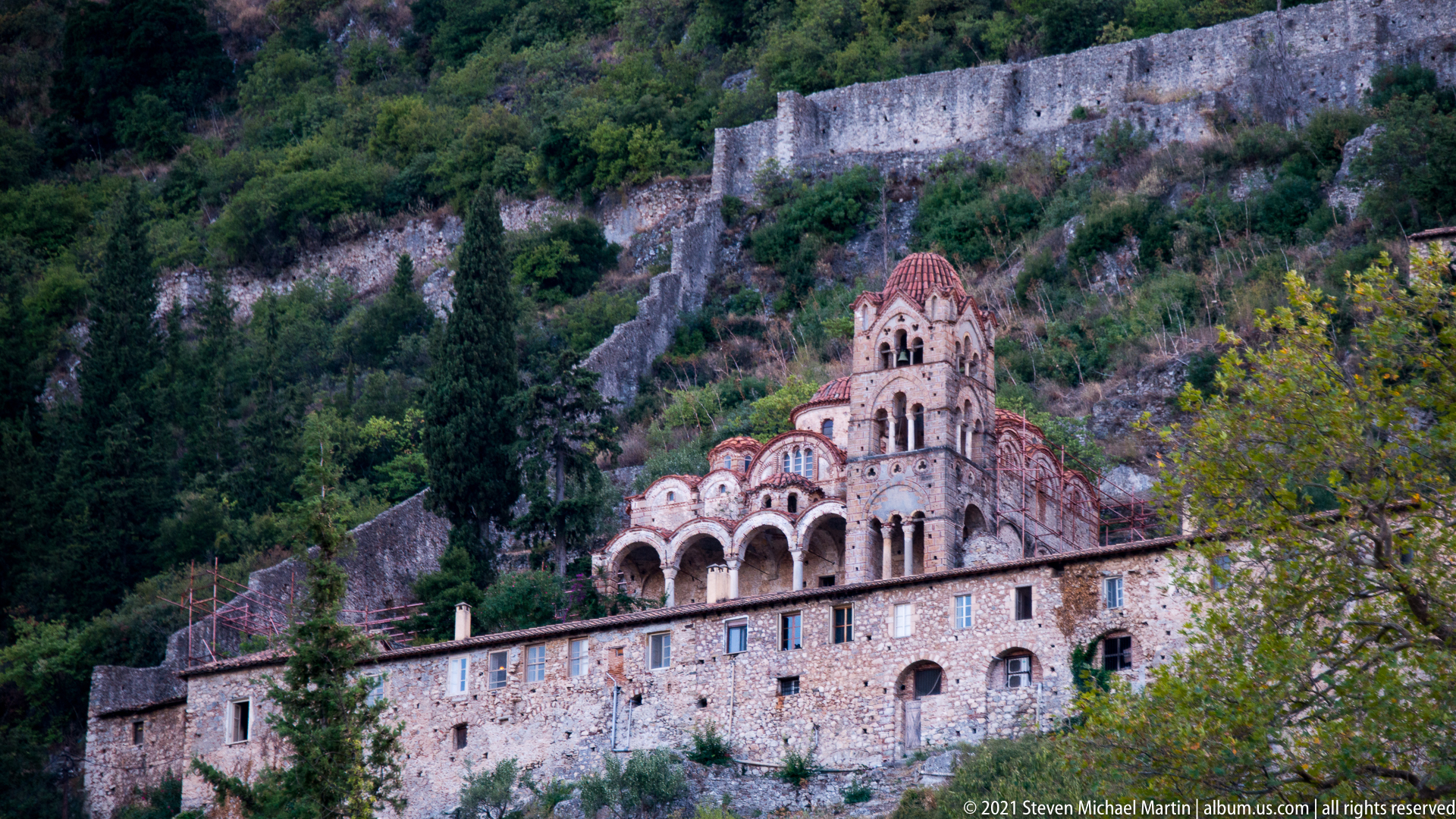
Archaeological site of Mystra
The remarkable ruins of Mystras spread across a steep hillside near the modern city of Sparta in the southern Peloponnese. Founded in the 13th century, Mystras became one of the most important cities of the Byzantine Empire during its later centuries.
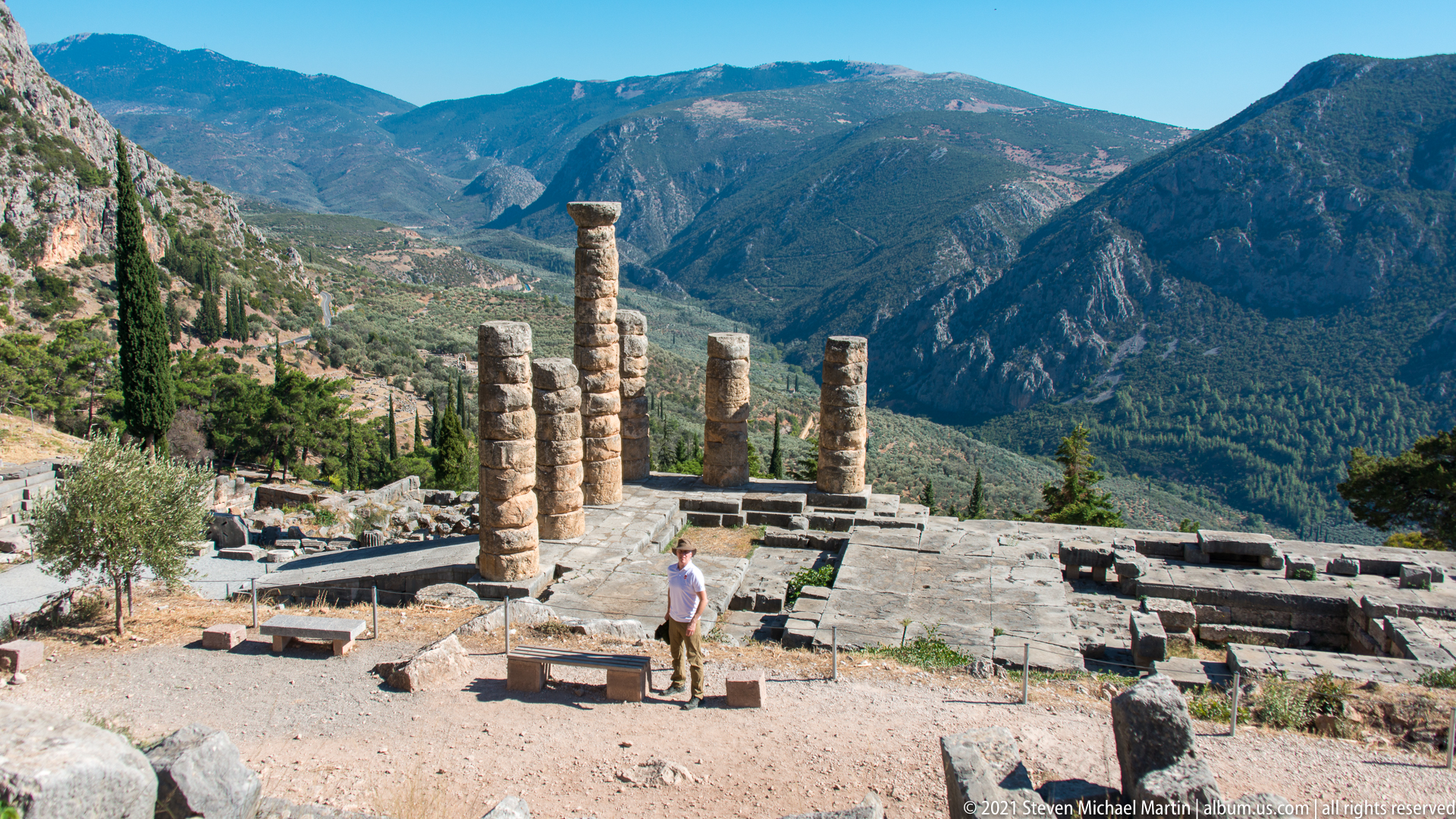
★ #4
Delphi
Delphi was regarded in antiquity as the center of the world, a sacred place where the Oracle of Apollo offered guidance to city-states and rulers.
Heraklion Archaeological Museum
The Heraklion Archaeological Museum houses one of the most important collections of Minoan artifacts in the world. Sculptures, frescoes, ceramics, and everyday objects illustrate the artistic and technological achievements of Bronze Age Crete.
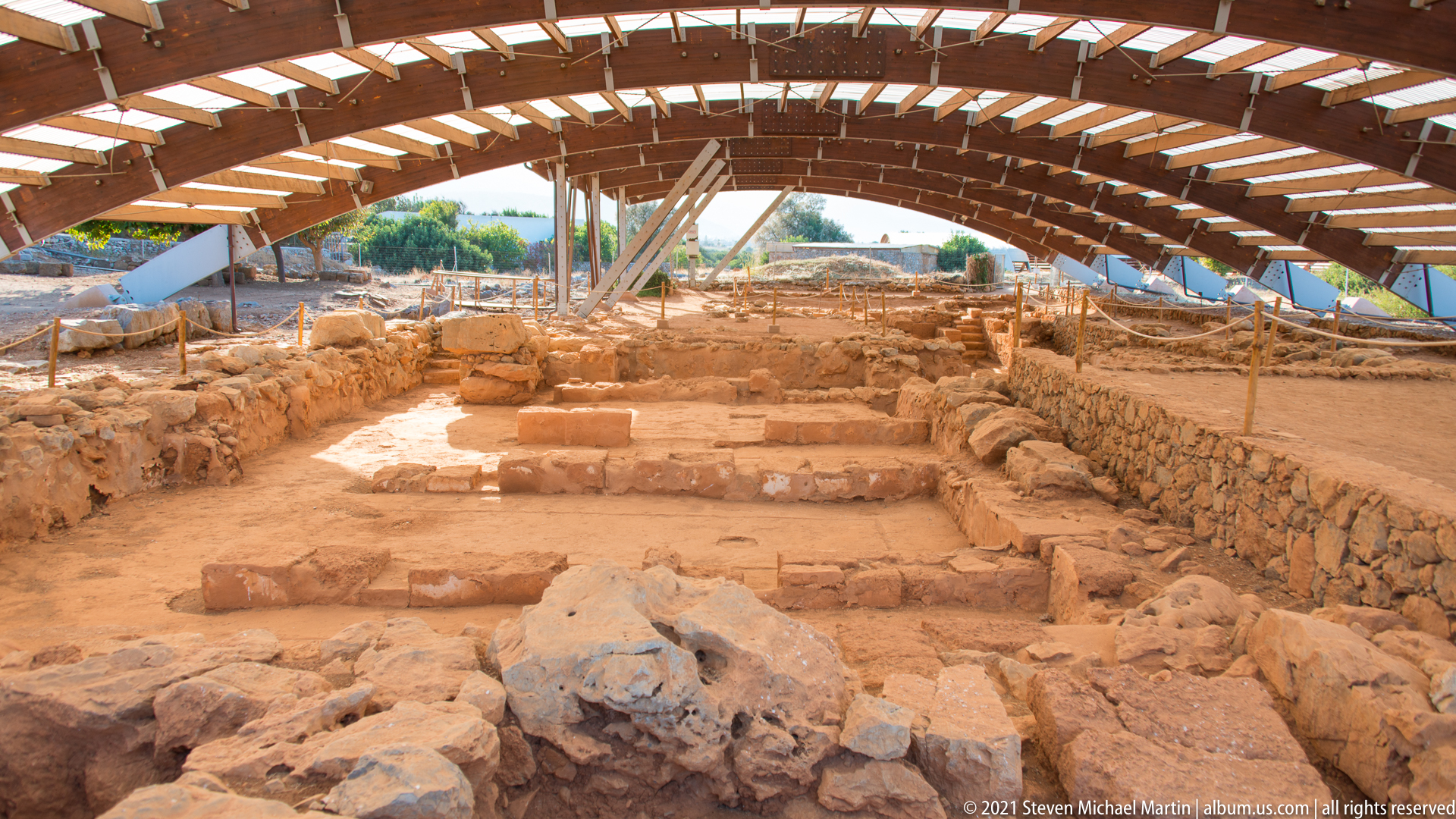
Malia Palace Archaeological Site
Malia (Minoan Palace) The Malia Minoan Palace represents one of the principal centers of the Minoan civilization on the island of Crete.
★ #6
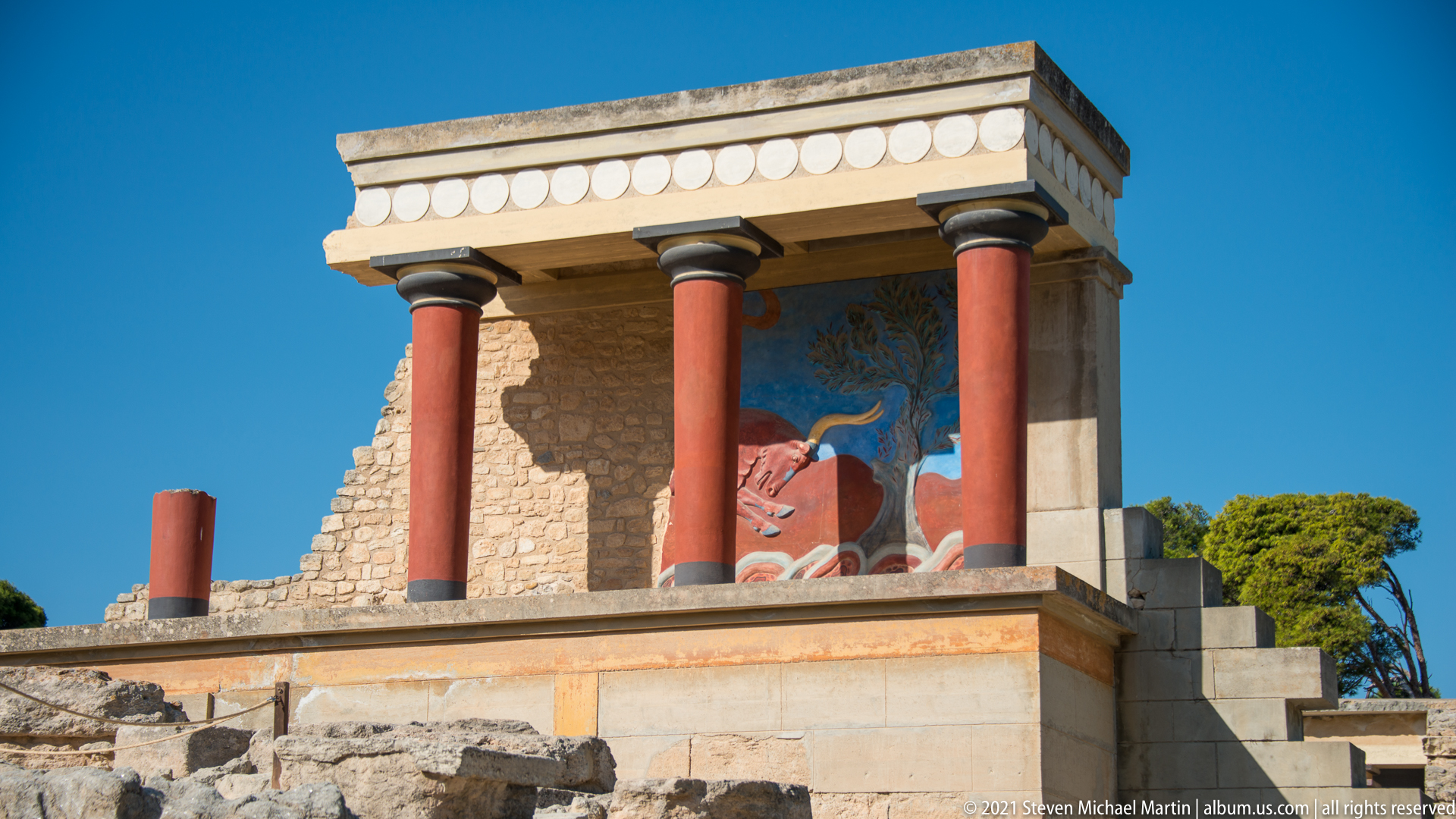
Minoan Knossos Palace
Minoan Palace of Knossos The Minoan Palace of Knossos is one of the most significant archaeological sites associated with the Bronze Age civilization of Crete.
Museum of Cycladic Art
The Museum of Cycladic Art preserves important examples of early Aegean civilization, particularly the distinctive marble figurines produced in the Cycladic islands during the Bronze Age.
Museum of the Royal Tombs at Aigai
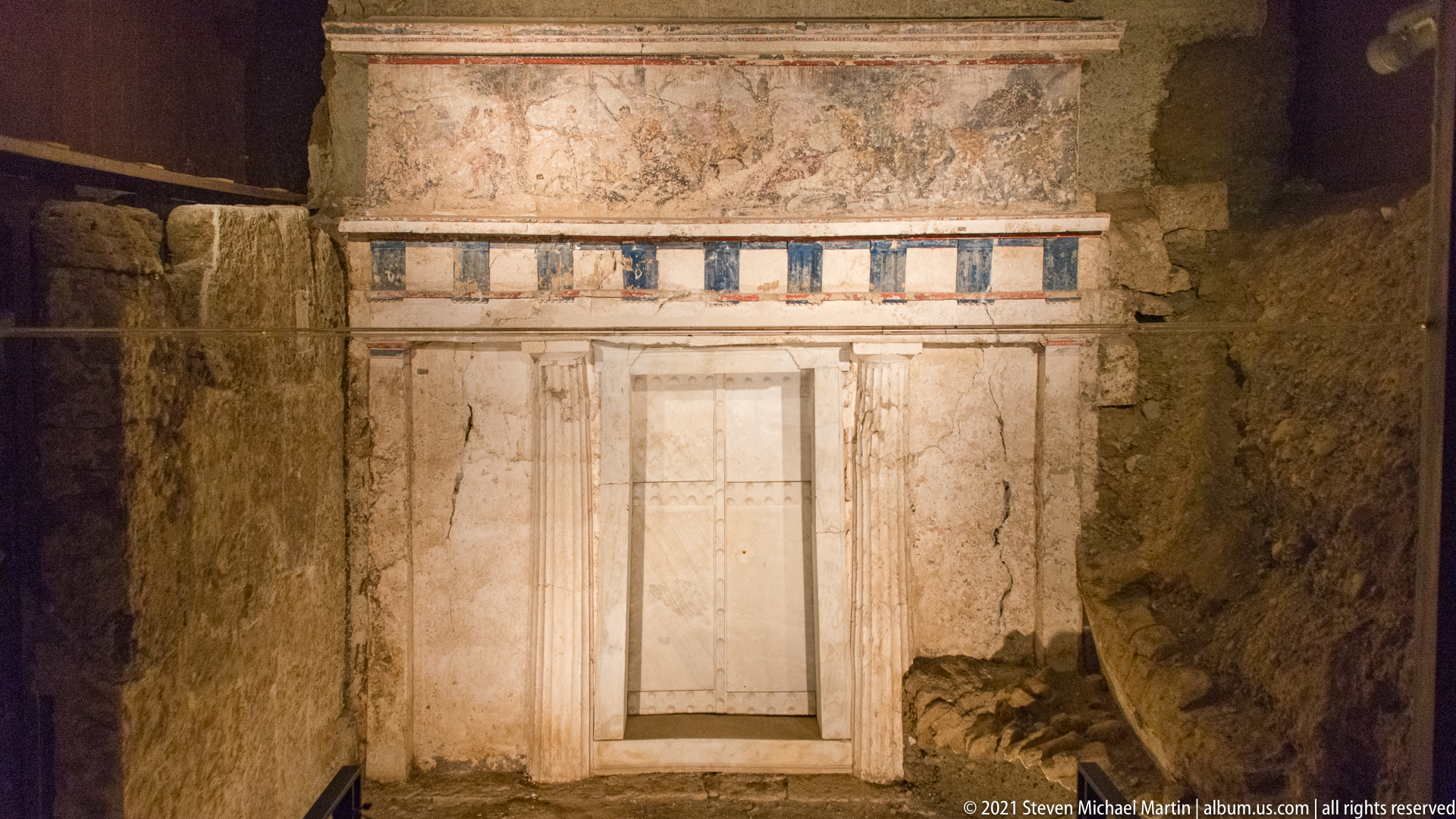
The remarkable burial complex of the Royal Tombs of Aigai lies beneath a large earthen mound near the modern town of Vergina in northern Greece. Ancient Aigai served as the first capital of the Macedonian kingdom.
National Archaeological Museum
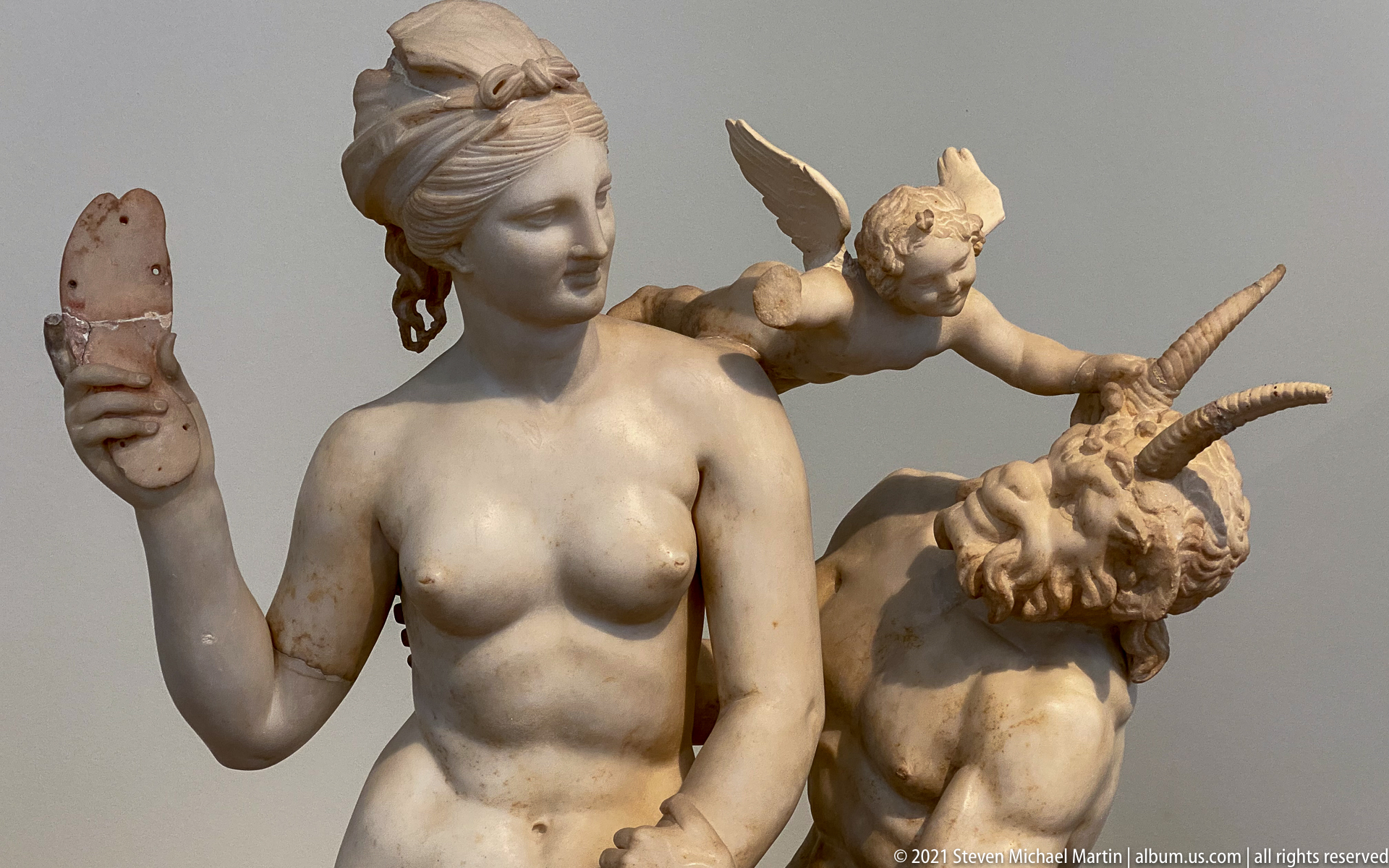
The National Archaeological Museum of Athens contains one of the most comprehensive collections of ancient Greek artifacts, spanning prehistoric, classical, and Hellenistic periods.
Pella
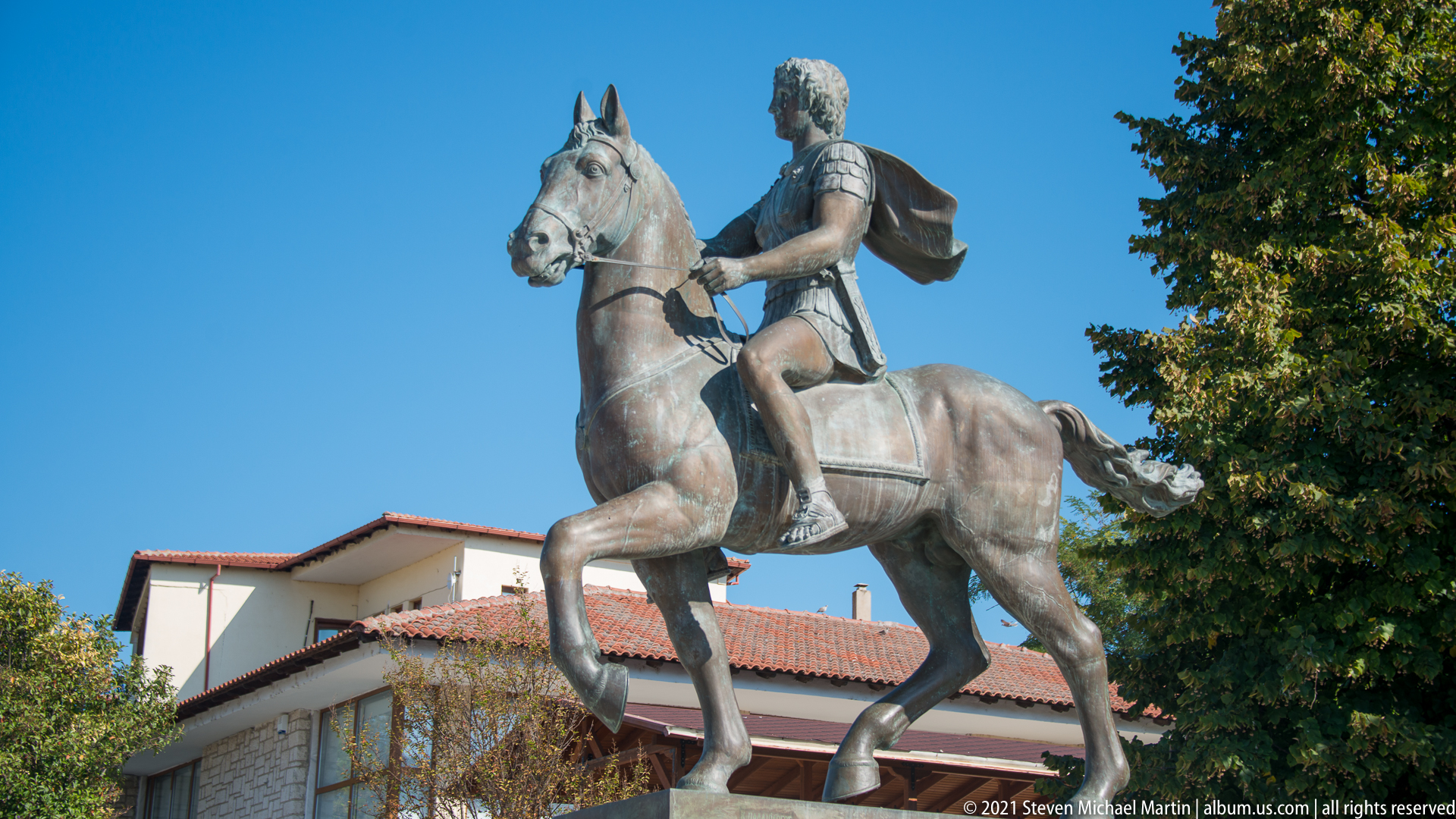
The ancient city of Pella served as the capital of the Kingdom of Macedon during the 4th century BCE.
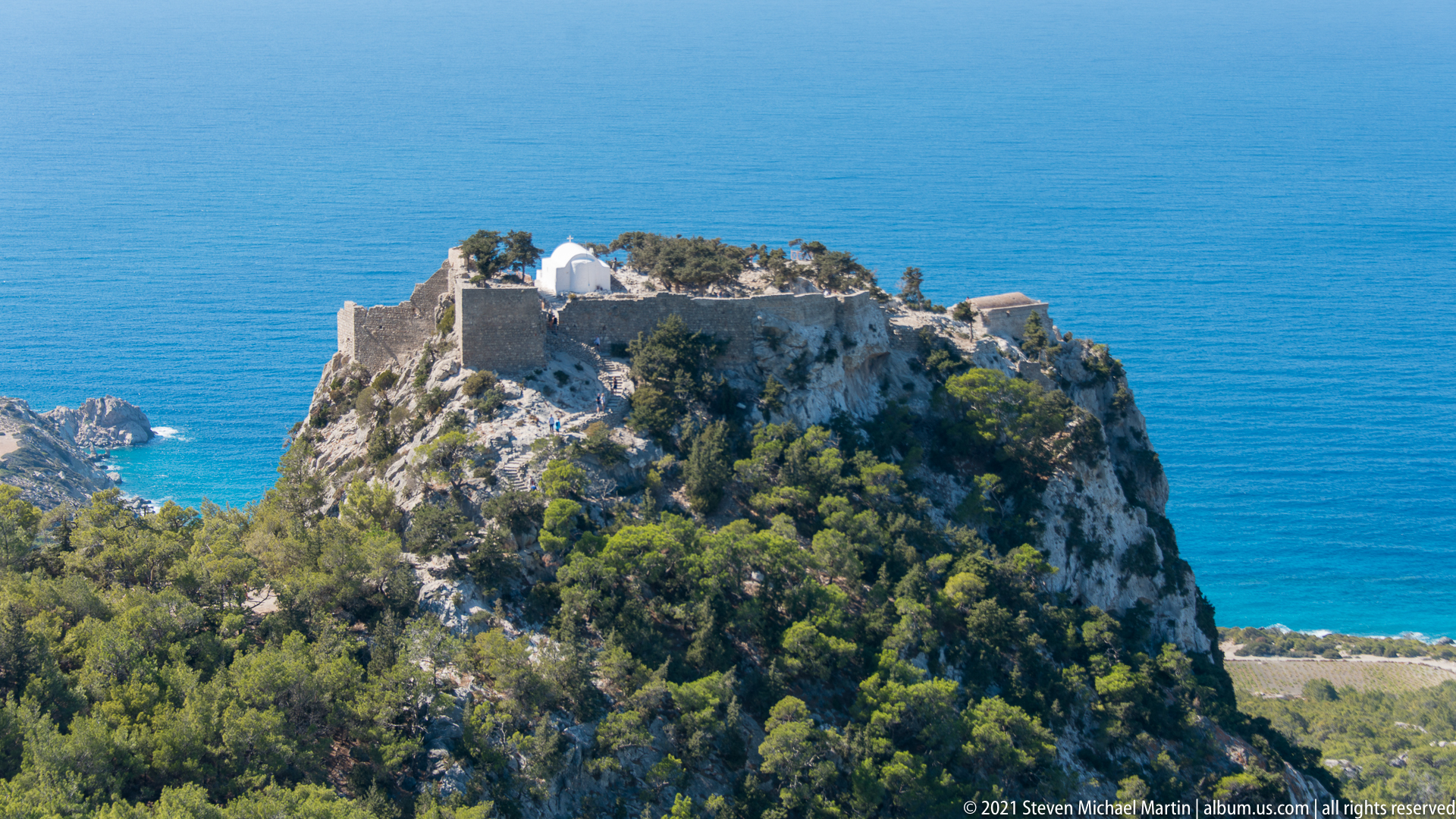
Rhodes
Rhodes has long been recognized as an important center of trade and cultural exchange in the eastern Mediterranean.
Algeria (7)
Algeria is represented by 7 portfolios in this collection, including Archaeological Museum of Djmila, Cirta Museum, and Constantine.
Archaeological Museum of Djmila
The Djemila Museum preserves many of the remarkable artifacts discovered during archaeological excavations of the ancient city of Djemila. The museum’s collection provides insight into the artistic and cultural life of the Roman settlement.
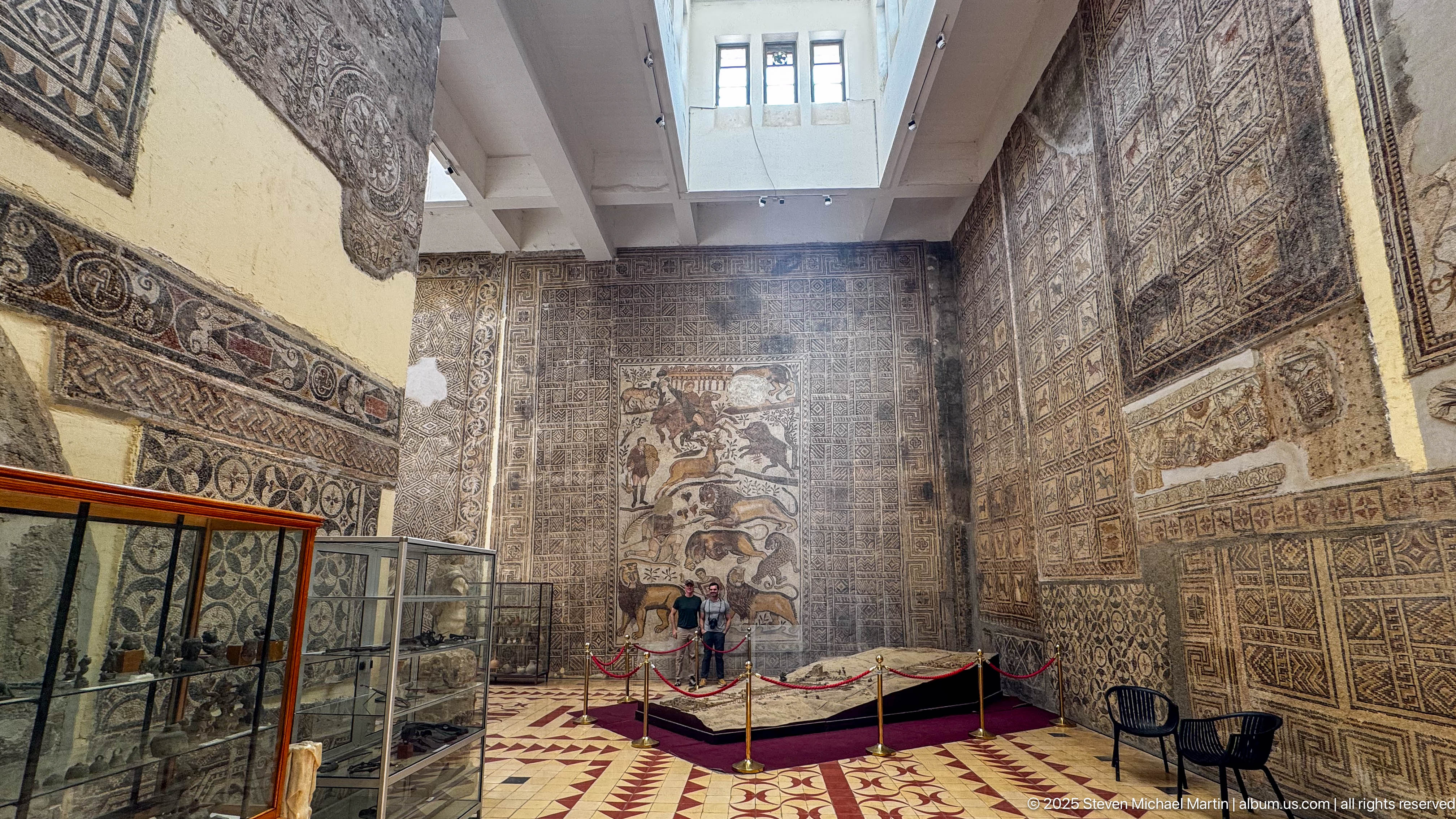
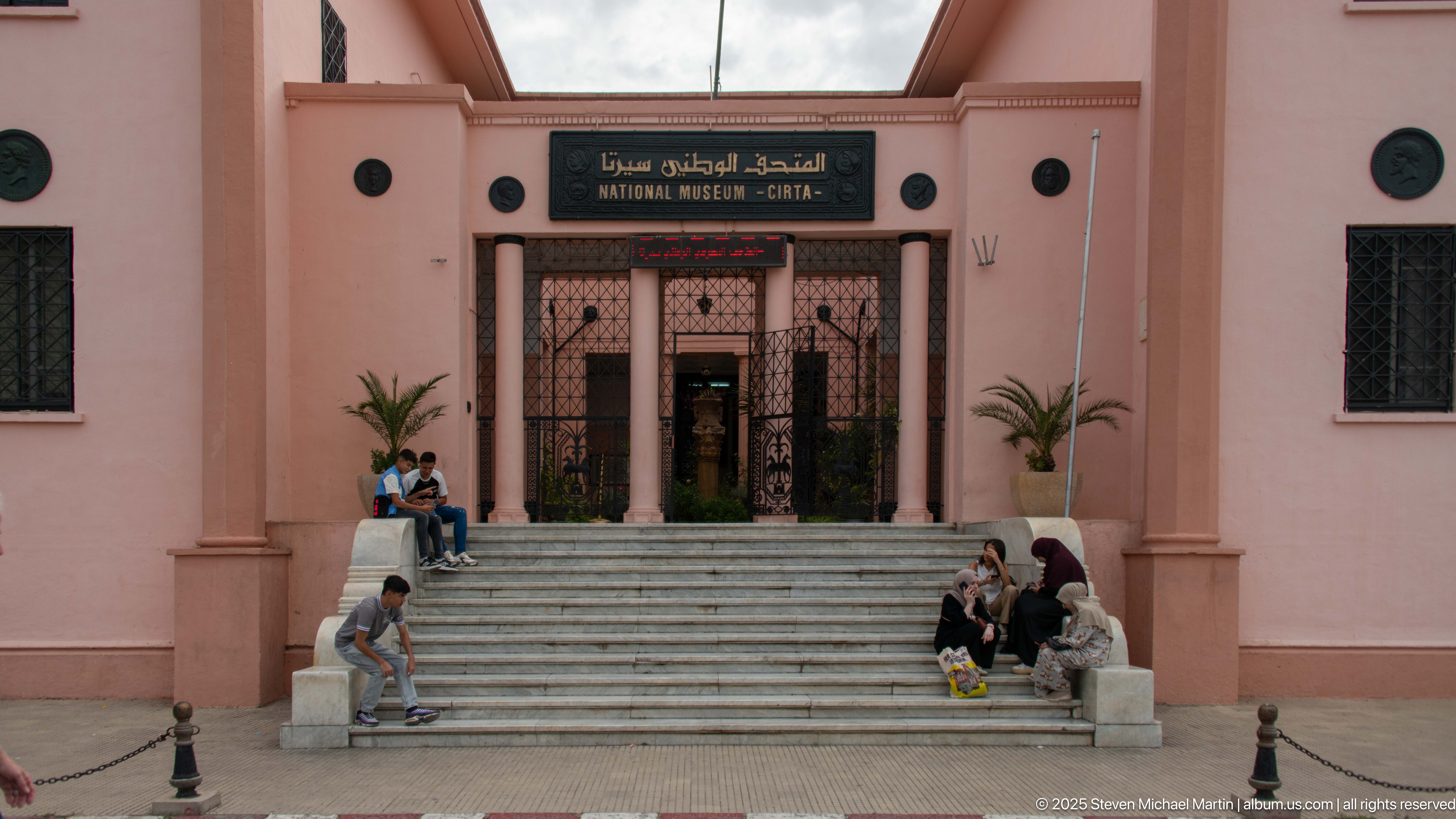
Cirta Museum
The Cirta Museum preserves artifacts that illustrate the long history of Constantine, known in ancient times as Cirta. The city served as an important center of the Numidian Kingdom and later became a significant Roman settlement in North Africa.
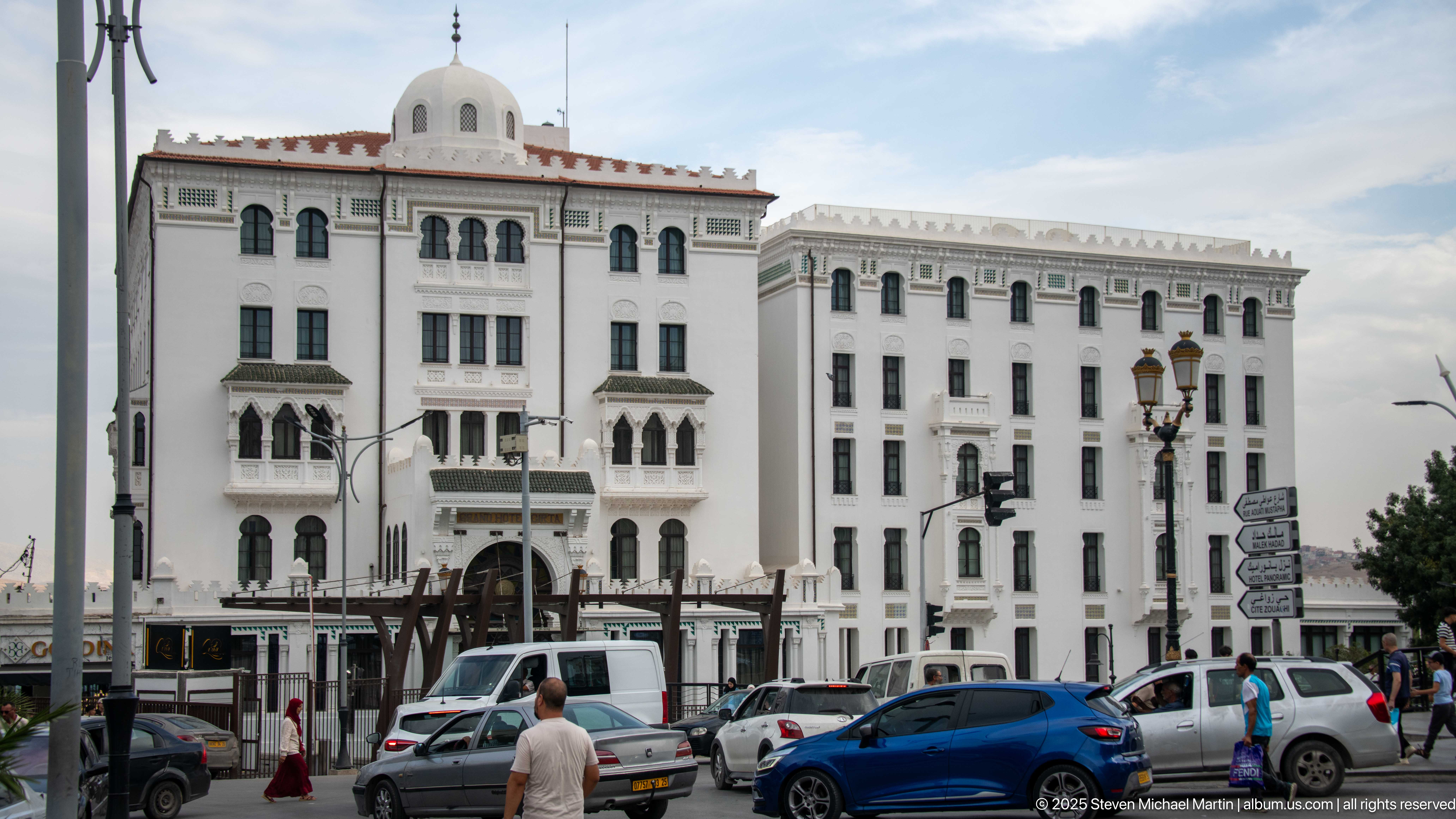
Constantine
The historic city of Constantine rises dramatically above deep gorges carved by the Rhumel River, creating one of the most striking urban landscapes in North Africa.
★ #8
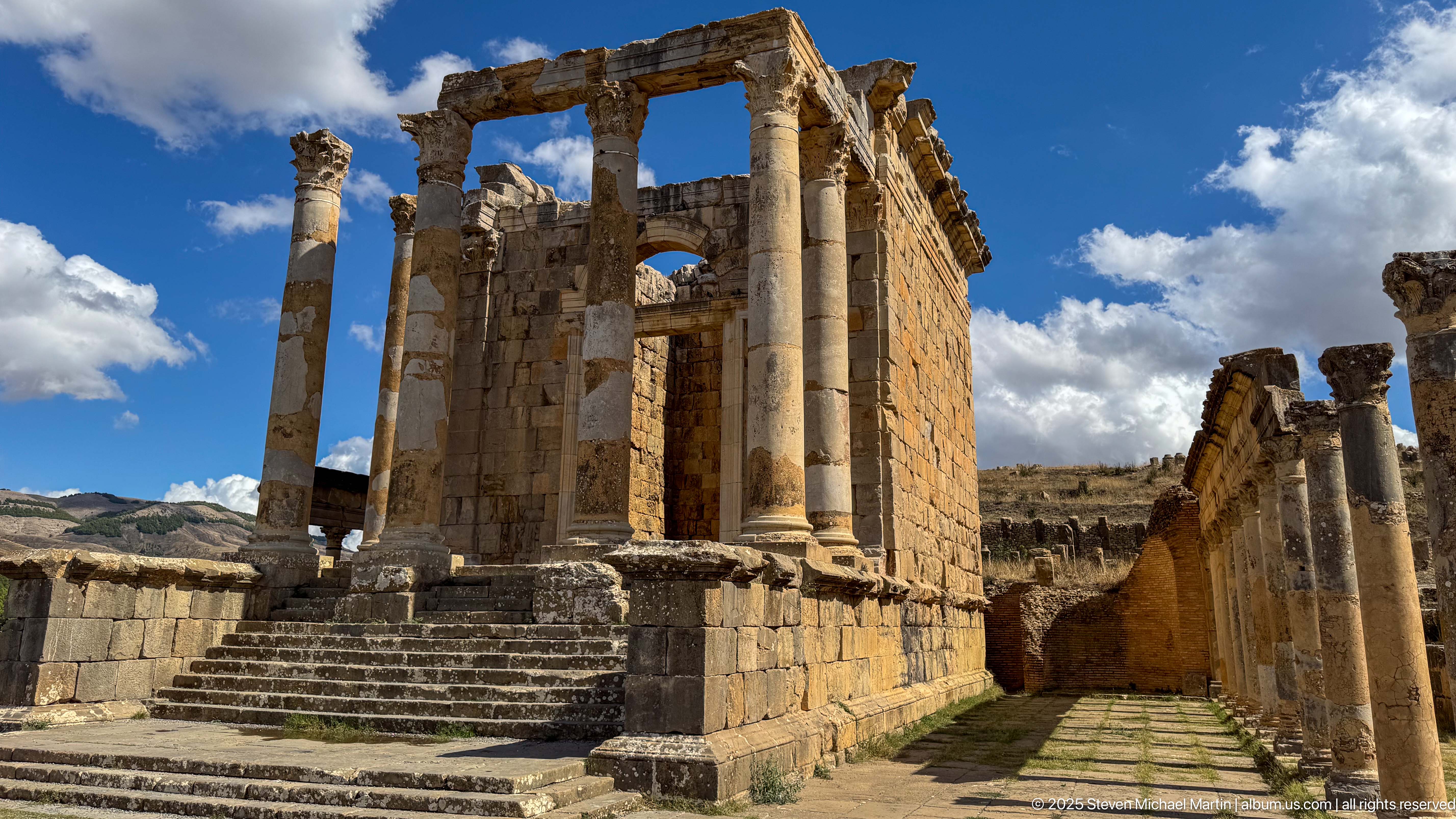
Djemila
The ancient Roman city of Djemila, known in antiquity as Cuicul, lies among the mountains of northern Algeria. Founded during the Roman Empire in the 1st century AD, the city developed into an important regional center.
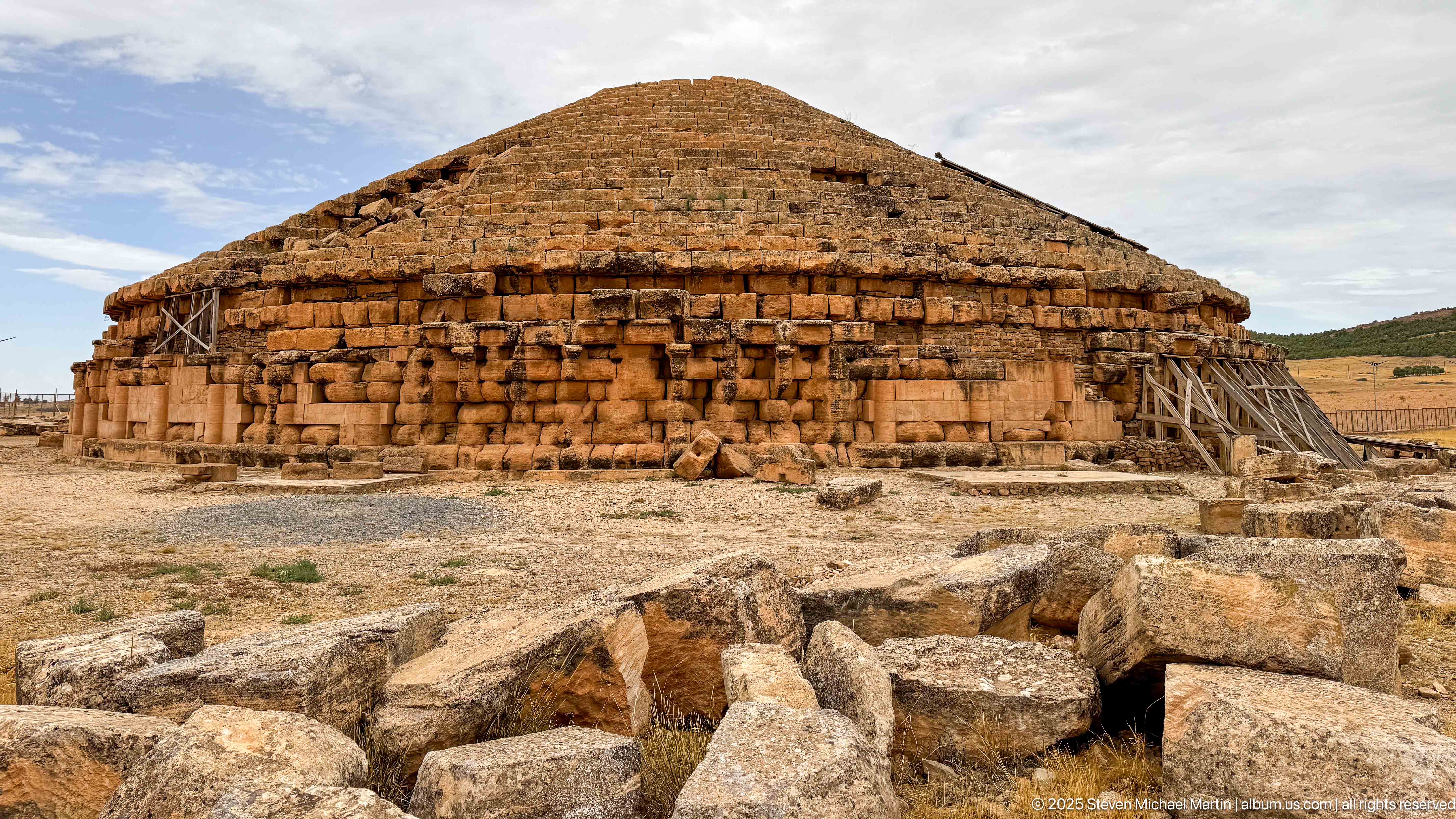
Madghacen Royal Mausoleum
The Royal Mausoleum of Mauretania, often referred to as the Royal Mausoleum of Numidia, stands on a hill overlooking the countryside west of Algiers.
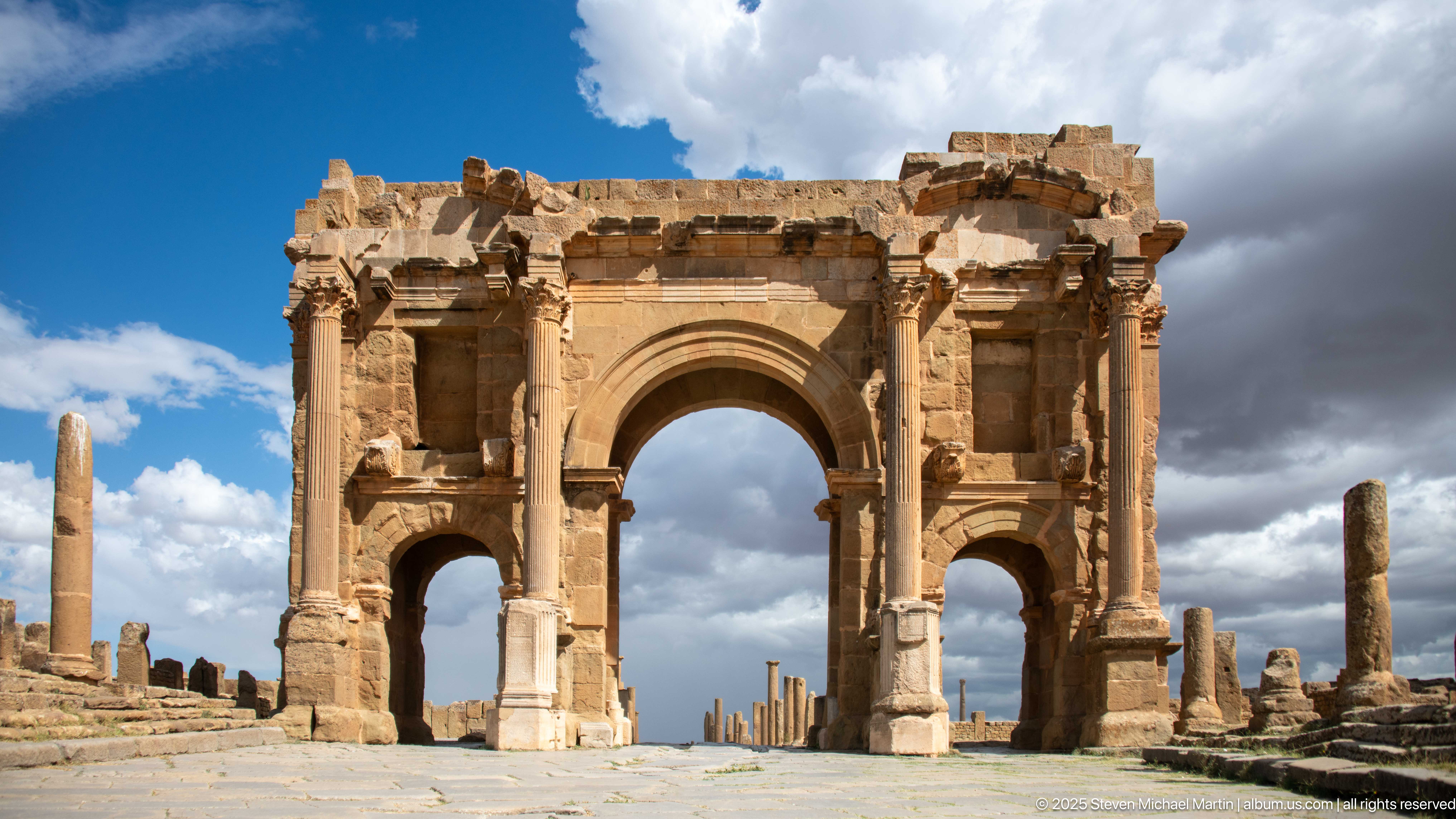
★ #3
Timgad
The ancient city of Timgad was founded around 100 AD by the Roman emperor Trajan as a military colony on the northern edge of the Sahara Desert.
Timgad Museum
The Timgad Archaeological Museum houses many of the artifacts uncovered during excavations of the ancient Roman city of Timgad. The museum helps interpret the archaeological remains found throughout the site.
Cambodia (5)
Cambodia is represented by 5 portfolios in this collection, including Angkor Thum, Angkor Wat, and Beng Mealea.
Angkor Thum
Angkor Thom Angkor Thom served as the royal capital of the Khmer Empire during the late twelfth and early thirteenth centuries under King Jayavarman VII.
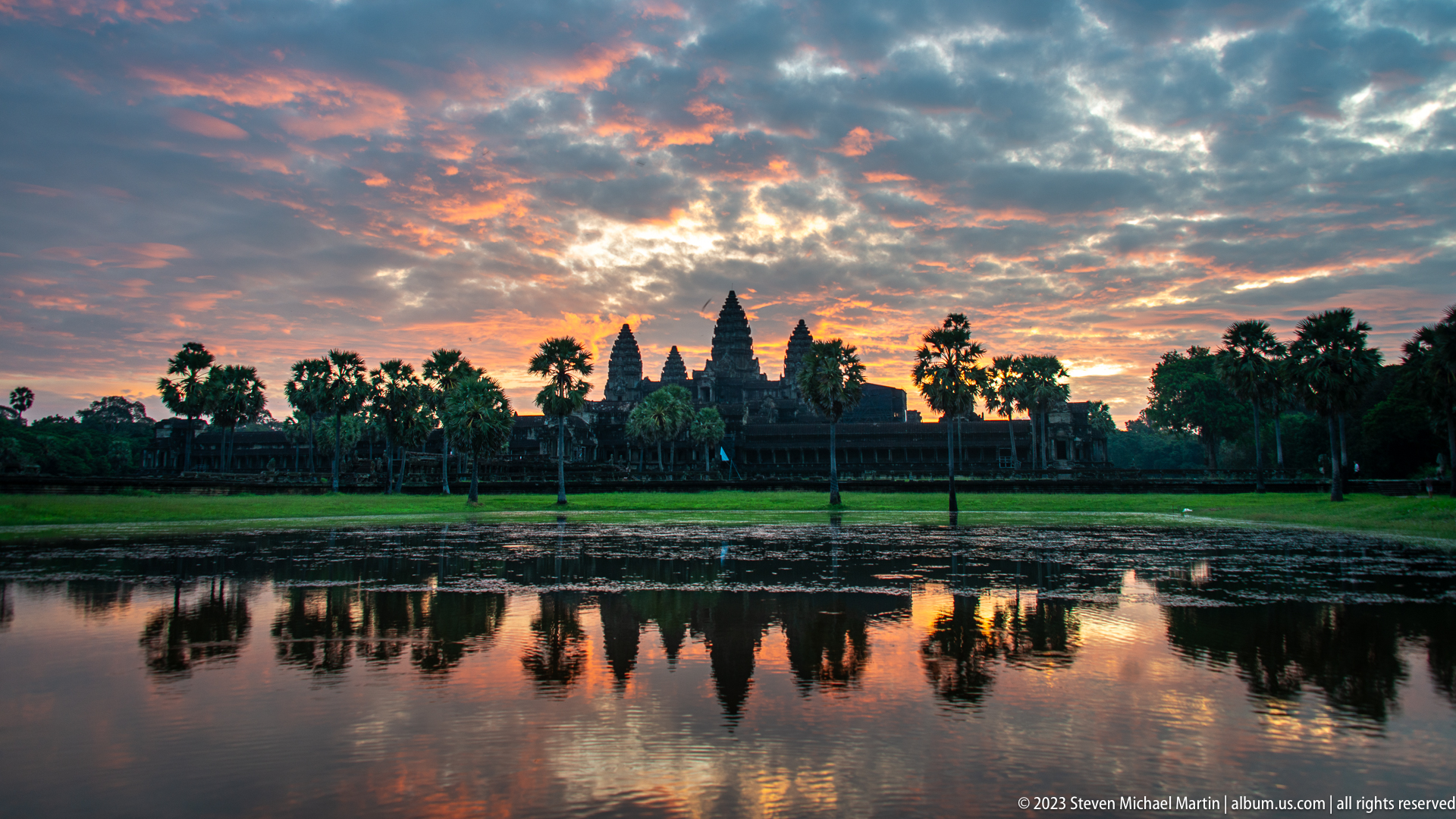
★ #2
Angkor Wat
Angkor Wat Angkor Wat is one of the largest and most significant temple complexes in the world, constructed in the twelfth century during the reign of King Suryavarman II.
Beng Mealea
Beng Mealea is a largely unrestored twelfth-century temple constructed during the reign of King Suryavarman II, the same ruler associated with Angkor Wat.
Krong Siem Reap
Siem Reap Siem Reap developed as the principal gateway to the Angkor archaeological region, one of the most significant cultural landscapes in Southeast Asia.
Phnom Kulen
Phnom Kulen is a mountain region in Cambodia associated with early Khmer civilization and the establishment of Angkorian political authority.
Chile (5)
Chile is represented by 5 portfolios in this collection, including Ahu Tahai, Ahu Tongariki, and Ana Te Pahu.
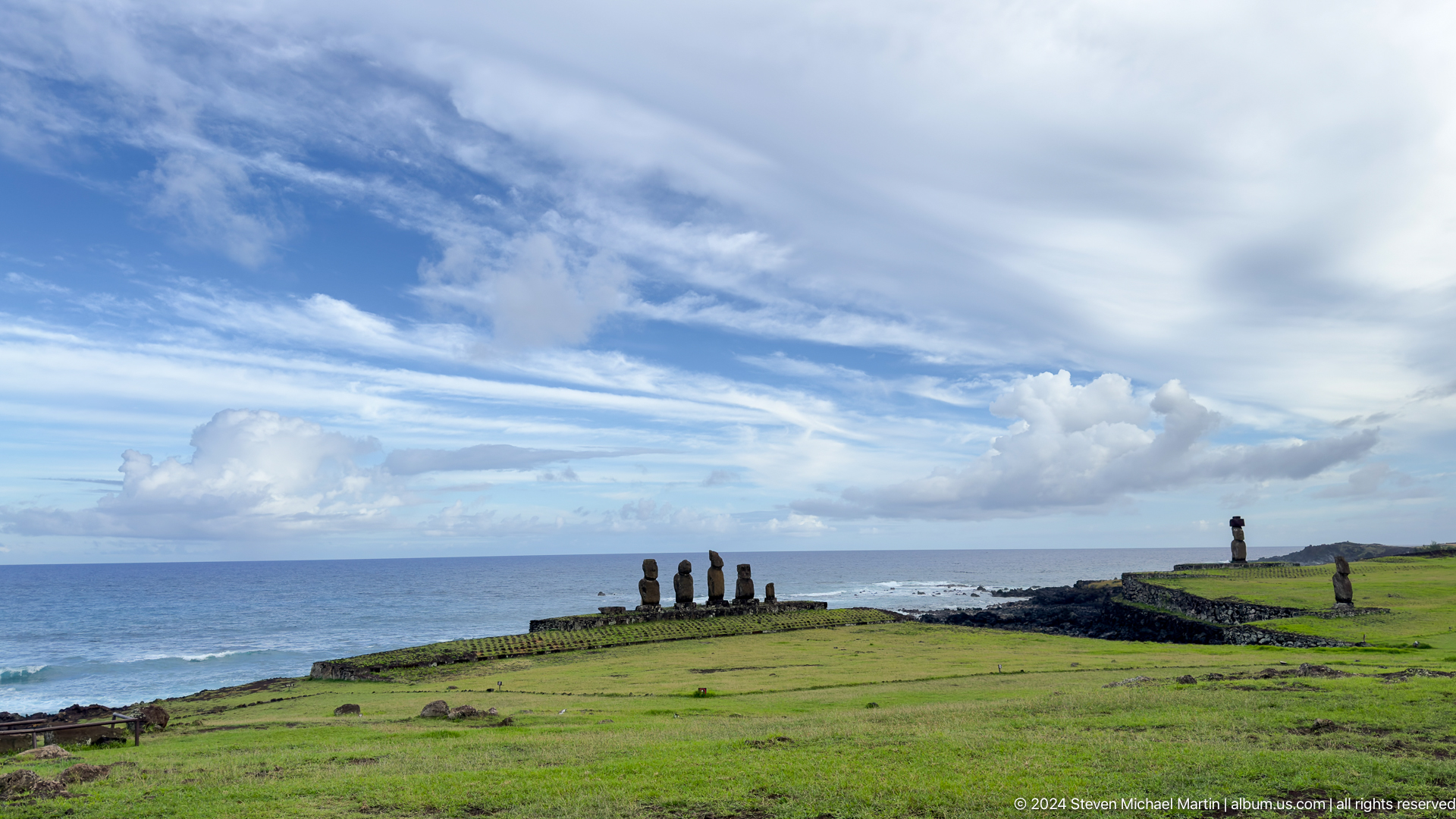
Ahu Tahai
The ceremonial complex of Tahai Ceremonial Complex lies near the modern town of Hanga Roa. The site includes several restored ahu platforms and moai statues that illustrate the ceremonial traditions of the Rapa Nui people.
★ #9
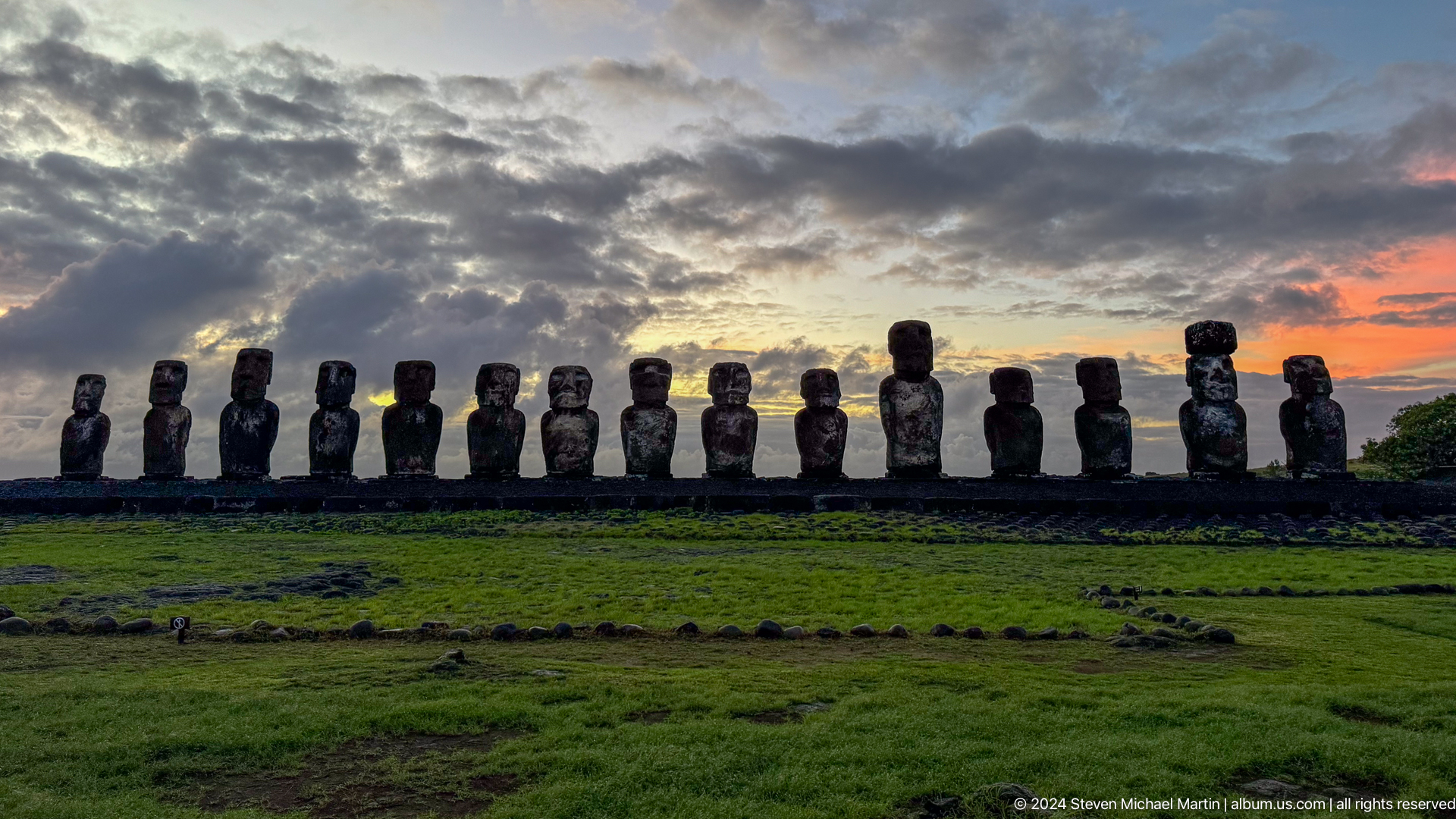
Ahu Tongariki
The monumental platform of Ahu Tongariki is the largest ceremonial site on Easter Island. Along the platform stand fifteen restored moai statues, creating one of the most iconic archaeological scenes on the island.
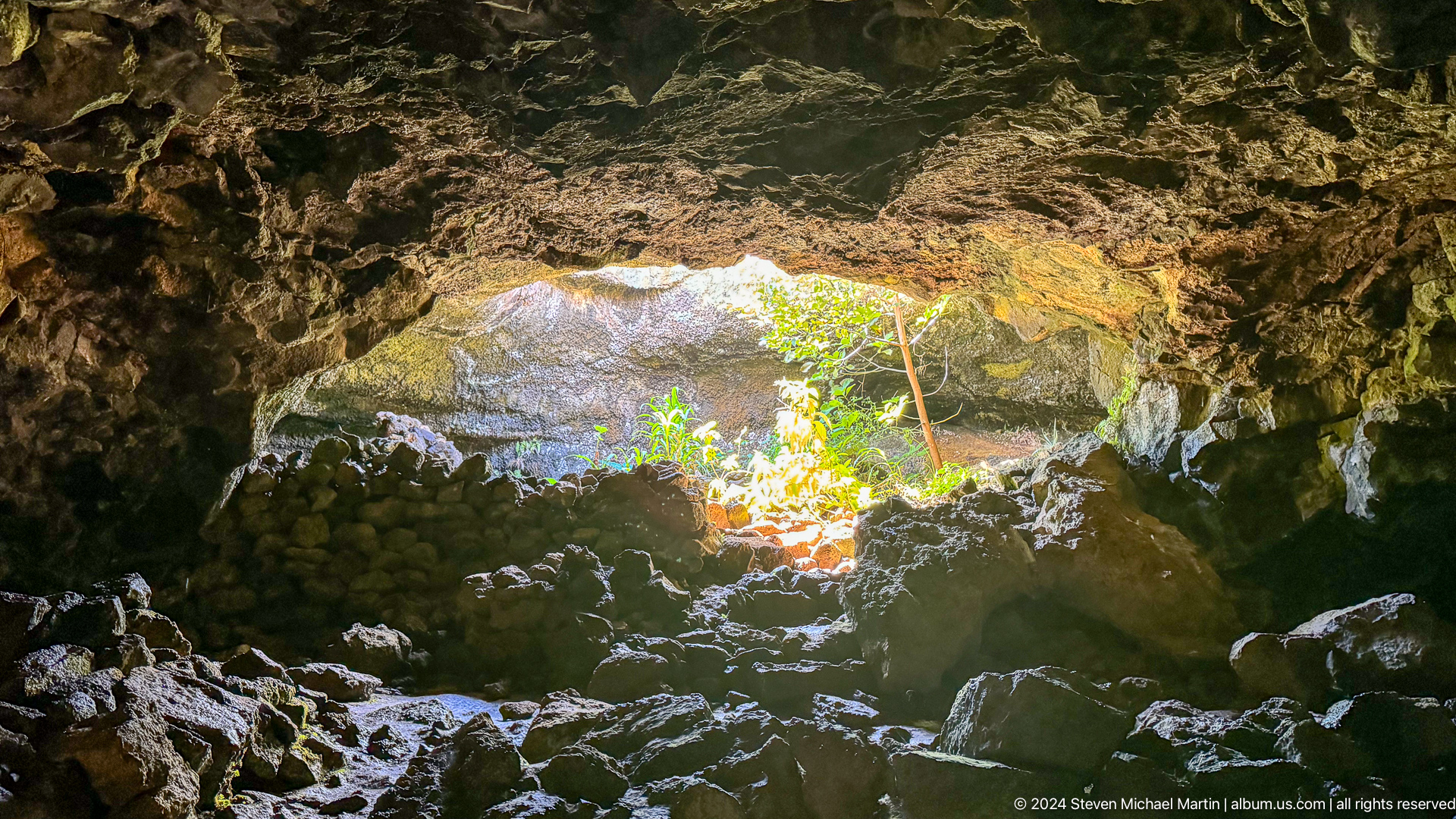
Ana Te Pahu
Ana Te Pahu is the largest lava tube cave on Rapa Nui. Formed by ancient volcanic activity, the cave stretches through the island’s volcanic rock and once served as a shelter and refuge for the island’s inhabitants.
Easter Island
The remote island of Rapa Nui, commonly known as Easter Island, lies in the southeastern Pacific Ocean more than 3,500 kilometers west of mainland Chile. It is one of the most isolated inhabited islands in the world.
Rano Raraku
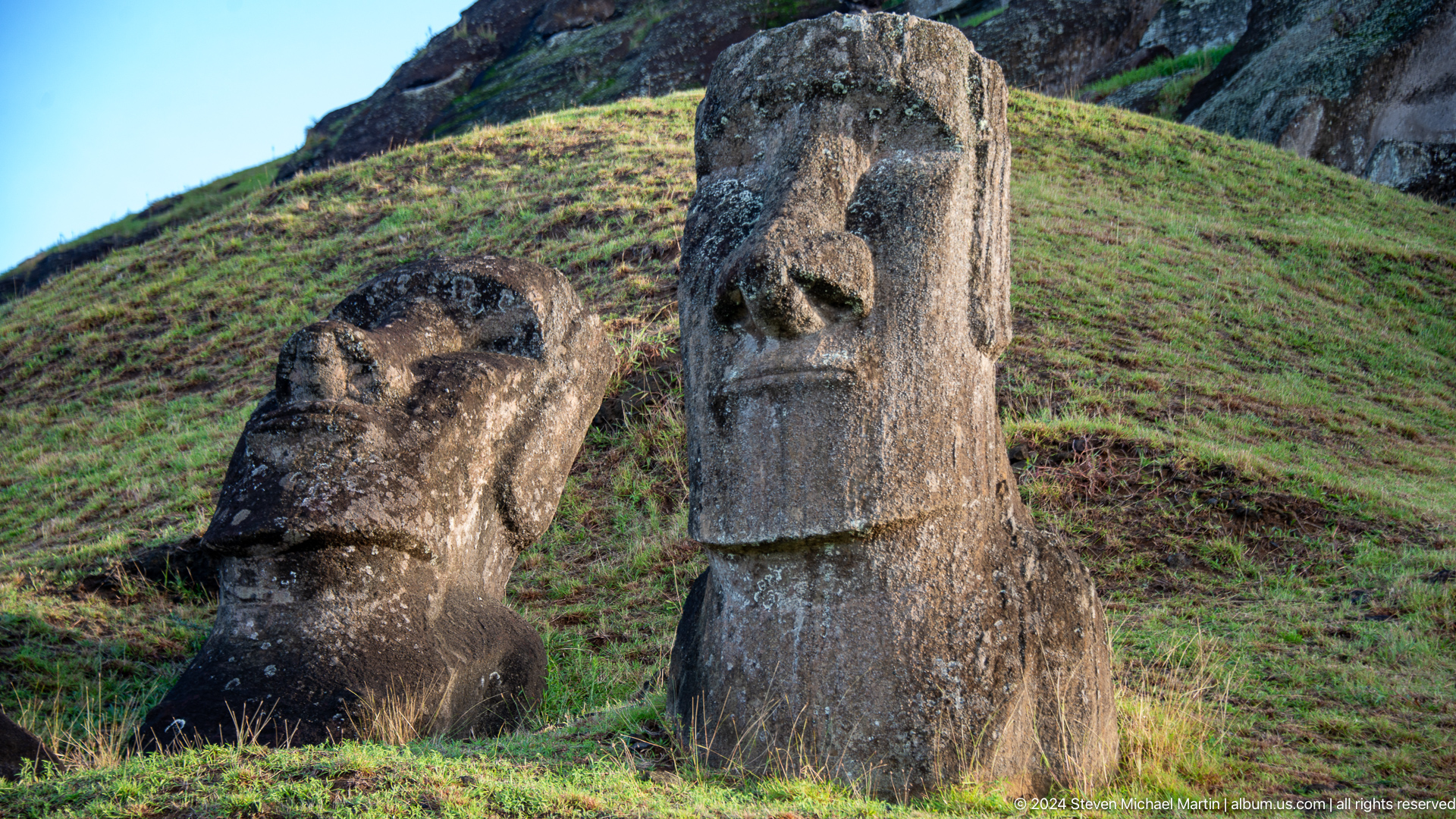
The volcanic crater of Rano Raraku served as the primary quarry where the famous moai statues of Rapa Nui were carved.
Egypt (5)
Egypt is represented by 5 portfolios in this collection, including Giza, Giza Necropolis, and Grand Egyptian Museum Tutankhamum.
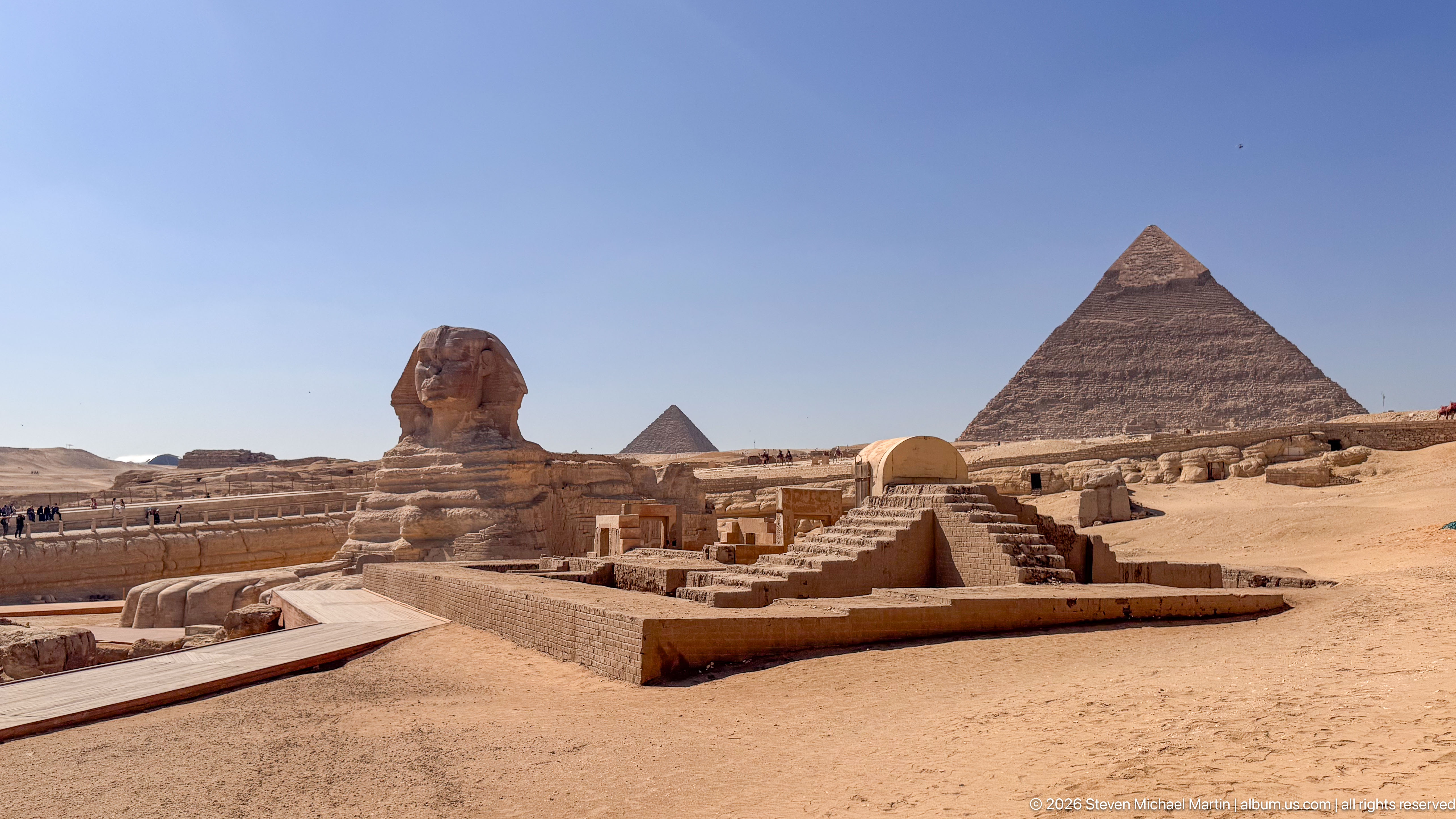
Giza
Giza Giza is one of the most important archaeological landscapes in the world and preserves some of the most recognizable monuments of ancient Egypt.
★ #1
Giza Necropolis
The journey through Cairo and Giza reveals one of the most extraordinary concentrations of ancient history in the world. The modern city of Cairo spreads along the banks of the Nile River, serving as the cultural and political heart of Egypt.
Grand Egyptian Museum Tutankhamum
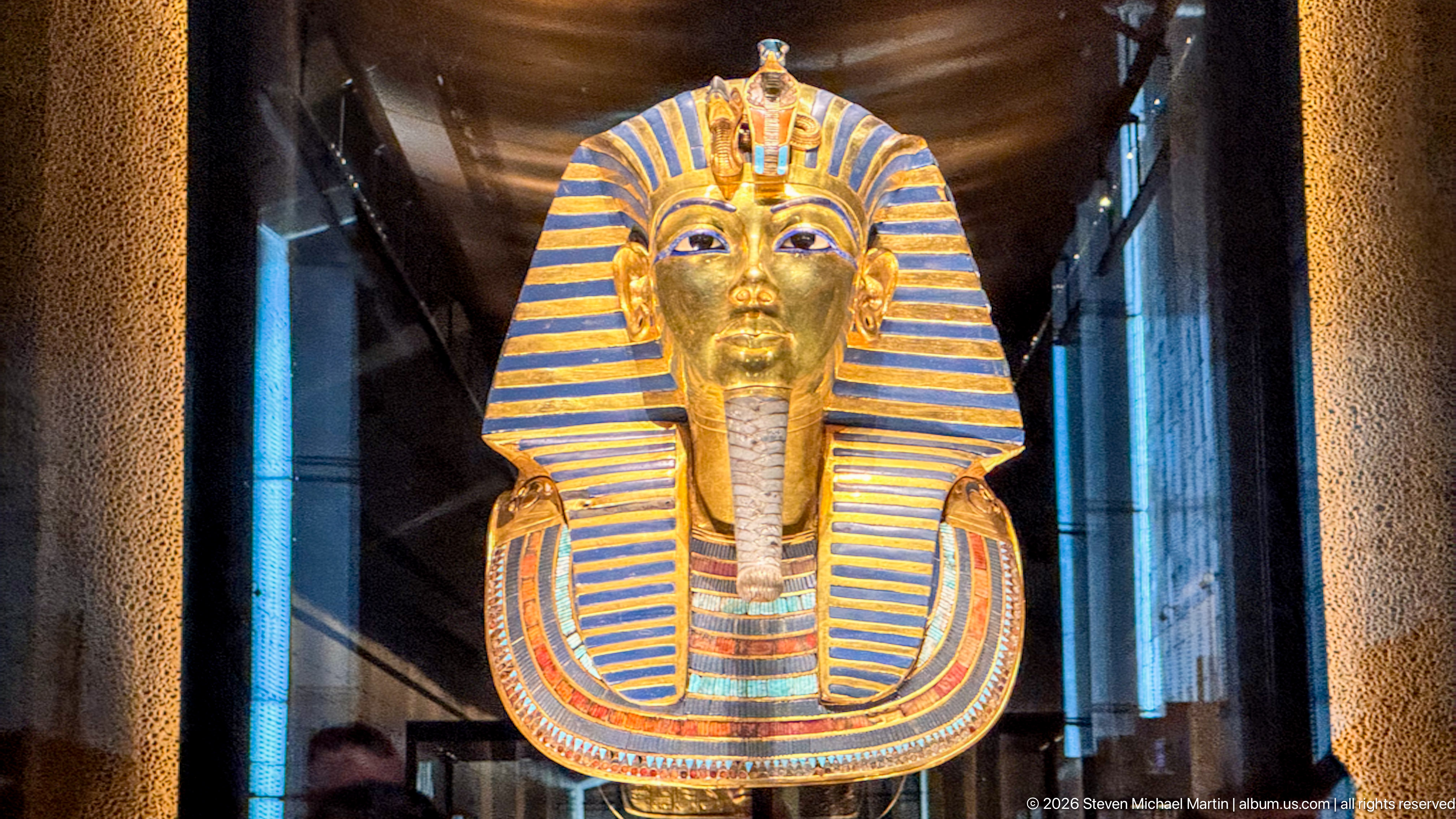
Tutankhamun Exhibit in Grand Egyptian Museum – Egypt The Grand Egyptian Museum’s Tutankhamun galleries bring together one of the most extraordinary archaeological collections ever assembled.
★ #7
Karnak
The Karnak Temple Complex is one of the largest religious building projects in the world and represents the evolving spiritual traditions of ancient Egypt.
Valley of the Kings
Luxor was one of the most important religious centers of ancient Egypt and served as the ceremonial heart of the New Kingdom.
Italy (5)
Italy is represented by 5 portfolios in this collection, including Duomo di Milano, Hadrian's Villa, and Museo Egizio.
Duomo di Milano
The Duomo di Milano rises at the center of Milan and is one of the largest and most elaborate Gothic cathedrals in Europe.
Hadrian's Villa
The vast archaeological complex of Hadrian's Villa, also known as Villa Adriana, lies just outside the town of Tivoli. Constructed during the 2nd century CE for the Roman emperor Hadrian, the villa served as an enormous imperial residence and retreat.
Museo Egizio
The Museo Egizio in Turin houses one of the most important collections of ancient Egyptian artifacts outside of Egypt itself.
Valley of the Temples
The ancient city of Agrigento stands along the southern coast of Sicily and was originally founded by Greek settlers in the 6th century BCE.
Villa Romana del Casale
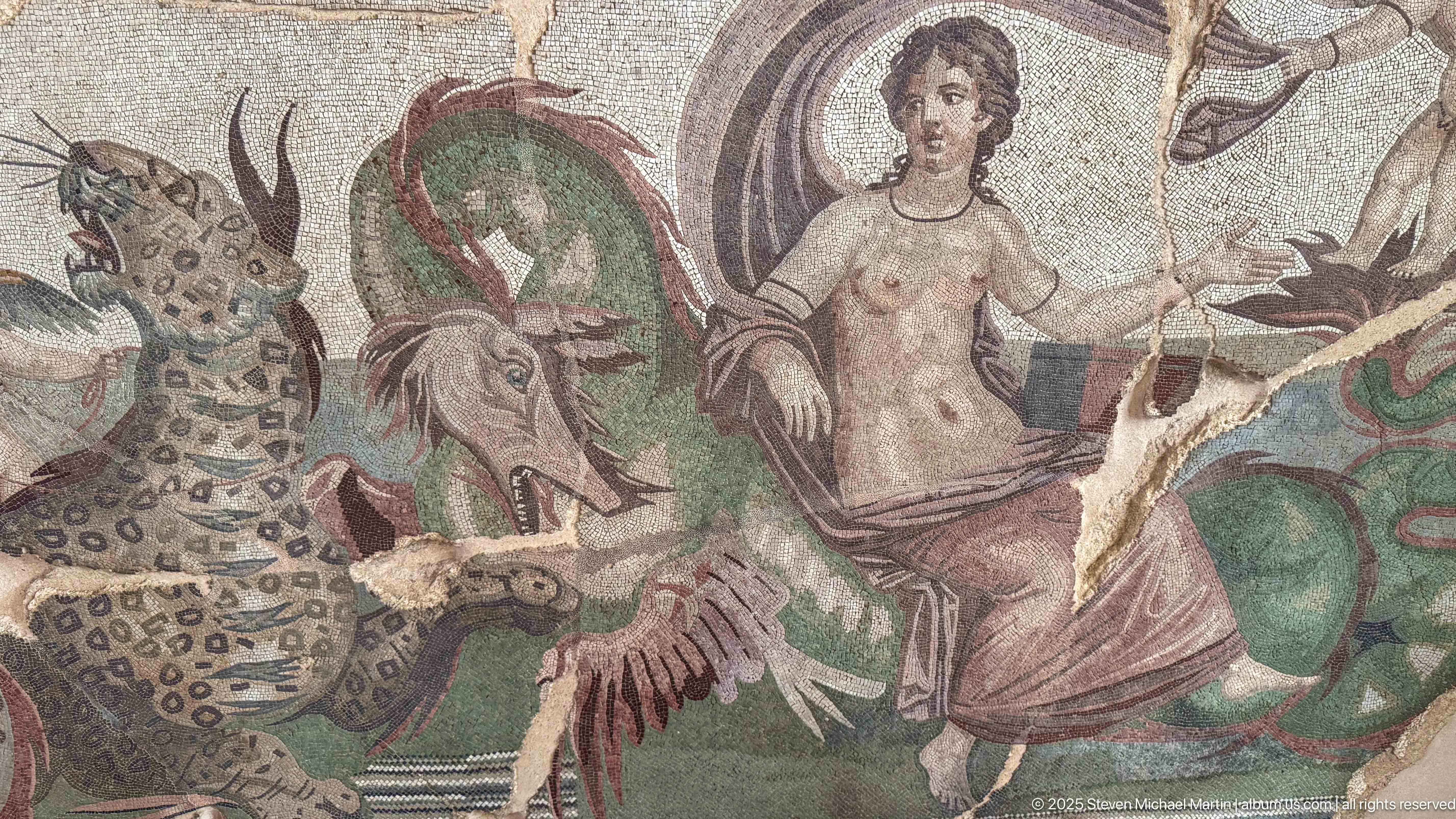
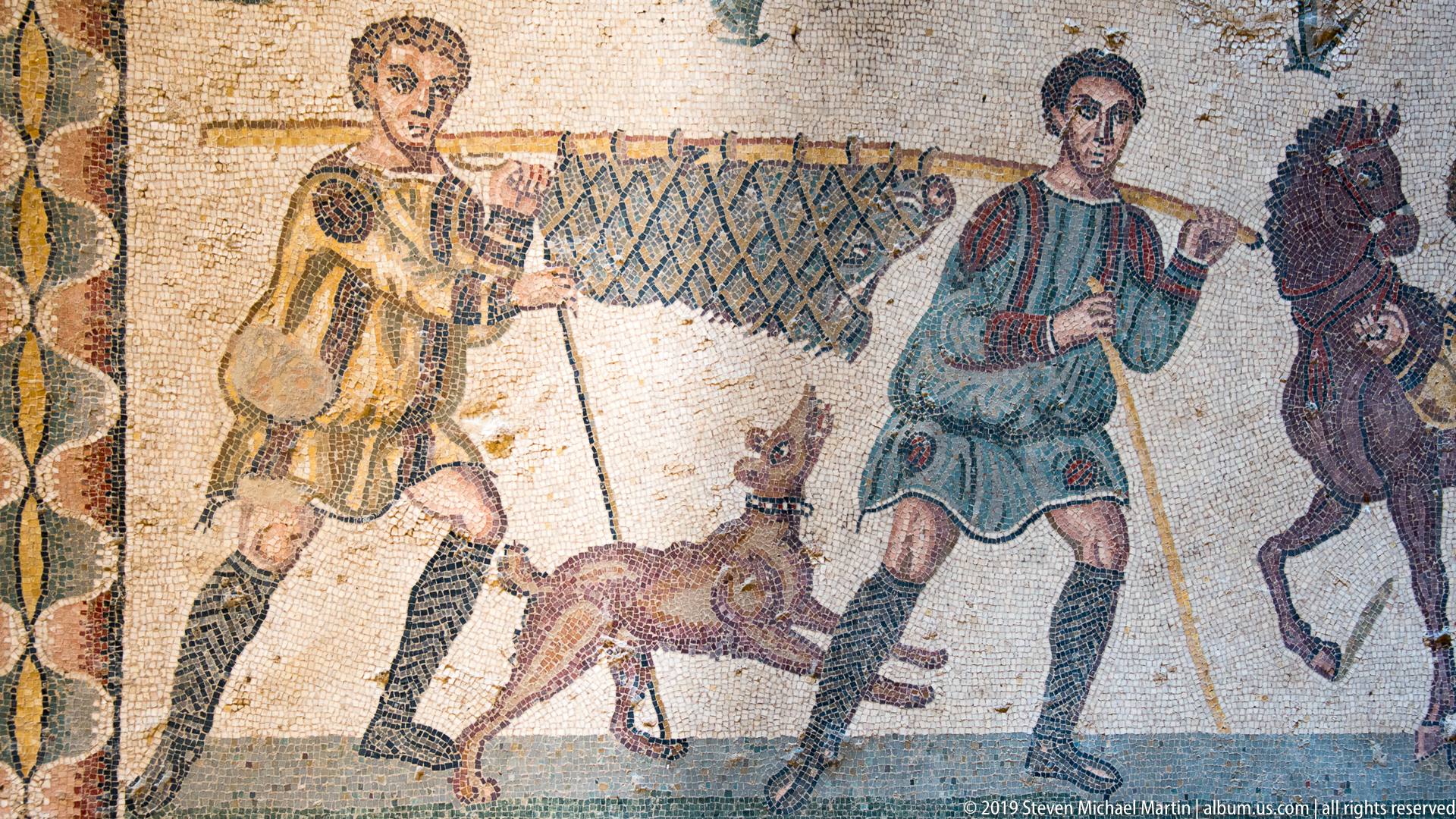
The Villa Romana del Casale lies in the countryside near the town of Piazza Armerina in central Sicily. Built during the 4th century CE, the villa formed part of a large Roman estate belonging to a wealthy member of the imperial elite.
United States (5)
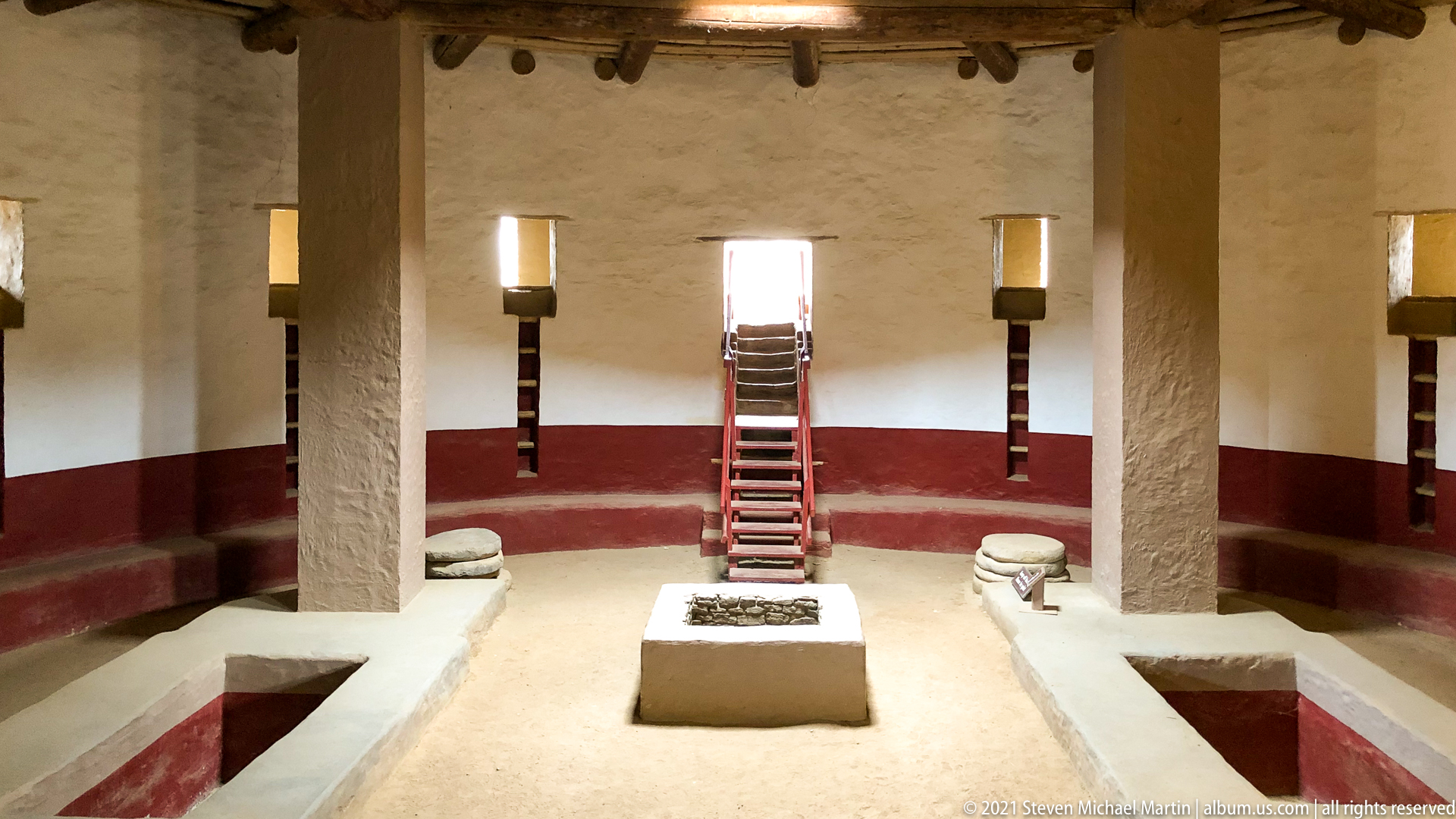
United States is represented by 5 portfolios in this collection, including Aztec Ruins National Monument, Casa Grande Ruins National Monument, and Effigy Mounds National Monument.
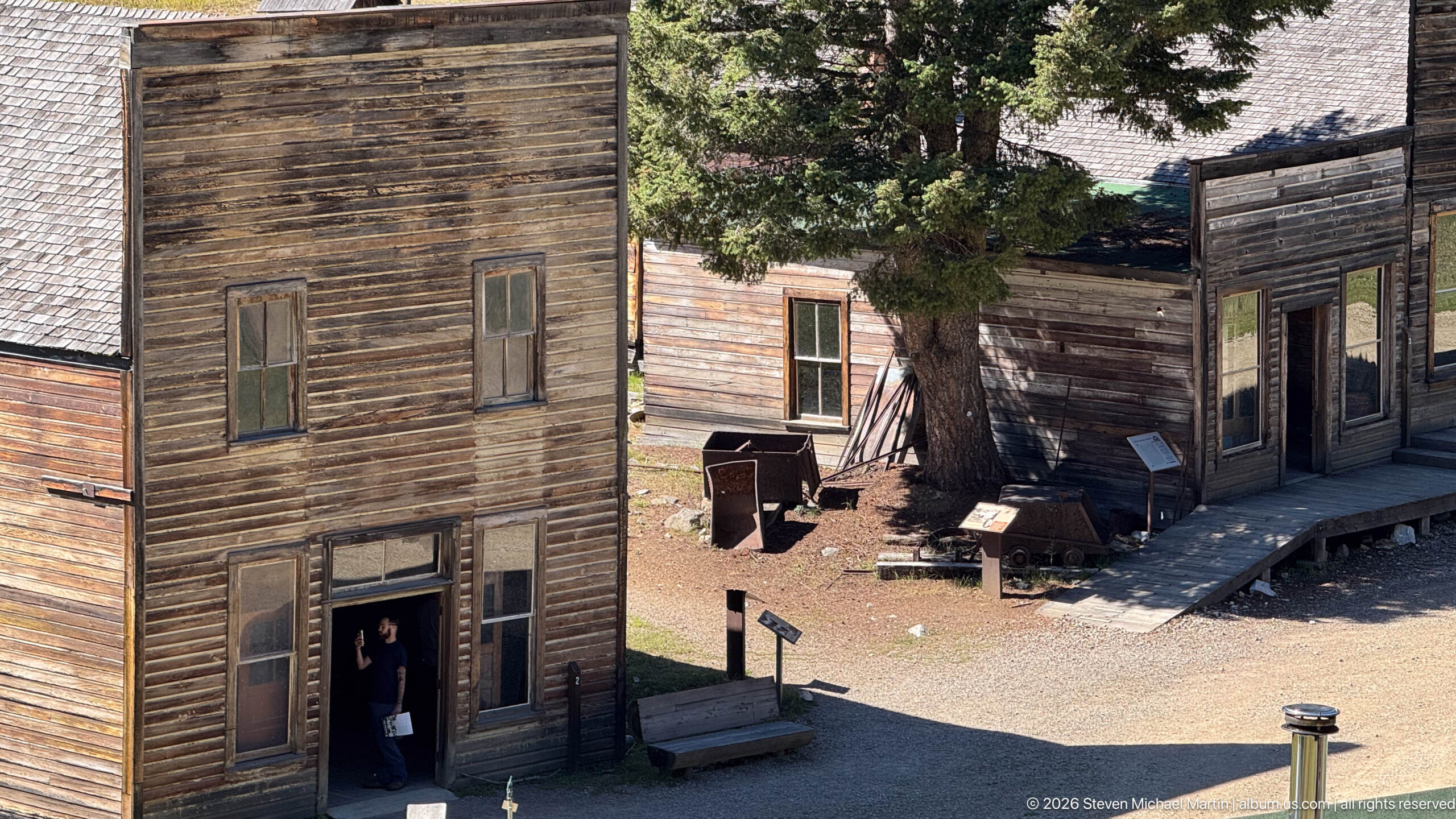
Garnet Ghost Town
Garnet Ghost Town is featured in this collection as part of Historic / Archaeology • United States.
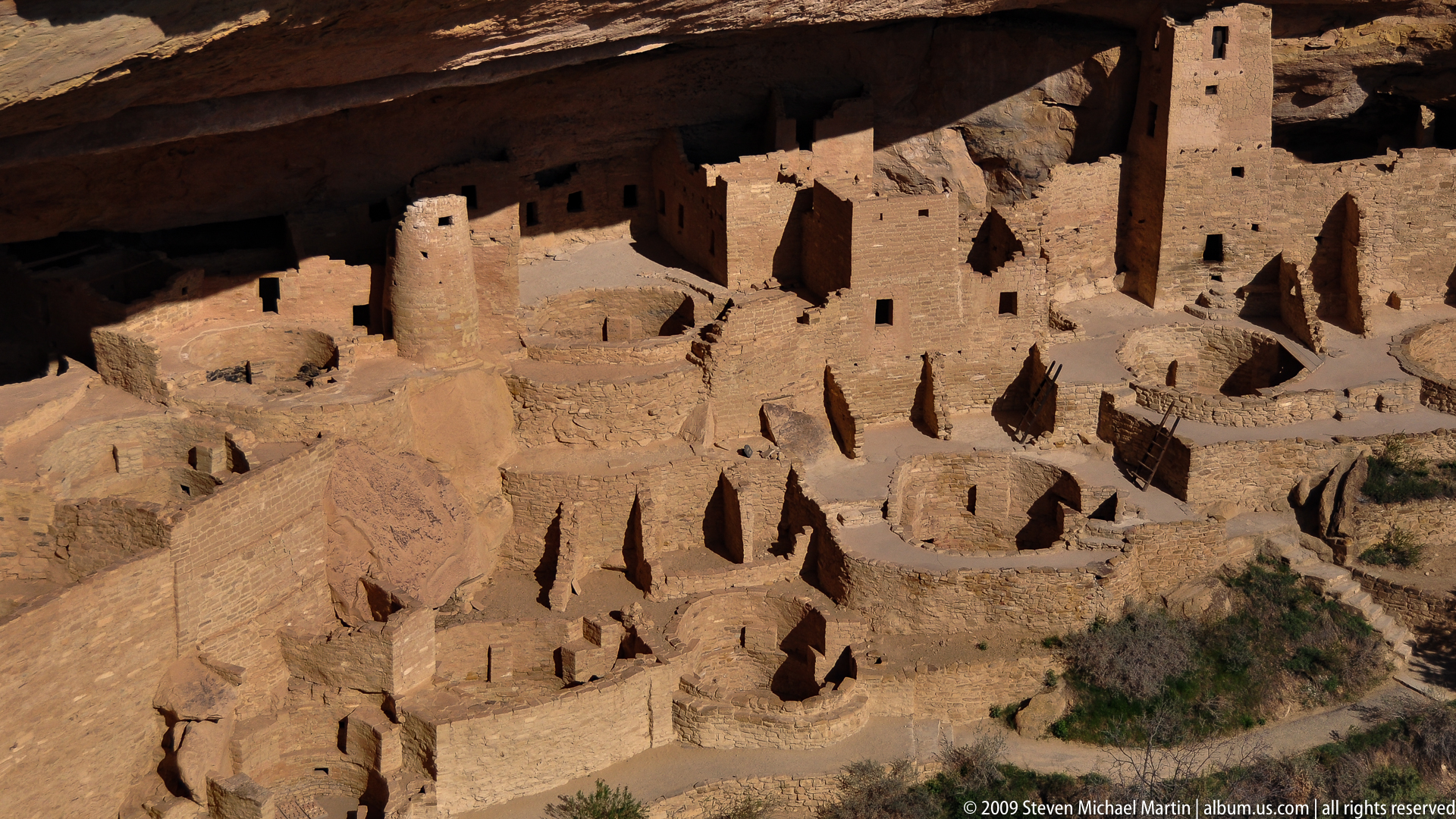
Mesa Verde National Park
Mesa Verde National Park is featured in this collection as part of National Parks • United States.
Canada (3)
Canada is represented by 3 portfolios in this collection, including Jasper Miette Canyon and Hot Springs, Rocky Mountain House National Historic Site, and Waterton Lakes Bison.
Jasper Miette Canyon and Hot Springs
Jasper – Miette Canyon and Hot Springs The Miette Hot Springs area lies in the remote northeastern reaches of Jasper National Park, reached by a winding road that follows the Fiddle River valley into the mountains.
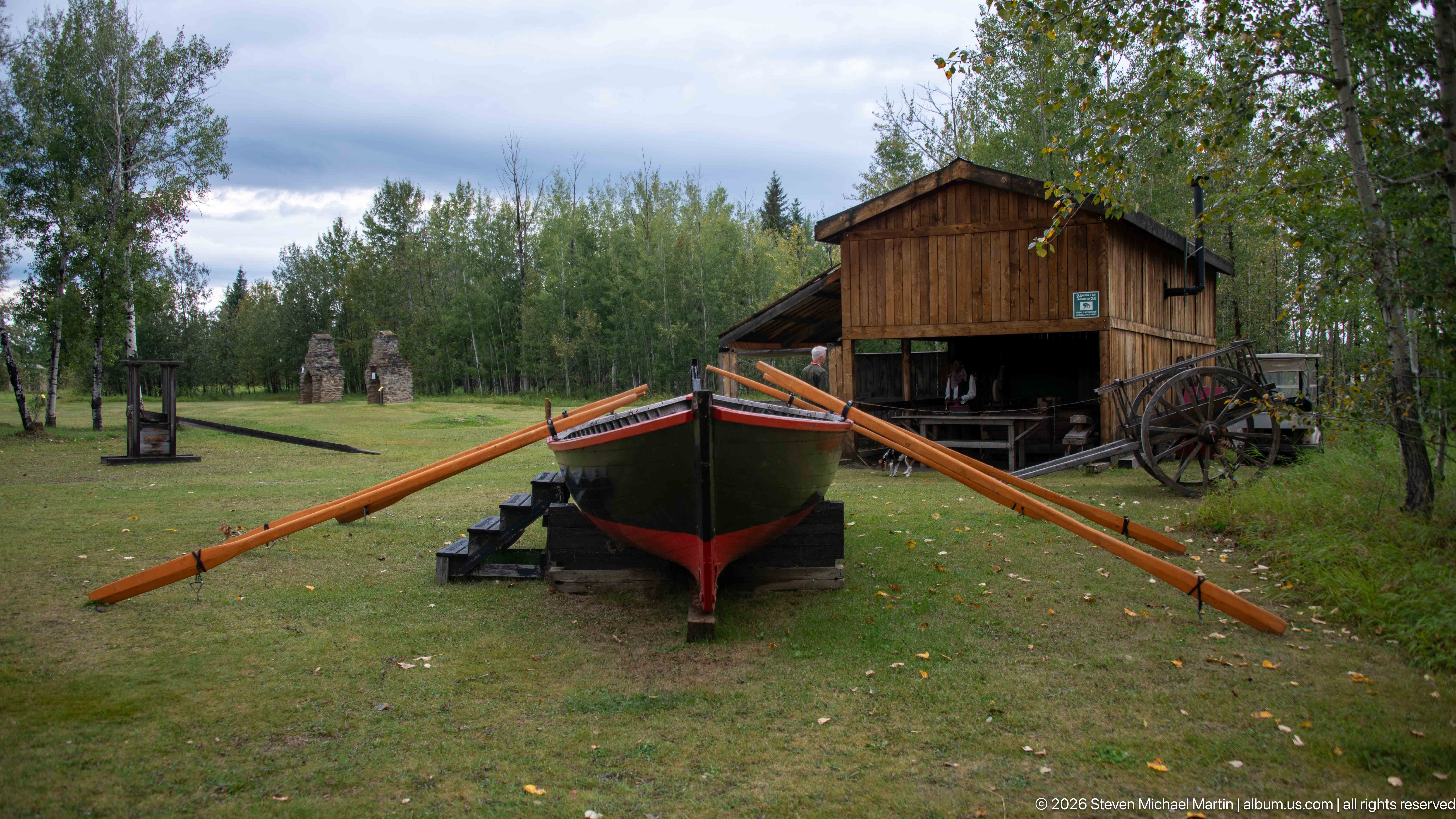
Rocky Mountain House National Historic Site
Rocky Mountain House National Historic Site brings together the landscapes and stories of a place shaped by travel, exchange, Indigenous presence, the fur trade, and later commemoration.
Waterton Lakes Bison
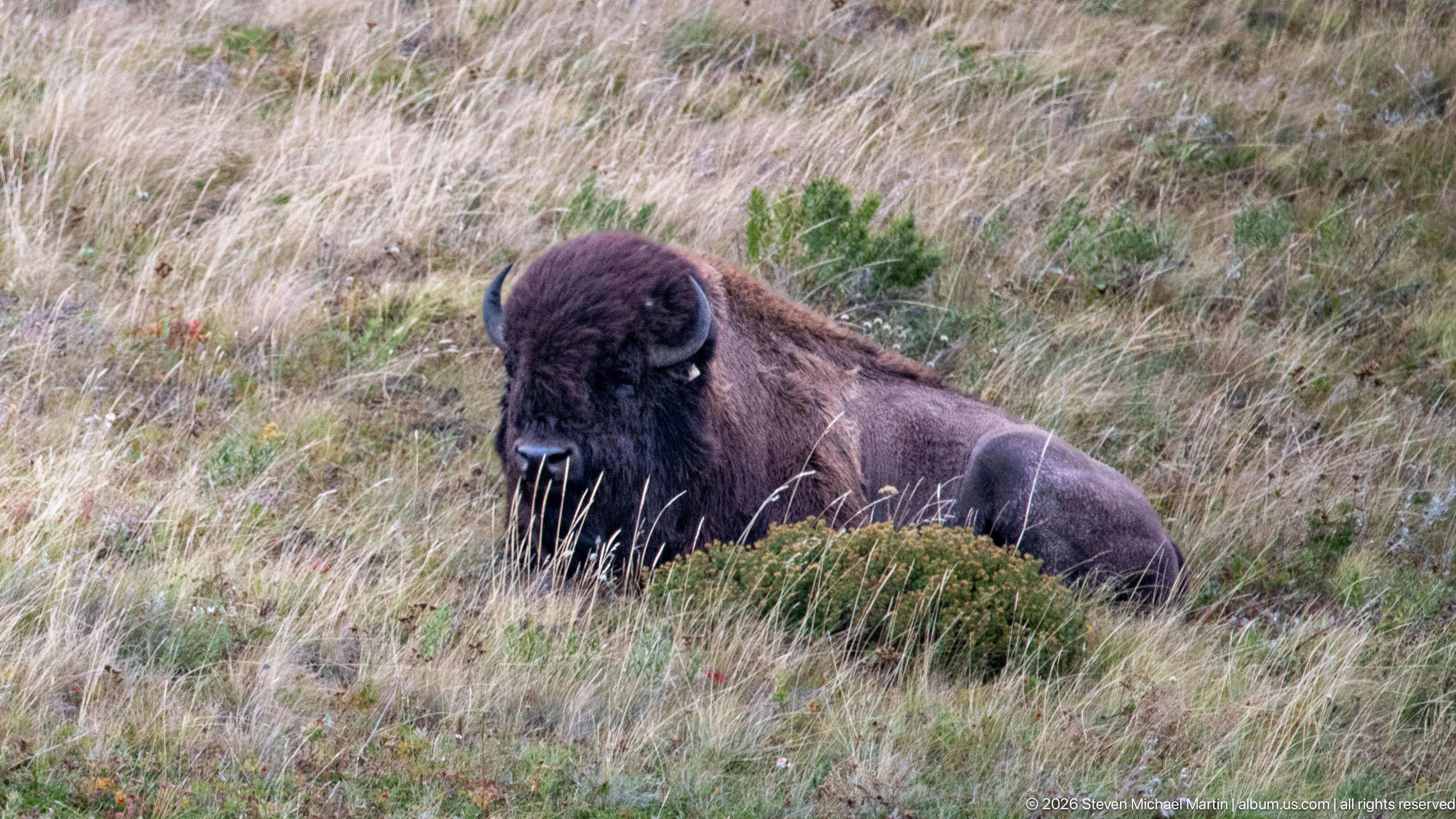
Waterton Lakes Bison presents the plains bison within the broad grassland landscape of Waterton Lakes, where open prairie, rolling slopes, low shrub cover, and the mountain front form the setting for the portfolio.
Peru (3)
Peru is represented by 3 portfolios in this collection, including Historic Sanctuary of Machu Picchu, Huaca Pucllana Site Museum, and Qorikancha.
Huaca Pucllana Site Museum
The impressive adobe pyramid of Huaca Pucllana rises unexpectedly within the modern district of Miraflores in Lima.
Qorikancha
The sacred complex of Qorikancha, once known as the Temple of the Sun, was among the most important religious centers of the Inca Empire. Located in Cusco, the temple was dedicated to the sun god Inti, the principal deity of the Inca religion.
Tunisia (3)
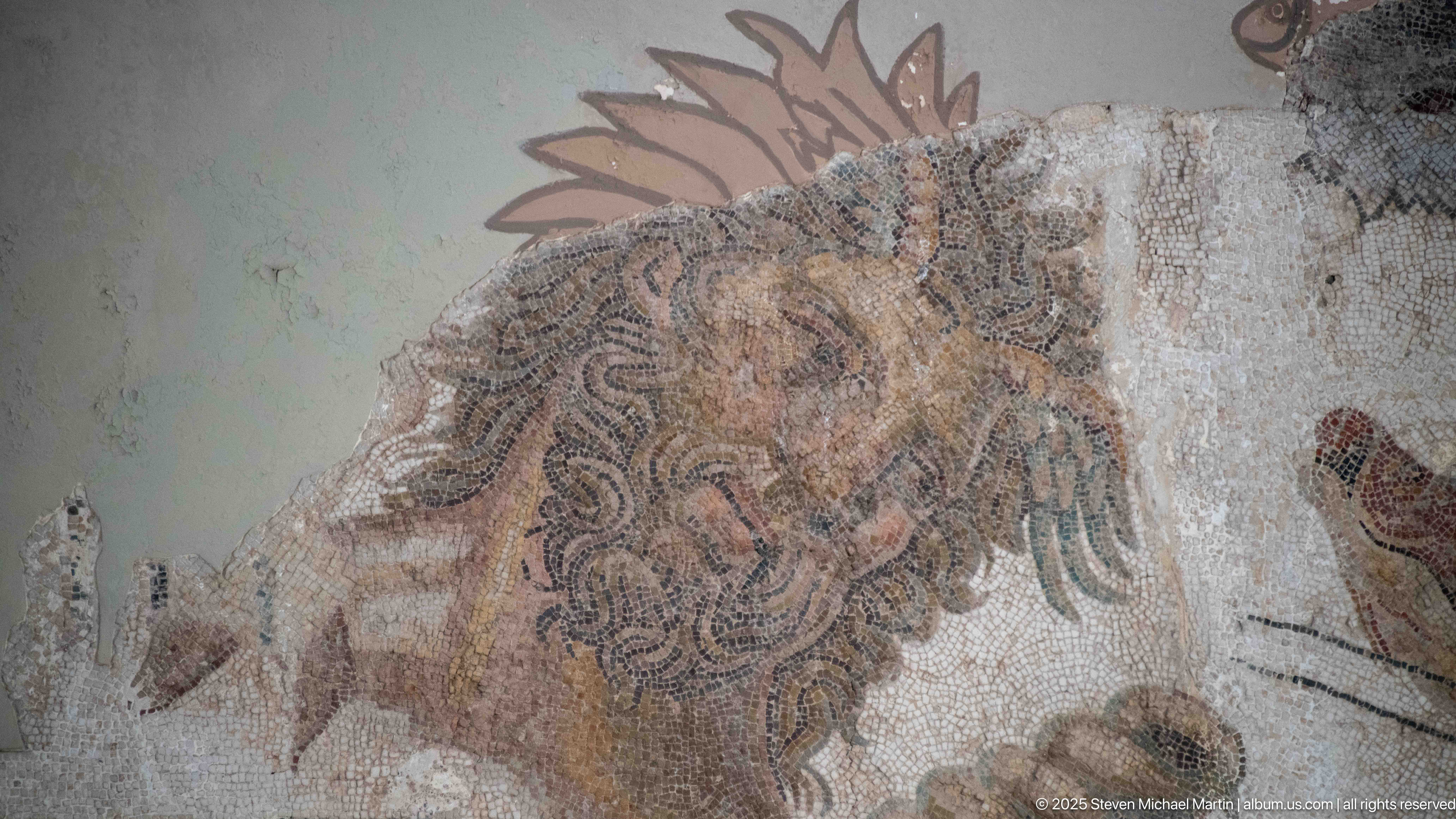
Tunisia is represented by 3 portfolios in this collection, including Bardo Museum Tunis, Carthage, and Mosaics of the Bardo National Museum.
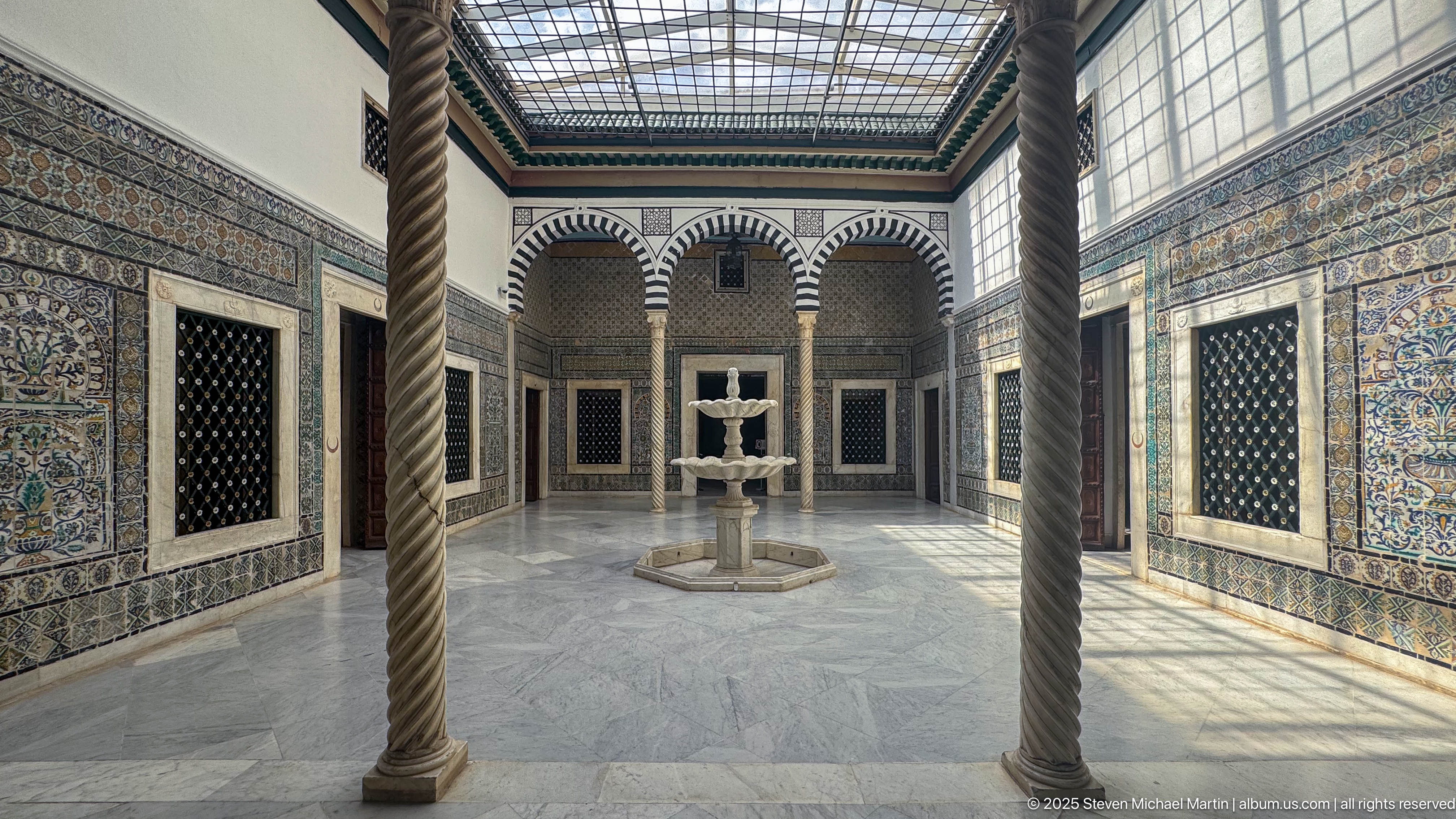
Bardo Museum Tunis
The Bardo National Museum is one of the most important museums in Tunis and among the finest archaeological museums in North Africa.
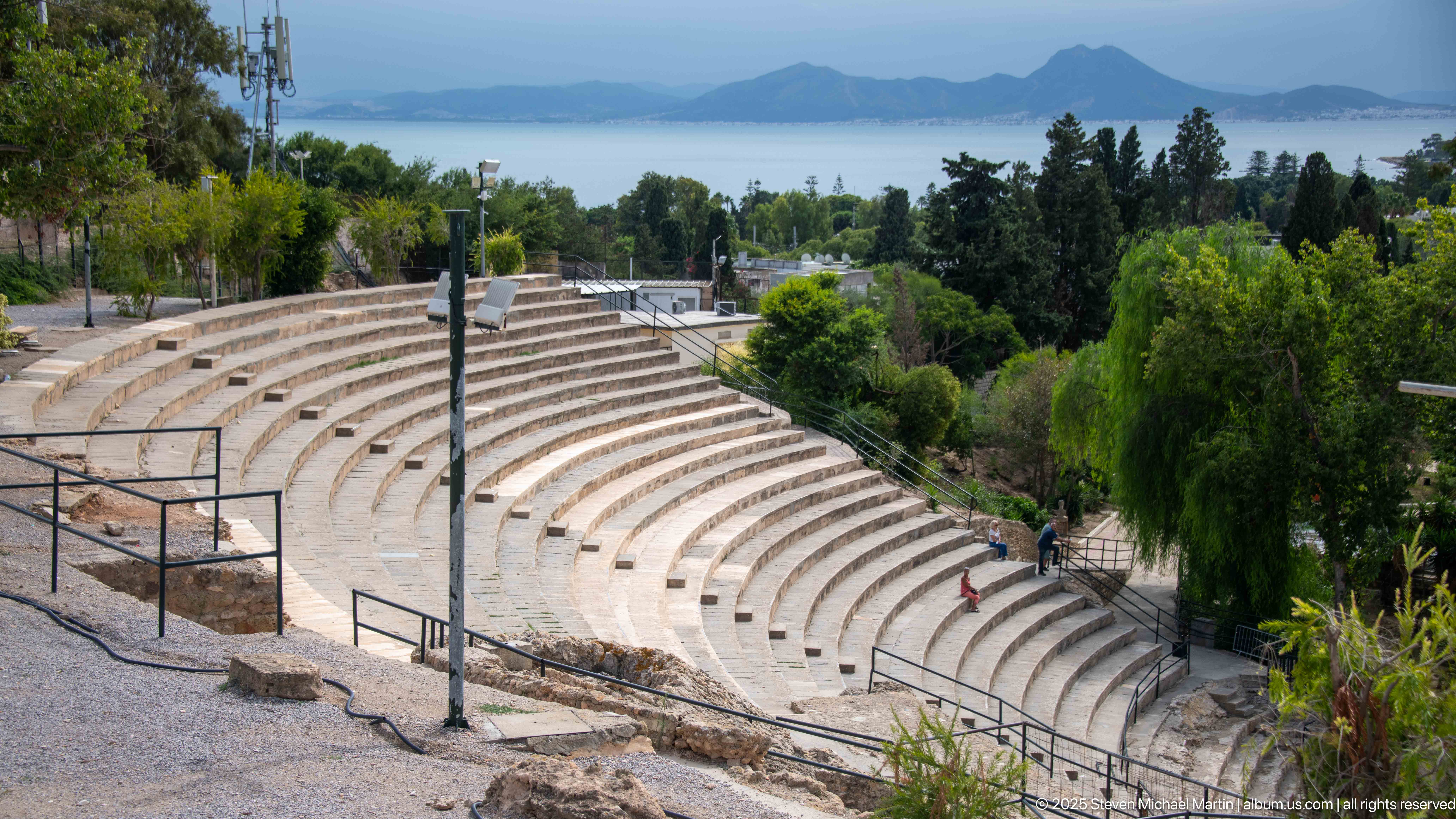
Carthage
The ancient city of Carthage lies along the Mediterranean coast just north of Tunis. Founded by Phoenician settlers in the 9th century BCE, Carthage grew into one of the most powerful cities of the ancient Mediterranean world.
Australia (2)
Australia is represented by 2 portfolios in this collection, including Pompei at National Museum of Australia and Port Arthur.
Pompei at National Museum of Australia
The remarkable Pompeii exhibition at the National Museum of Australia brought visitors face to face with one of the most famous archaeological discoveries in history.
Port Arthur
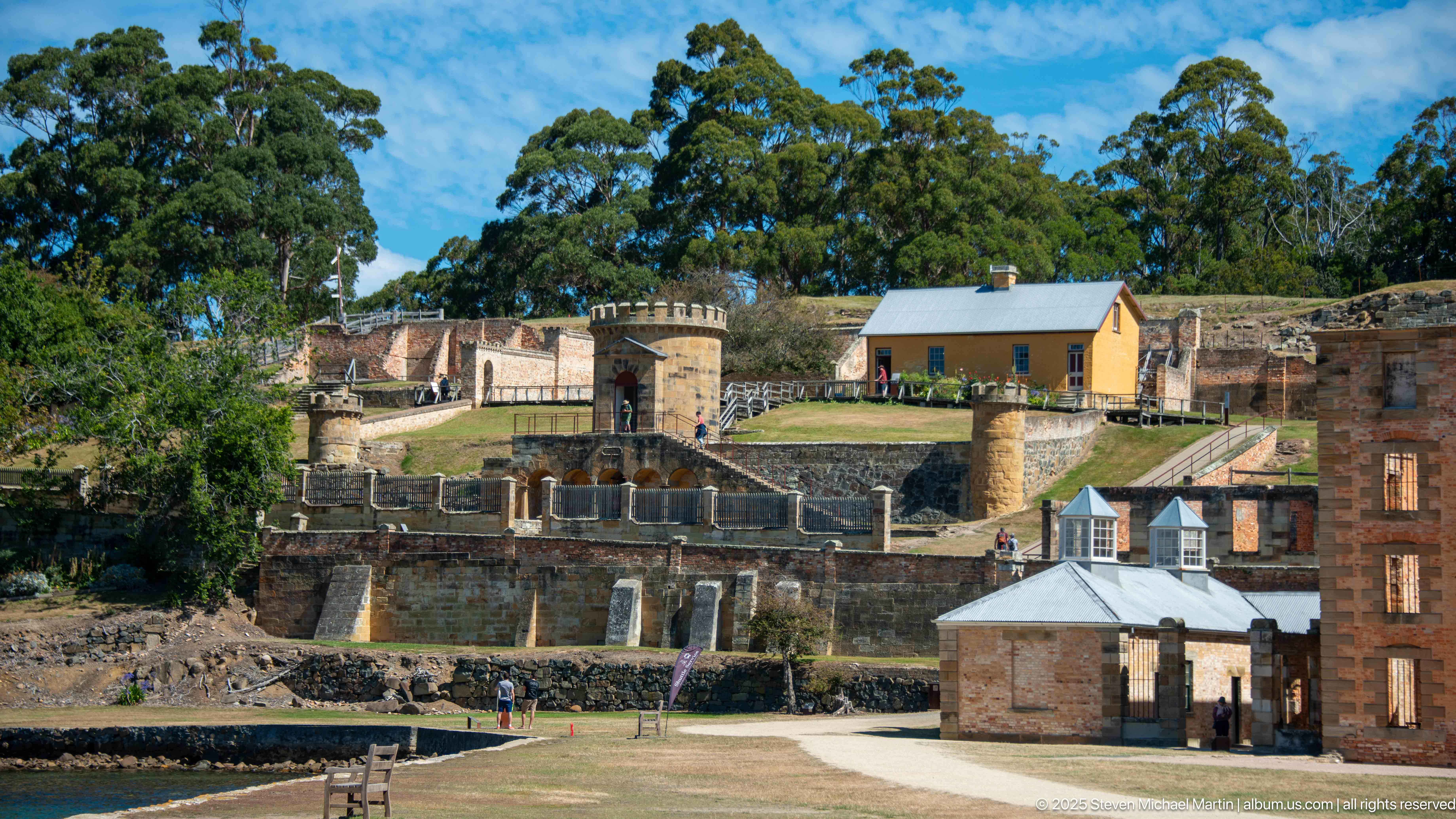
The historic site of Port Arthur Historic Site stands along the remote Tasman Peninsula in southeastern Tasmania. Established during the 19th century, Port Arthur served as one of the most important penal colonies in the British Empire.
Bulgaria (2)
Bulgaria is represented by 2 portfolios in this collection, including Thracian Tomb of Kazanlak and Veliko Tarnovo.
Thracian Tomb of Kazanlak
The Thracian Tomb located near Kazanlak lies within the Valley of the Thracian Kings, a region of central Bulgaria surrounded by the Balkan Mountains to the north and the Sredna Gora range to the south.
Veliko Tarnovo
Veliko Tarnovo rises dramatically along the winding Yantra River, where steep hills surround a narrow valley in the foothills of the Balkan Mountains (Stara Planina).
England (2)
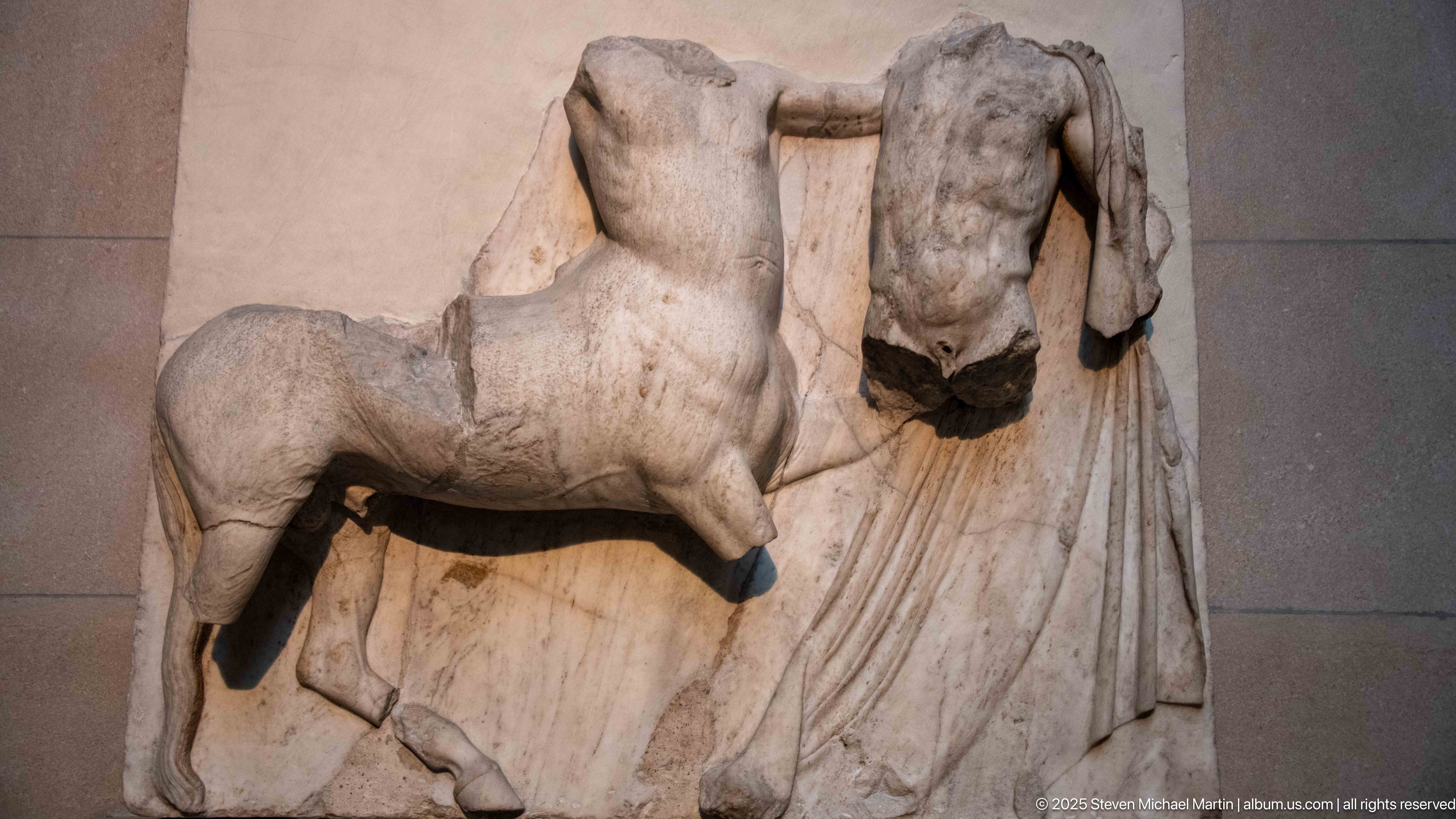
England is represented by 2 portfolios in this collection, including Birdoswald Roman Fort - Hadrian's Wall and The British Museum - Parthenon Friezes and Pediments.
Guatemala (2)
Guatemala is represented by 2 portfolios in this collection, including Laguna Yaxja and TIKAL National Park.
Laguna Yaxja
Yaxhá Yaxhá is located between two lagoons within the protected forests of northern Guatemala, creating a distinctive setting for this Maya ceremonial center.
TIKAL National Park
Tikal is one of the most significant archaeological sites of the ancient Maya civilization, located deep within the tropical forests of the Petén region.
Ireland (2)
Ireland is represented by 2 portfolios in this collection, including Brú na Bóinne and Carrowmore Megalithic Cemetery.
Brú na Bóinne
Brú na Bóinne lies along a bend of the River Boyne in County Meath and is one of the most important prehistoric archaeological landscapes in Europe.
Tajikistan (2)
Tajikistan is represented by 2 portfolios in this collection, including Ancient Panjakent excavations and Sarazm Archaeological Site.
Ancient Panjakent excavations
The ruins of ancient Panjakent in present-day Tajikistan represent one of the most important archaeological sites associated with Sogdian civilization, a major cultural group involved in Silk Road trade.
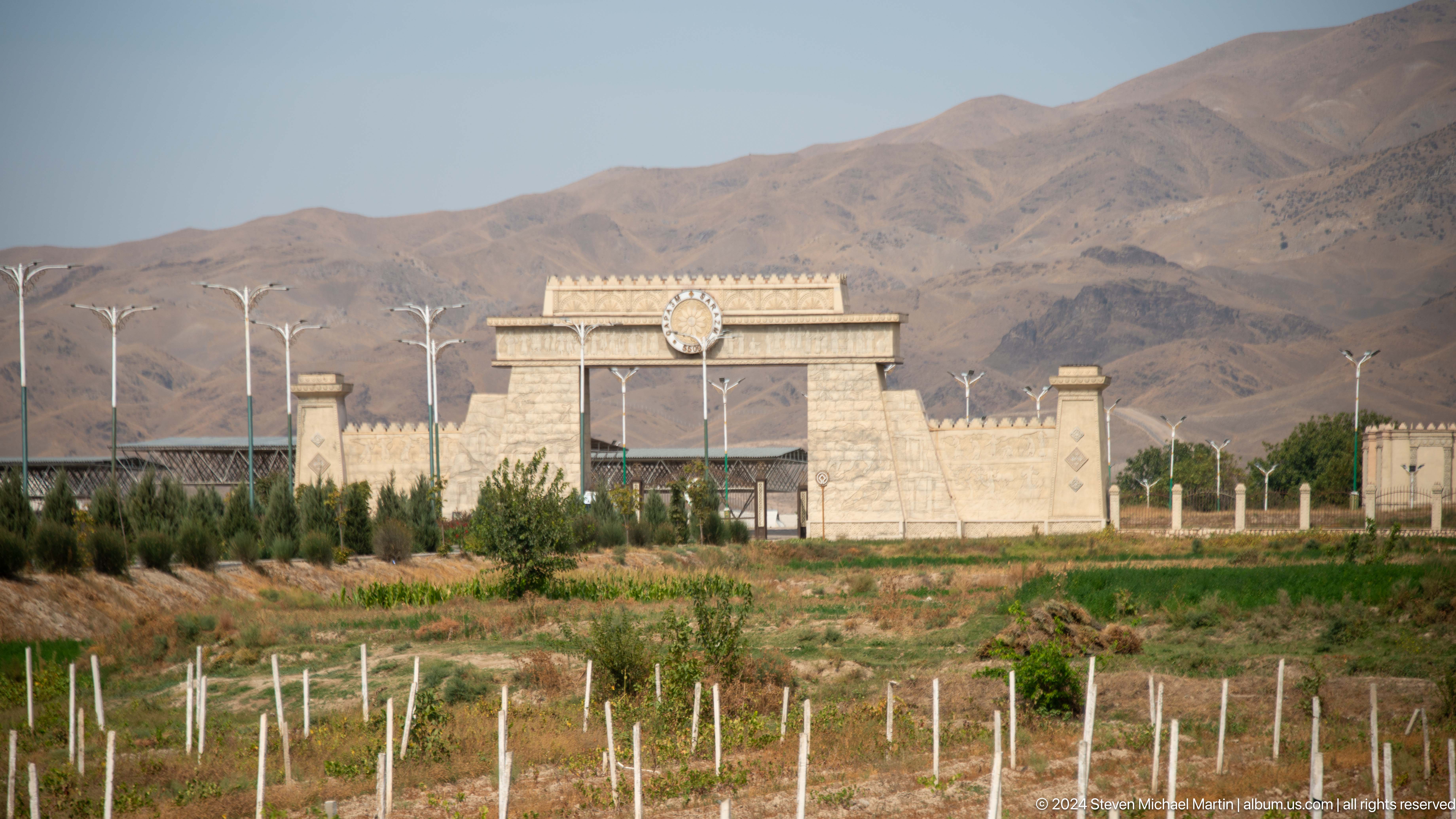
Sarazm Archaeological Site
Ancient Sarazm Ancient Sarazm is one of the oldest known settlements in Central Asia, dating to the fourth millennium BCE. The archaeological site provides evidence of early agricultural and trading communities that preceded the later Silk Road network.
China (1)
China is represented by 1 portfolio in this collection, led by Museum of Qin Terracotta Warriors and Horses West Gate.
Denmark (1)
Denmark is represented by 1 portfolio in this collection, led by Jelling Mounds, Runic Stones and Church.
Jelling Mounds, Runic Stones and Church
The historic monuments of Jelling Mounds stand among the most important Viking sites in Scandinavia. Located in the town of Jelling, the complex includes two large burial mounds, a church, and the famous Jelling Runestones.
Israel (1)
Israel is represented by 1 portfolio in this collection, led by Masada.
Masada
Masada is an ancient fortified plateau overlooking the Dead Sea in present-day Israel and is one of the most historically significant archaeological sites associated with the Roman period in the Near East.
Jordan (1)
Jordan is represented by 1 portfolio in this collection, led by Petra.
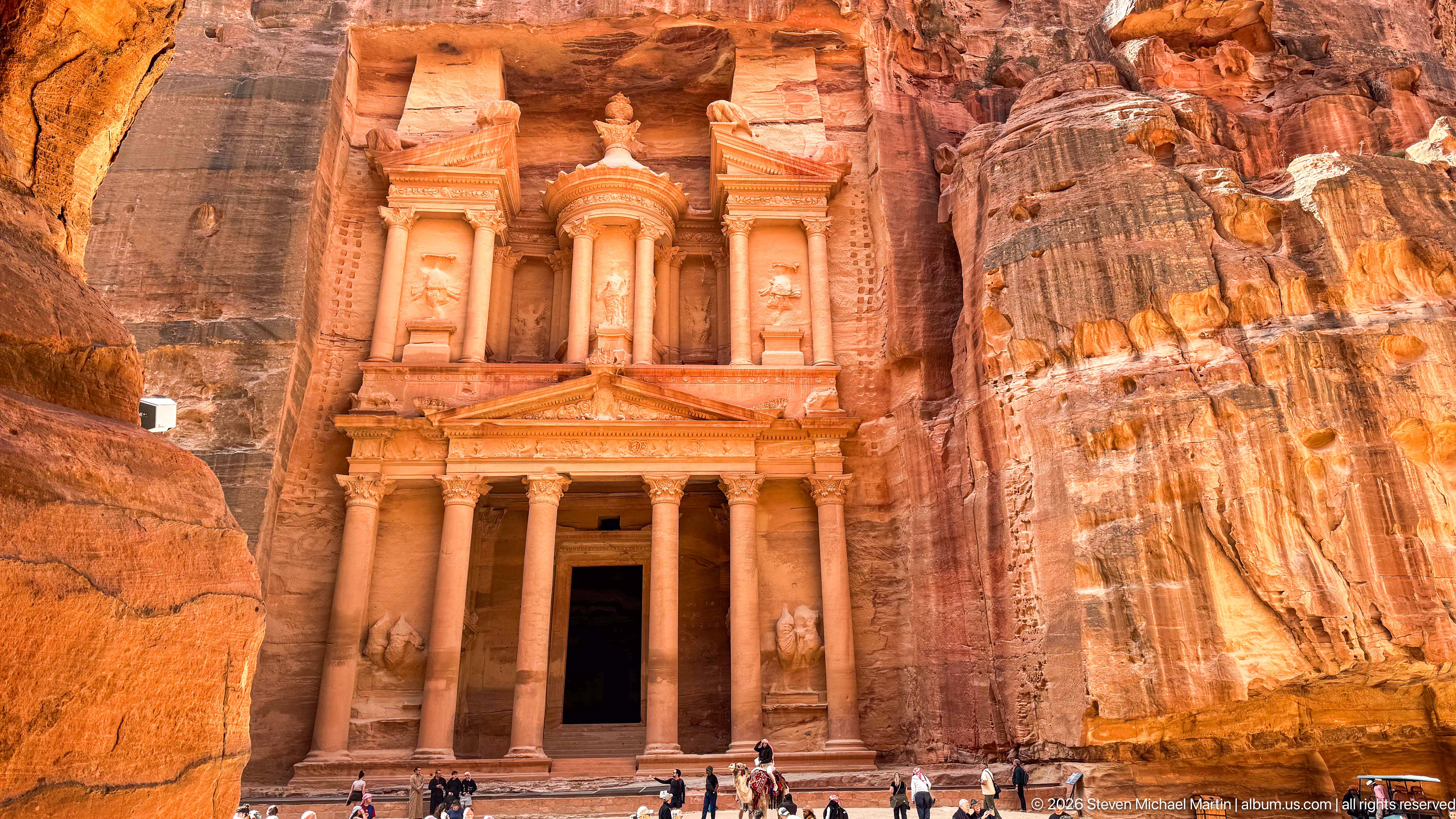
Petra
The ancient city of Petra lies hidden among the desert mountains of southern Jordan and is one of the most extraordinary archaeological sites in the world.
Kyrgyzstan (1)
Kyrgyzstan is represented by 1 portfolio in this collection, led by Burana Tower.
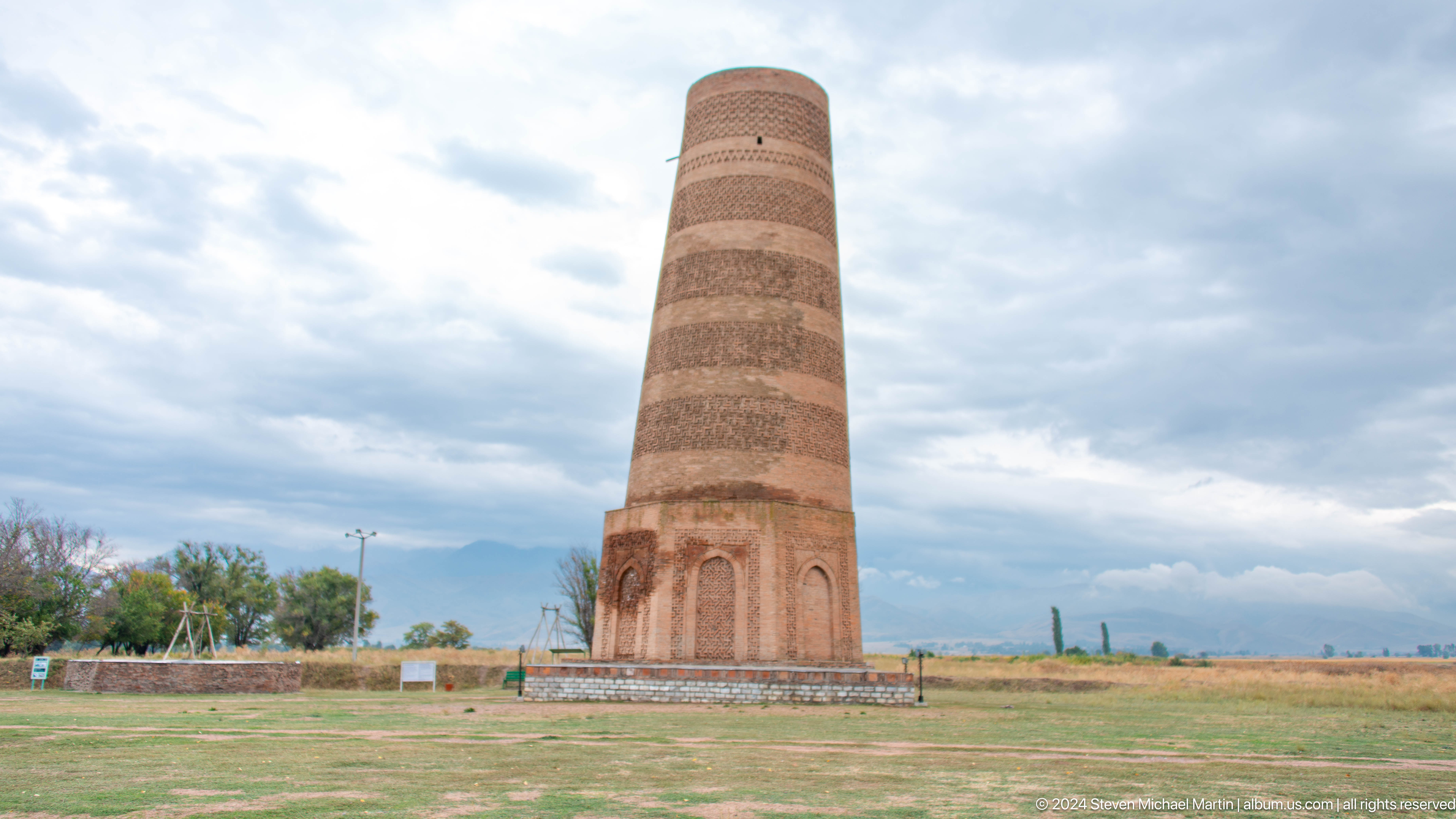
Burana Tower
Burana Tower Burana Tower is a minaret dating to the eleventh century and represents one of the most important surviving structures from the city of Balasagun, an early Silk Road settlement in present-day Kyrgyzstan.
Malta (1)
Malta is represented by 1 portfolio in this collection, led by Mdina.
Mdina
The ancient walled city of Mdina sits on a hill in the center of the island and has served as a fortified settlement for more than two thousand years.
Scotland (1)
Scotland is represented by 1 portfolio in this collection, led by Jedburgh Abbey.
Jedburgh Abbey
The historic town of Jedburgh lies near the border between Scotland and England, a region that witnessed centuries of conflict during the medieval period.
Spain (1)
Spain is represented by 1 portfolio in this collection, led by Mérida.
Mérida
Mérida Mérida was founded as a Roman colony in the first century BCE and became an important administrative center within the province of Lusitania.
Tanzania (1)
Tanzania is represented by 1 portfolio in this collection, led by Olduvai Gorge.
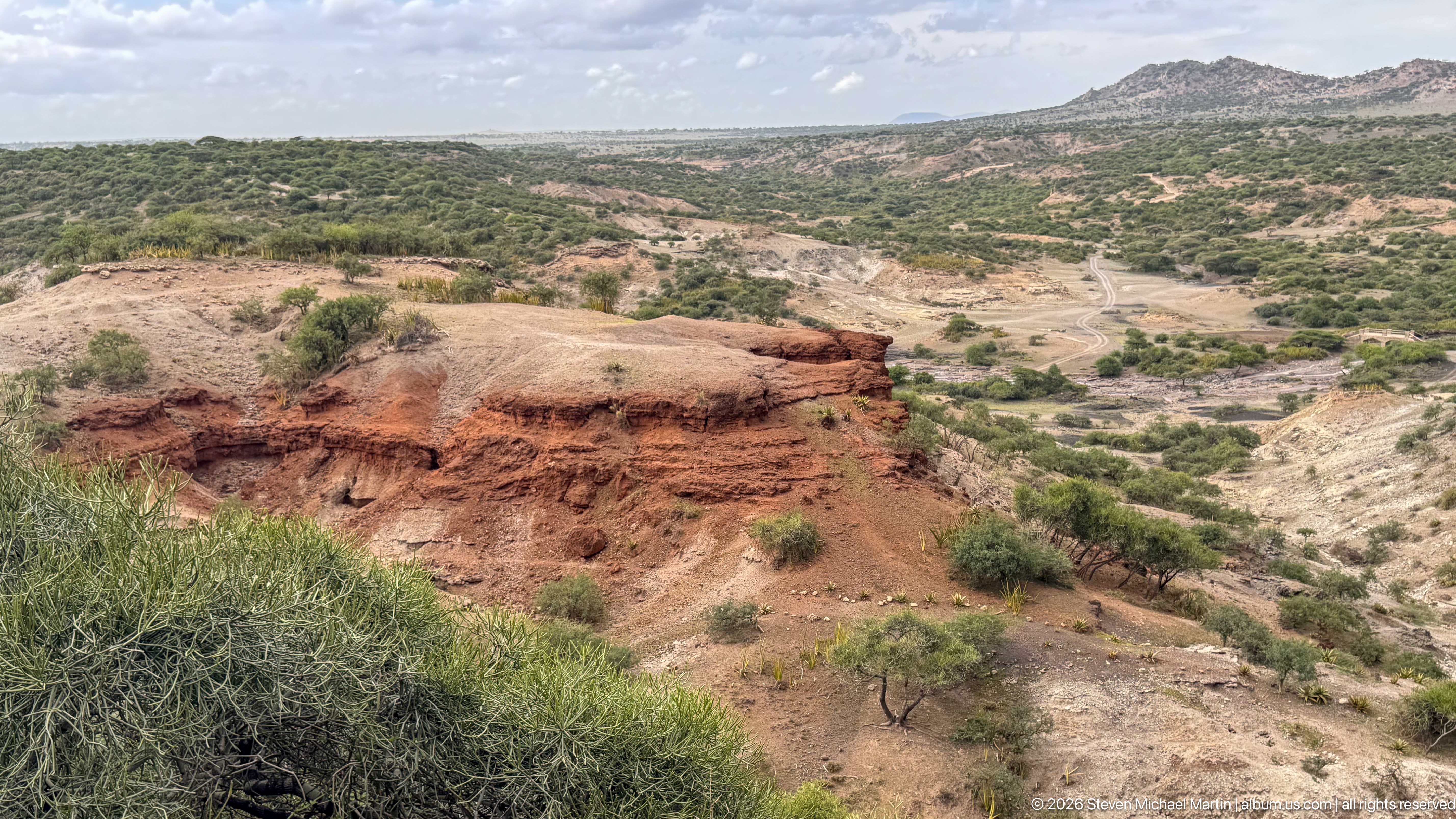
Olduvai Gorge
Olduvai Gorge lies along the eastern edge of the Serengeti ecosystem within the Ngorongoro Conservation Area in northern Tanzania. Often referred to as the “Cradle of Humankind,” the gorge is one of the most important archaeological sites in the world.
Turkey (1)
Turkey is represented by 1 portfolio in this collection, led by Istanbul Cisterns.
Istanbul Cisterns
The Basilica Cistern is an underground water reservoir constructed during the reign of Byzantine Emperor Justinian I in the 6th century CE.