Rhodes
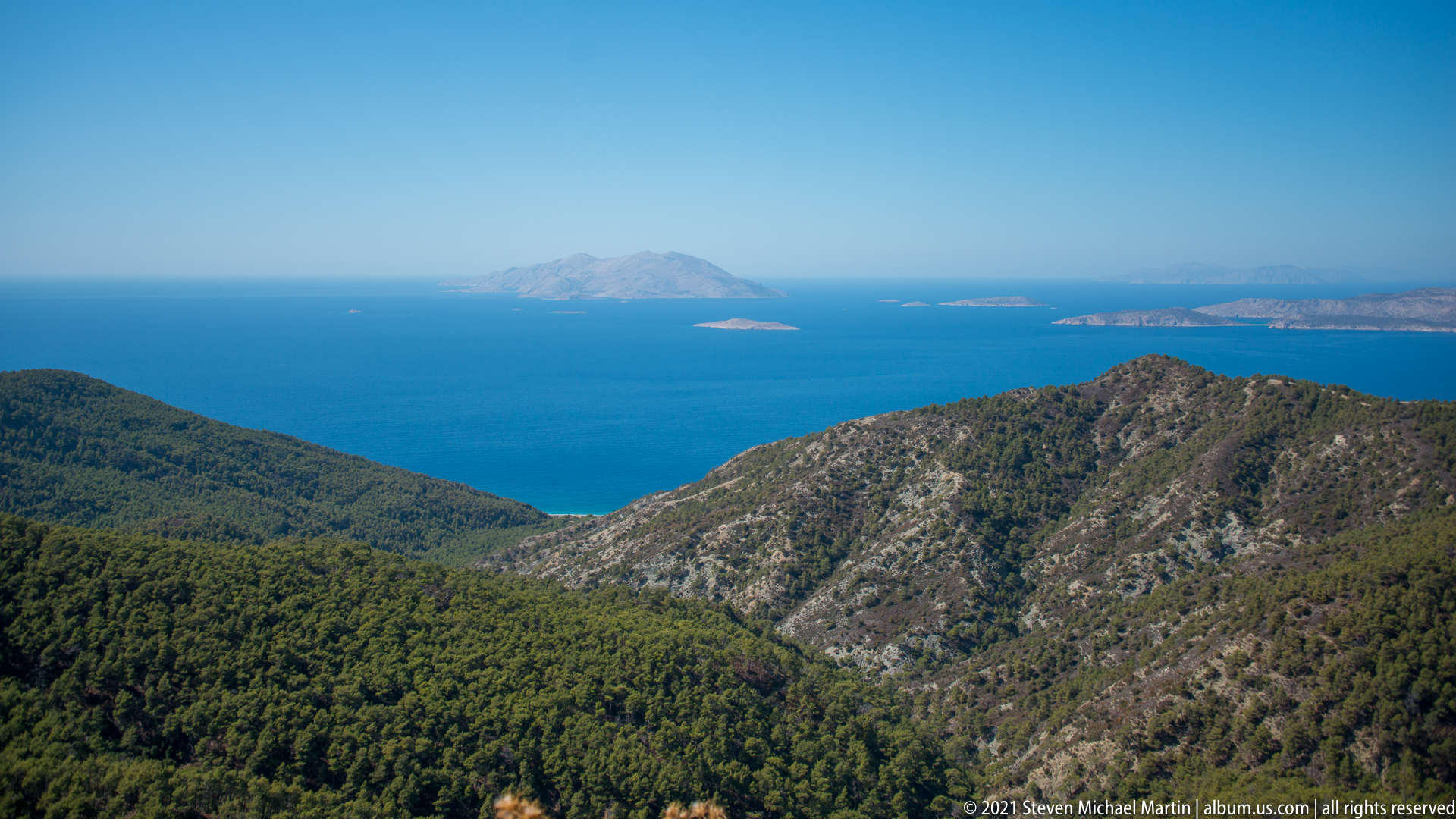
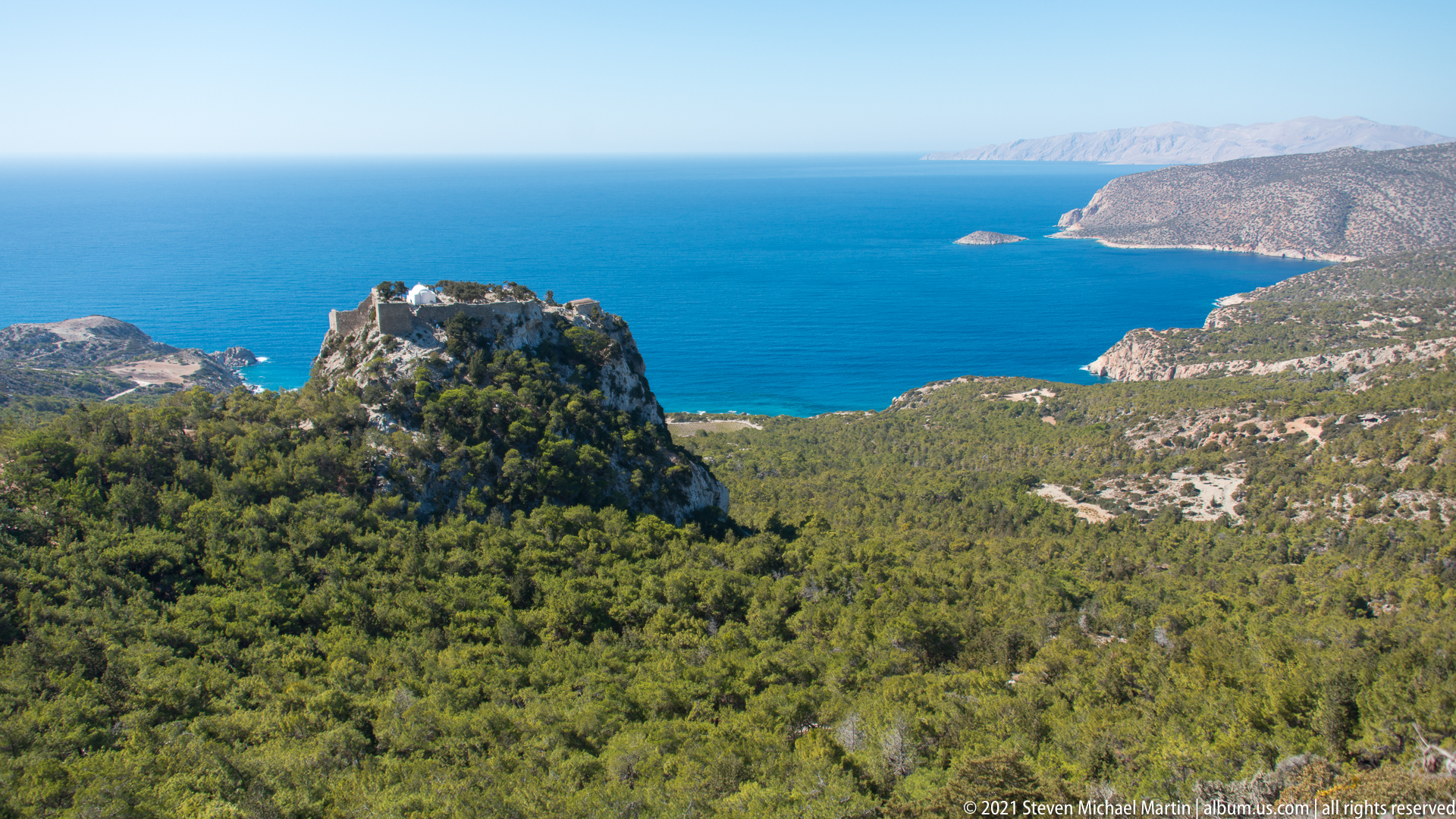
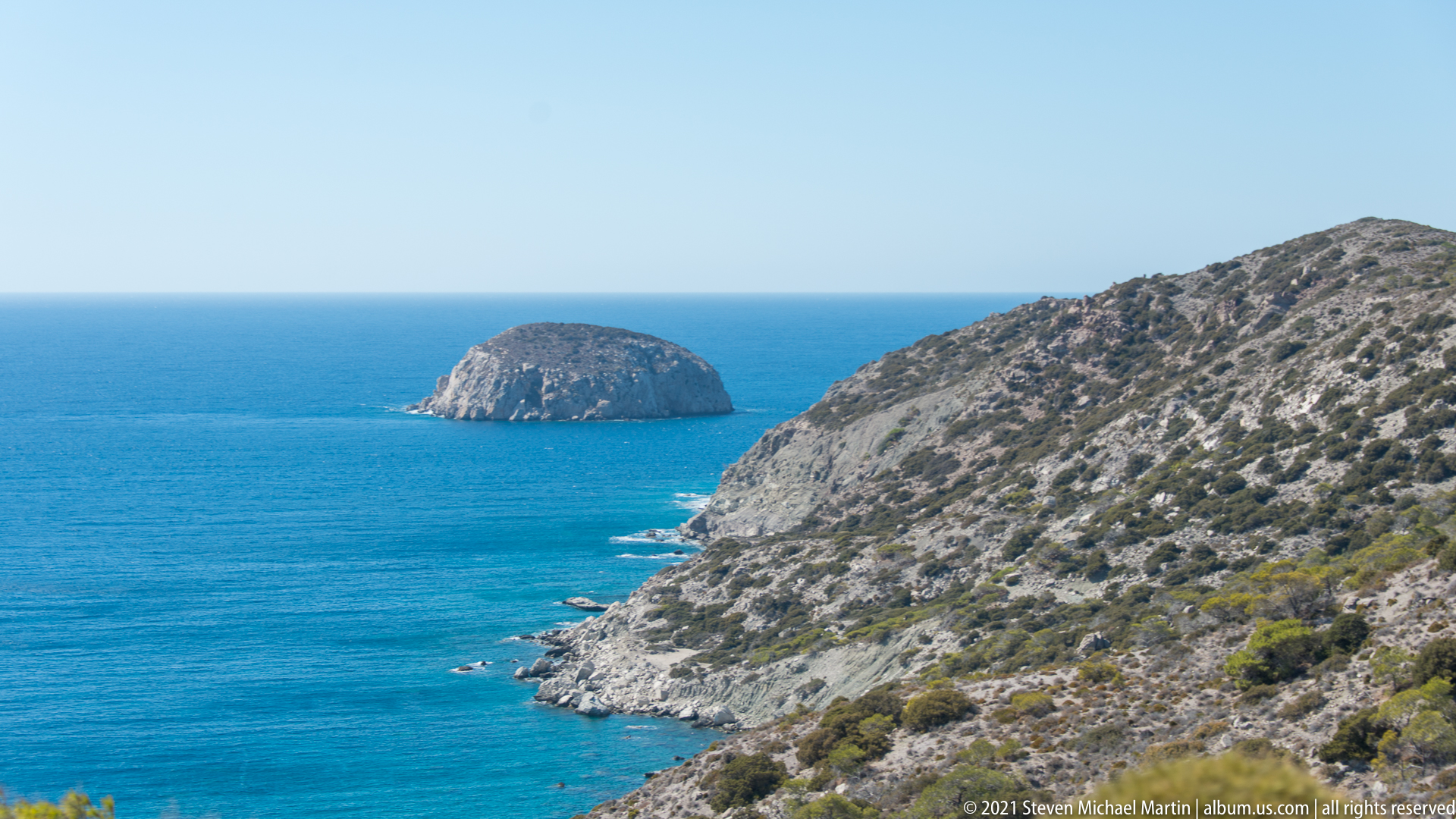
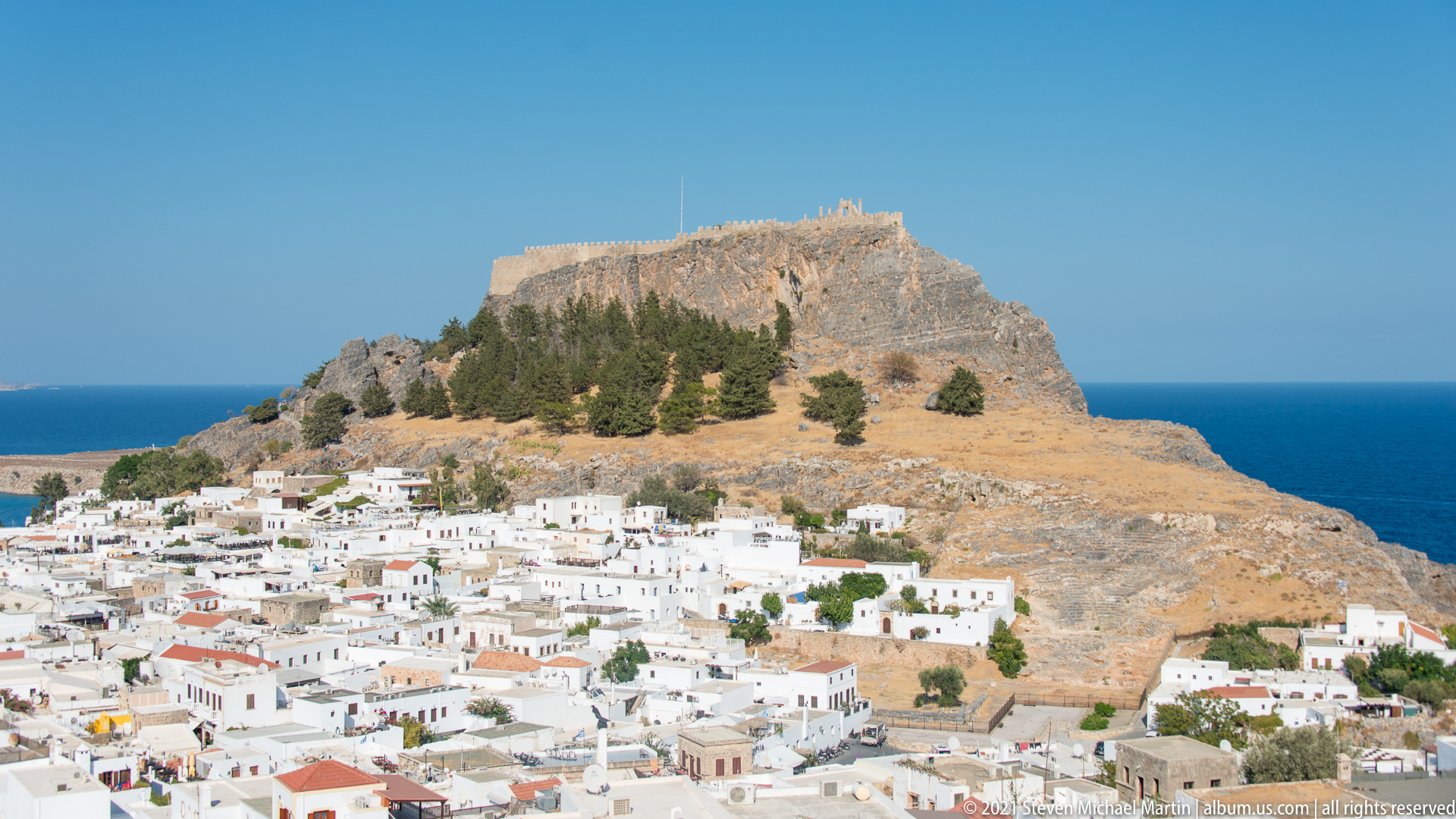
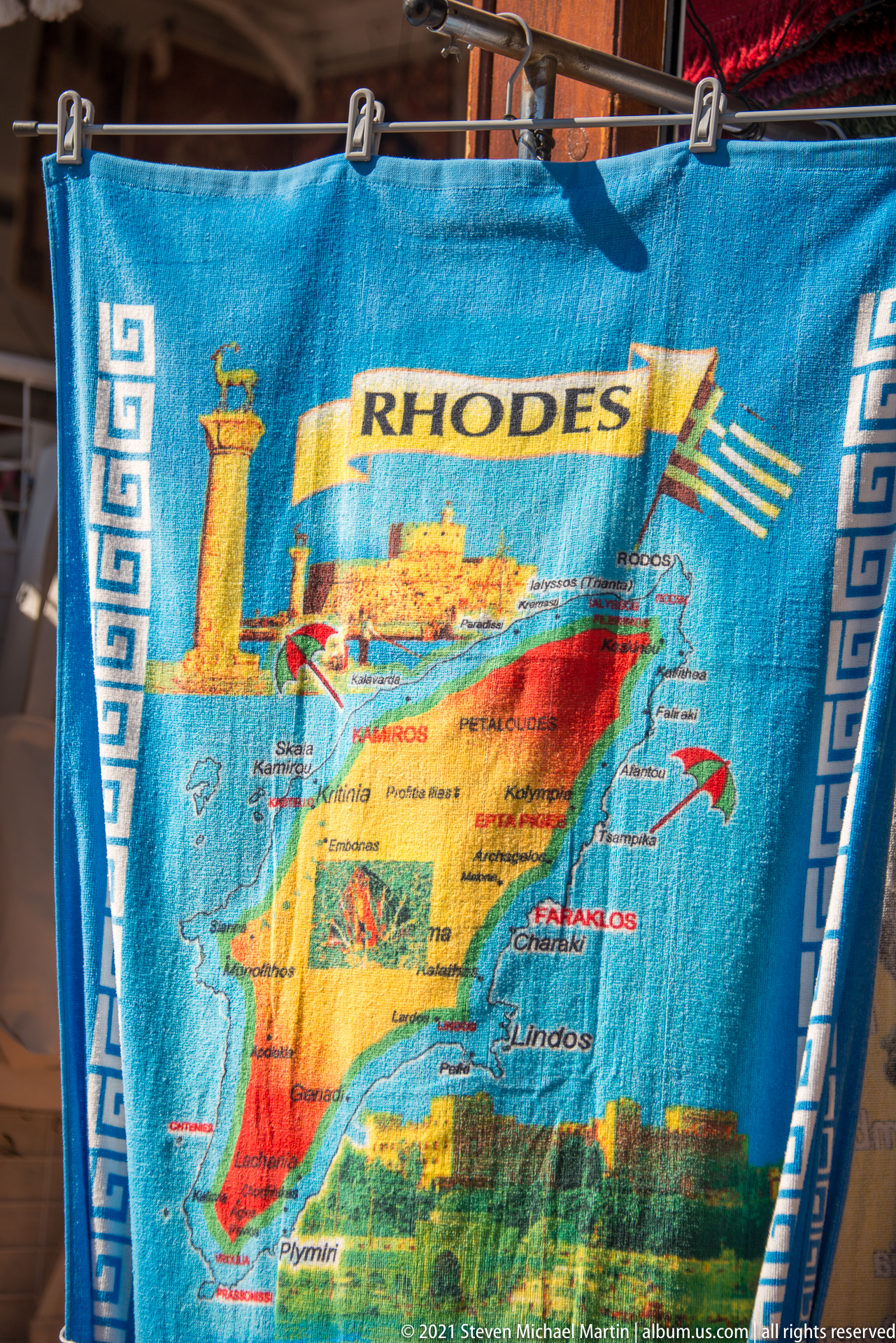
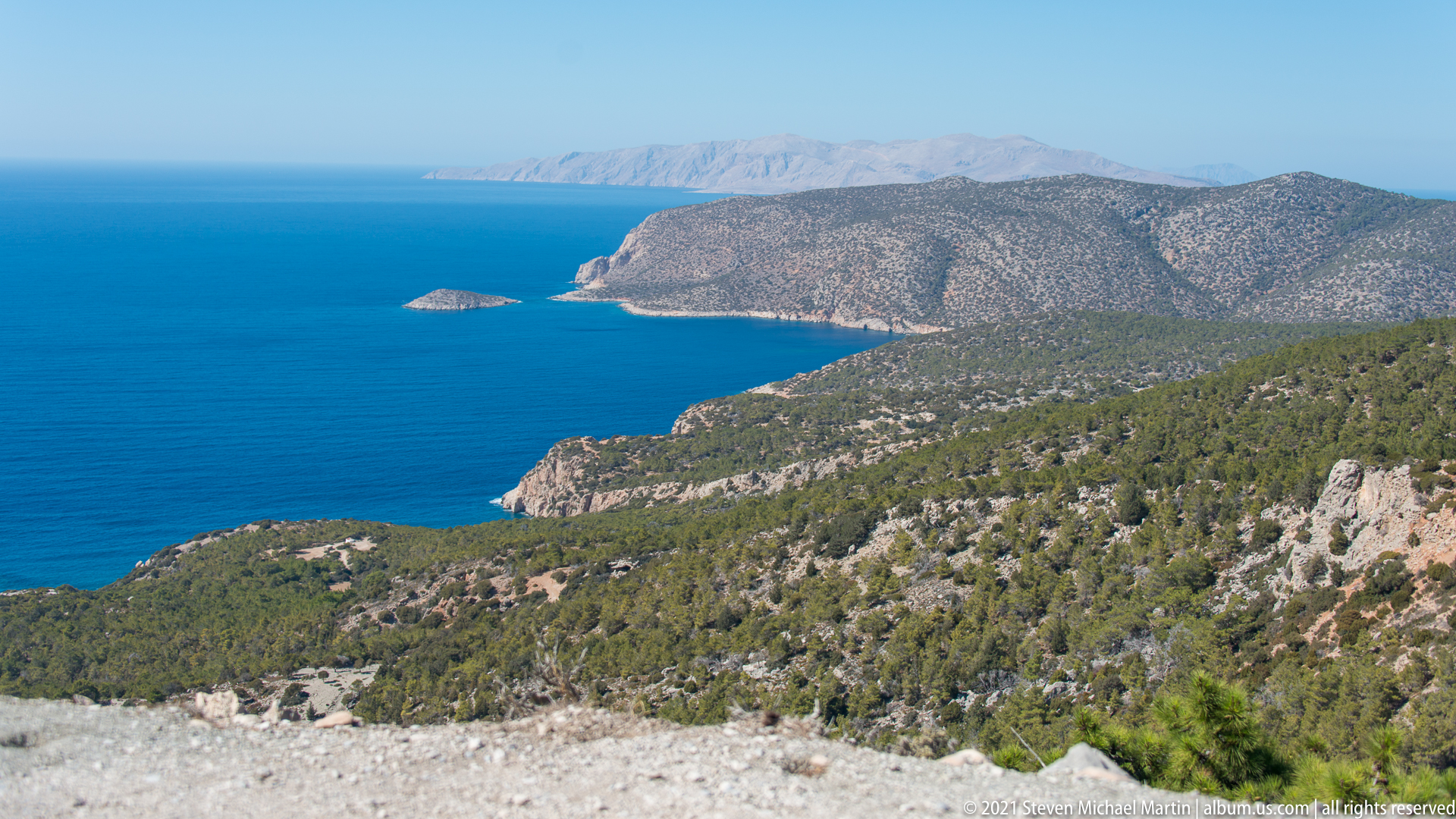
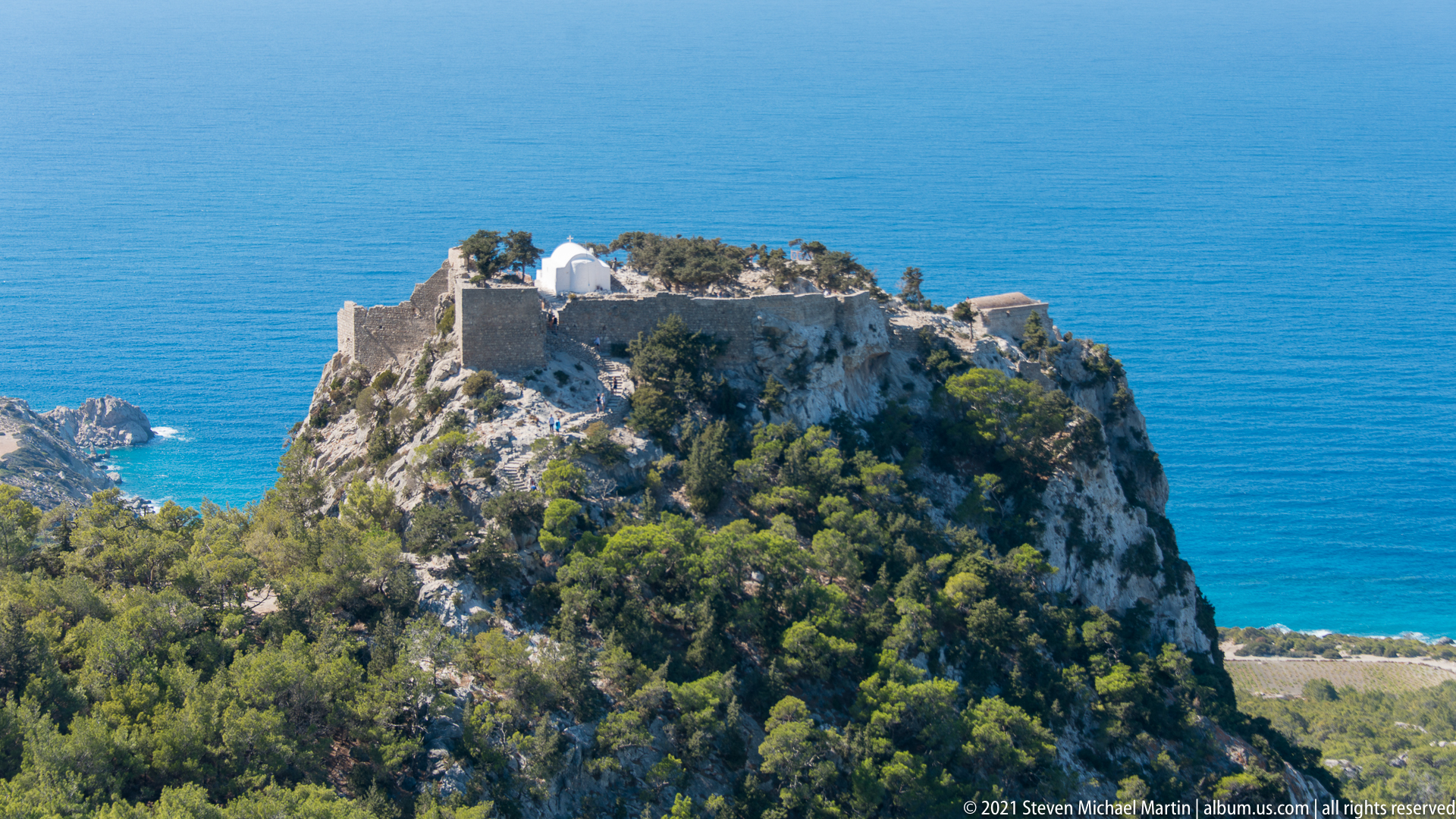
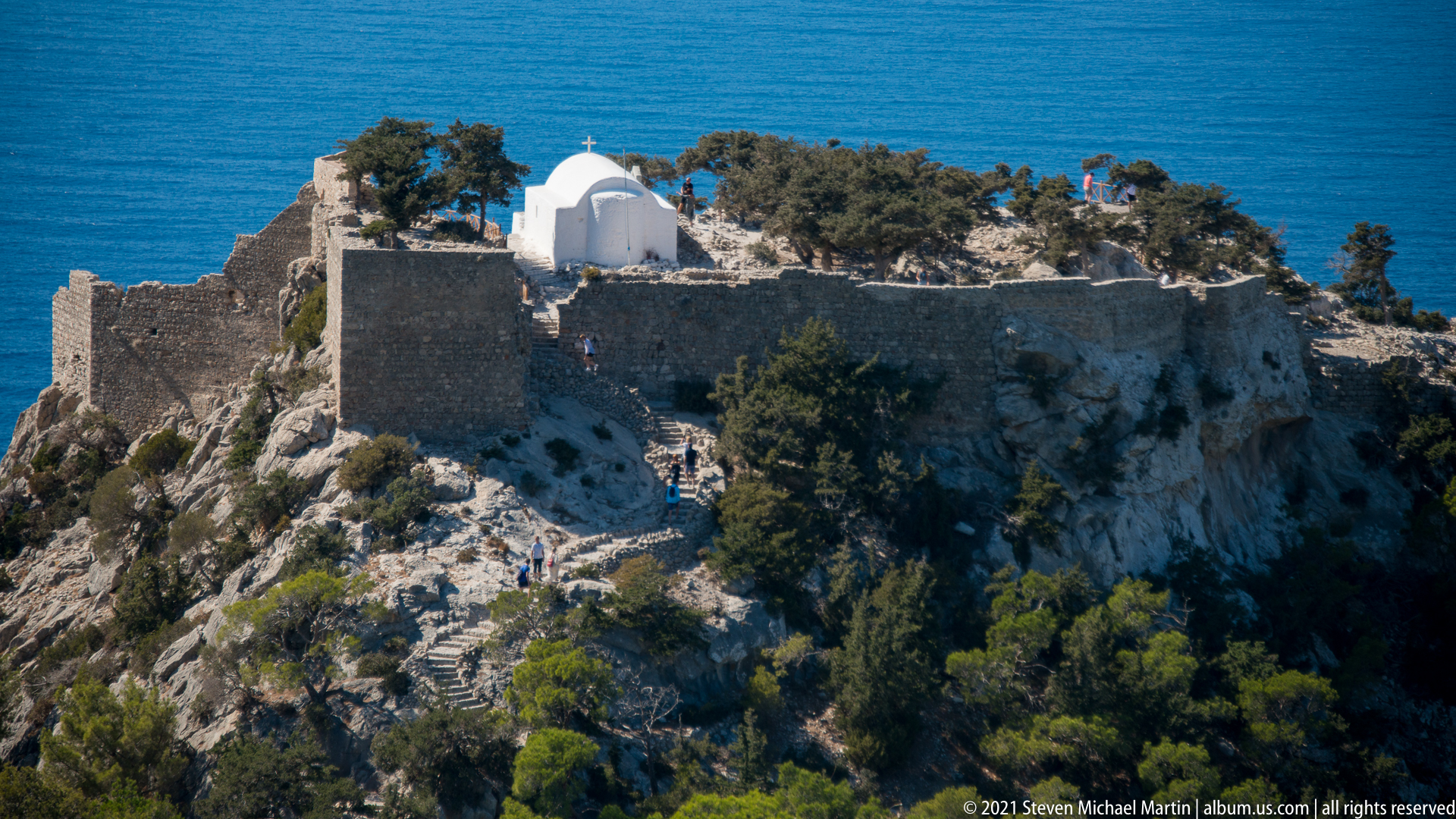
Rhodes has long been recognized as an important center of trade and cultural exchange in the eastern Mediterranean. Its strategic position between mainland Greece, Asia Minor, and the Levant contributed to its prosperity during classical antiquity and later historical periods. The island’s varied landscape combines coastal scenery with evidence of continuous human settlement.
The historical significance of Rhodes is closely associated with maritime commerce and political alliances that shaped regional history. Ancient traditions describe the Colossus of Rhodes as one of the Seven Wonders of the Ancient World, reflecting the island’s prominence in antiquity. Although the statue no longer survives, the legacy of the city’s influence remains evident.
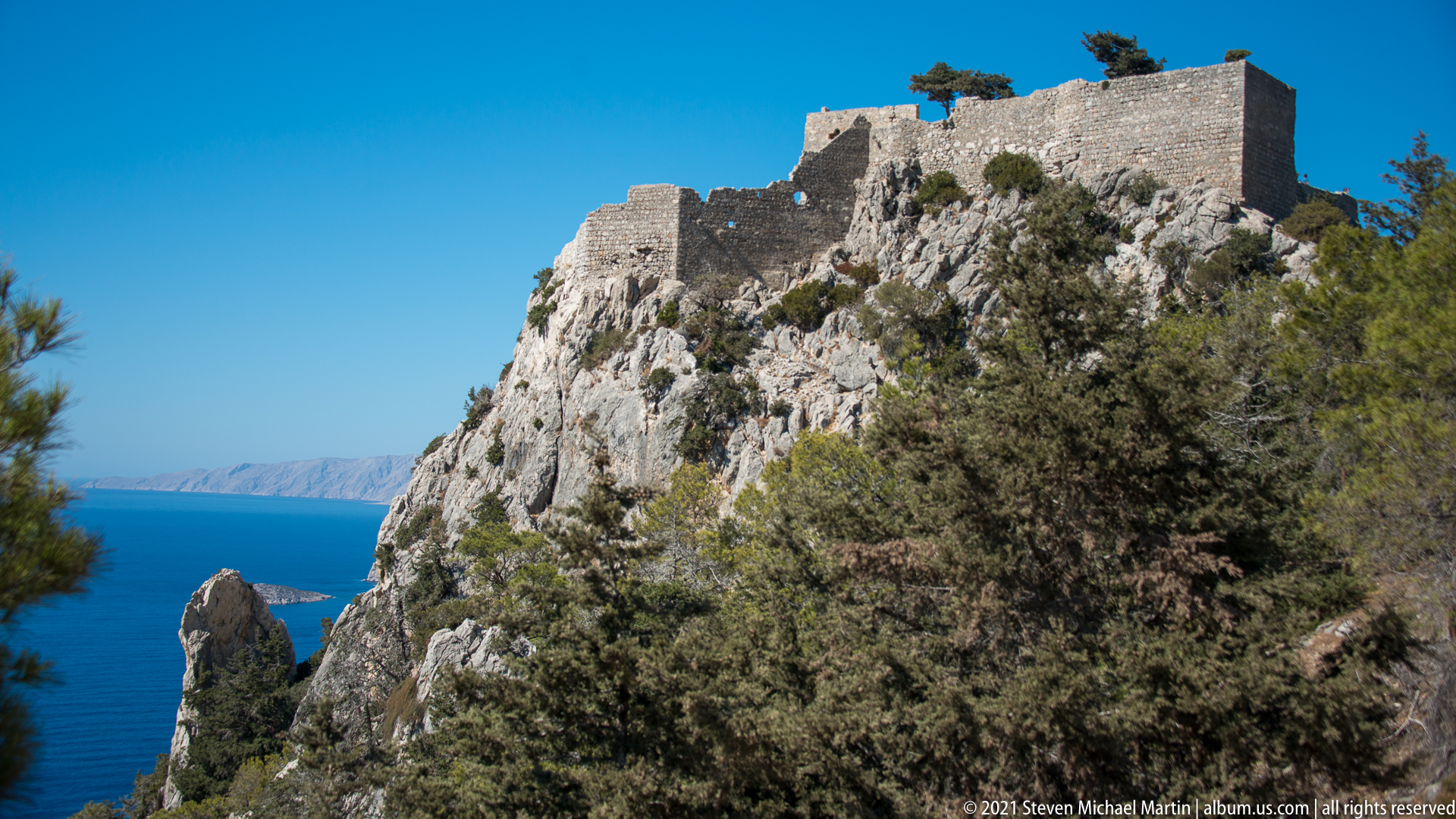
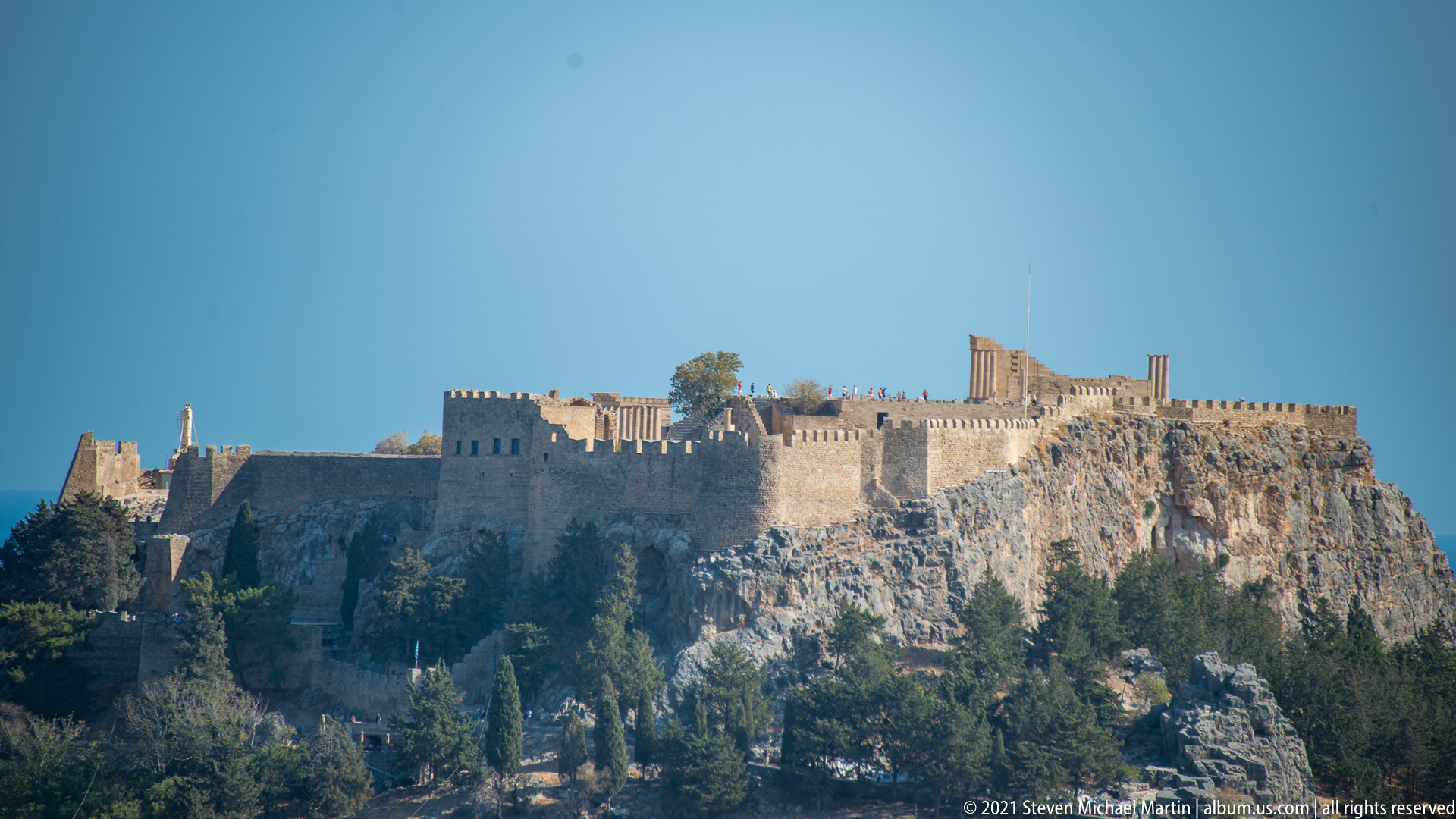
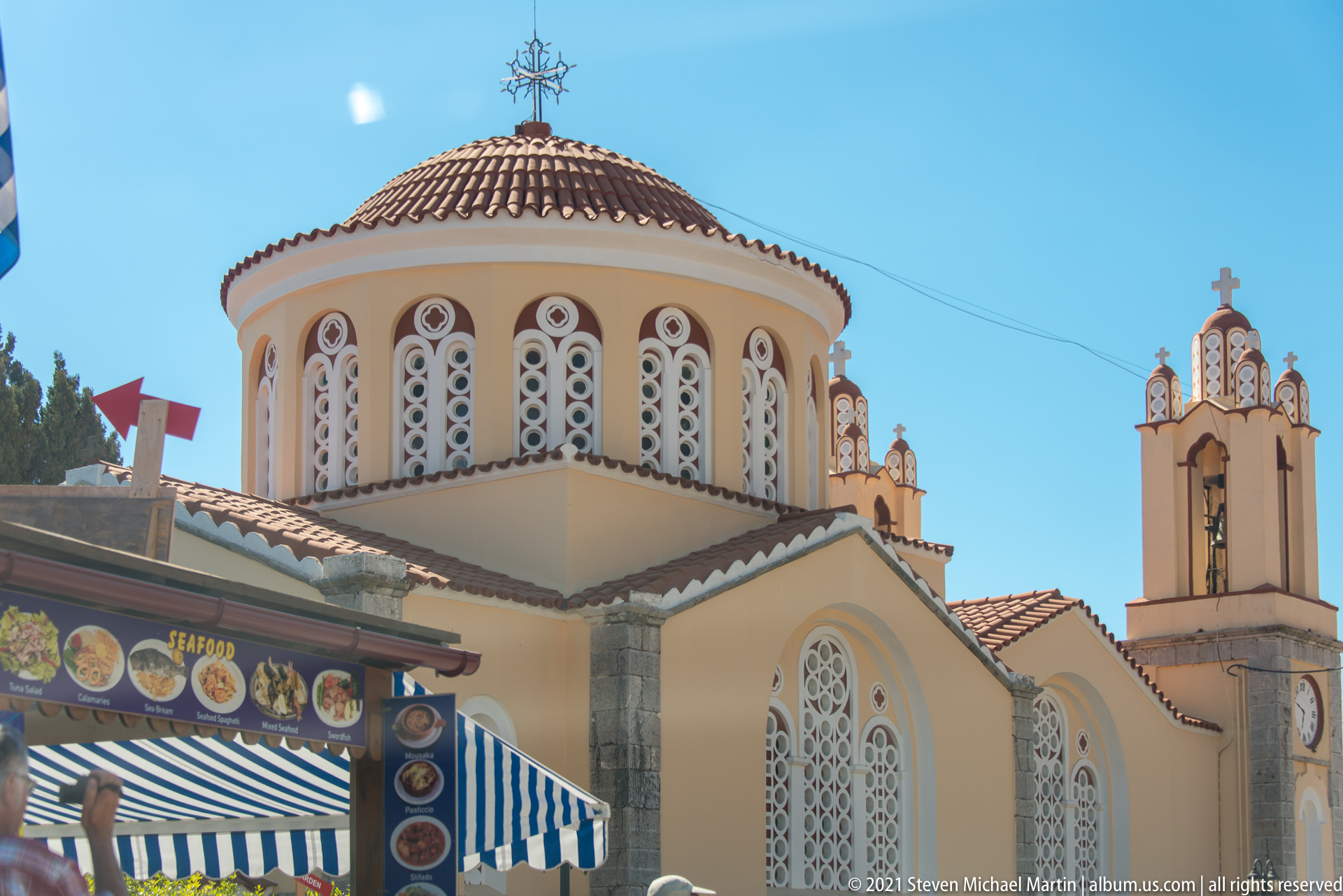
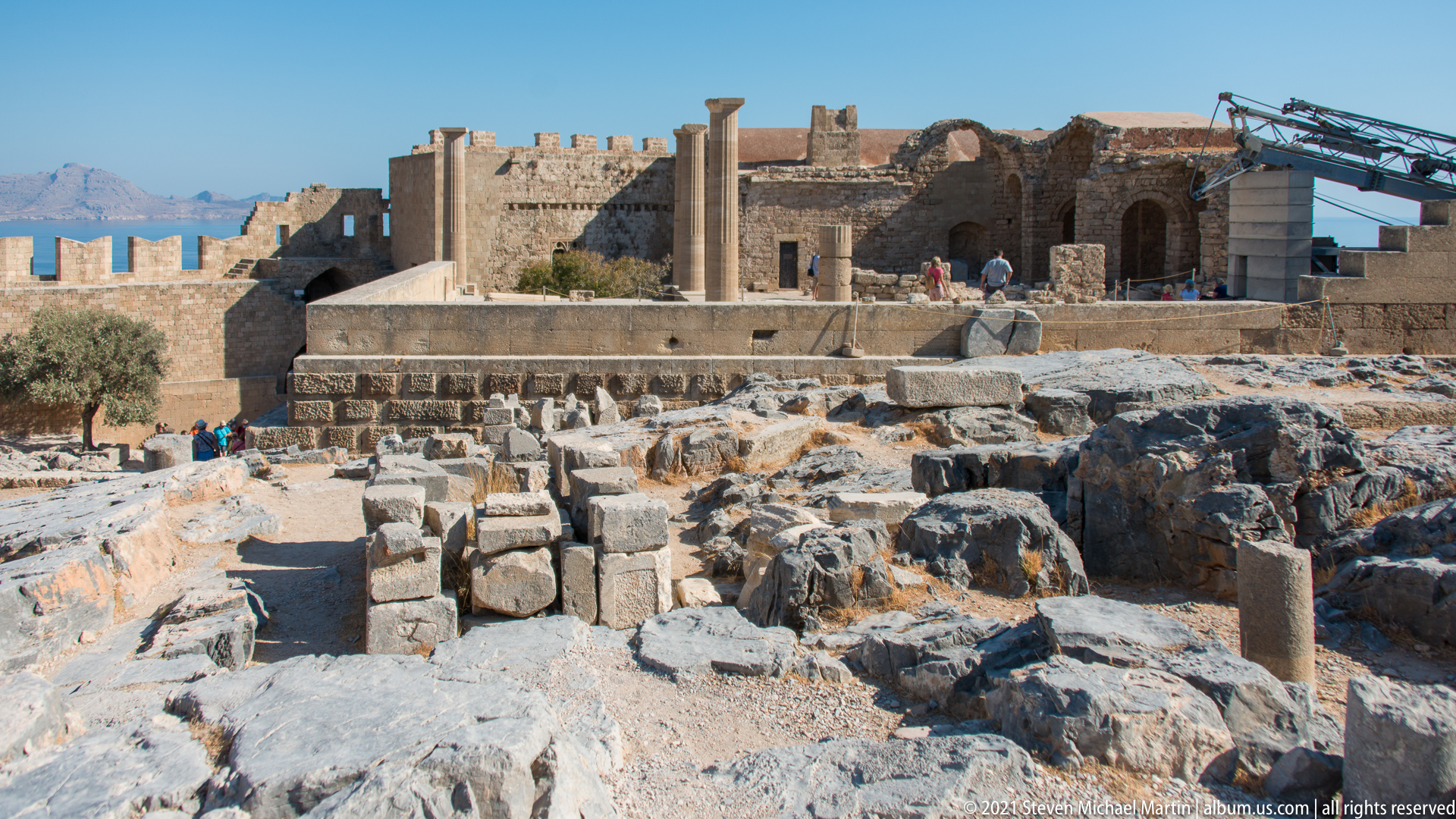
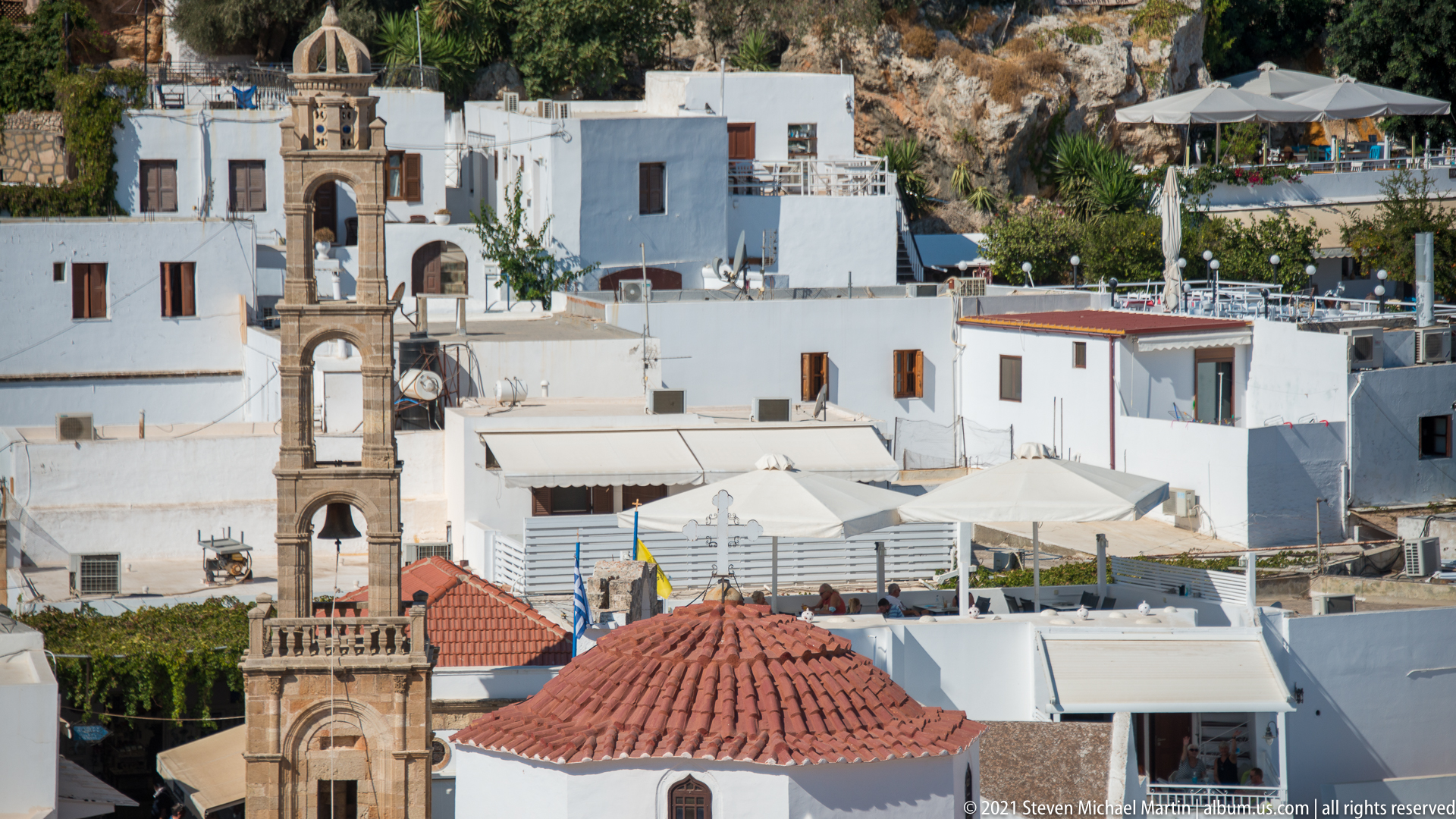
Modern Rhodes continues to preserve layers of history spanning Greek, Roman, Byzantine, and medieval periods. The island provides important context for understanding the interaction between trade, culture, and political power in the Mediterranean world.