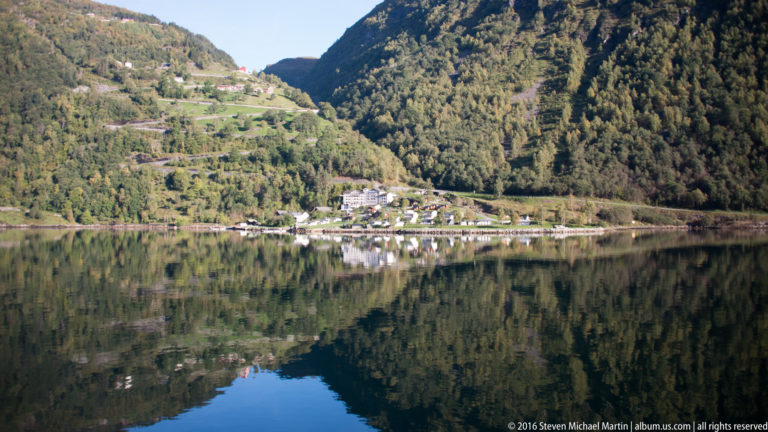
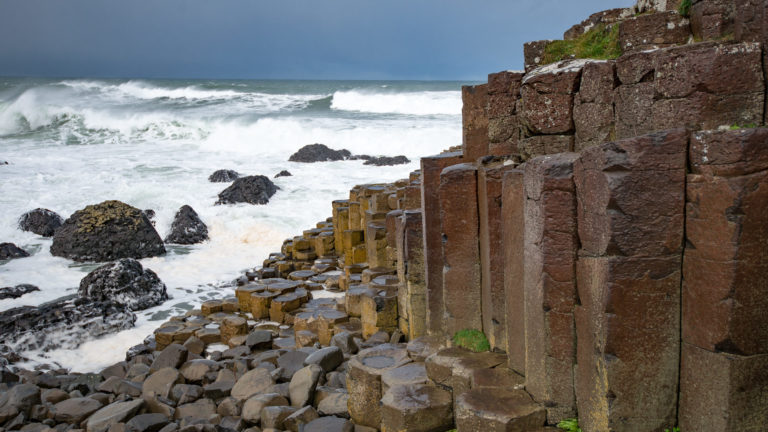
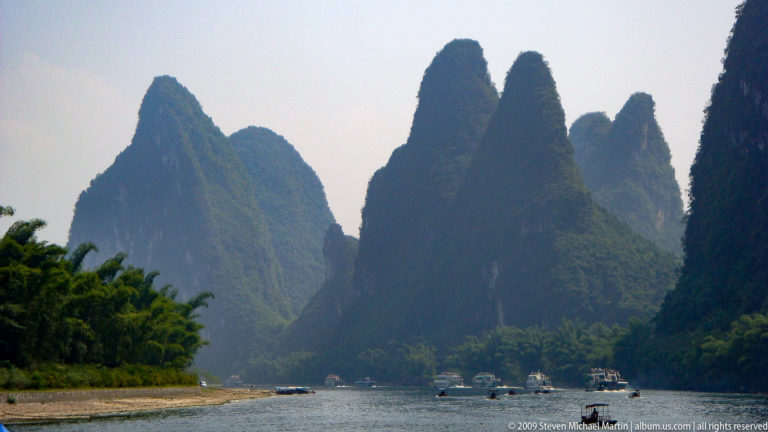
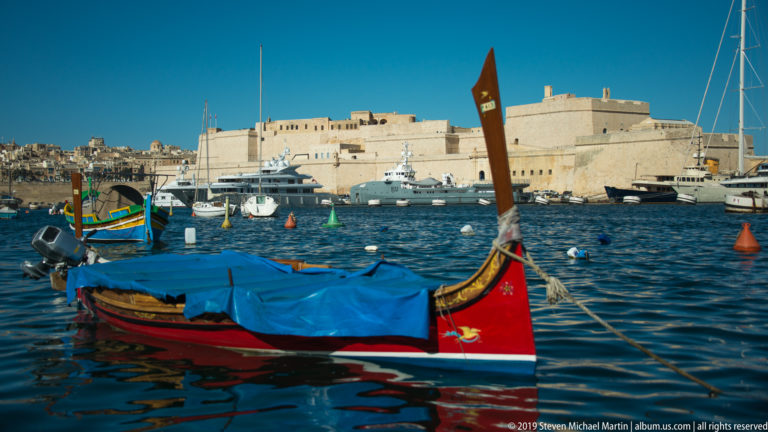
UNESCO Coastal World Heritage Sites preserve landscapes shaped by the continual interaction between land and ocean. Coastlines represent dynamic environments where geological forces, climate patterns, and marine ecosystems intersect, producing environments that range from rocky shorelines and barrier islands to estuaries, wetlands, and coral reef systems. These transitional zones between terrestrial and marine environments often contain exceptional biodiversity and illustrate ongoing natural processes such as erosion, sediment transport, and tidal influence that continue to shape coastal geography over time. :
Many UNESCO coastal environments protect highly productive ecosystems including mangrove forests, salt marshes, seagrass meadows, and coral reefs. These habitats serve as nurseries for marine species and provide important environmental functions such as shoreline stabilization, storm protection, and carbon storage. Coastal ecosystems support diverse wildlife populations and contribute to global ecological balance through nutrient cycling and habitat preservation across interconnected marine and terrestrial systems.
UNESCO recognition highlights the global importance of protecting coastal environments that demonstrate exceptional natural beauty, ecological complexity, and geological significance. Marine and coastal World Heritage sites span polar waters, temperate shorelines, and tropical reef systems, illustrating the wide range of environmental conditions found along the world’s coastlines. These landscapes also reflect the long relationship between human settlement and maritime environments, emphasizing the need for sustainable stewardship of fragile ecosystems shaped by both natural forces and human interaction.
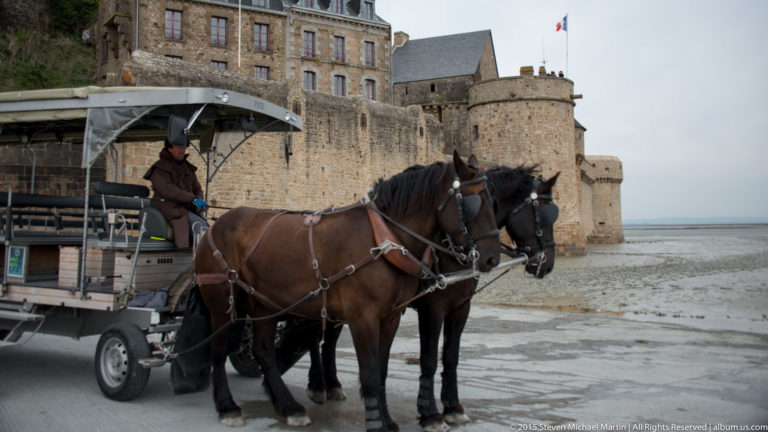
Mont Saint-Michel Mont Saint-Michel rises dramatically from tidal waters along the Normandy coast, forming one of the most recognizable architectural […]