Japan occupies an island arc along the western edge of the Pacific Ocean where tectonic activity has produced mountainous terrain, volcanic landscapes, and narrow coastal plains. These geographic constraints influenced agricultural development, transportation corridors, and political organization over many centuries. Relative isolation from continental Asia allowed distinctive cultural traditions to develop, while selective exchange with neighboring civilizations introduced writing systems, religious ideas, and artistic forms that were adapted into uniquely Japanese expressions. The resulting cultural landscape reflects long continuity between natural environment, governance, and architectural tradition.
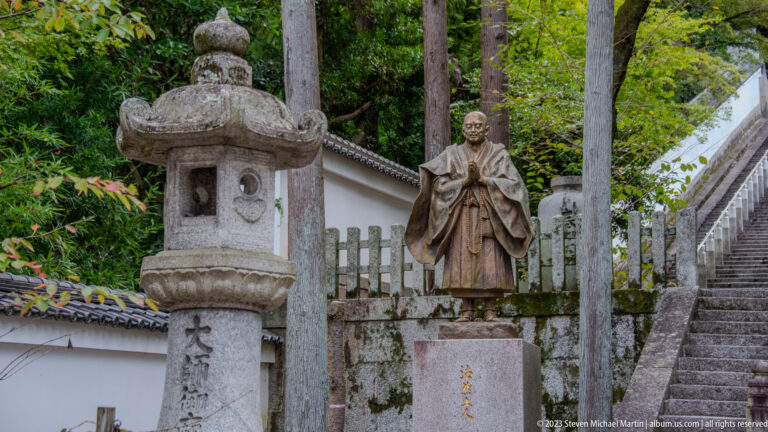
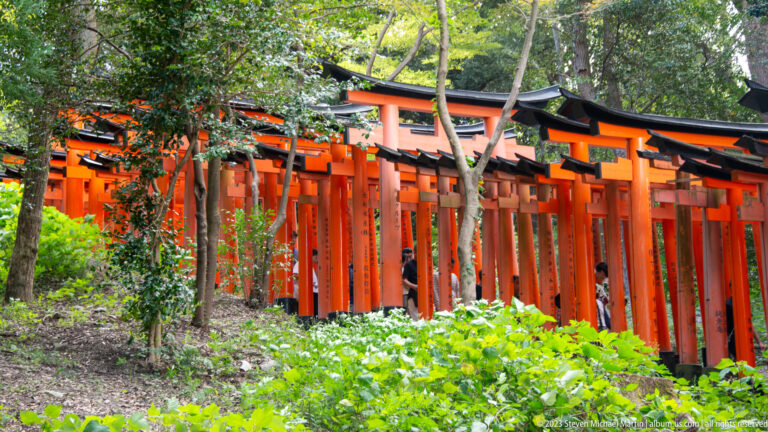
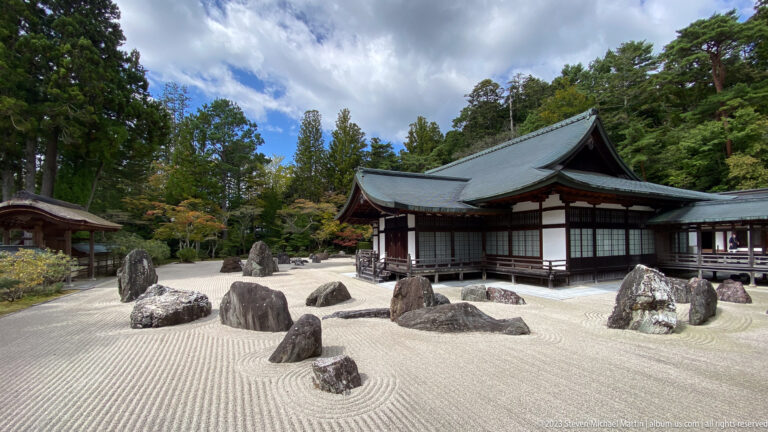
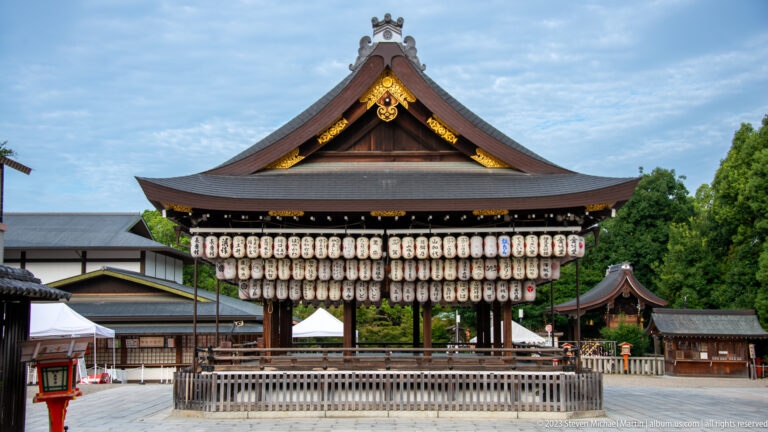
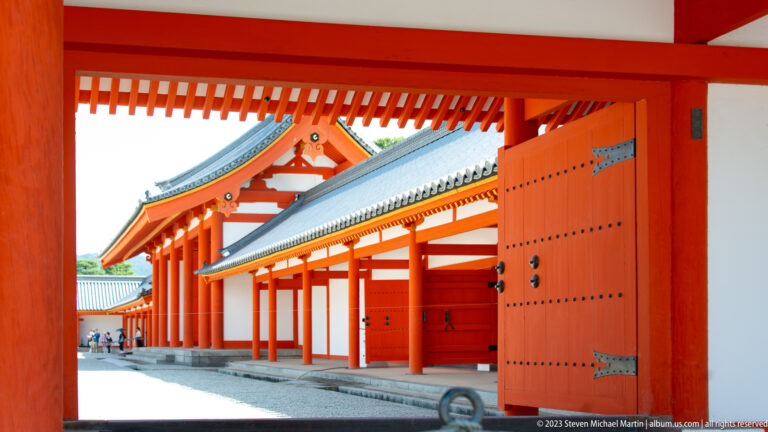
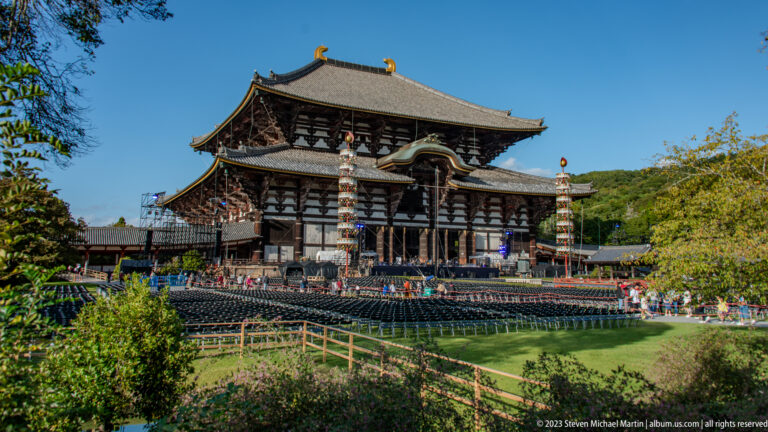
Religious institutions associated with Shinto and Buddhism played a central role in shaping early urban development and ceremonial landscapes. Sacred complexes such as Koyasan, Chion-in, and Fushimi Inari Taisha illustrate the integration of spiritual practice with mountain environments and carefully ordered architectural space. Early capitals such as Nara reflect the transmission of Buddhist artistic and planning traditions from continental Asia, while temple districts within Kyoto demonstrate the refinement of ceremonial architecture associated with imperial authority.
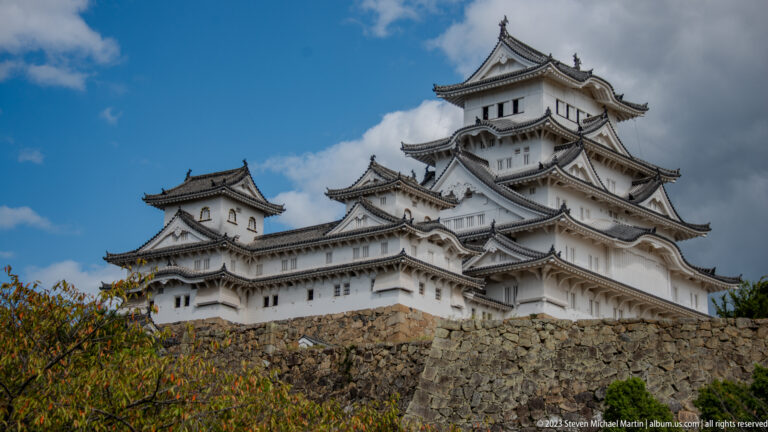
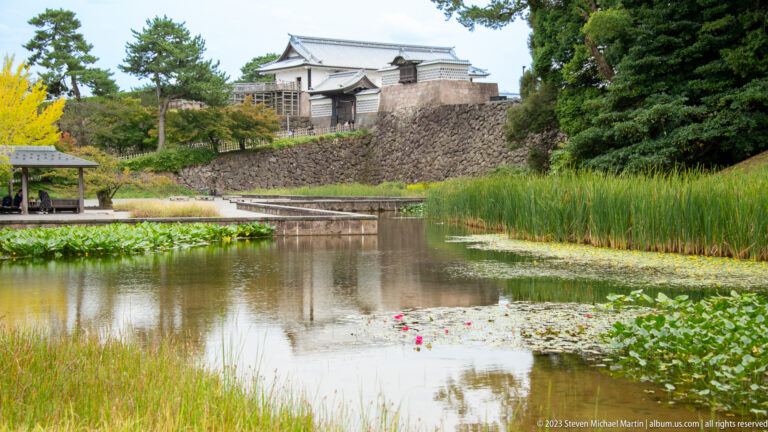
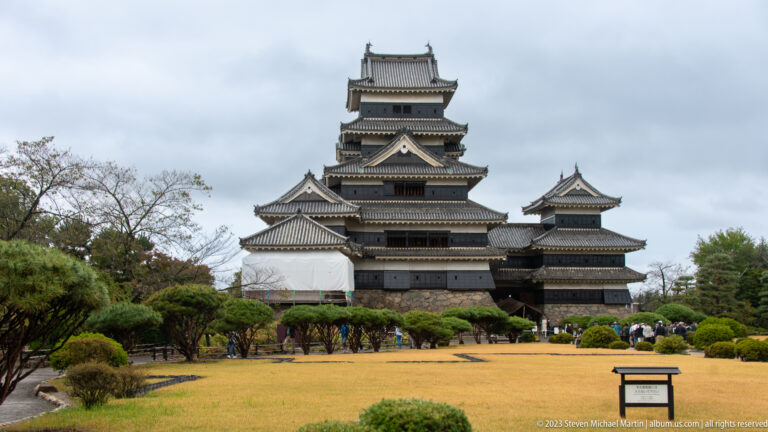
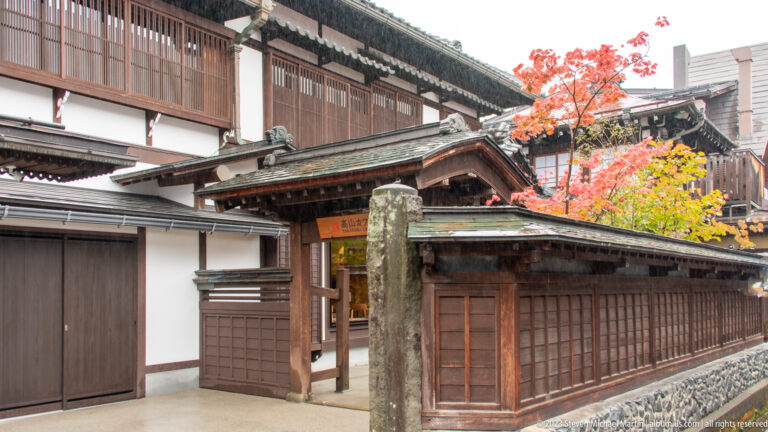
During the feudal period, regional political power was expressed through castle construction and administrative towns that balanced military function with aesthetic design. Defensive complexes including Himeji Castle, Matsumoto Castle, and Kanazawa Castle illustrate architectural responses to political fragmentation and territorial governance. Merchant districts and preserved residential environments in Takayama and Kanazawa, including samurai residences, demonstrate the social structure that developed around regional domains and trade networks.
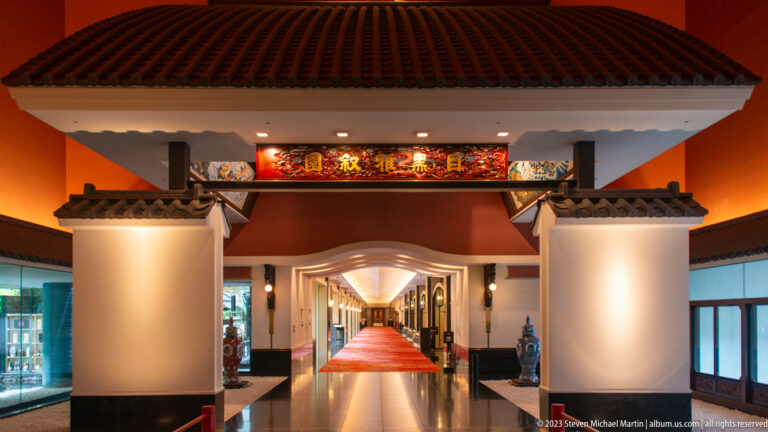
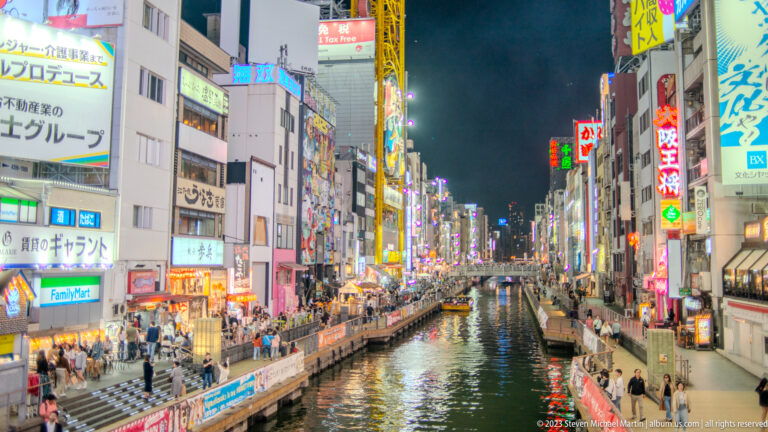
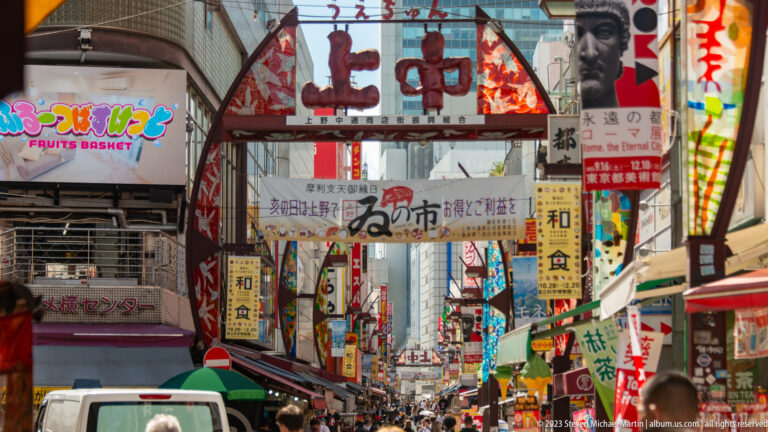
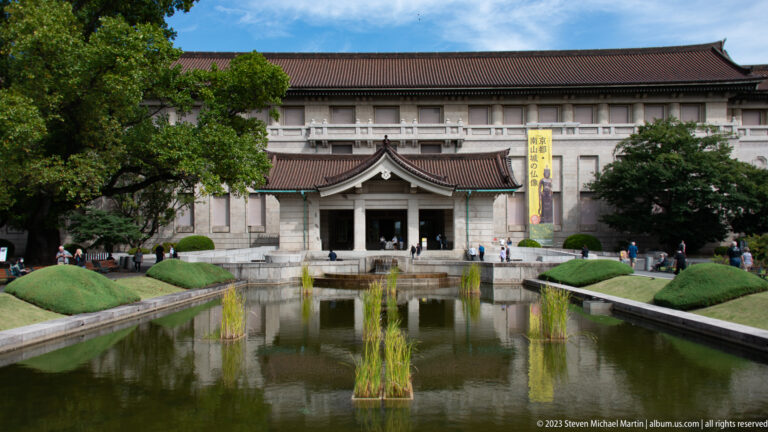
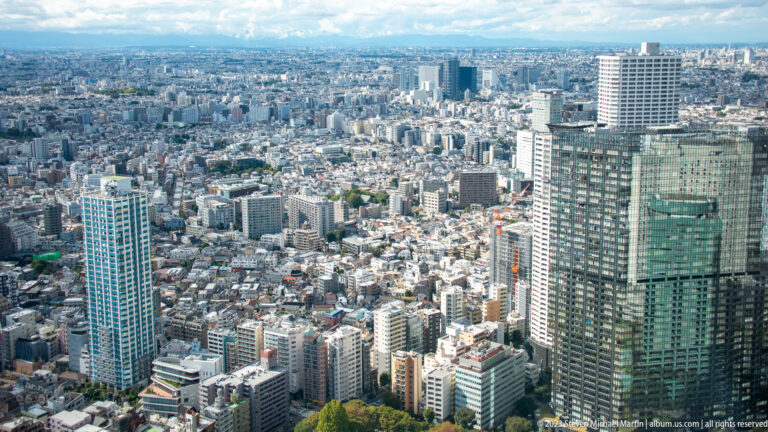
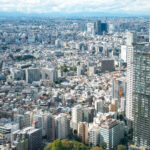
The transition from early modern political centers to contemporary metropolitan environments is visible in cities such as Osaka and Tokyo, where historic districts coexist with dense commercial development. Cultural institutions including the Tokyo National Museum preserve archaeological and artistic traditions spanning thousands of years, while modern vantage points such as the Tokyo Observation Deck illustrate the scale of contemporary urban expansion. Architectural continuity is also visible in environments such as Hotel Gajoen, where traditional craftsmanship persists within modern structures.
Together these locations illustrate the continuity of Japanese cultural identity across changing political and economic conditions. Religious landscapes, feudal administrative centers, and modern urban environments demonstrate sustained attention to spatial harmony, craftsmanship, and symbolic meaning. Japan’s preserved architectural heritage contributes to broader understanding of East Asian history, illustrating how geography, governance, and artistic tradition interact across centuries of cultural development.
Himeji Castle Himeji Castle is one of the best-preserved examples of Japanese feudal architecture, originally constructed in the fourteenth century […]
Hotel Gajoen Hotel Gajoen in Tokyo is known for its elaborate interior decoration reflecting traditional Japanese artistic craftsmanship combined with […]
Kanazawa Castle Kanazawa Castle developed as an important regional administrative center during Japan’s feudal period. Constructed and expanded under the […]
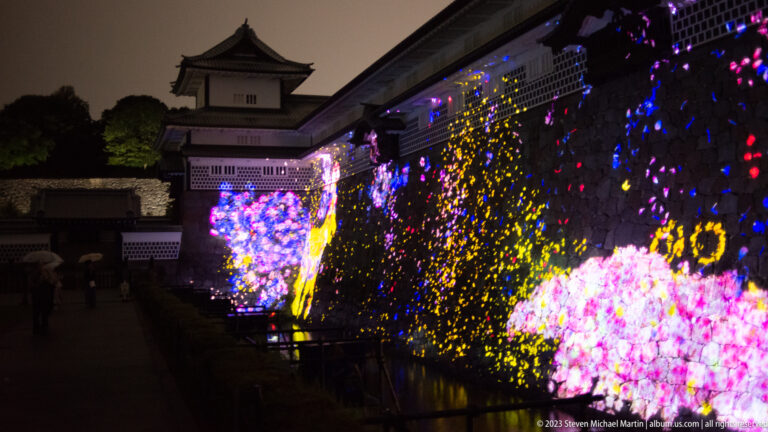
Kanazawa Castle Light Festival The Kanazawa Castle Light Festival illuminates historic castle structures, highlighting architectural details through carefully designed lighting. […]
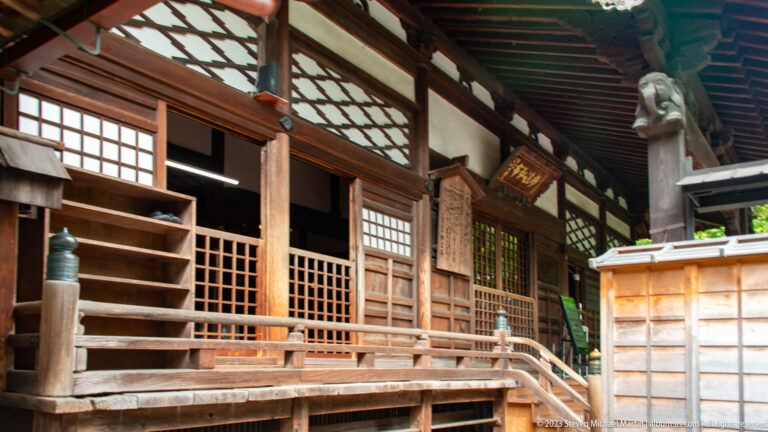
Kanazawa Samurai and Ninja Homes Kanazawa preserves residential districts associated with samurai families who served regional feudal lords during the […]
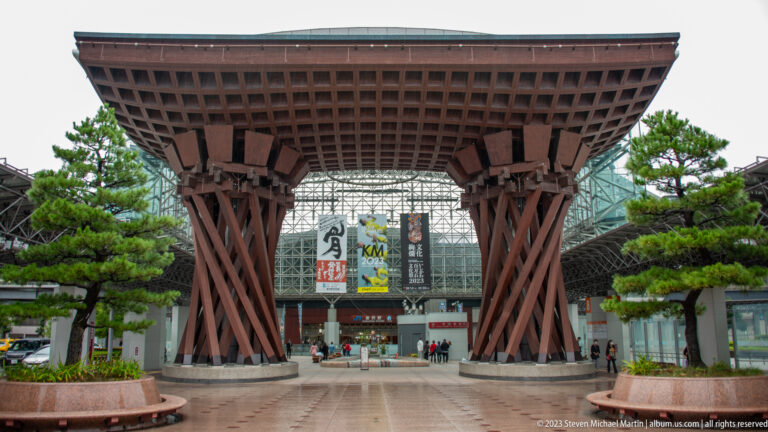
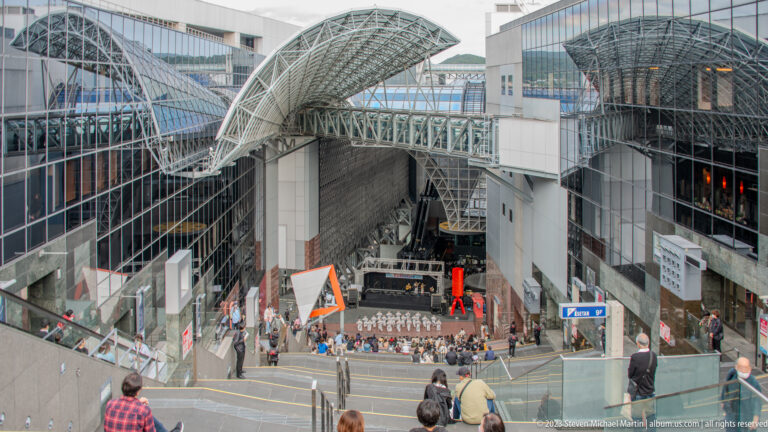
Kyoto Station Kyoto Station represents a modern architectural interpretation of transportation infrastructure within one of Japan’s most historic cities. The […]
Osaka Osaka developed as an important commercial center during Japan’s early modern period, benefiting from its location along major transportation […]