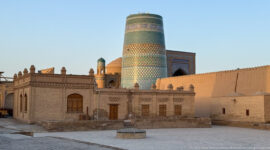
Registan
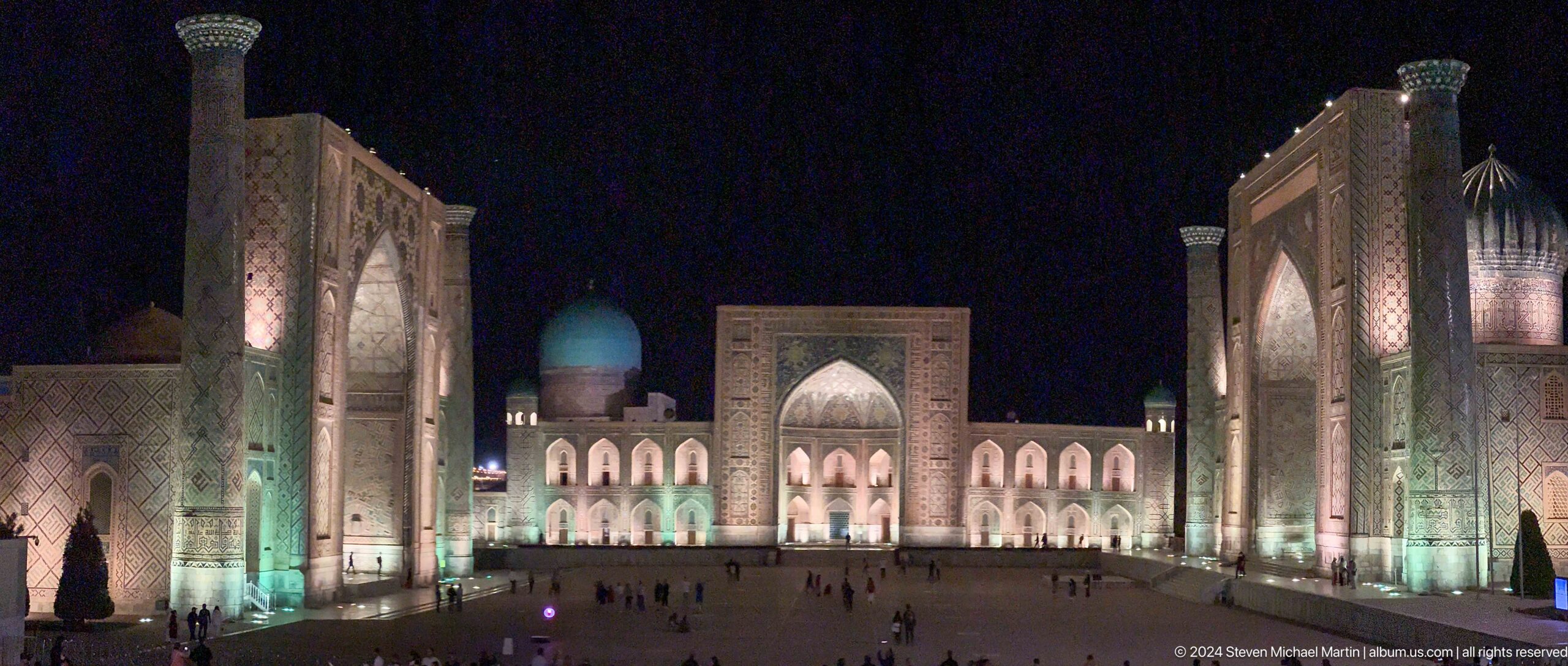
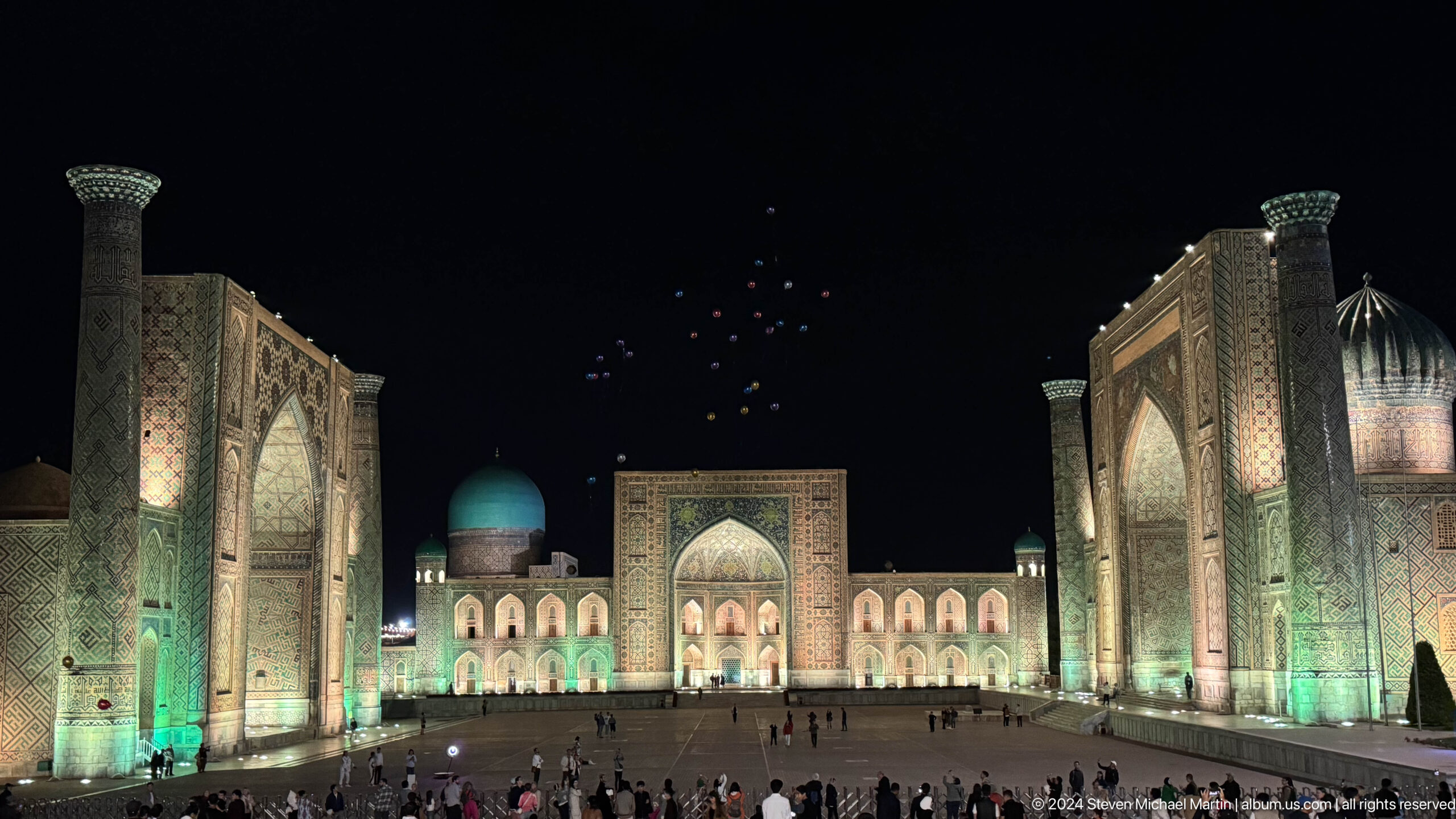
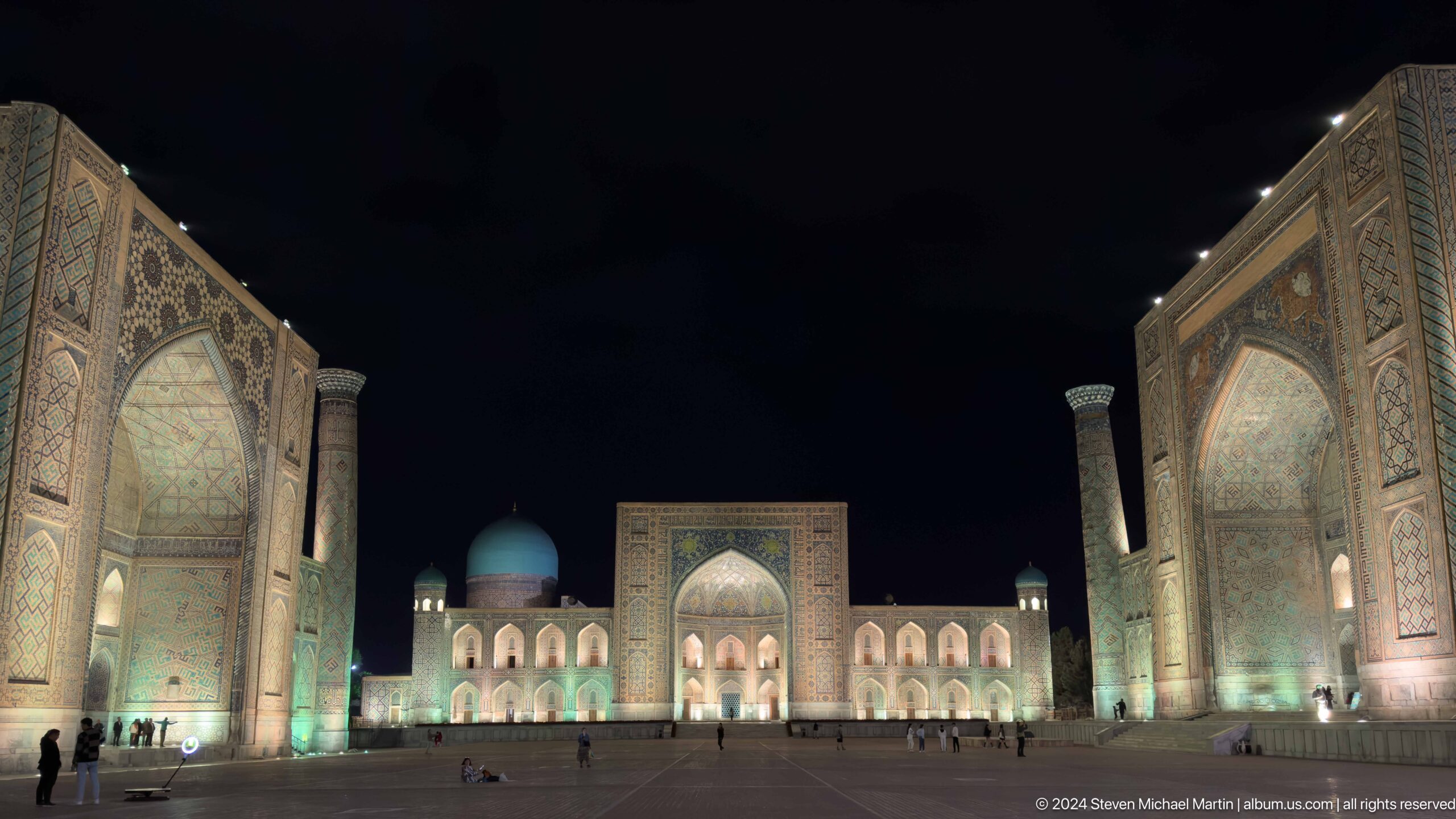
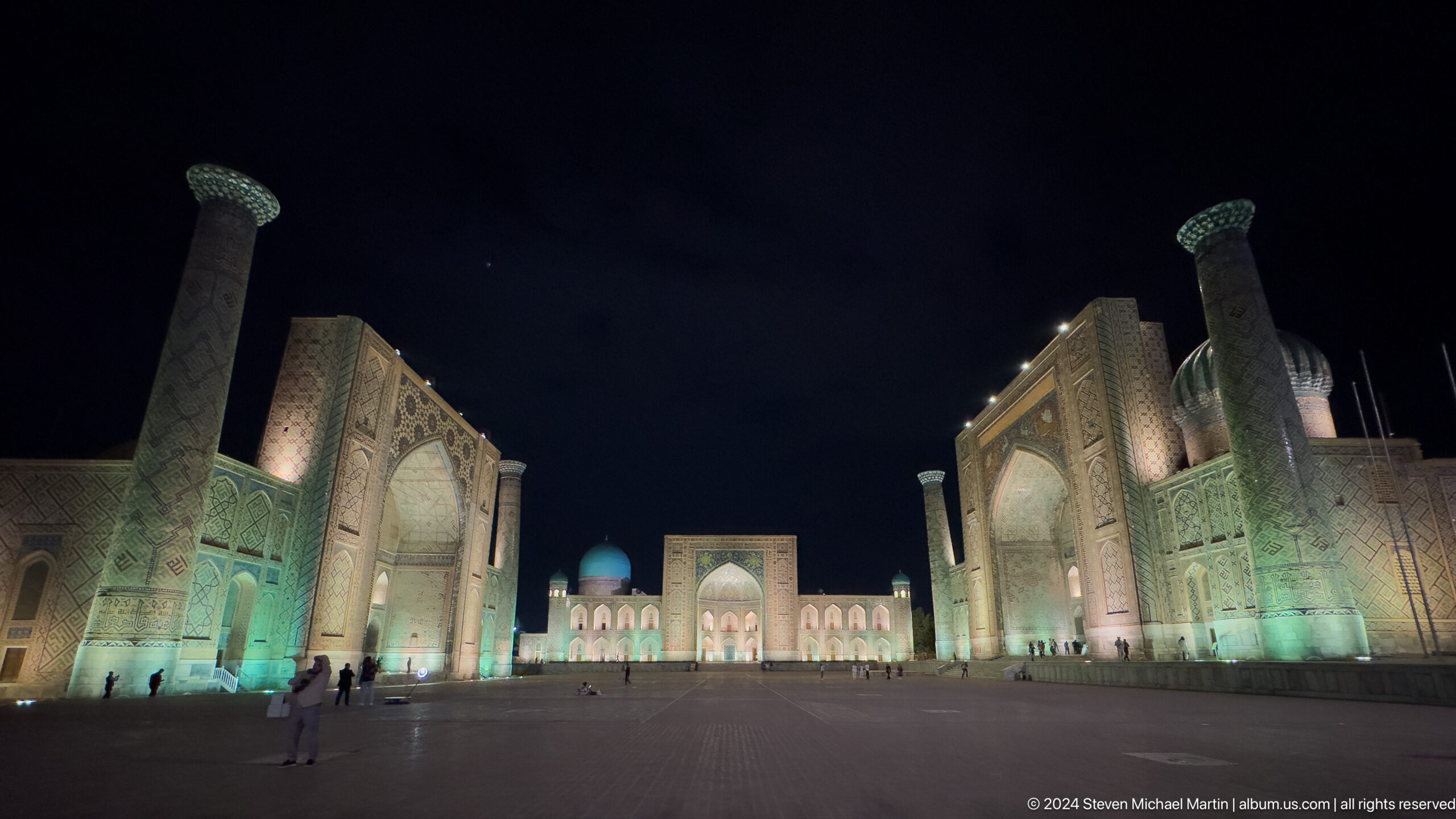
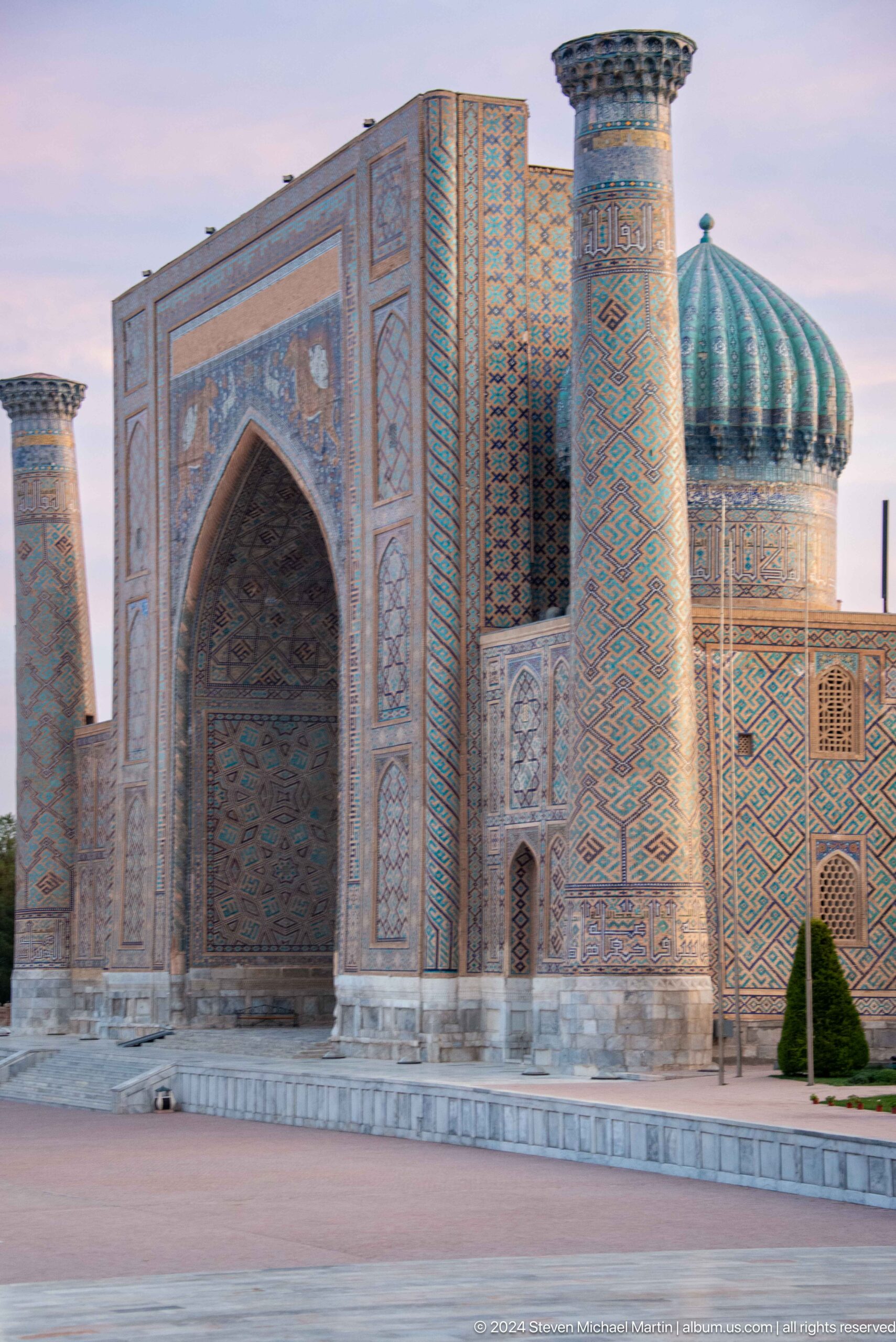
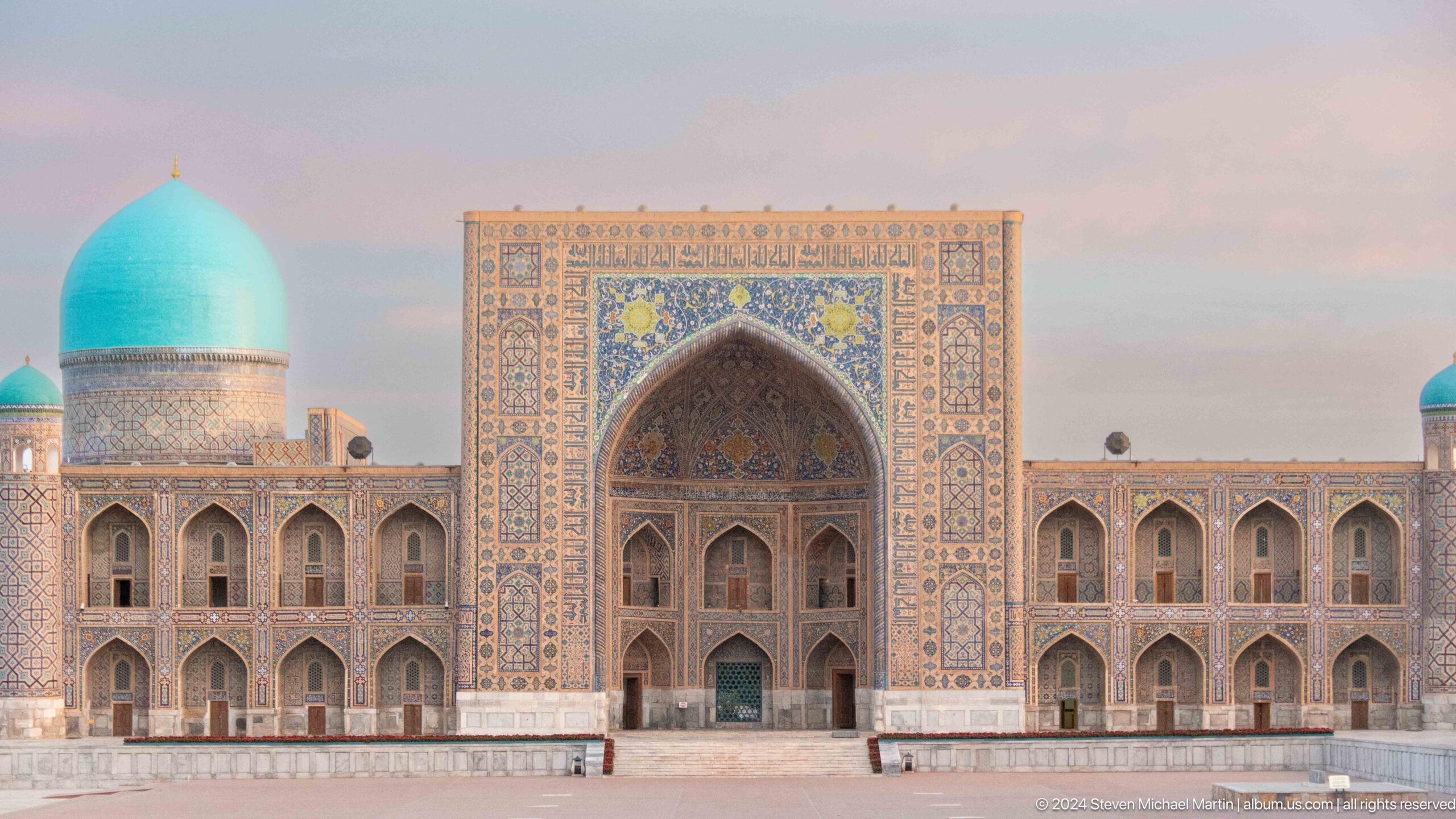
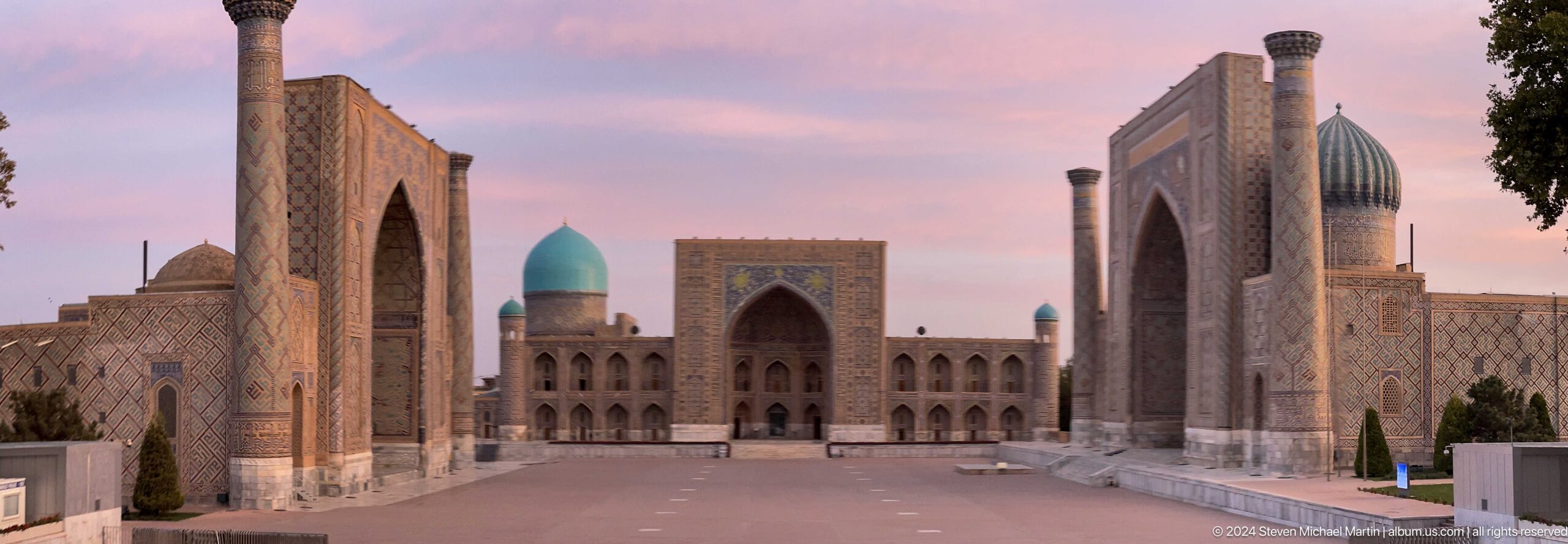
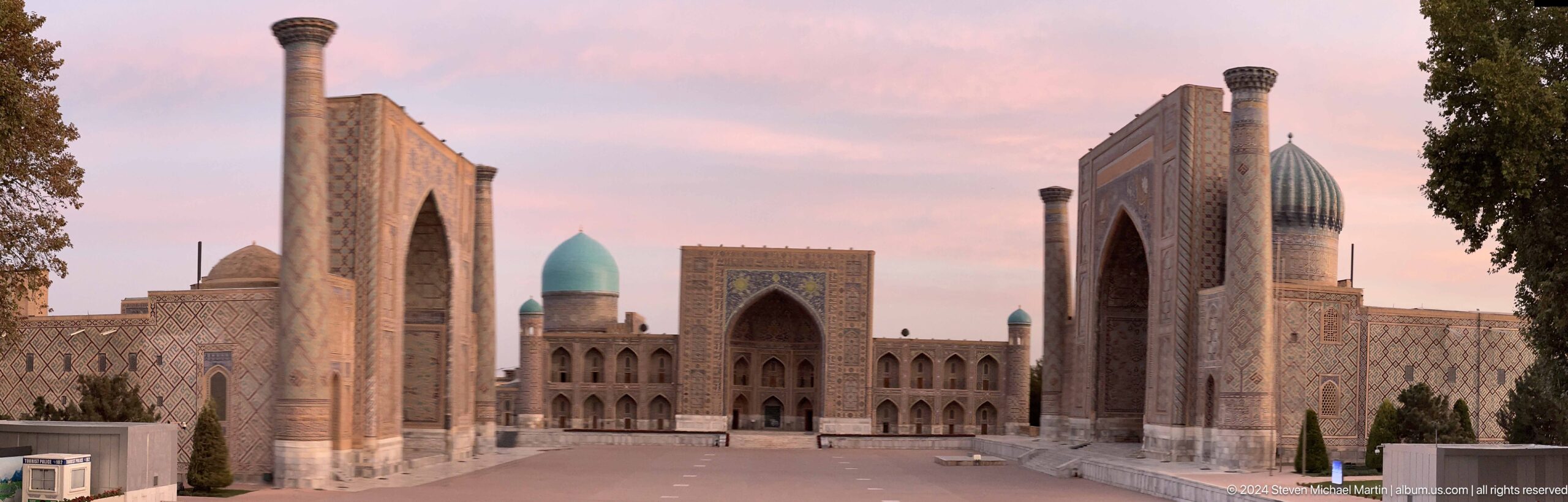
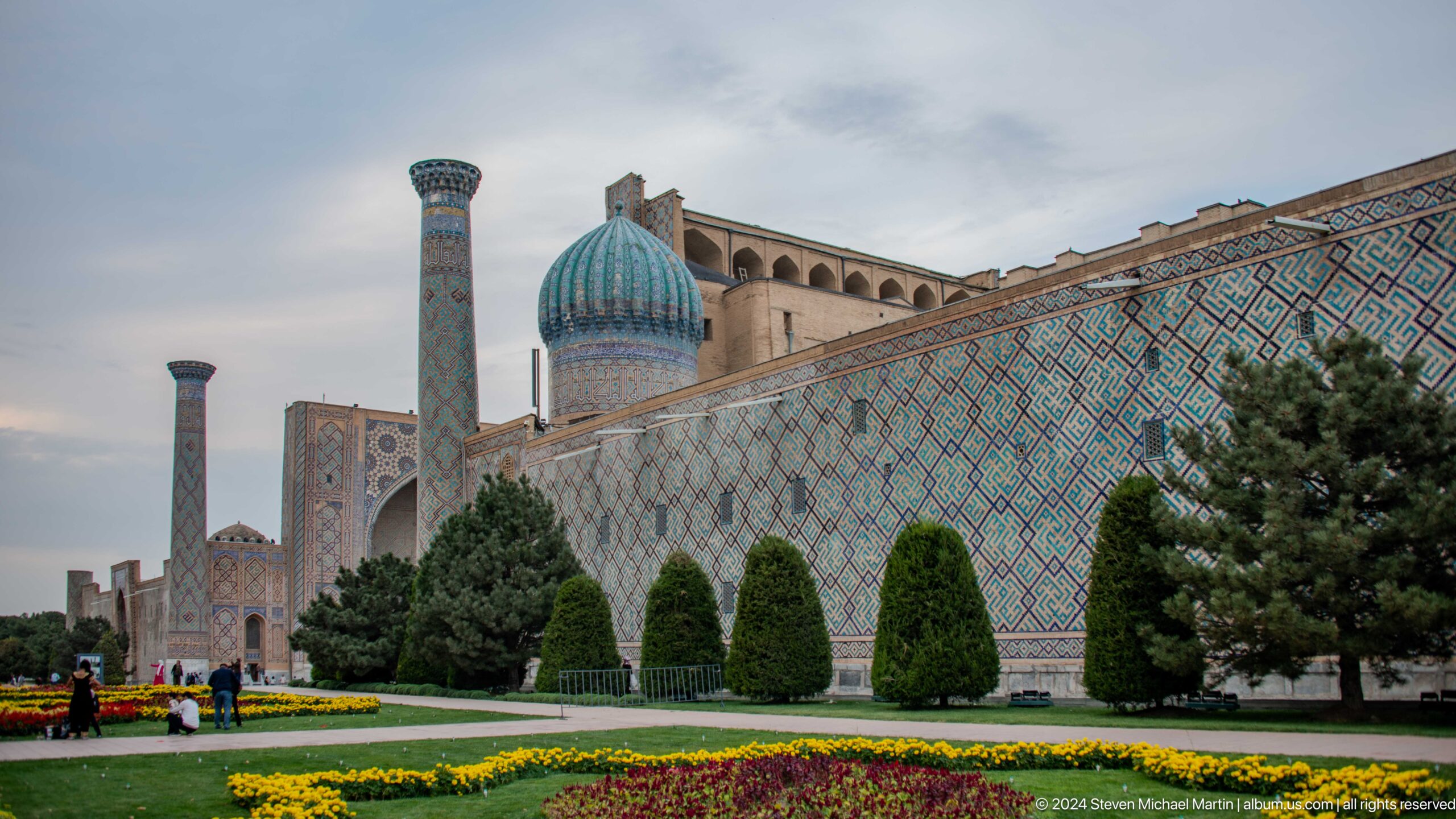
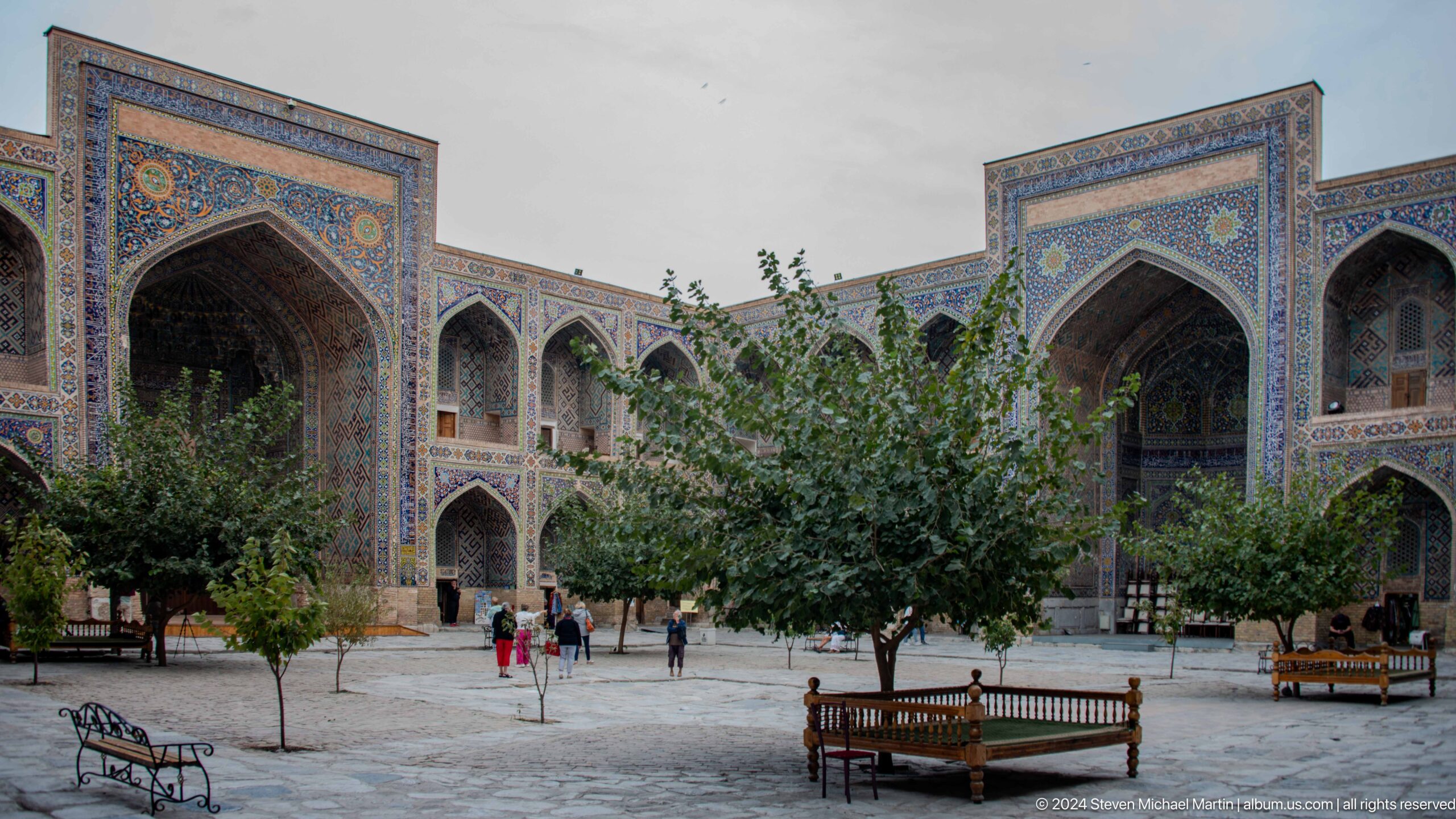
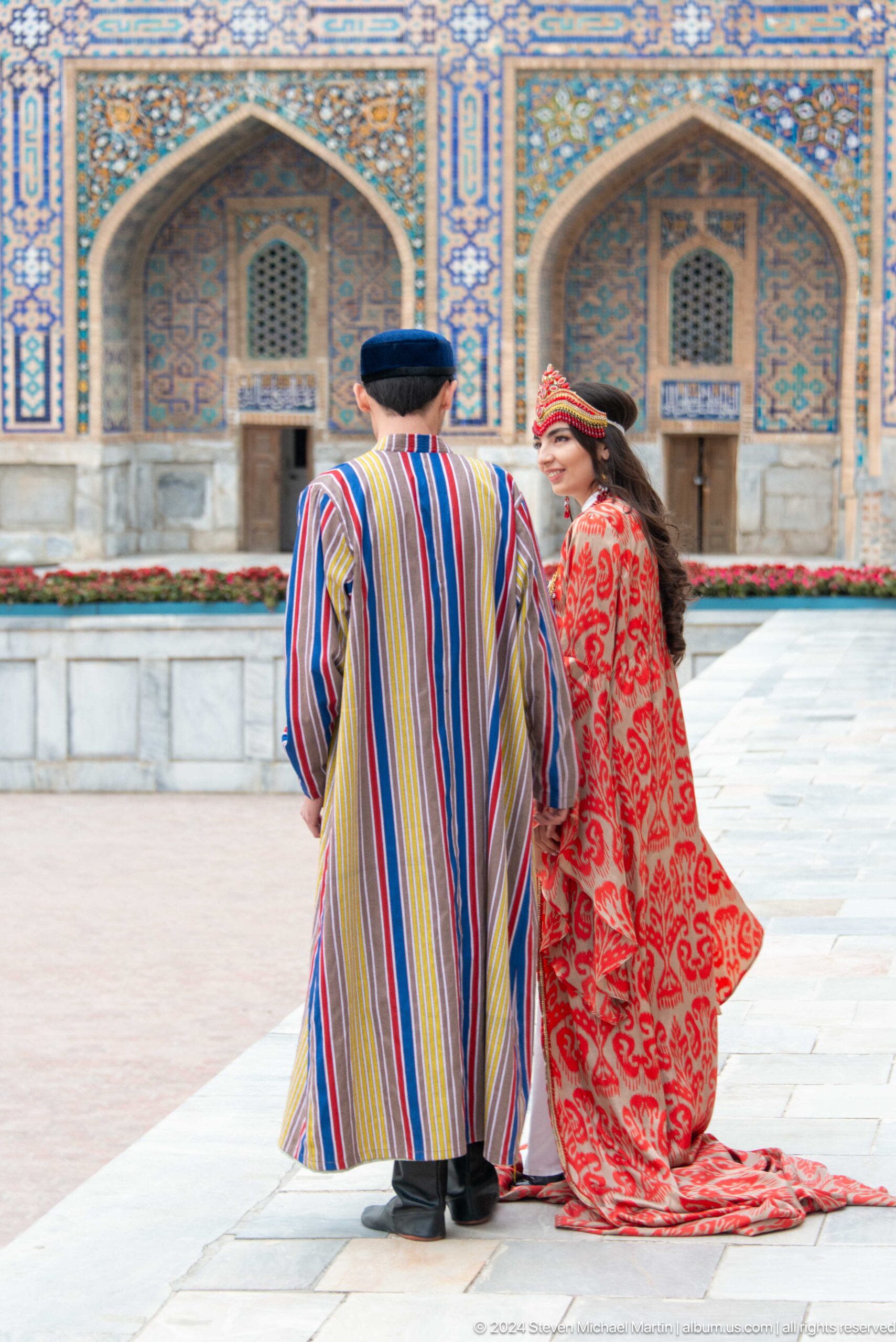
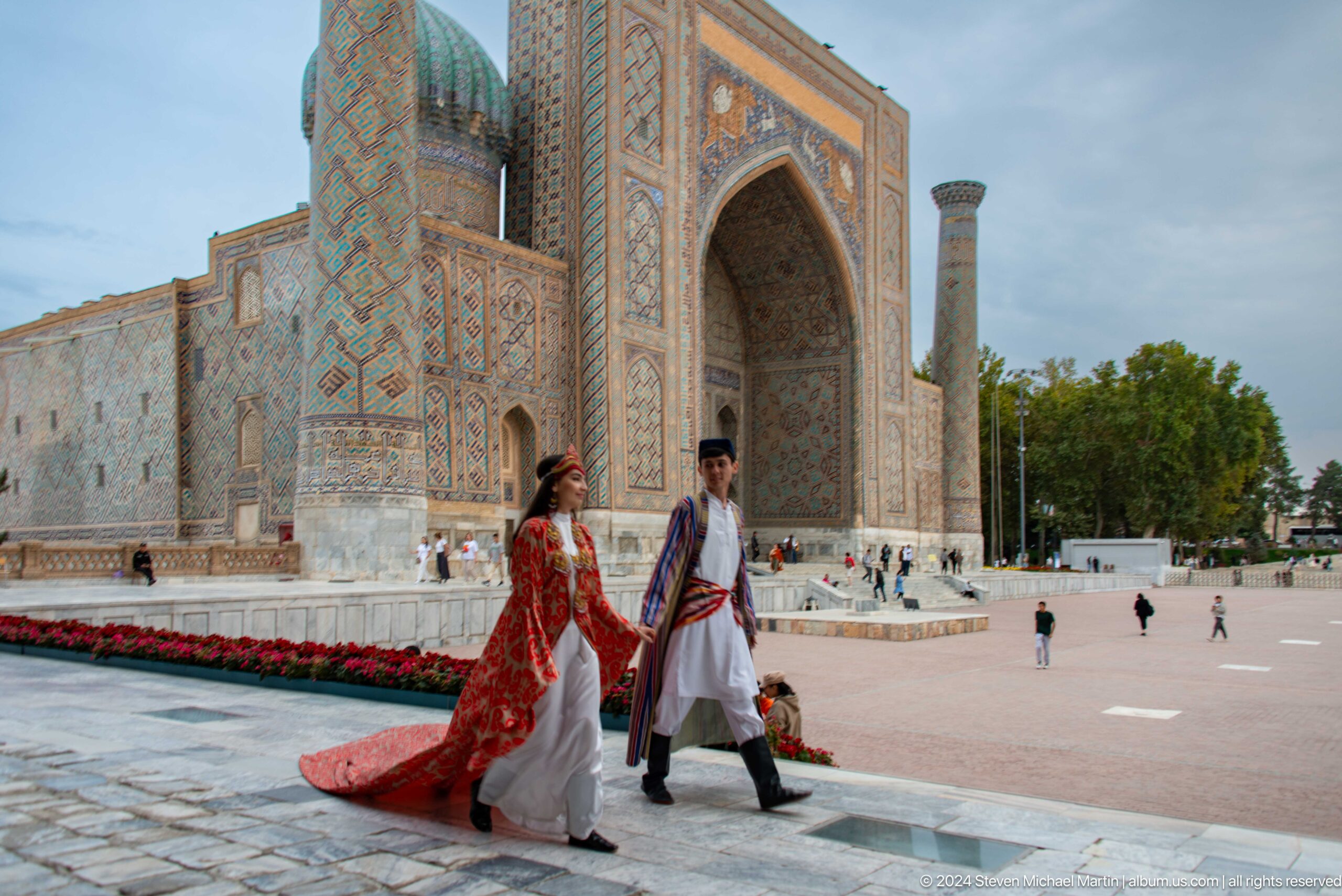
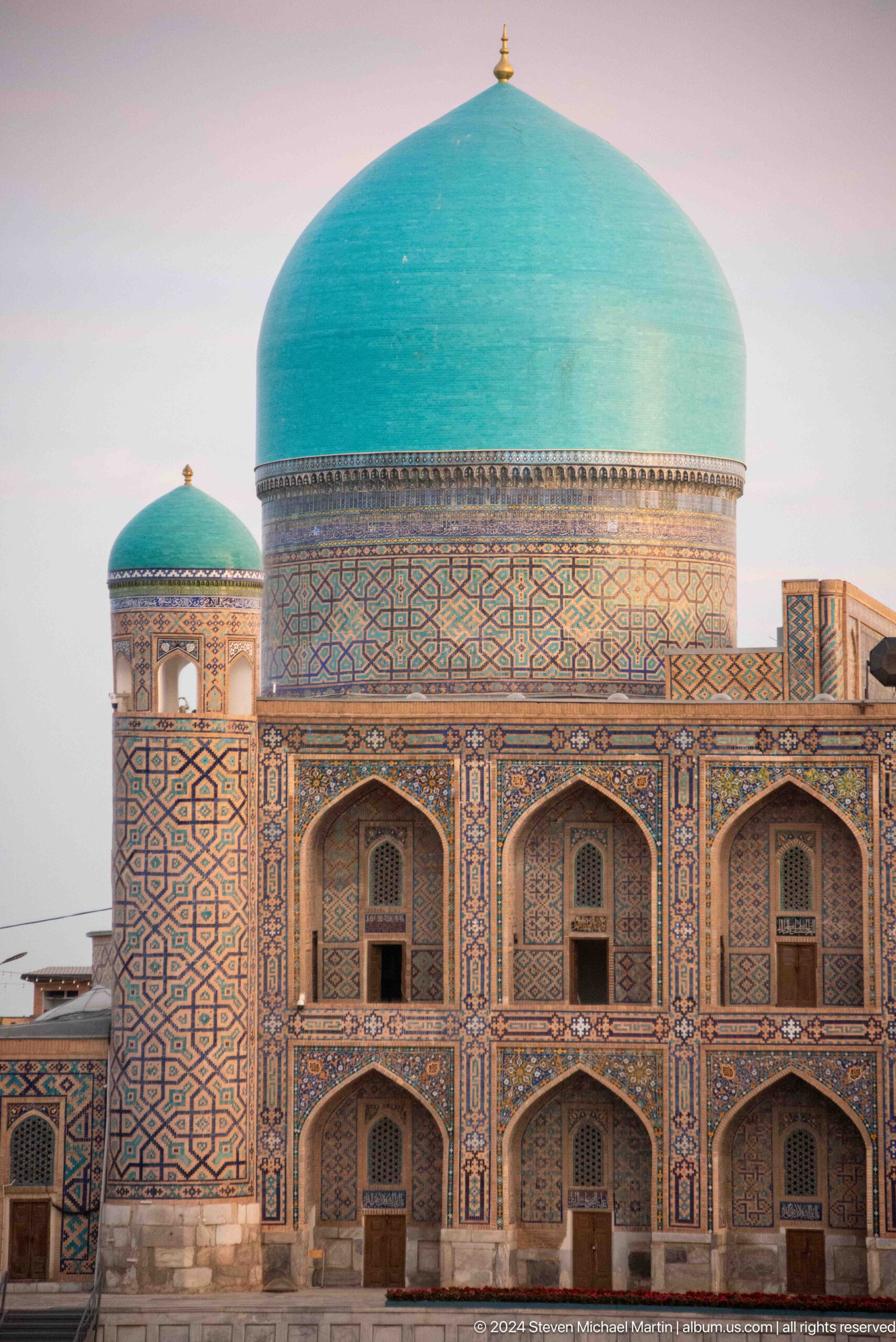
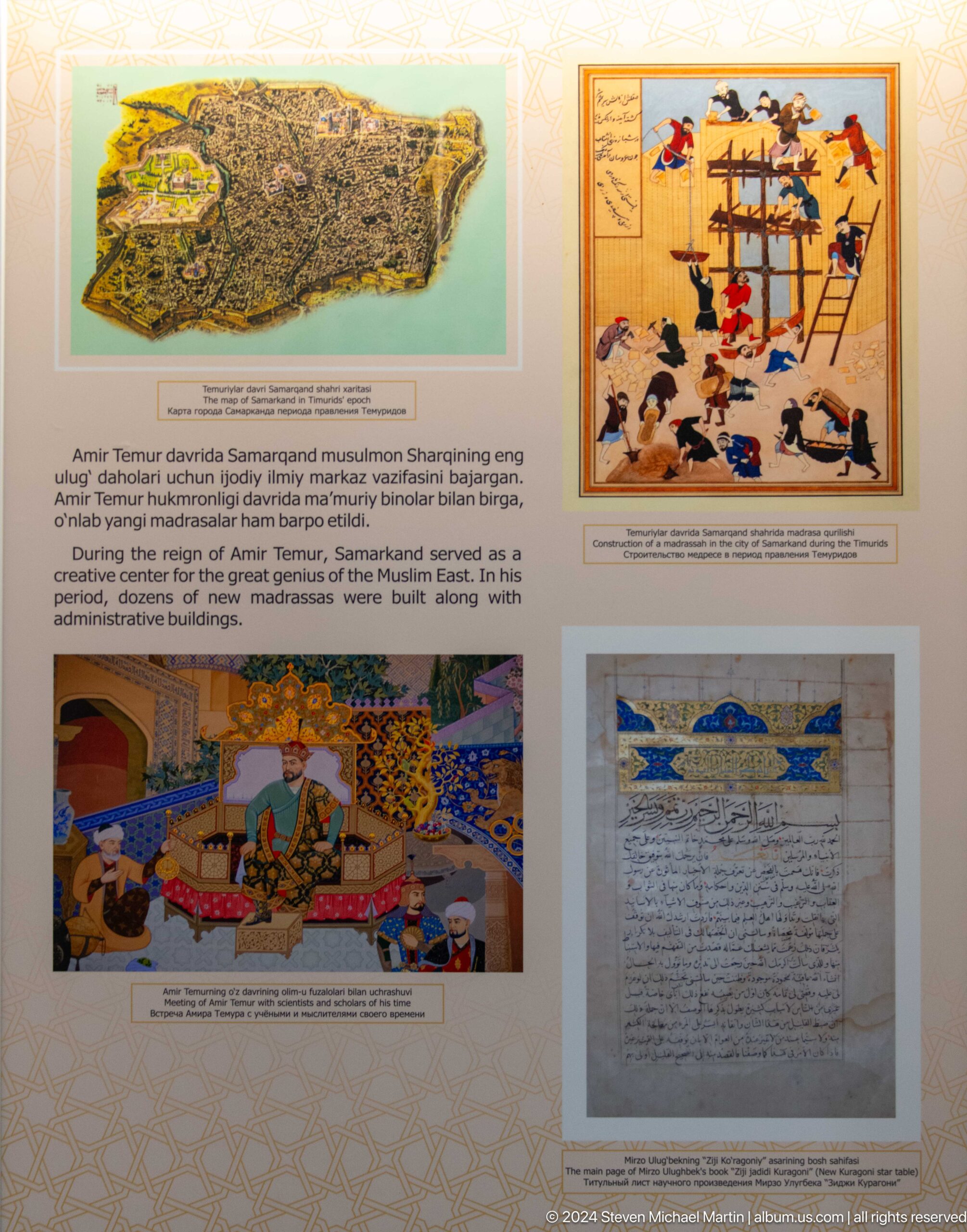
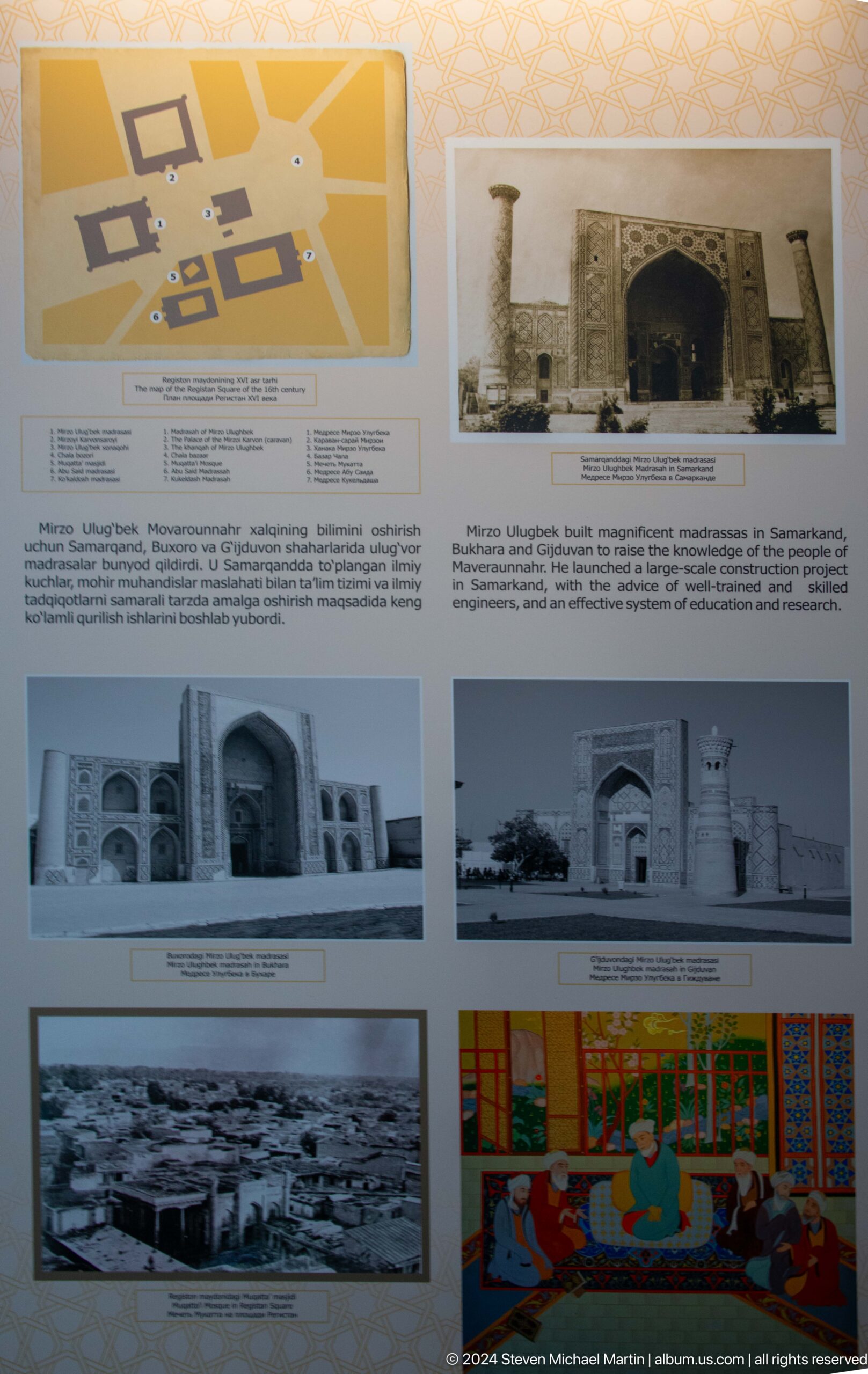
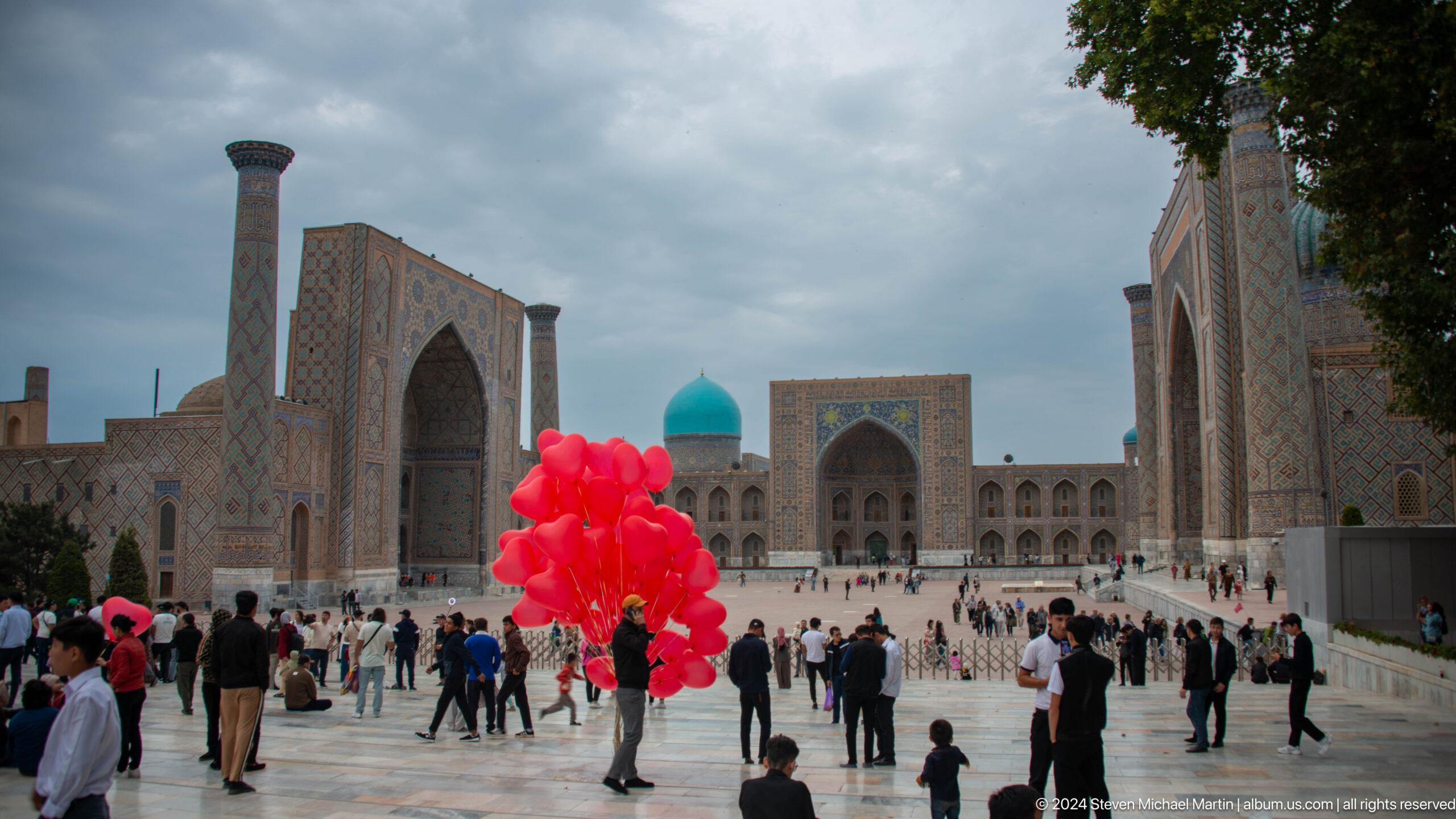
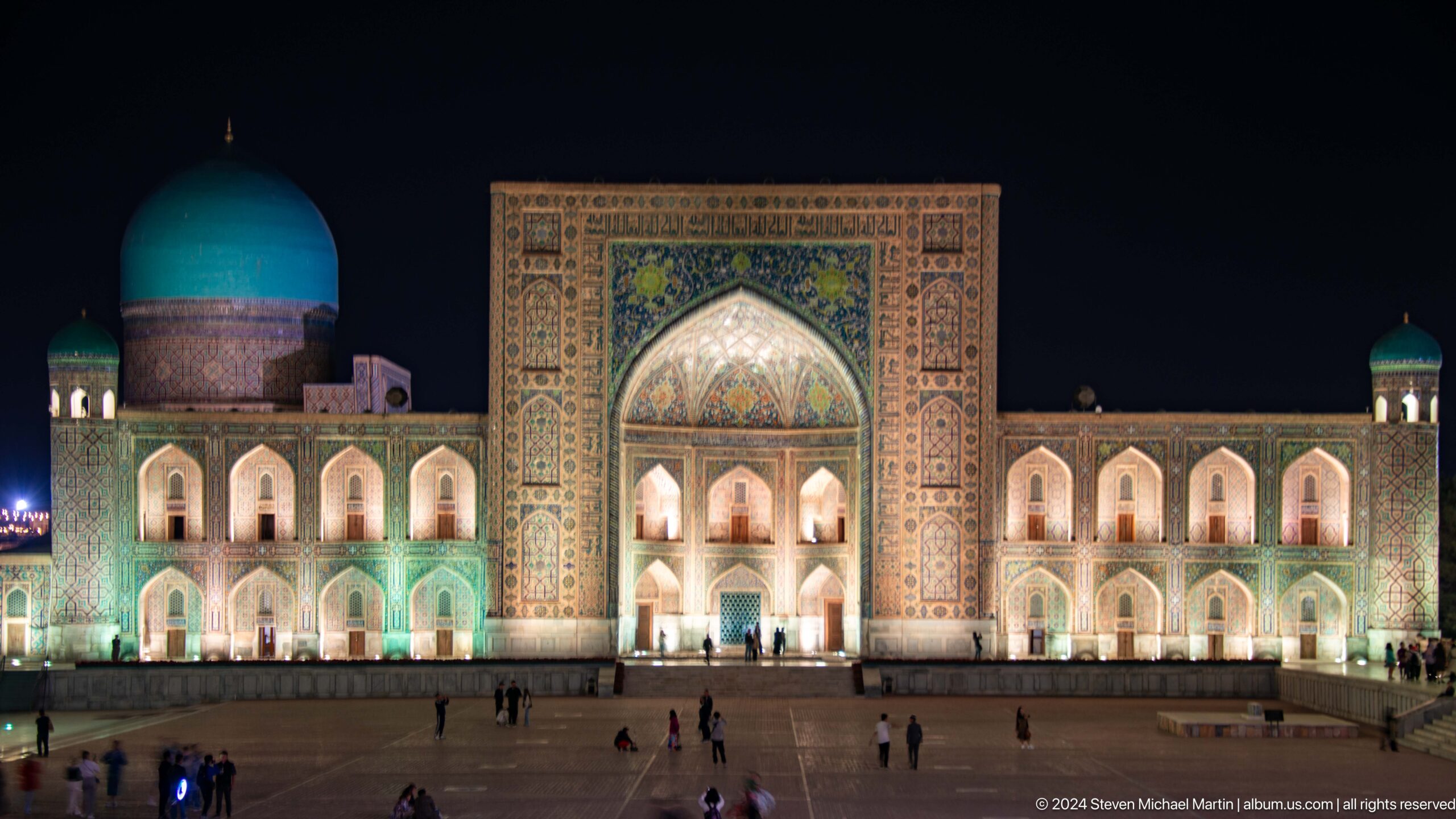
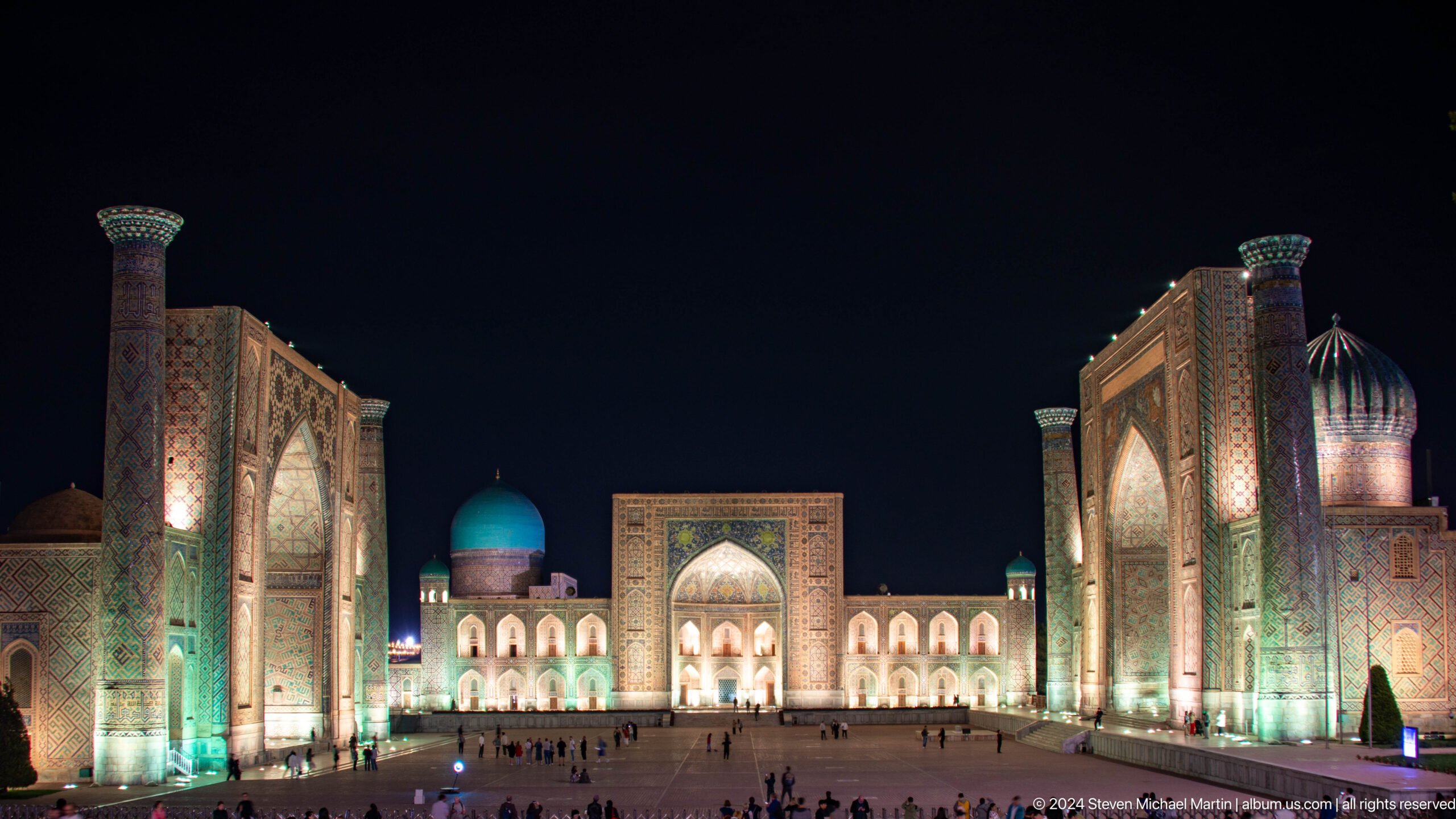
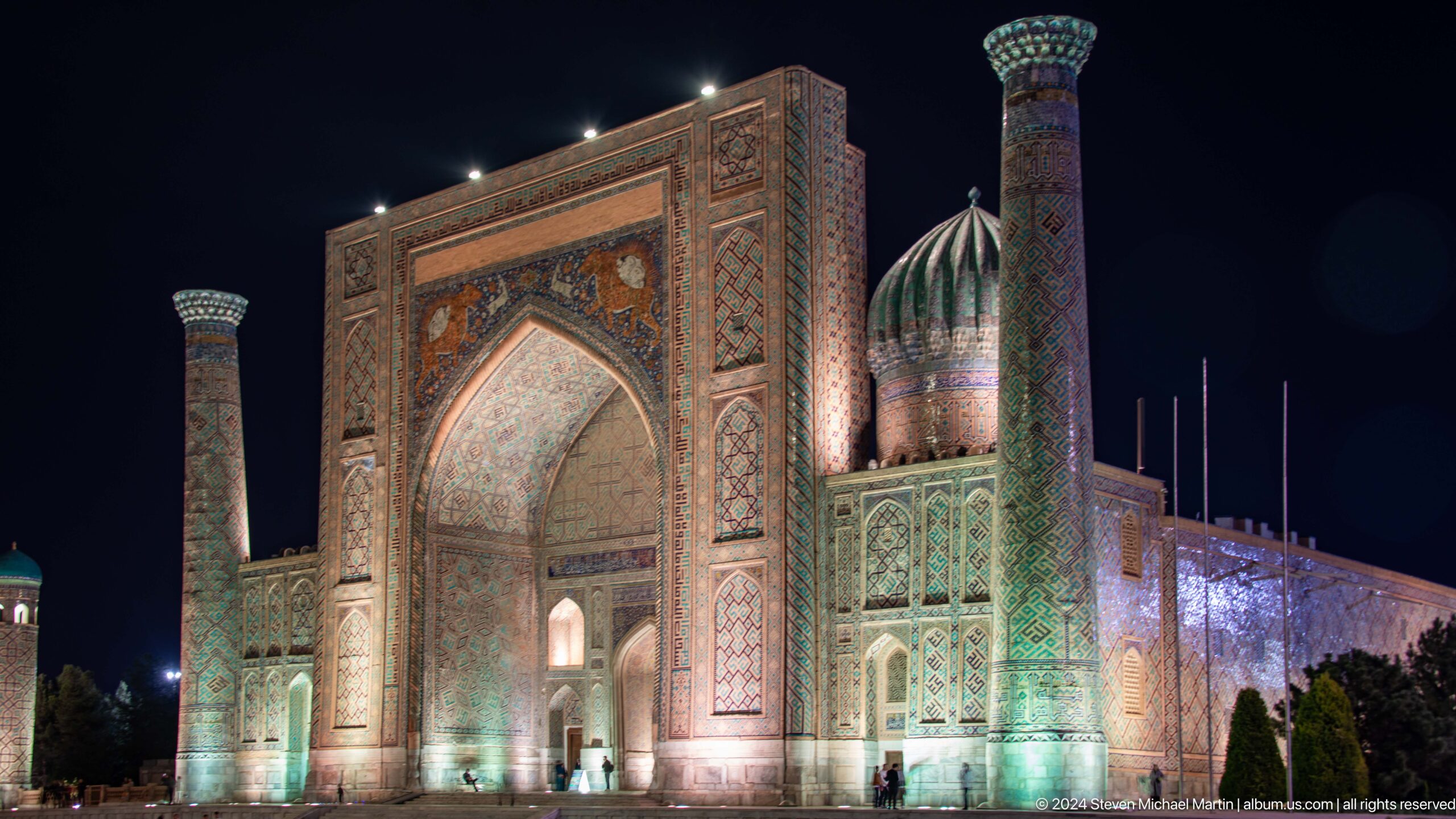
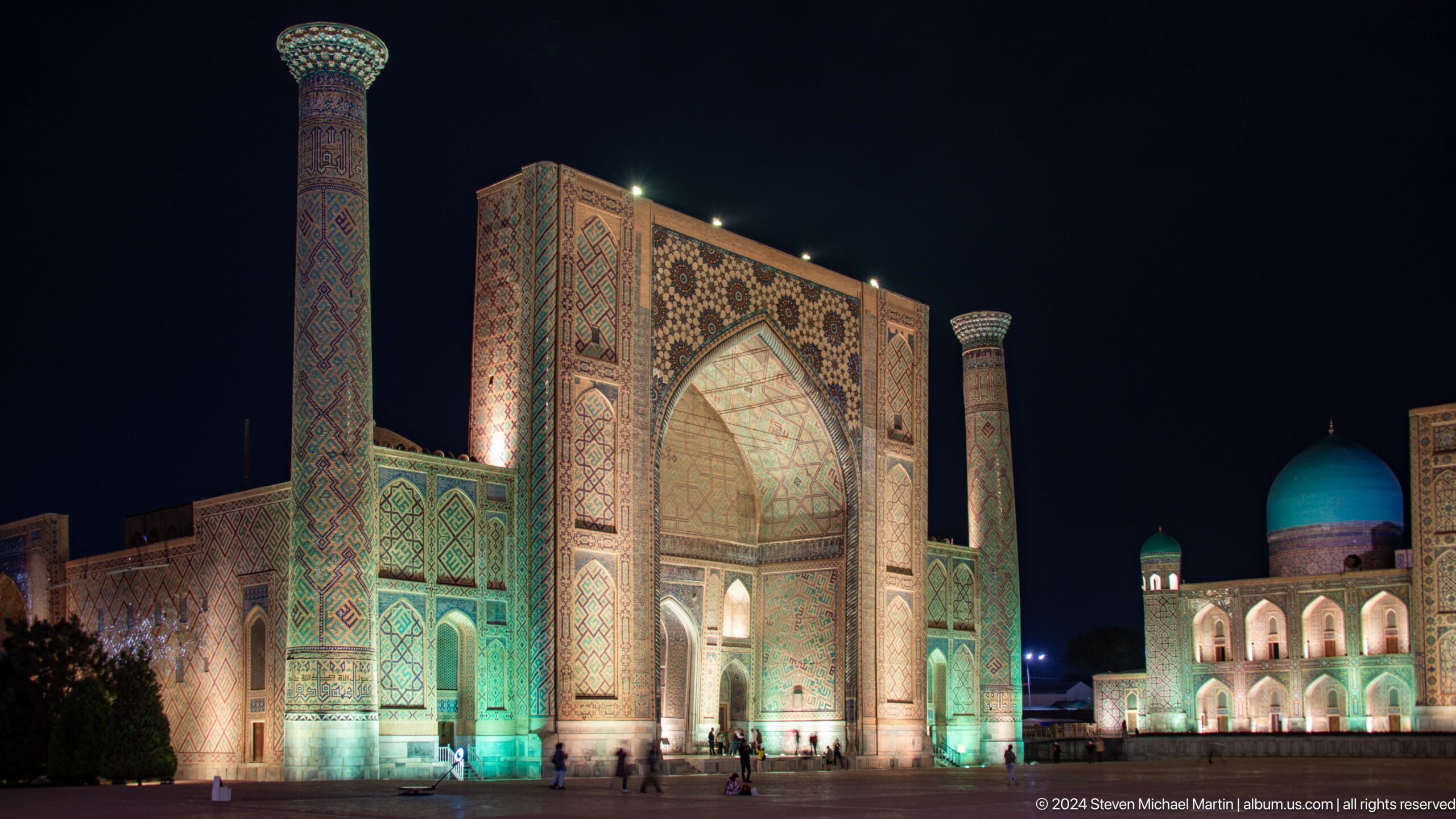
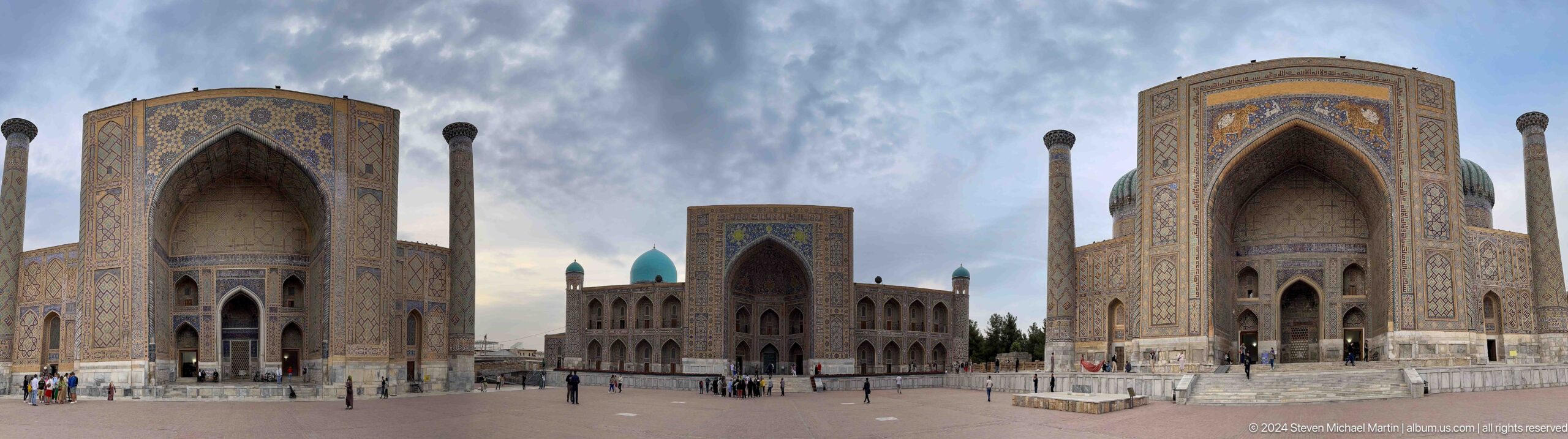
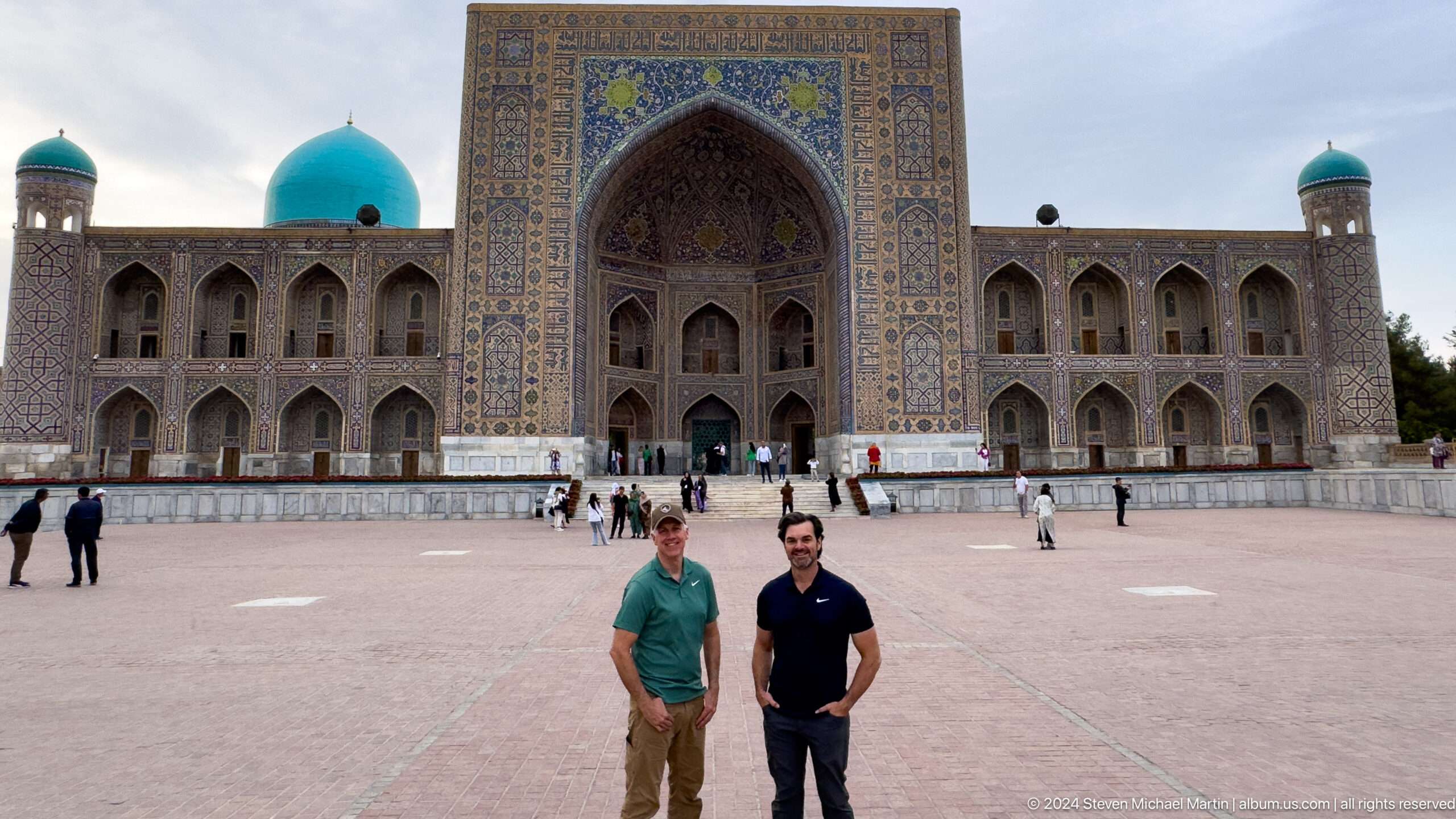
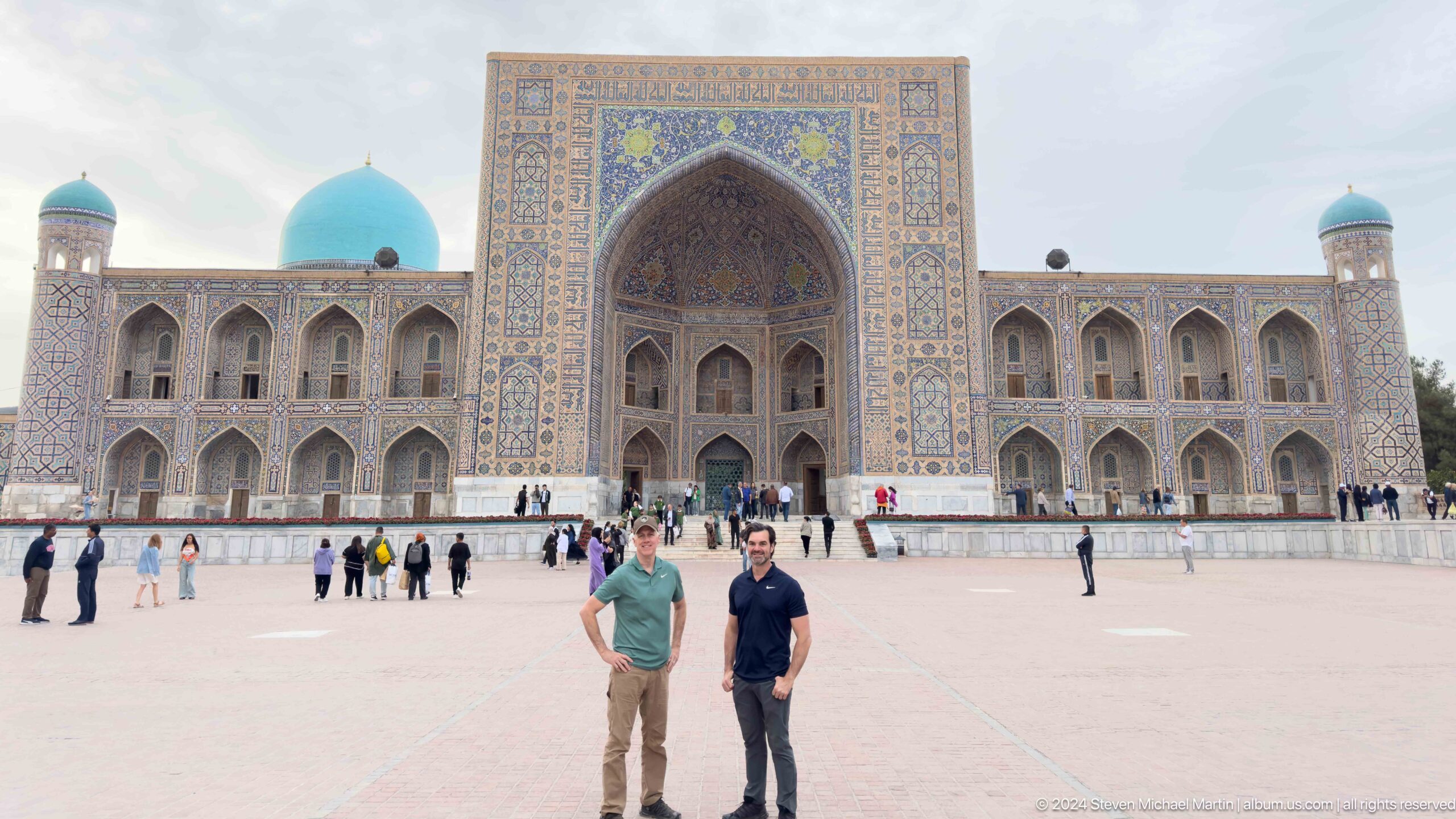
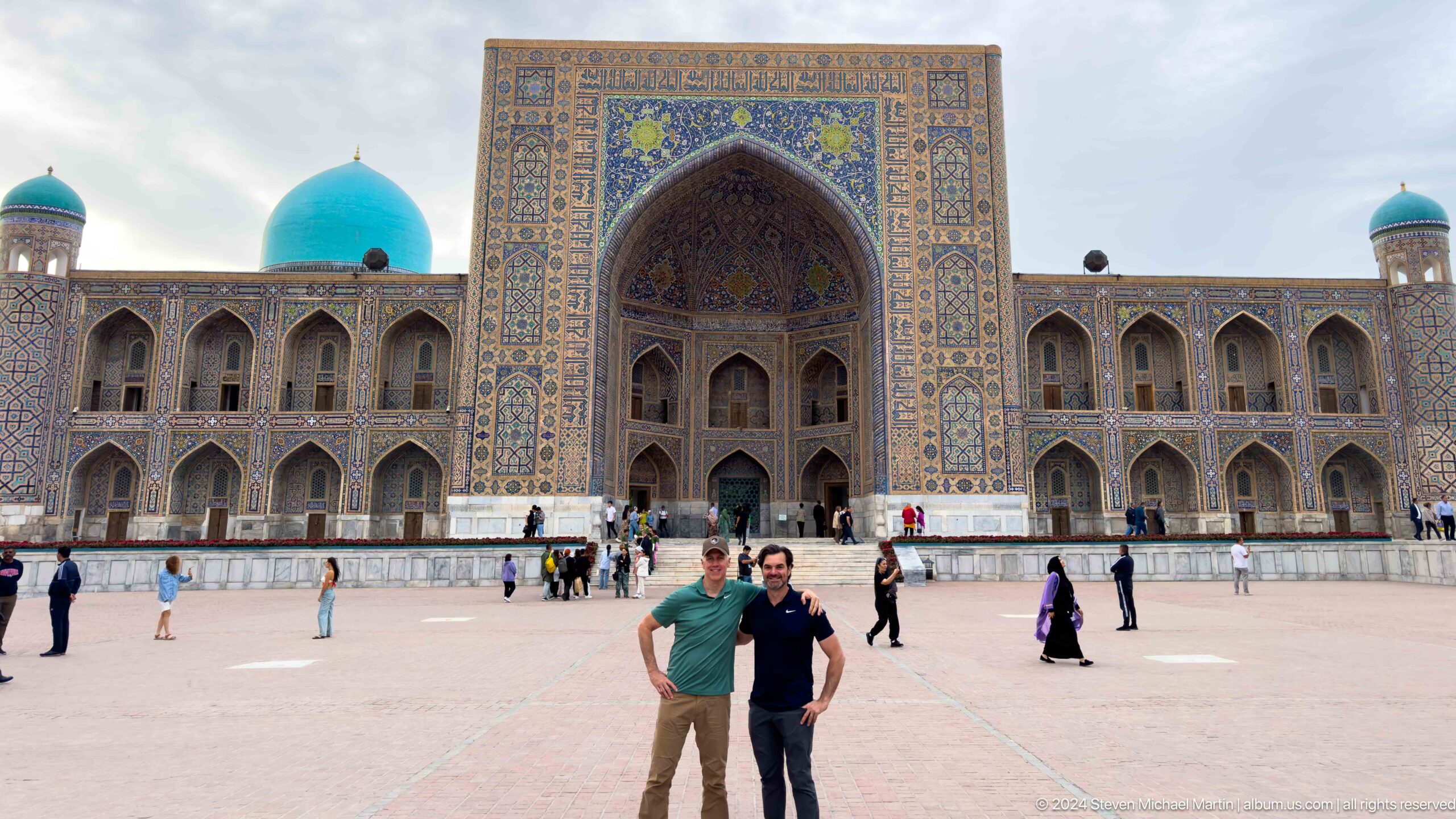
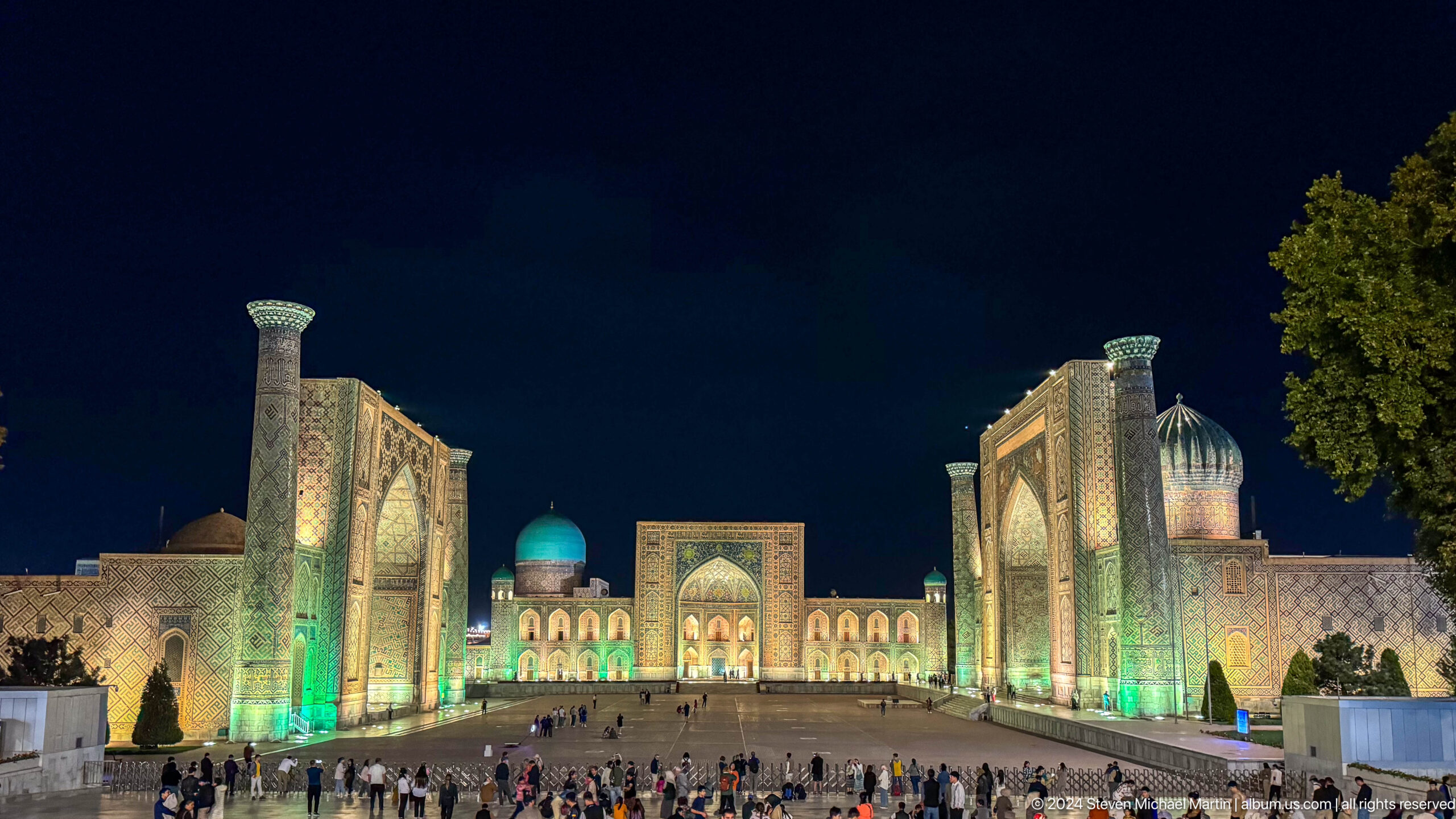
Registan Square served as the ceremonial and educational center of Timurid Samarkand and remains one of the most iconic architectural ensembles along the Silk Road. The square is surrounded by three monumental madrasas that reflect the importance of scholarship and religious education in Central Asia. Its symmetrical layout illustrates advanced urban planning principles.
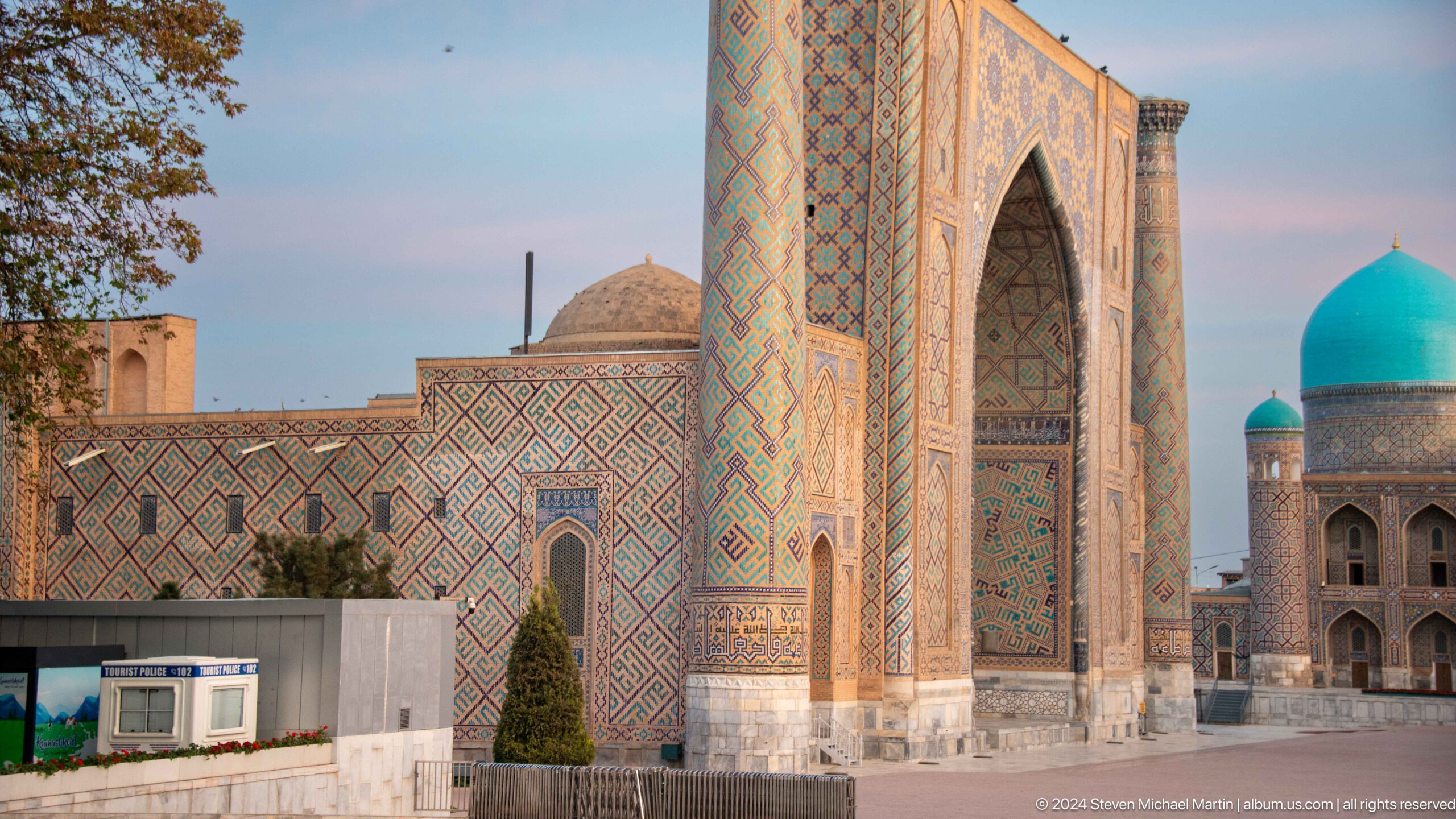
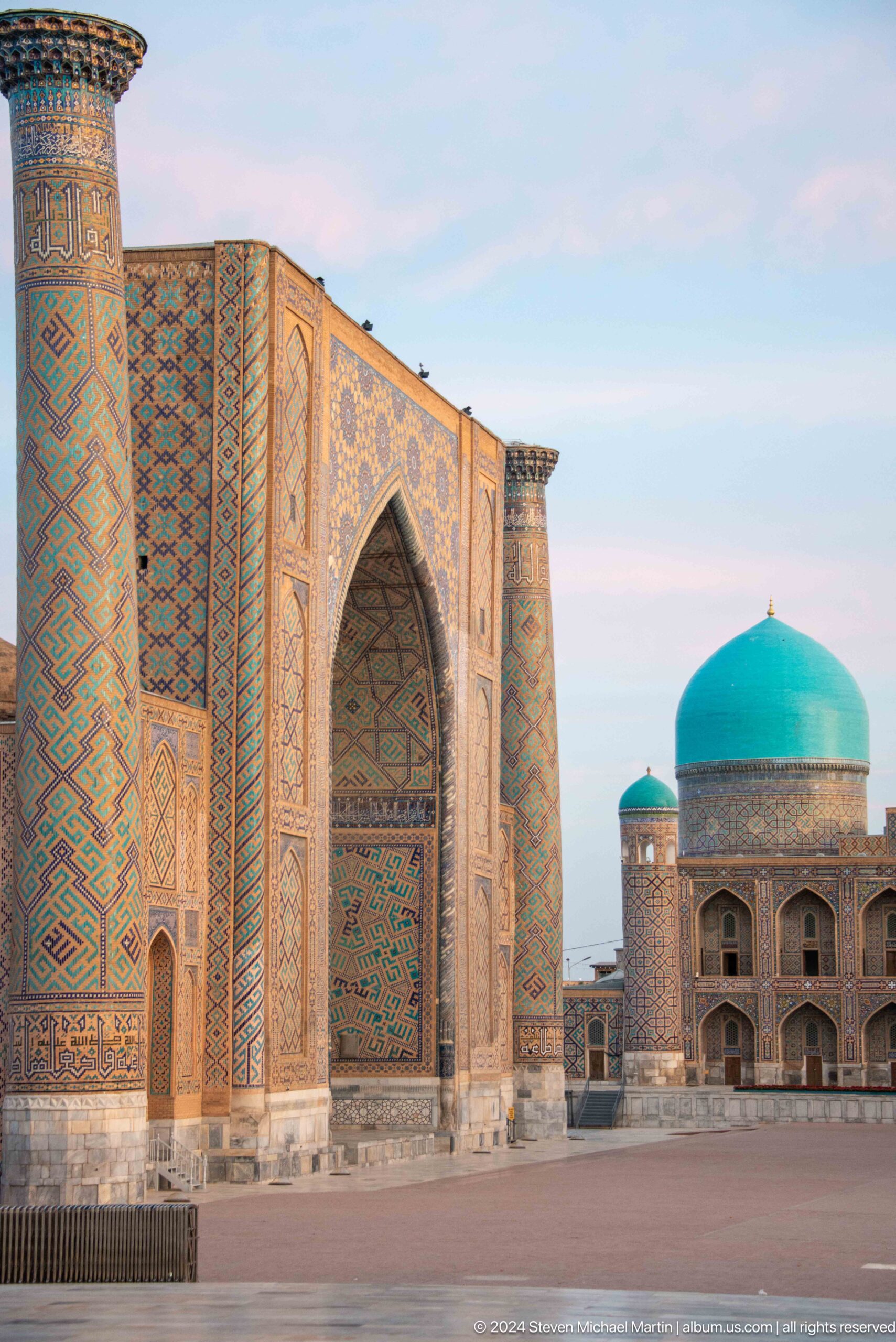
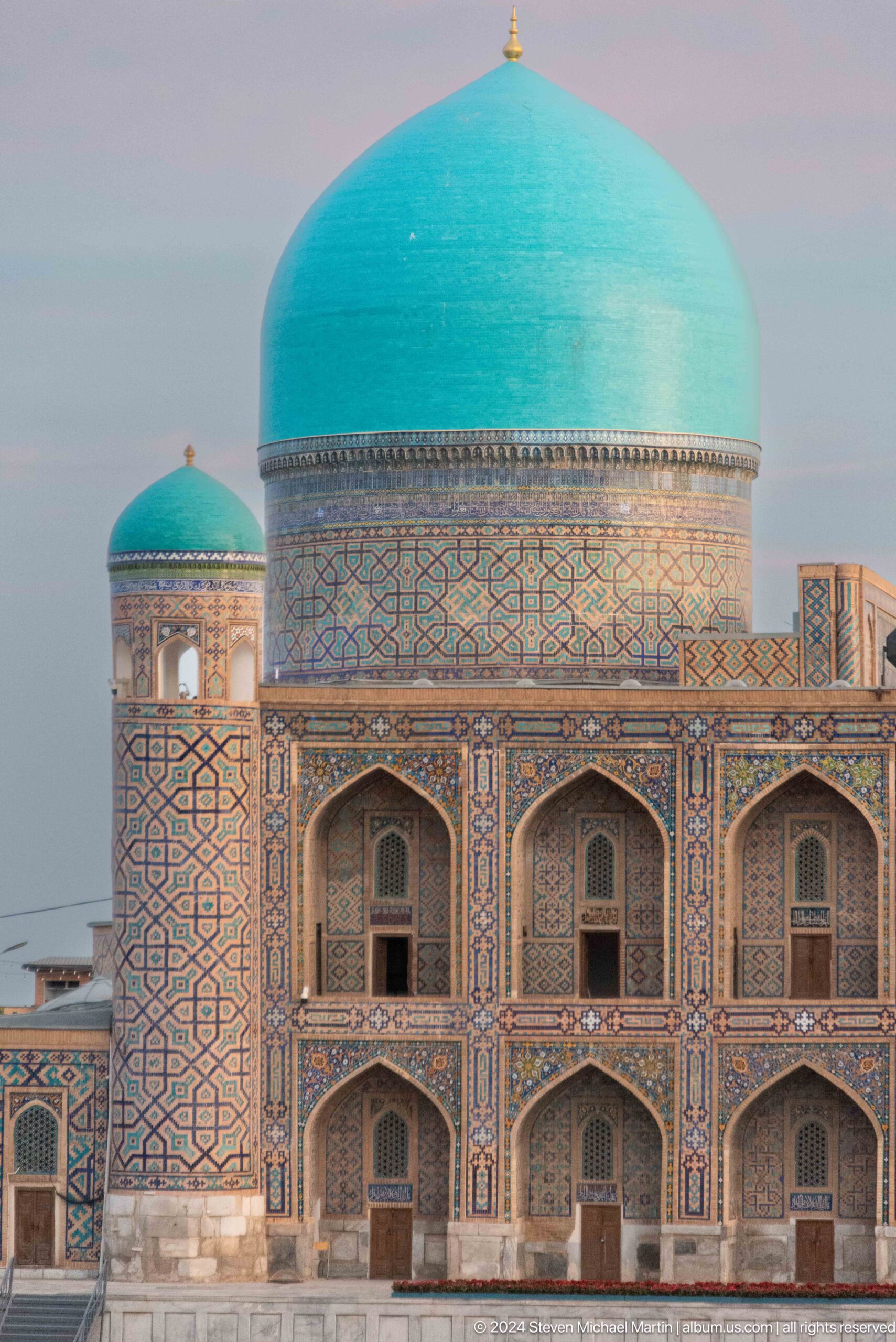
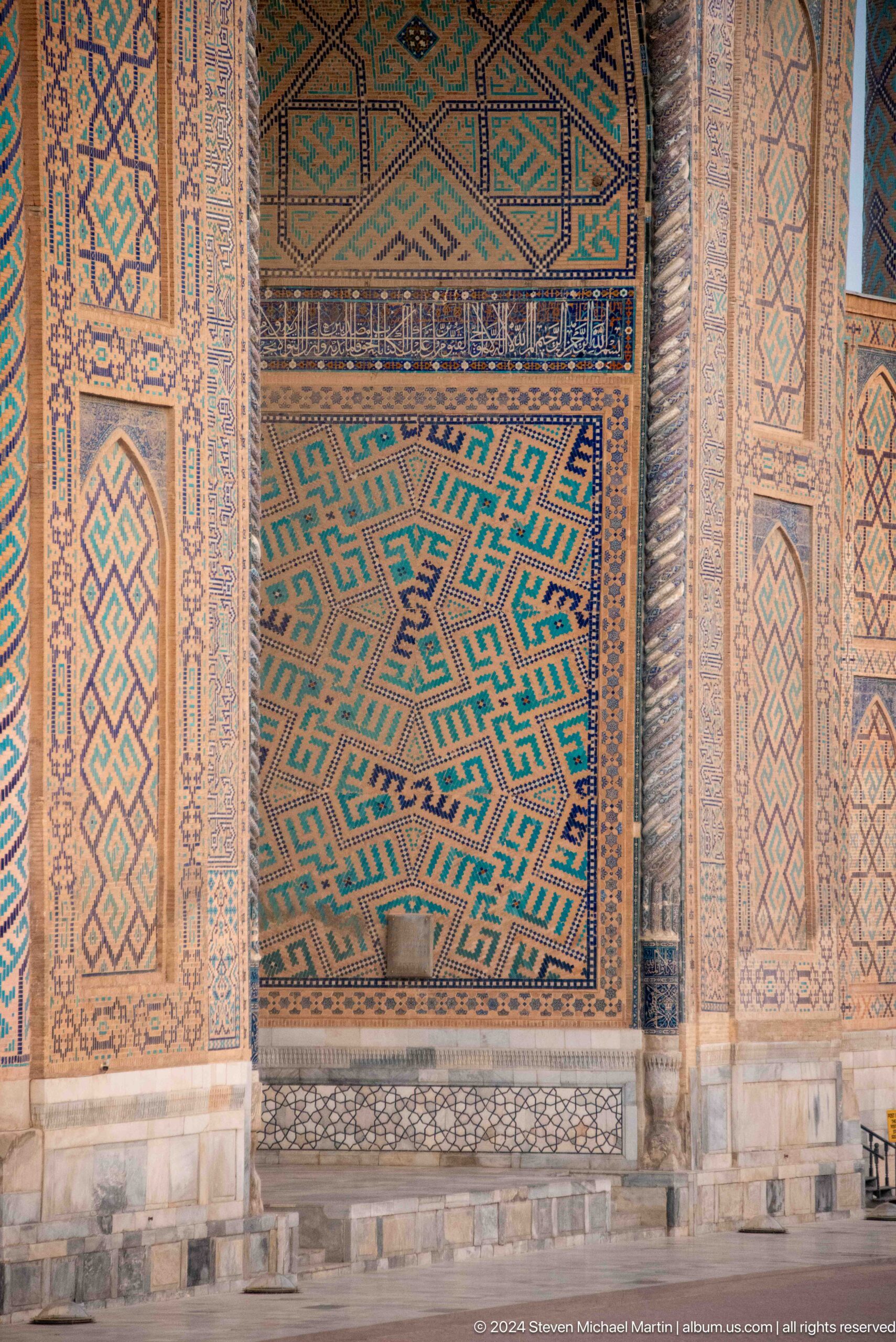
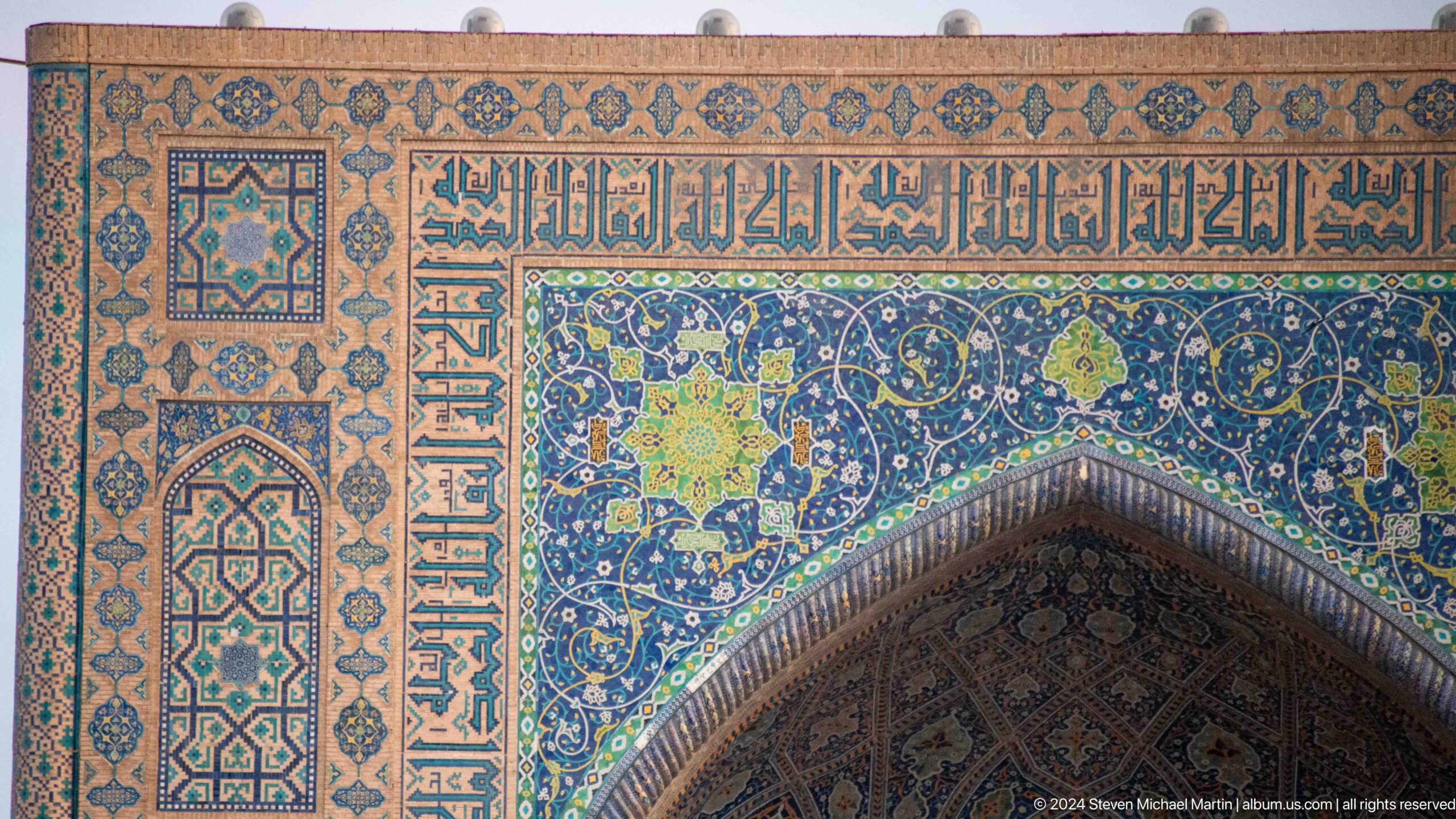
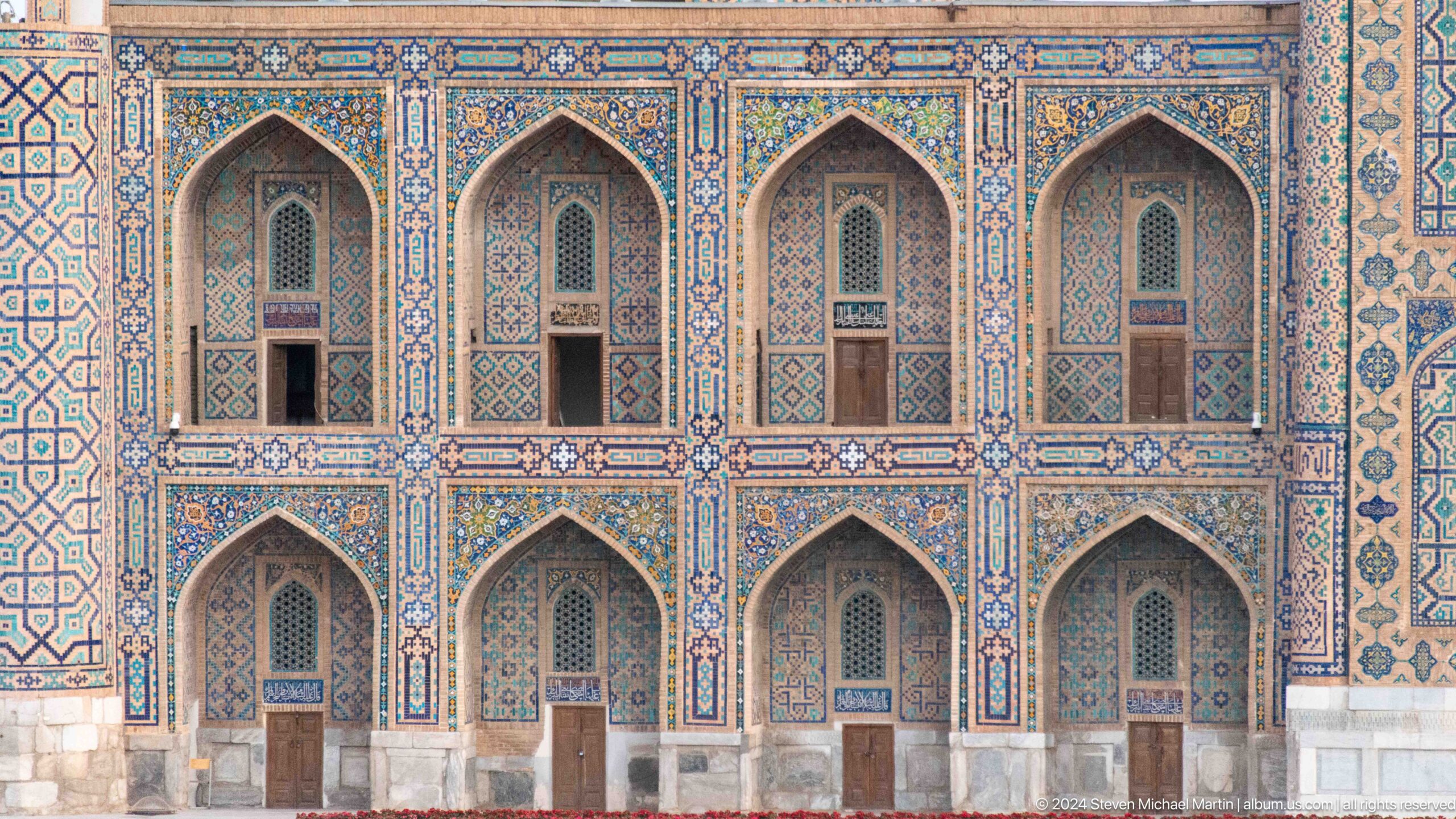
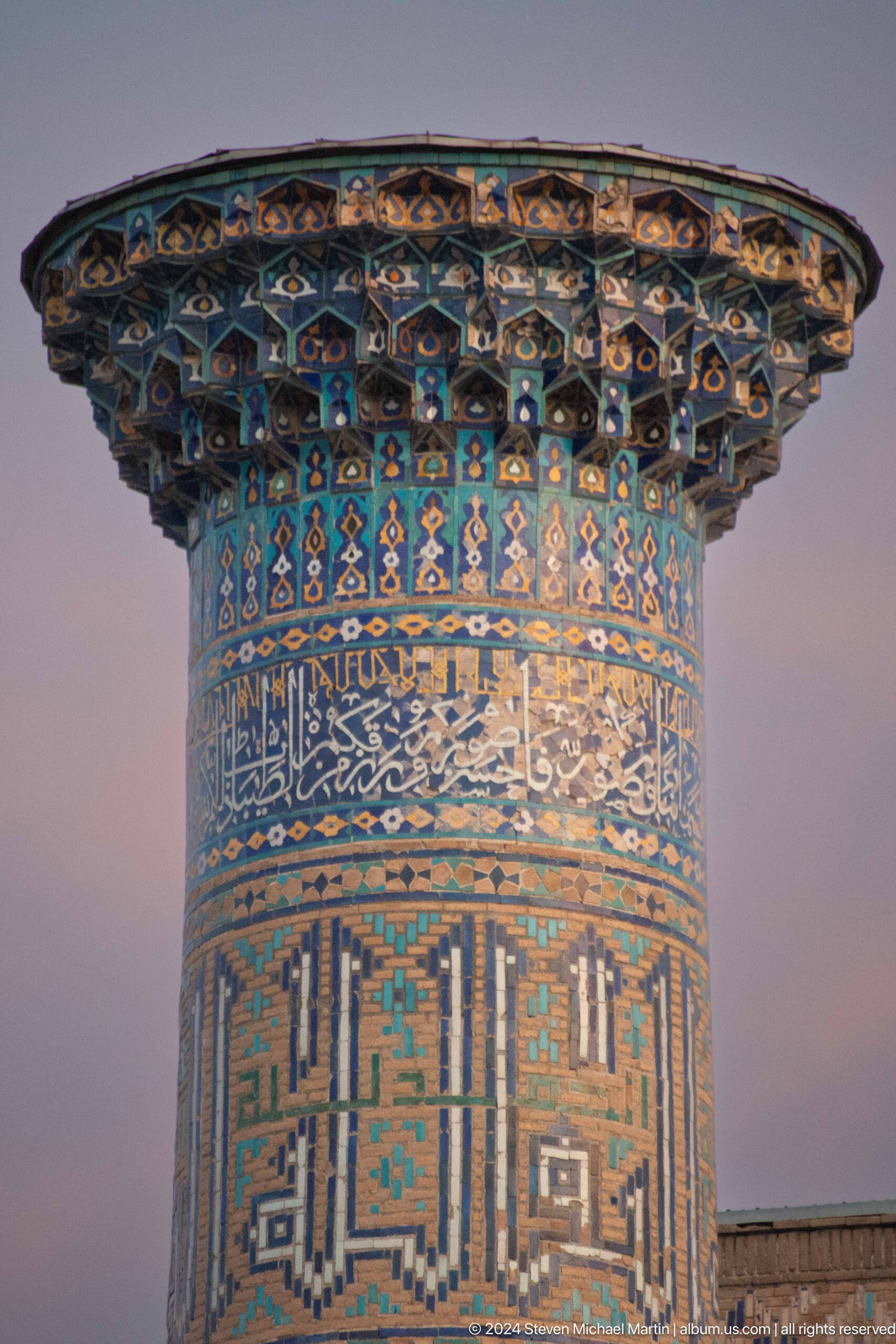
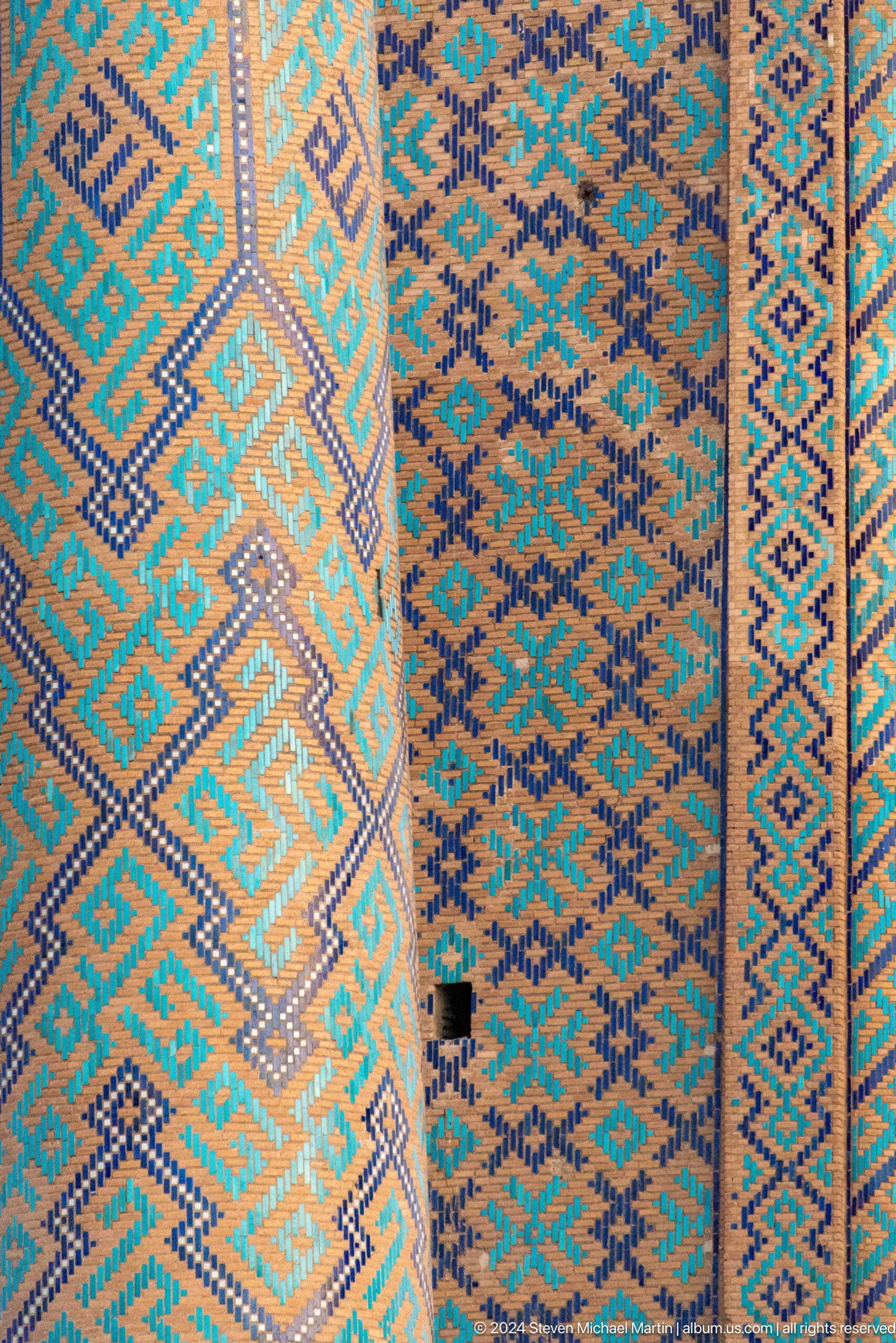
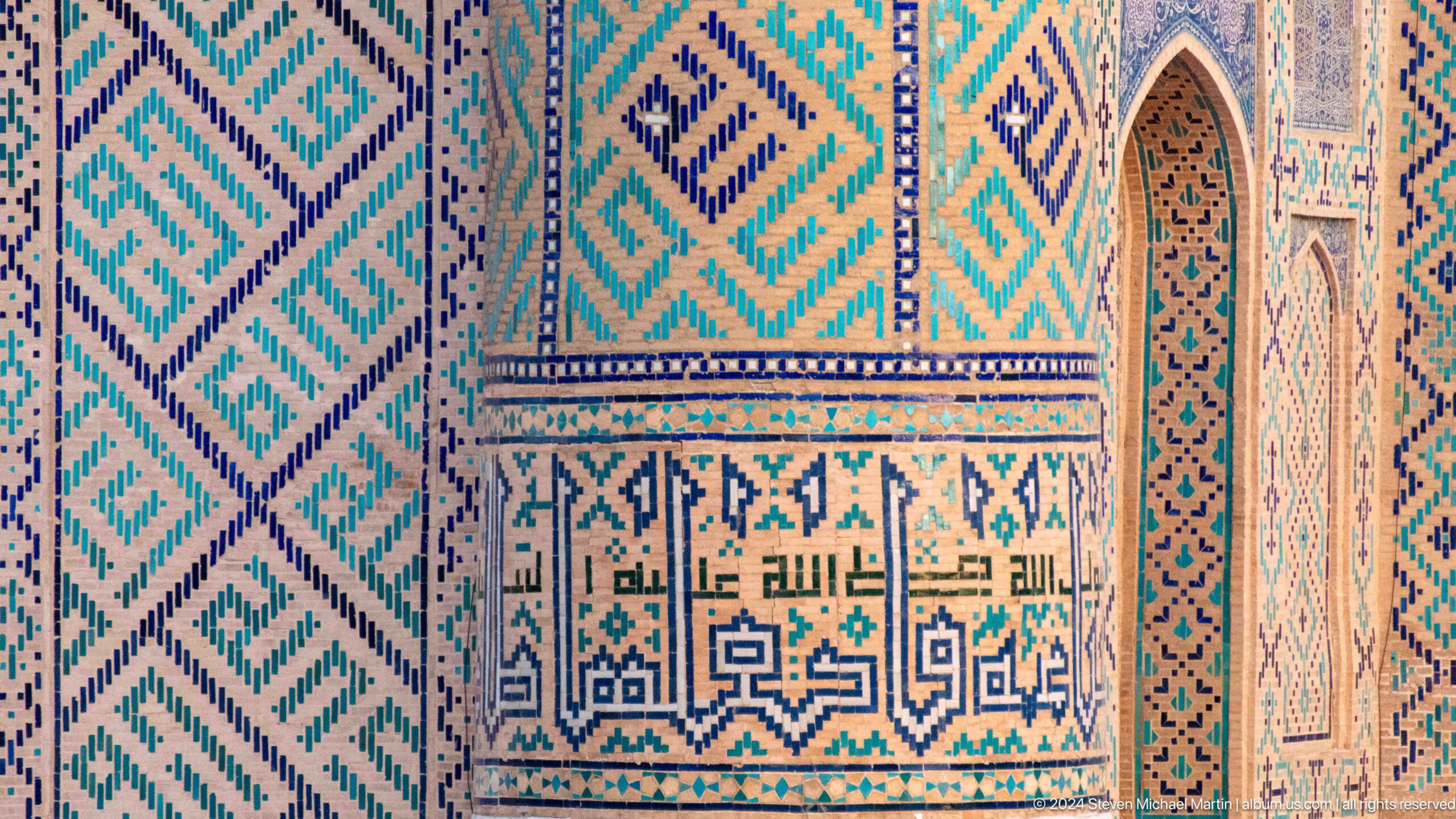
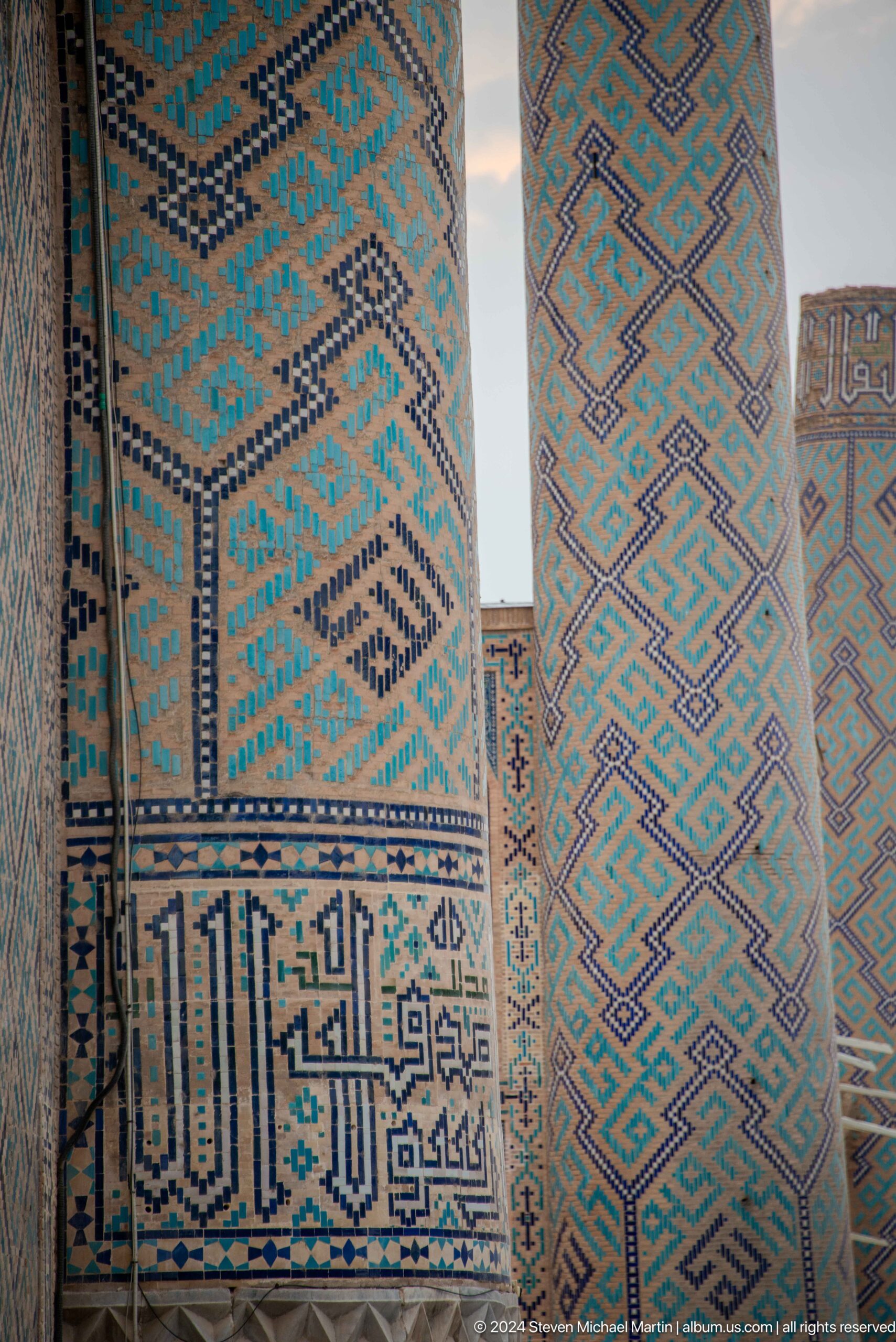
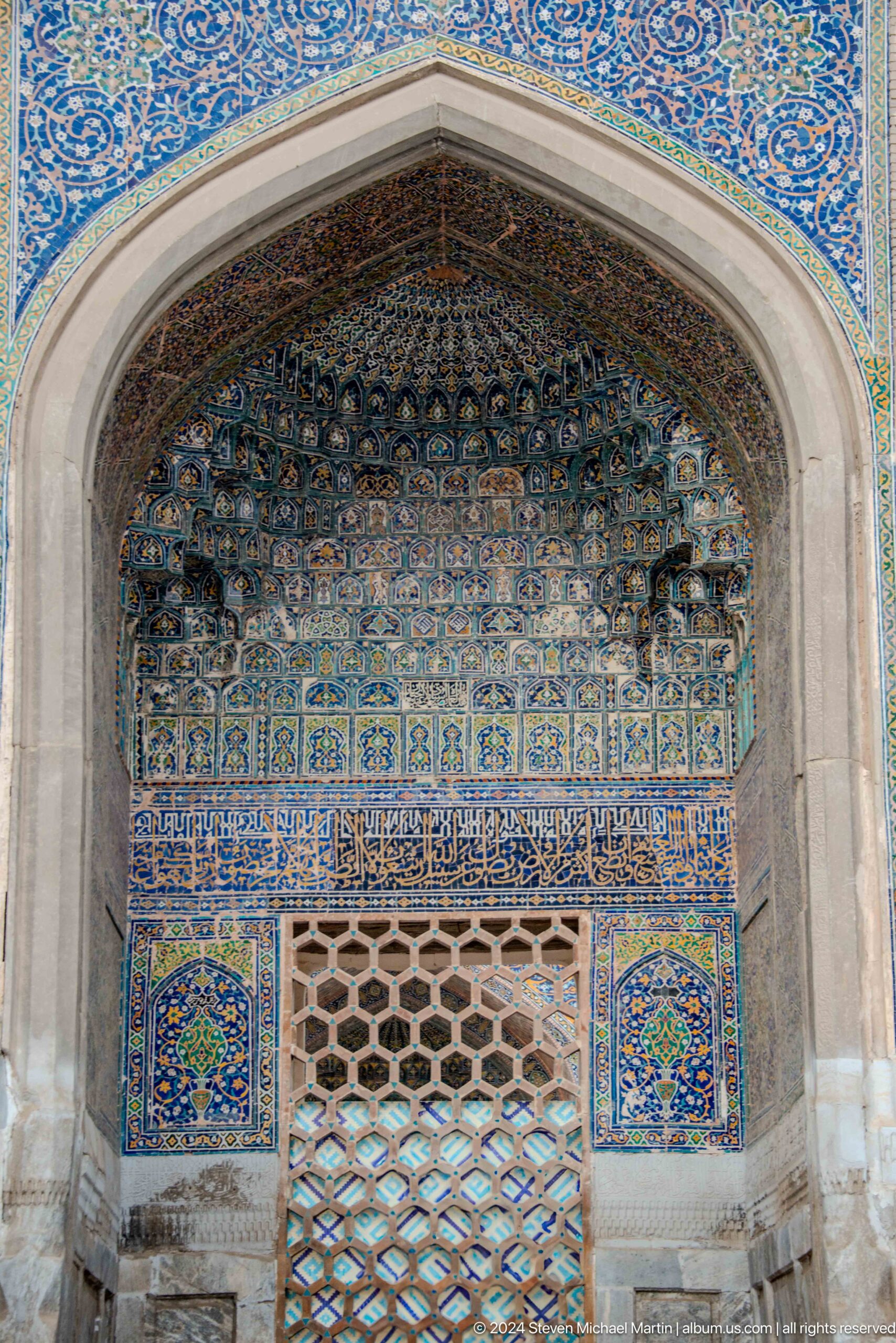
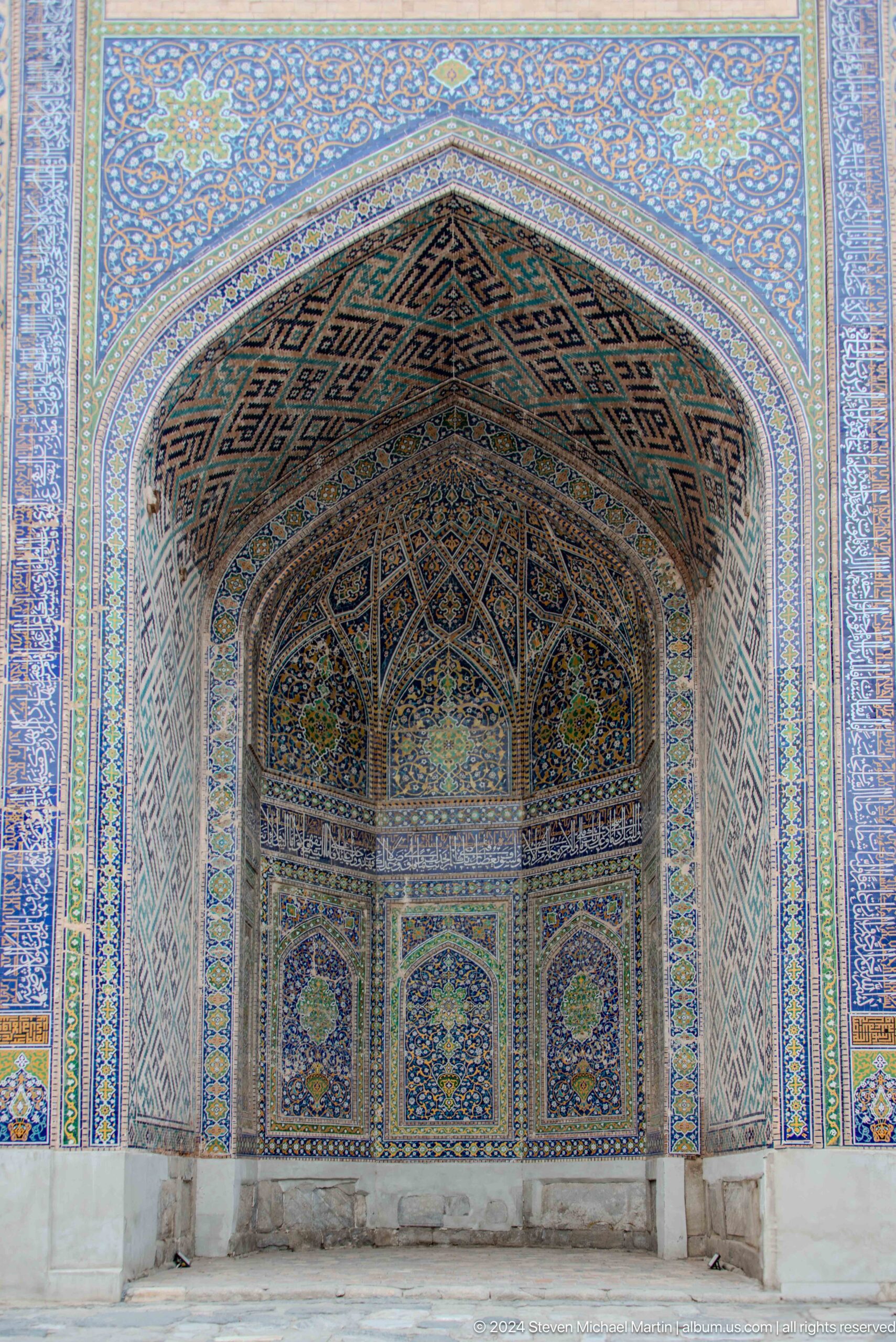
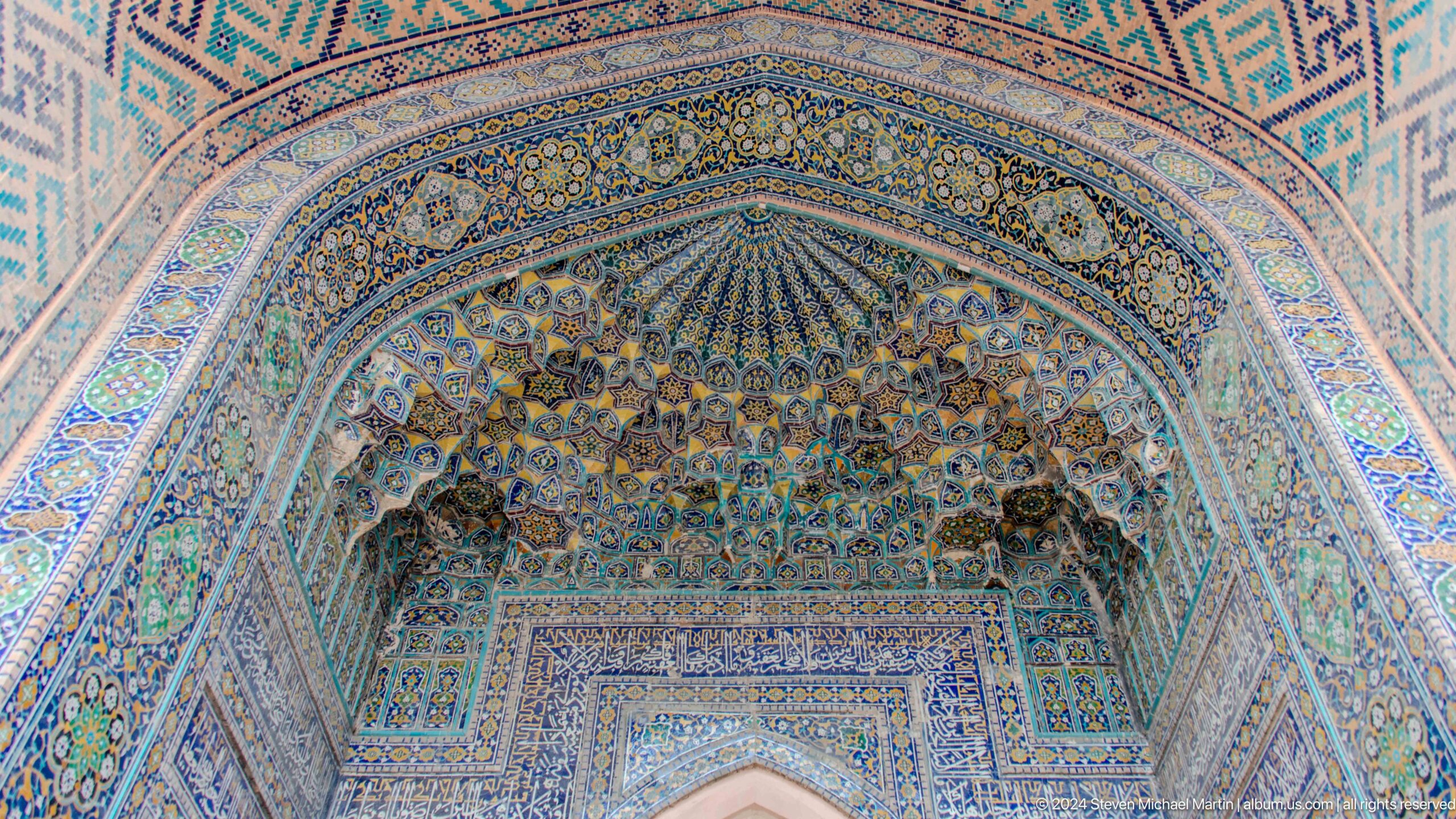
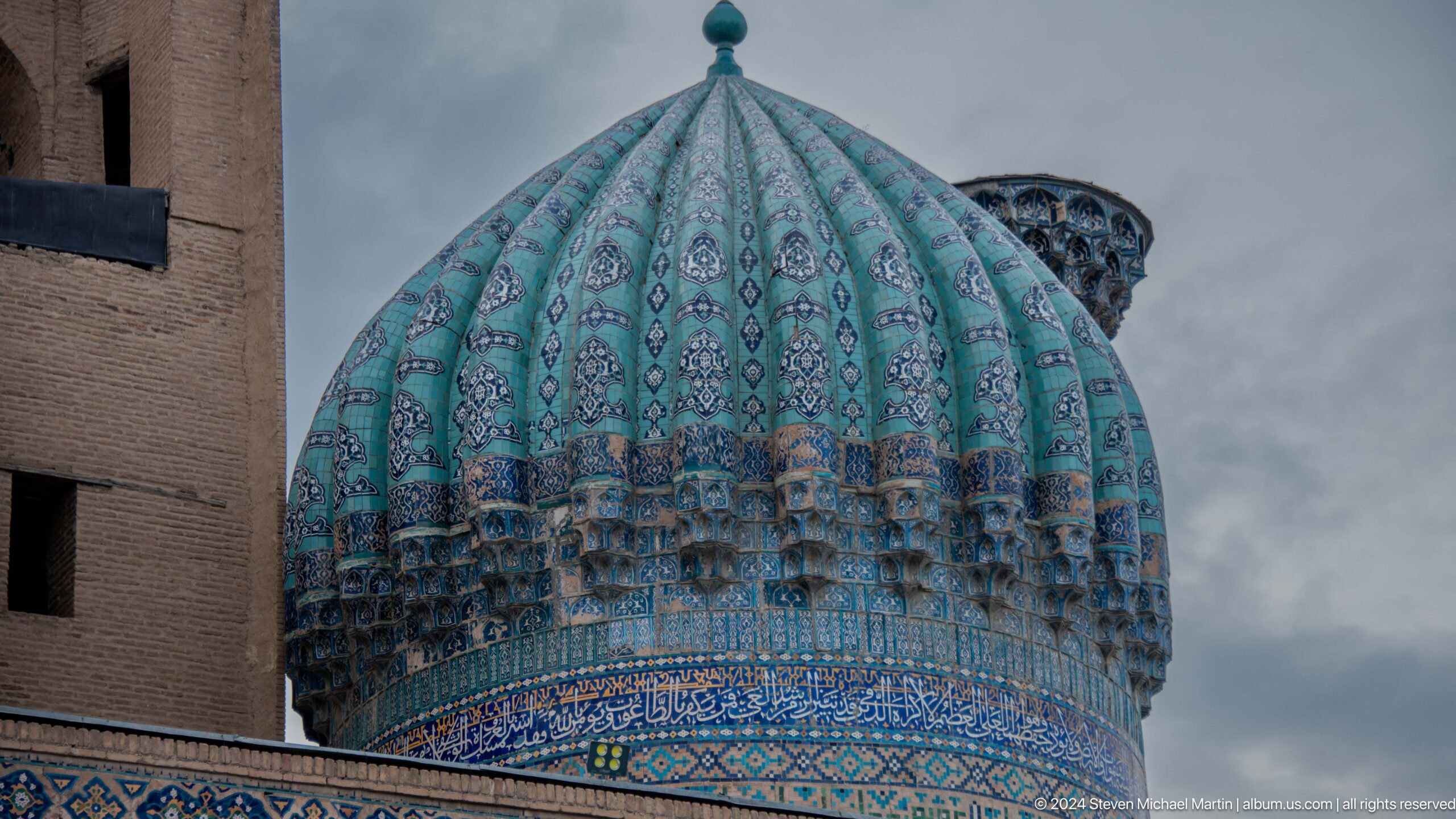
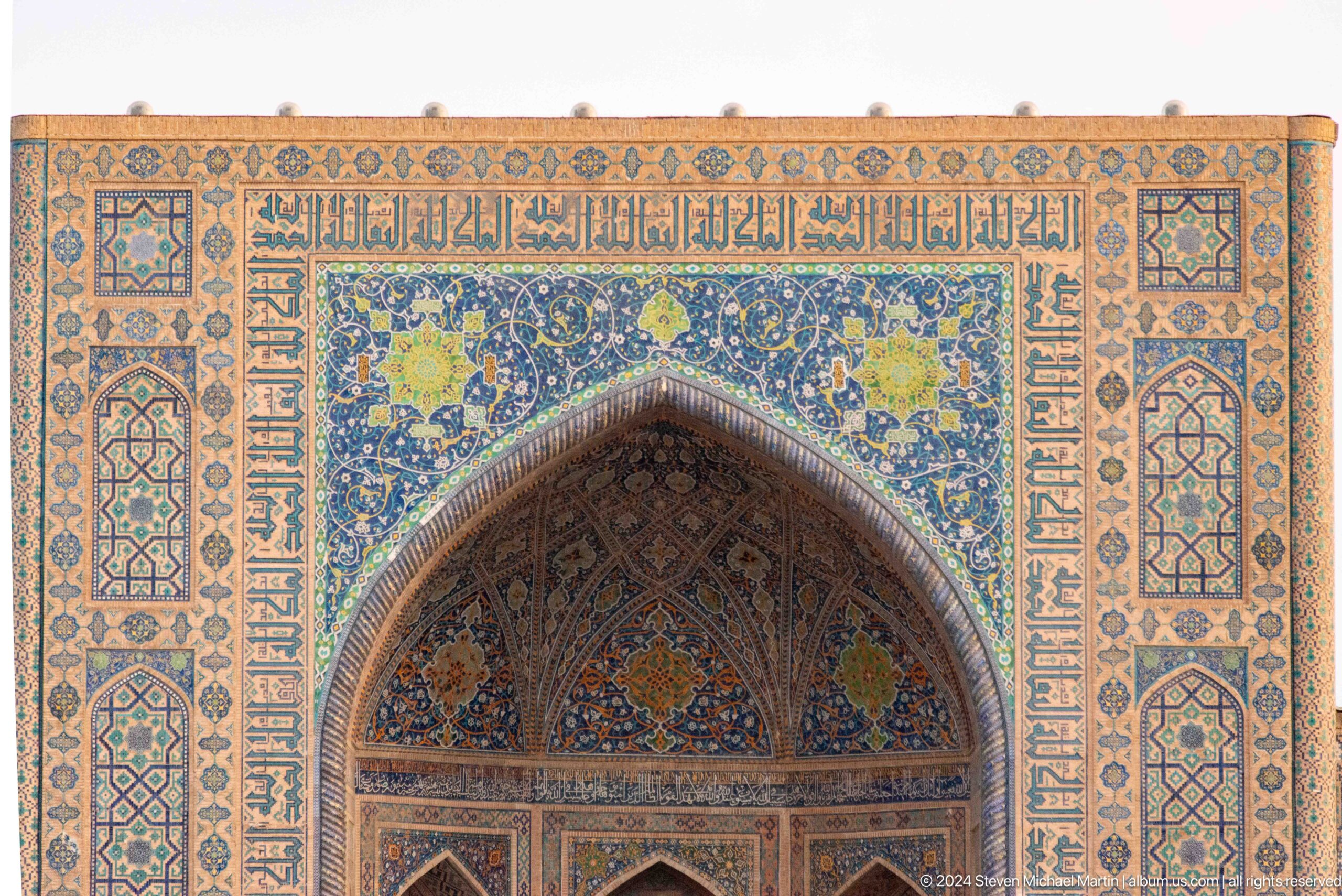
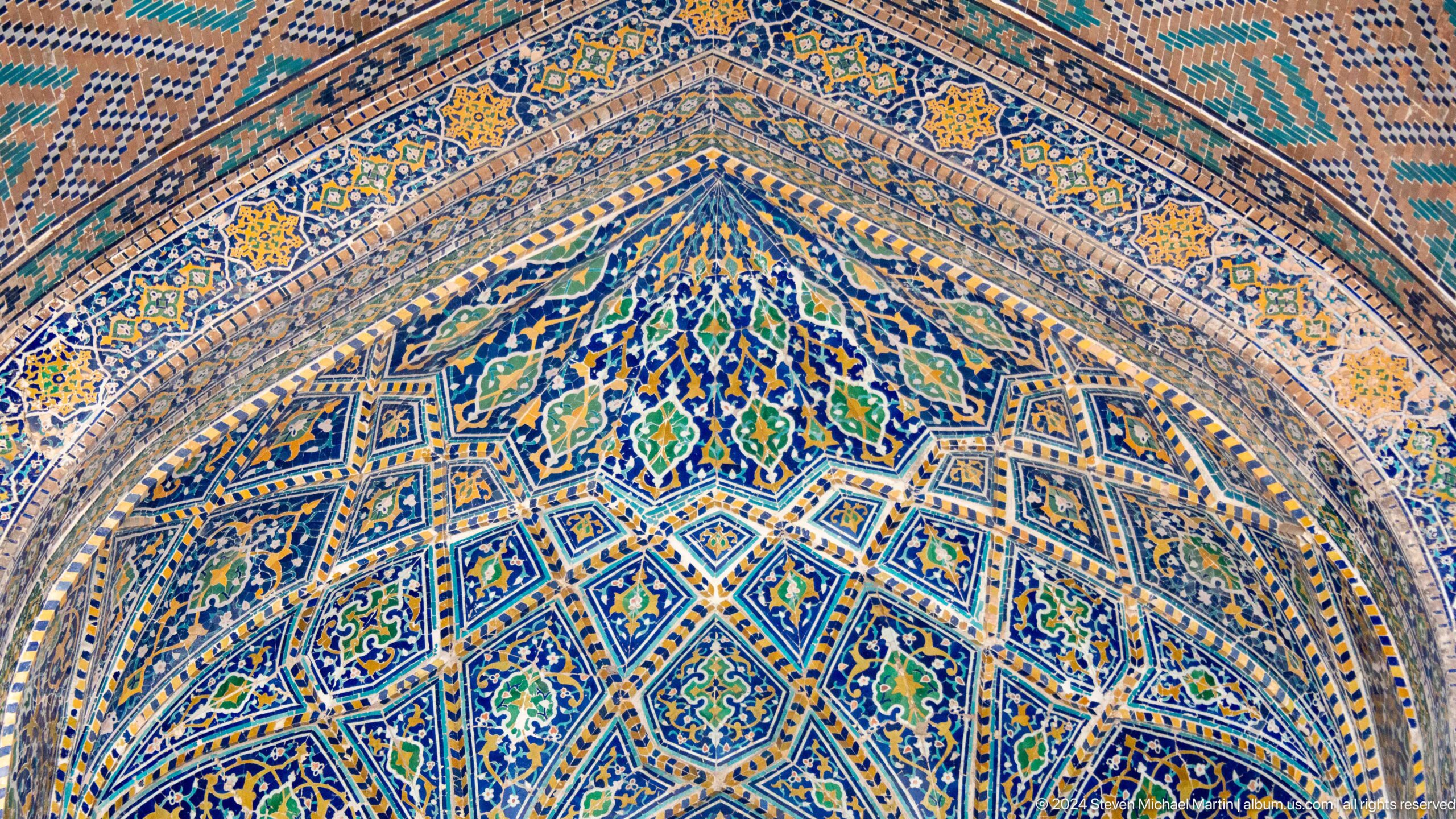
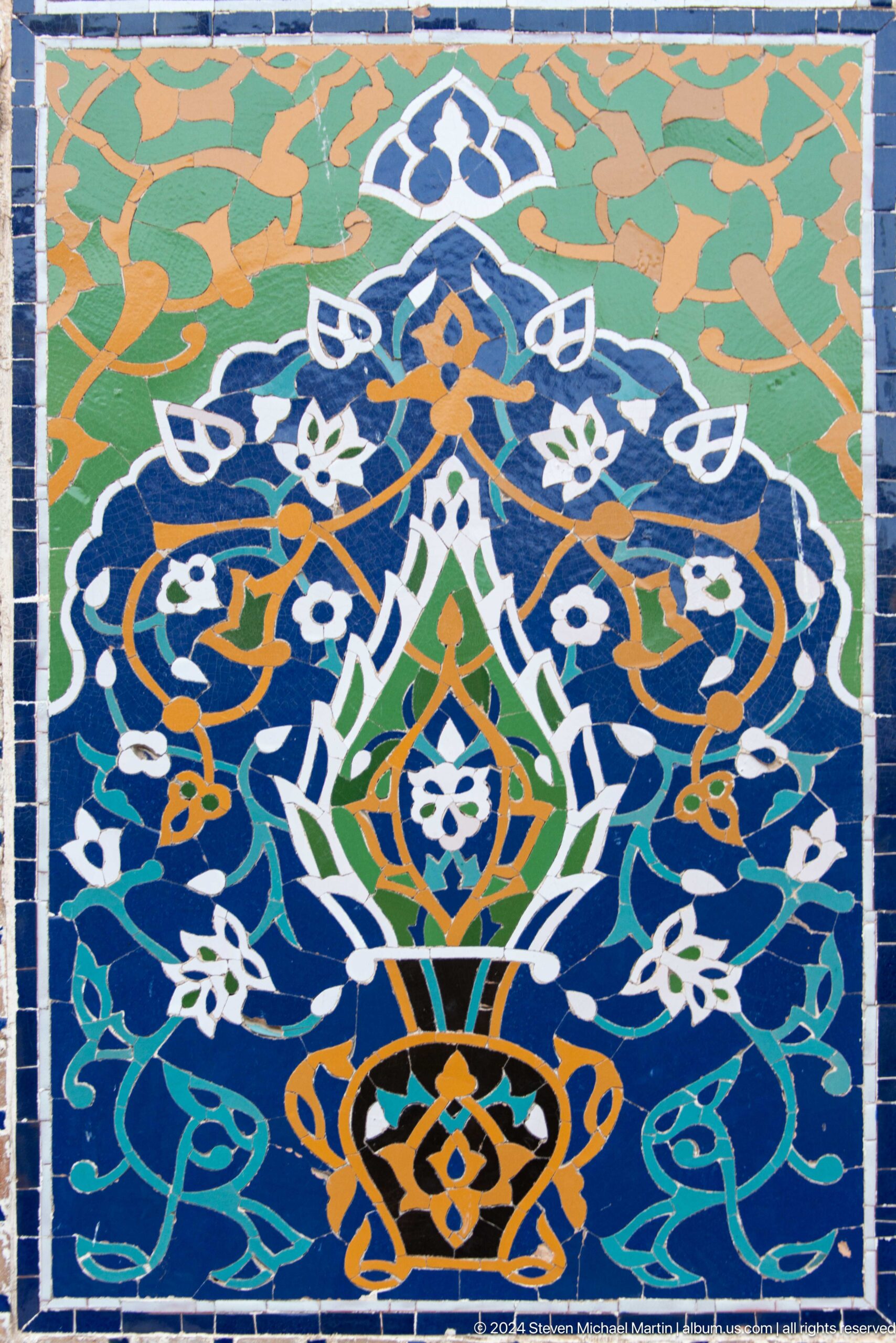
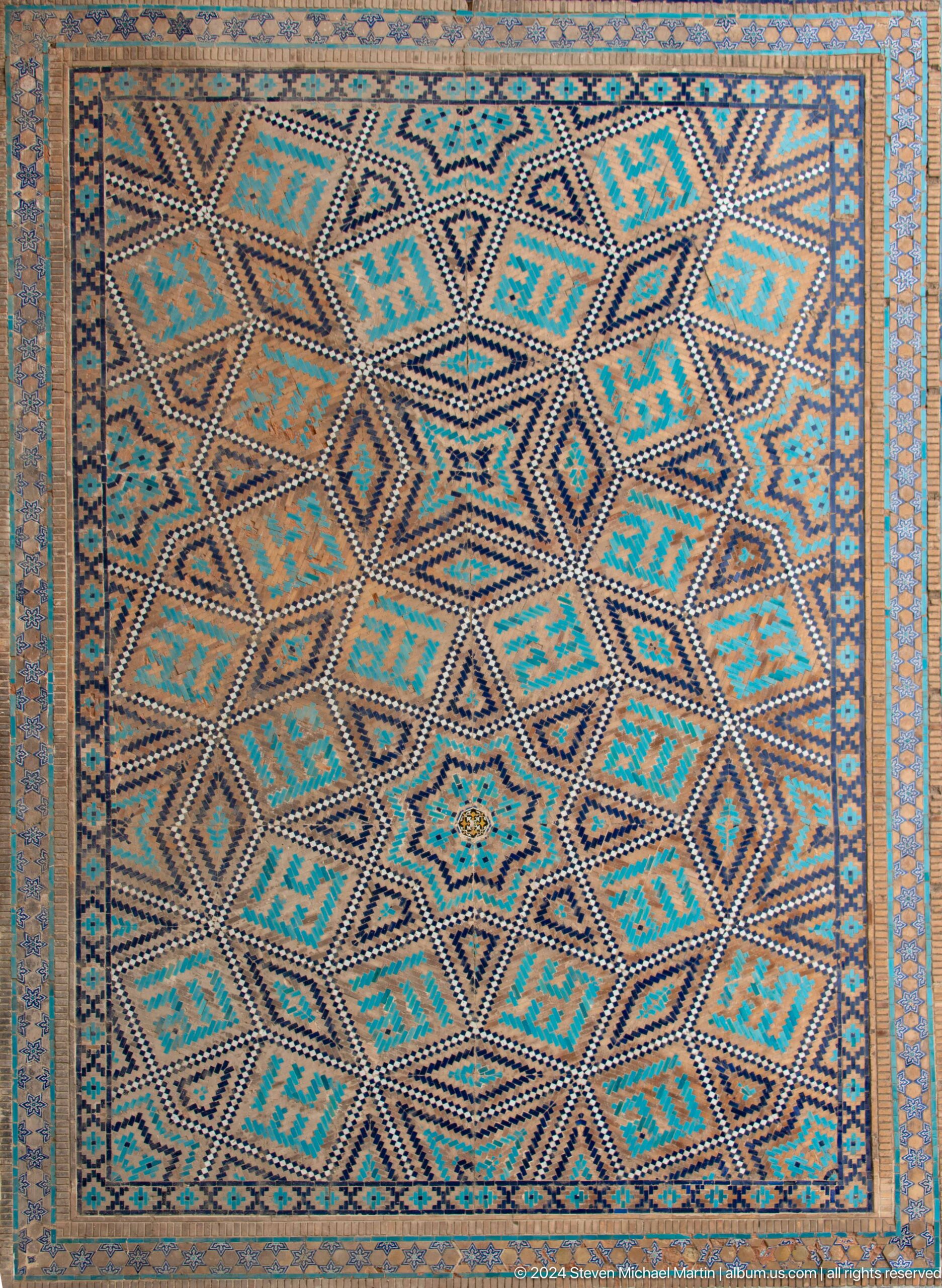
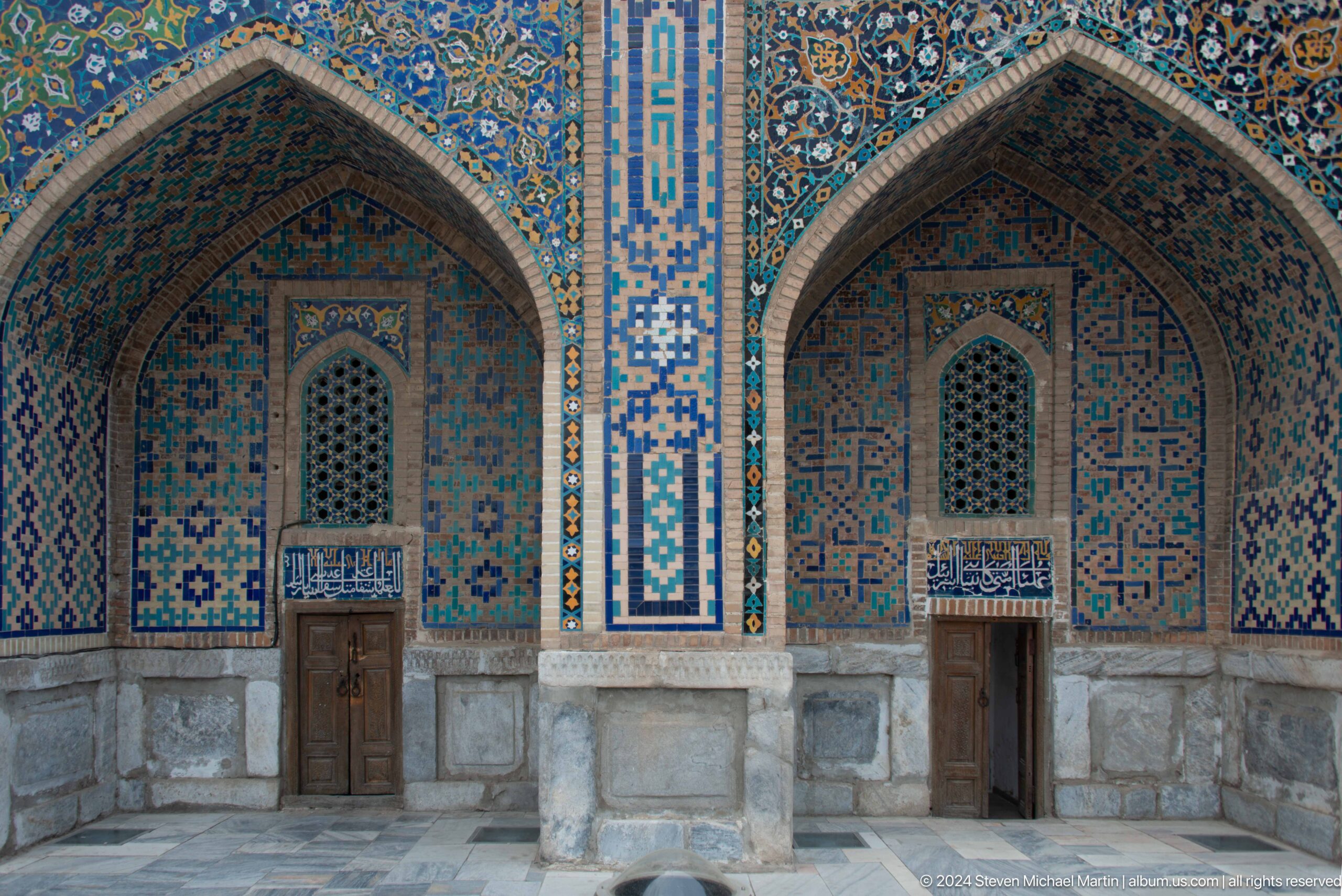
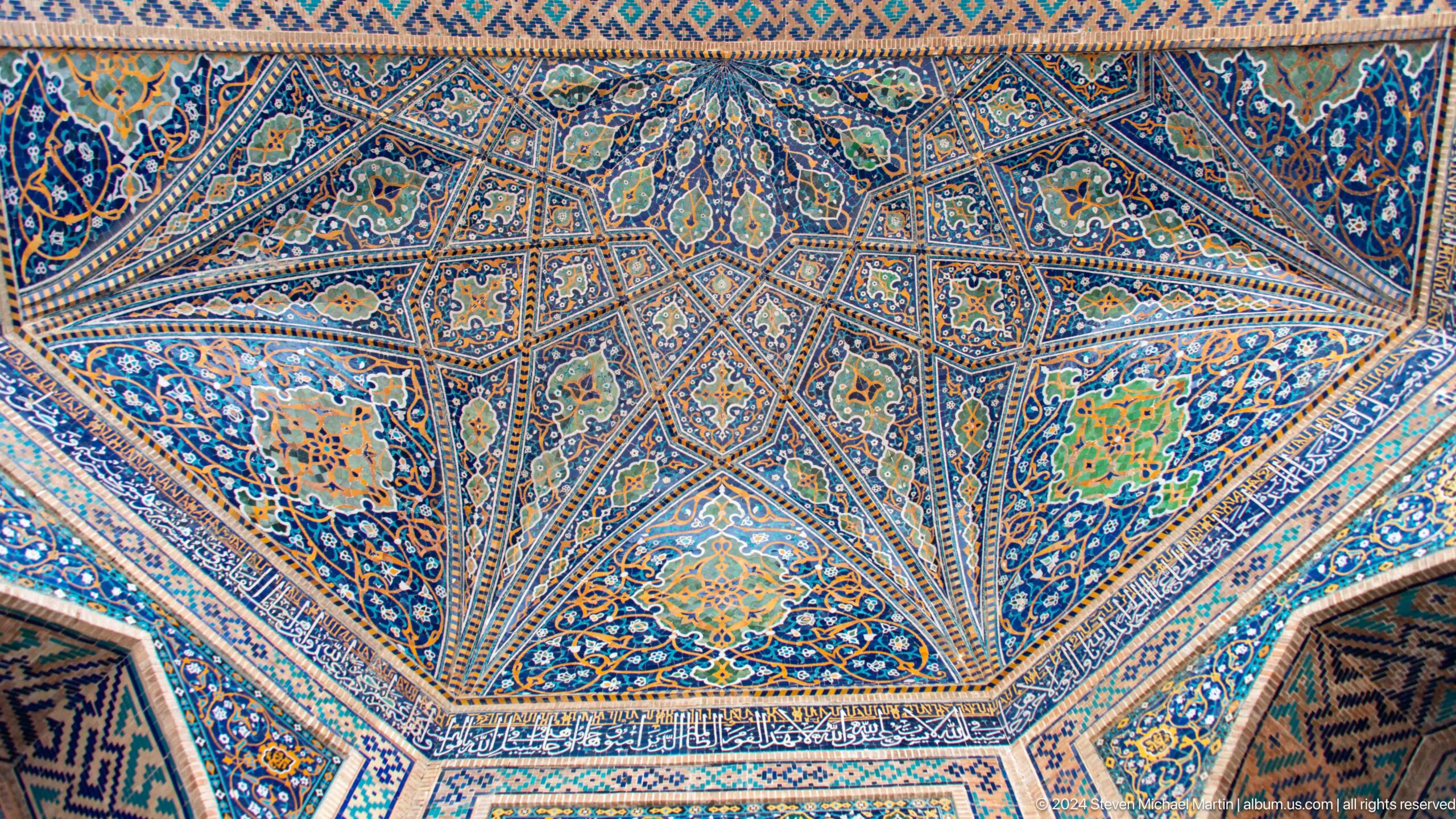
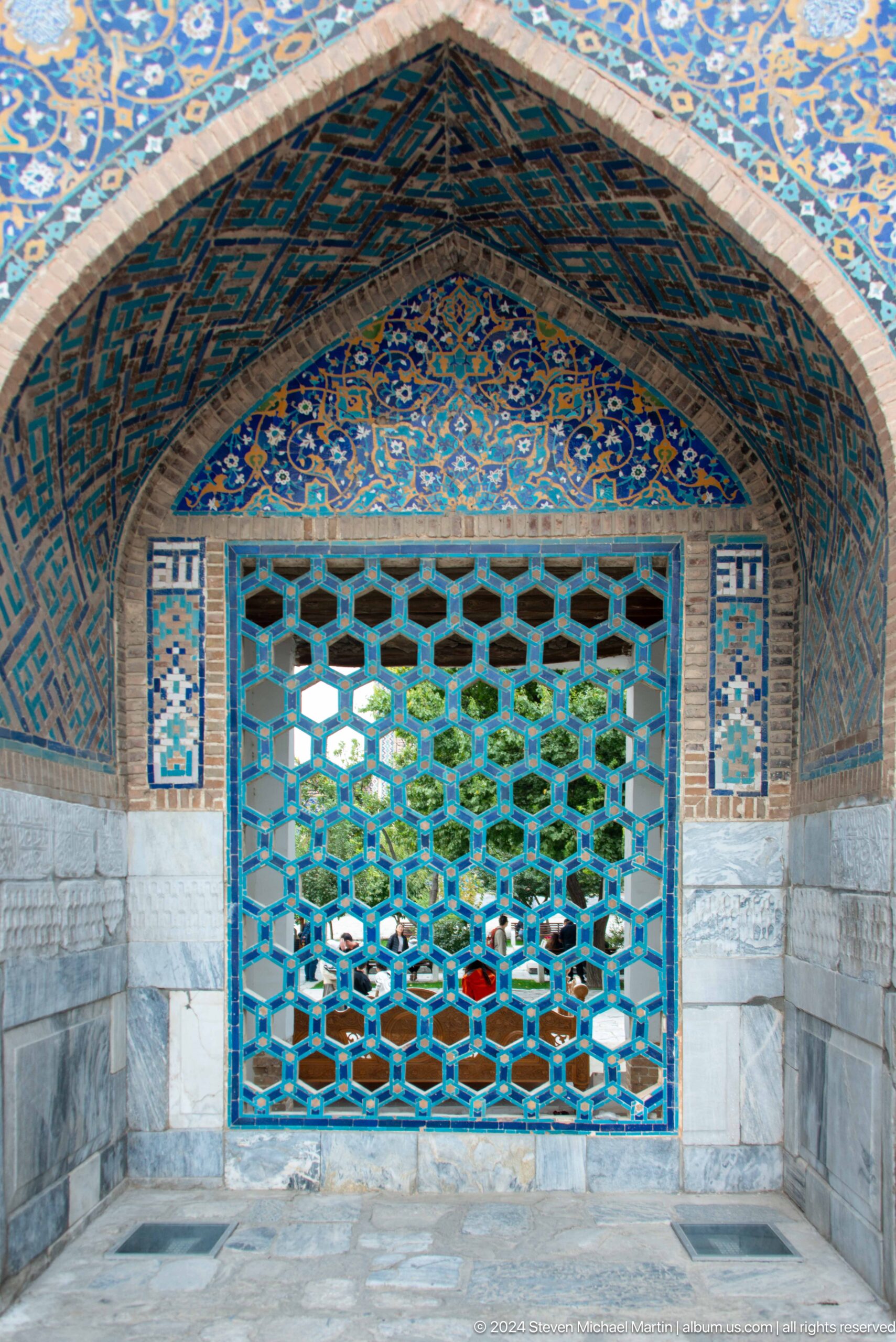
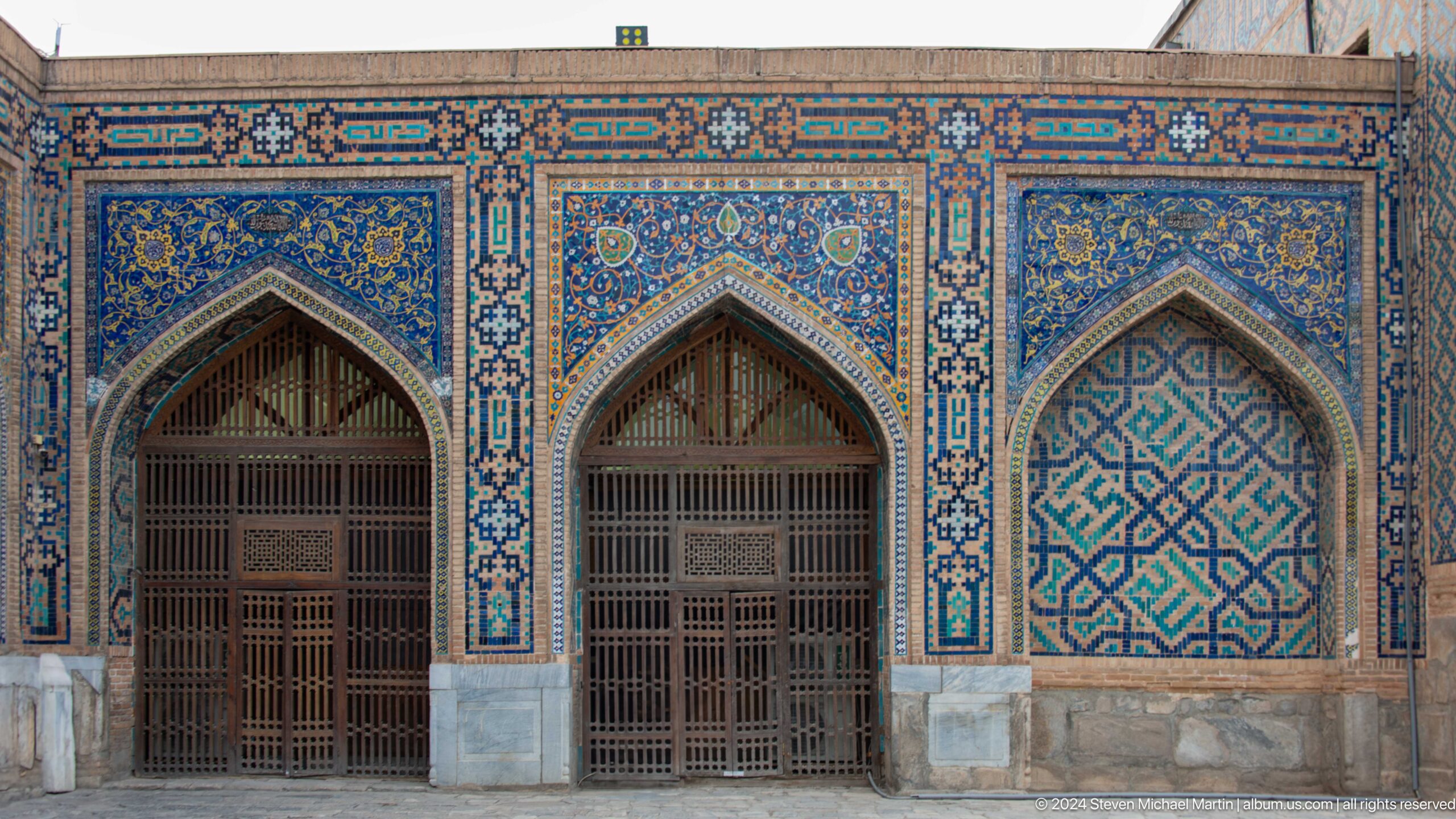
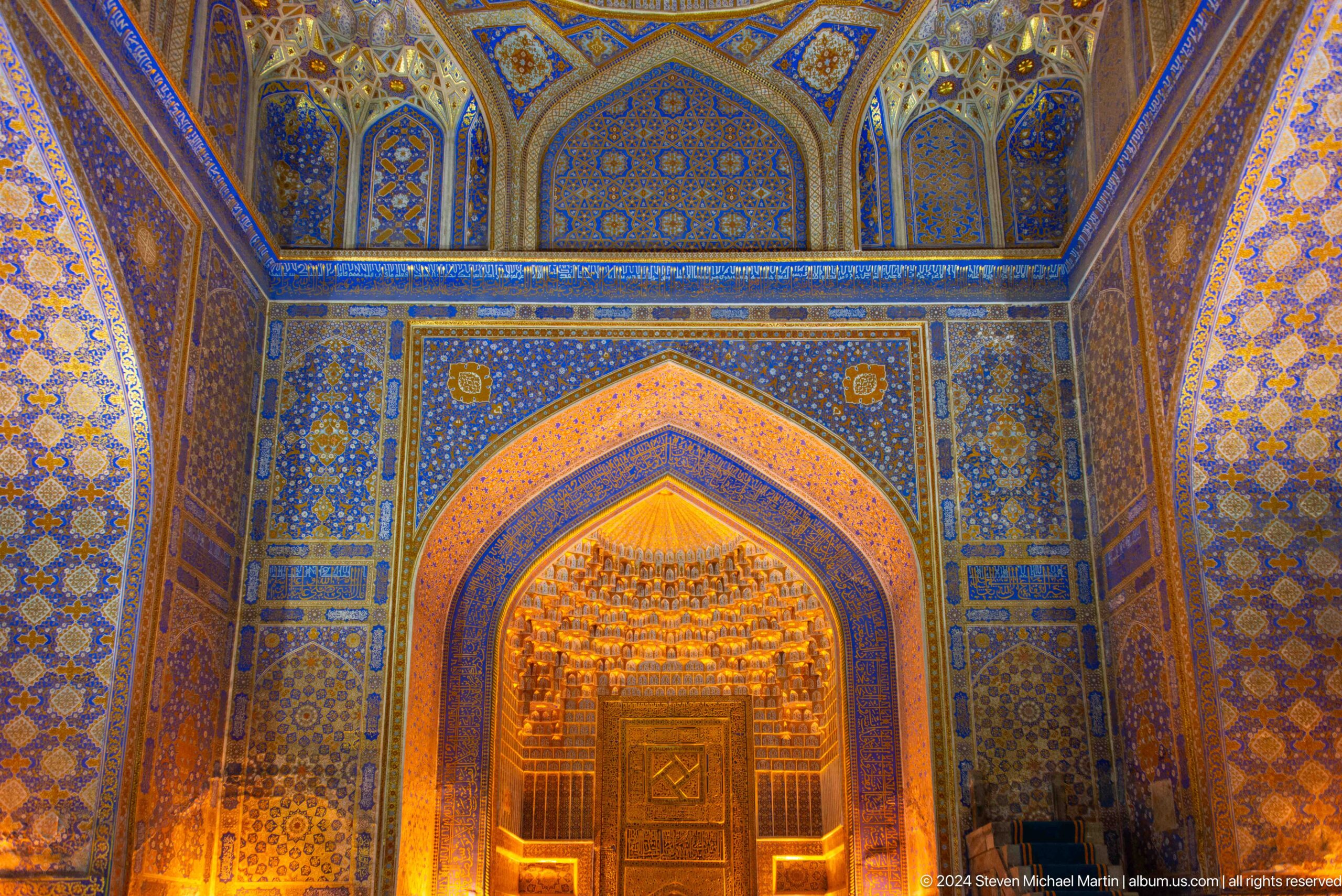
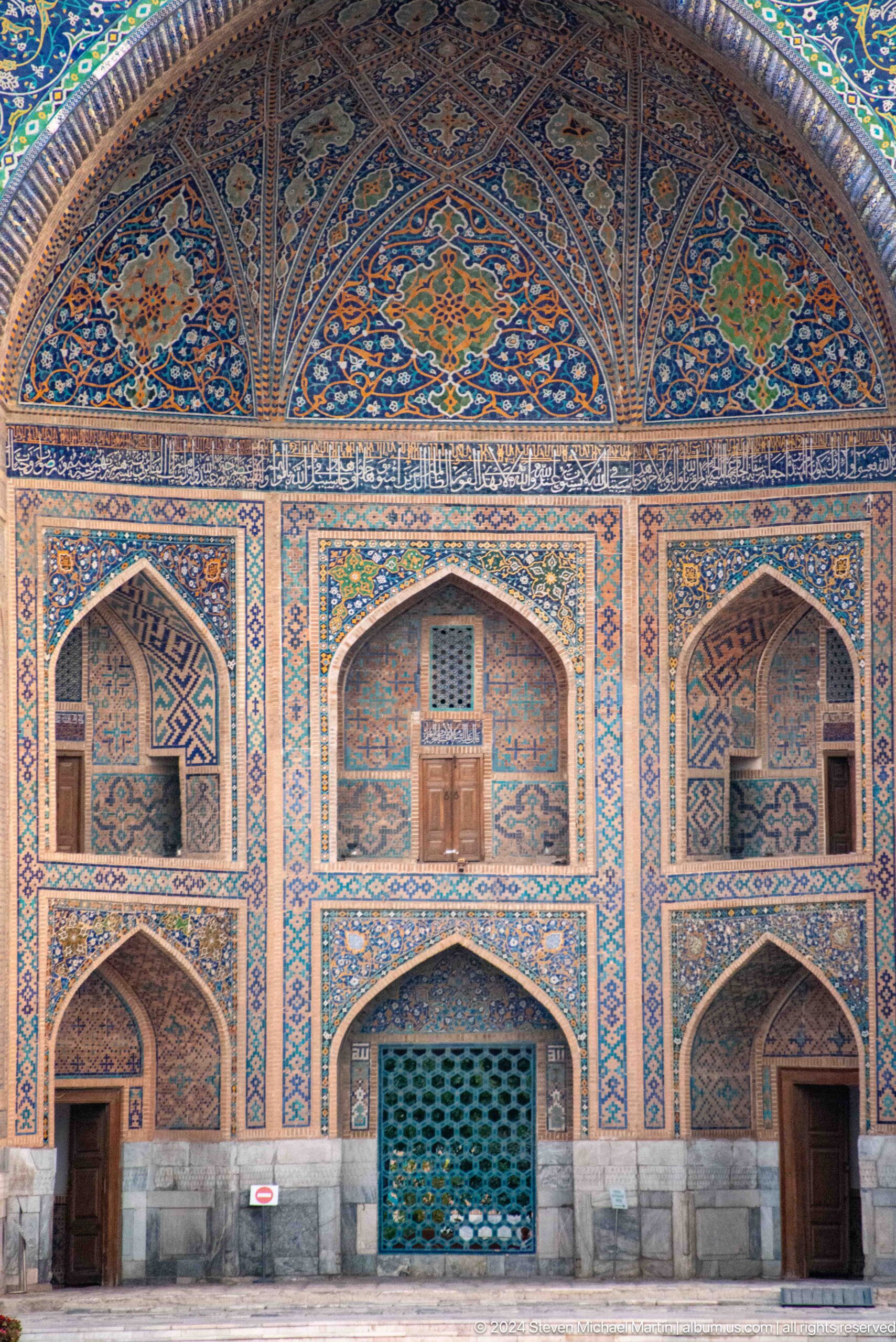
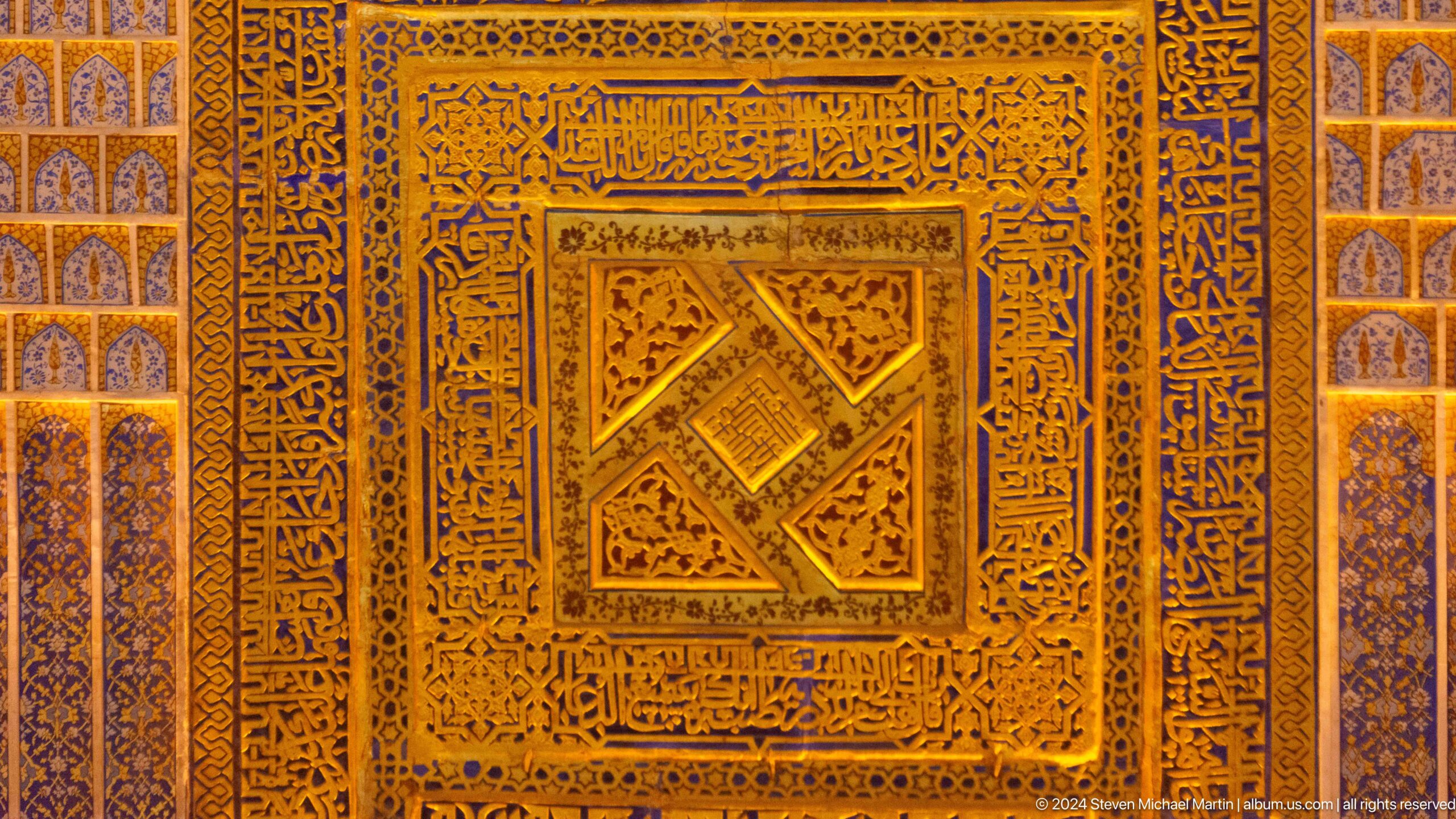
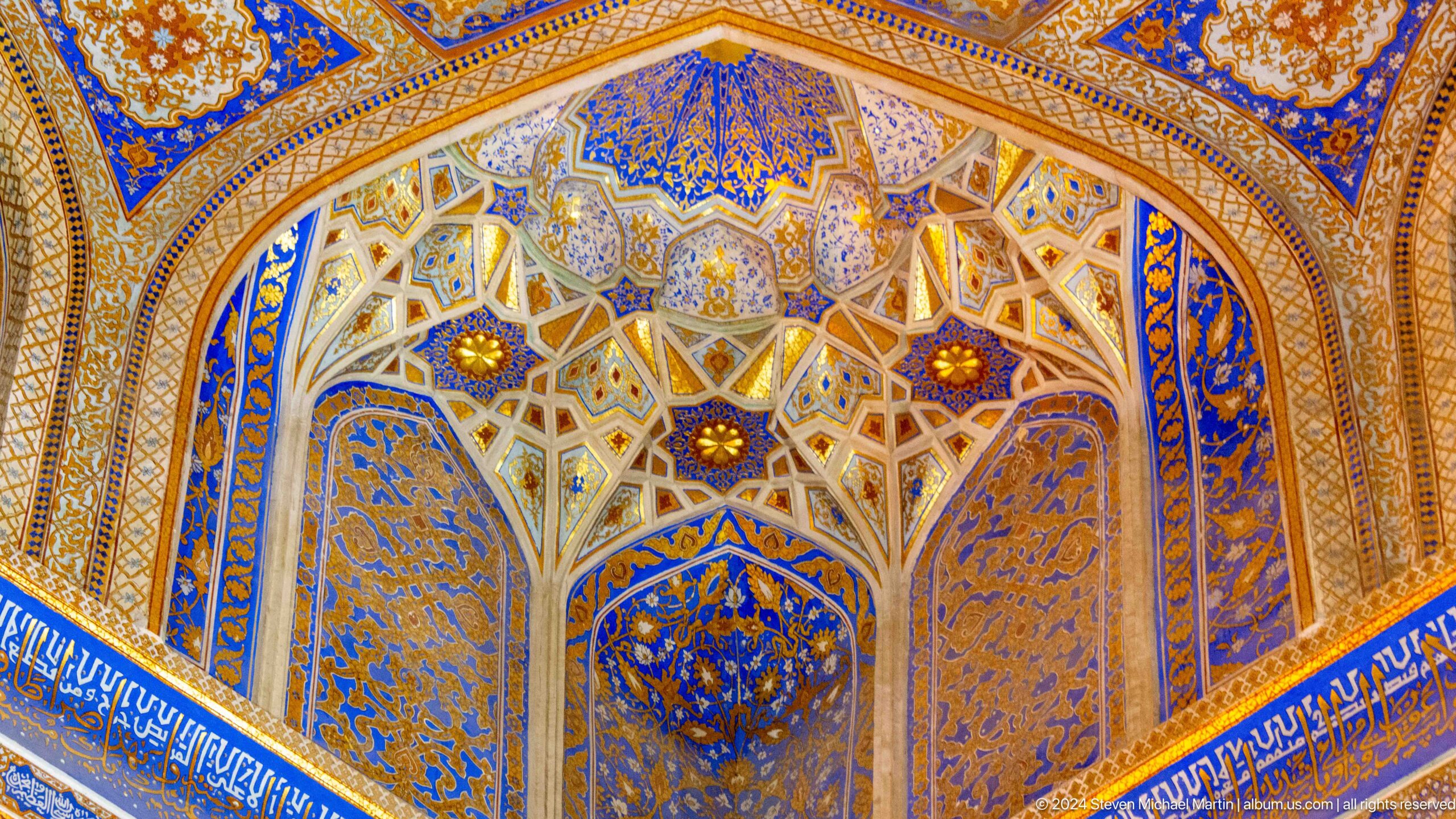
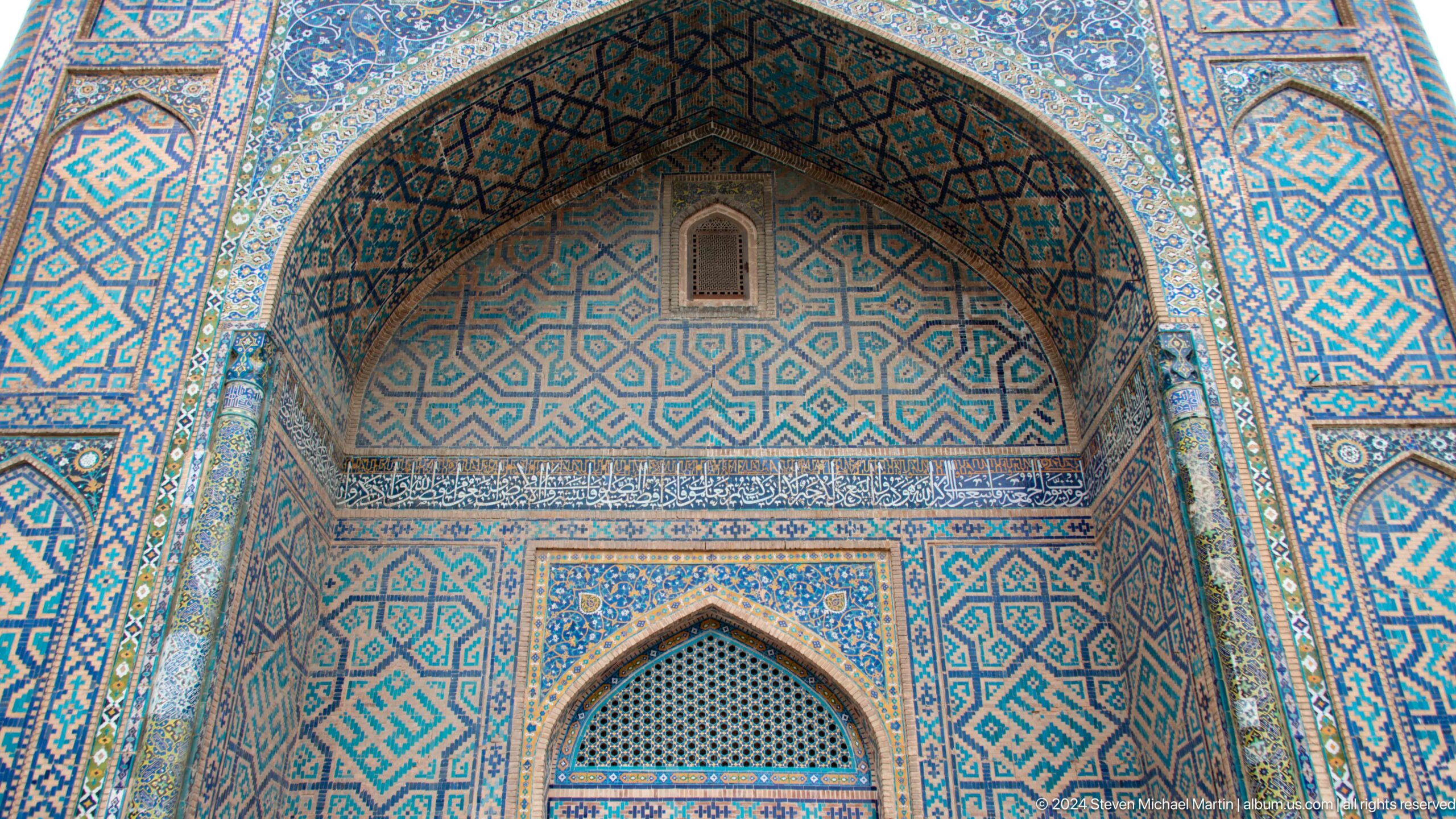
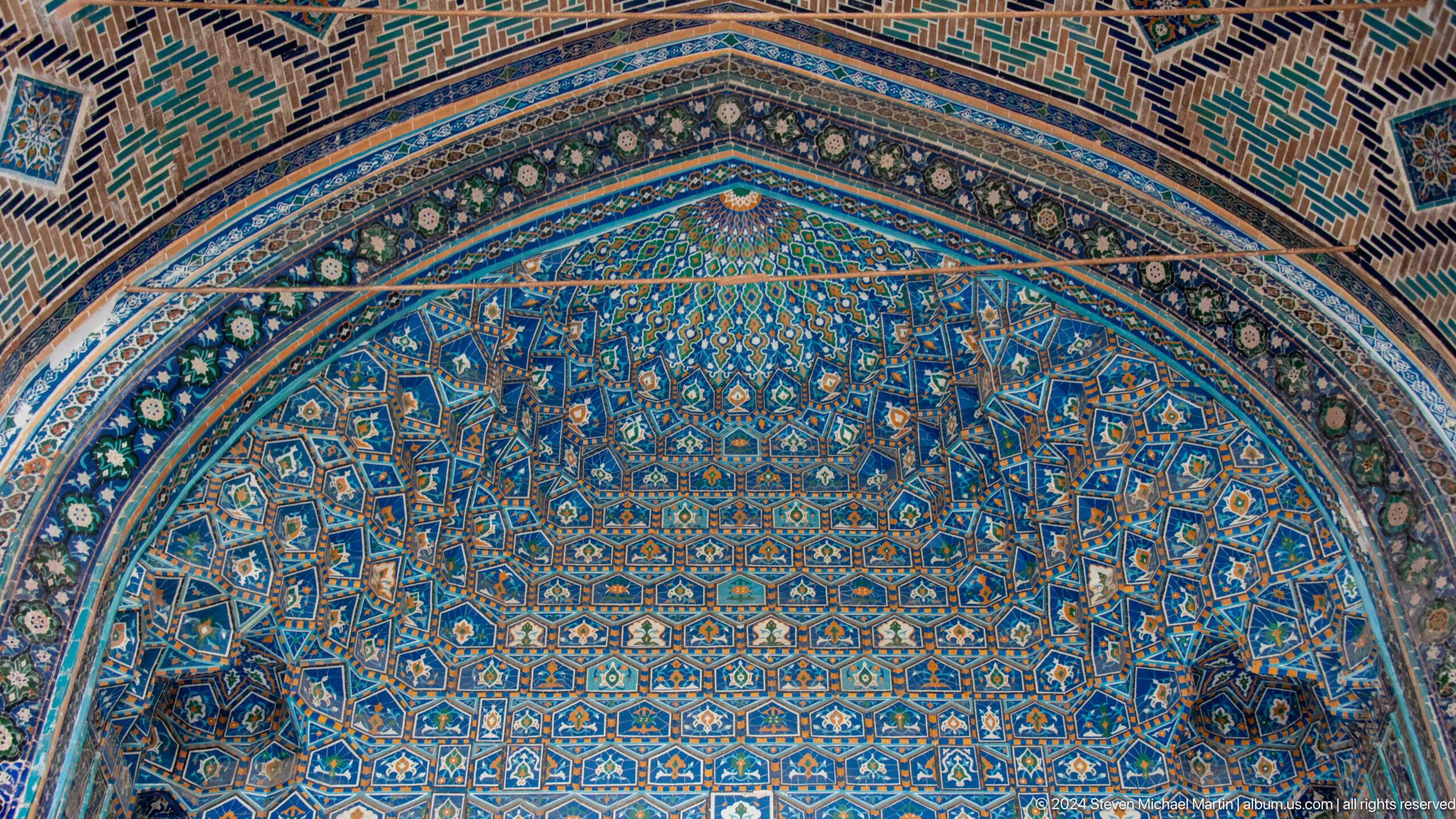
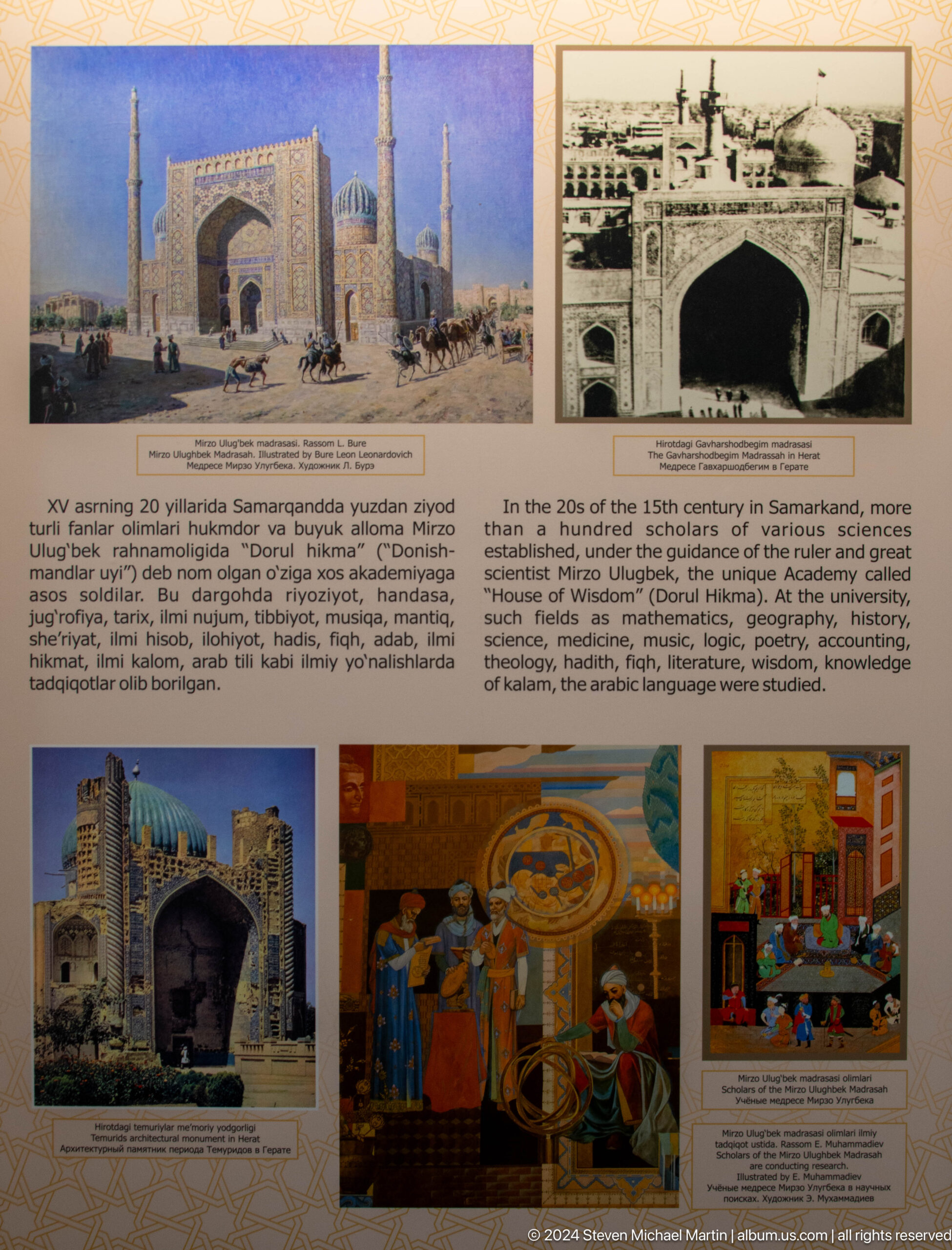
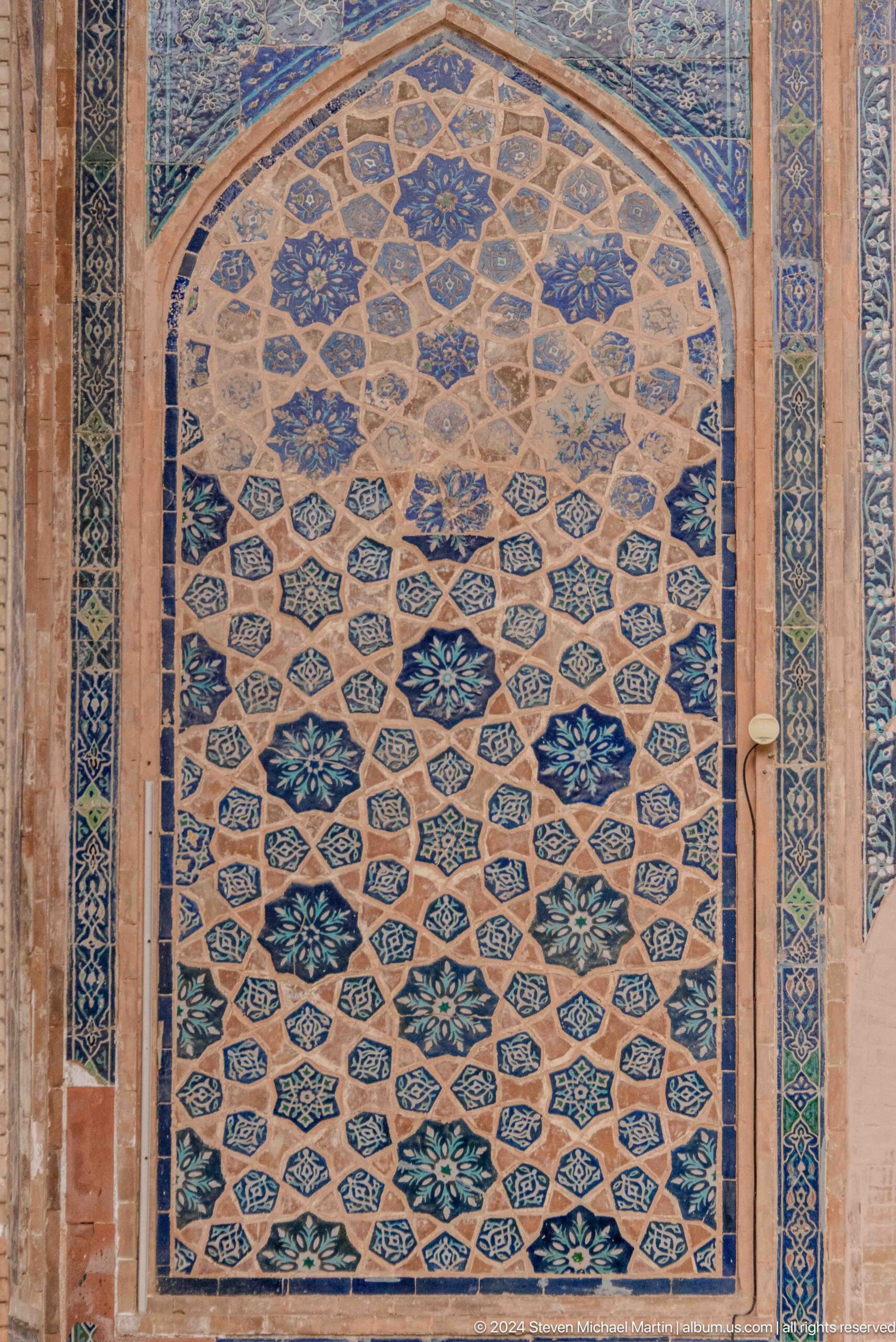
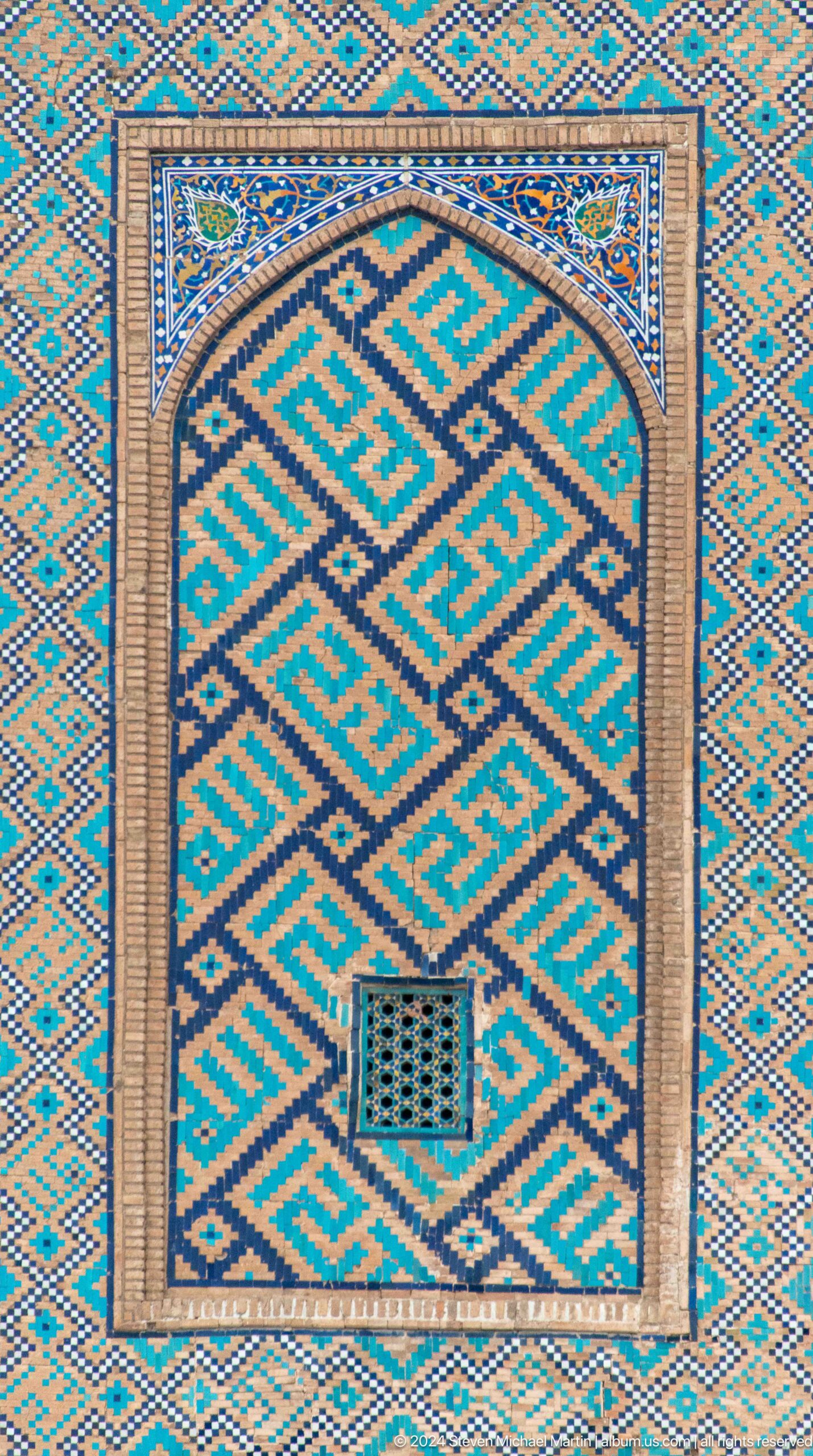
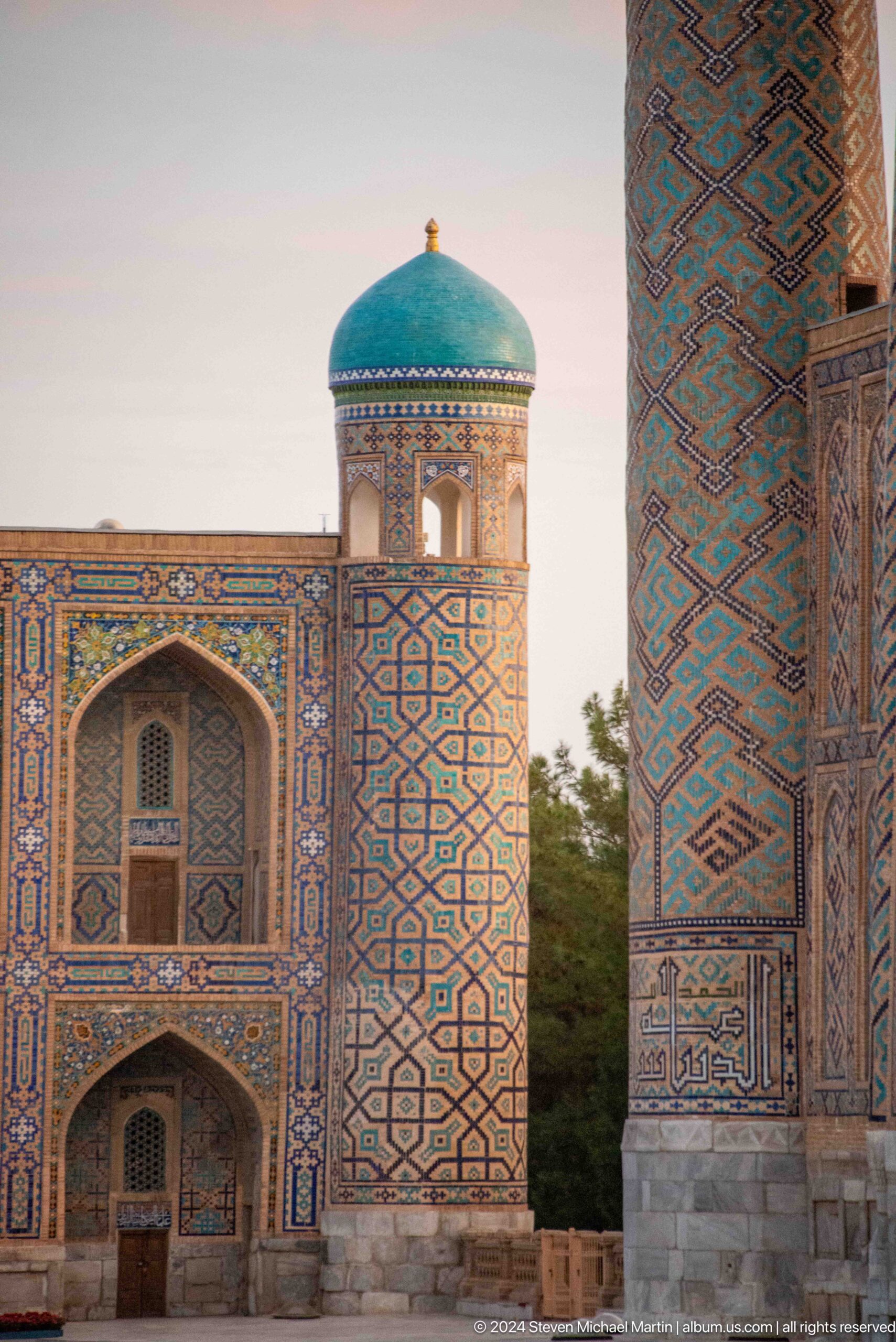
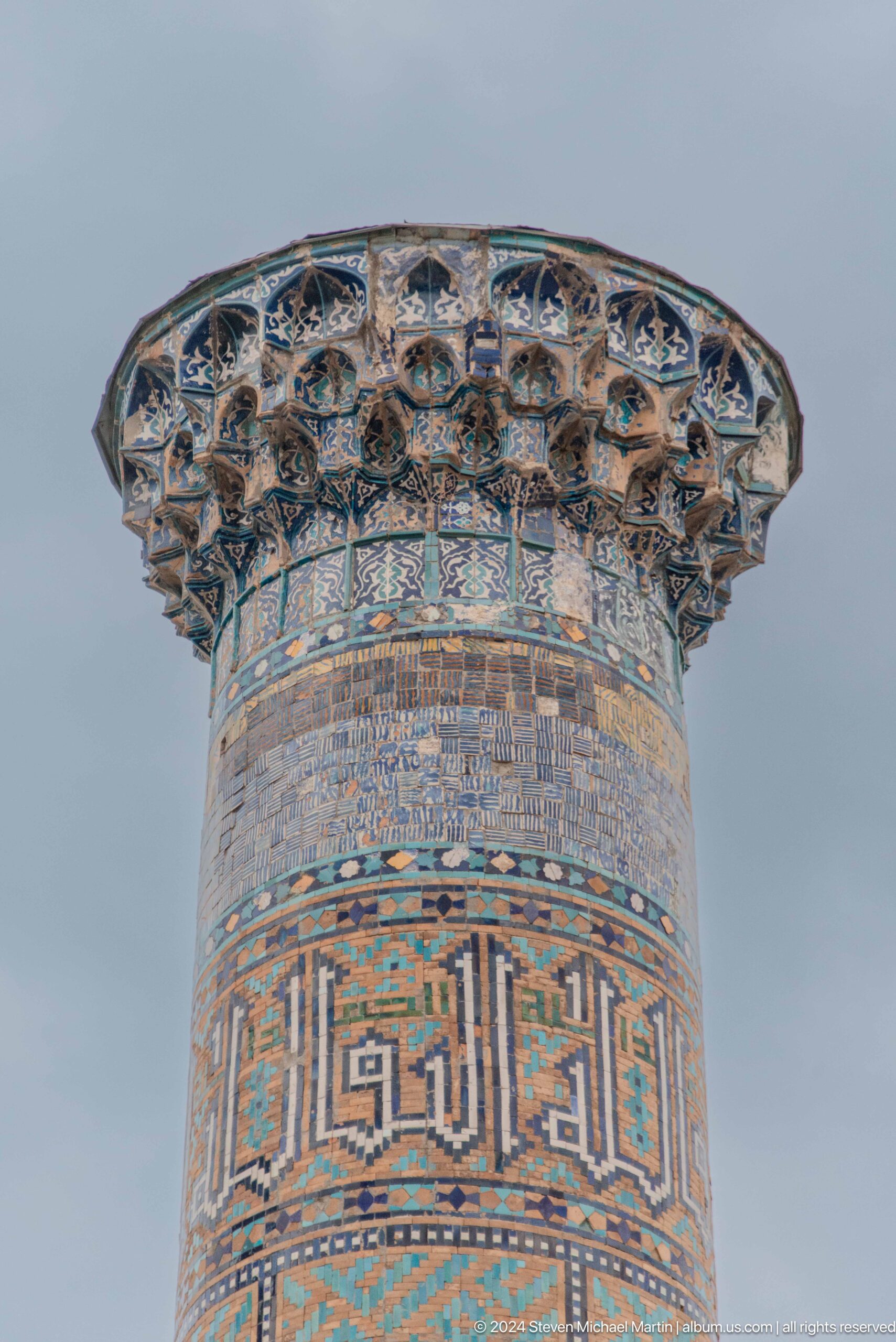
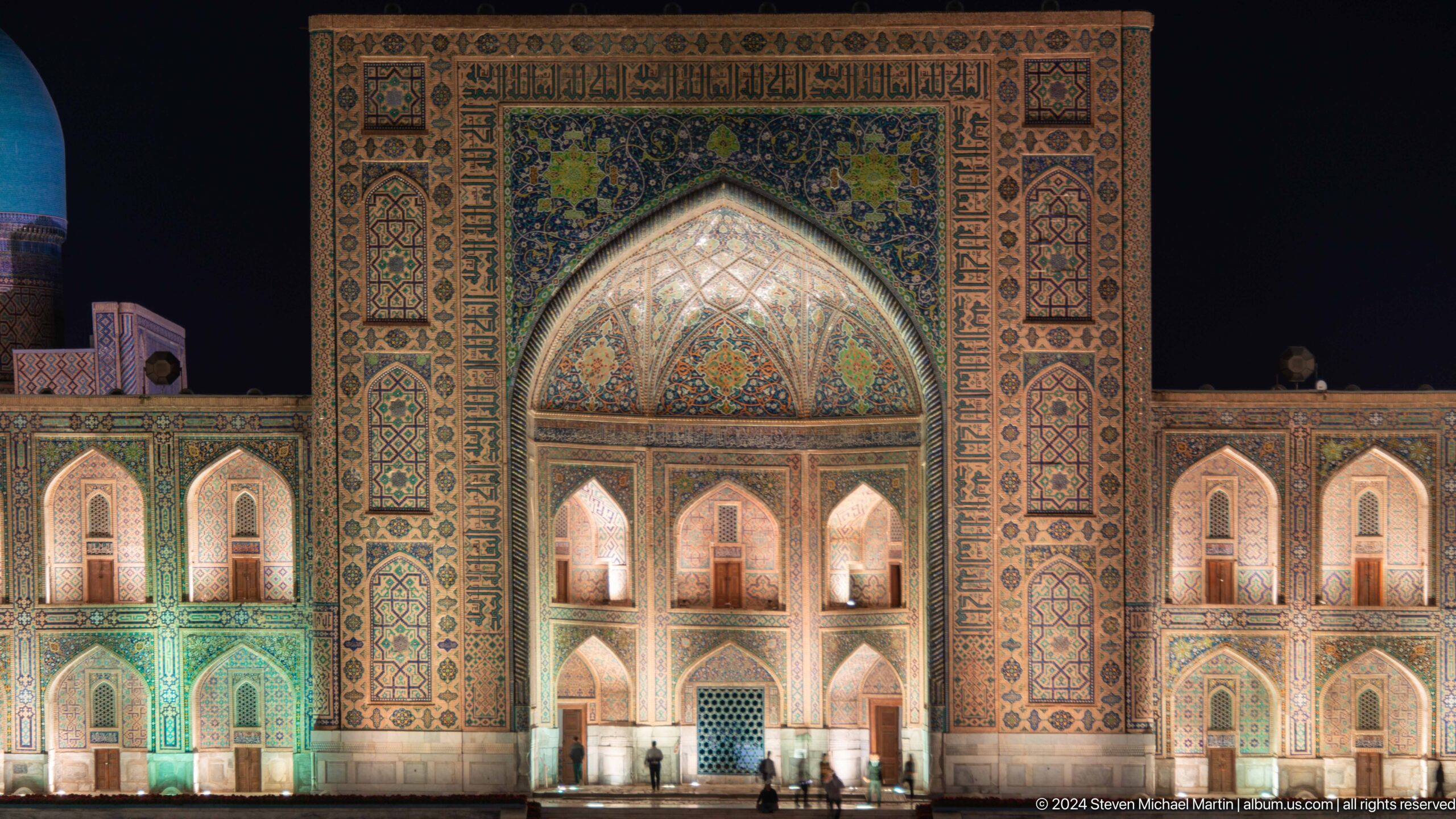
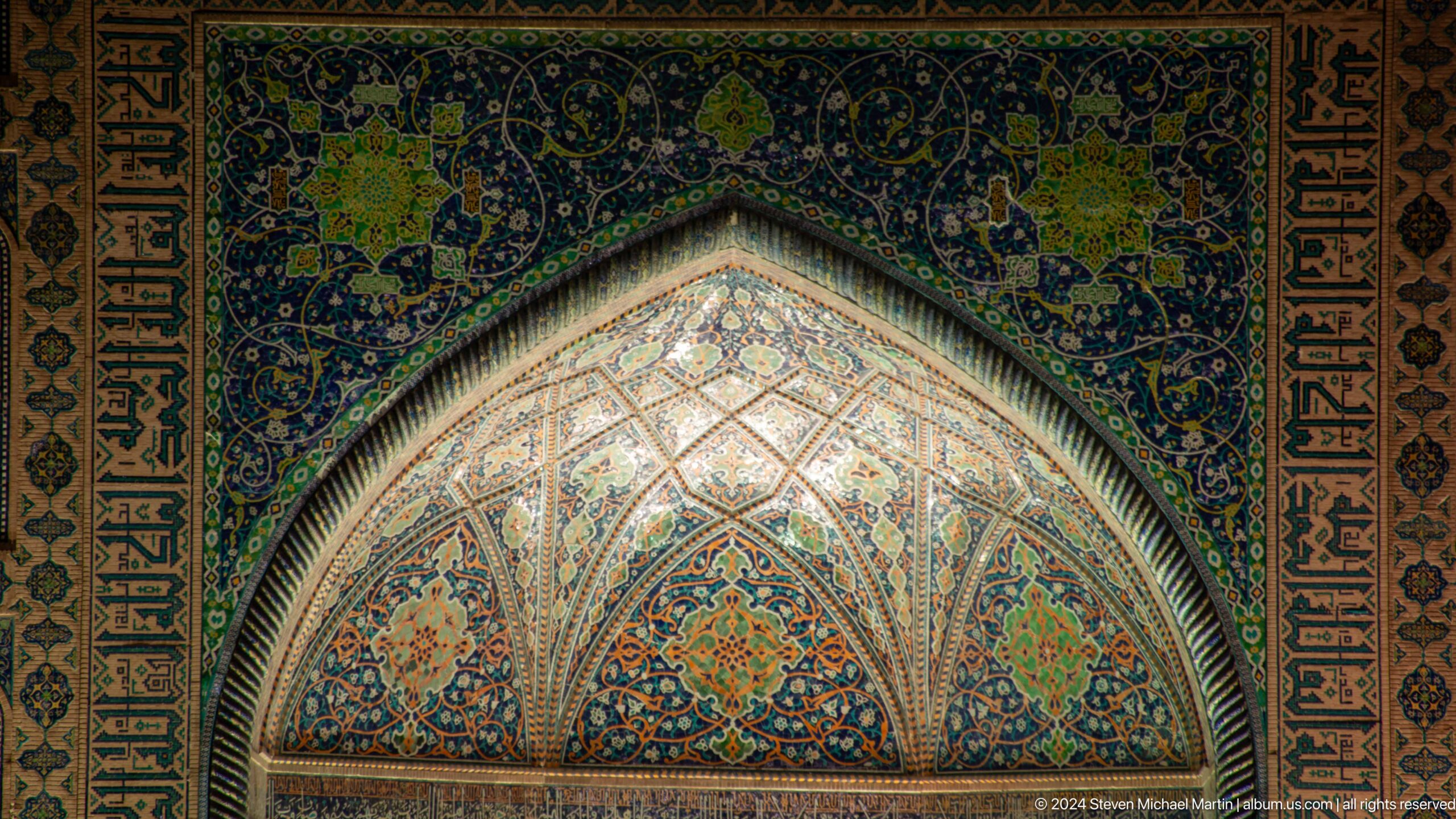
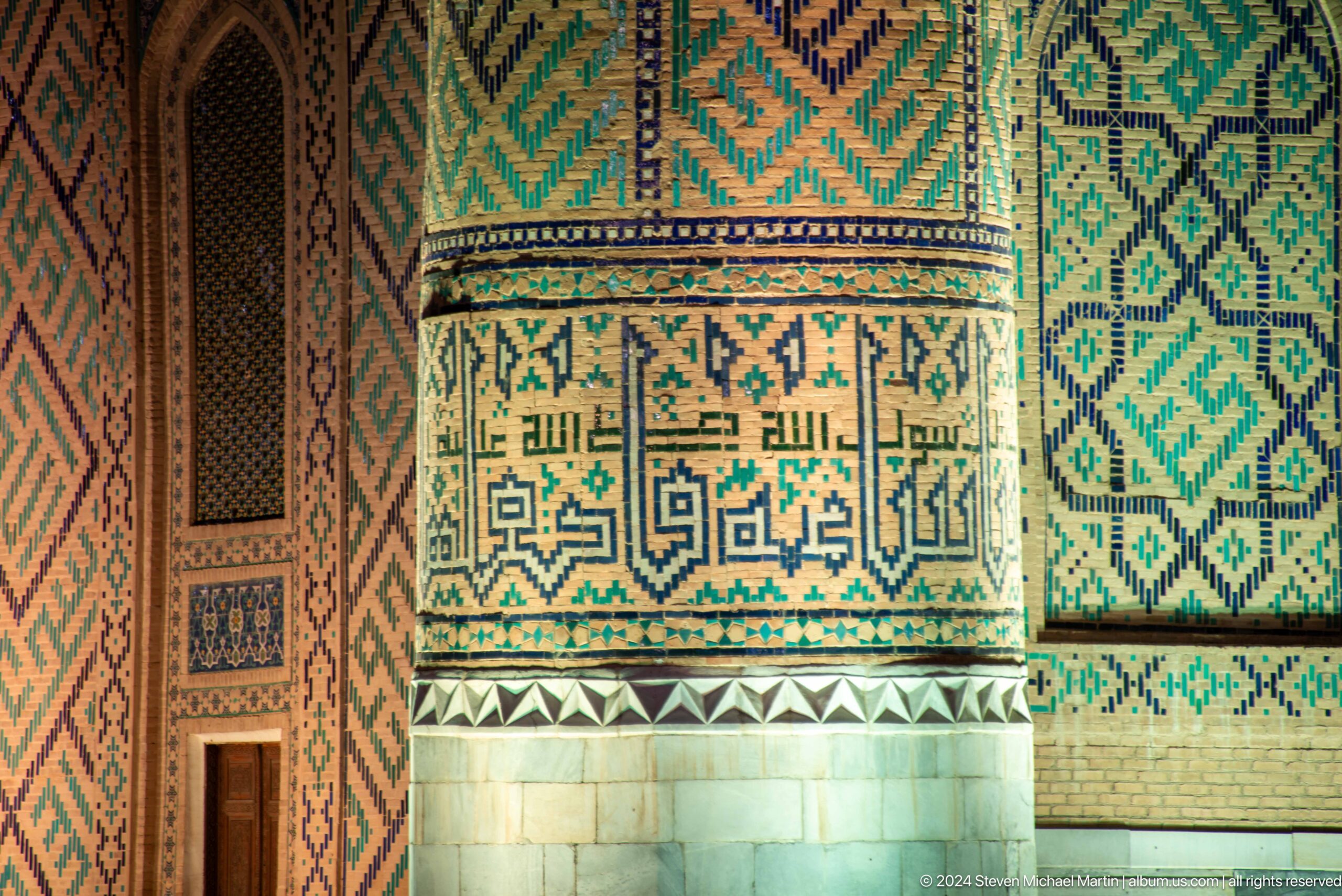
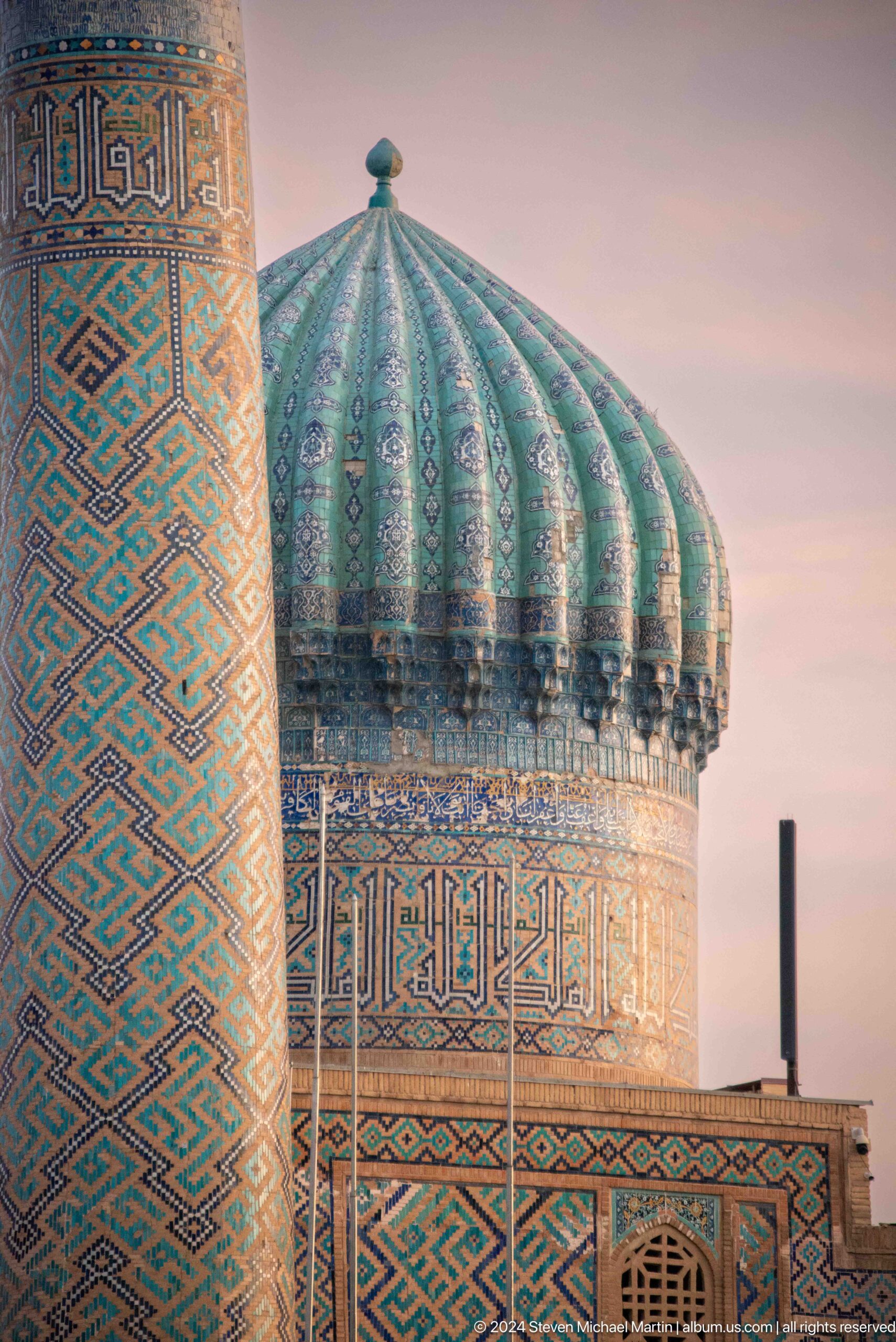
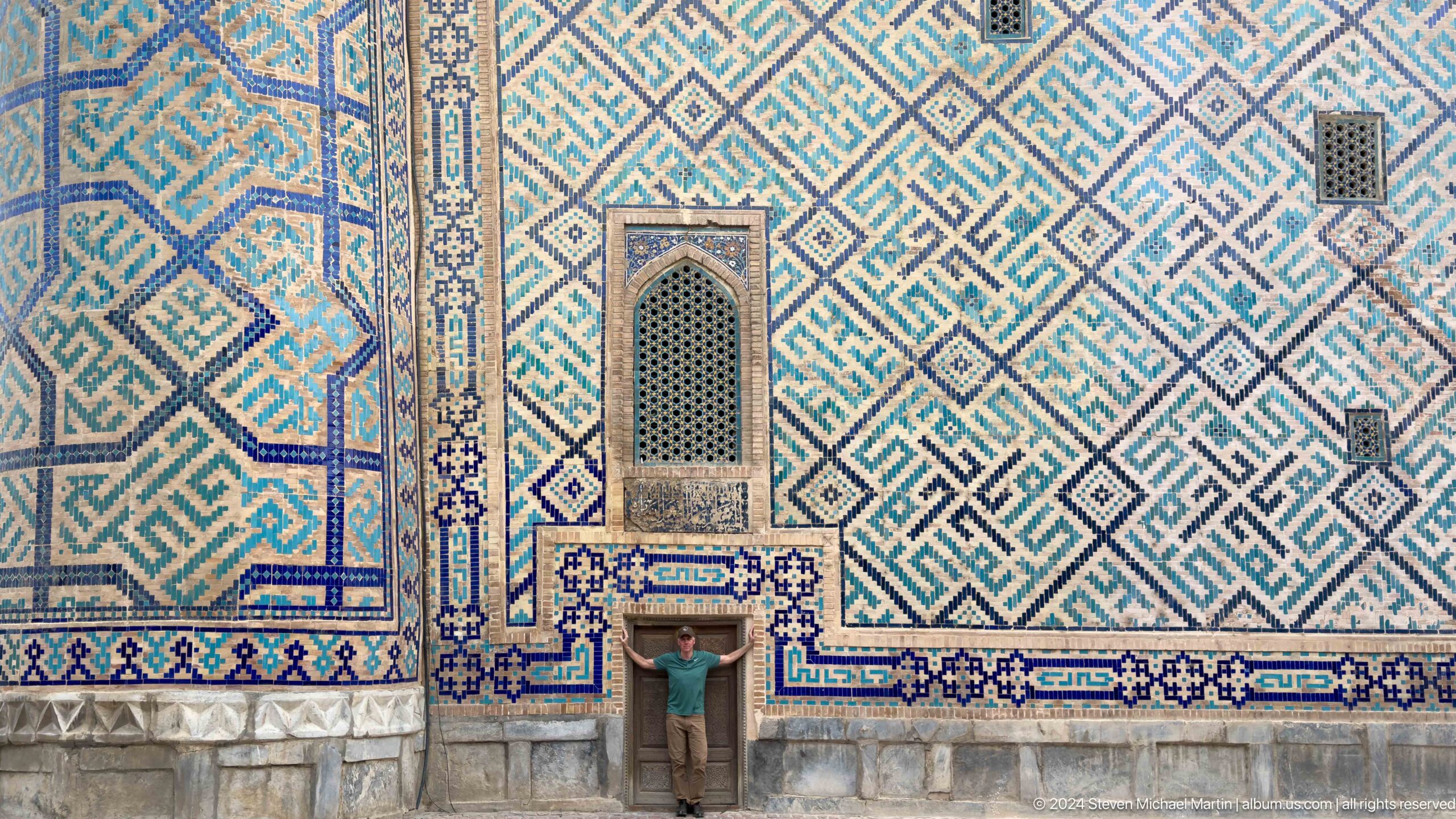
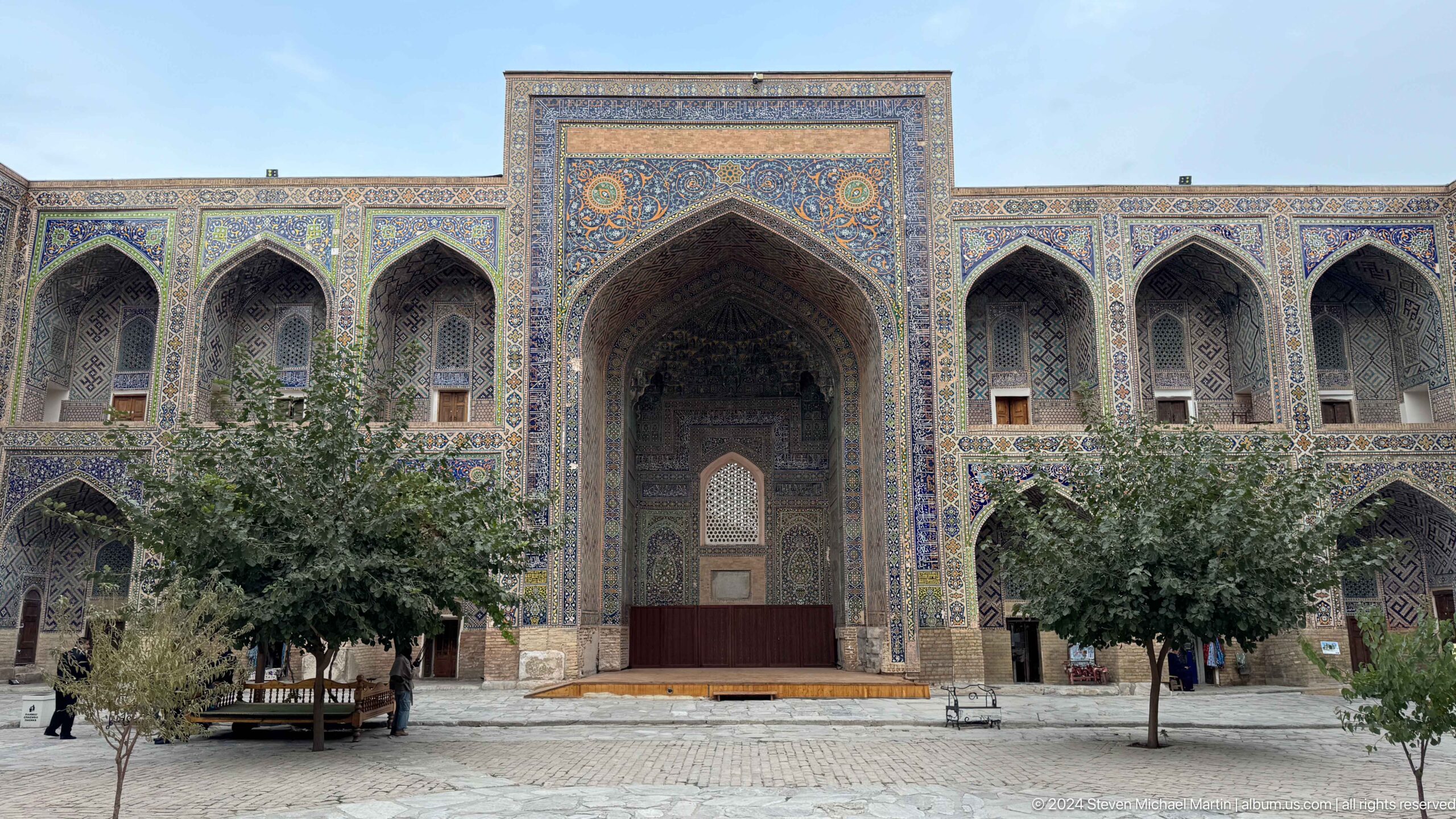
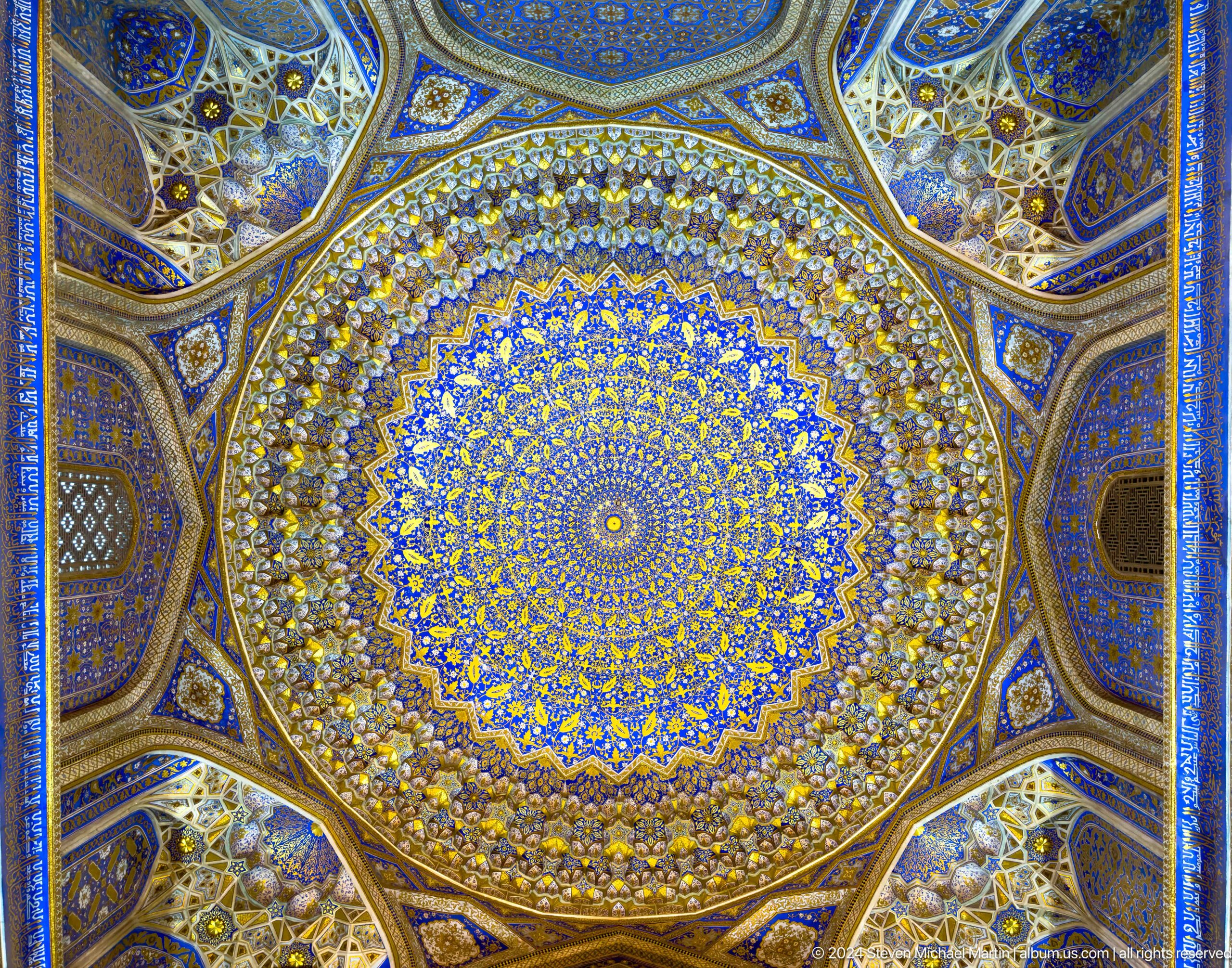
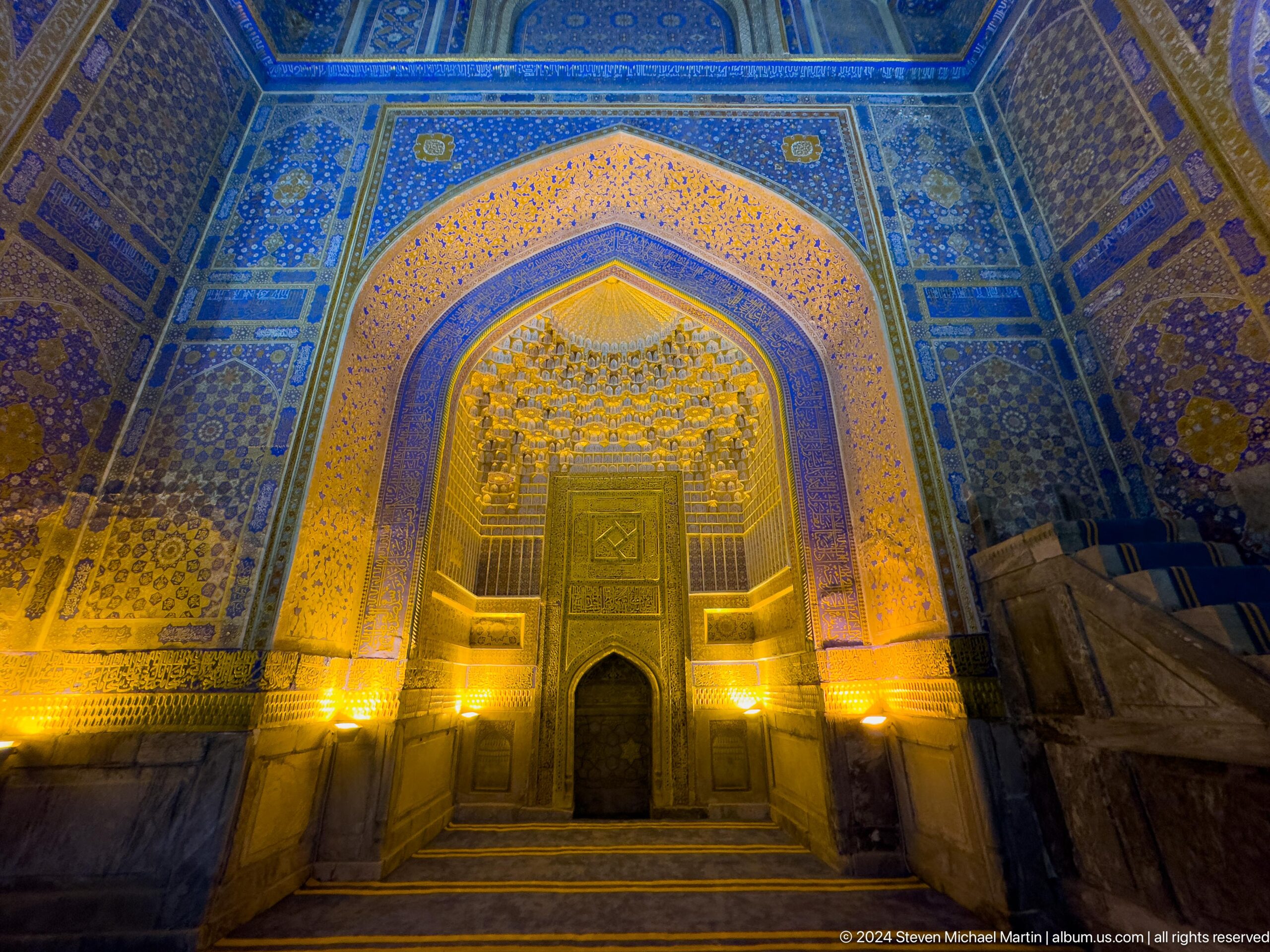
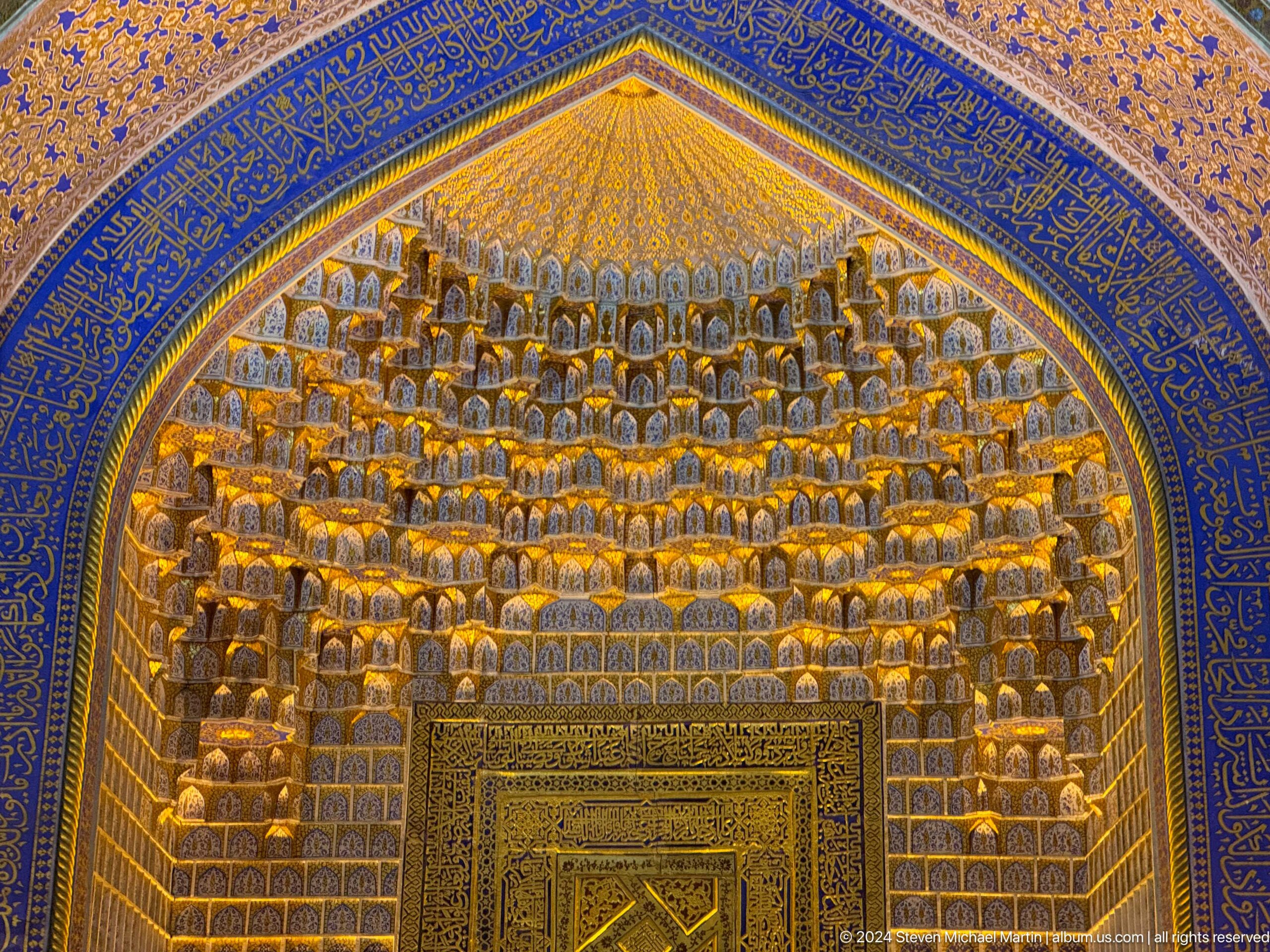
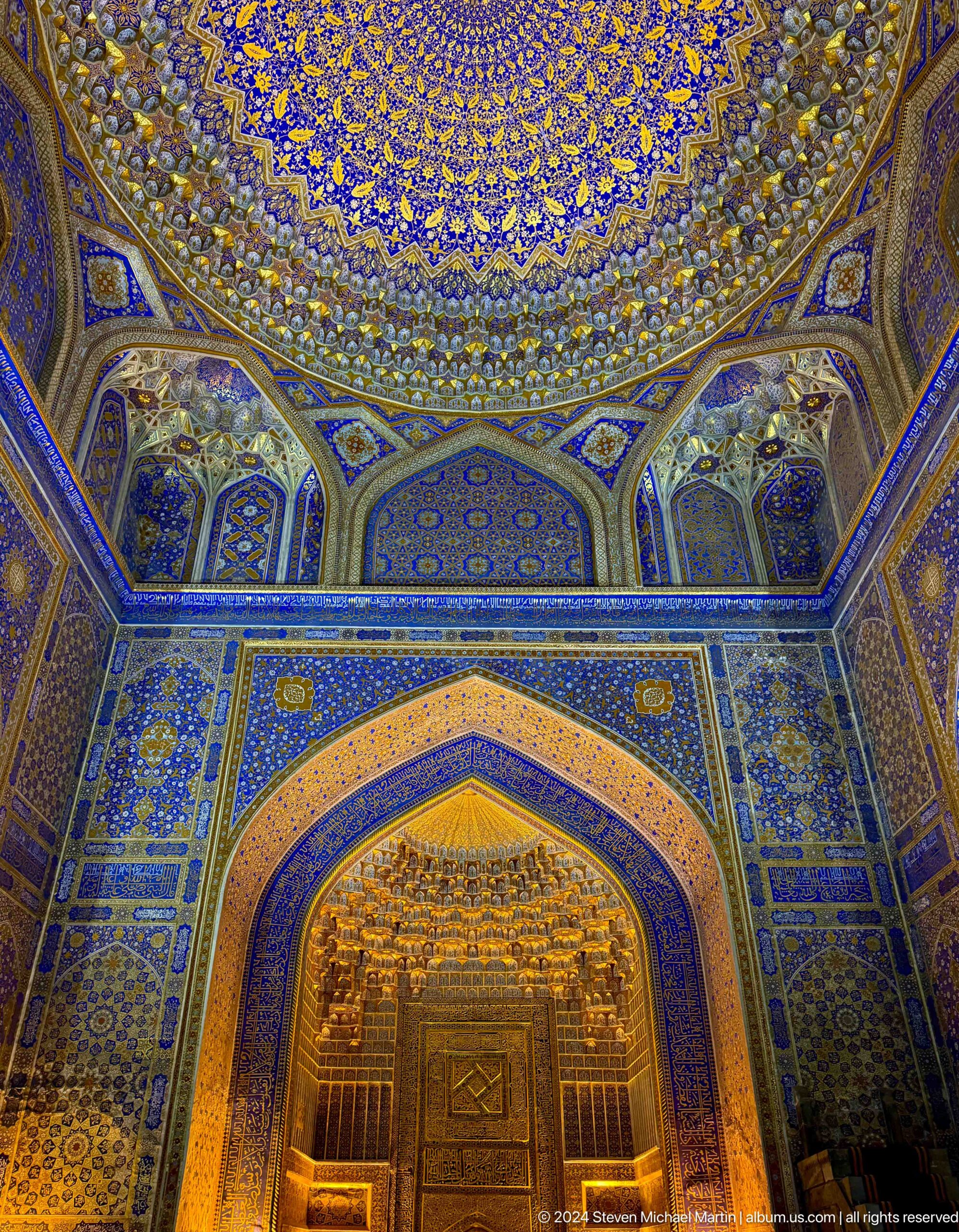
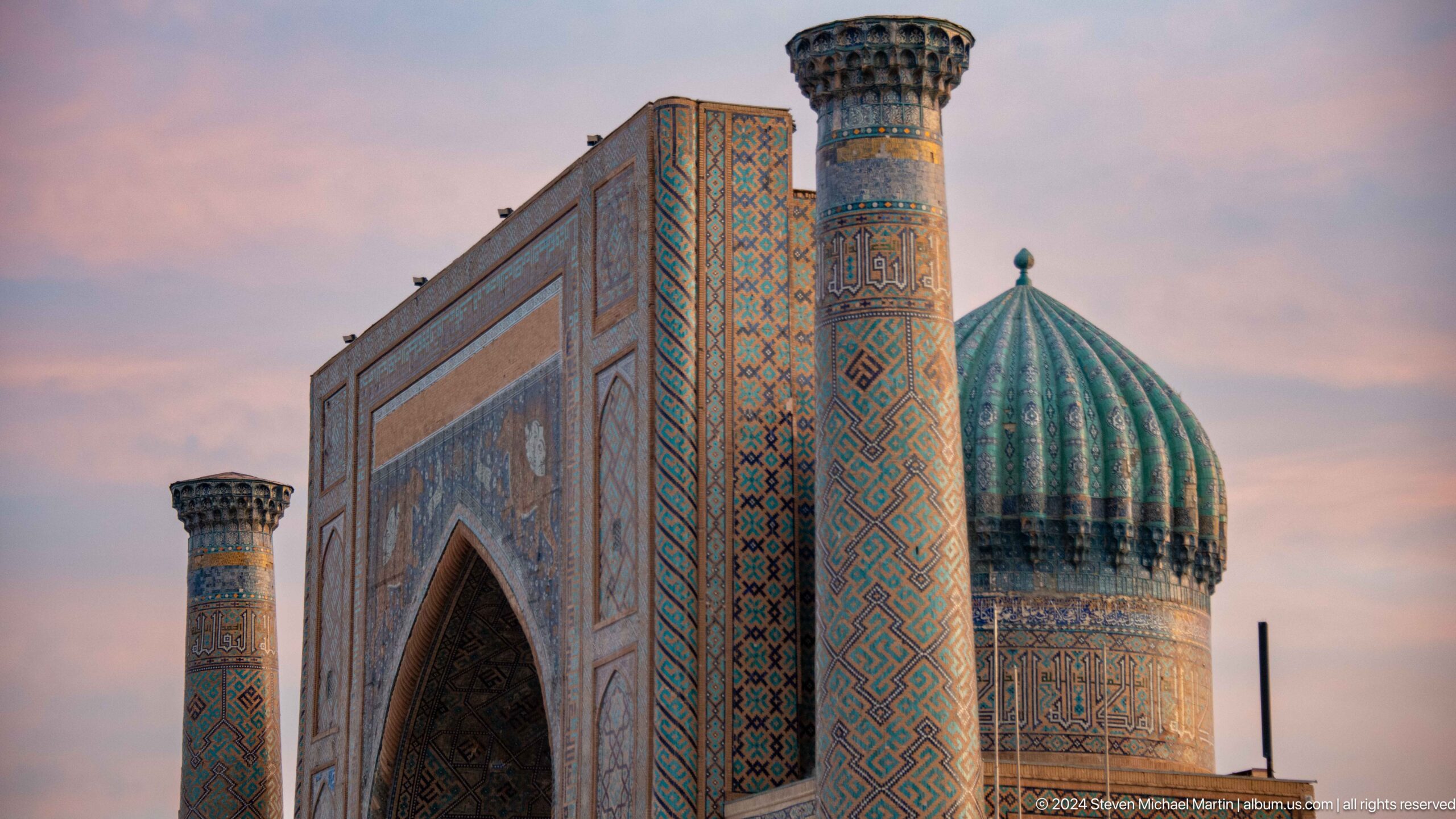
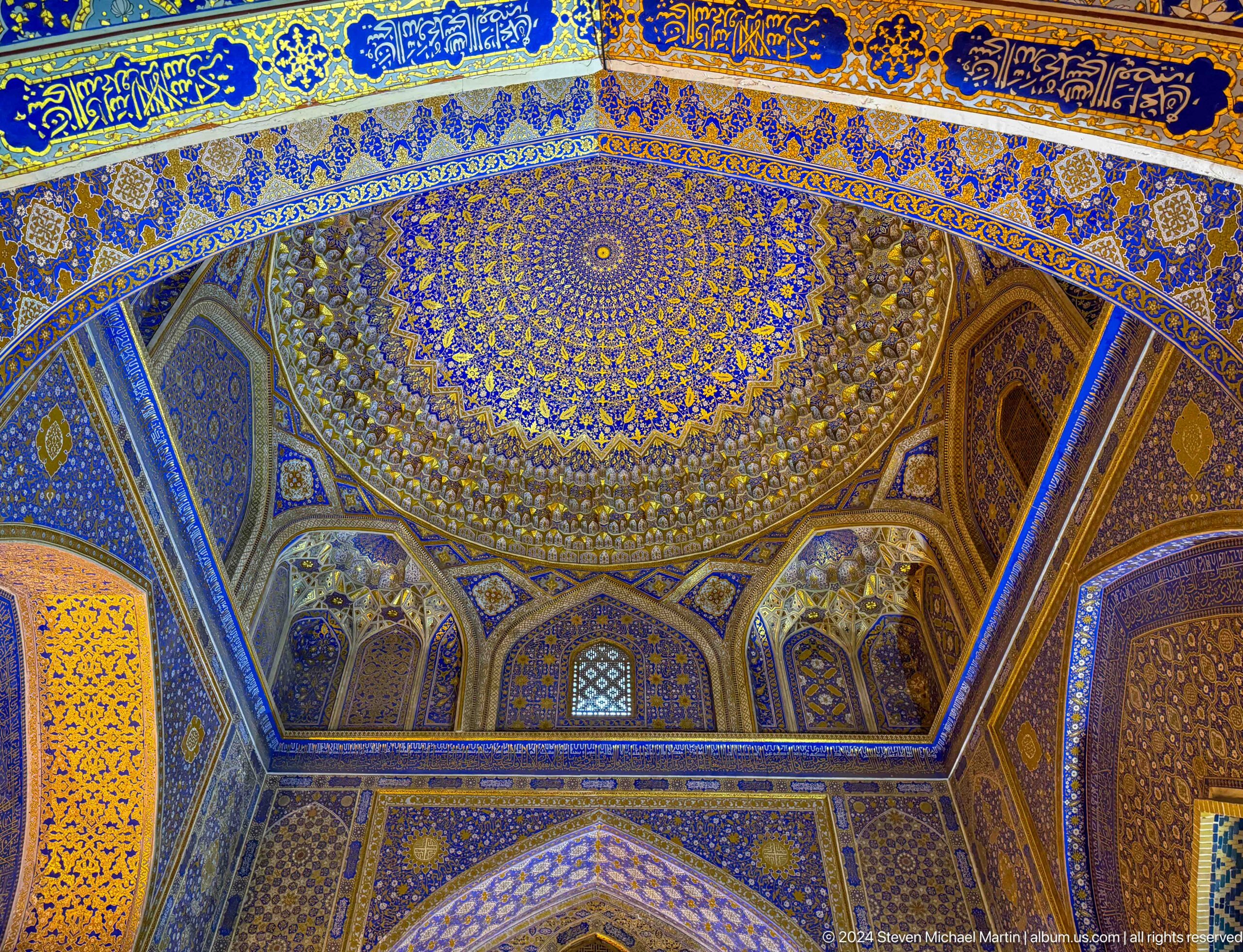
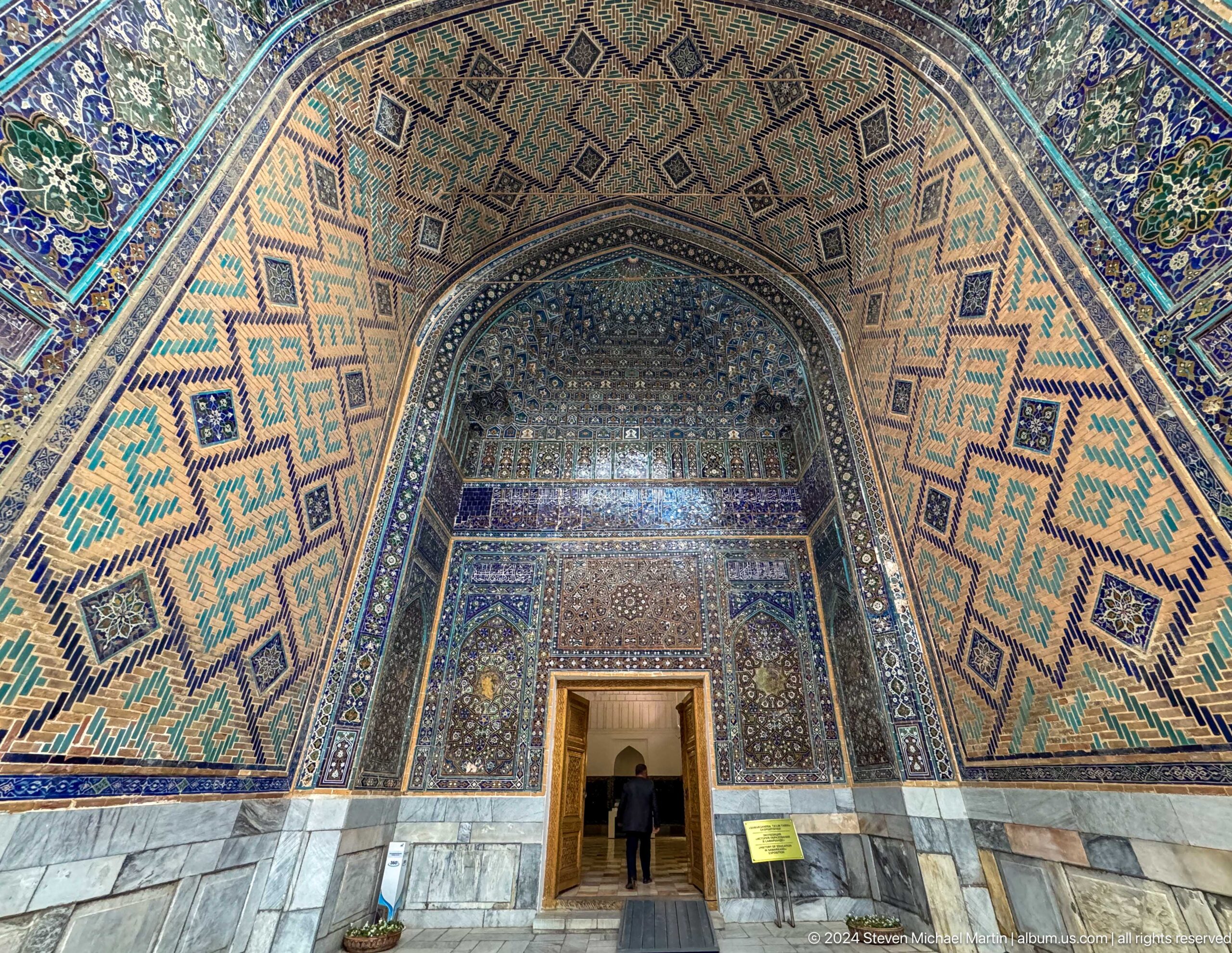
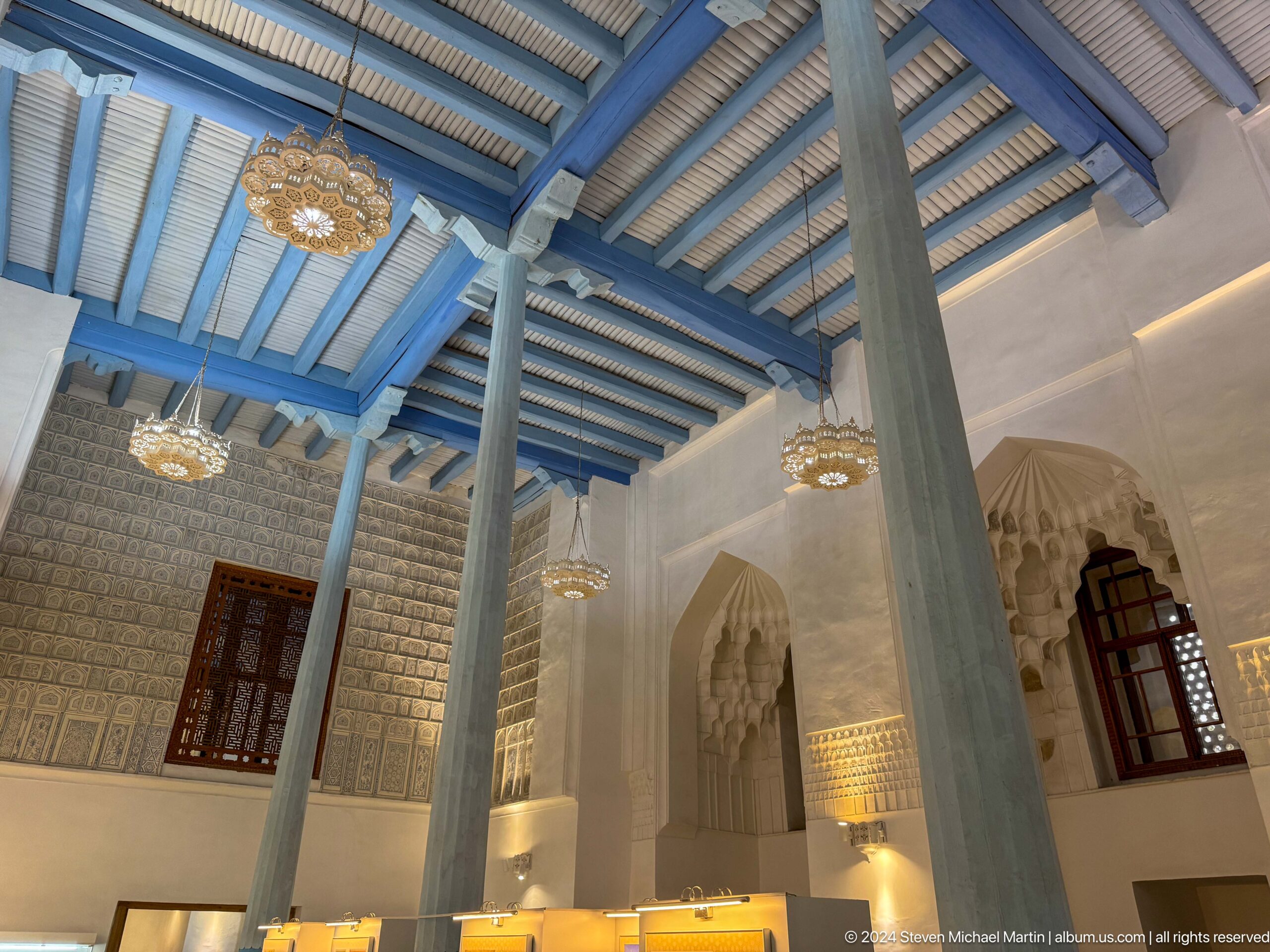
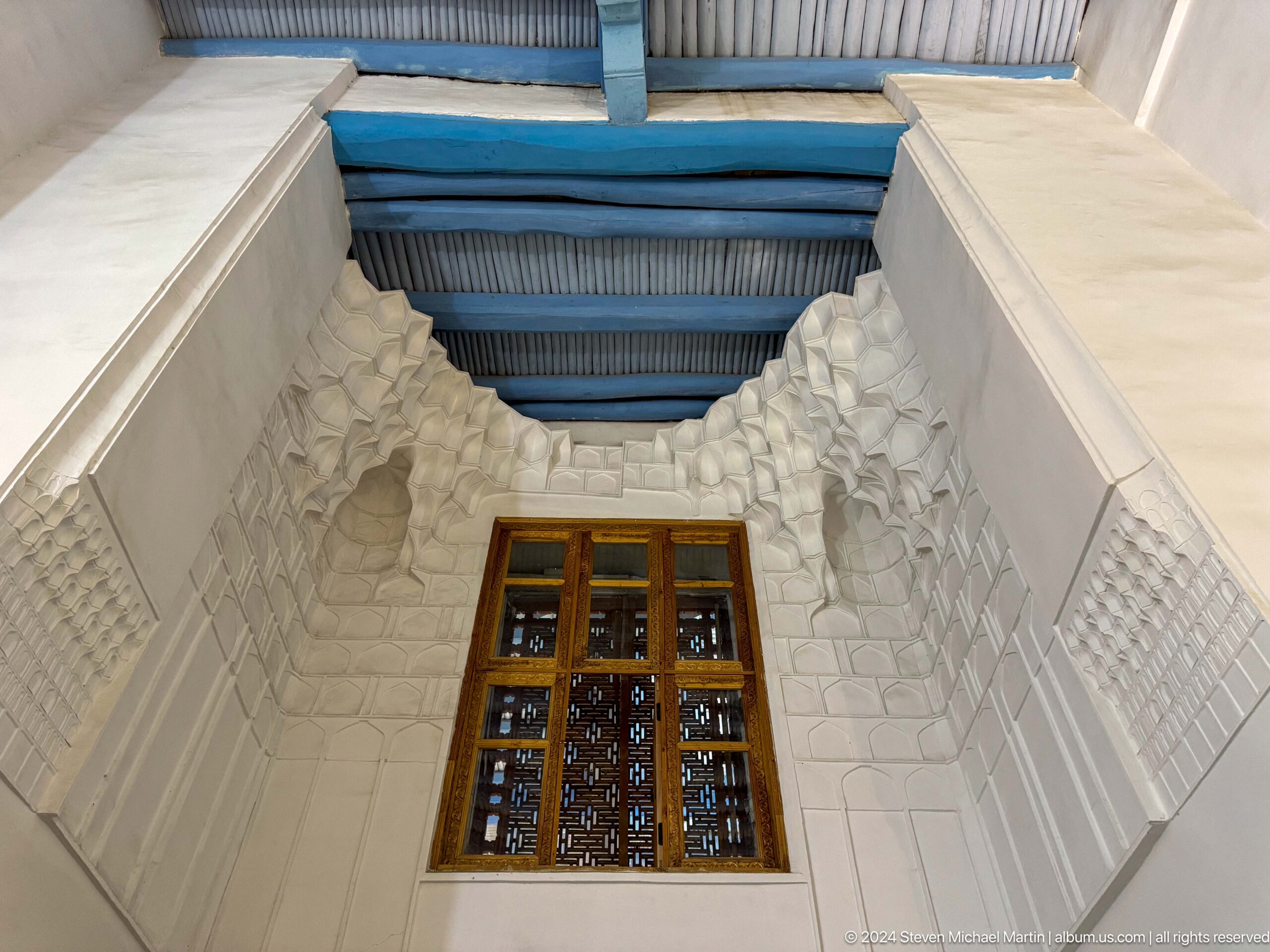
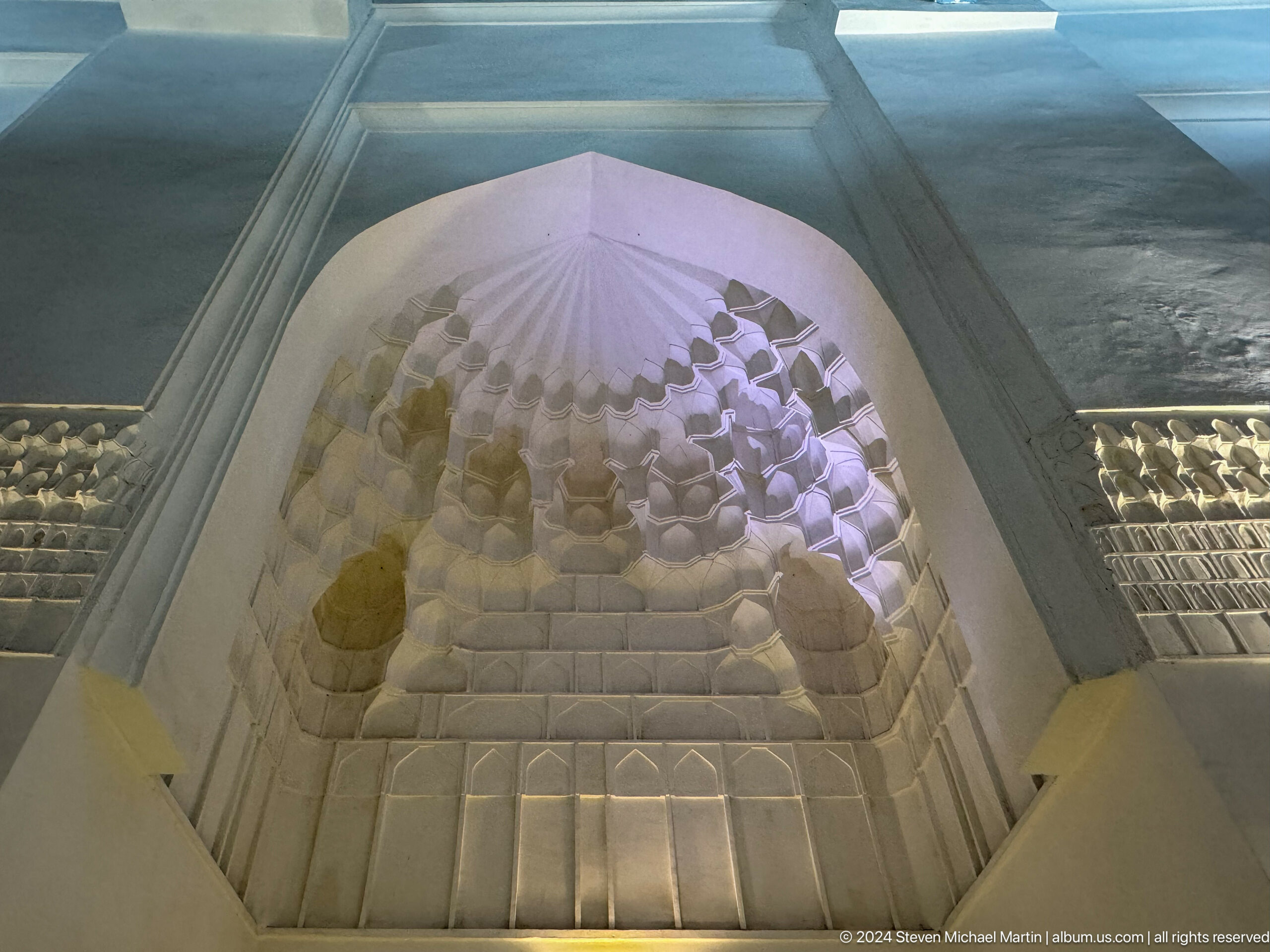
Decorative tilework featuring geometric patterns and calligraphy demonstrates artistic traditions associated with Islamic architecture. The madrasas functioned as institutions of higher learning where scholars studied theology, mathematics, astronomy, and philosophy. Registan became a focal point of intellectual exchange within the Timurid Empire.
Registan illustrates the importance of scholarship in shaping Silk Road societies. Its preserved architecture reflects the cultural and intellectual achievements of Central Asia during the medieval period.







Field Guide
📍 Overview
Registan Square in Samarkand is one of the most iconic architectural ensembles of the Silk Road and served as the intellectual and ceremonial heart of the Timurid Empire. The name “Registan” means “sandy place,” referring to the open public square where merchants, scholars, and citizens gathered. Surrounded by three monumental madrasas, the complex reflects the importance of scholarship, religion, and civic life in Central Asia.
🏛 Historical Significance
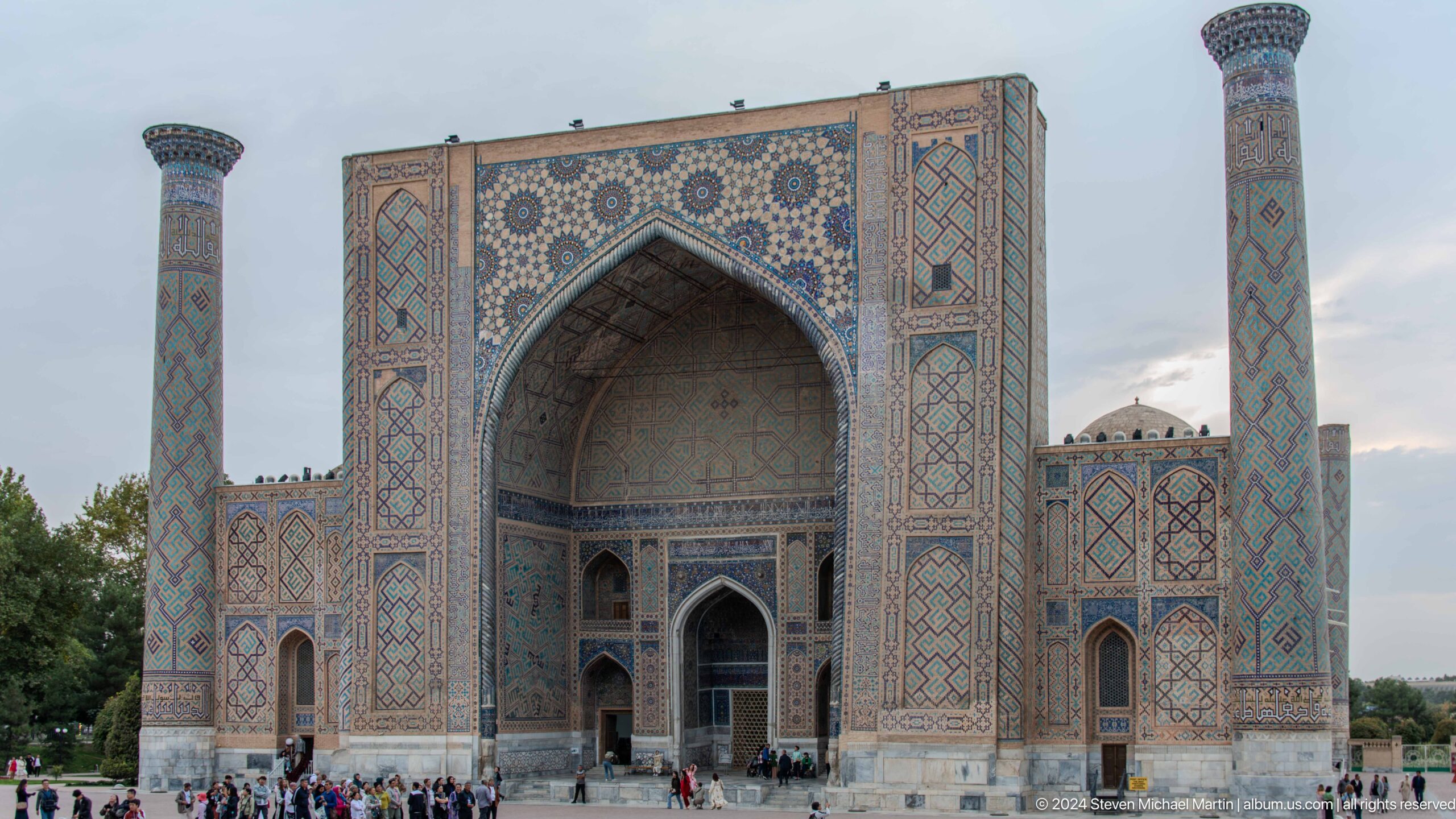
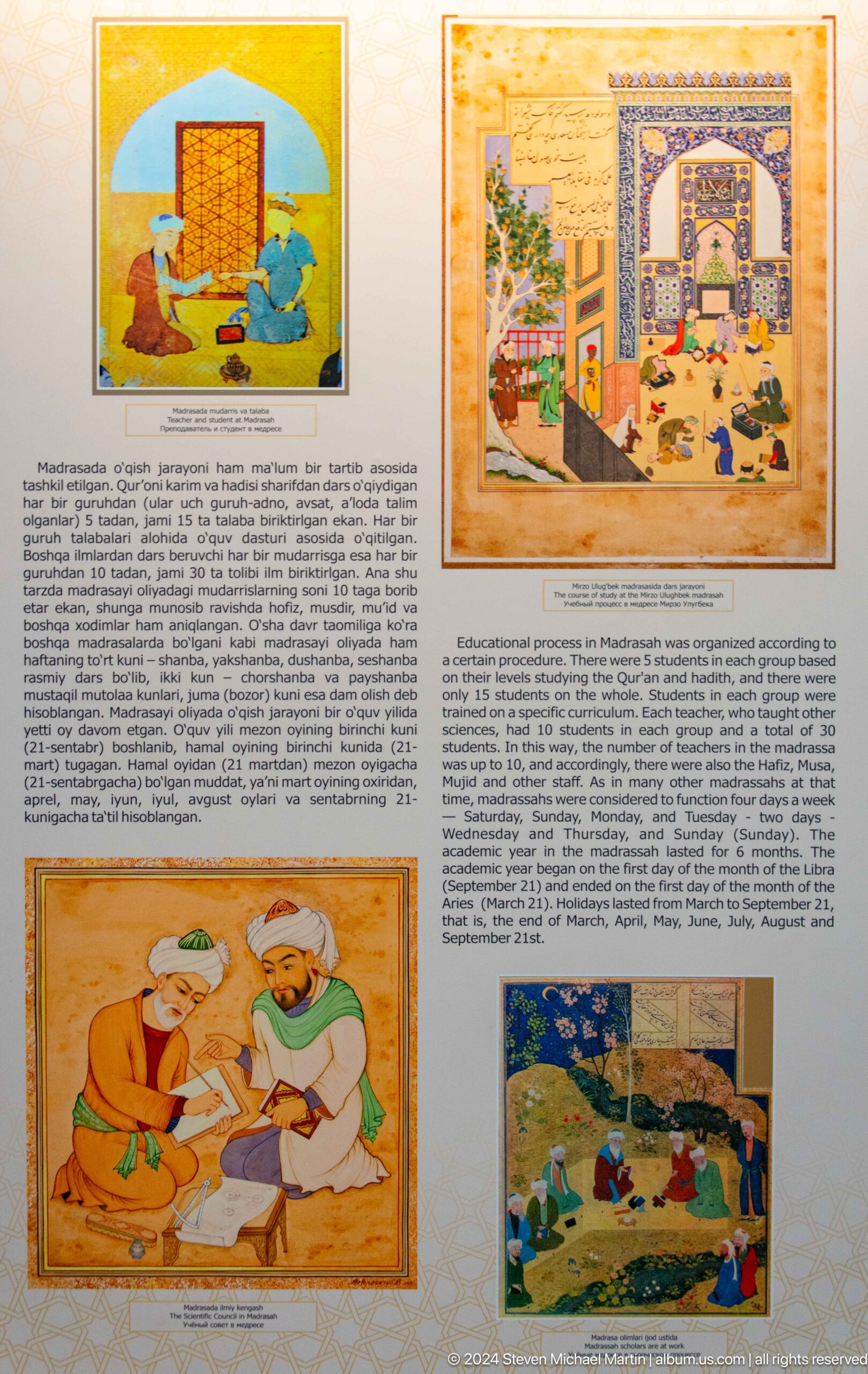
The Registan developed between the 15th and 17th centuries during the Timurid and later Uzbek periods. Ulugh Beg, grandson of Timur, established one of the earliest madrasas here in 1417, emphasizing mathematics, astronomy, and philosophy. The square functioned as a center of learning and public life, illustrating the intellectual vibrancy of Silk Road cities.
🧱 Architectural Features
The ensemble consists of three major madrasas arranged around a central plaza:
- Ulugh Beg Madrasa (1417–1420) – emphasizes geometry, astronomy, and scholarship.
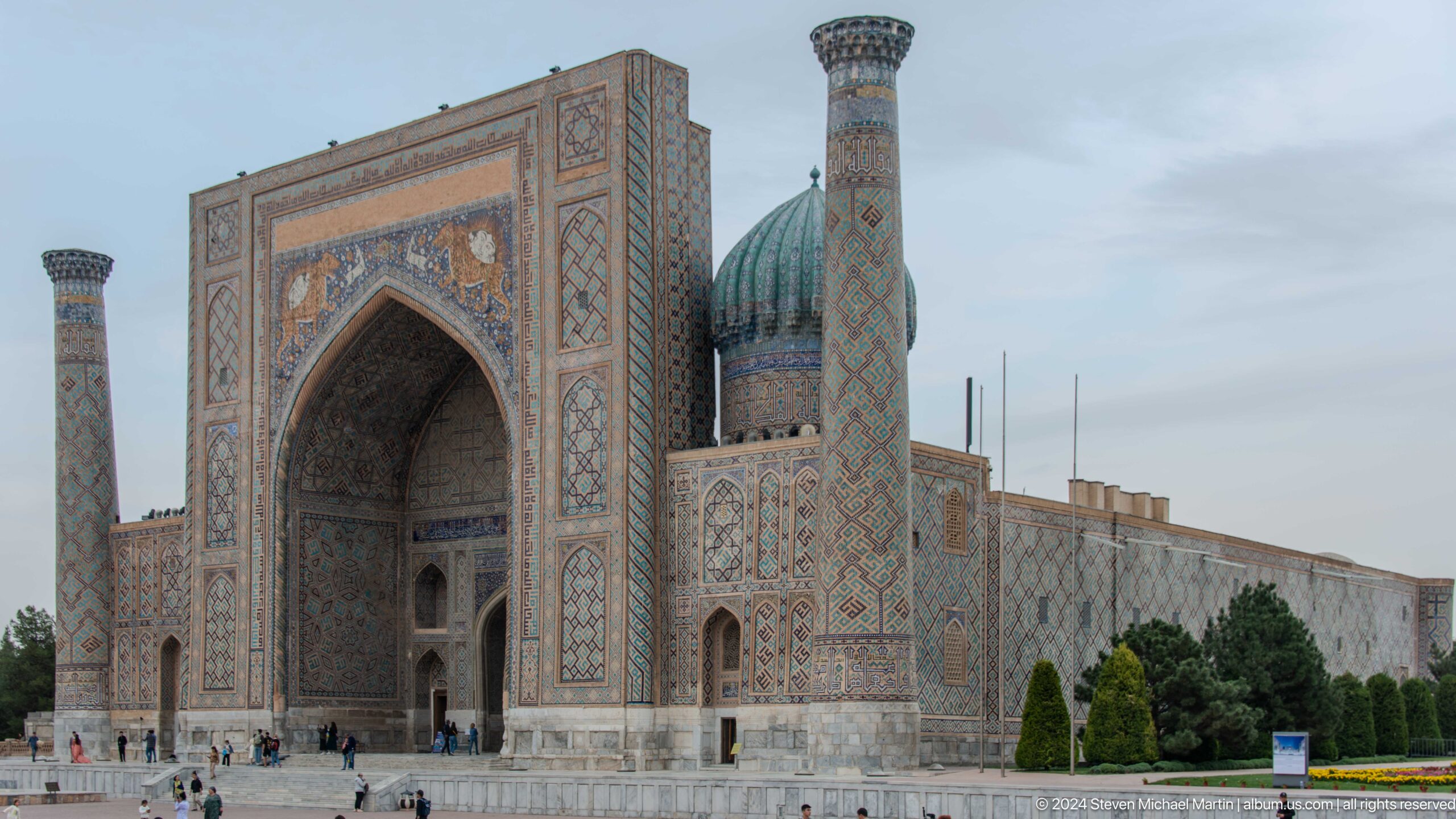
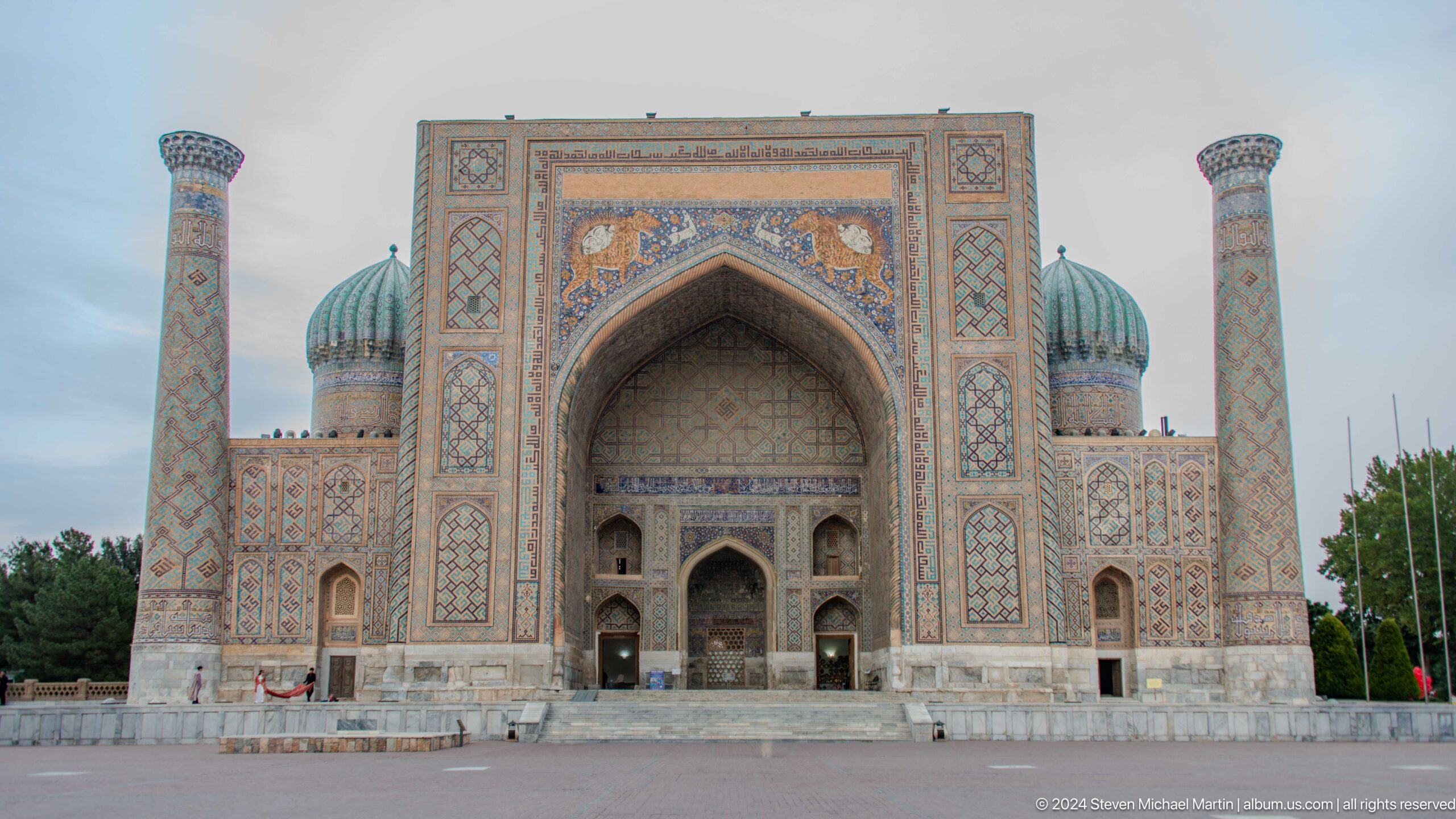
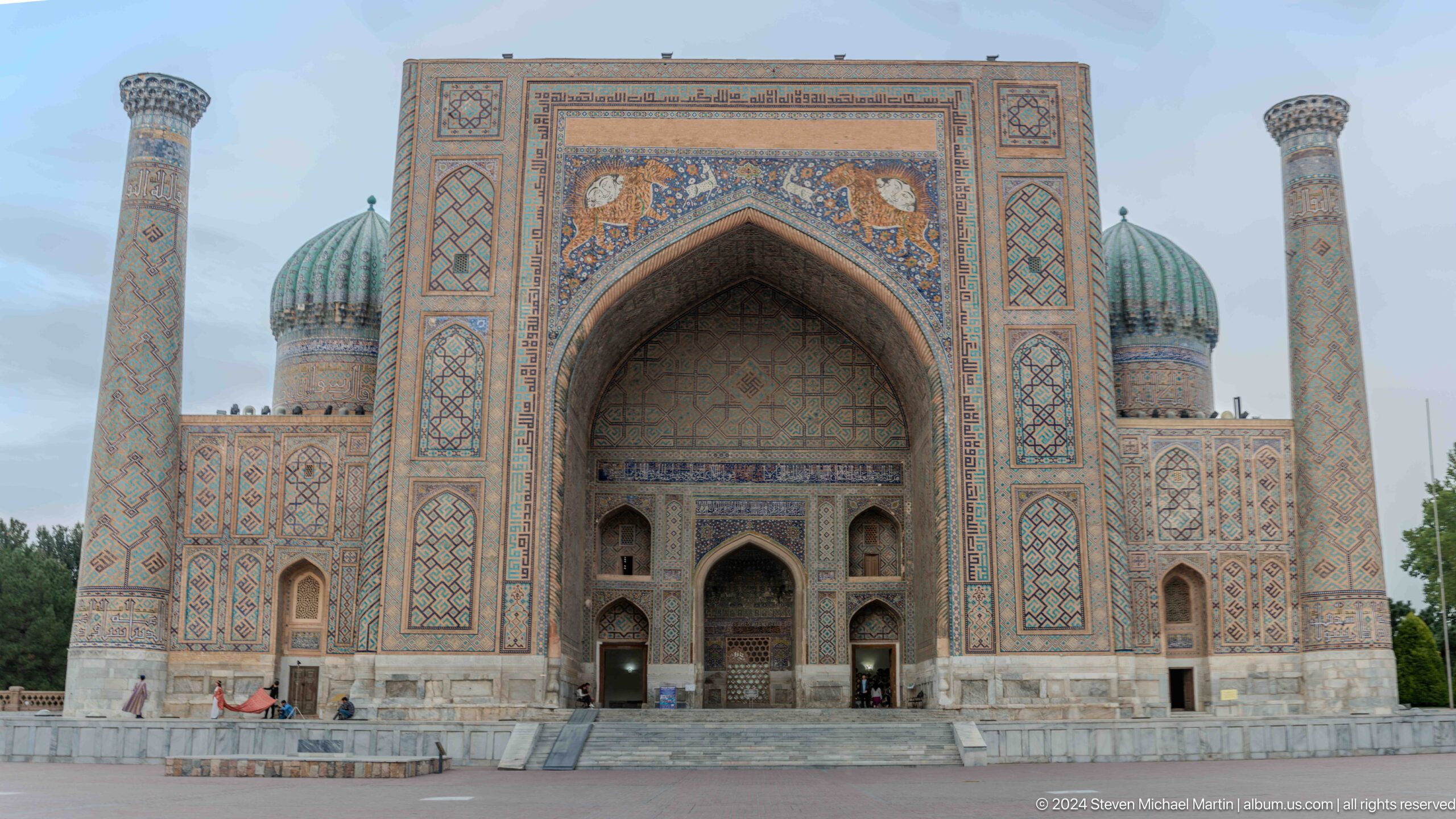
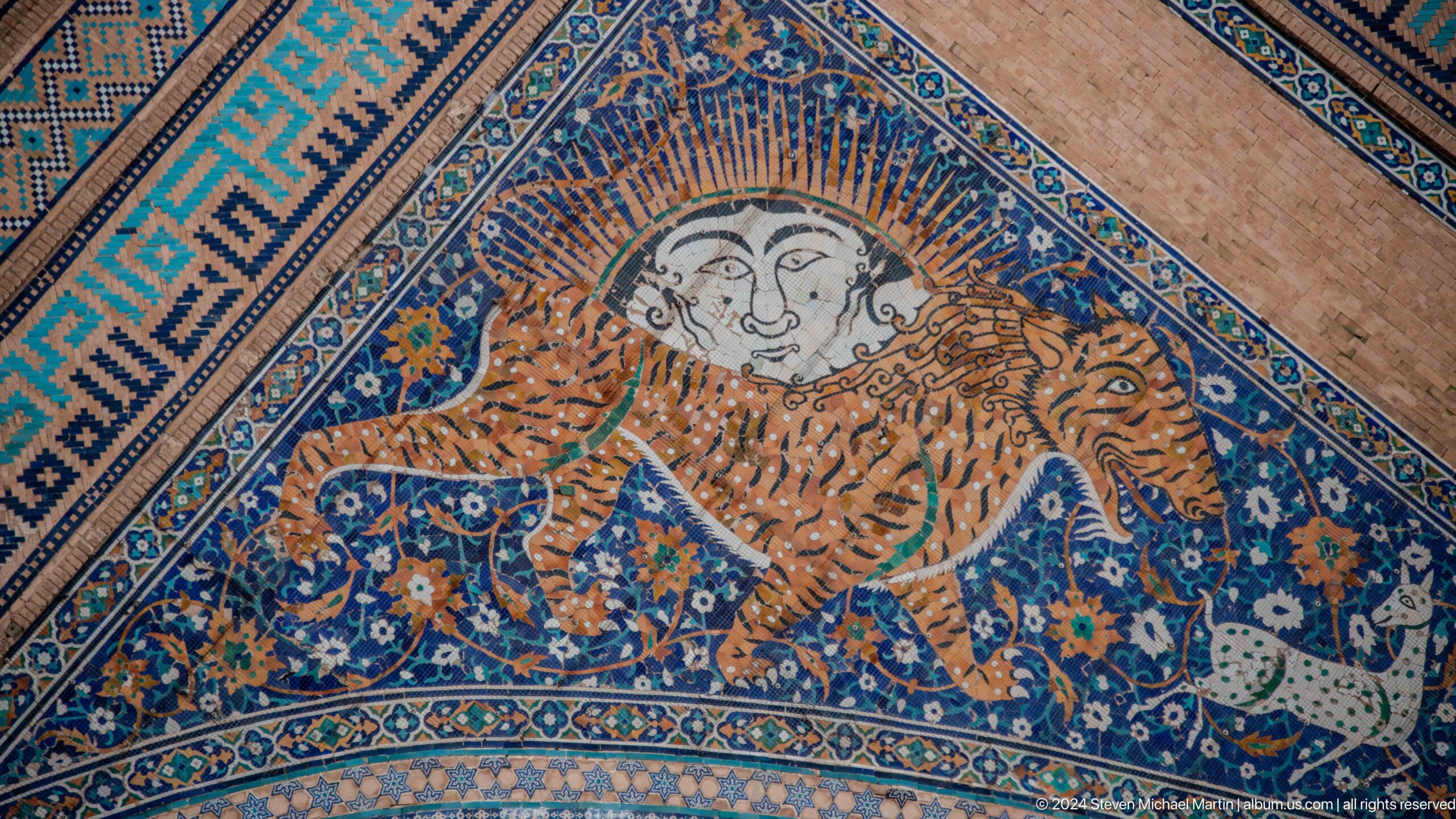
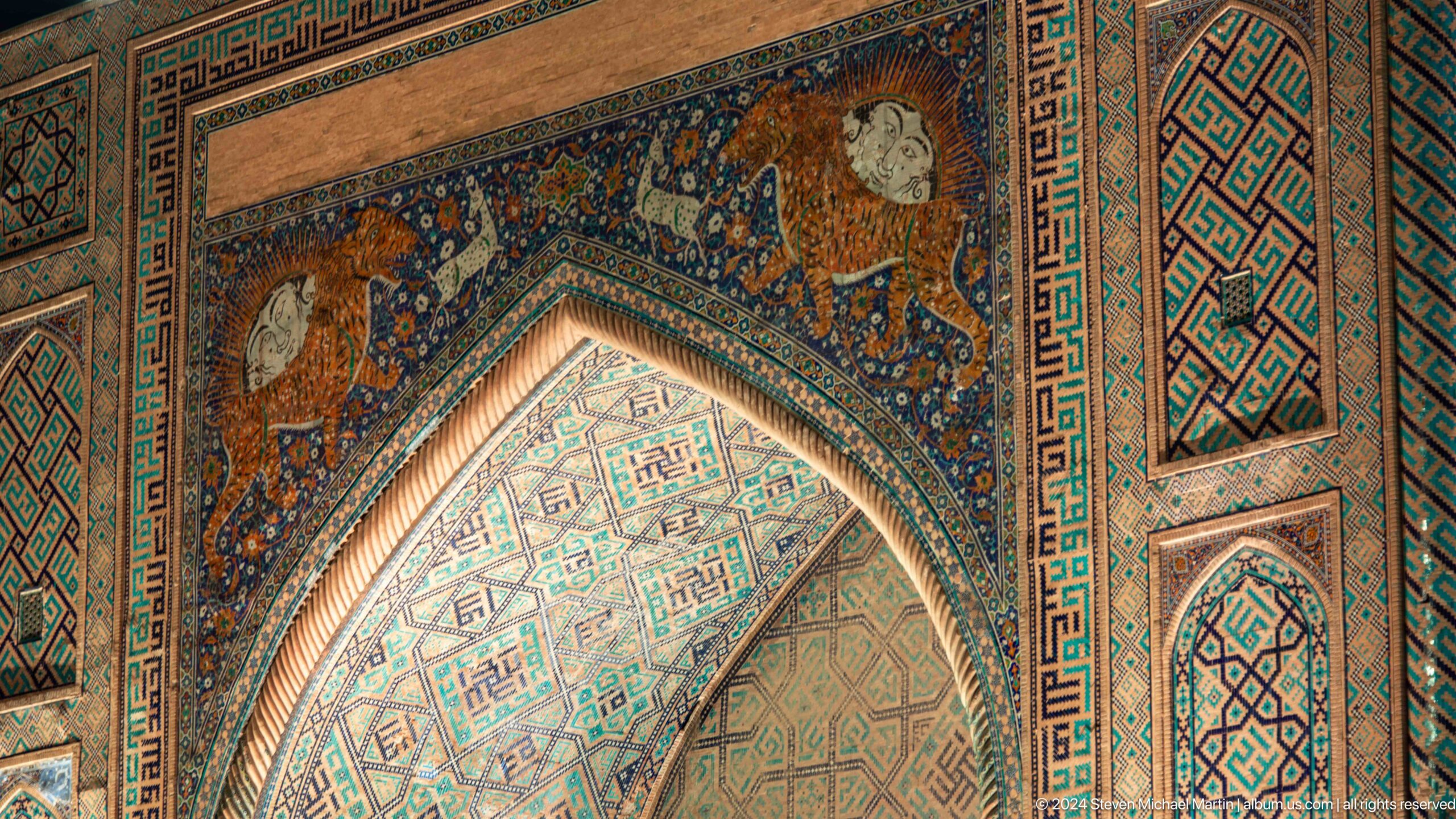
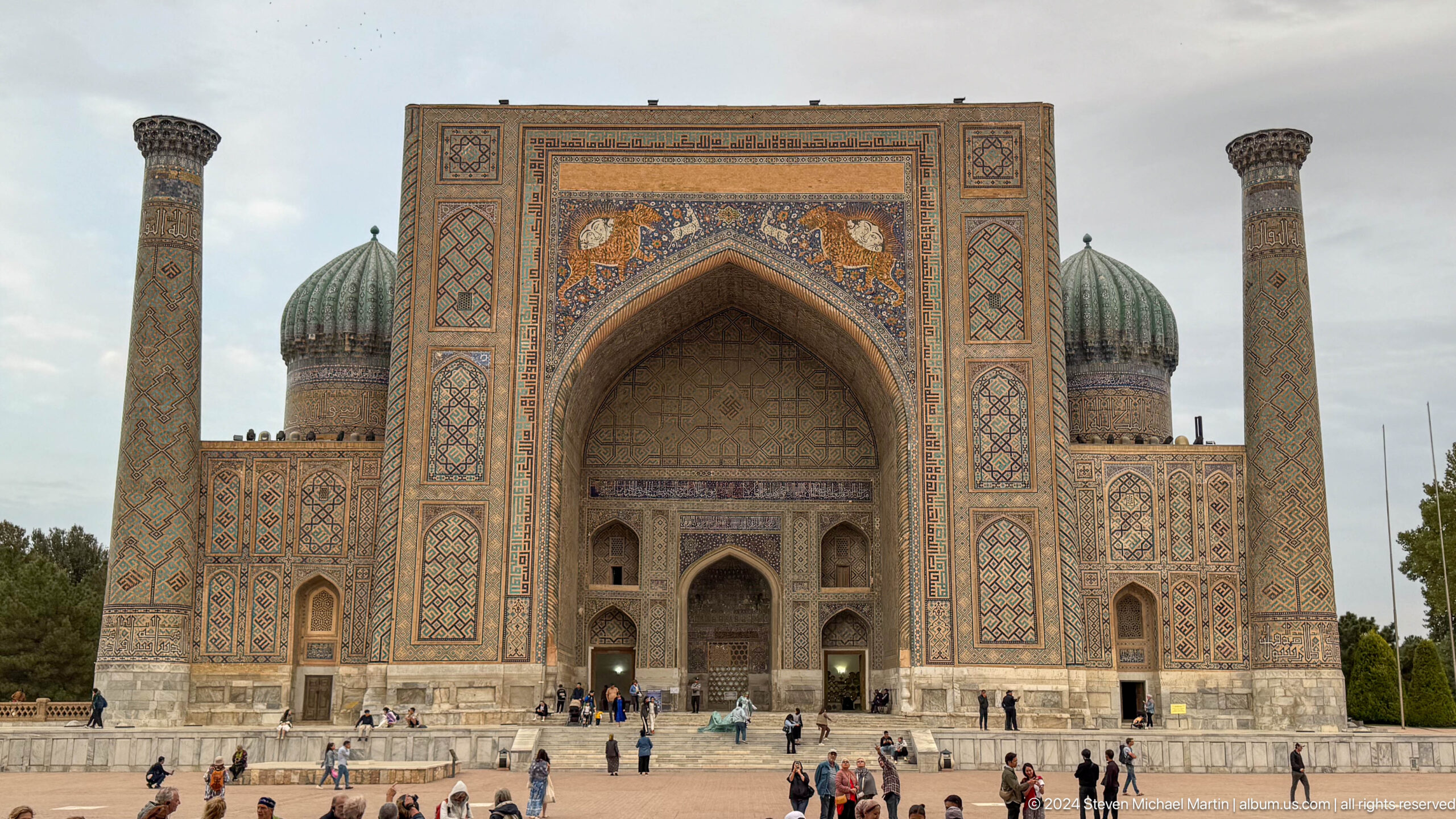
- Sher-Dor Madrasa (1619–1636) – notable for stylized lion imagery, unusual in Islamic decoration.
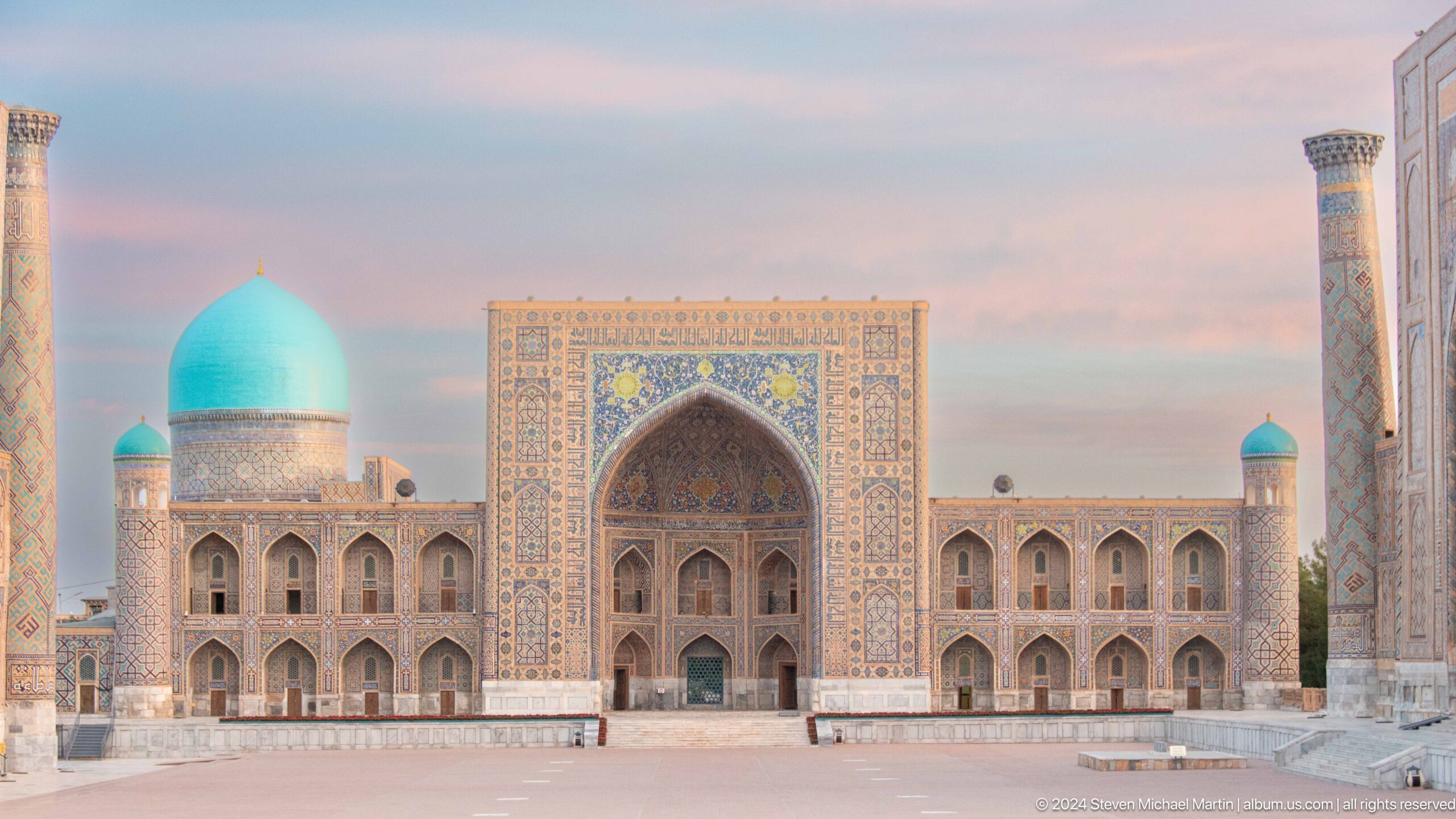
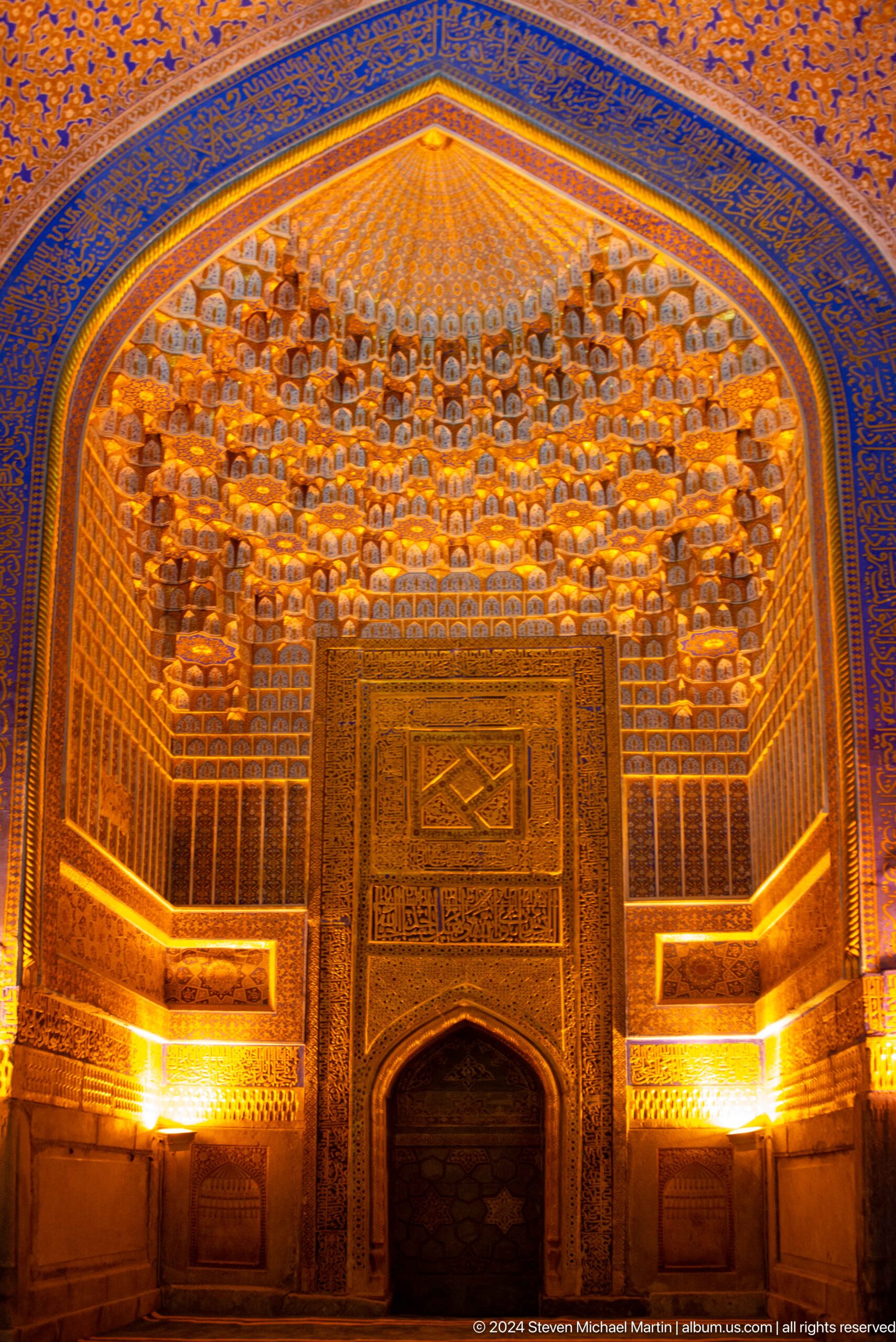
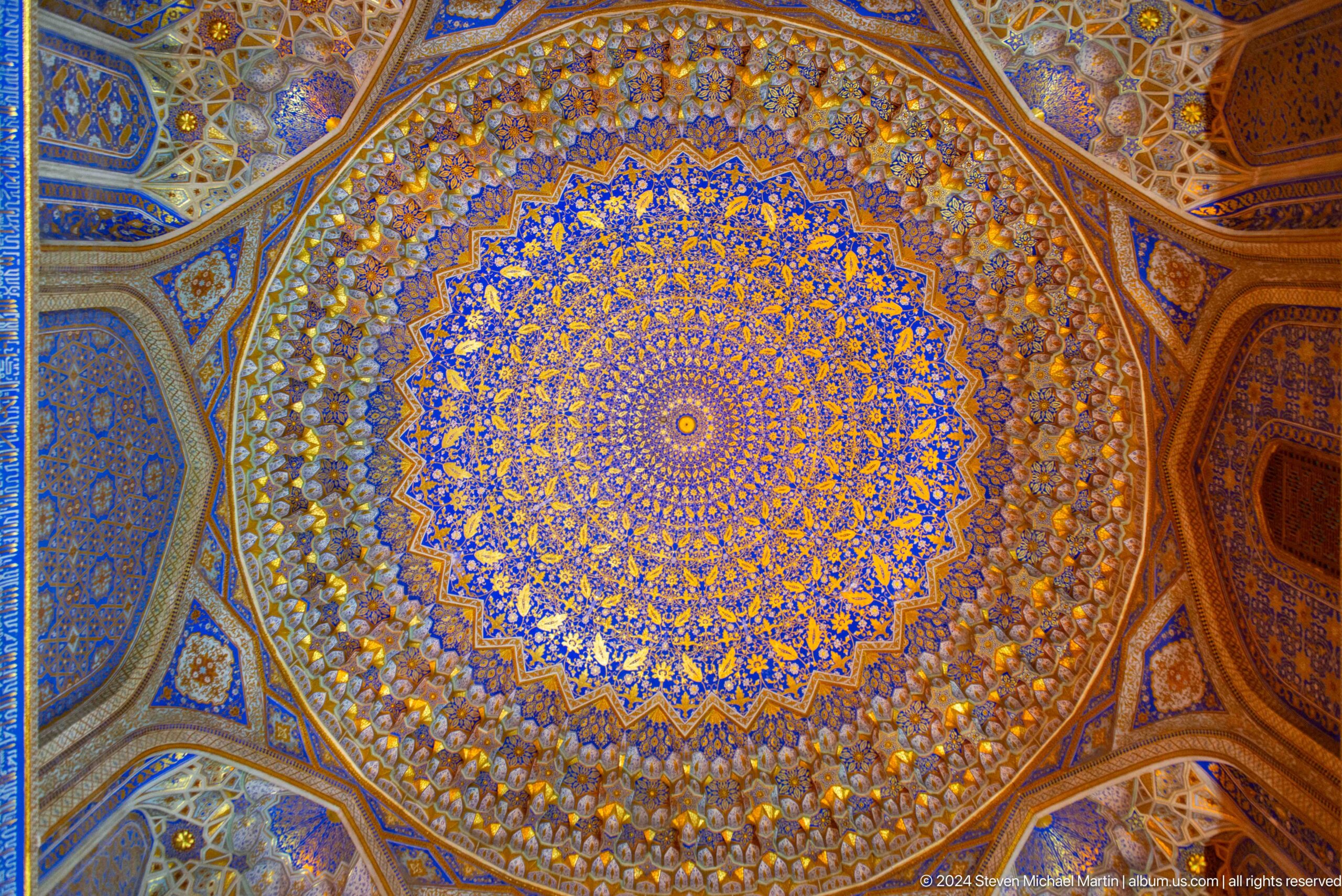
- Tilya-Kori Madrasa (1646–1660) – features richly gilded interior decoration and mosque space.
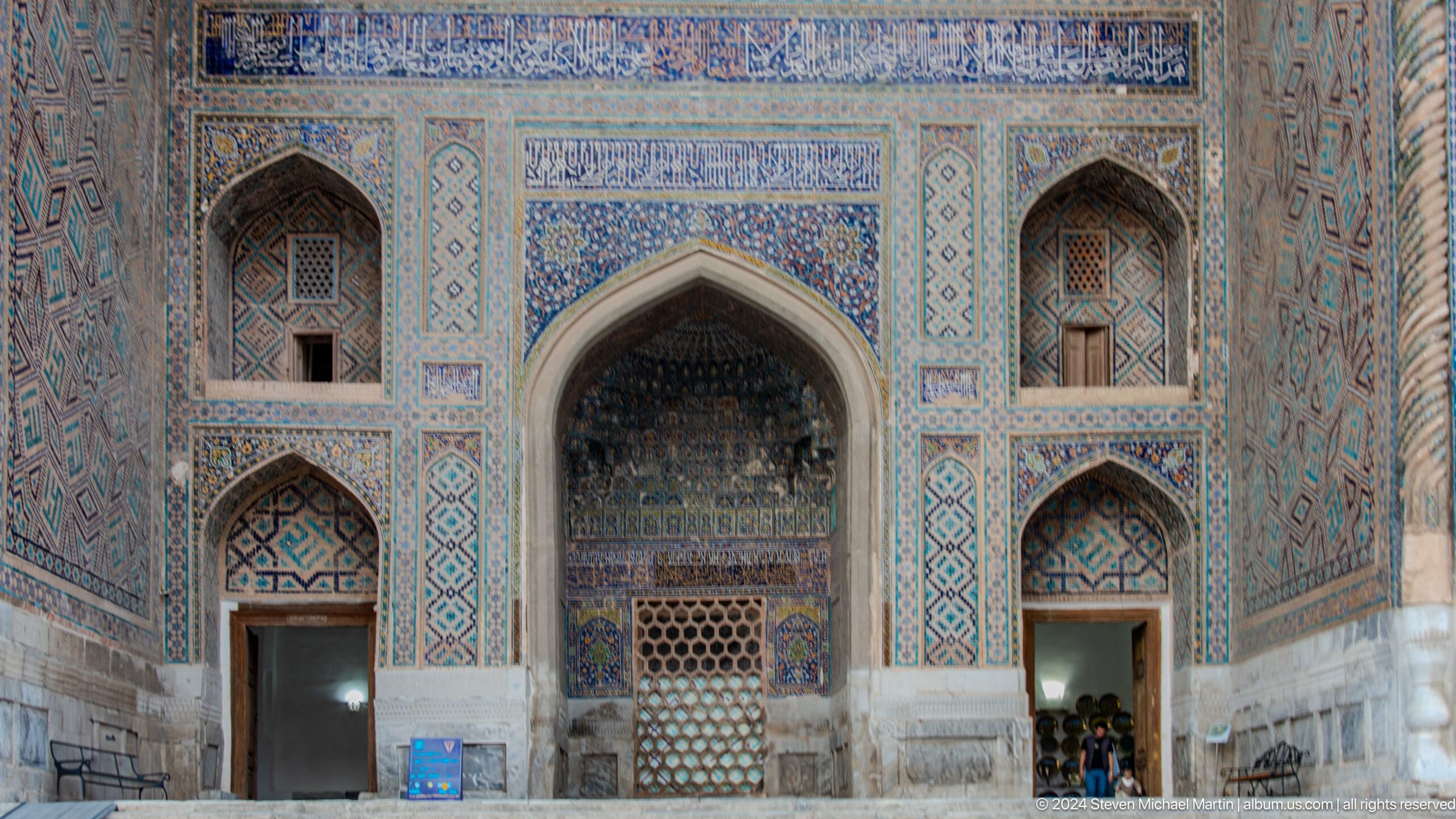
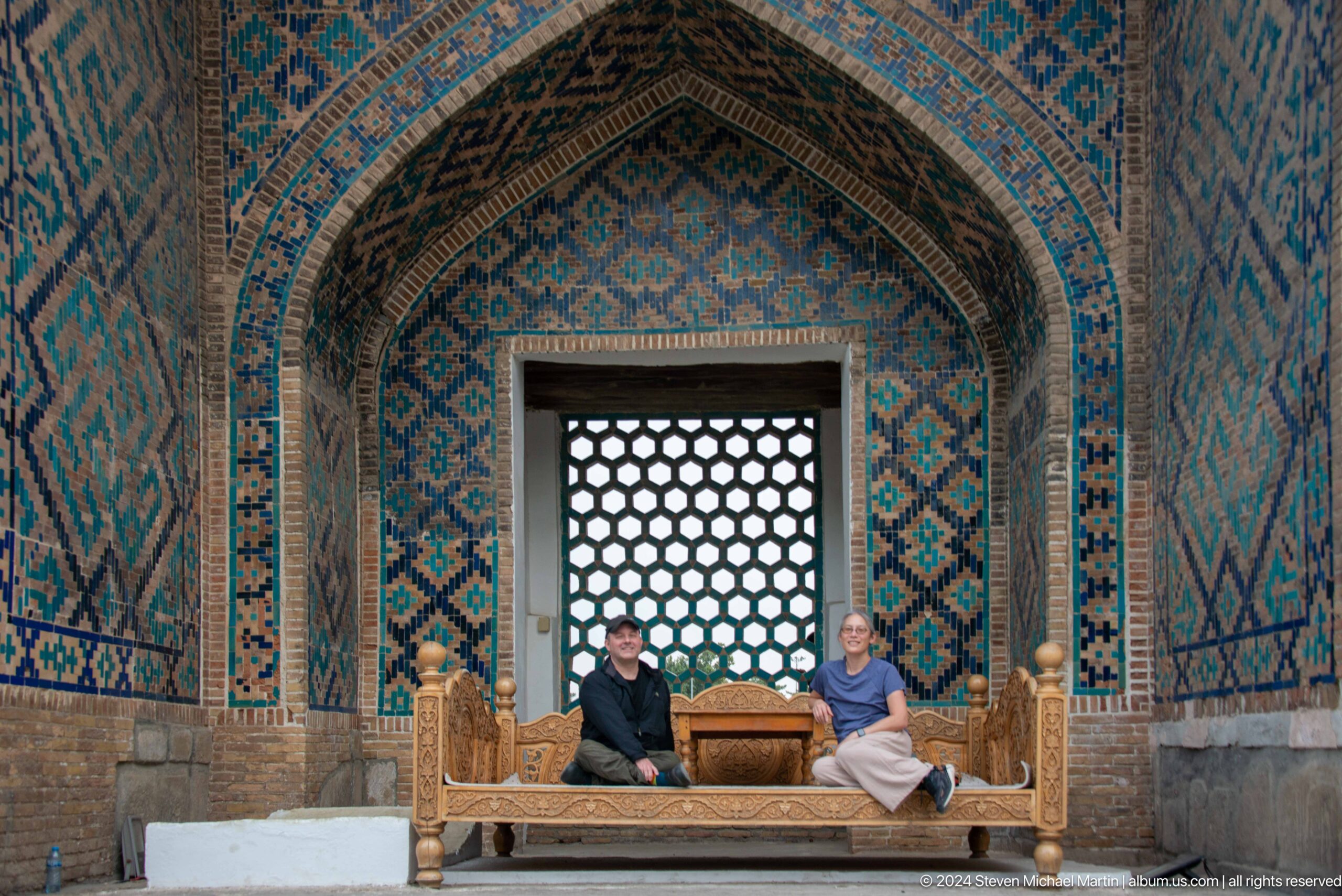
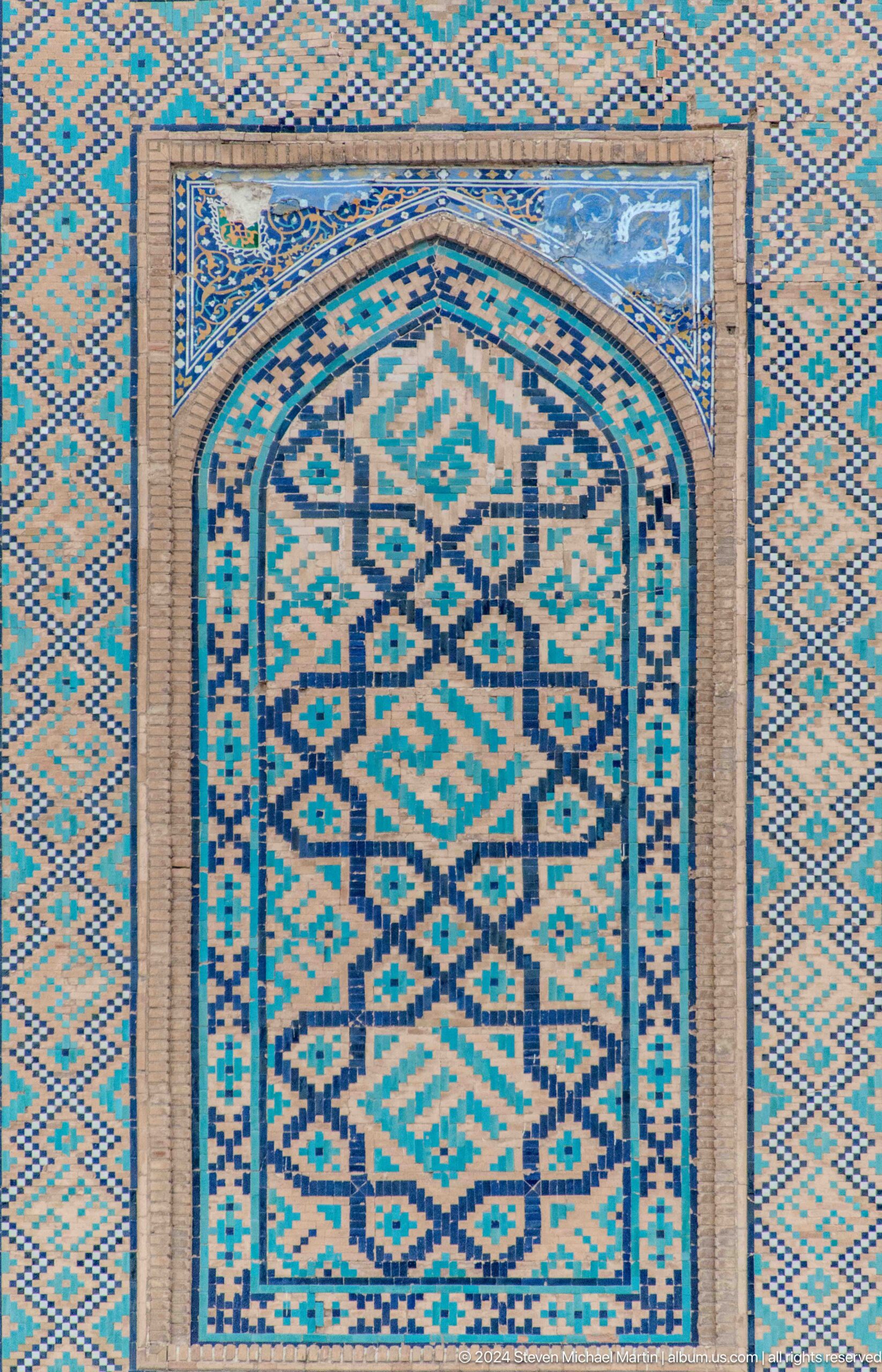
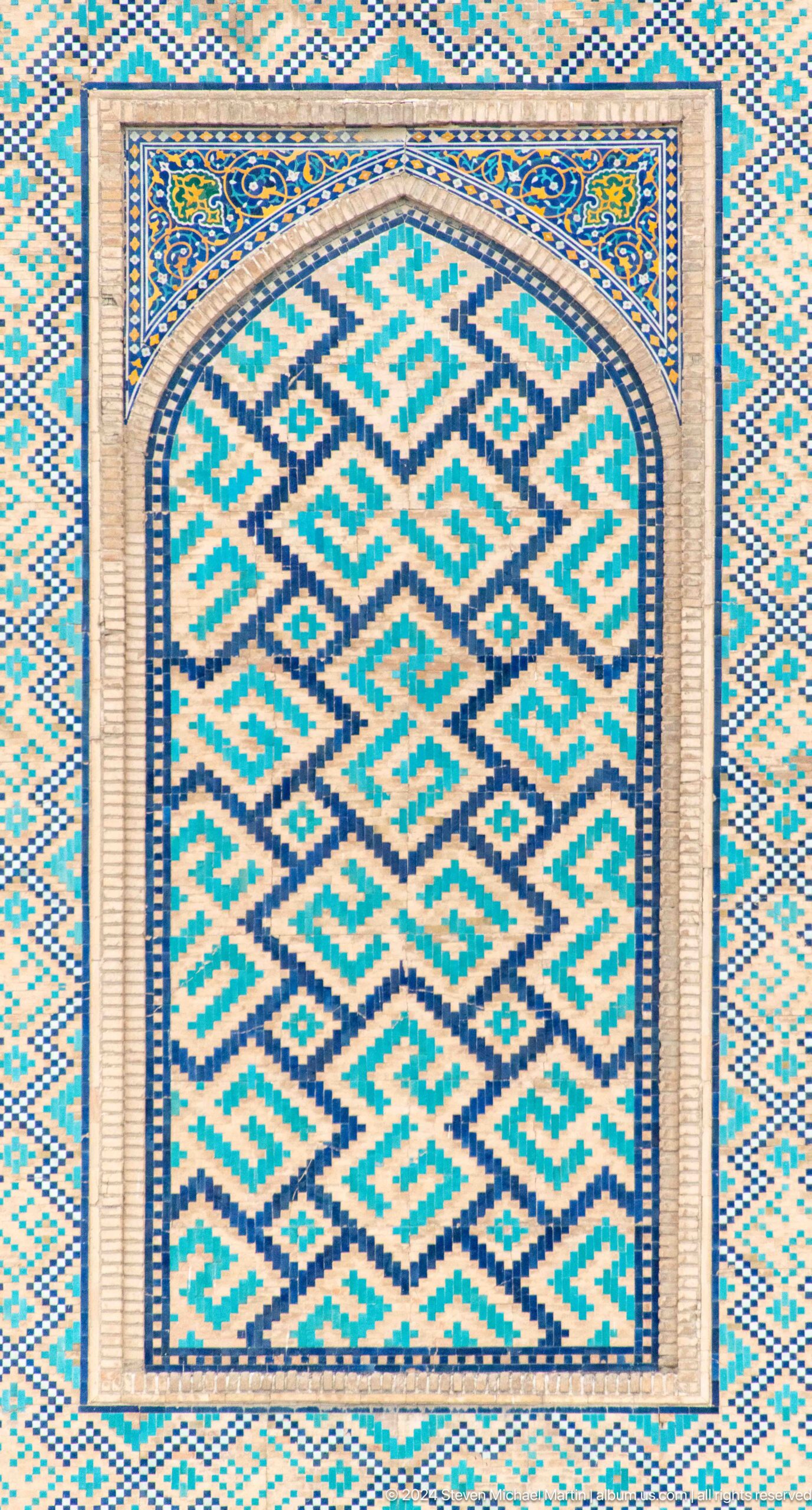
Intricate tile mosaics, calligraphy, and geometric patterns demonstrate advanced mathematical understanding and artistic sophistication characteristic of Islamic architecture along the Silk Road.
🌍 Cultural Importance
Registan symbolized the intellectual life of Samarkand and the broader Timurid Empire. Scholars studying theology, astronomy, philosophy, and mathematics gathered here, contributing to advances in science and culture. The square illustrates how Silk Road trade routes facilitated not only the movement of goods but also ideas and artistic traditions.
🧭 Why It Matters on the Silk Road
Registan represents the cultural exchange made possible by Silk Road connectivity. Artistic influences from Persia, Central Asia, and the Islamic world combined to produce one of the most recognizable architectural landscapes in Eurasia. The square demonstrates how trade networks encouraged intellectual collaboration across civilizations.
⭐ Highlights
- One of the most recognizable architectural ensembles in Central Asia
- Center of scholarship during the Timurid Golden Age
- Exceptional tilework featuring geometric and symbolic motifs
- Rare figural imagery incorporated into Islamic architectural decoration
- Symbol of Silk Road intellectual exchange
📷 Photography Notes
- Morning light produces the most even illumination across madrasa facades
- Wide-angle compositions emphasize the symmetry of the square
- Detail images highlight intricate tilework and calligraphy
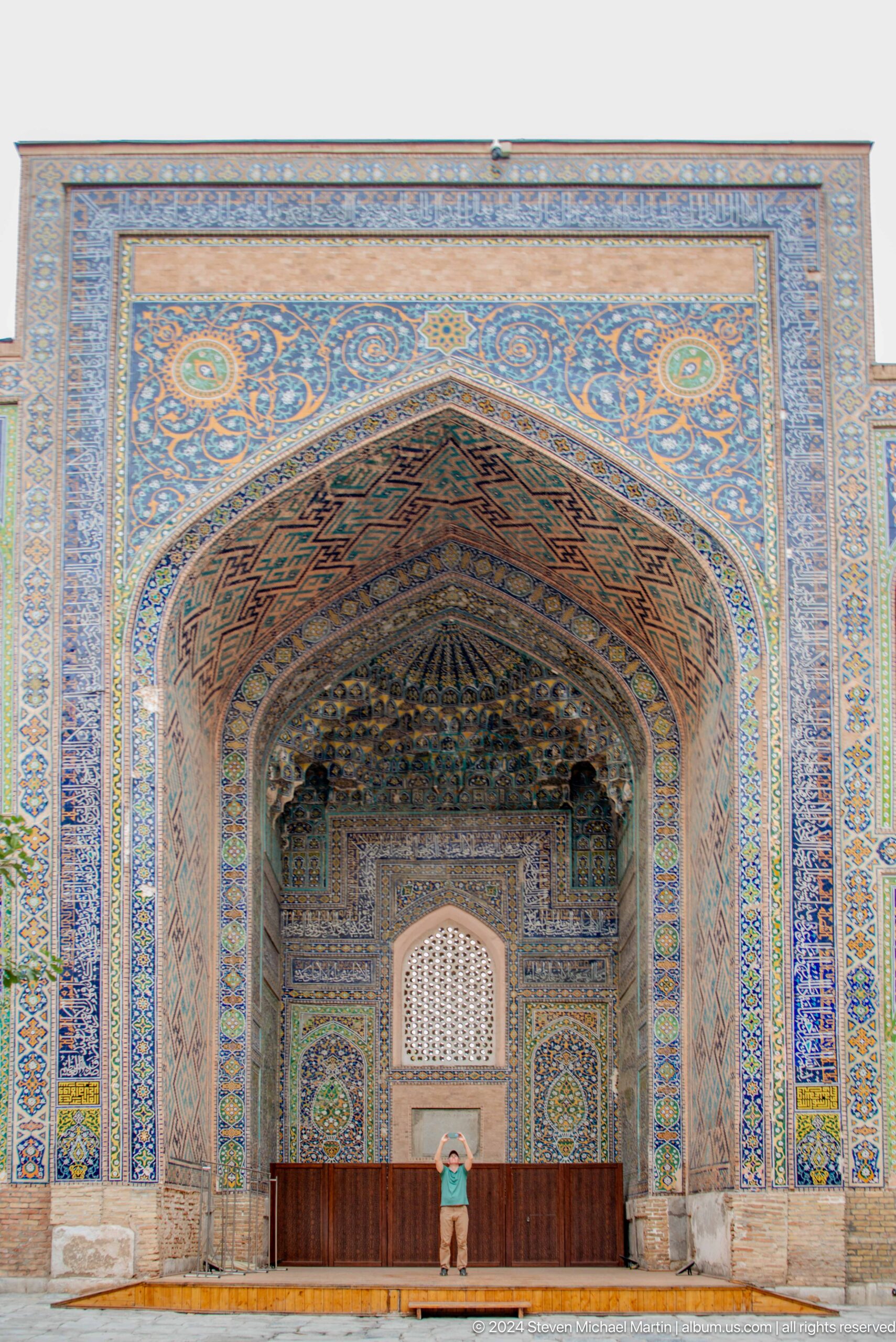
- Low-angle perspectives emphasize monumental scale
- Evening light enhances color contrast in blue tile mosaics