Bukhara
Bukhara is one of the most important historic cities along the Silk Road and served as a major center of Islamic scholarship, commerce, and culture for more than a thousand years. Located in present-day Uzbekistan, the city prospered due to its position connecting trade routes between Persia, Central Asia, and China. Its historic center preserves numerous mosques, madrasas, and marketplaces associated with Silk Road exchange.
Bukhara became known as an intellectual center where scholars studied theology, science, and philosophy. Architectural monuments illustrate the development of Islamic artistic traditions influenced by cultural exchange across Eurasia. The city’s preserved urban fabric demonstrates continuity in religious and commercial life.
Bukhara illustrates the importance of oasis cities in supporting long-distance trade across Central Asia. Its preserved monuments reflect the intellectual and commercial vitality of Silk Road civilization.



































































Field Guide
📍 Overview
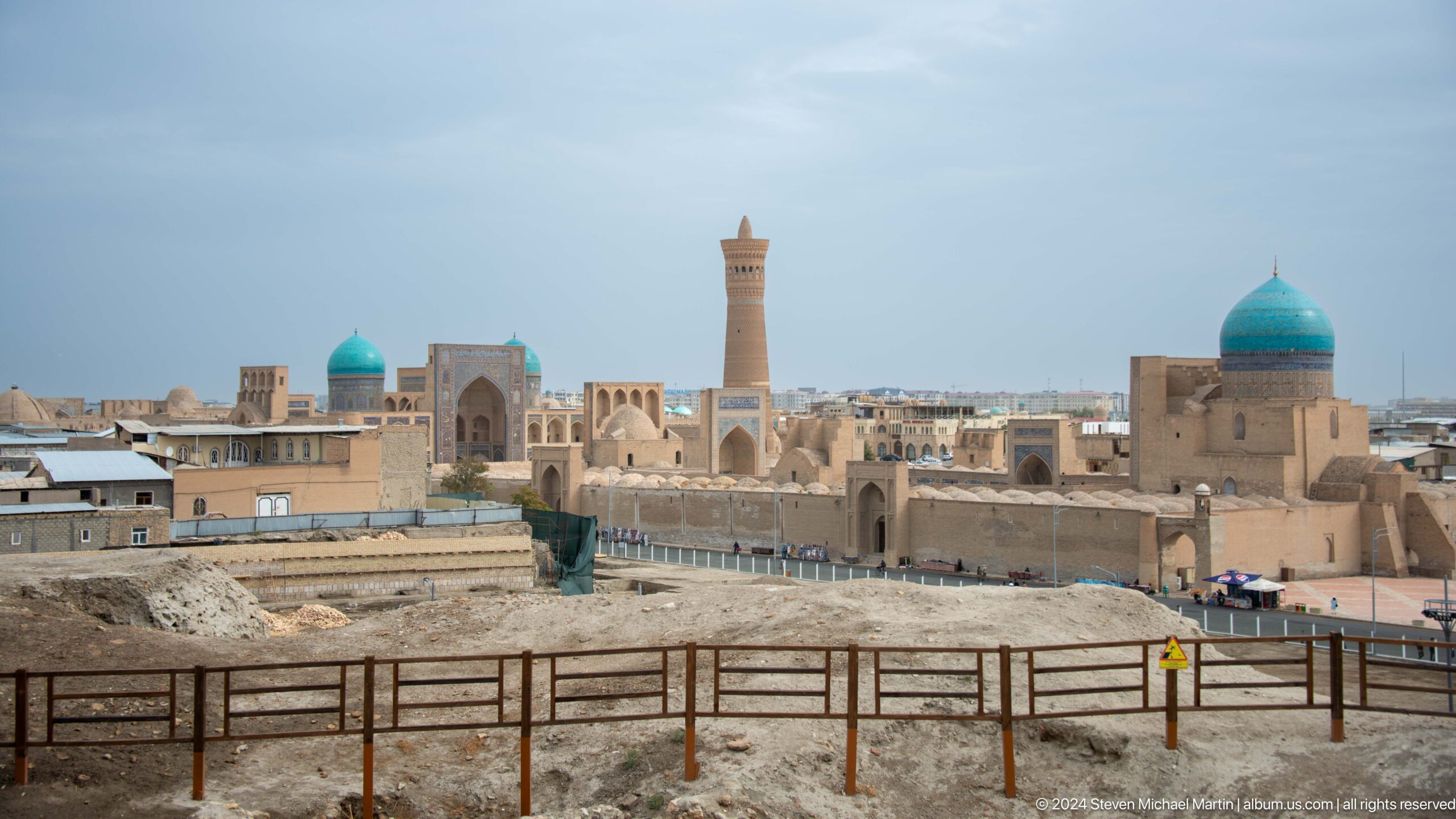
Bukhara is one of the most historically significant cities along the Silk Road and served as a major center of trade, religion, and scholarship for more than a millennium. Located in an oasis environment in present-day Uzbekistan, the city flourished as caravans transported goods, ideas, and artistic traditions across Central Asia. Its historic core preserves an exceptional concentration of mosques, madrasas, minarets, and trading domes.
🏛 Historical Significance
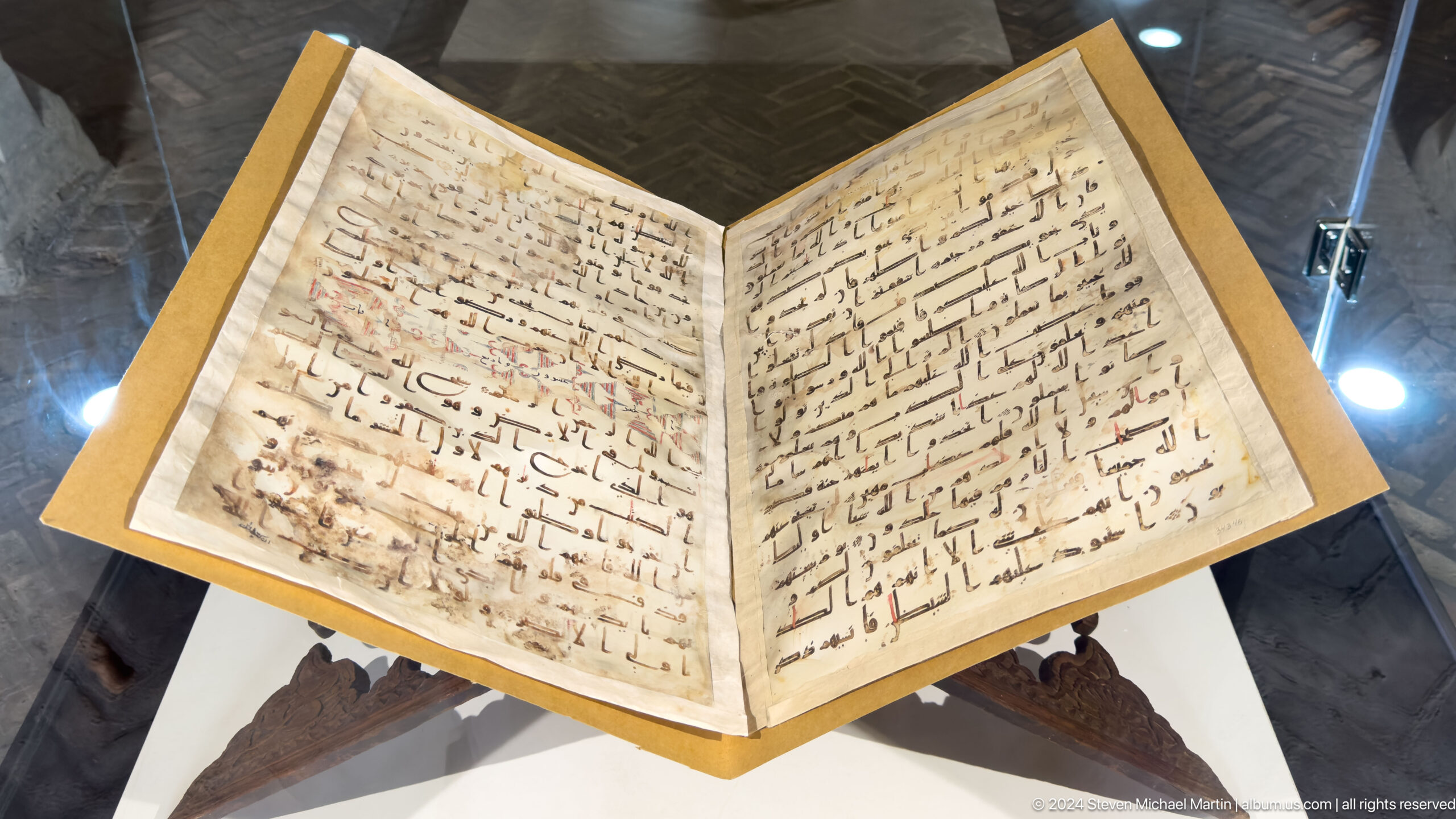
Bukhara developed as a major intellectual center of the Islamic world between the 9th and 16th centuries. Scholars in theology, mathematics, medicine, and philosophy studied here, contributing to advances that spread throughout Eurasia. The city’s importance grew under Persian, Samanid, and later Timurid and Uzbek rule, reflecting the changing political landscape of Silk Road empires.
🧱 Architectural Features
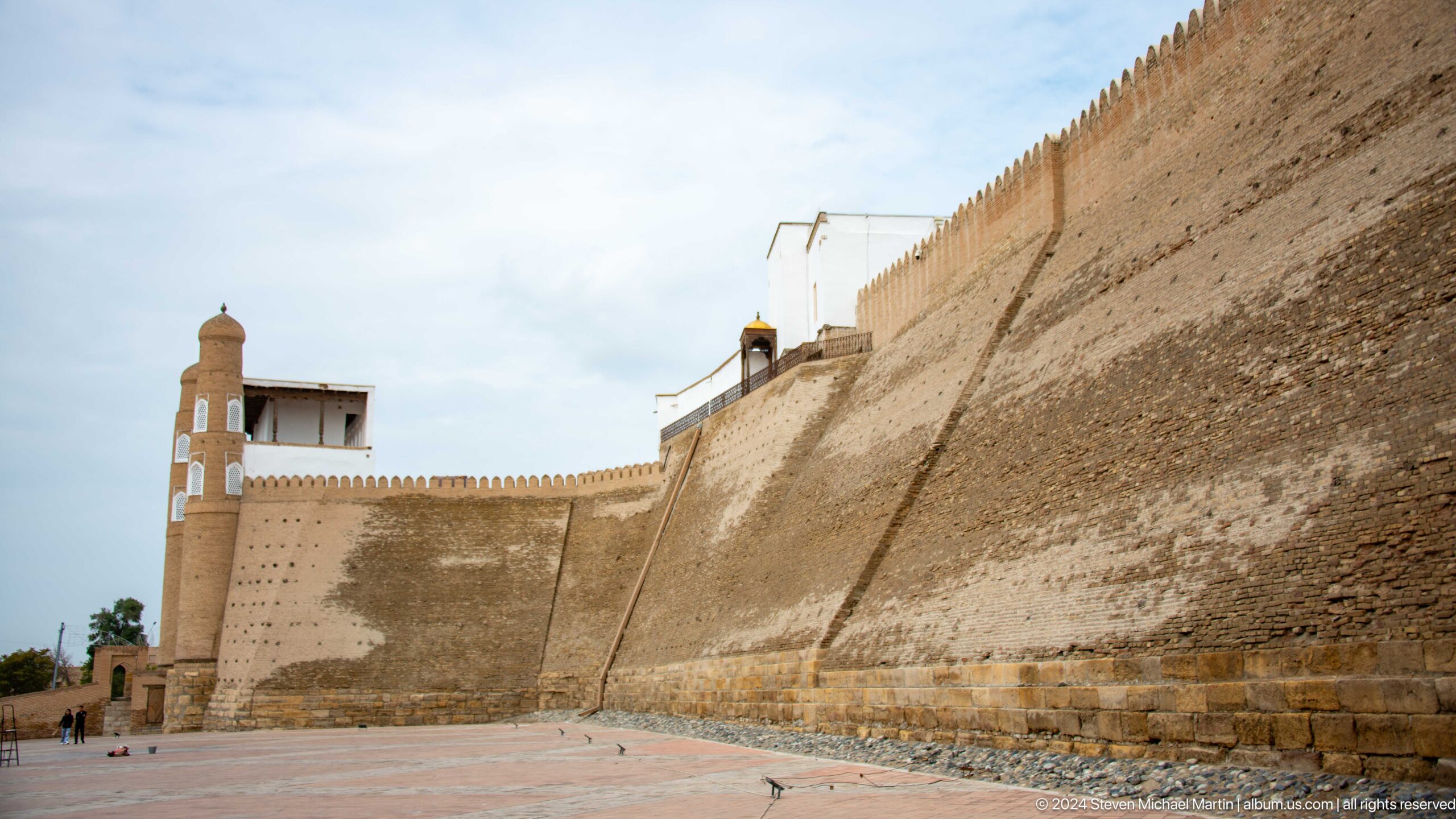
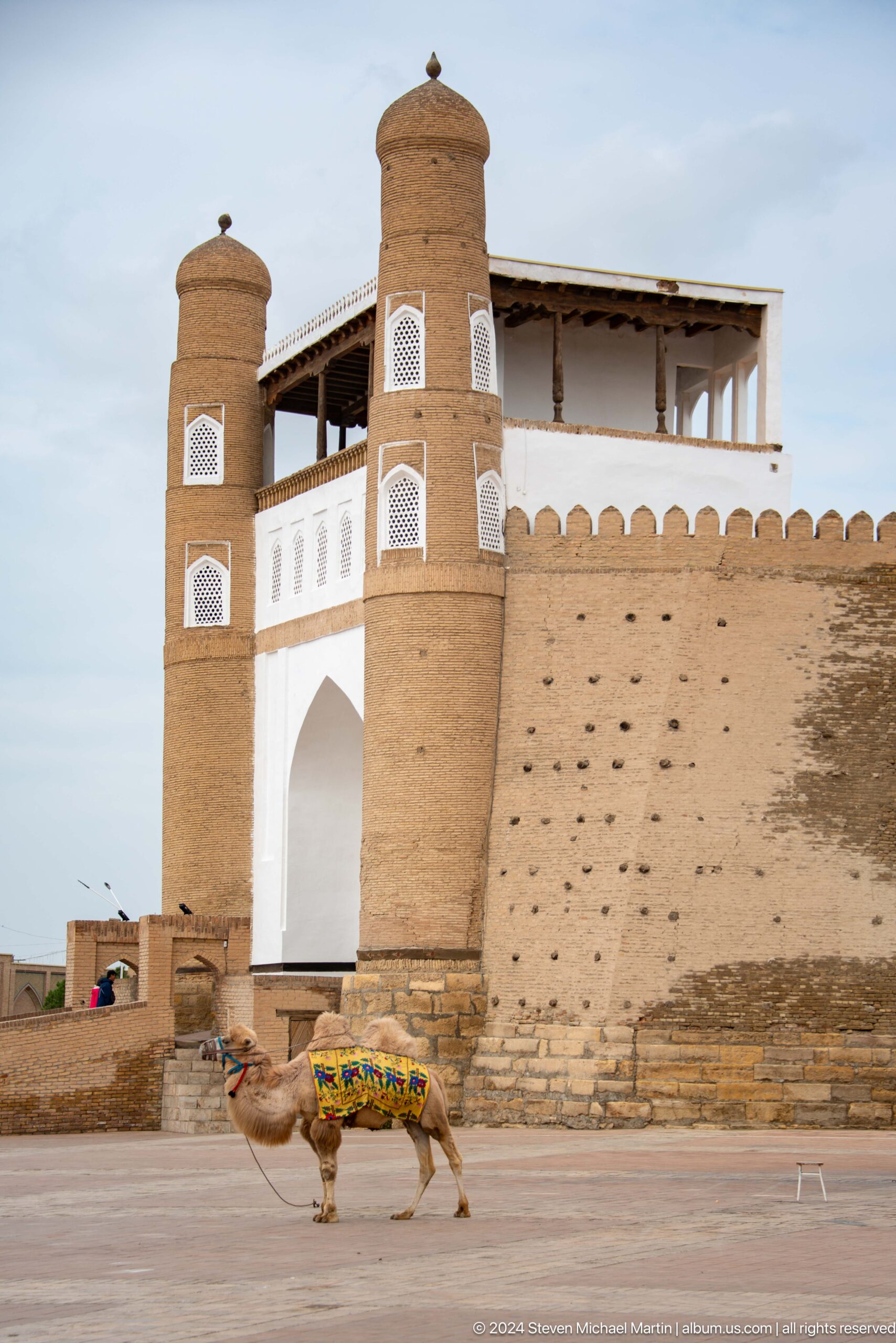
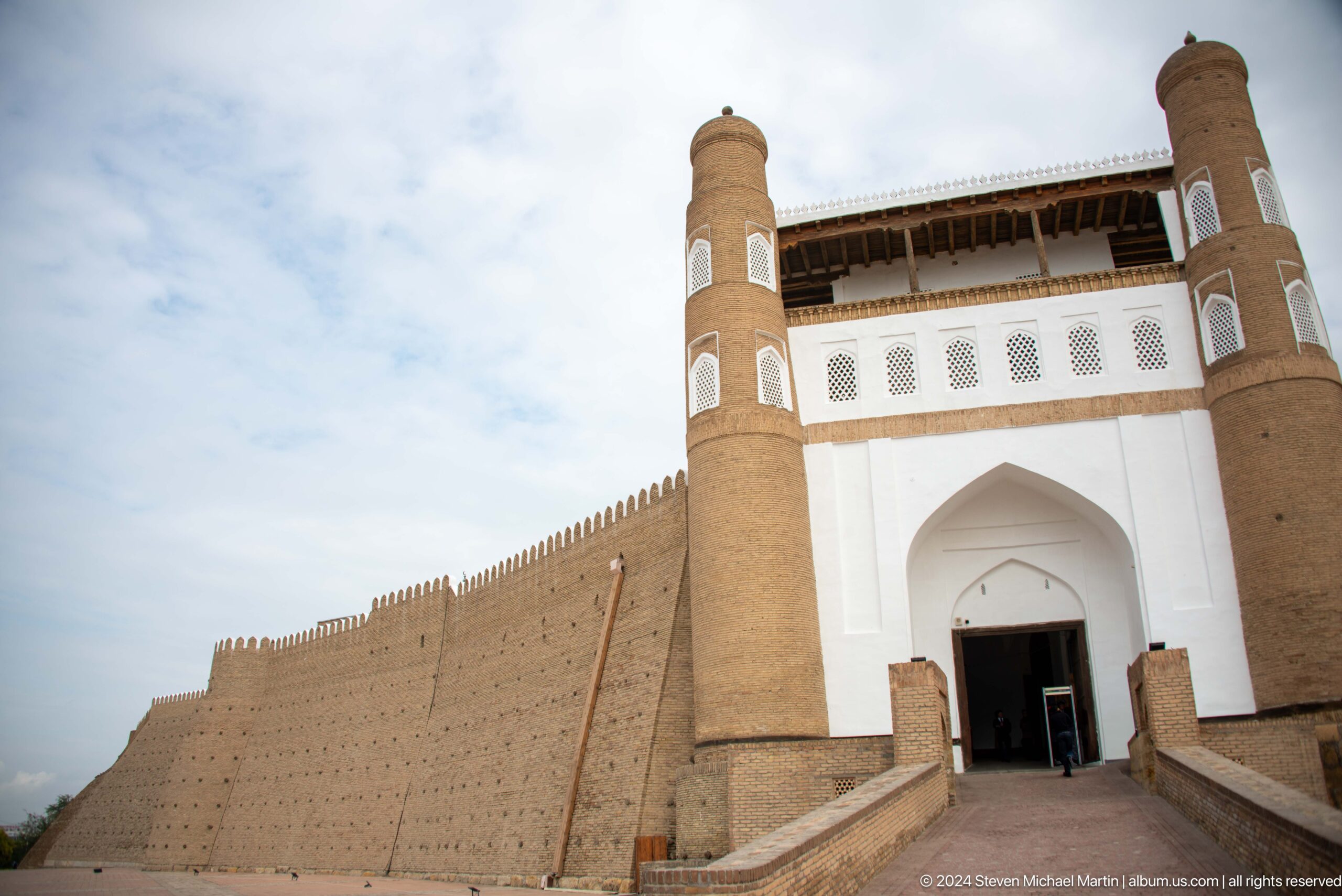
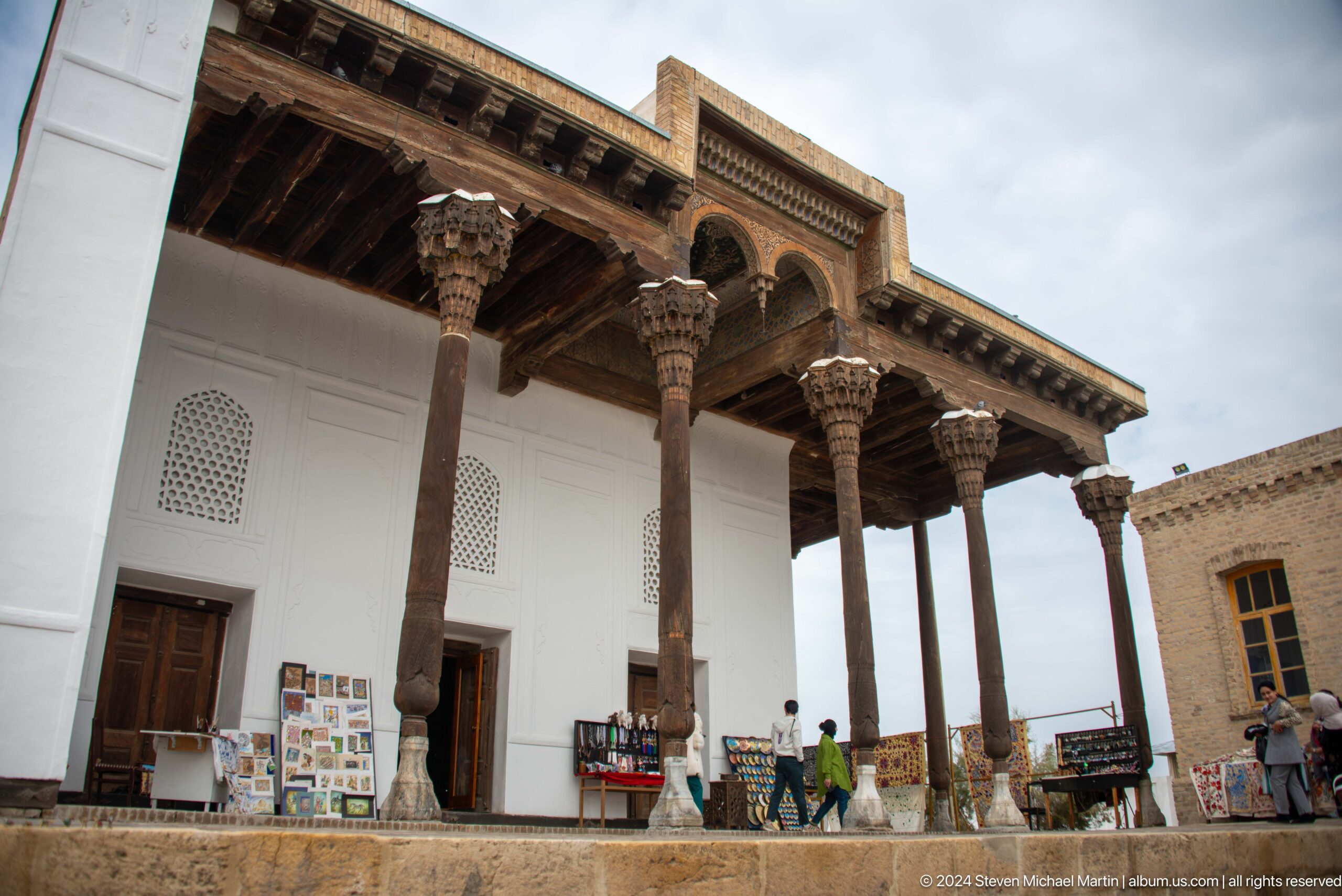
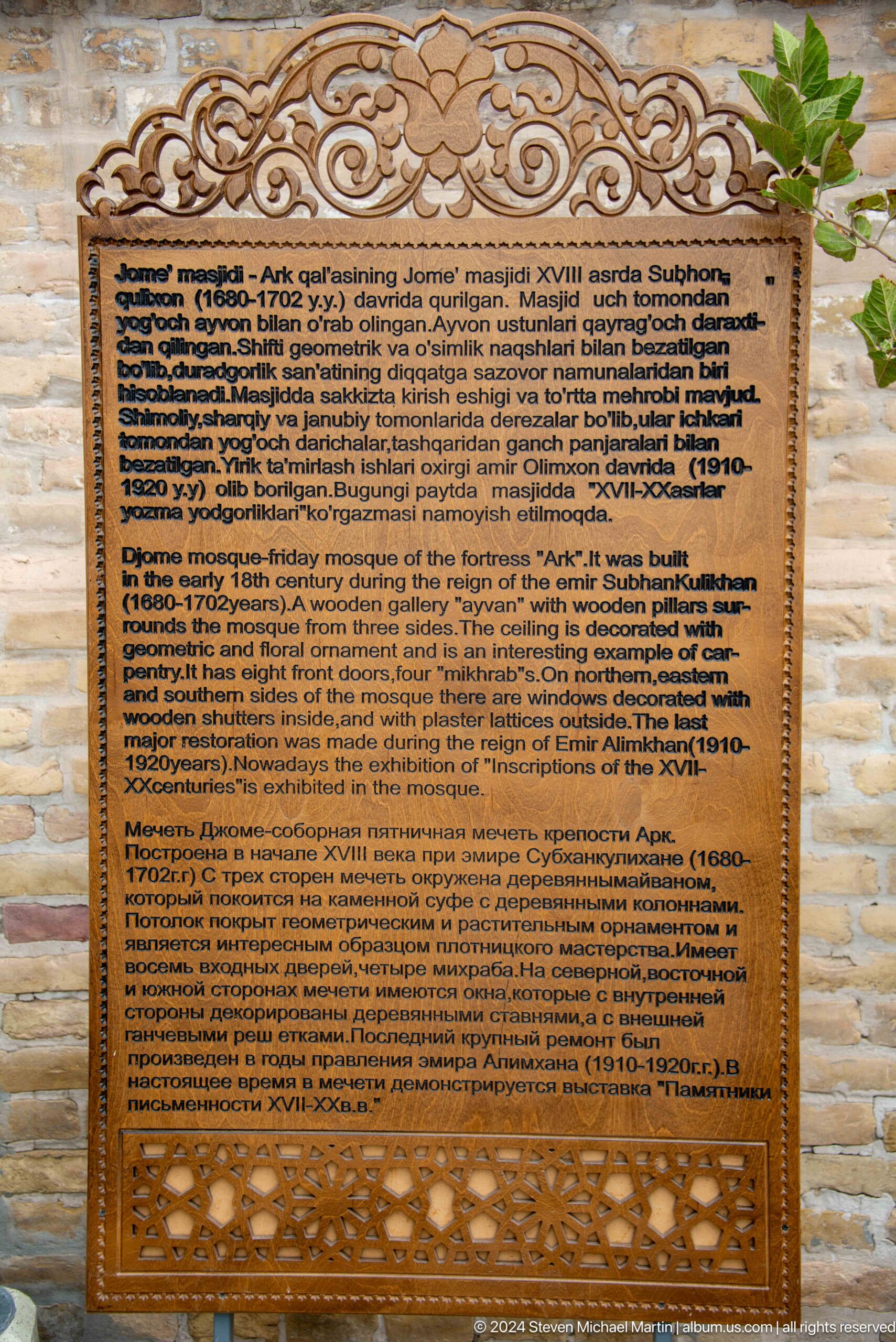
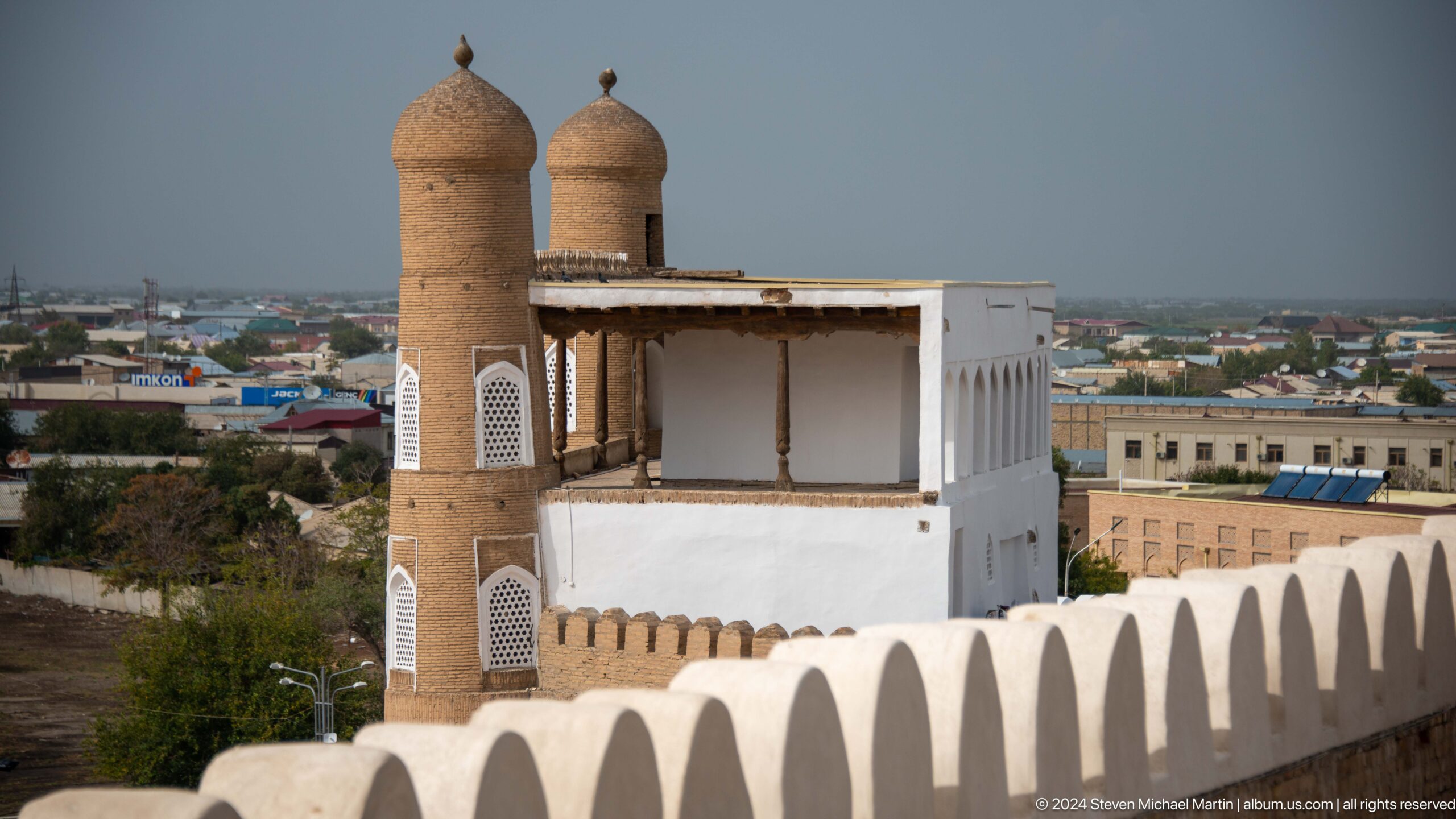
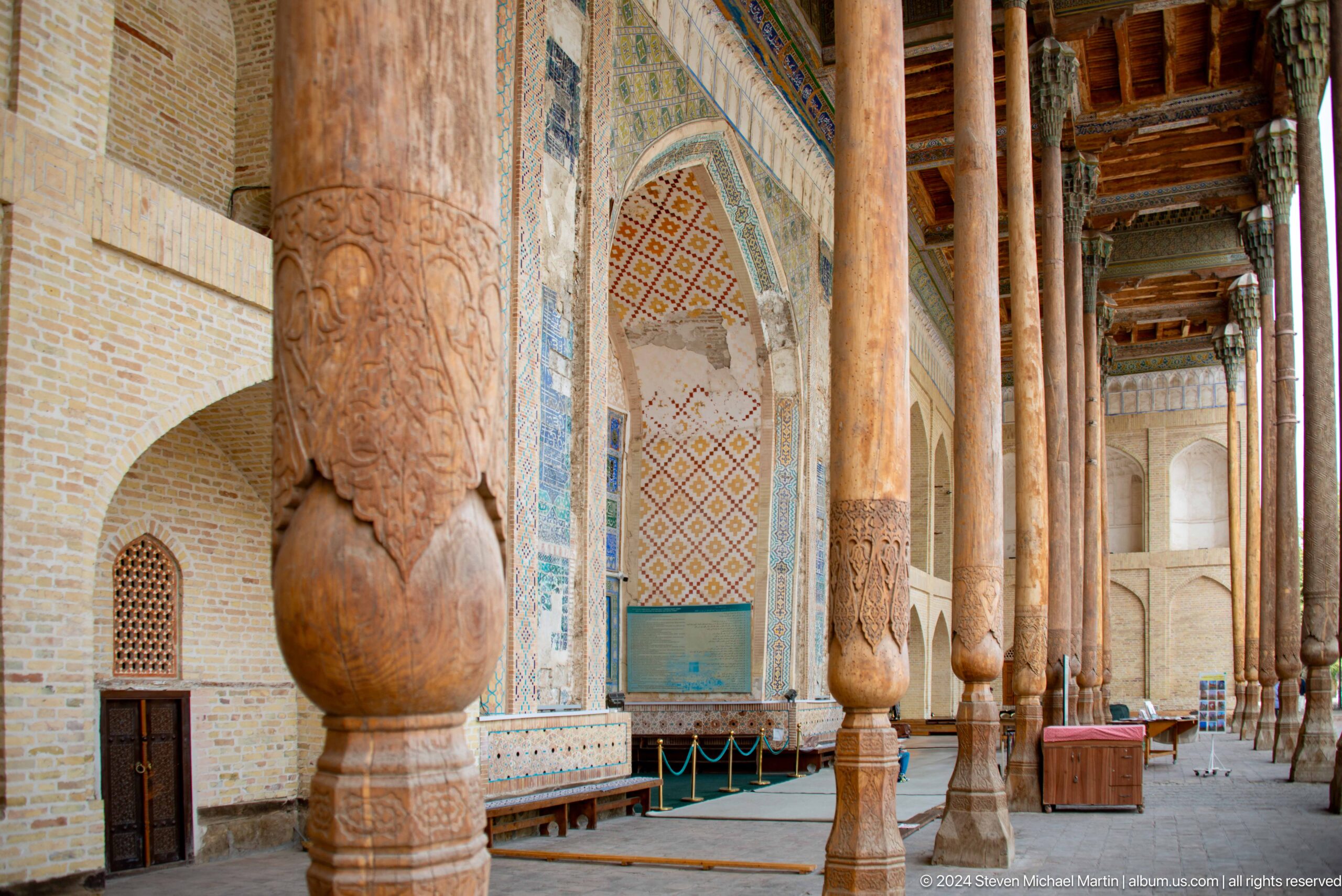
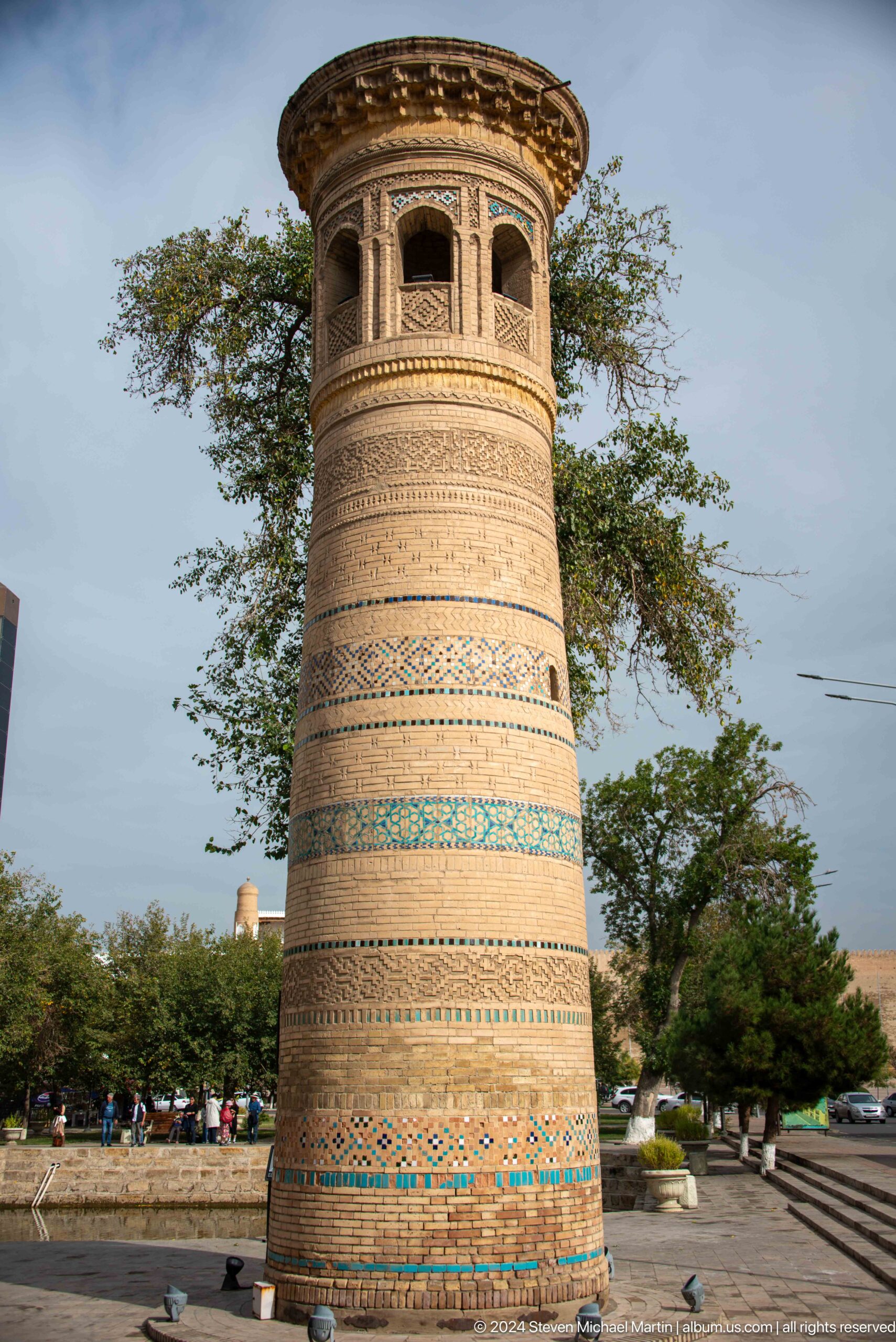
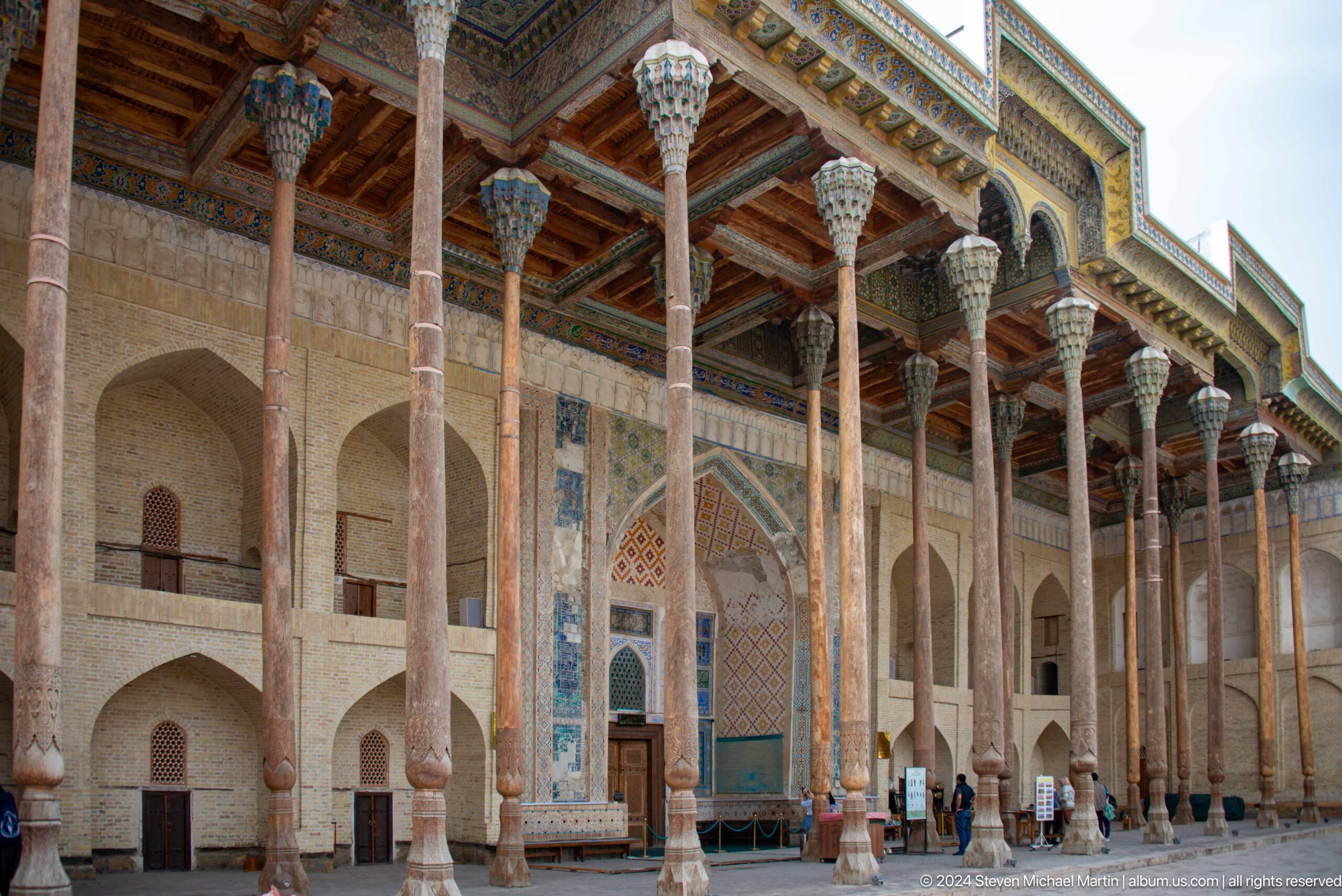
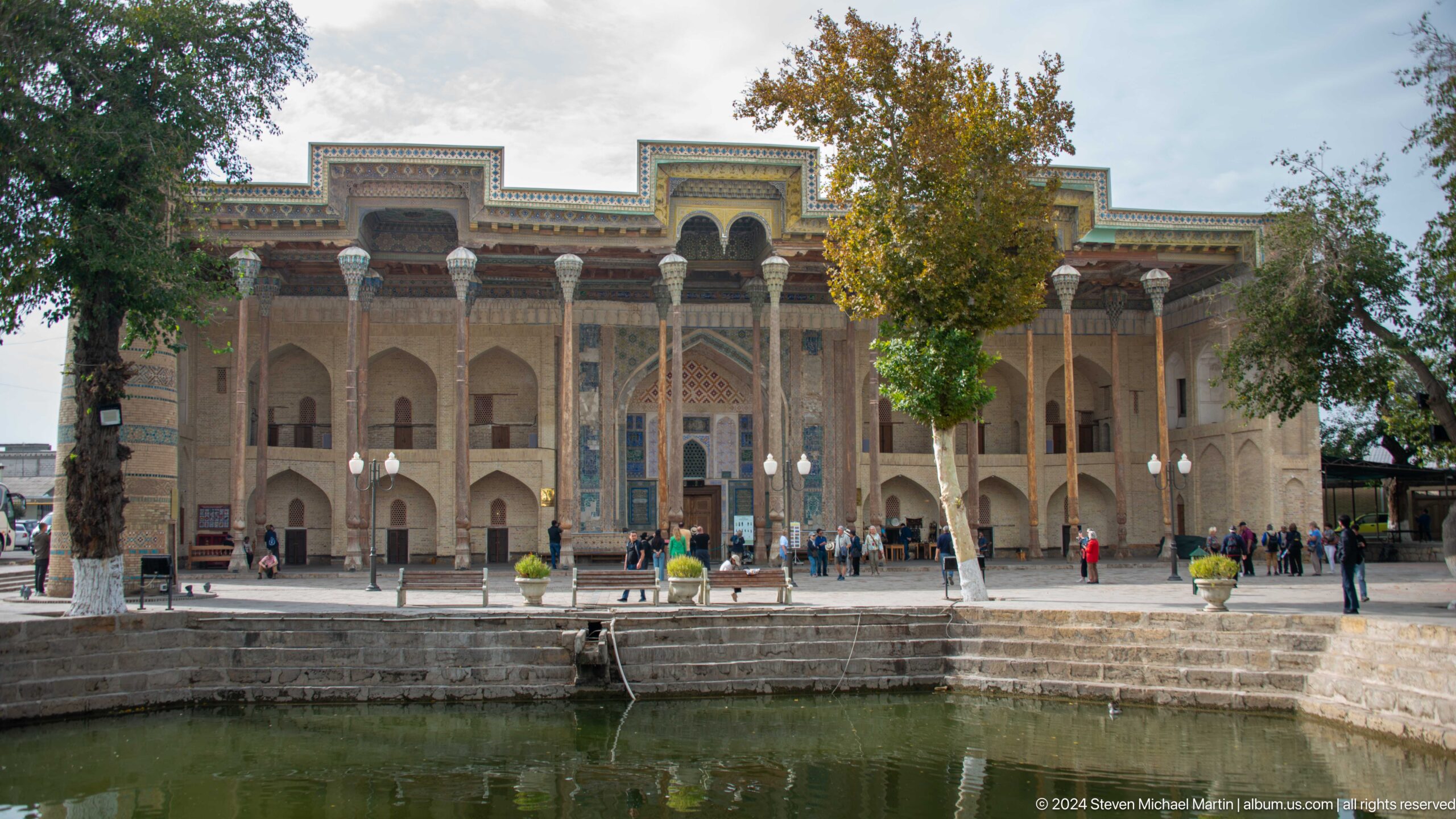
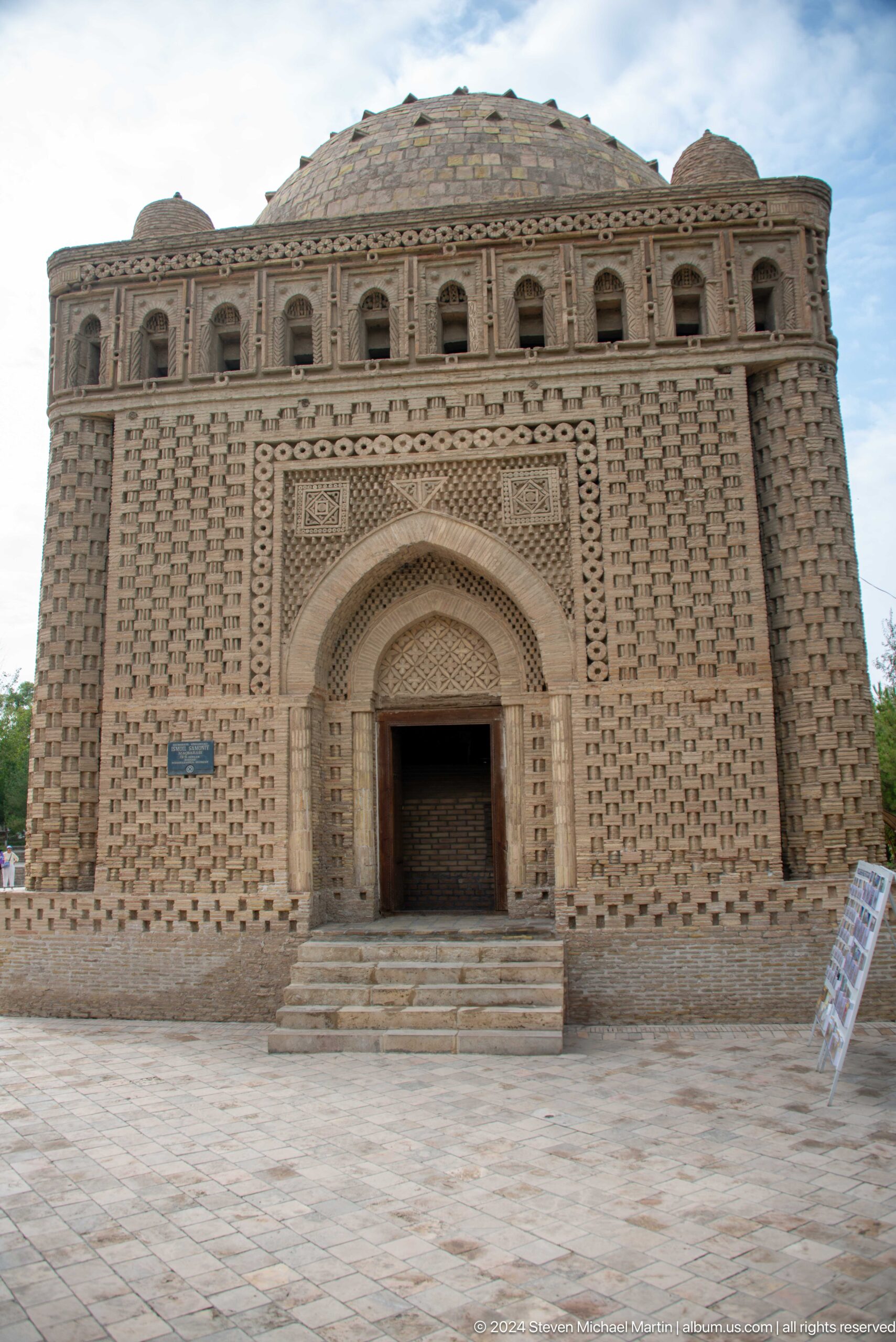
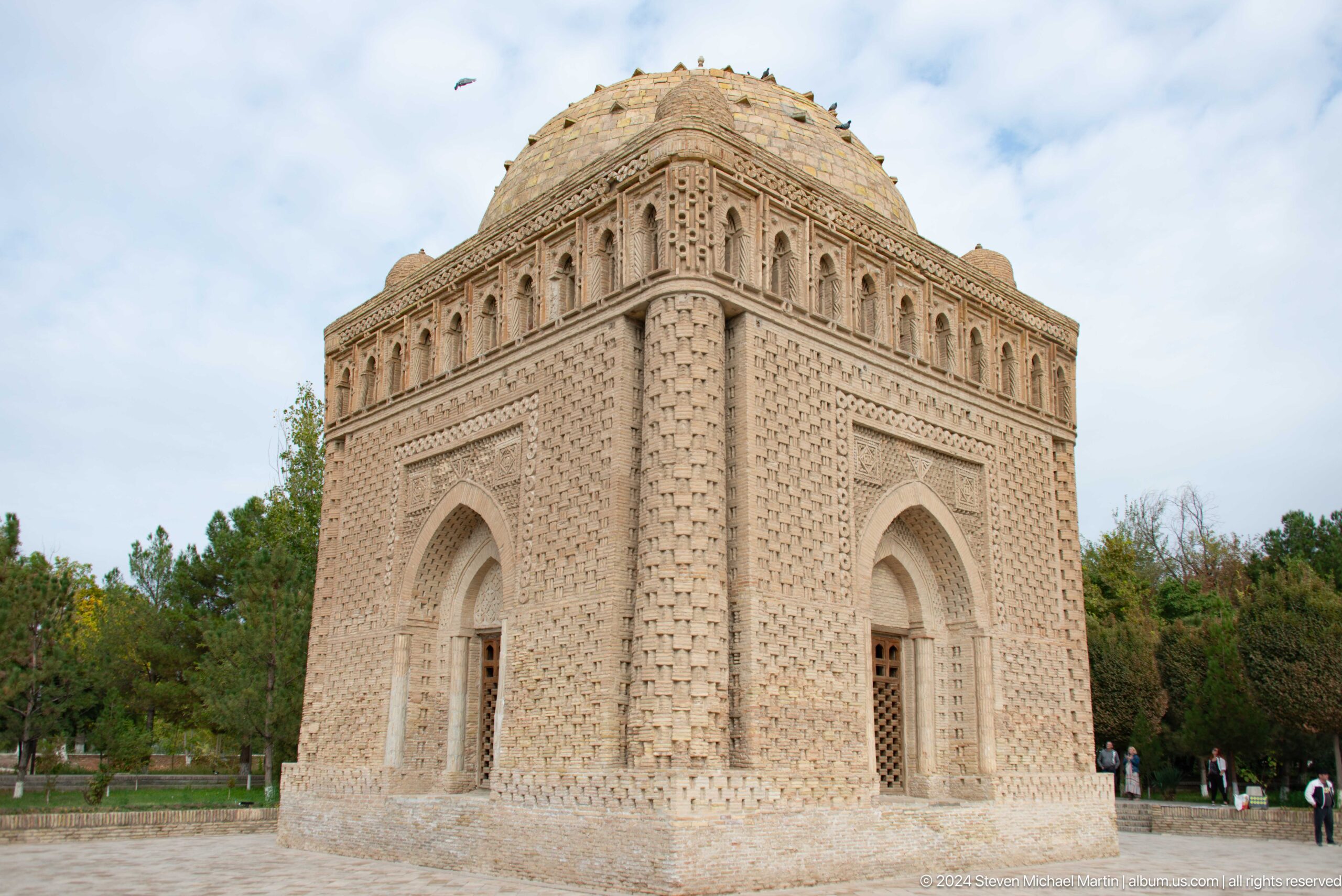
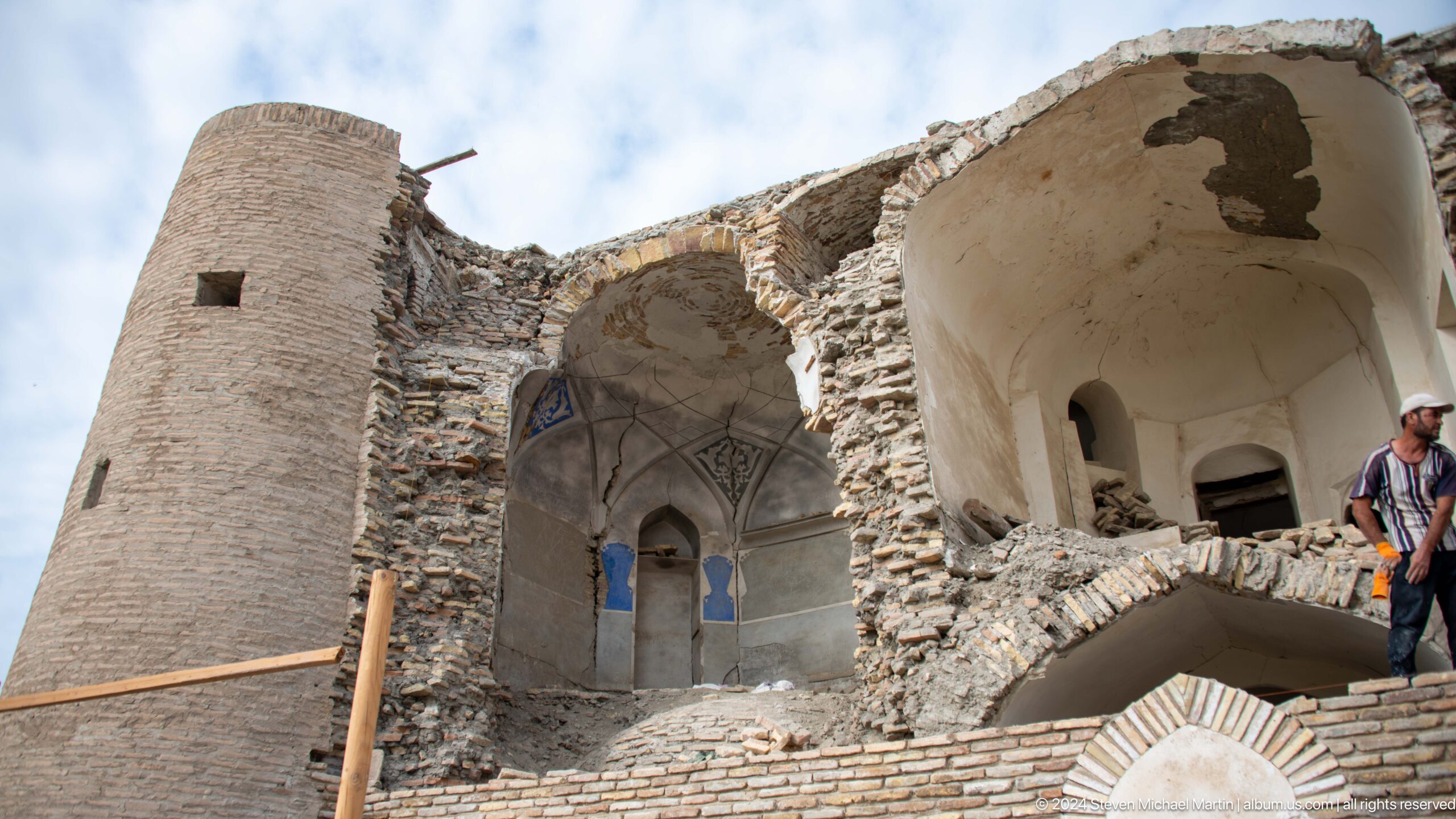
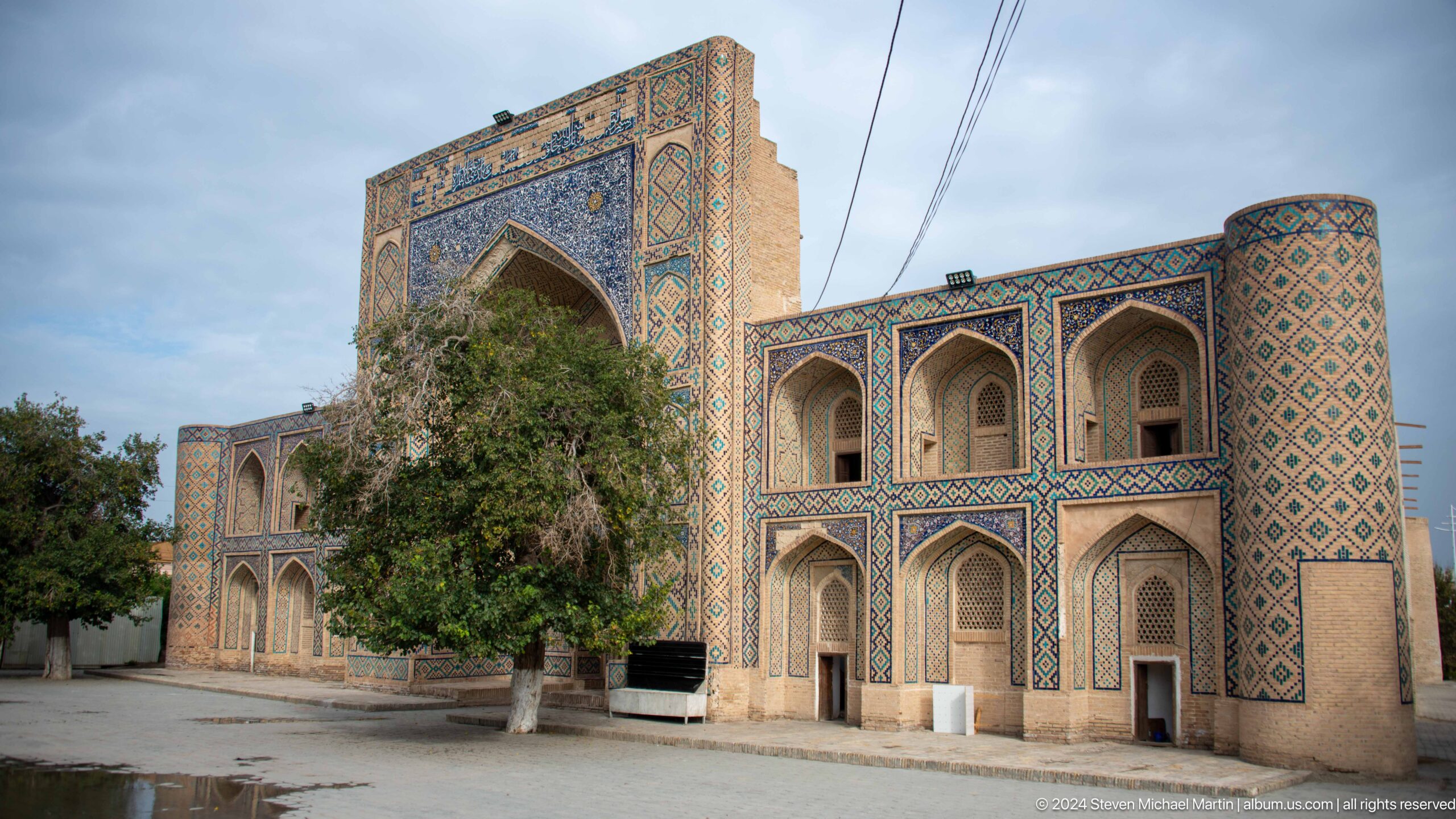
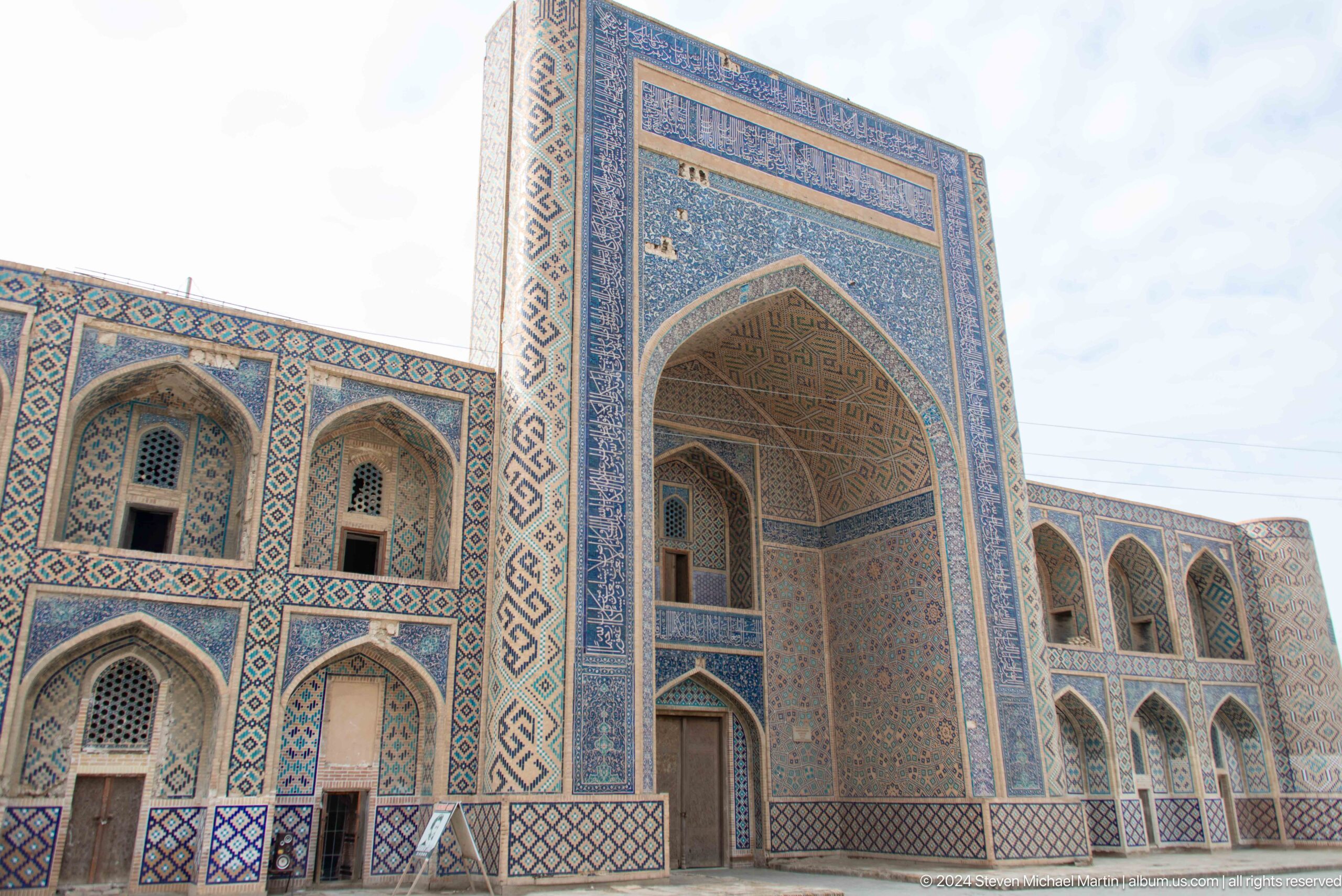
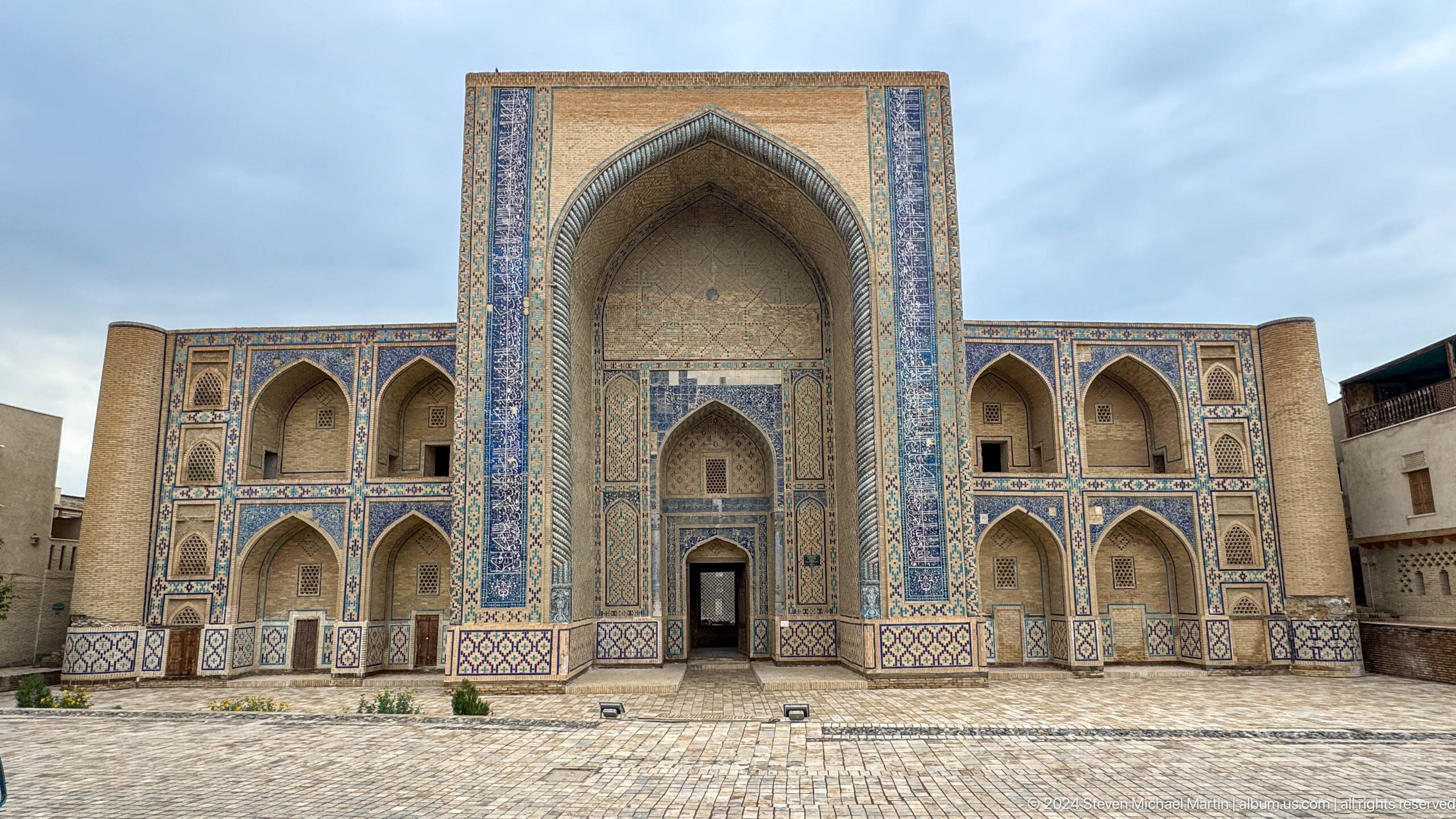
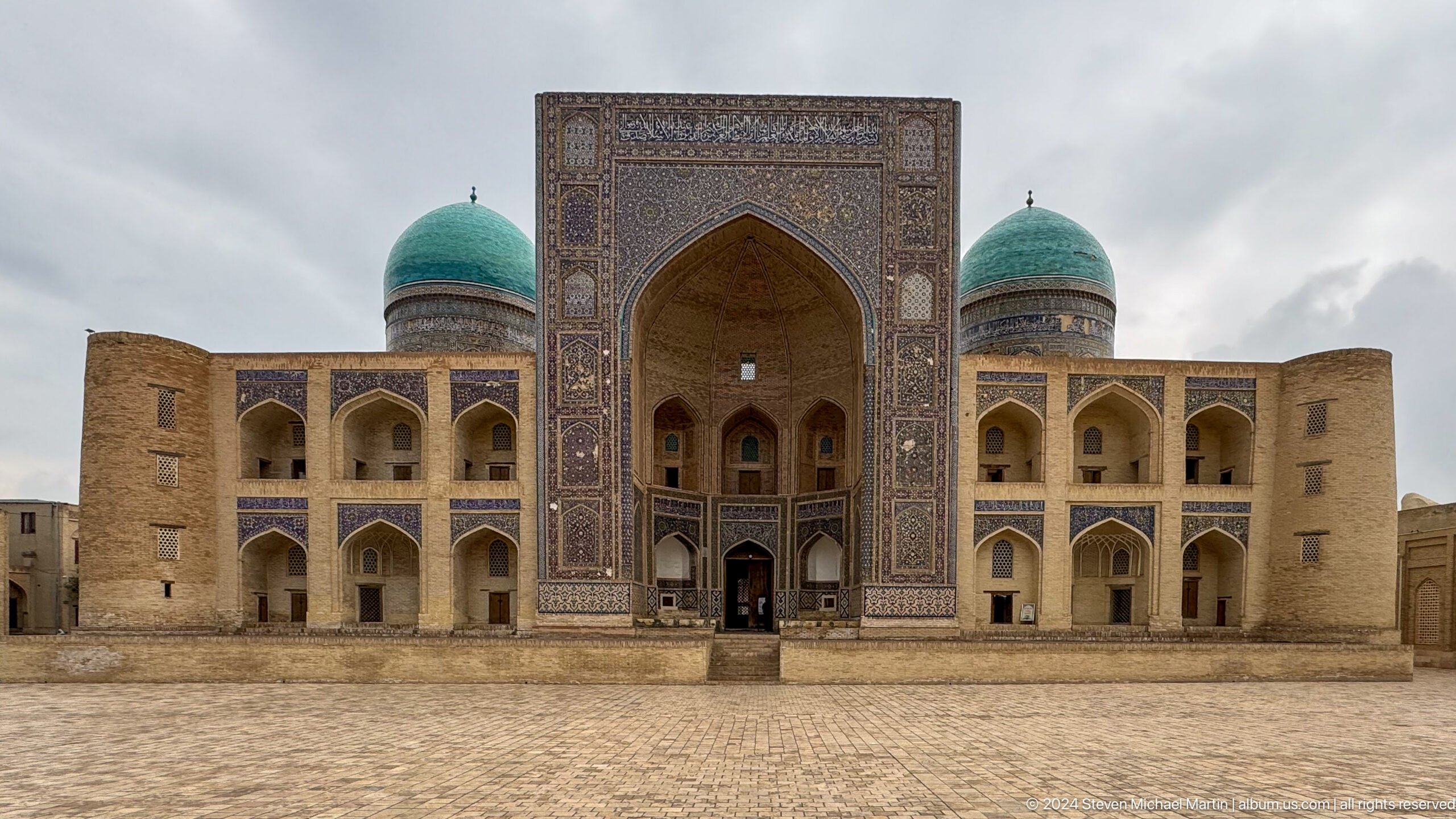
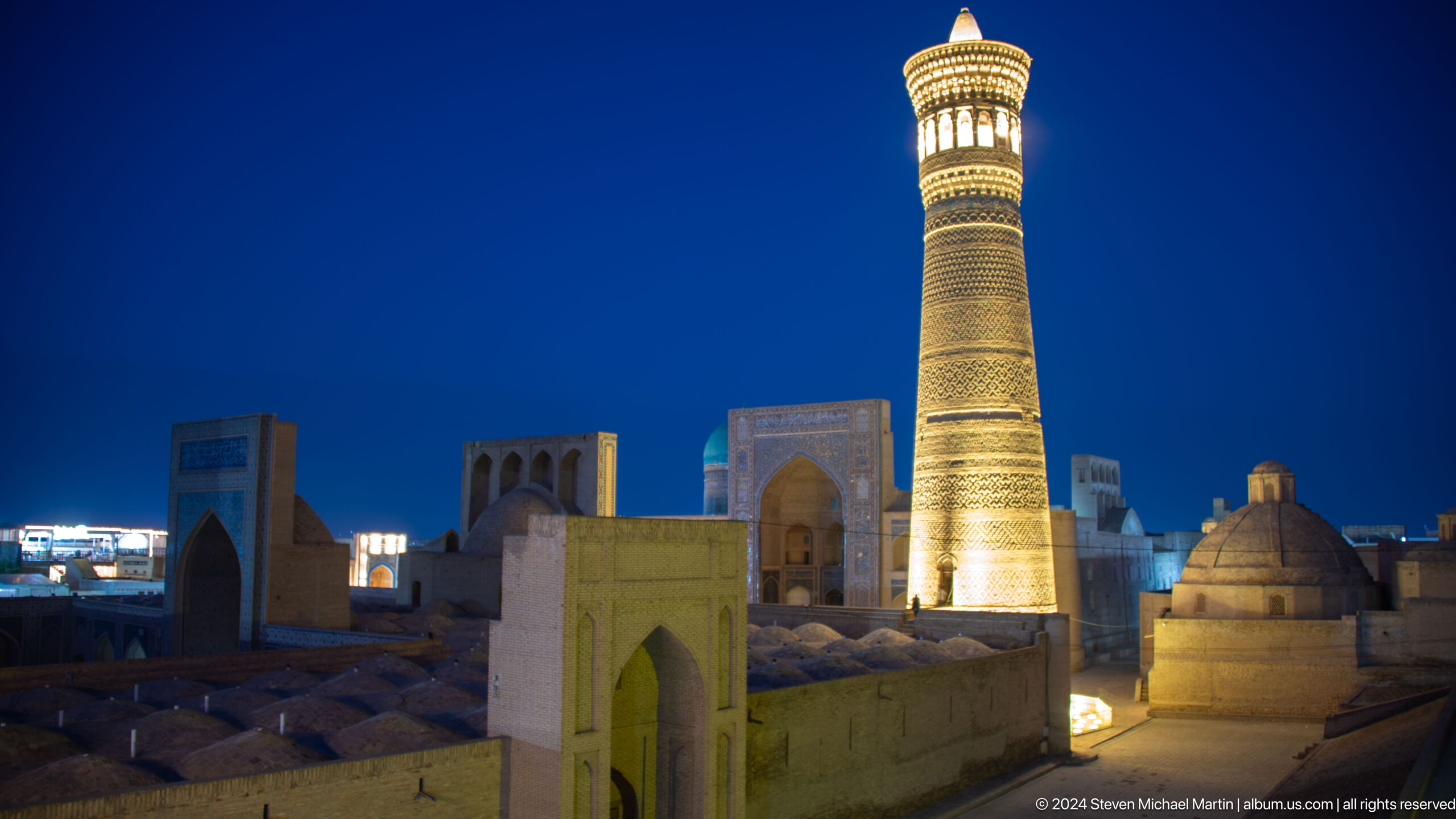
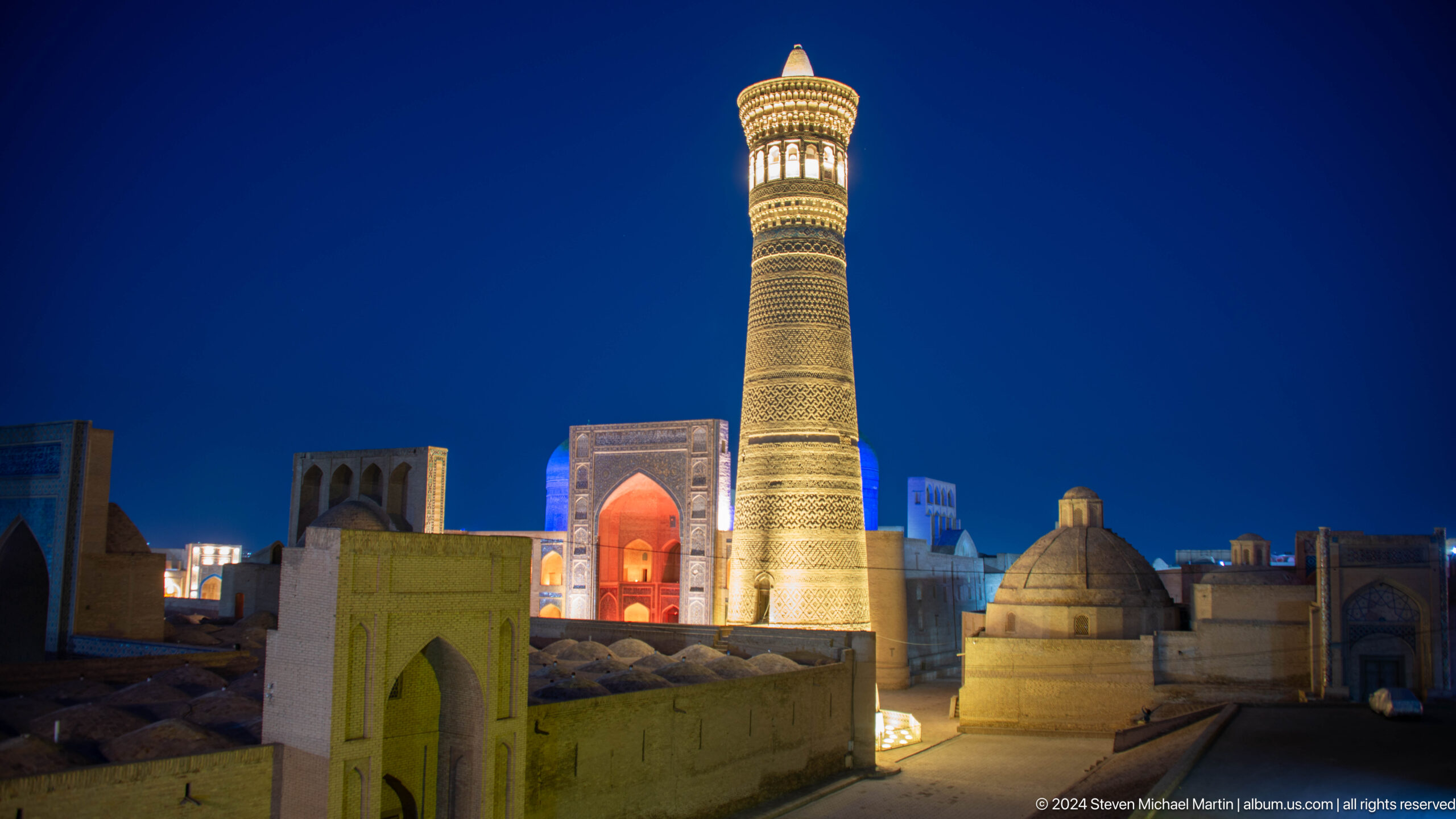
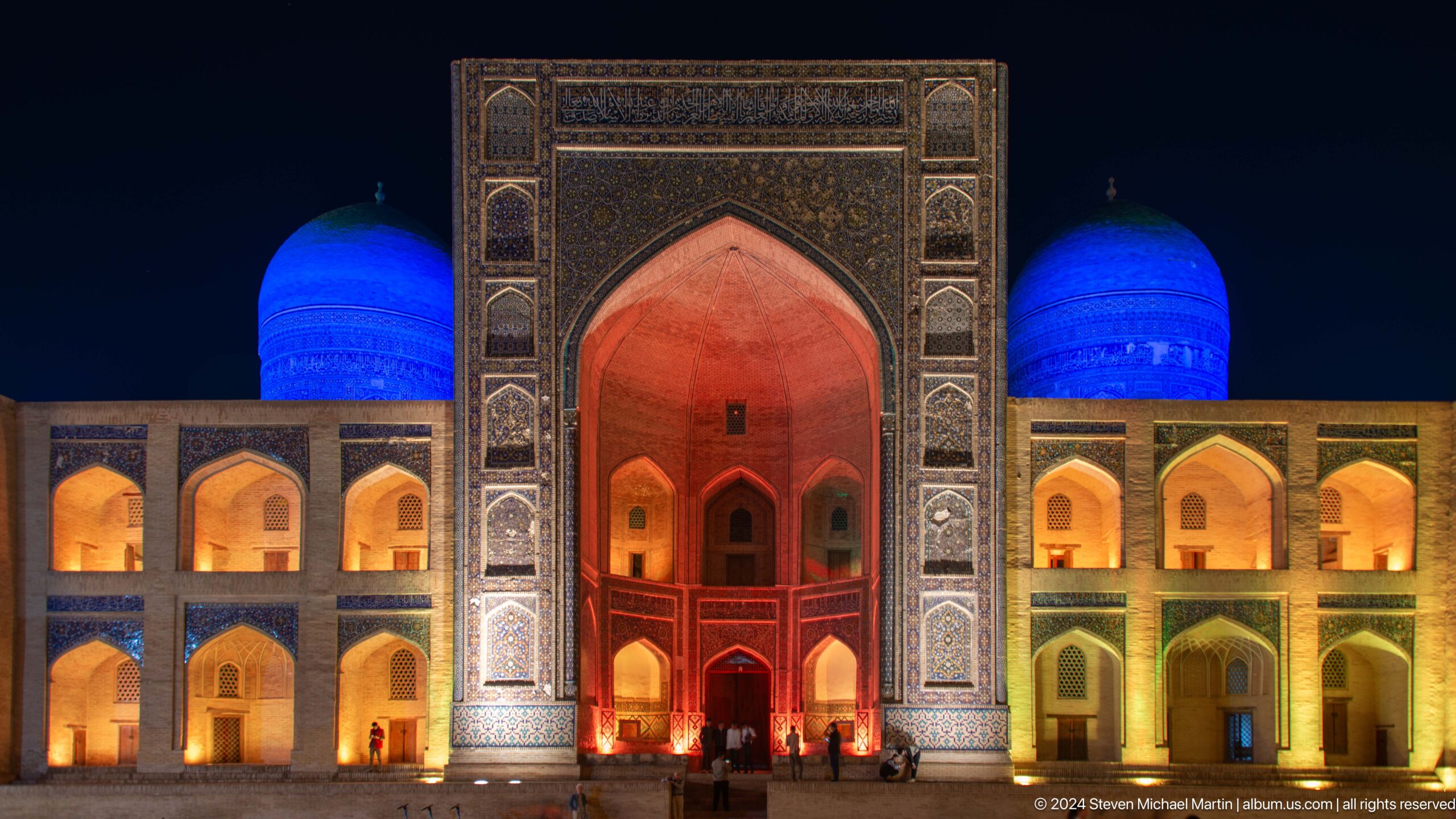
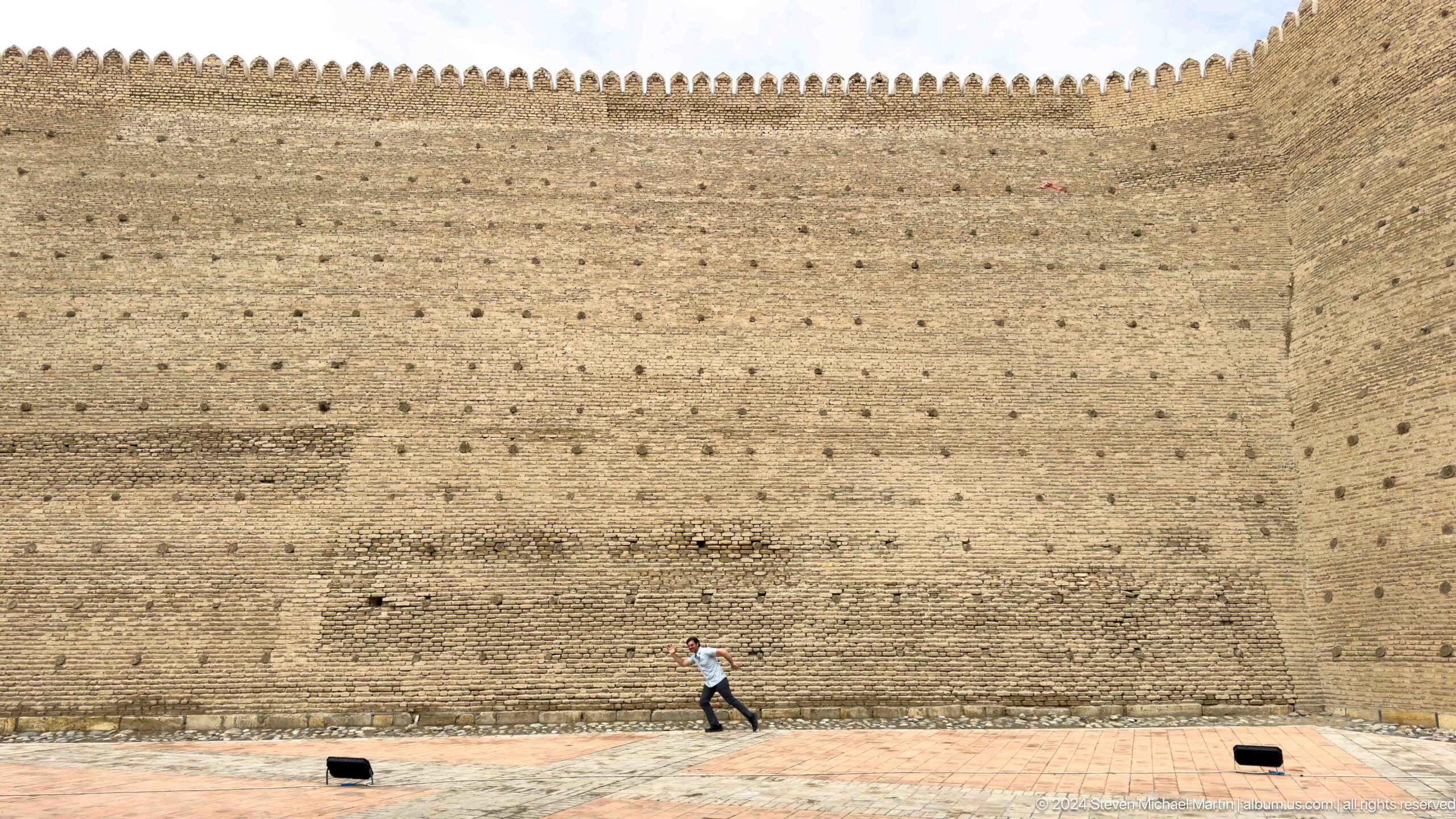
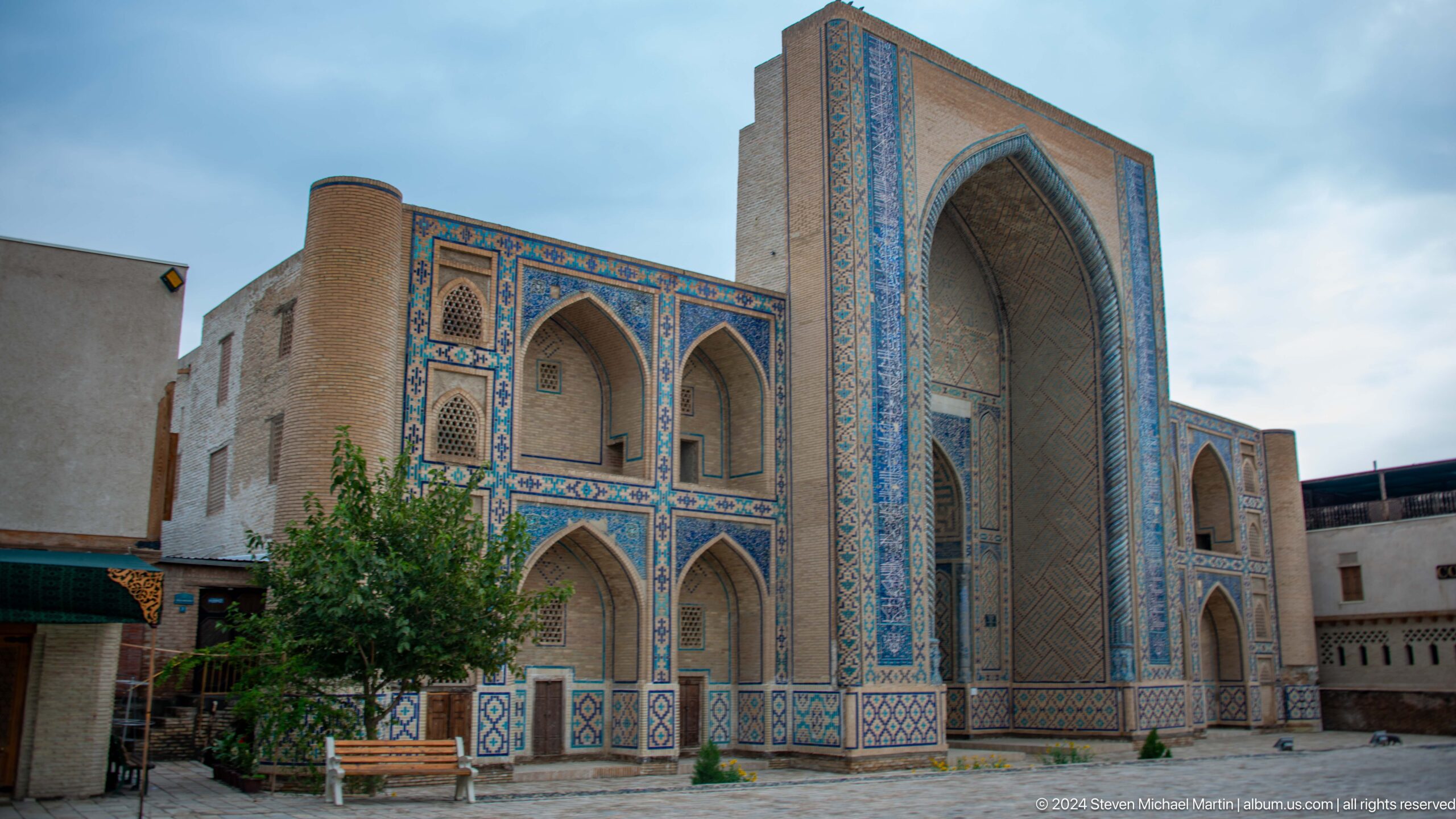
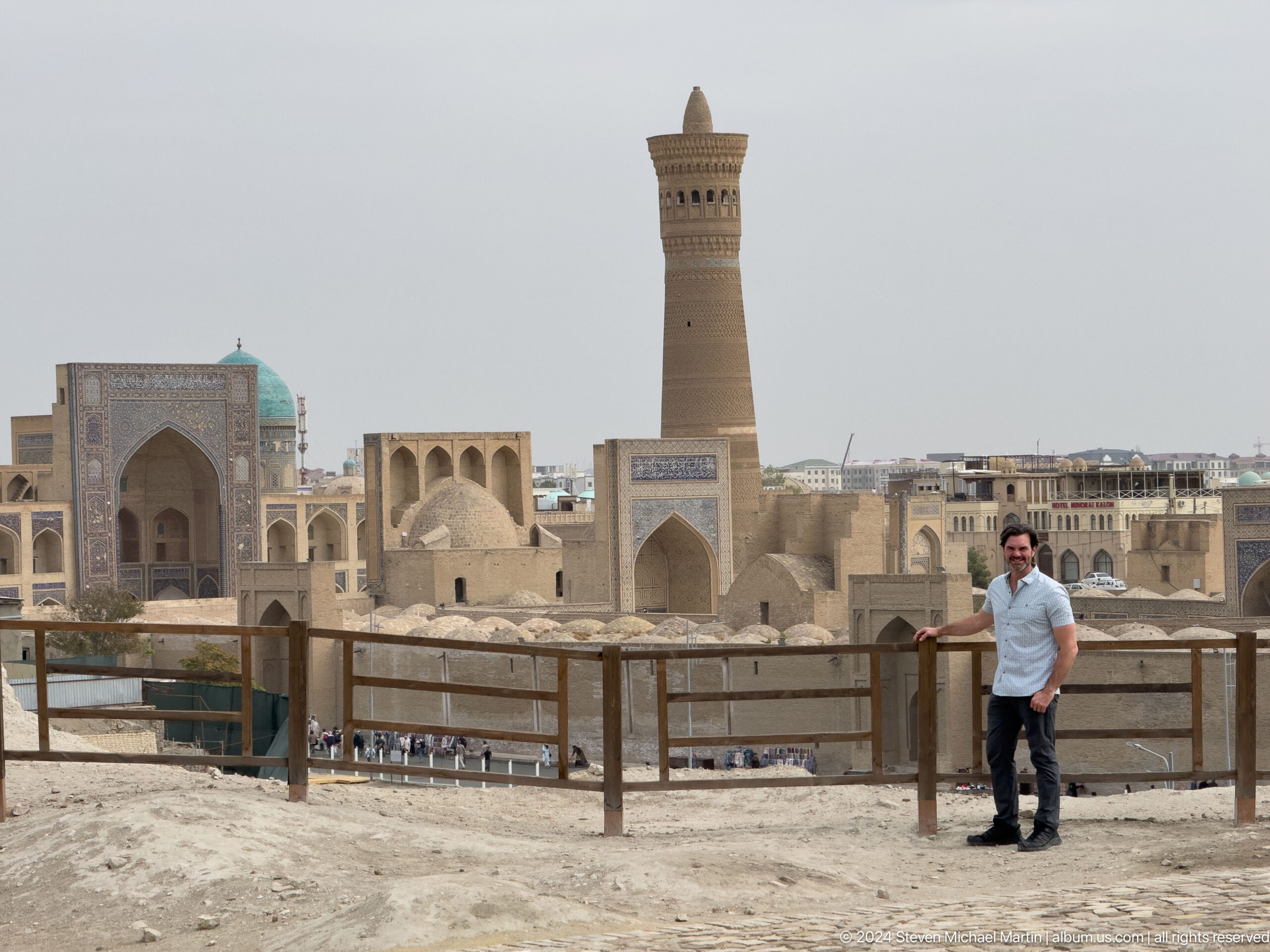
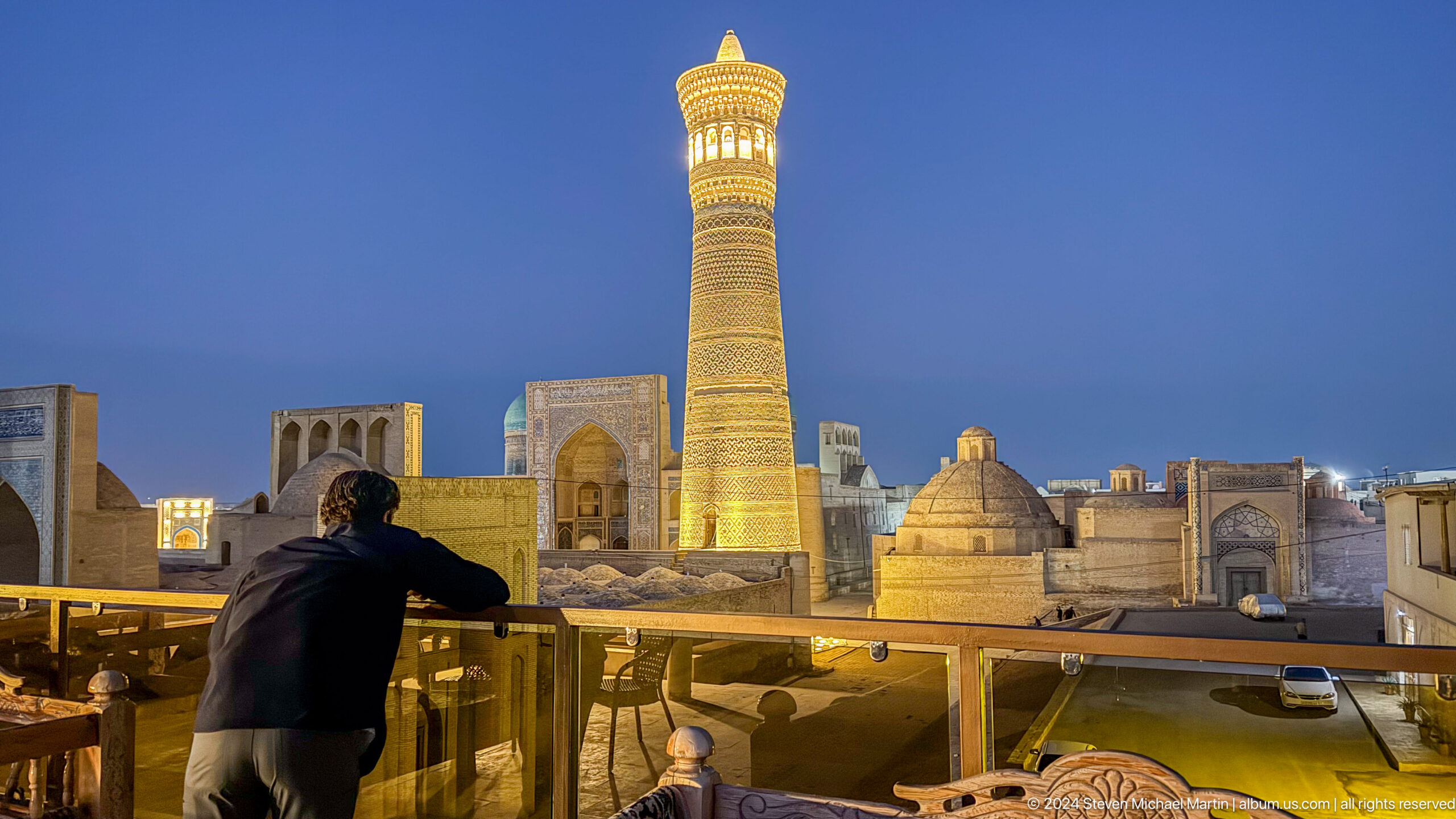
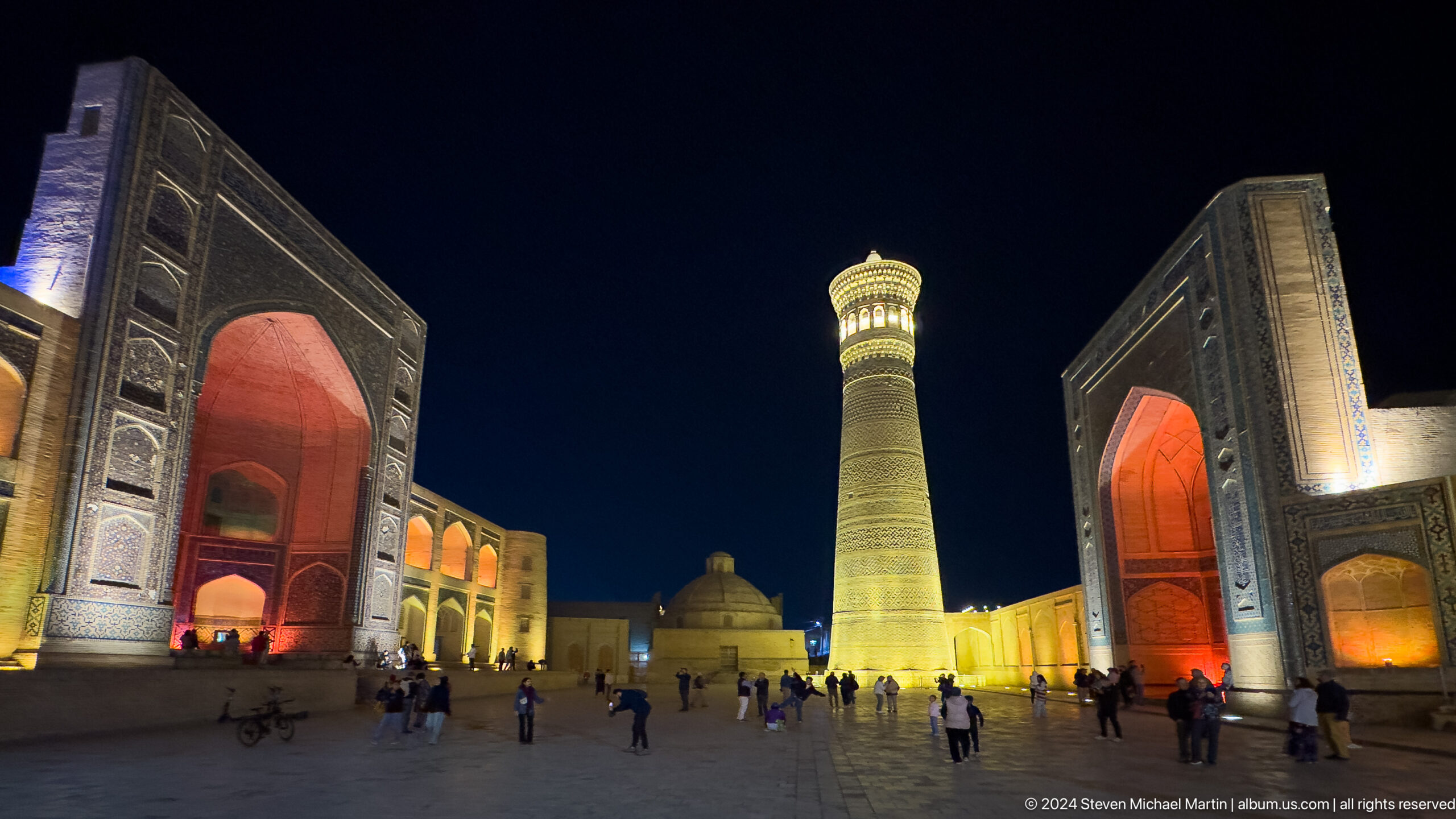
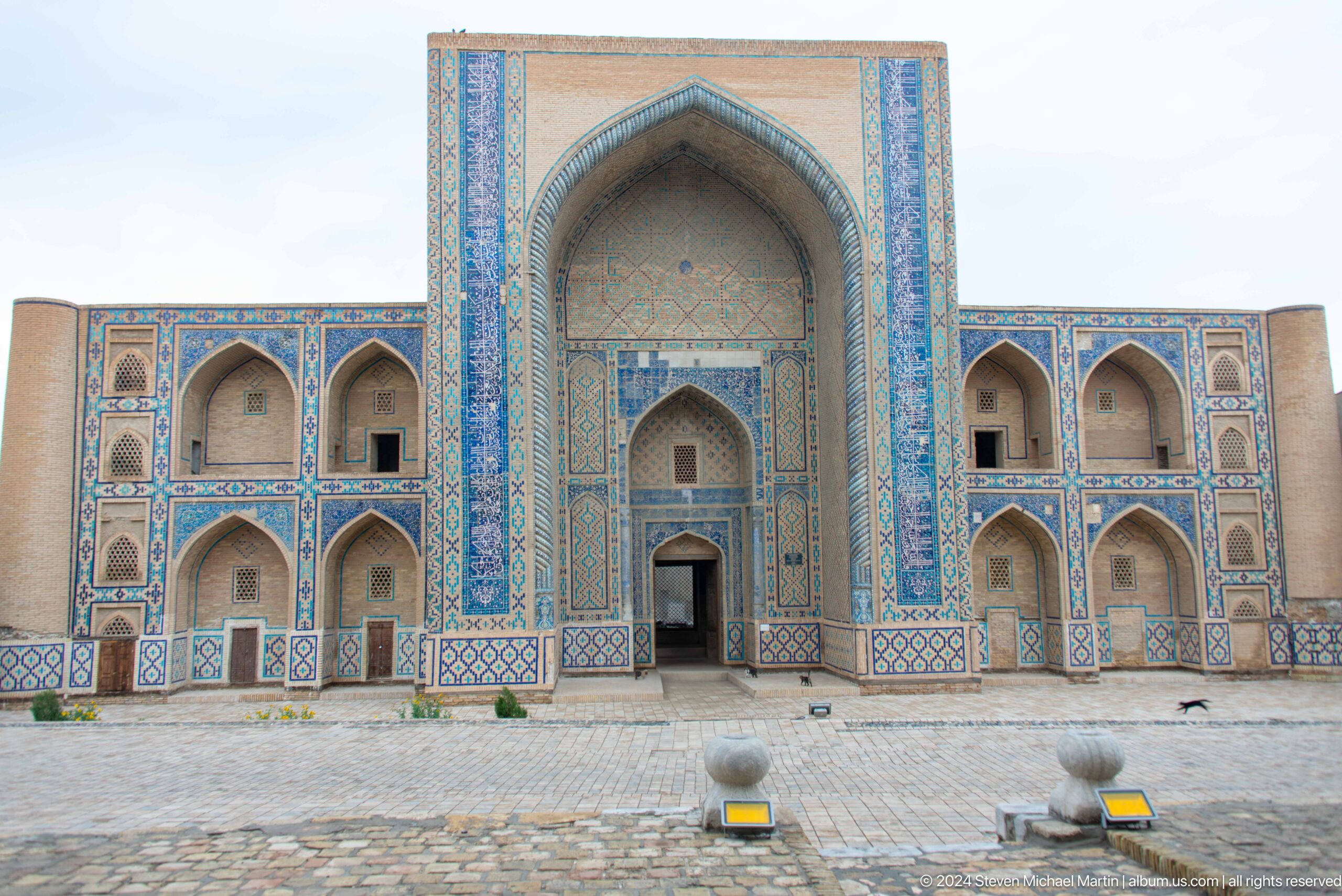
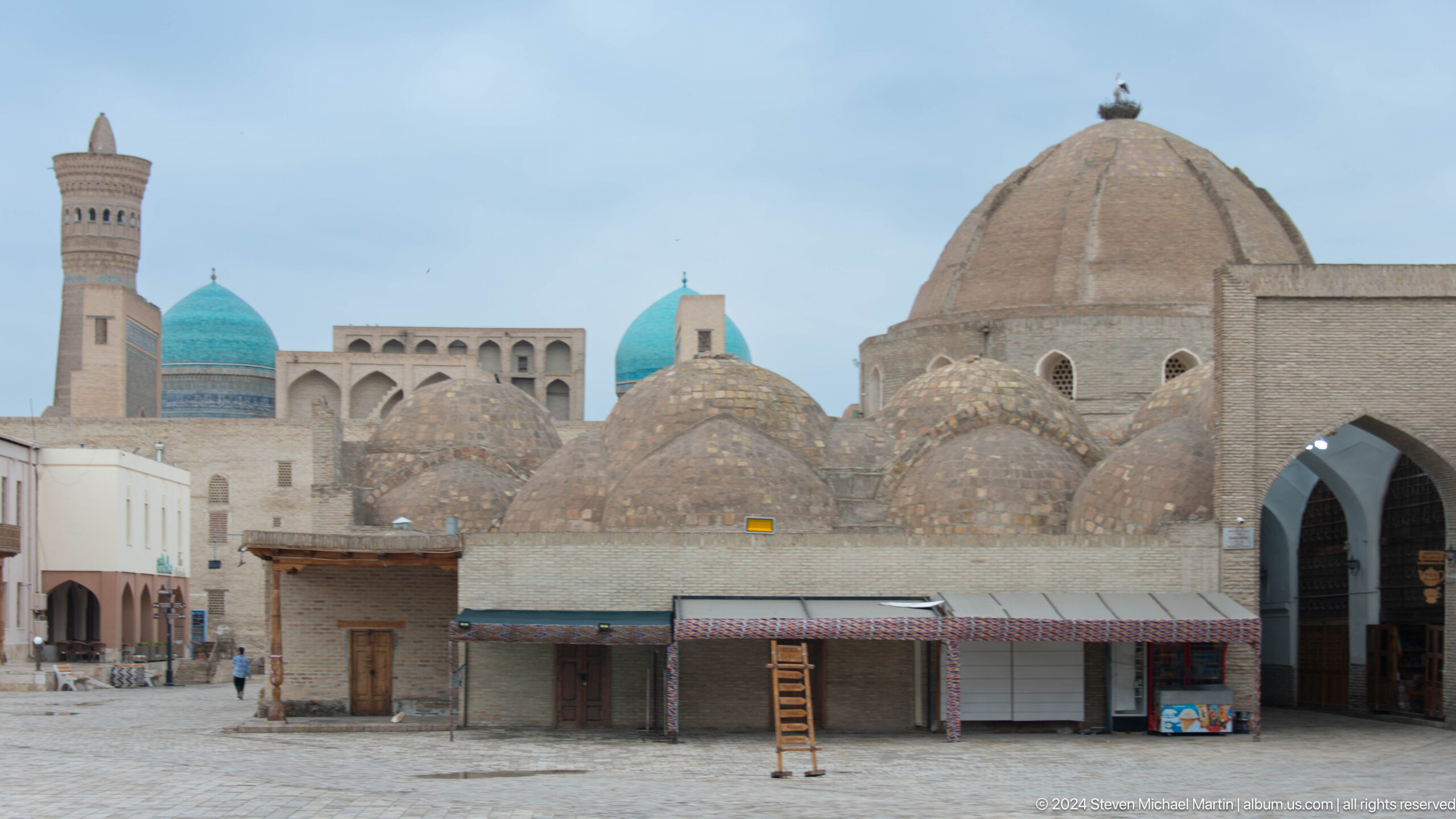
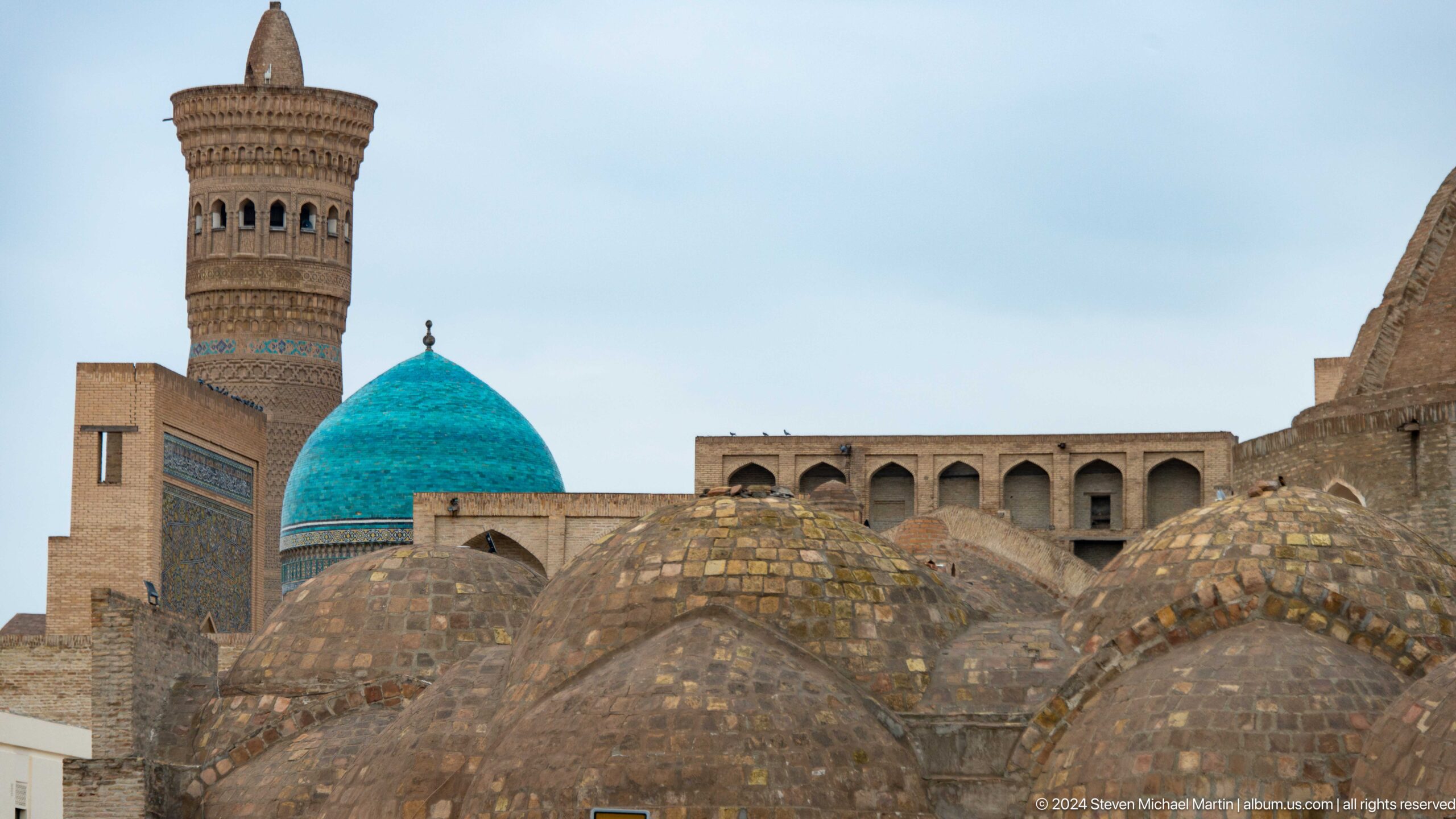
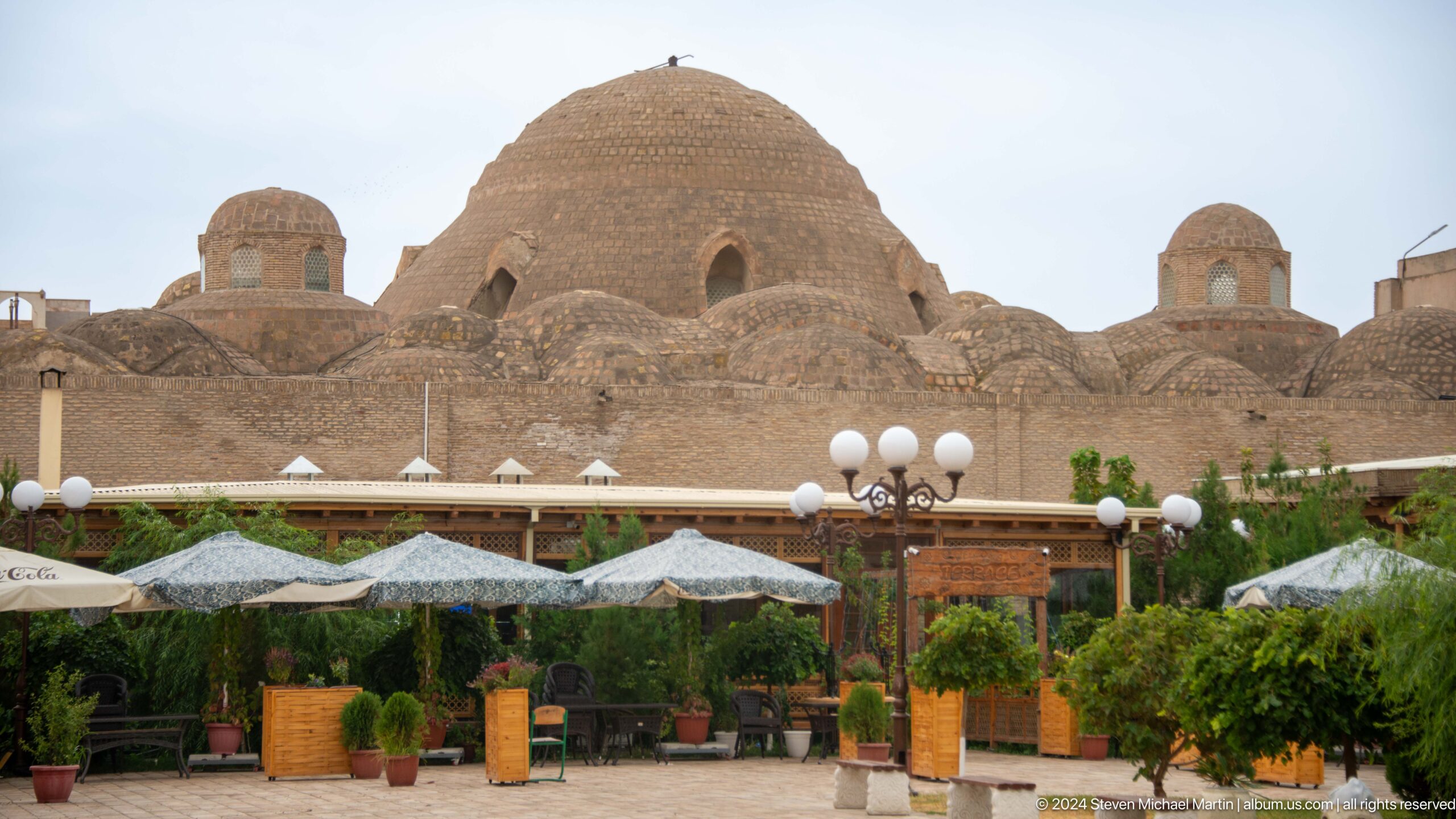
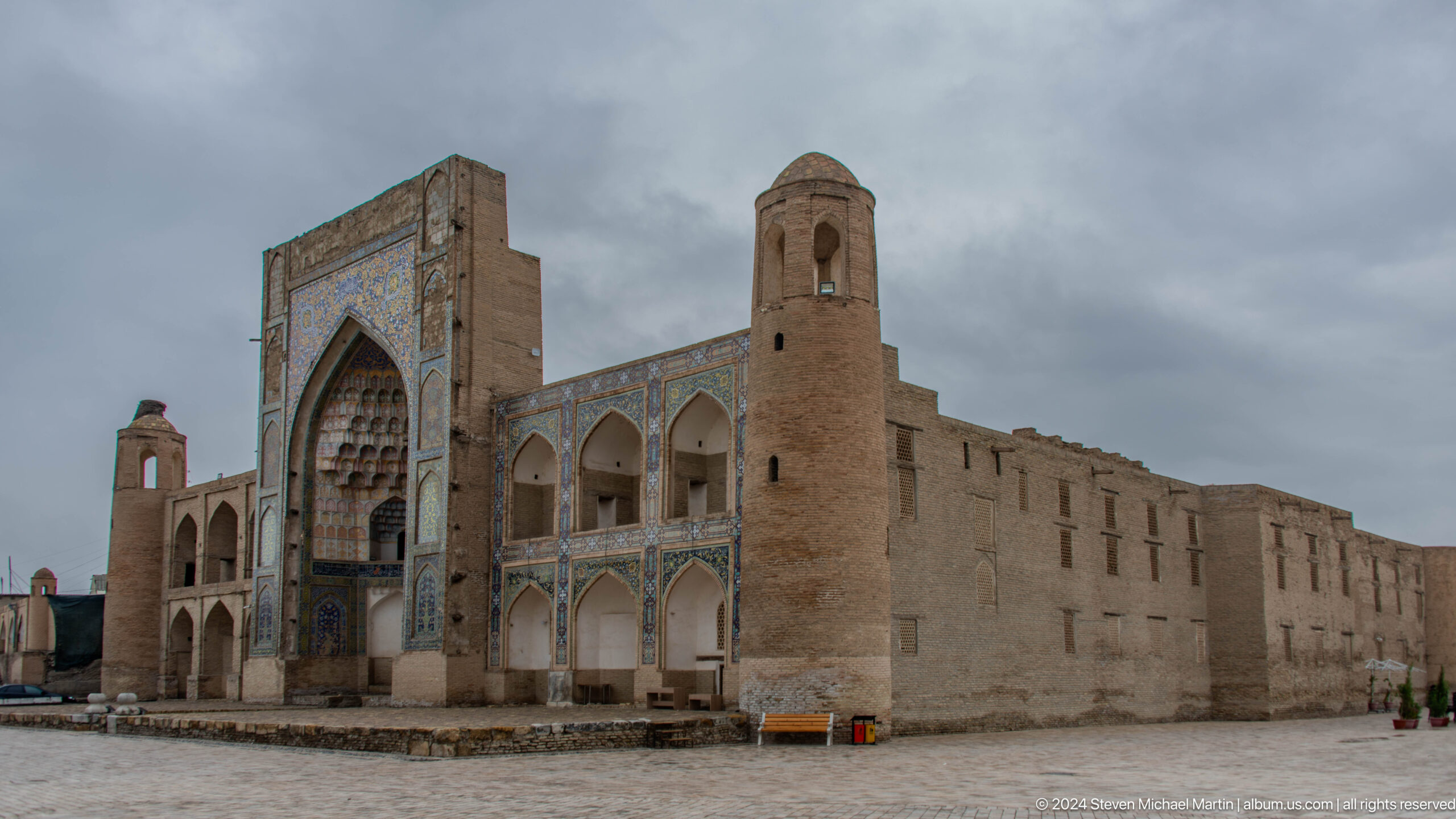
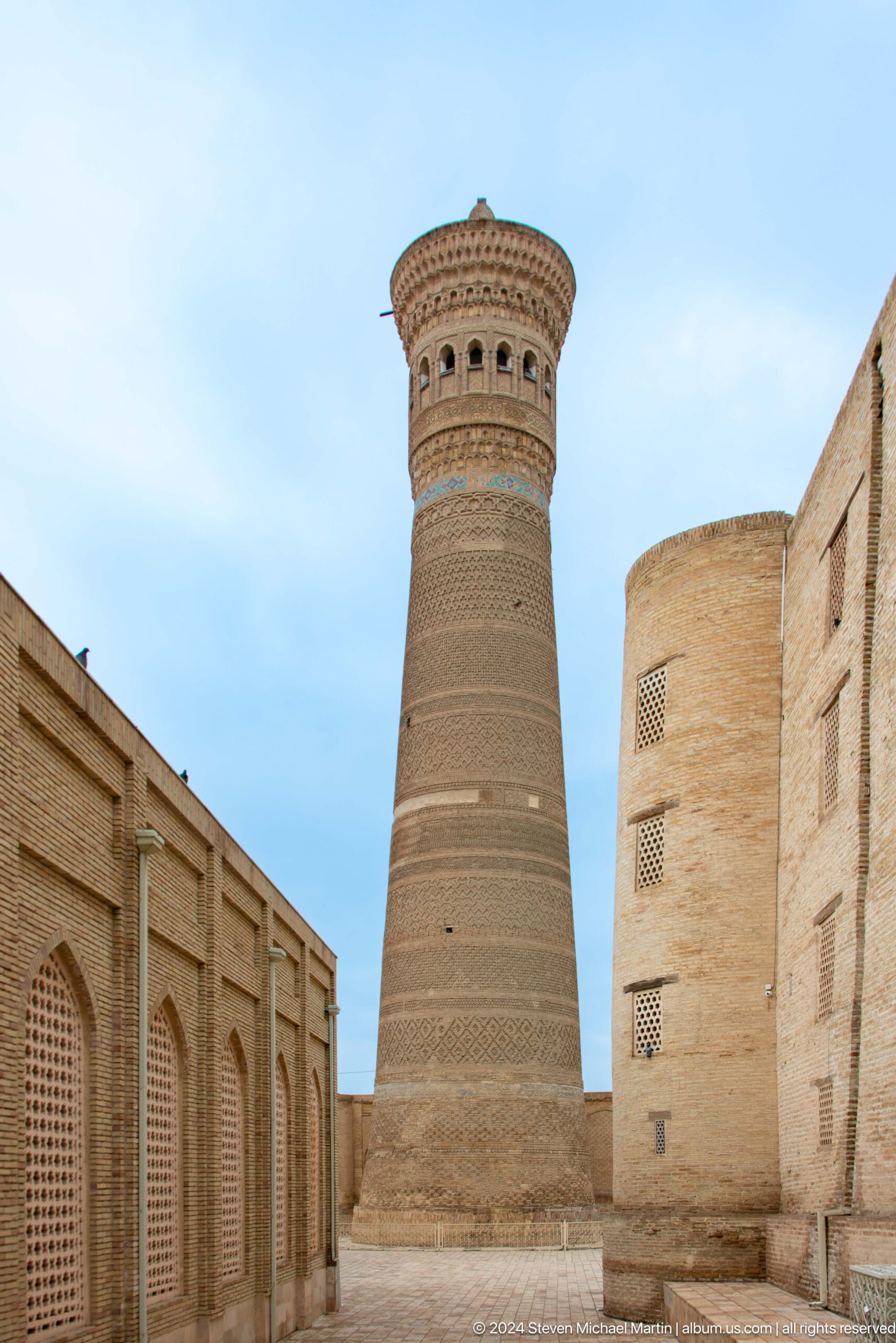
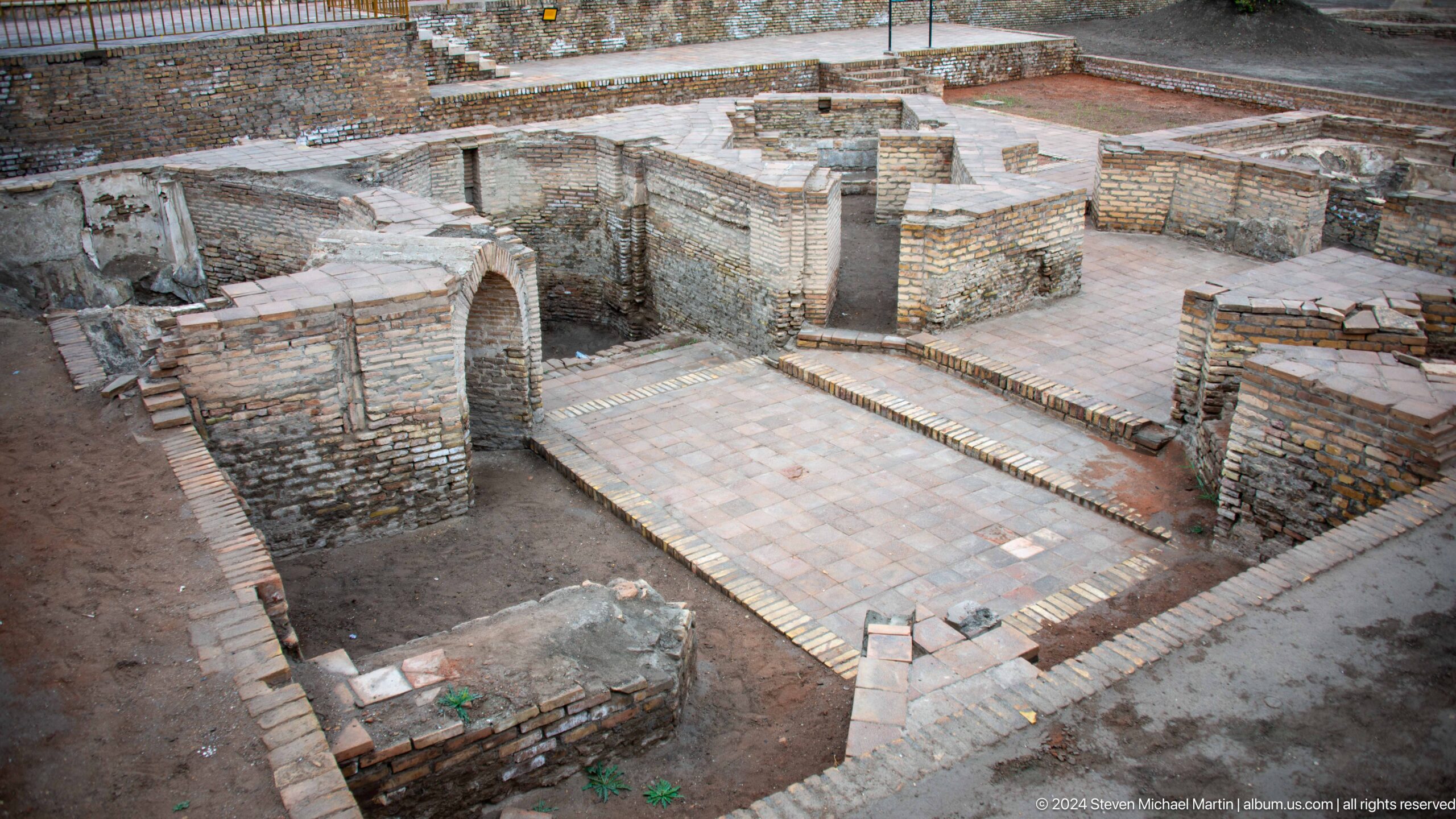
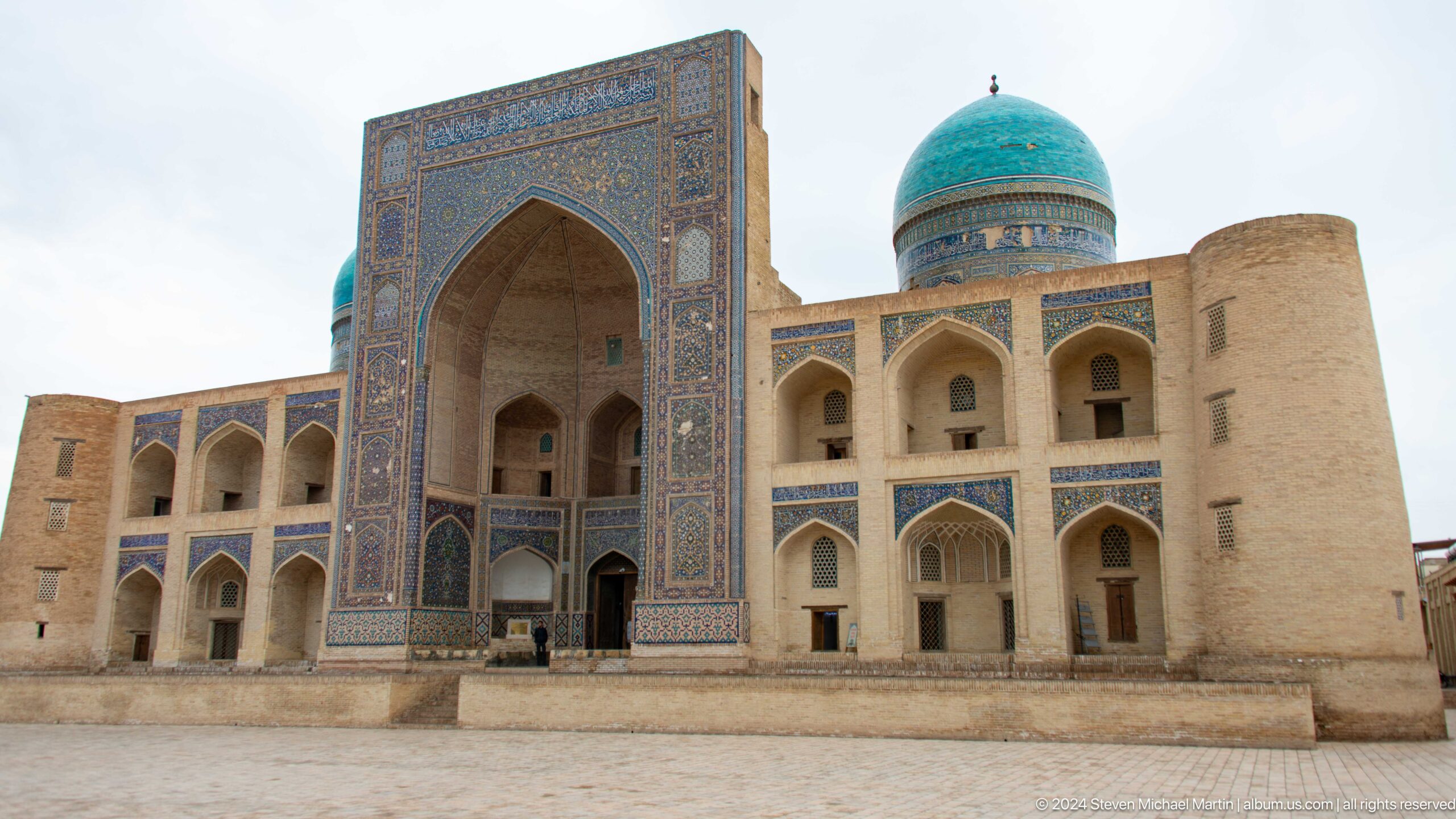
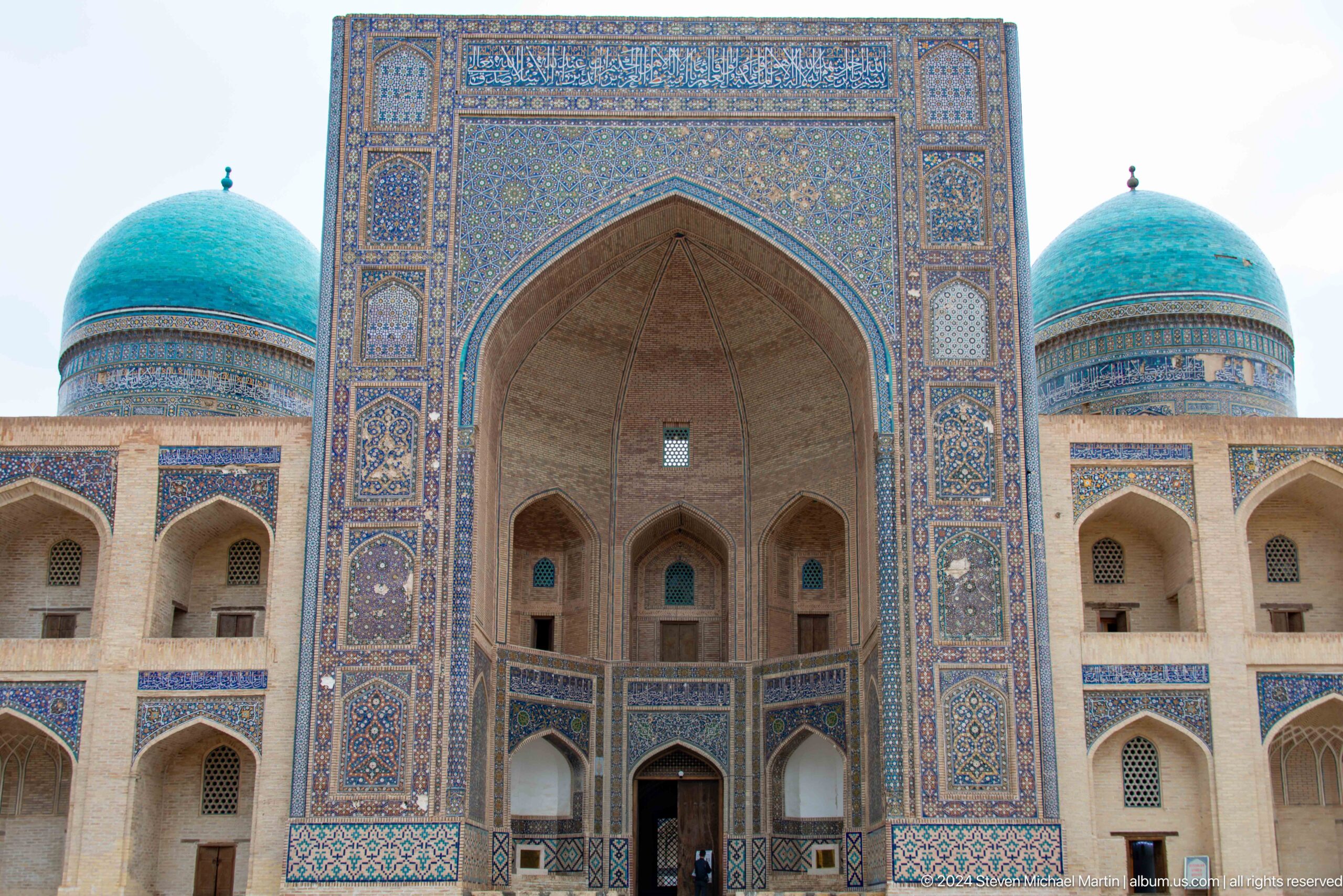
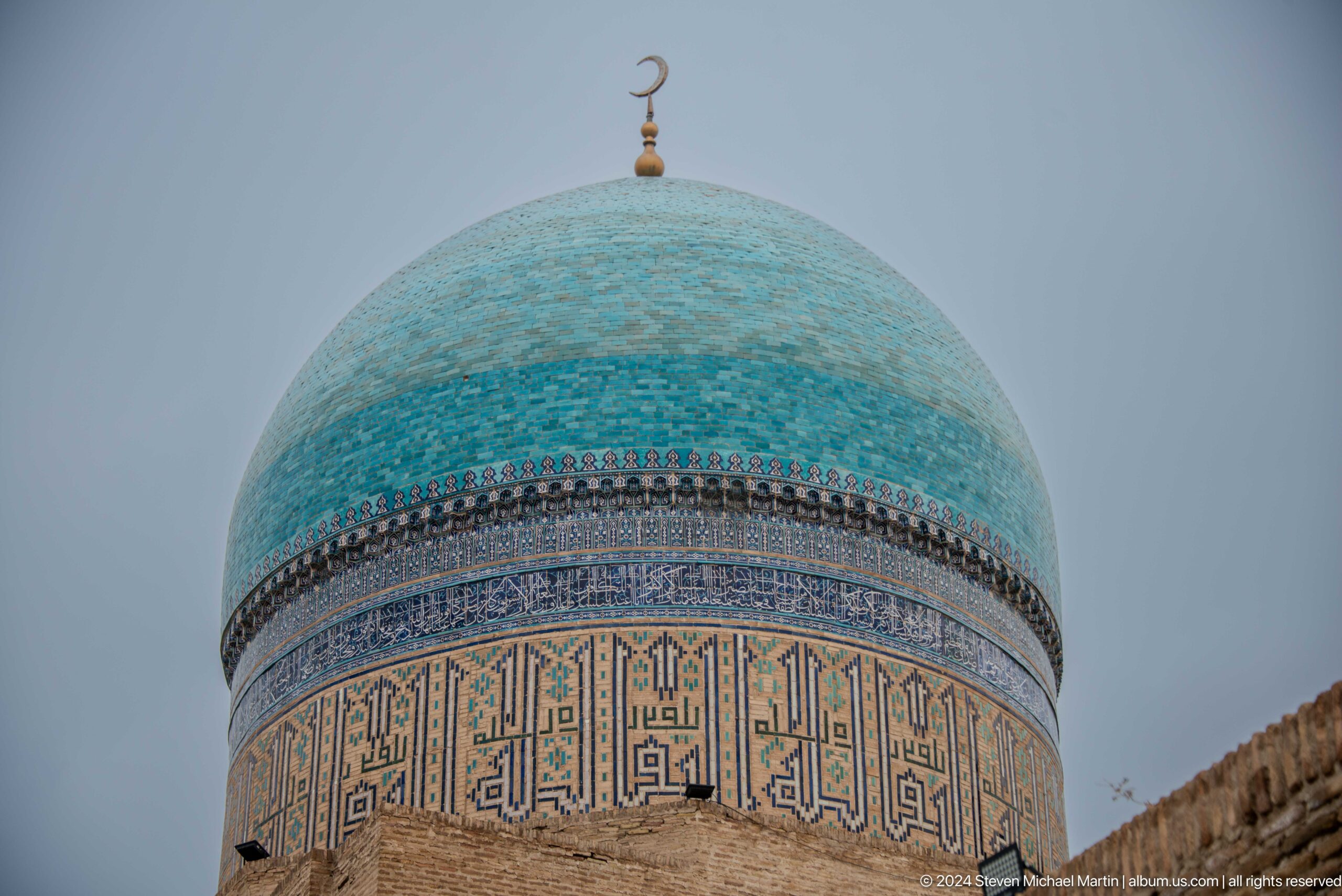
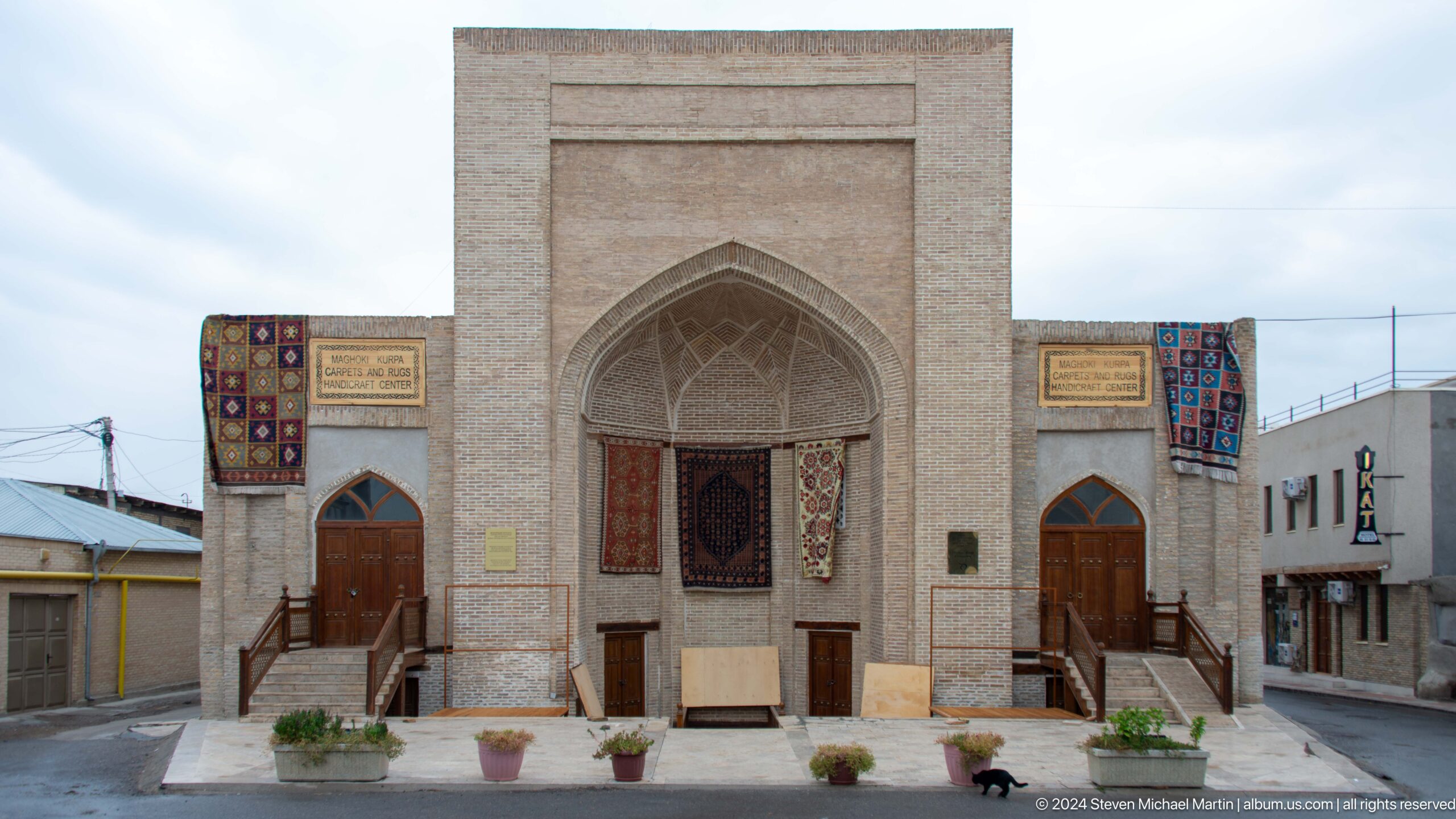
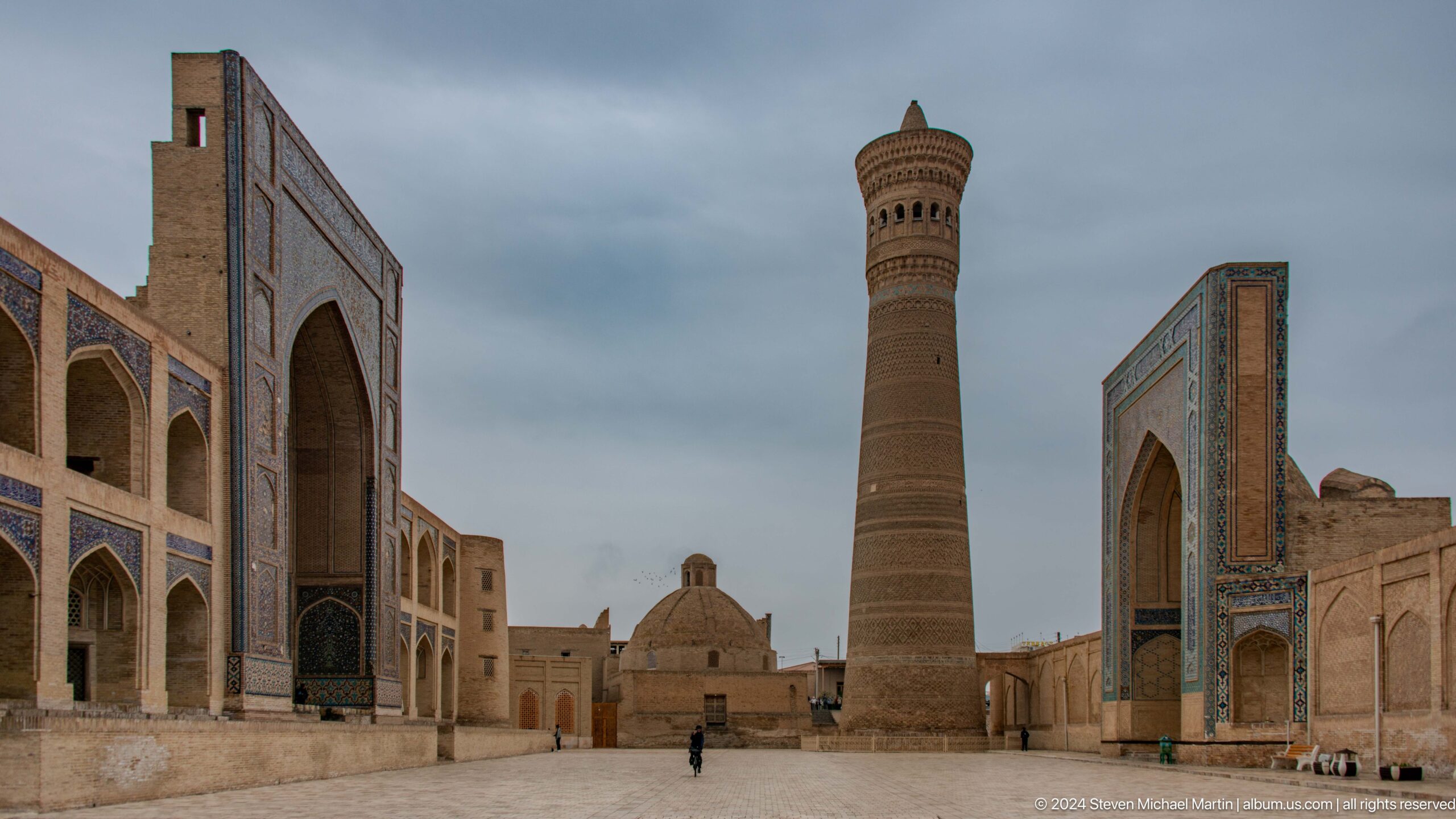
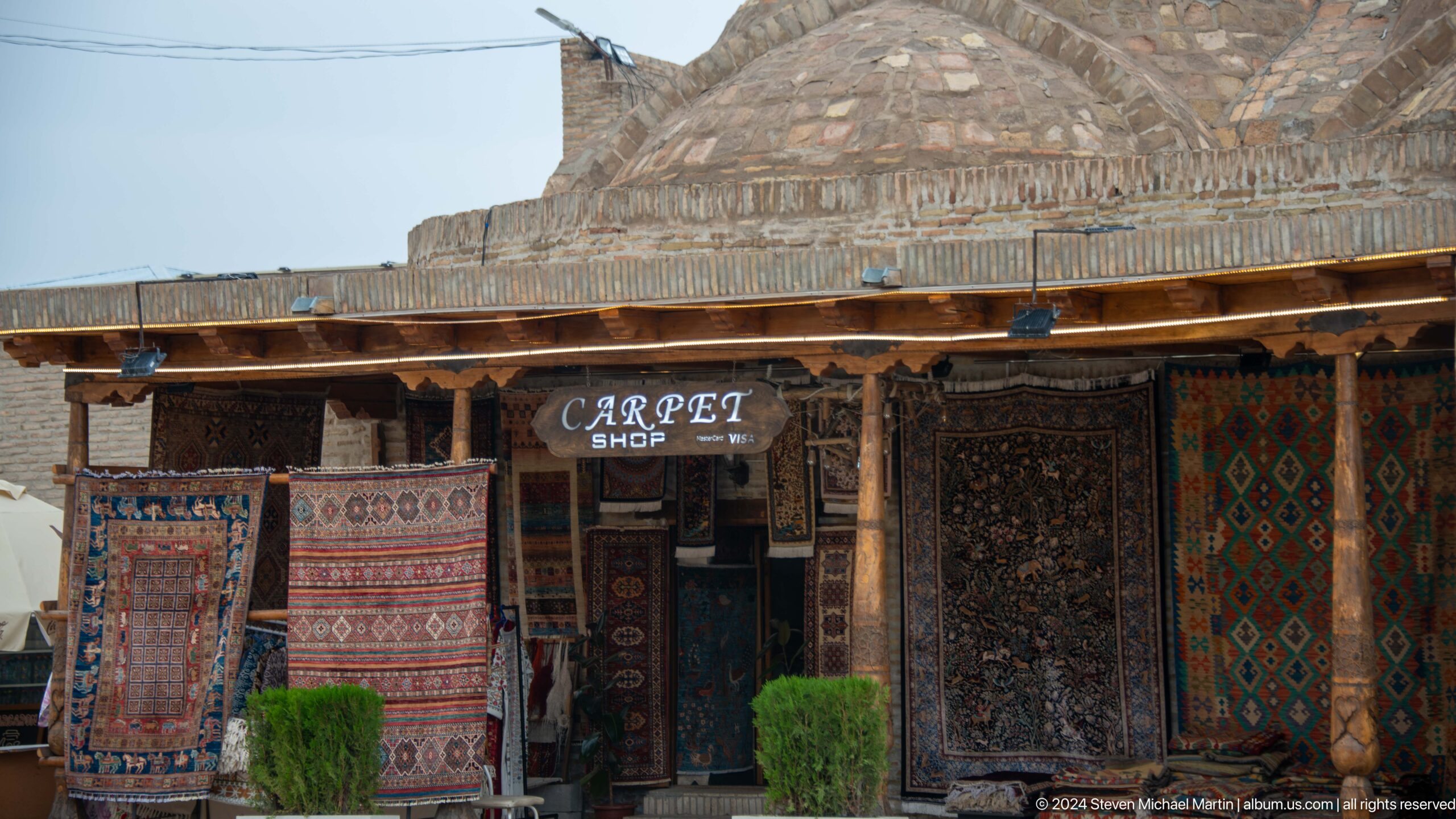
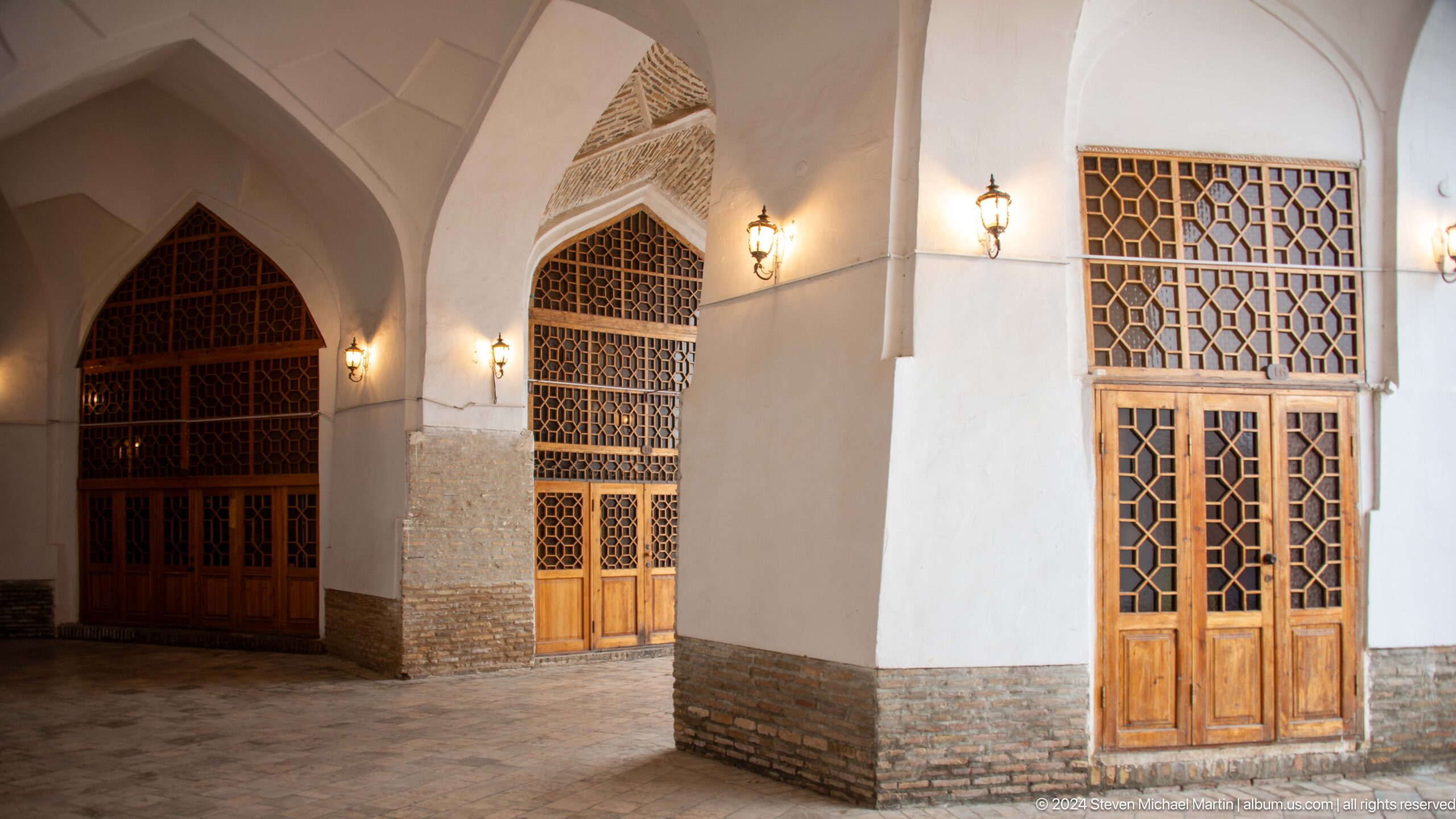
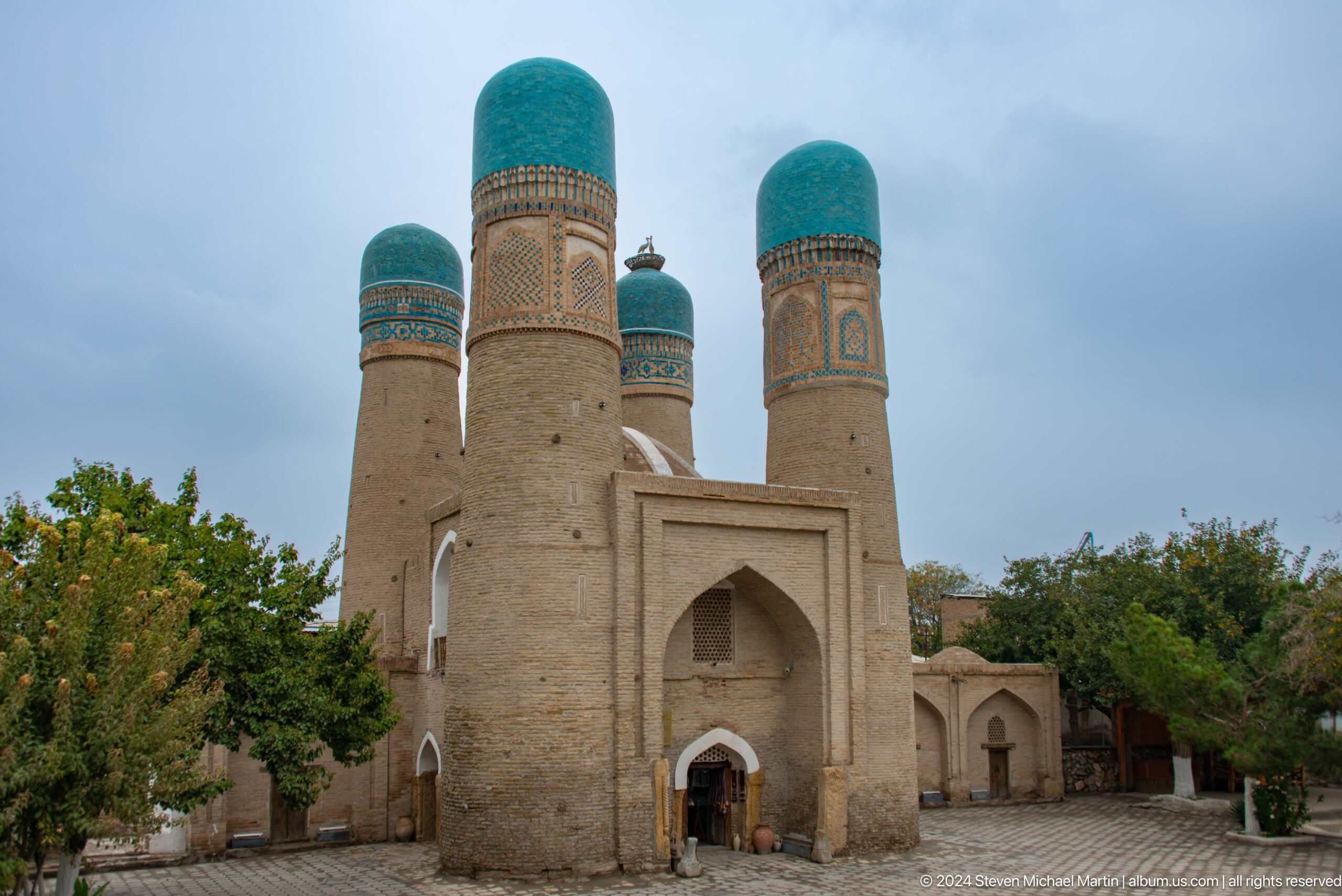
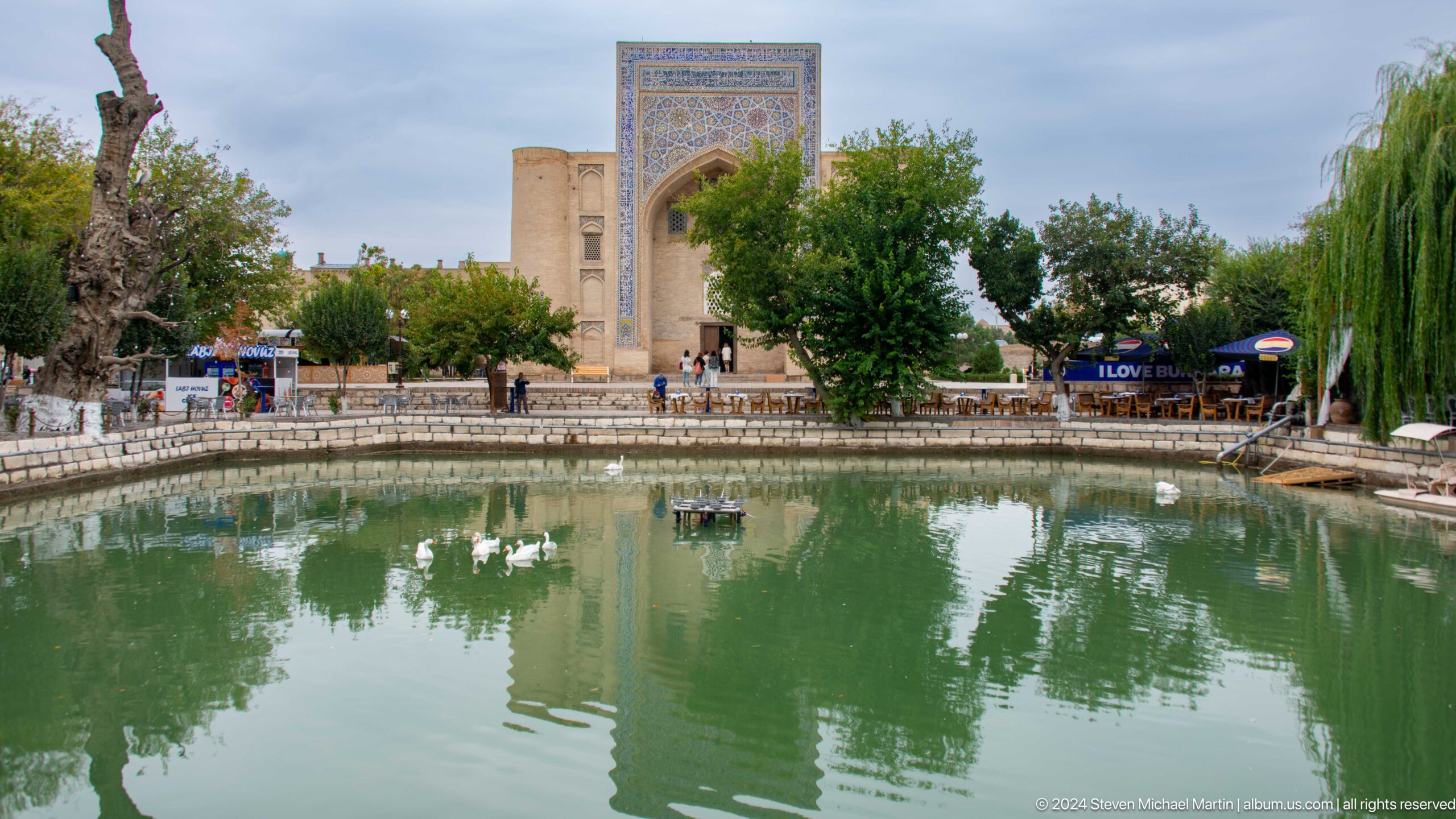
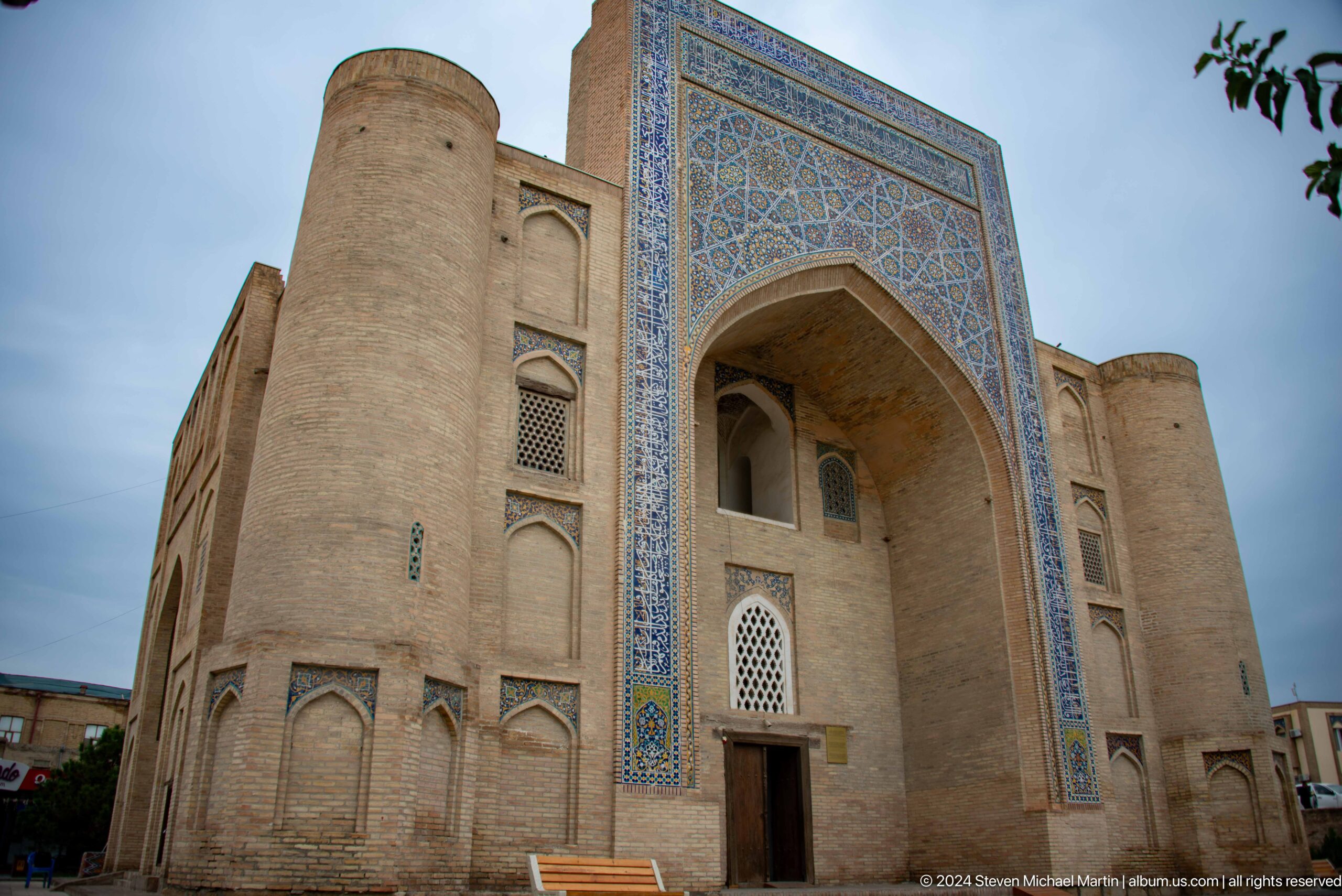
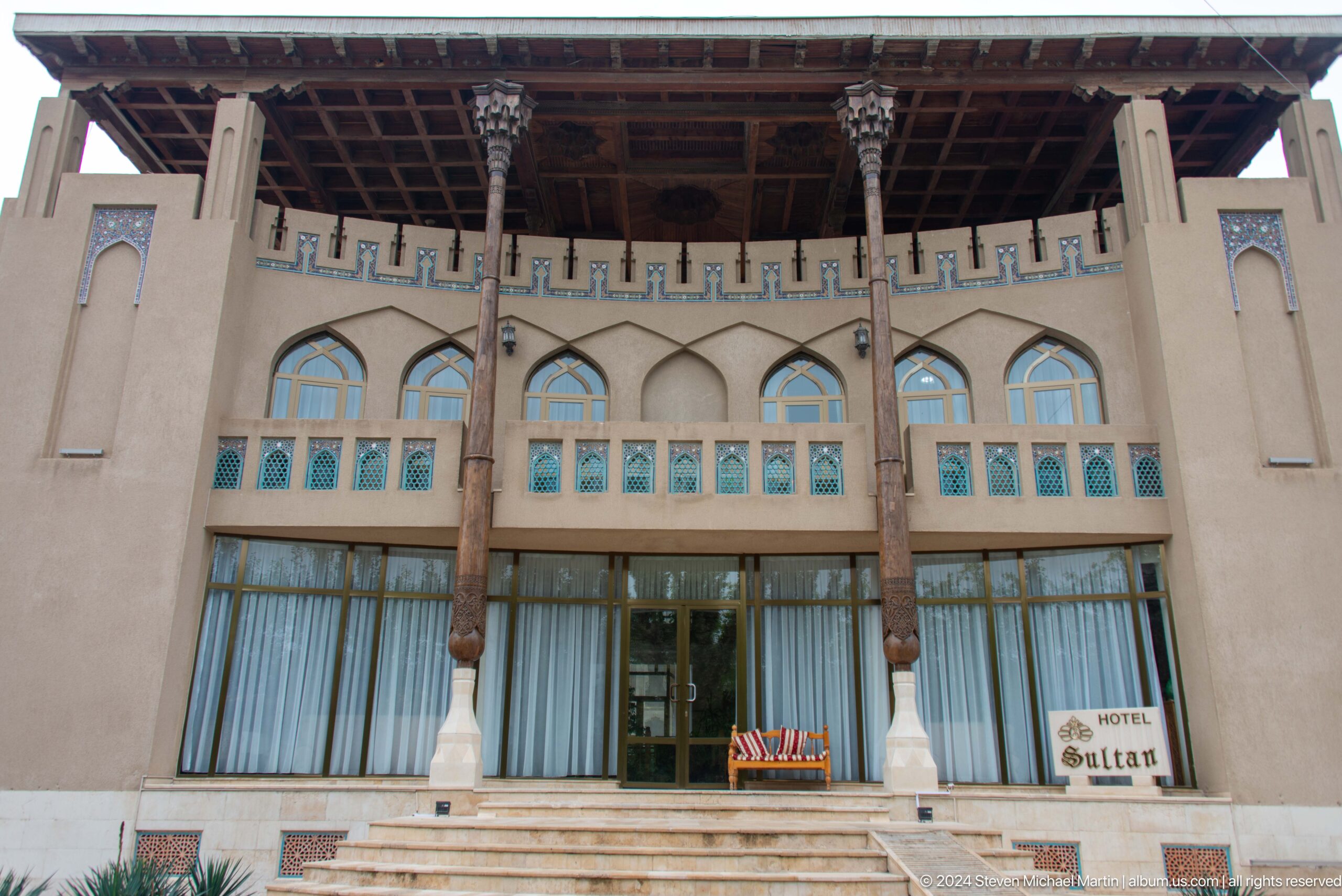
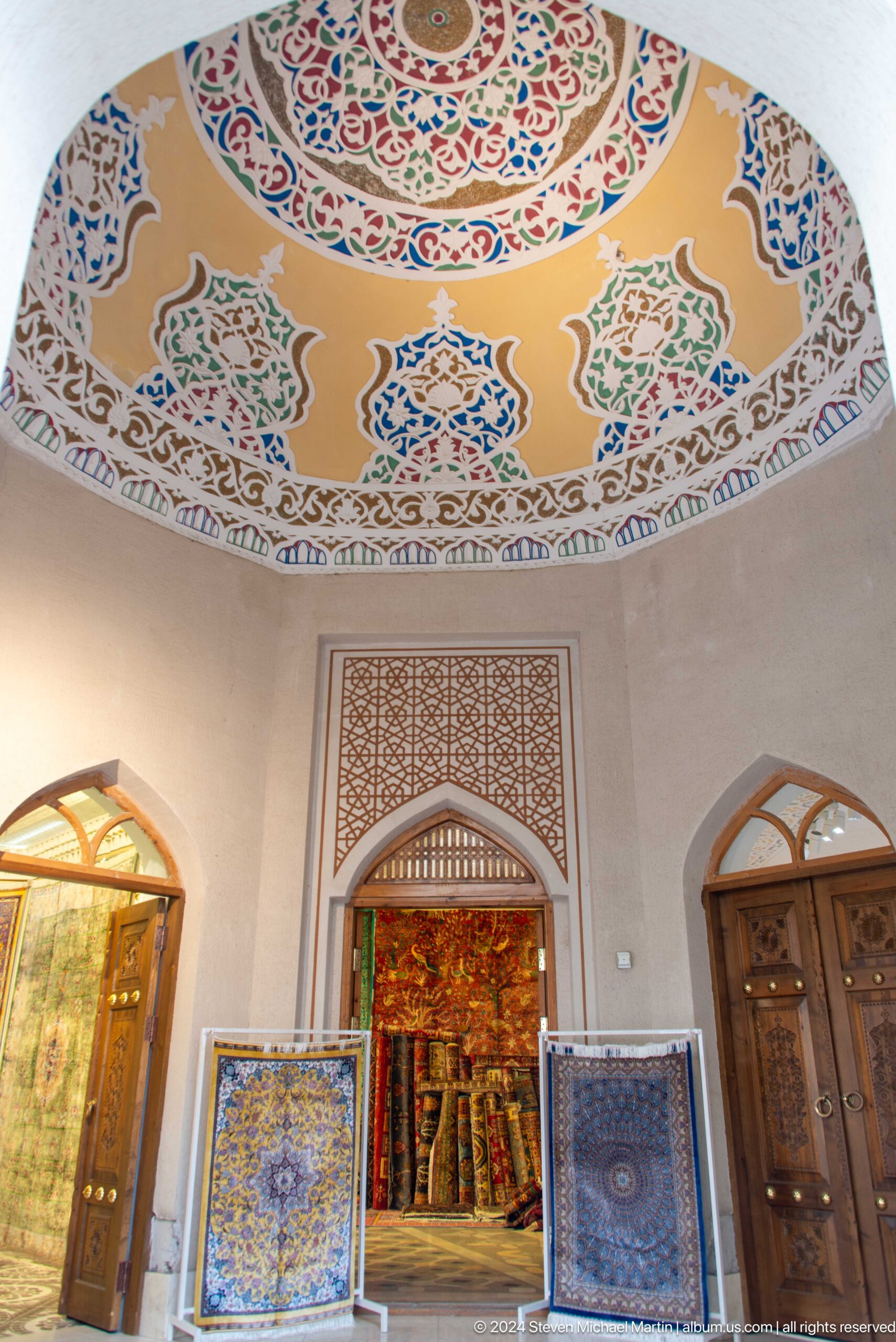
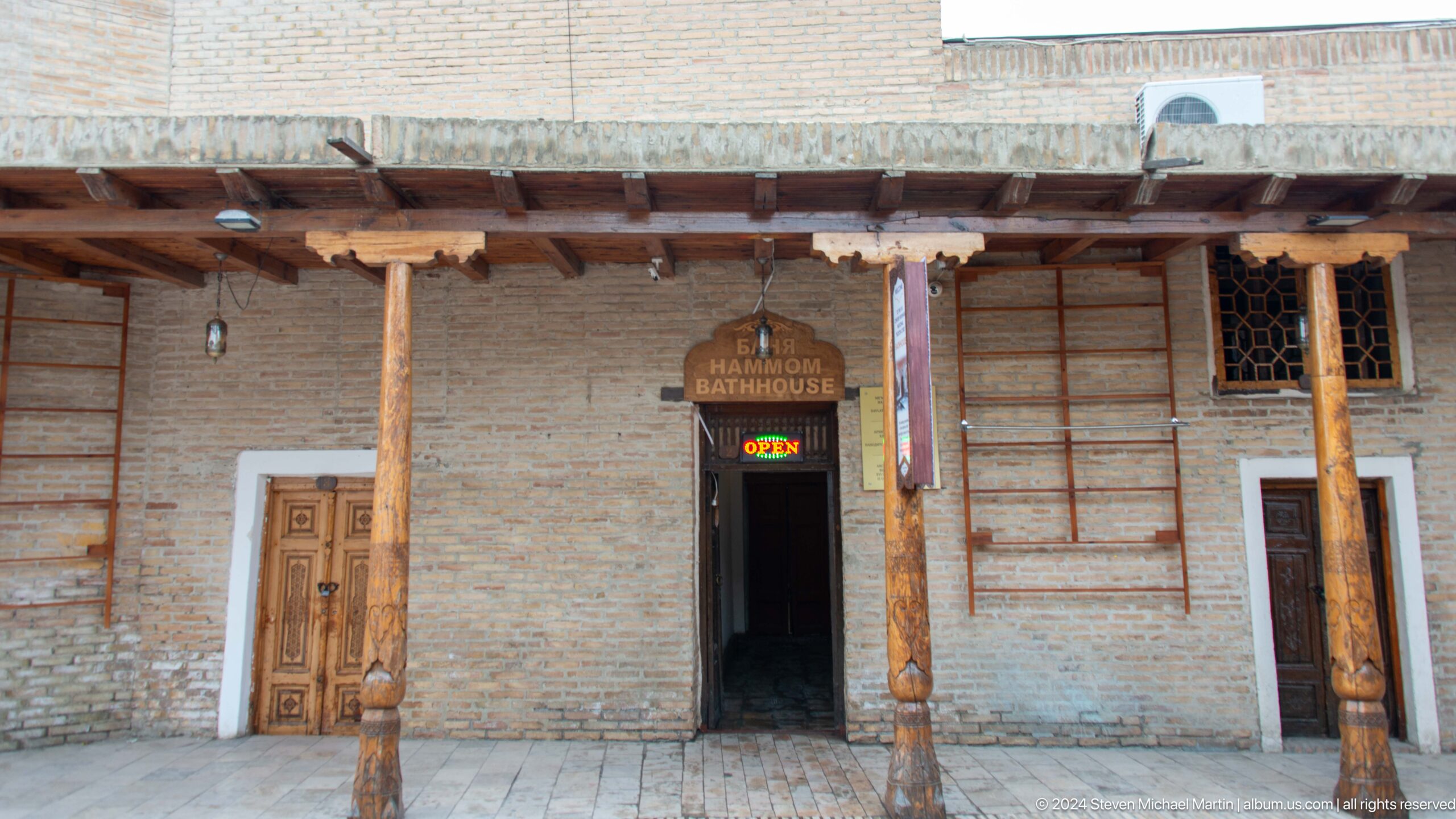
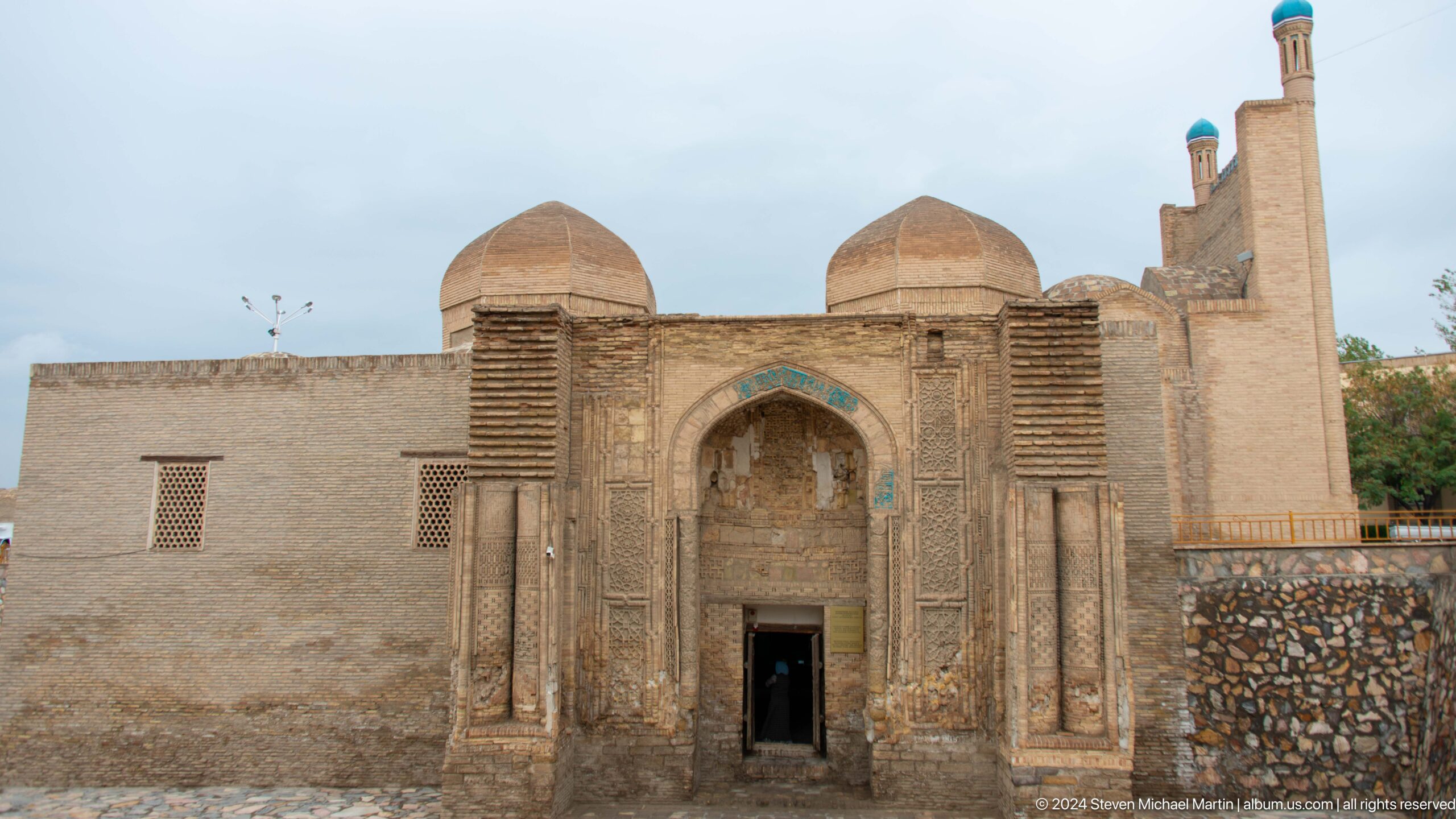
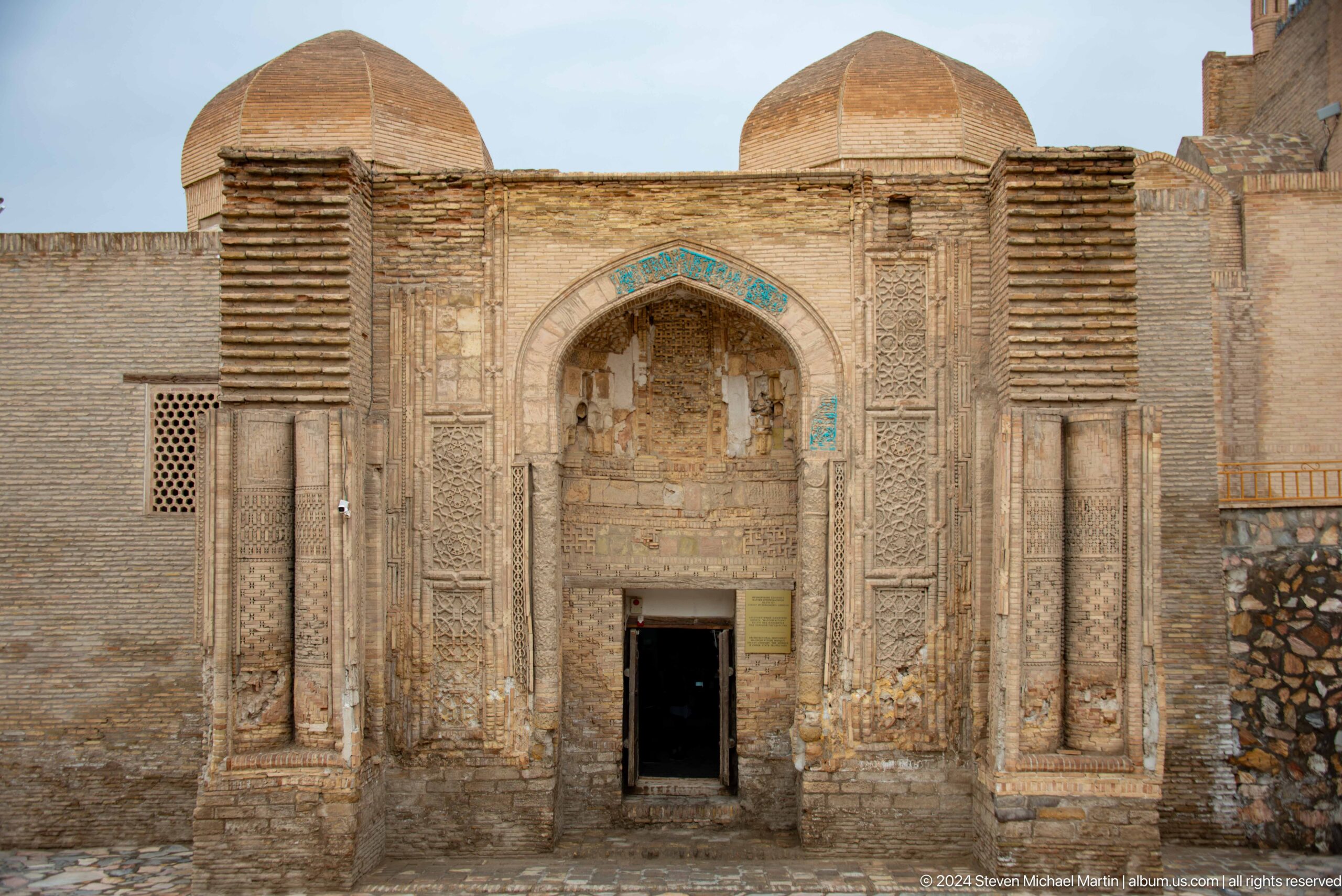
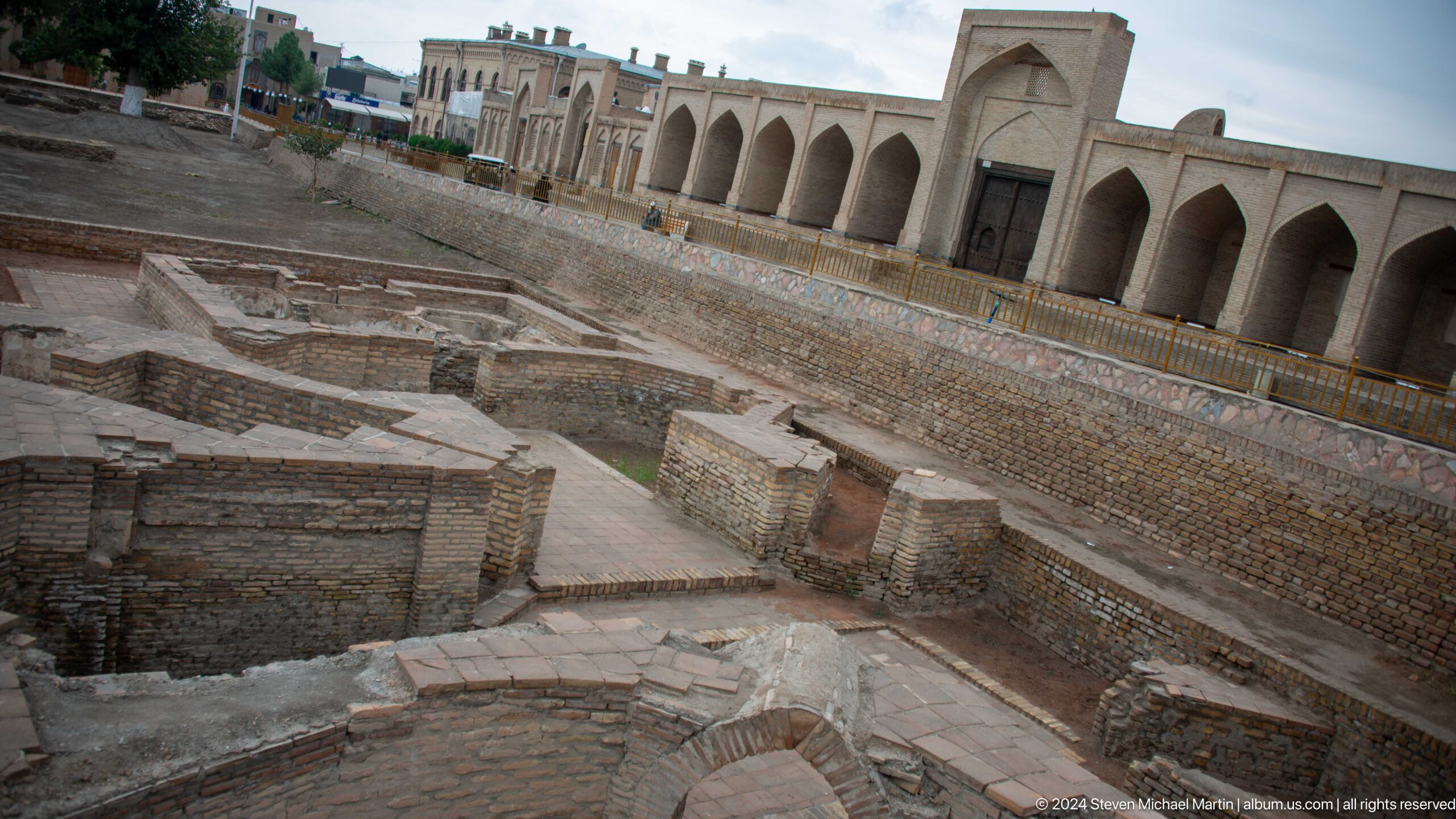
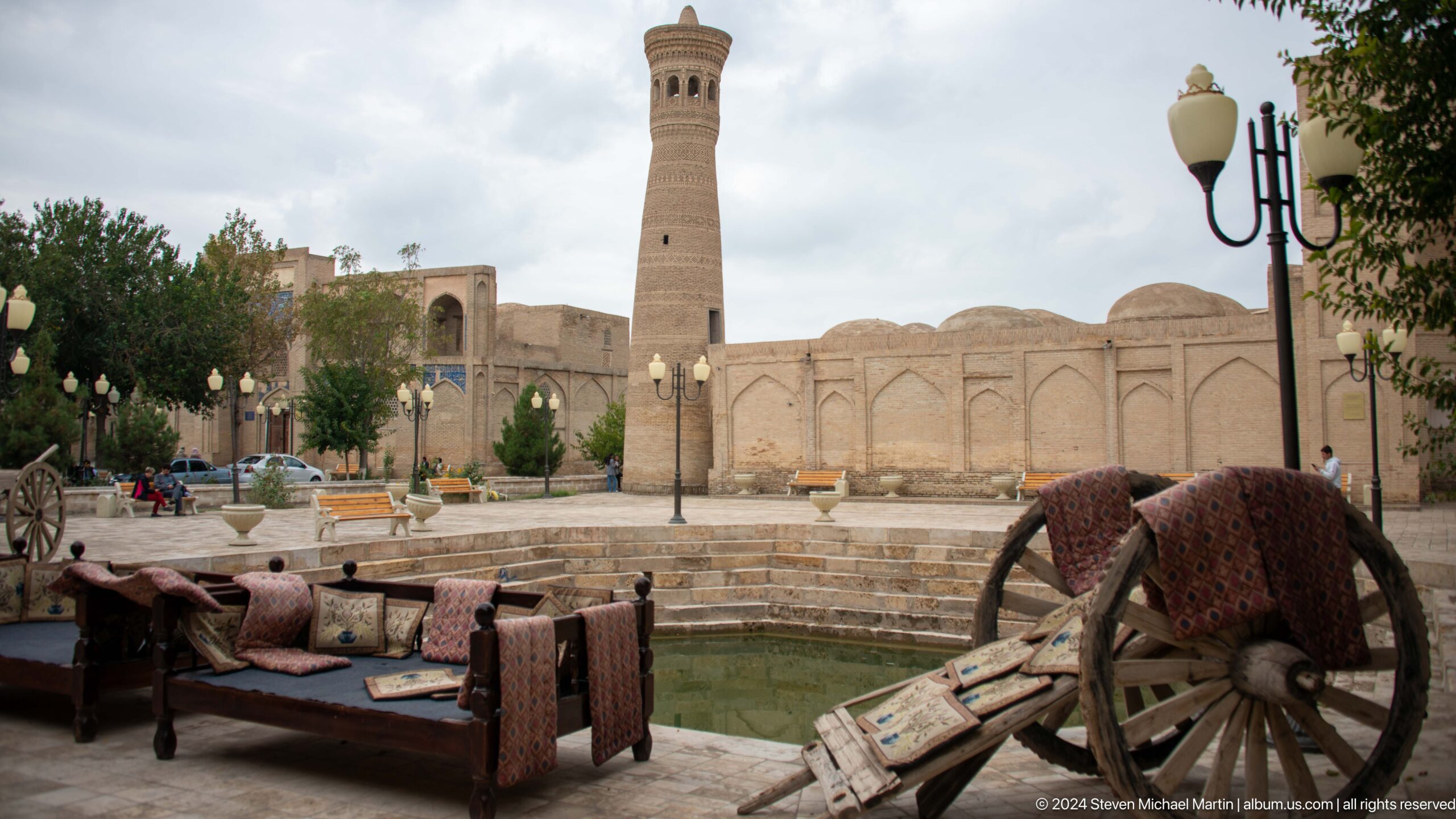
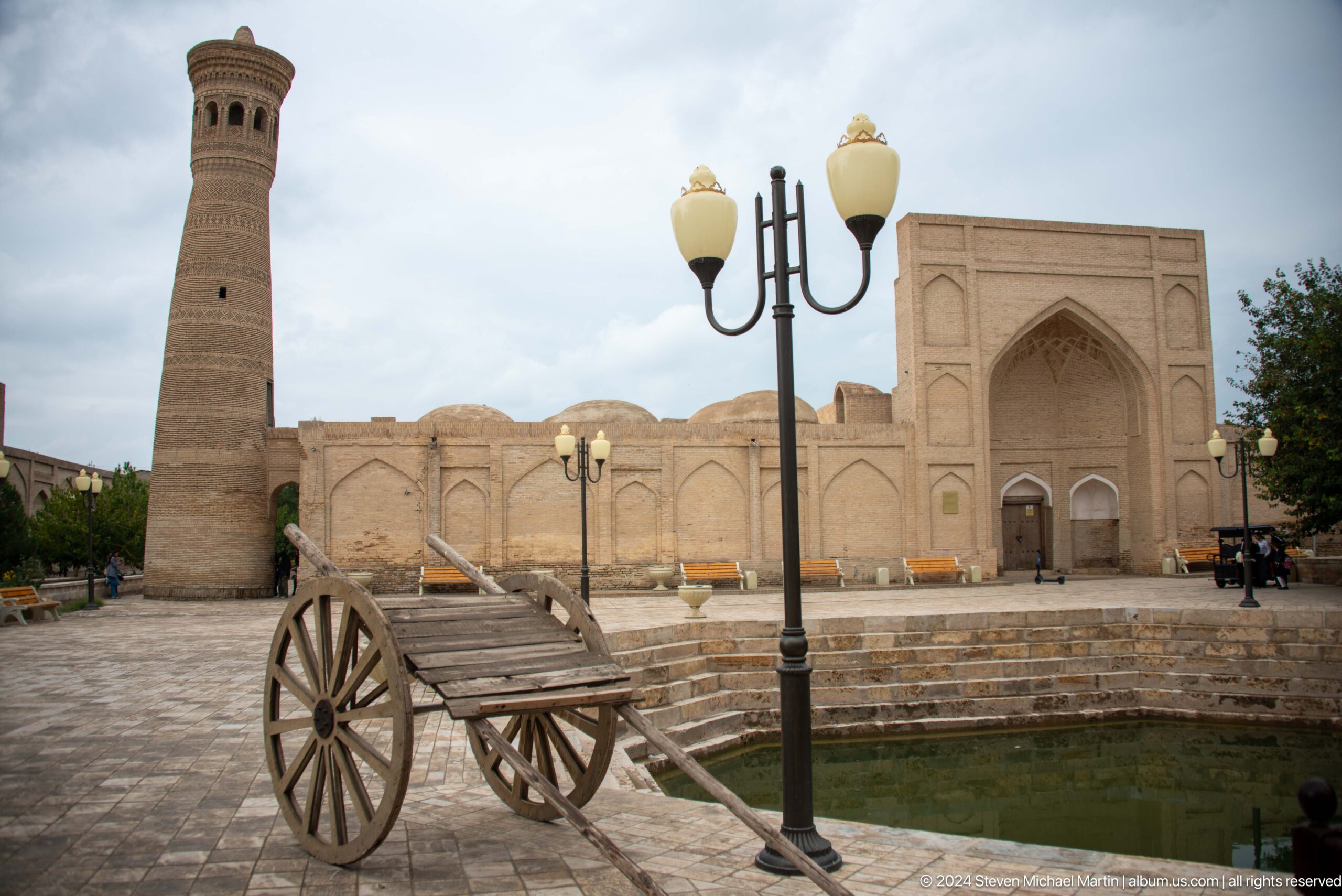
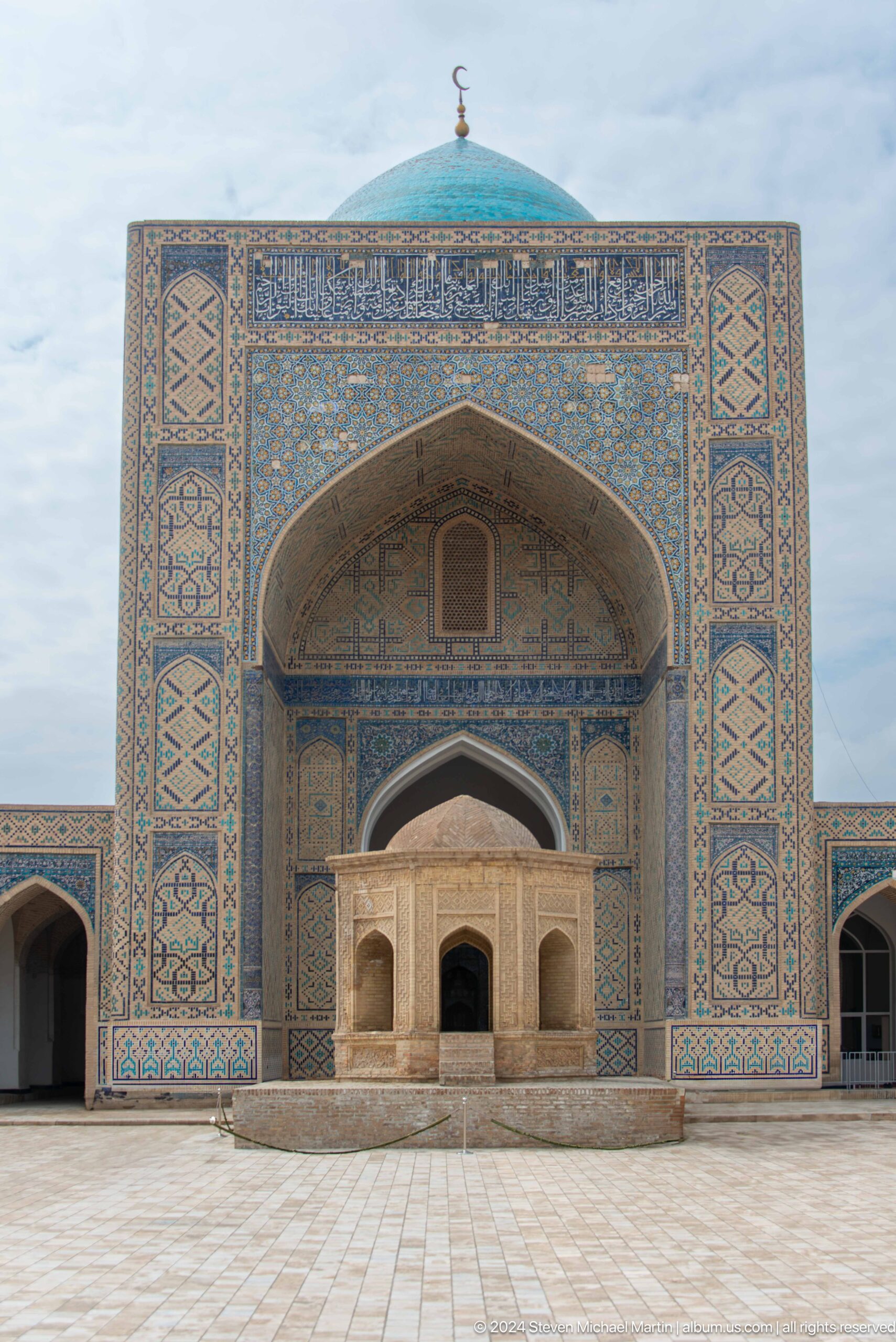
Bukhara’s architectural landscape includes monumental religious structures, fortified citadels, and covered bazaars designed to support both spiritual and commercial life. Notable features include the Kalon Minaret, which served as both a religious and civic landmark, and the Ark Fortress, a long-standing seat of regional power. Domed market halls illustrate the organization of trade guilds specializing in textiles, metalwork, and ceramics.
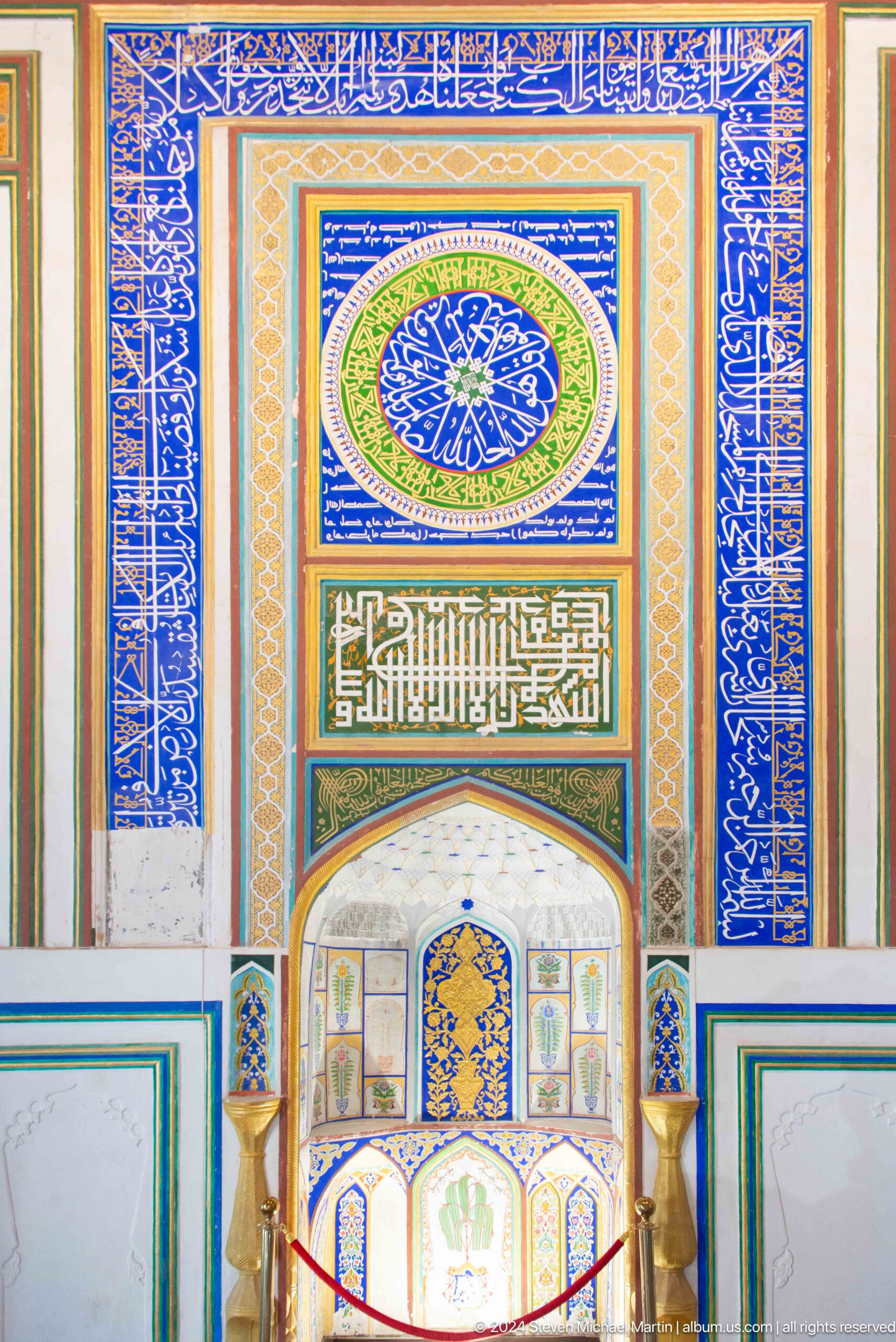
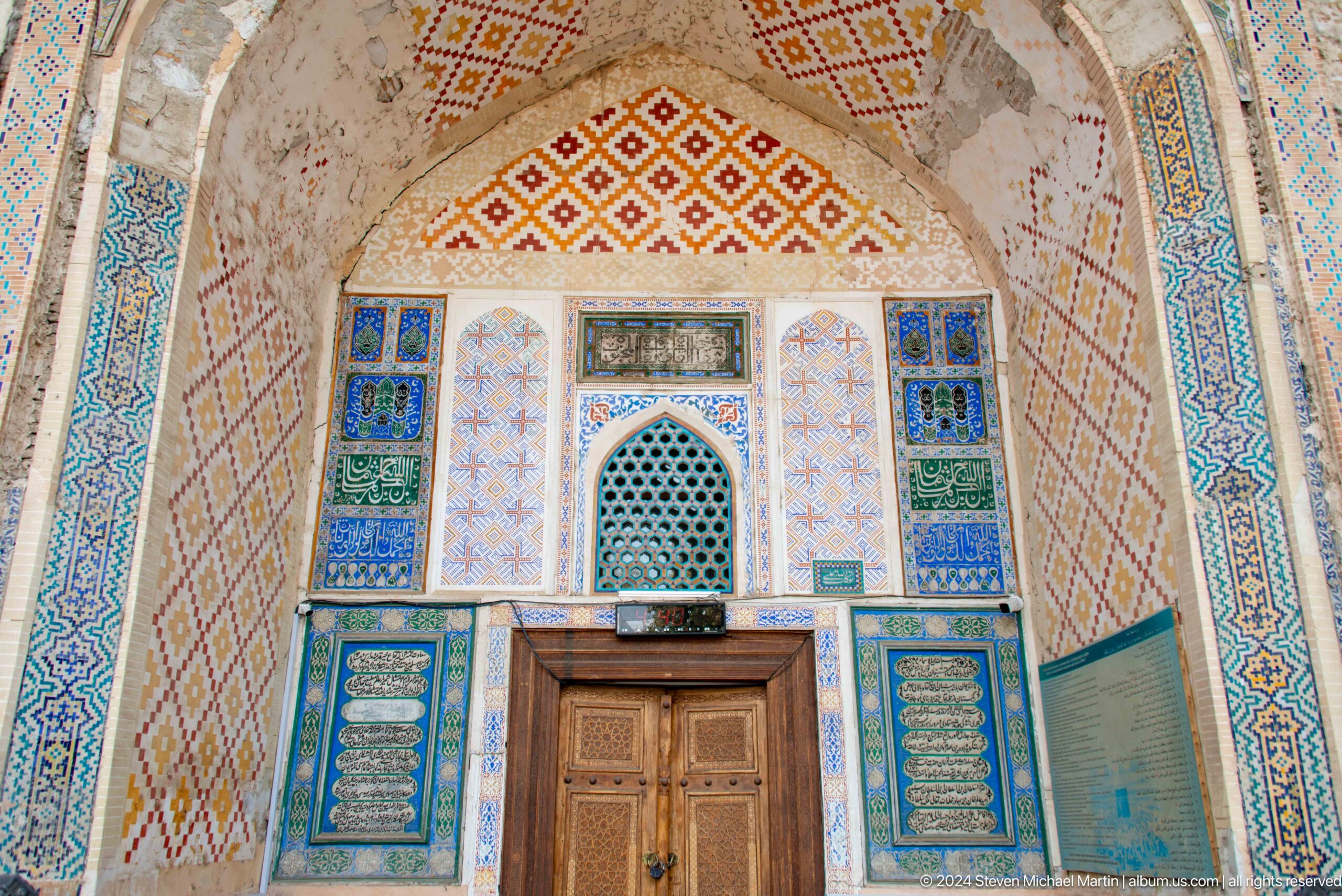
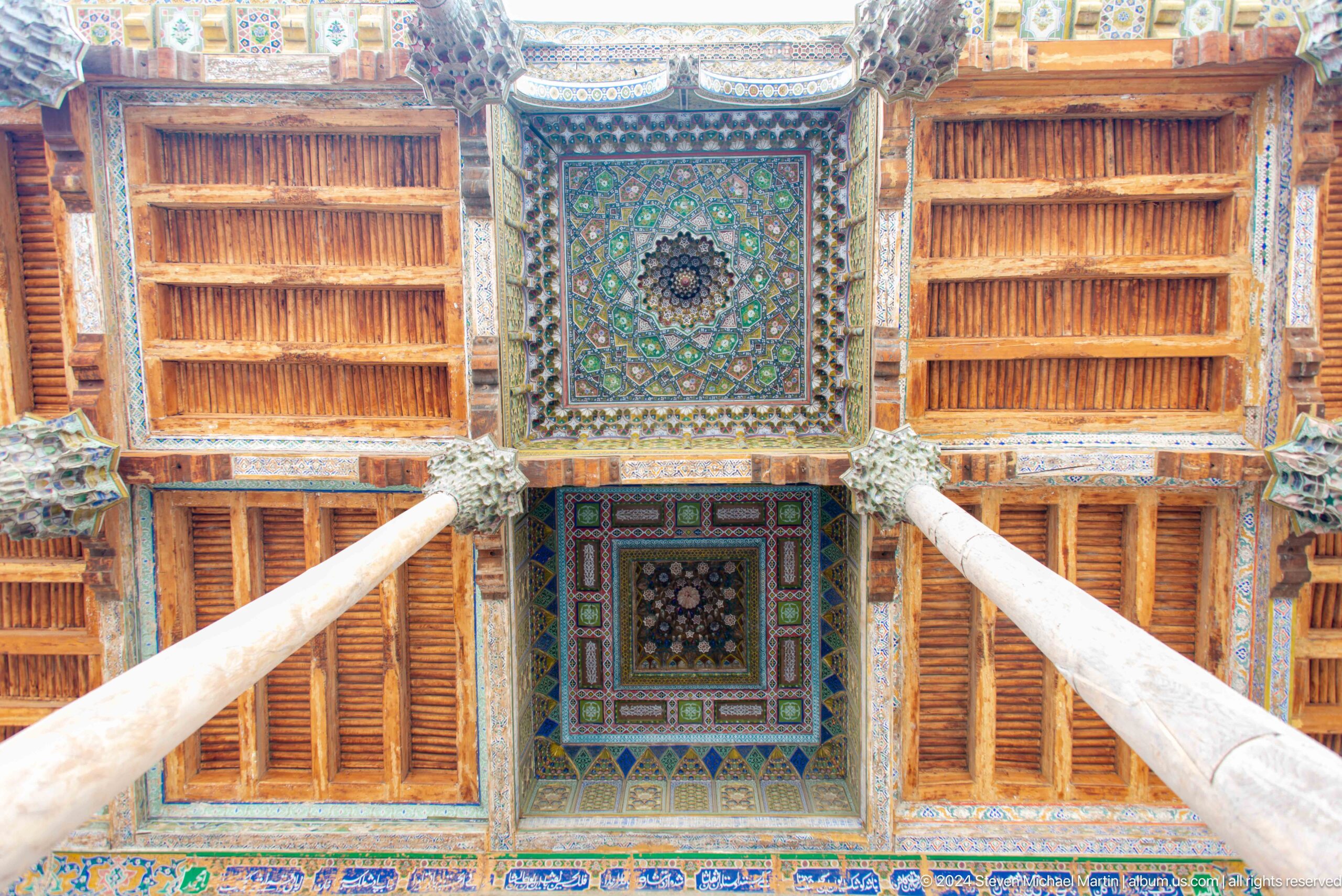
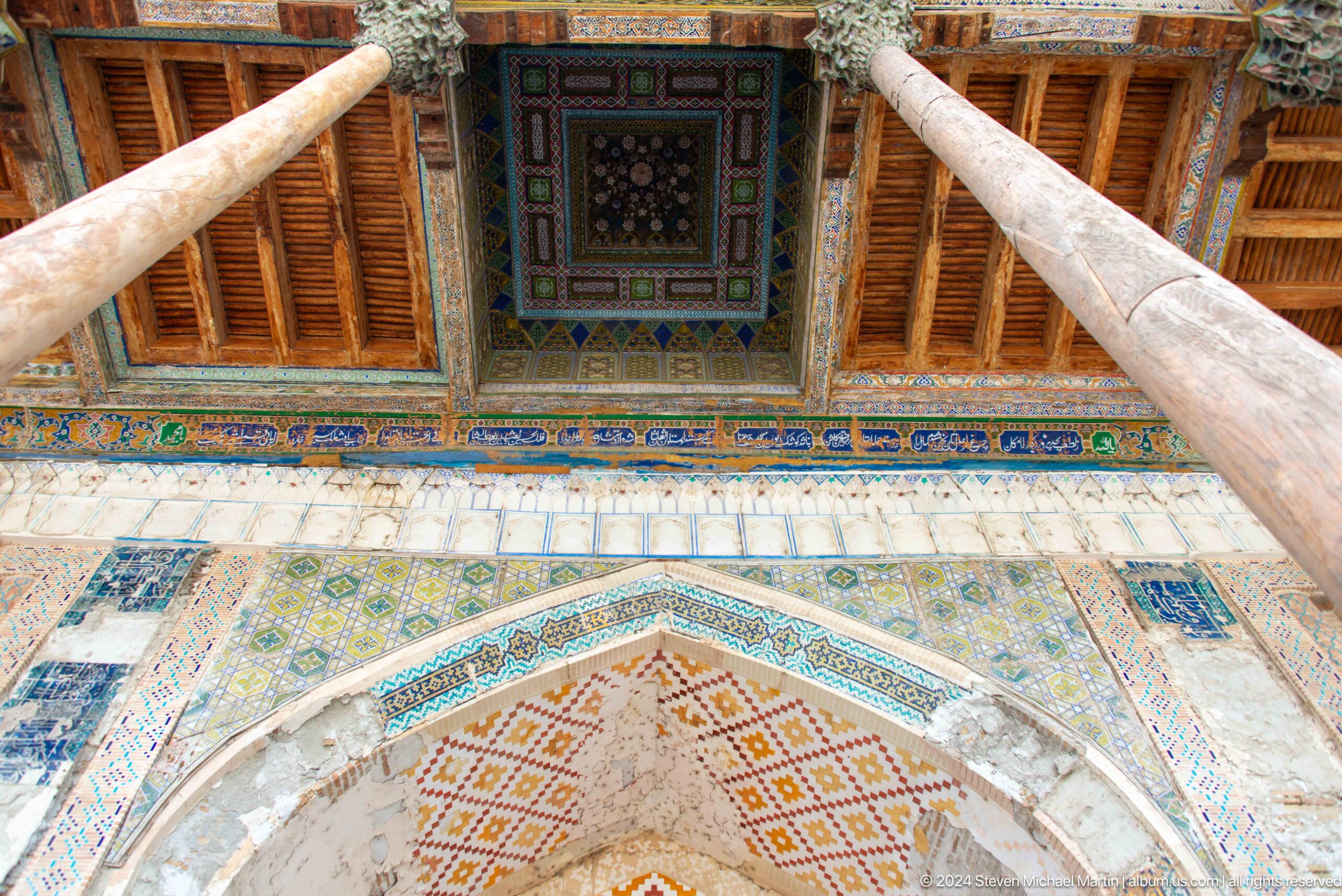
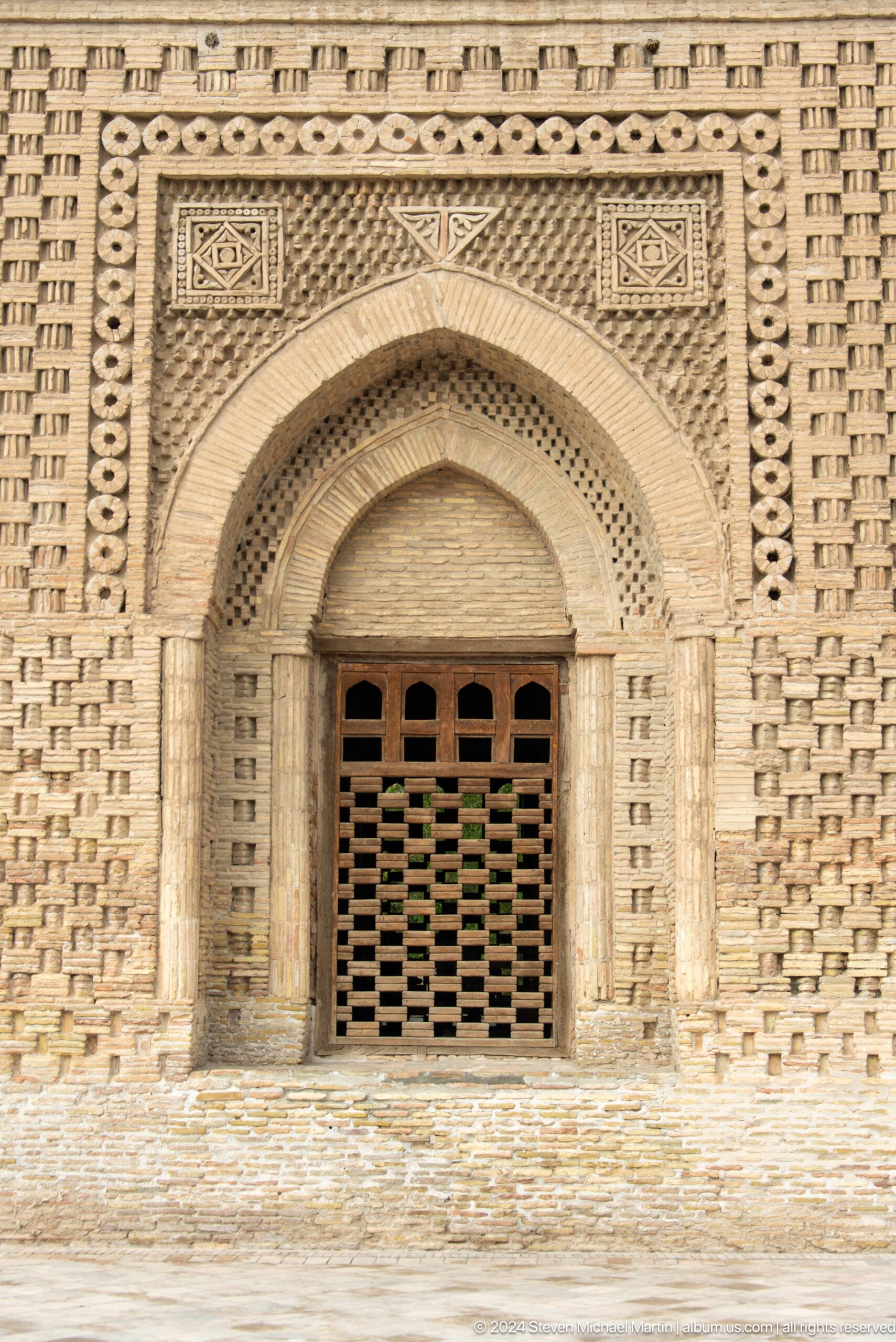
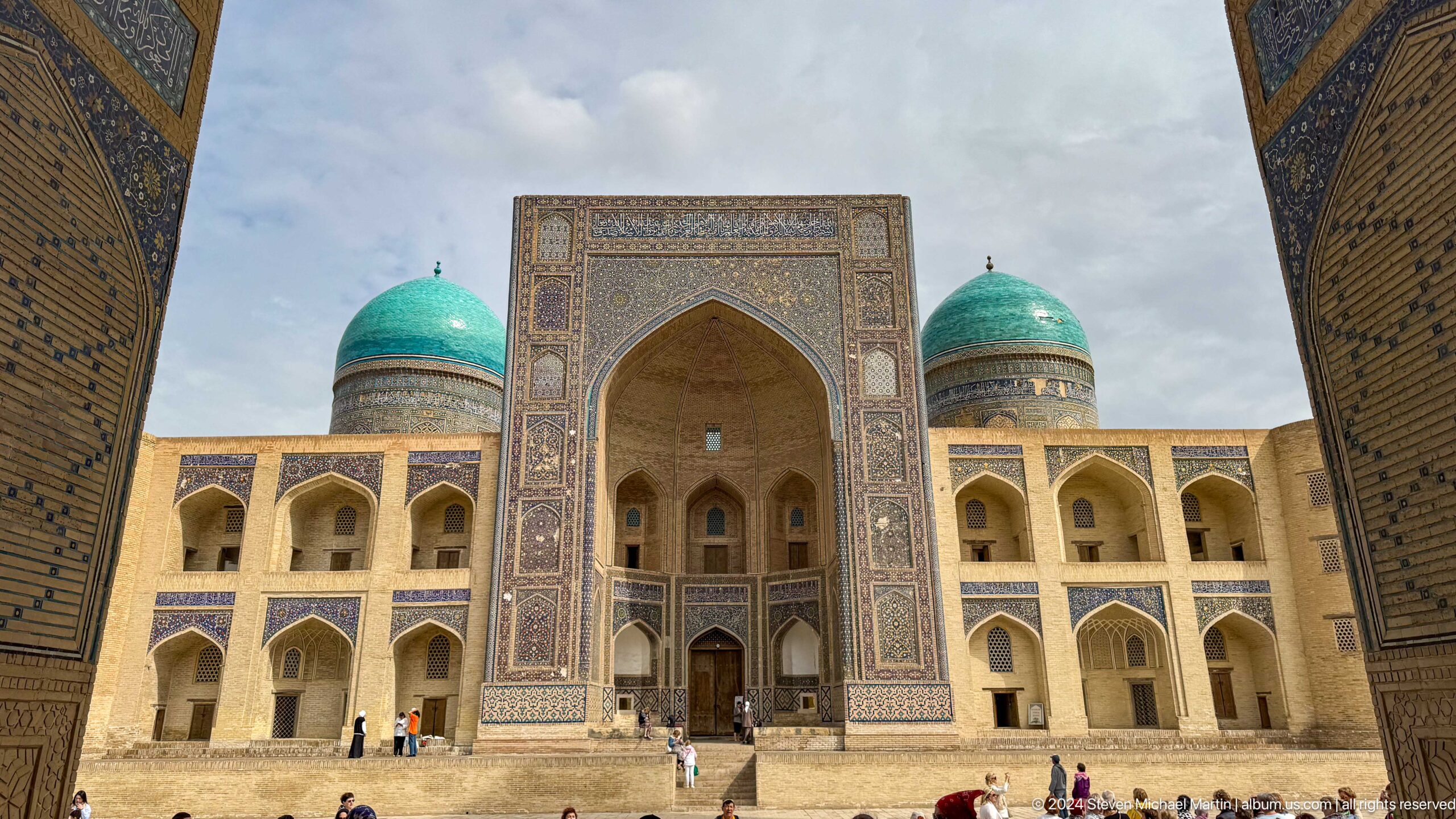
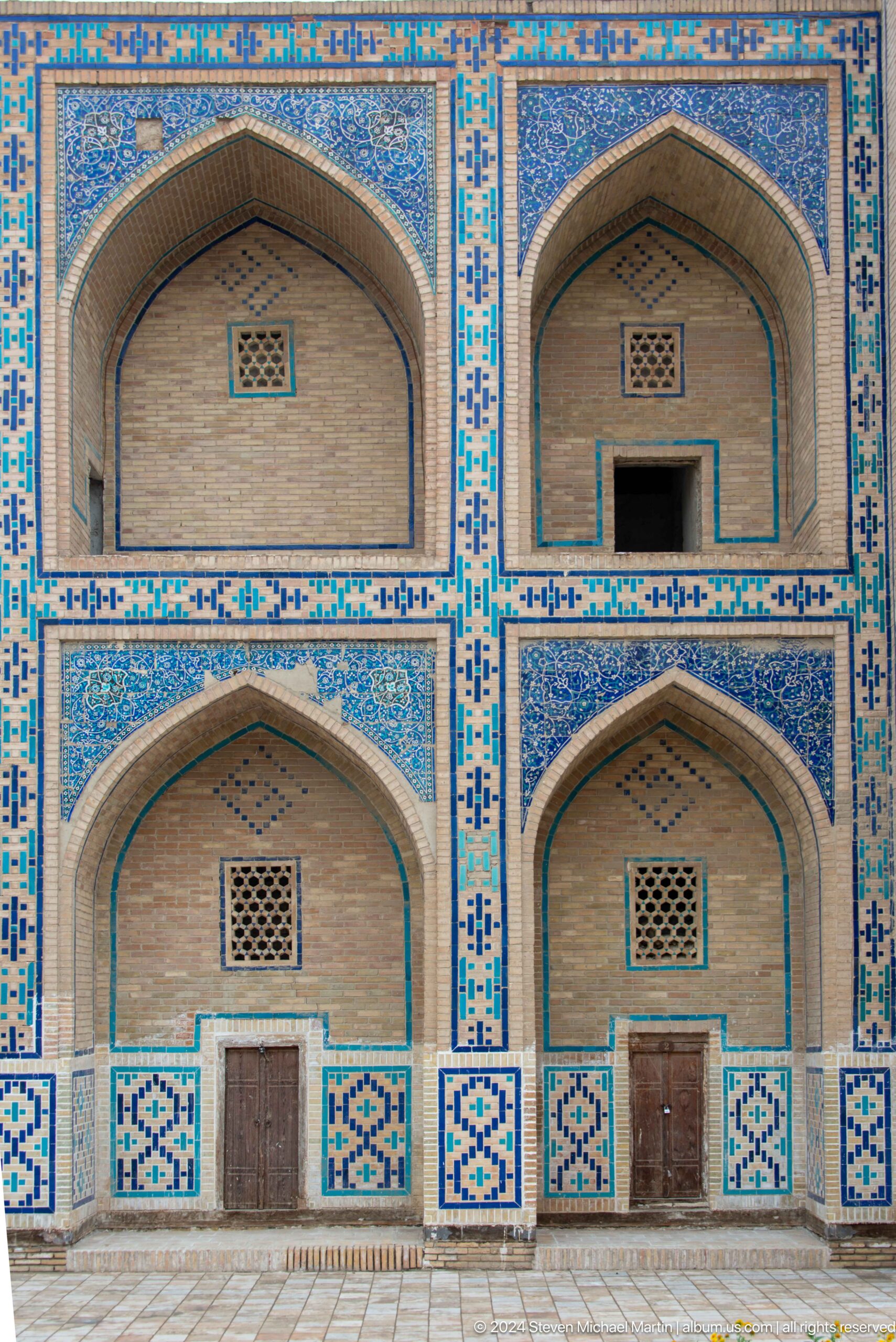
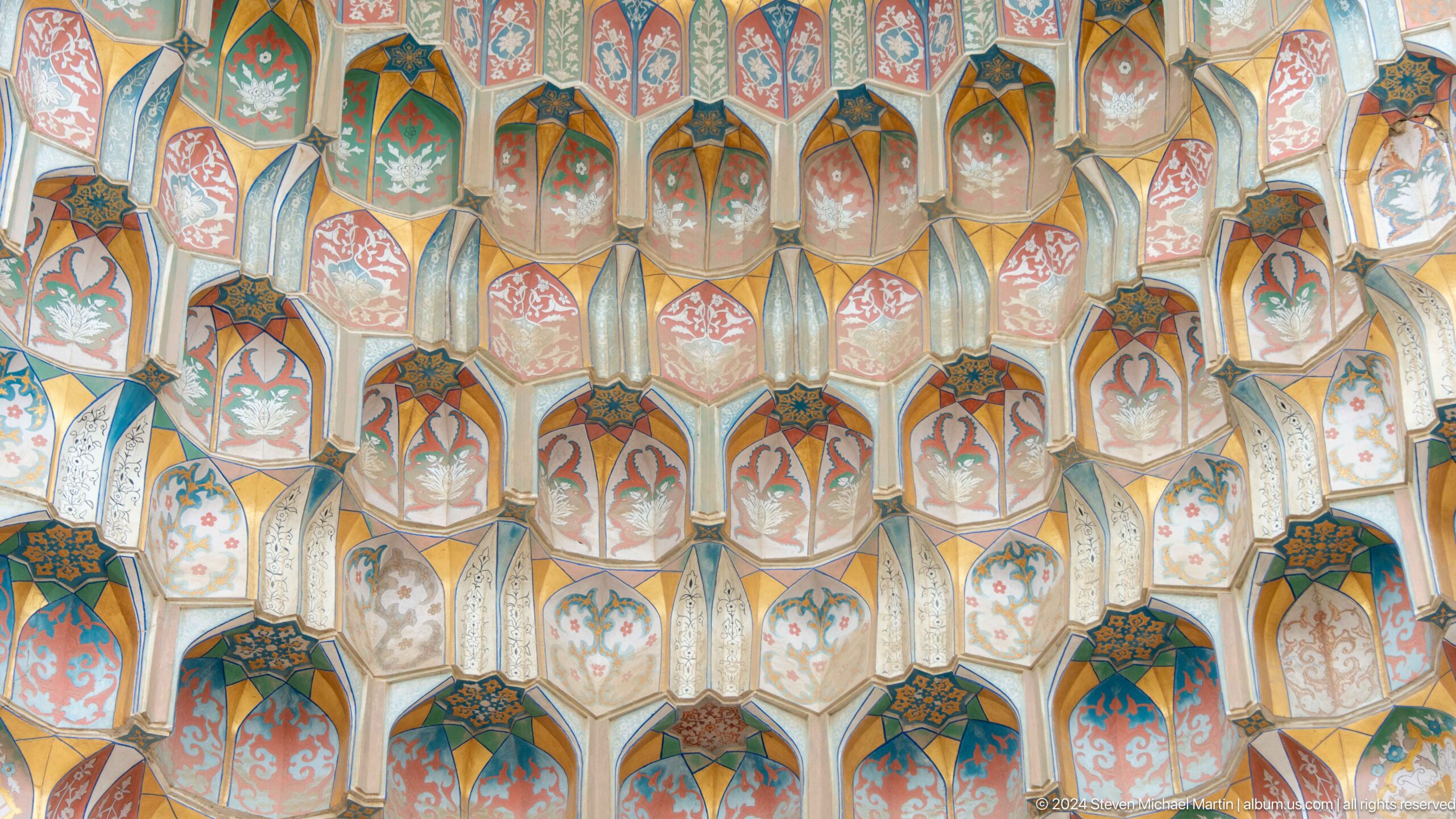
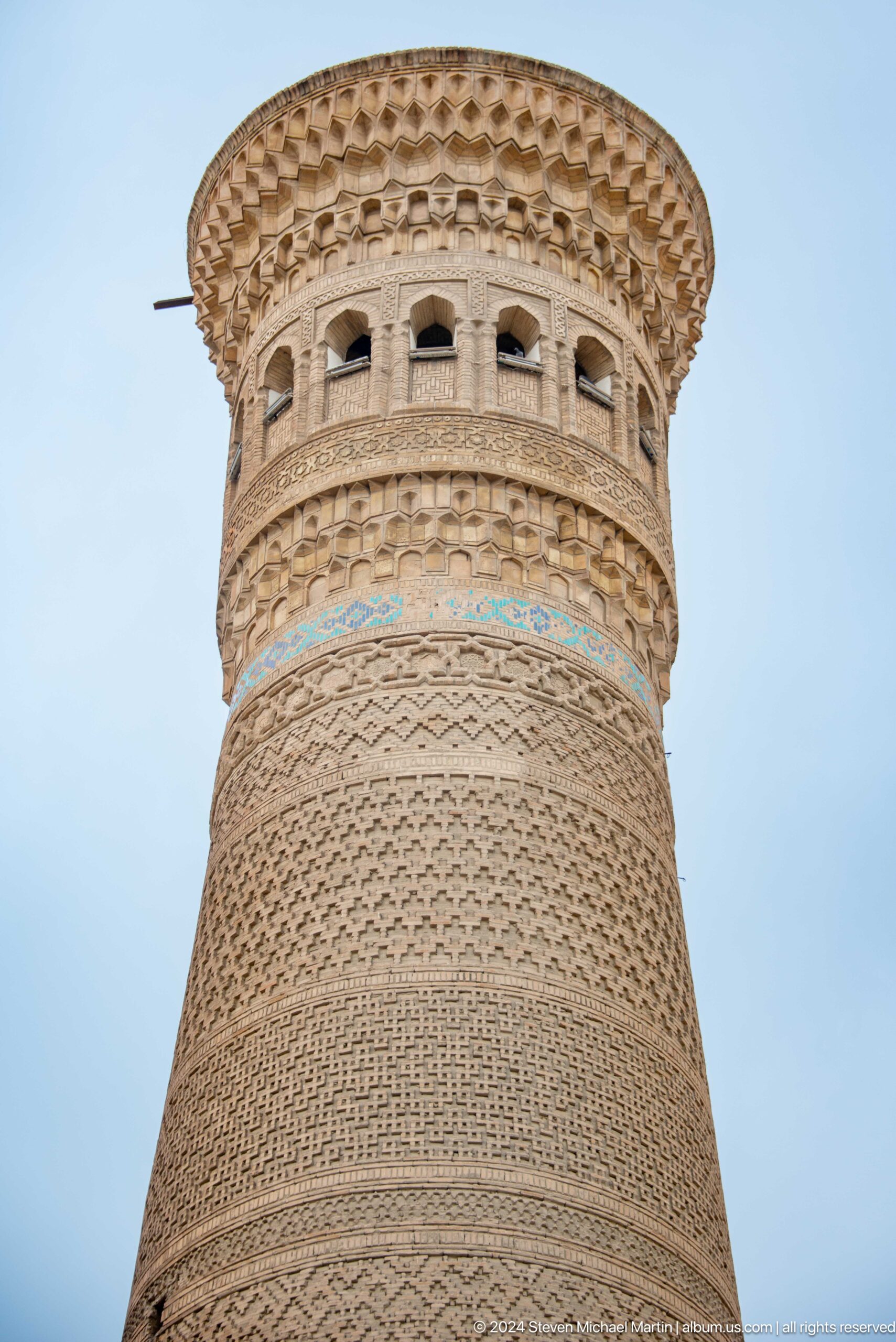
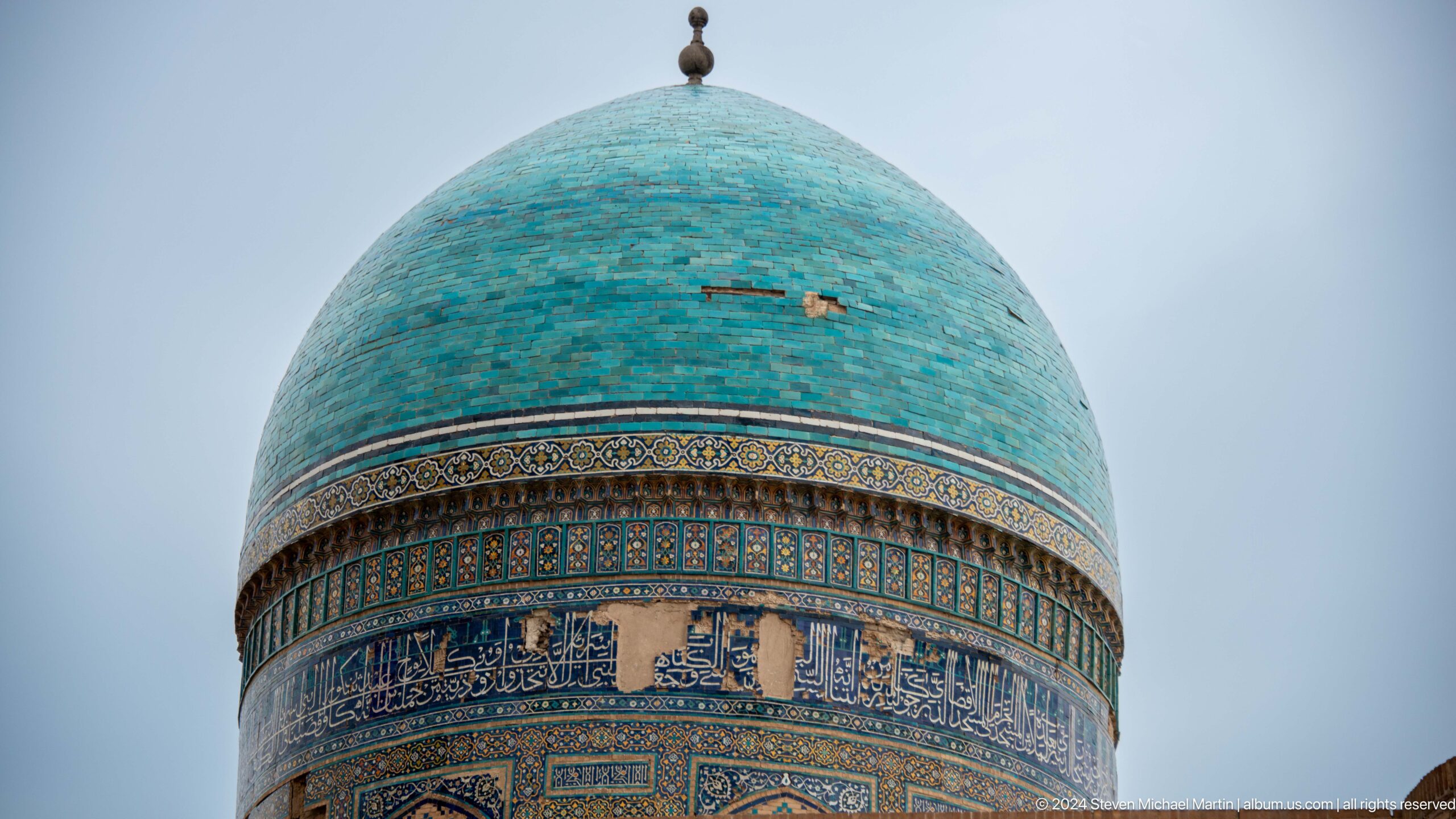
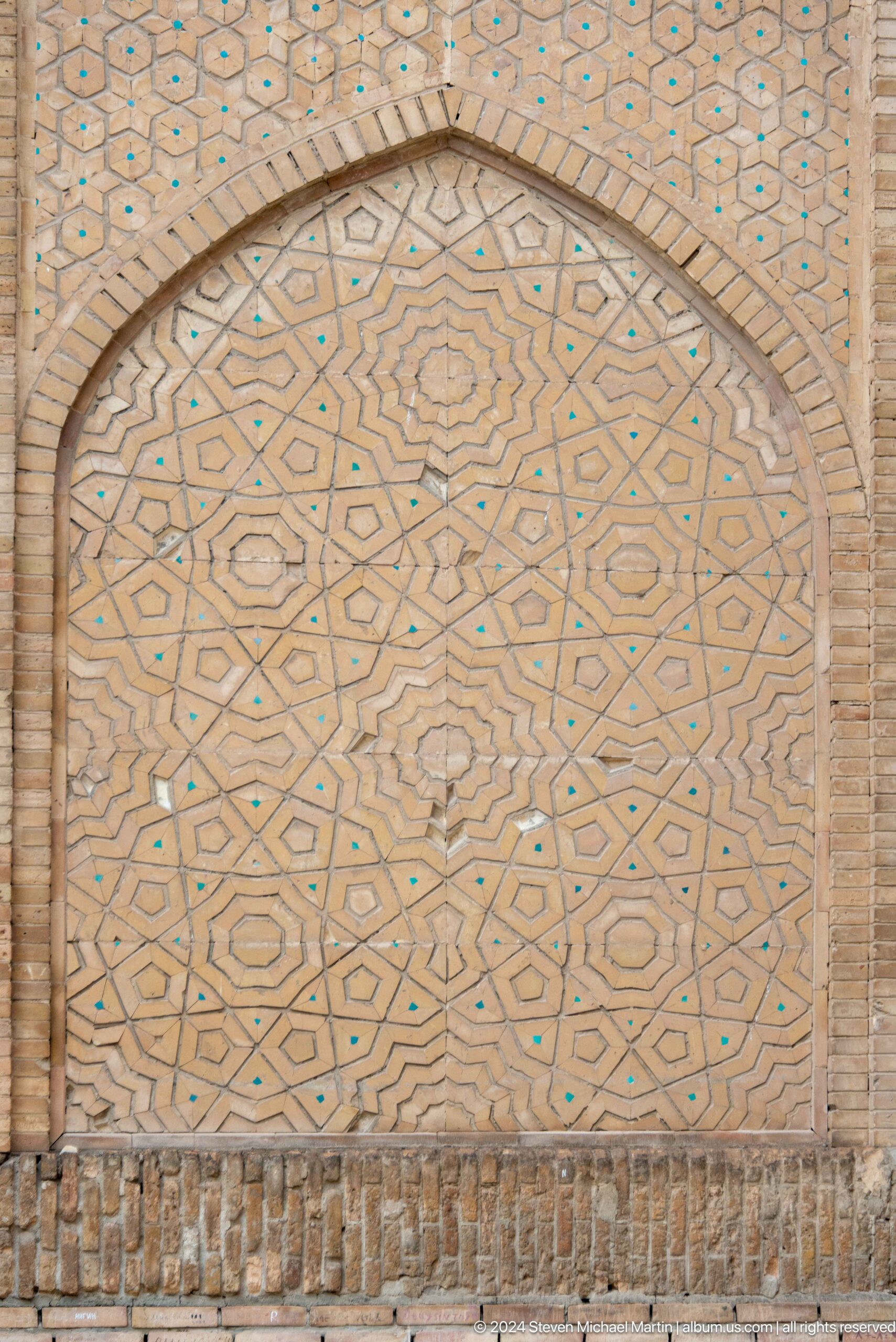
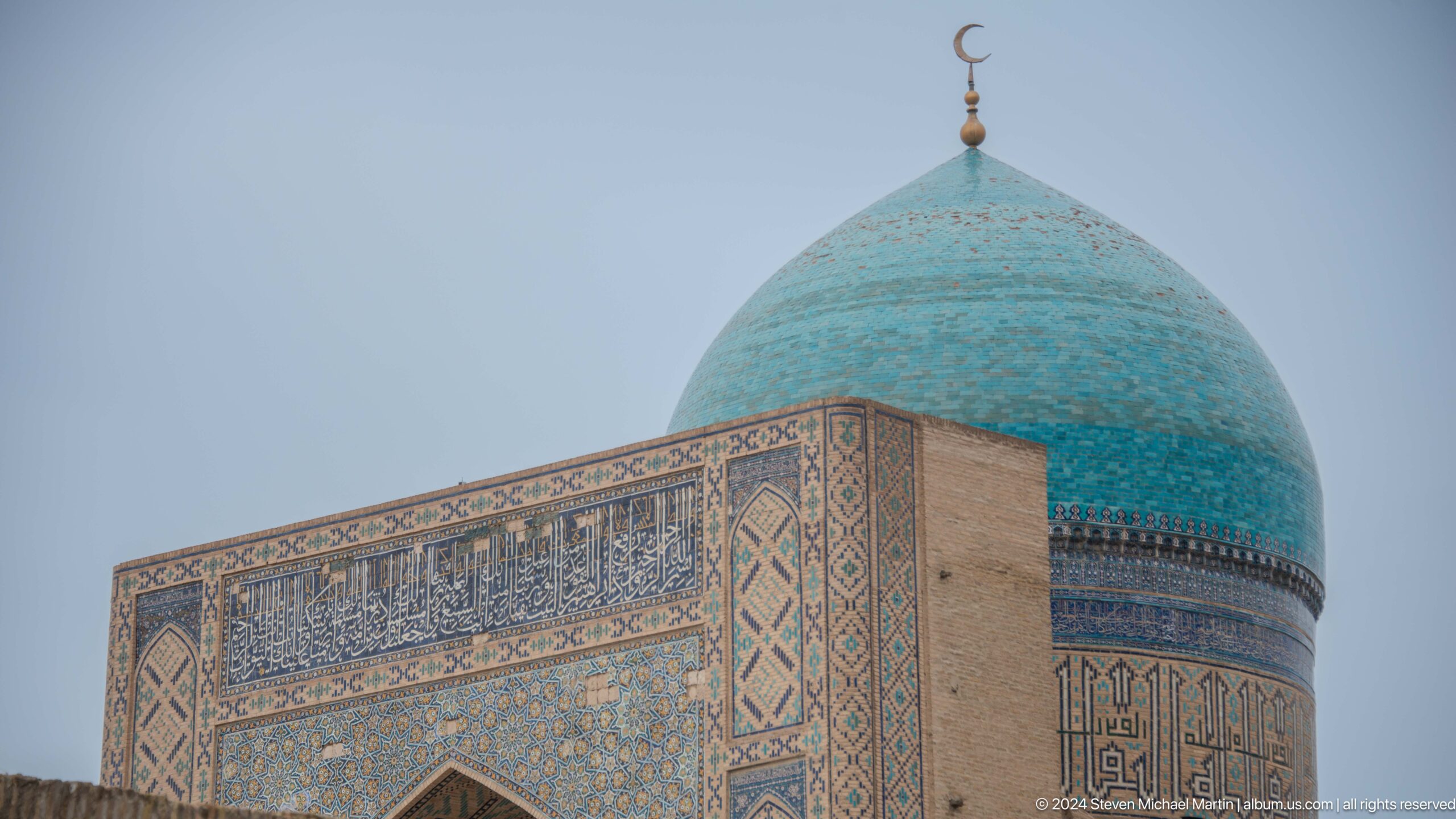
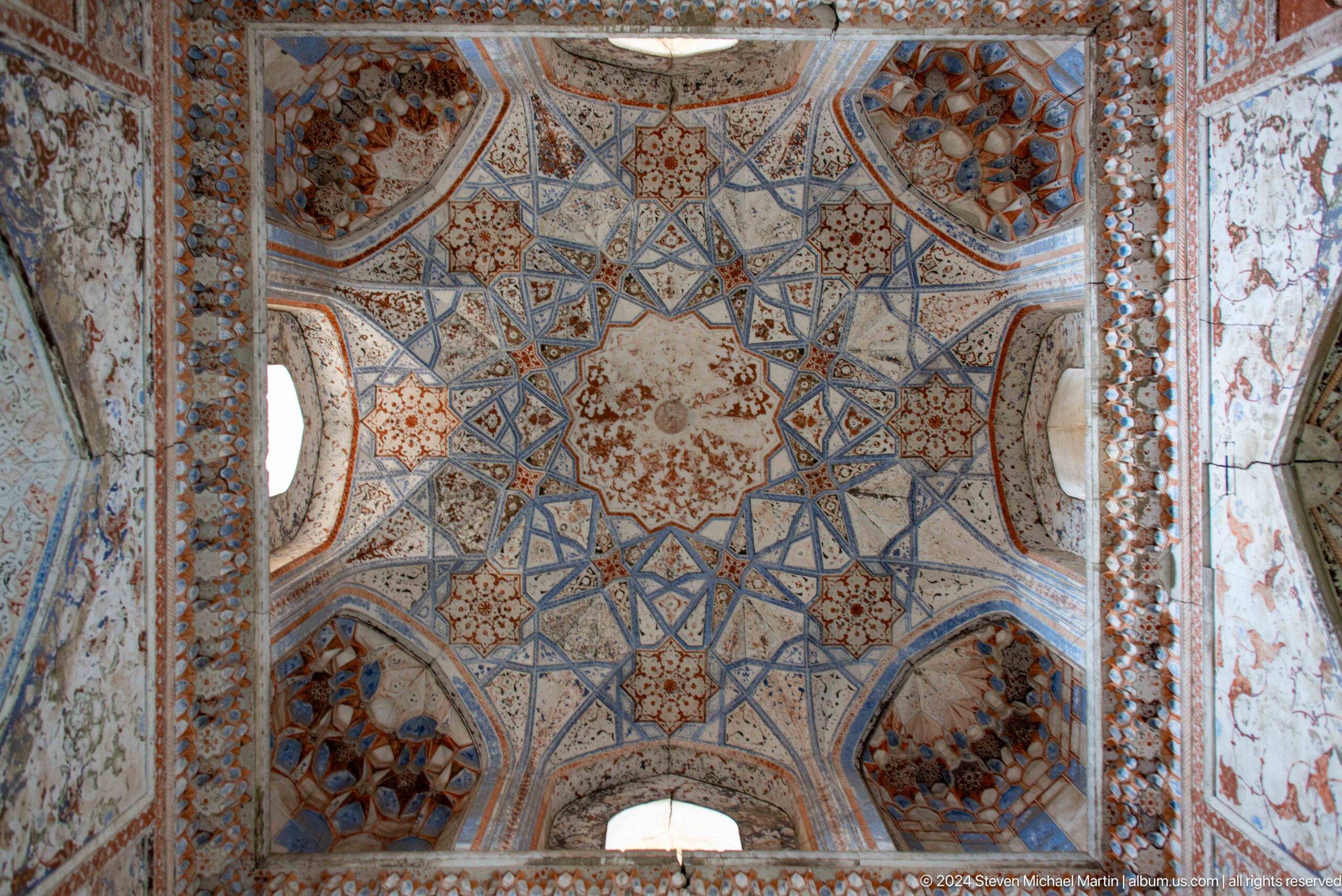
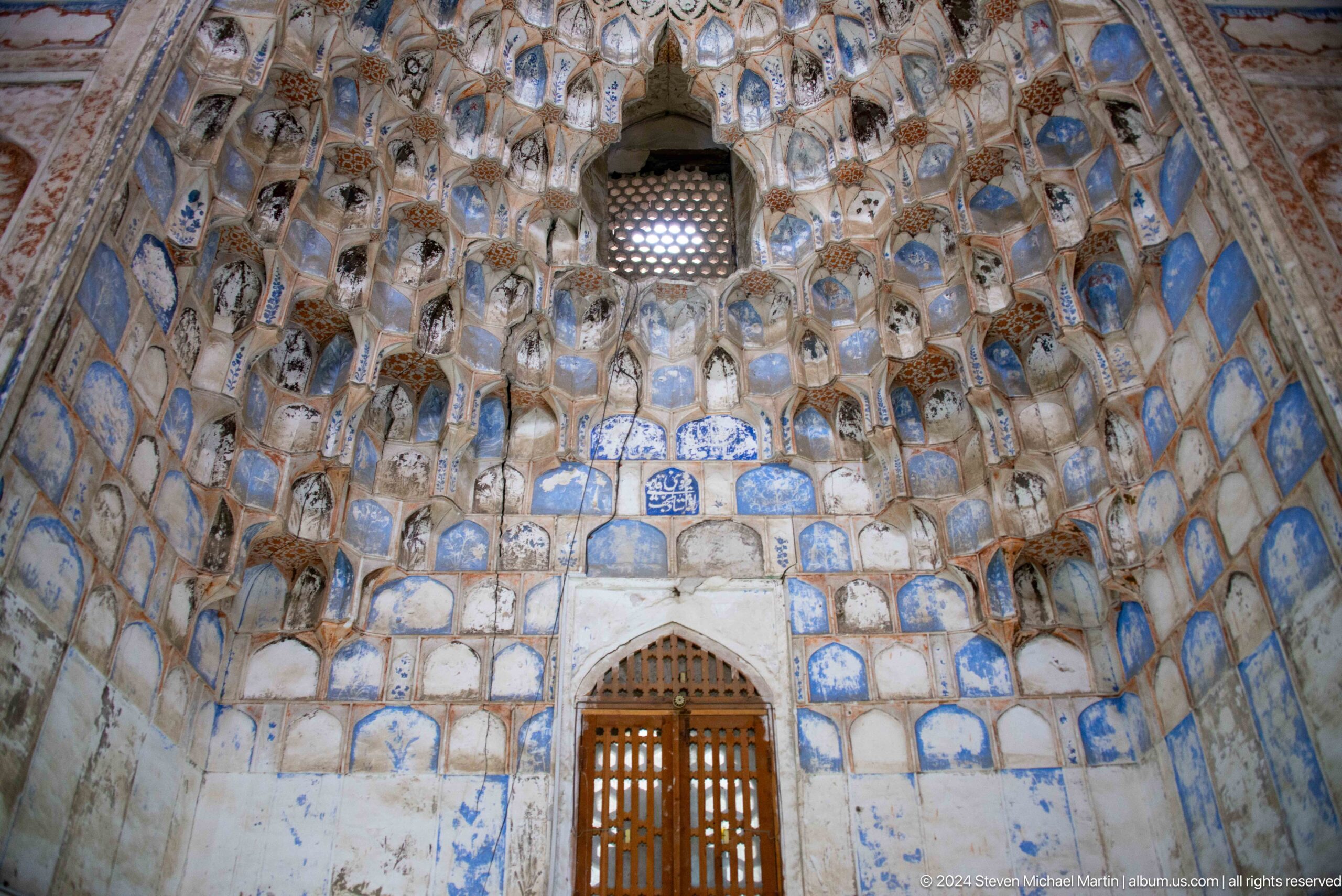
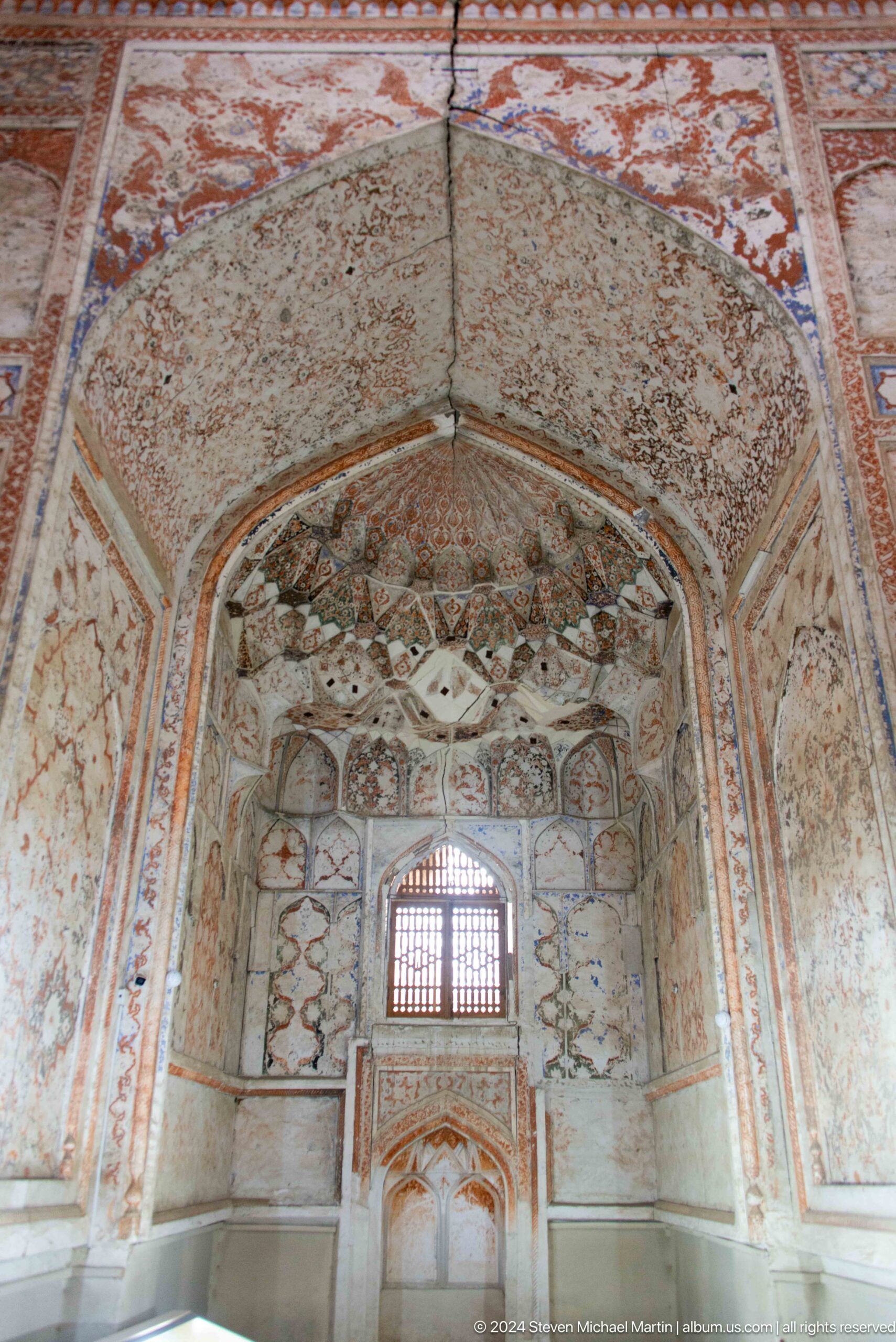
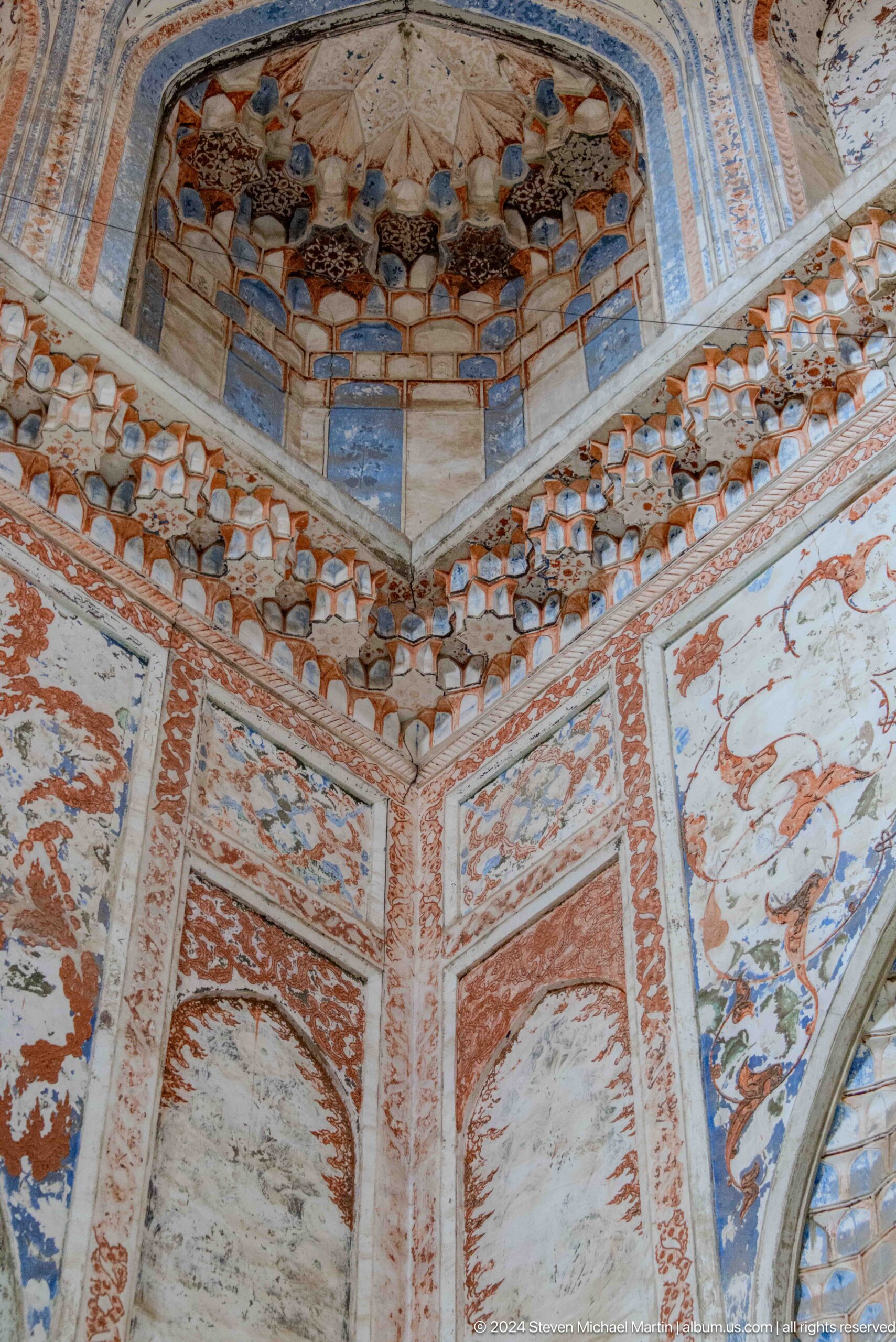
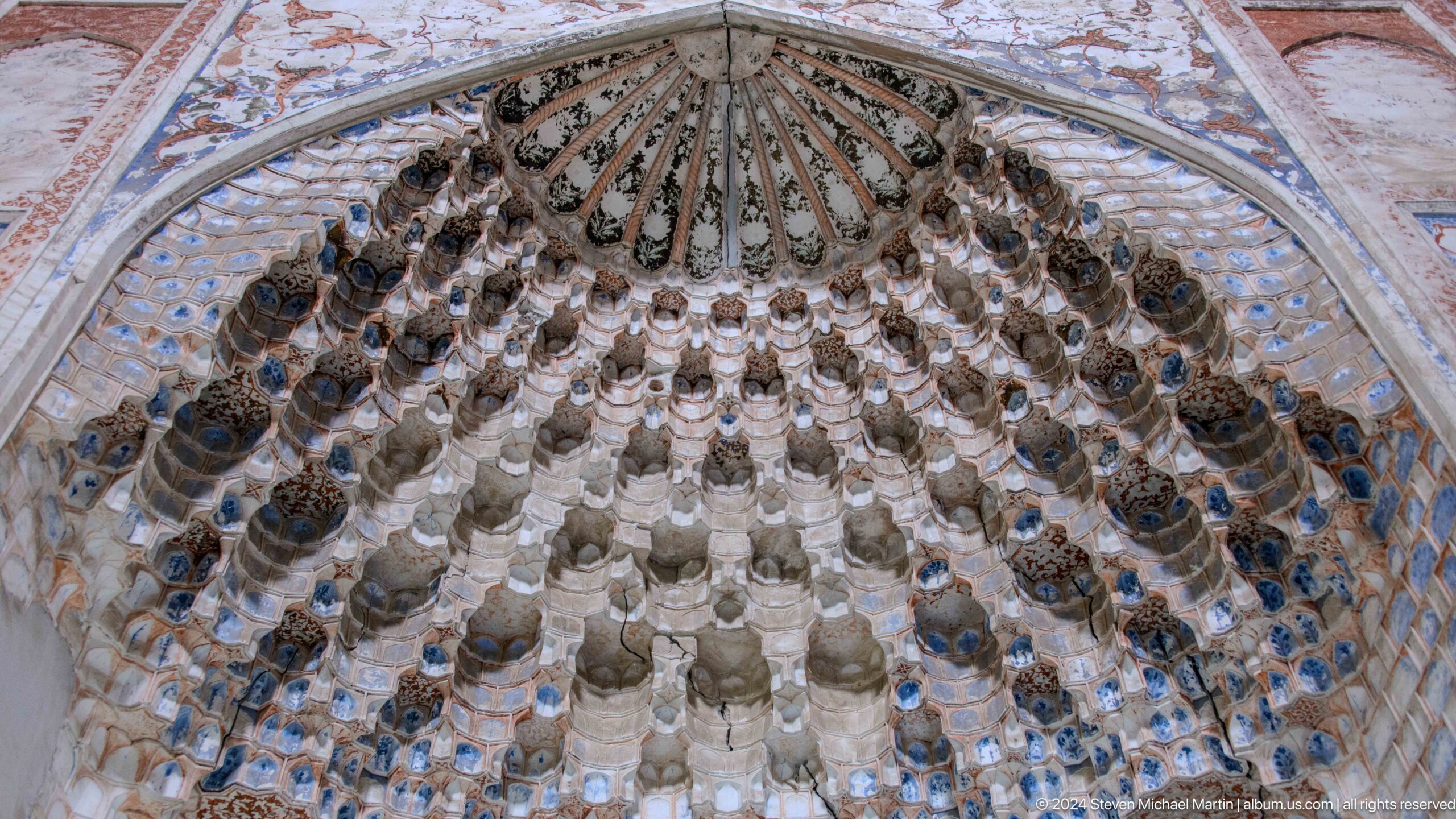
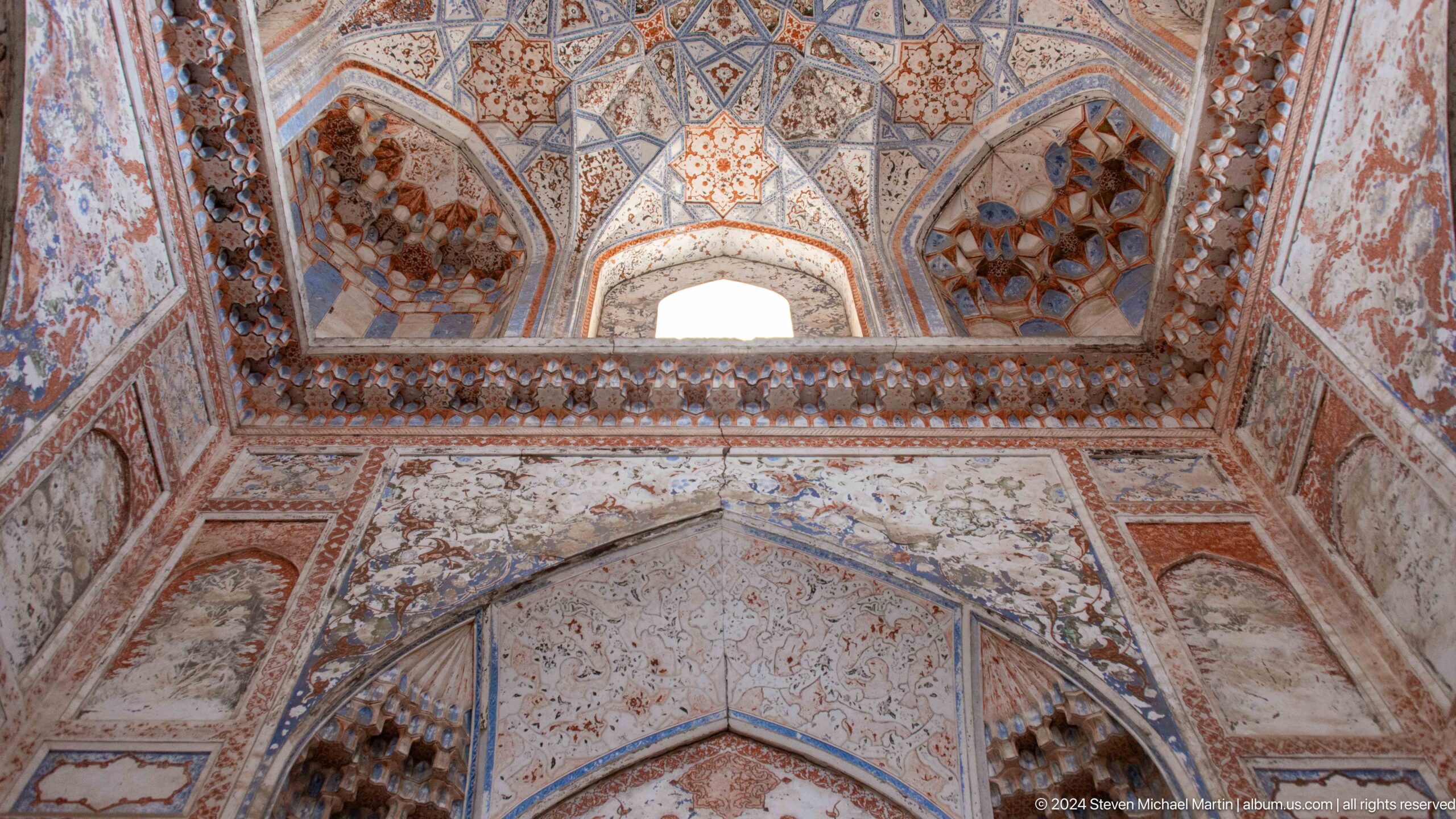
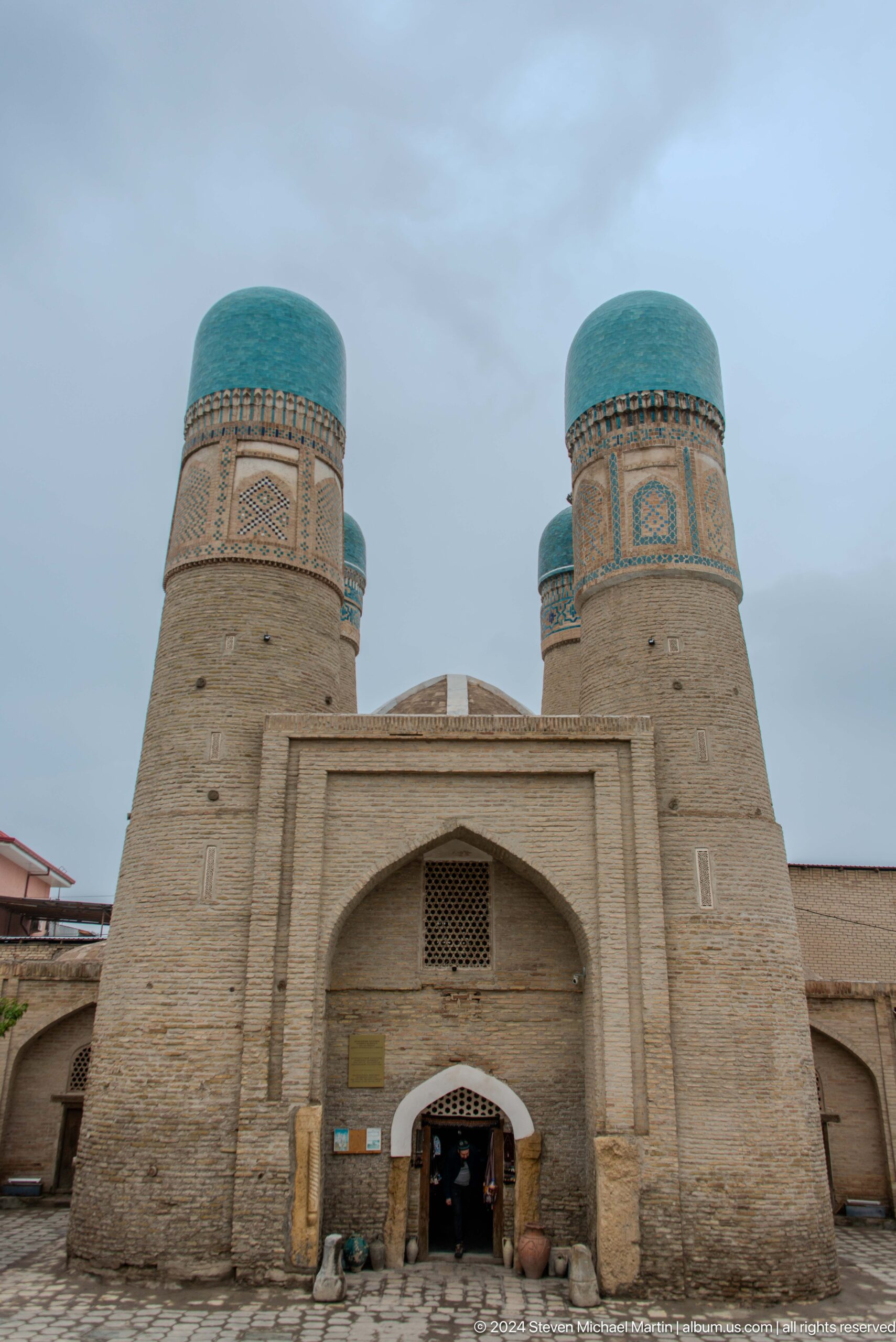
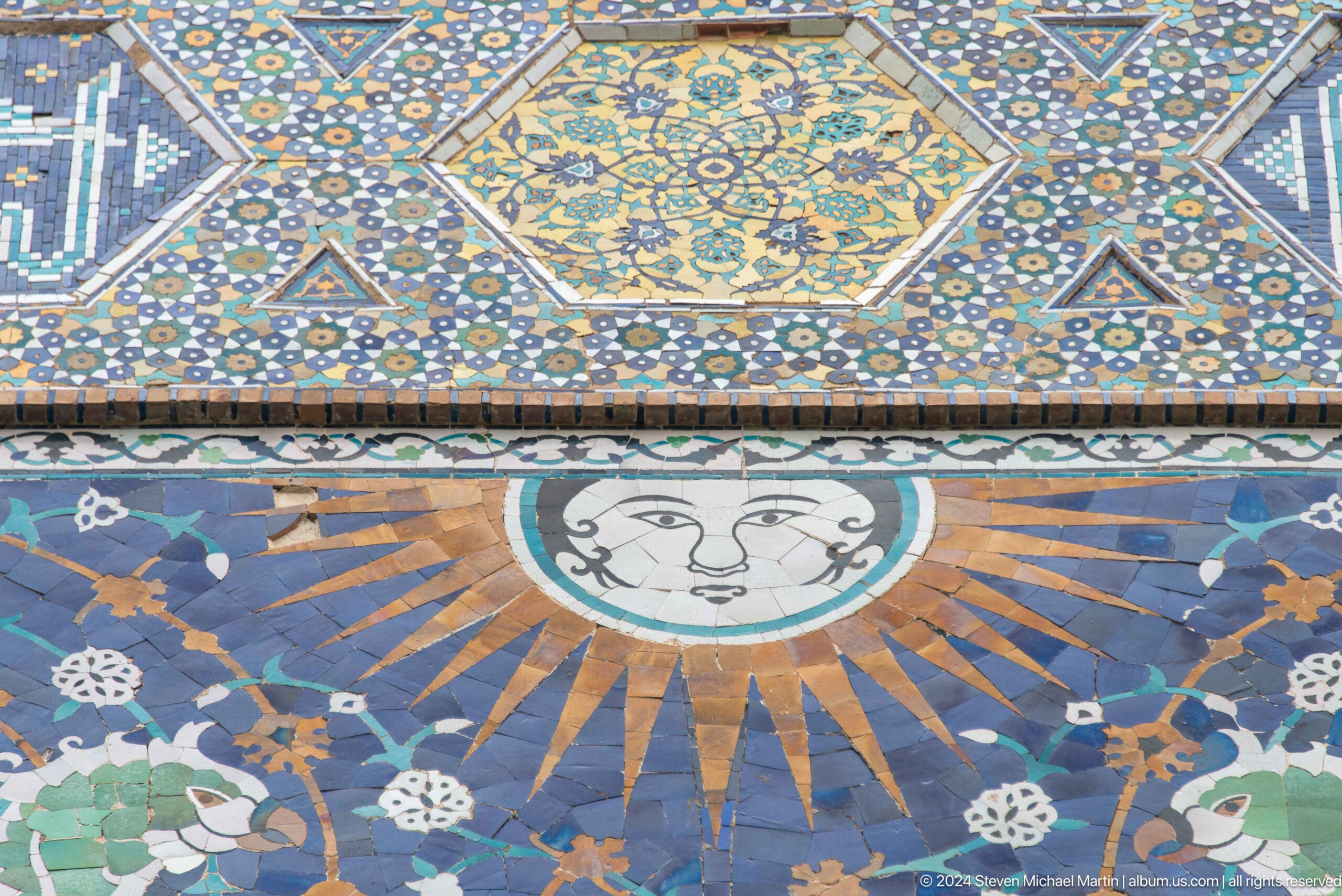
Brick construction techniques and decorative tilework demonstrate adaptation to the desert climate while maintaining aesthetic sophistication. Architectural continuity across centuries illustrates the city’s long-term importance within Silk Road networks.
🌍 Cultural Importance
Bukhara became known as a center of Islamic learning and cultural exchange, attracting scholars and artisans from across Central Asia and Persia. Educational institutions trained generations of scholars whose work influenced intellectual traditions across the Islamic world. The city’s markets and religious institutions illustrate the integration of commerce and scholarship.
🧭 Why It Matters on the Silk Road
Bukhara illustrates how oasis cities supported long-distance trade across challenging desert environments. Caravan routes relied on such urban centers for water, security, and economic exchange. The preserved historic environment demonstrates how Silk Road commerce shaped both urban design and cultural development.
⭐ Highlights
- One of the best-preserved Silk Road cities in Central Asia
- Historic center combining religious, commercial, and civic architecture
- Important intellectual center of the Islamic Golden Age
- Distinctive brick architecture adapted to desert climate
- Representation of long-distance caravan trade networks
📷 Photography Notes
- Warm light enhances the color of traditional brick architecture
- Minarets provide strong vertical compositions
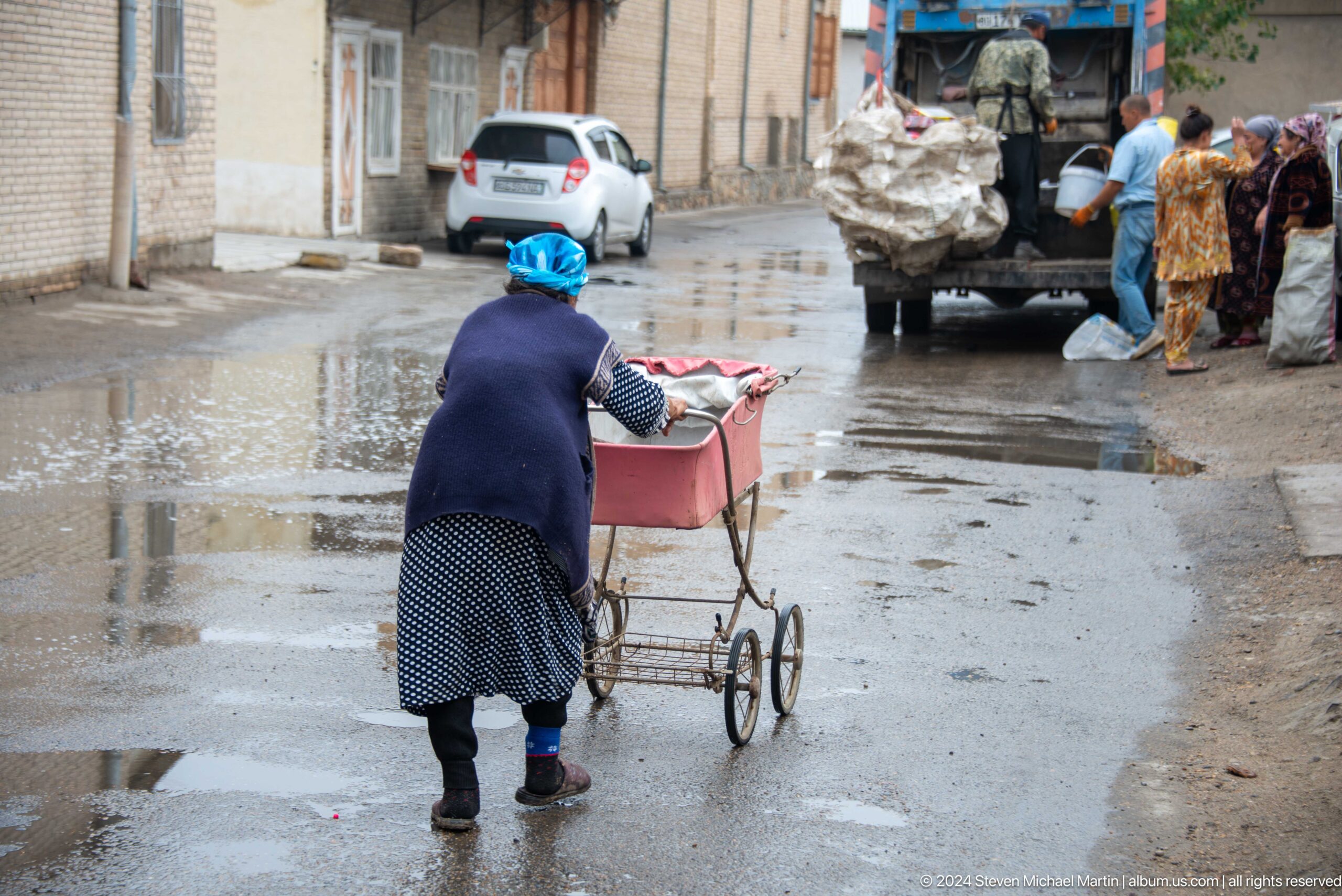
- Wide-angle perspectives capture historic urban streetscapes
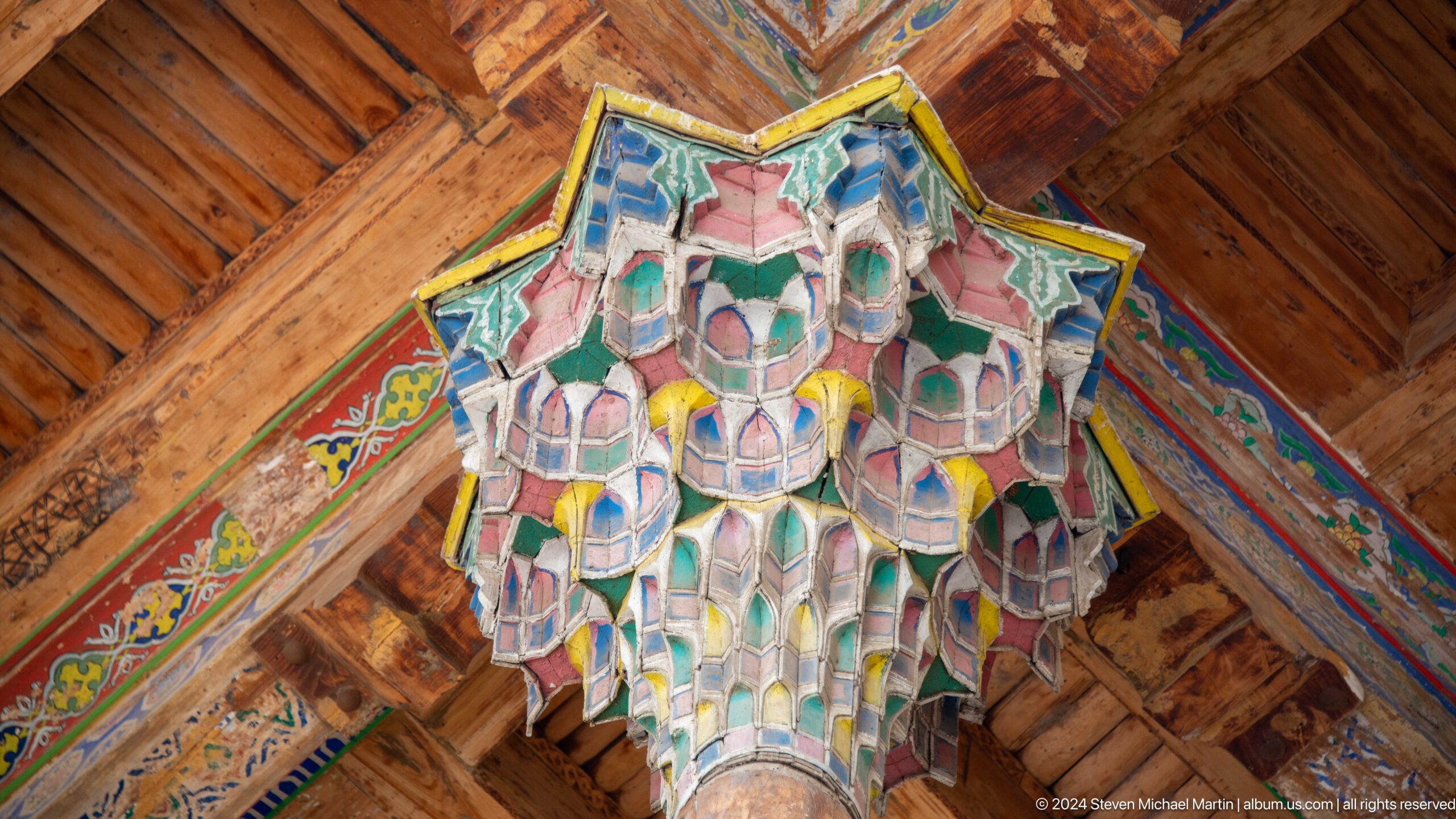
- Detail images highlight brick patterns and decorative tile accents
- Early morning or evening light creates depth in architectural textures