Shah-i-Zinda
Shah-i-Zinda is a complex of mausoleums in Samarkand associated with Islamic pilgrimage and the commemoration of religious figures. The name means “The Living King,” referring to a tradition connected to Qusam ibn Abbas, a relative of the Prophet Muhammad. The site developed over several centuries as an important spiritual destination along Silk Road routes.
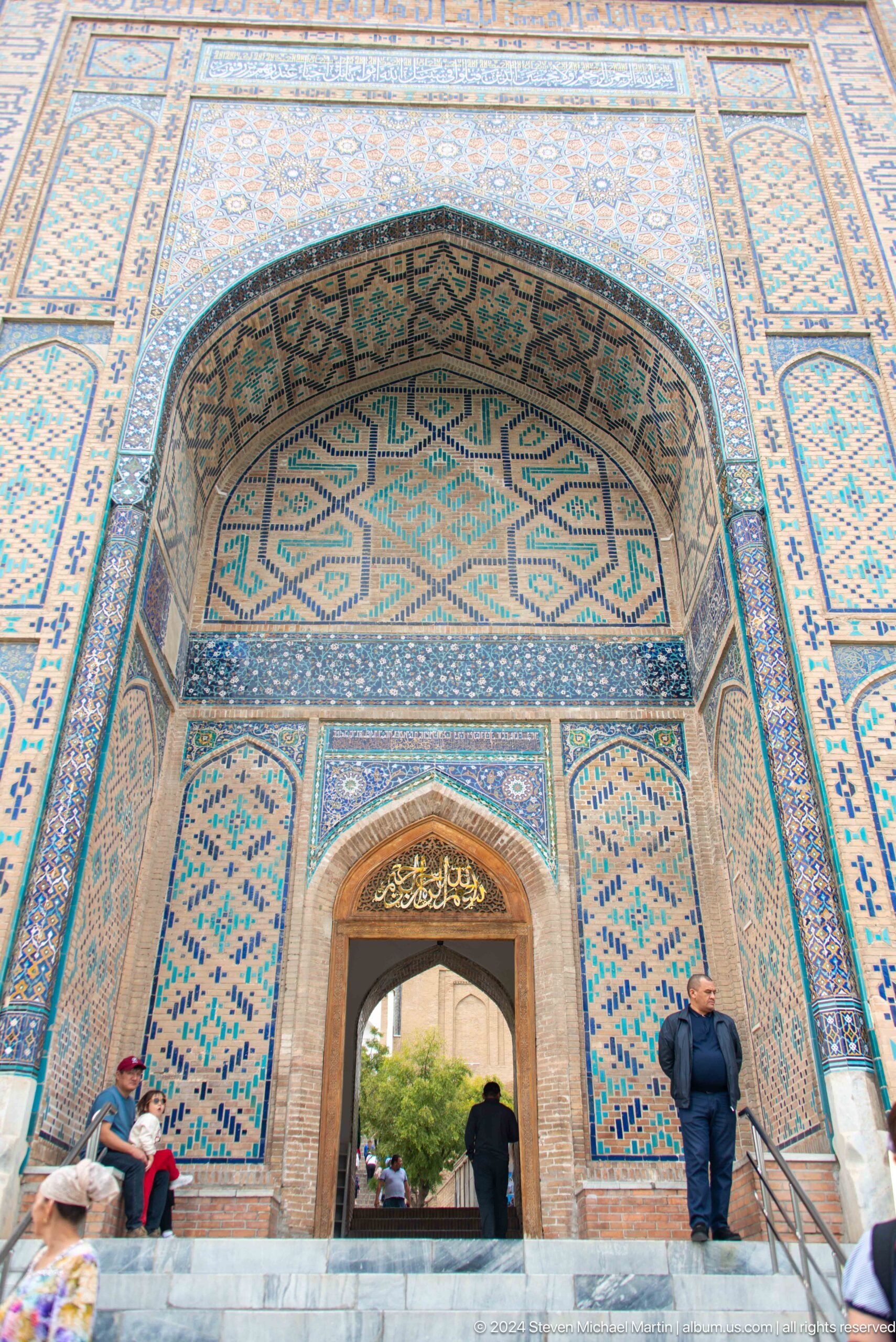
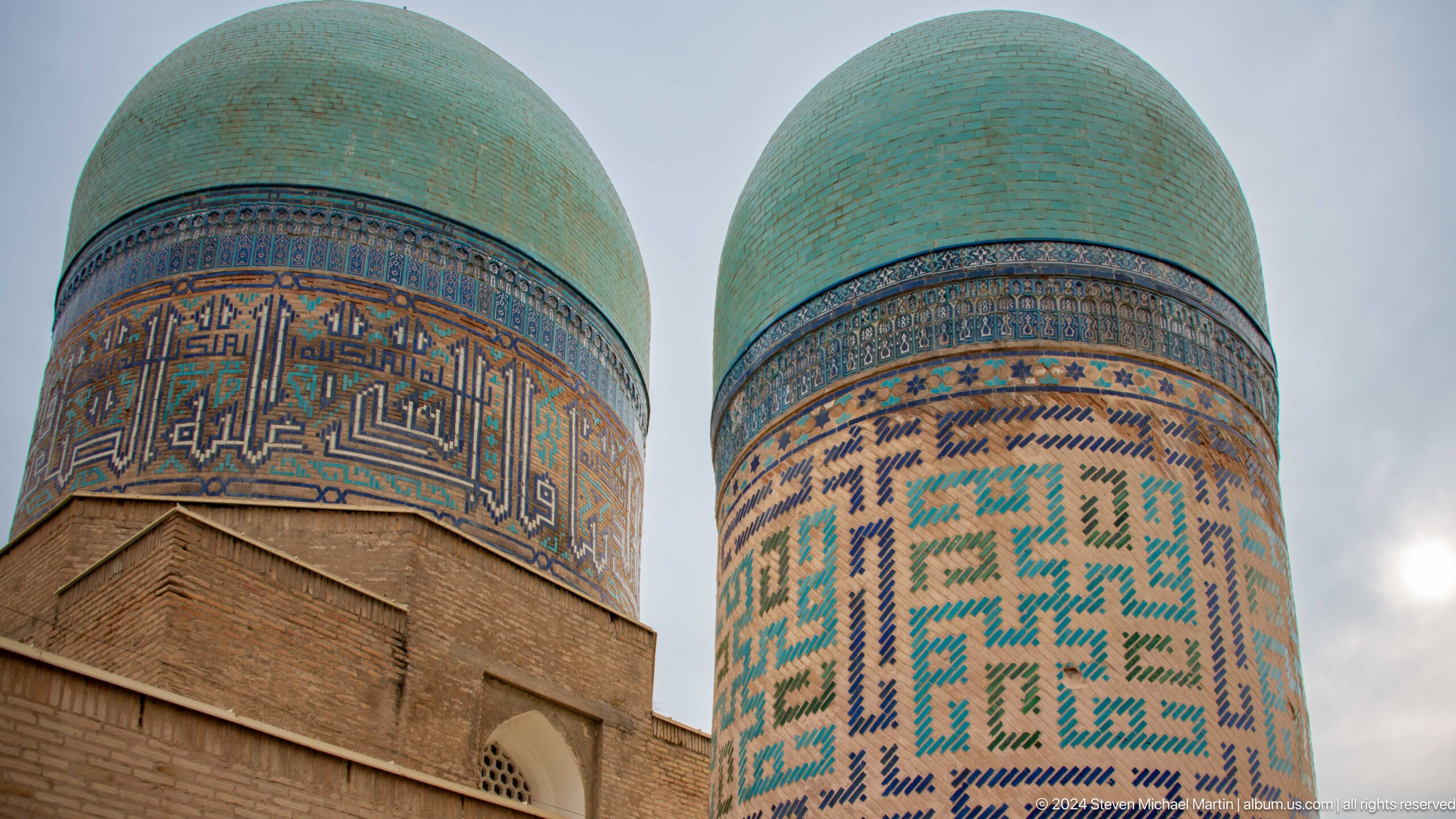
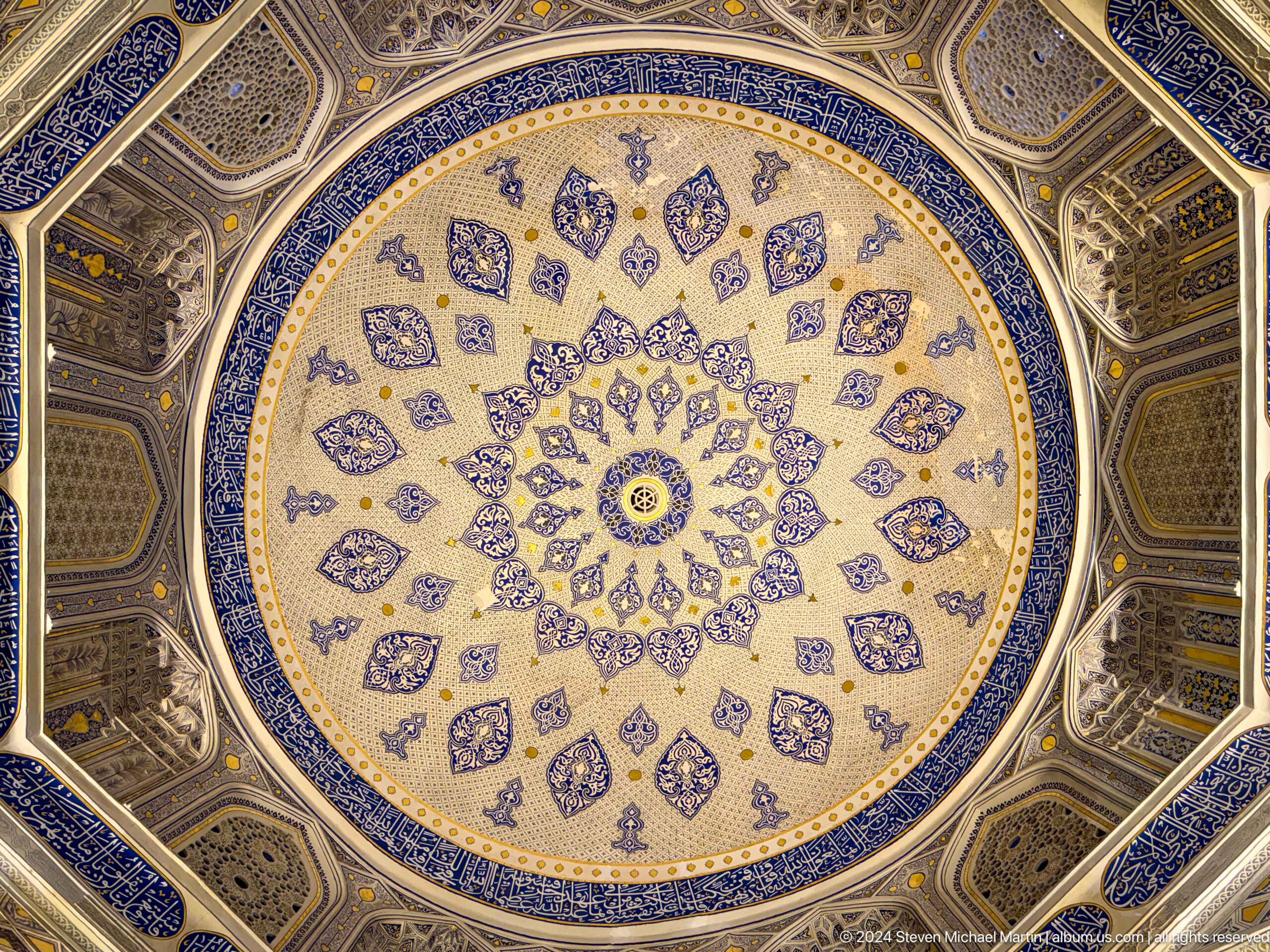
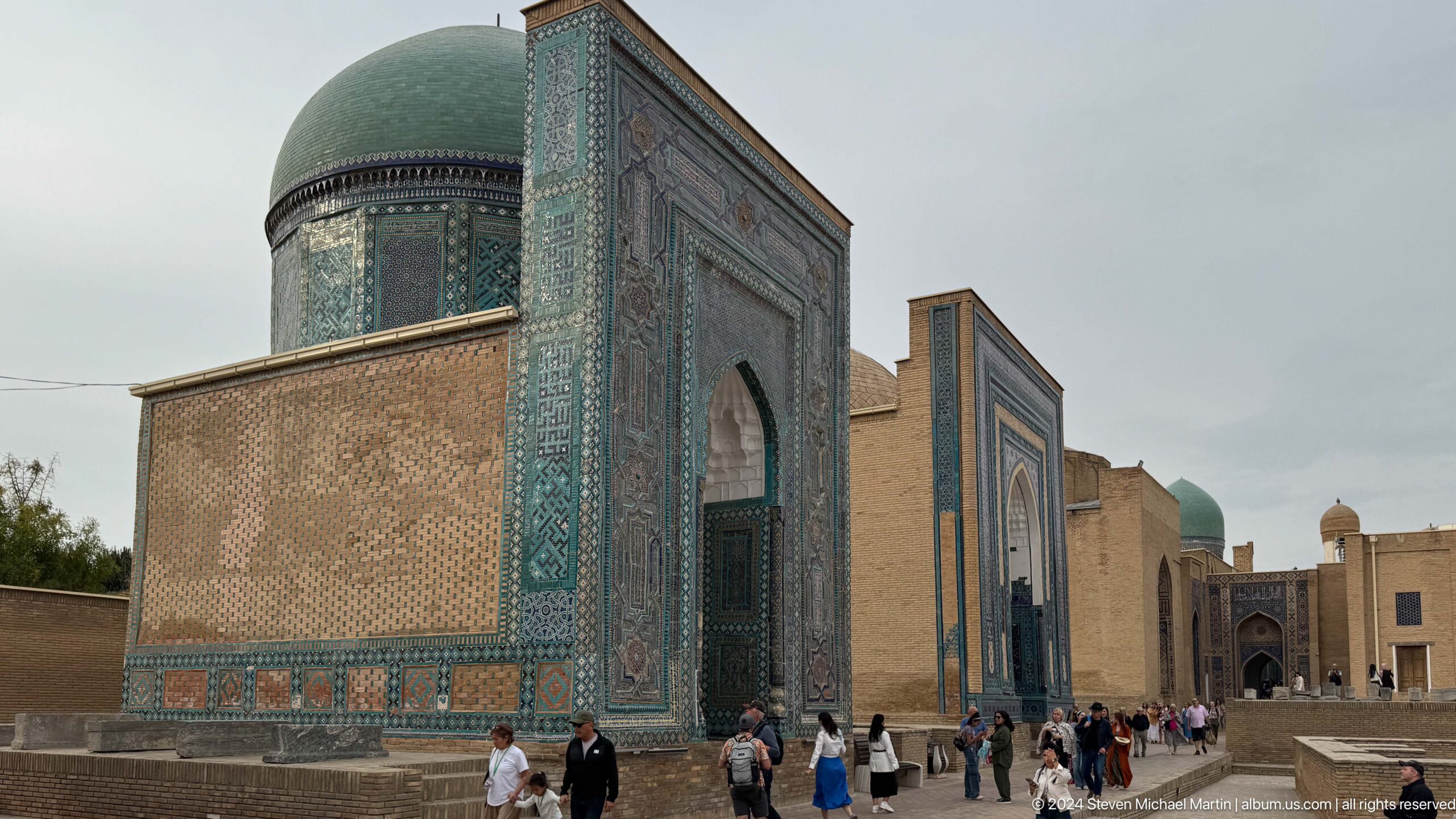
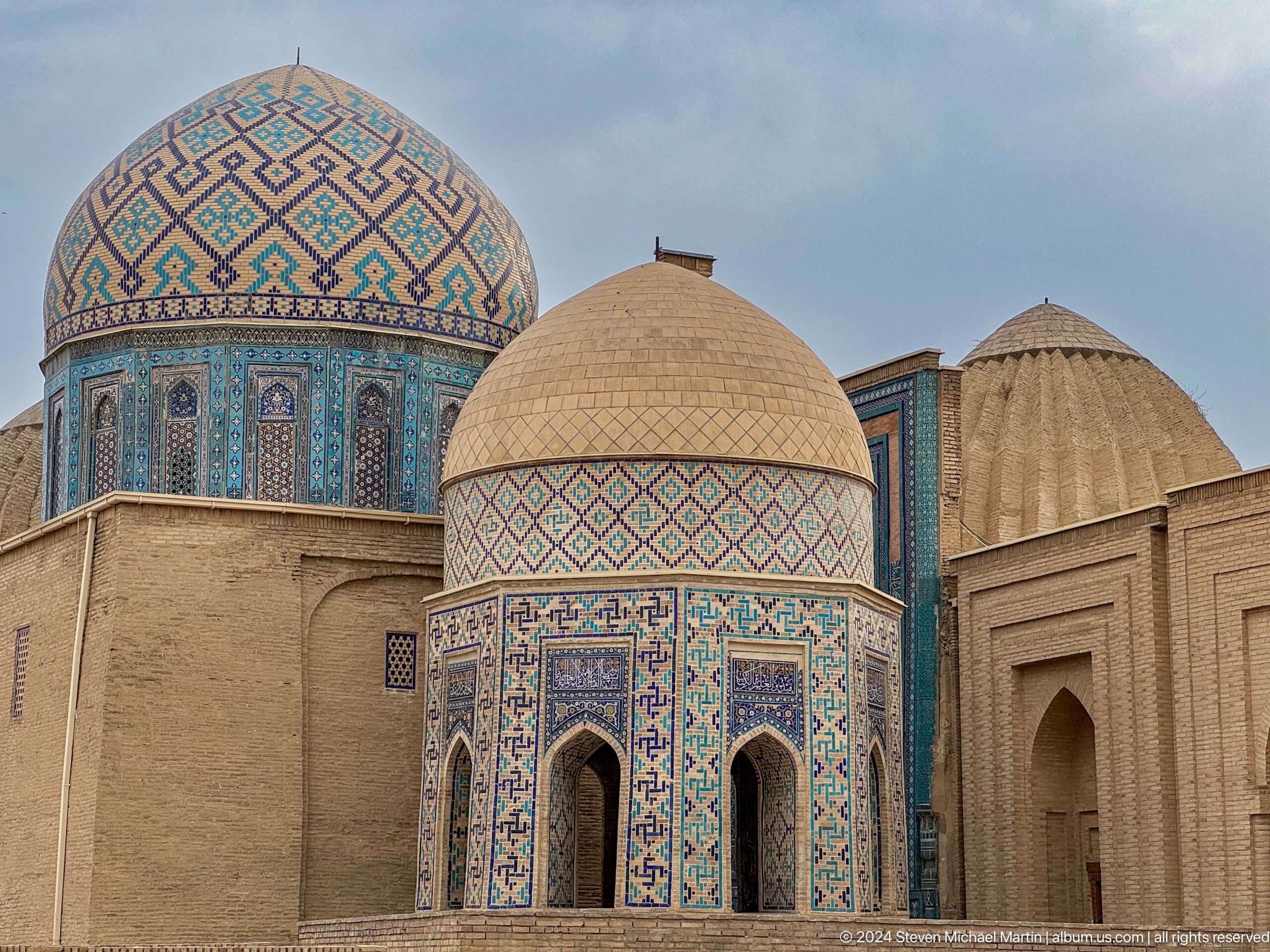
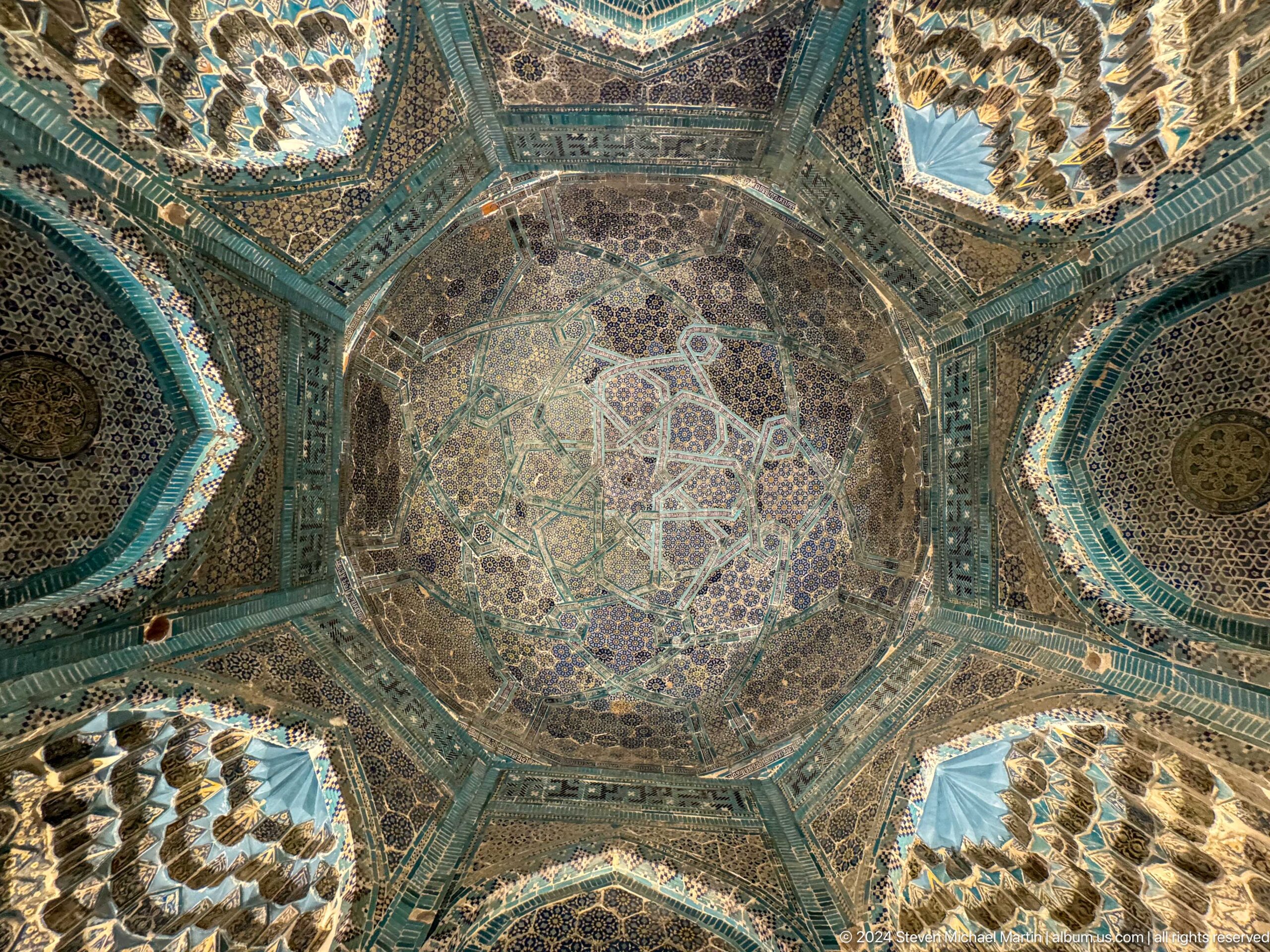
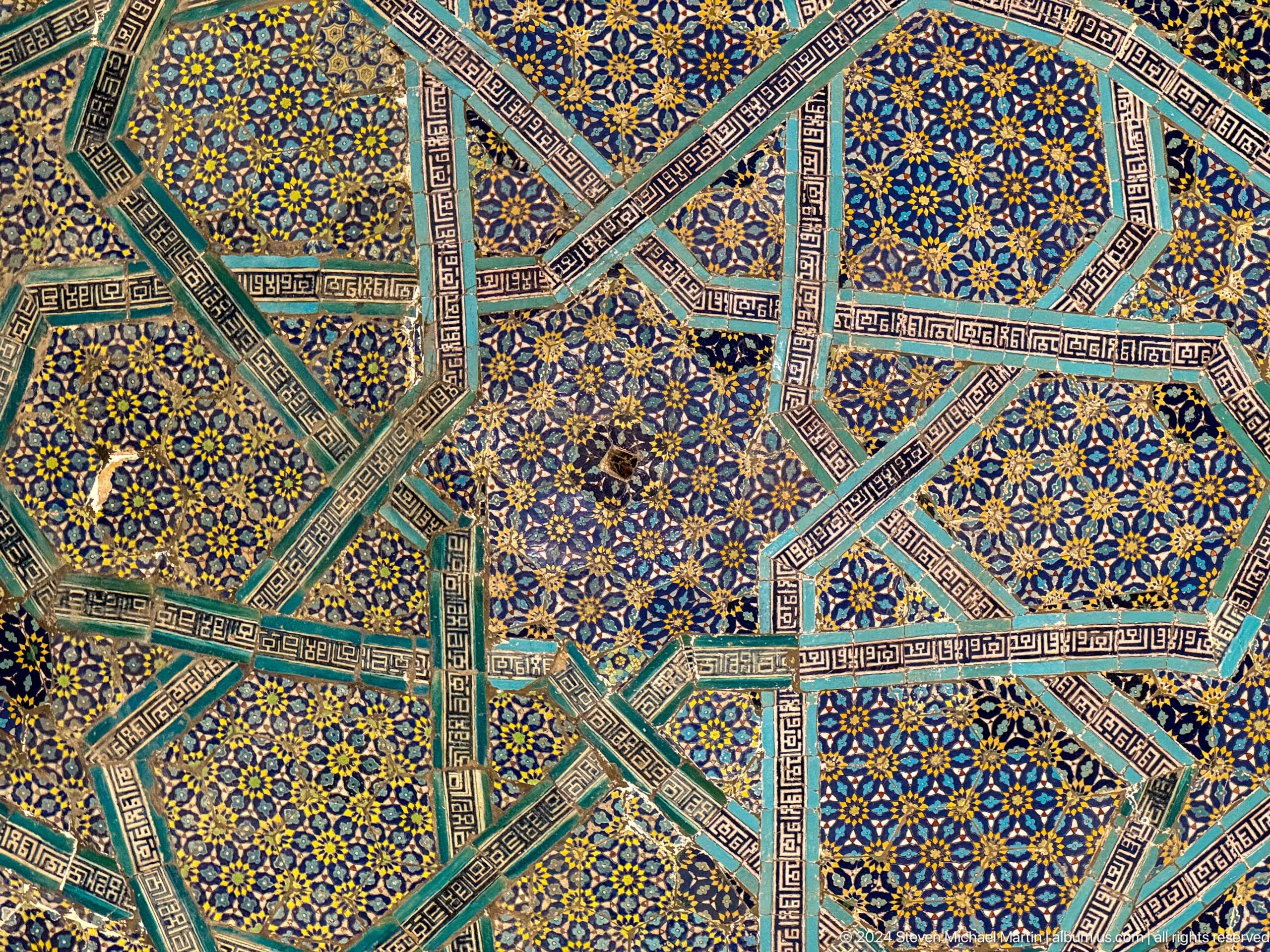
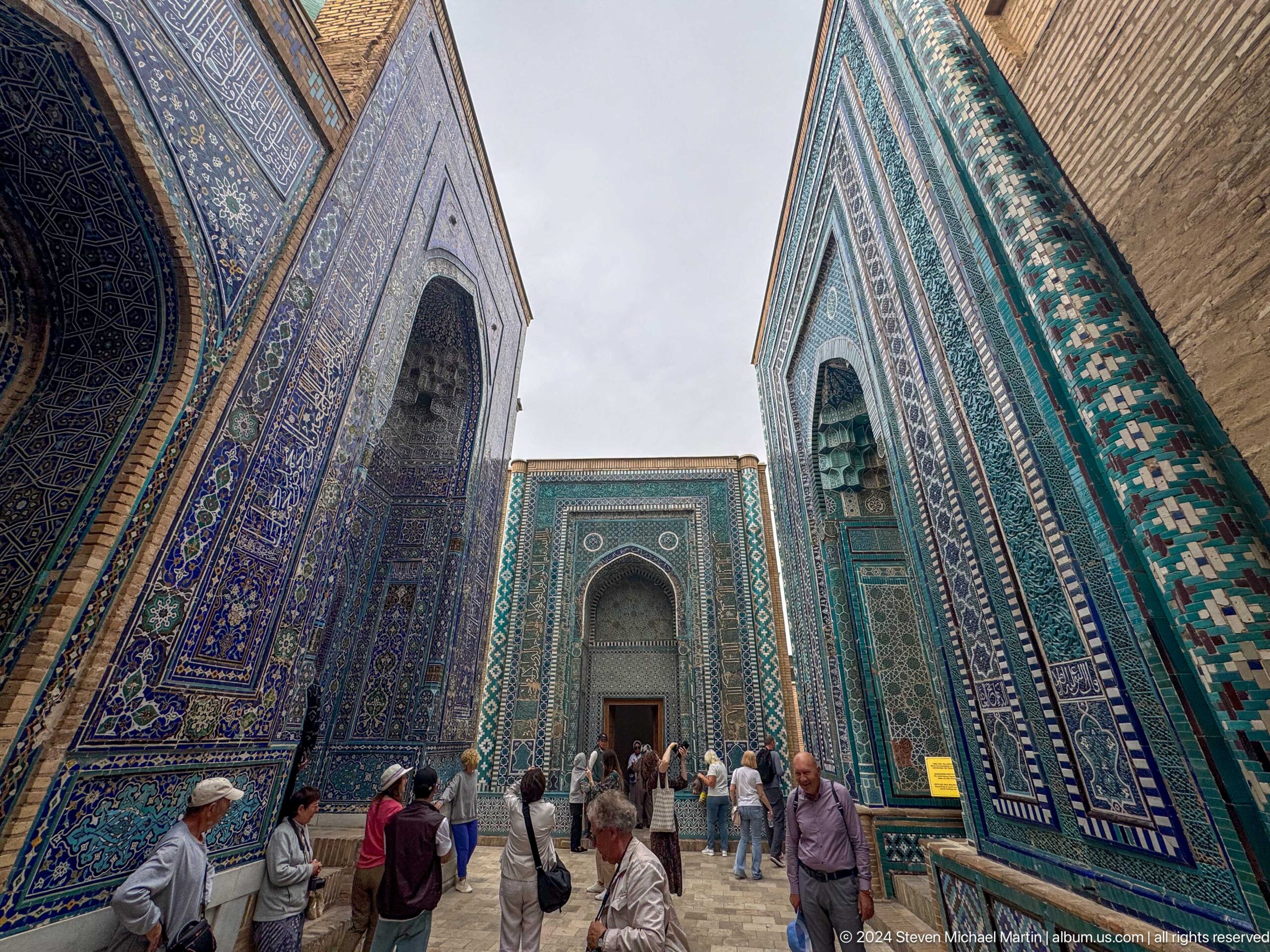
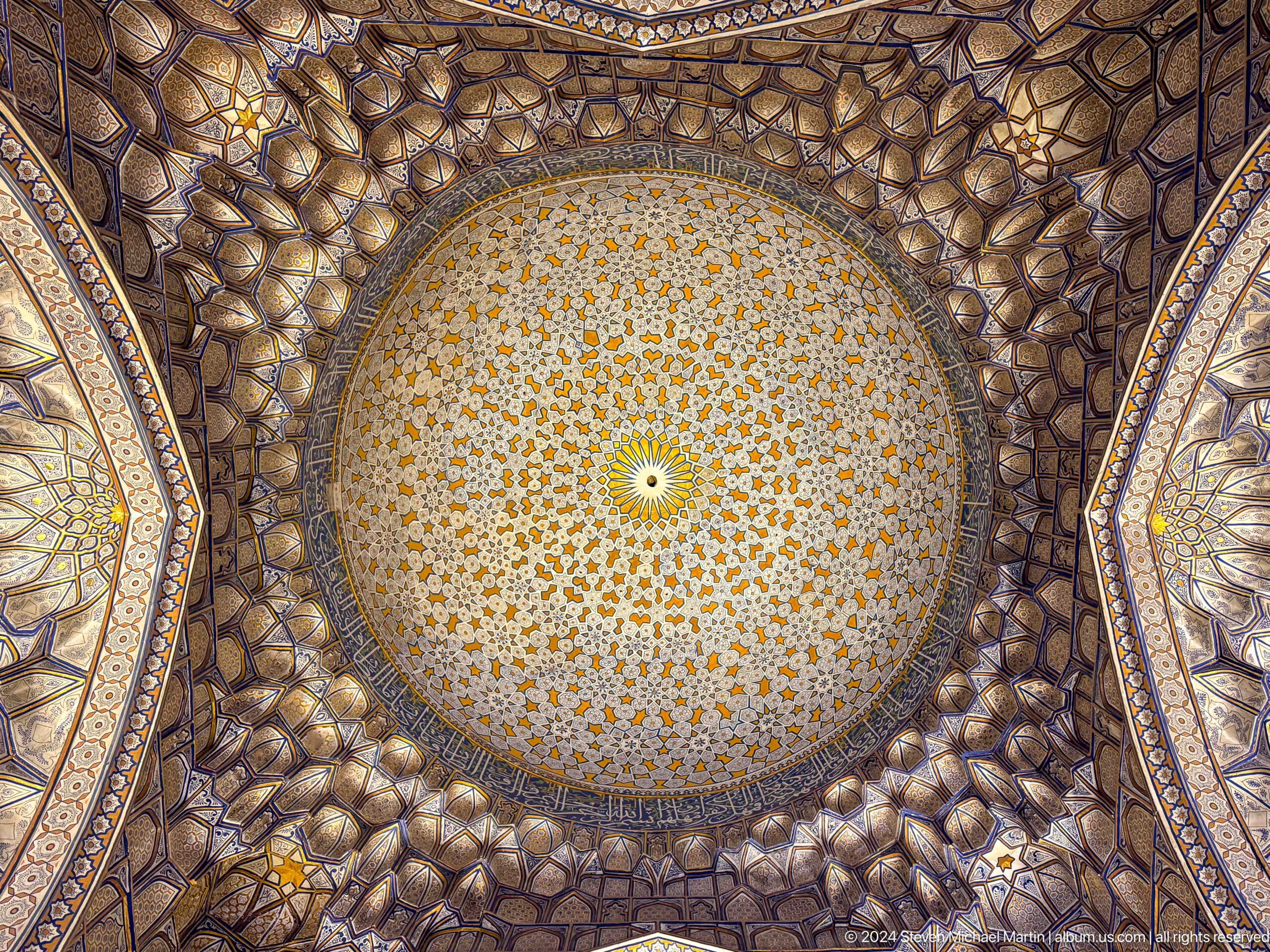
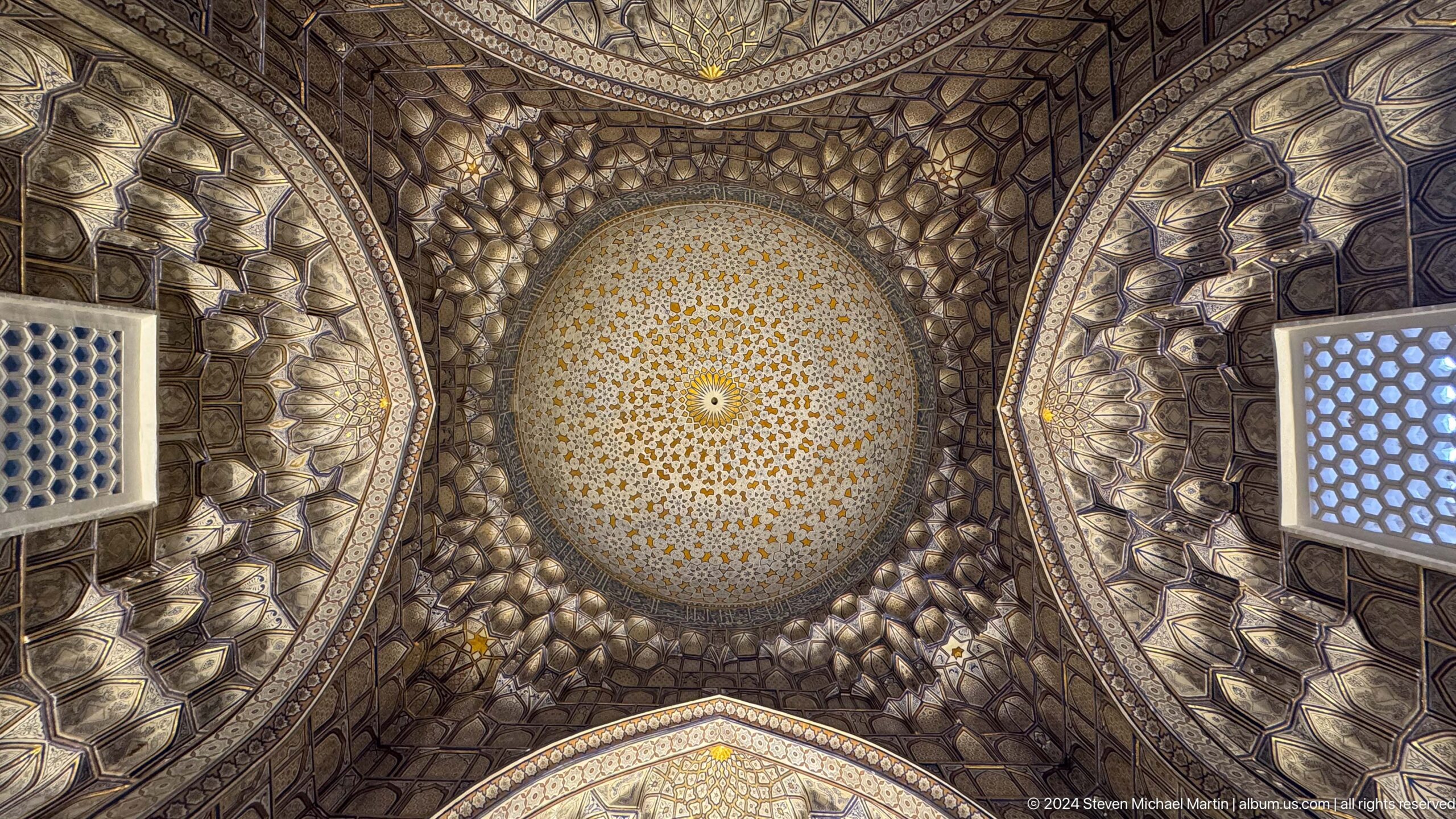
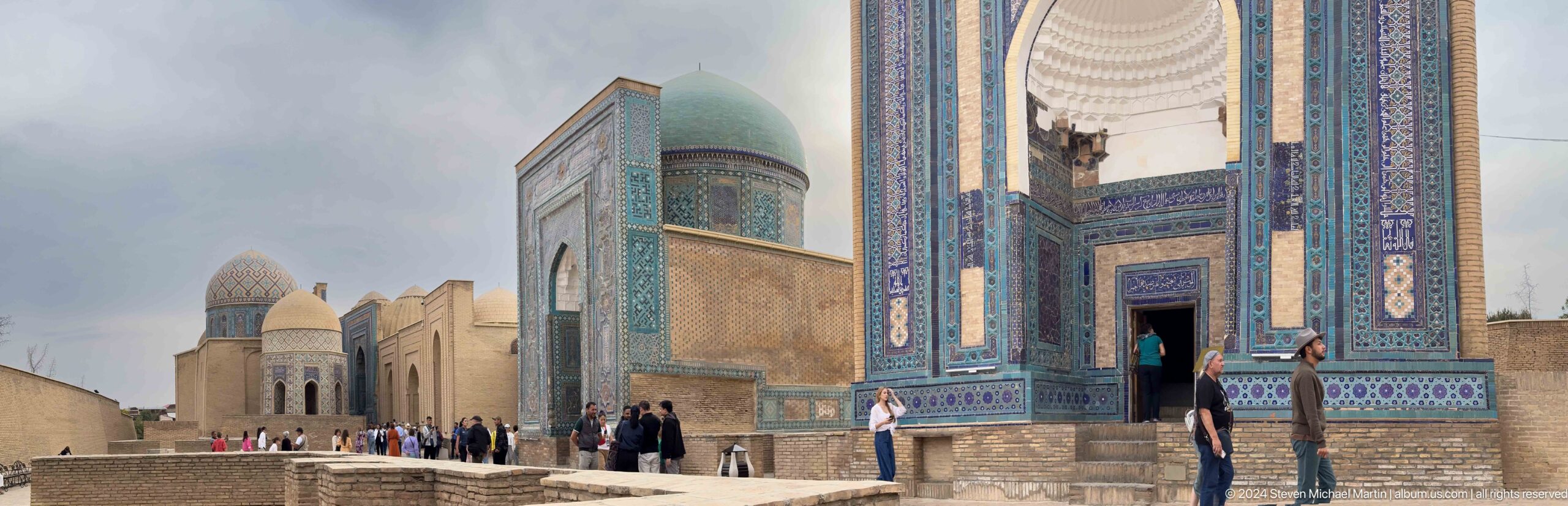
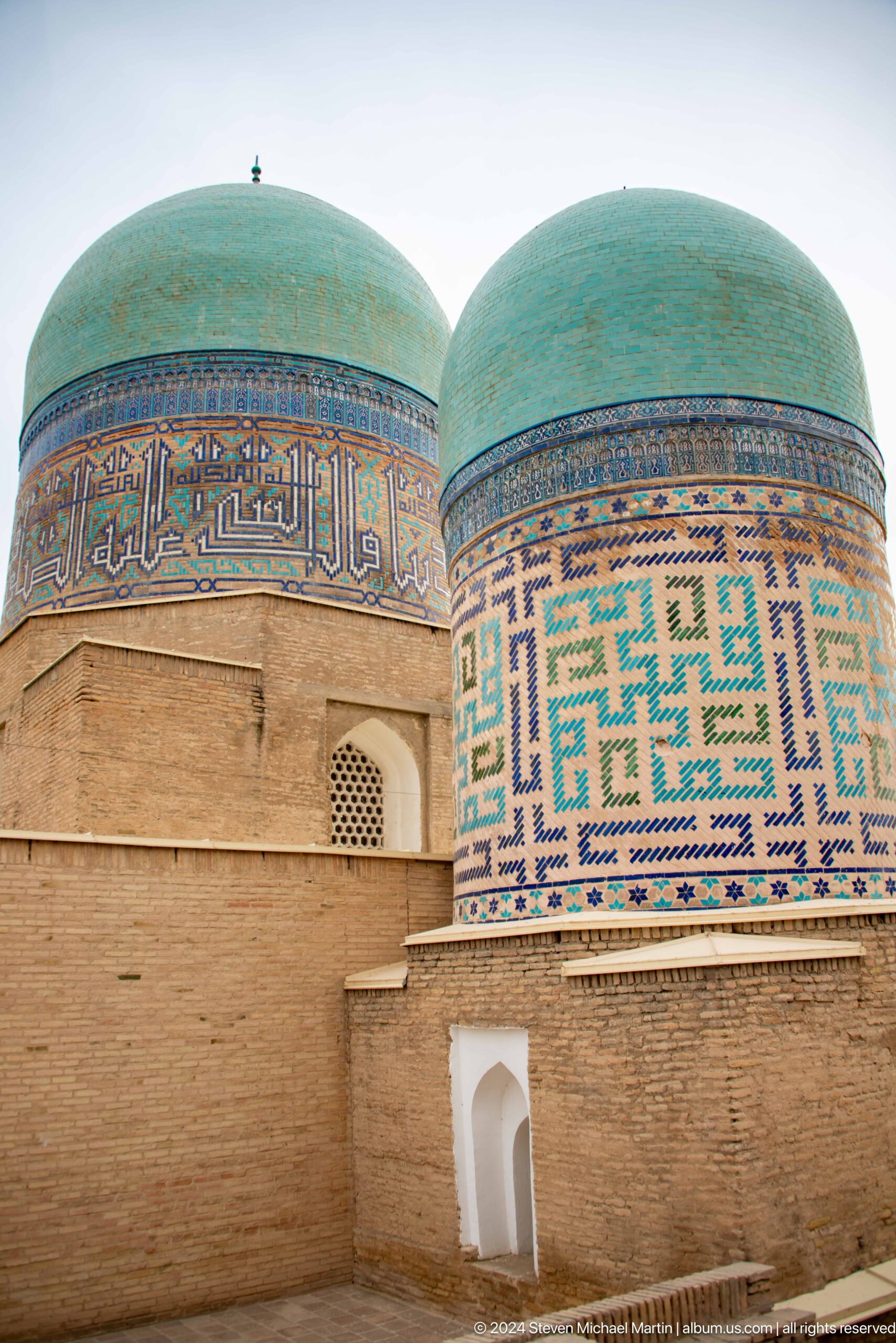
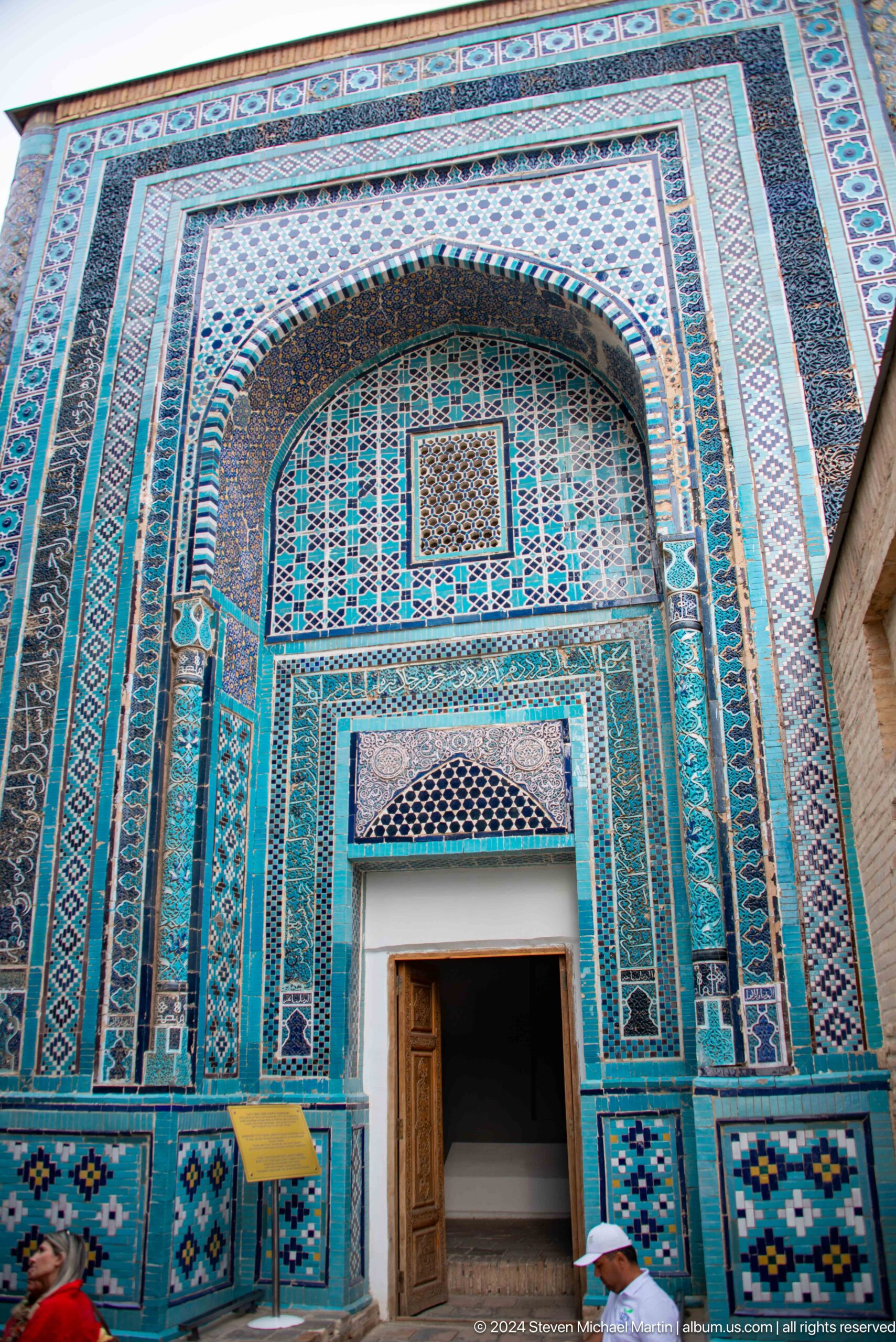
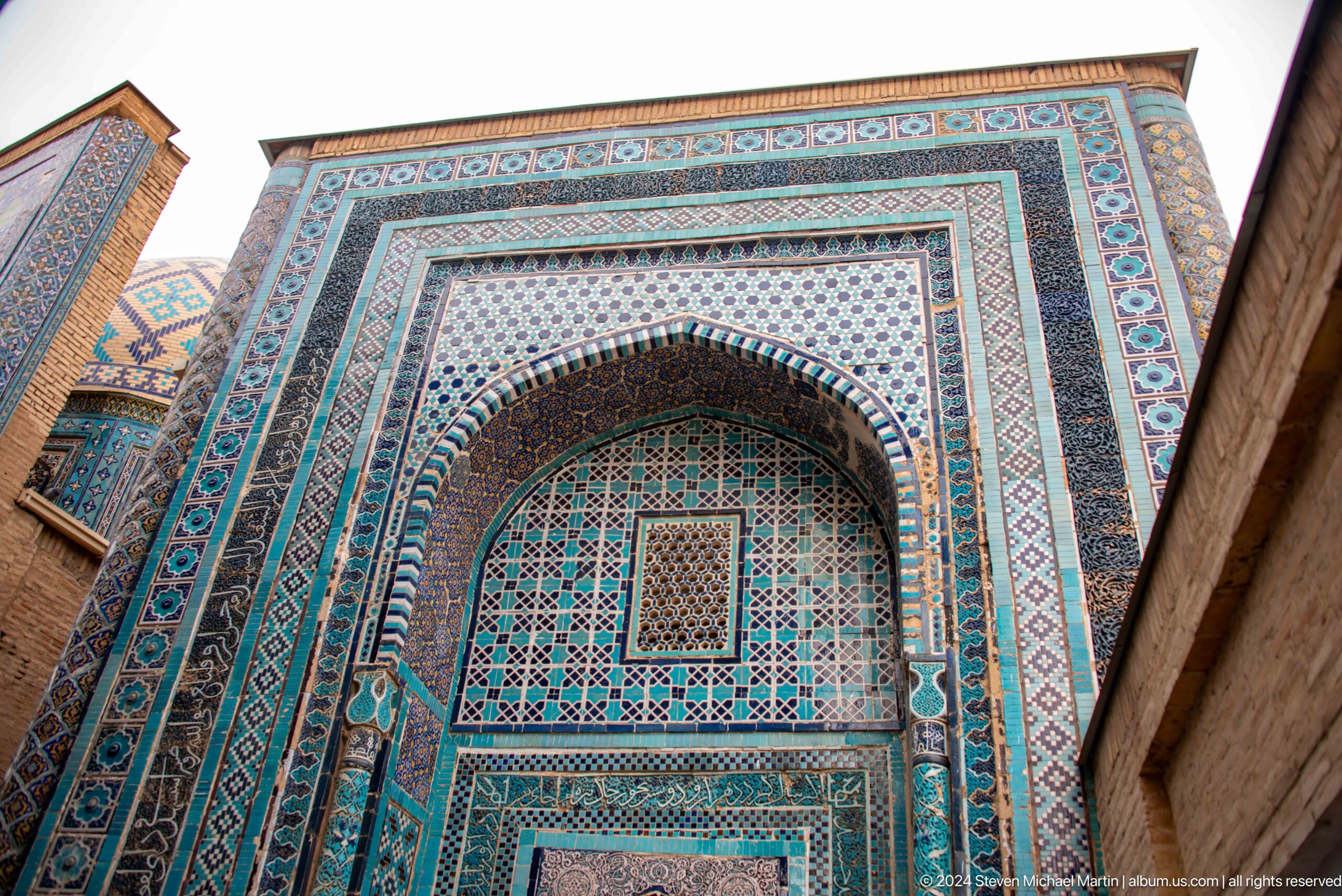
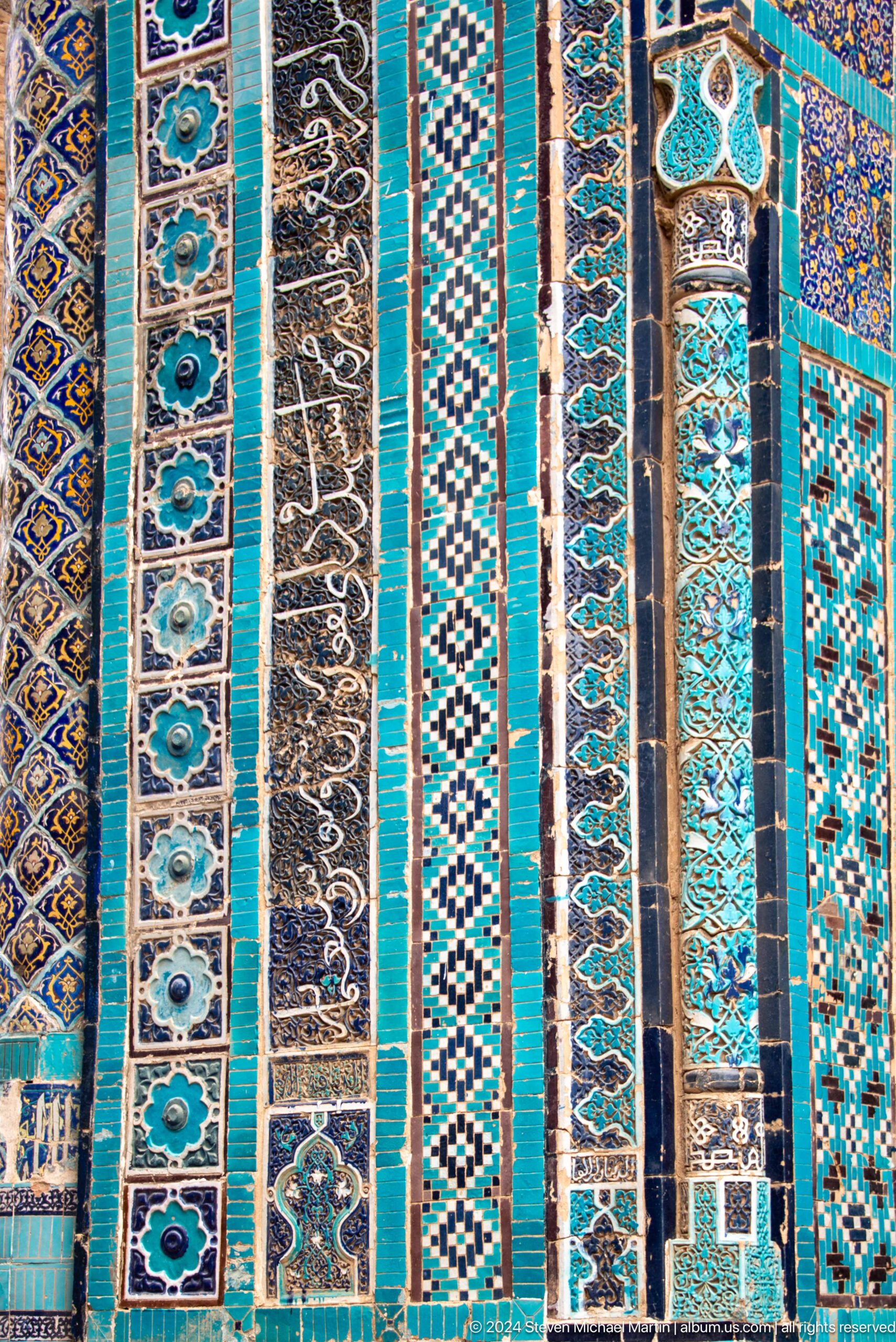
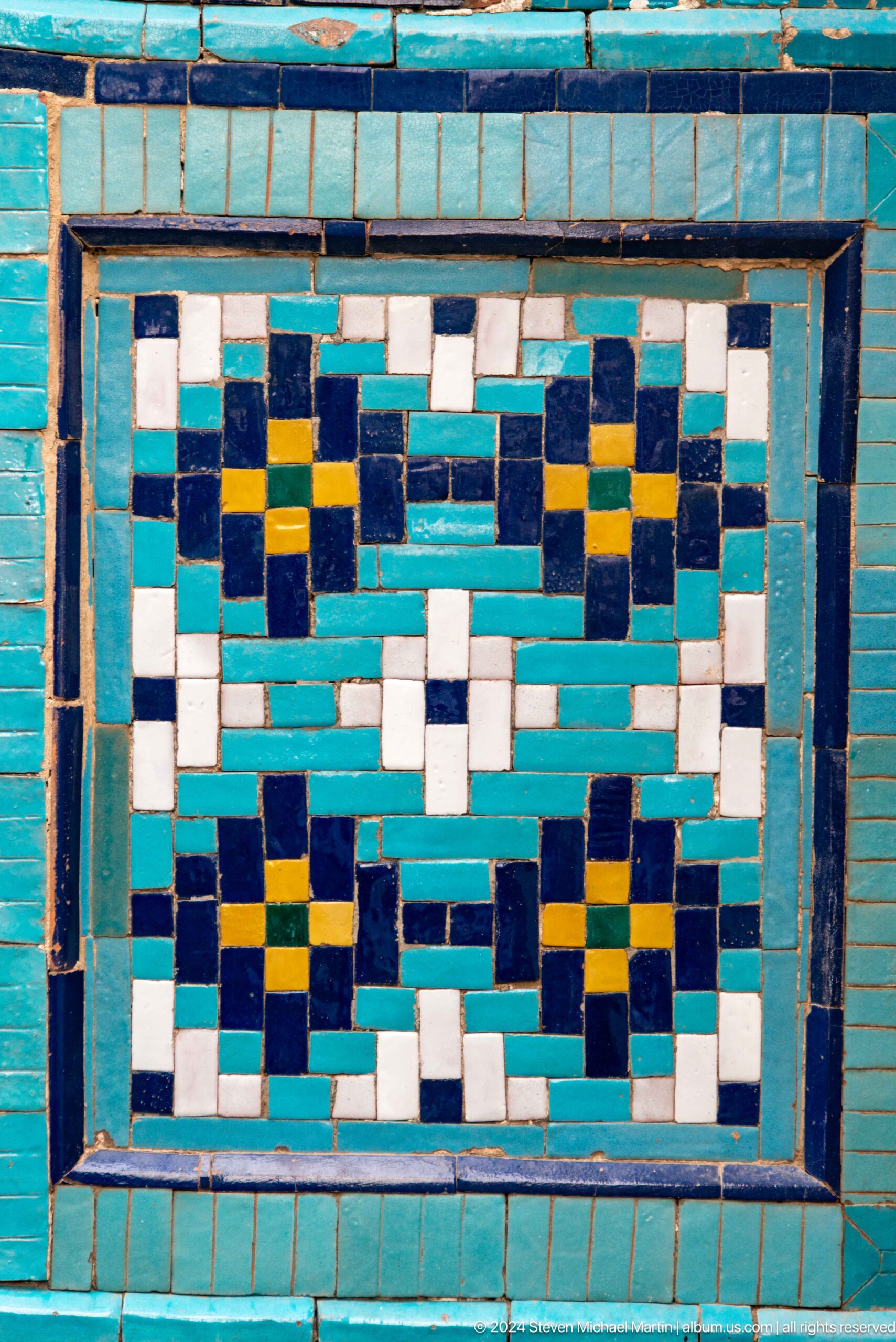
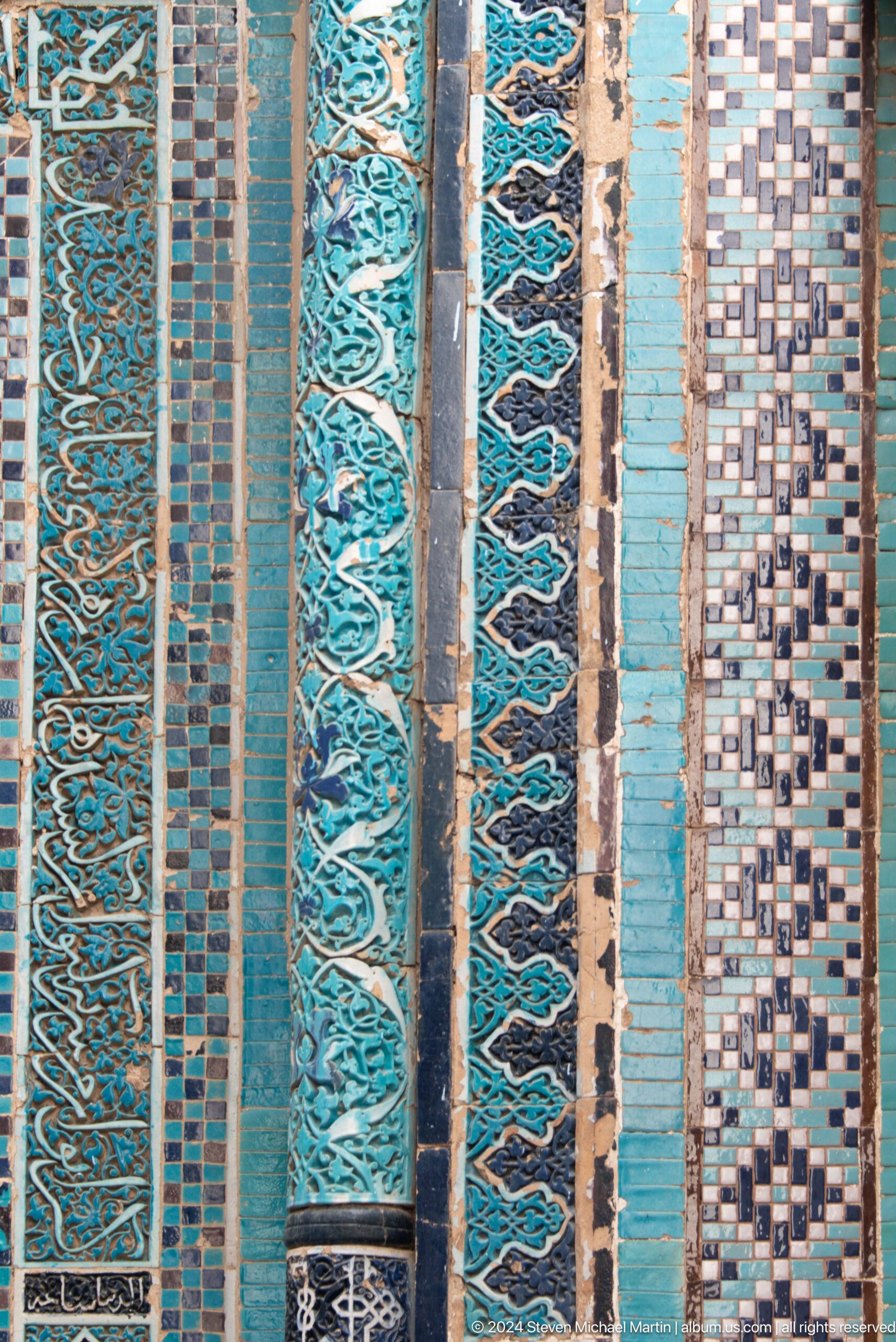
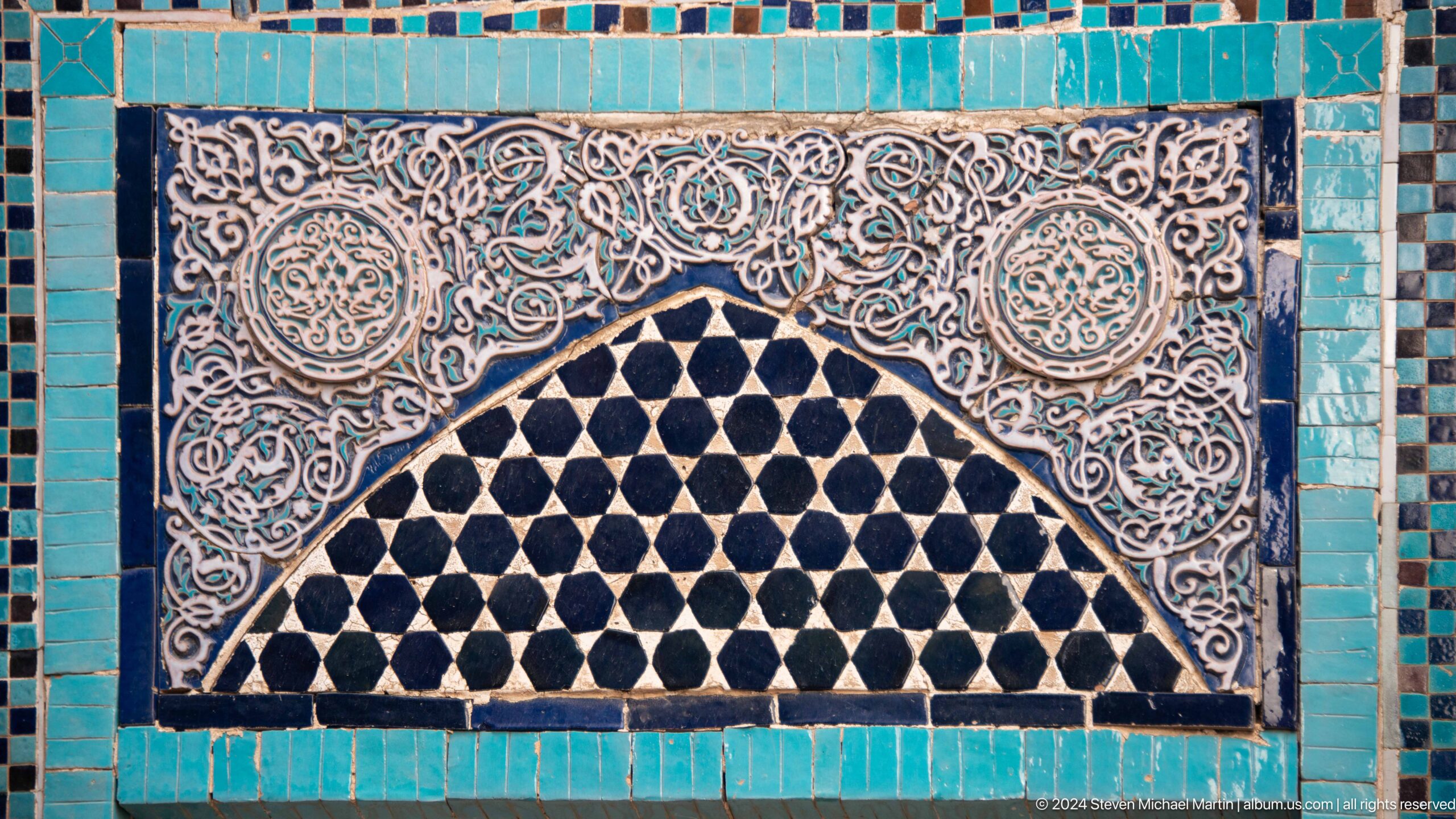
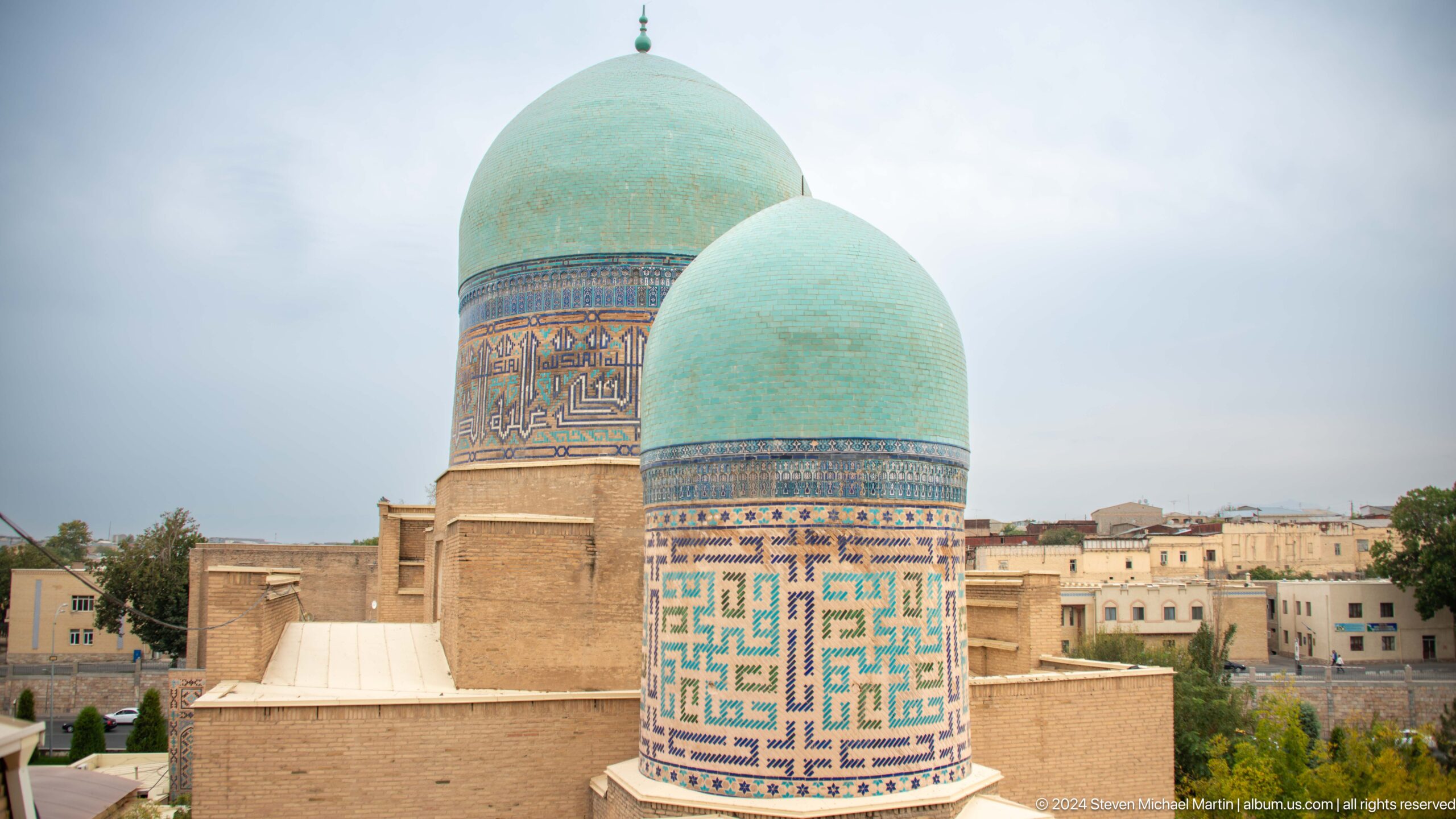
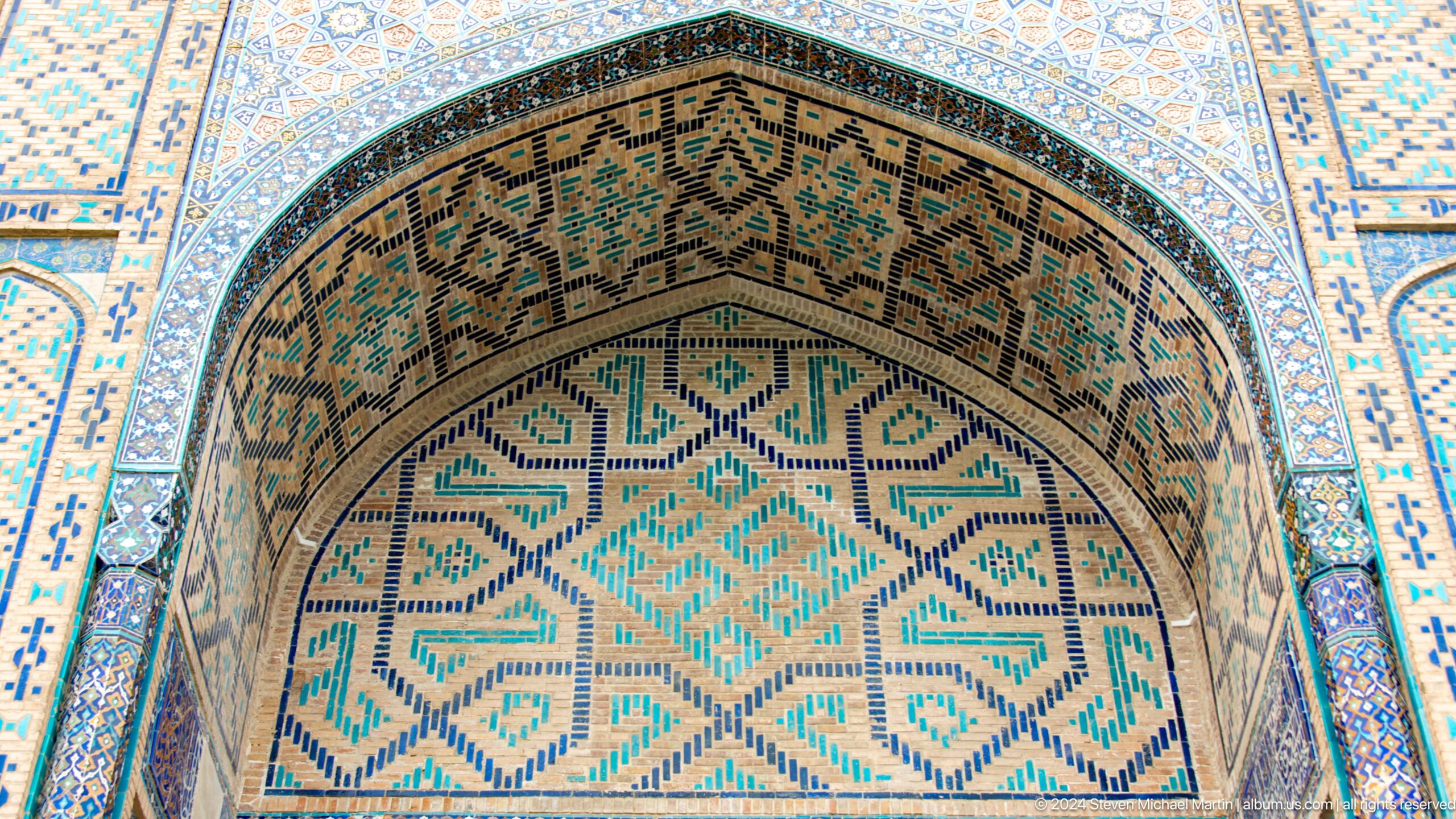
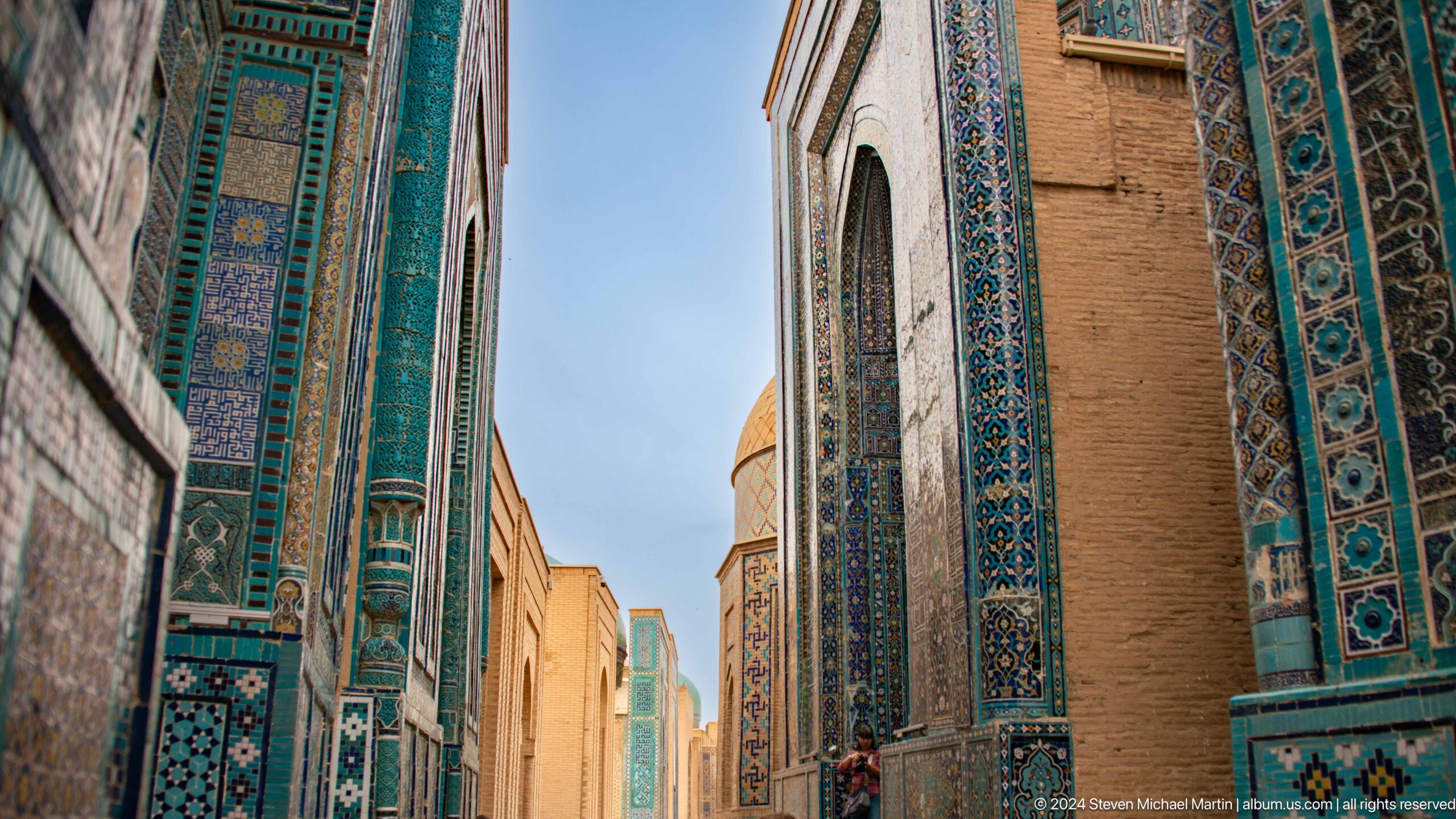
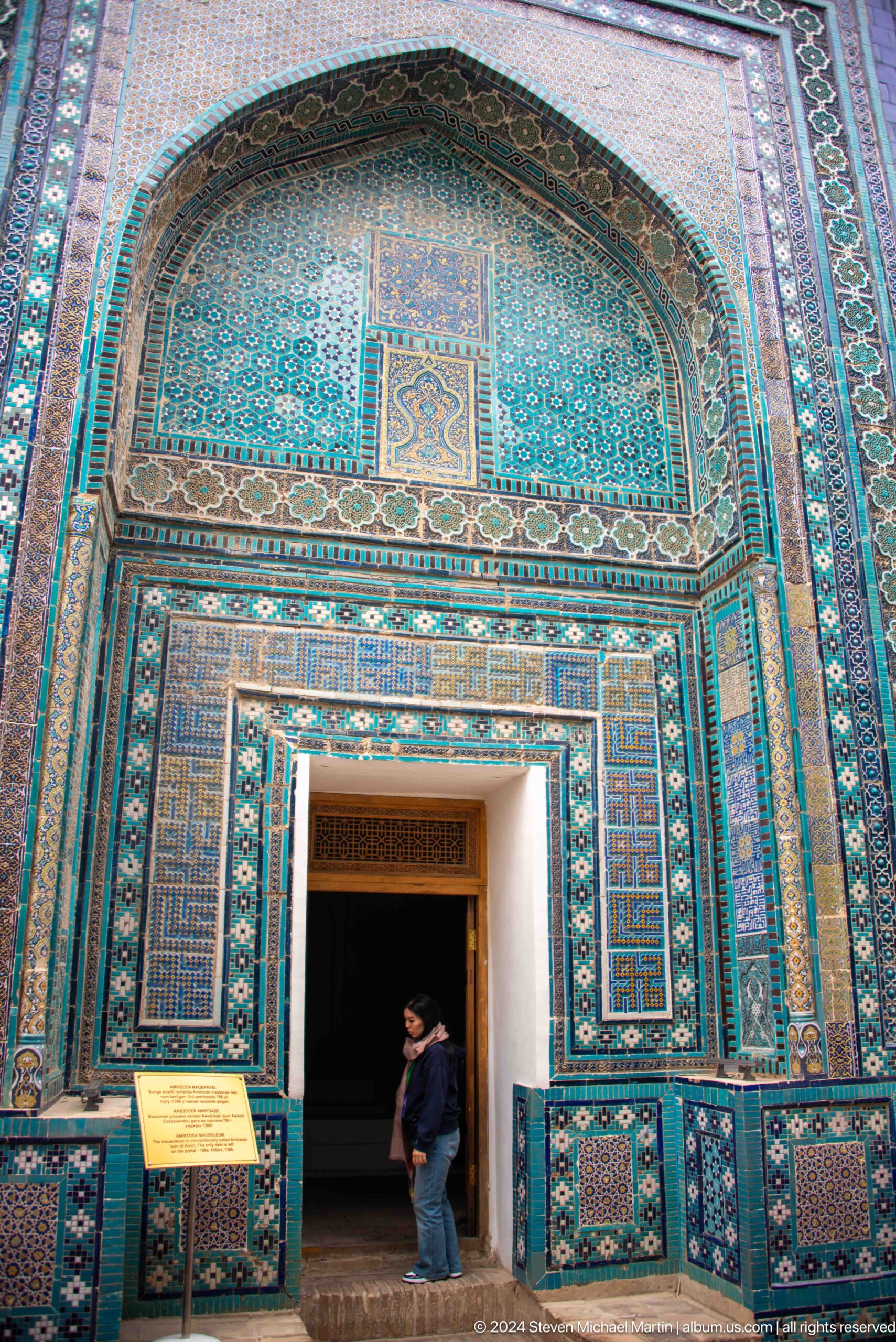
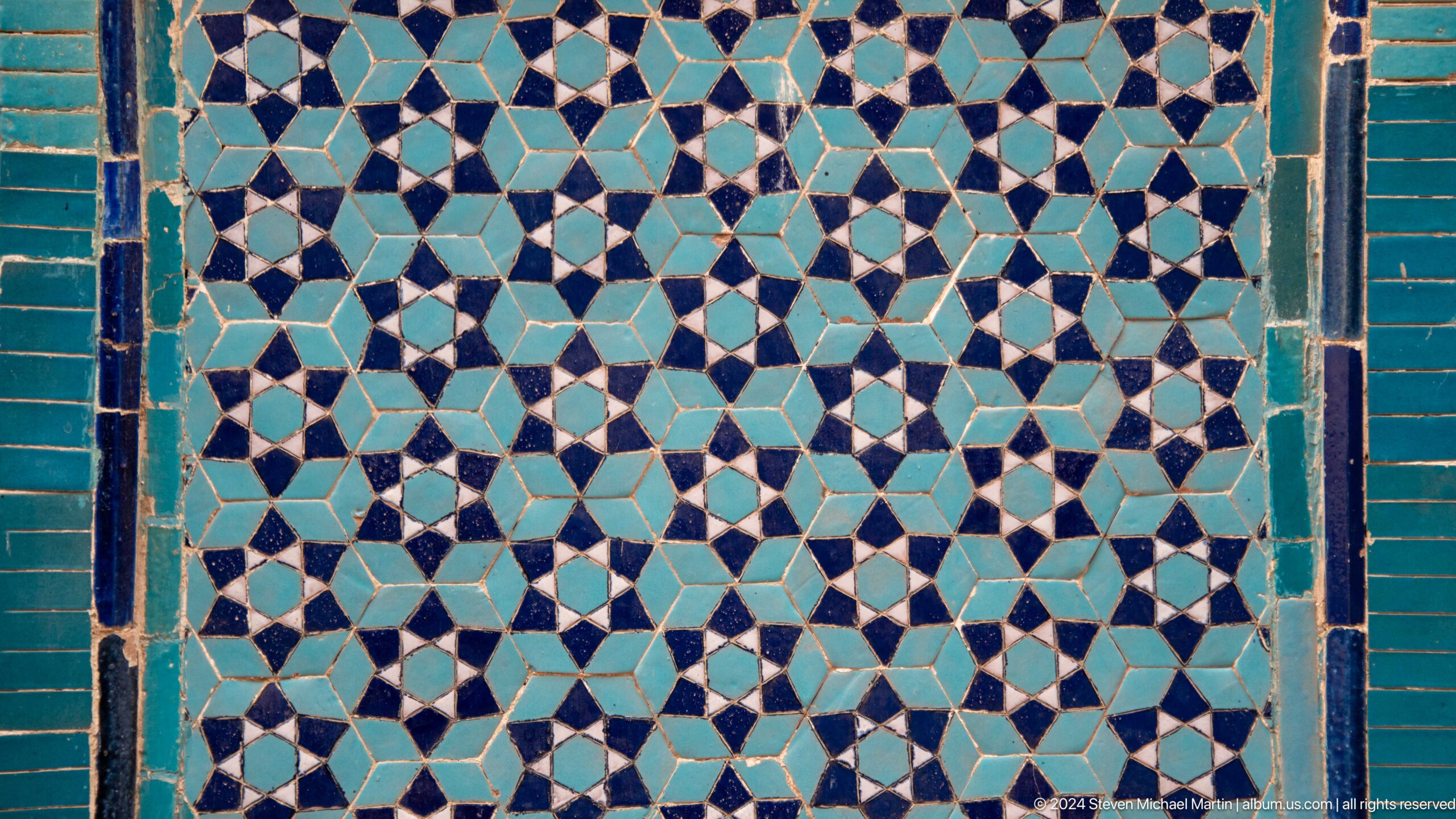
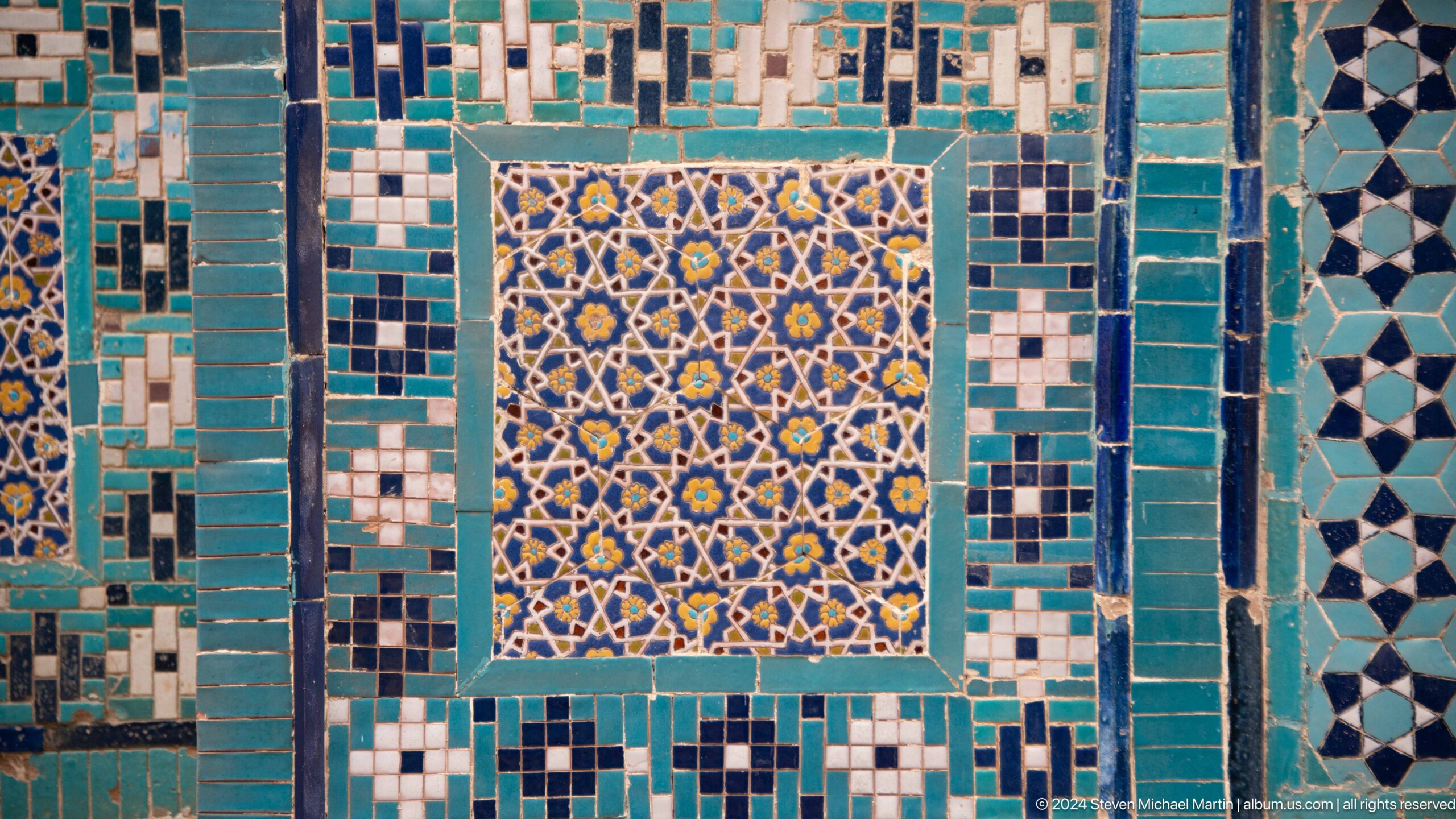
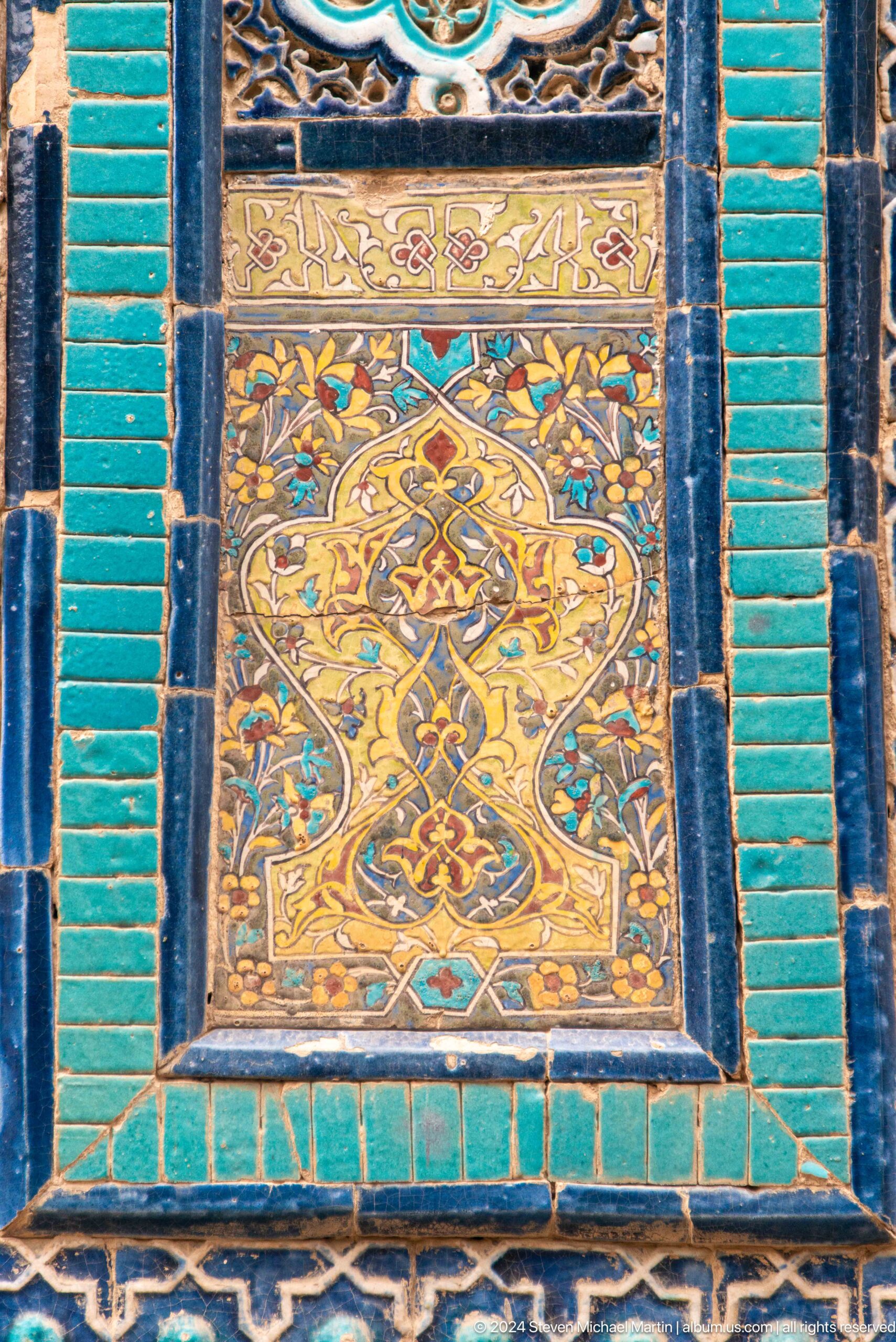
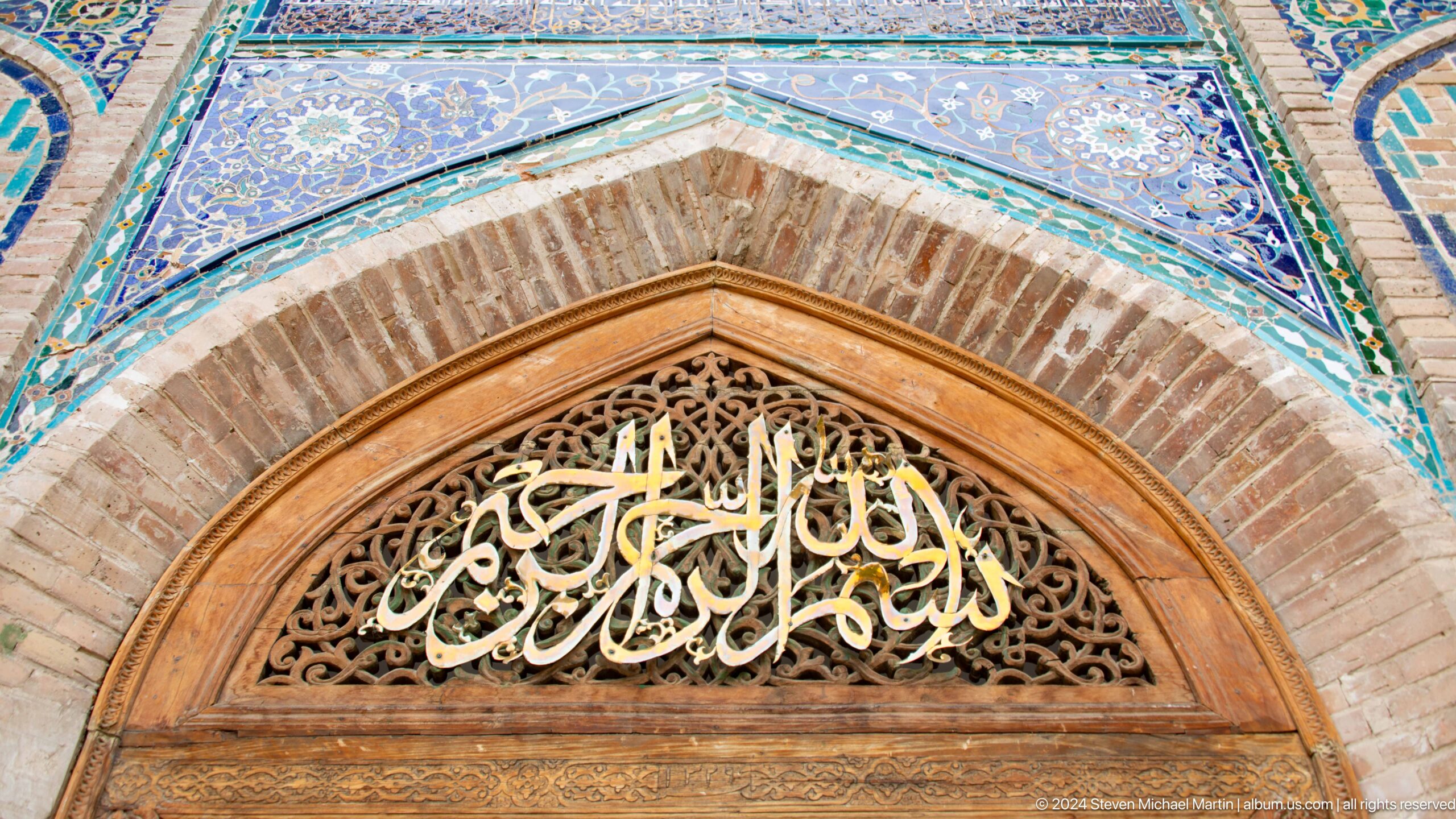
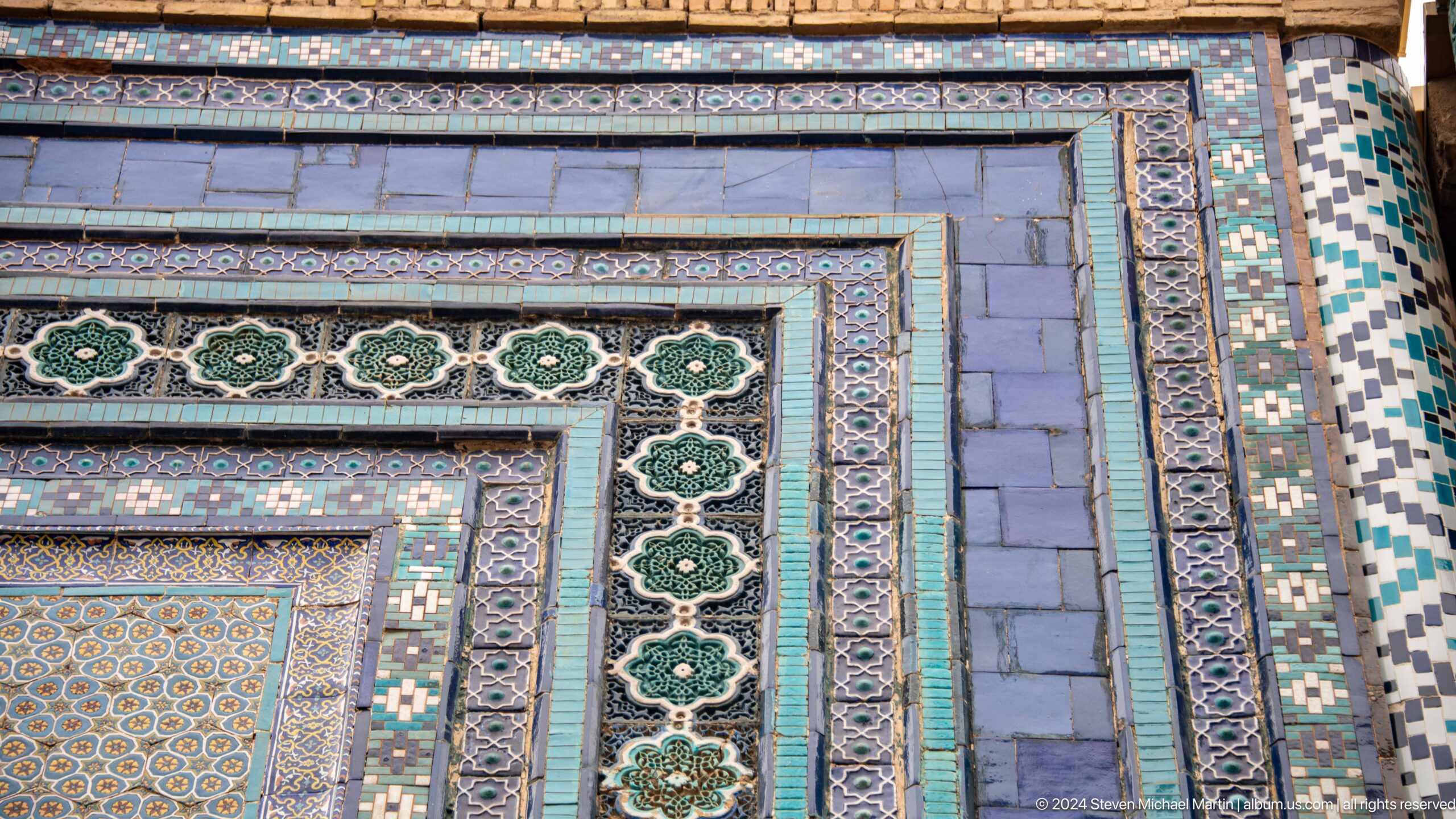
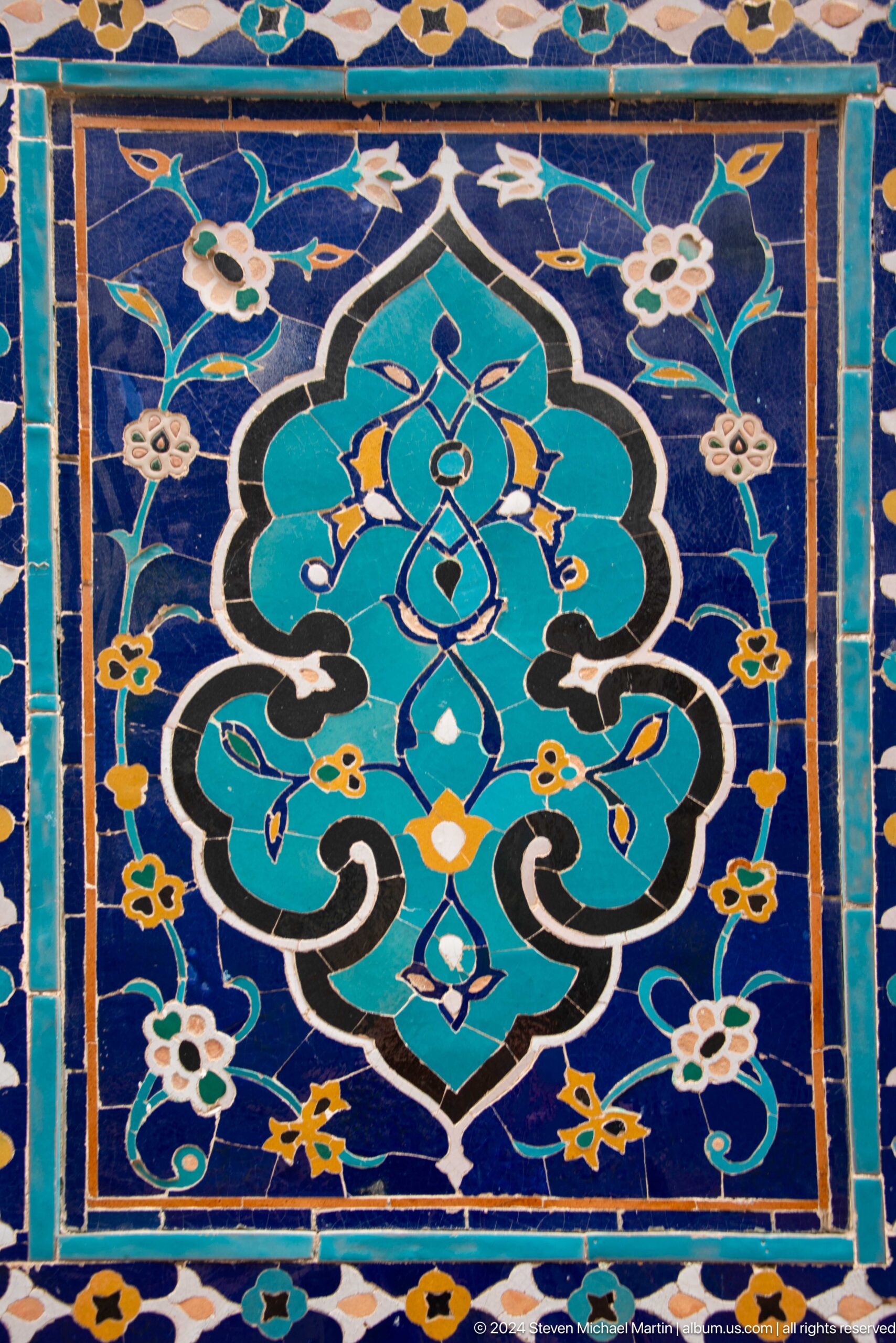
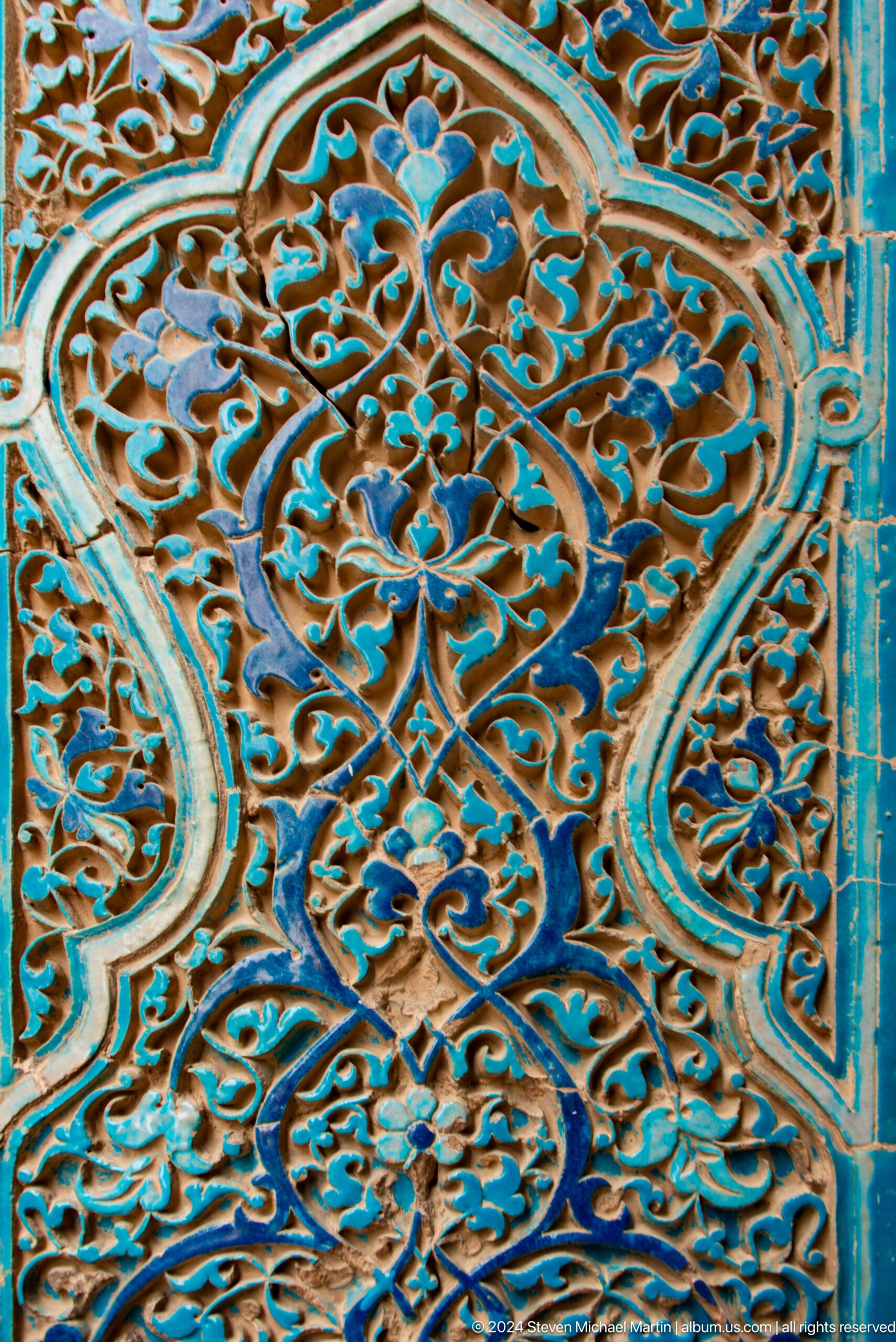
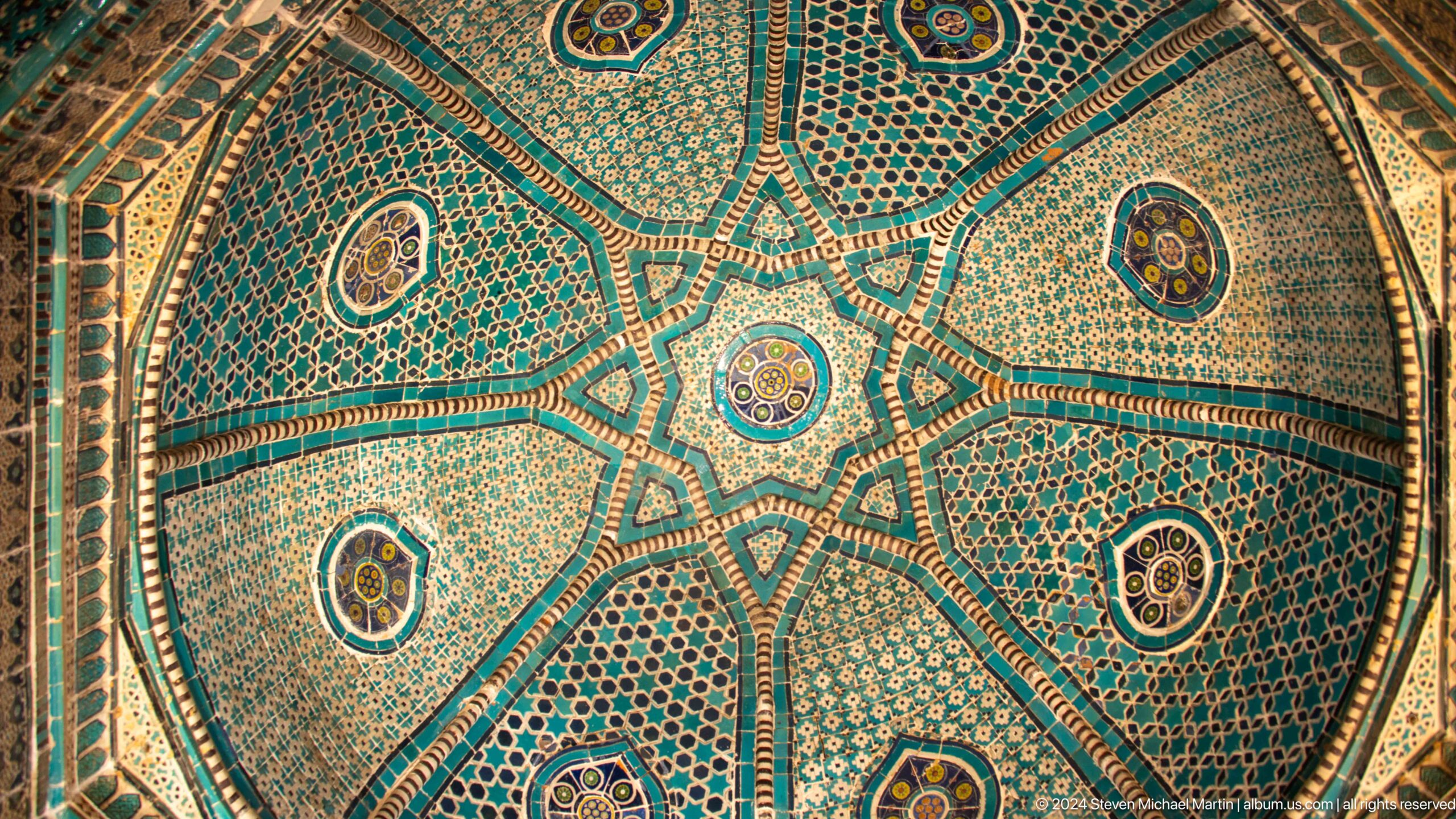
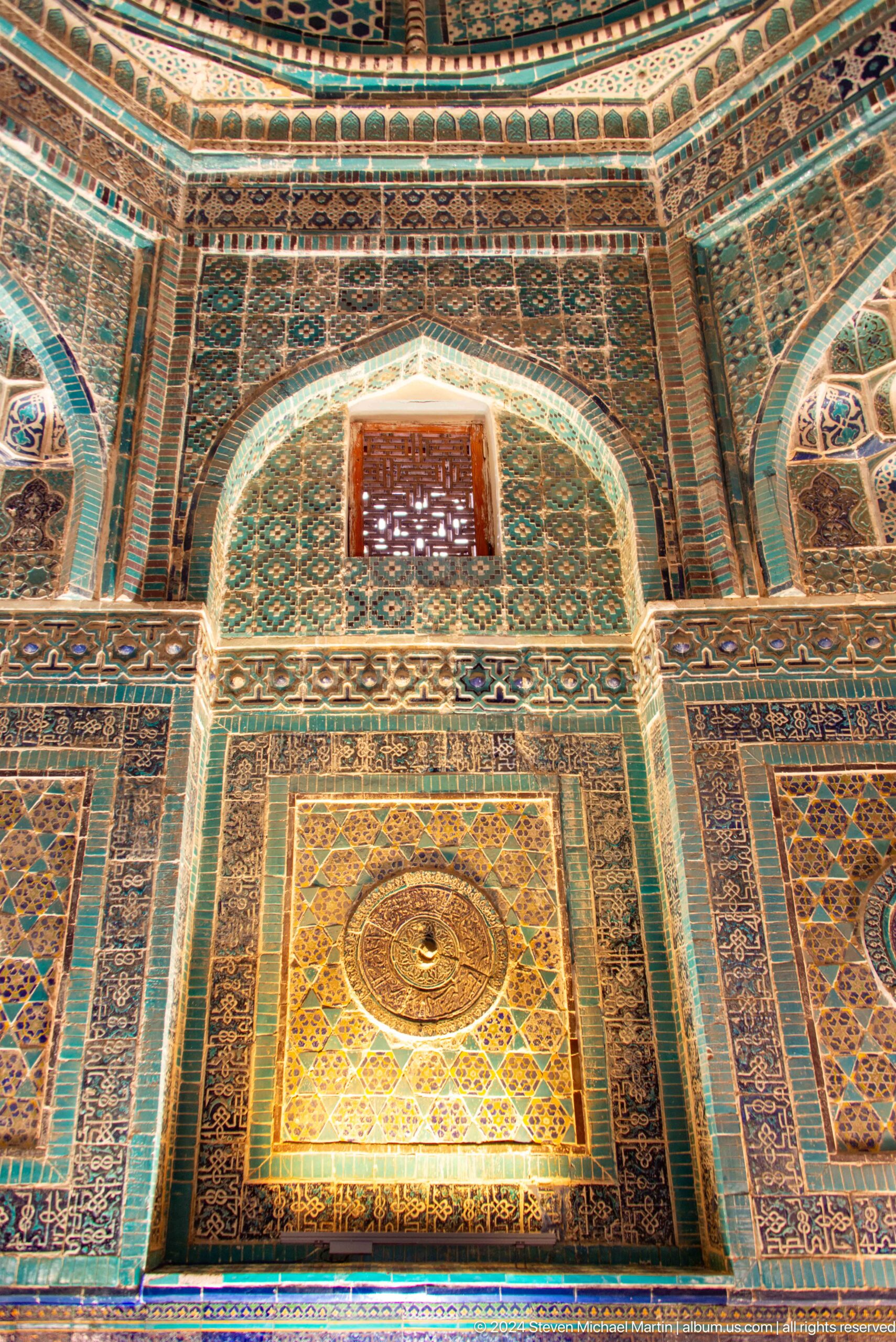
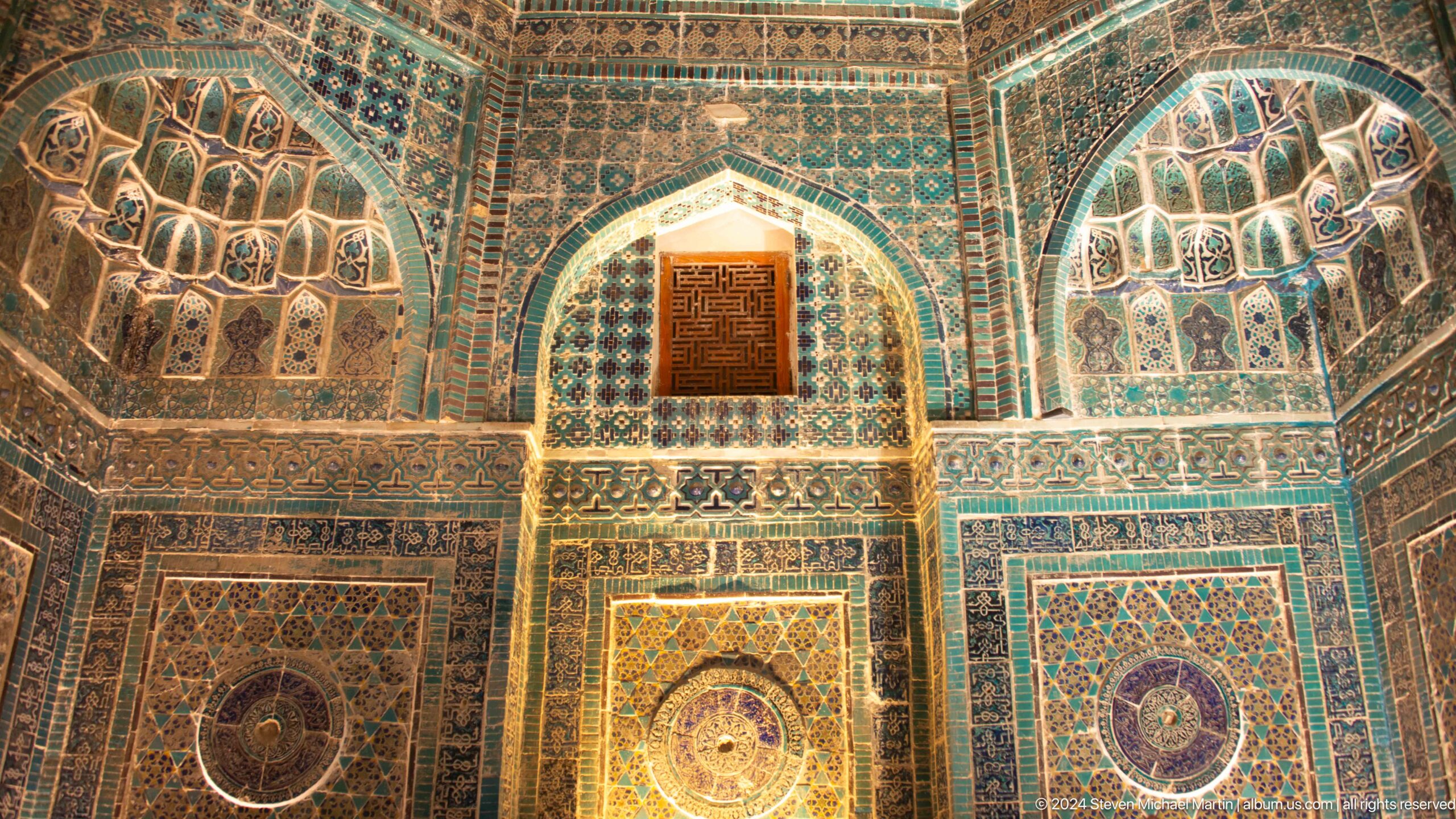
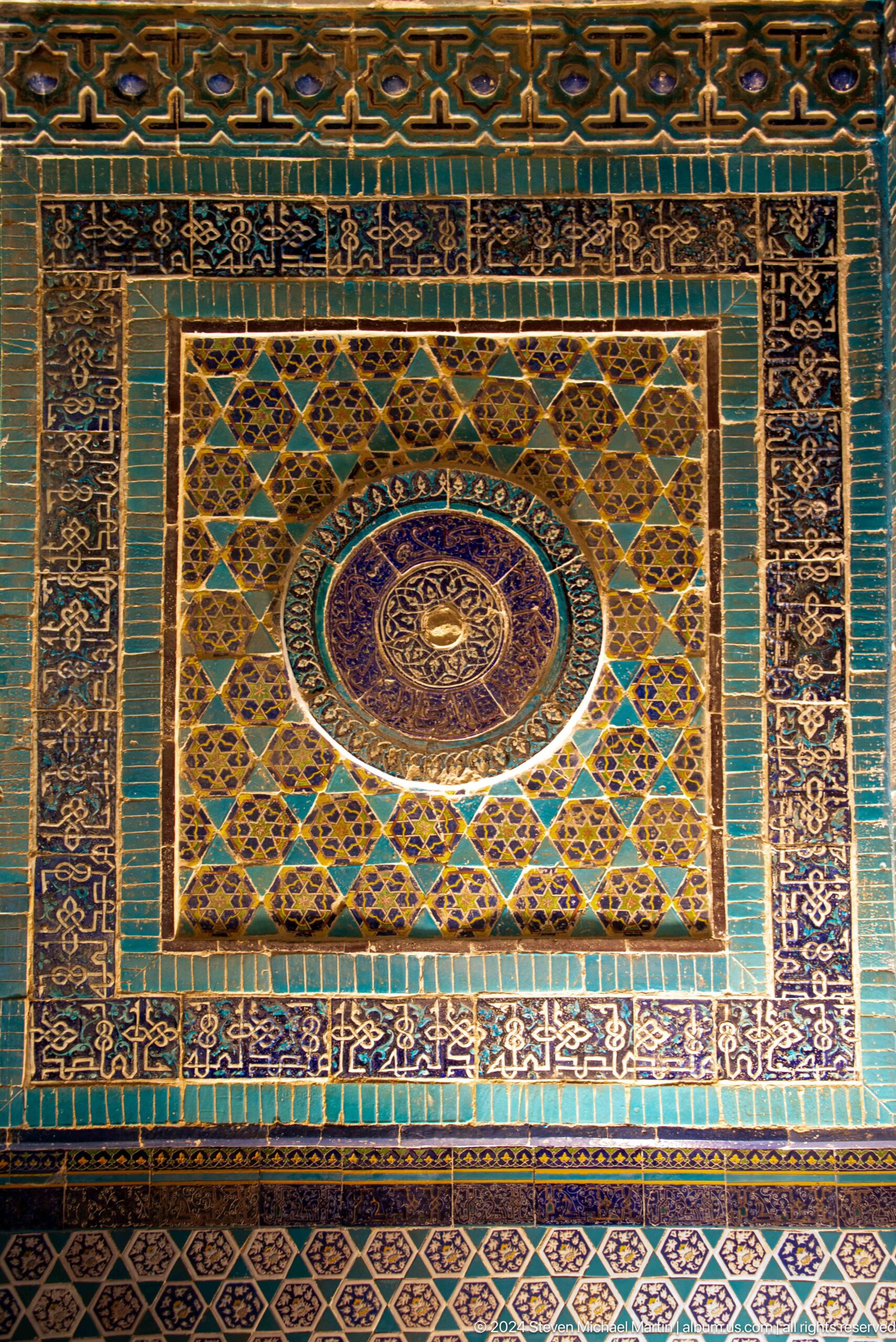
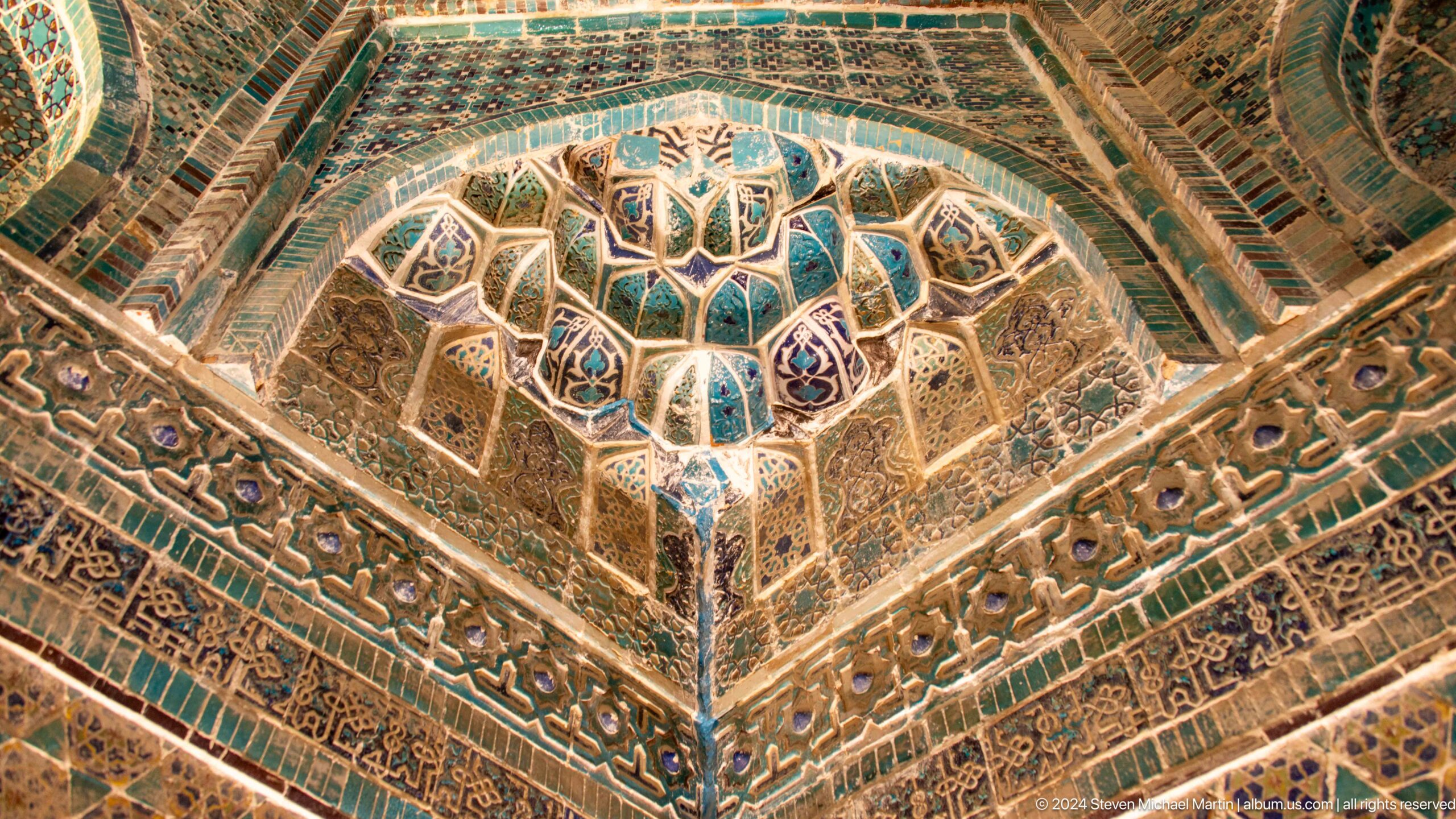
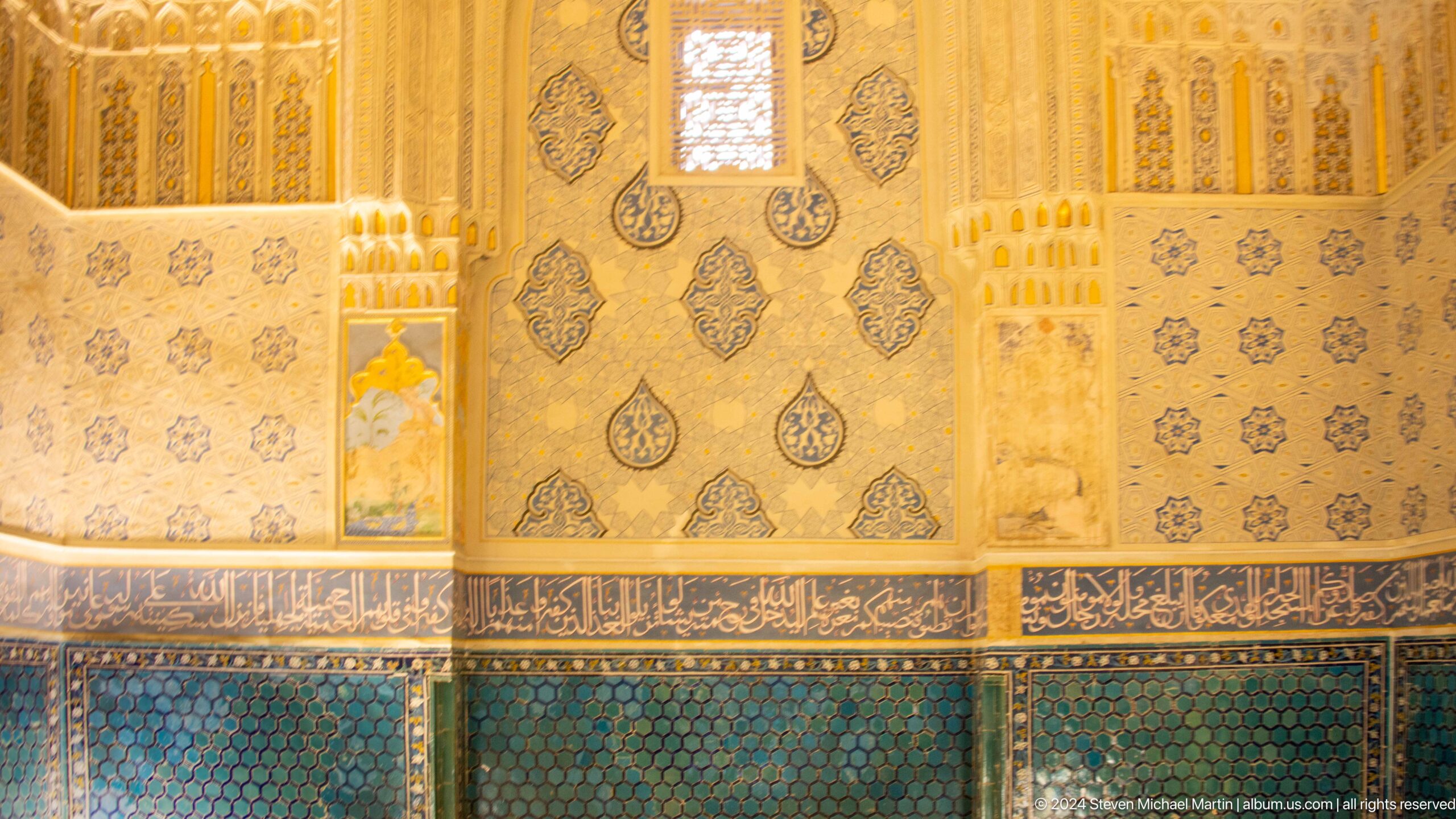
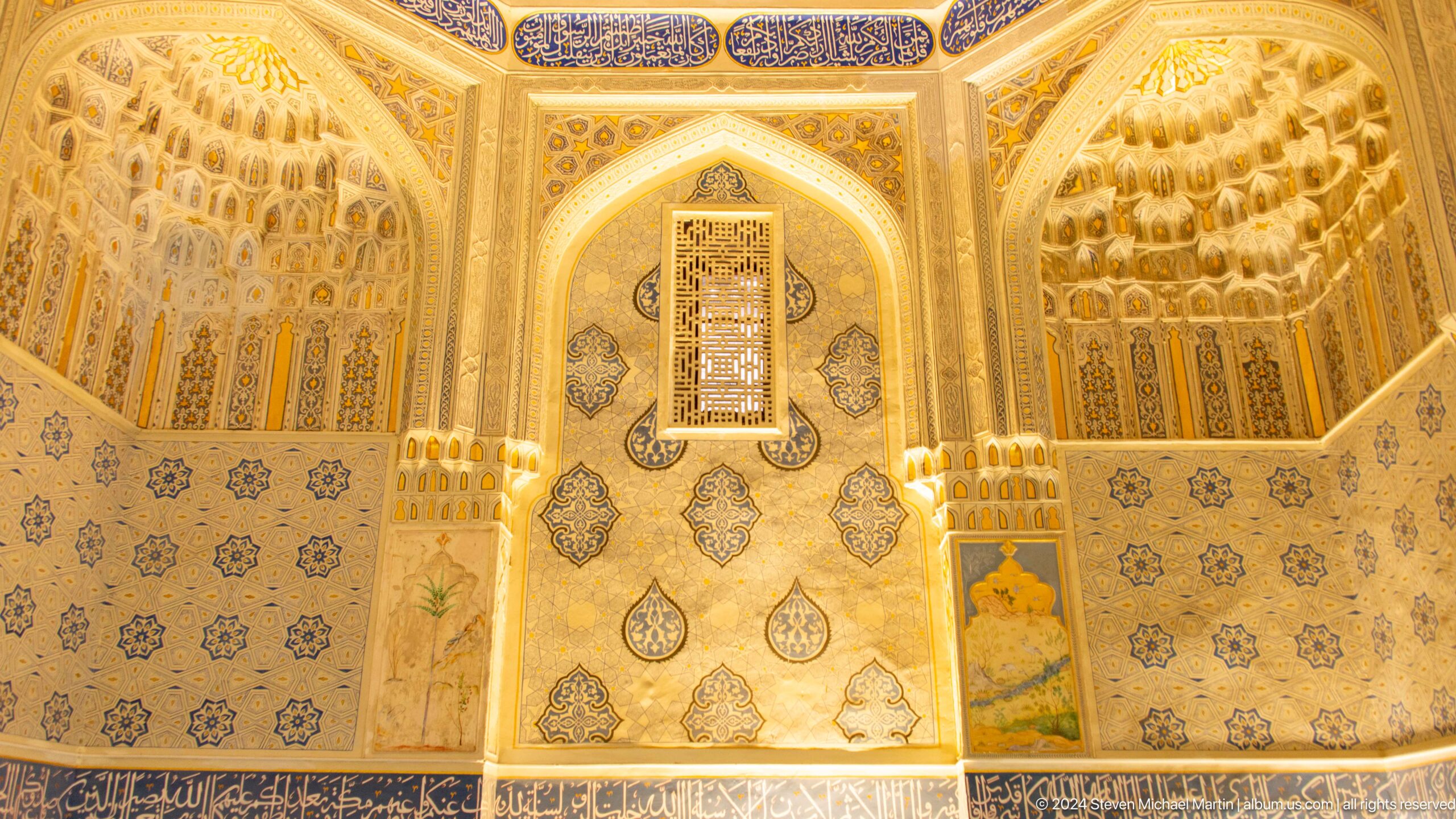
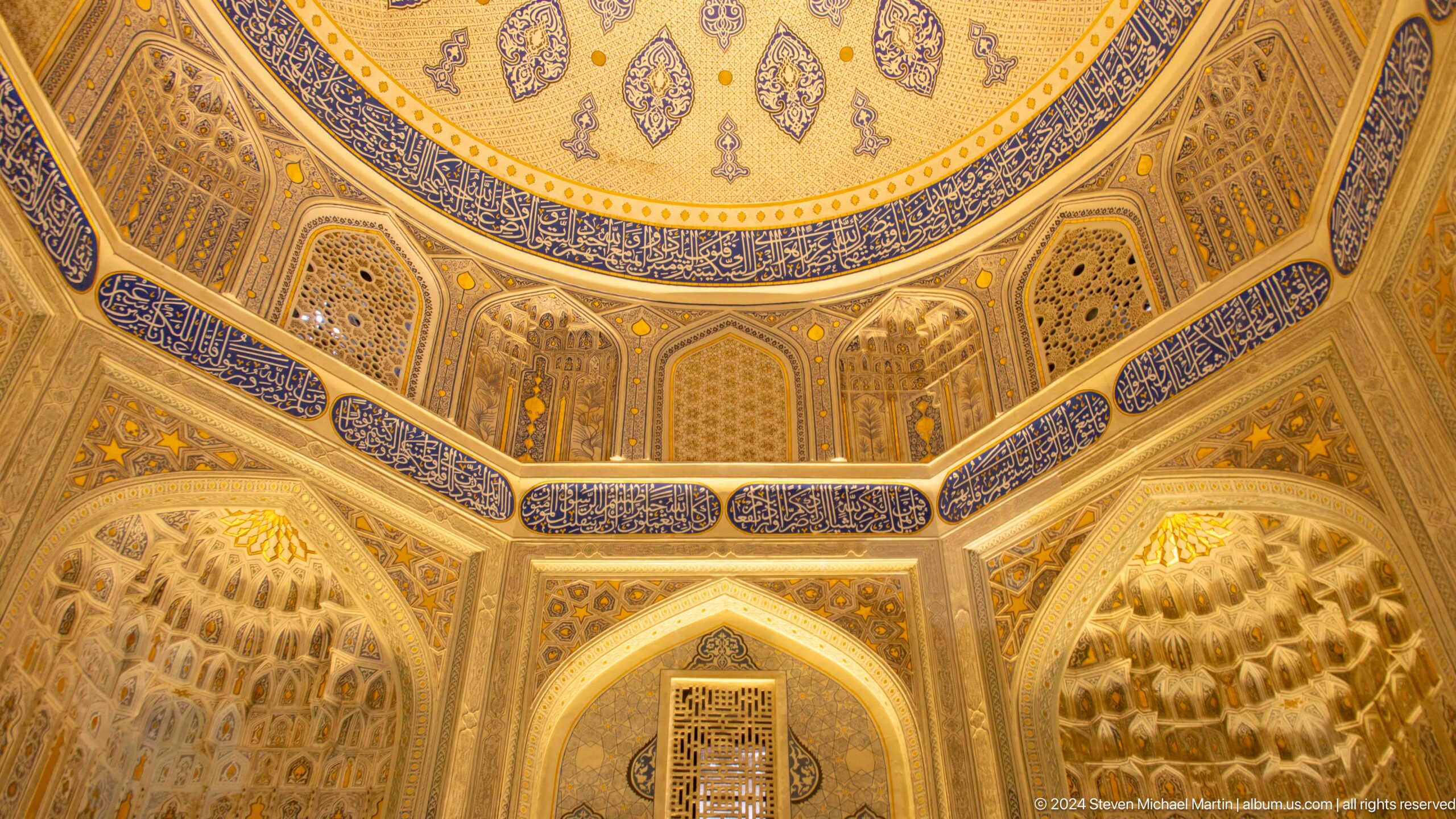
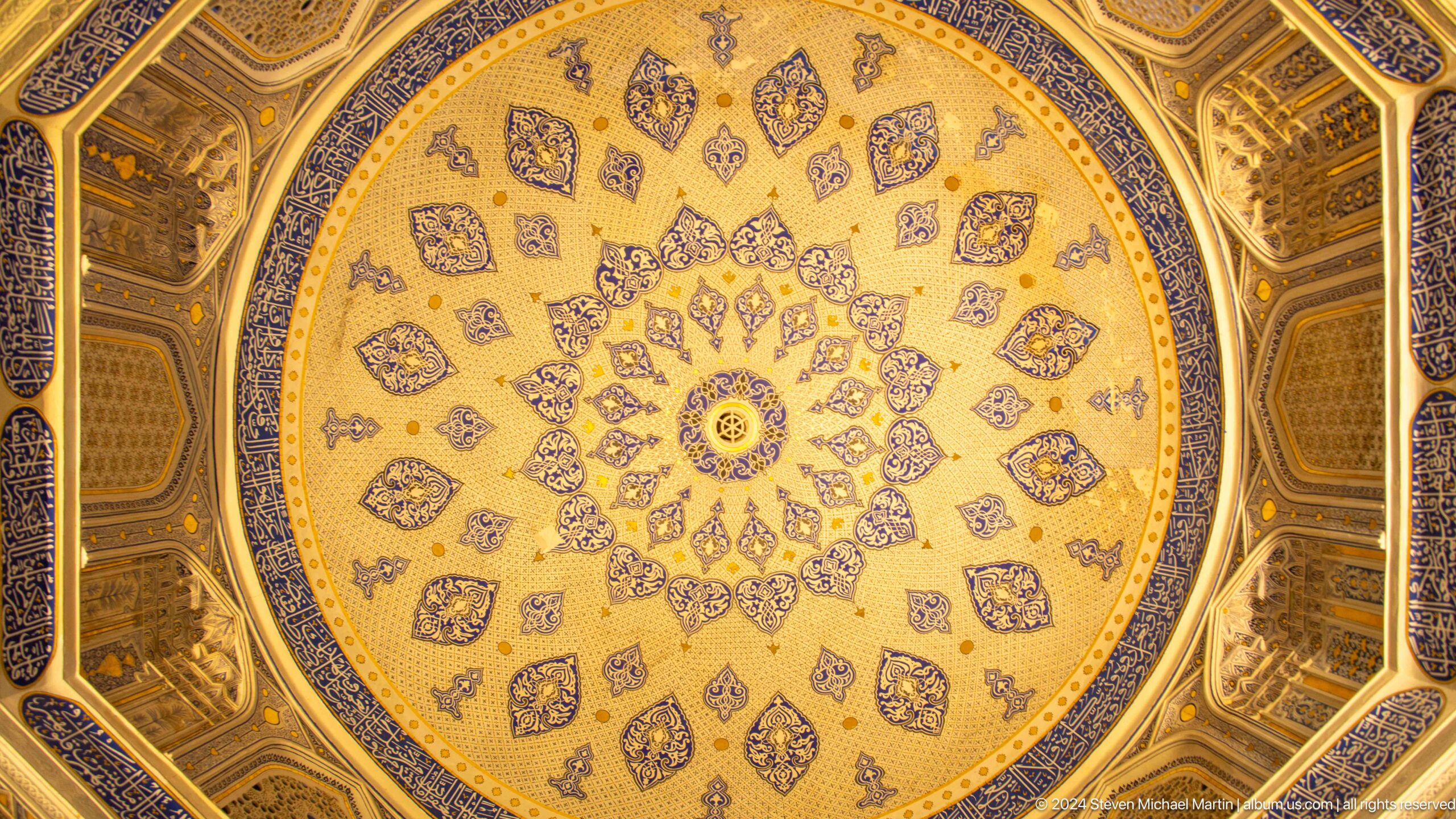
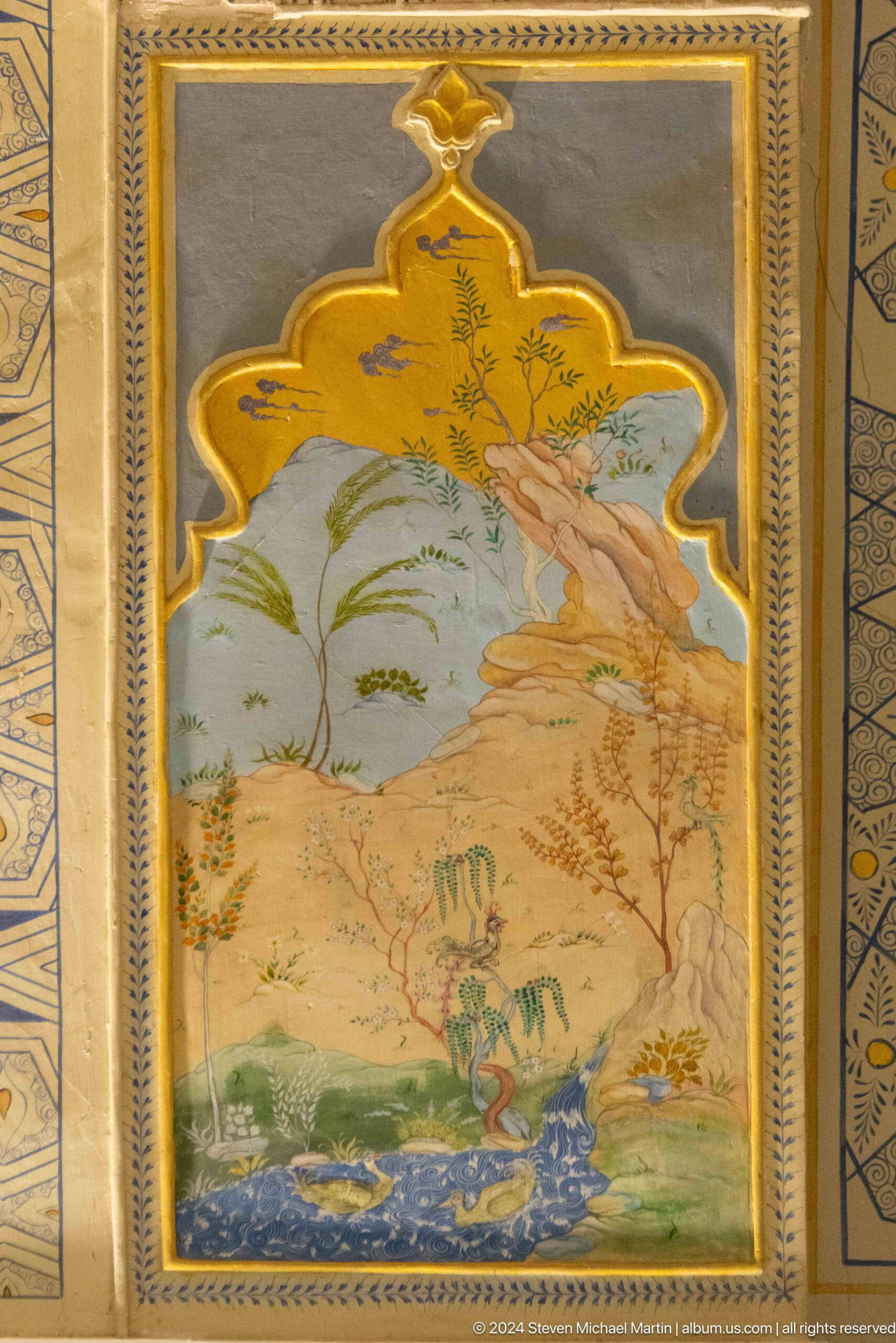
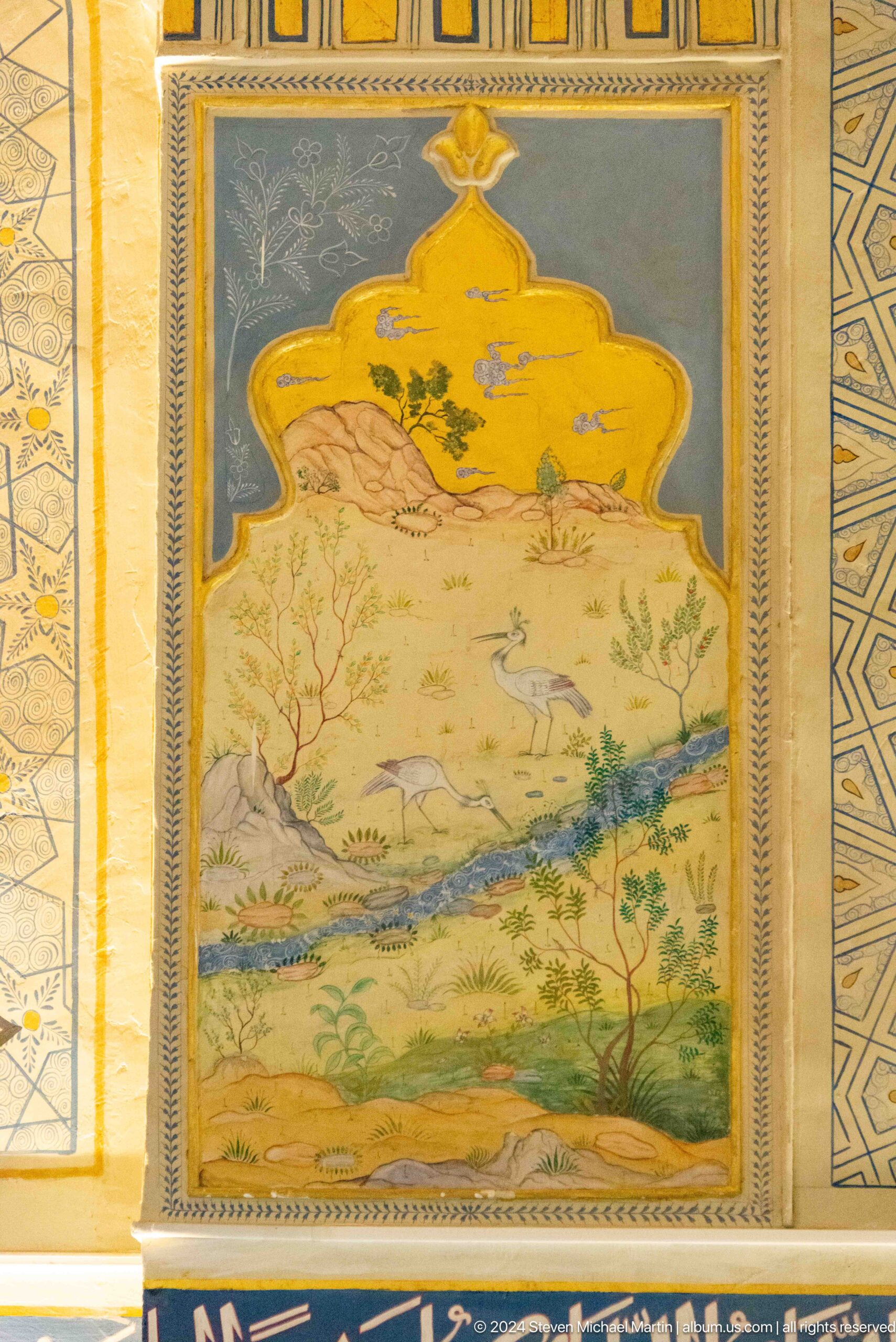
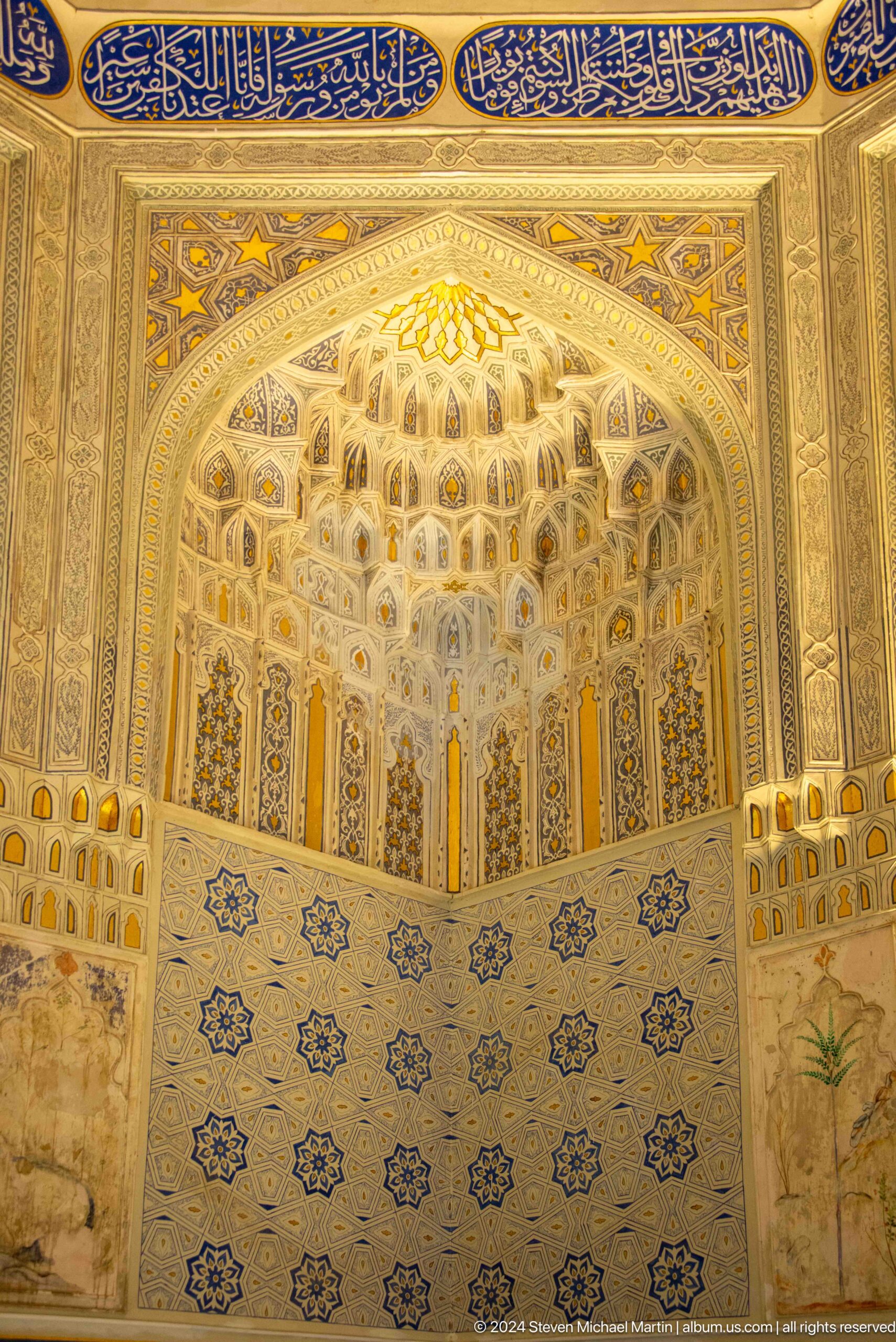
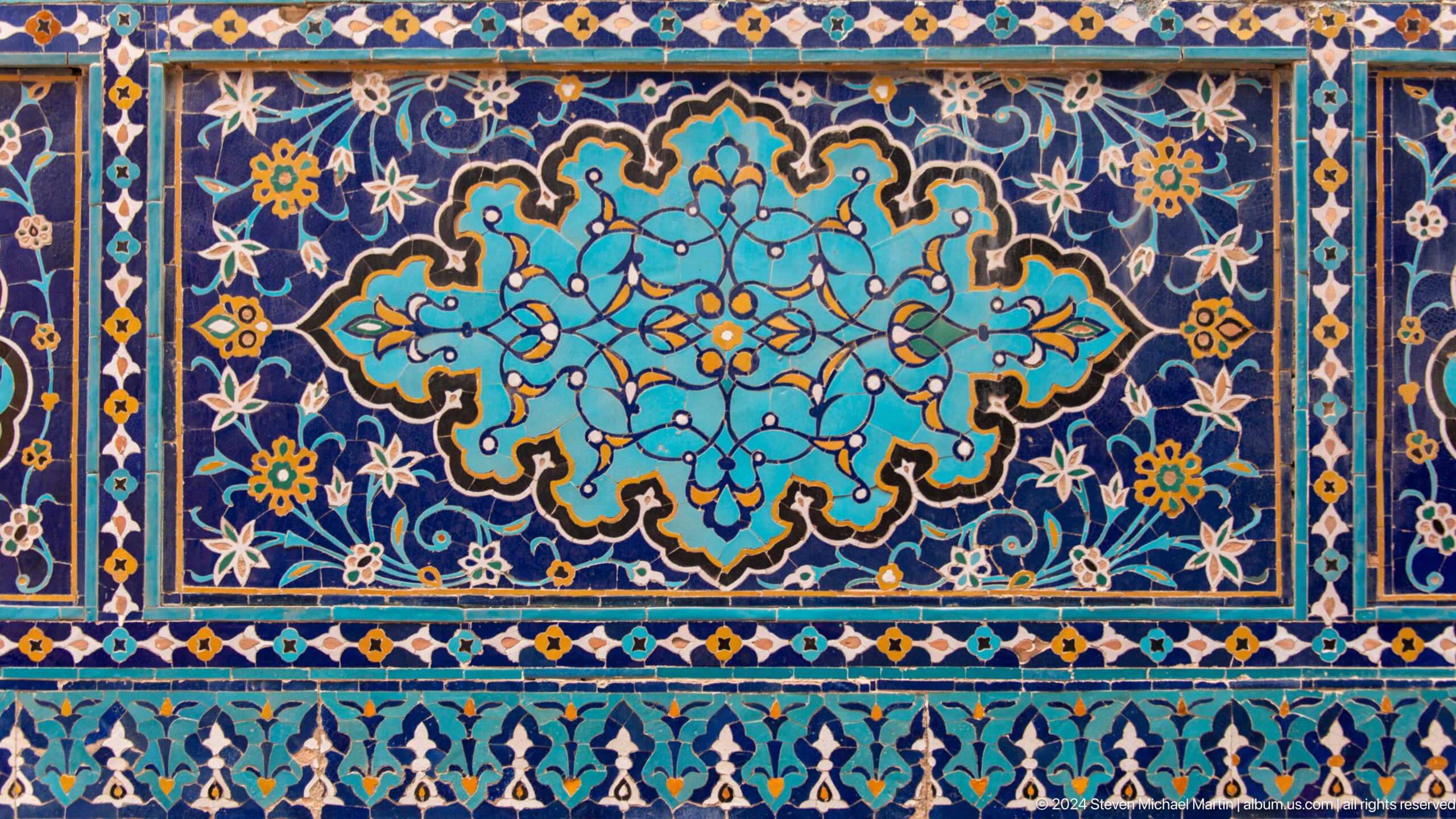
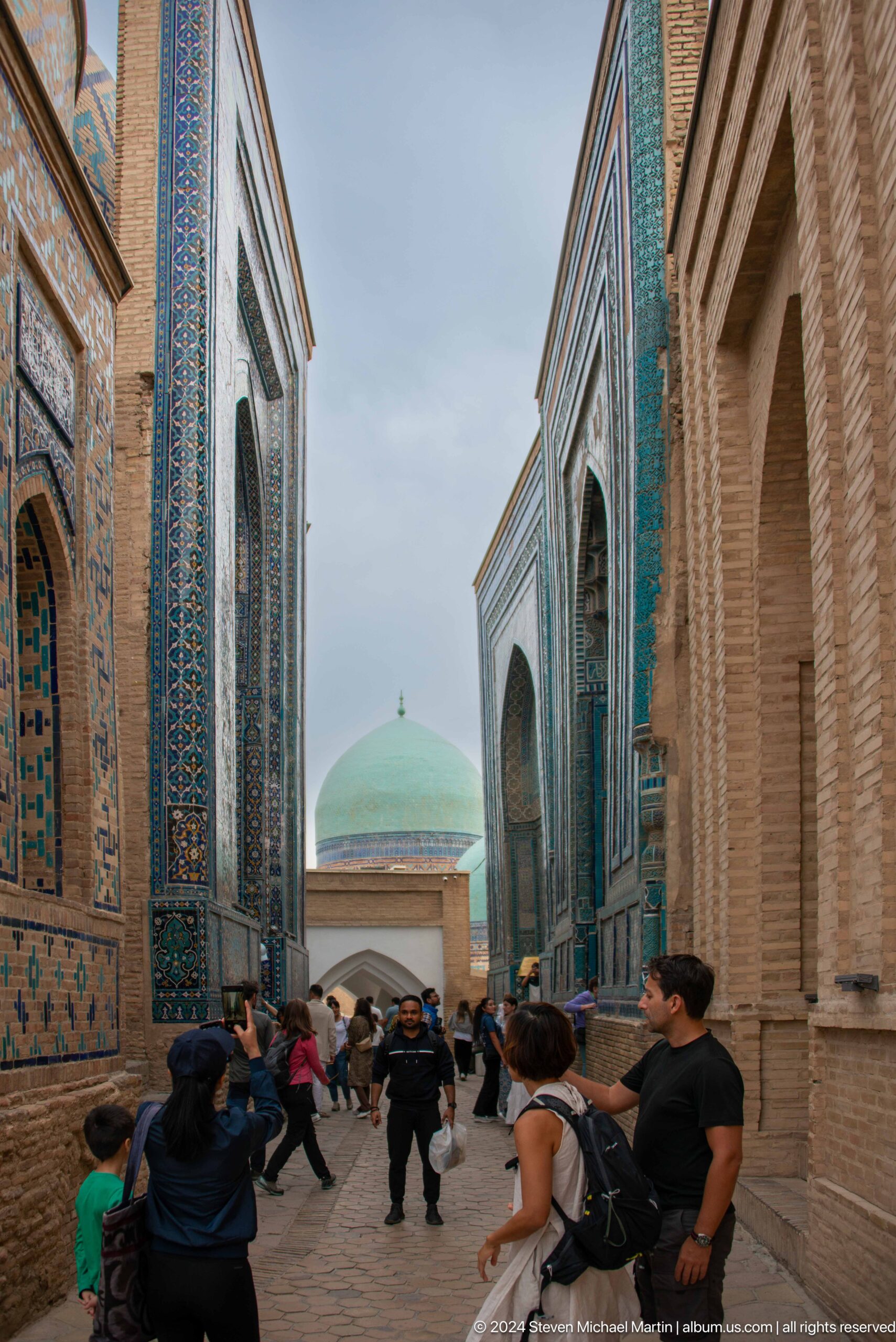
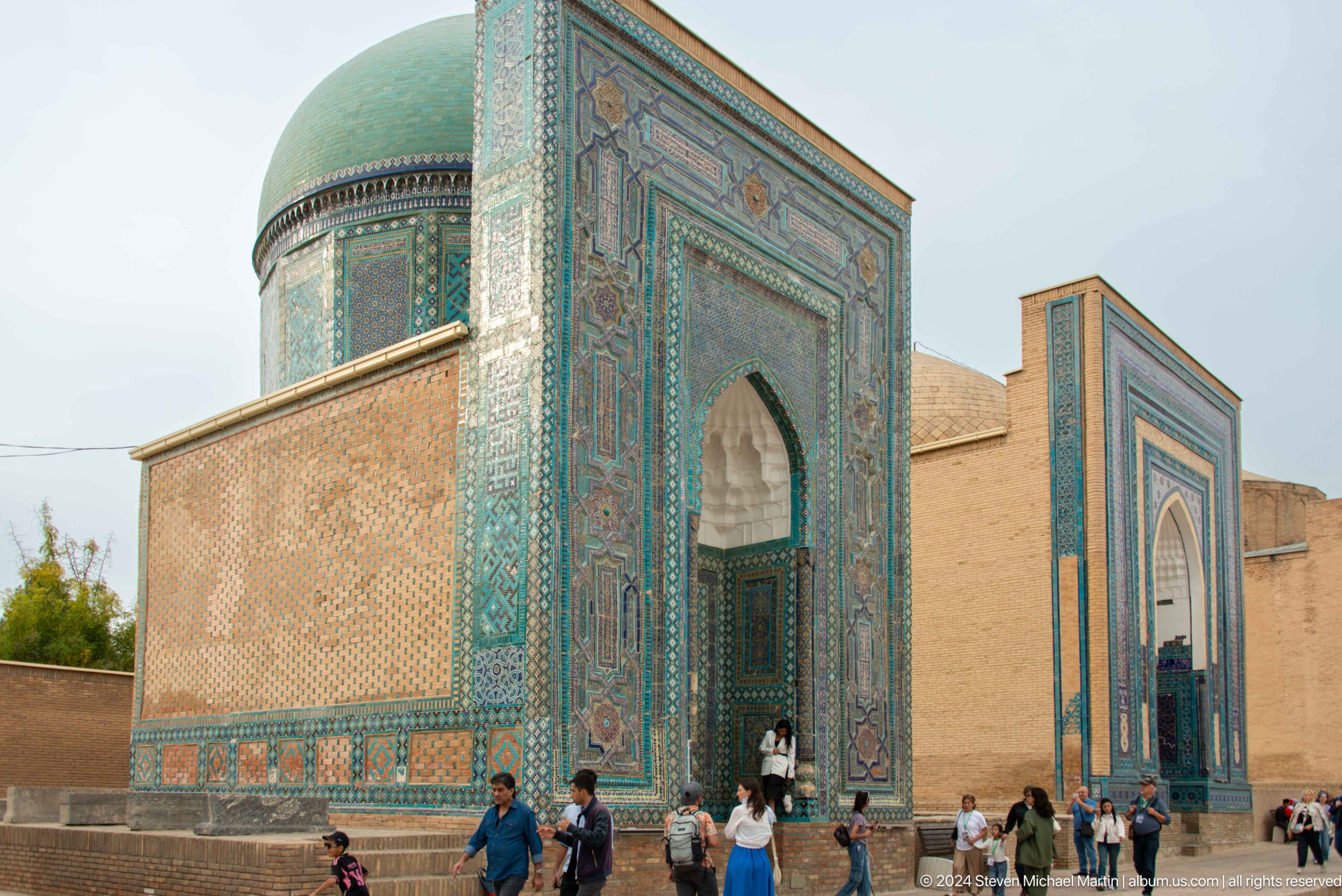
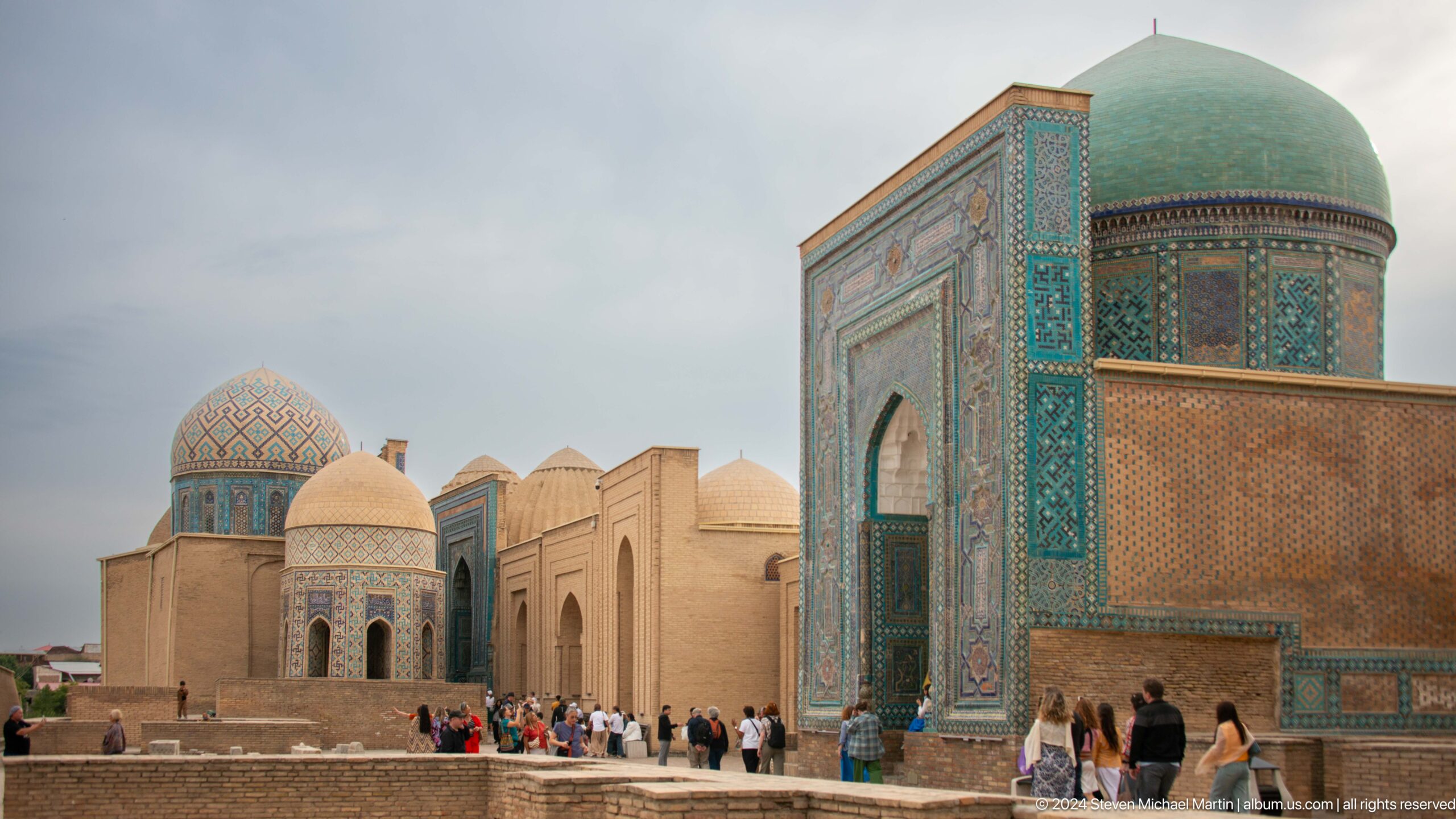
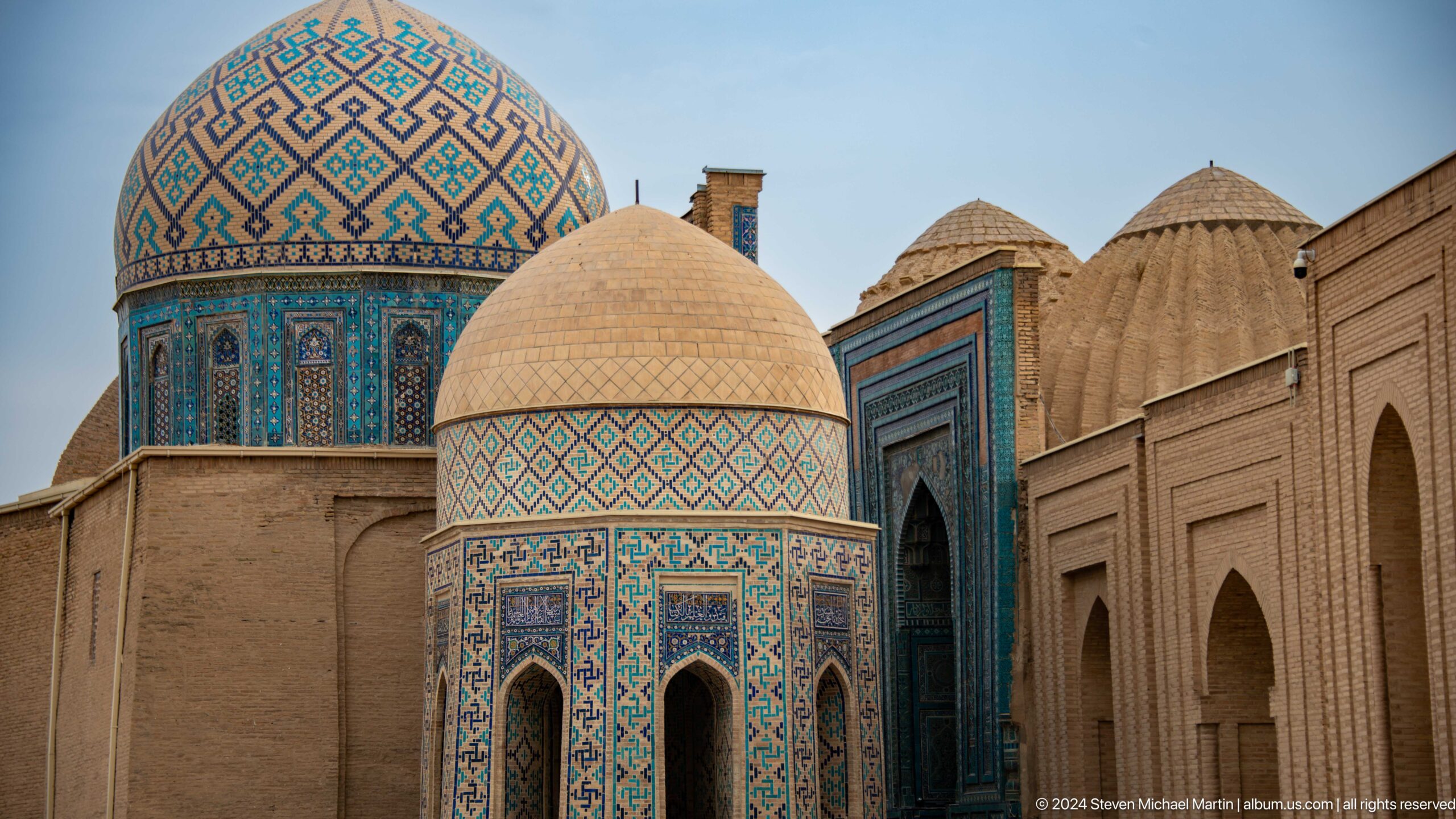
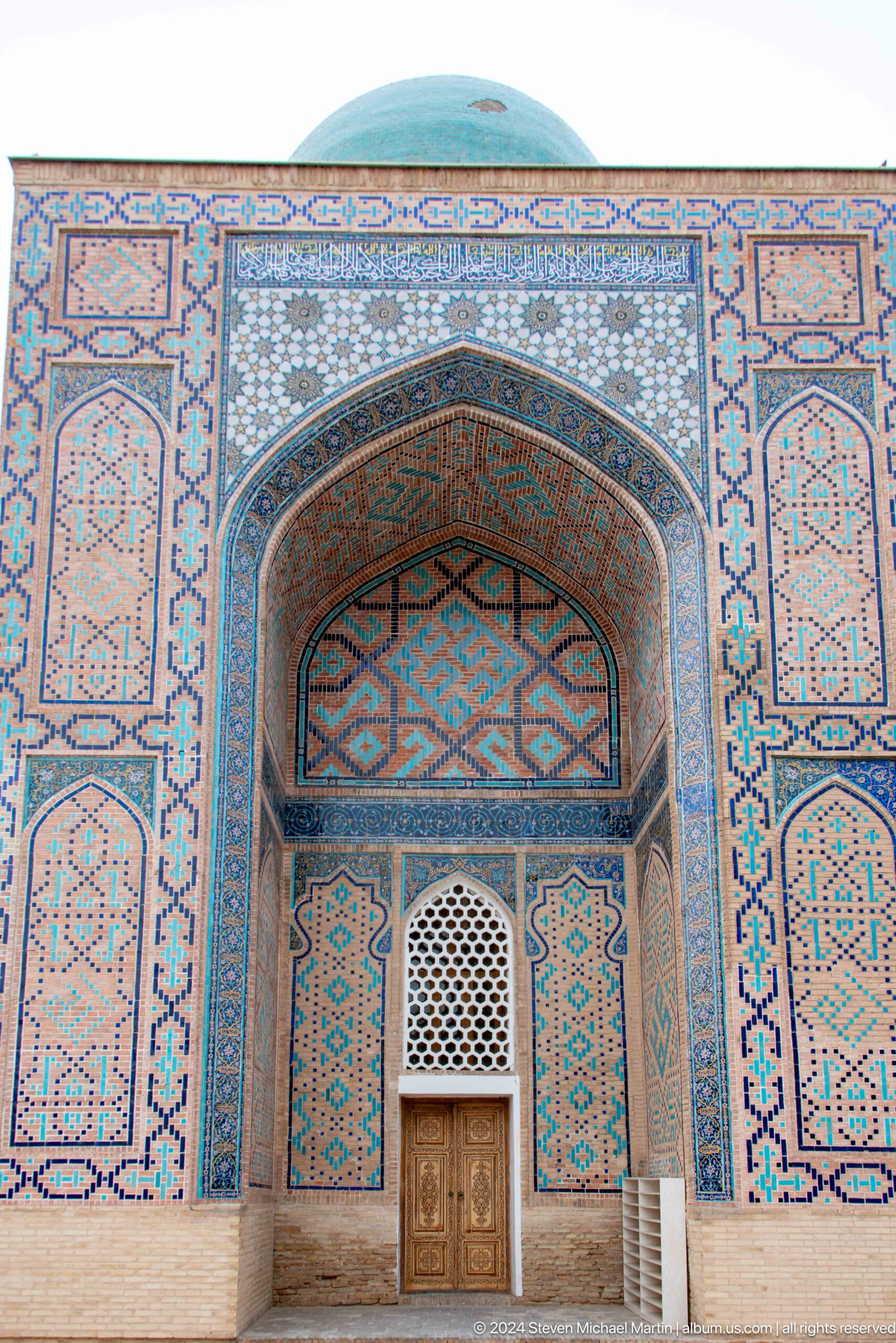
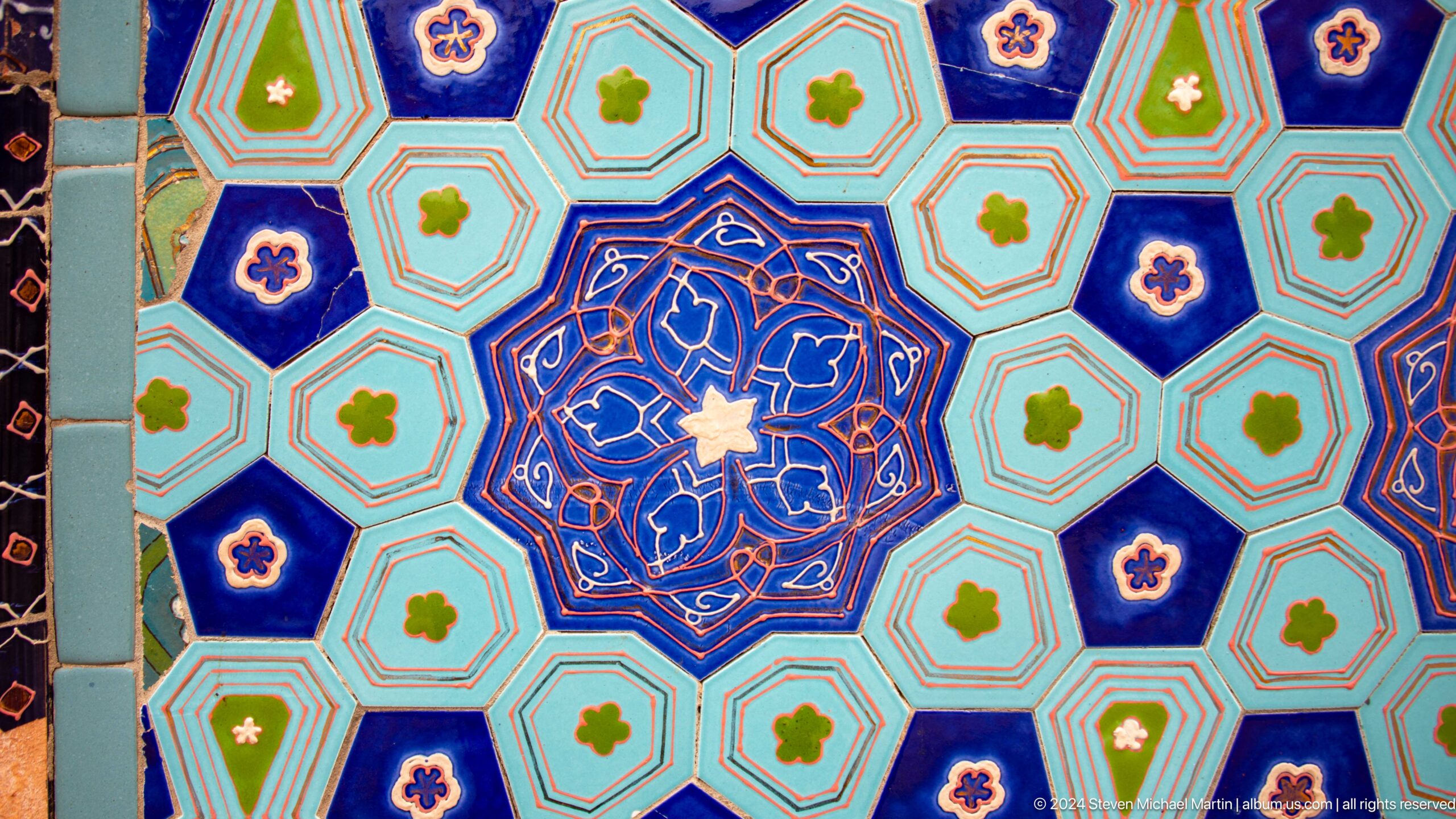
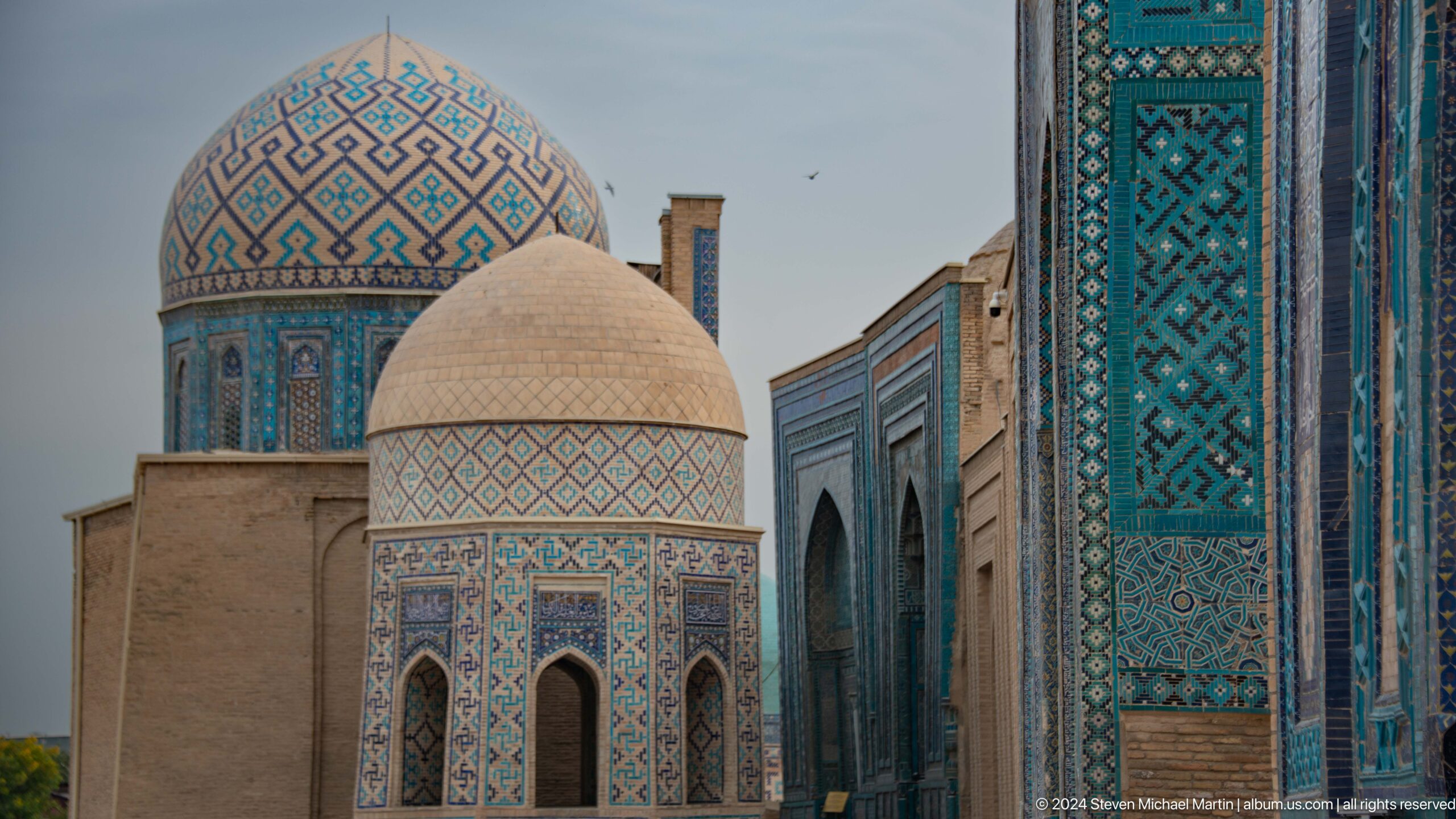
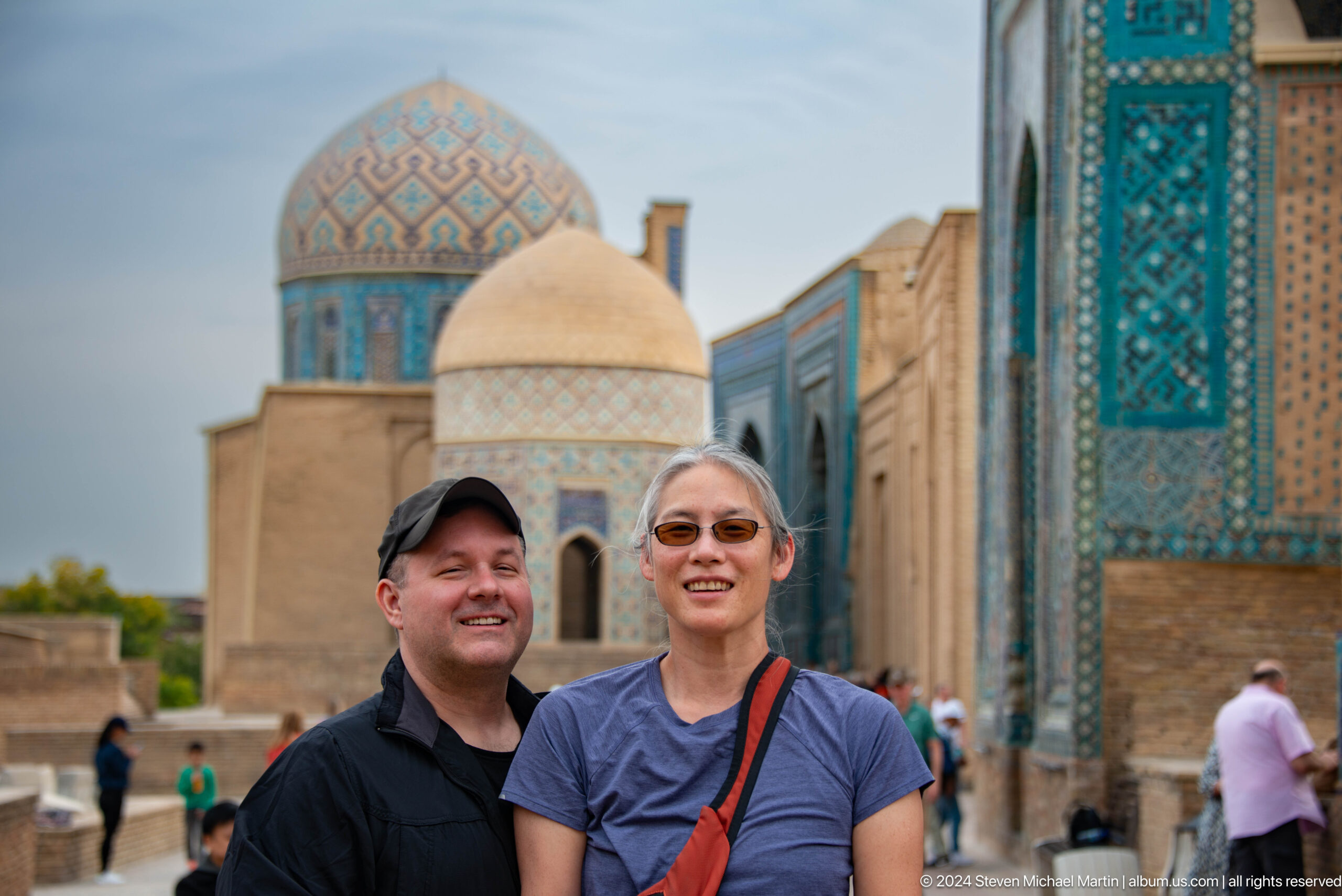
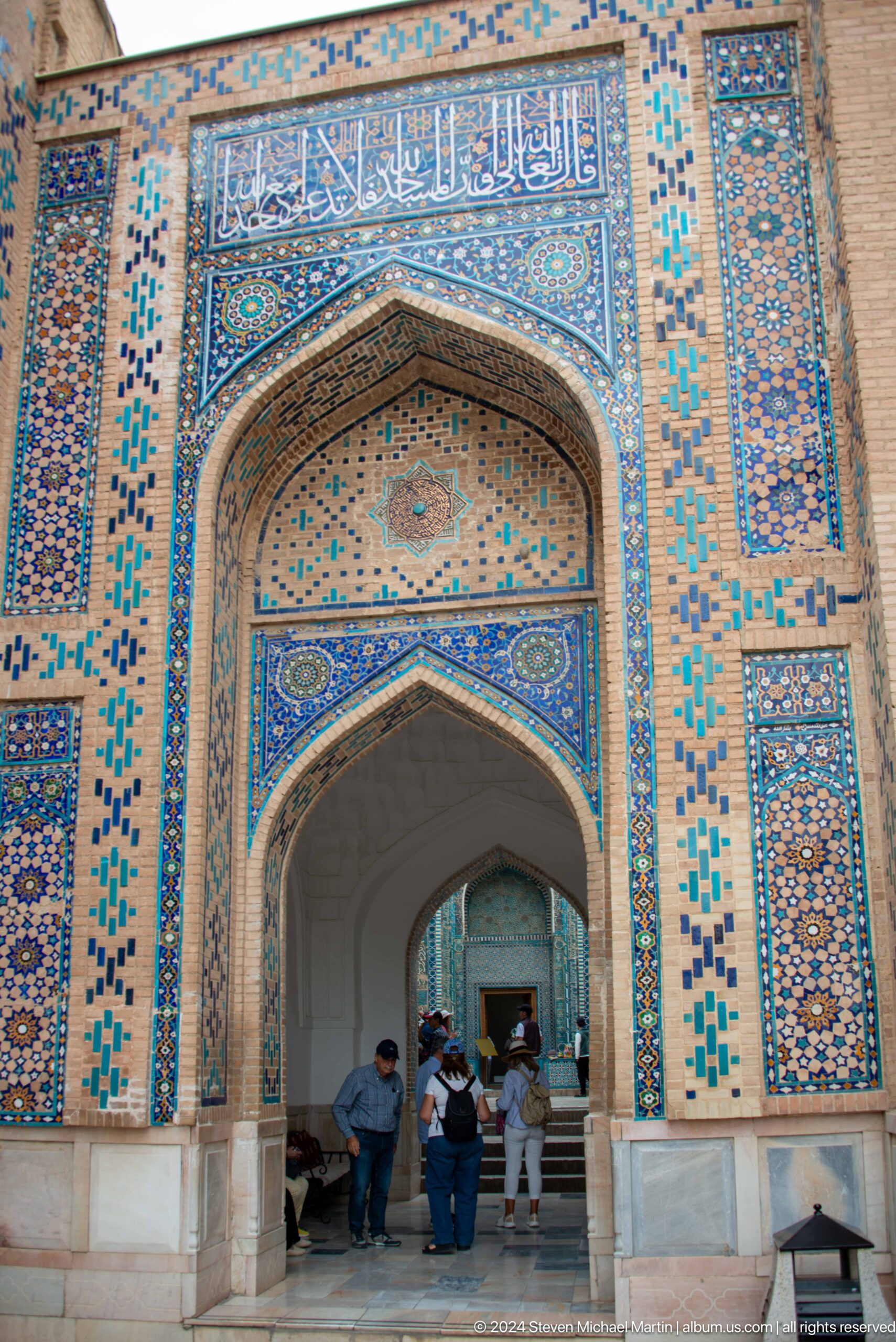
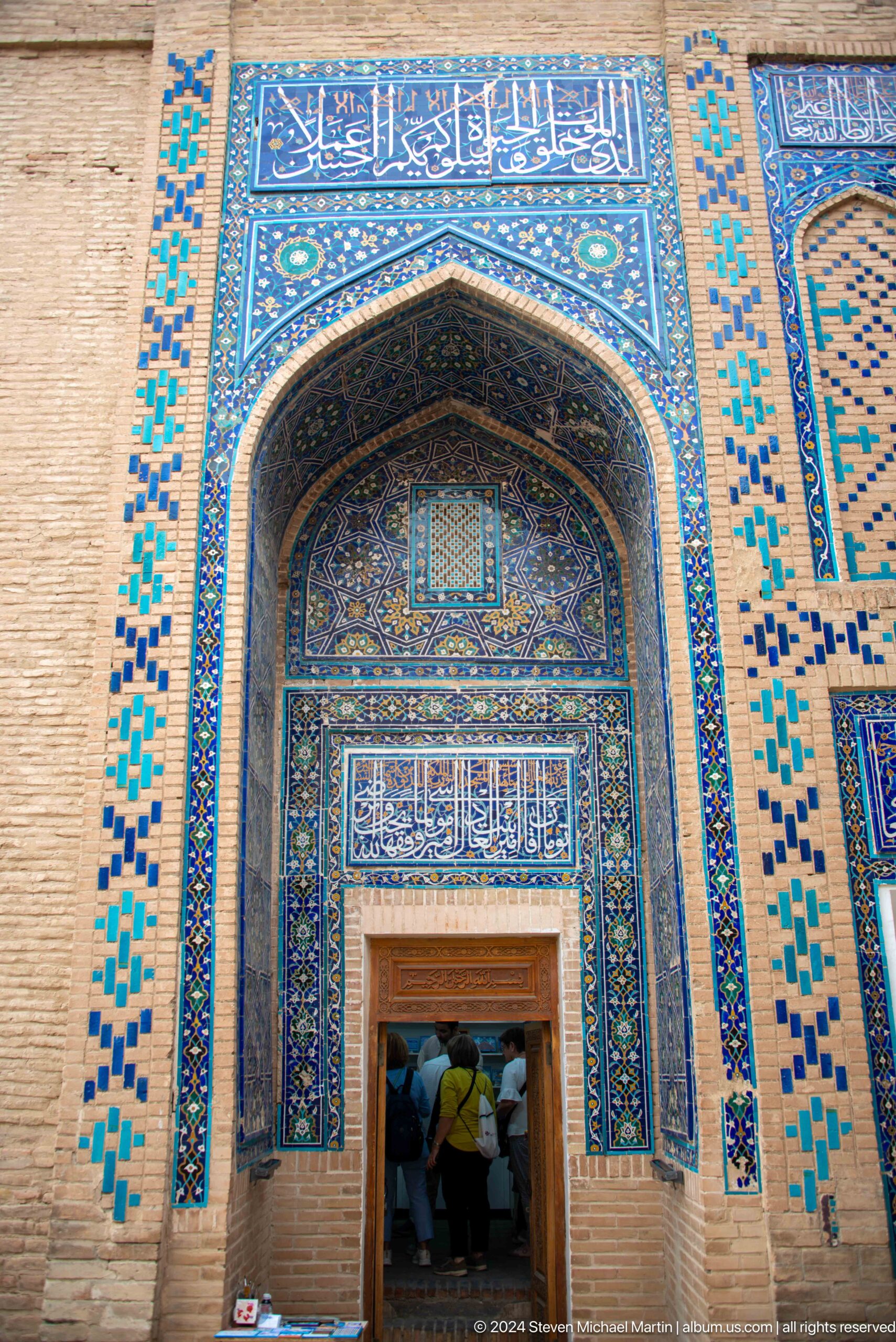
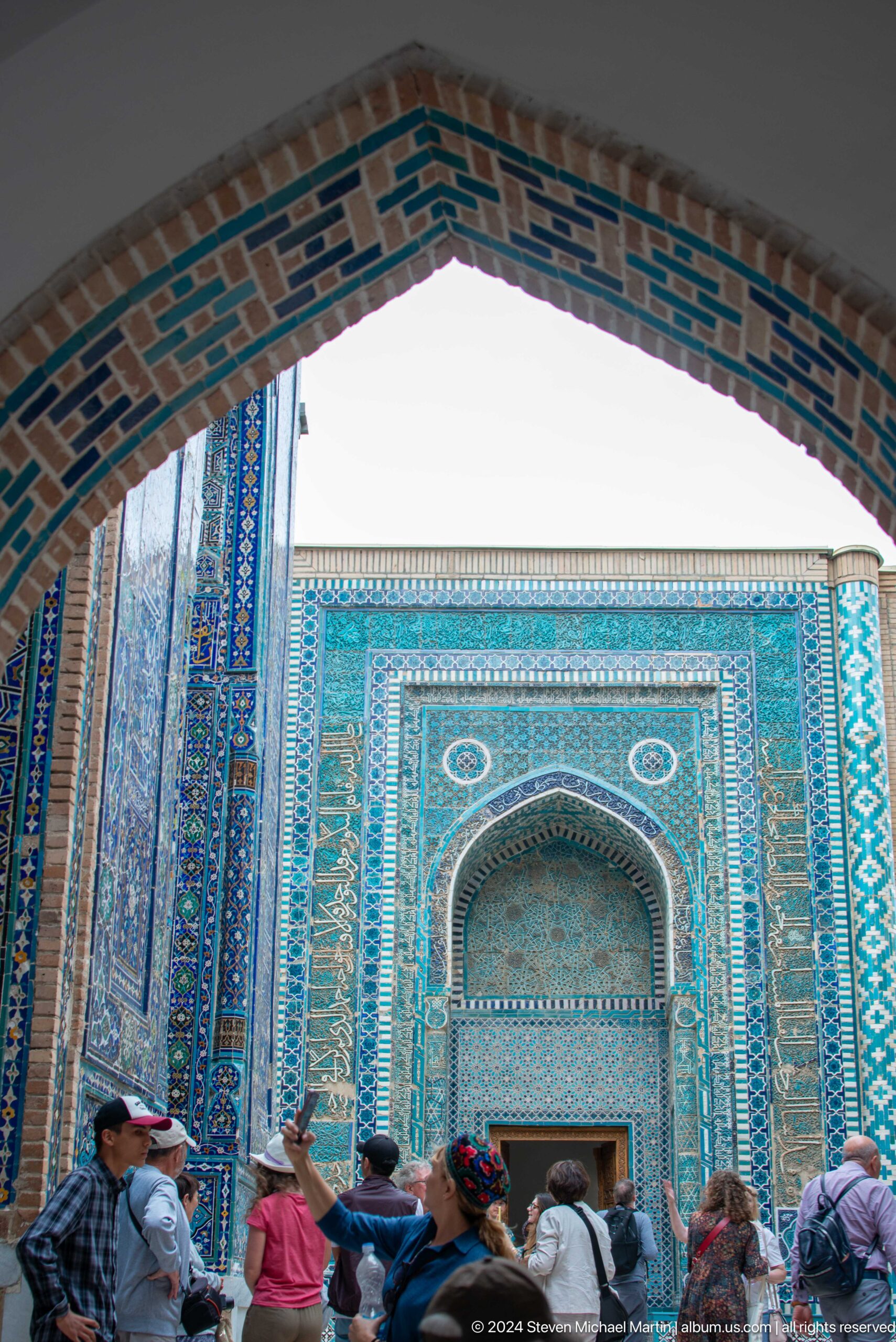
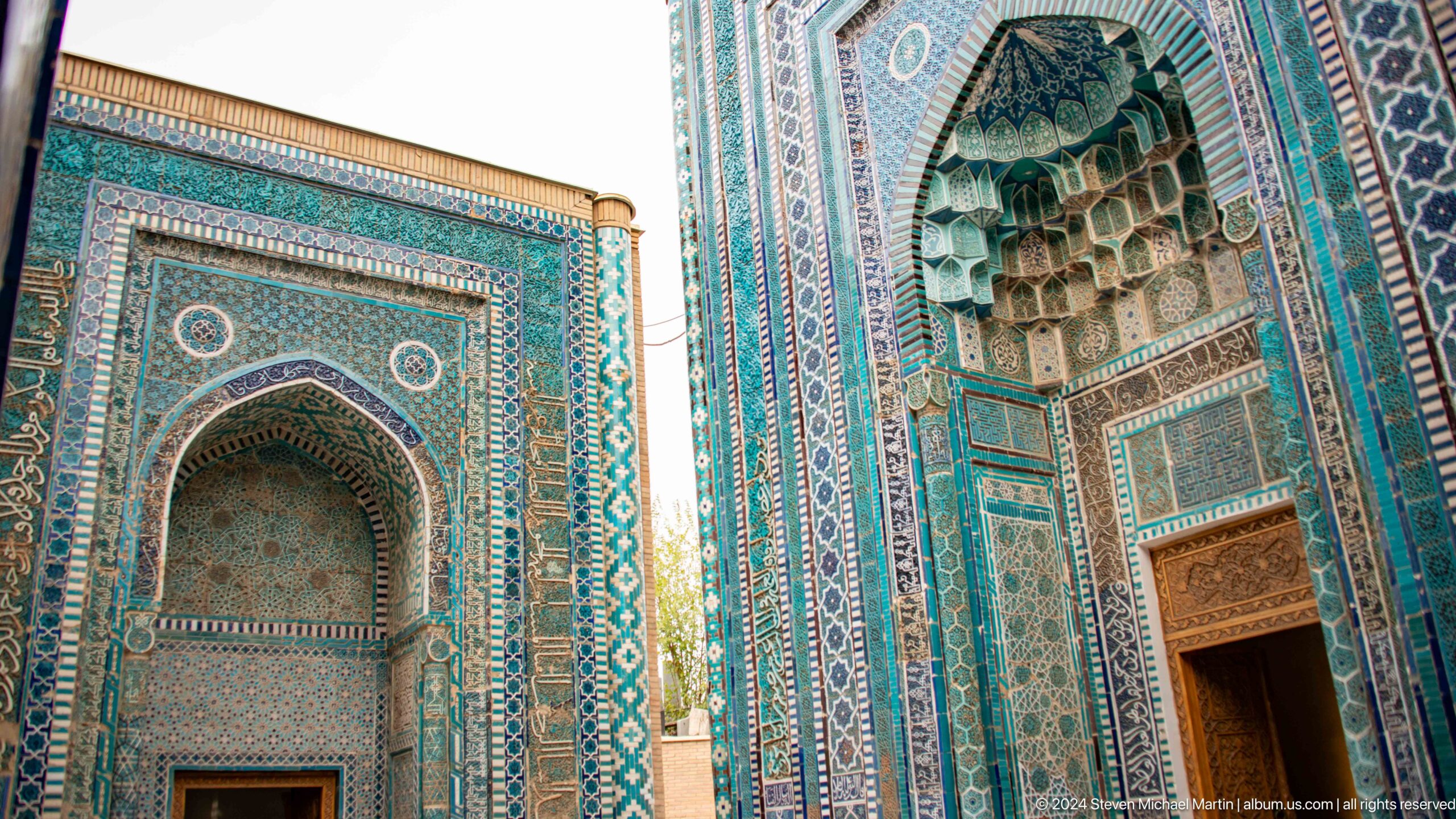
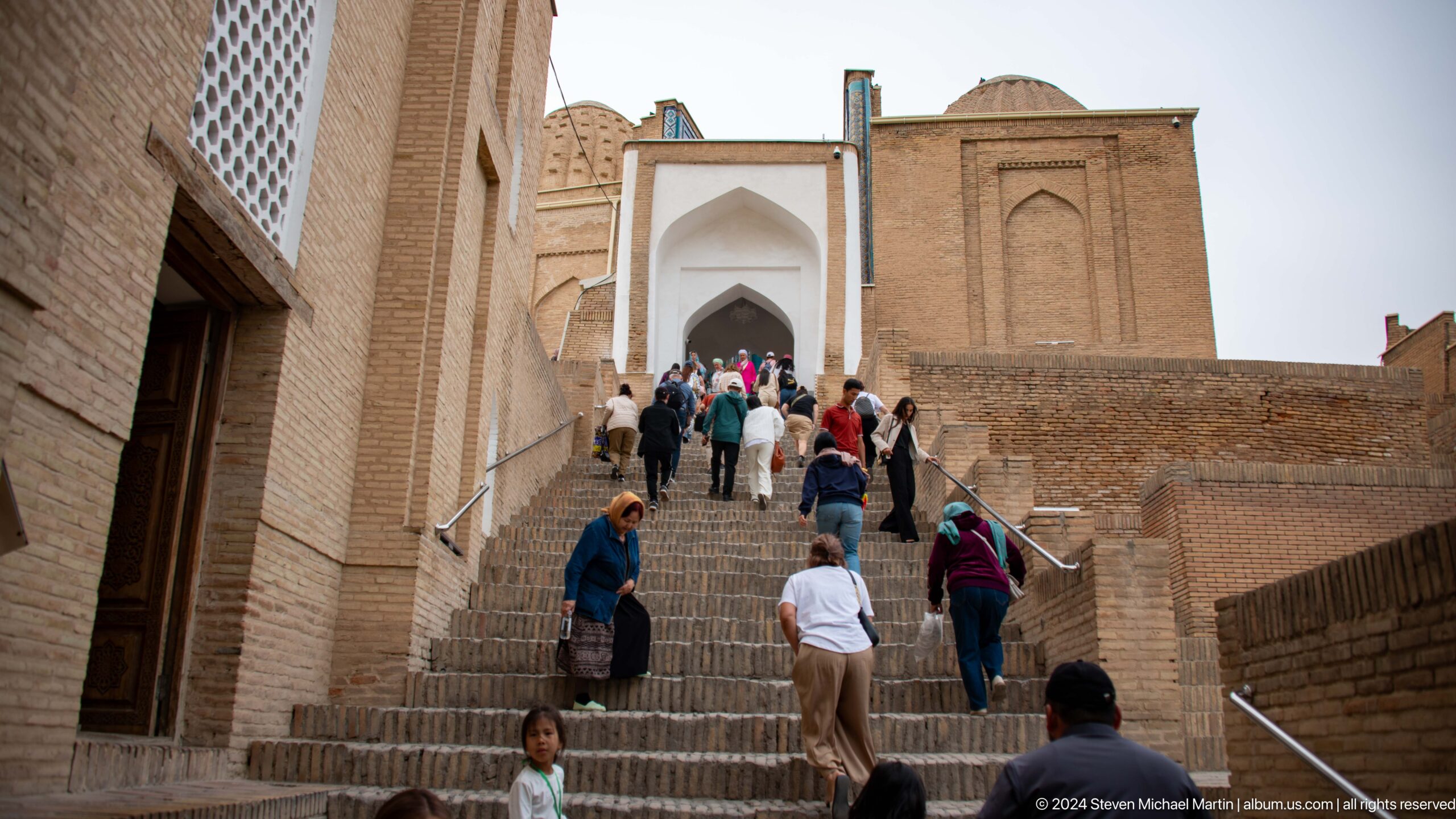
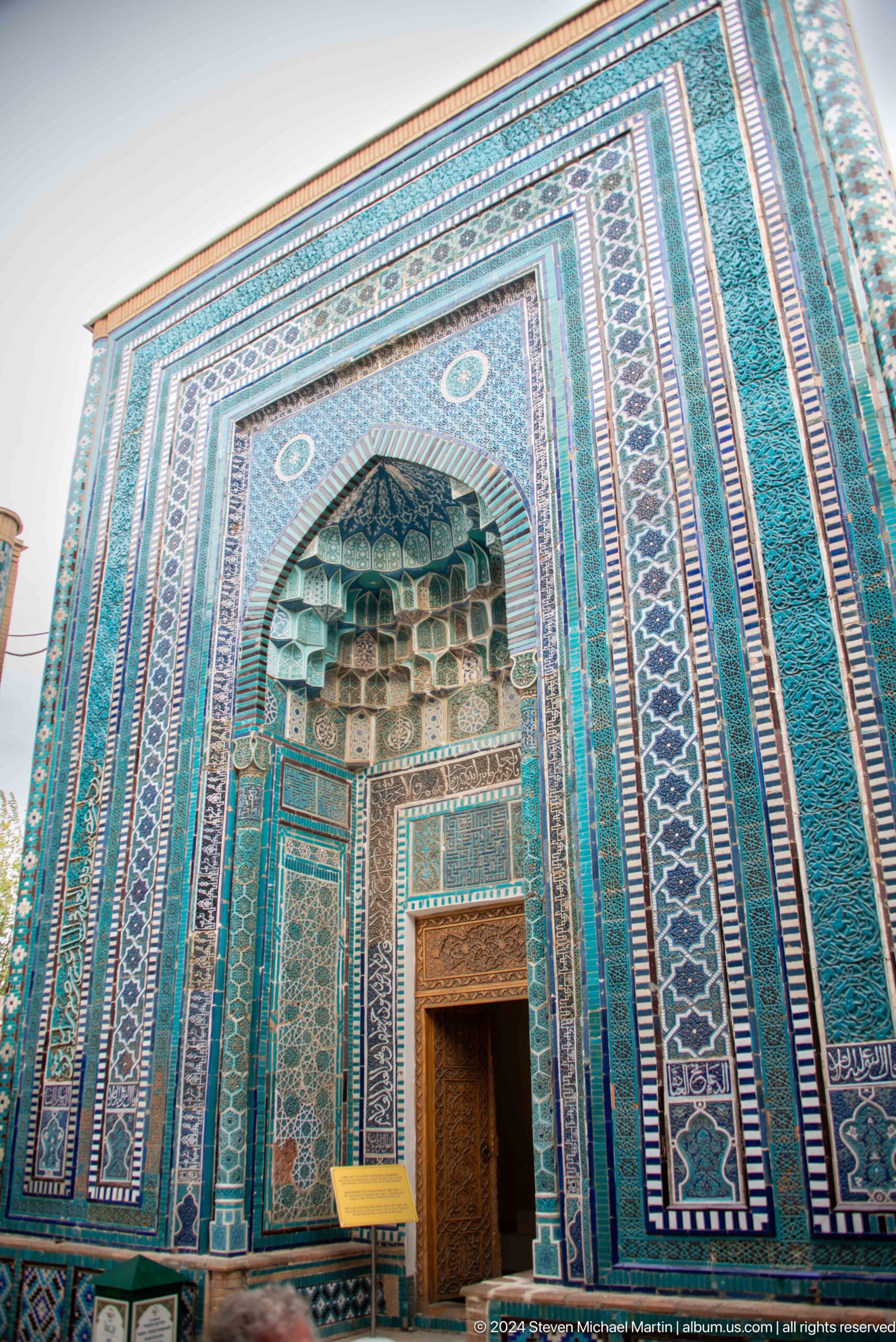
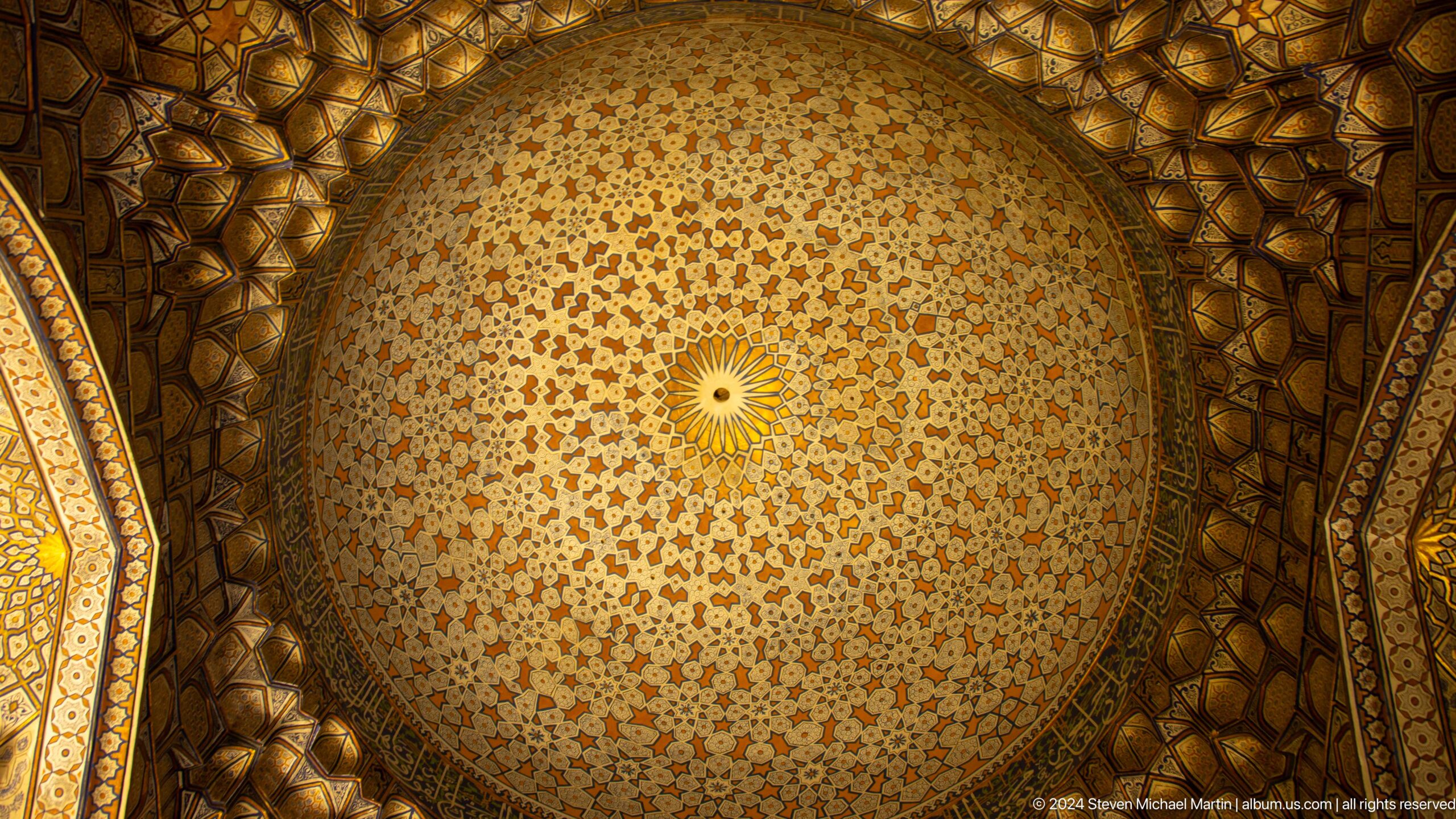
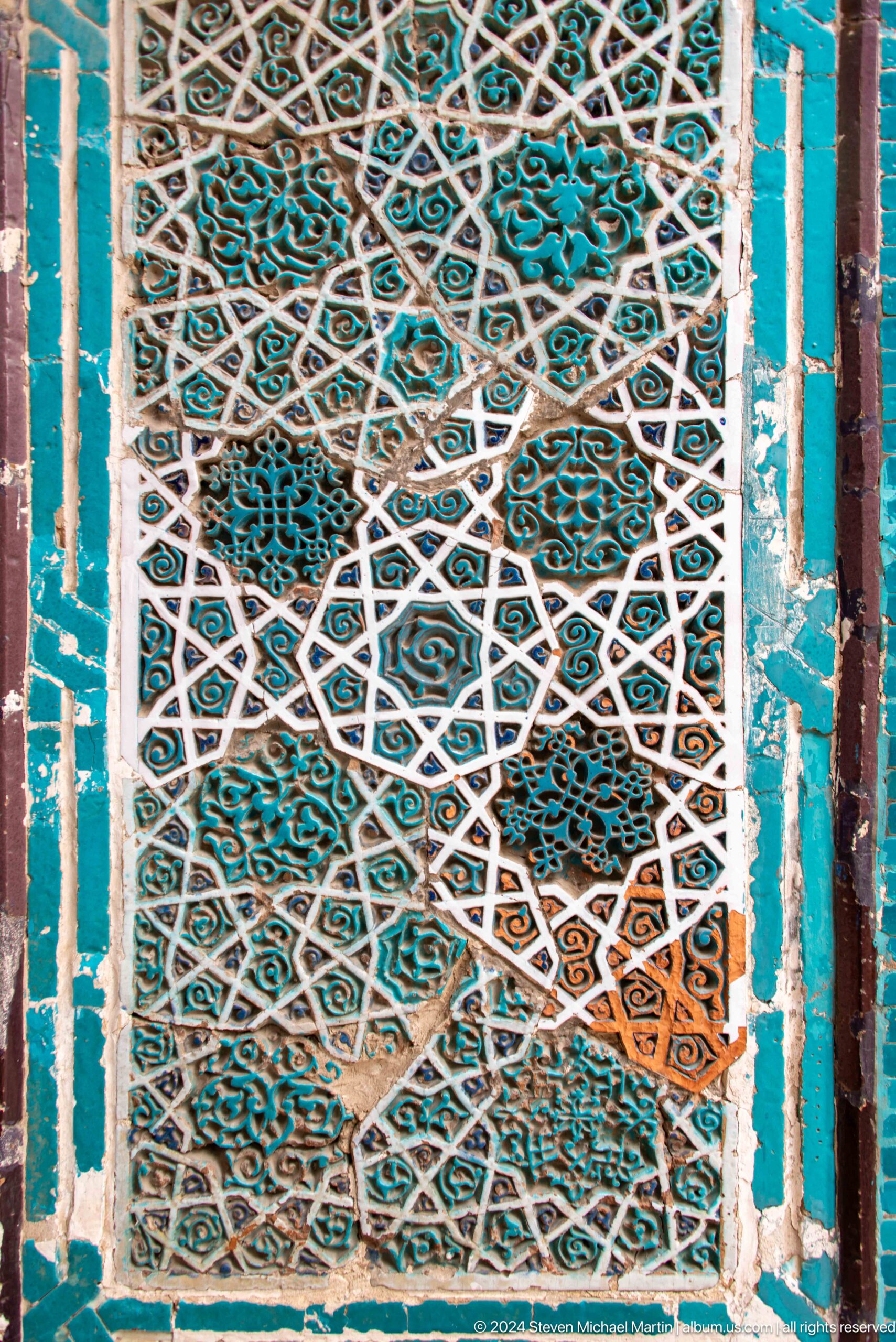
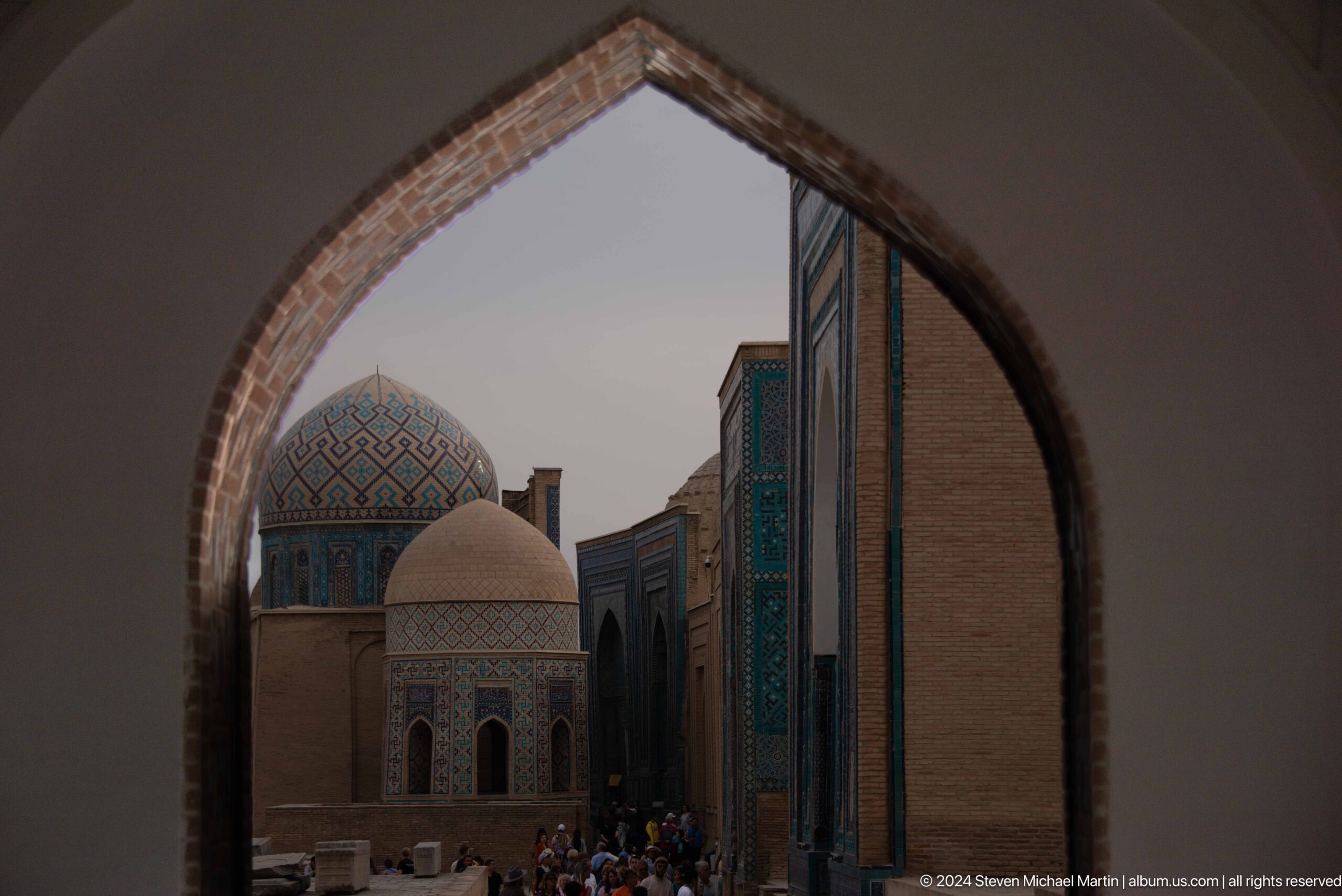
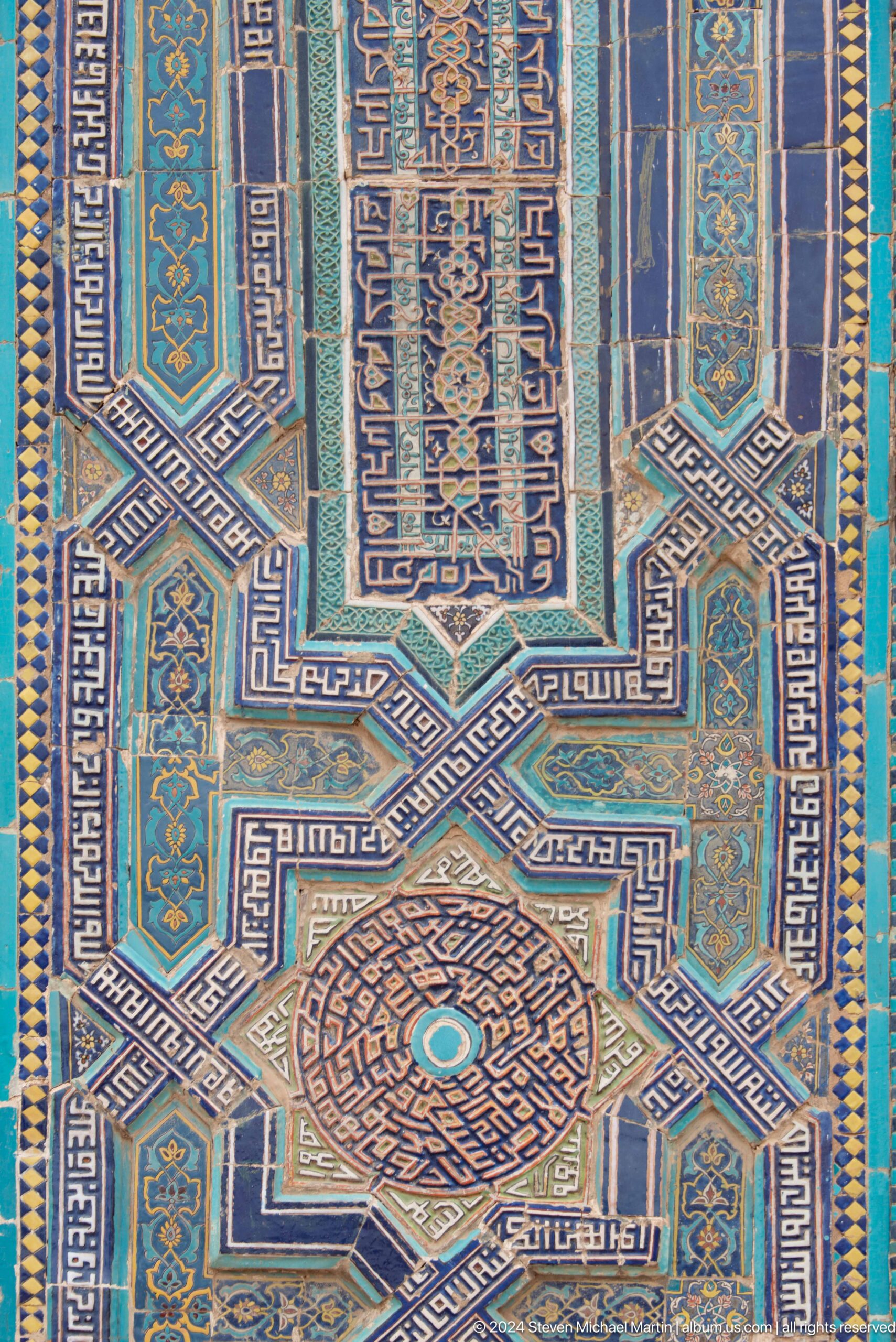
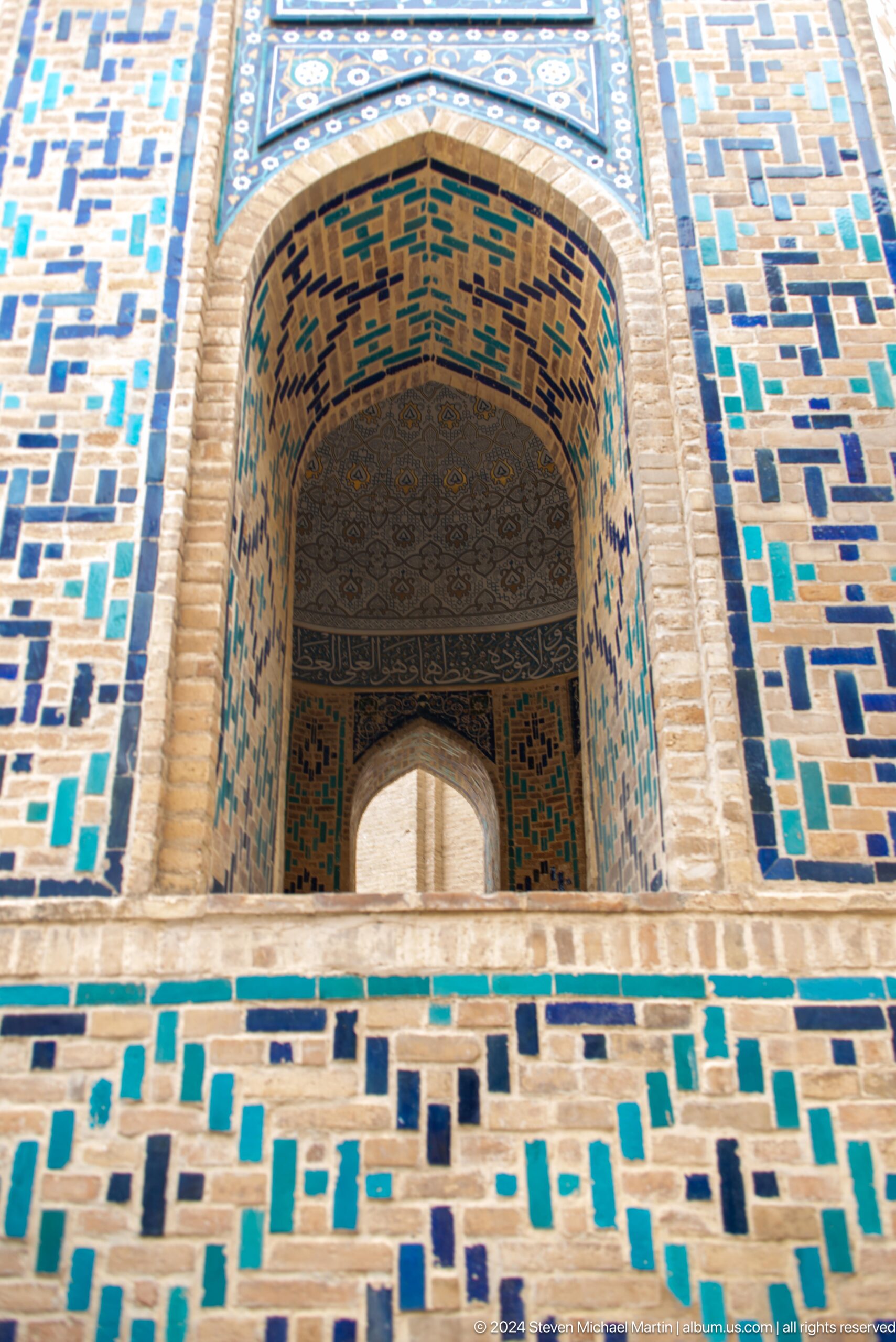
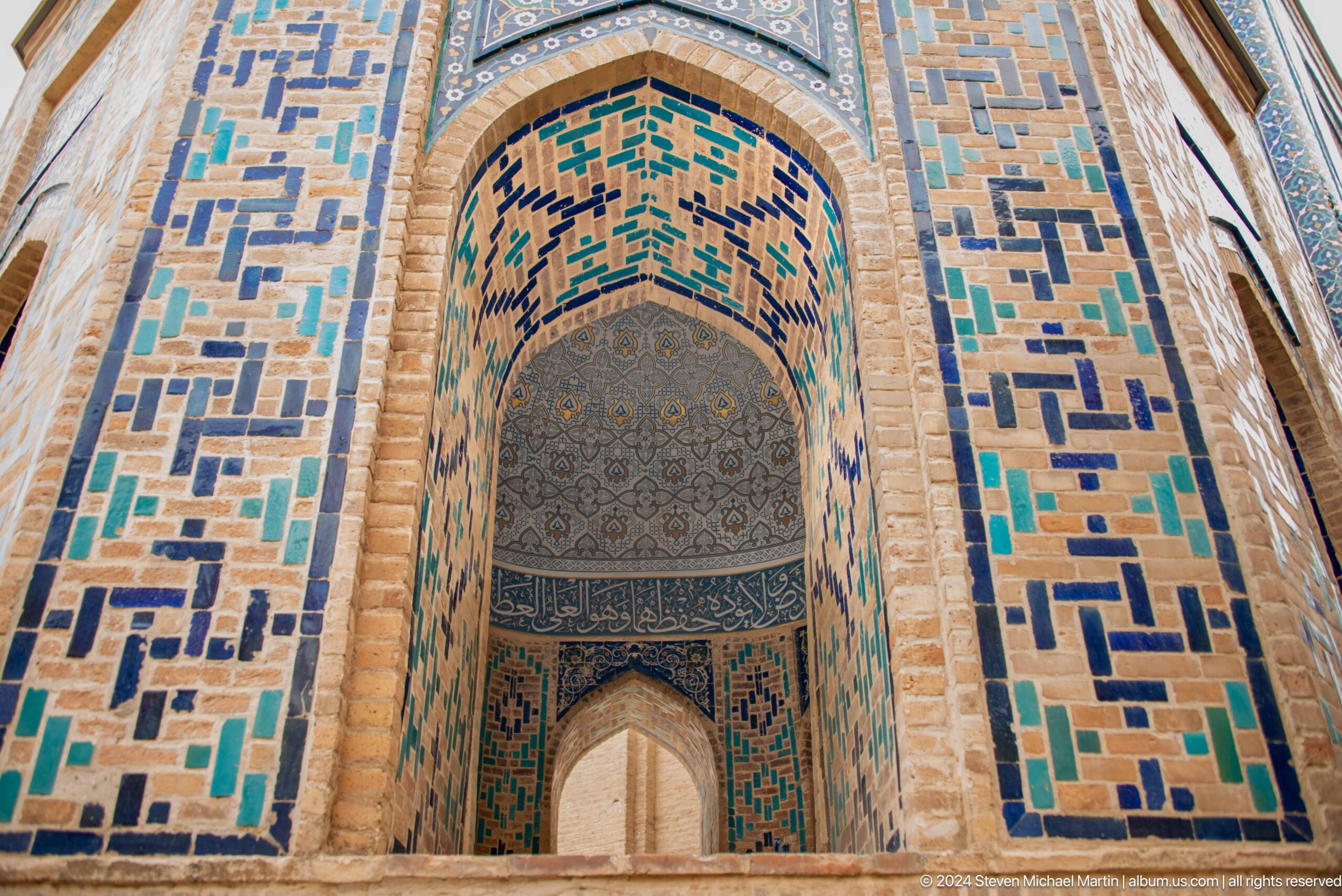
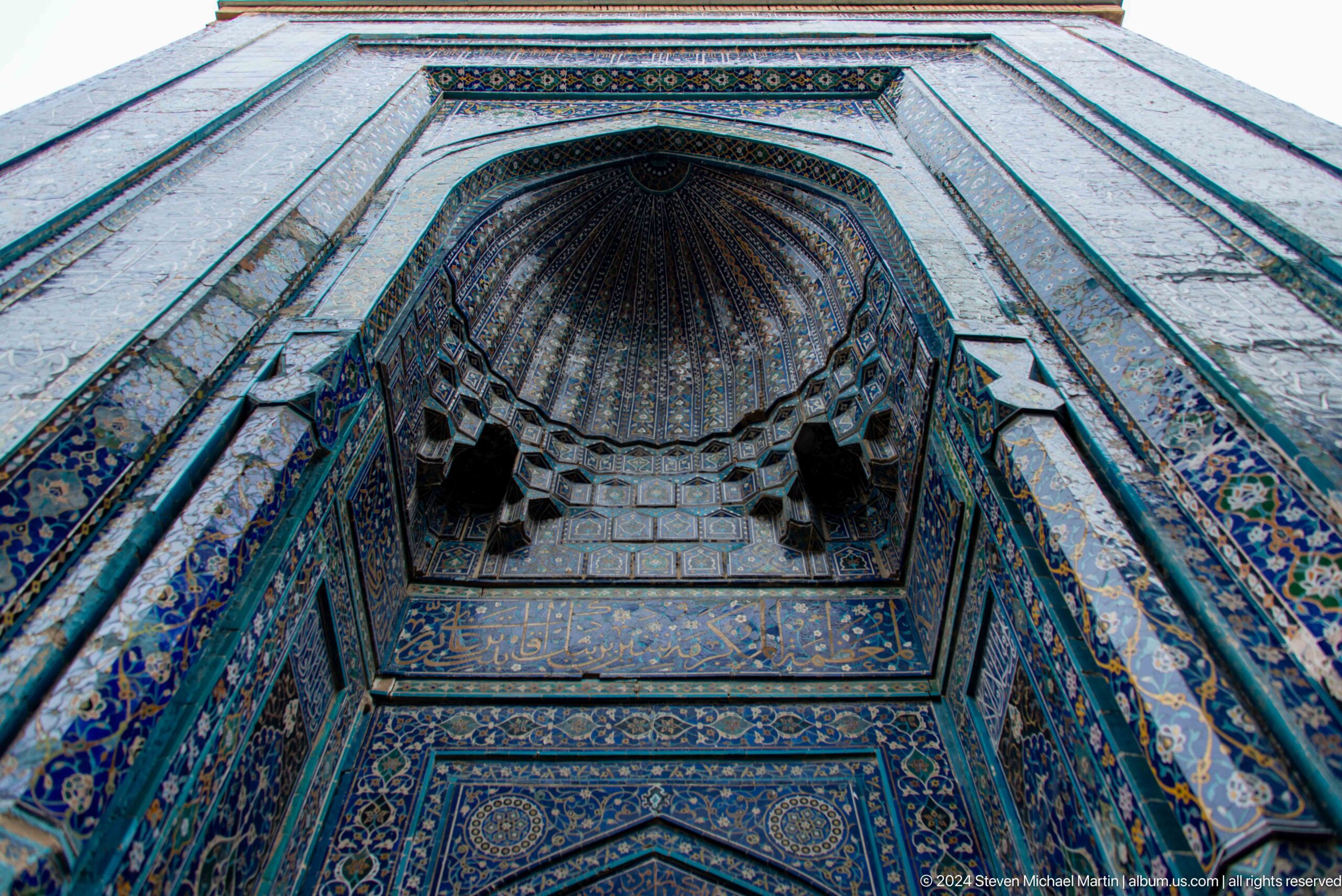
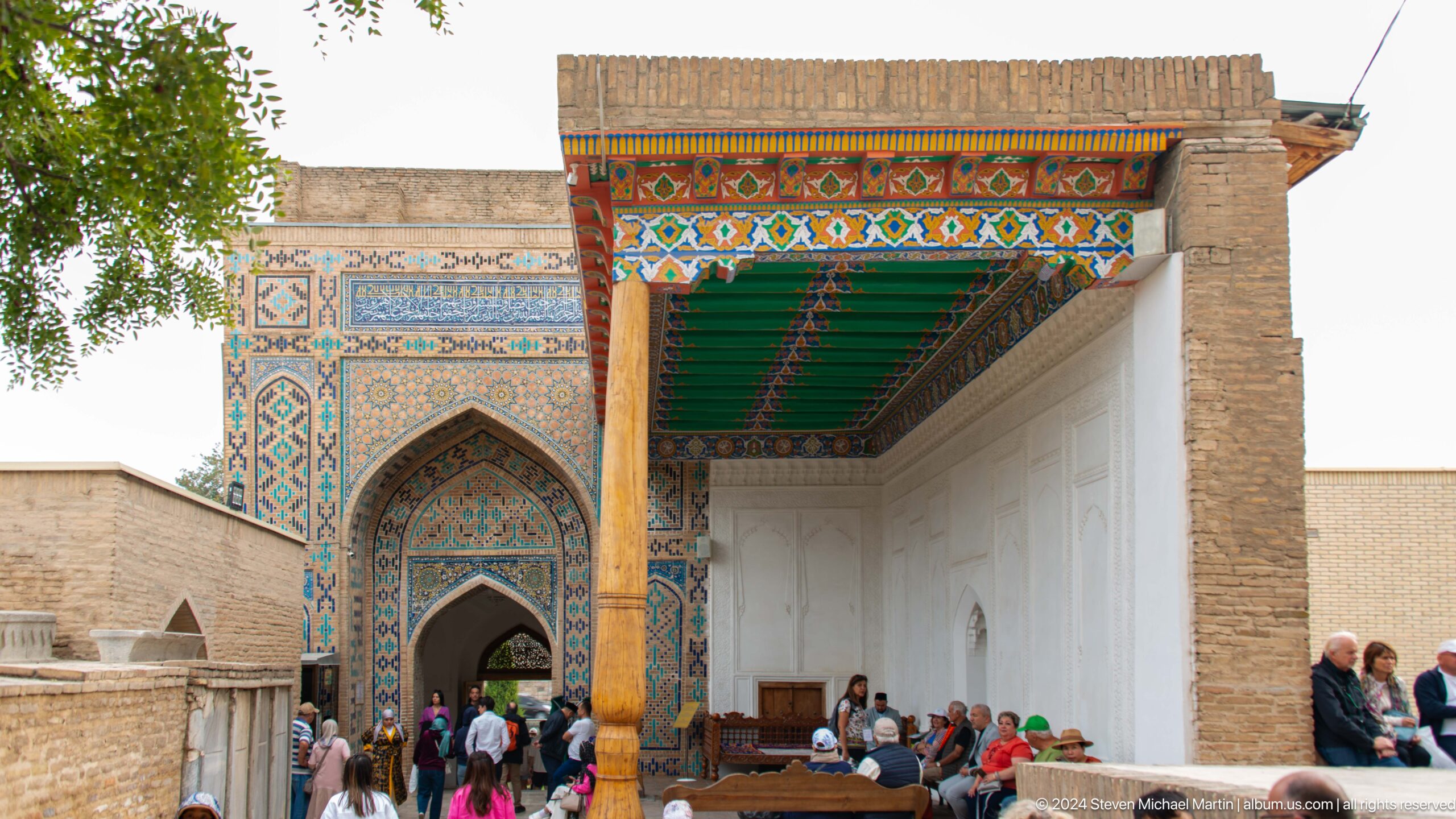
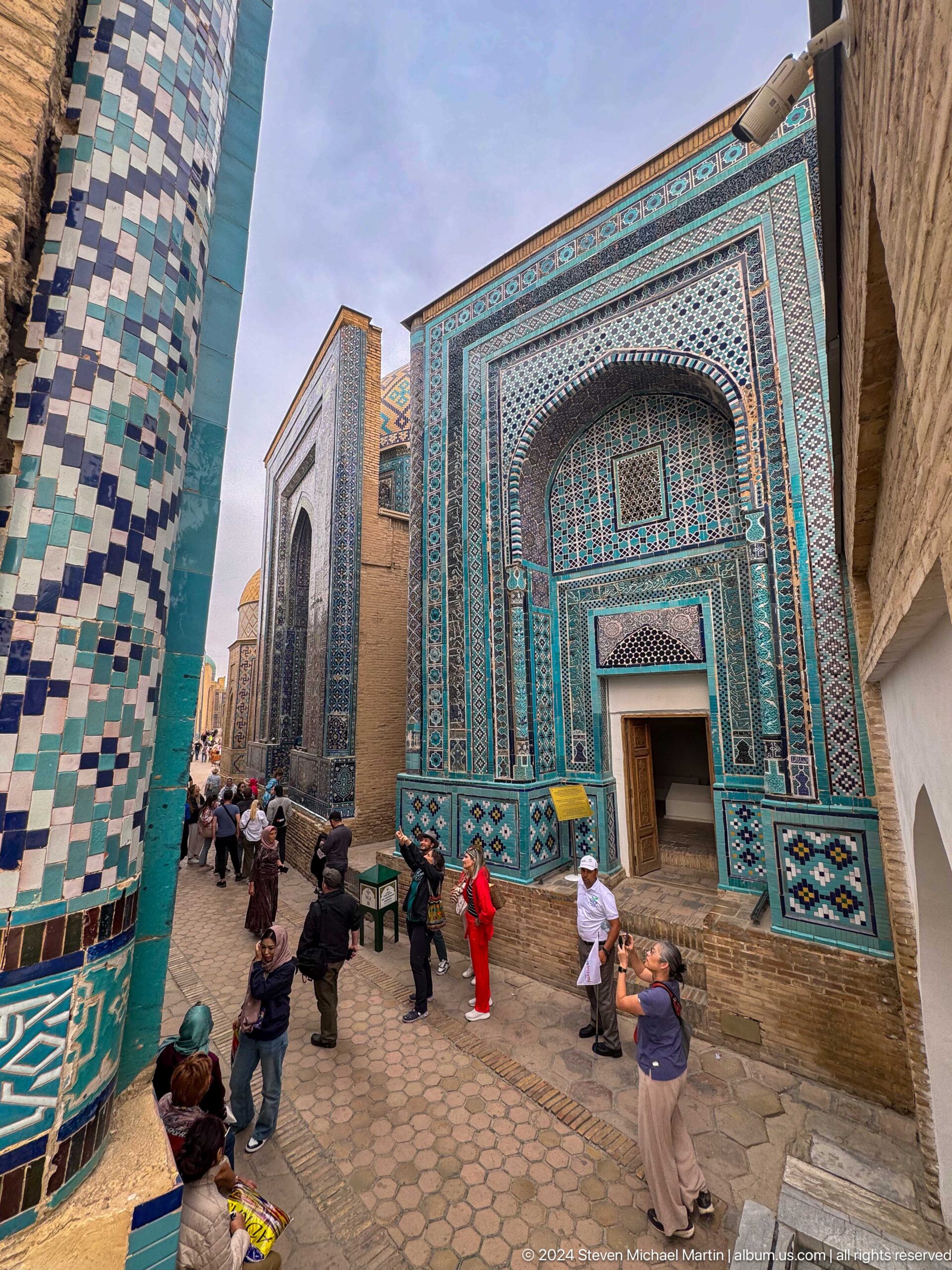
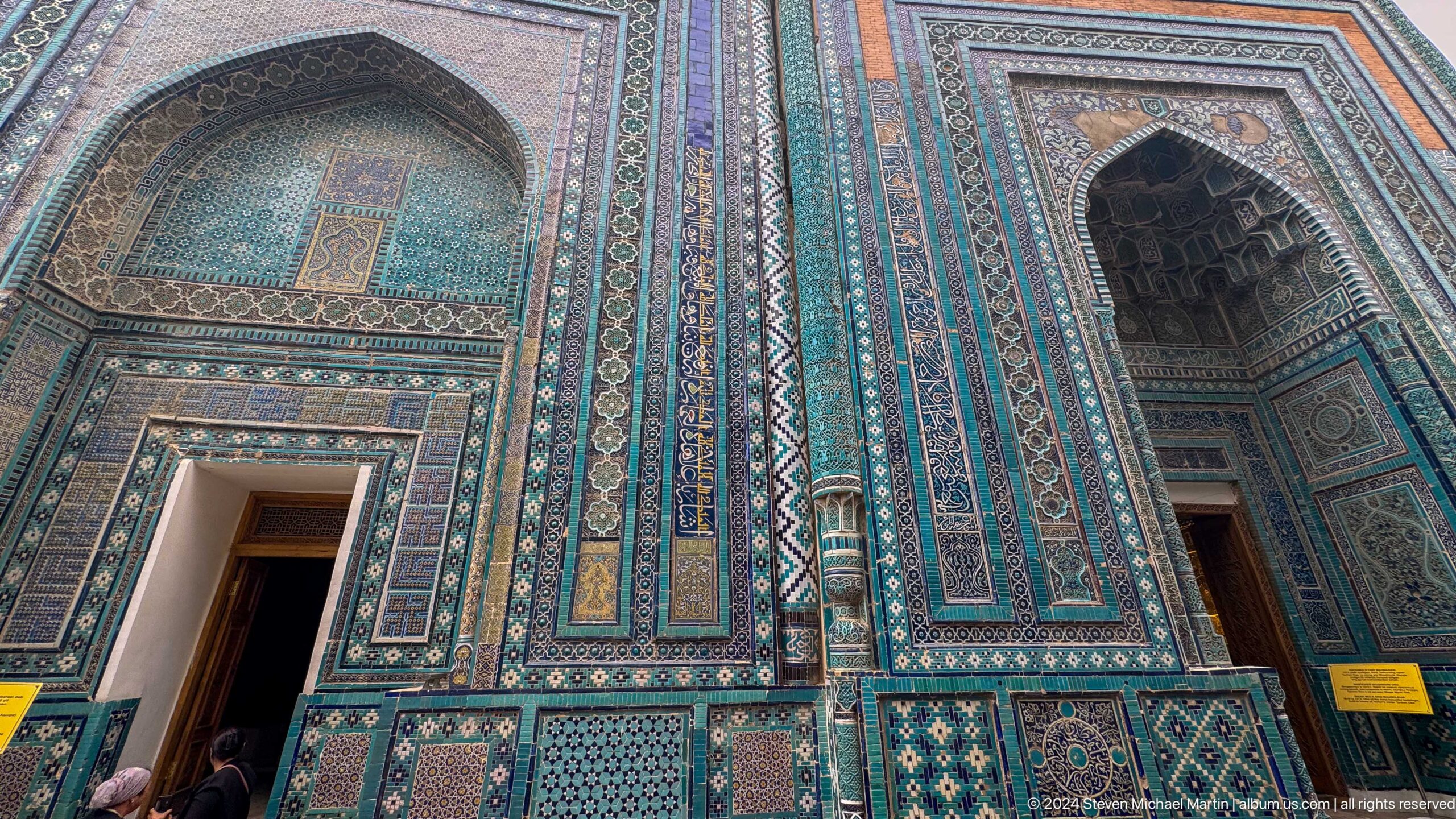
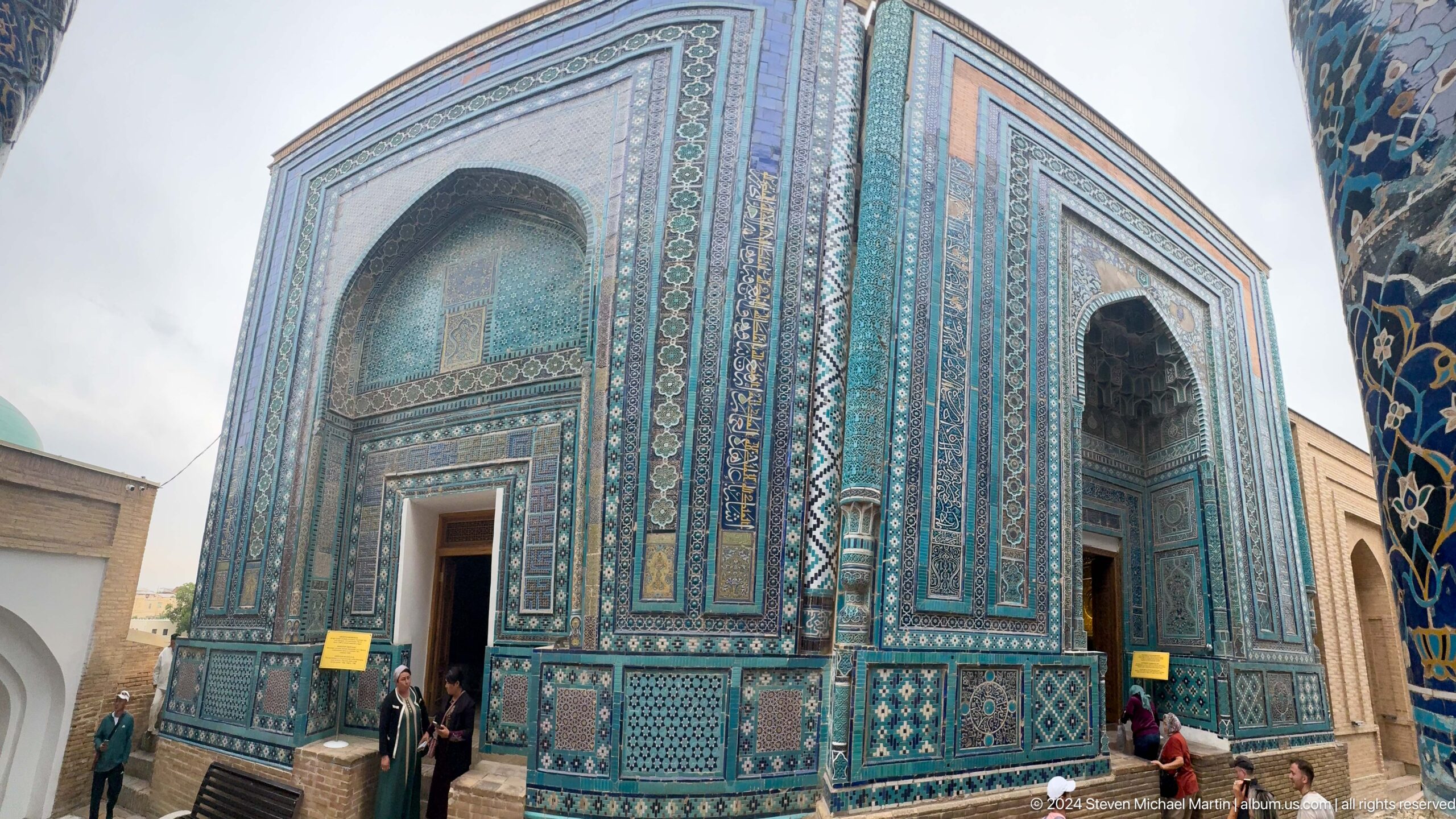
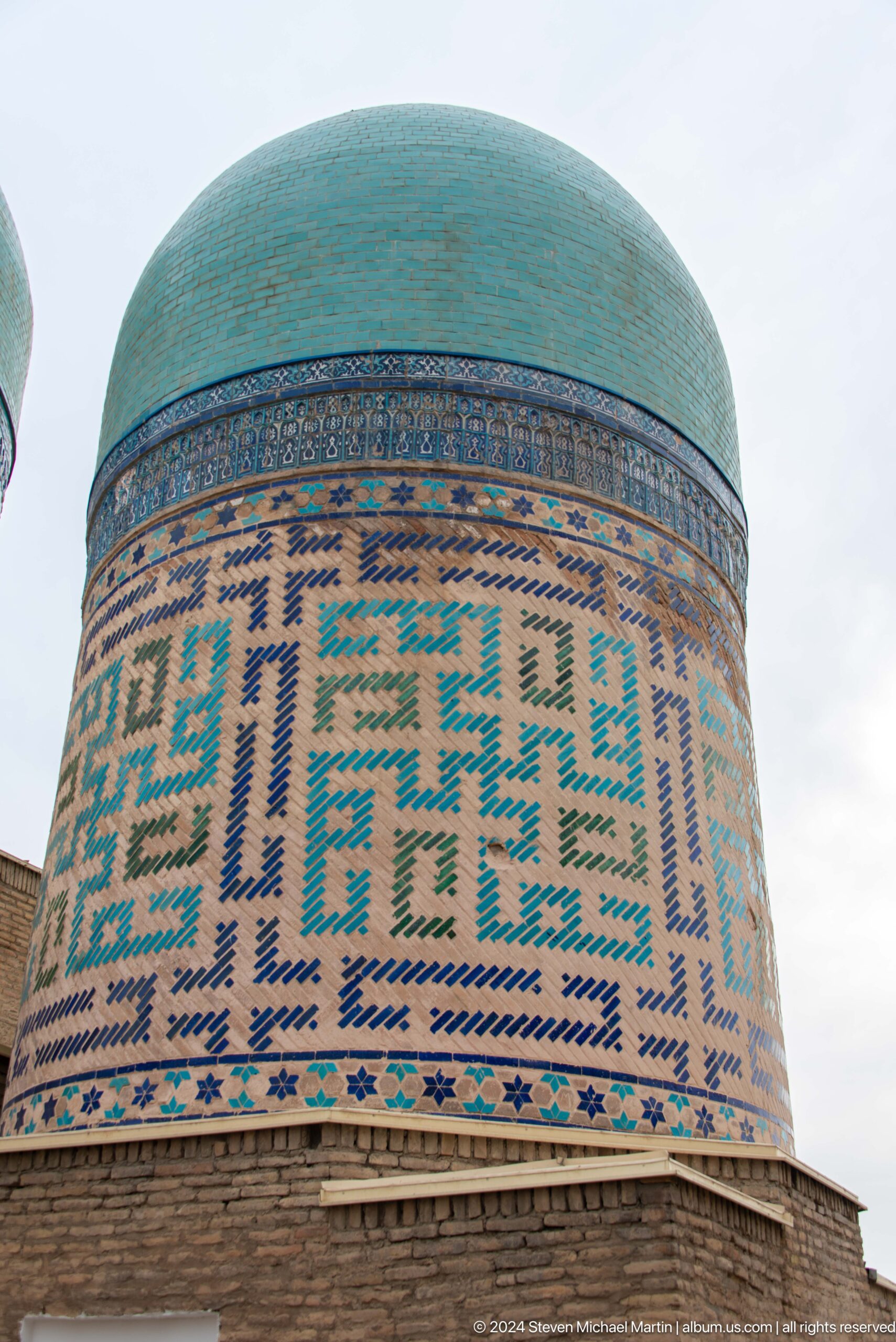
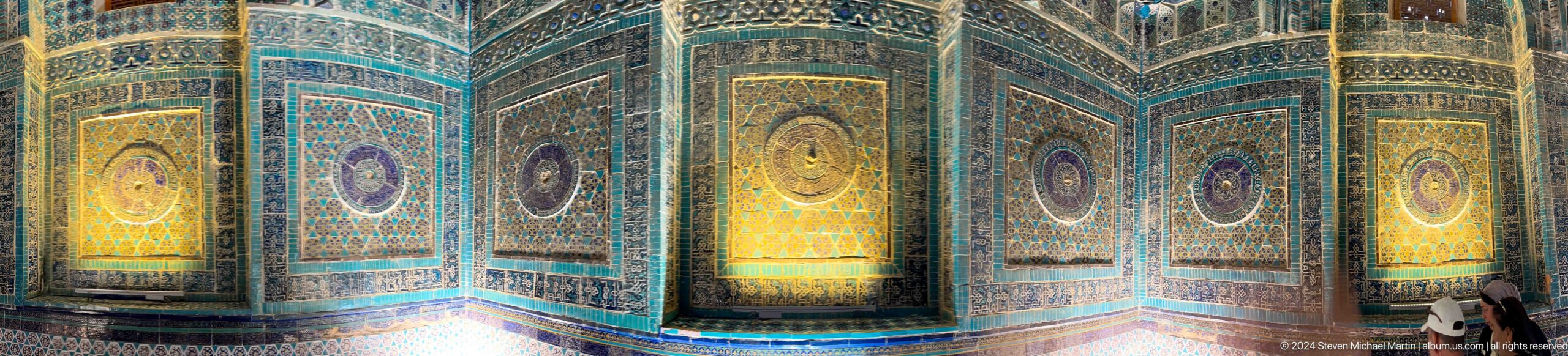
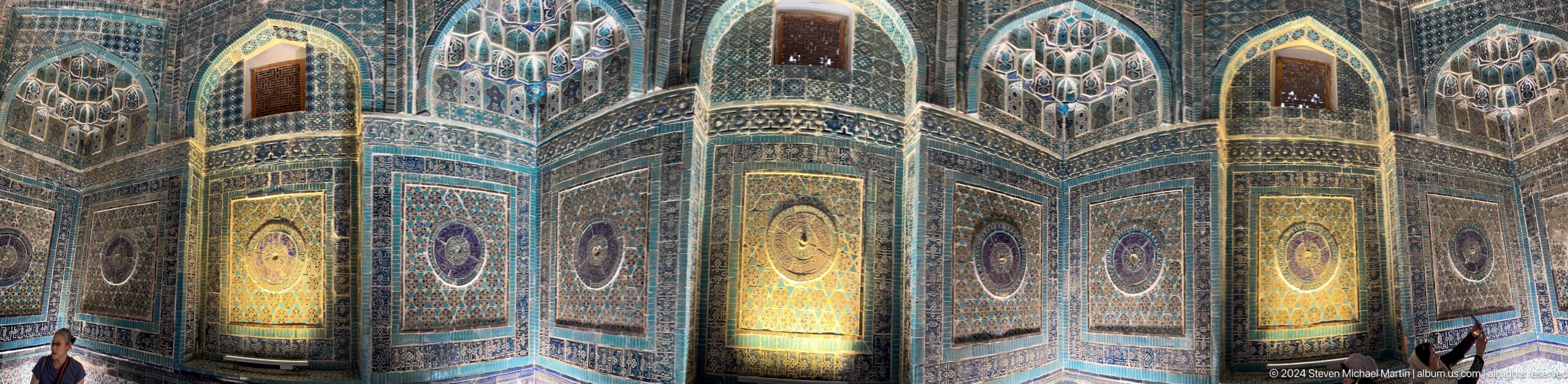
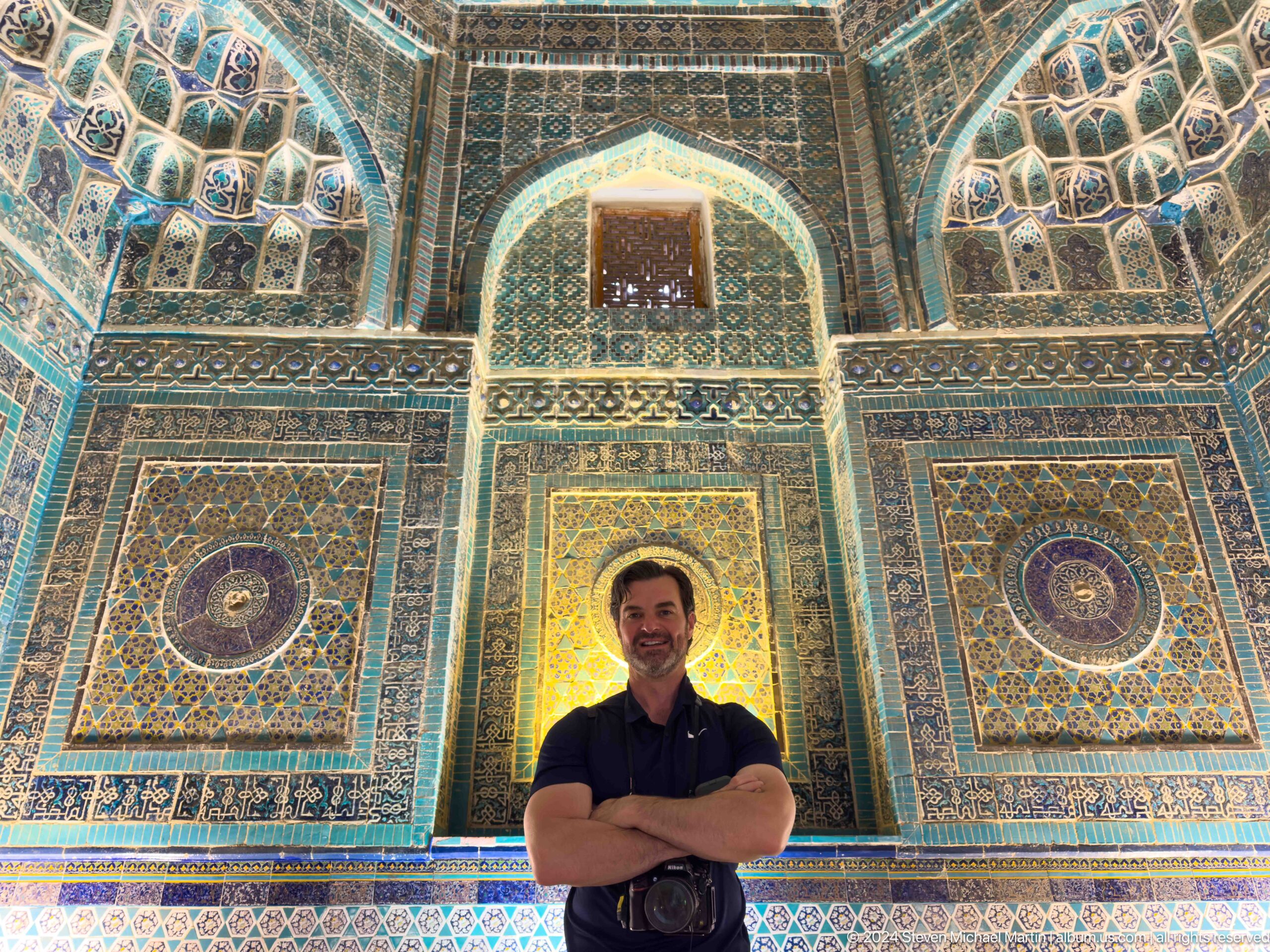
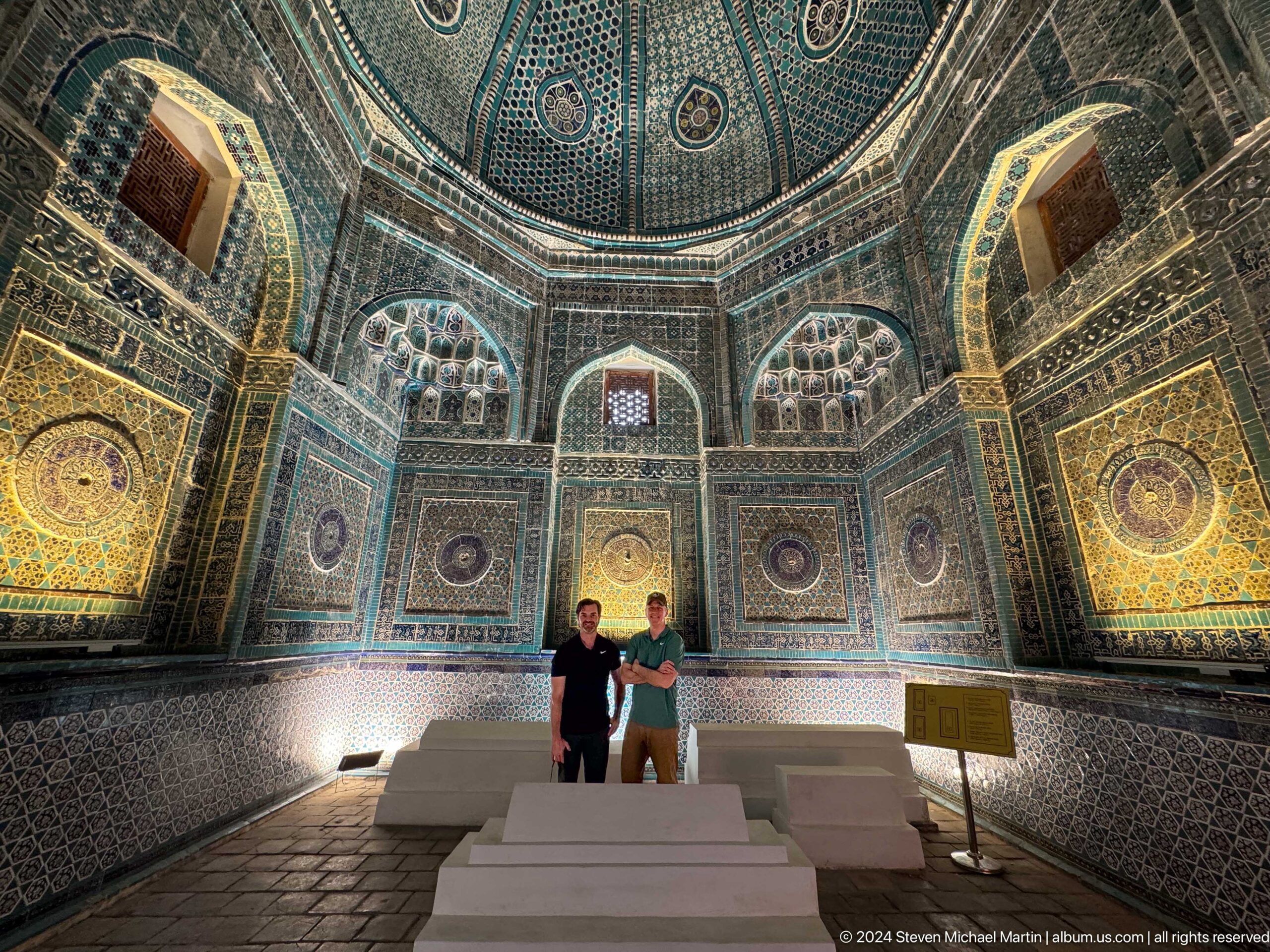
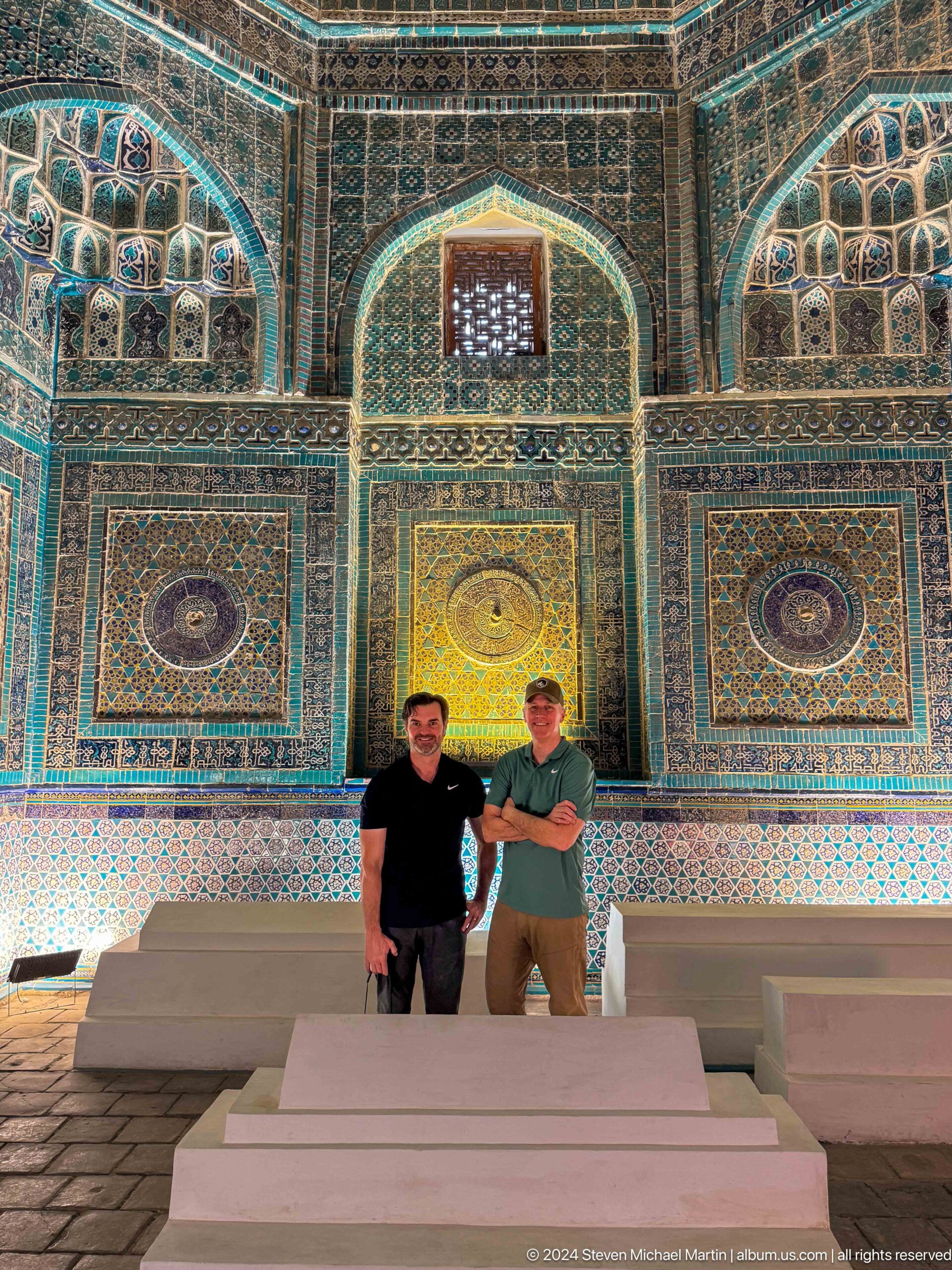
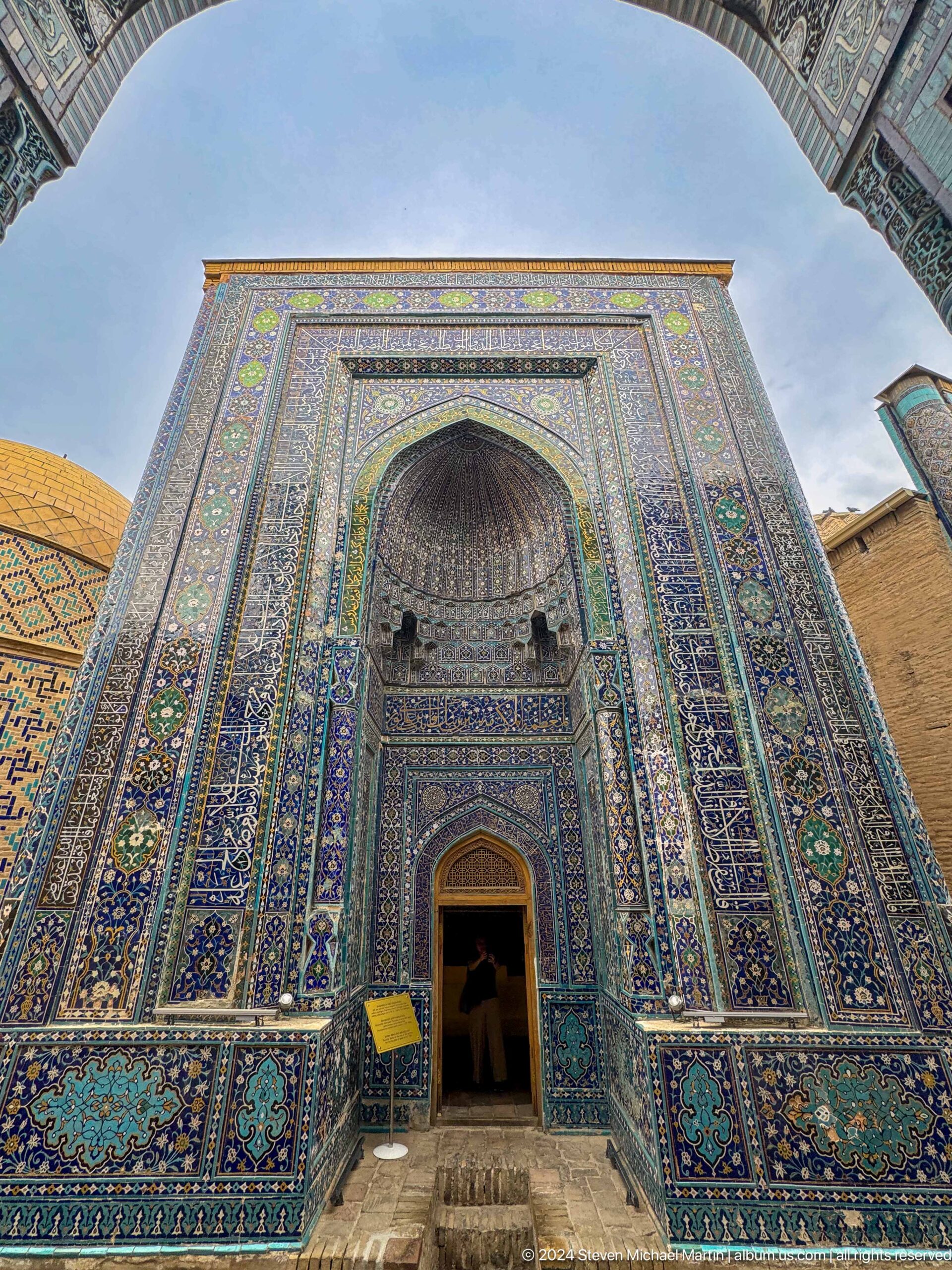
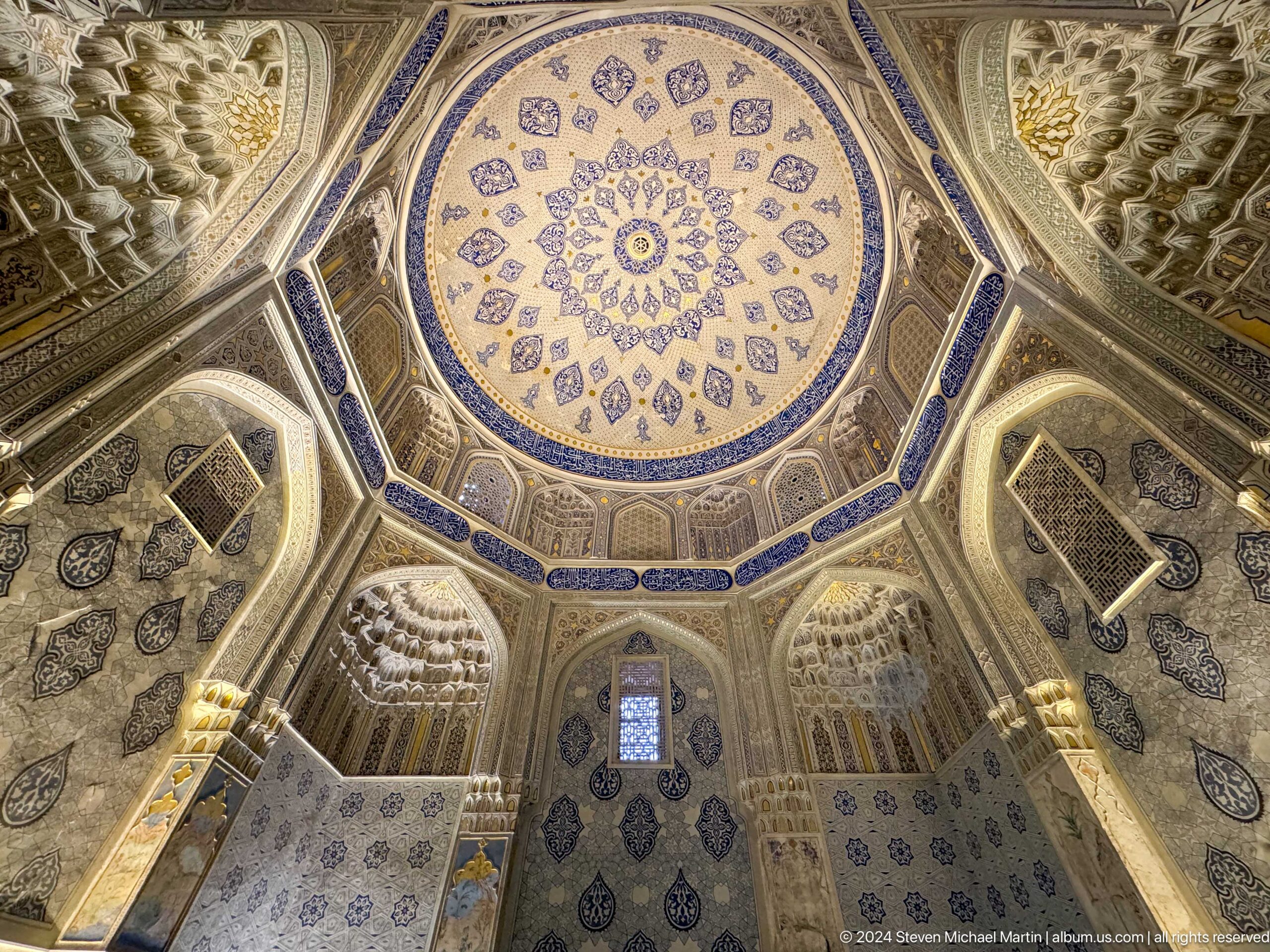
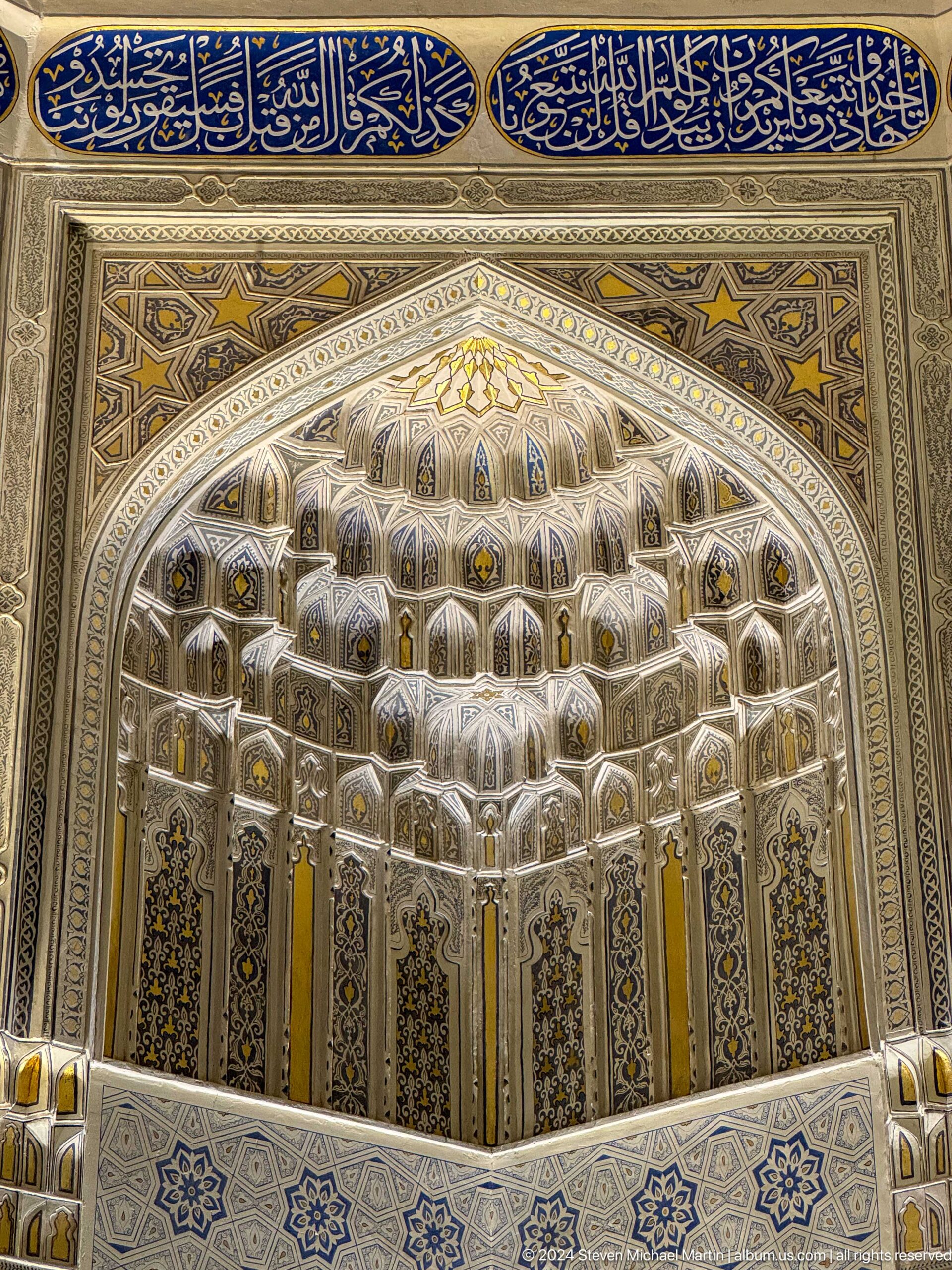
The mausoleums are known for intricate tilework and decorative facades illustrating artistic traditions characteristic of Timurid architecture. The arrangement of tombs along a ceremonial pathway reflects the importance of pilgrimage and reverence for religious leaders. Decorative elements demonstrate the technical sophistication of Central Asian craftsmanship.
Shah-i-Zinda represents the spiritual dimension of Silk Road exchange, where religious traditions spread alongside commerce. The site illustrates the importance of pilgrimage and artistic expression in shaping cultural identity.



















Field Guide
📍 Overview
Shah-i-Zinda is one of the most remarkable architectural ensembles along the Silk Road, consisting of a ceremonial avenue of mausoleums in Samarkand. The name means “The Living King,” referring to a local tradition associated with Qusam ibn Abbas, a cousin of the Prophet Muhammad who is believed to be buried here. Over centuries, rulers, nobles, and scholars chose this sacred location as their burial place, creating a richly decorated corridor of monuments.
🏛 Historical Significance
The earliest structures date to the 11th century, with the complex expanding significantly during the Timurid period in the 14th and 15th centuries. Shah-i-Zinda became an important pilgrimage destination, illustrating the role of religious devotion in shaping Silk Road cultural landscapes. The site reflects the importance of Samarkand as both a political capital and spiritual center.
🧱 Architectural Features
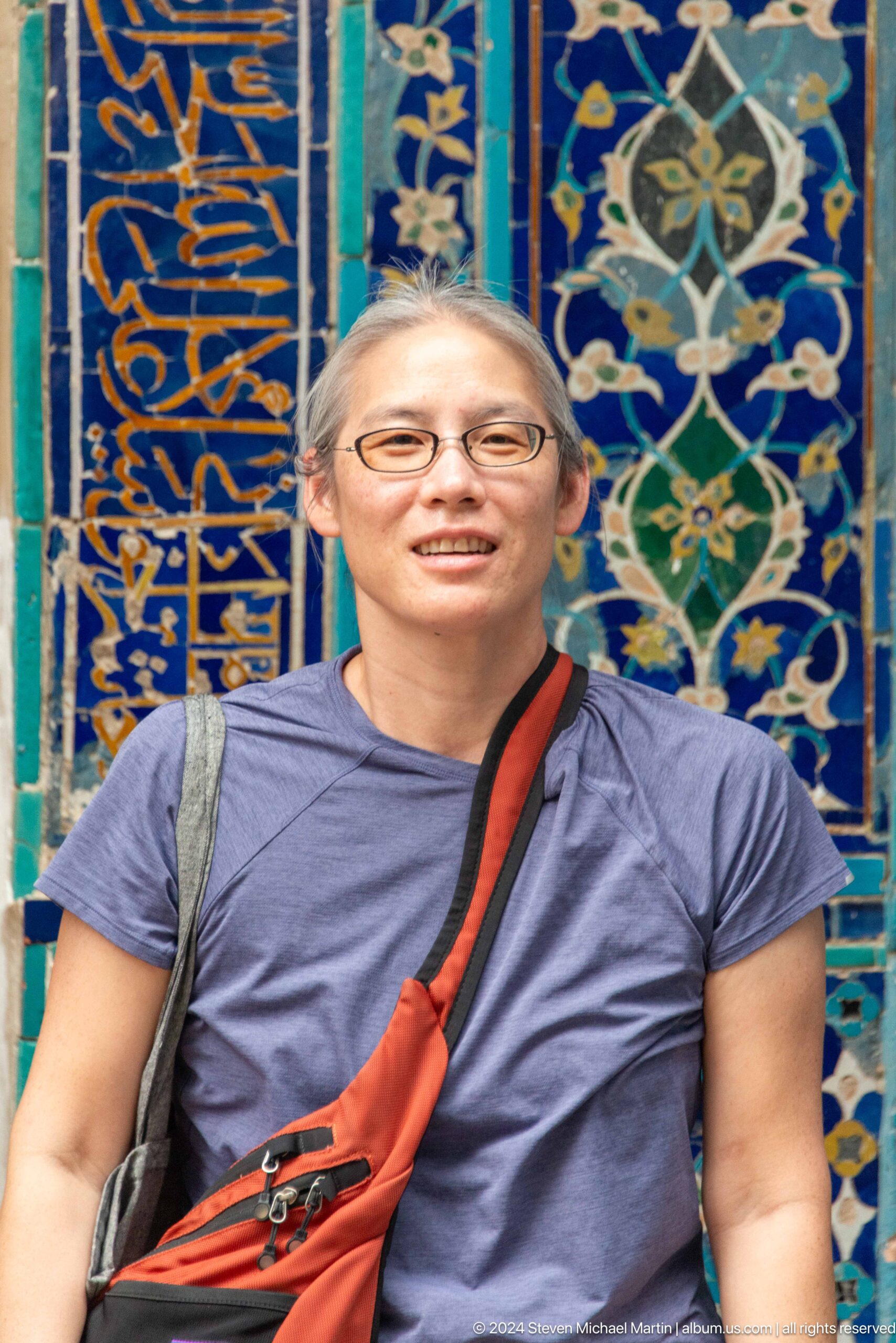
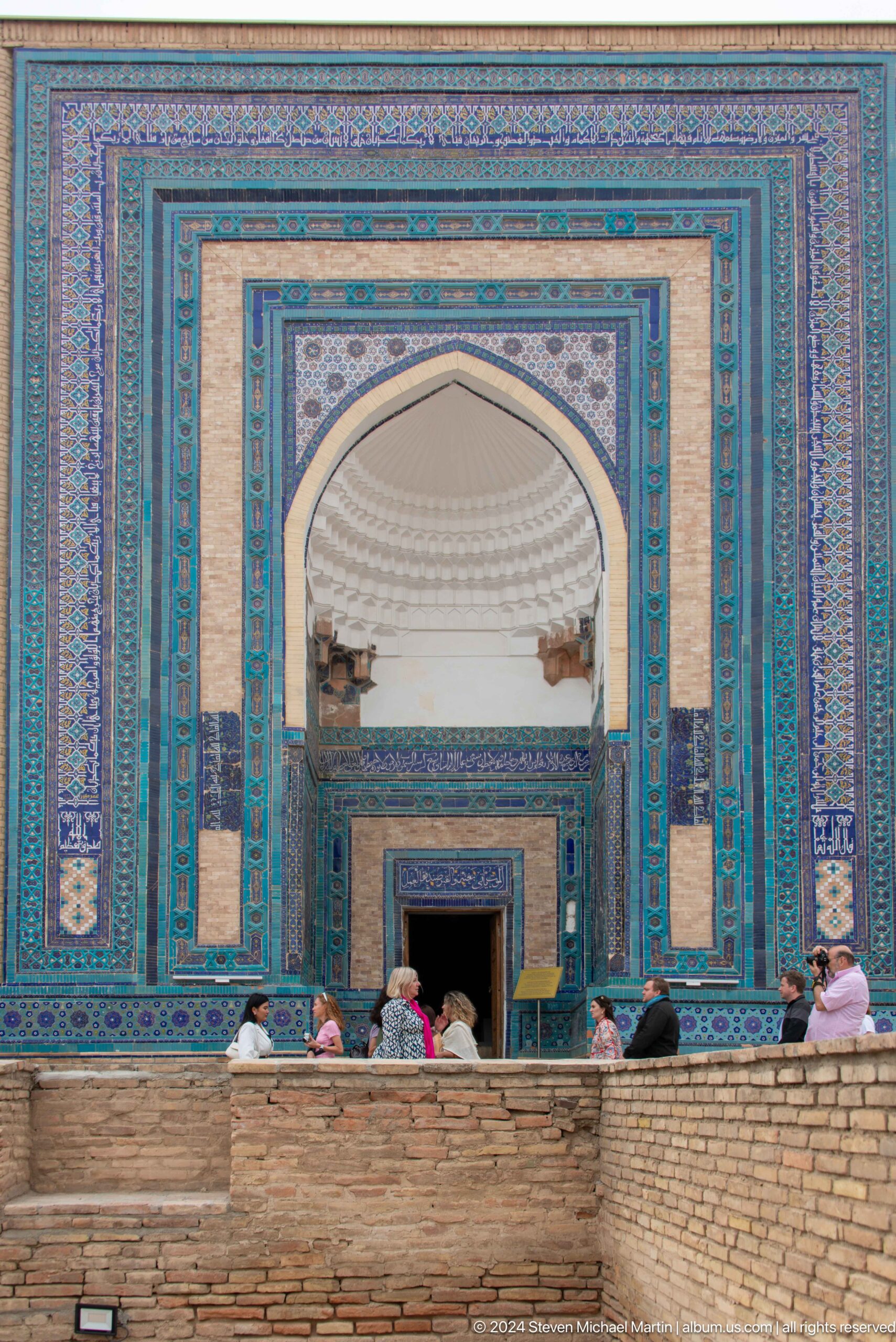
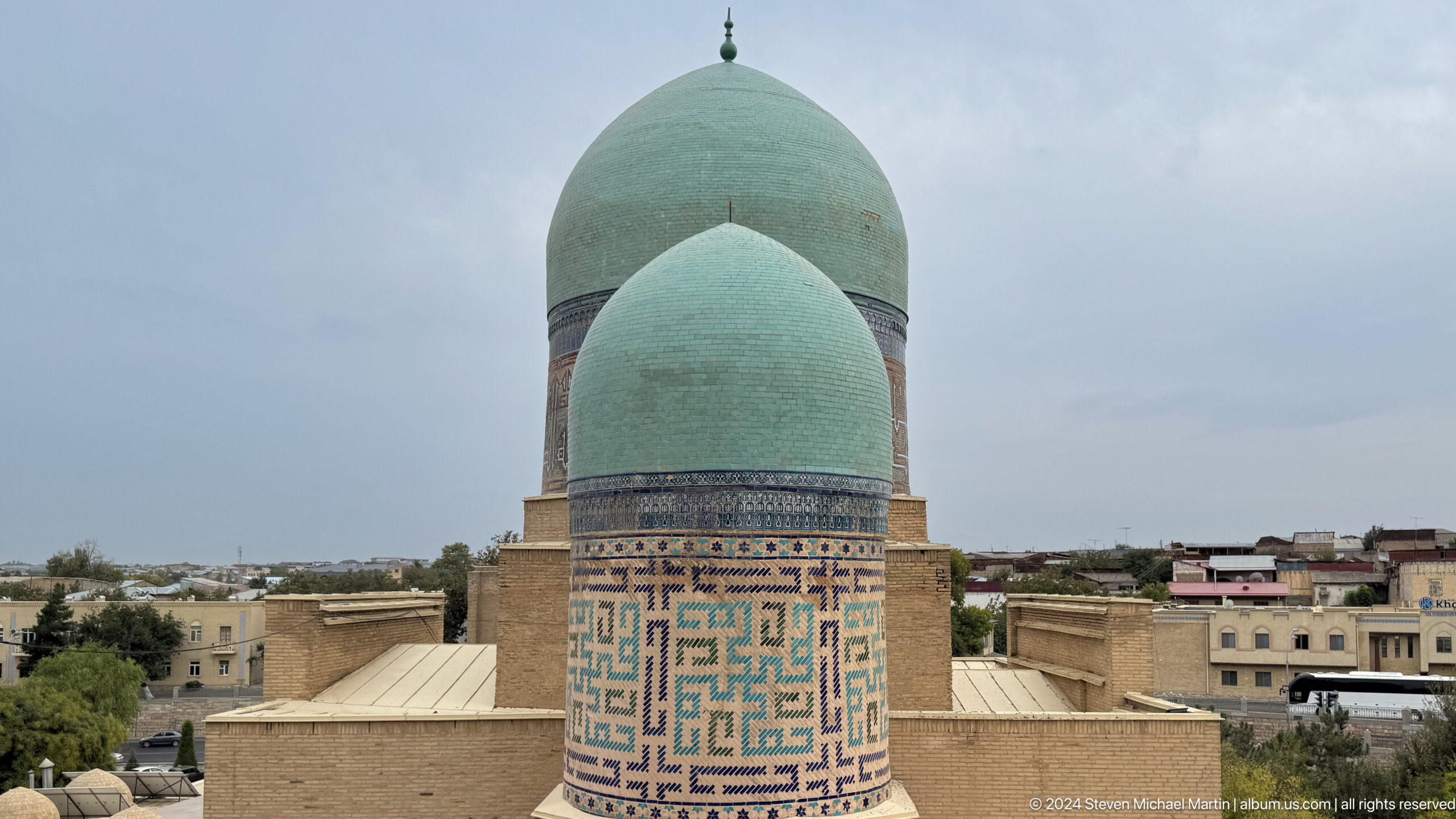
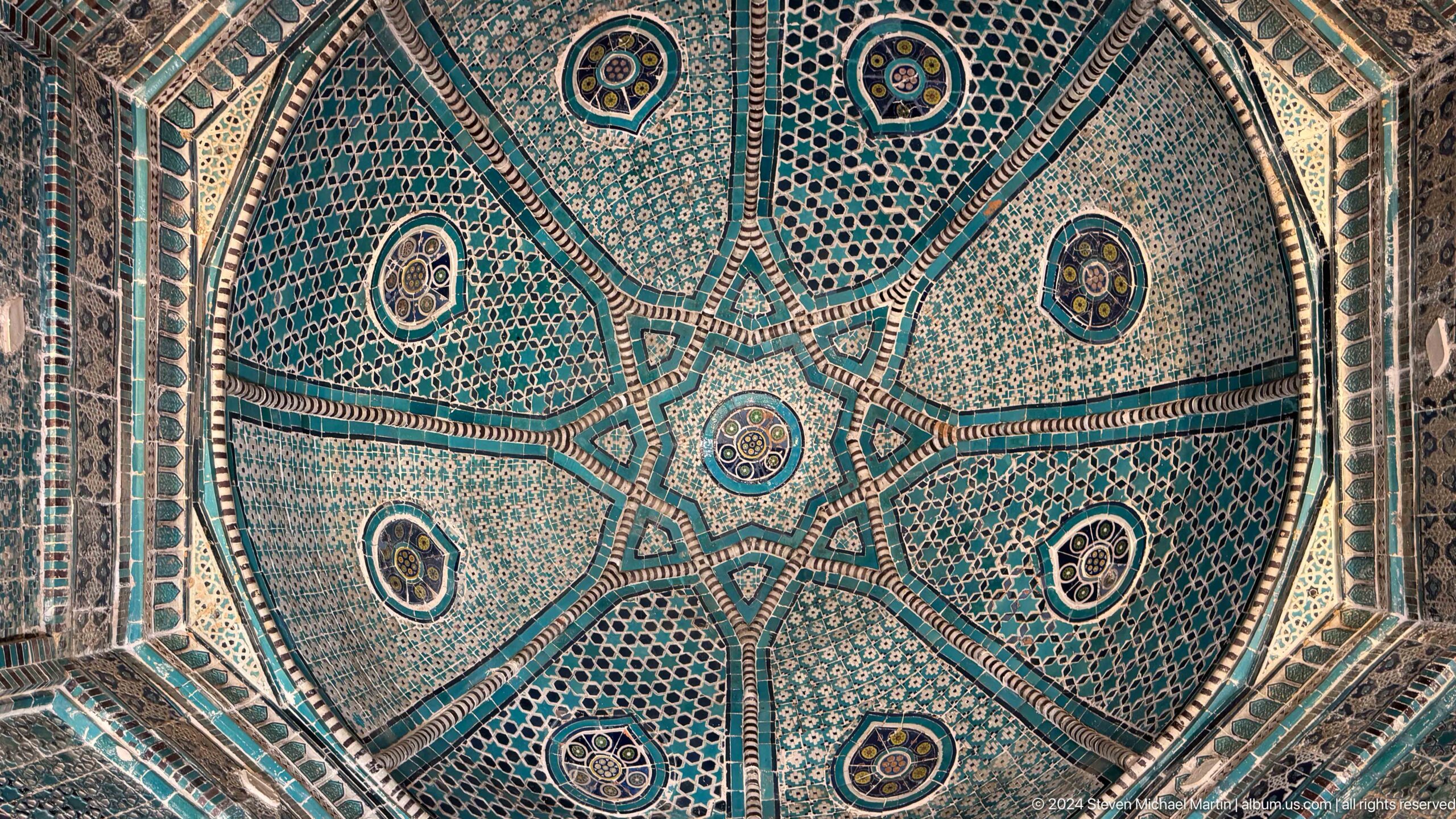
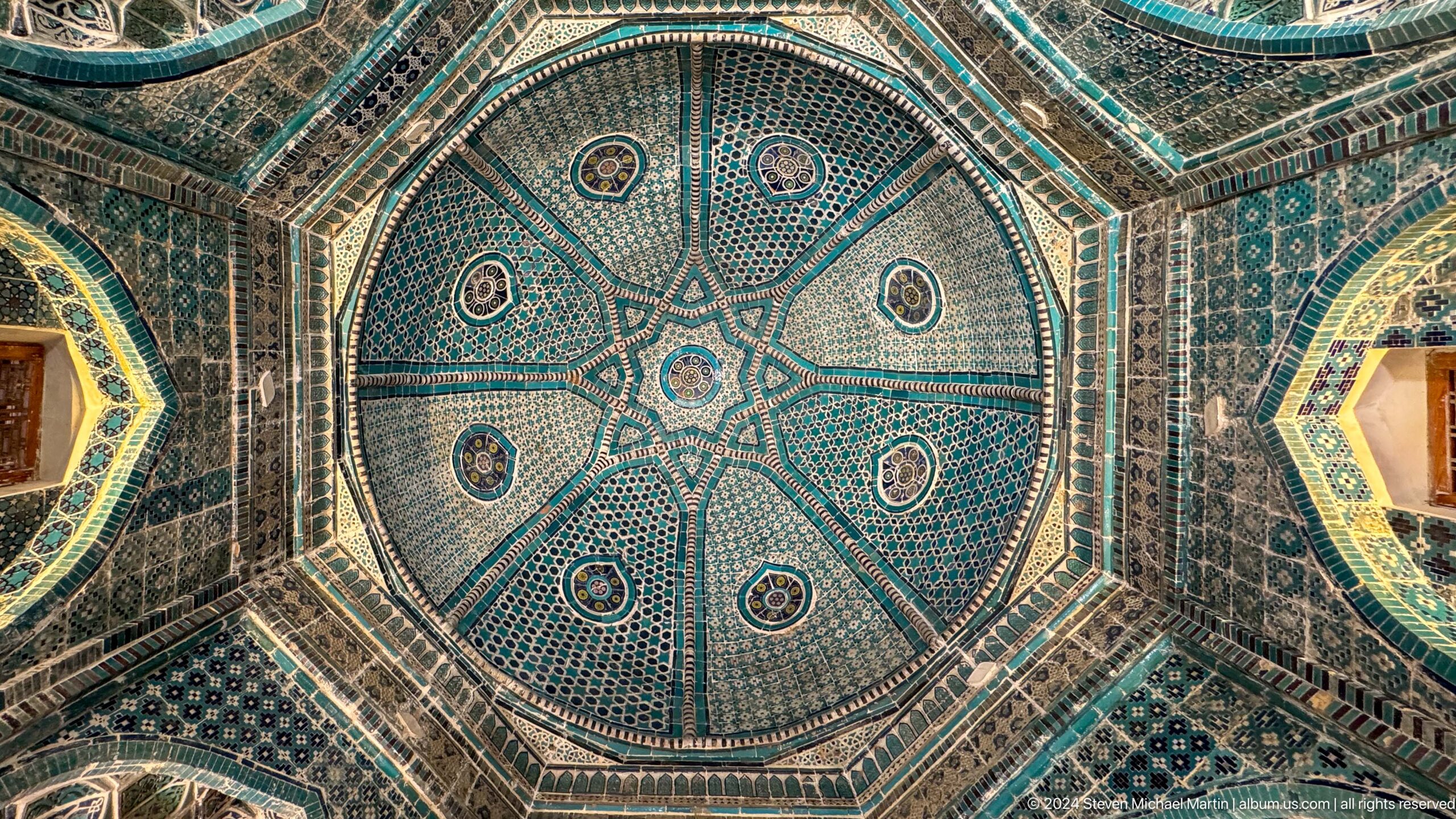
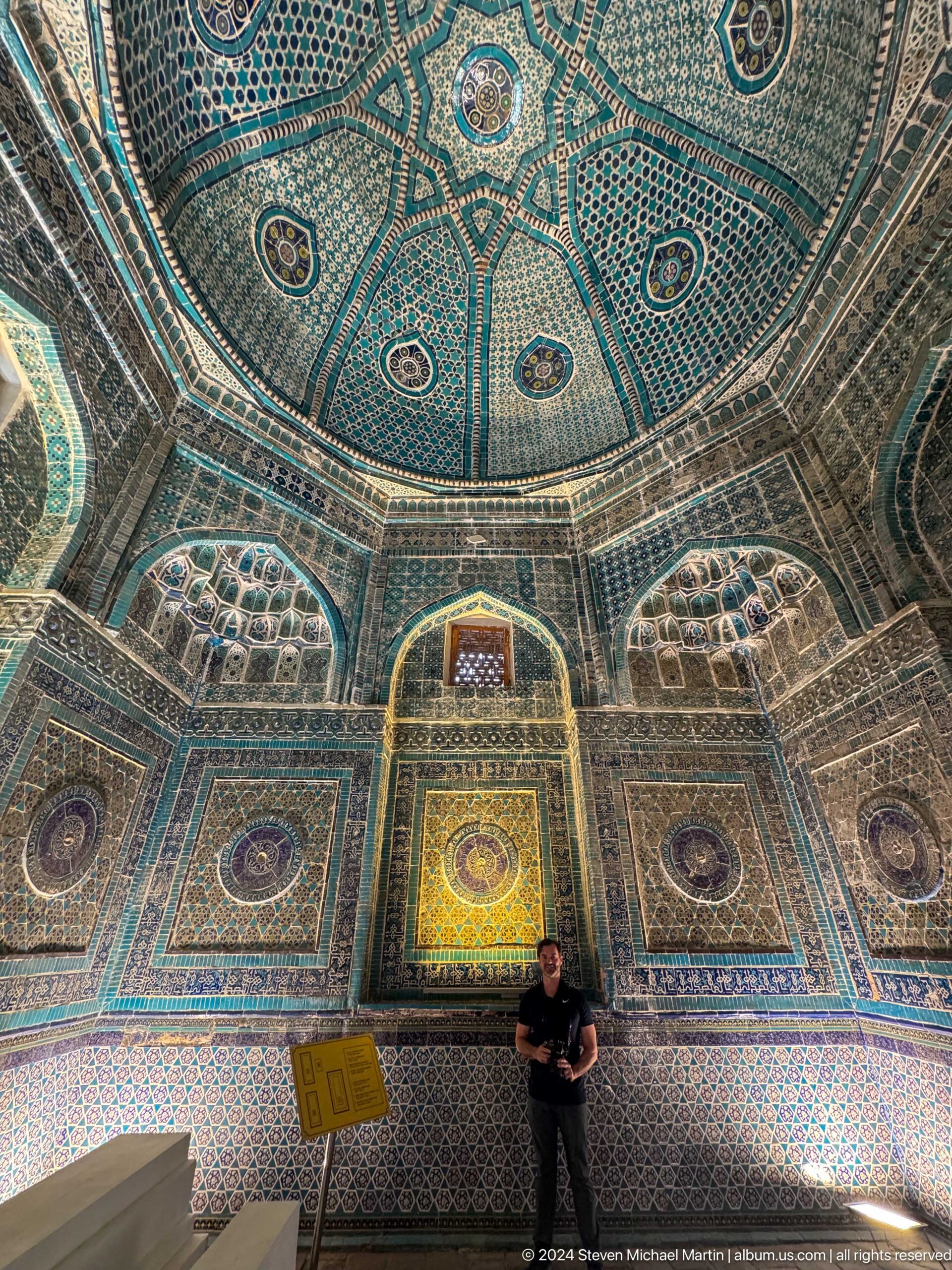
The mausoleums are arranged along a stepped processional pathway, creating a dramatic visual progression through increasingly elaborate structures. Facades are decorated with glazed ceramic tiles, intricate geometric patterns, floral motifs, and calligraphy. The distinctive blue and turquoise color palette reflects artistic traditions associated with Timurid architecture.
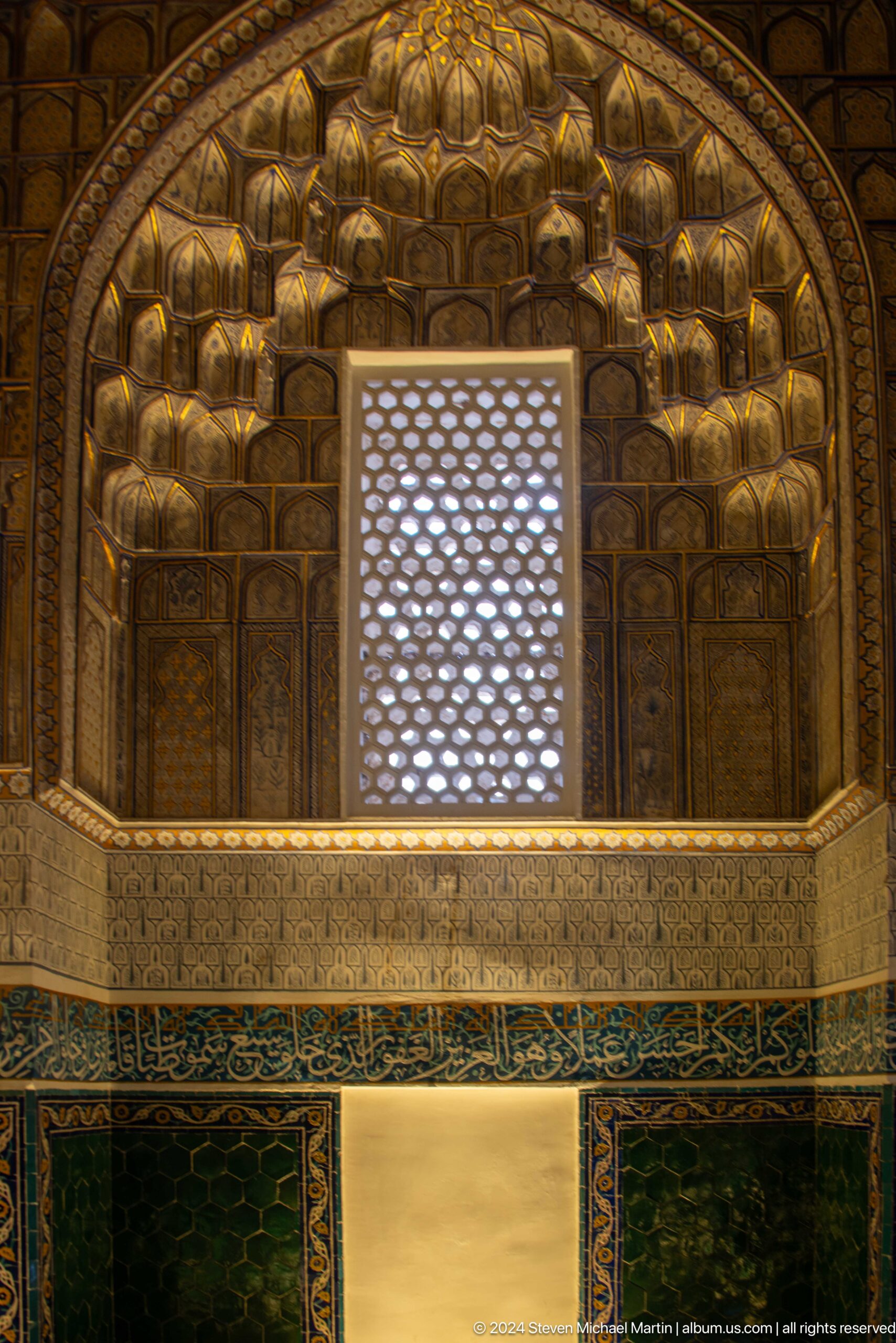
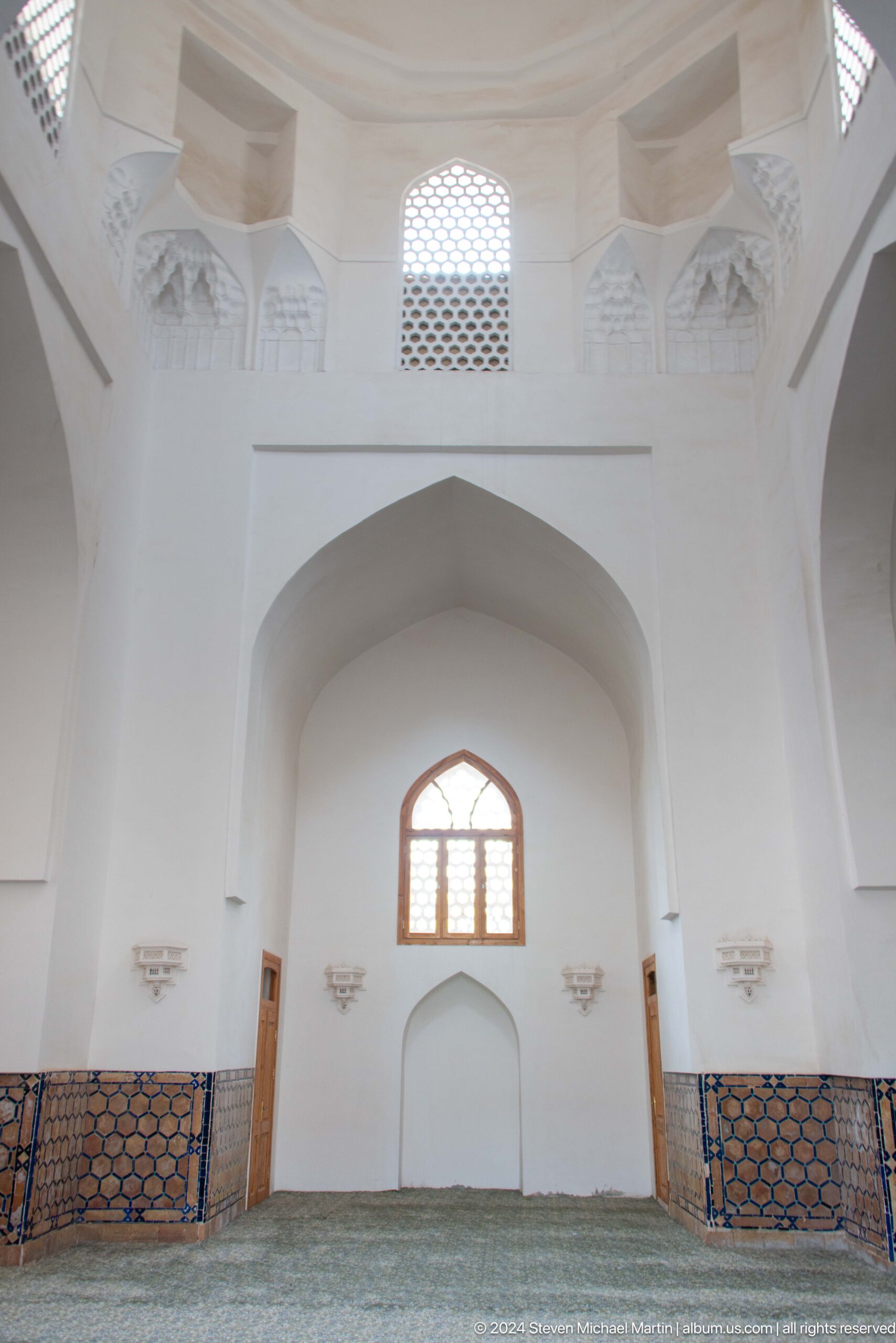
Each structure demonstrates advanced craftsmanship in tile production, mosaic assembly, and structural design. The variety of decorative approaches illustrates evolving artistic influences as Silk Road connections introduced new styles and techniques.
🌍 Cultural Importance
Shah-i-Zinda represents the spiritual dimension of Silk Road exchange, where religious ideas traveled alongside goods and technologies. Pilgrimage traditions connected Central Asia with the broader Islamic world, reinforcing shared cultural and artistic values. The site illustrates how architecture served both devotional and commemorative purposes.
🧭 Why It Matters on the Silk Road
The complex demonstrates how religious architecture became a medium for artistic exchange across Central Asia. Decorative styles reflect influences from Persia and other regions connected through trade routes. Shah-i-Zinda illustrates the intersection of faith, artistic achievement, and Silk Road connectivity.
⭐ Highlights
- One of the most visually striking architectural corridors in Central Asia
- Exceptional examples of Timurid tilework and mosaic craftsmanship
- Sacred pilgrimage site associated with early Islamic history
- Wide range of decorative techniques within a unified architectural setting
- Representation of Silk Road artistic exchange and spiritual tradition
📷 Photography Notes
- Morning light enhances the blue tile color palette
- Perspective views along the stair corridor create strong depth
- Detail images capture geometric and floral tile patterns
- Side lighting emphasizes texture in ceramic surfaces
- Vertical compositions work well for tall portal facades