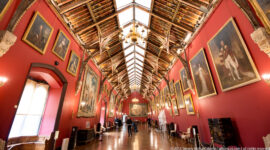
Samarkand
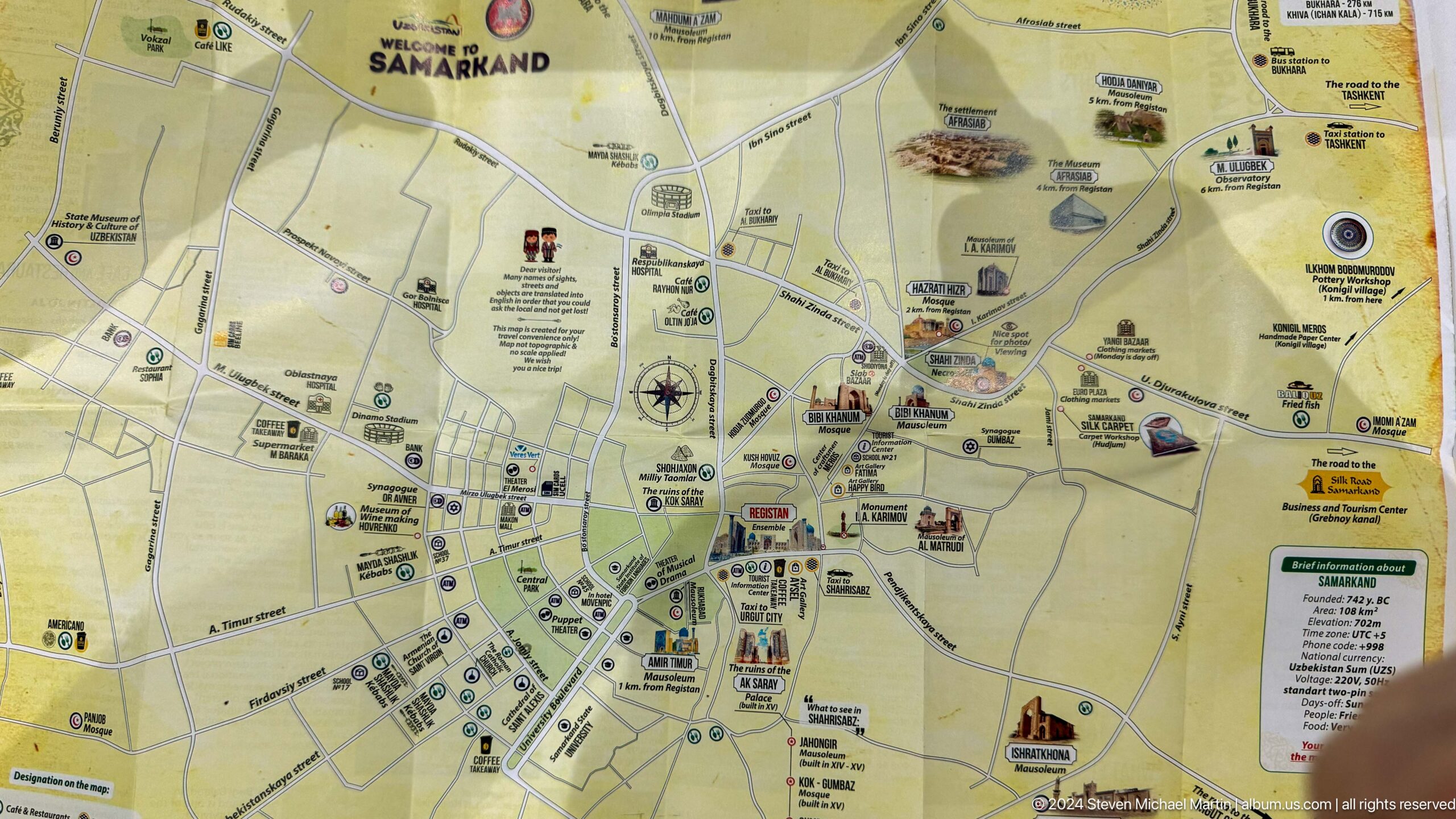
Samarkand is one of the most important historic cities along the Silk Road and served as a major center of trade, scholarship, and artistic production for more than two millennia. Located in present-day Uzbekistan, the city prospered due to its position connecting China, Persia, and the Mediterranean world. Its strategic location allowed merchants, scholars, and travelers to exchange goods and ideas across Eurasia.
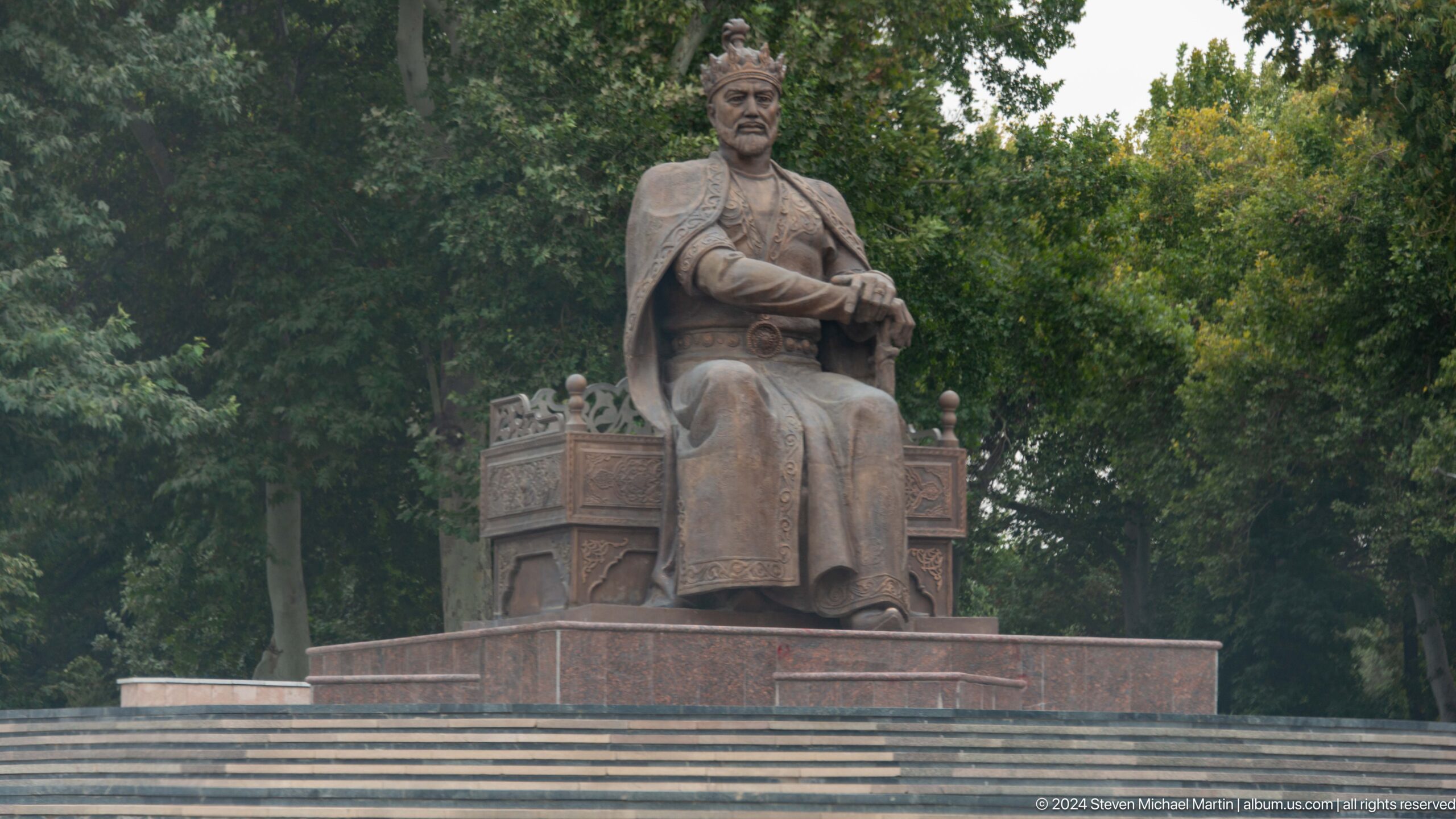
During the fourteenth and fifteenth centuries, Samarkand flourished under the rule of Timur (Tamerlane), who transformed the city into a center of architectural innovation and intellectual achievement. Monumental buildings, madrasas, and mosques illustrate the artistic traditions supported by Timurid patronage. The city became known for advances in astronomy, mathematics, and decorative arts.
Samarkand represents one of the most influential cultural centers of the Silk Road era. Its preserved monuments illustrate the exchange of artistic and intellectual traditions across Central Asia.





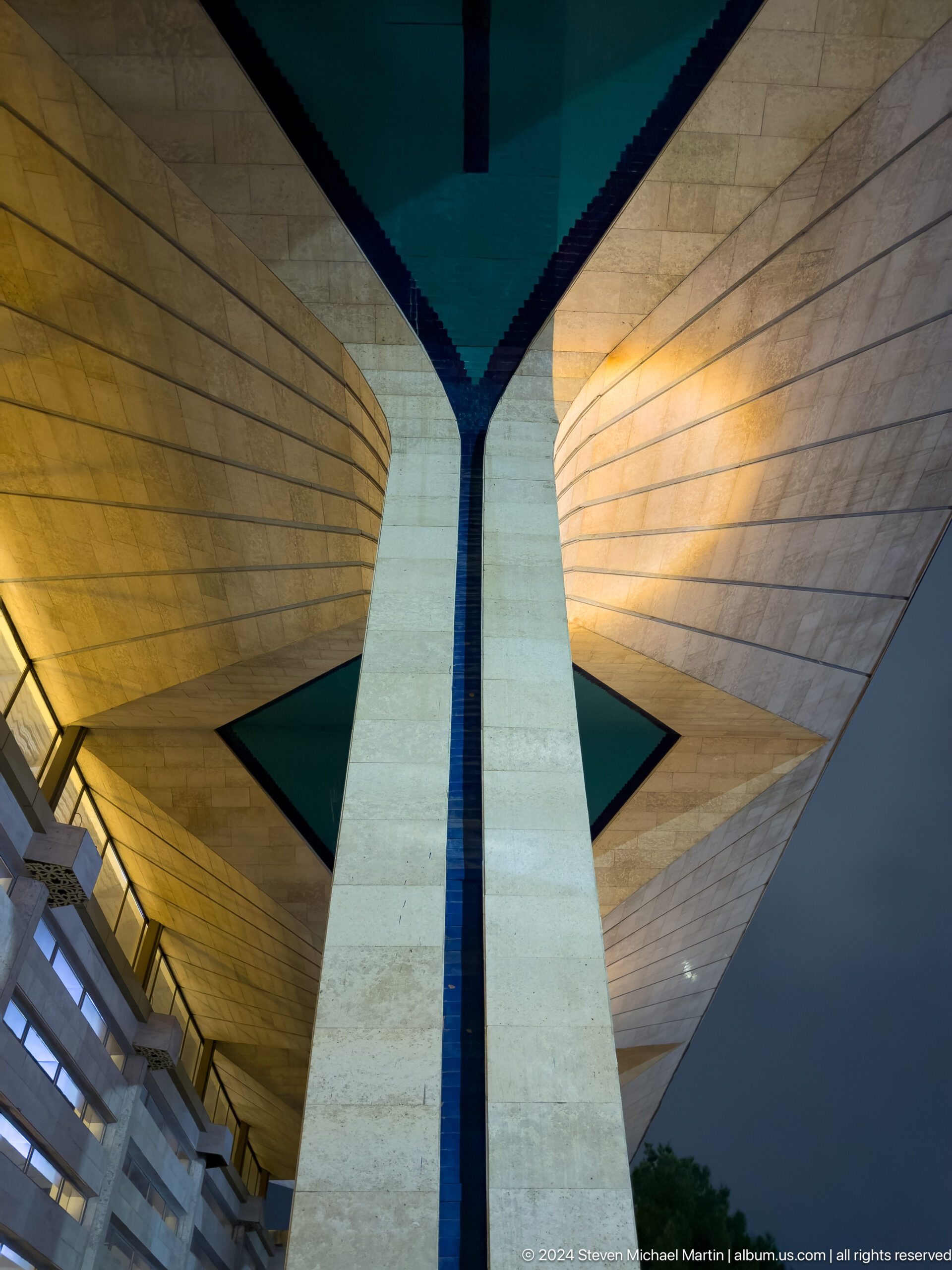
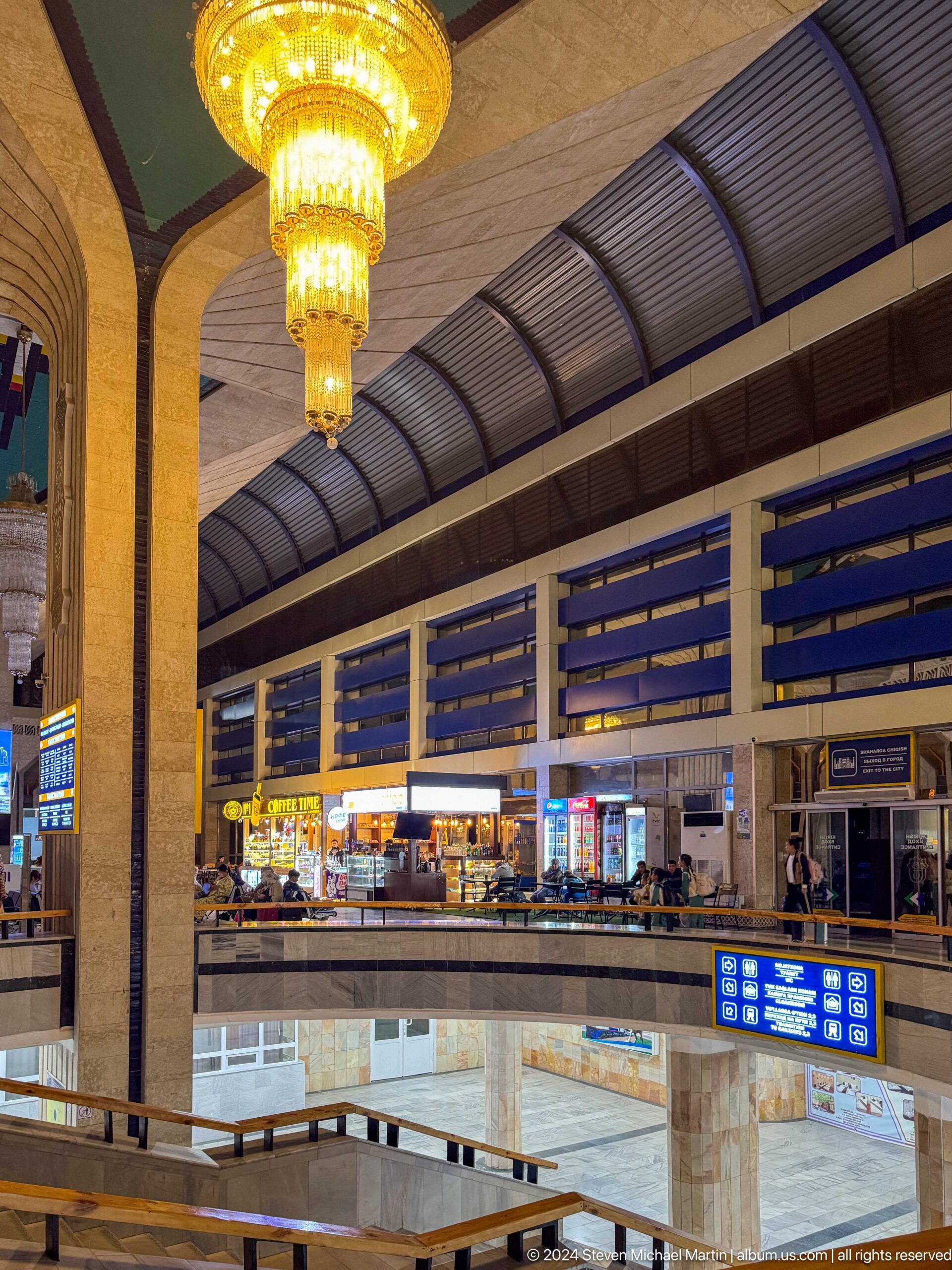
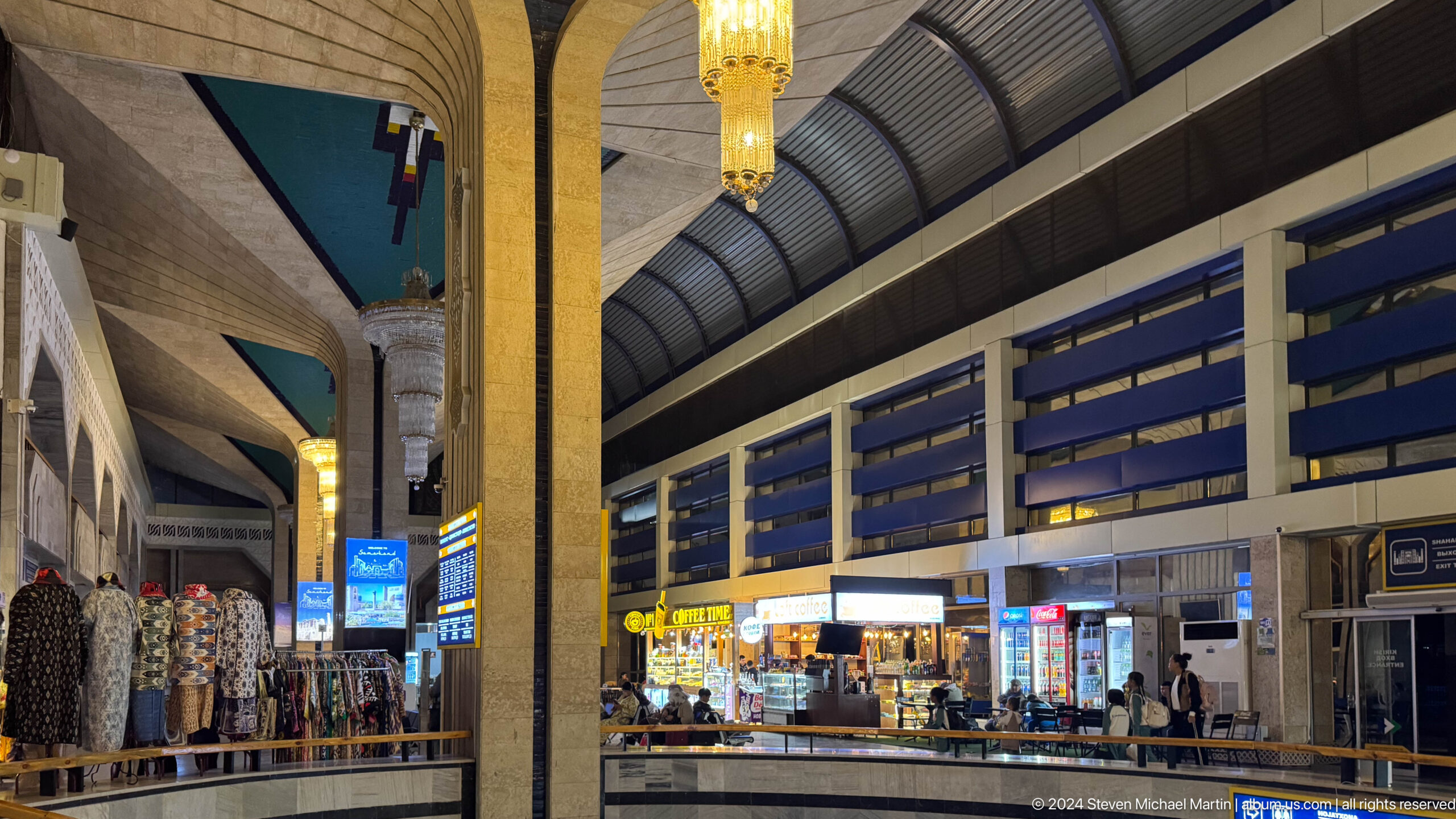
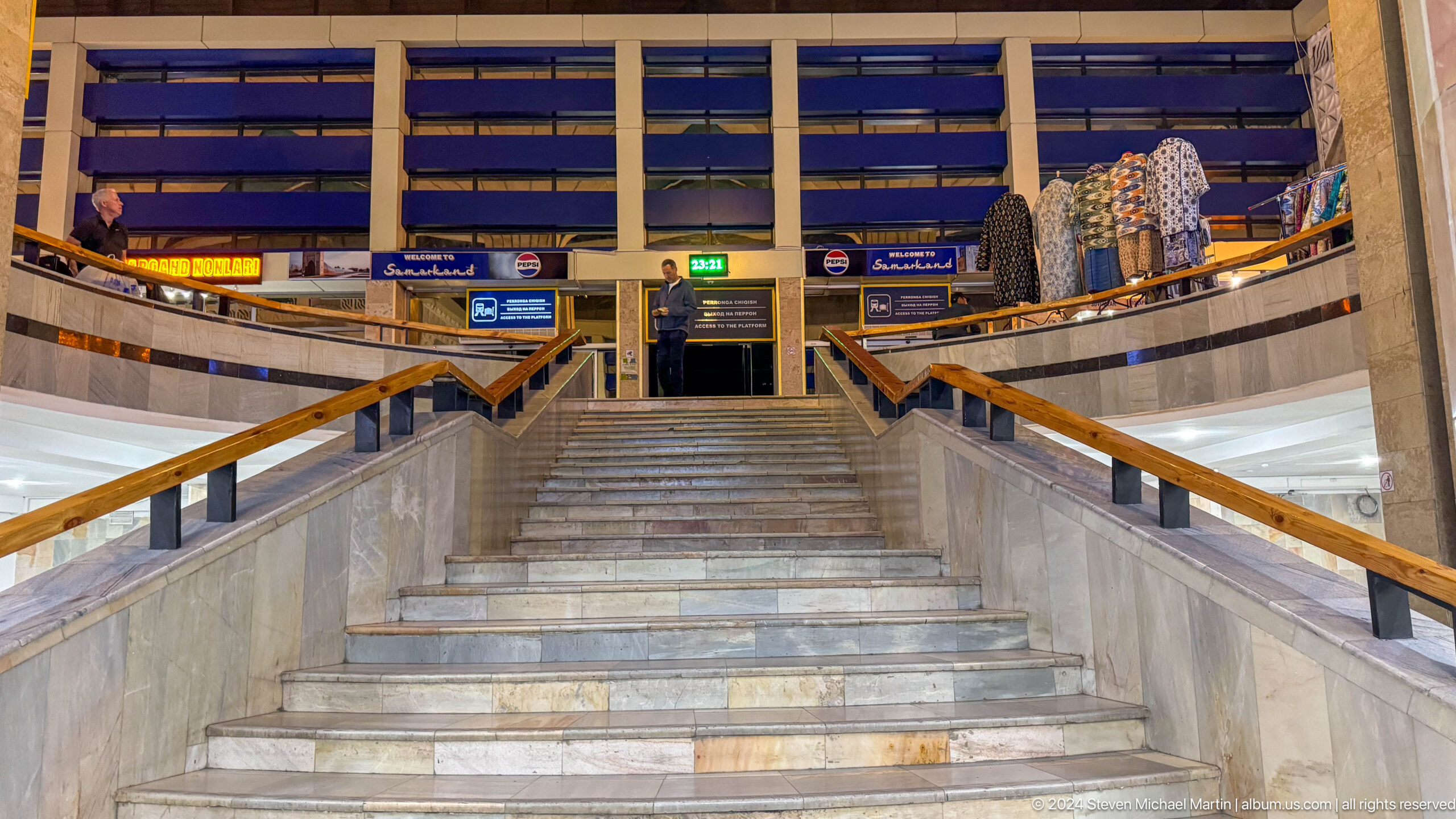
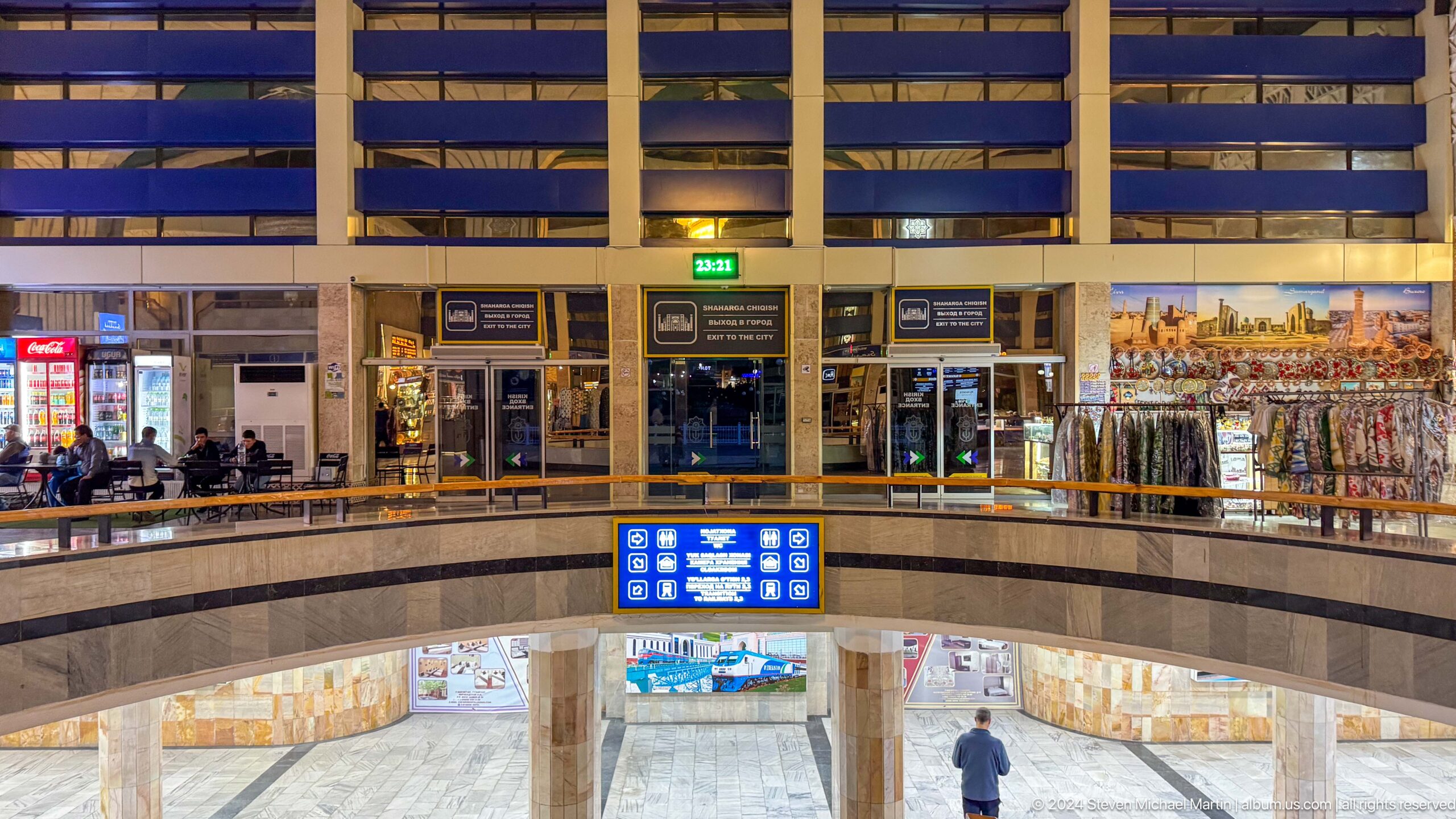
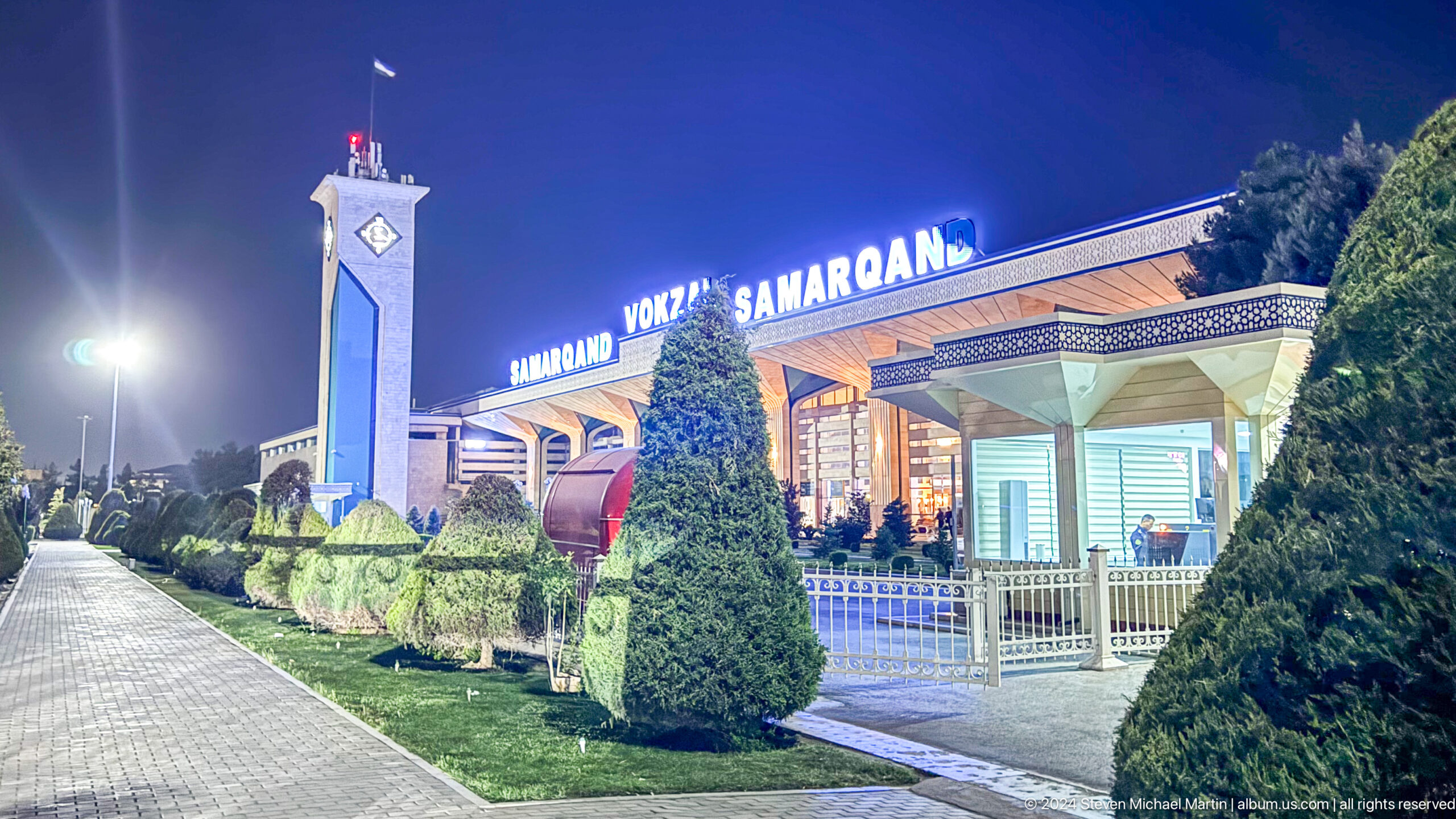
Field Guide
📍 Overview
Samarkand is one of the most historically significant cities along the Silk Road and has served as a center of trade, scholarship, and cultural exchange for more than two thousand years. Located in present-day Uzbekistan, the city occupied a strategic position linking China, Persia, India, and the Mediterranean world. Merchants traveling across Central Asia brought goods, technologies, artistic traditions, and religious ideas that contributed to the city’s development as a major cultural crossroads.
🏛 Historical Significance
Samarkand flourished under multiple empires, including the Achaemenids, Greeks under Alexander the Great, Persians, and later Islamic dynasties. Its most influential period occurred during the 14th and 15th centuries when Timur (Tamerlane) established the city as the capital of the Timurid Empire. Monumental architecture and scholarly institutions reflected the ambition to create one of the most important cultural centers in the Islamic world.
🧱 Architectural Features
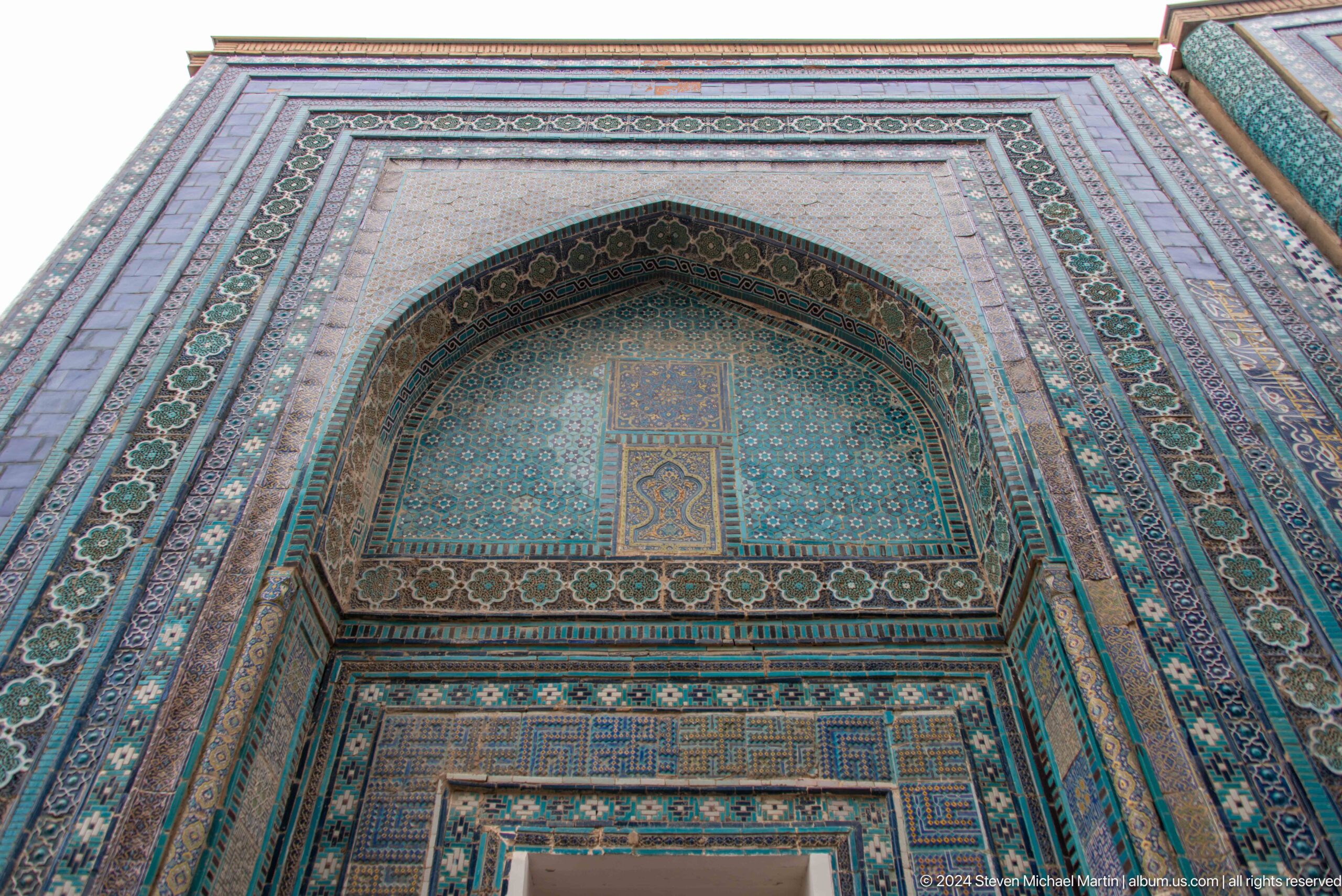
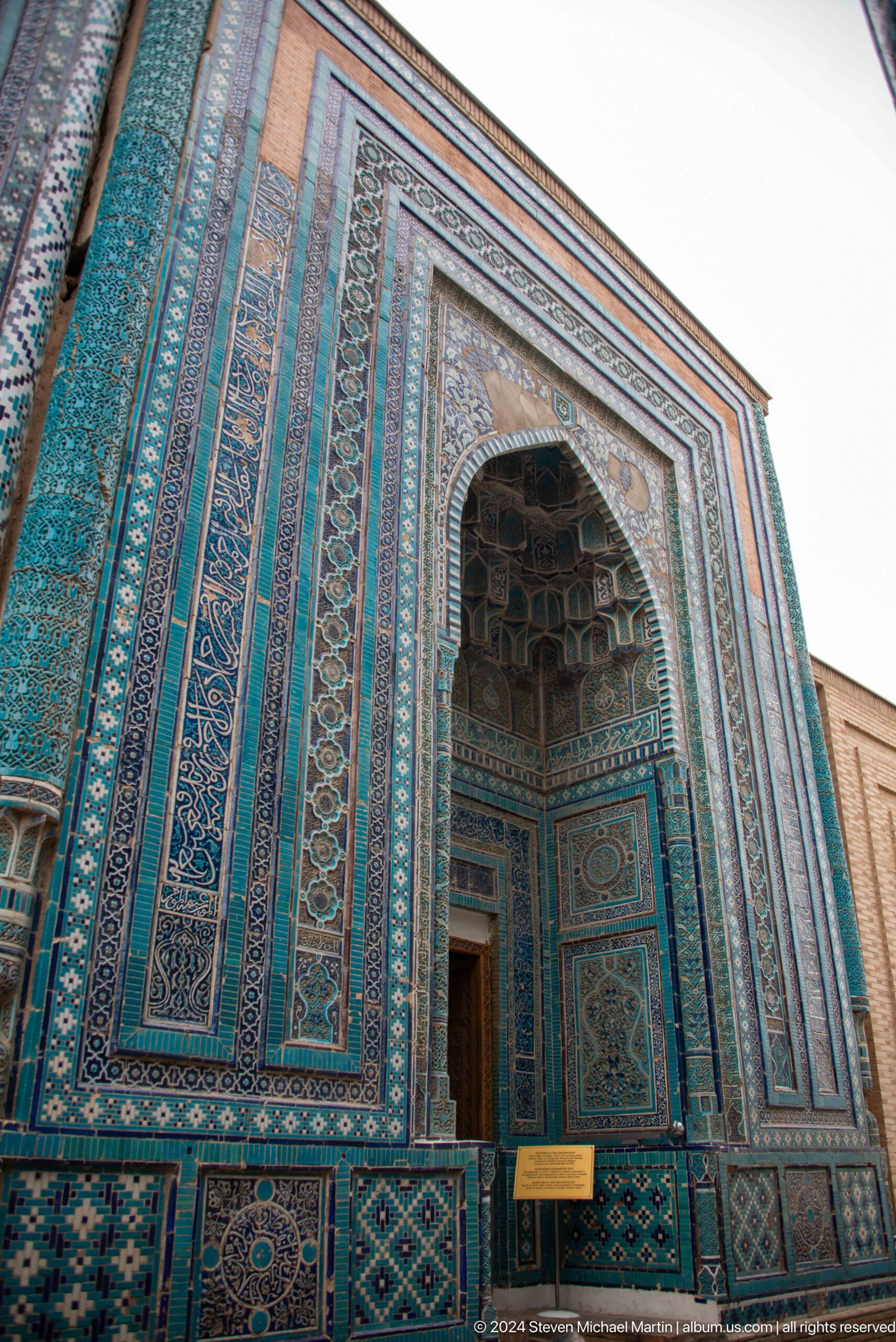
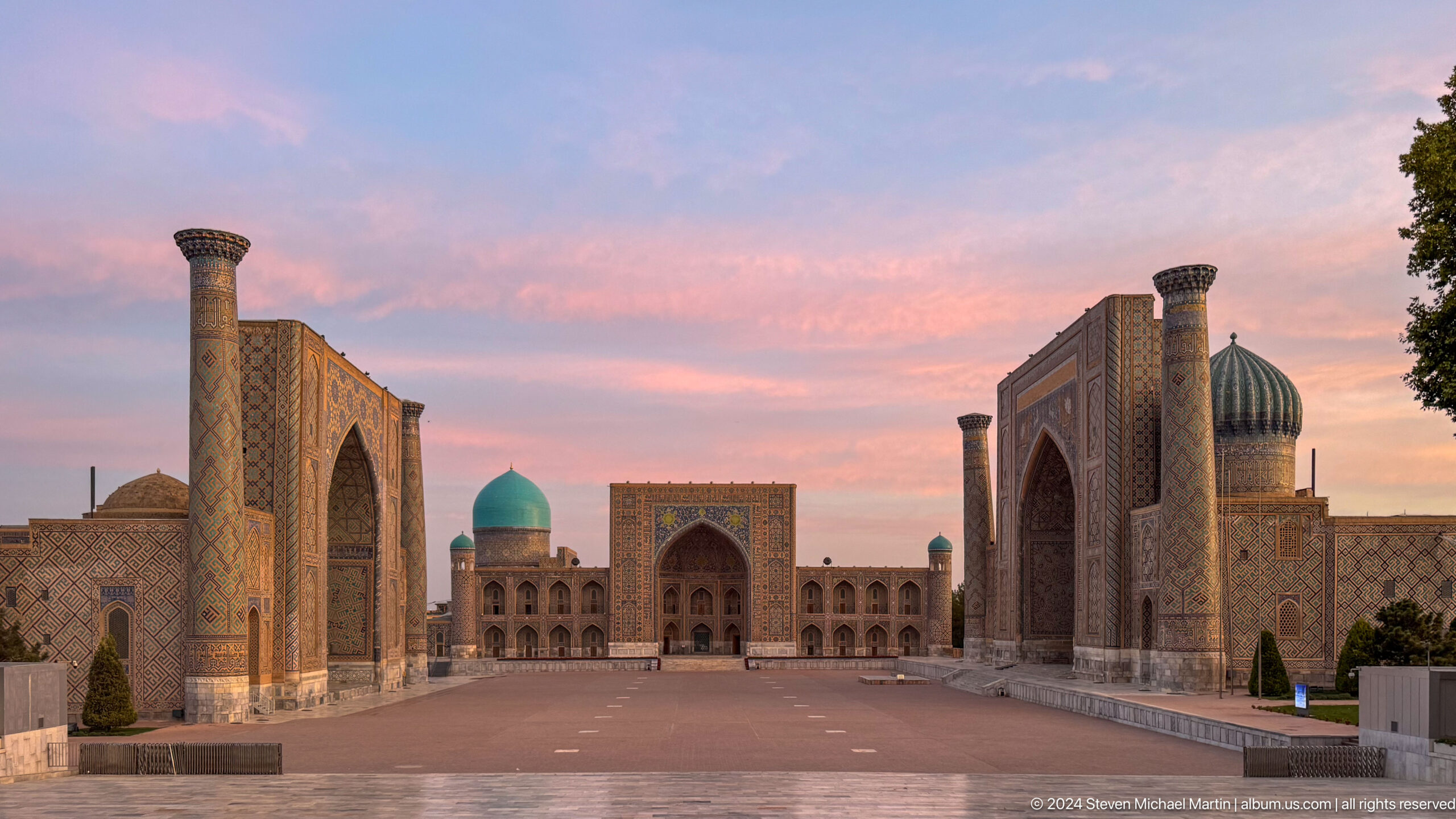
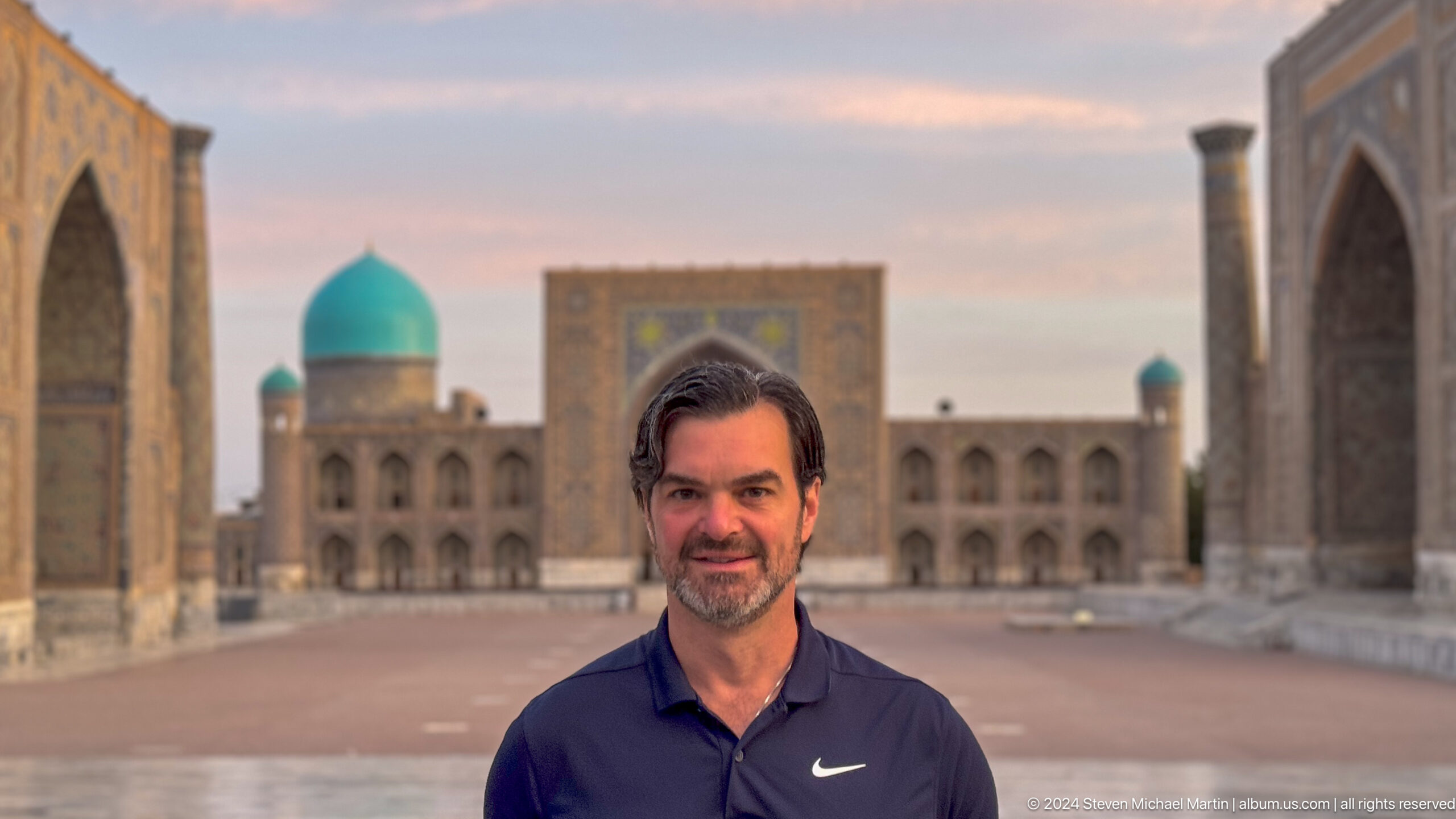
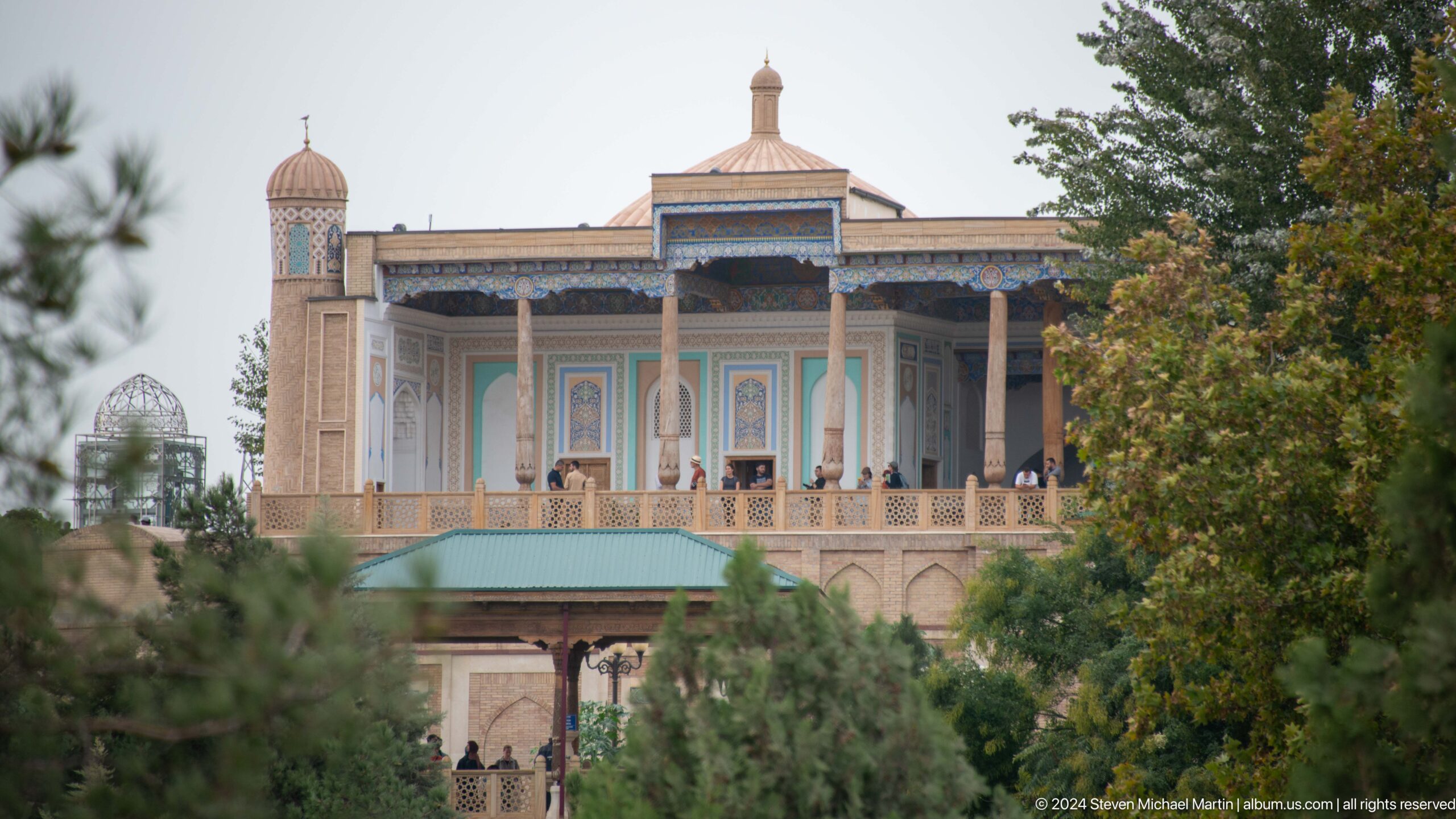
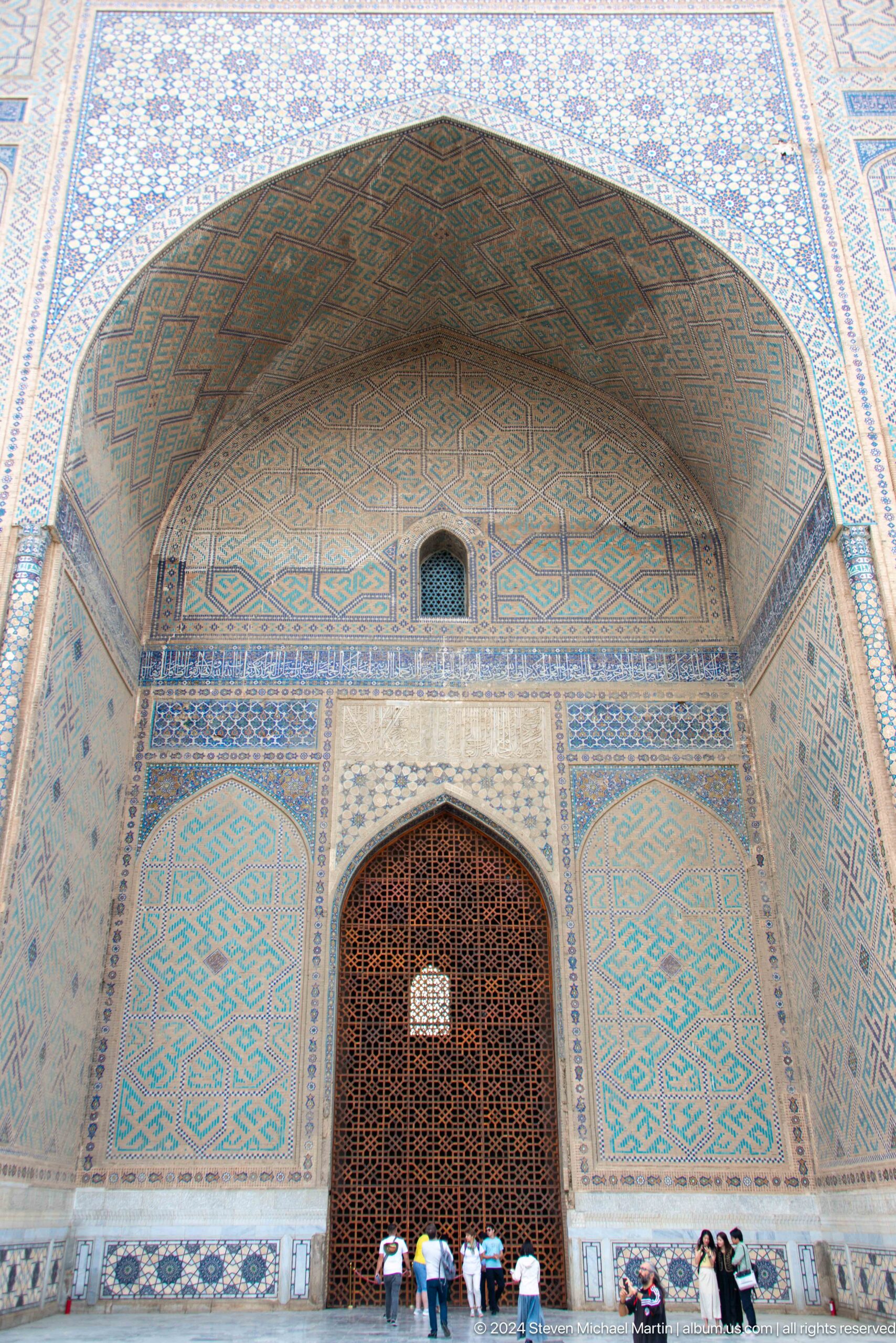
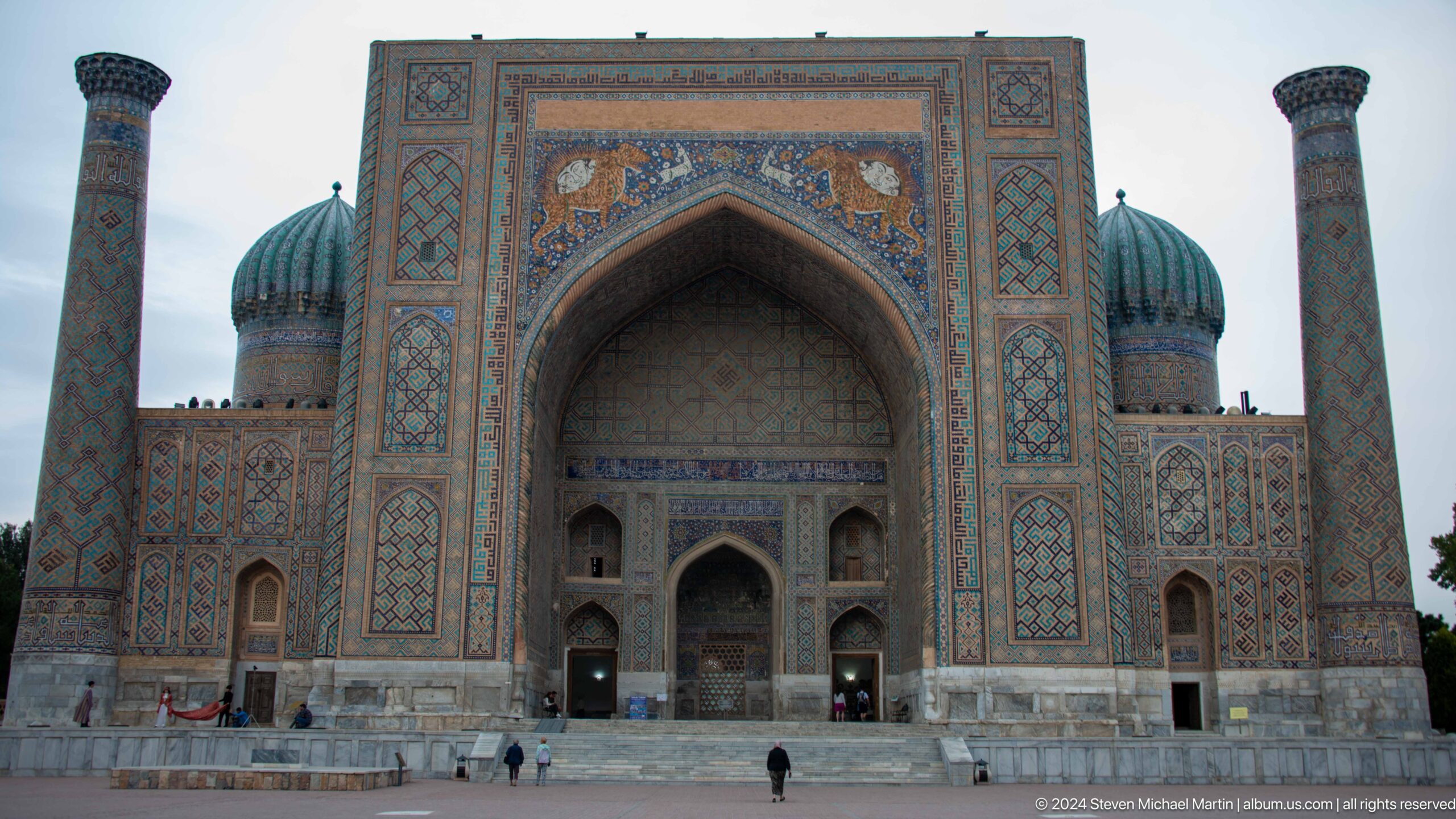
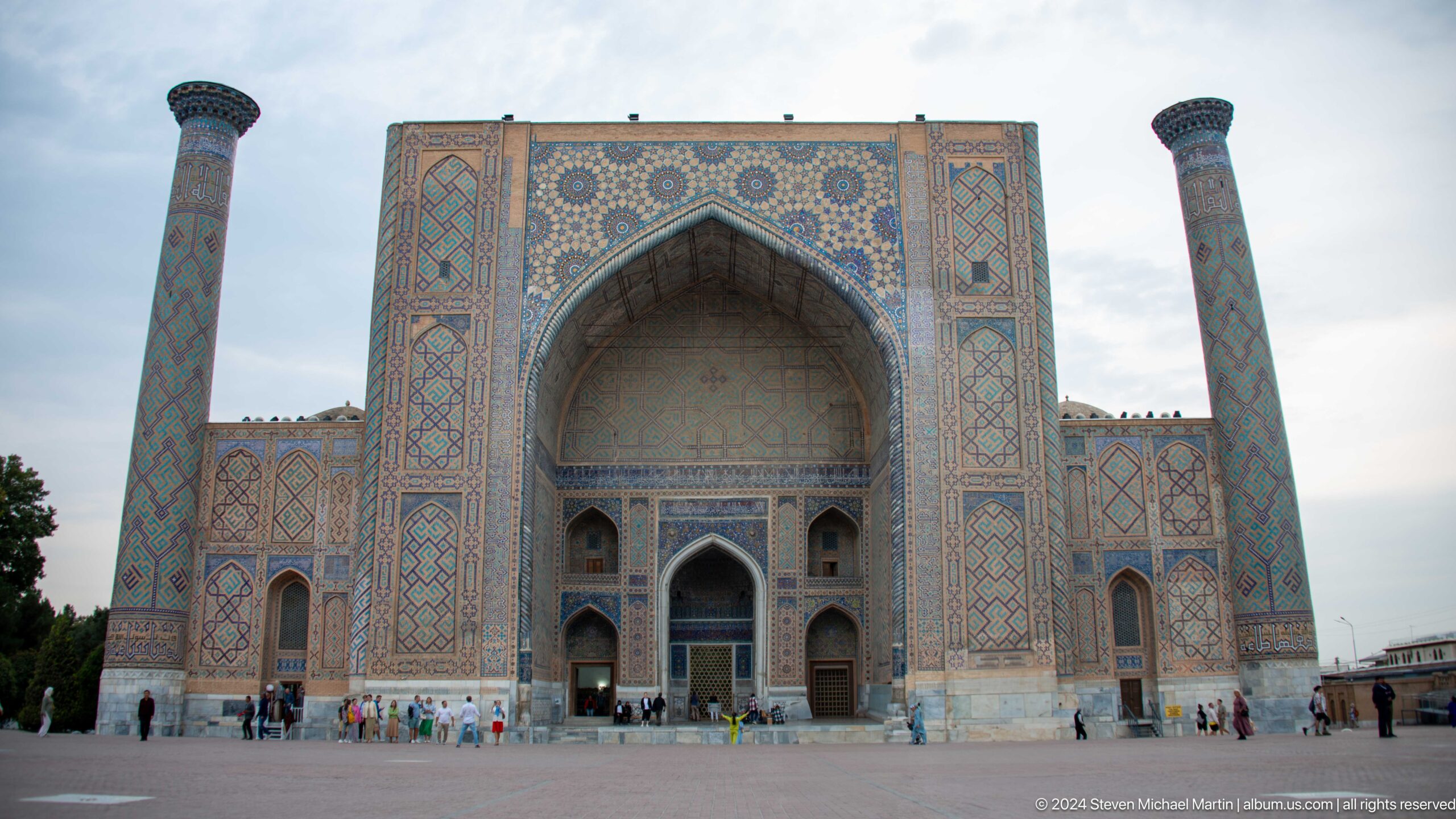
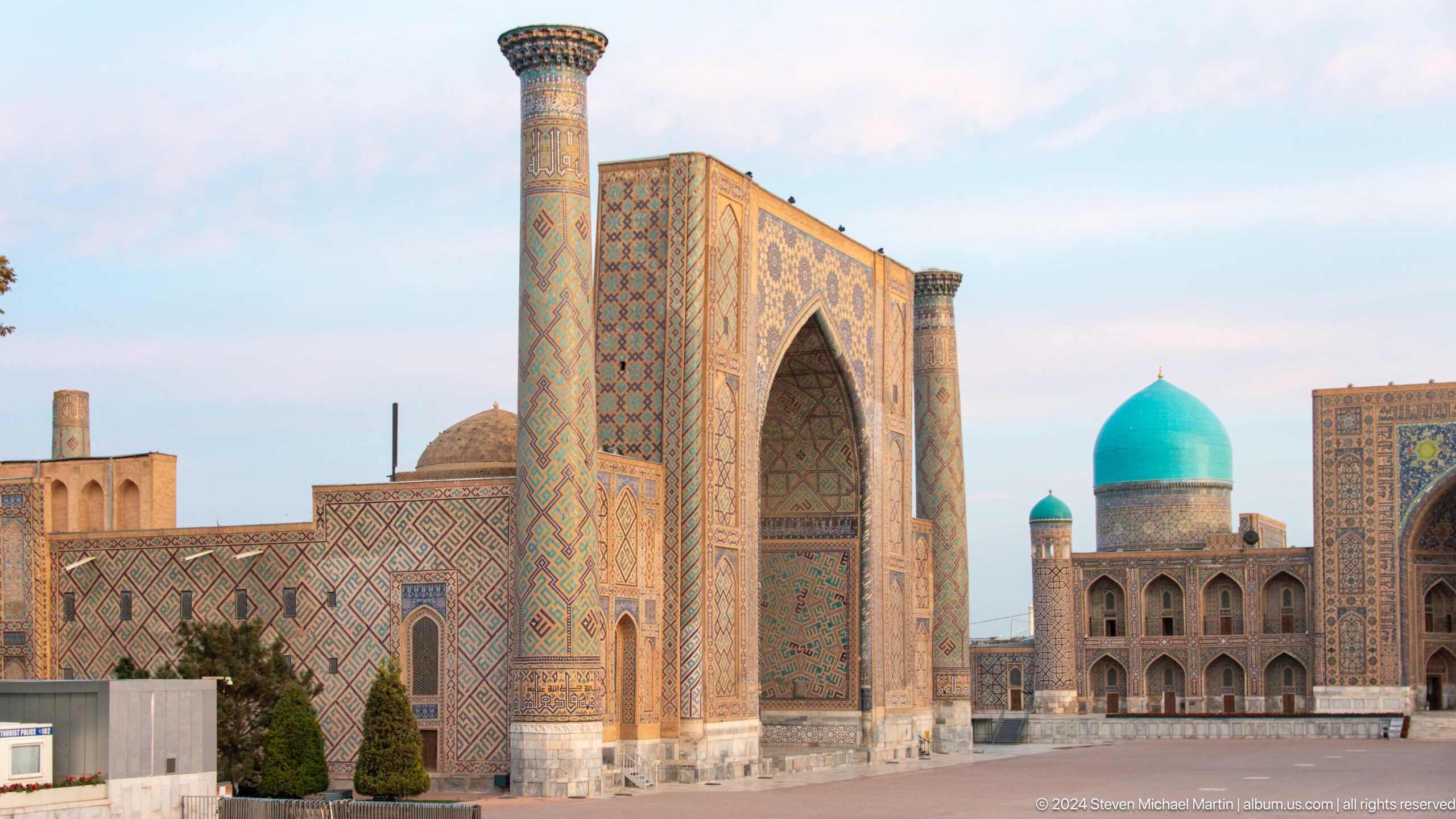
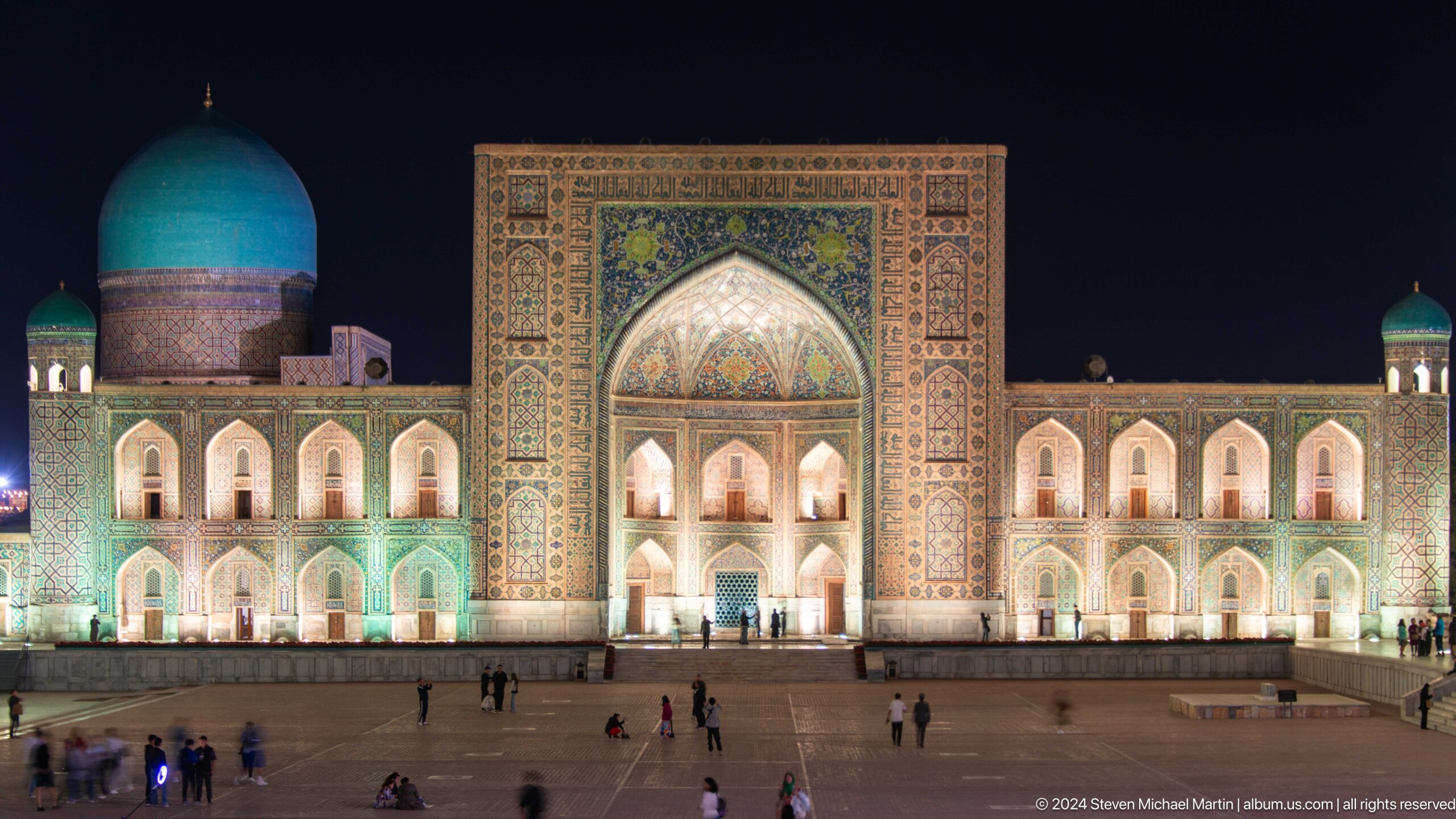
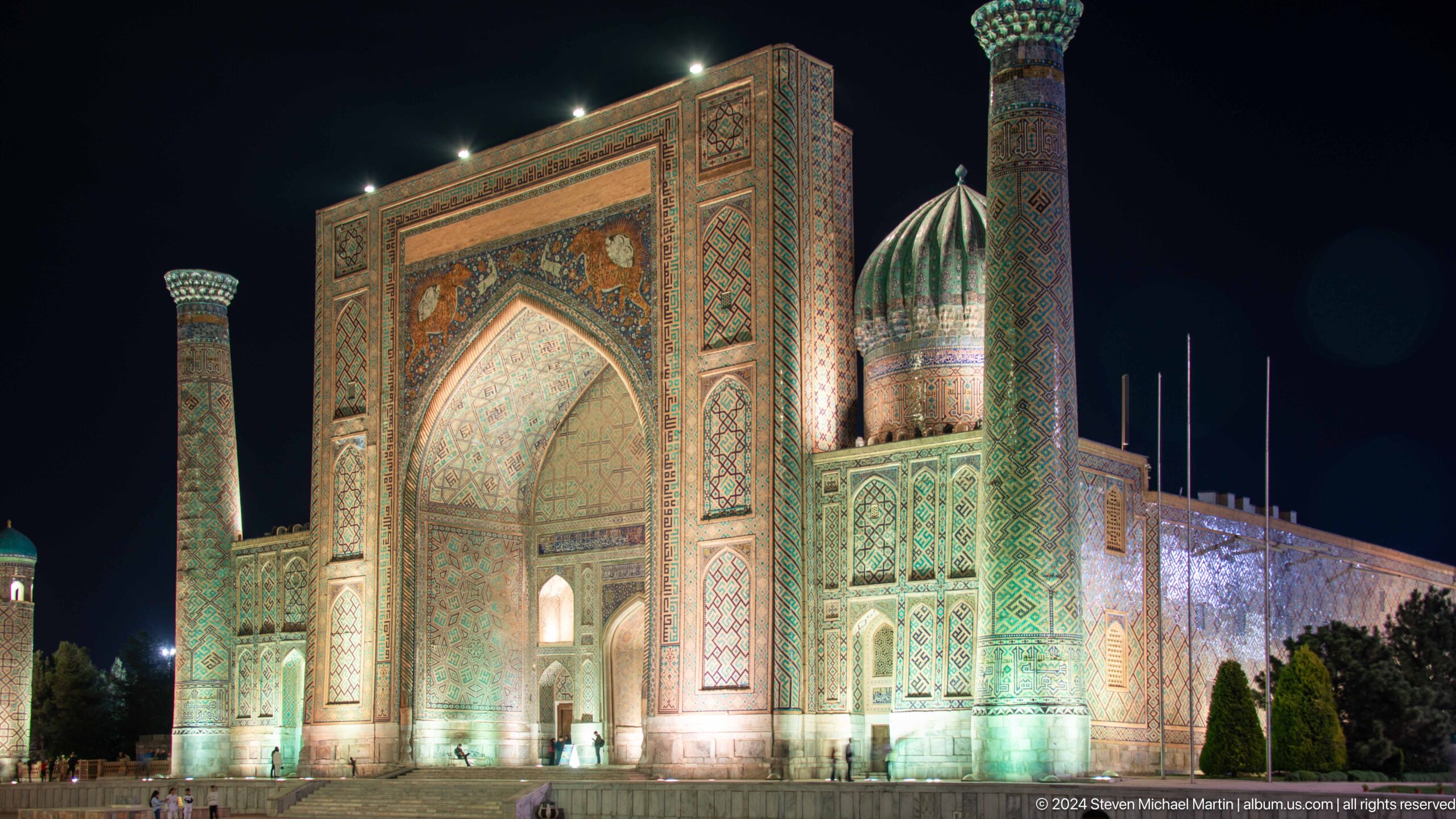
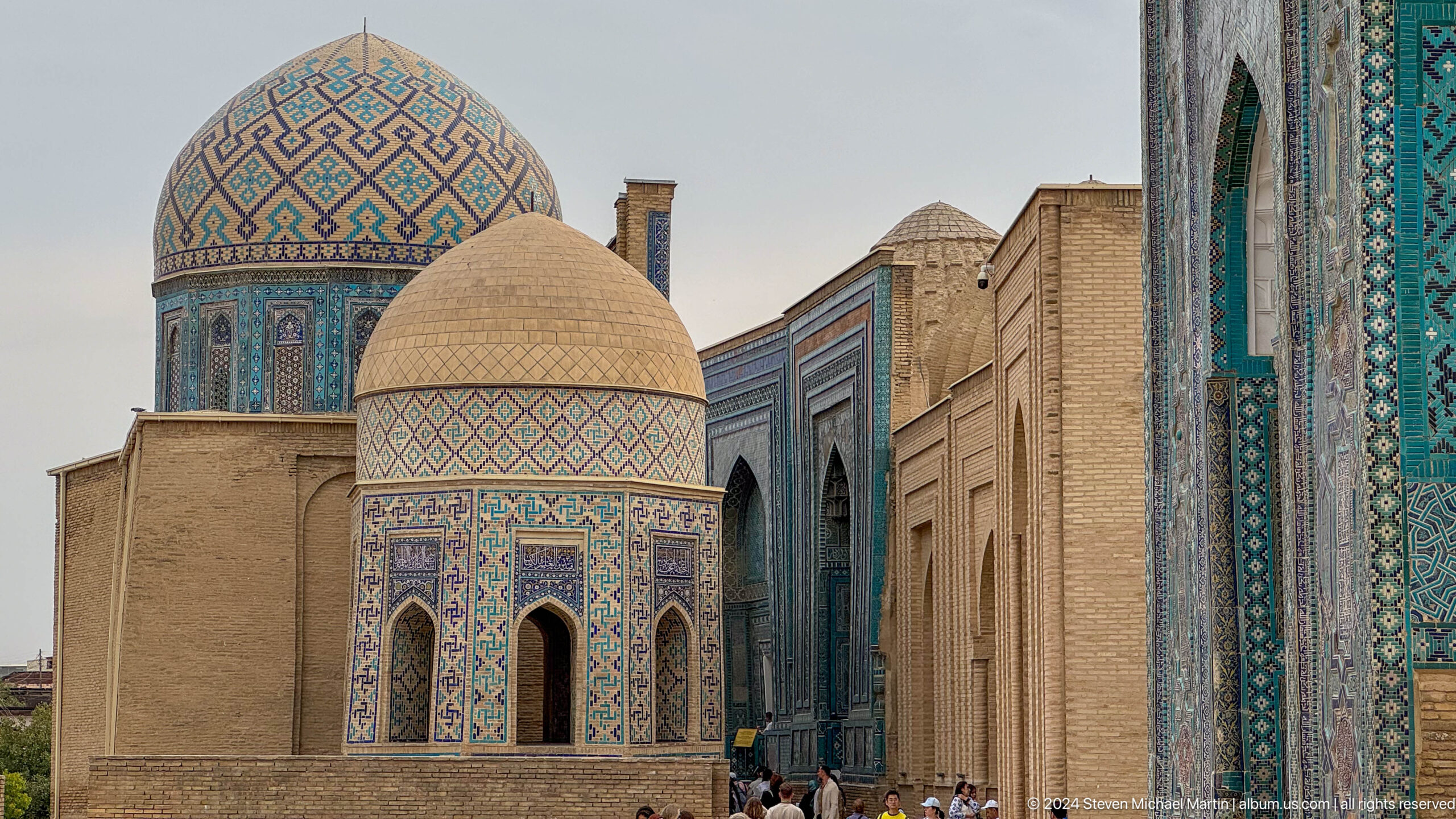
The city contains some of the finest examples of Timurid architecture, characterized by monumental scale, glazed tile mosaics, geometric design, and grand domes. Major sites include Registan Square, Shah-i-Zinda, and Bibi-Khanym Mosque, each demonstrating advances in engineering and decorative arts. Architectural elements reflect influences from Persian, Central Asian, and Islamic artistic traditions.
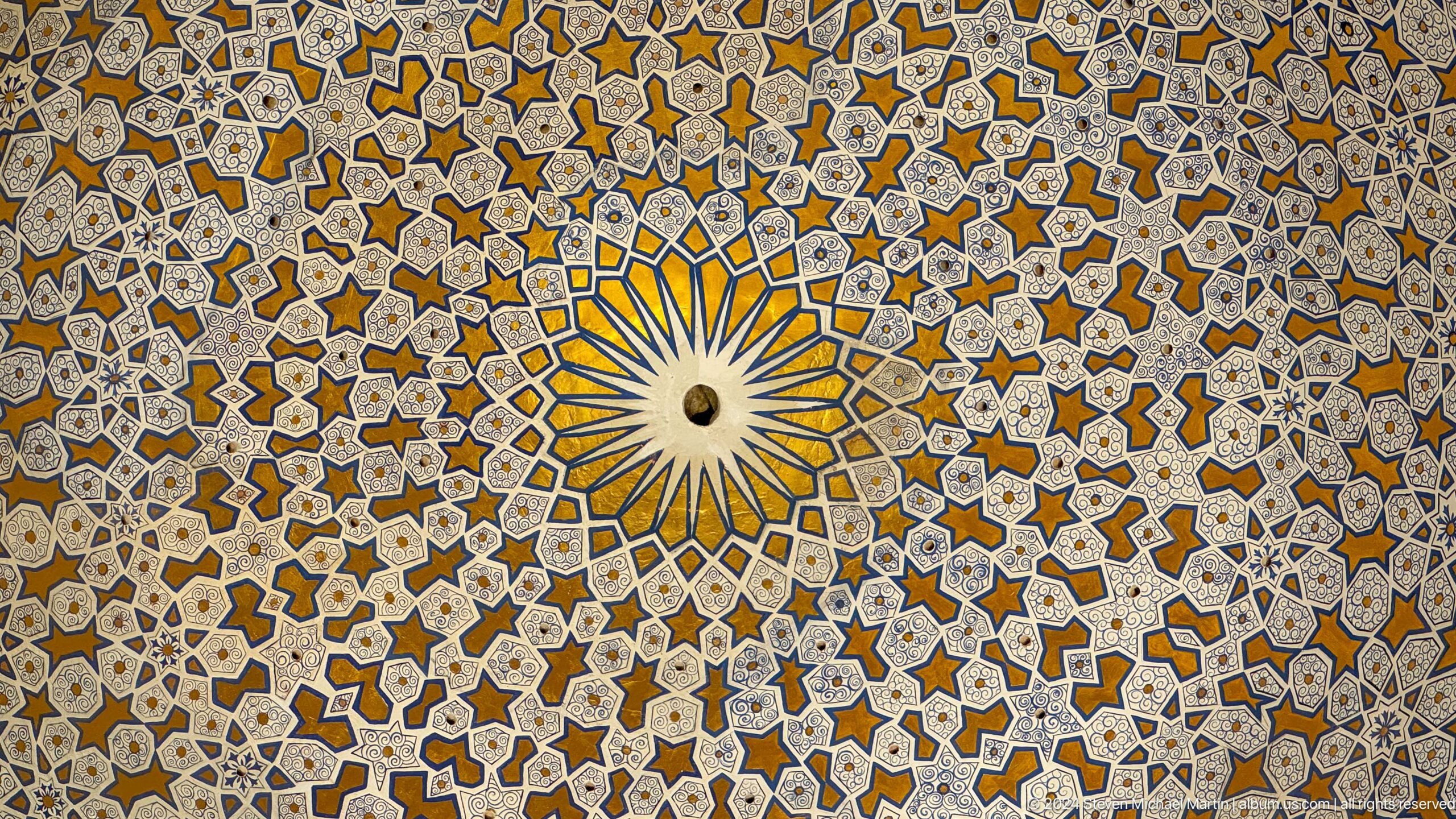
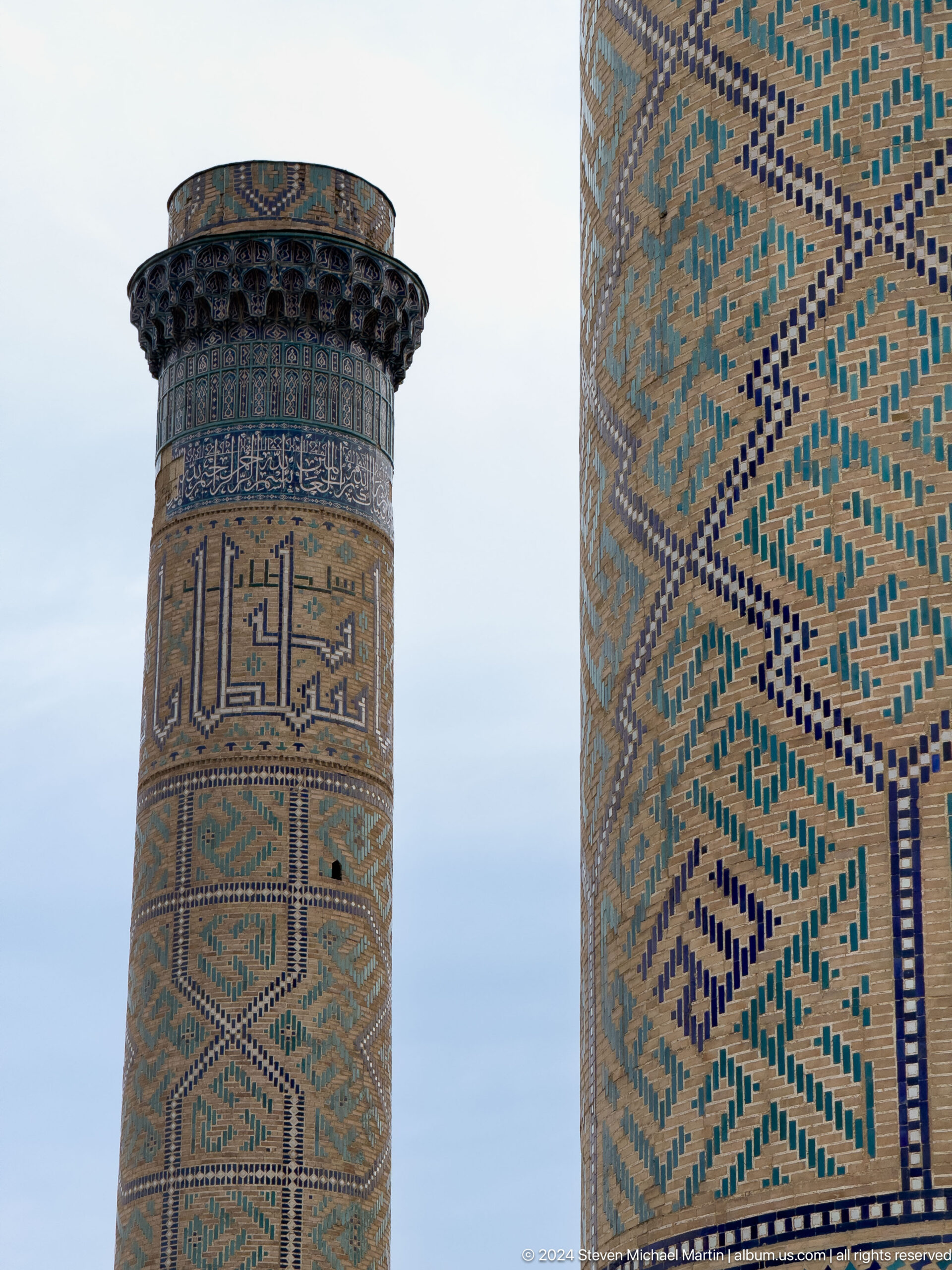
The use of symmetry, color, and mathematical pattern illustrates the intellectual achievements associated with Timurid scholarship. Decorative tilework using blue and turquoise tones became a defining visual characteristic of Silk Road architecture in Central Asia.
🌍 Cultural Importance
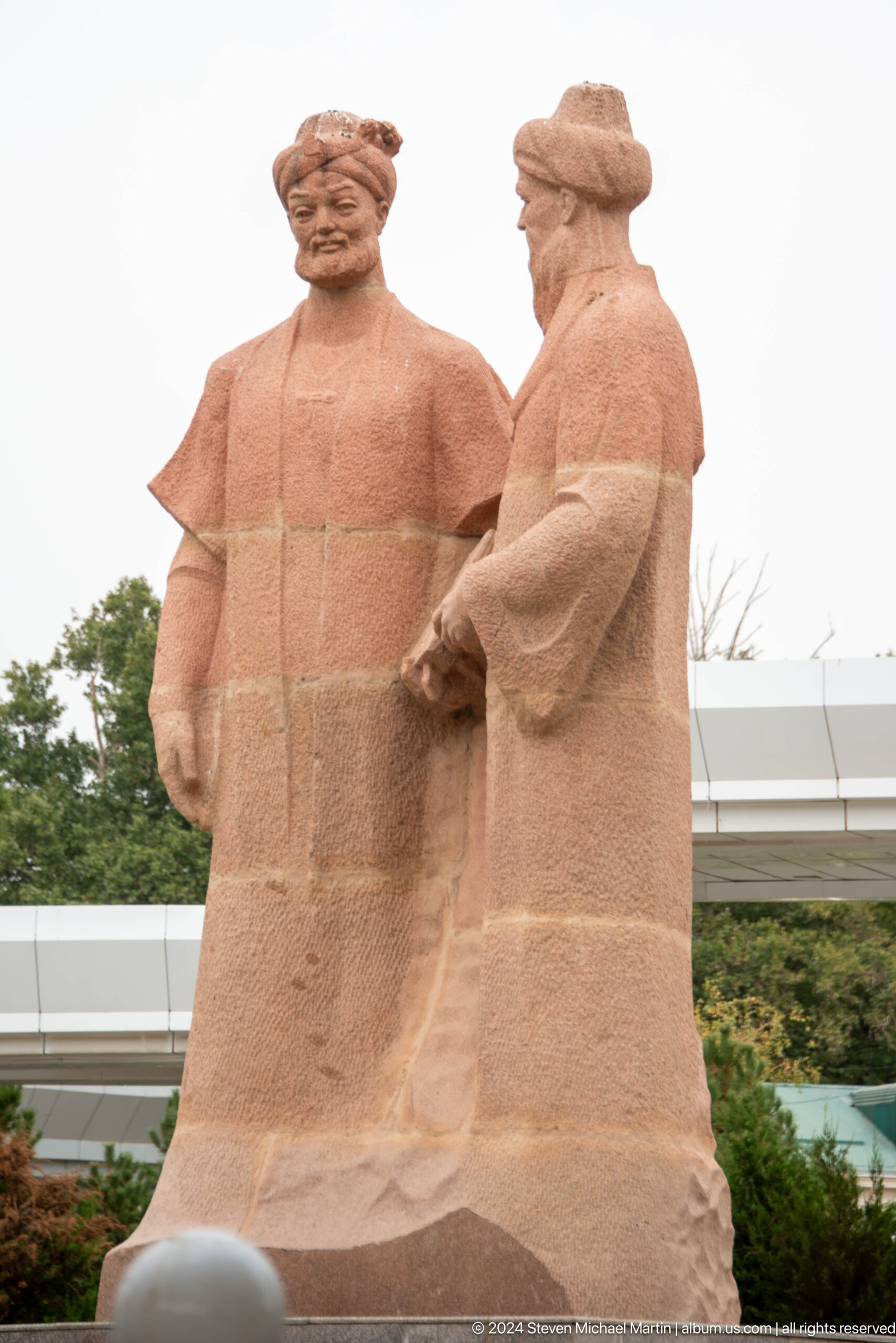
Samarkand became an intellectual center where scholars studied astronomy, mathematics, medicine, and philosophy. Ulugh Beg, grandson of Timur, was a notable astronomer whose work contributed to advances in scientific knowledge. The city demonstrates how Silk Road trade routes facilitated not only economic exchange but also the development of scientific and artistic traditions.
🧭 Why It Matters on the Silk Road
Samarkand illustrates the importance of major urban centers in sustaining long-distance trade networks. Caravan routes relied on cities such as Samarkand for security, education, and cultural exchange. The city’s preserved monuments reflect the interconnected nature of Eurasian civilizations linked through Silk Road commerce.
⭐ Highlights
- One of the most important cities in Silk Road history
- Capital of the Timurid Empire during a major cultural flourishing
- Exceptional examples of Islamic and Persian-influenced architecture
- Center of scholarship in astronomy, mathematics, and philosophy
- Key crossroads connecting East and West
📷 Photography Notes
- Blue tile domes photograph best under clear sky conditions
- Wide-angle compositions emphasize monumental architectural scale
- Detail images highlight geometric tile patterns and calligraphy
- Morning or late afternoon light enhances color contrast
- Courtyard perspectives provide balanced architectural framing