El Badi Palace – Marrakech, Morocco
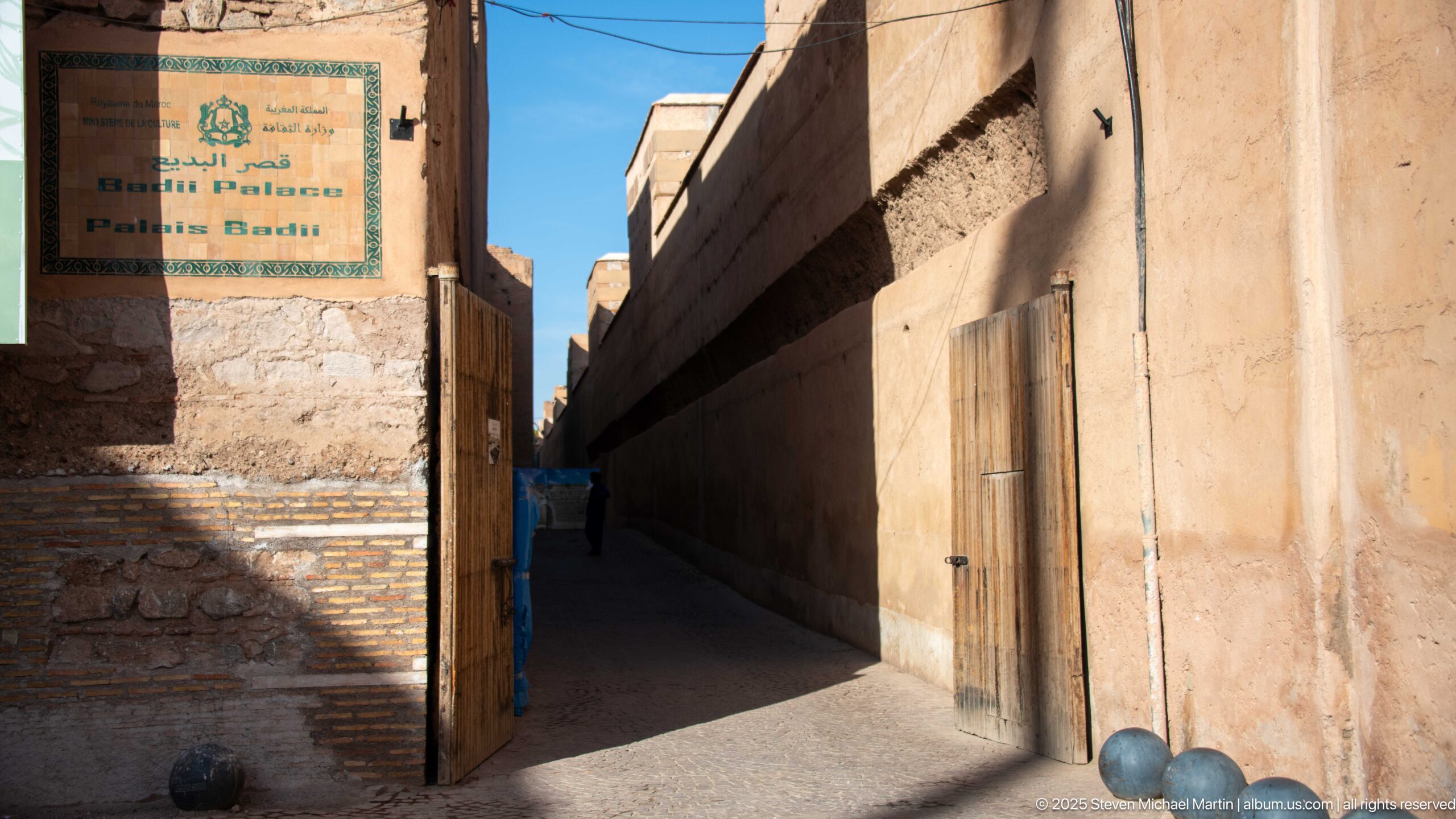
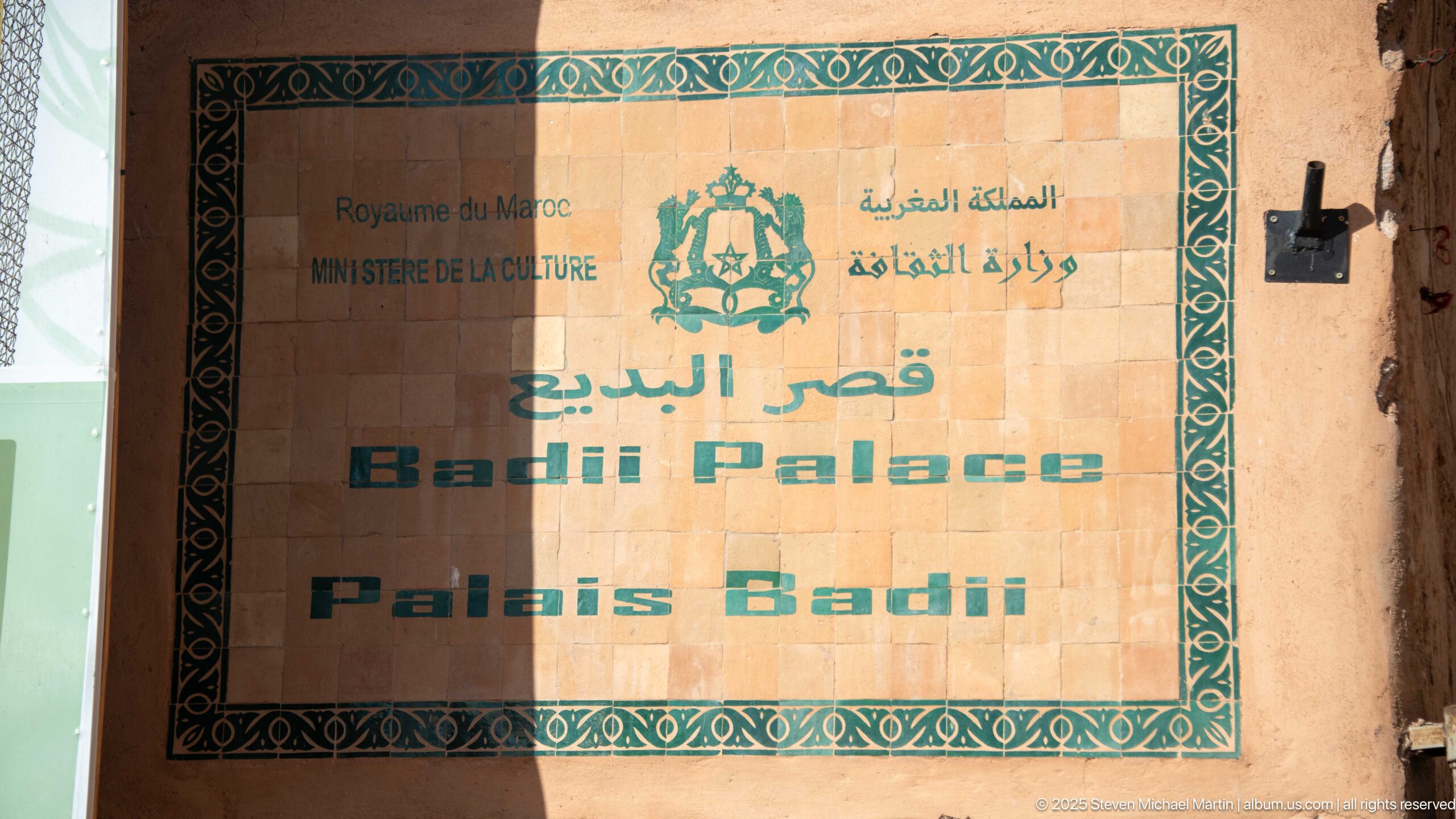
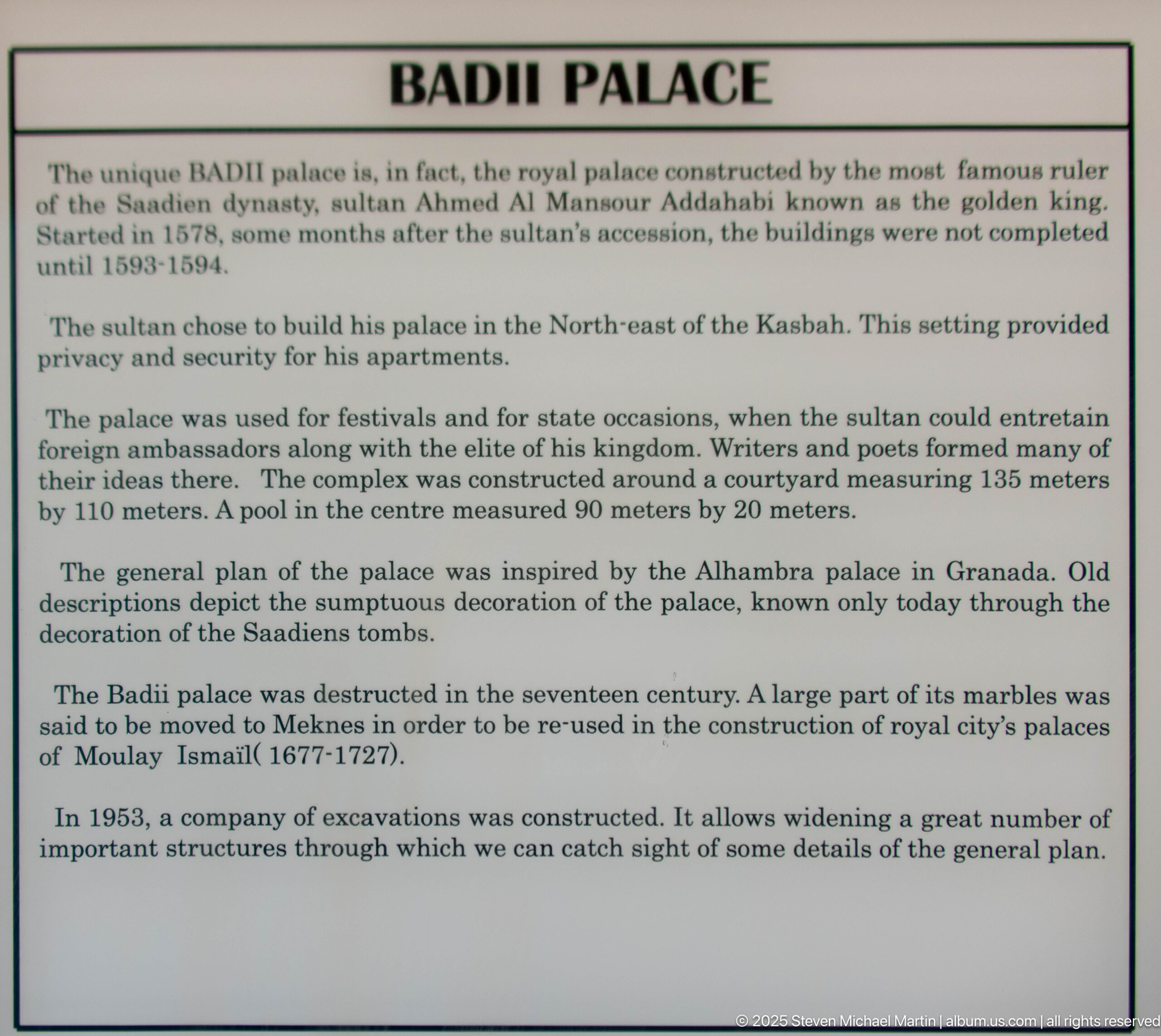
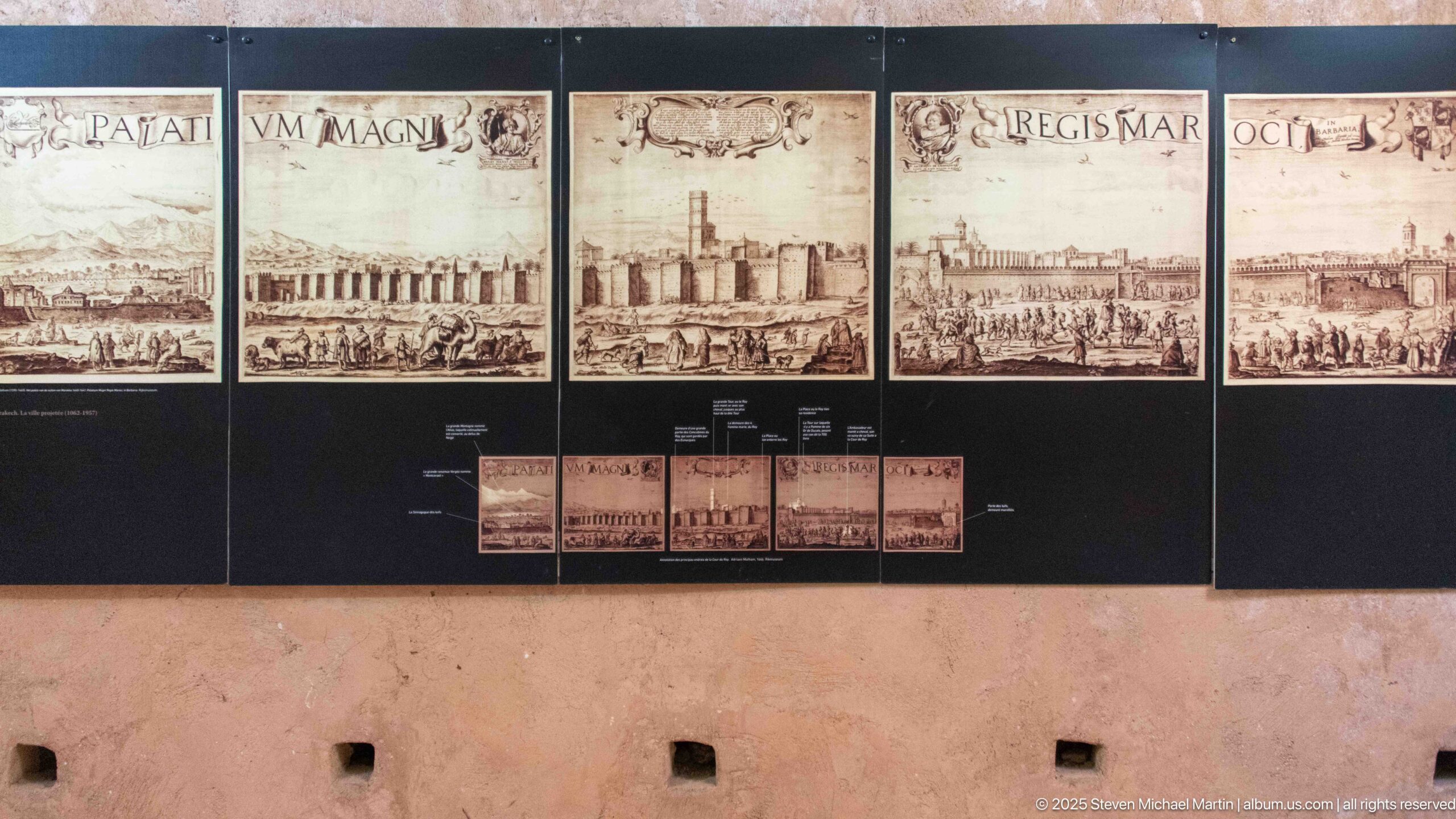
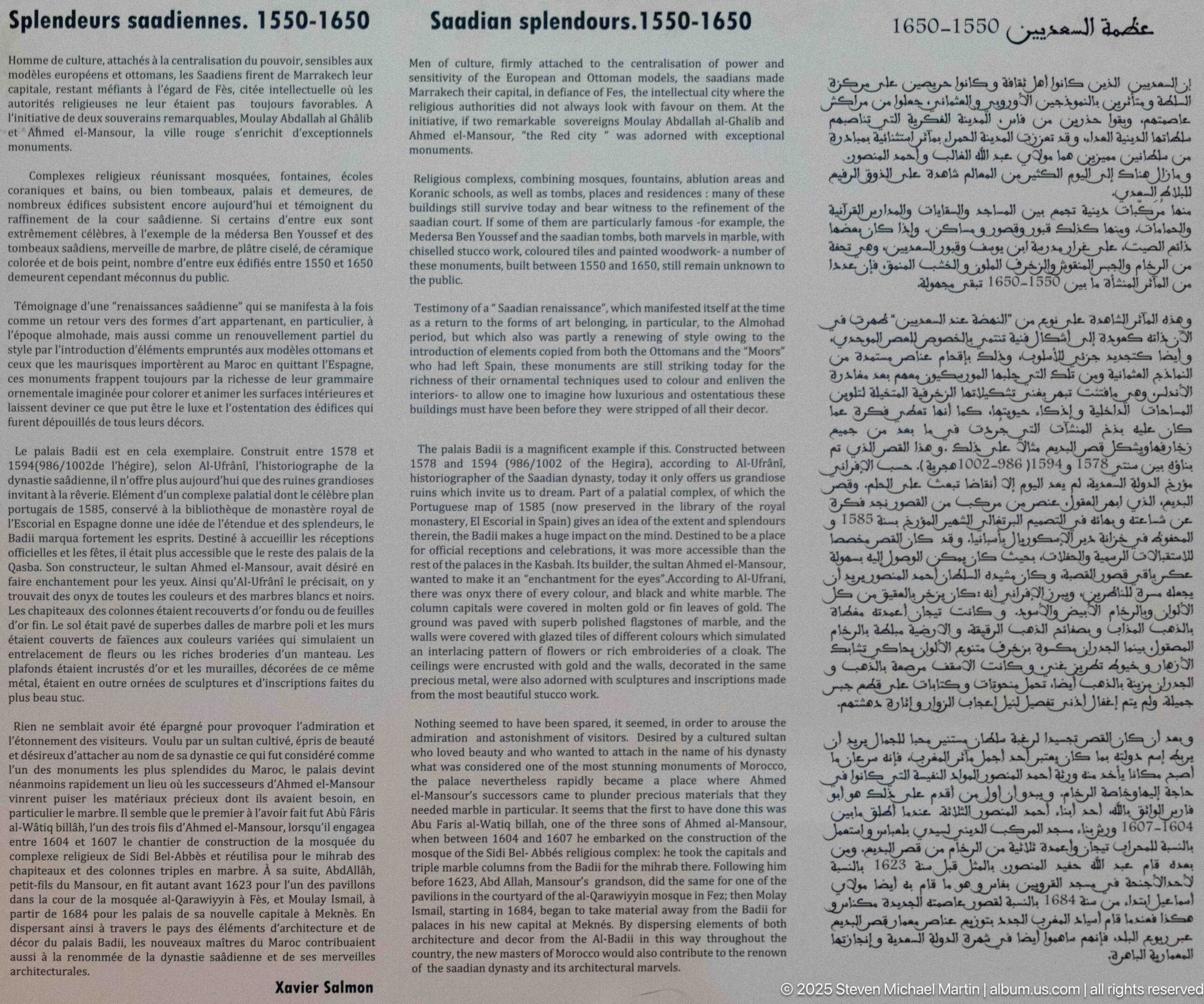
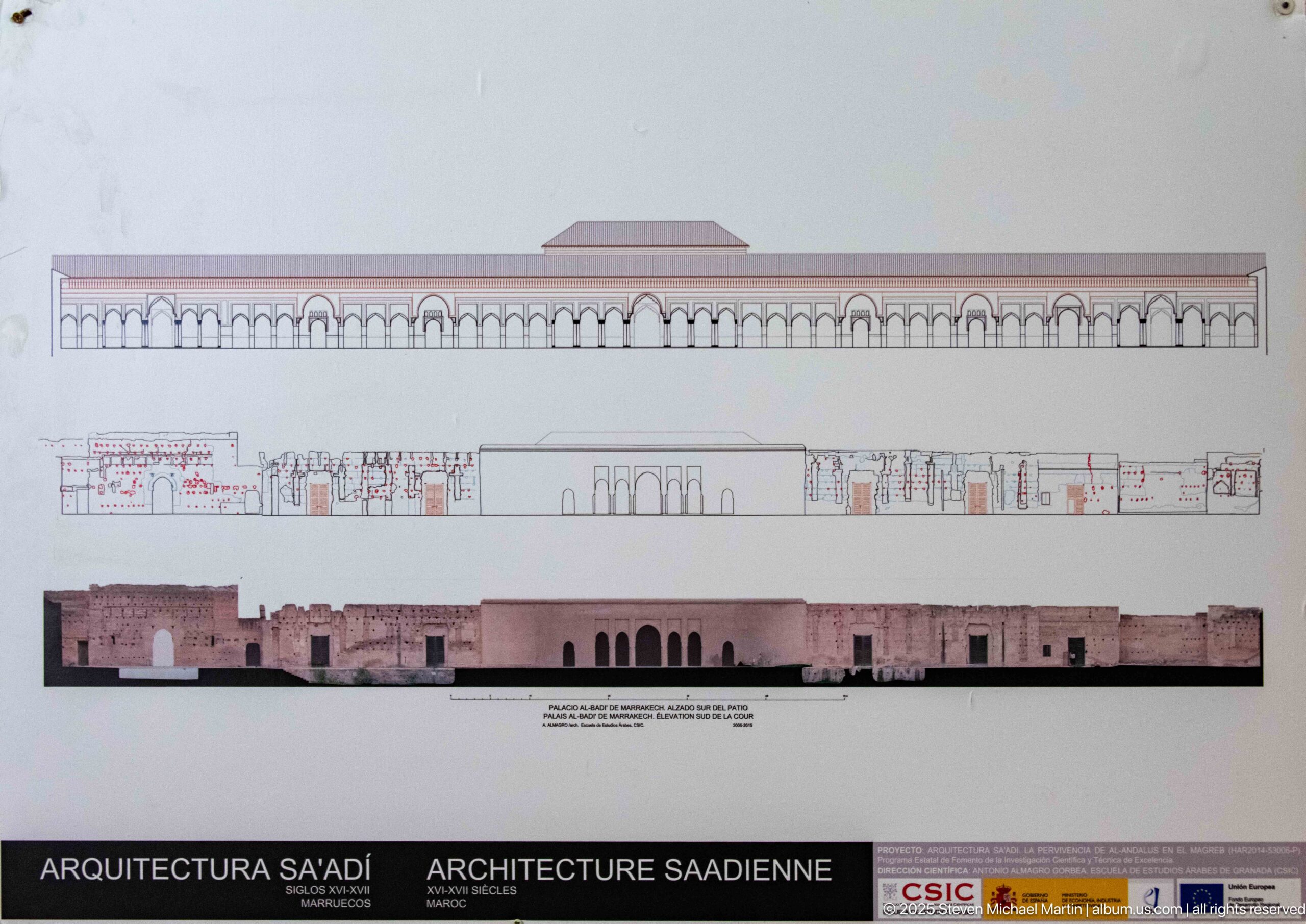
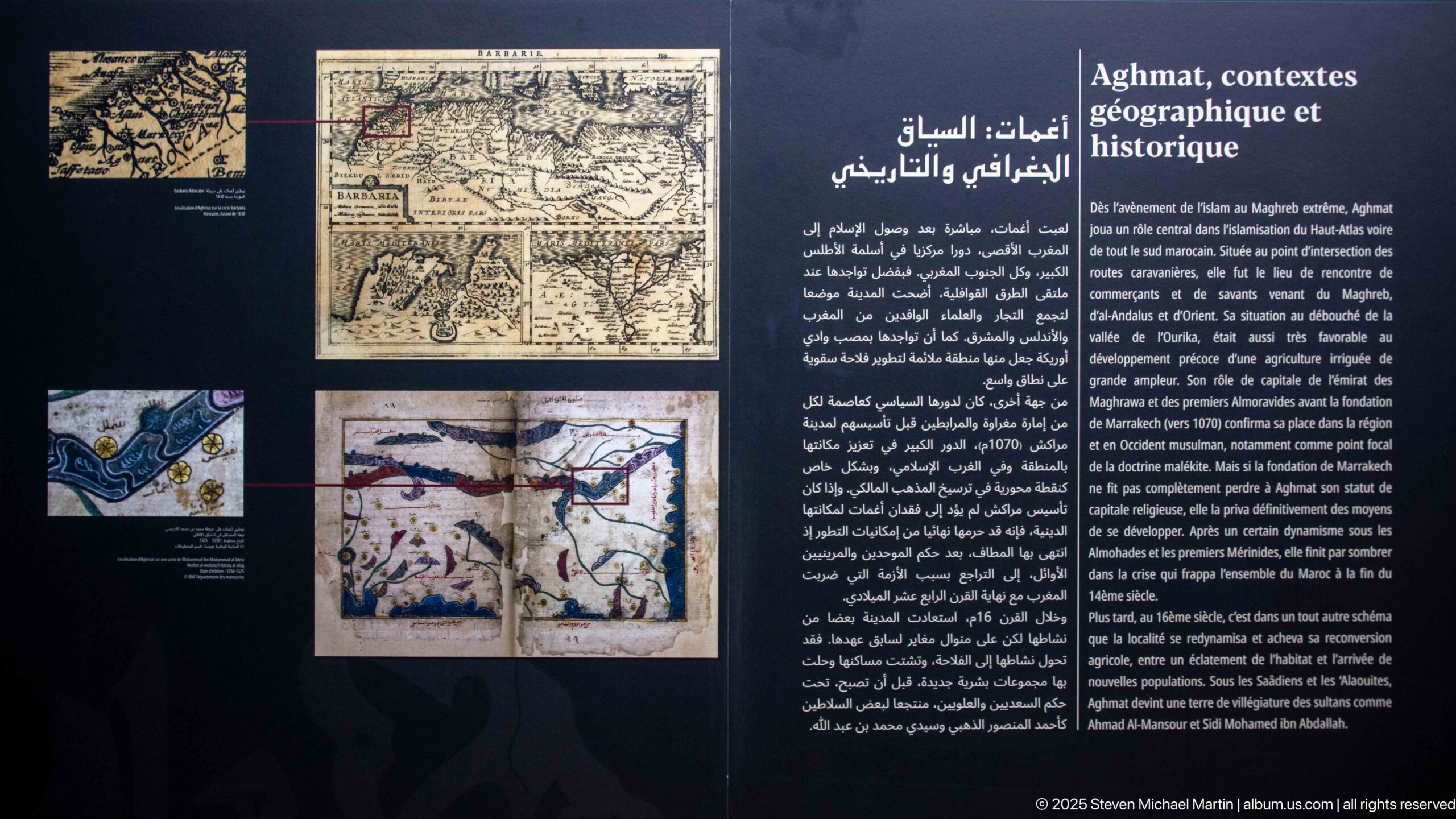
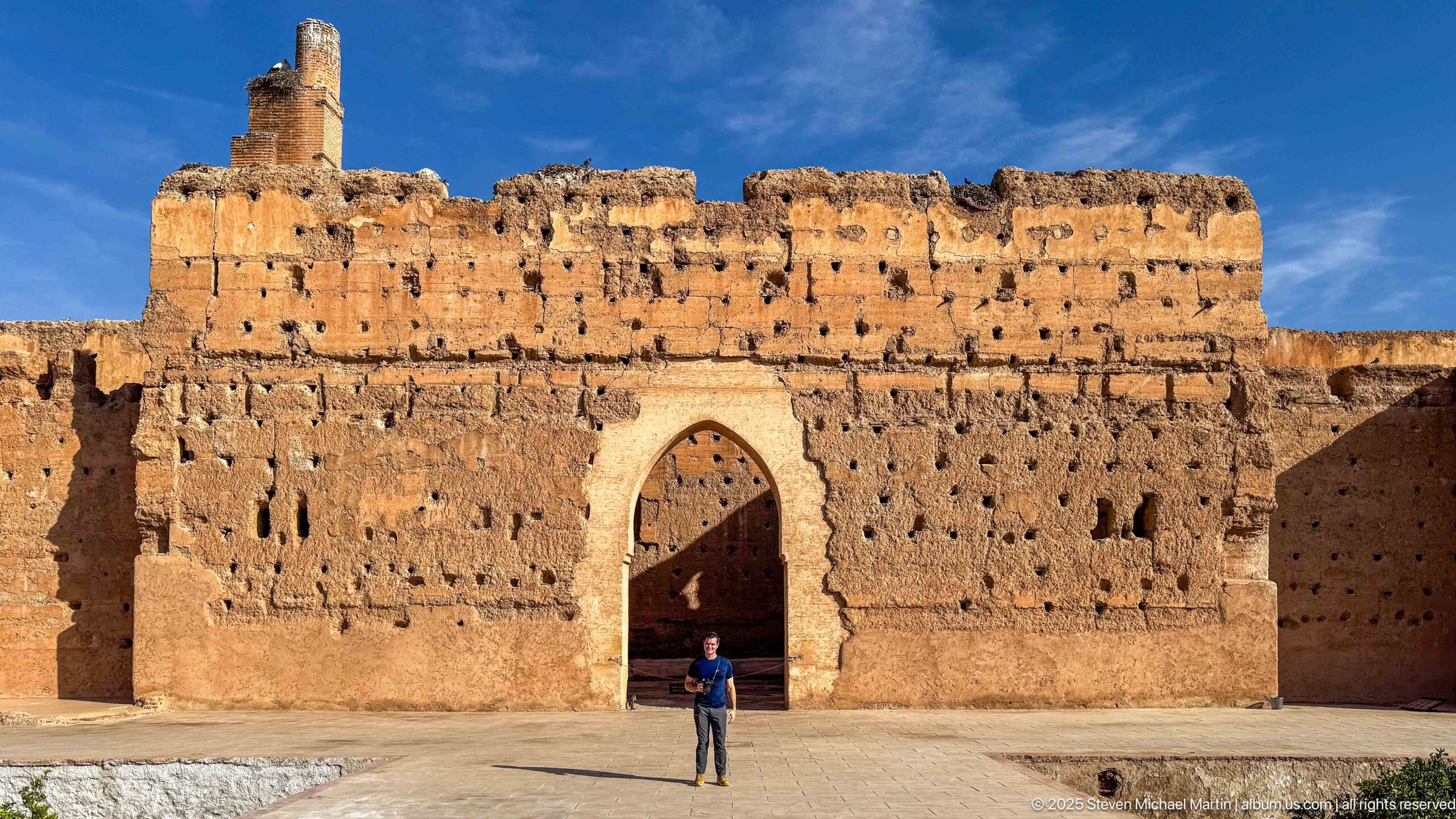
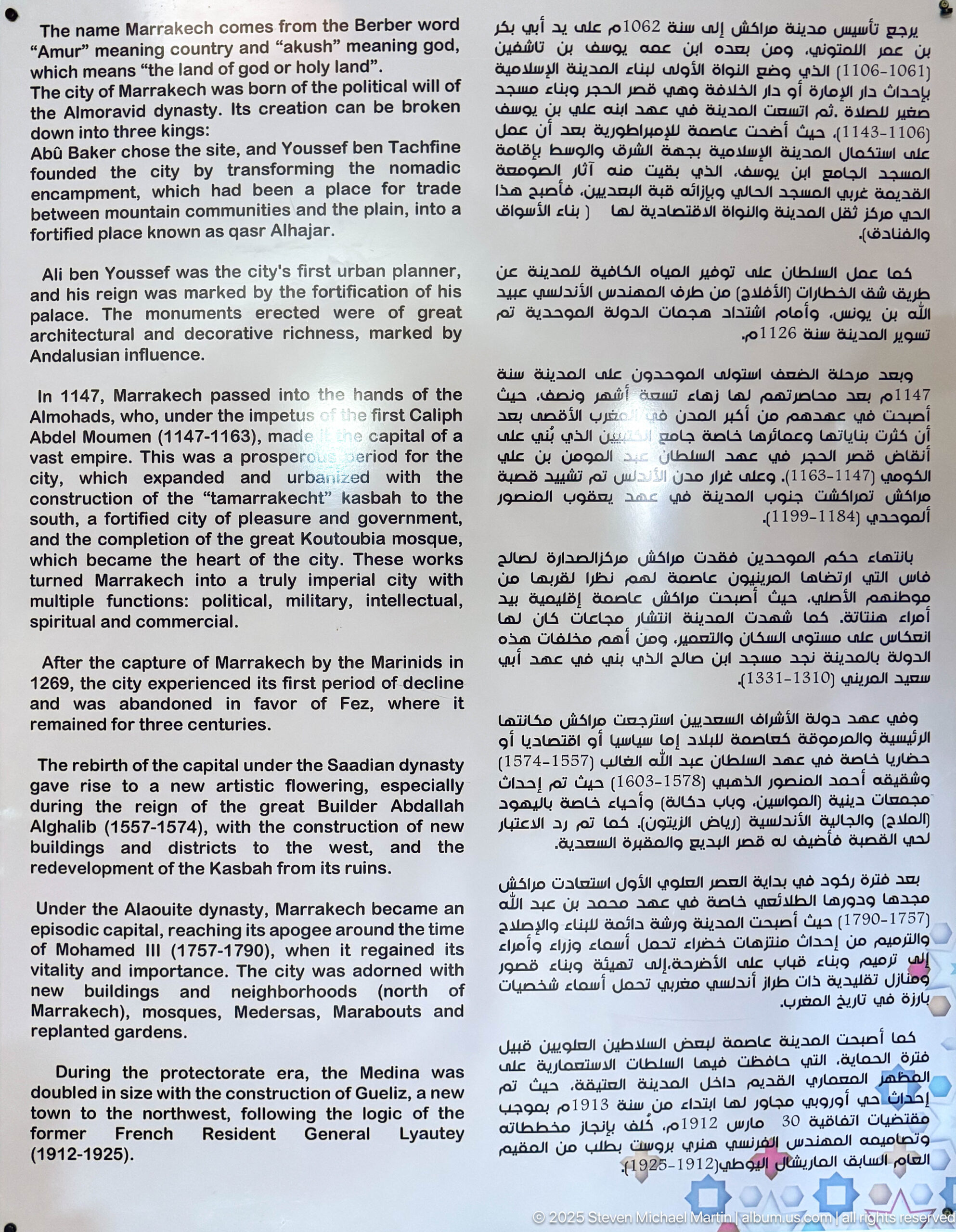
The ruins of El Badi Palace stand within the old city of Marrakech and once formed one of the most magnificent palaces in Morocco. The palace was constructed in the late 16th century by Sultan Ahmad al-Mansur to celebrate his victory over the Portuguese in the Battle of the Three Kings.
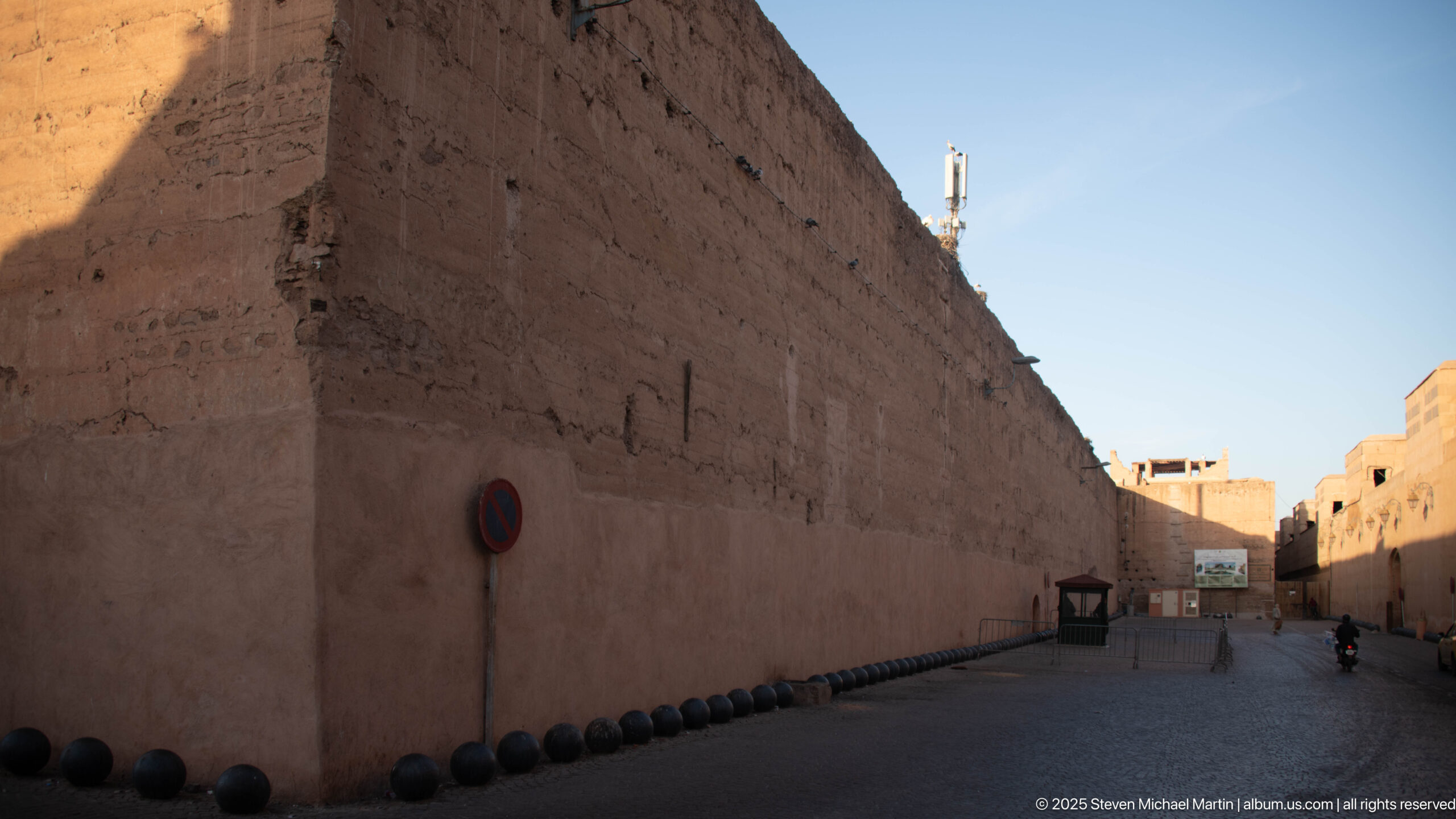
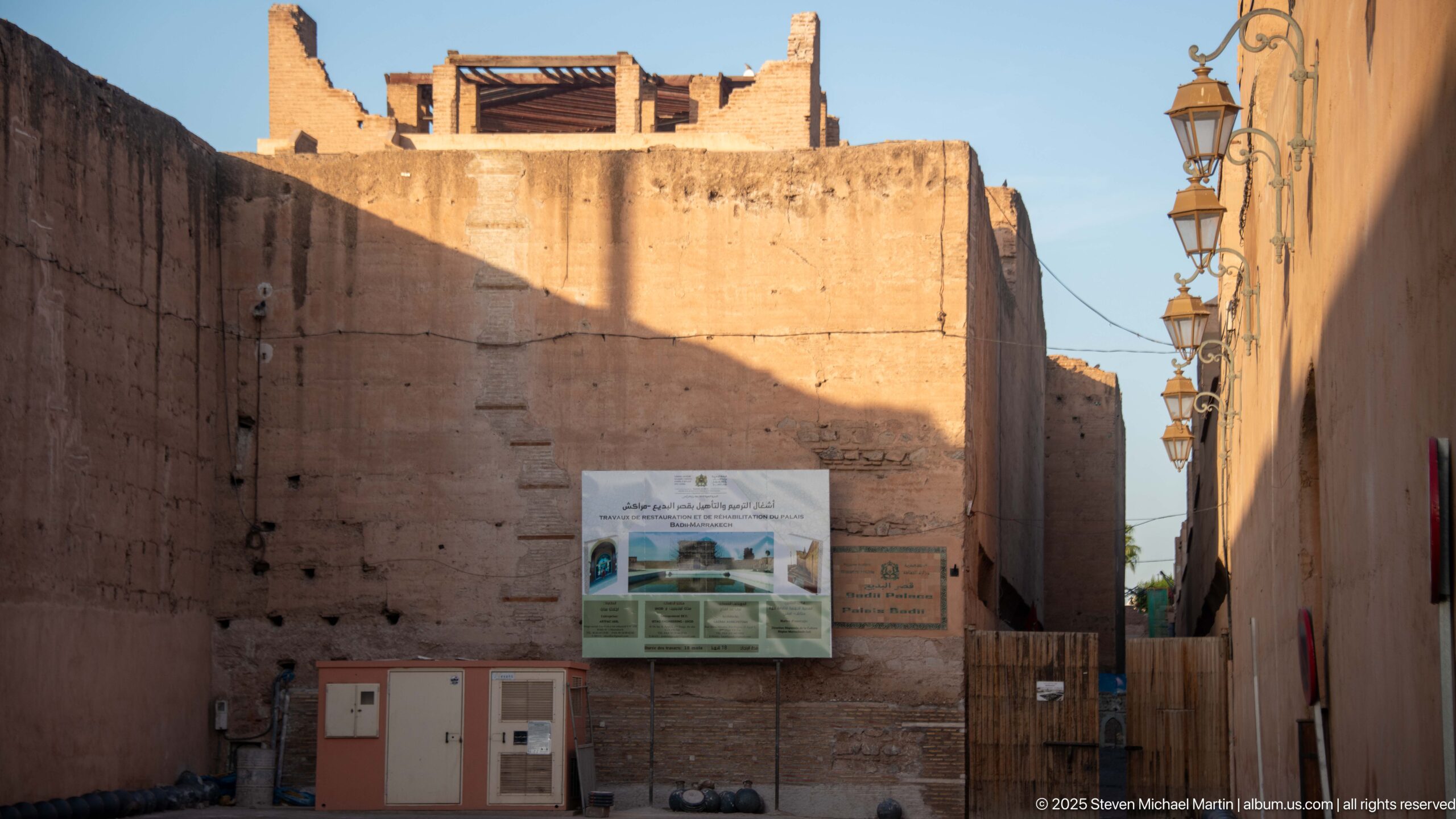
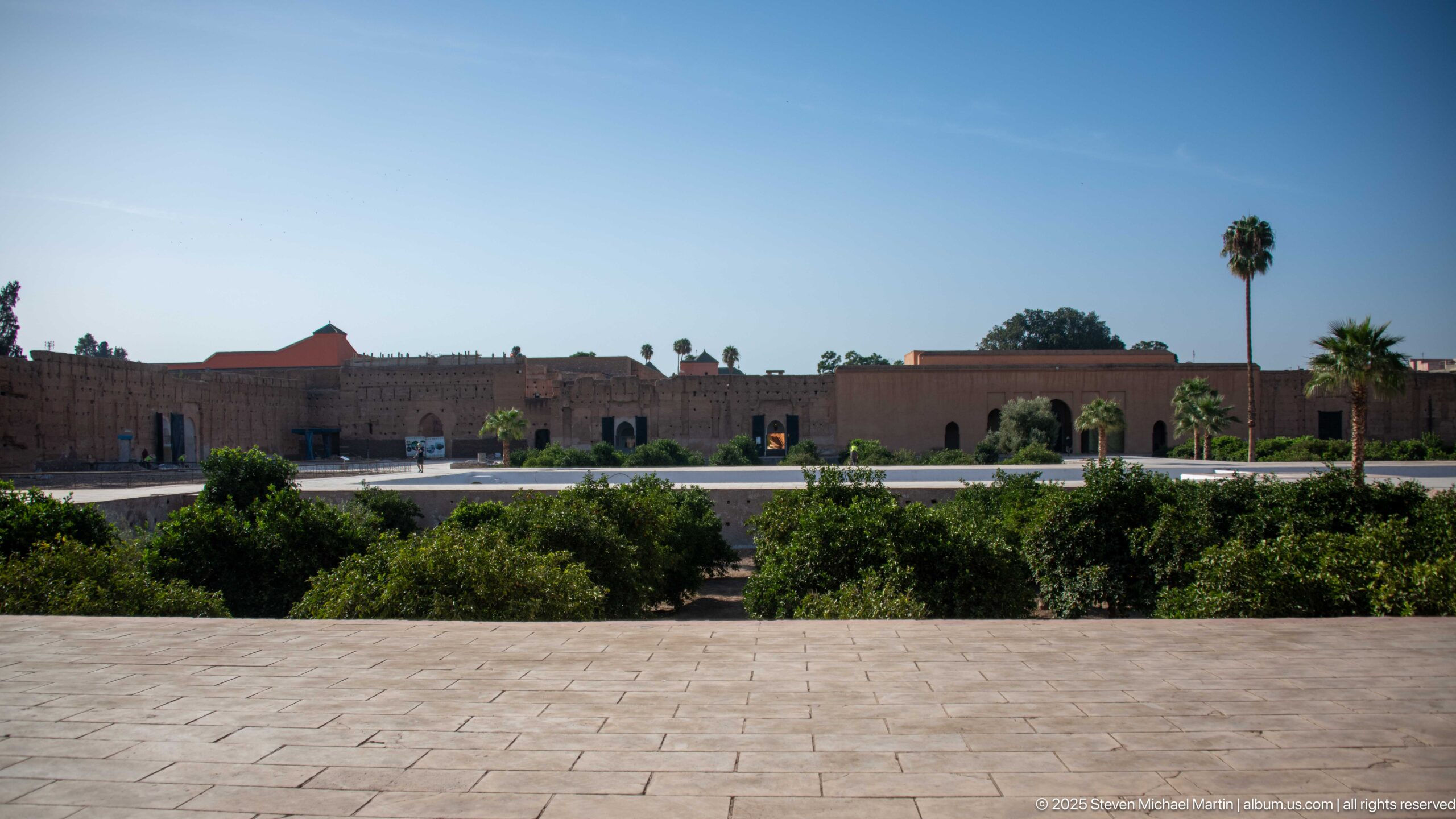
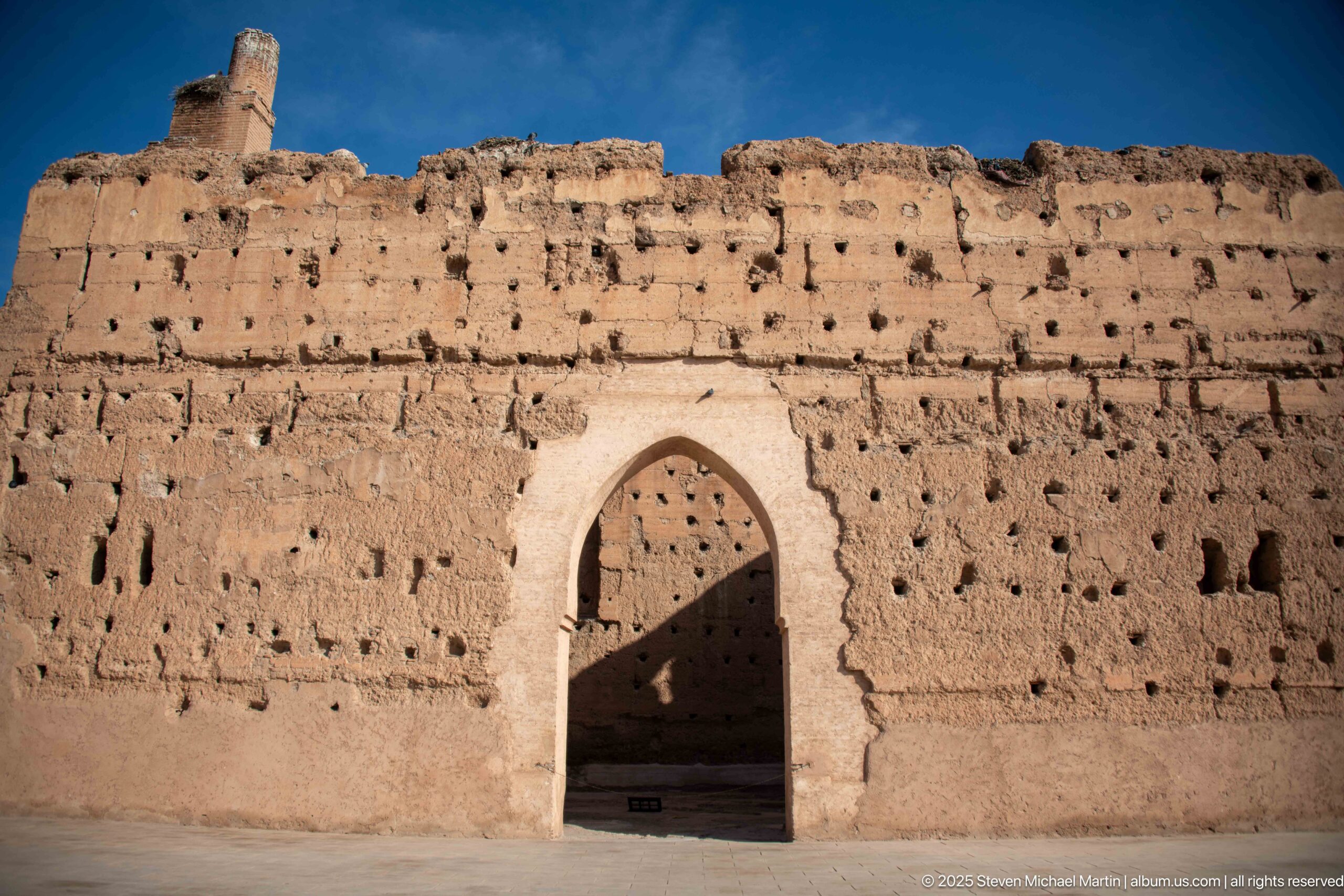
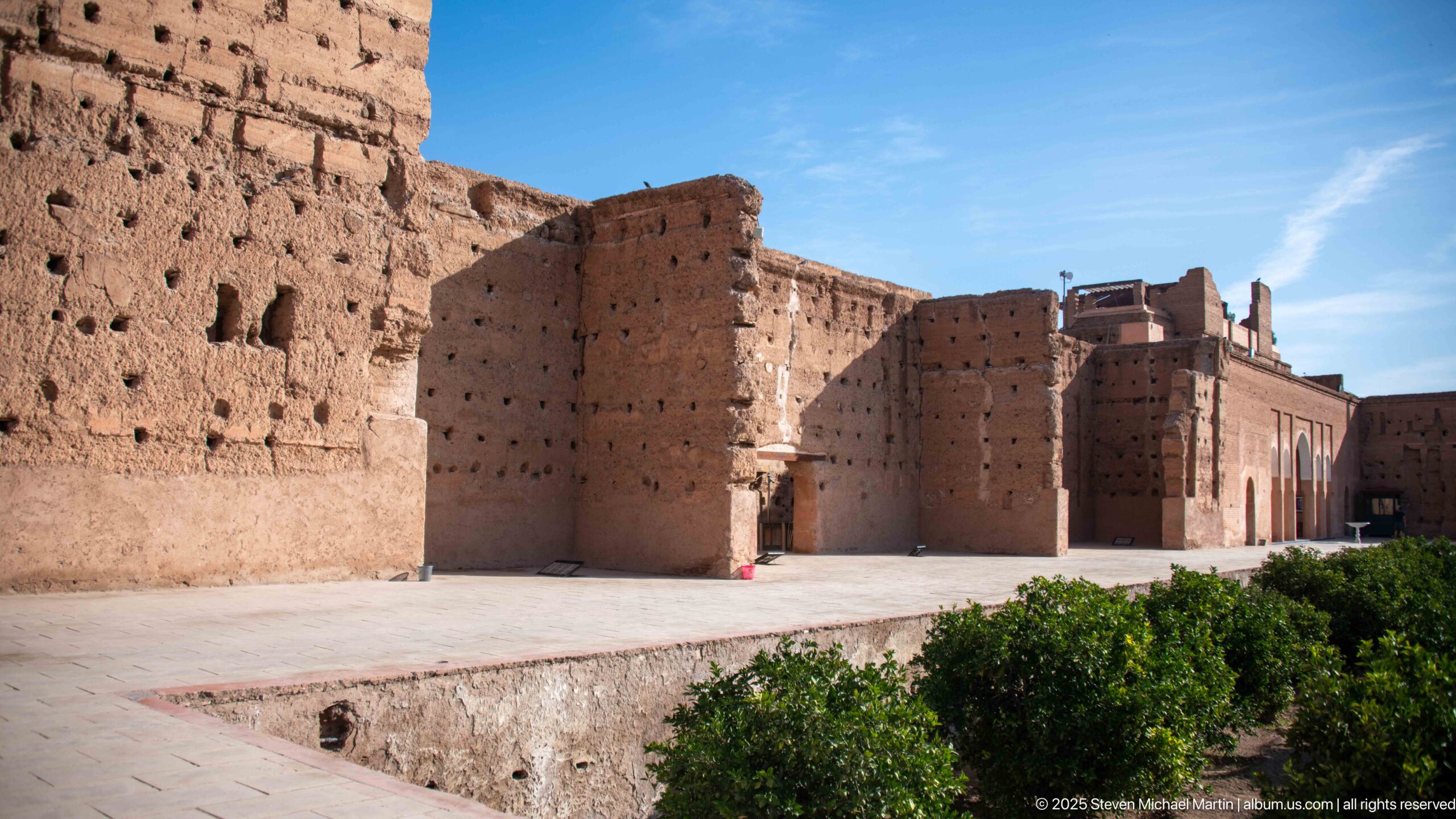
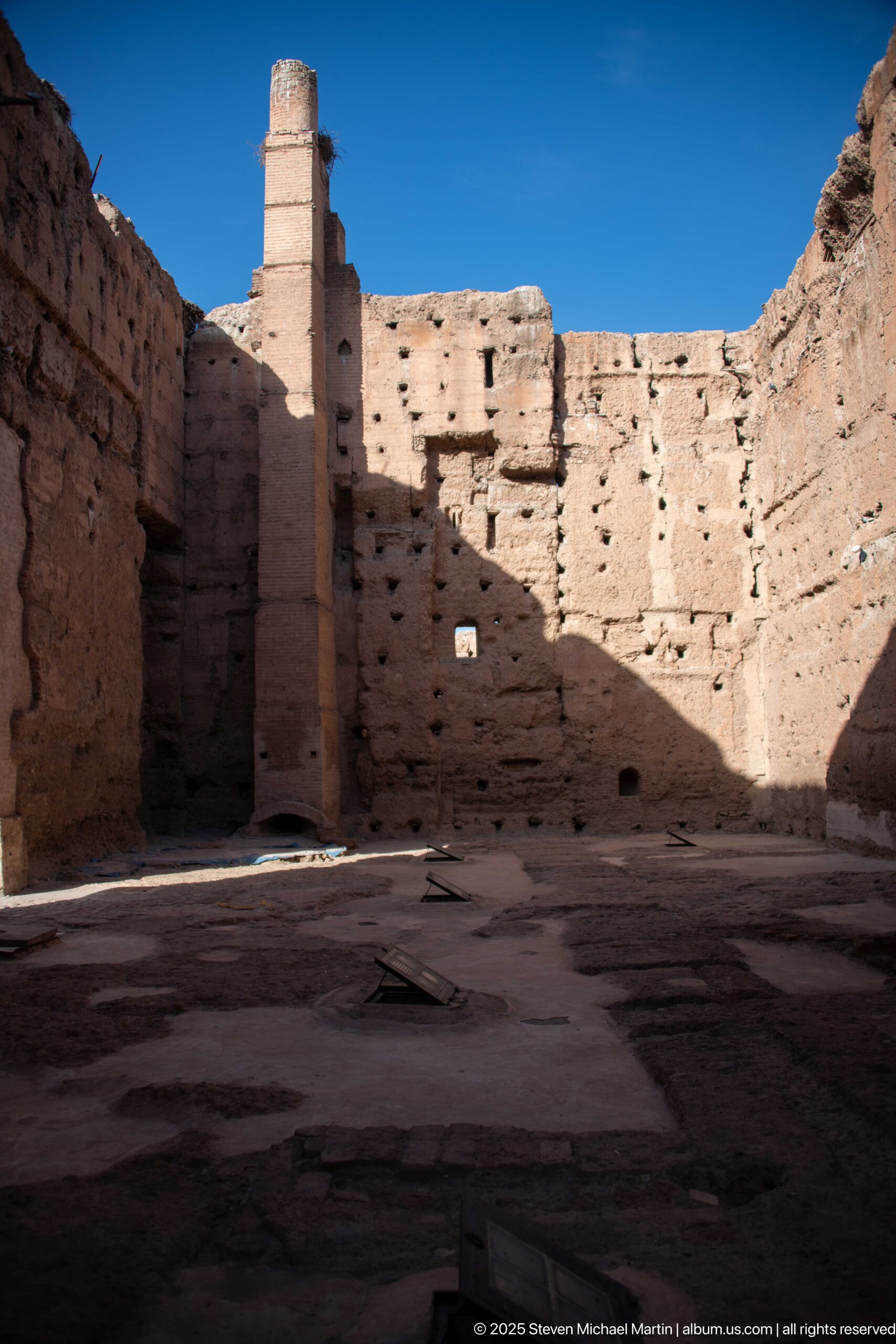
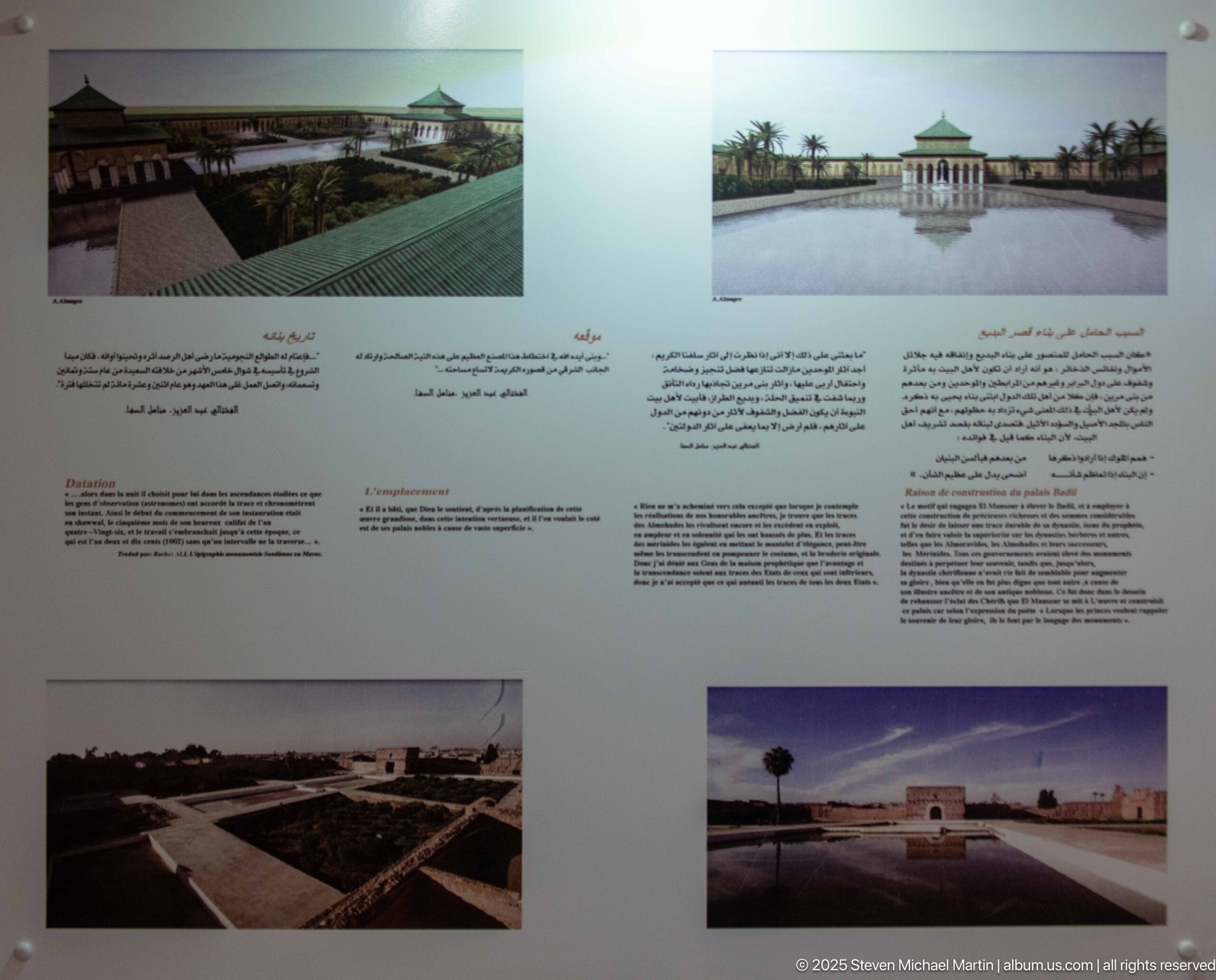
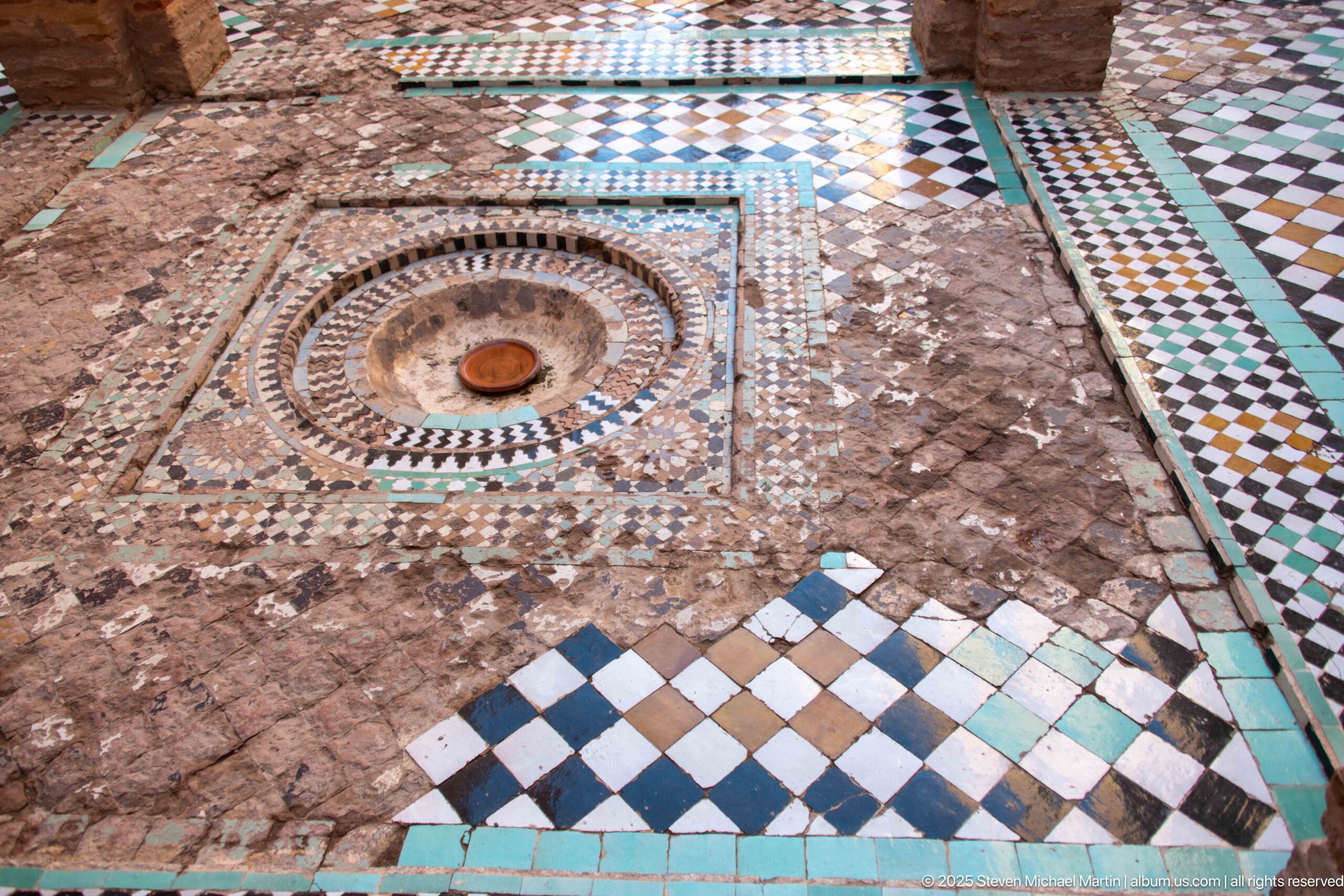
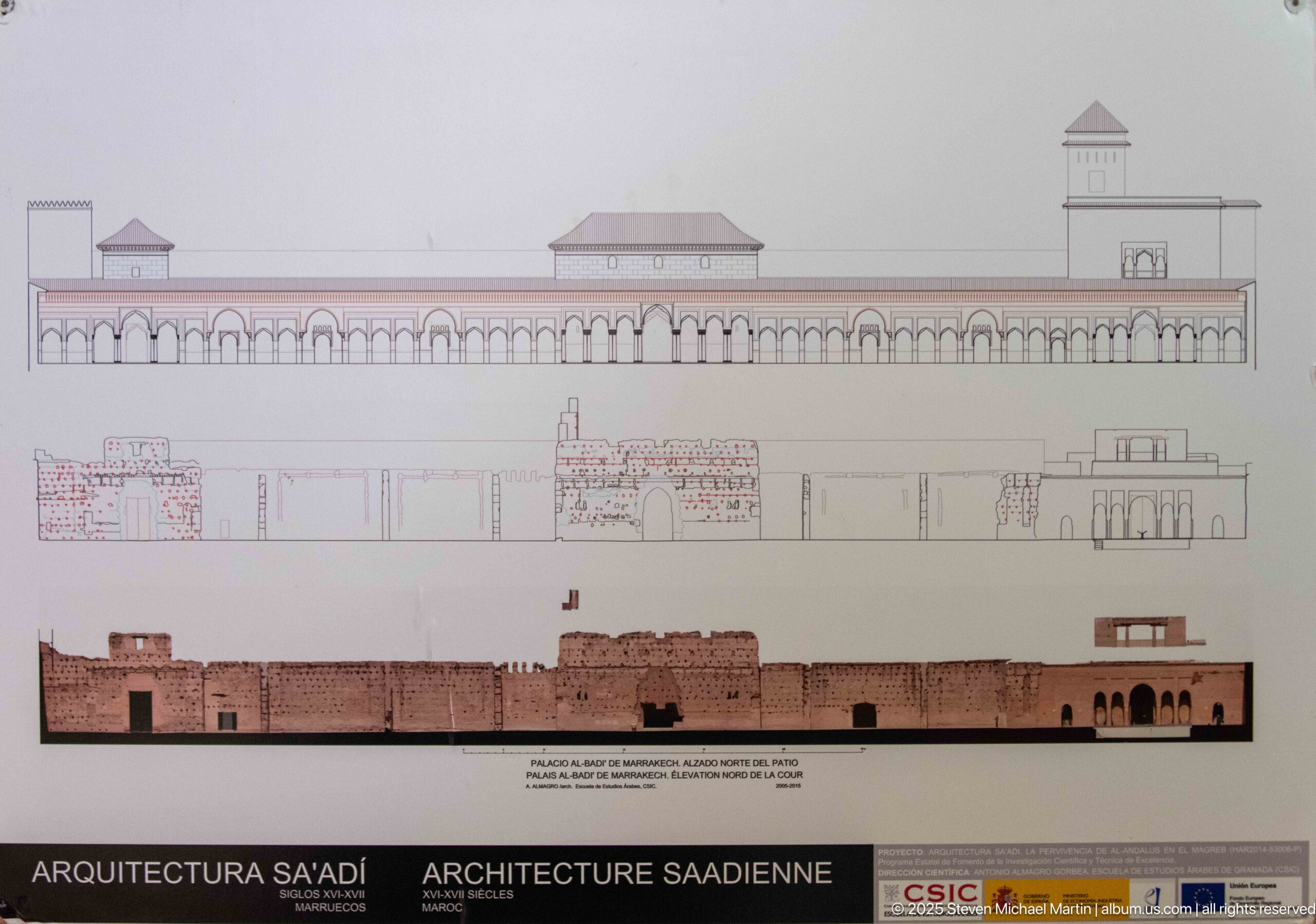
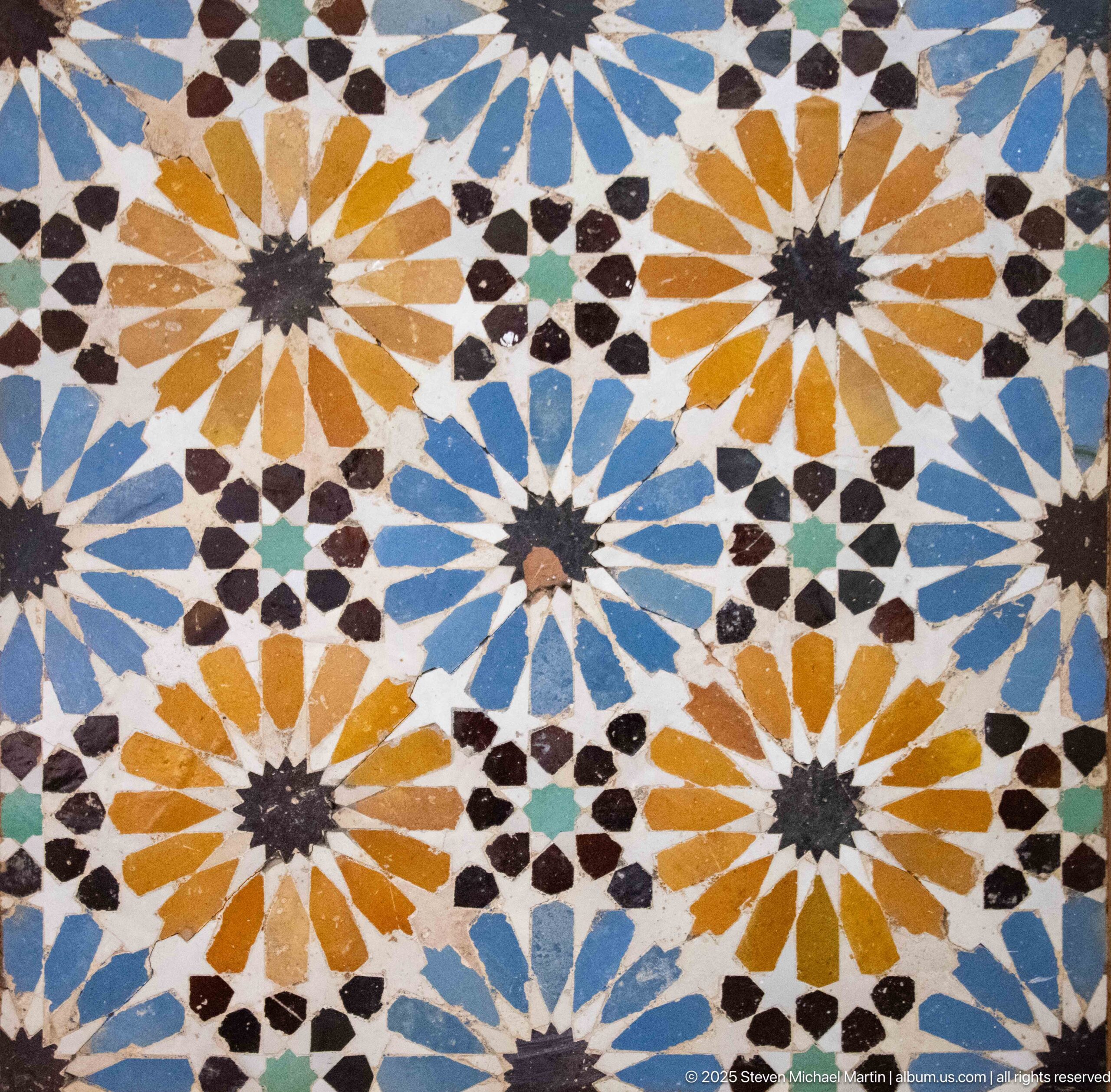
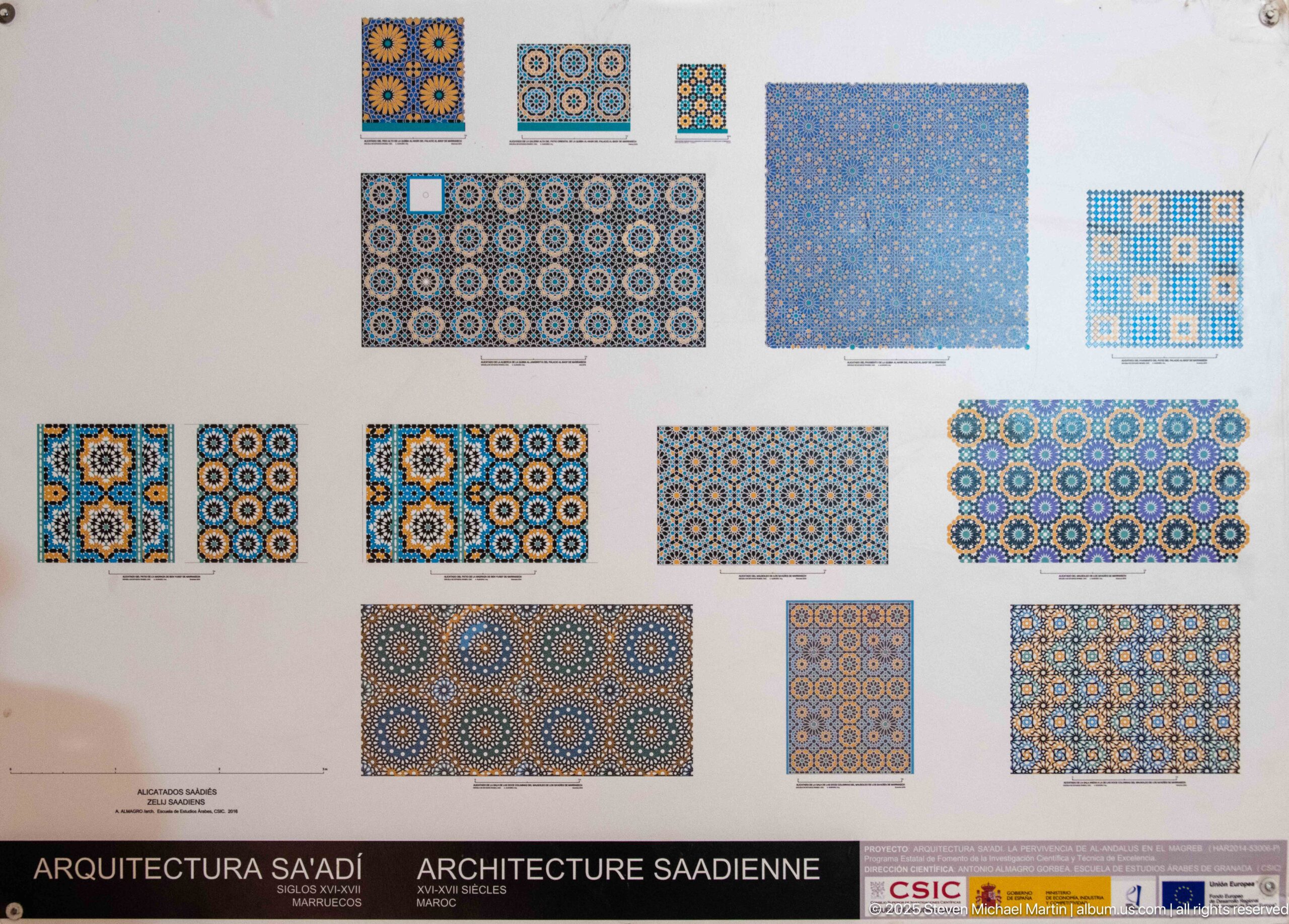
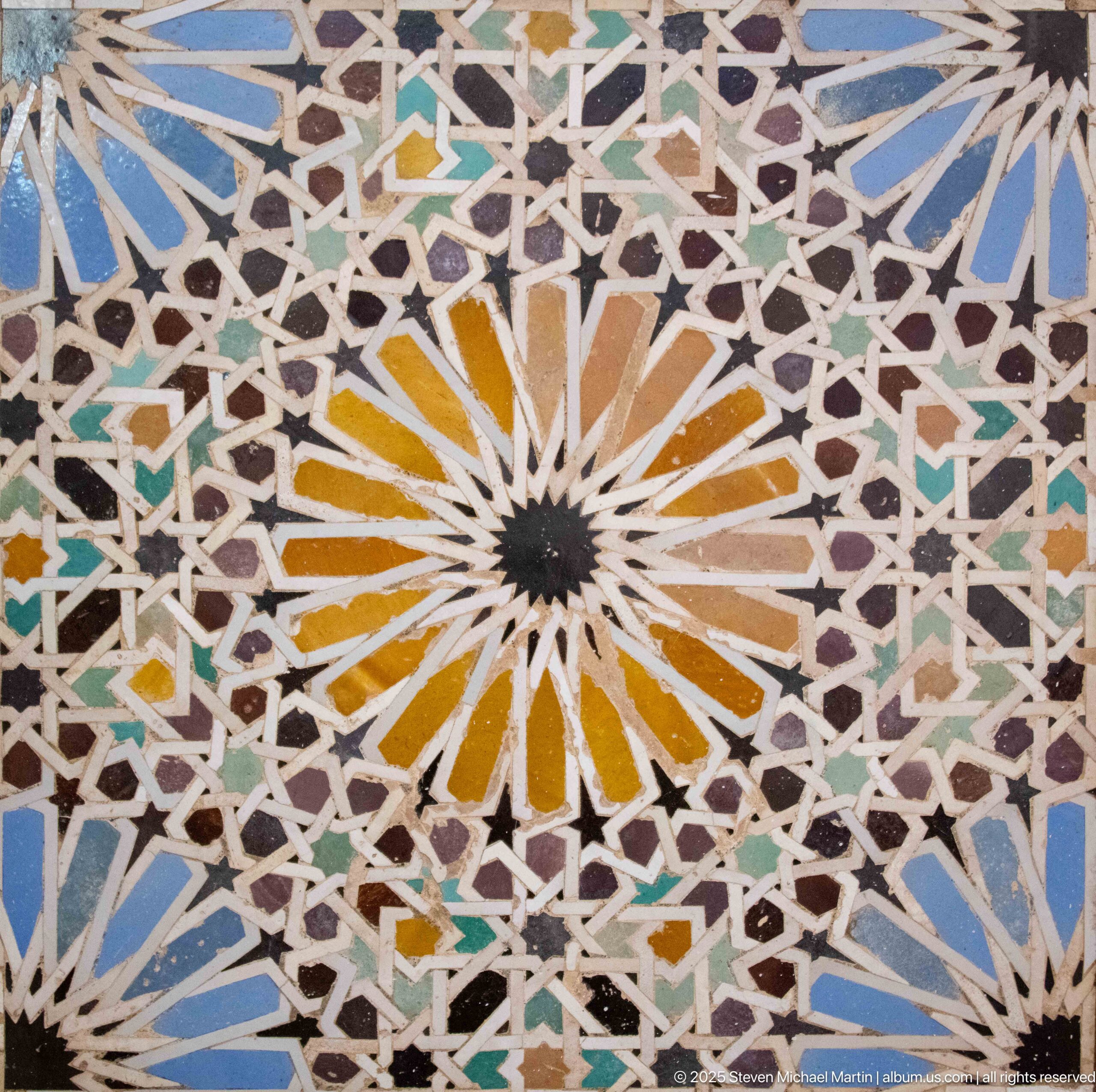
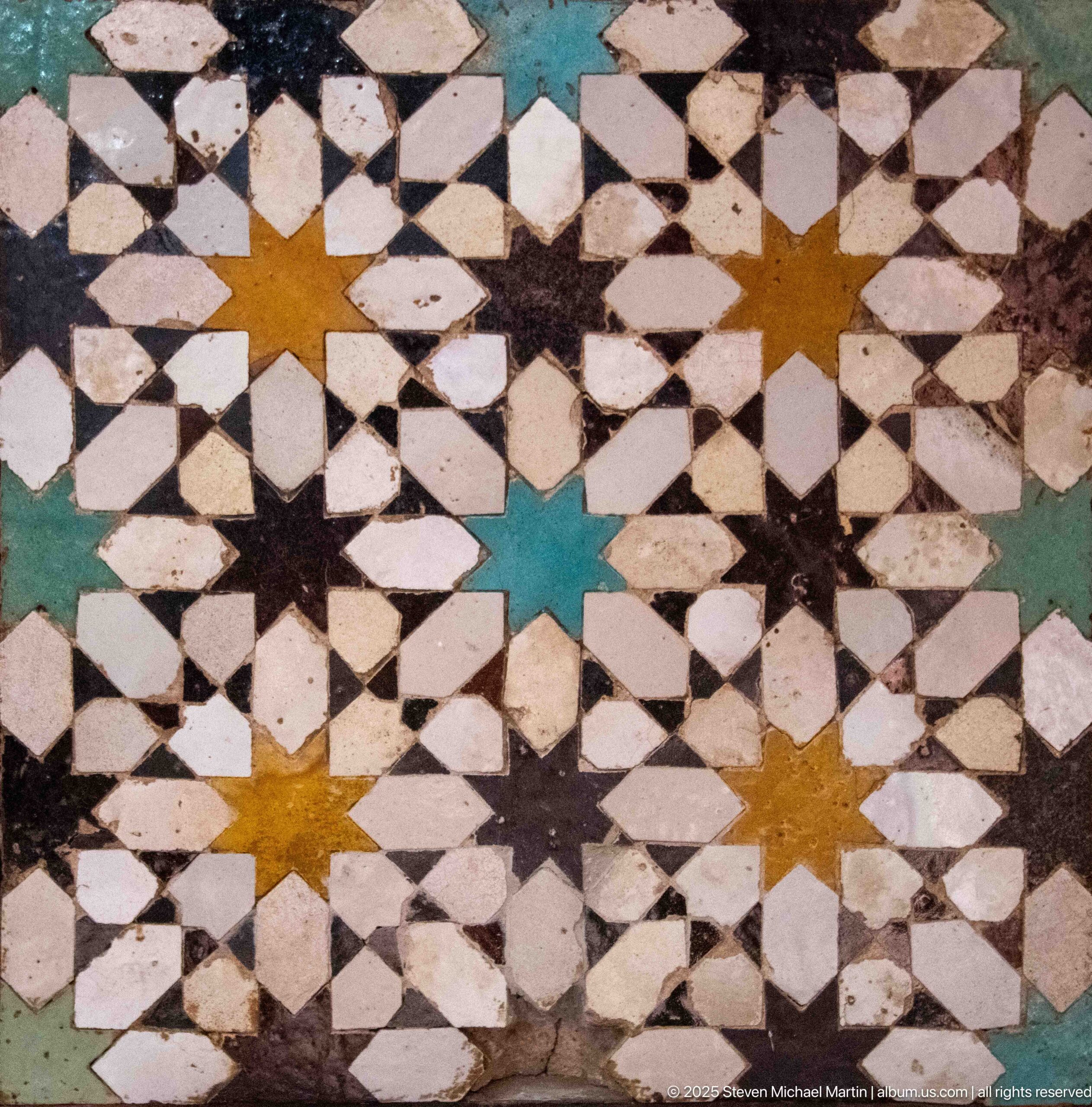
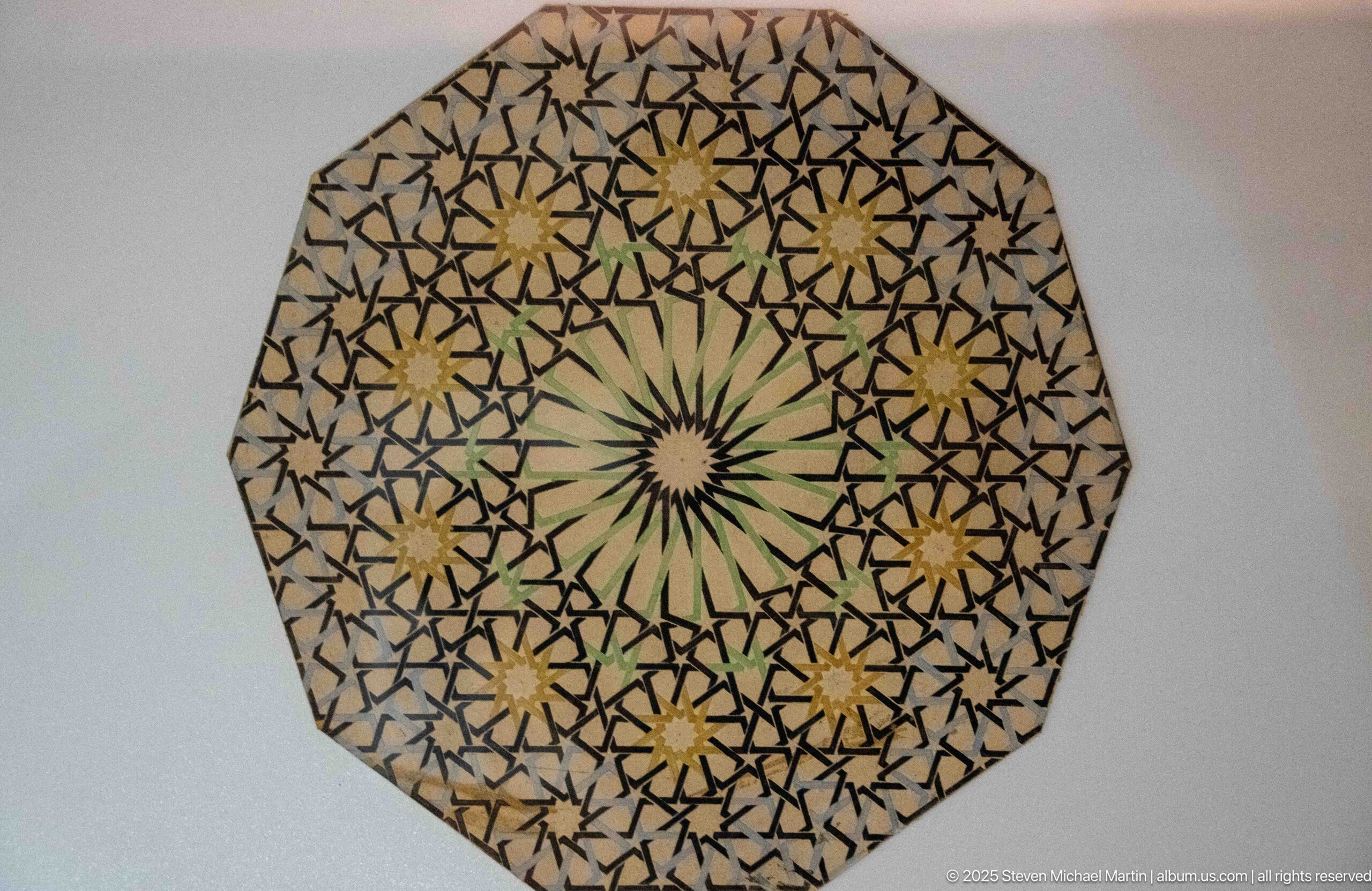
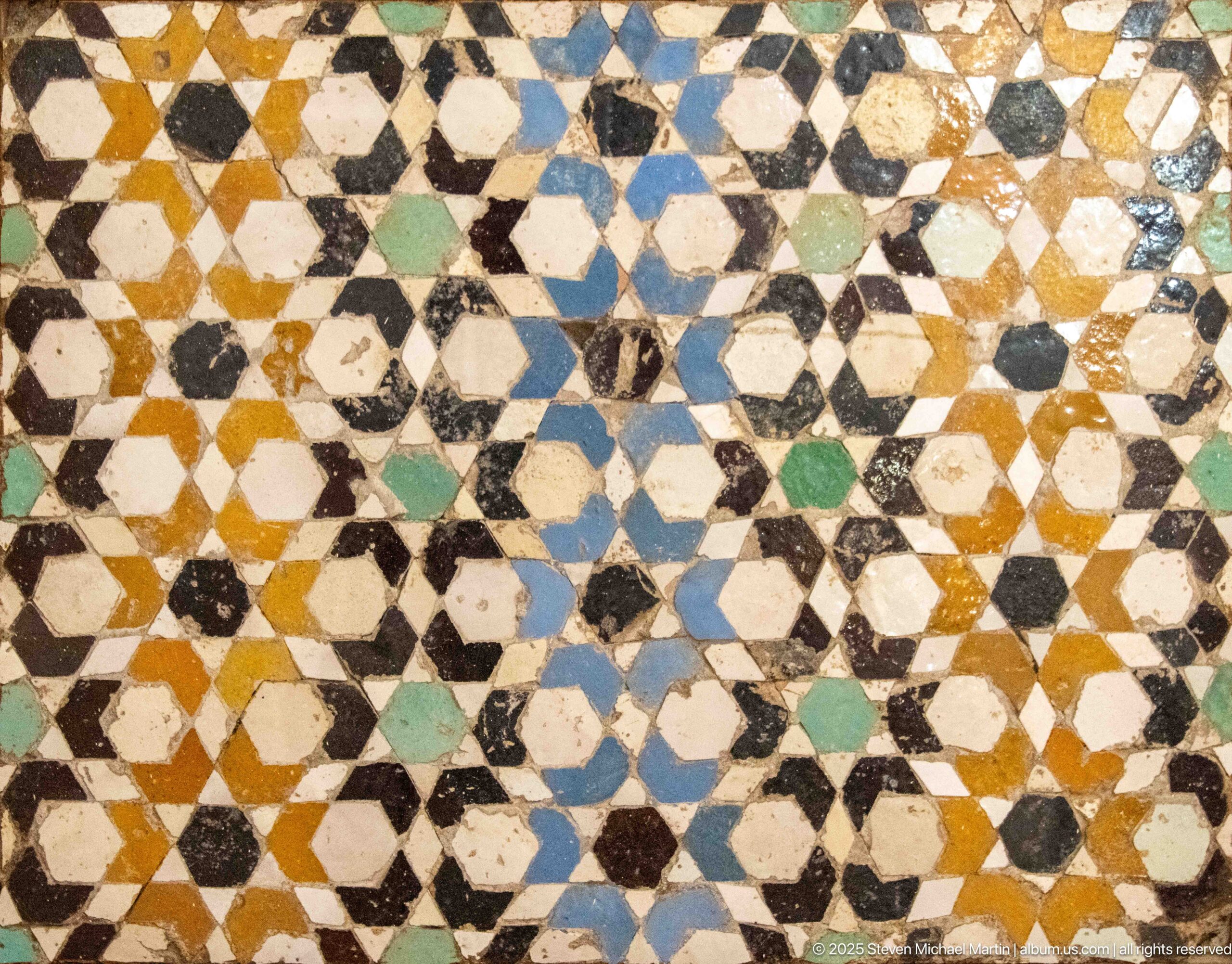
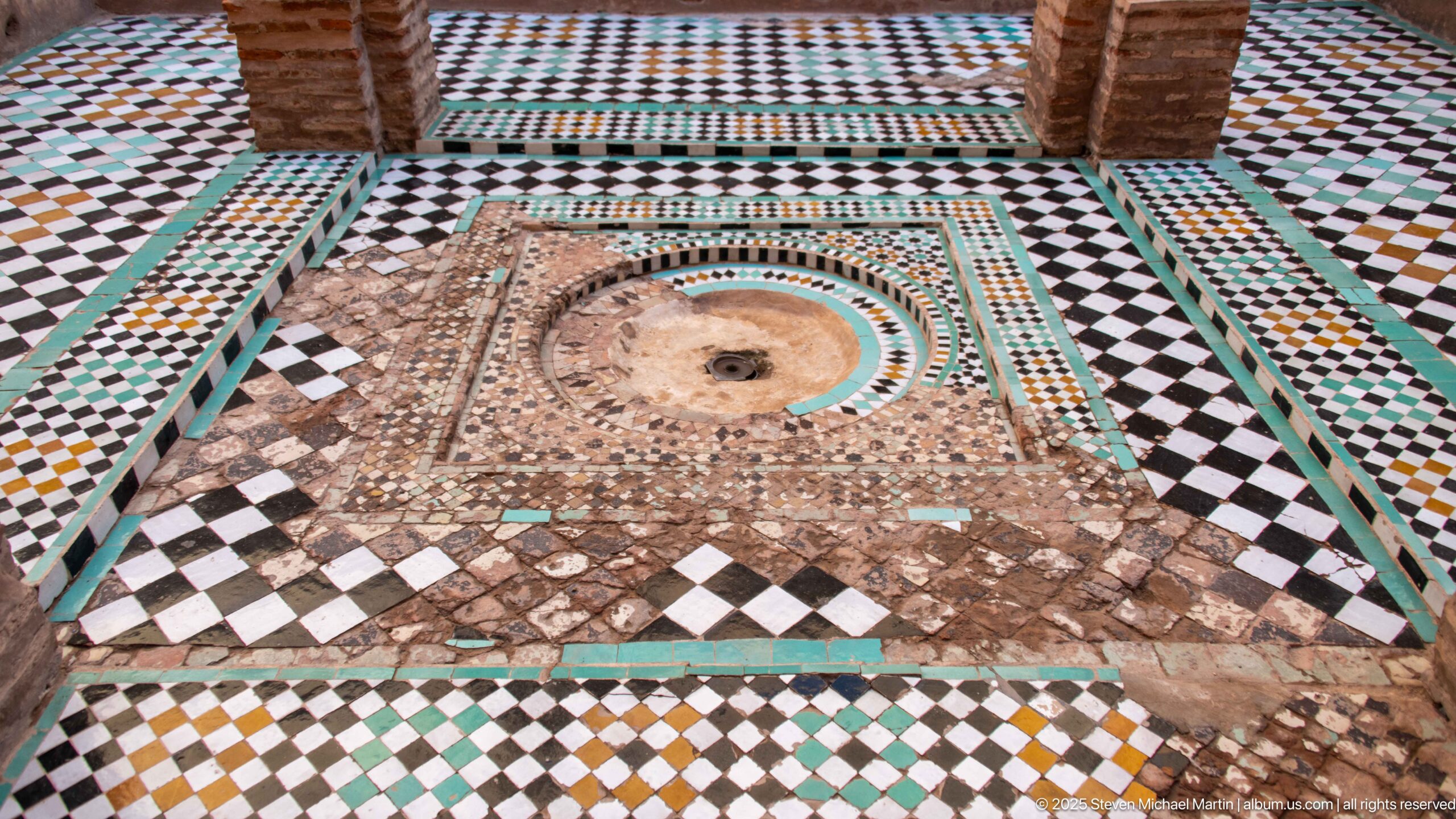
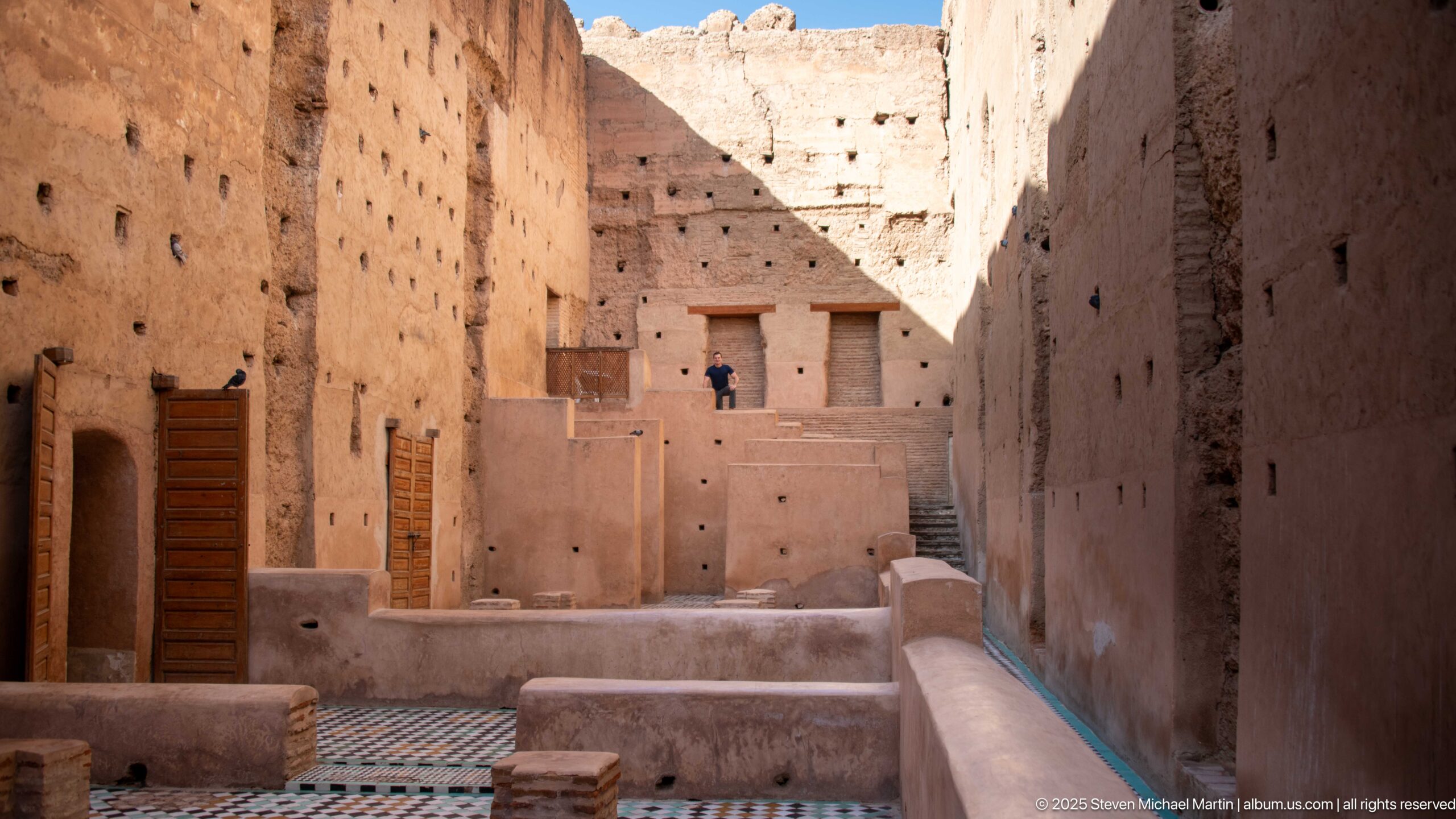
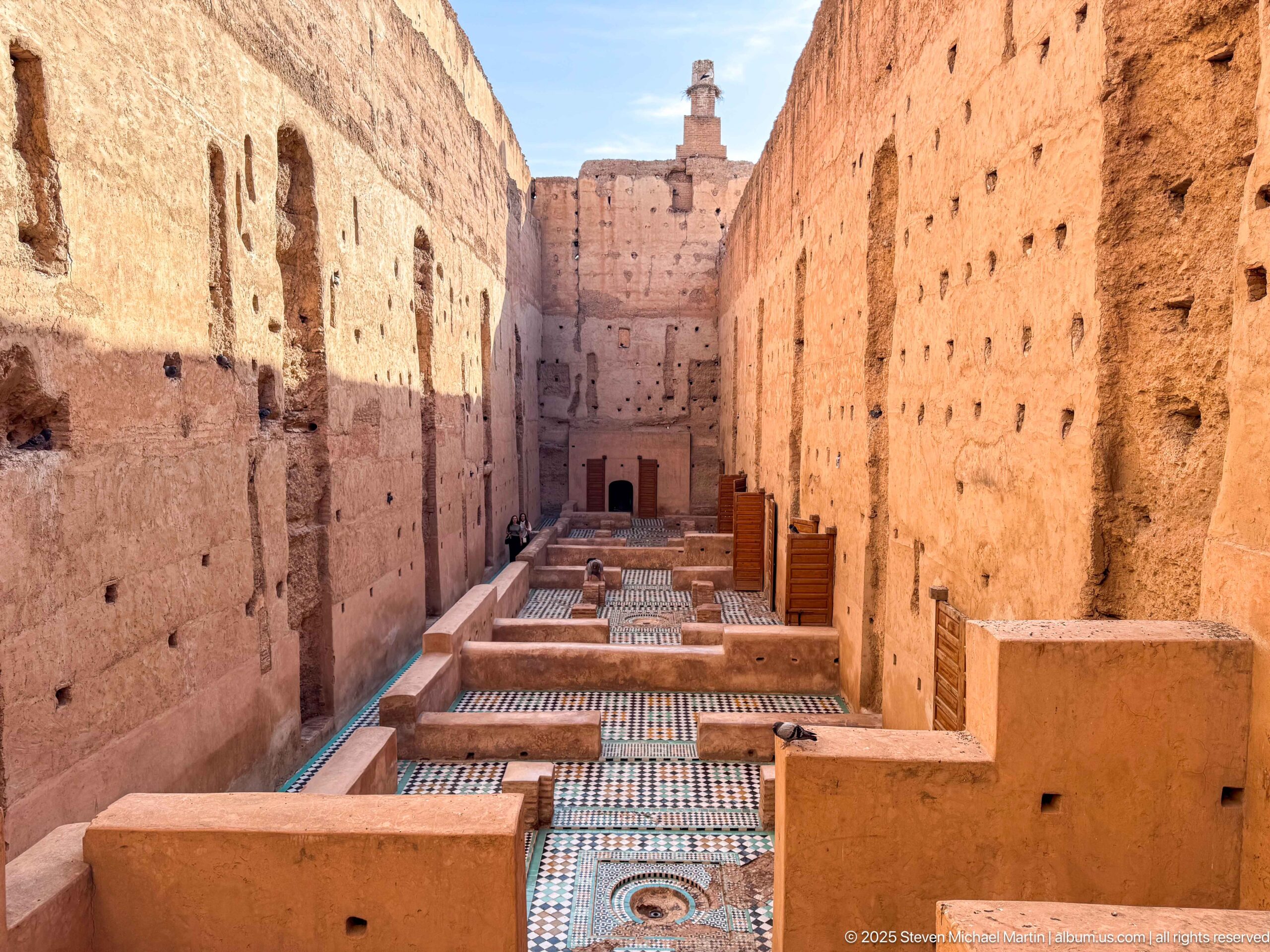
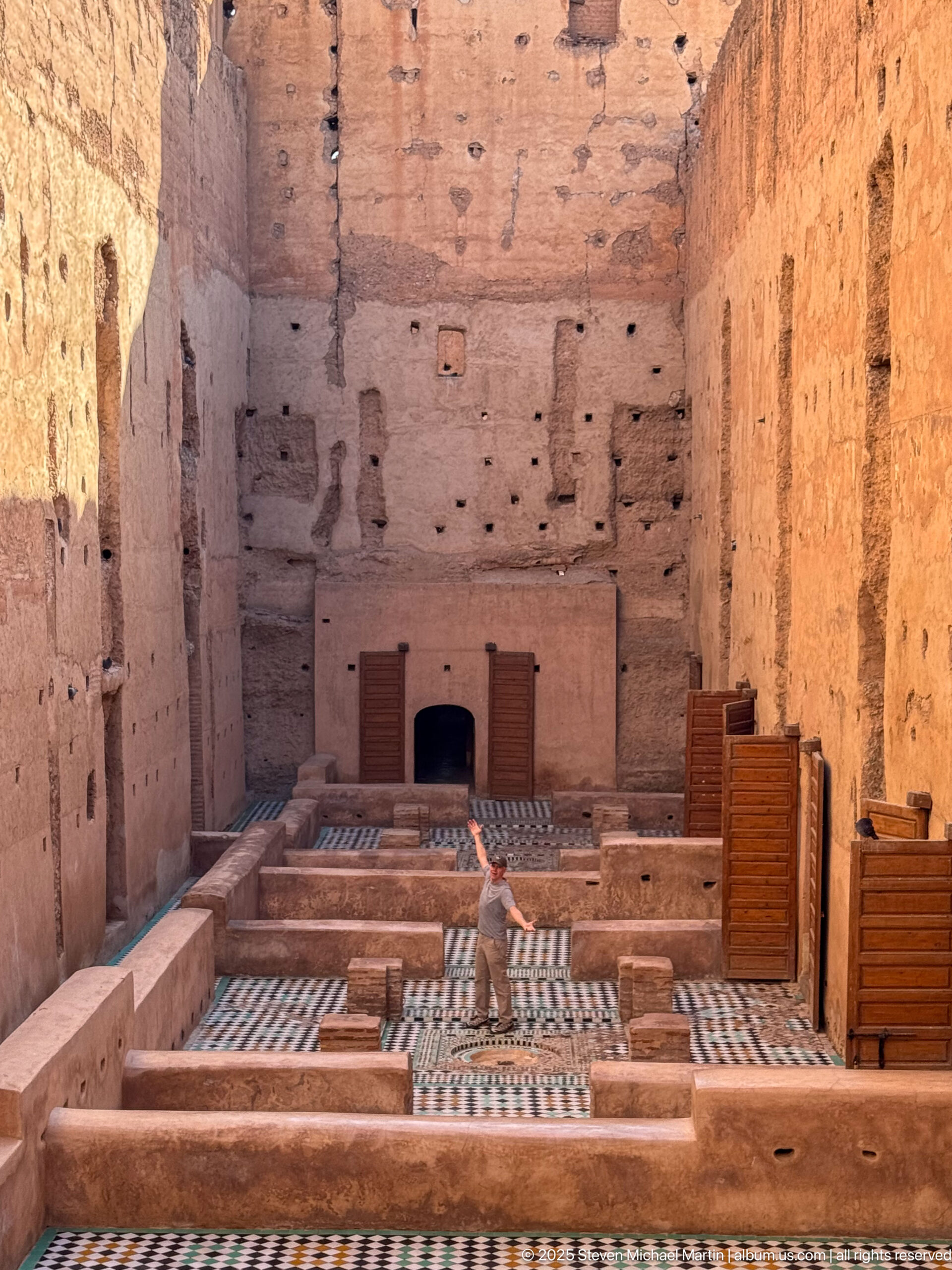
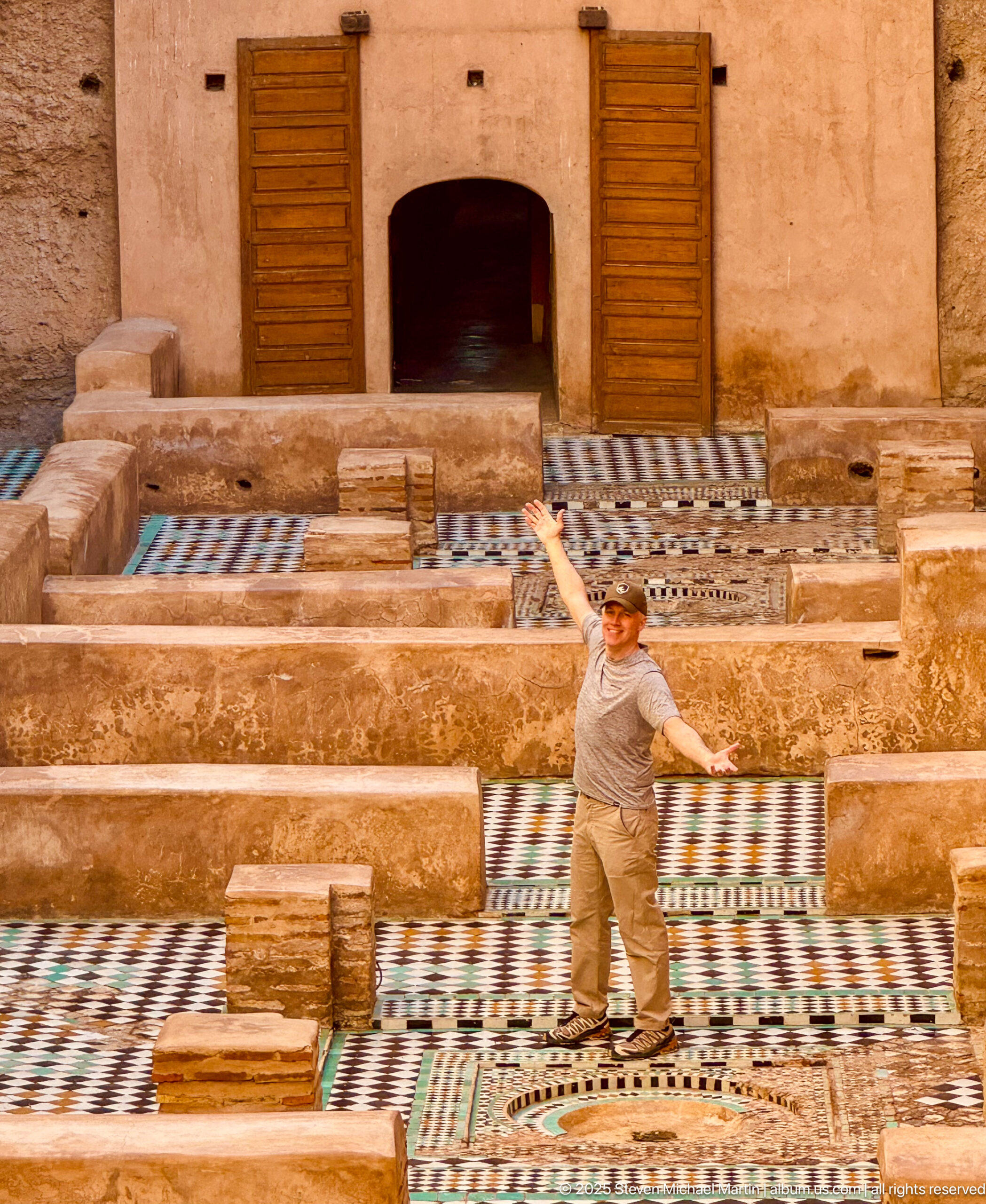
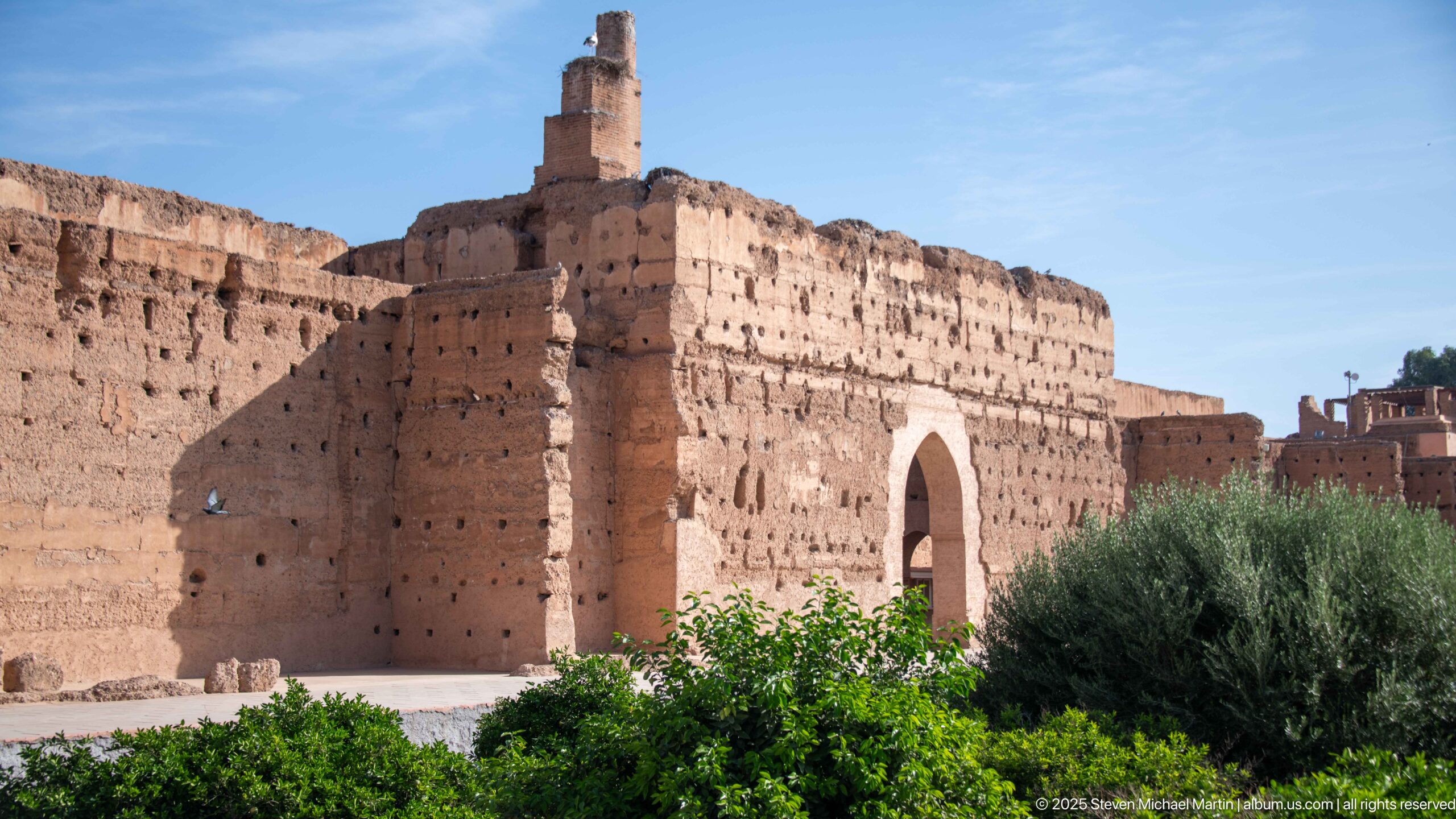
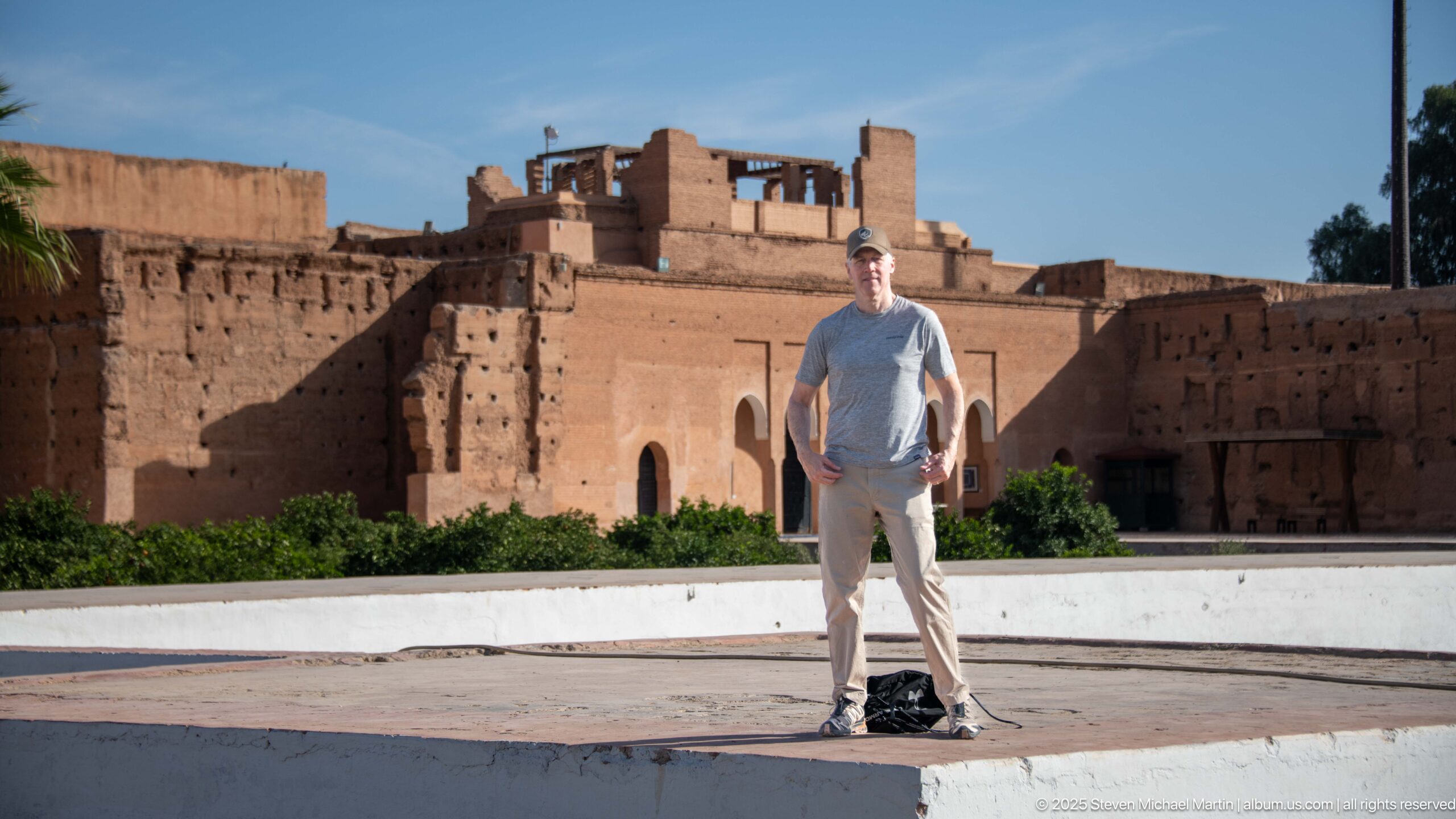
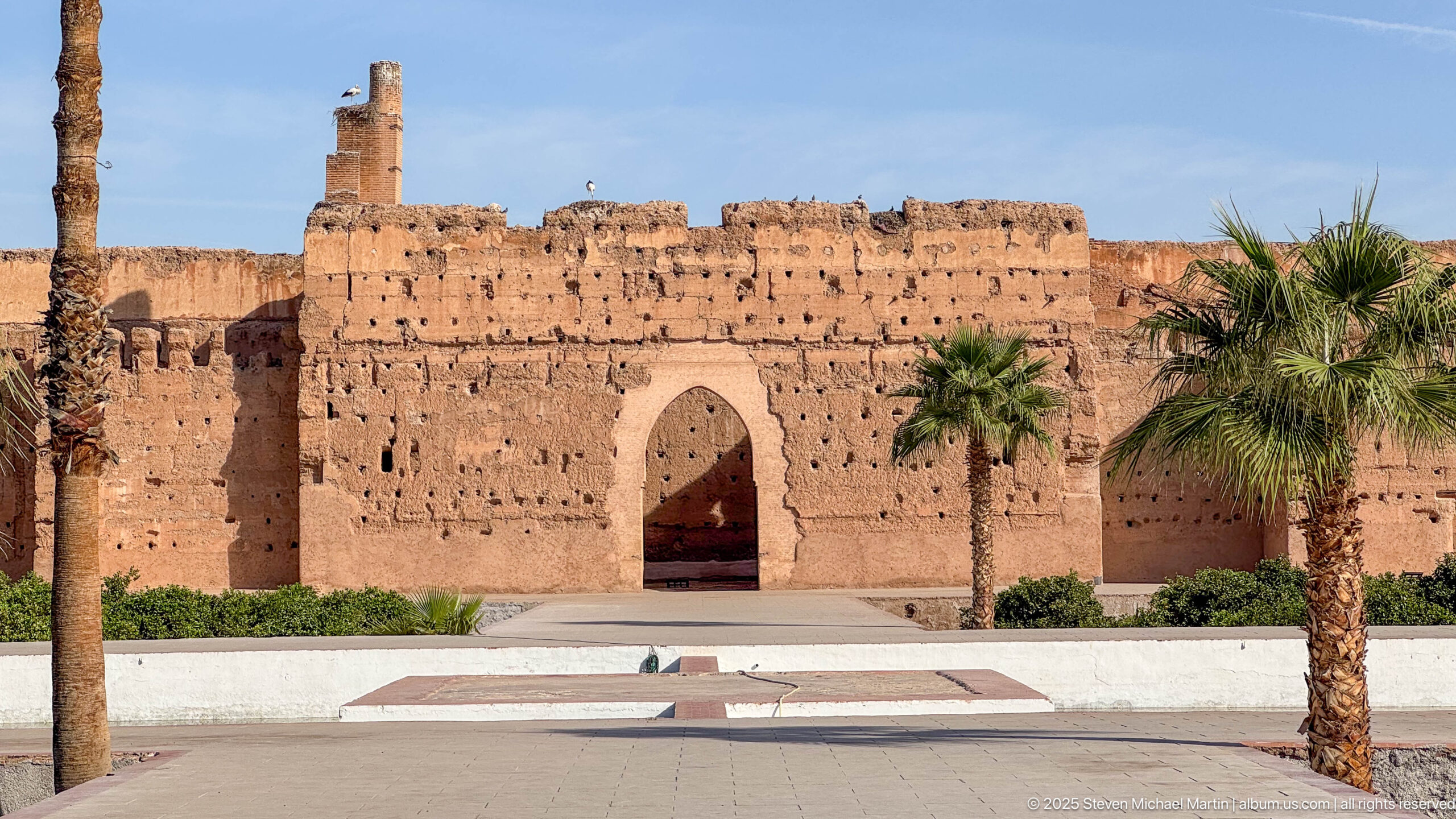
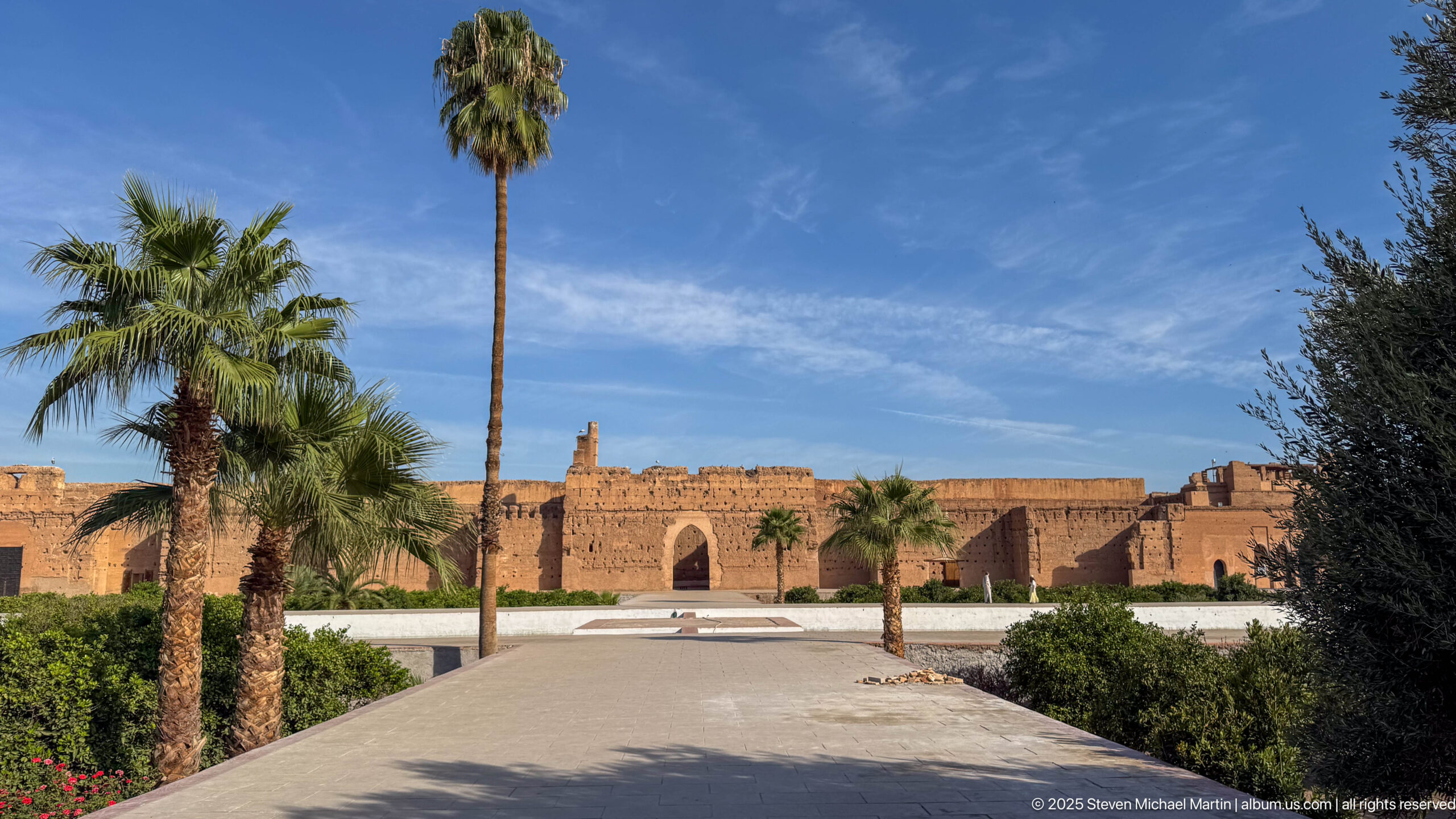
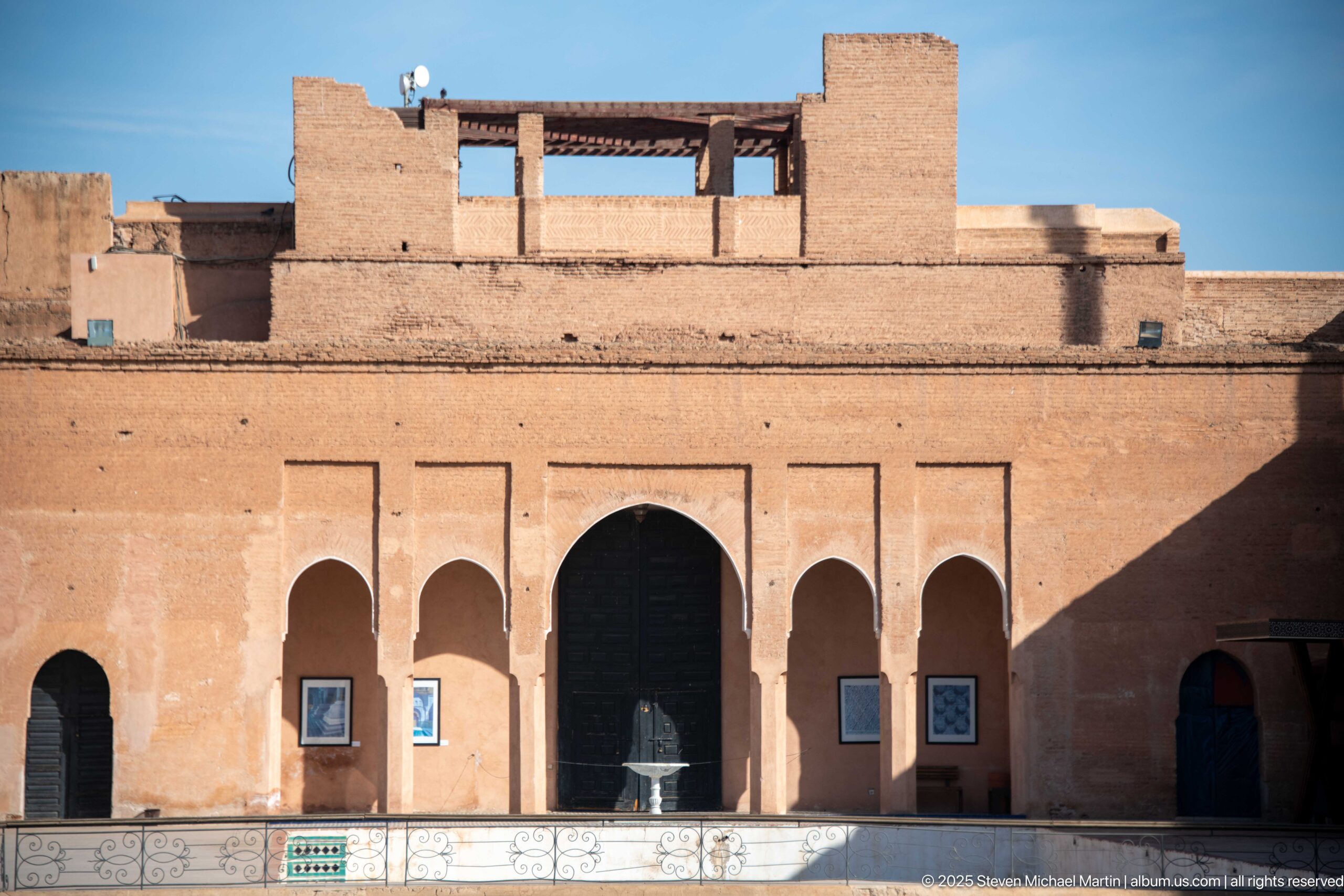
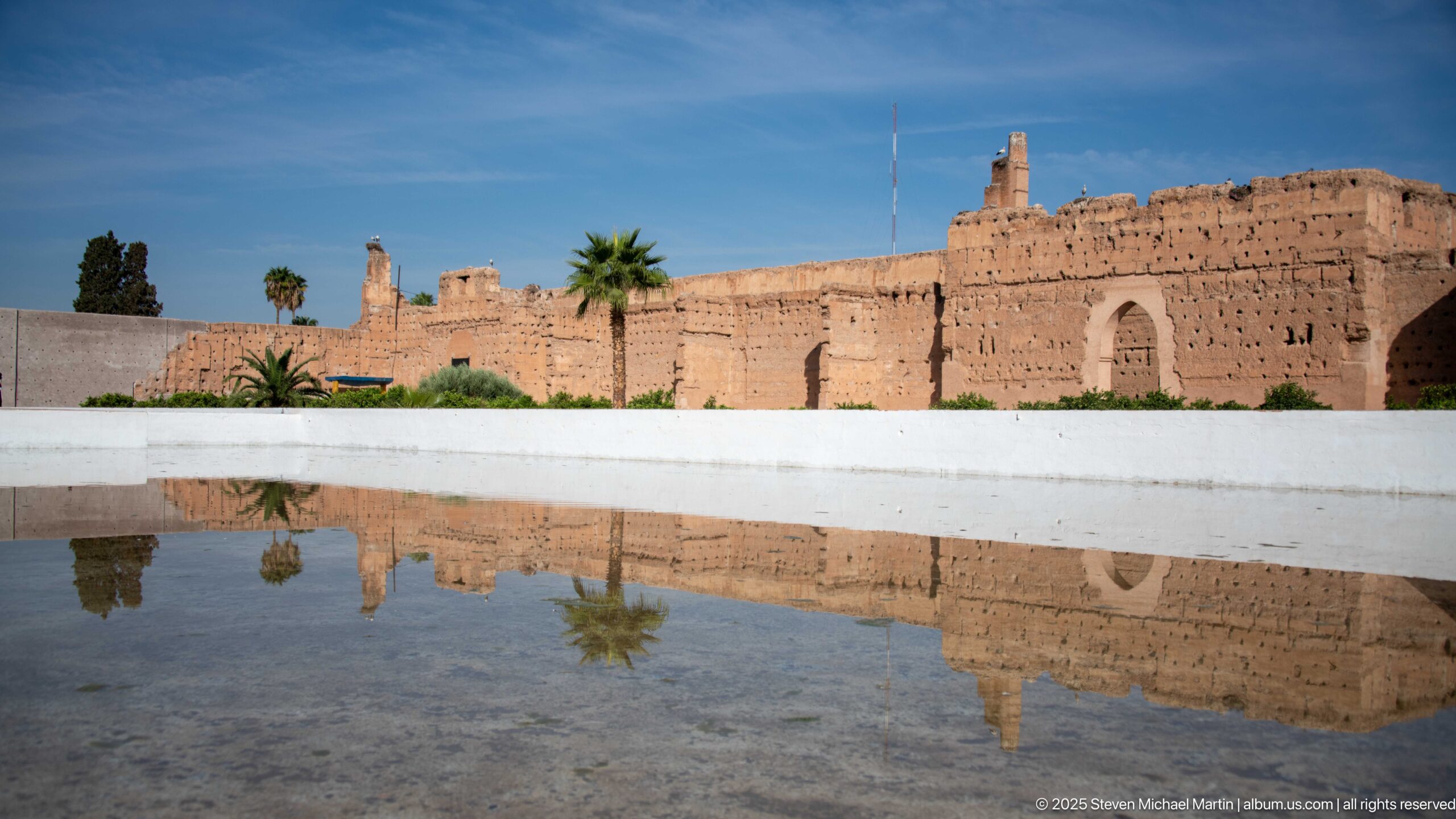
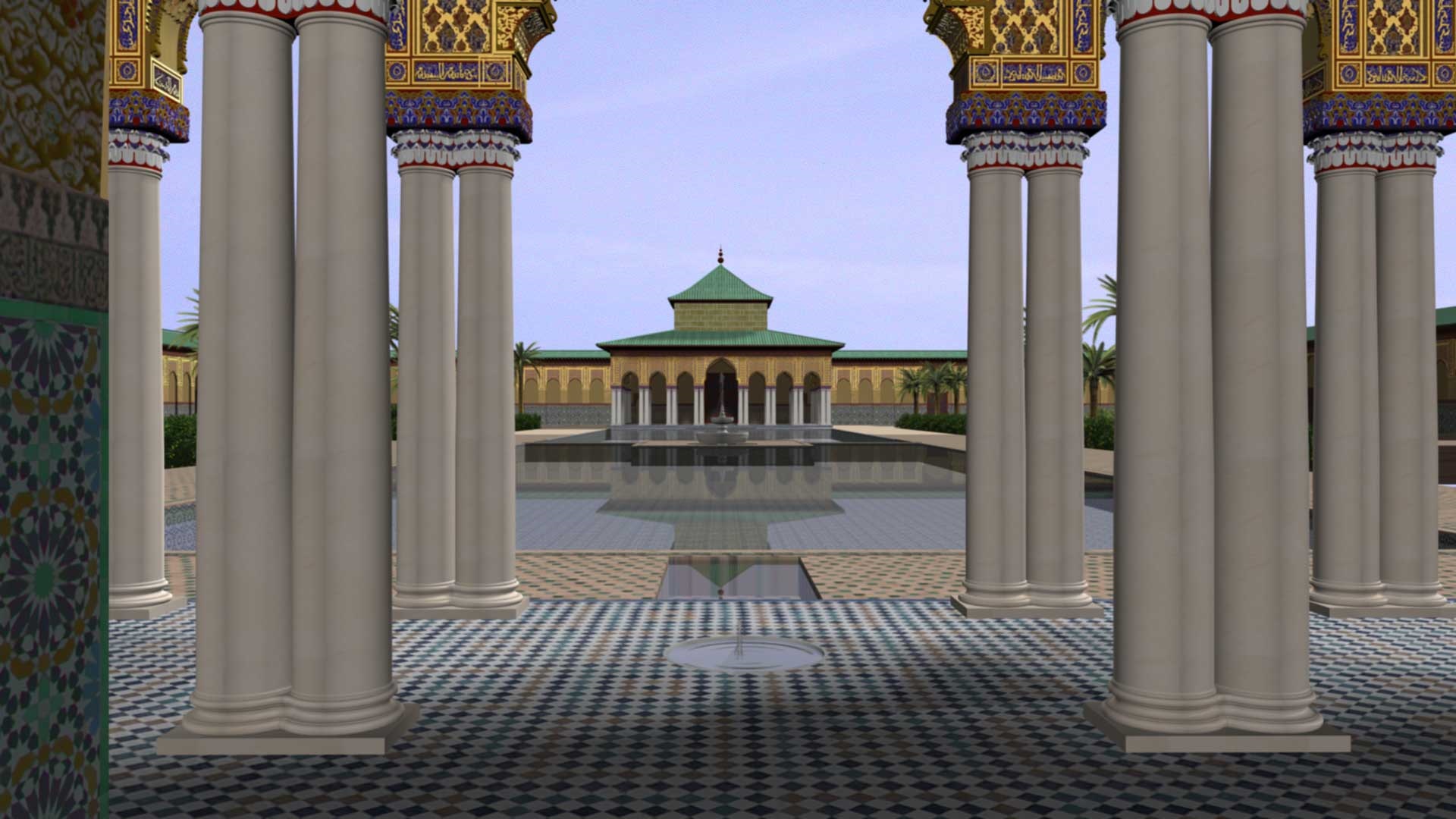
Originally the palace contained lavish courtyards, fountains, pools, and richly decorated halls built with imported marble and gold. Although much of the palace was later dismantled in the 17th century, the vast open courtyard and massive walls still convey the scale and grandeur of the original complex.
Today El Badi Palace remains one of the most impressive historic monuments in Marrakech.
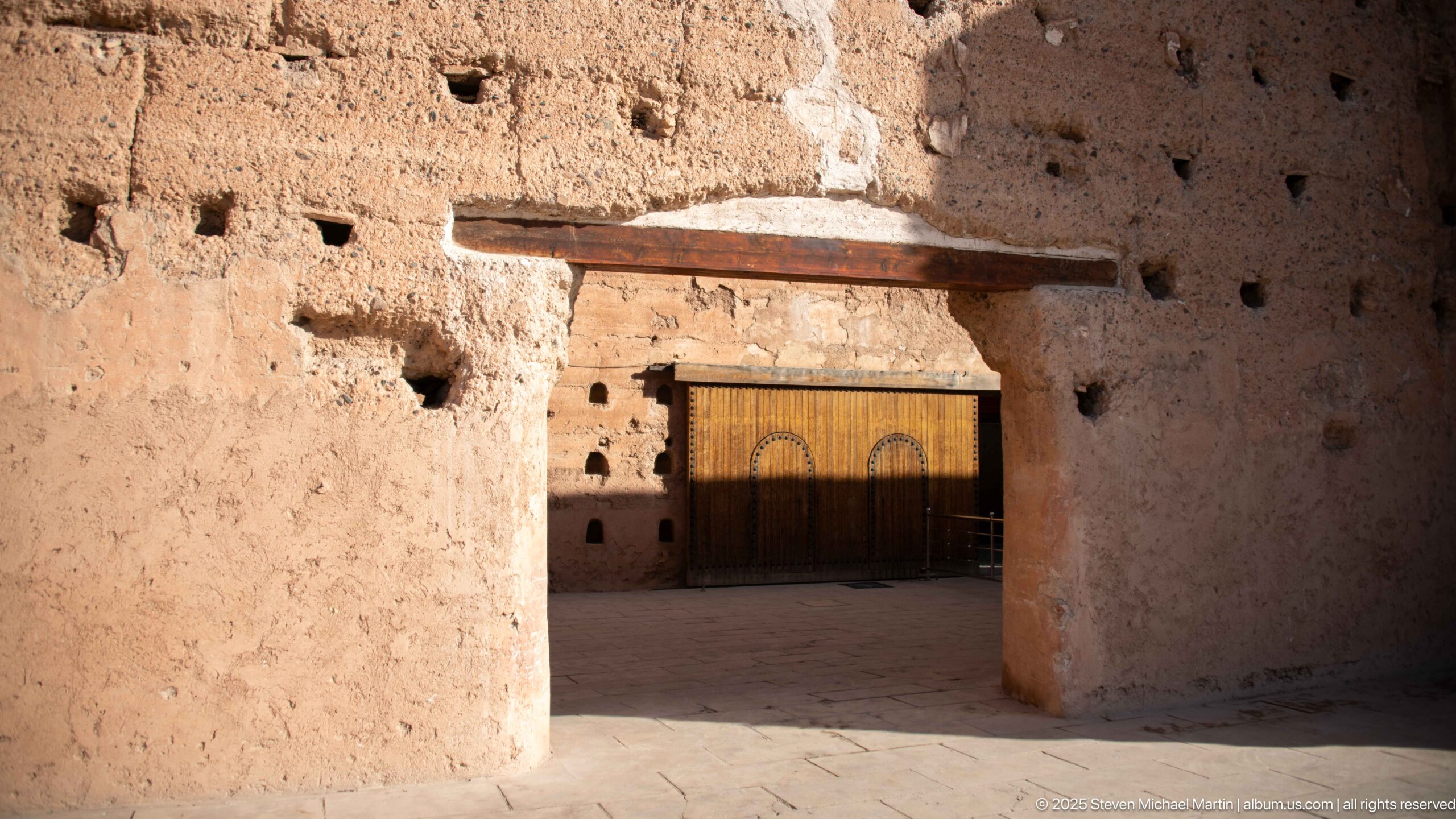
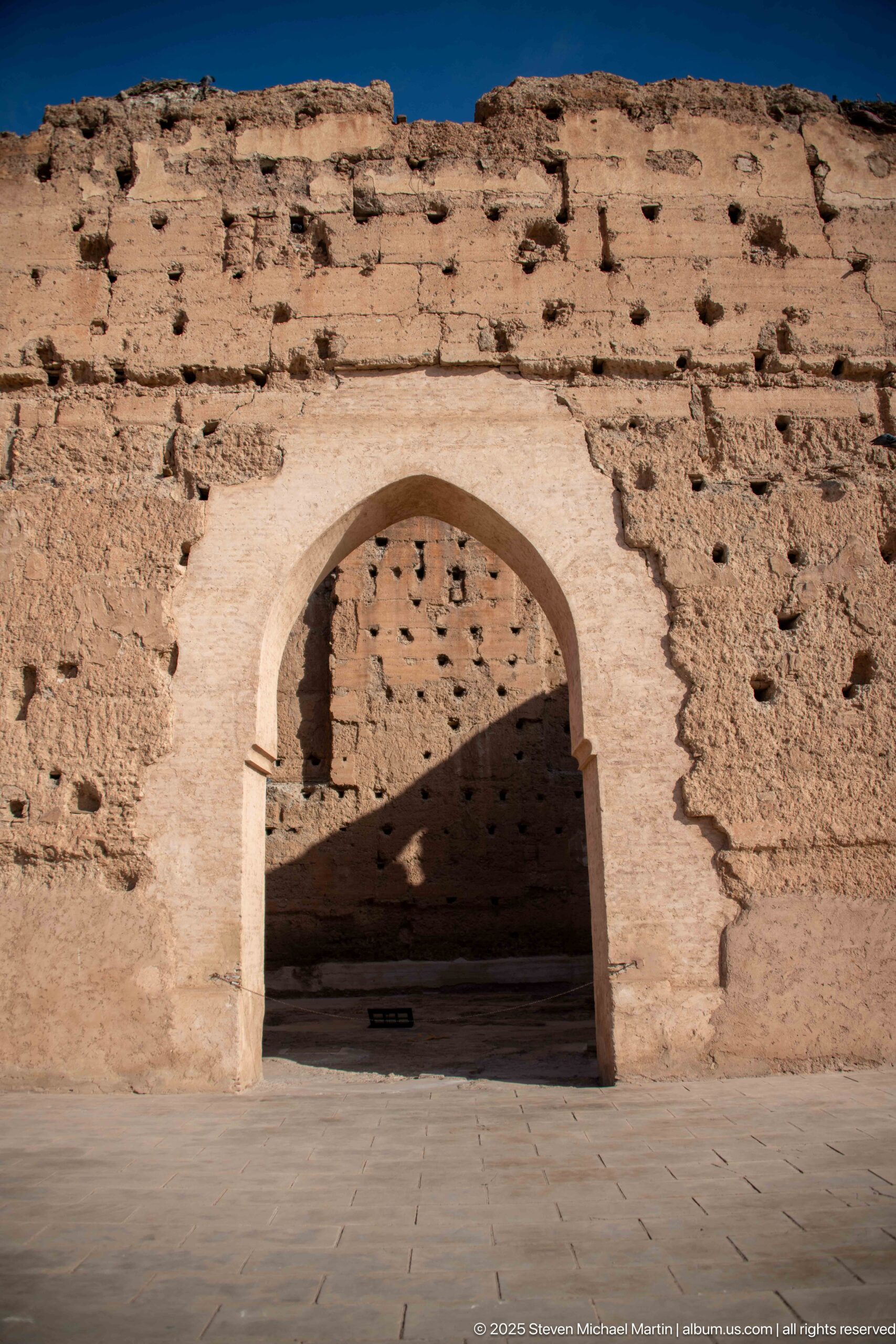

⭐ Highlights
- Saadian Royal Palace: Built in the late 16th century as a symbol of power and wealth.
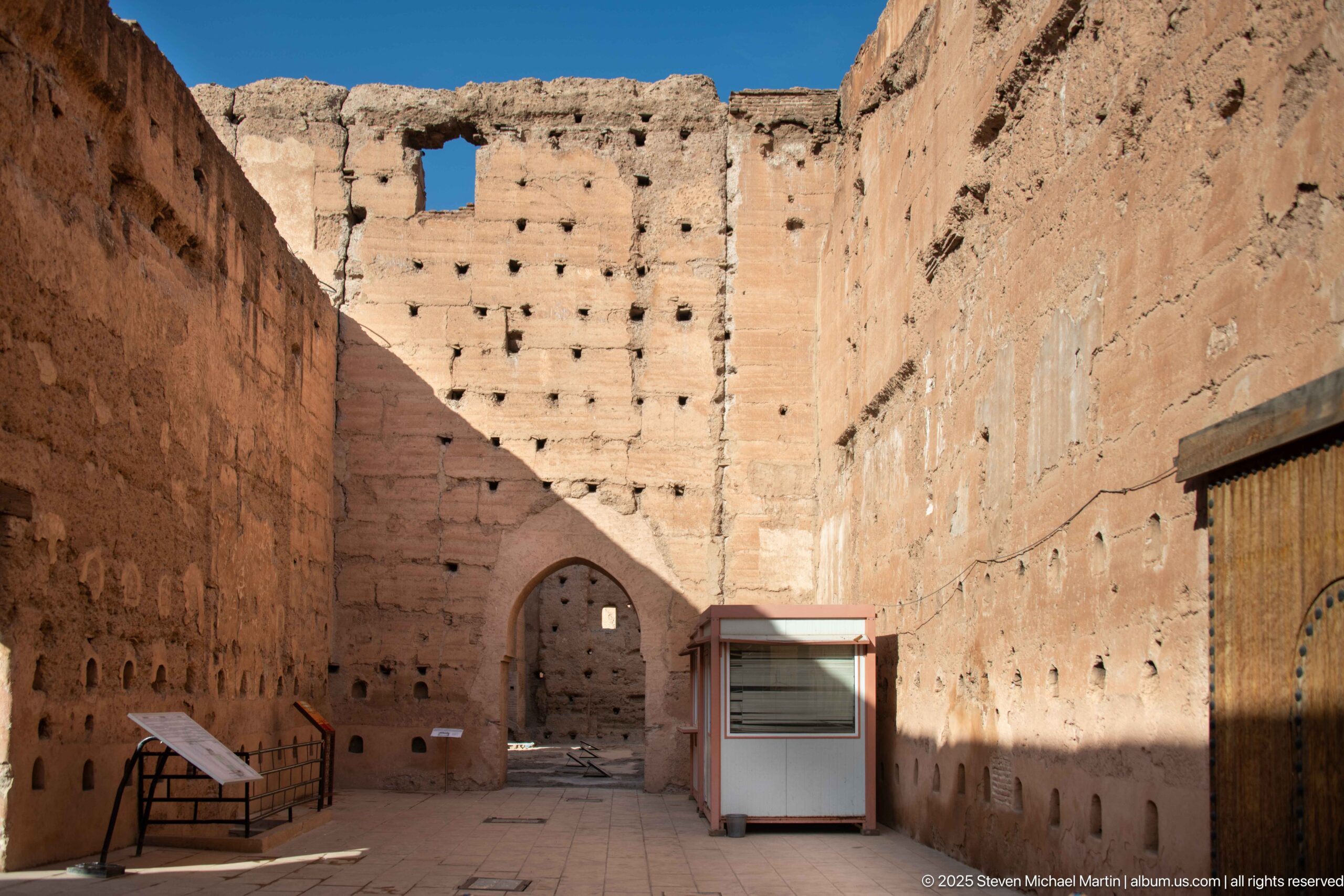
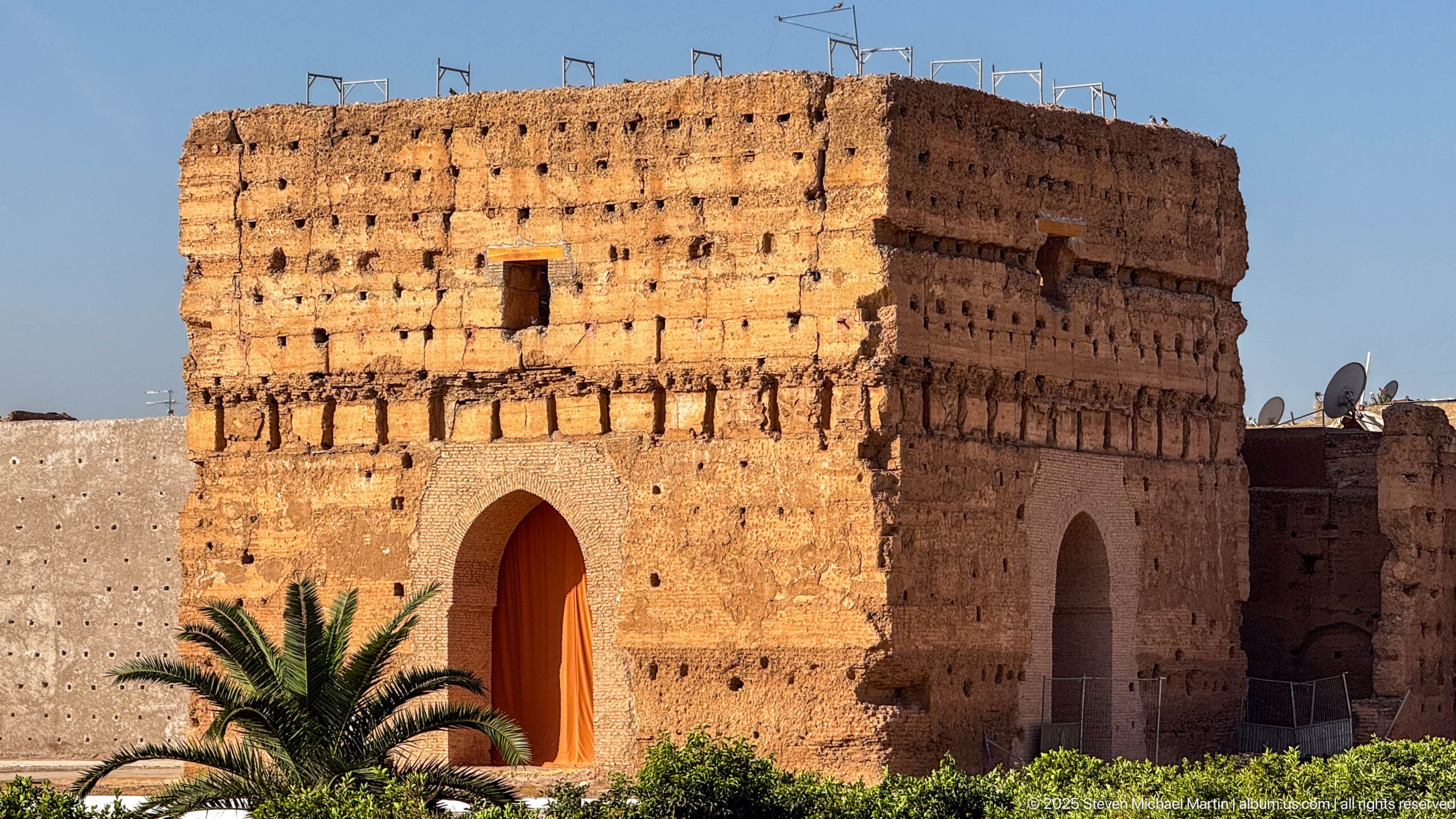
- Monumental Ruins: Today the site is defined by vast courtyards and remaining walls.
- Former Opulence: Once decorated with gold, marble, and imported materials from across the world.
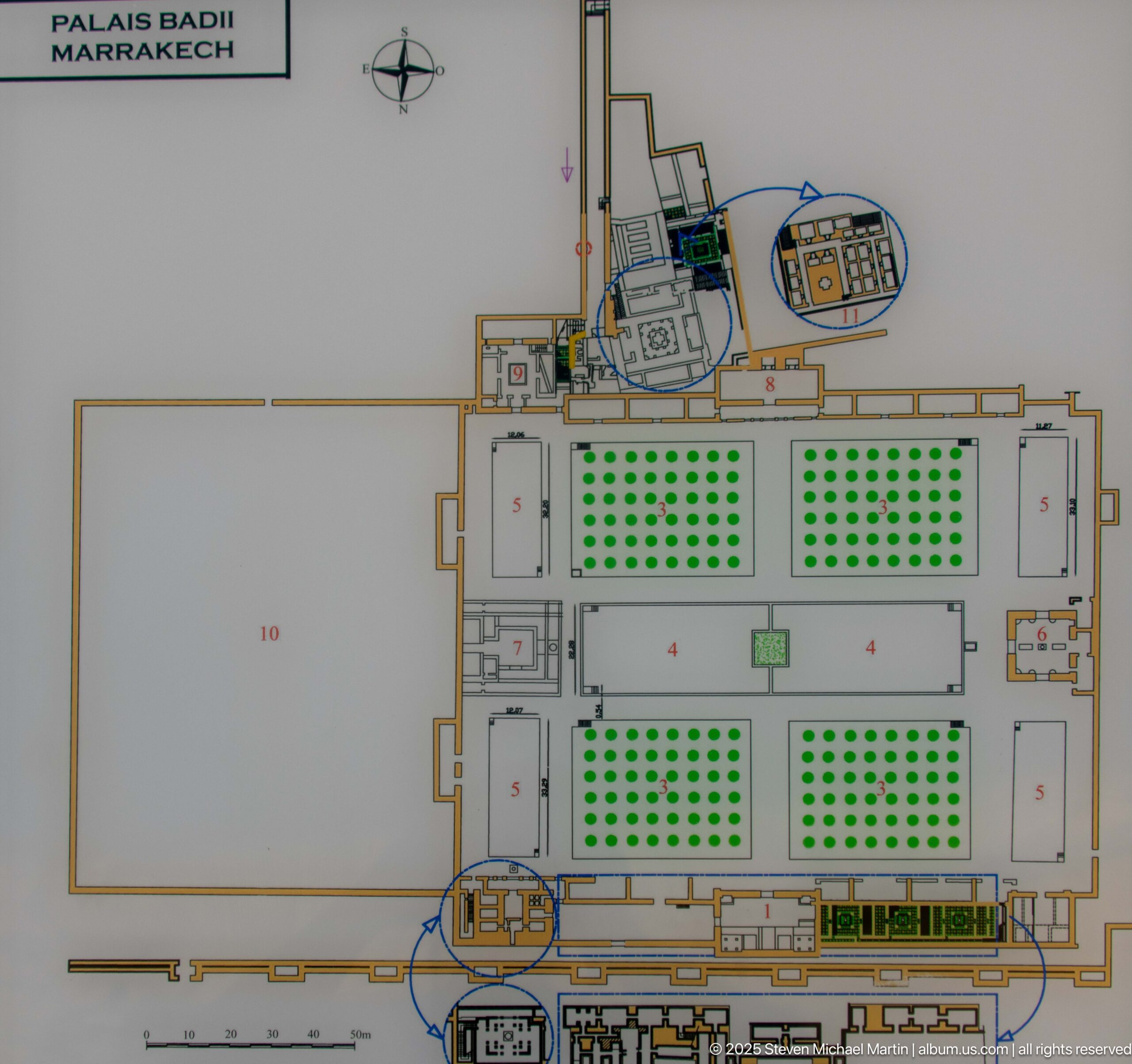
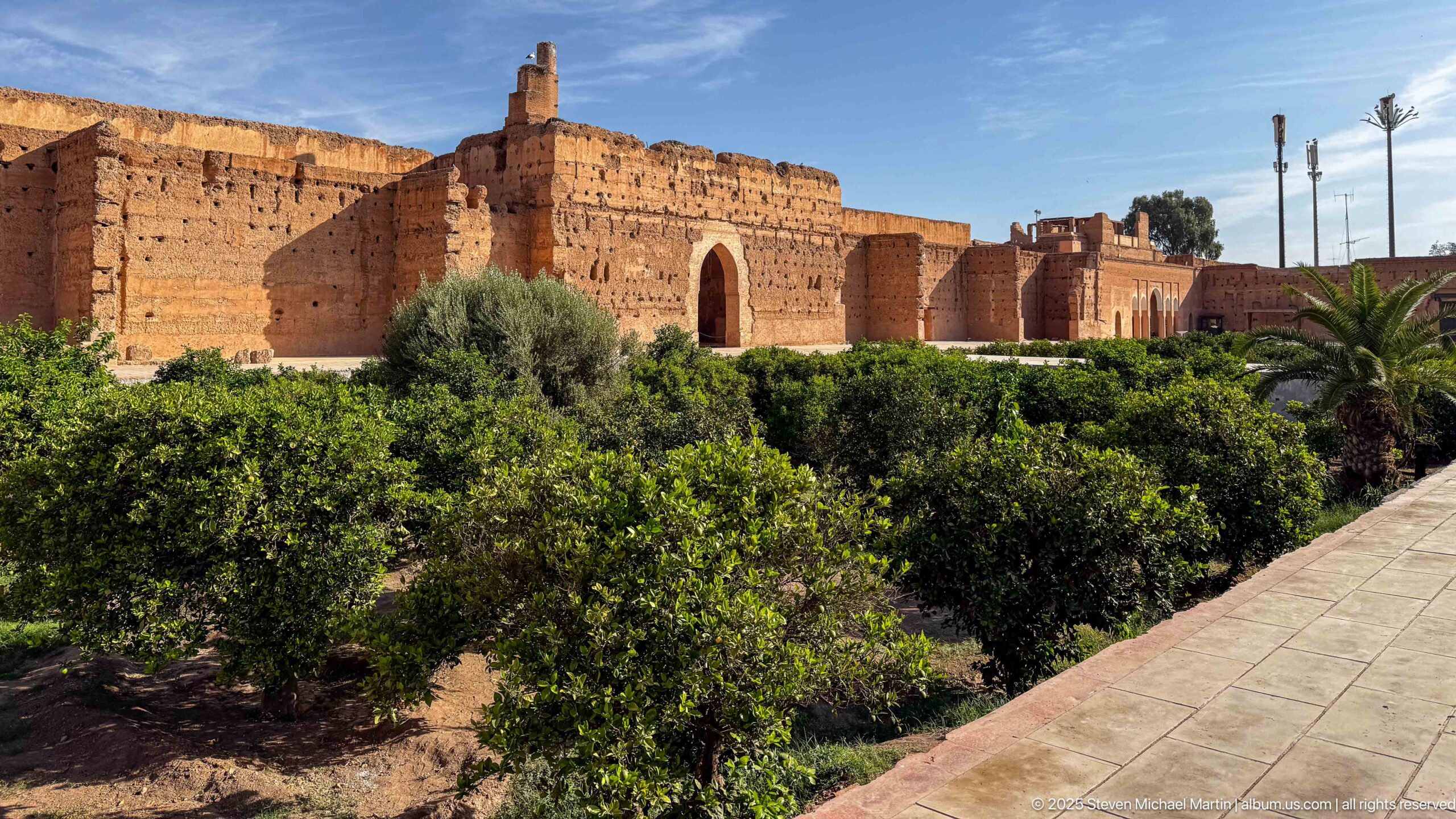
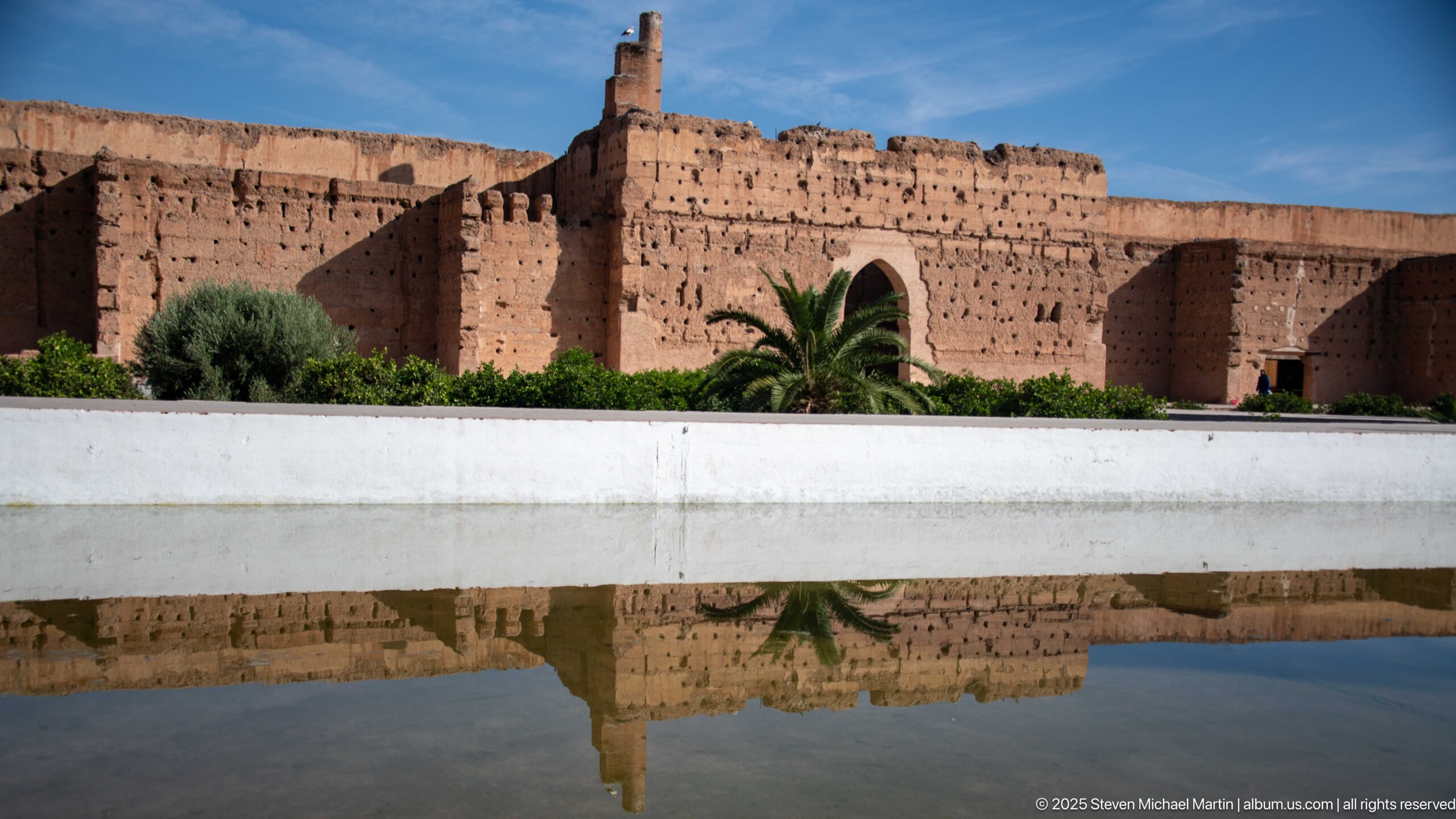
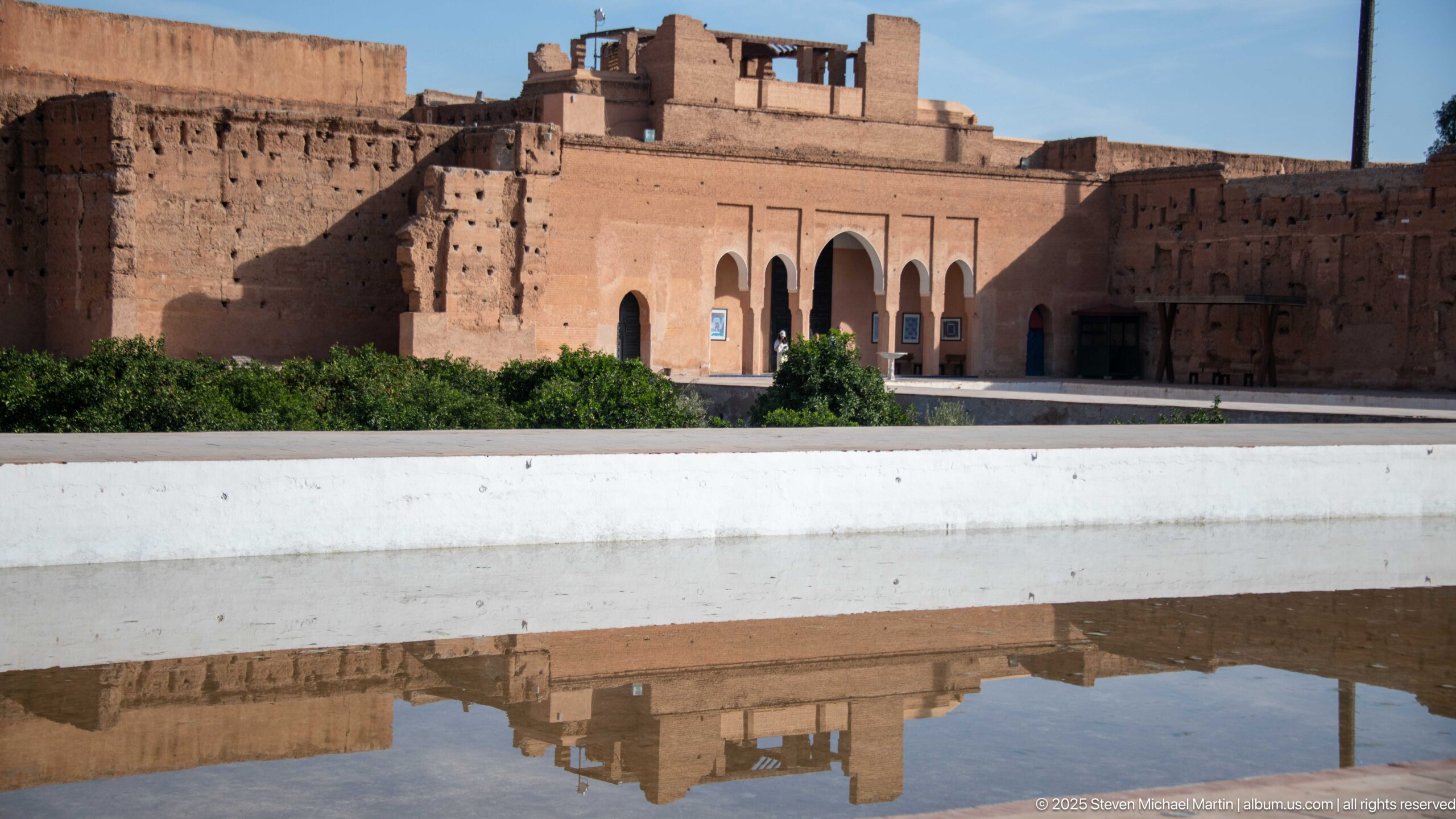
- Sunken Gardens and Pools: Large open spaces that hint at the palace’s original design.
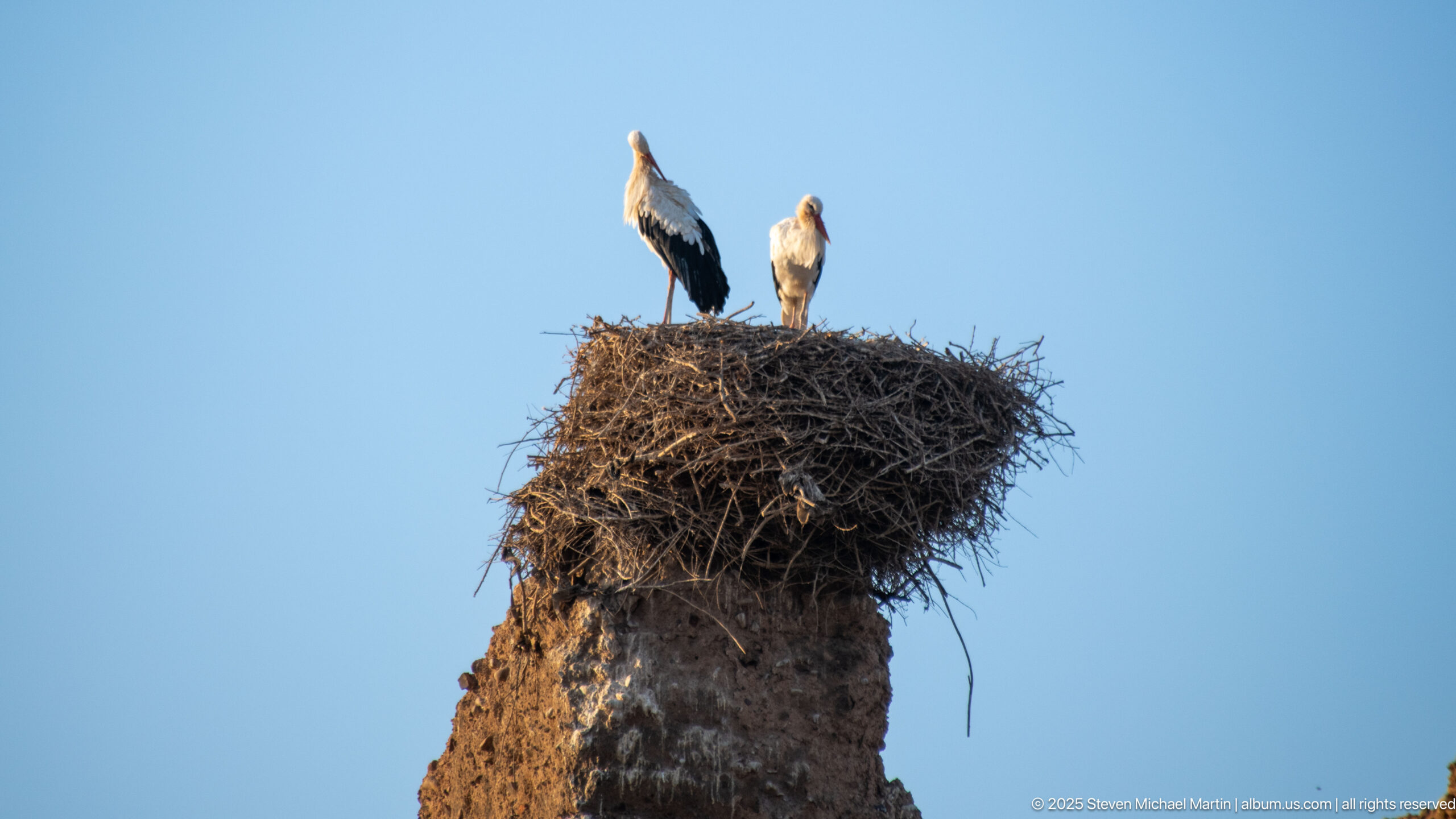
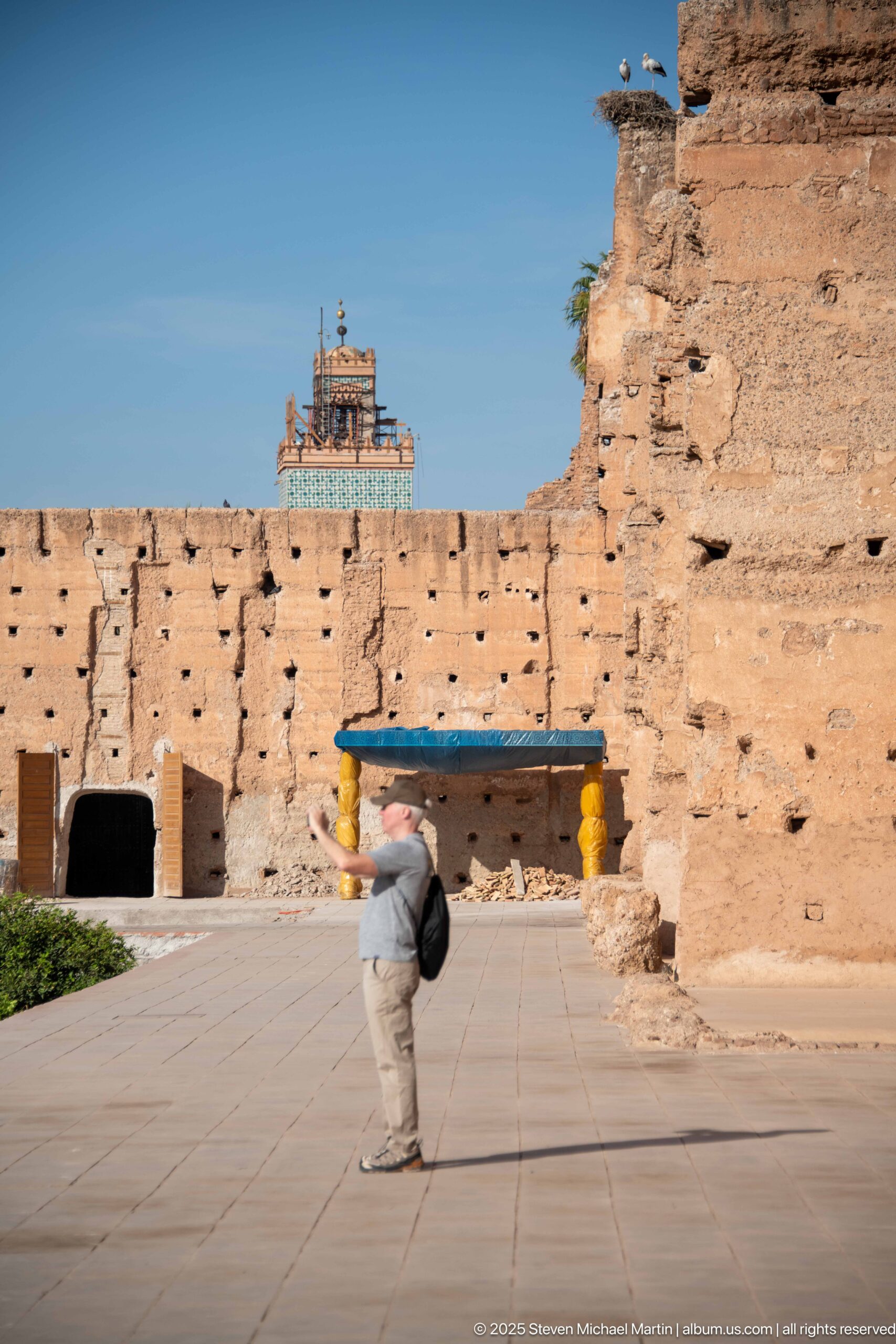
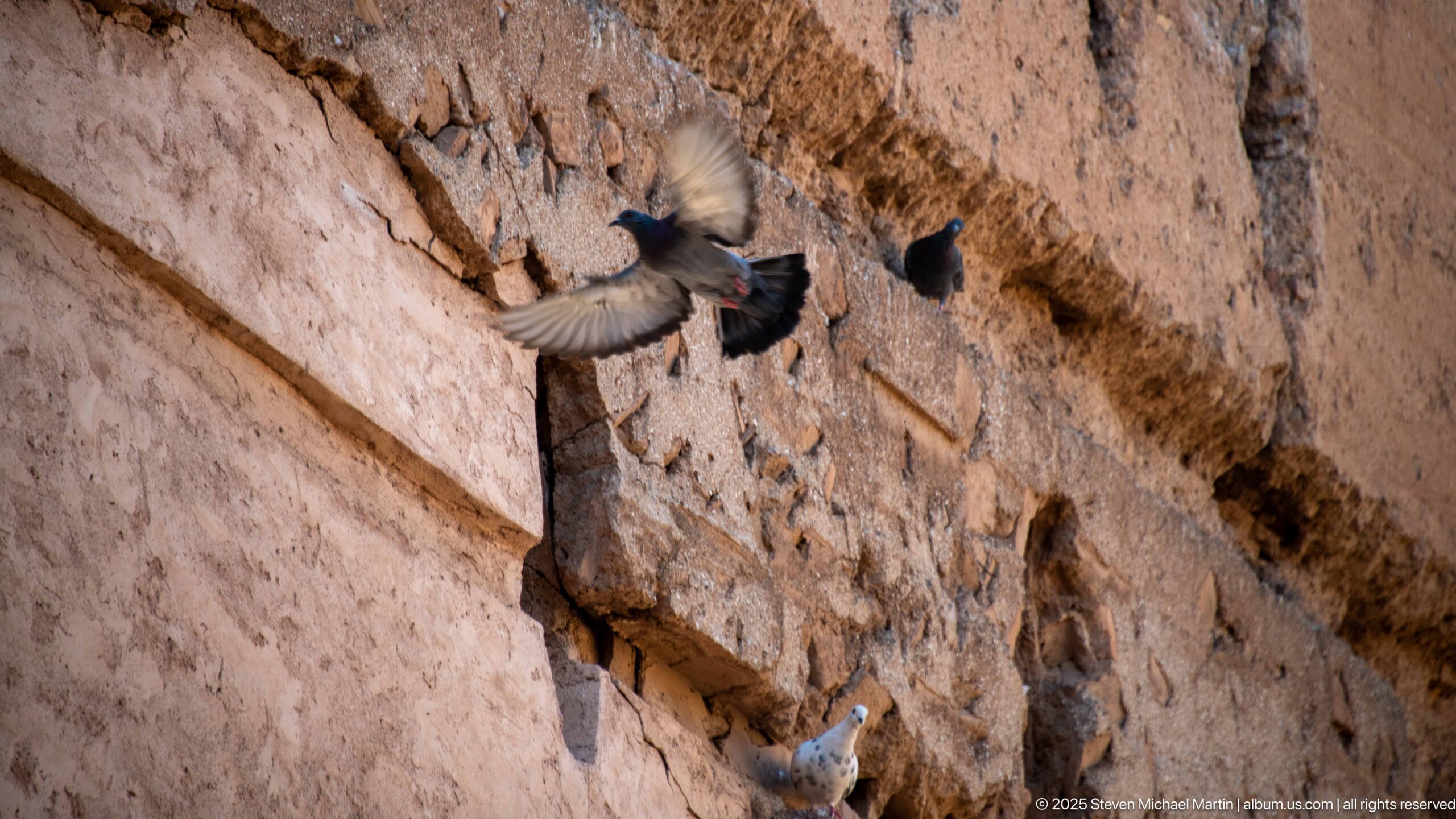
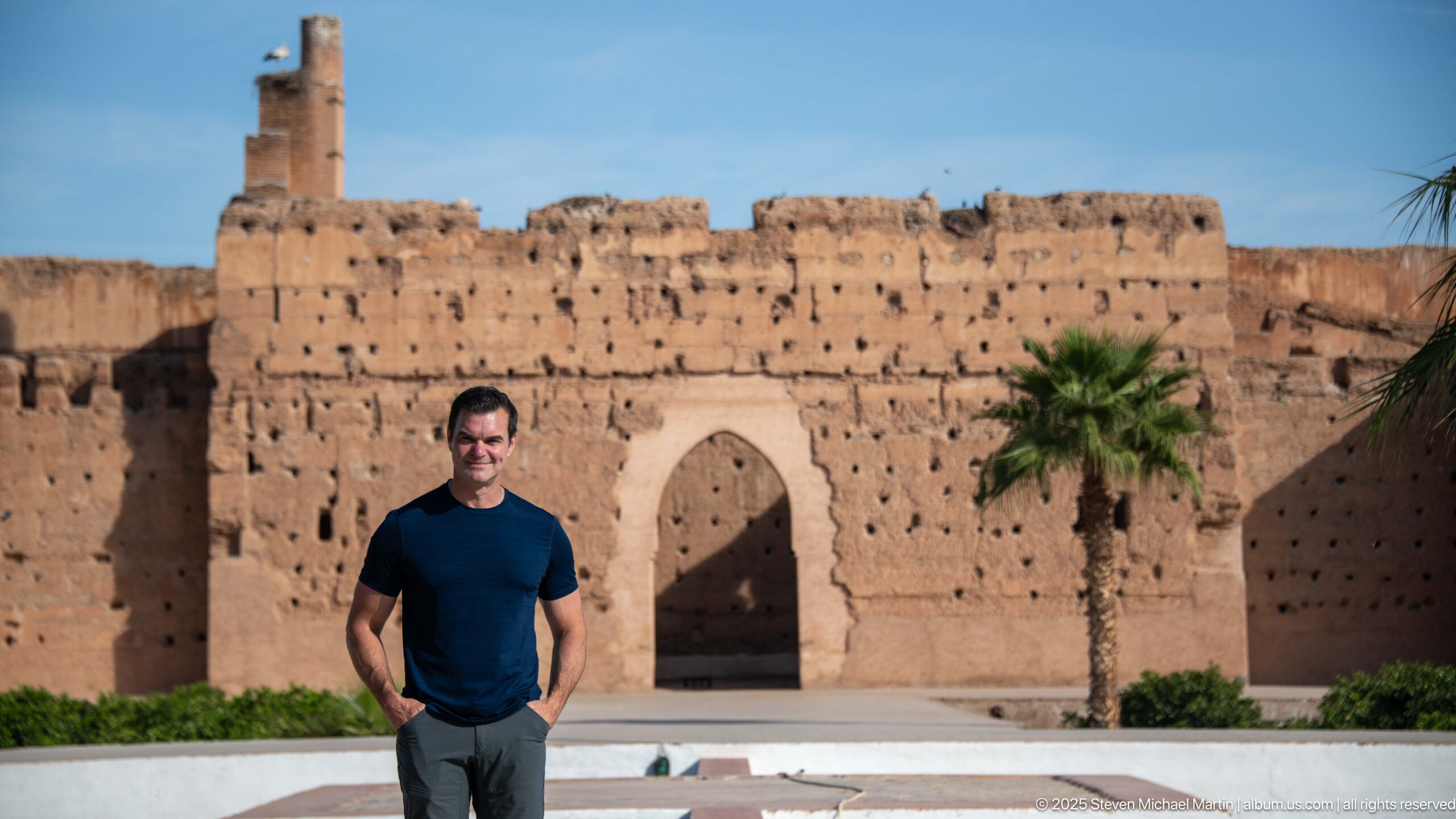
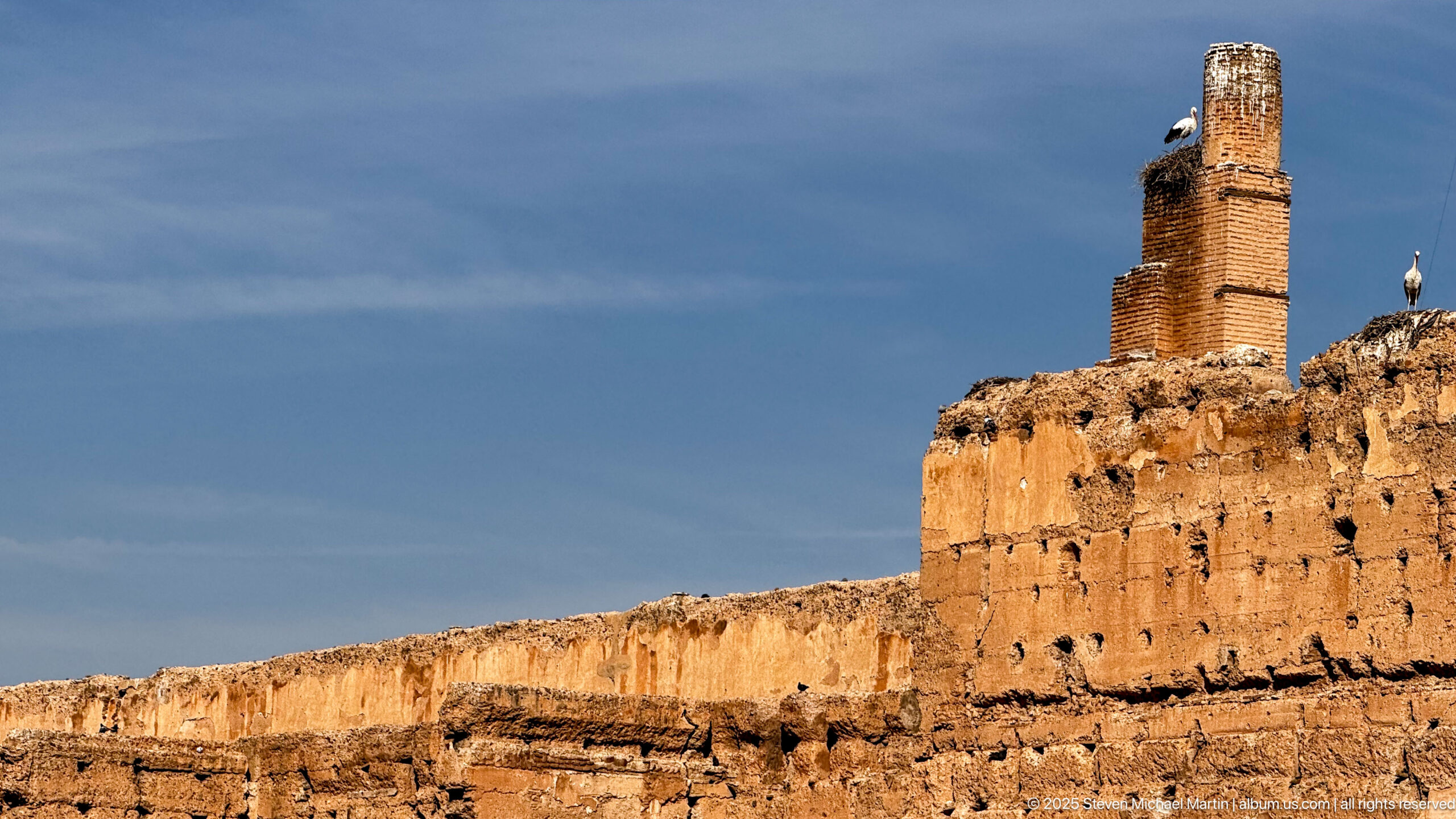
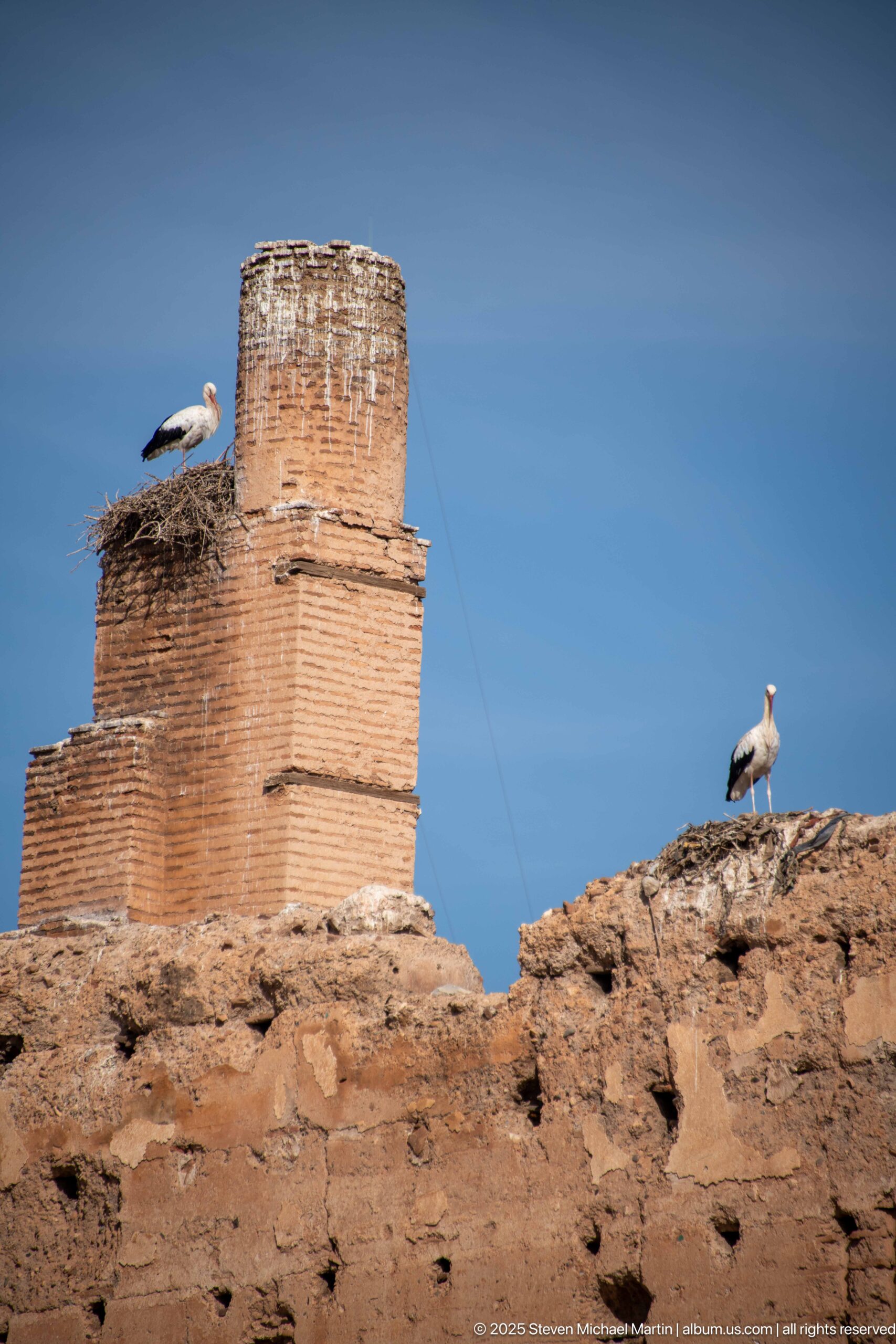
- Stork-Inhabited Walls: The ruins are now home to nesting storks, adding to the atmosphere.
- “The Incomparable”: The name reflects the ambition to create a palace unlike any other.
🏰 El Badi Palace Field Guide
Major features observed during this visit:
El Badi Palace is one of the most significant historic sites in Marrakech, built in the late 16th century during the height of the Saadian dynasty. Commissioned by Sultan Ahmad al-Mansur, the palace was designed to demonstrate the wealth, power, and international reach of his rule. At the time of its completion, it was considered one of the most magnificent palaces in the Islamic world.
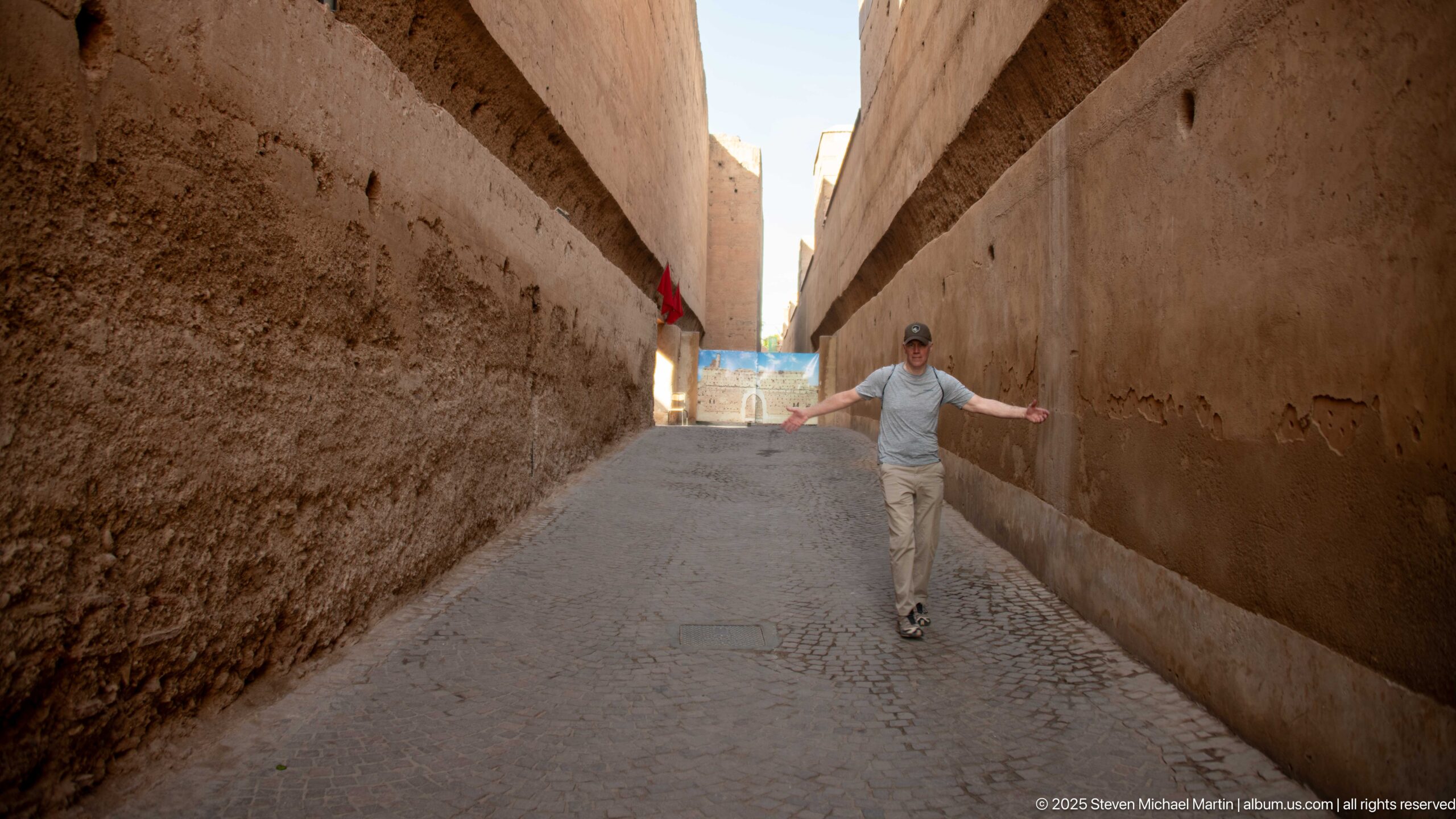
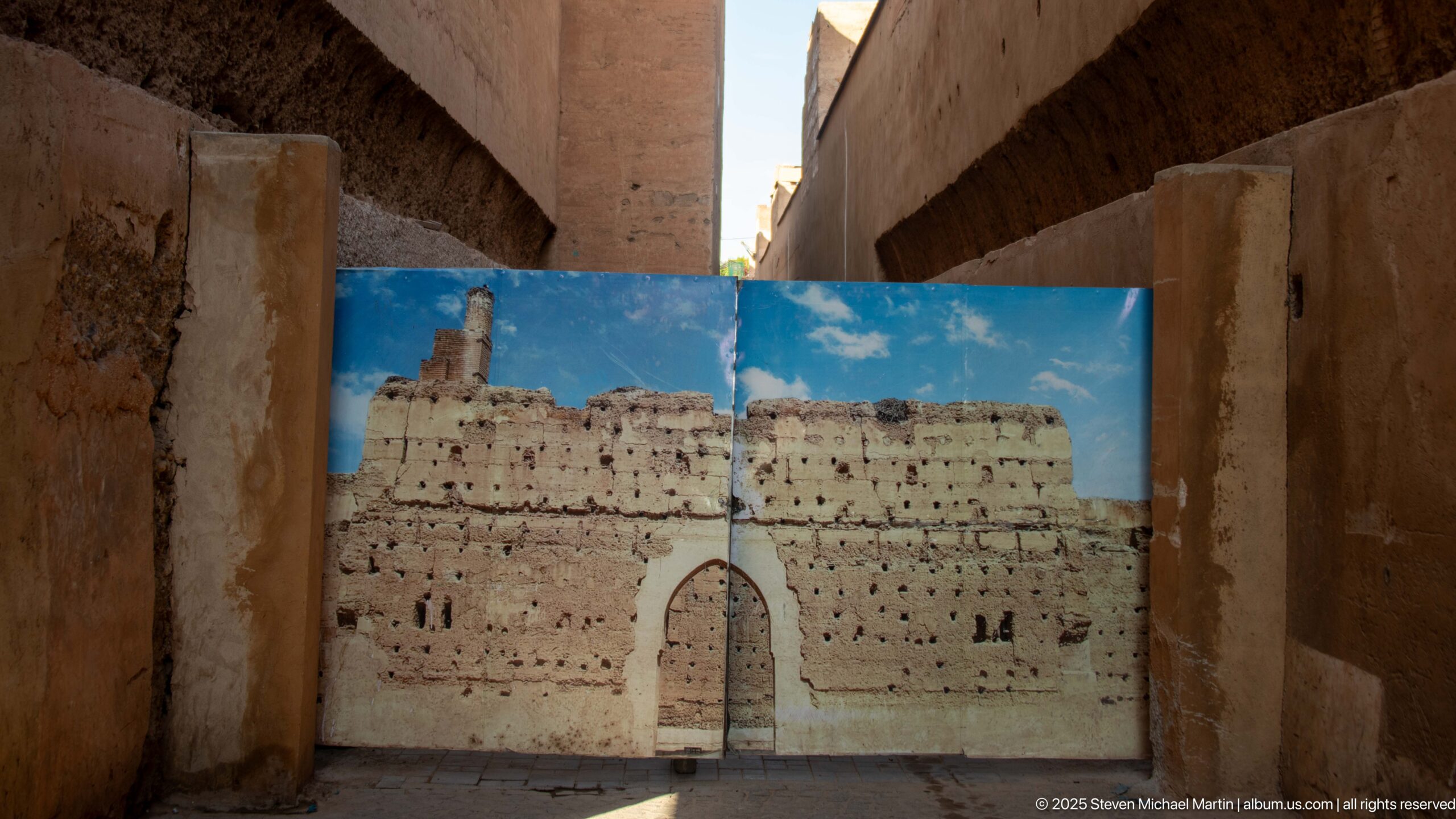
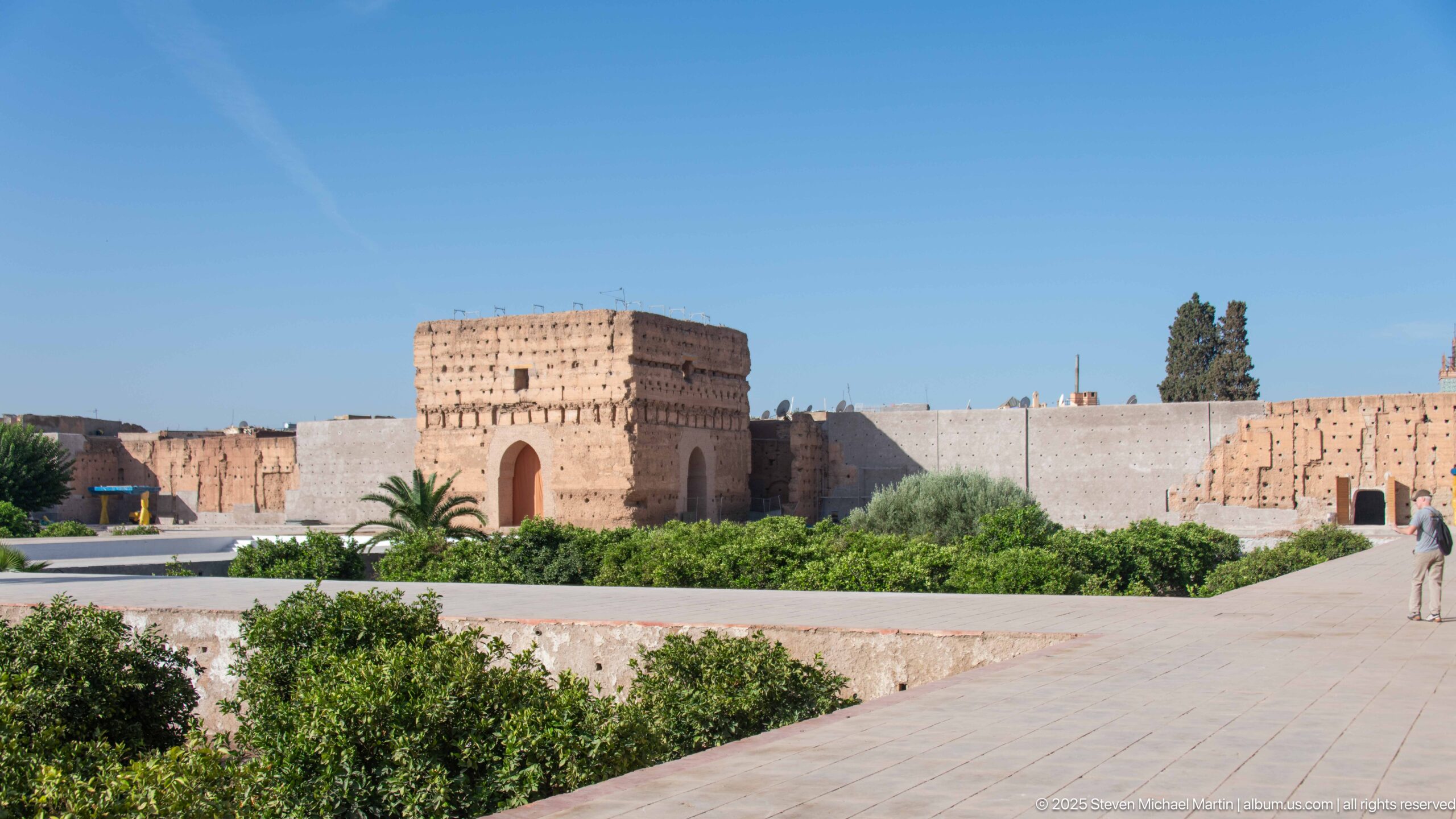
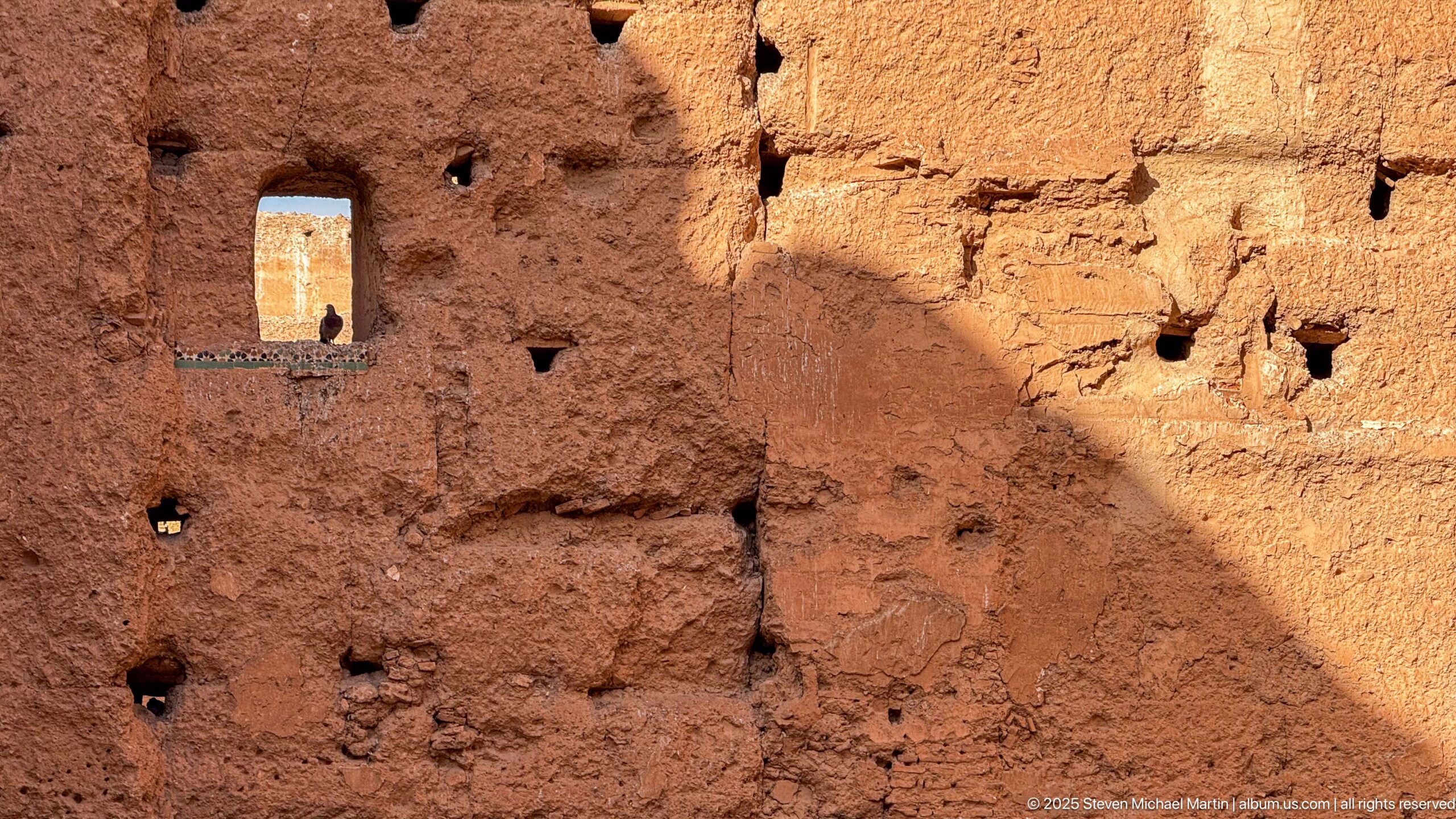
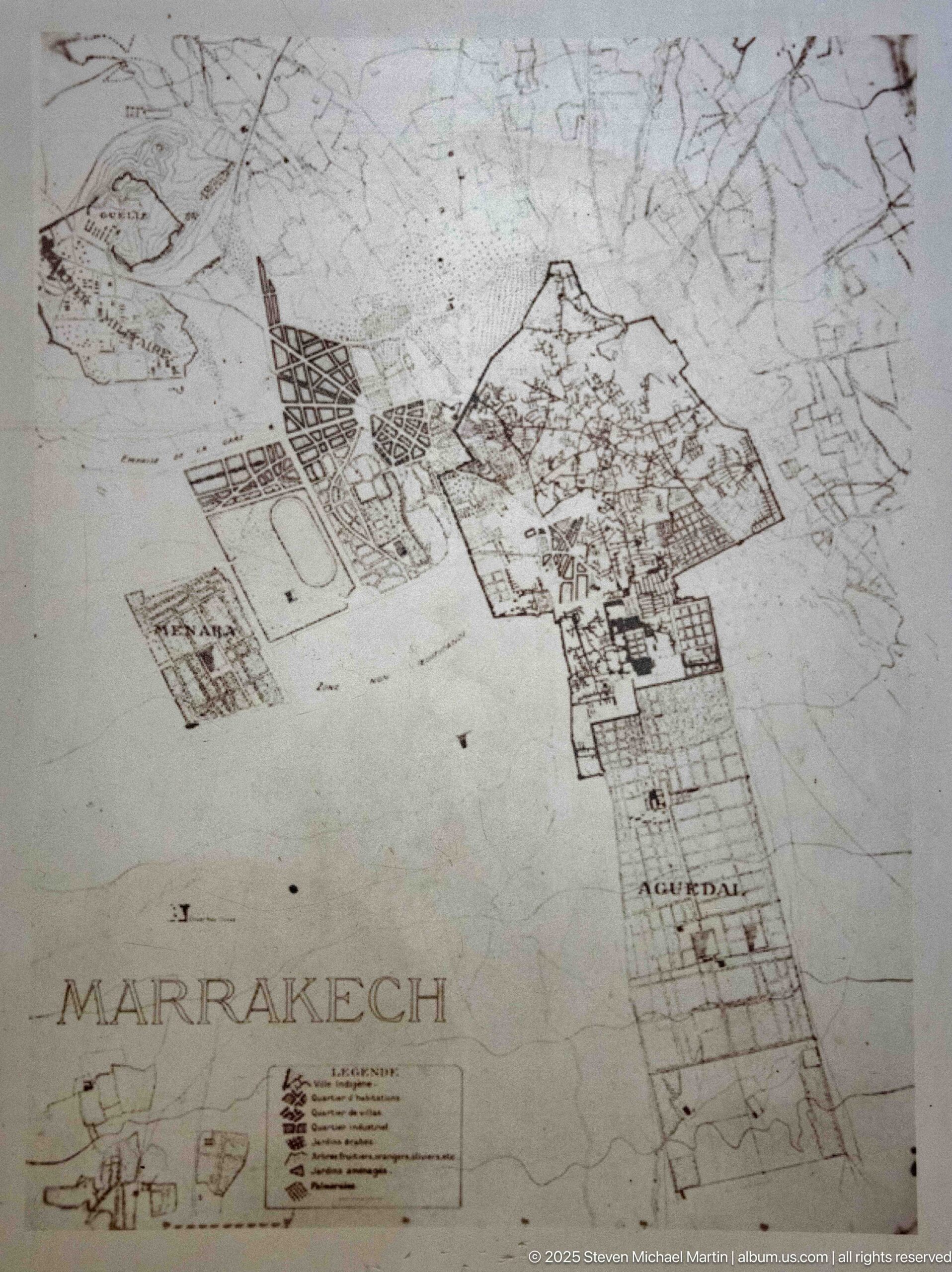
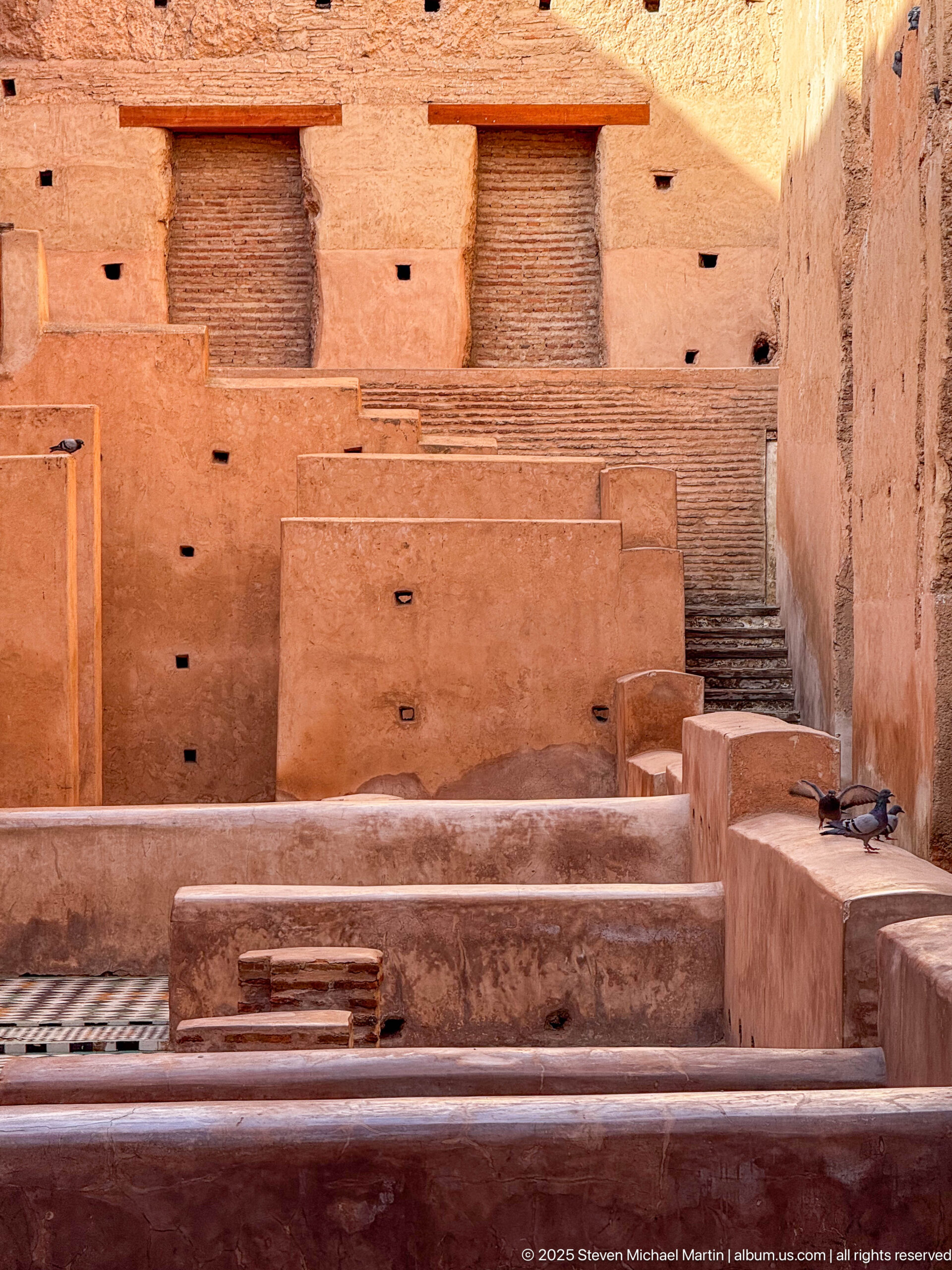
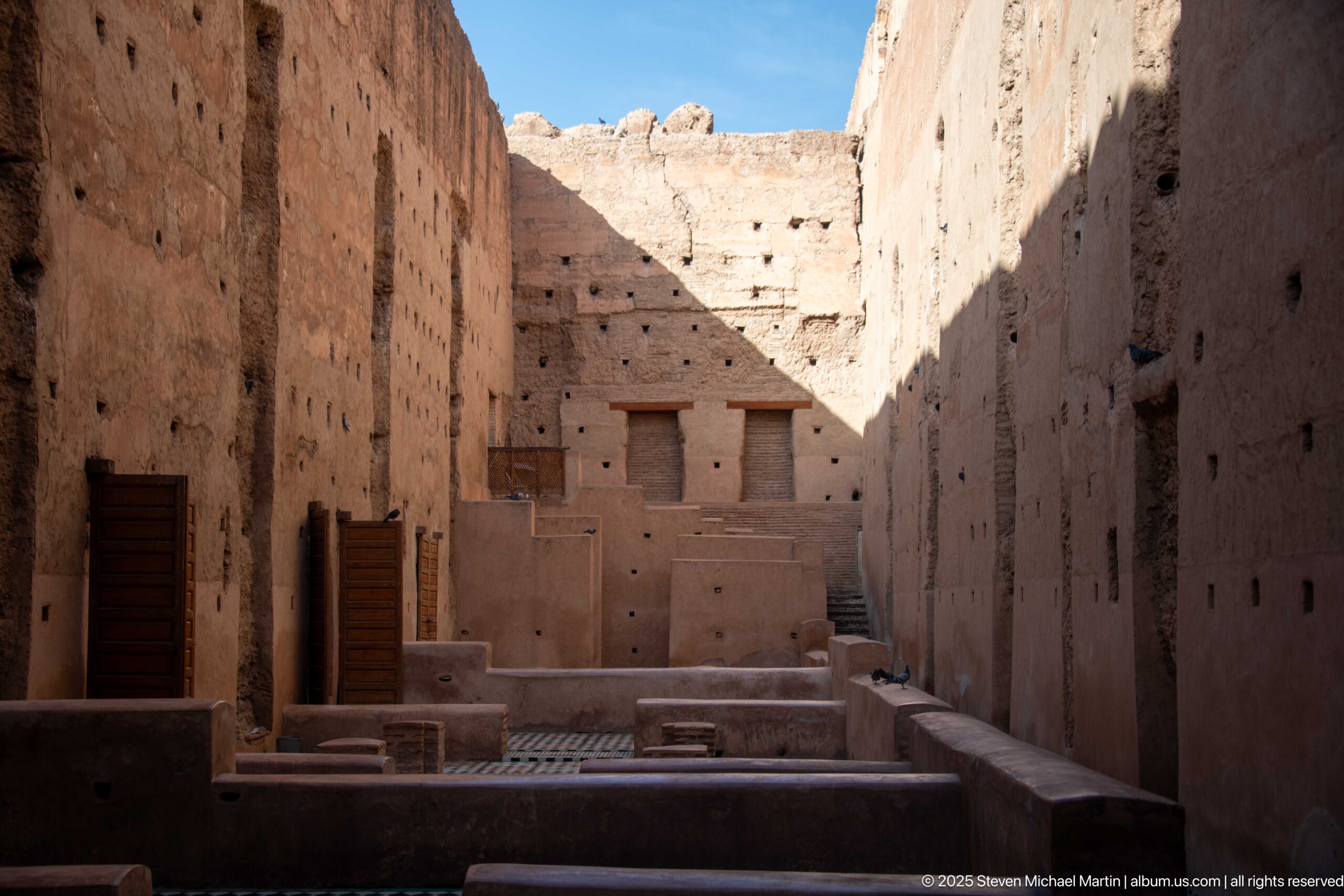
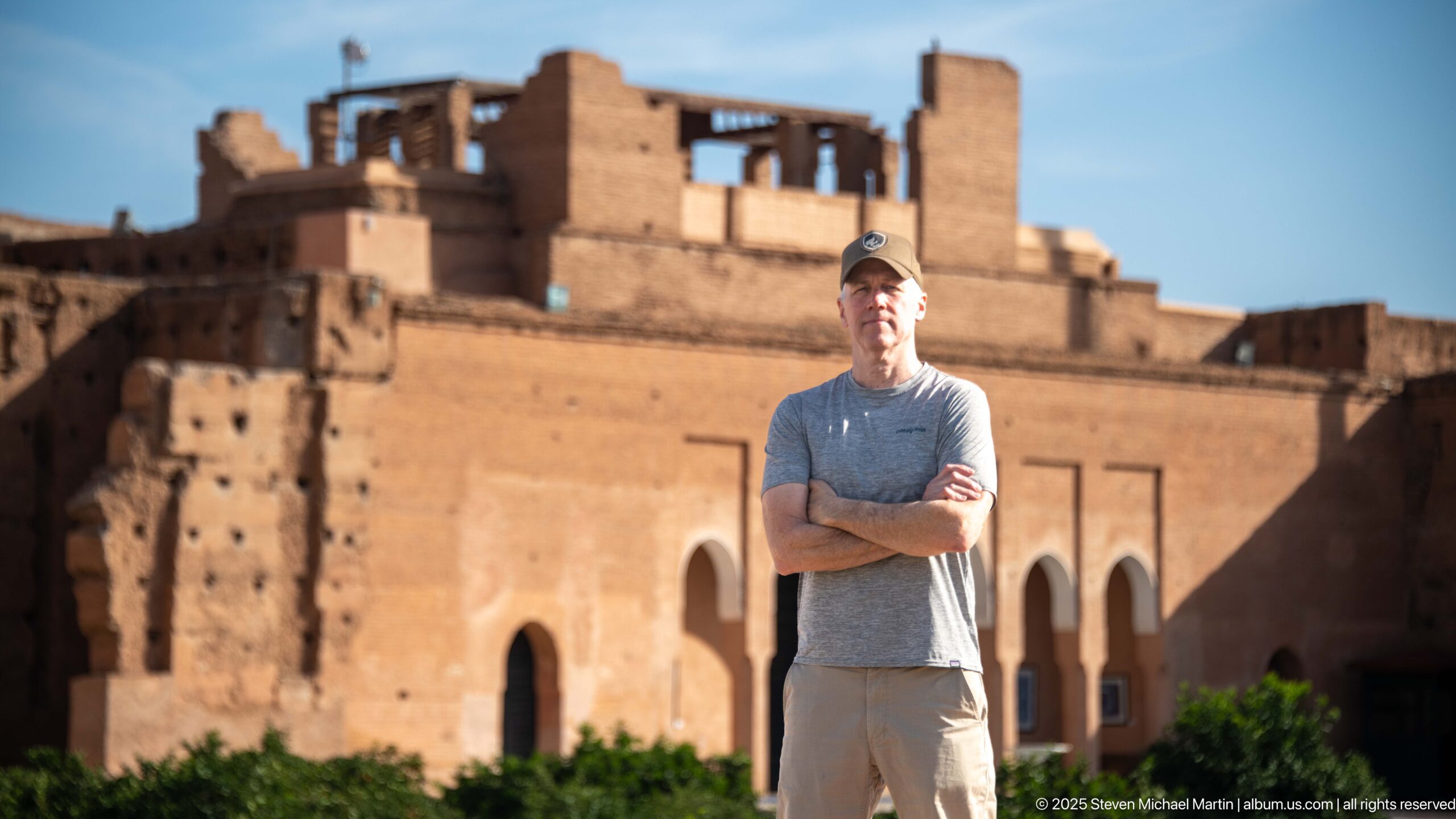
Today, the palace survives as a vast and atmospheric ruin. Its empty courtyards, exposed foundations, and remaining walls reveal the scale of what once stood here, while also reflecting the later dismantling of the structure when its materials were reused elsewhere. The result is a space that emphasizes both grandeur and loss.
🏛️ Signature Features
- Central Courtyard – A massive open space that once formed the heart of the palace complex.
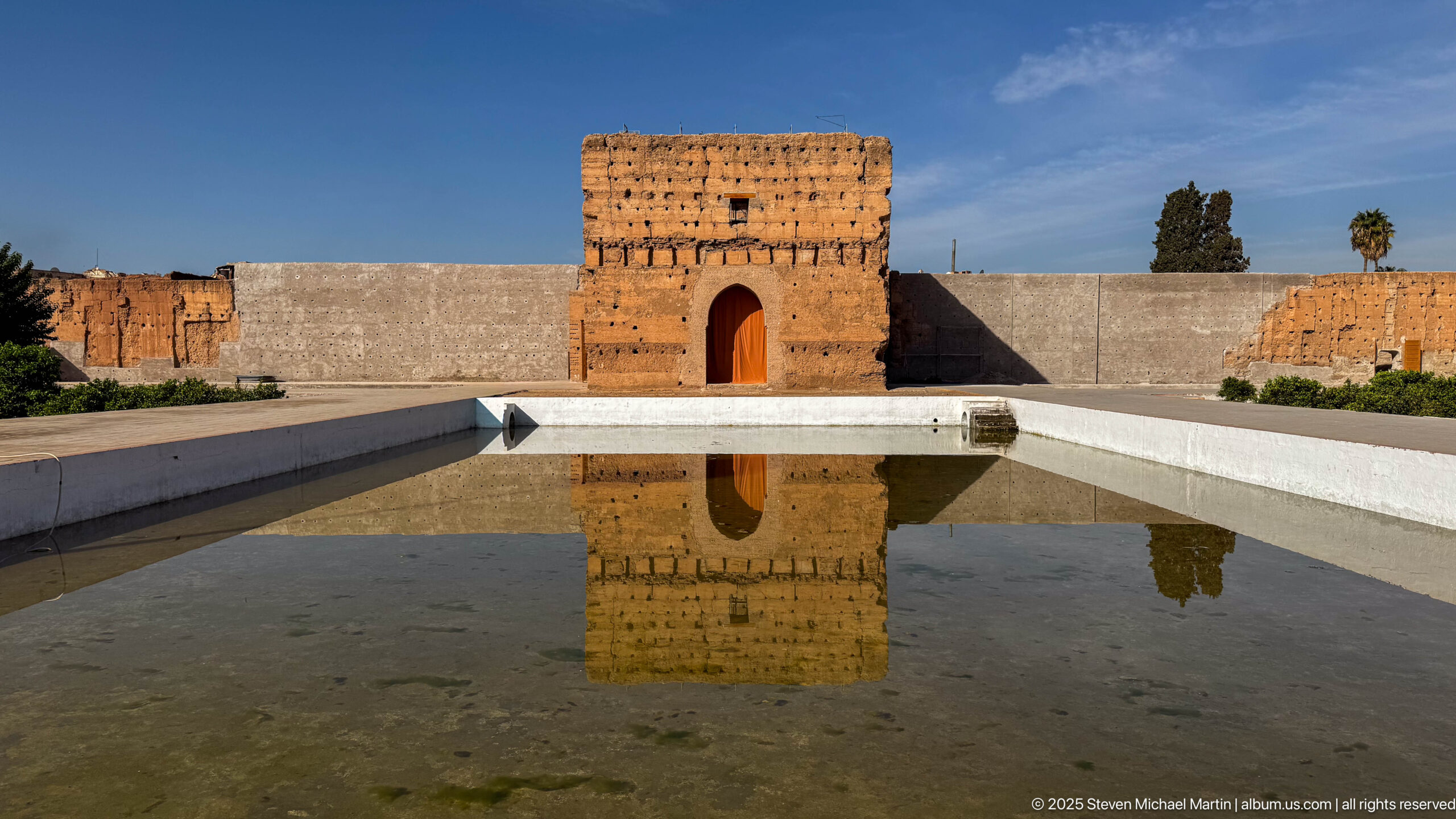
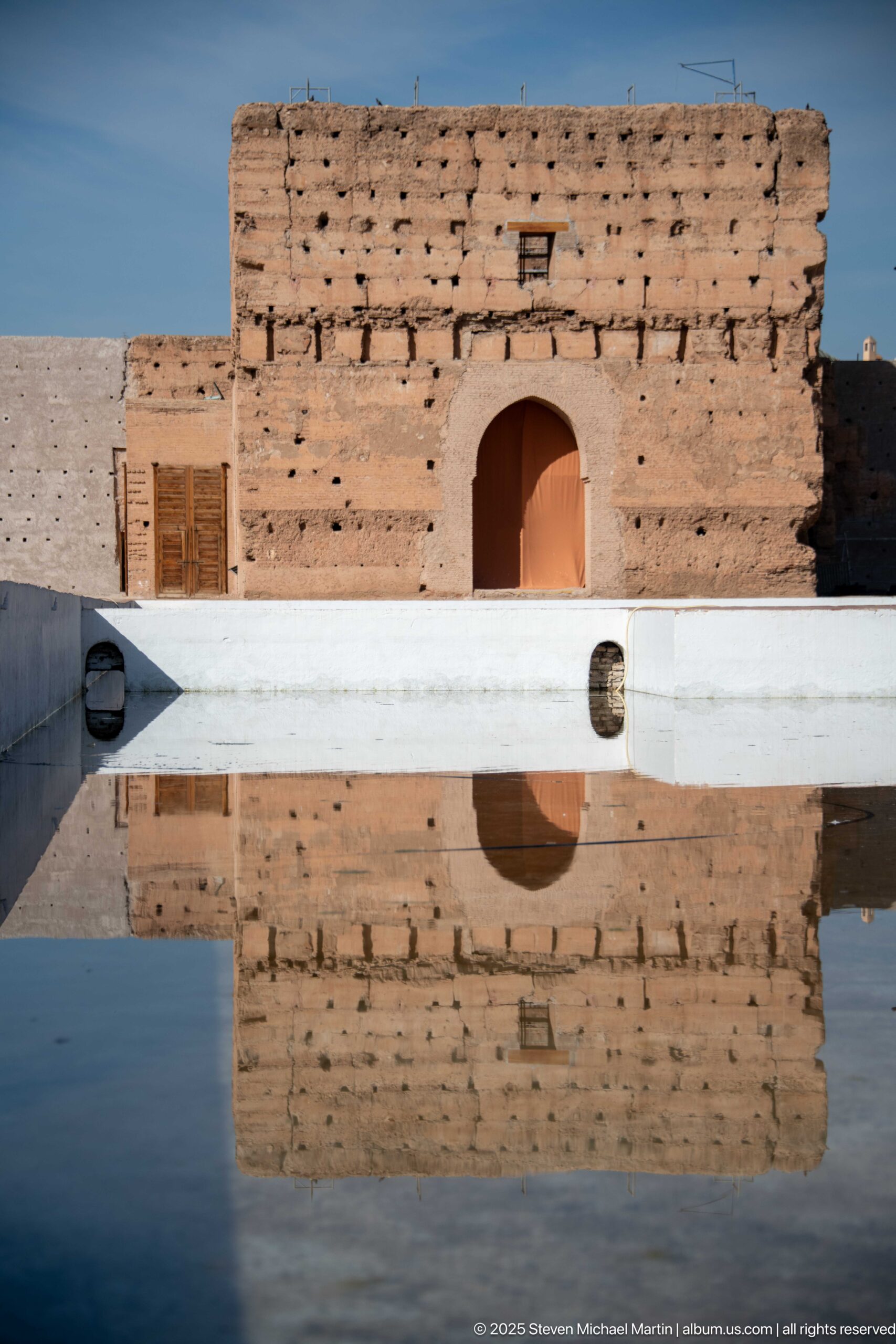
- Reflecting Pools – Large water features that structured the palace layout.
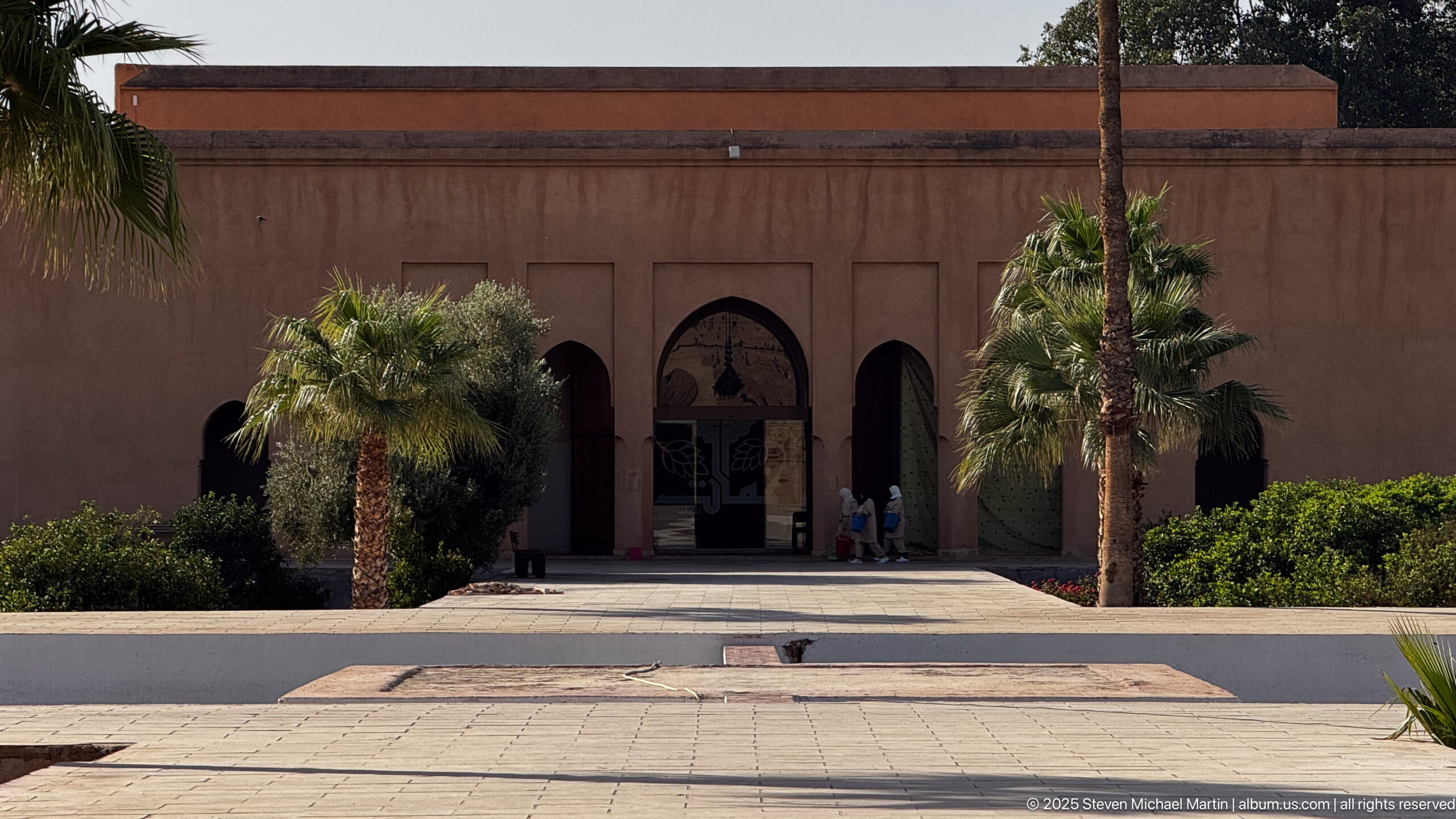
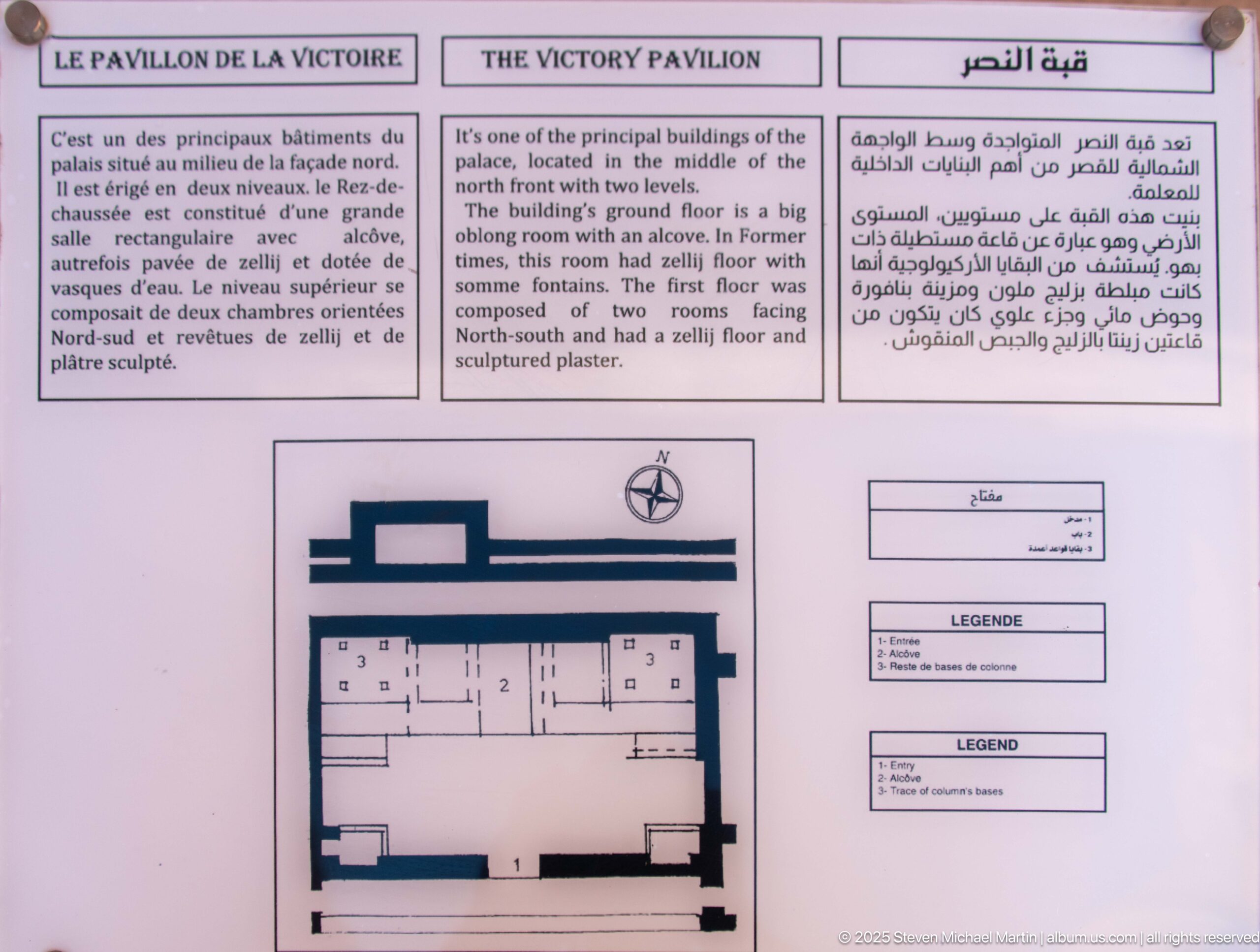
- Pavilions – Remains of grand halls and reception spaces at the edges of the courtyard.
- Sunken Gardens – Landscaped areas integrated into the palace design.
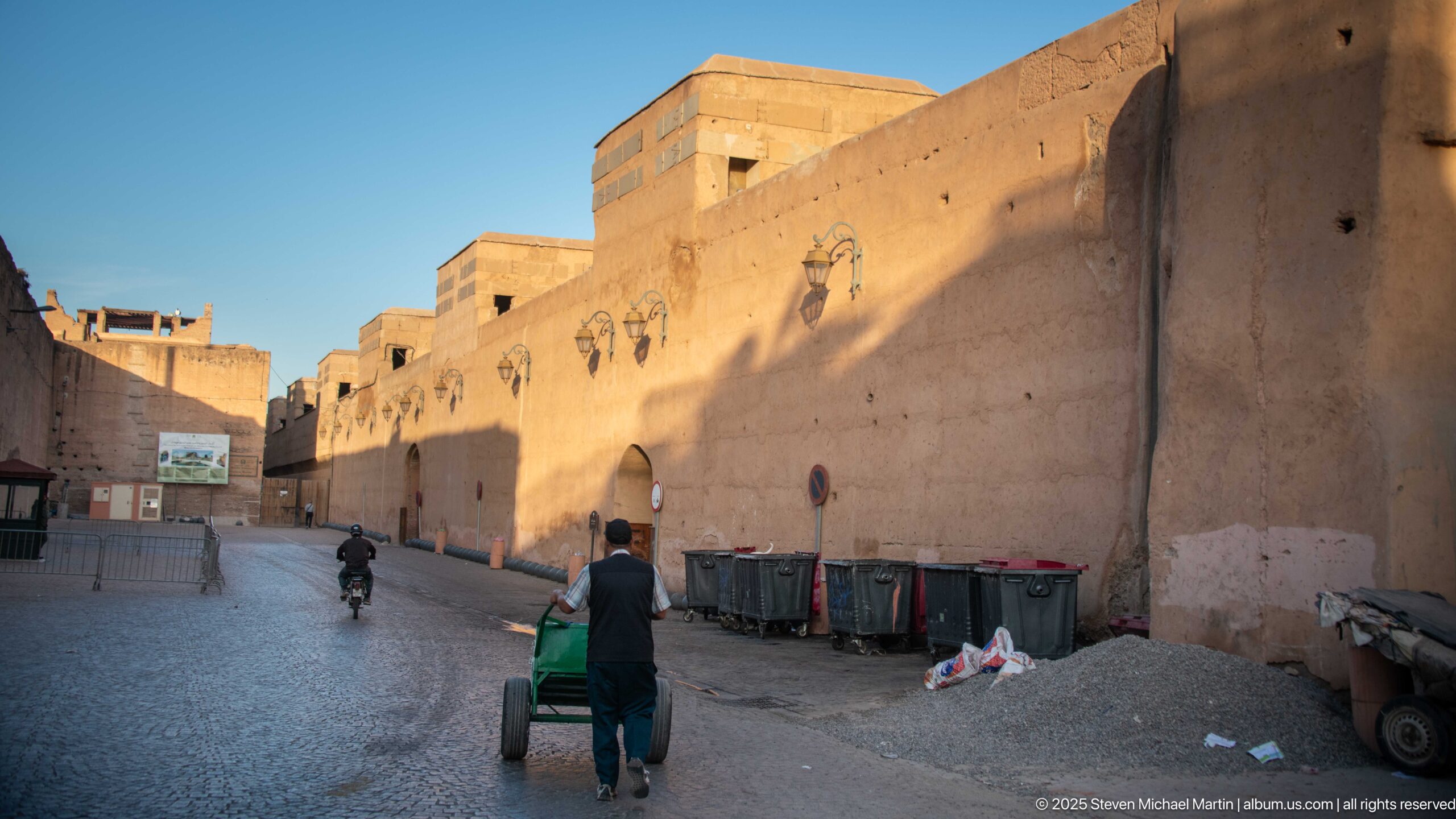
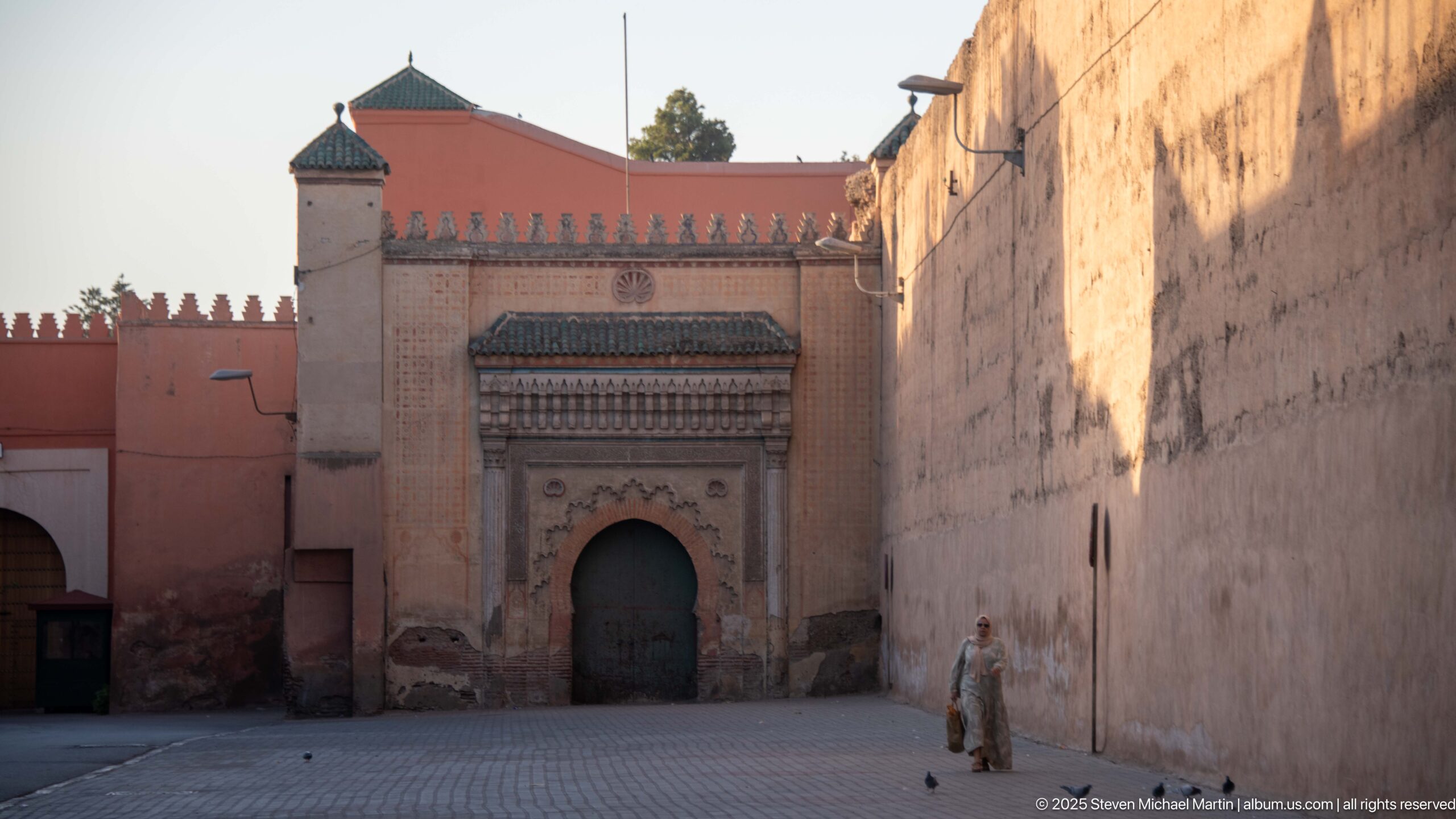
- High Perimeter Walls – Enclosing walls that define the scale and structure of the complex.
🧠 Historical Significance
- Saadian Dynasty Peak – Built during a period of political and economic strength.
- Symbol of Power – Intended to impress visitors, ambassadors, and rivals.
- International Materials – Constructed using materials sourced from across Africa and Europe.
- Deliberate Dismantling – Later rulers stripped the palace to reuse its materials in new projects.
🌄 Landscape & Experience
- Ruins as Experience – The absence of decoration emphasizes scale and structure.
- Open Sky Environment – The site is largely exposed, creating a strong sense of space.
- Contrast of Past and Present – The ruins invite reflection on the palace’s former grandeur.
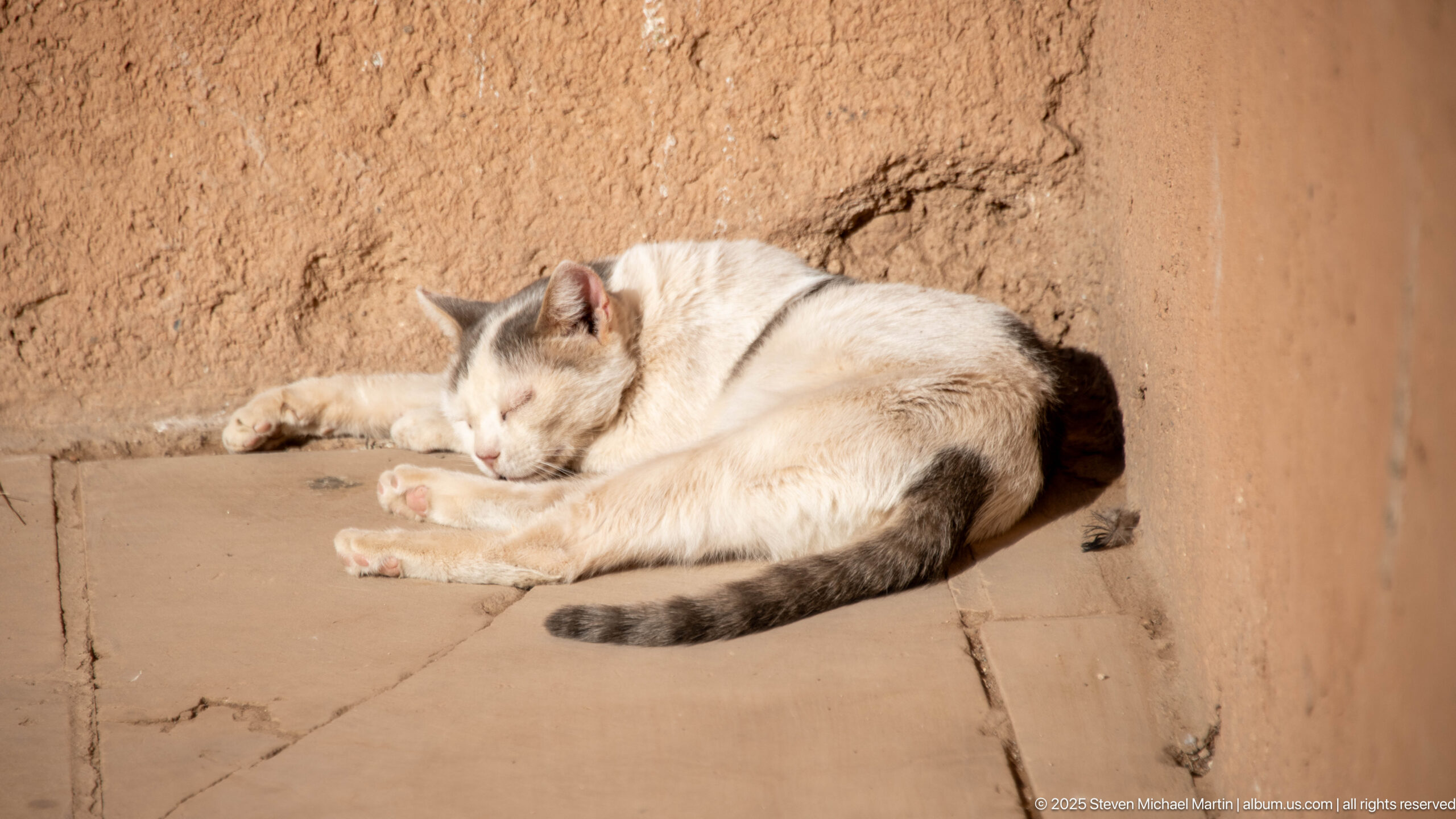
- Living Atmosphere – Wildlife and light conditions contribute to the character of the site.
Video compliments of Pam Dixon