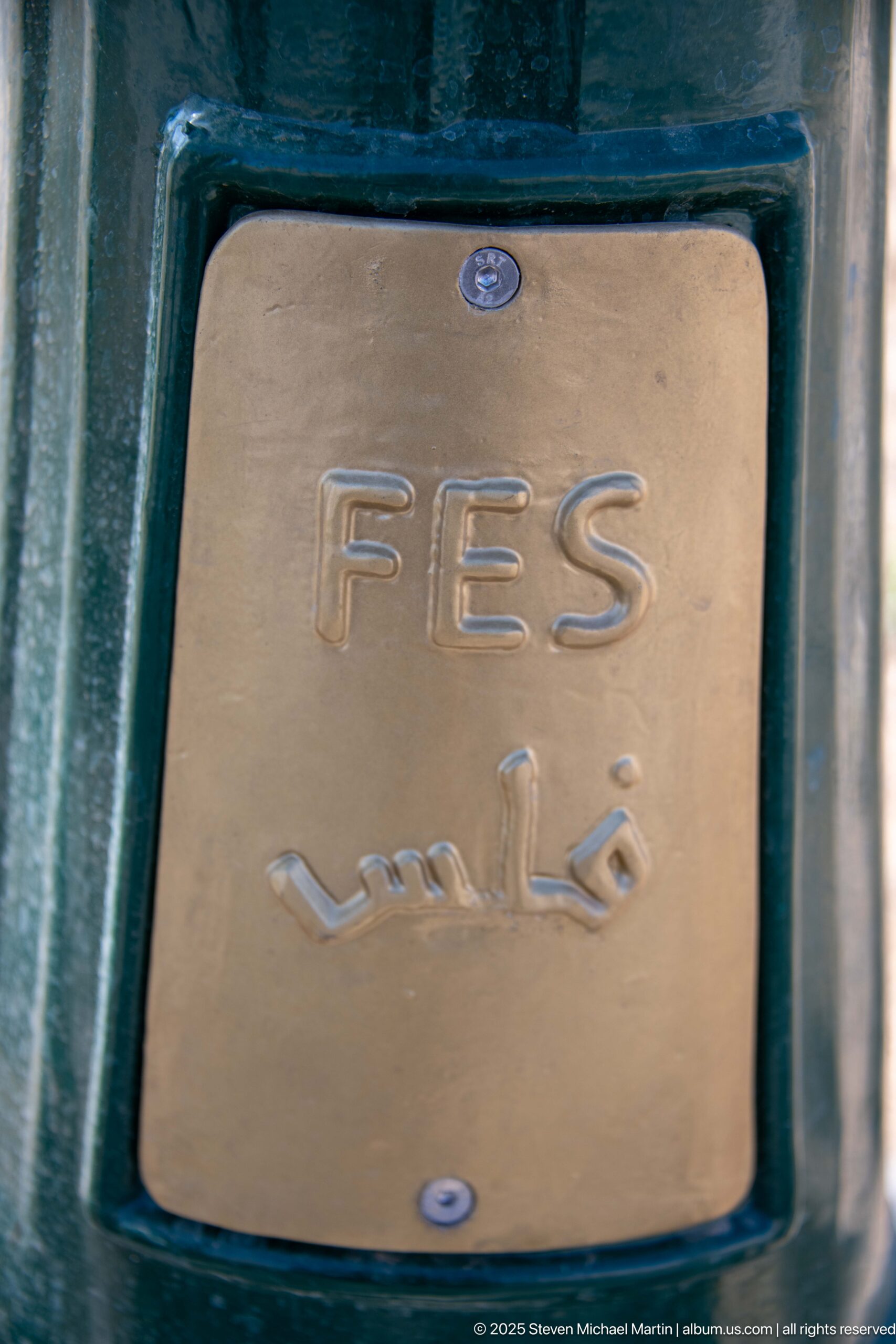
Fez – Morocco
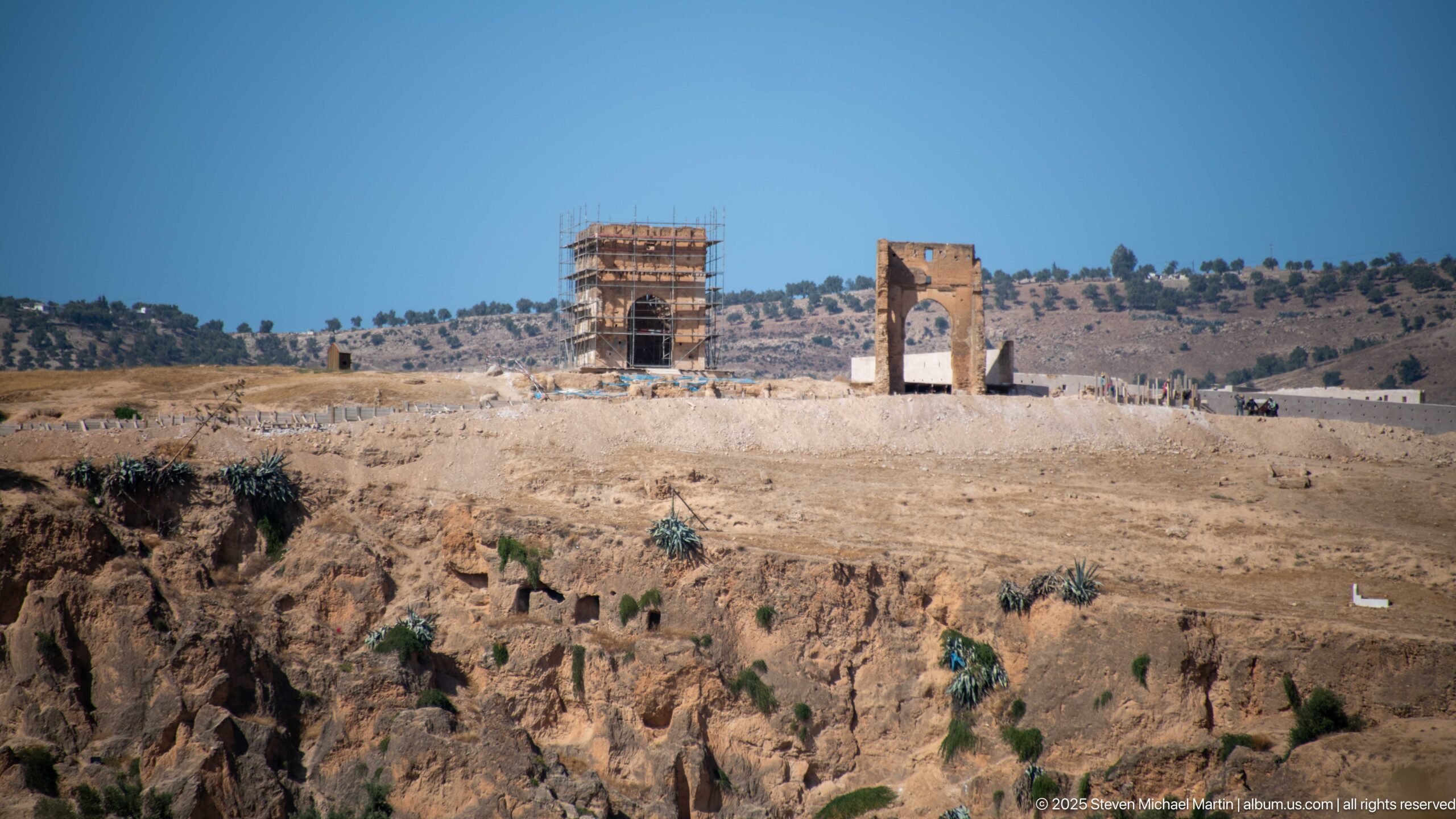
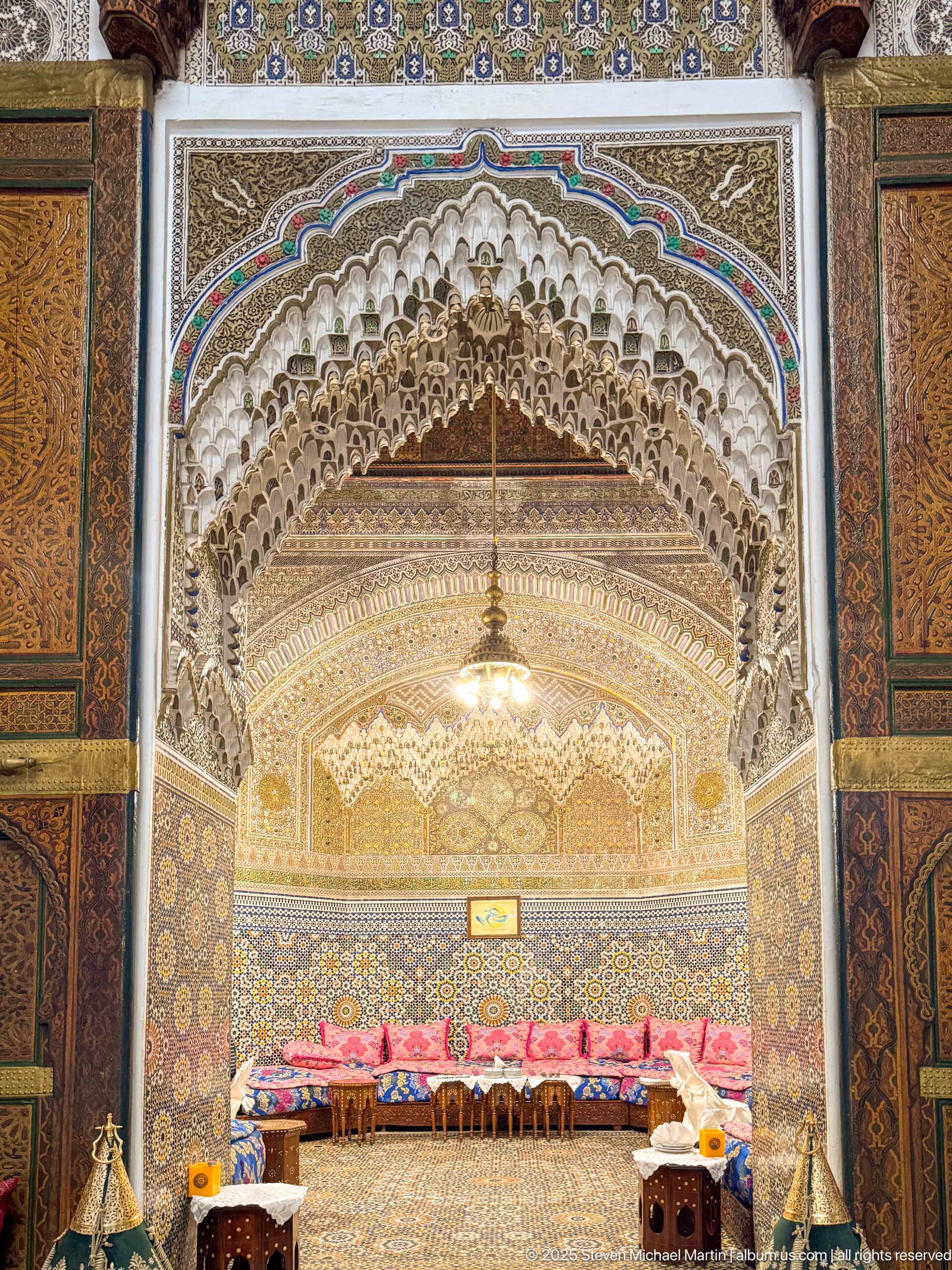
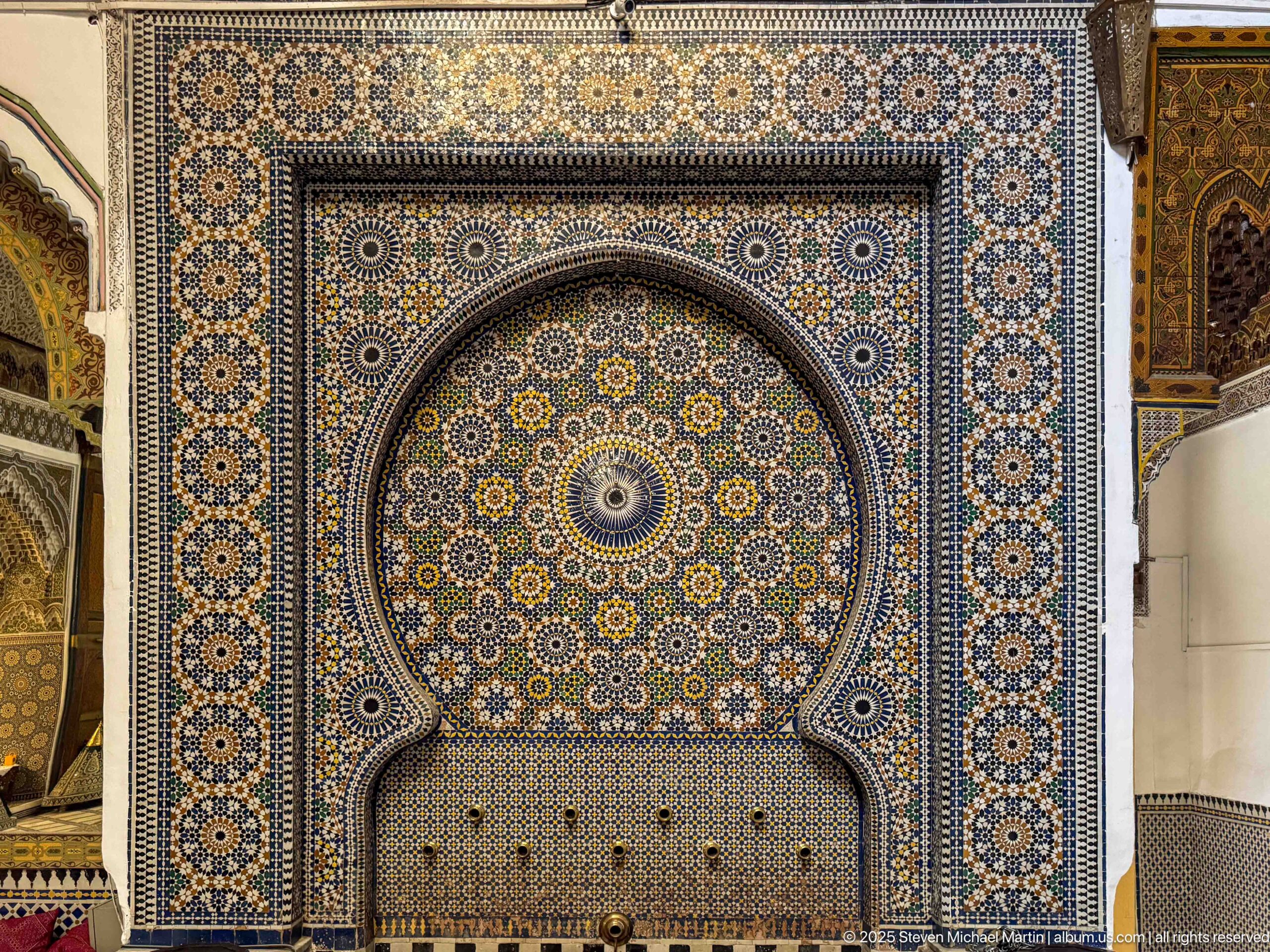
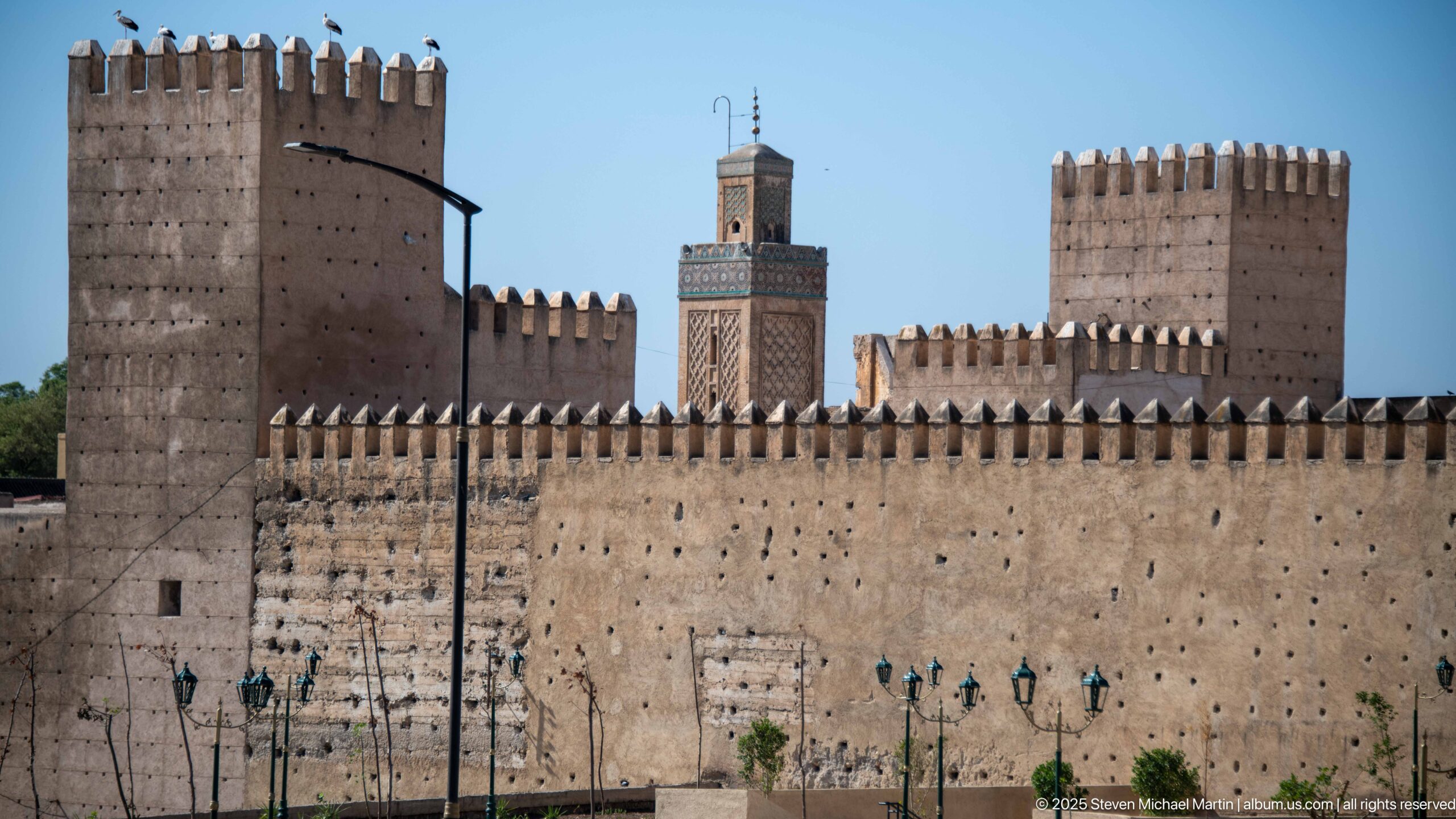
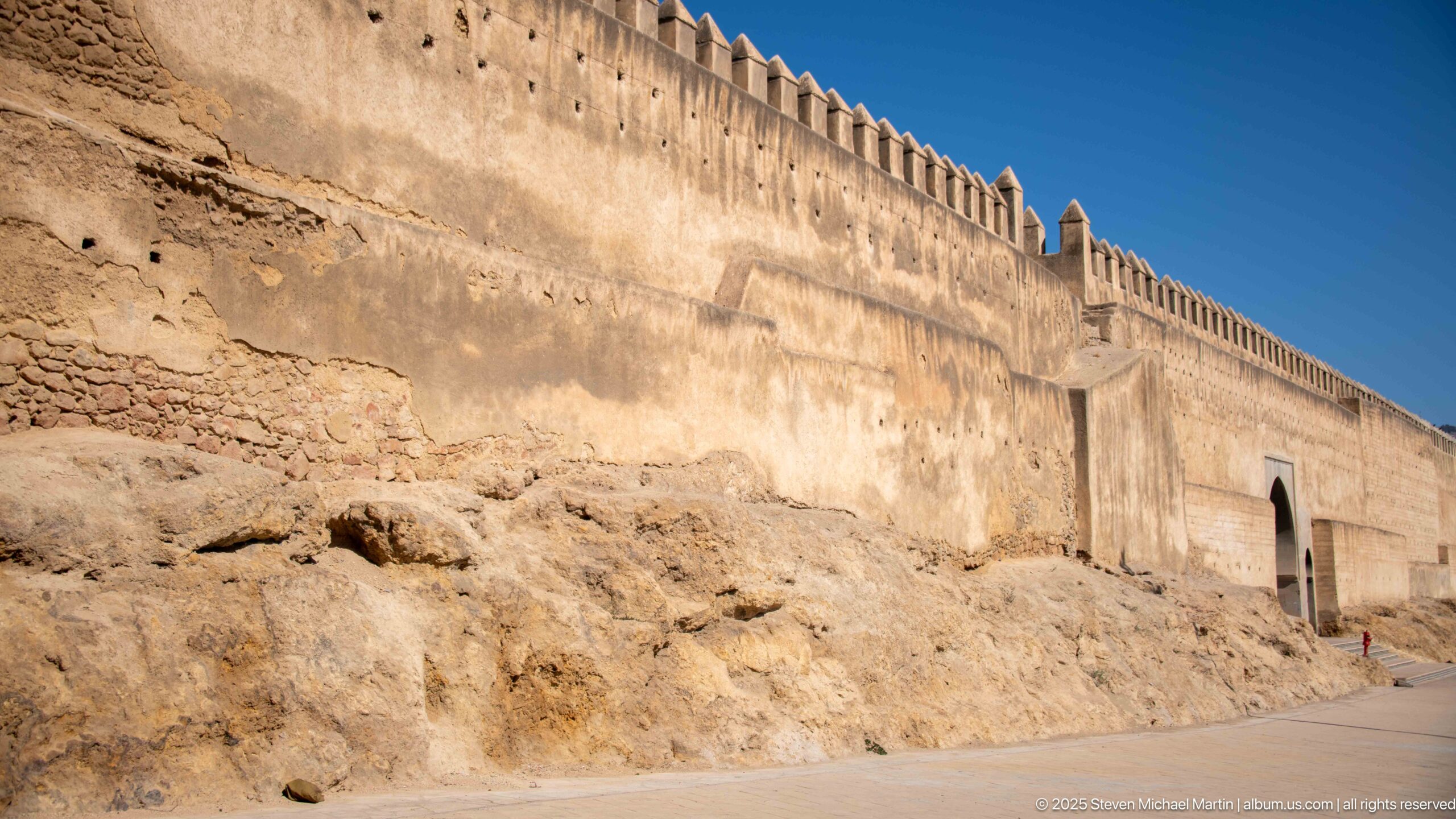
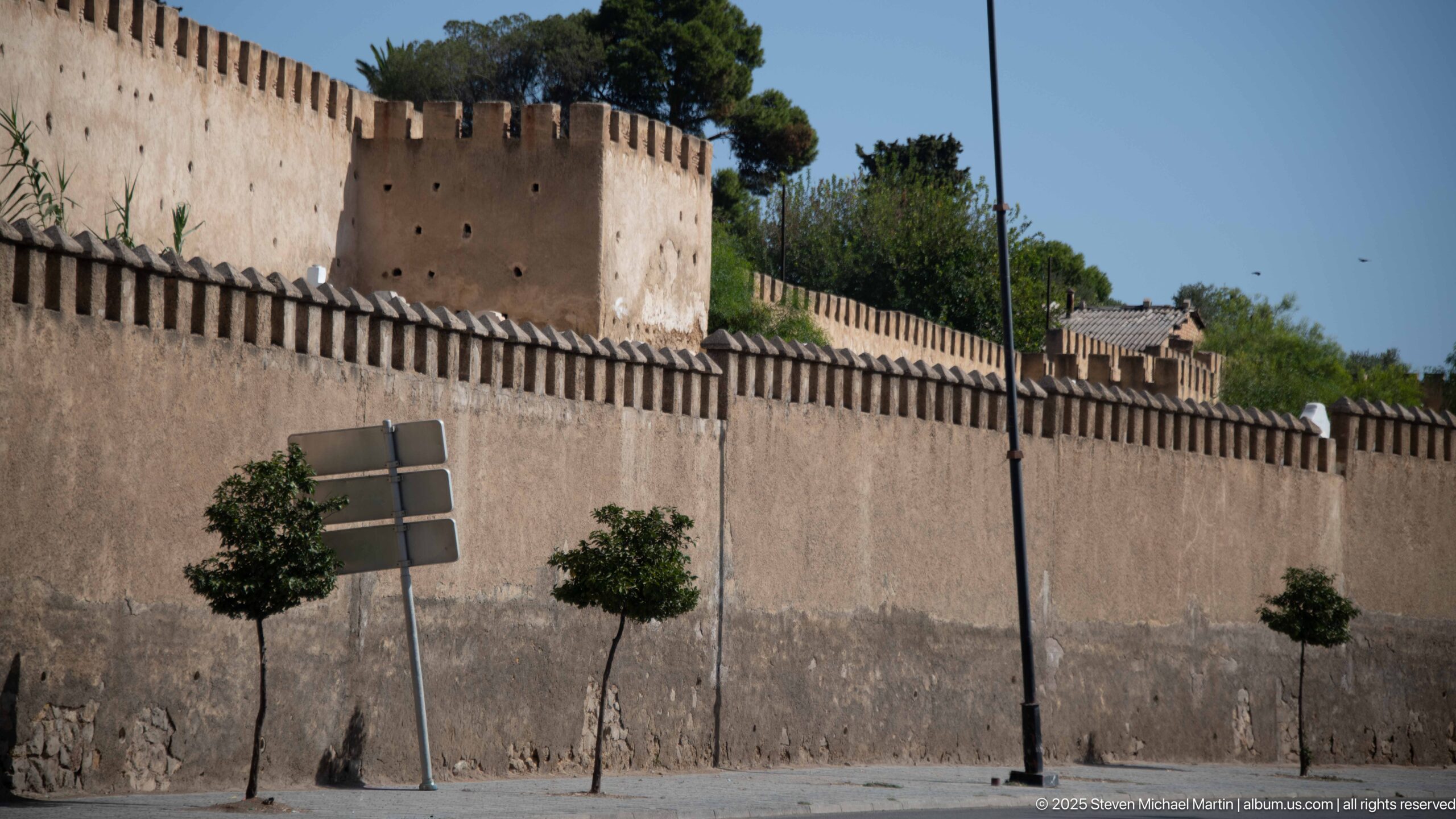
The city of Fez is one of the oldest and most historically significant cities in Morocco. Founded in the 8th century, Fez developed into a major center of Islamic scholarship, craftsmanship, and trade across North Africa.
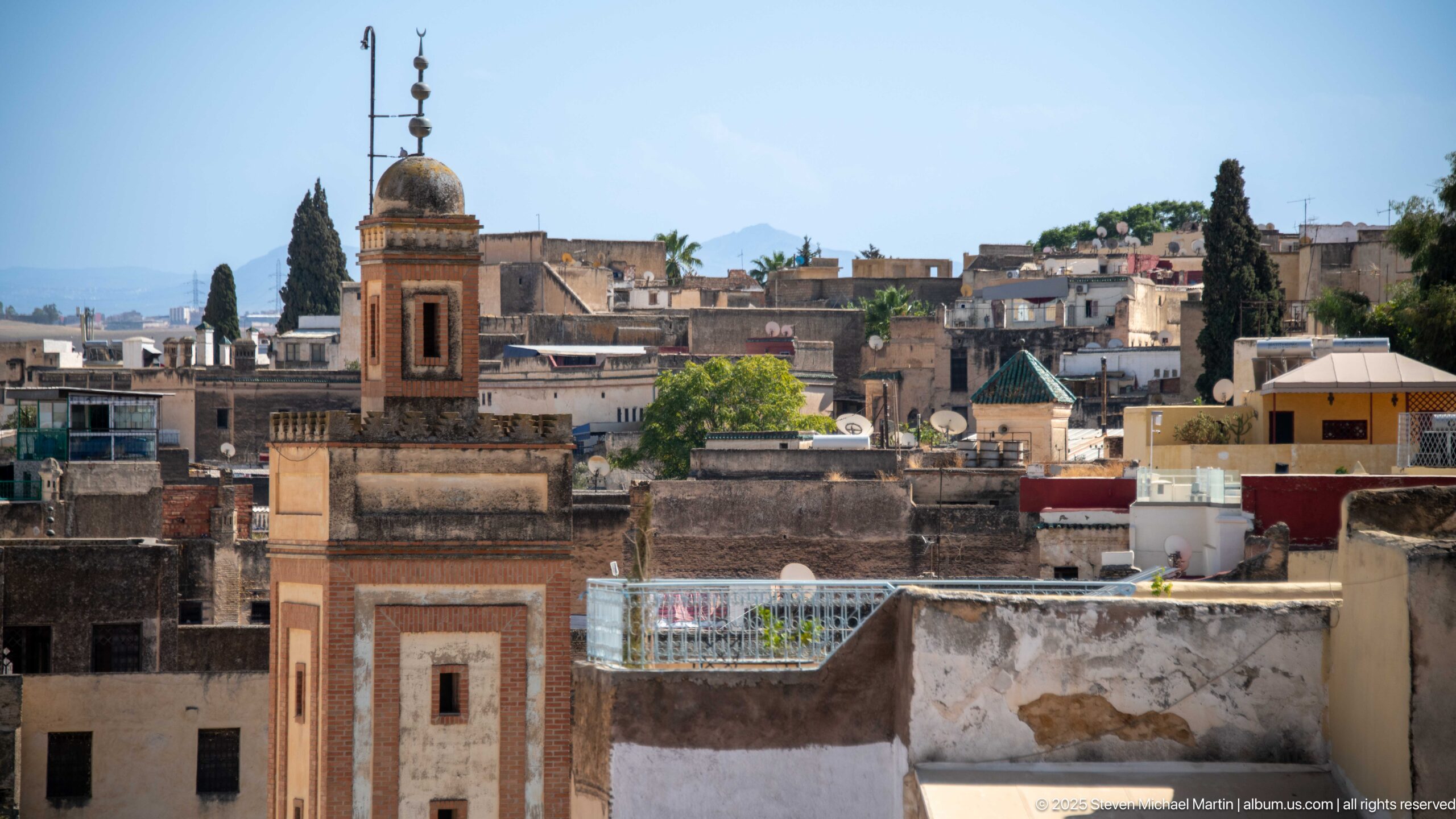
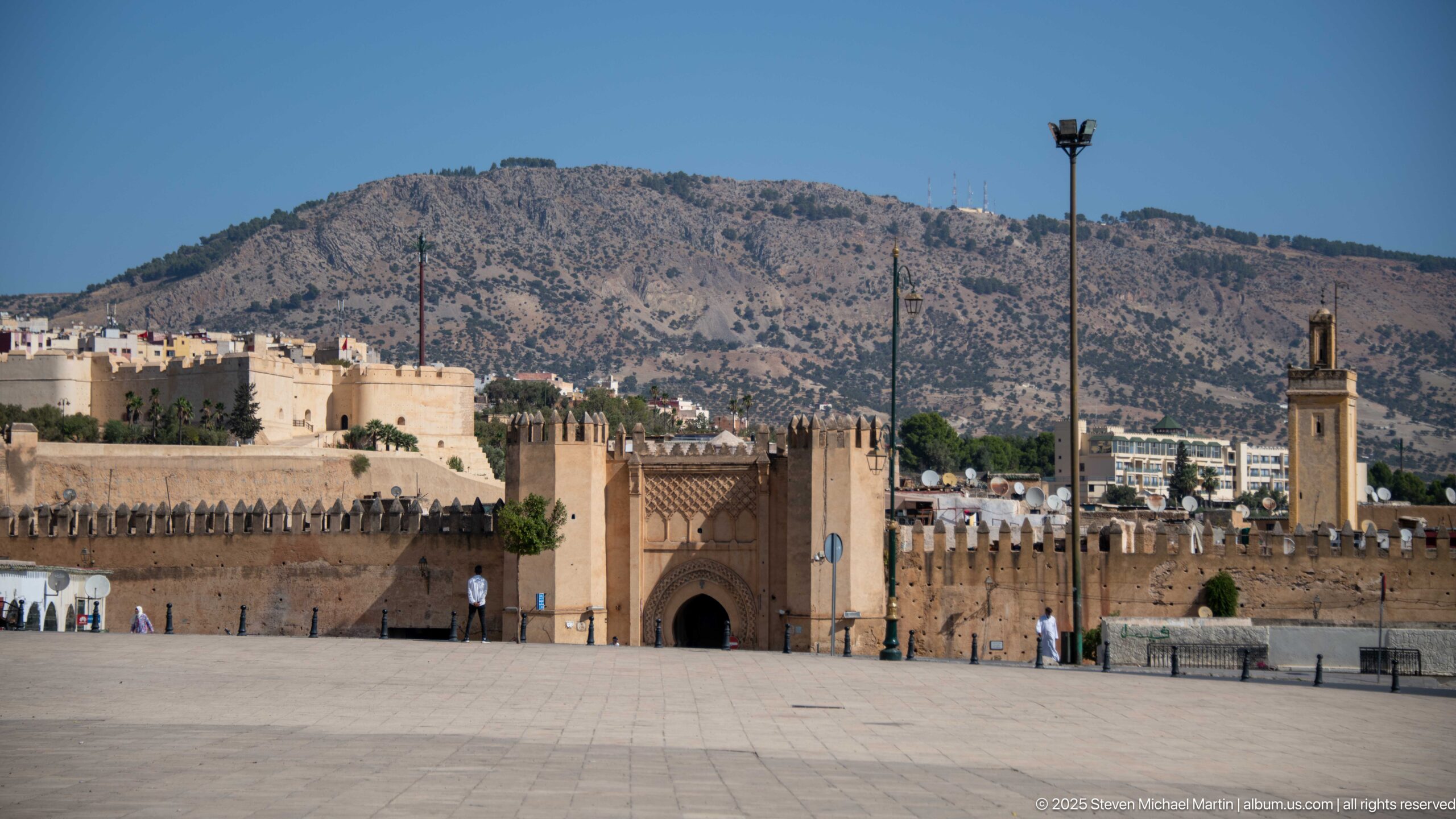
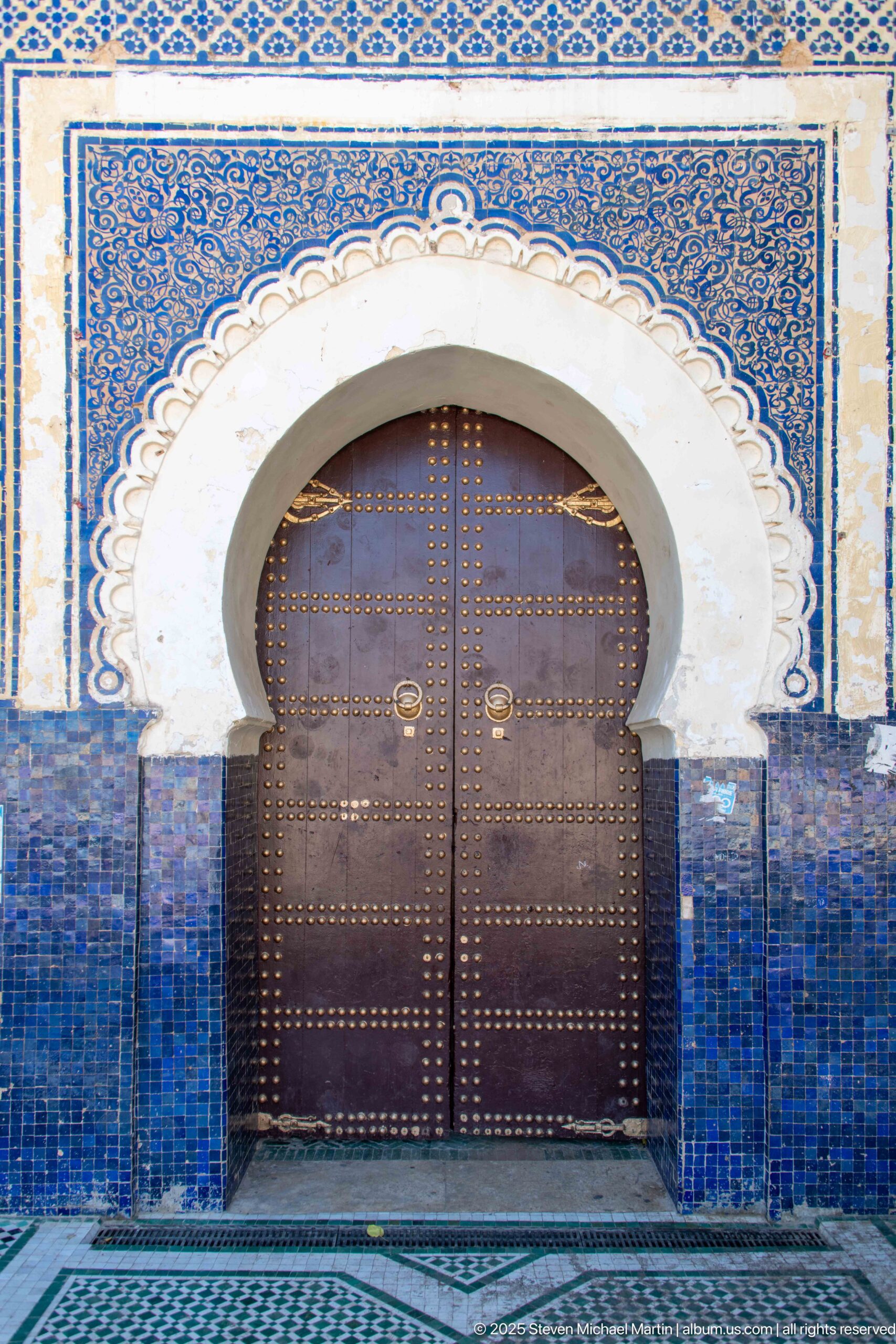
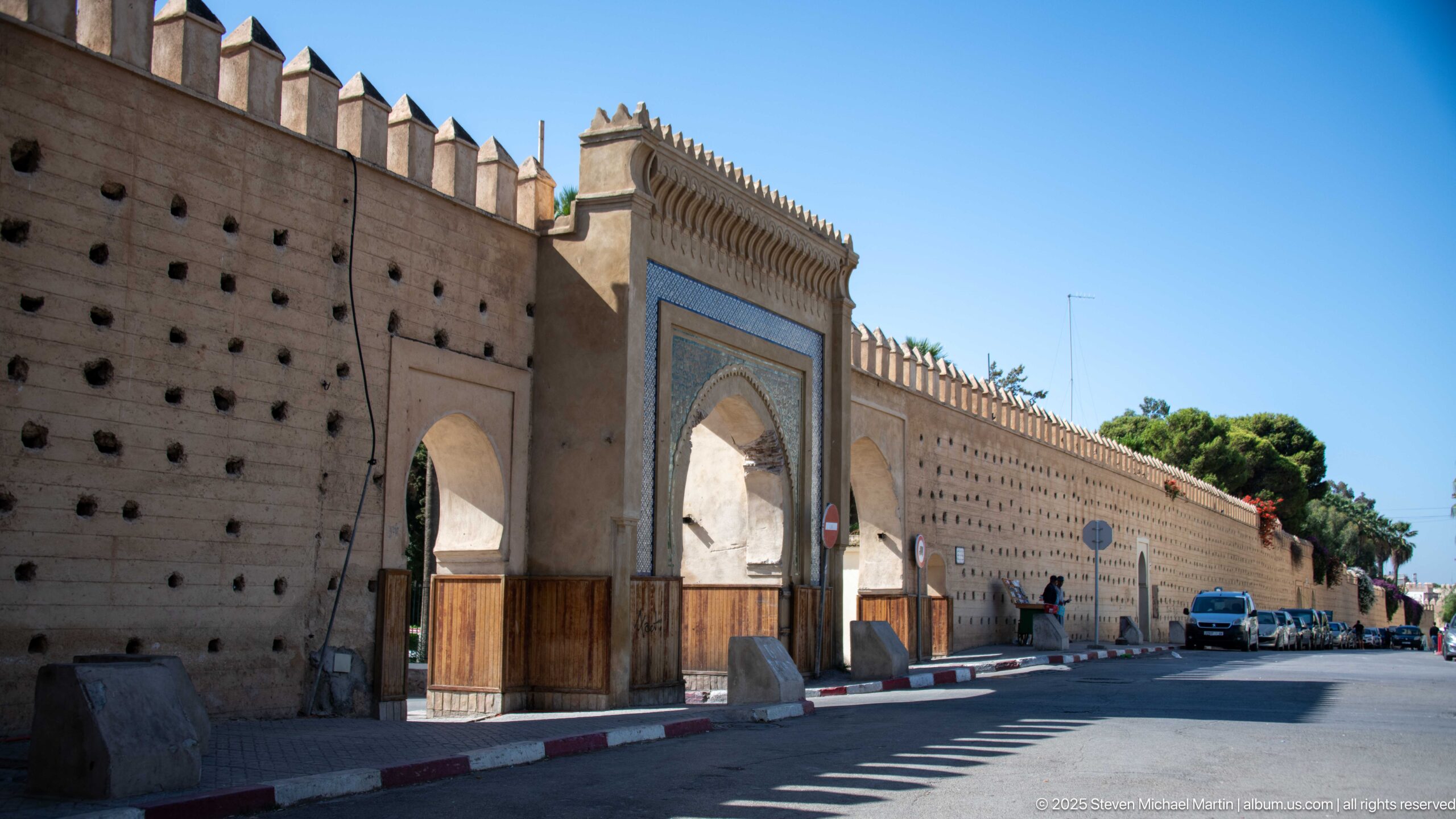
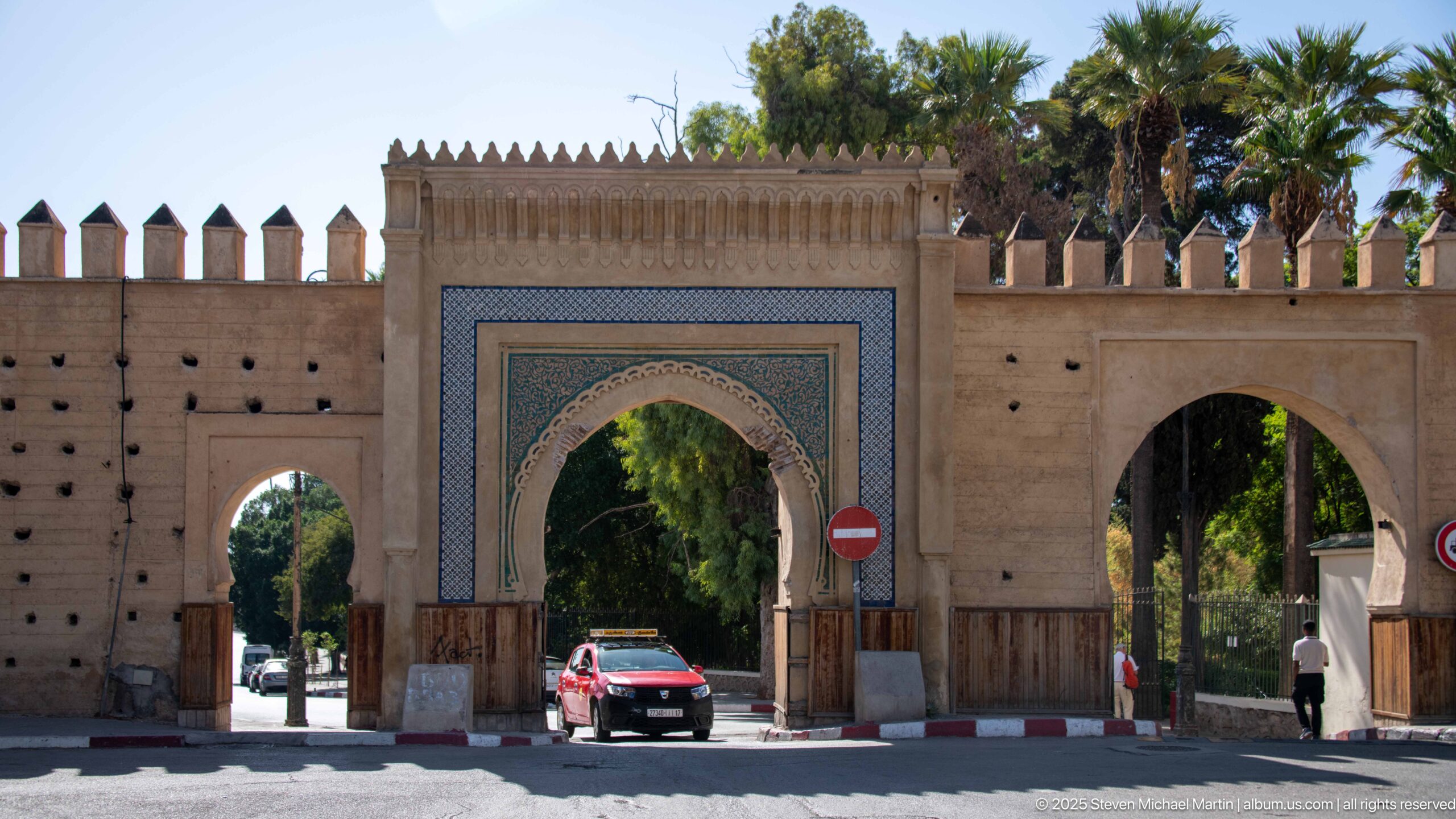
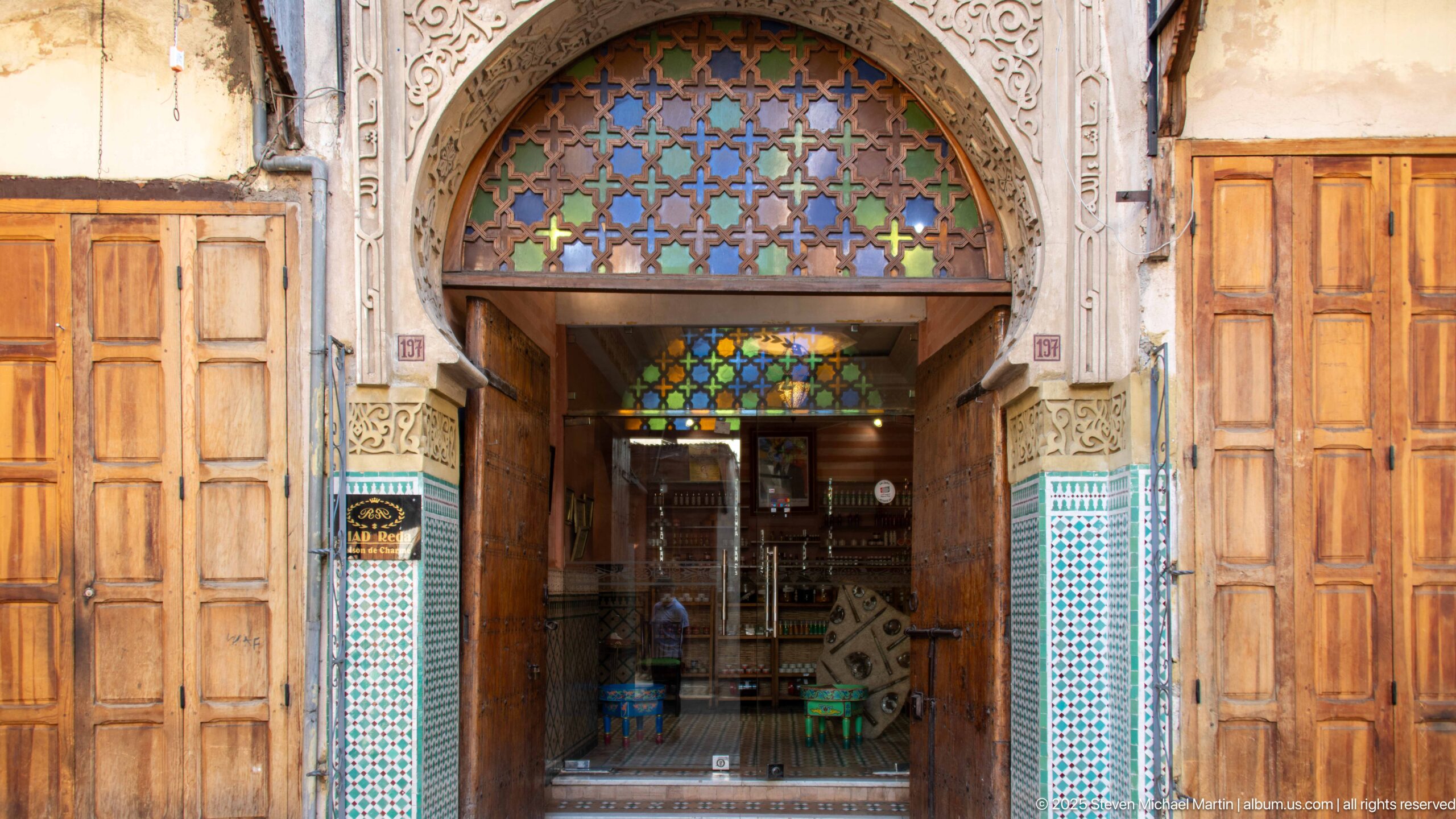
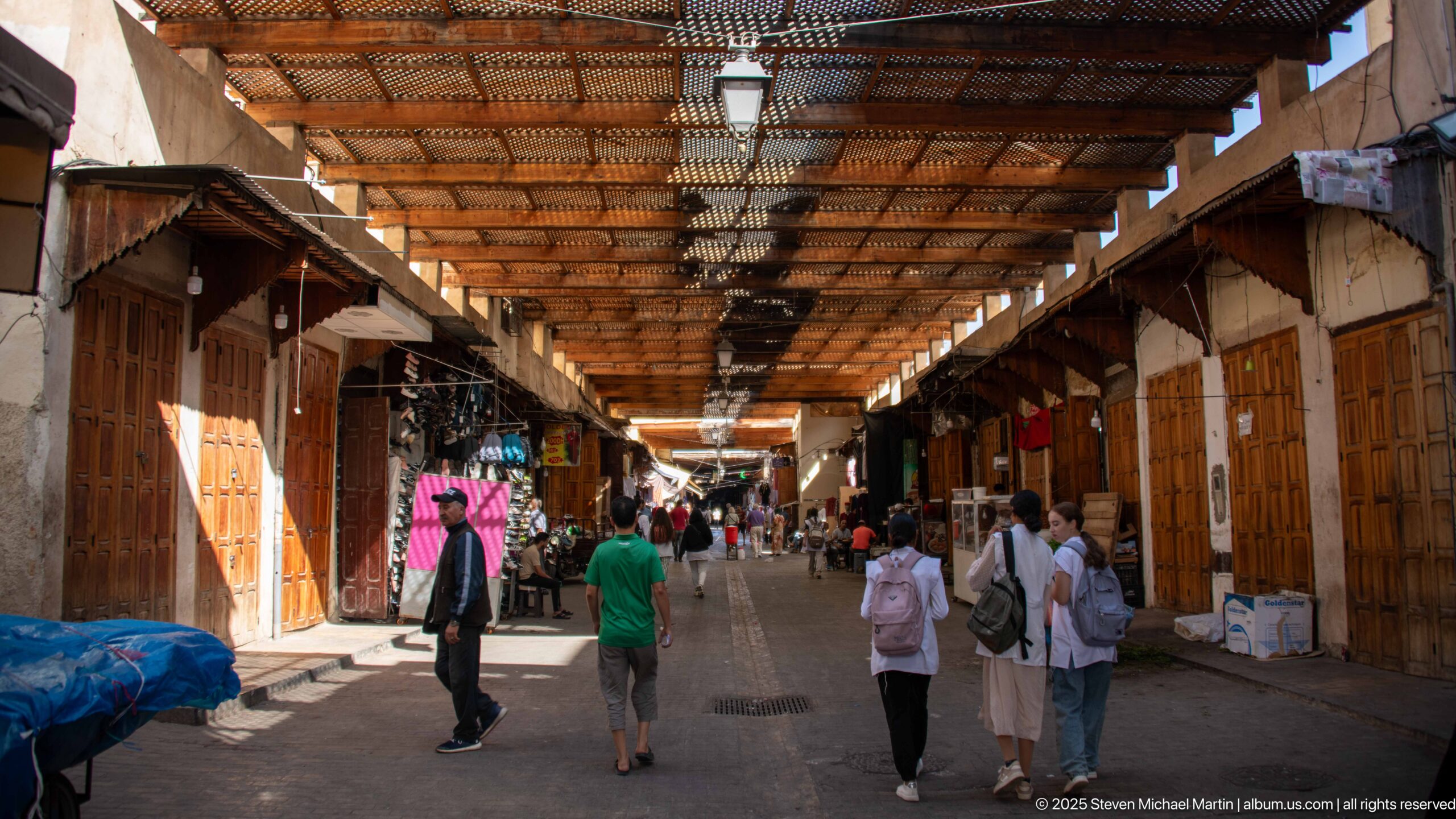
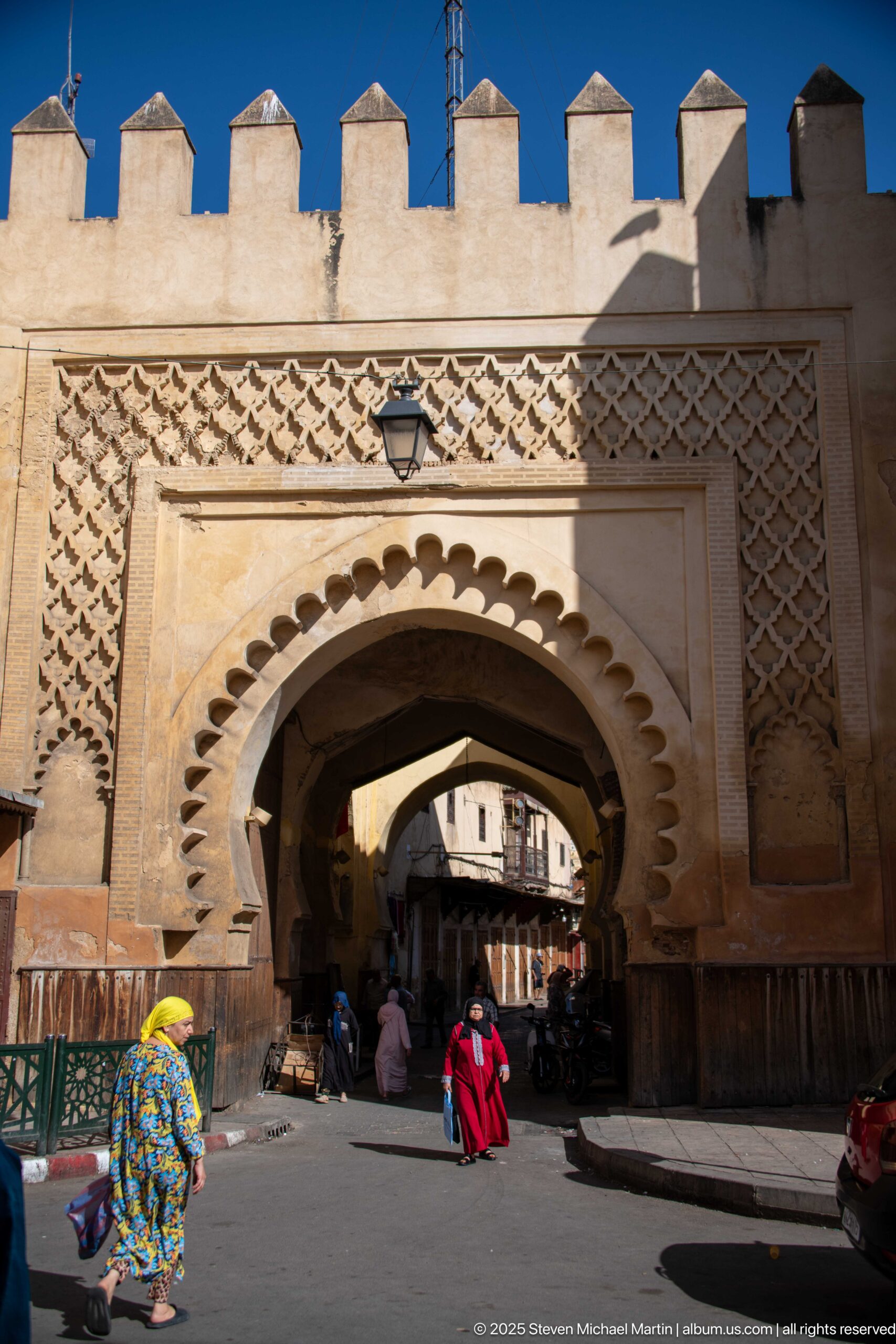
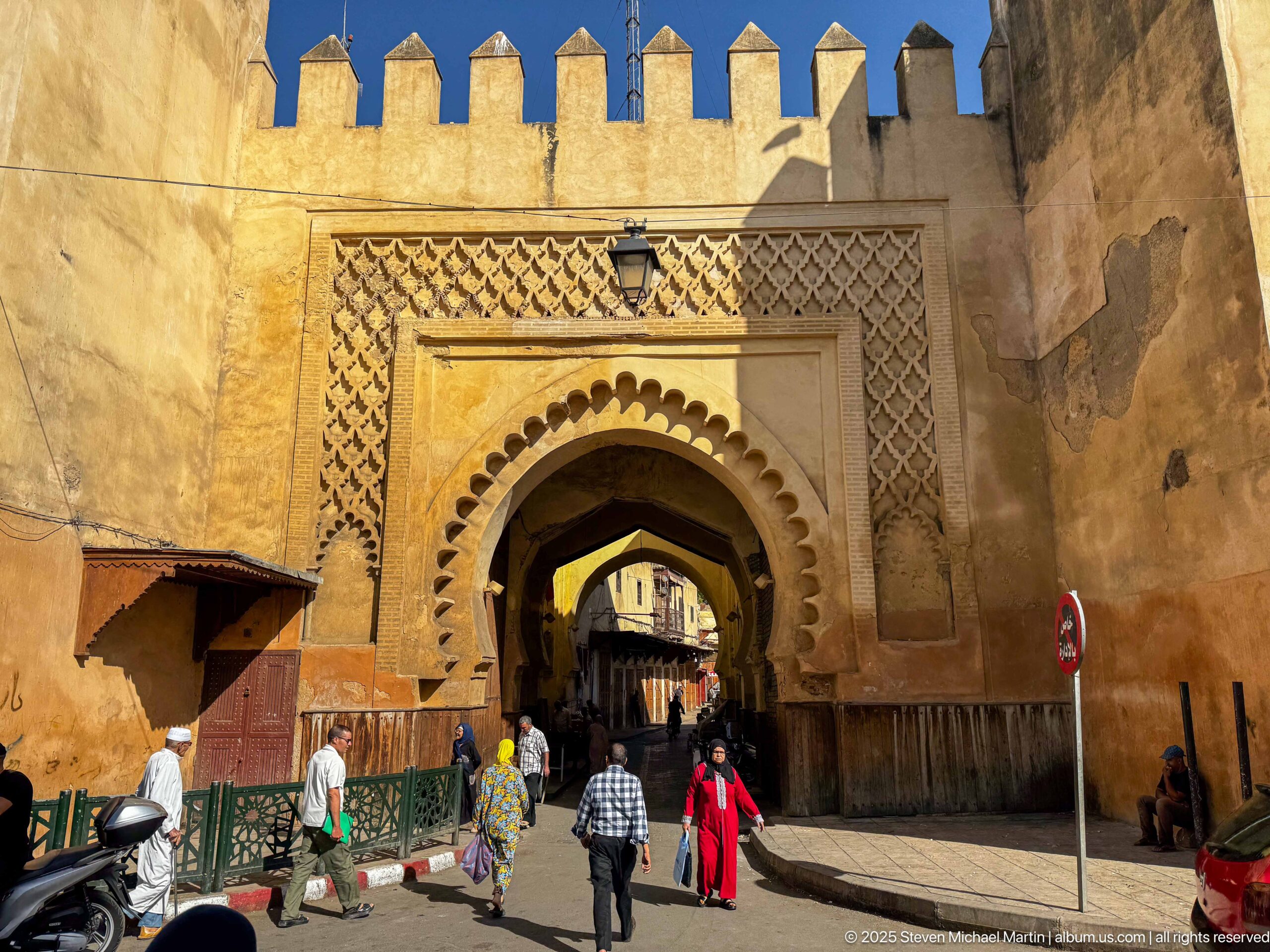
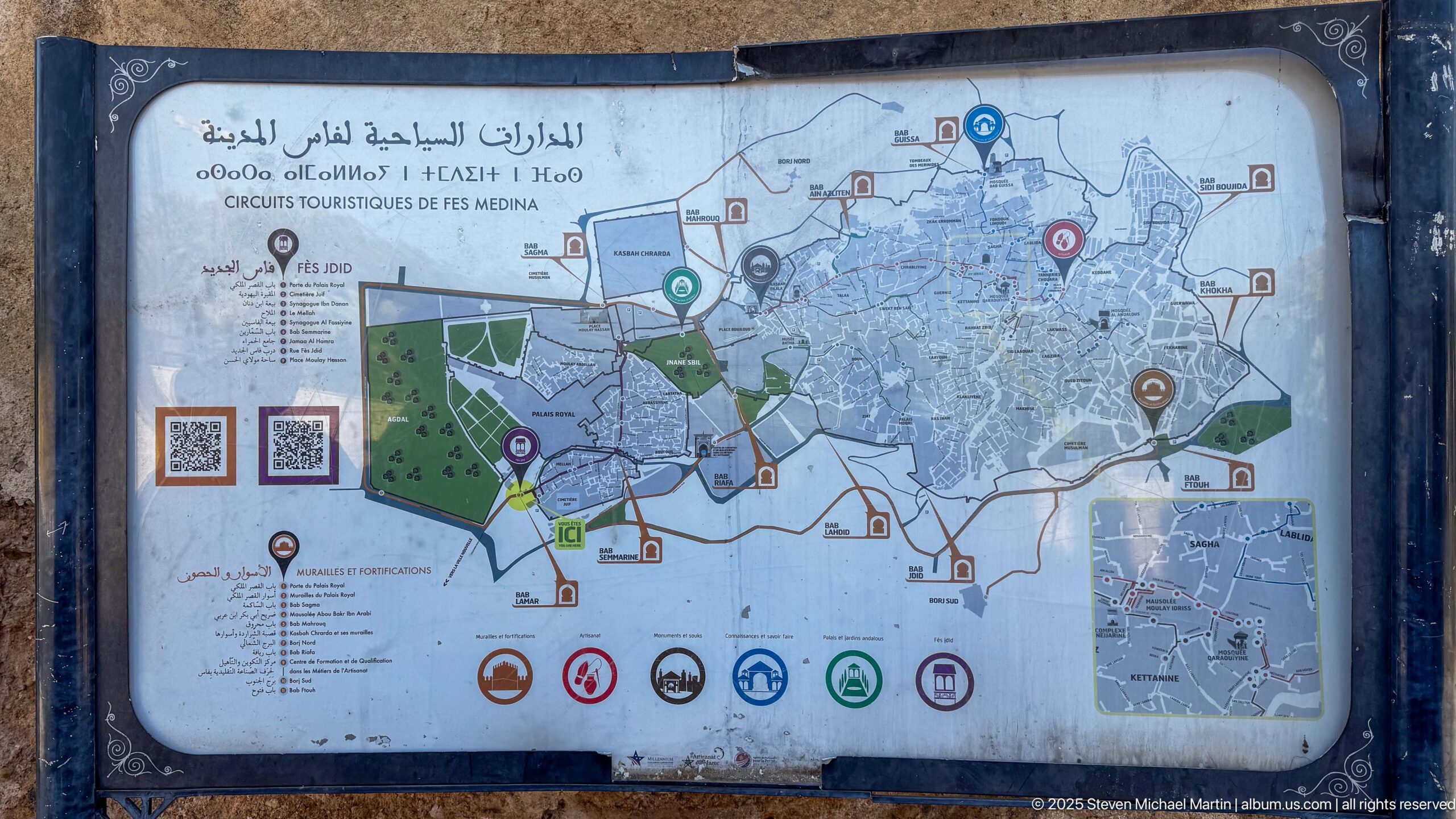
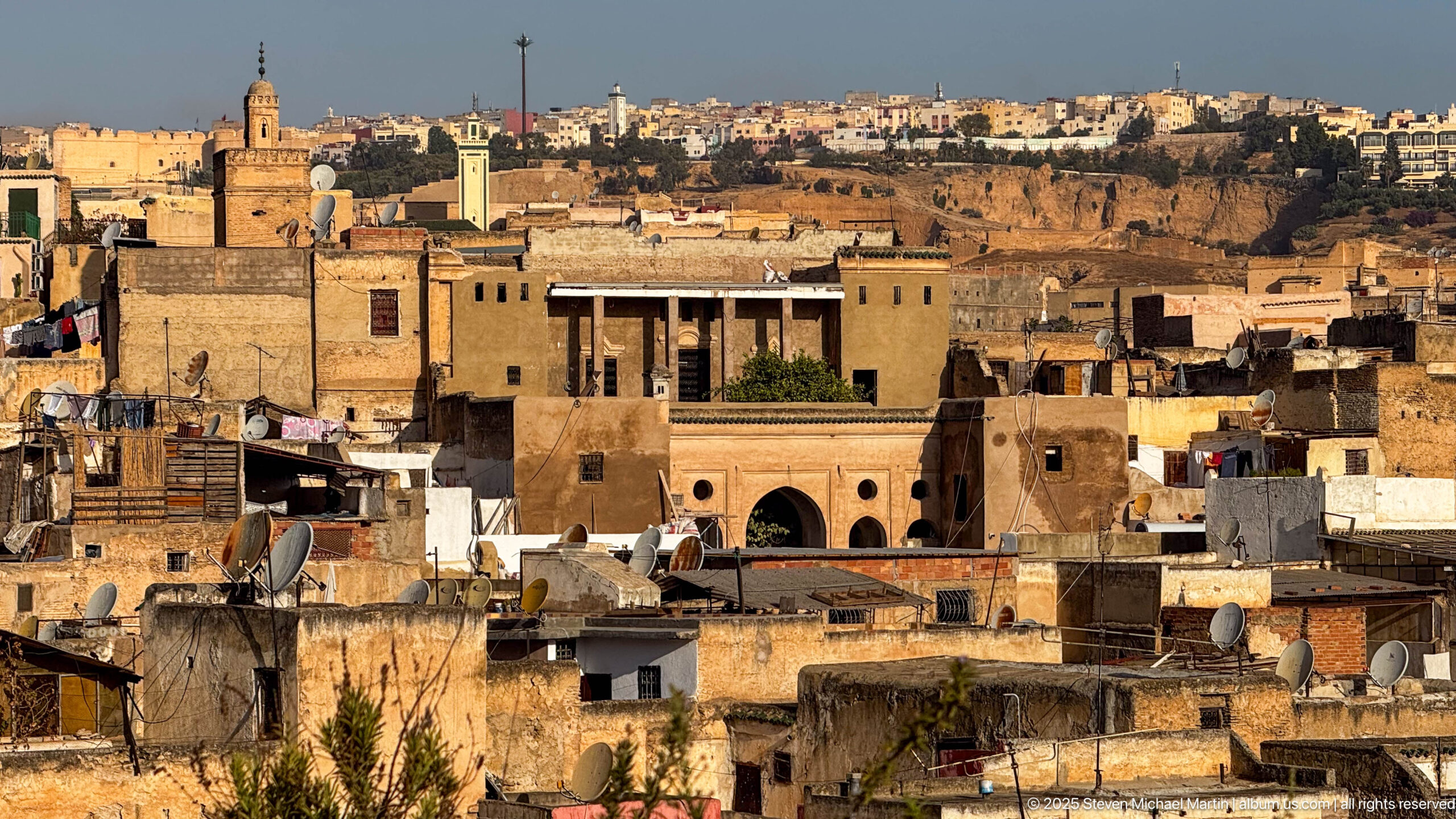
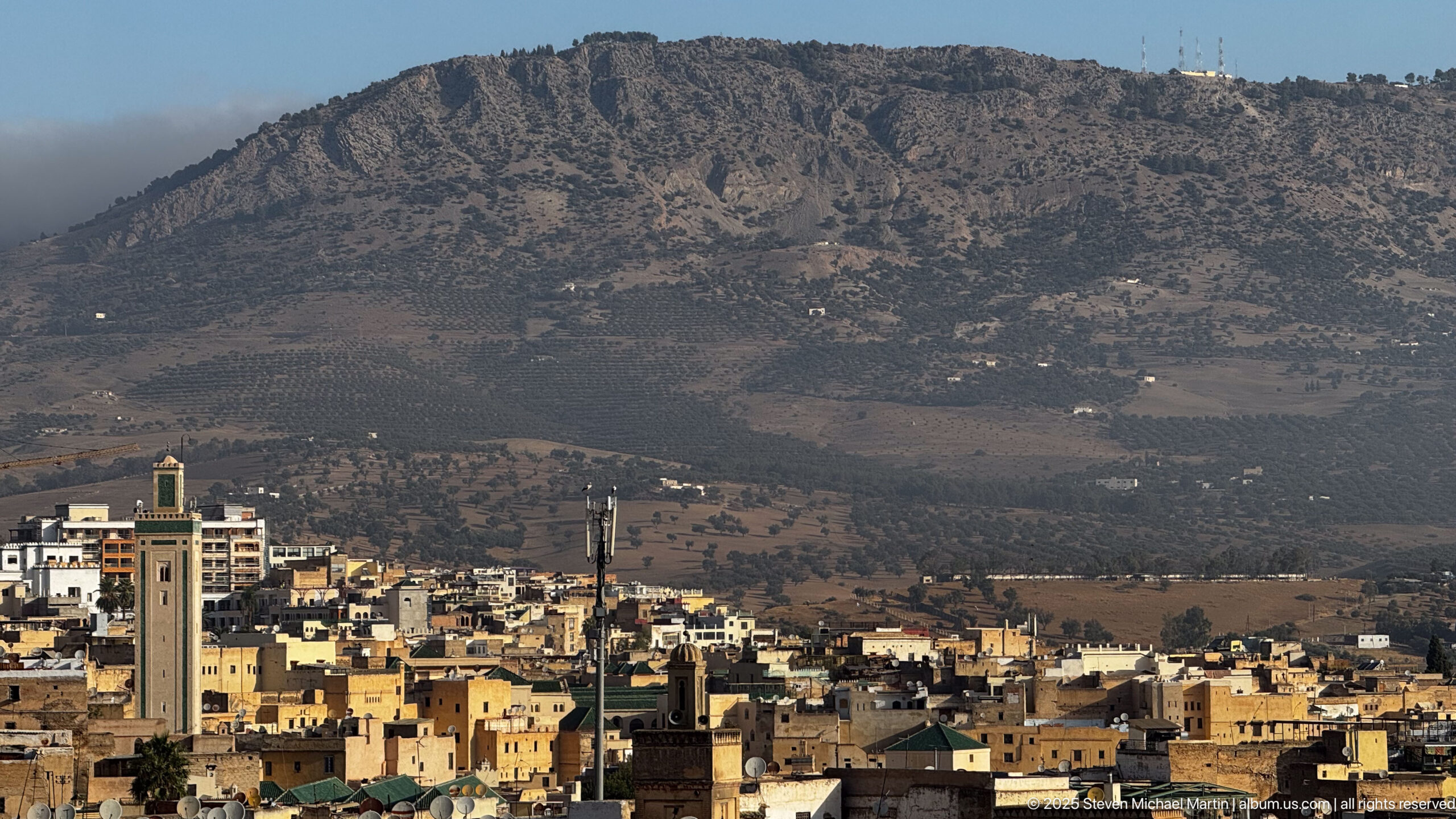
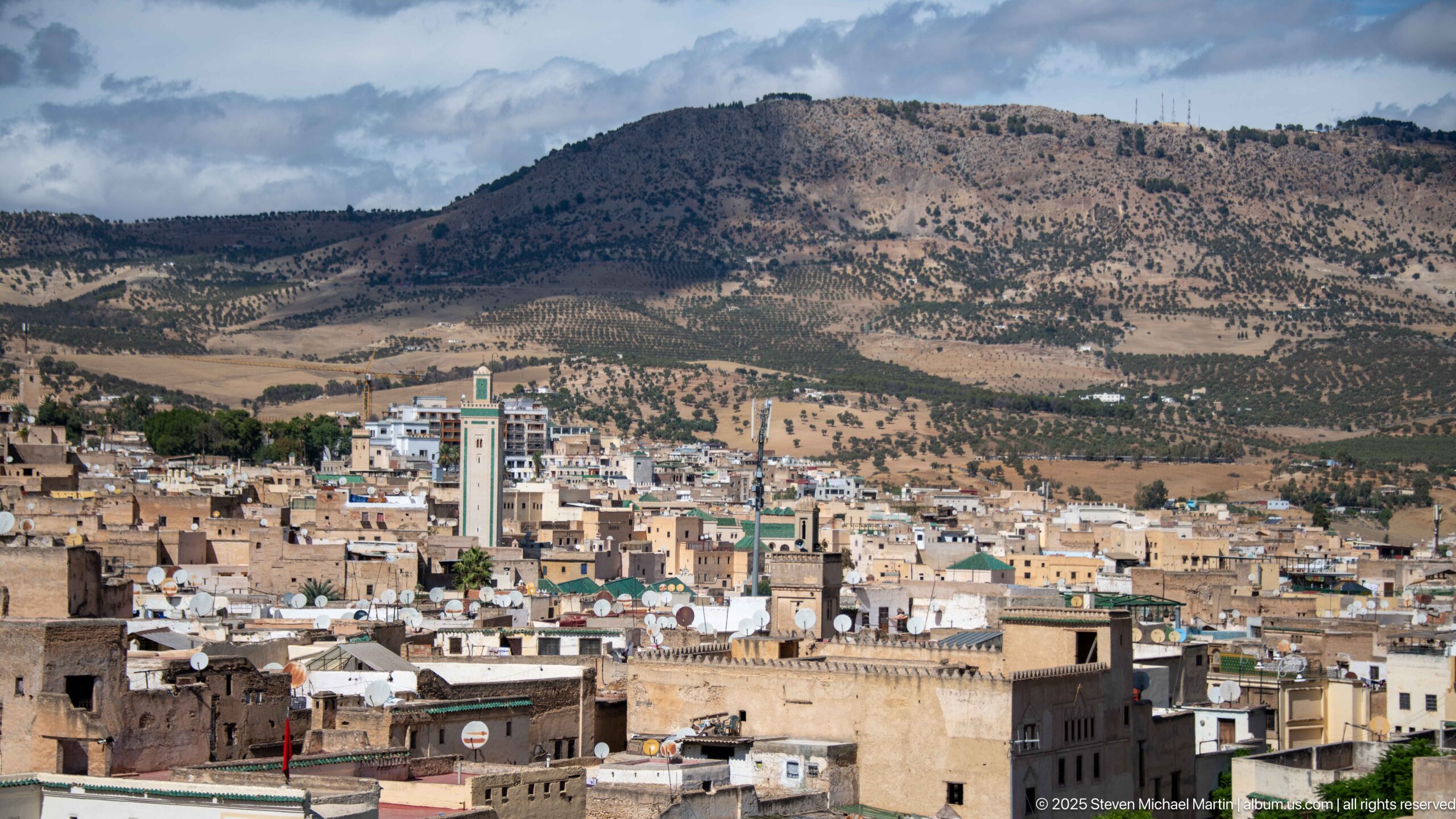
The city is best known for its vast medina, where narrow streets weave through markets, workshops, mosques, and traditional houses that have changed little over the centuries. Institutions such as the Al-Qarawiyyin Mosque and University, founded in the 9th century, helped establish Fez as one of the most important intellectual centers of the Islamic world.
Today Fez remains a cultural heart of Morocco, where centuries-old traditions continue within one of the largest surviving medieval cities in the world.
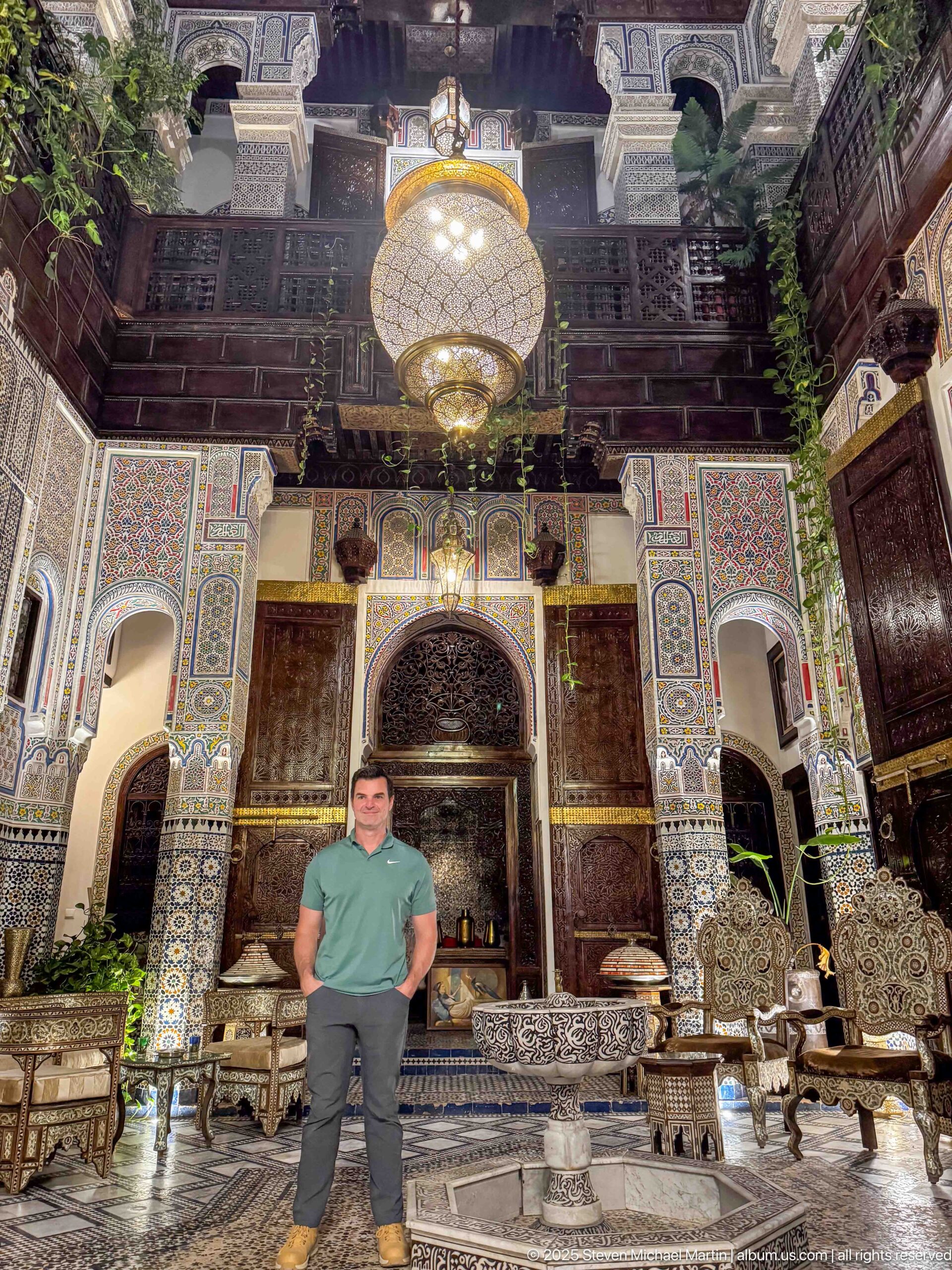
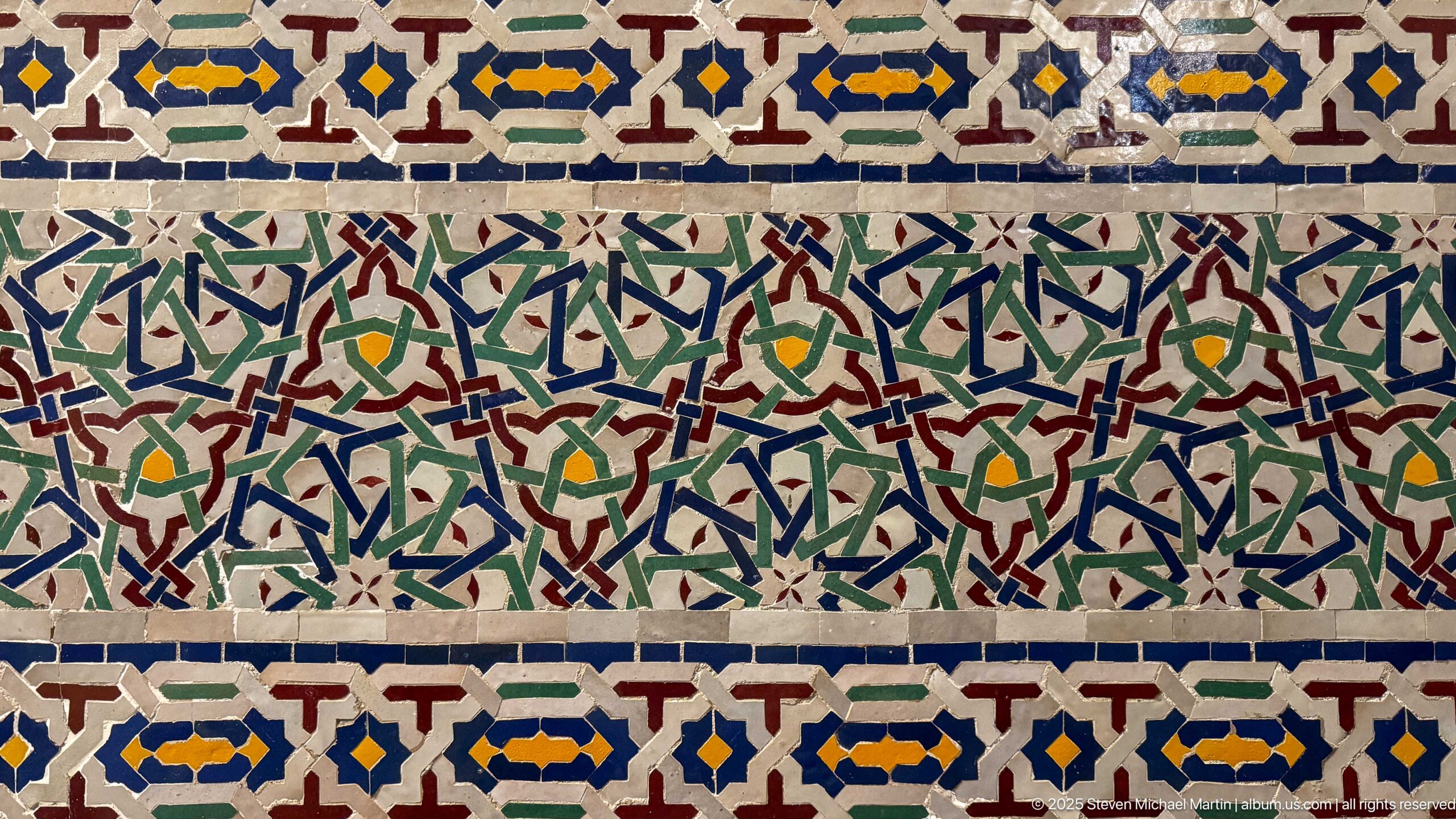
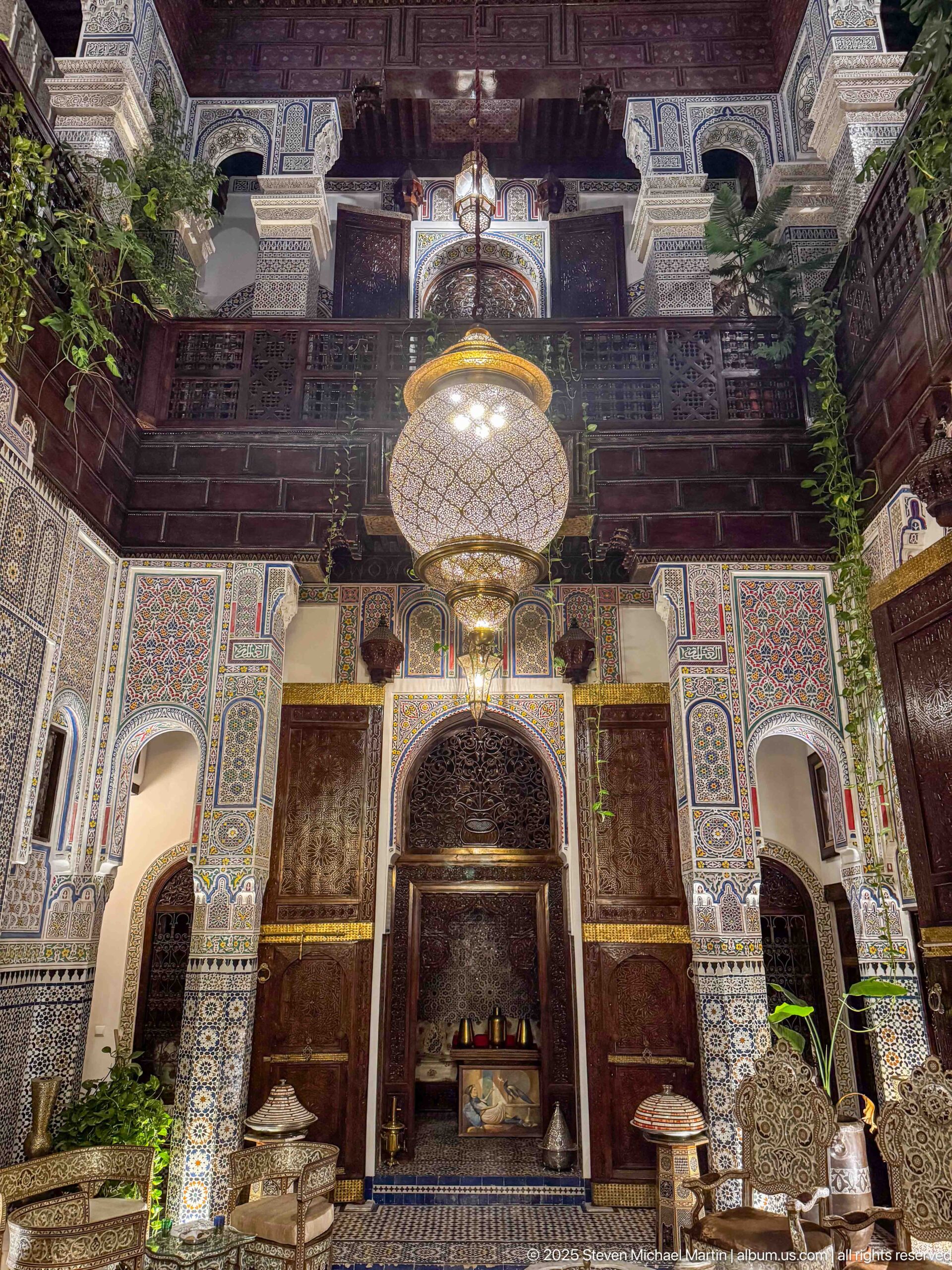
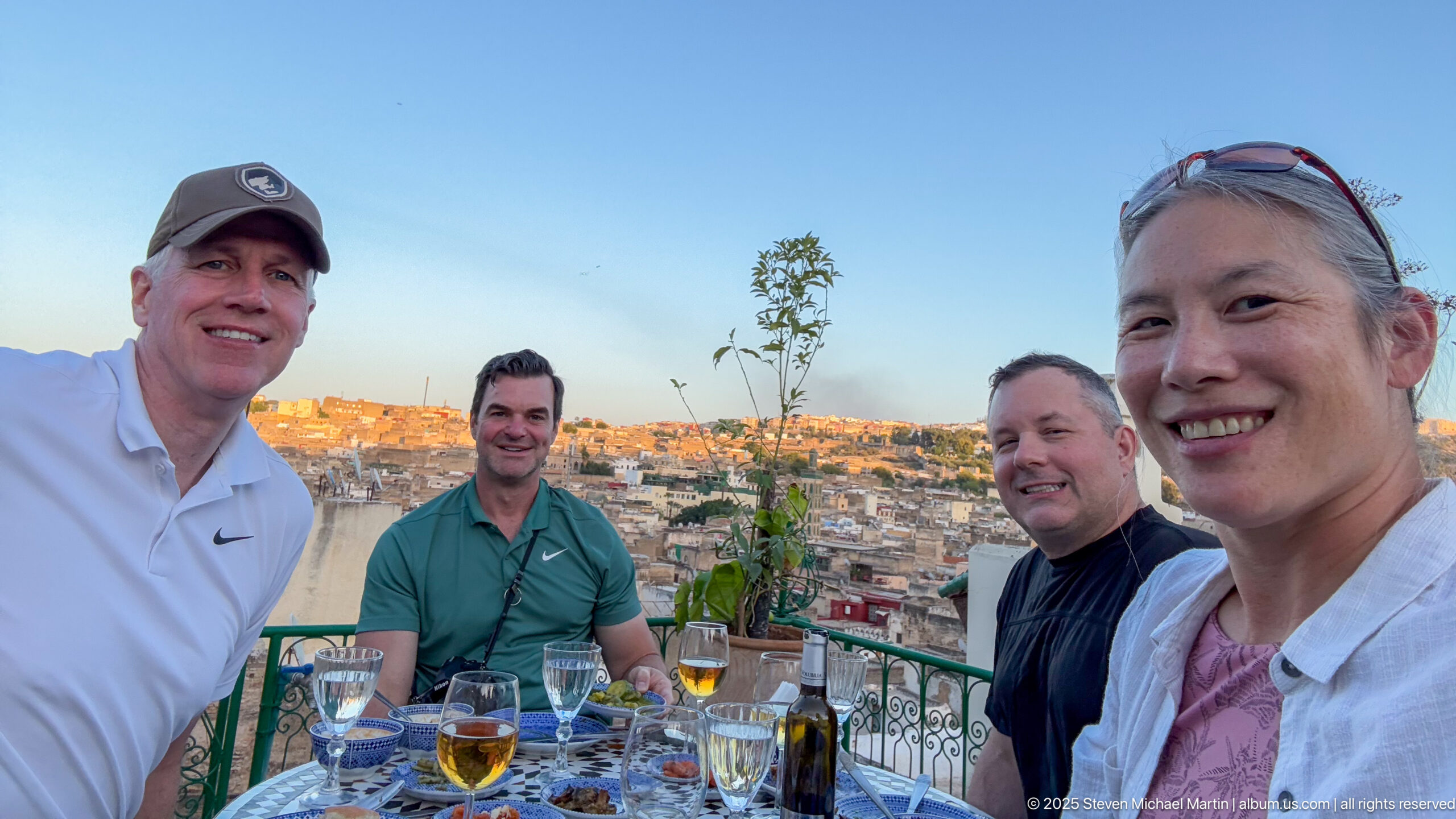
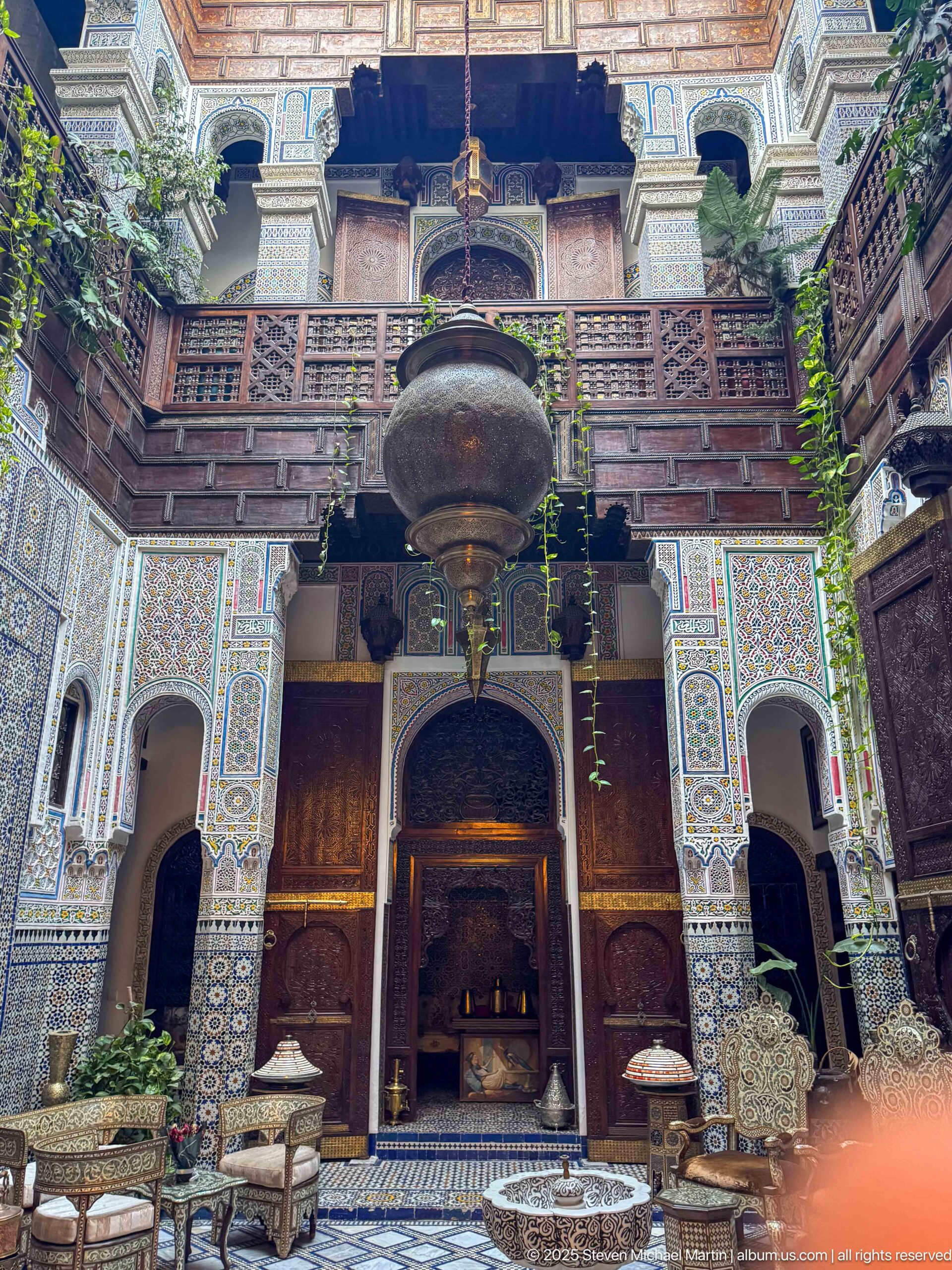
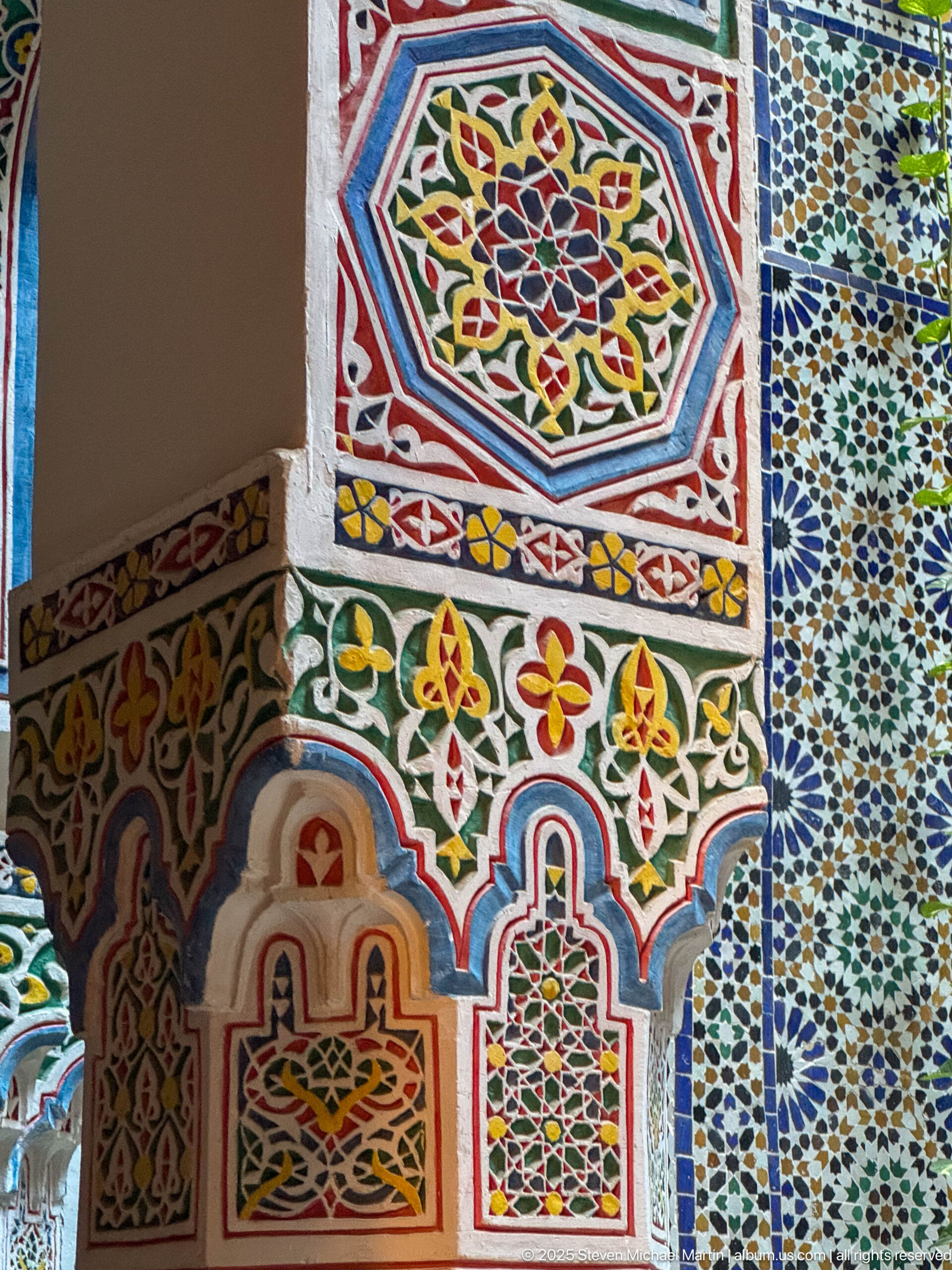
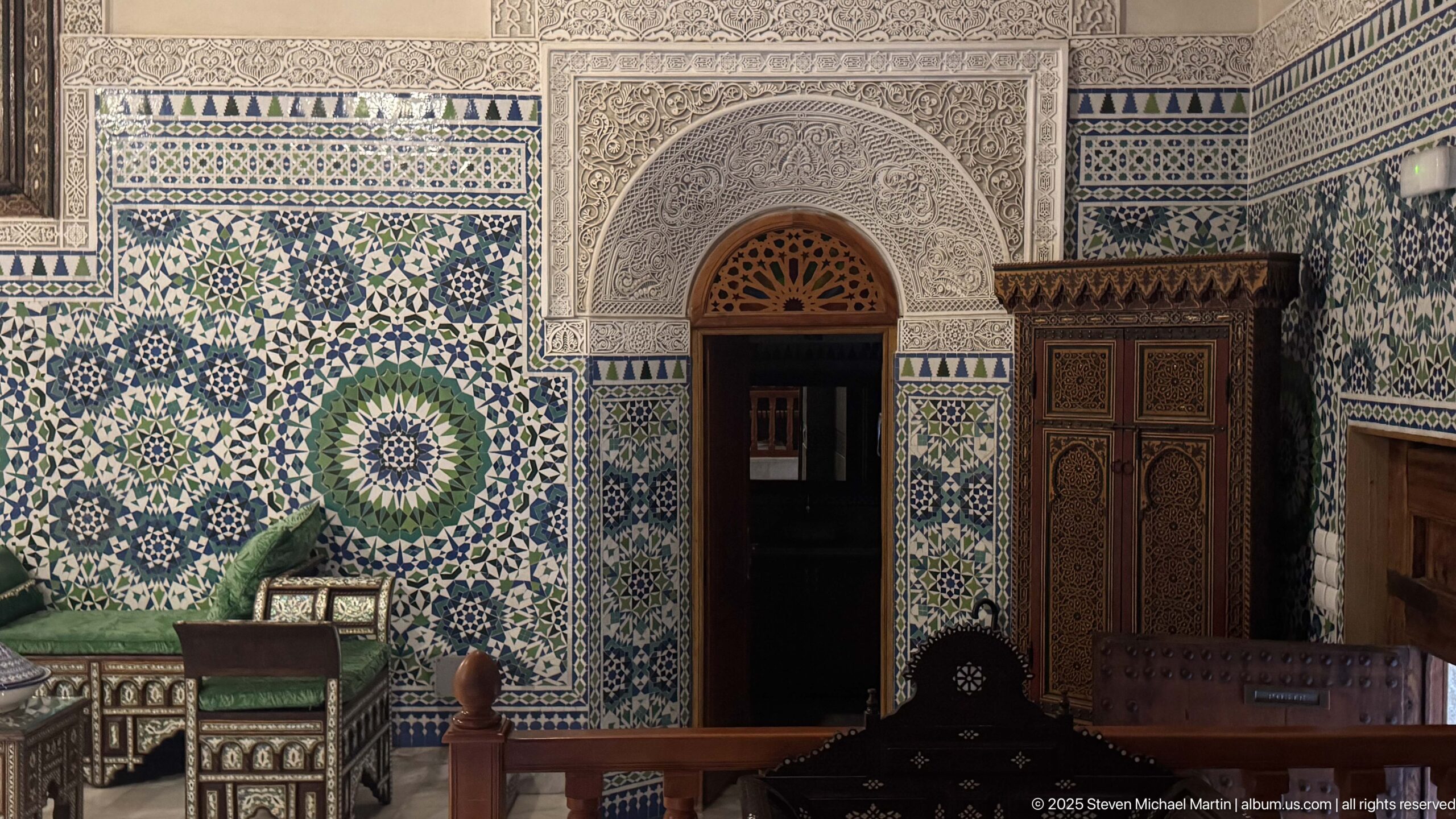
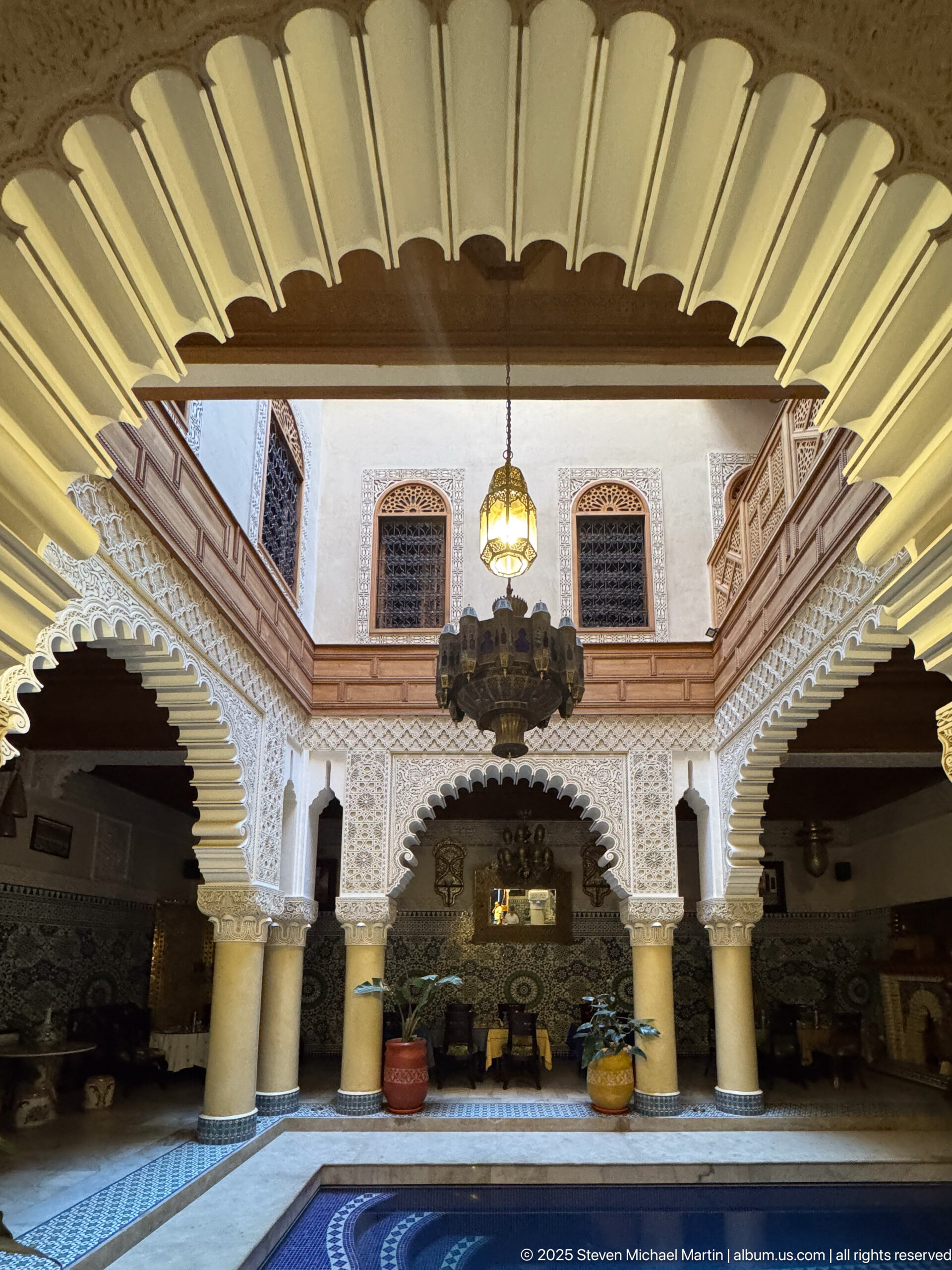
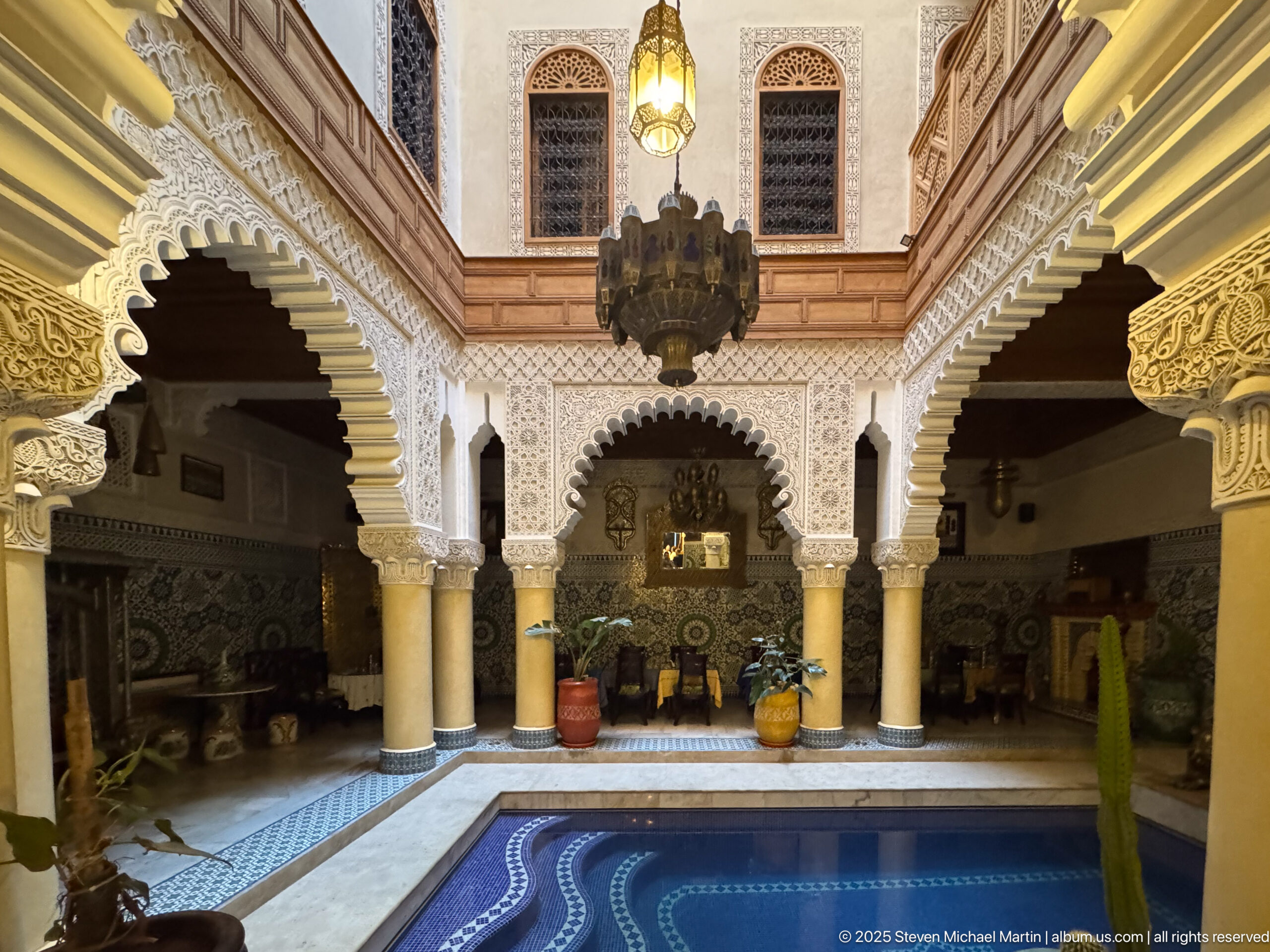
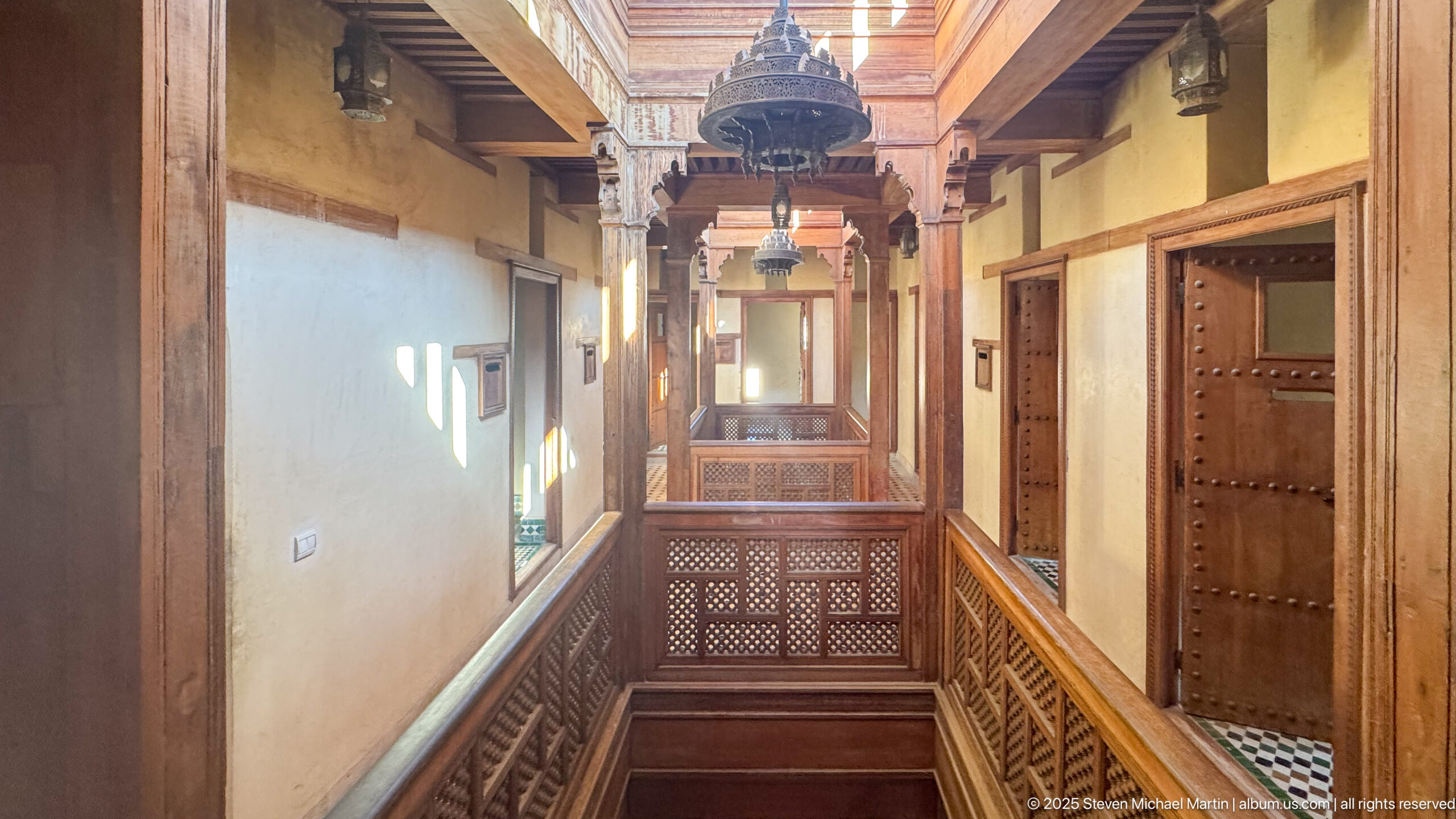
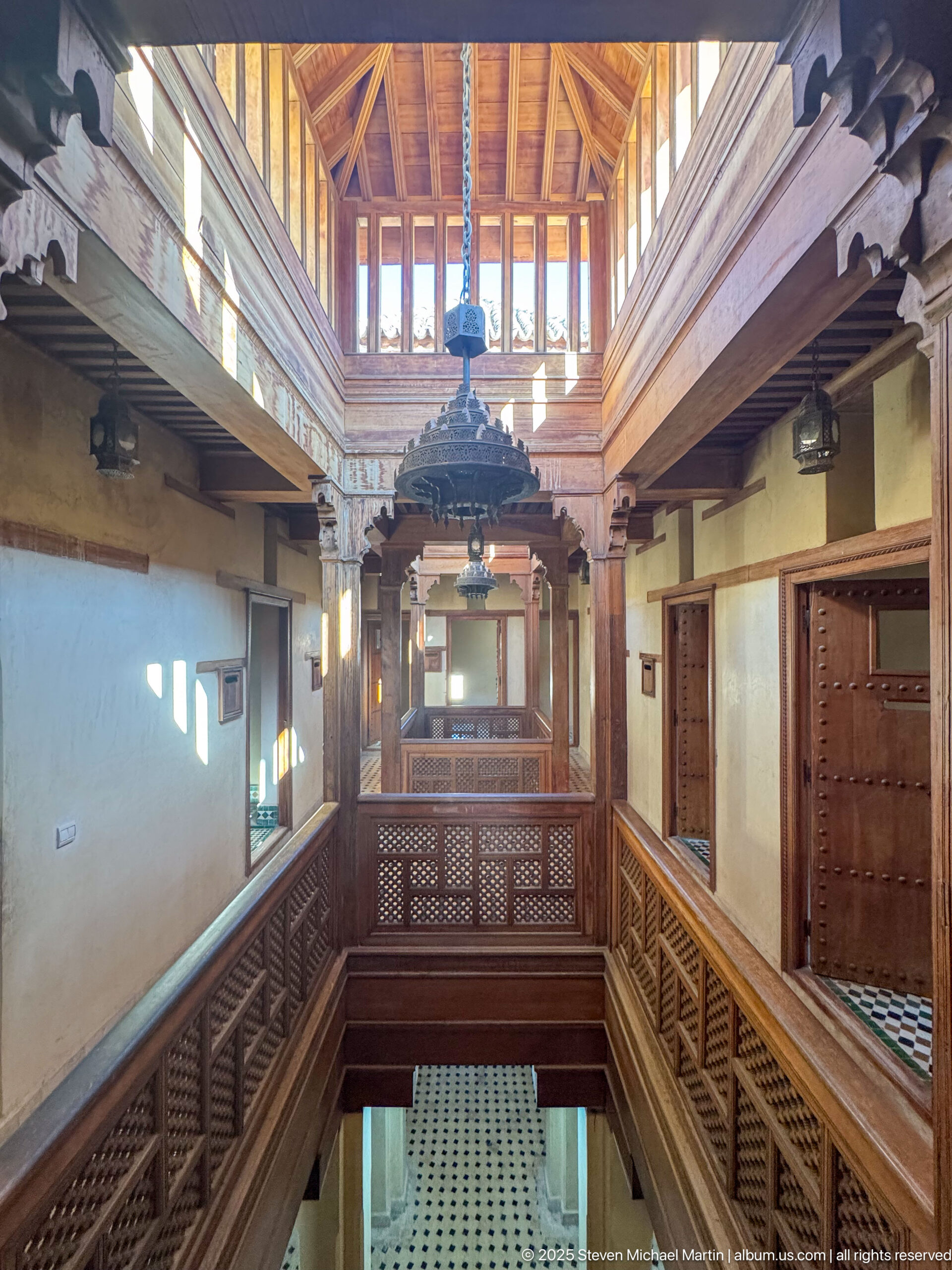
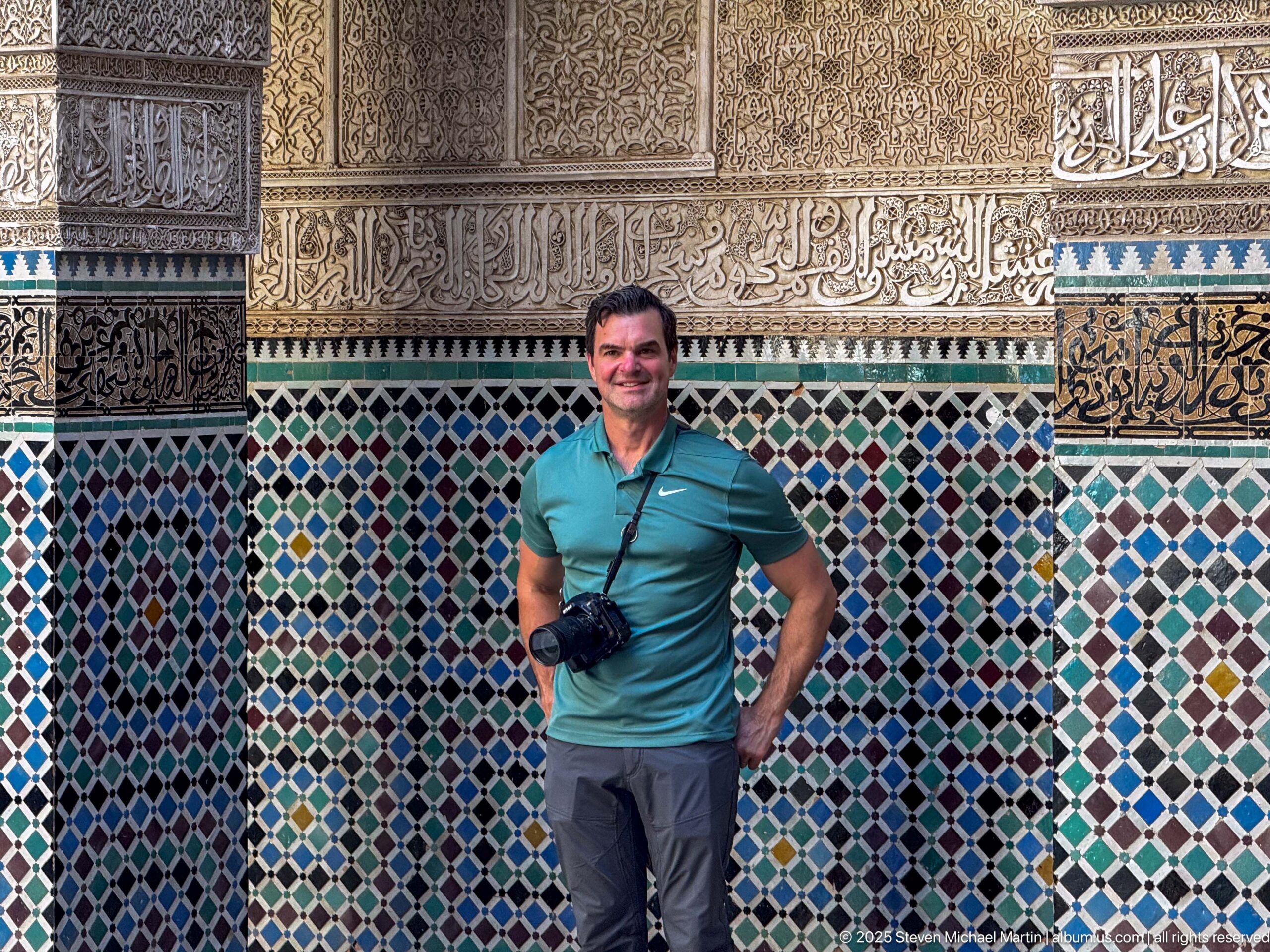
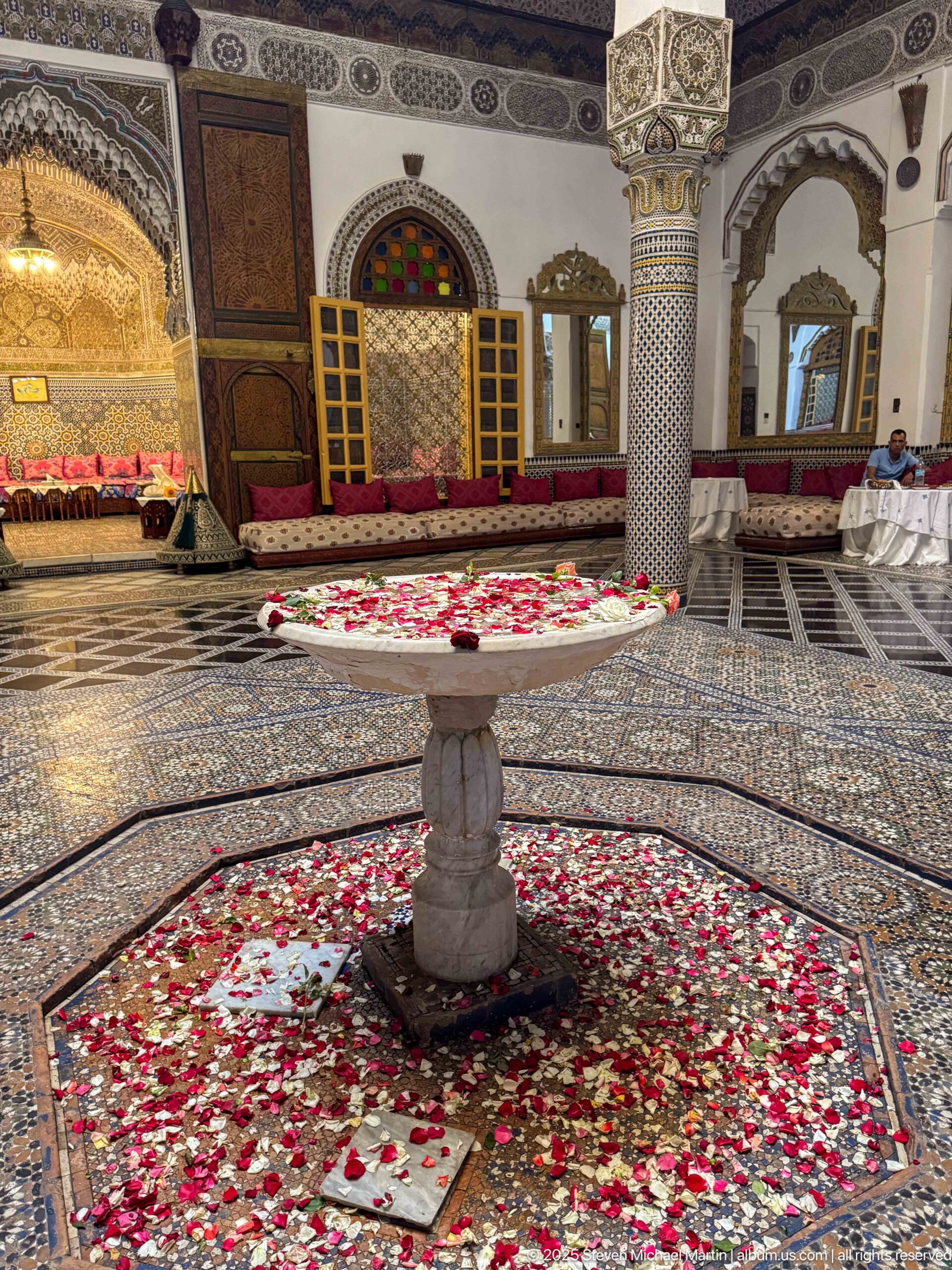
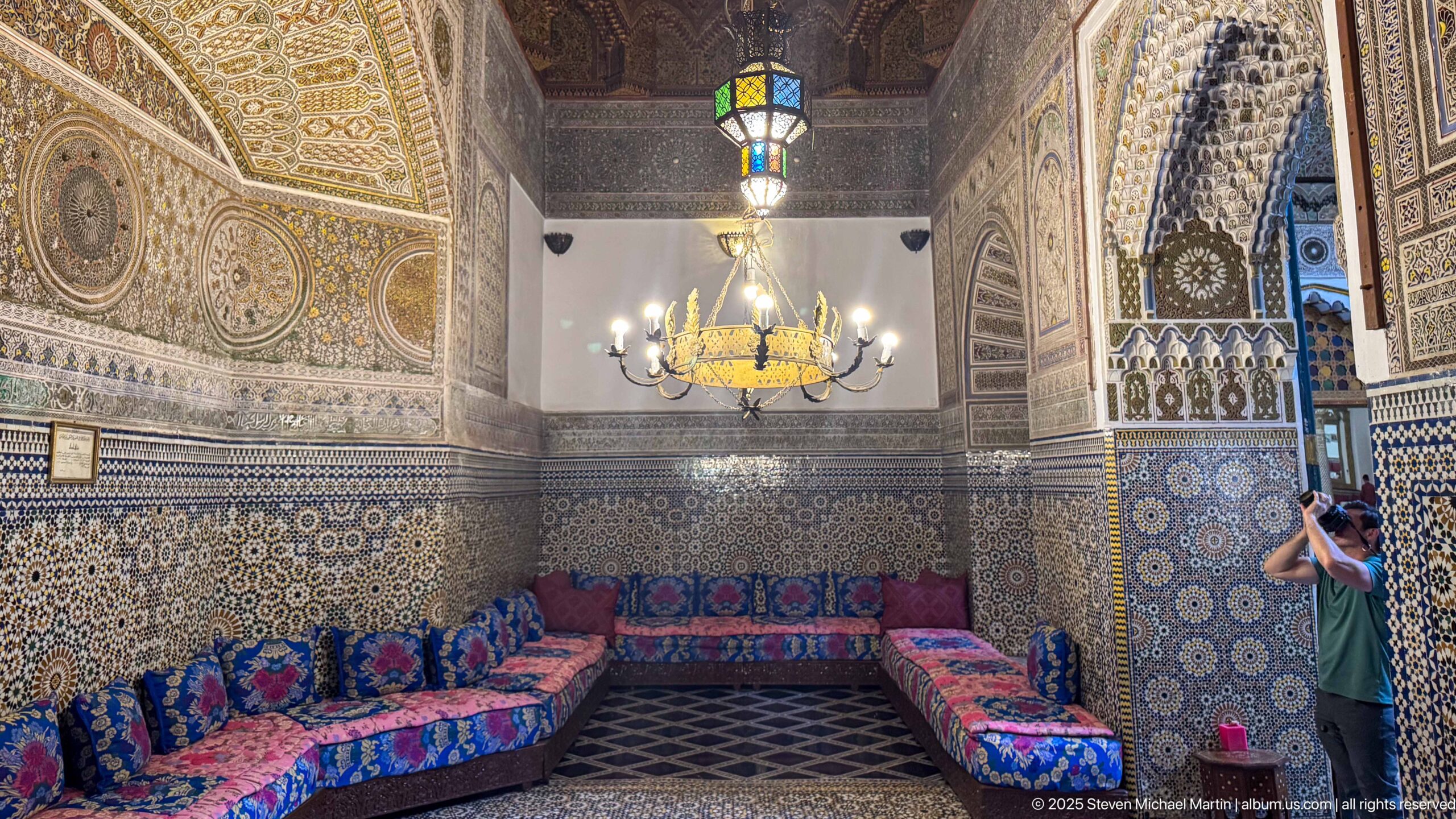
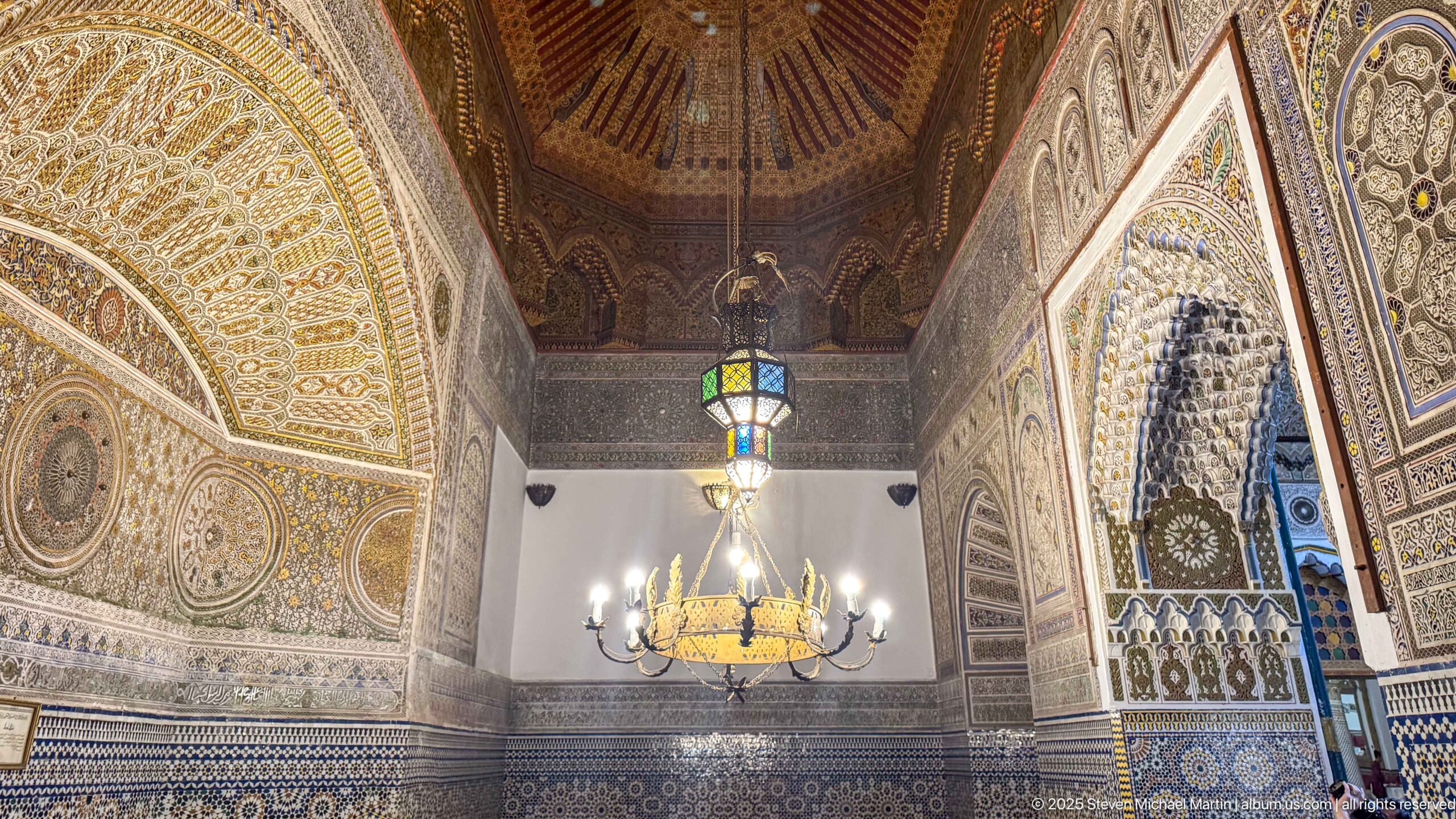
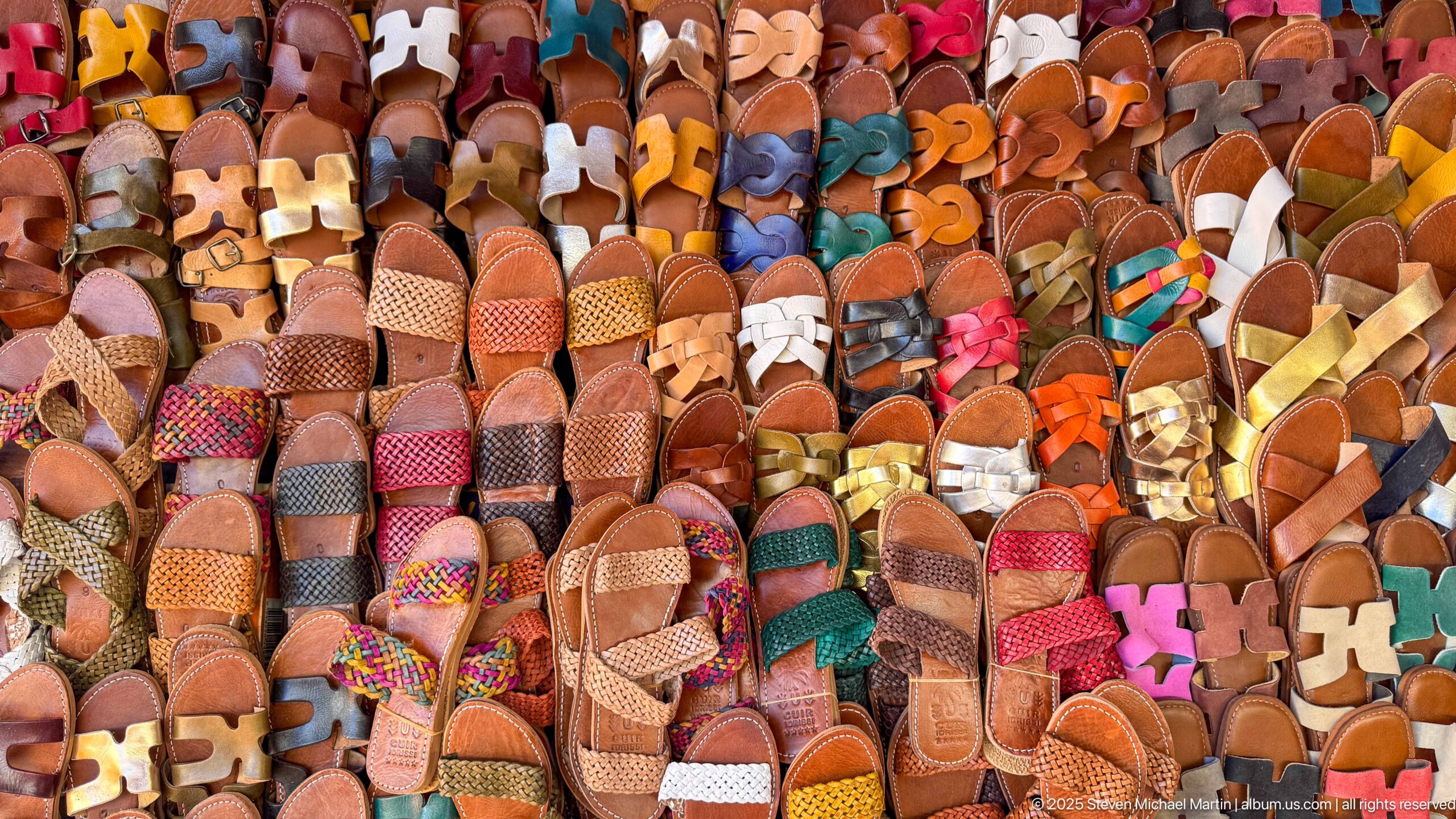
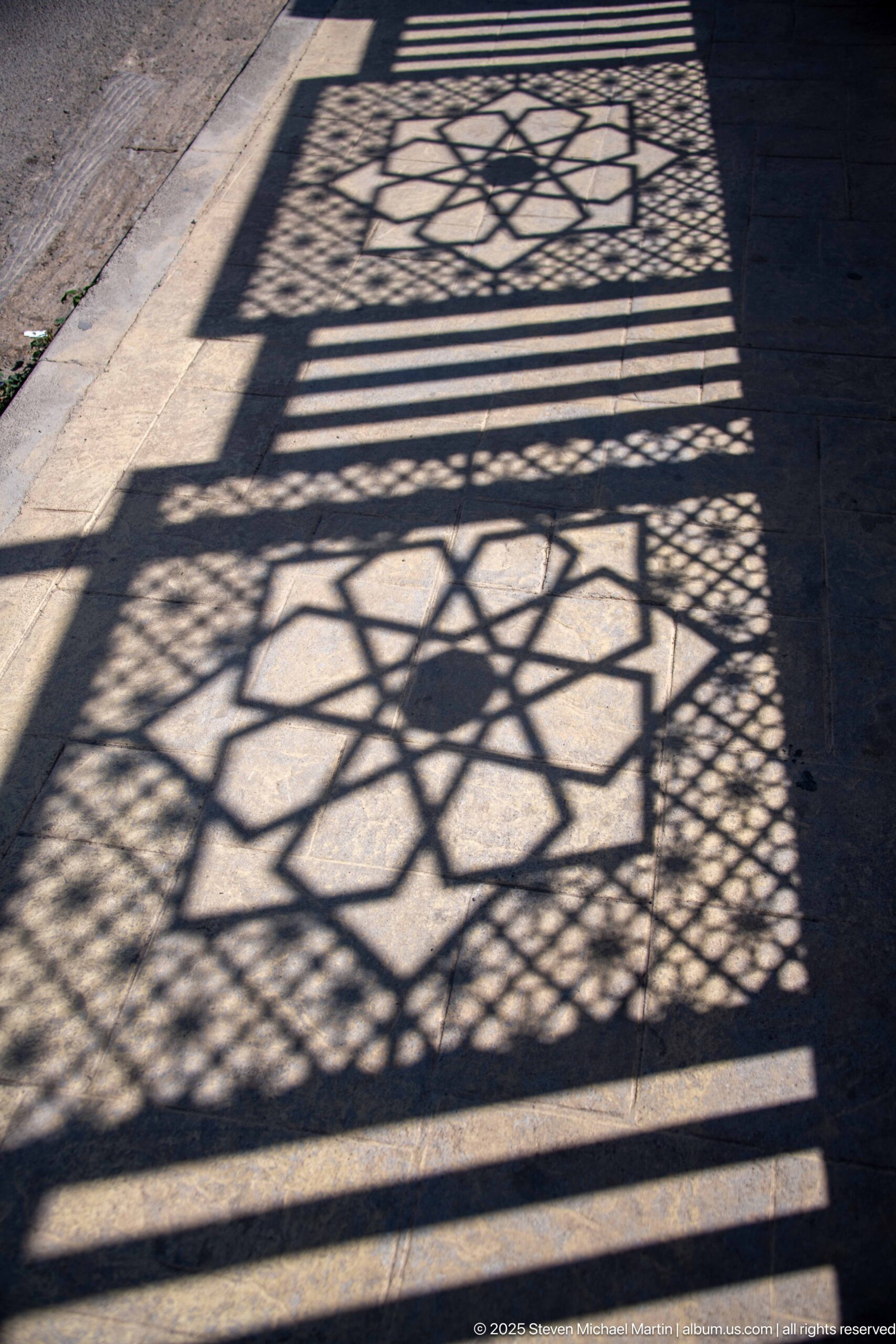
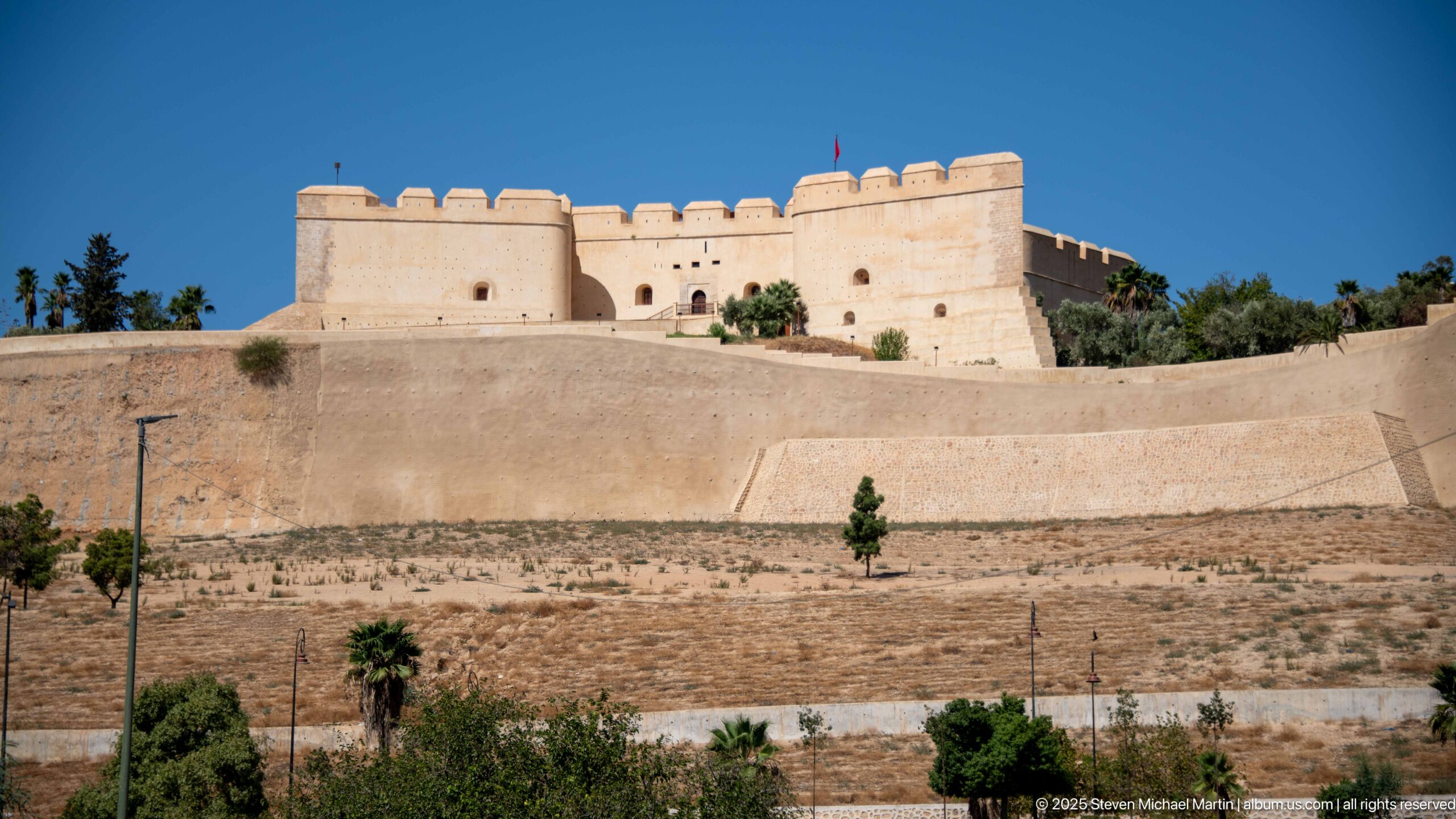
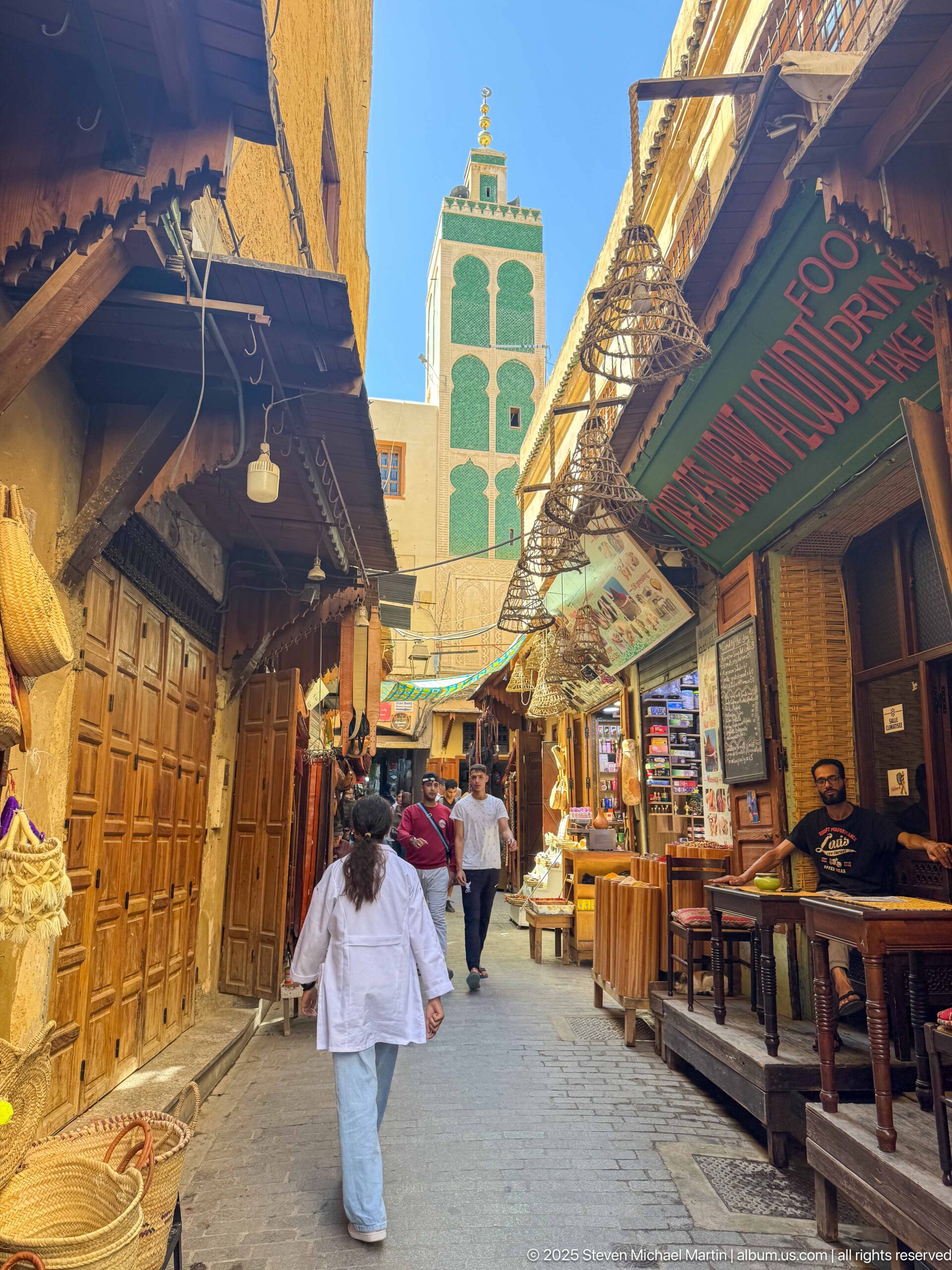
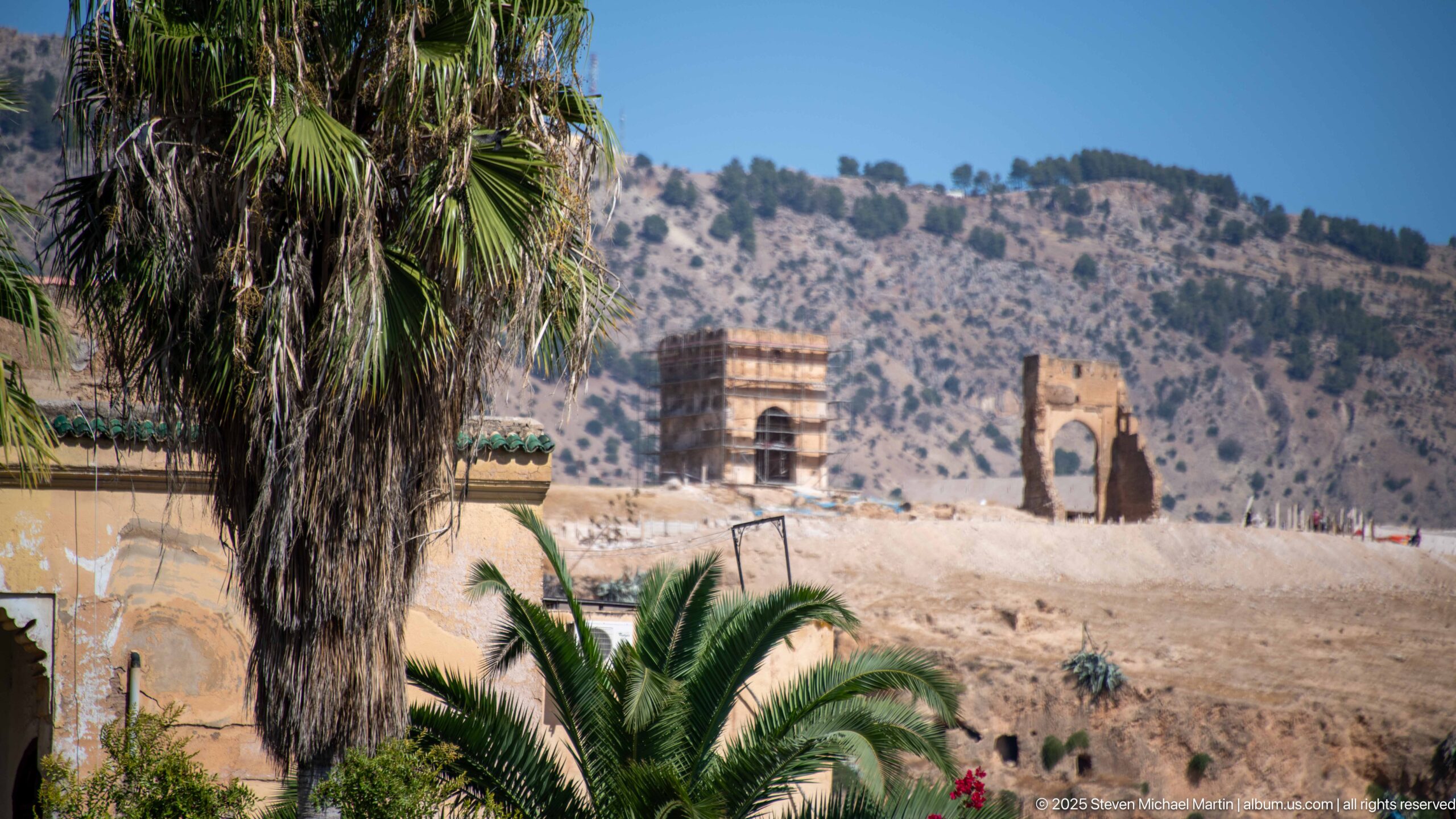
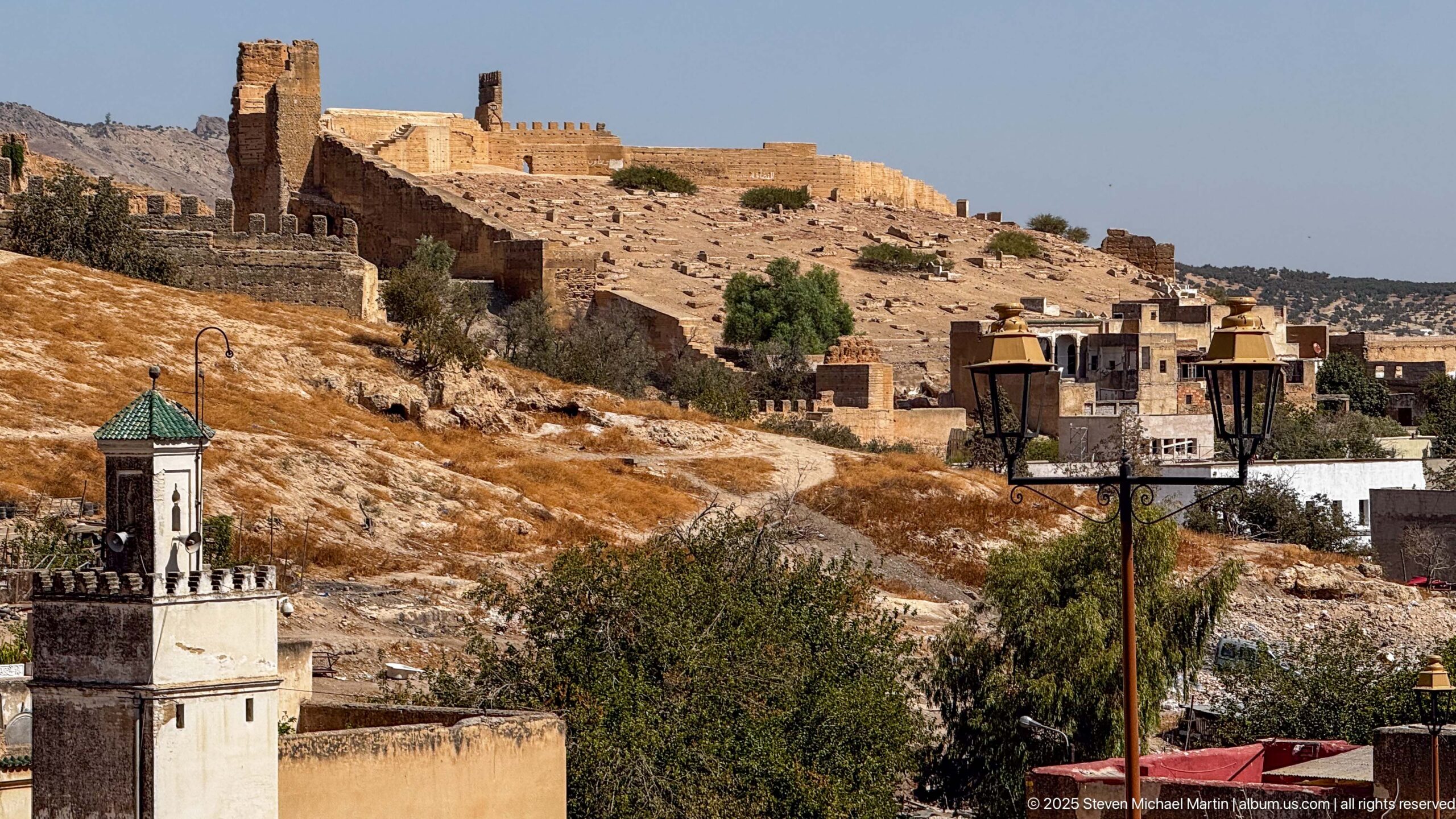
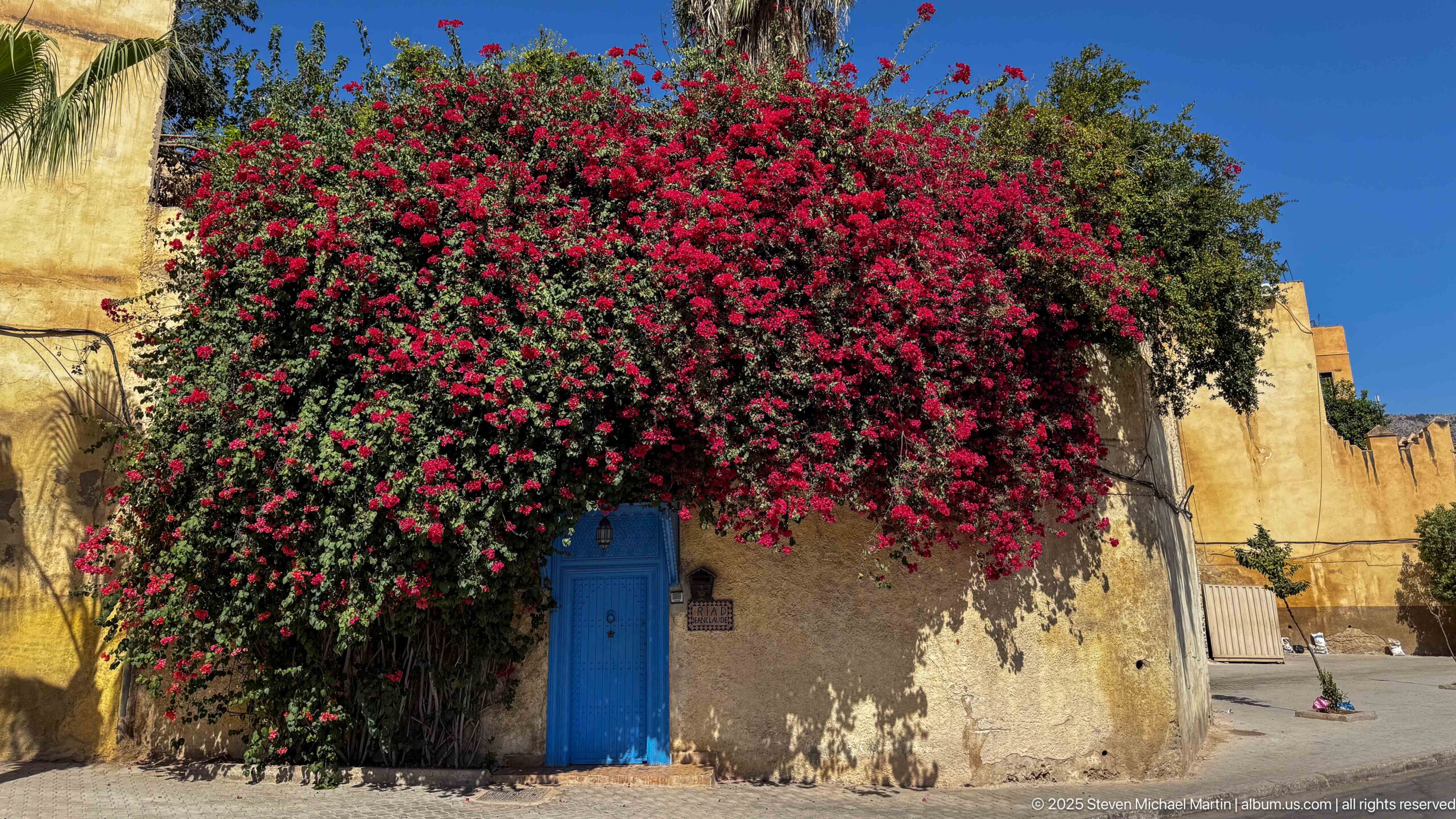
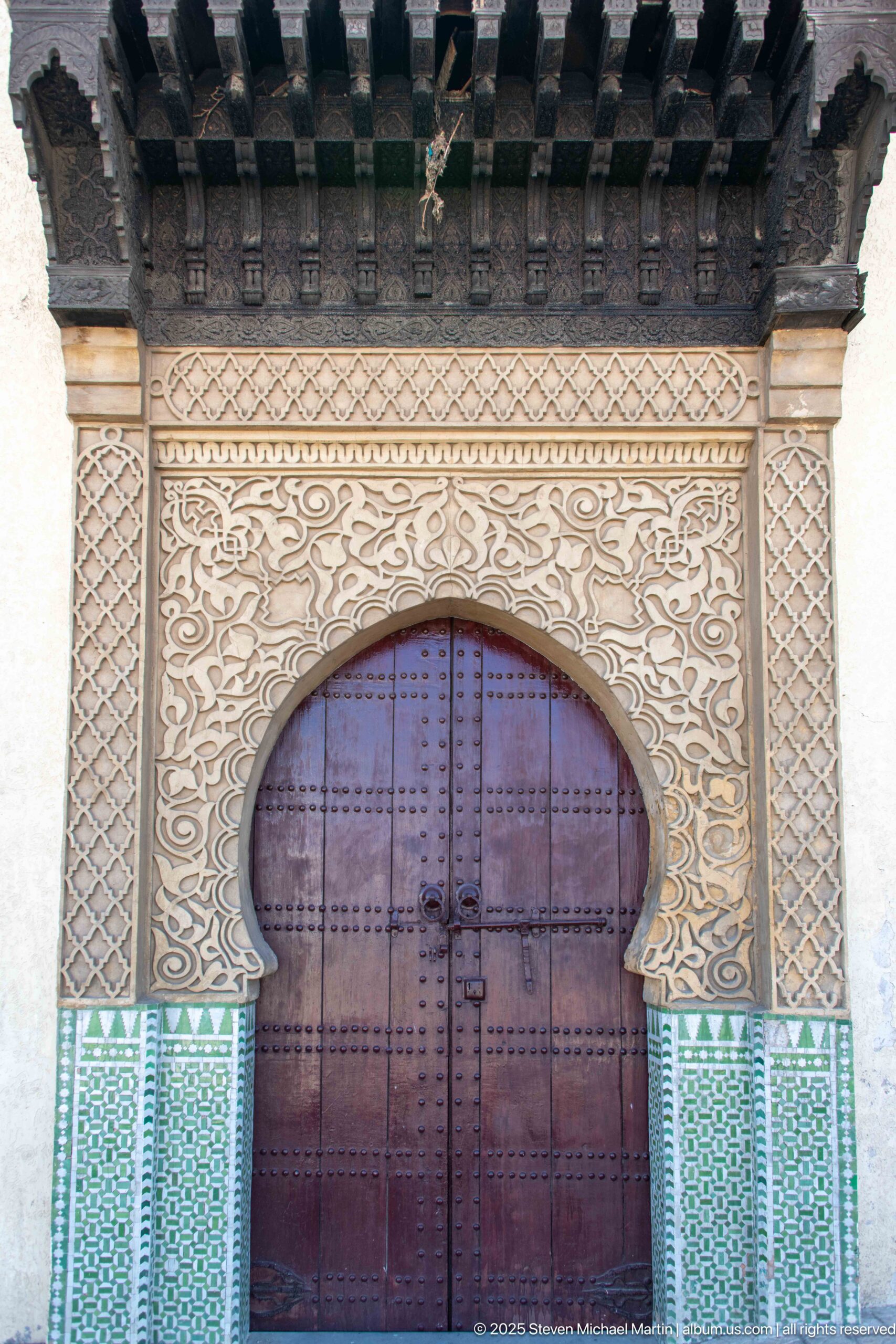
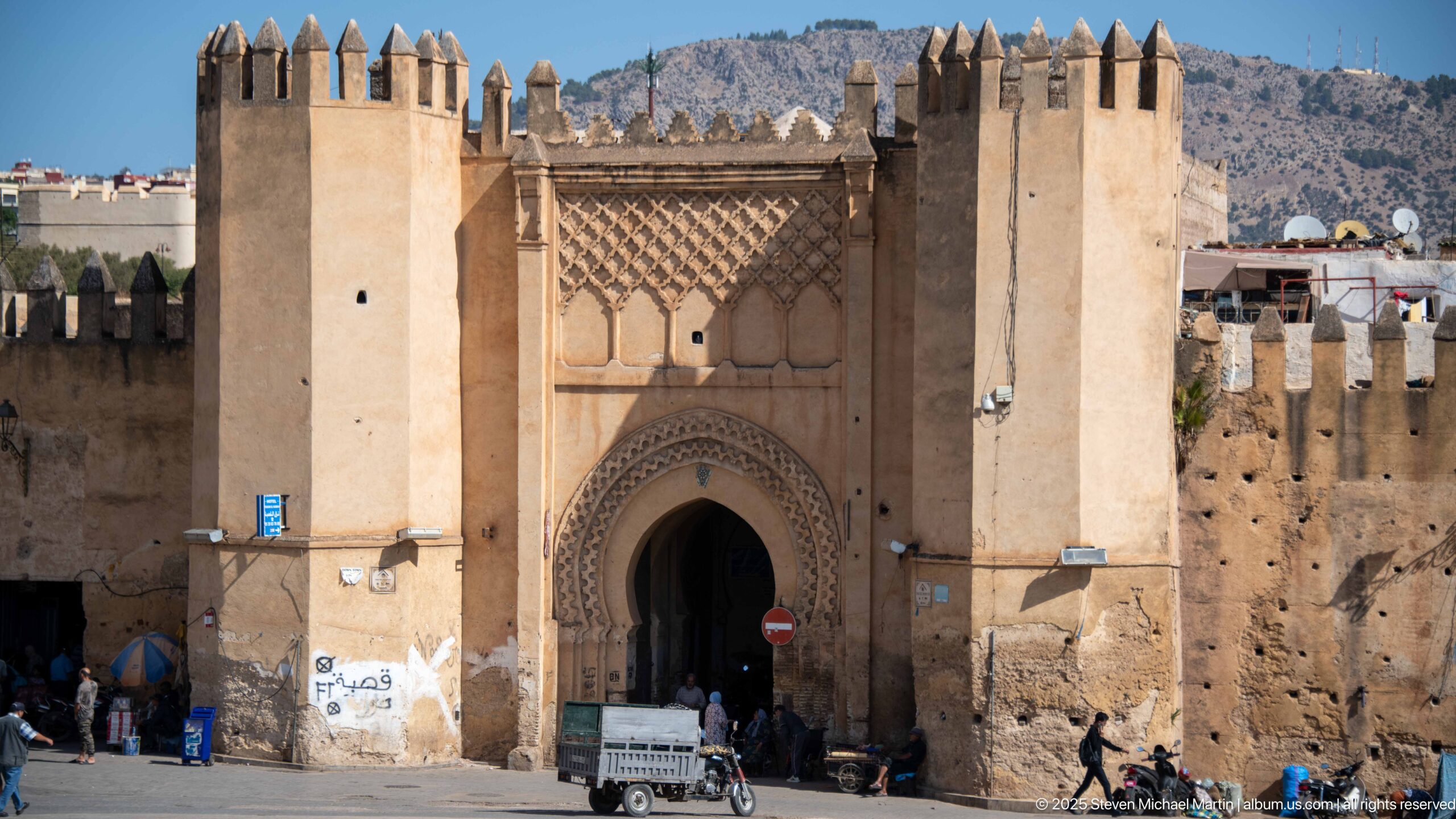
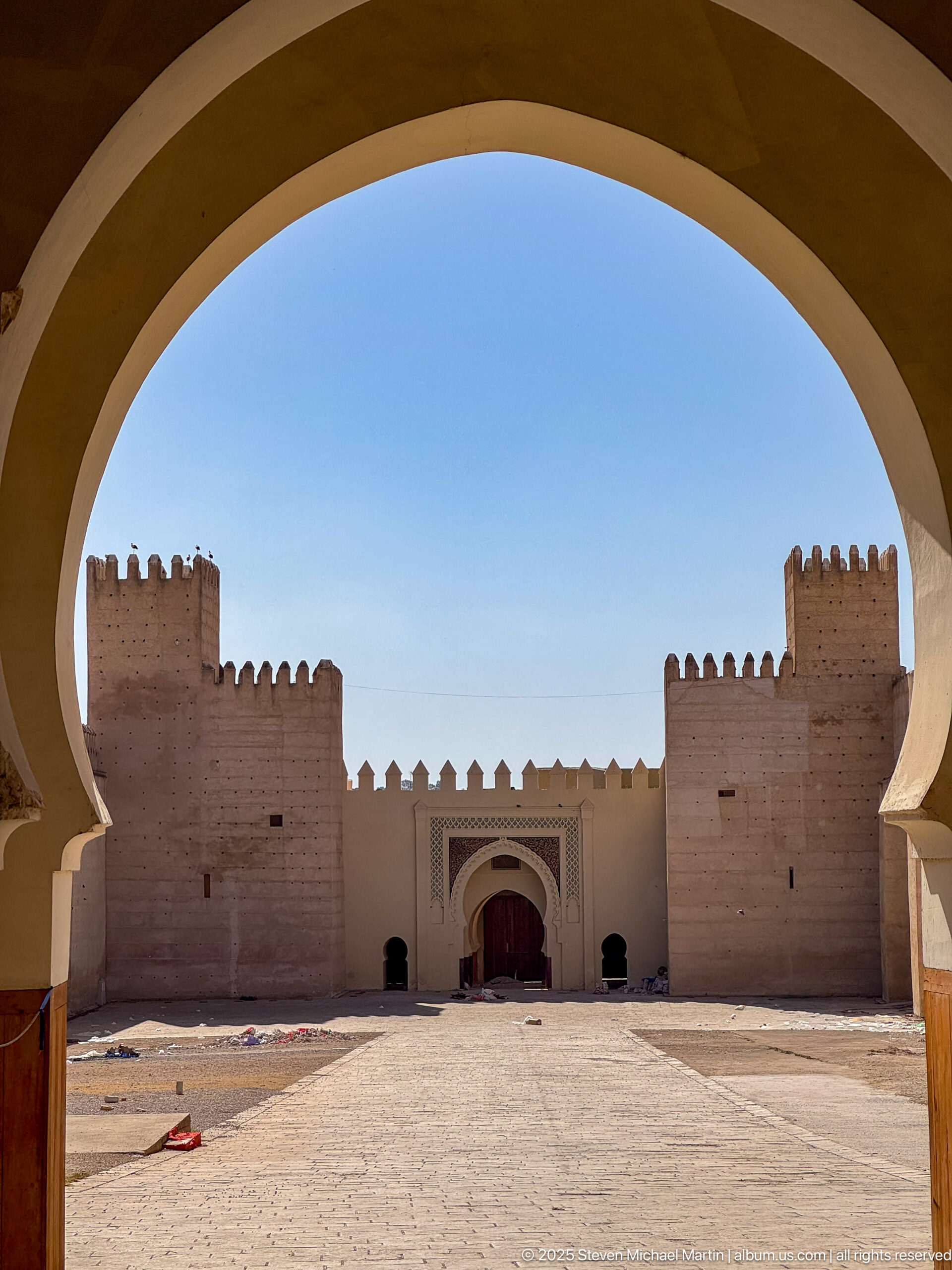
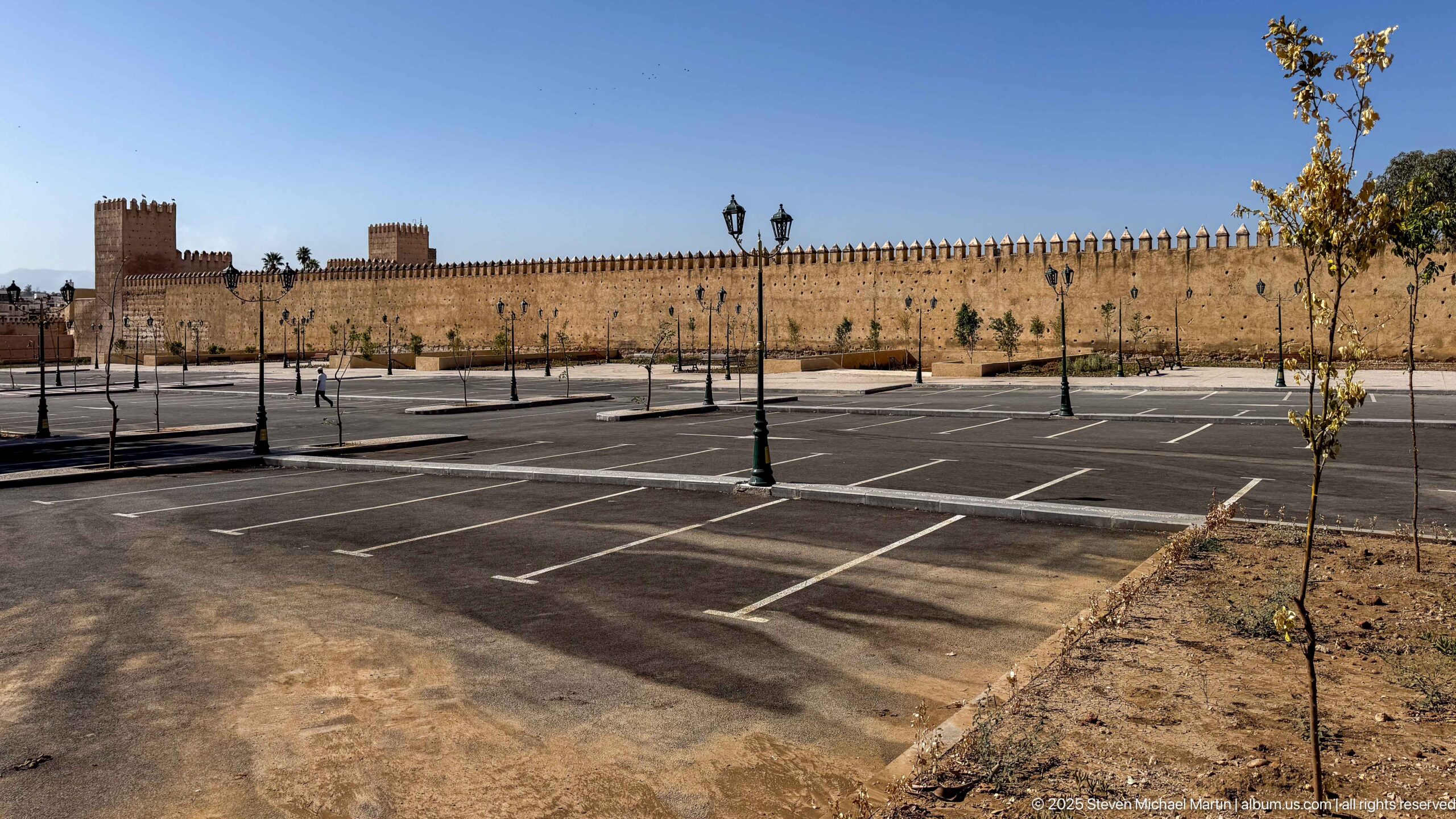
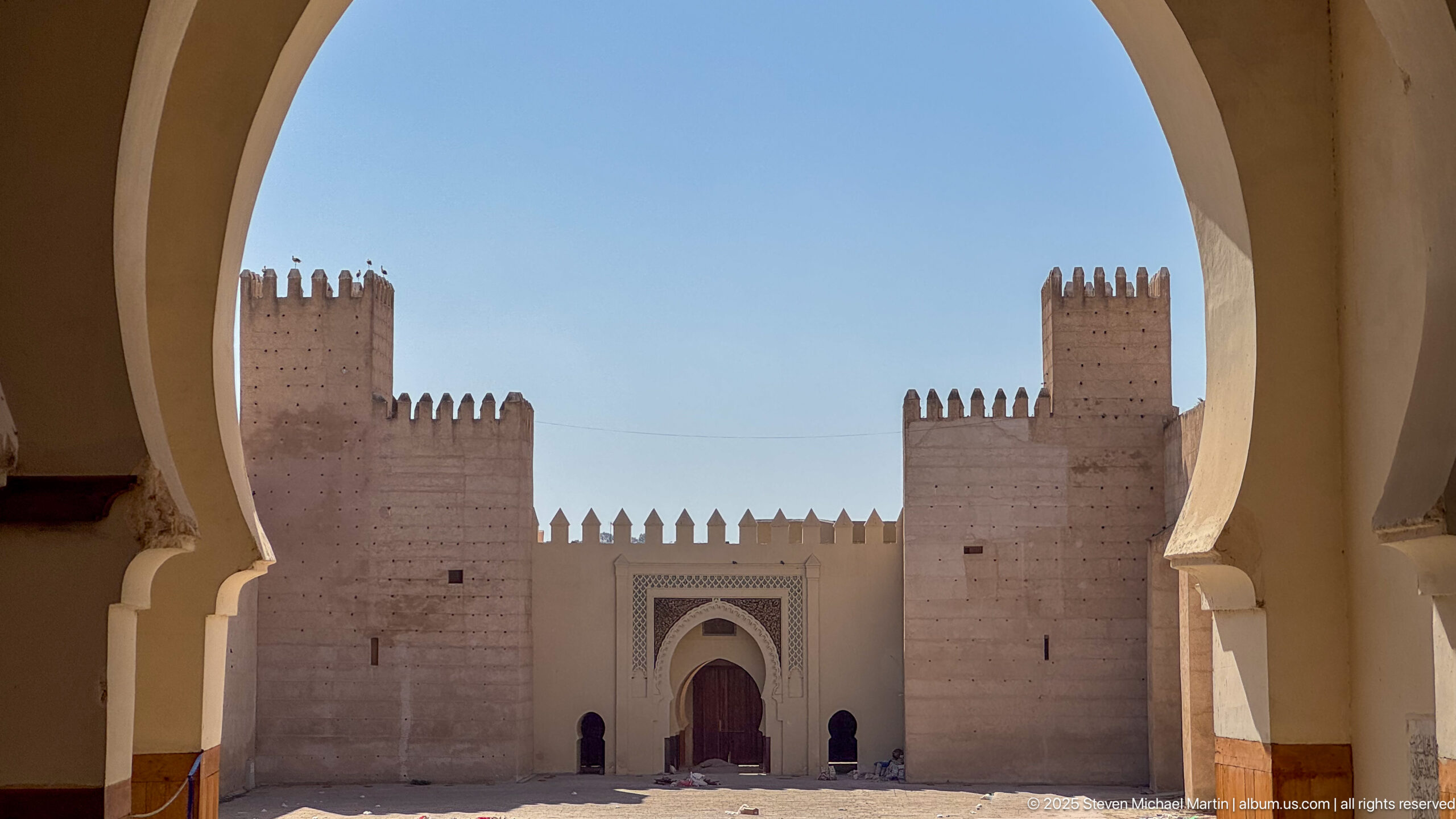
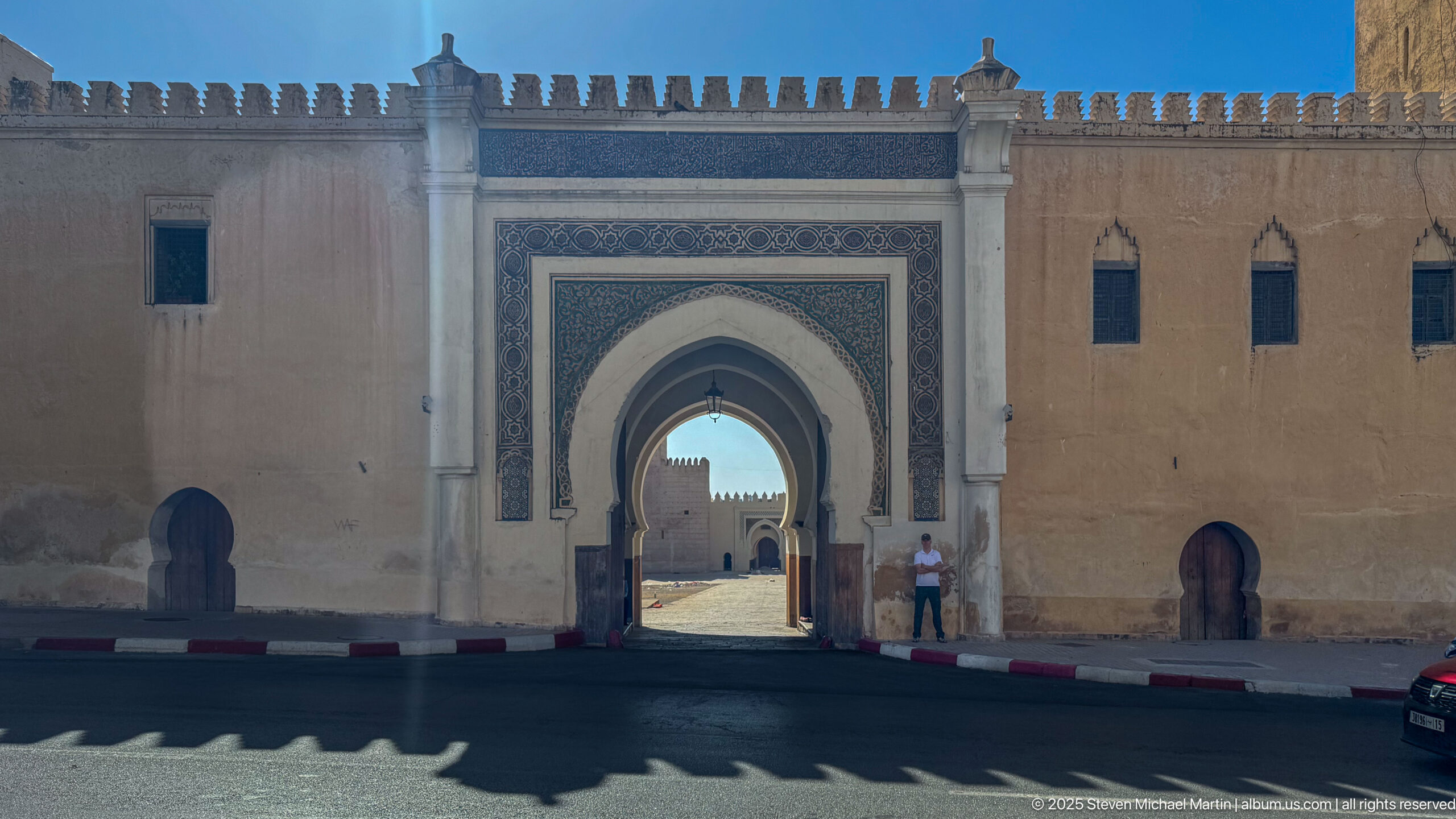
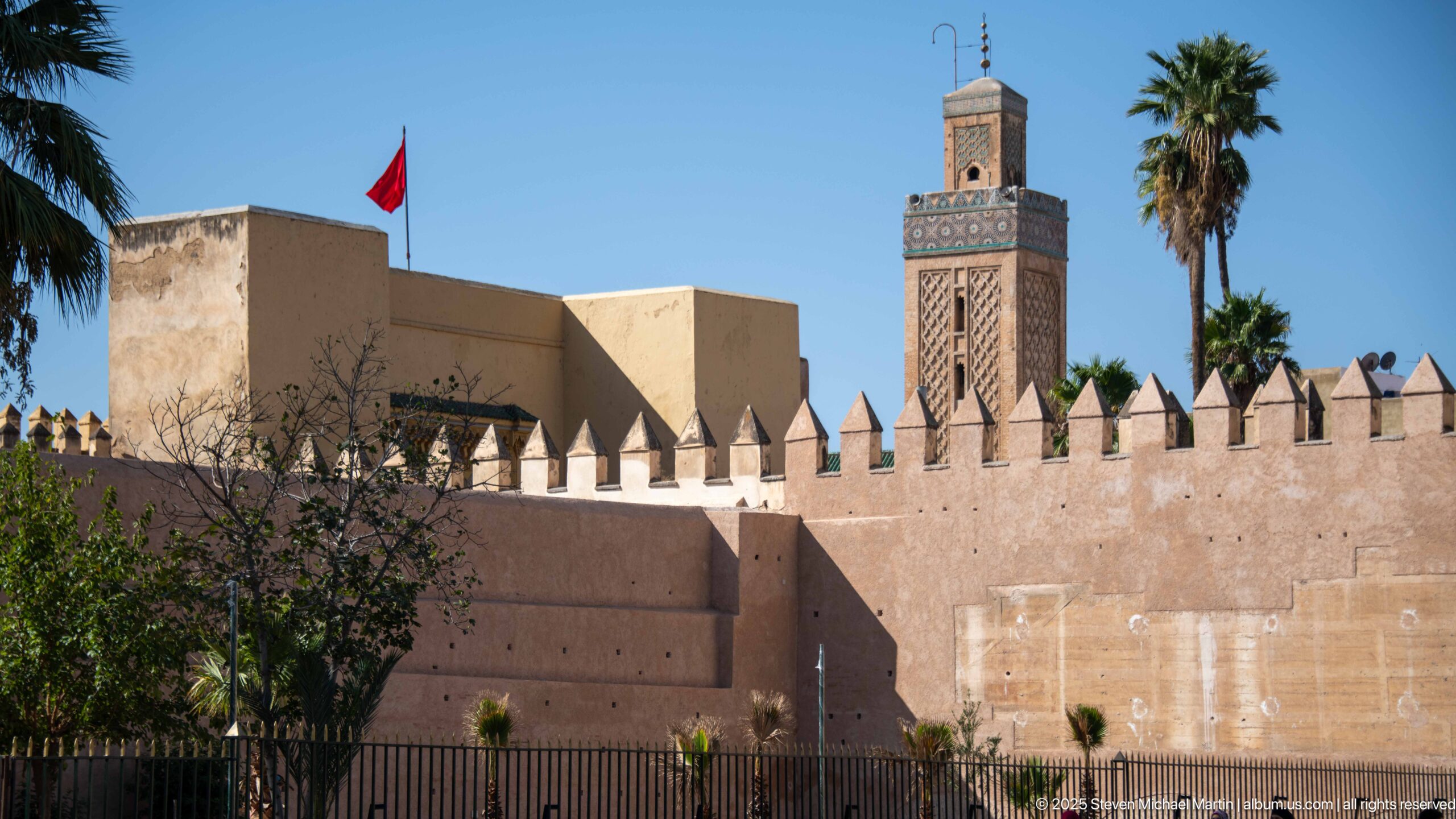
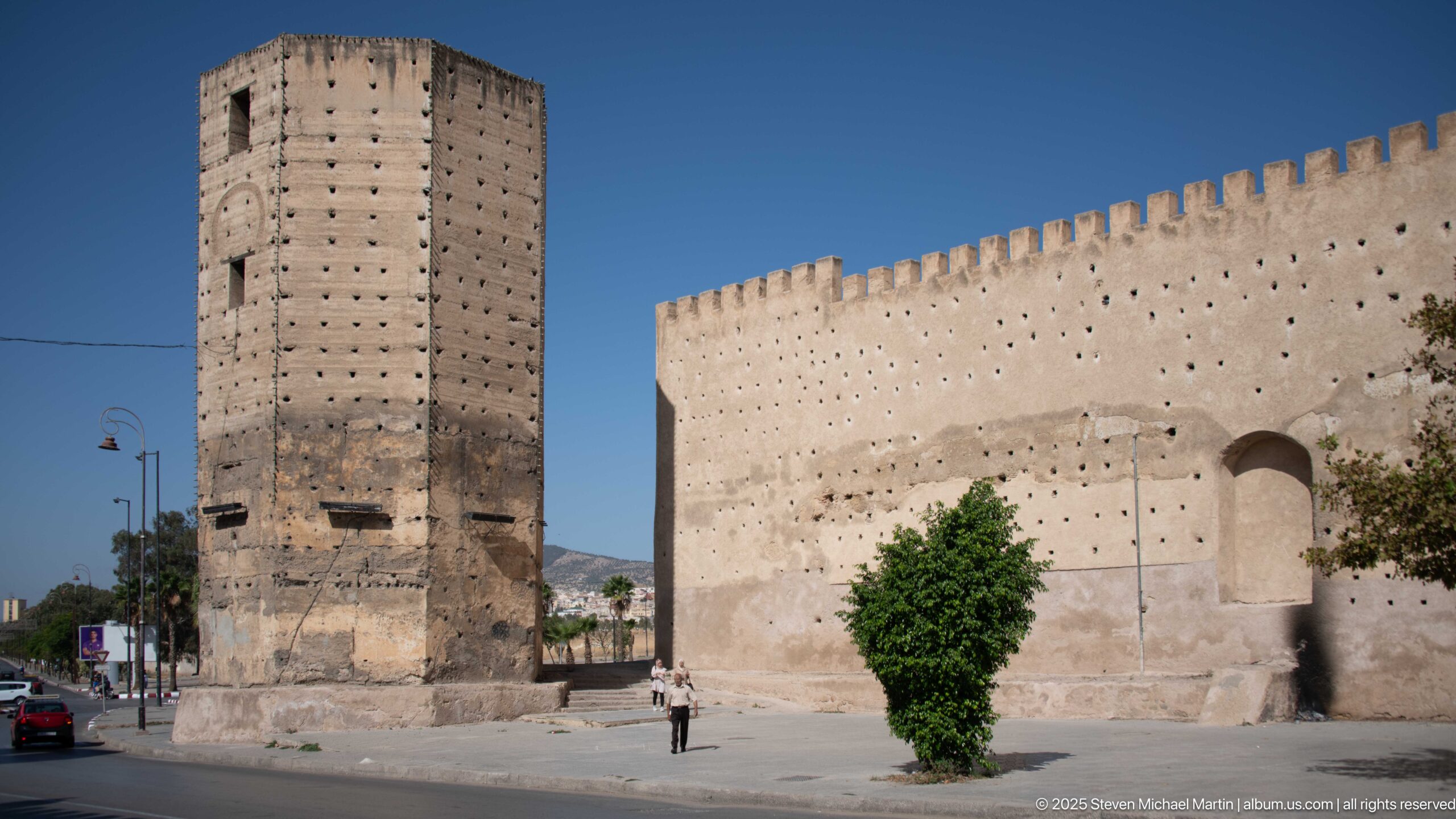
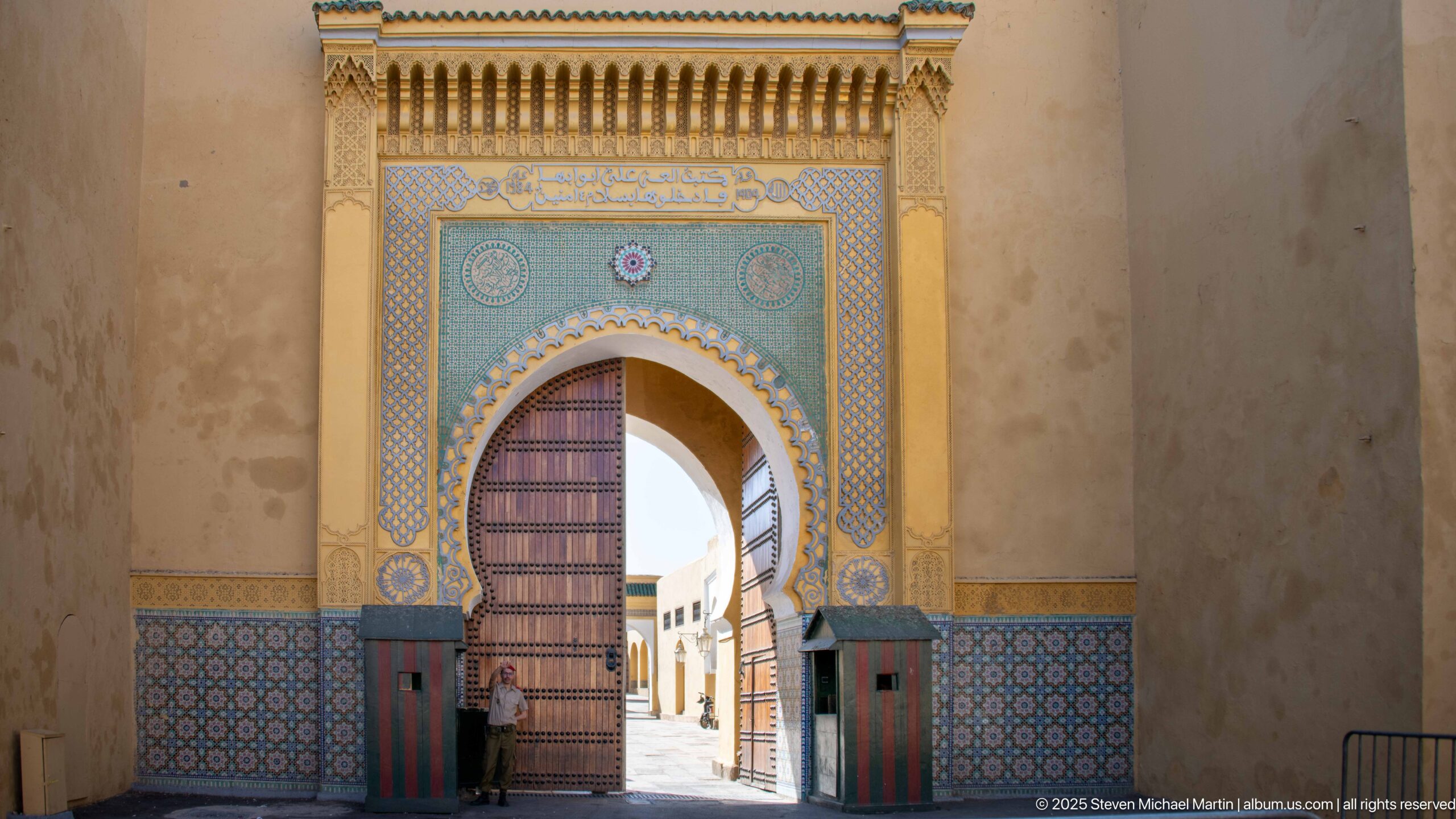
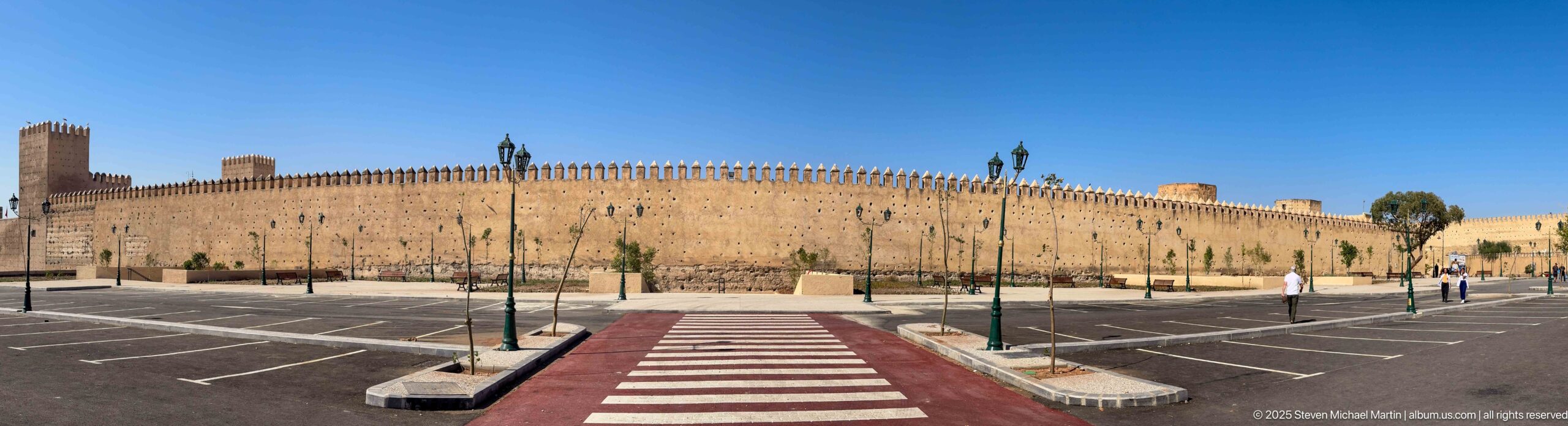
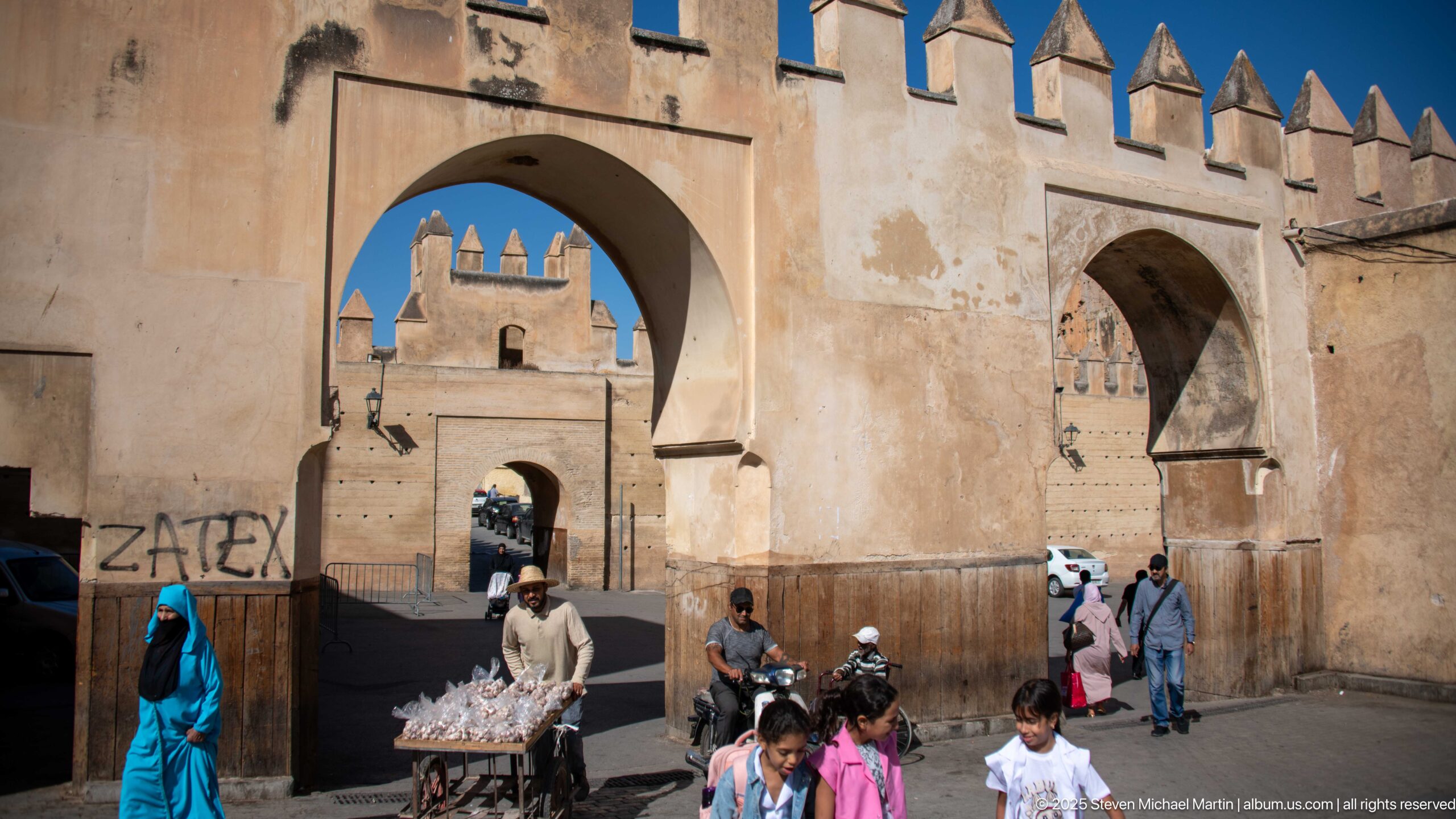

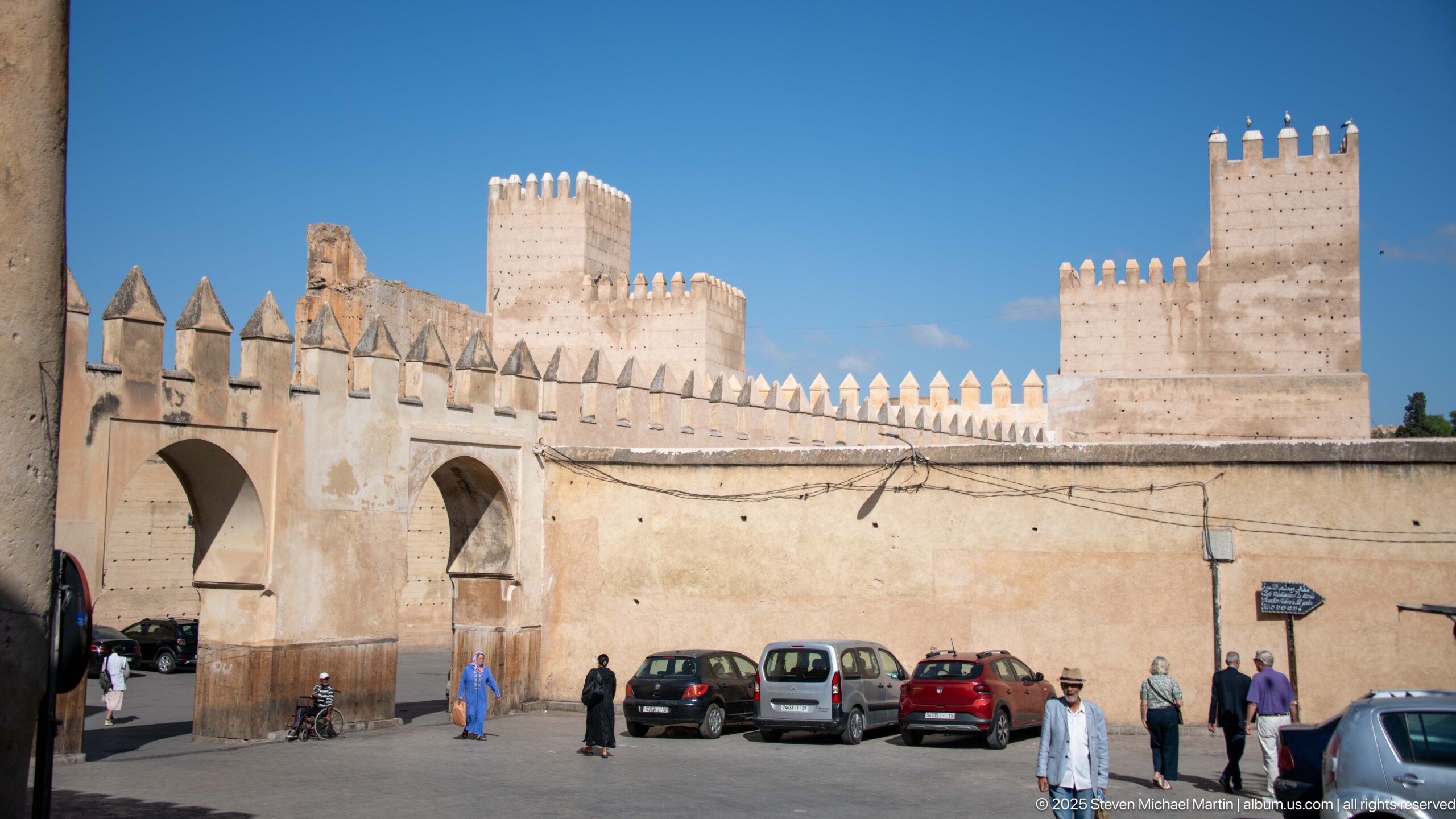
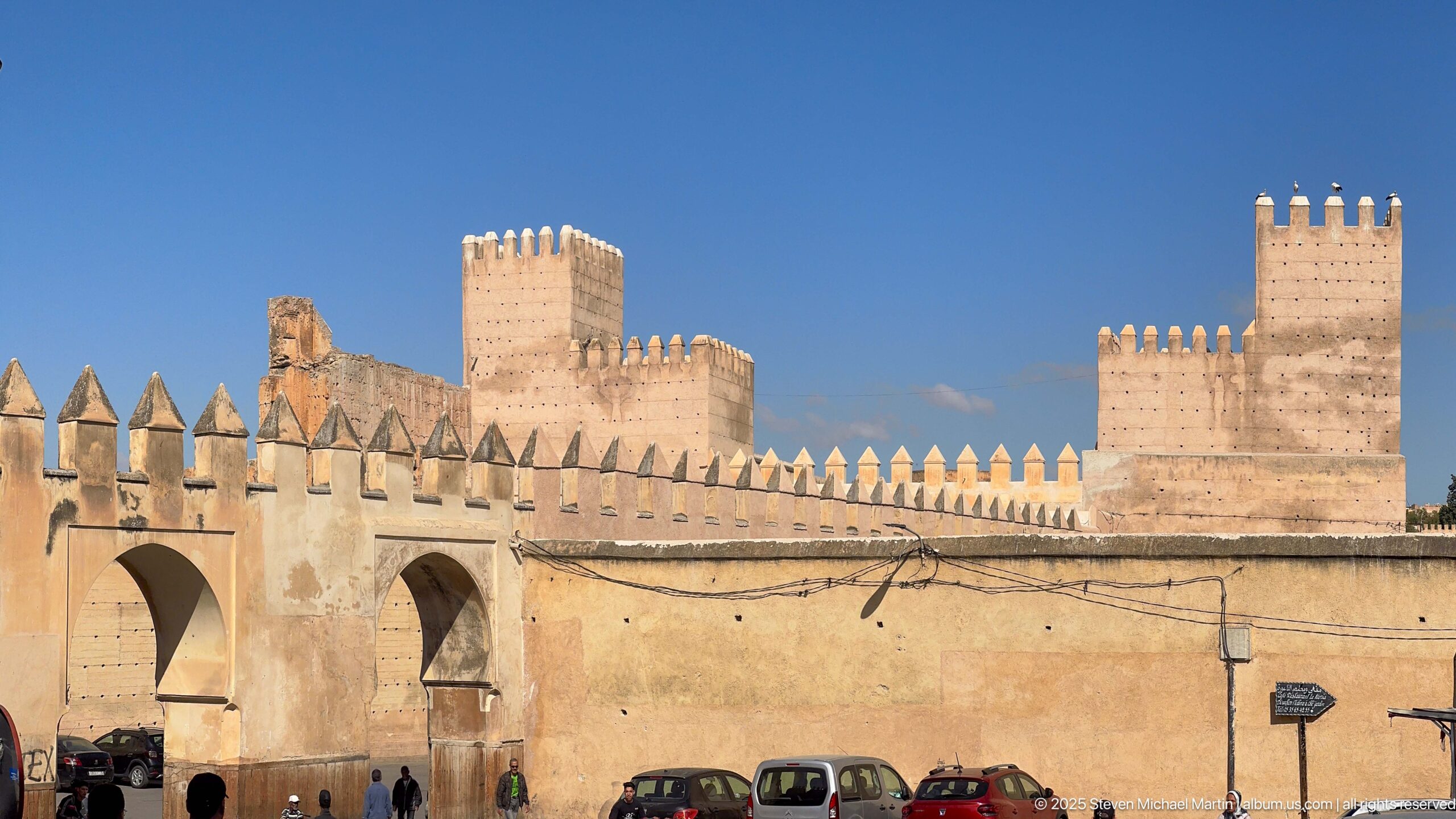
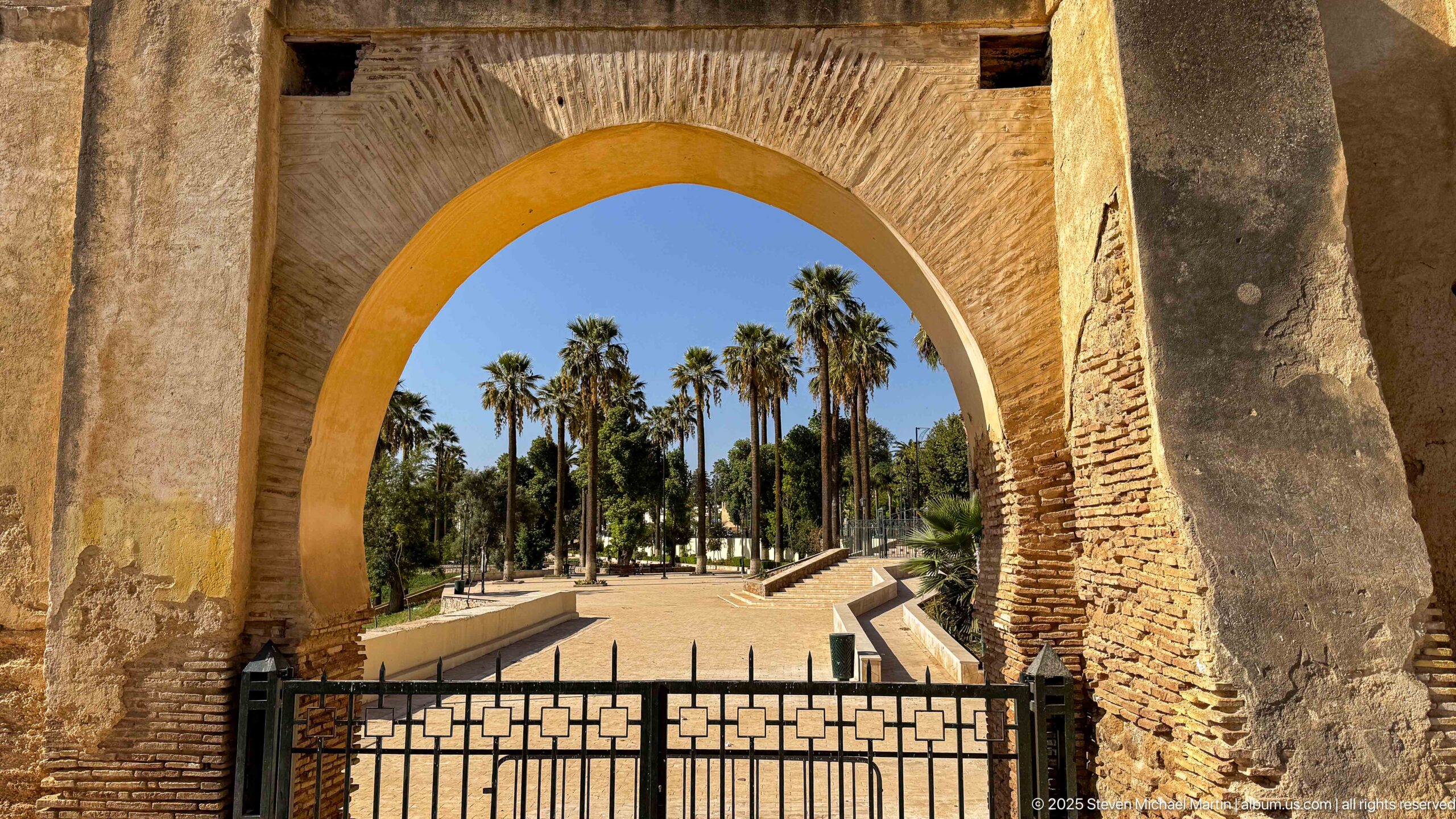
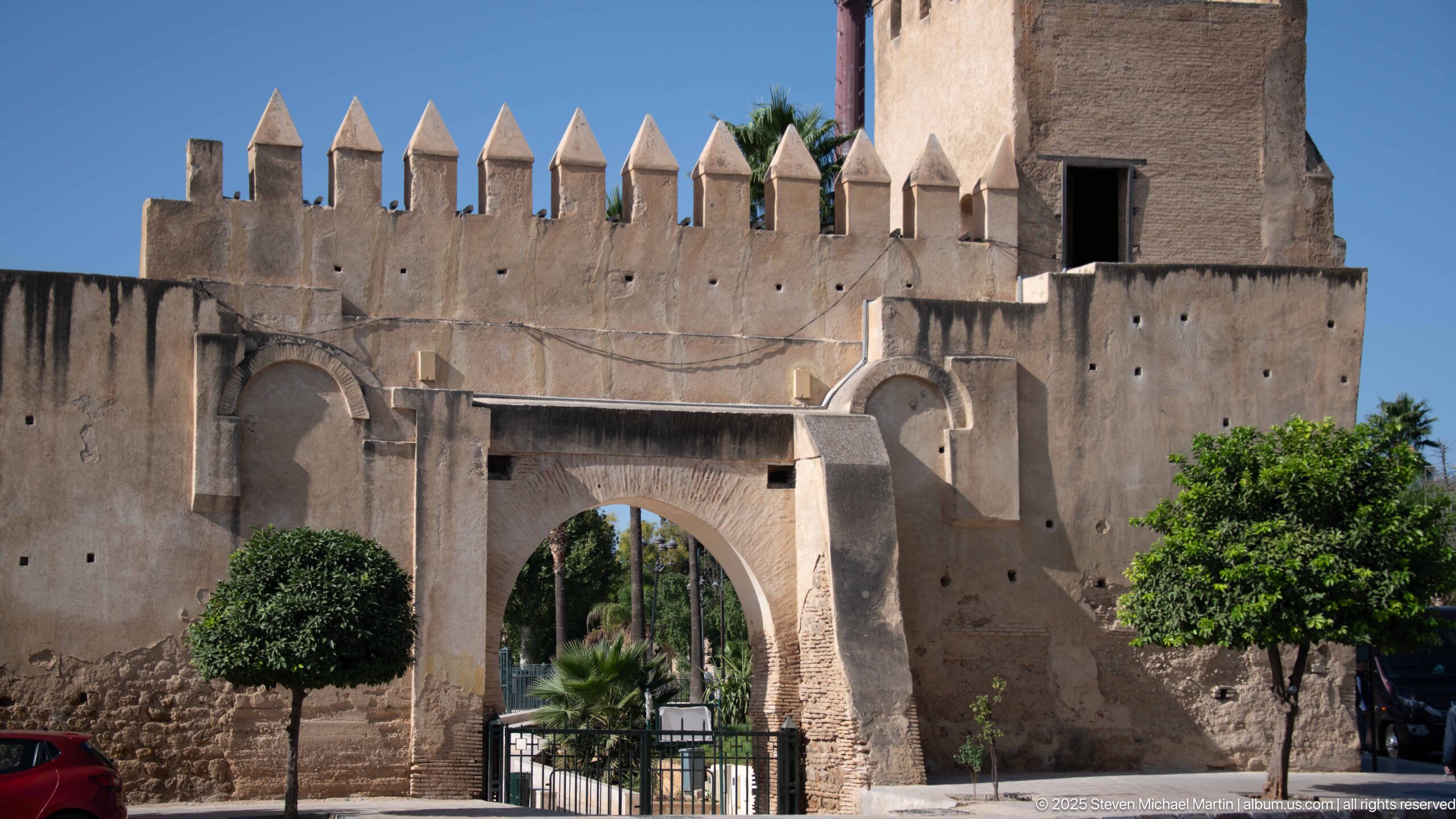
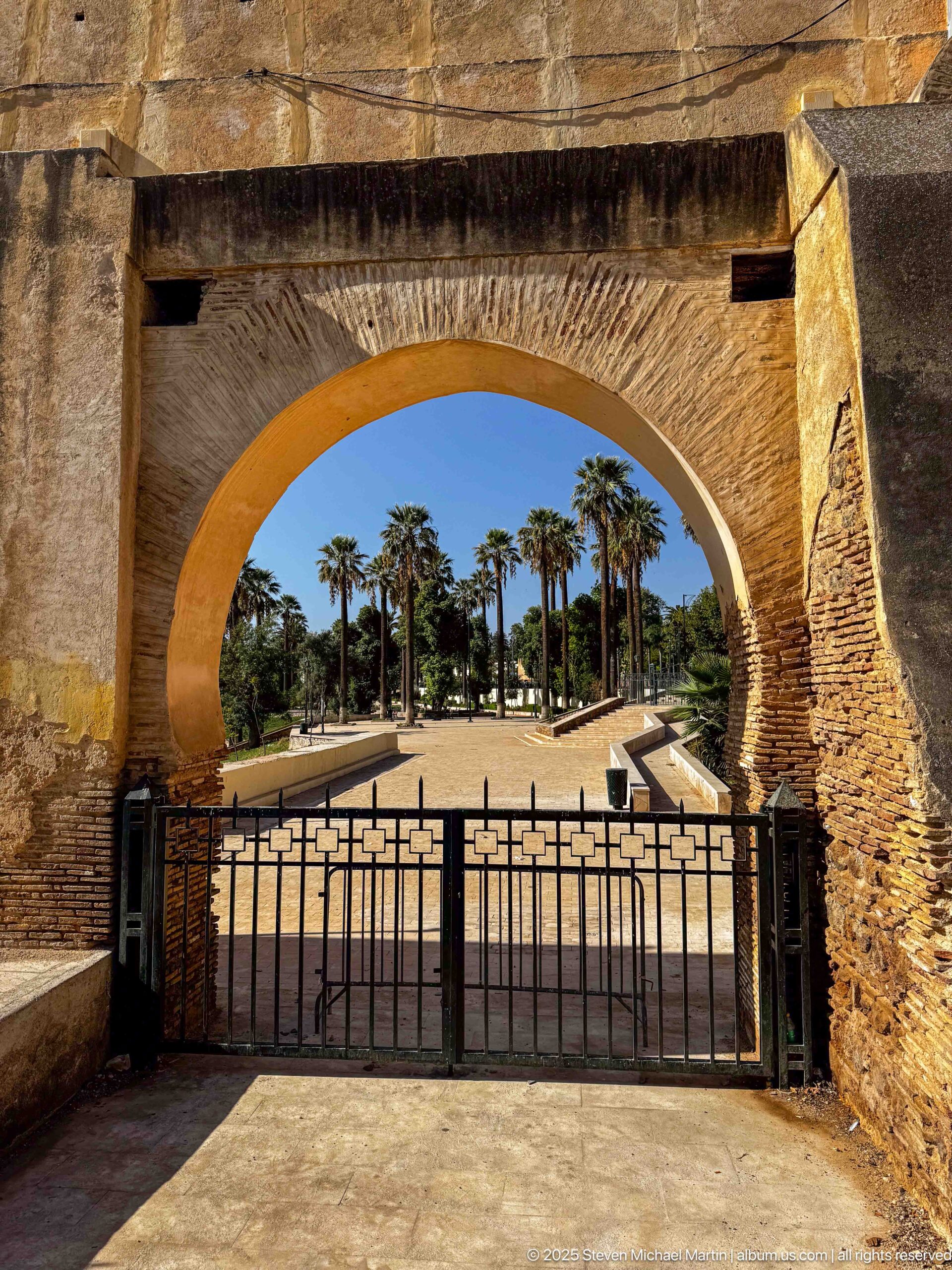
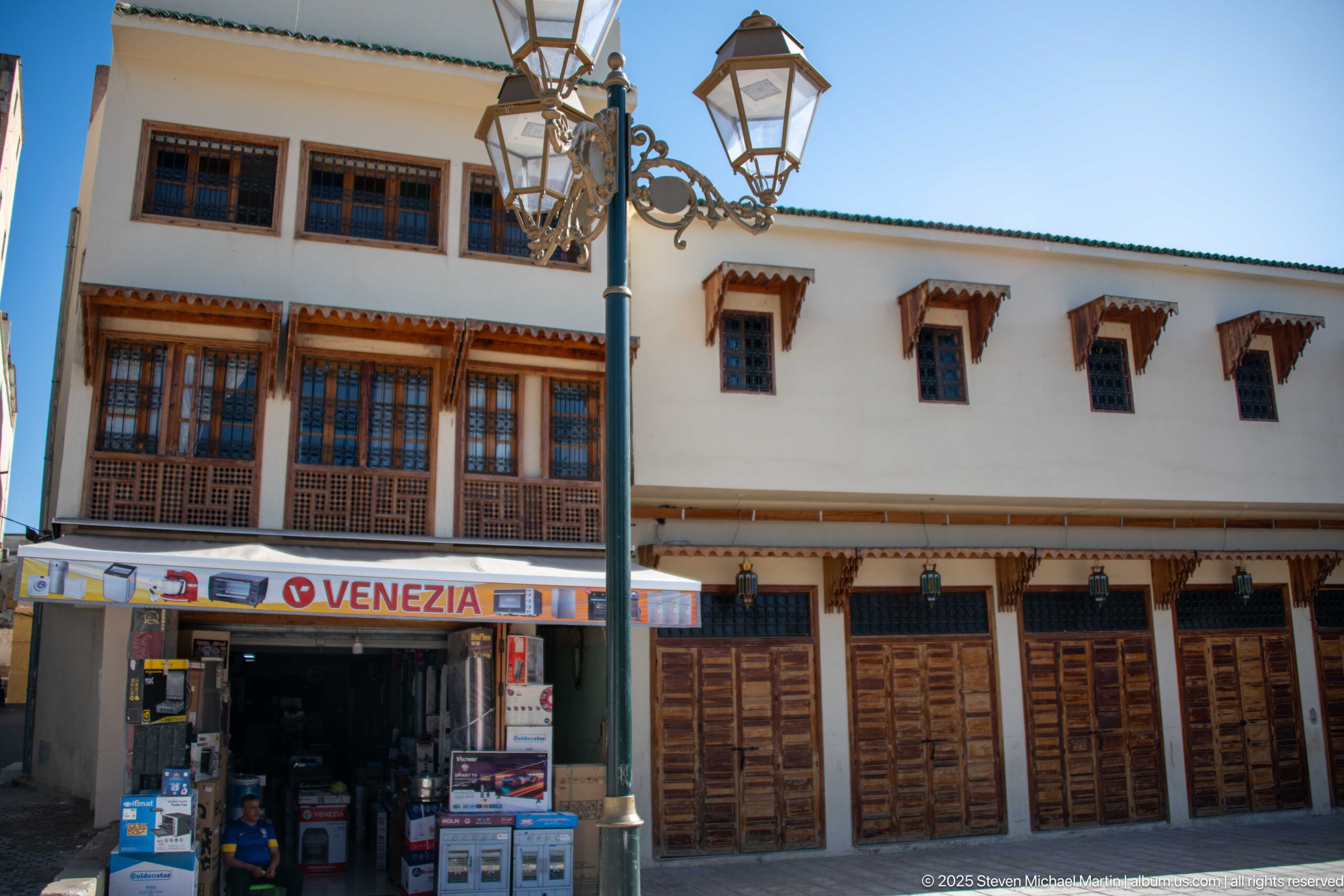
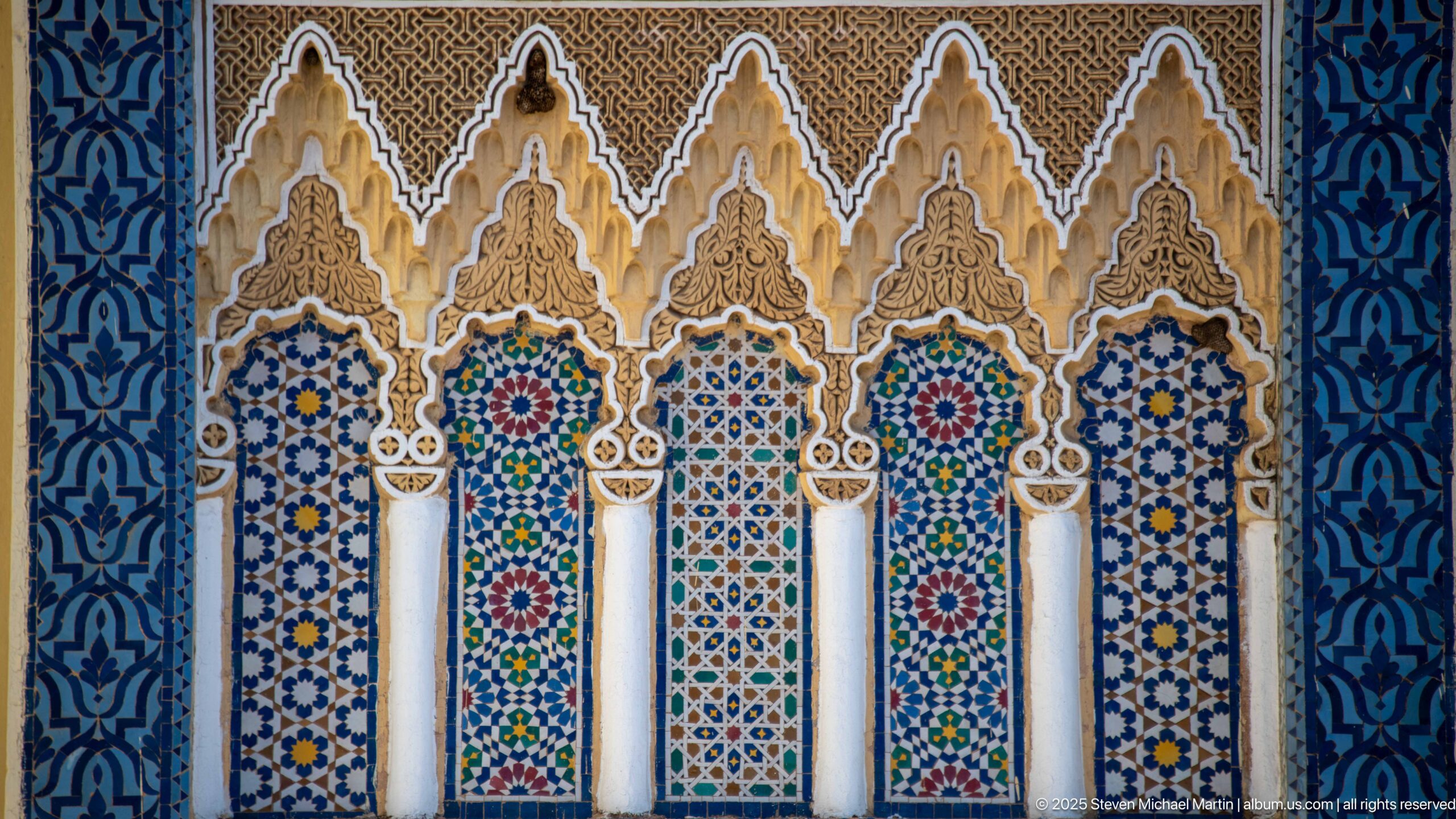
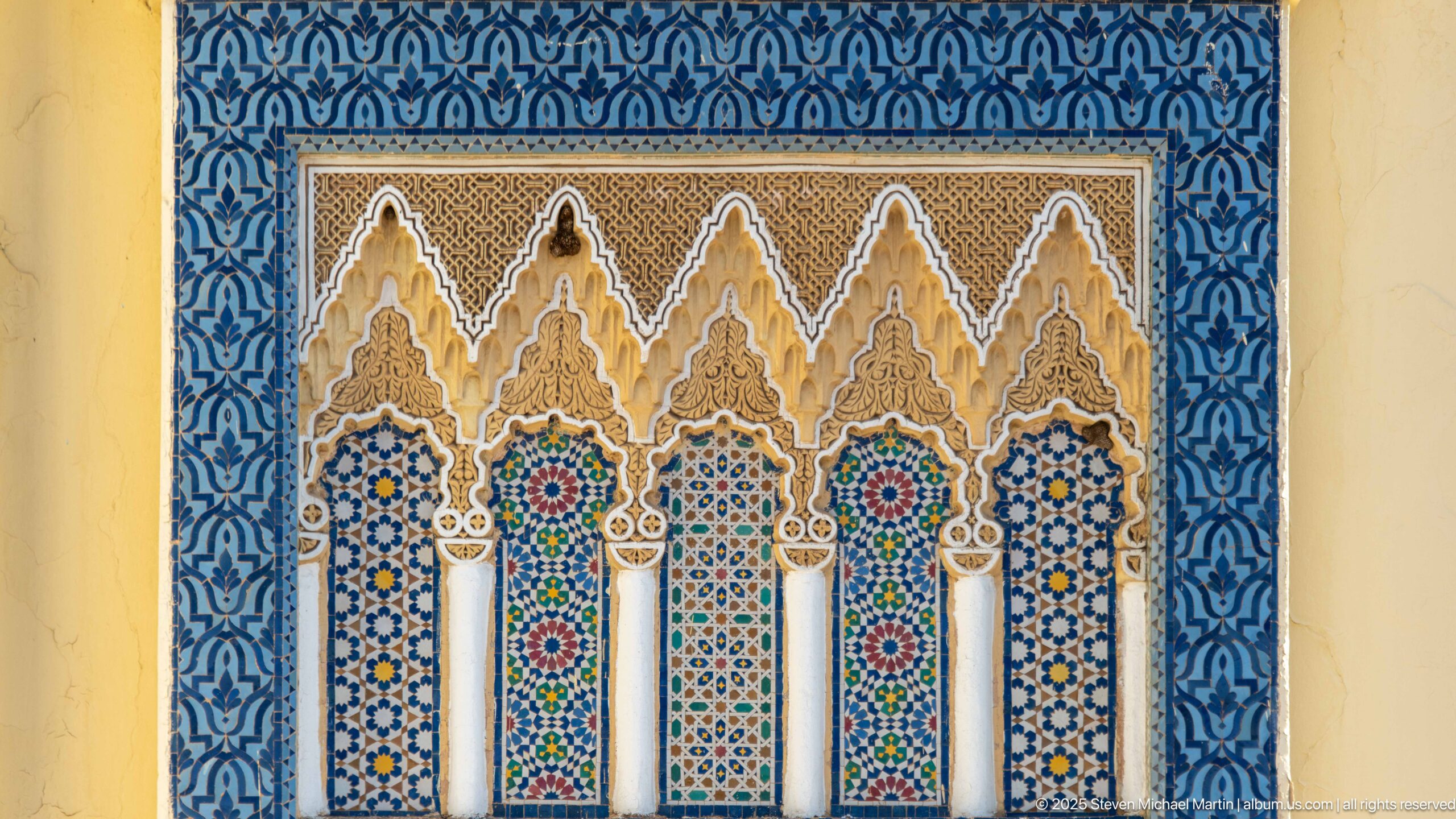
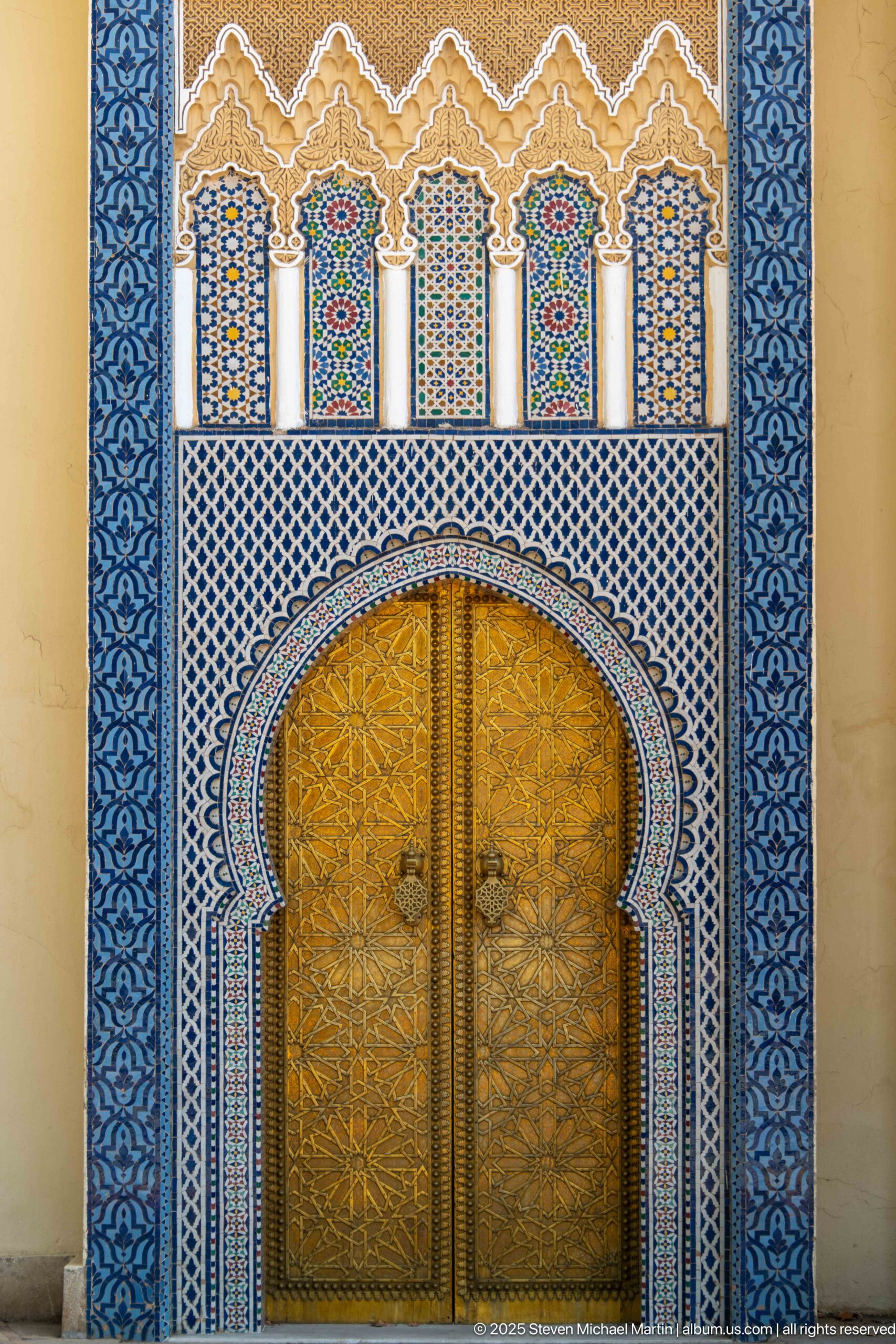
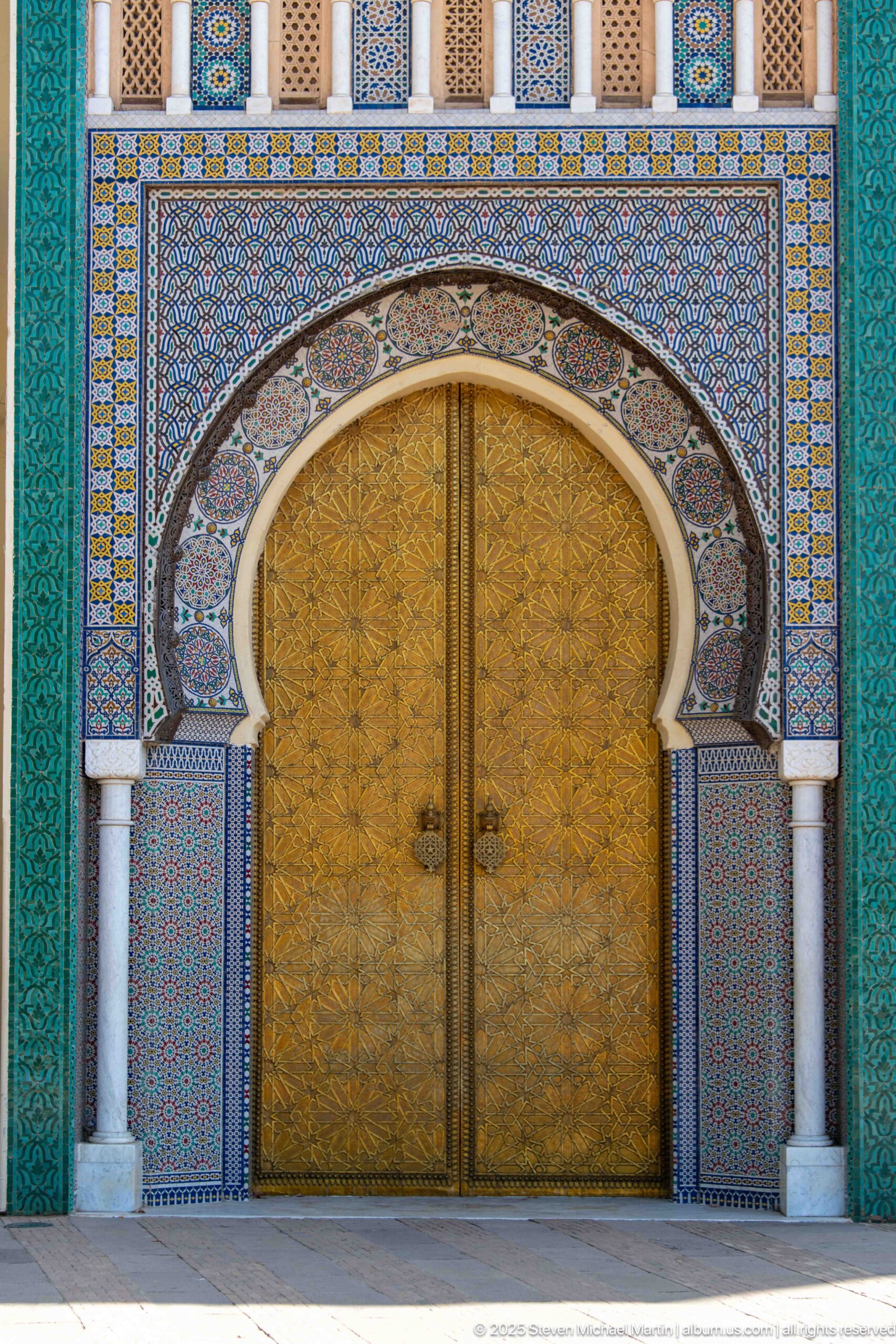
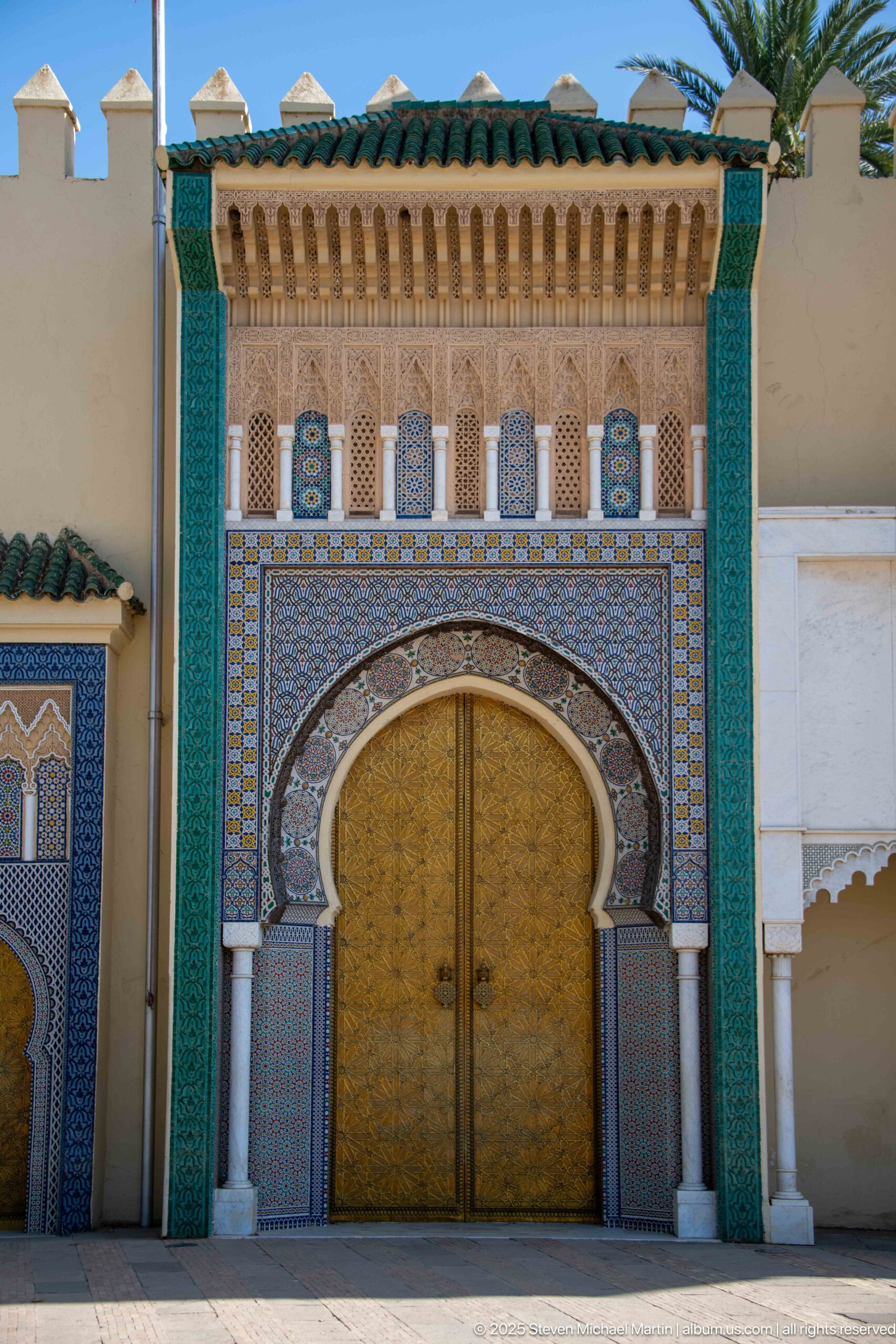
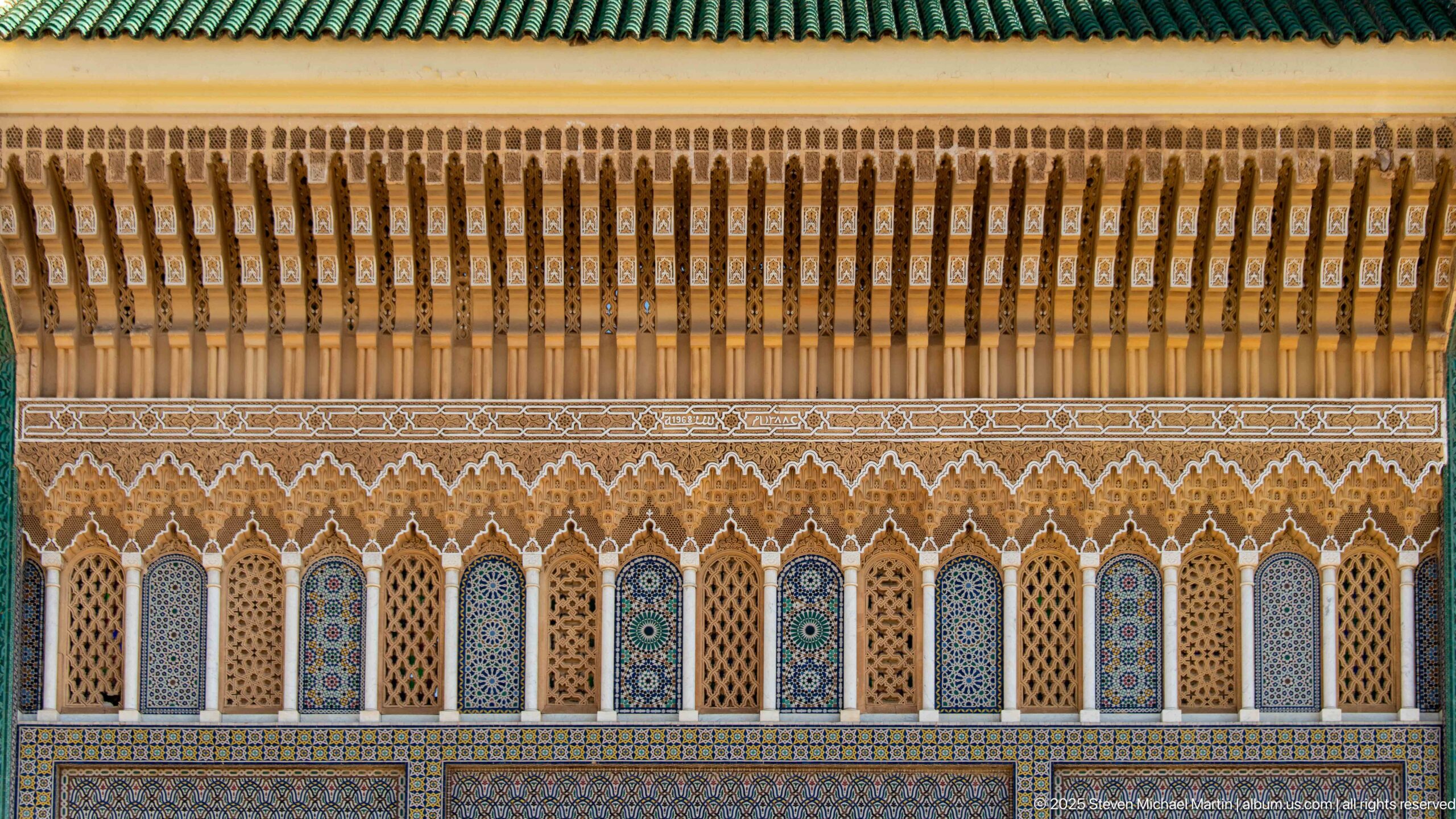
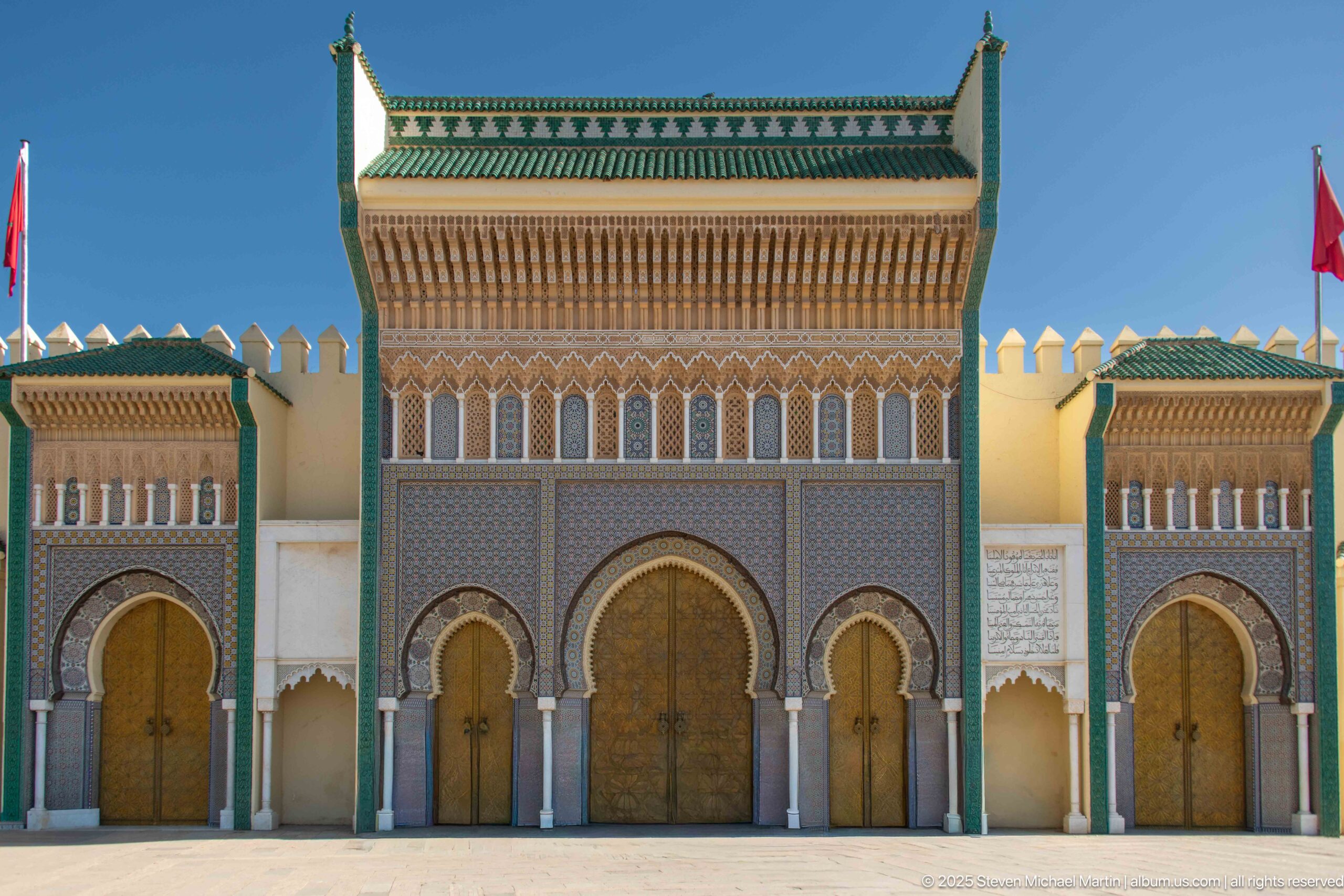
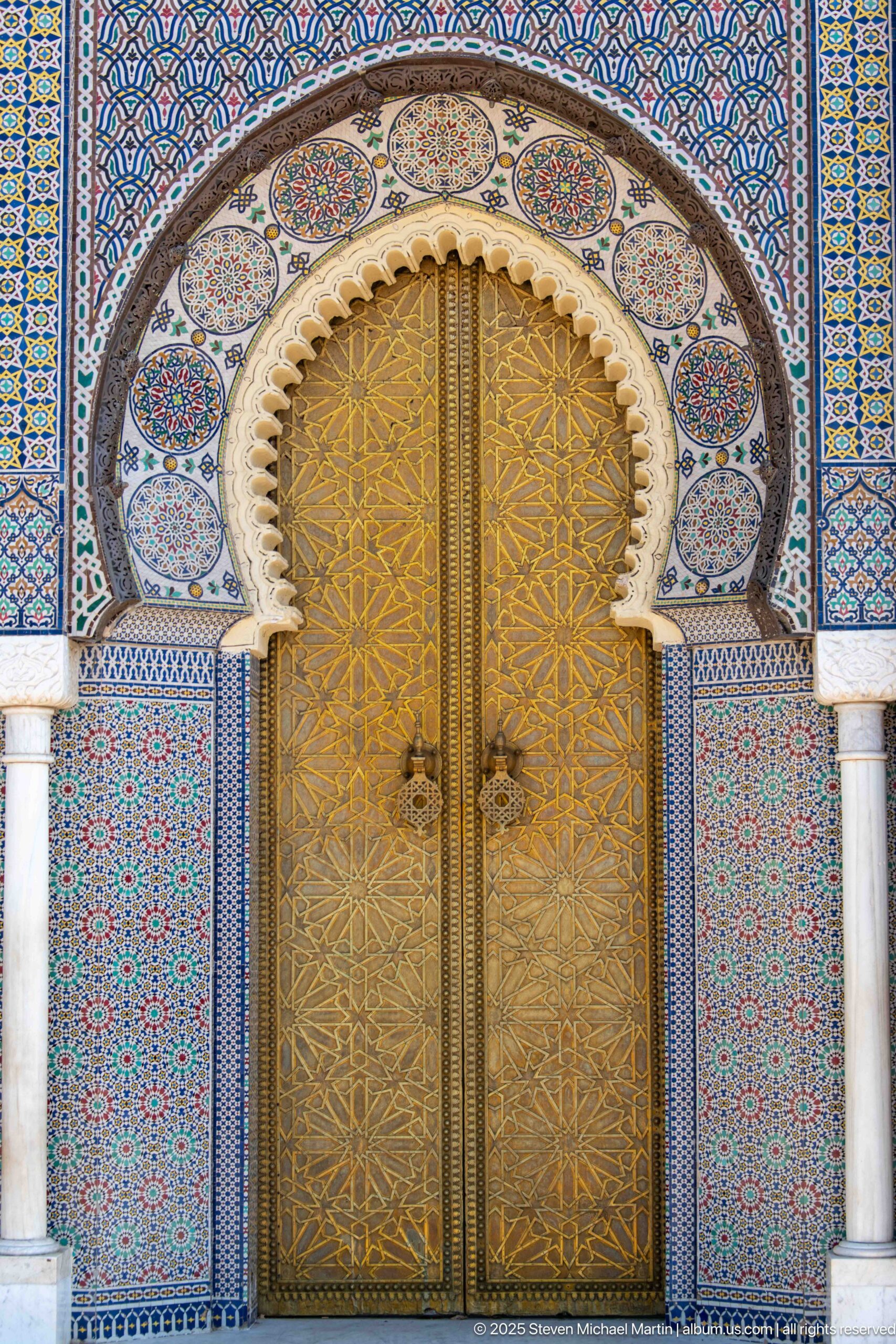
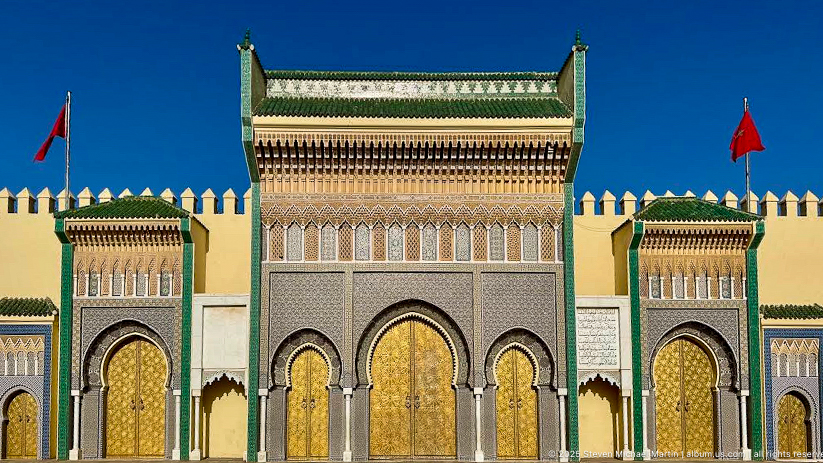
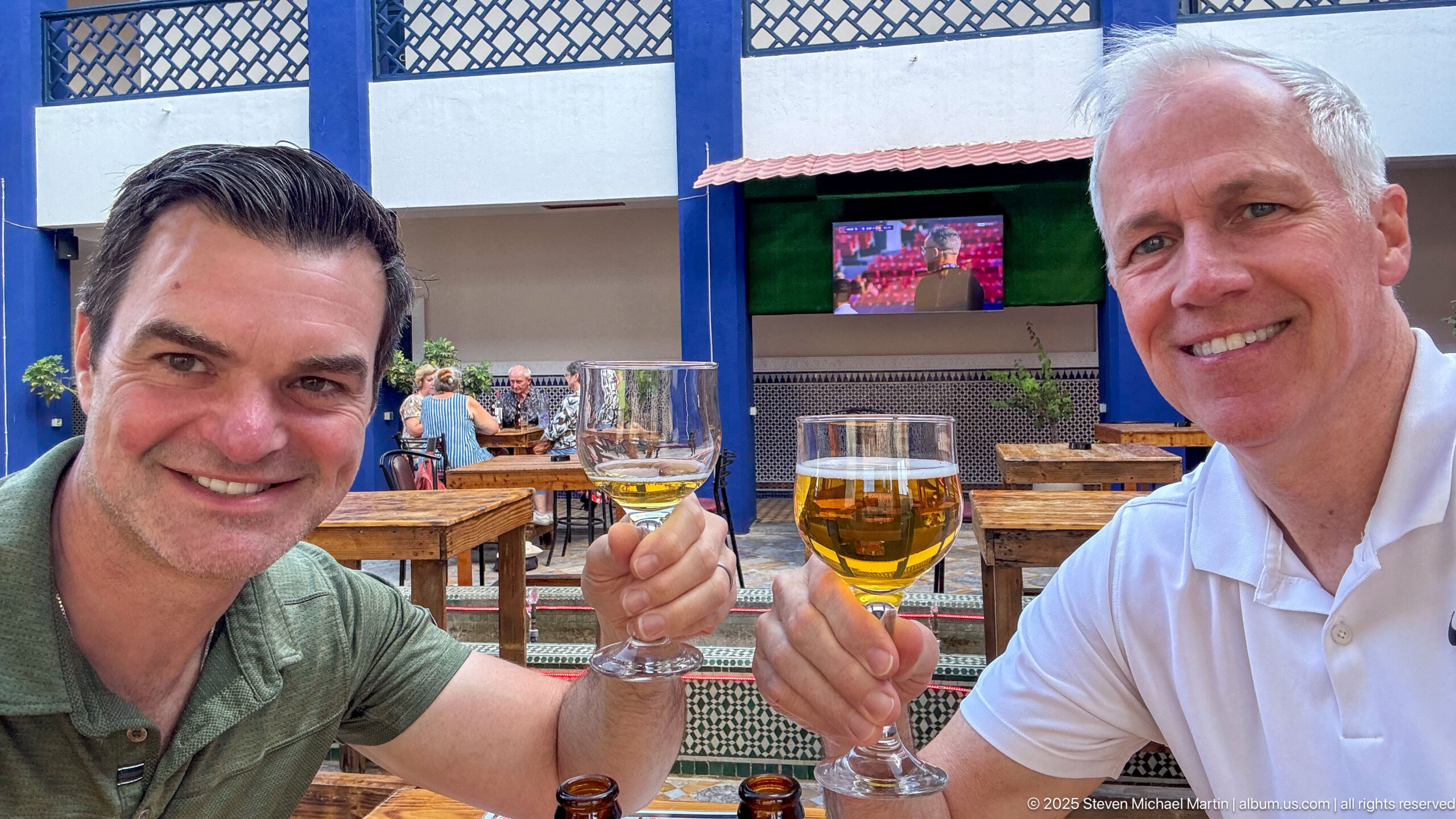
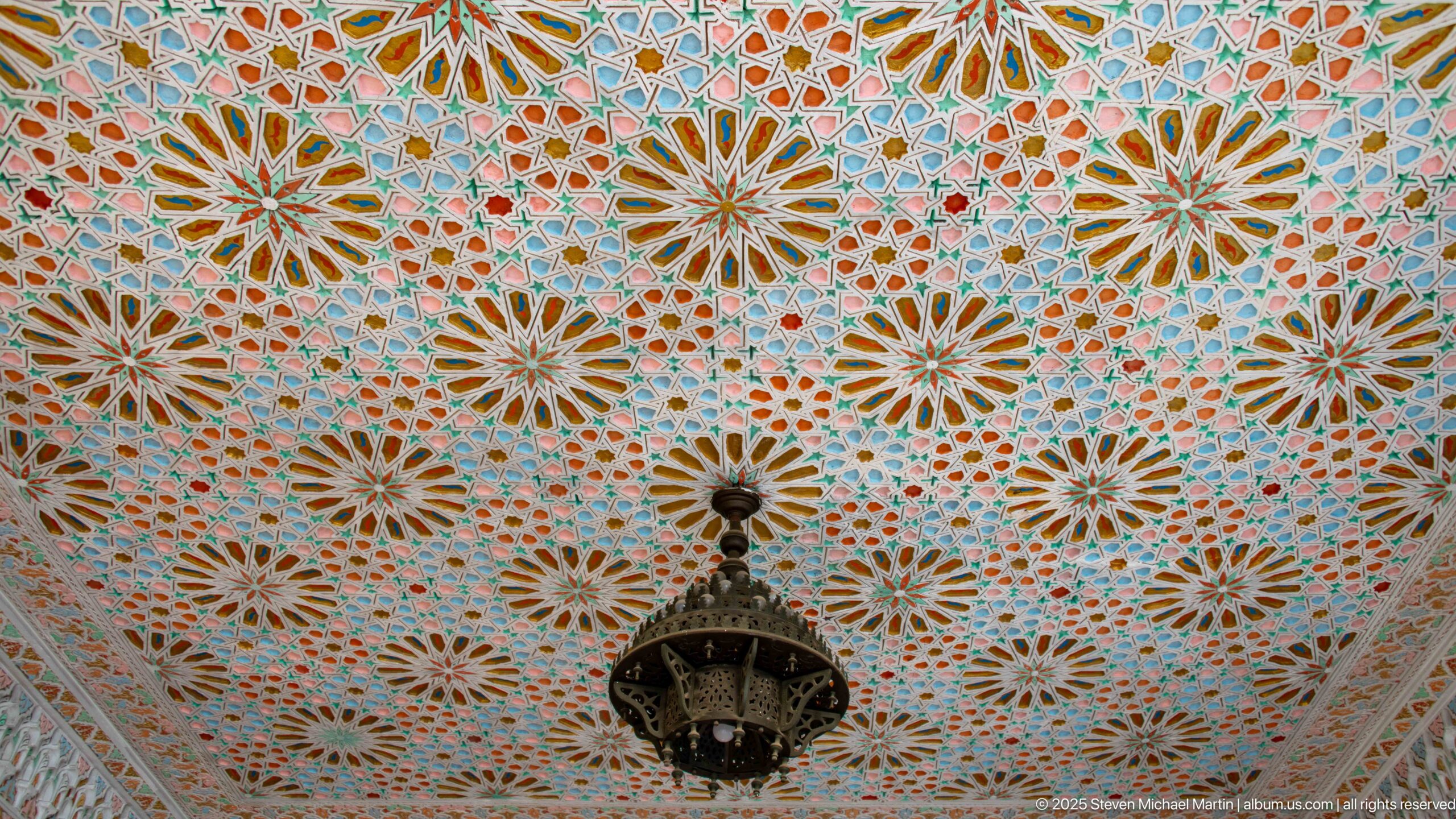
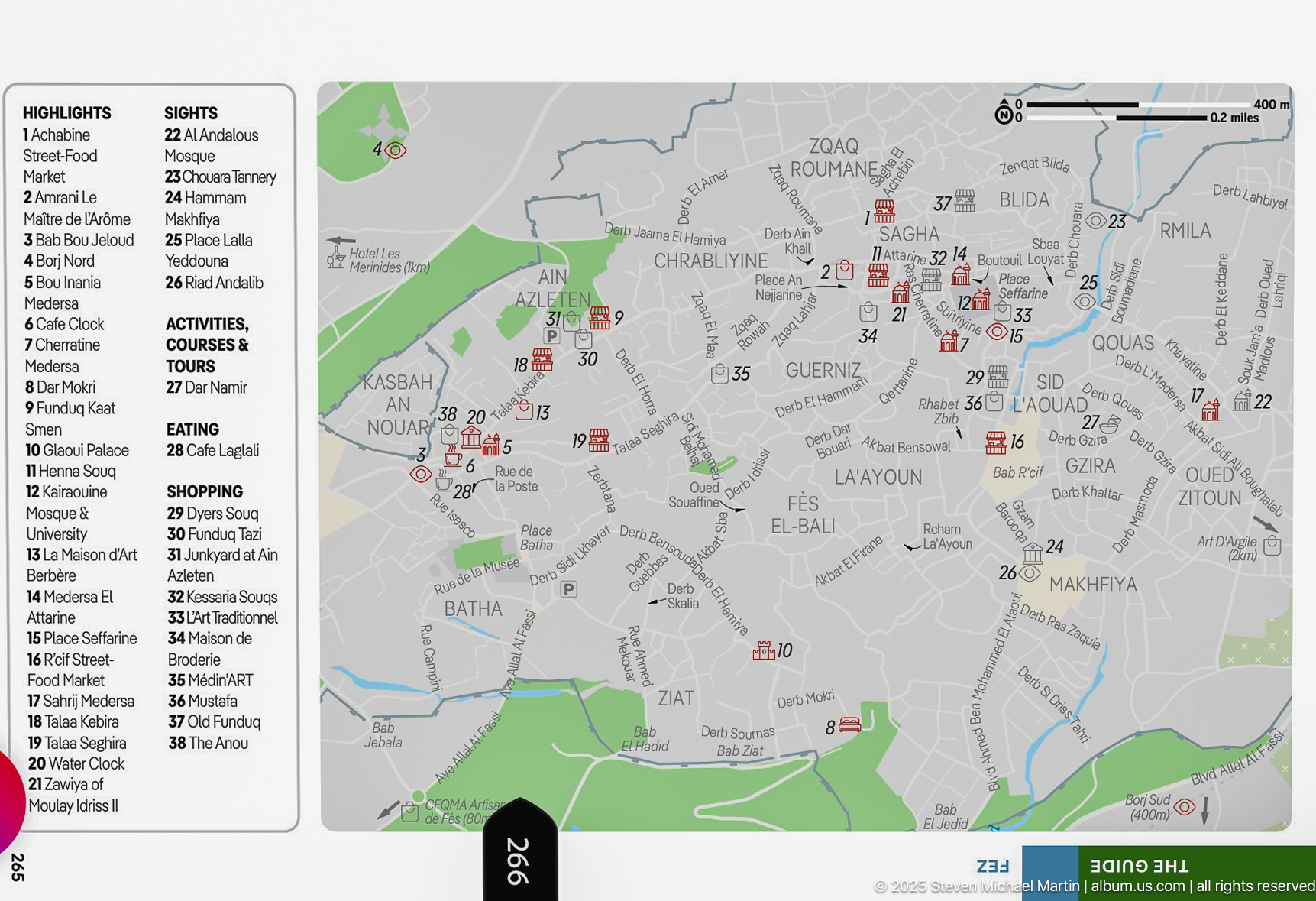
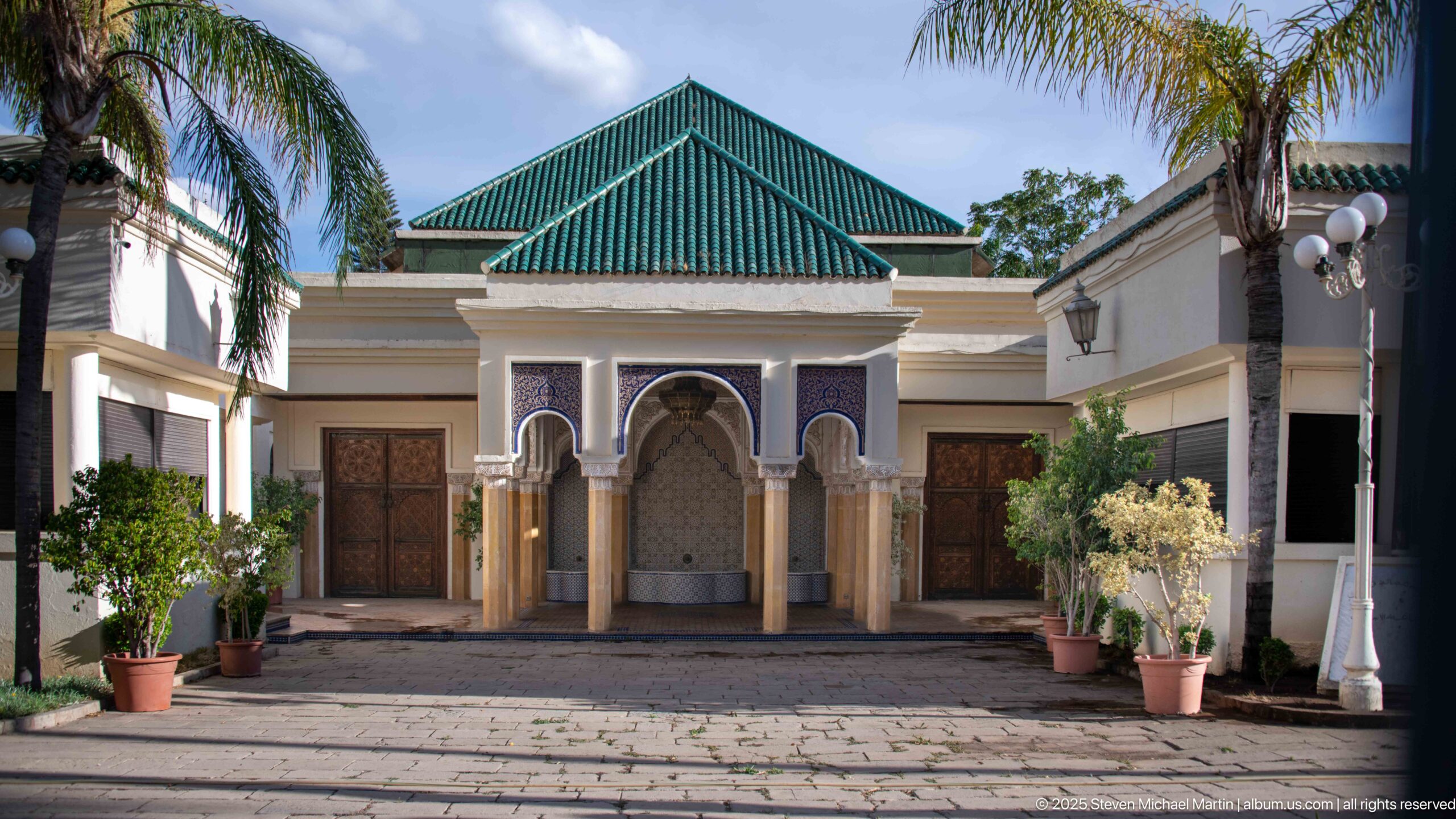
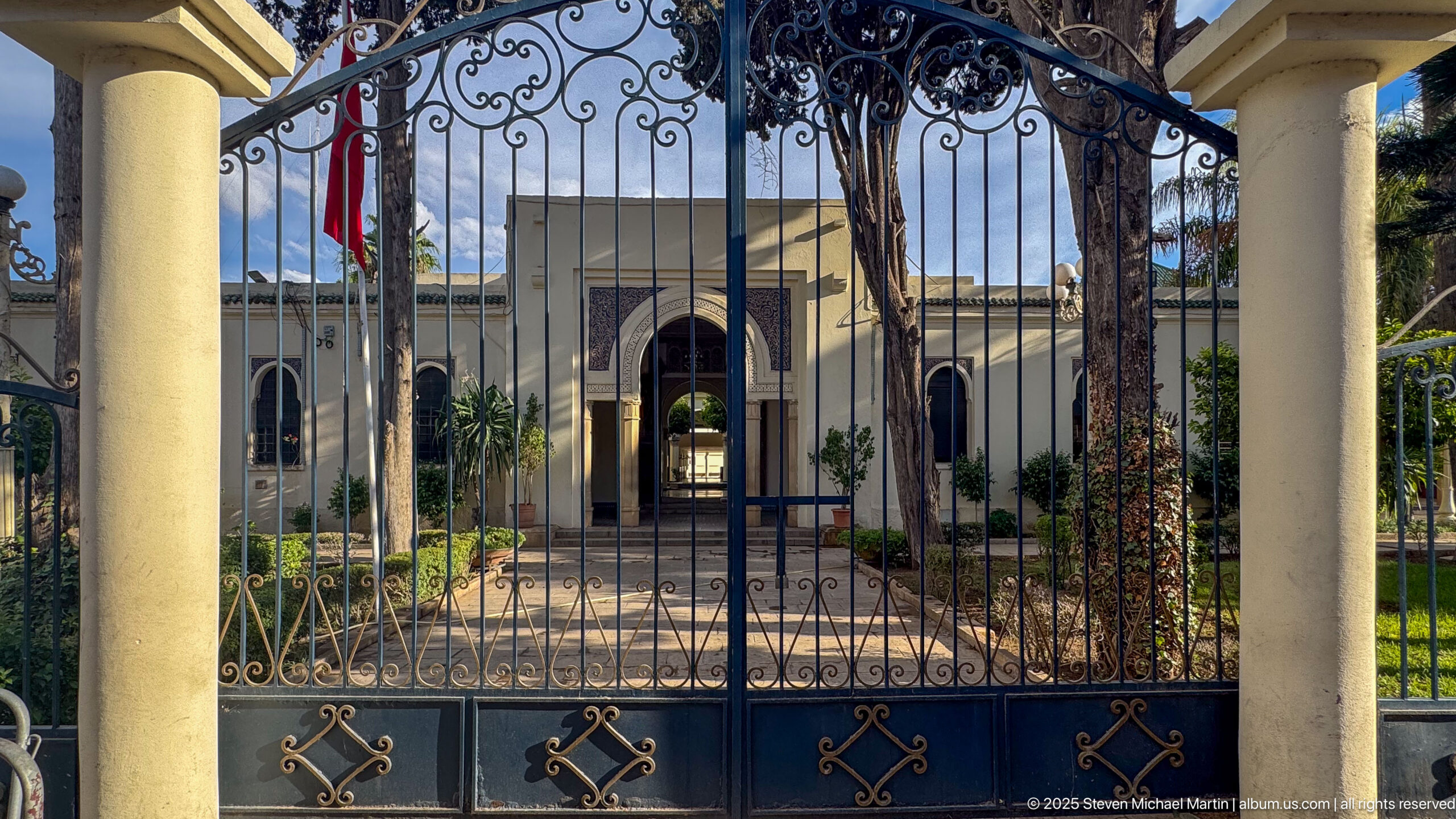
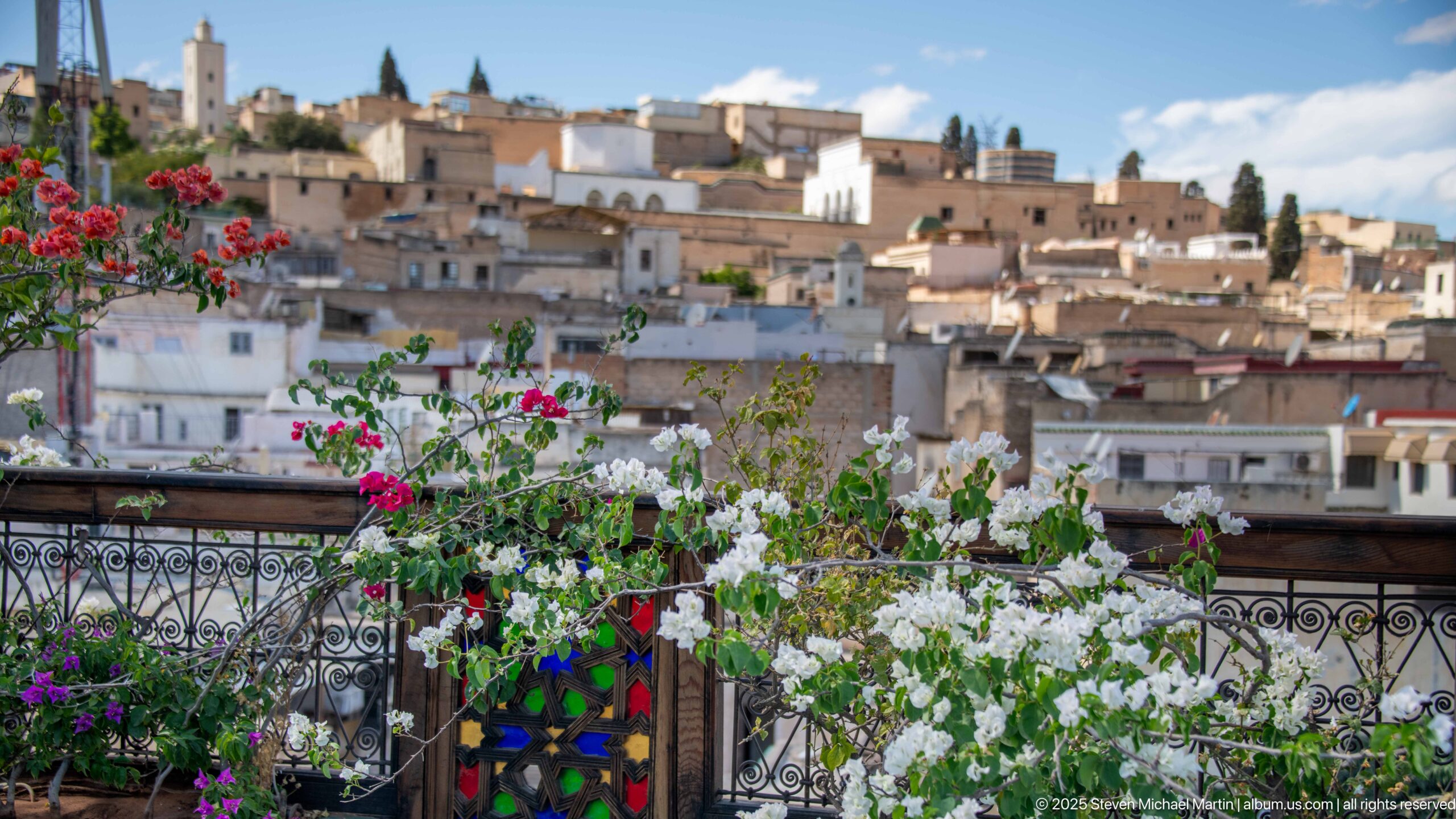
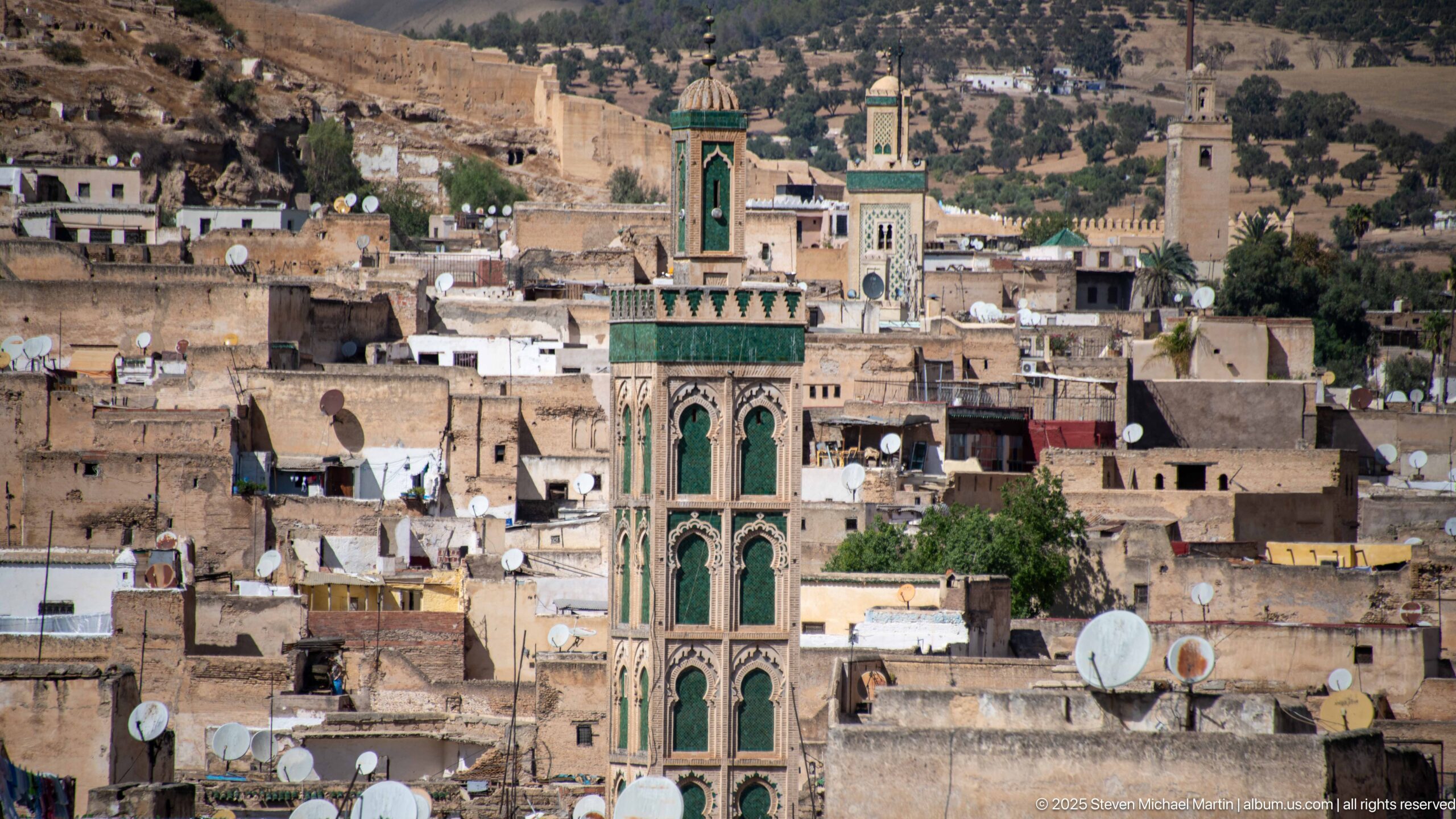
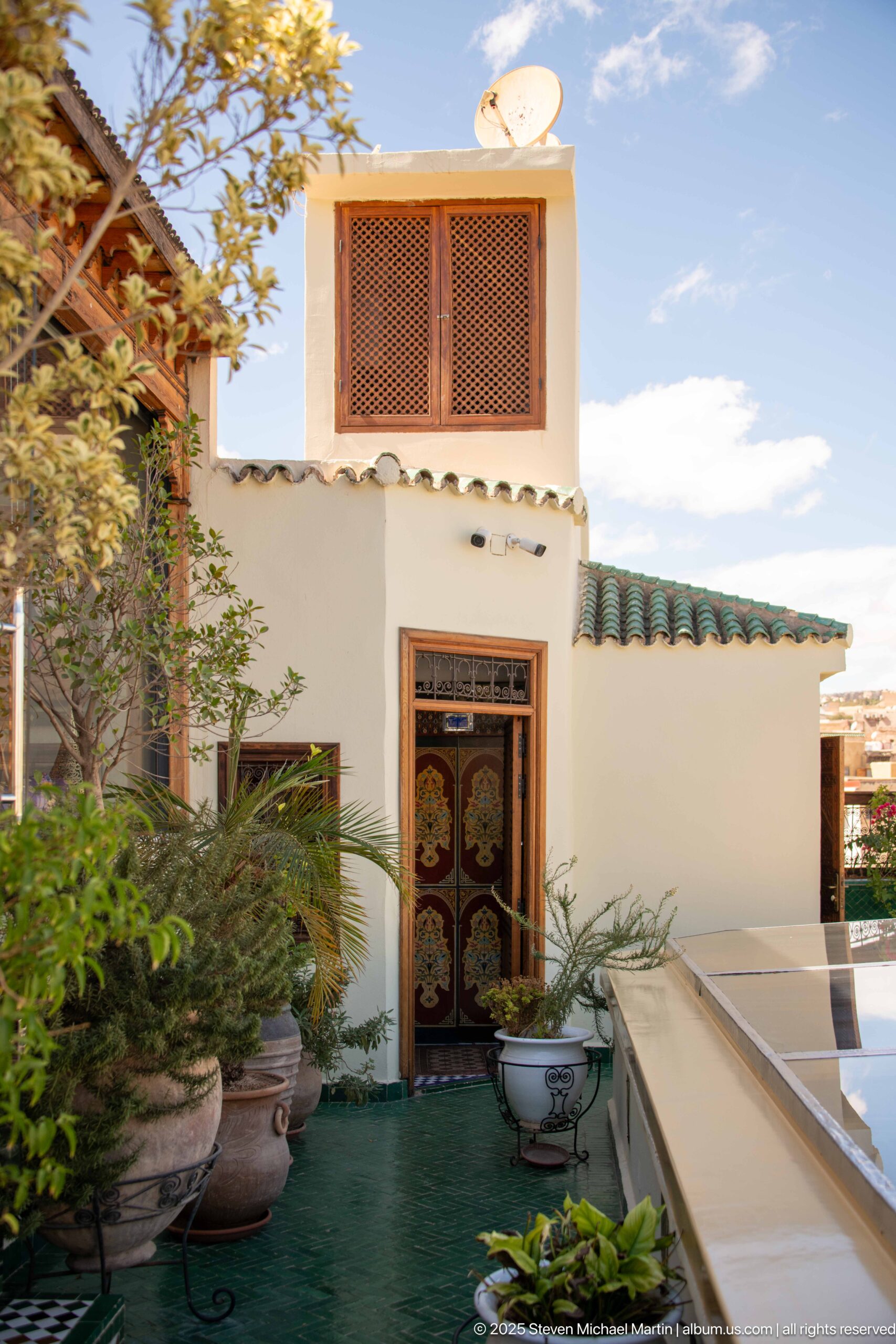
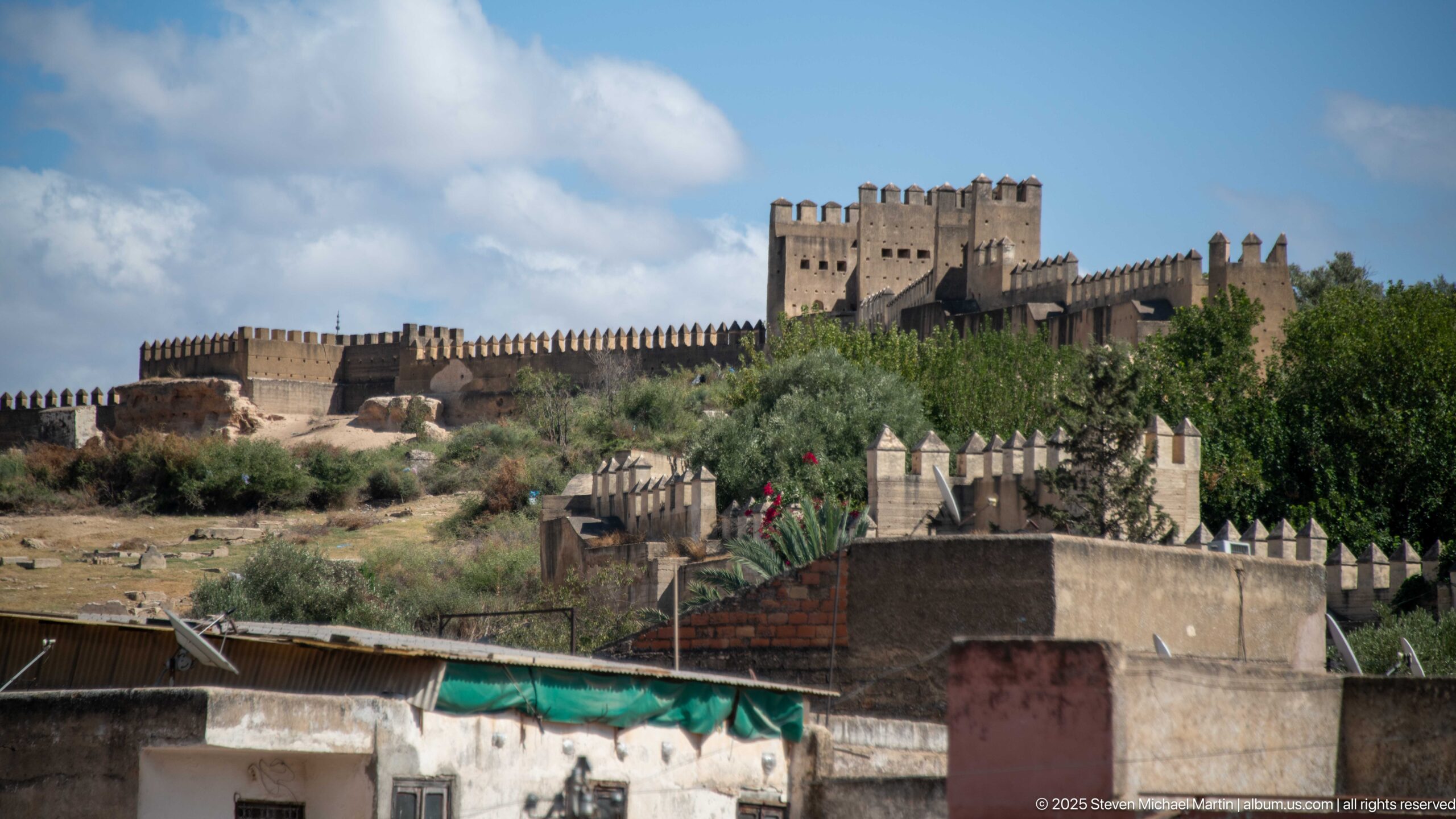
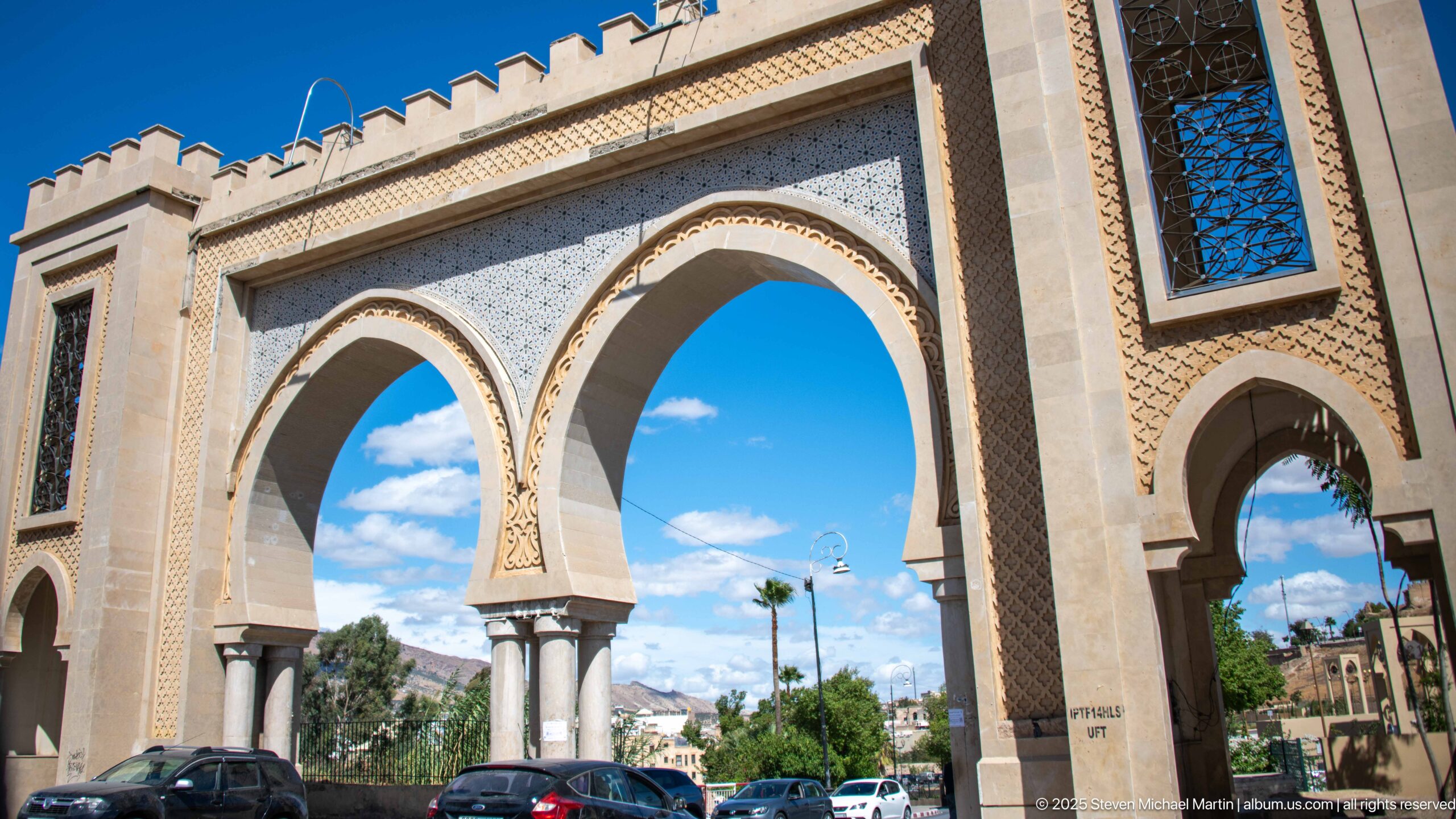
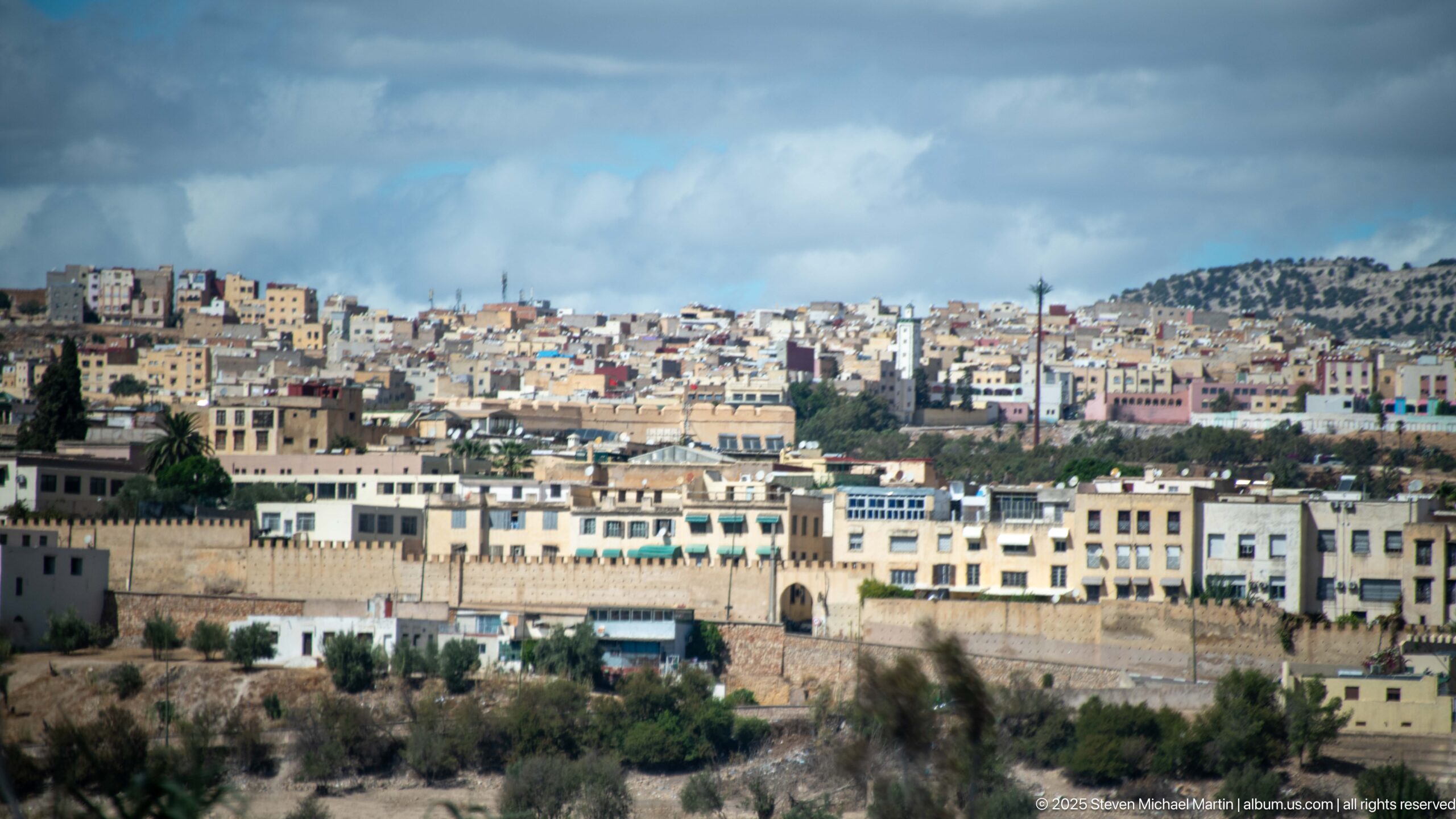
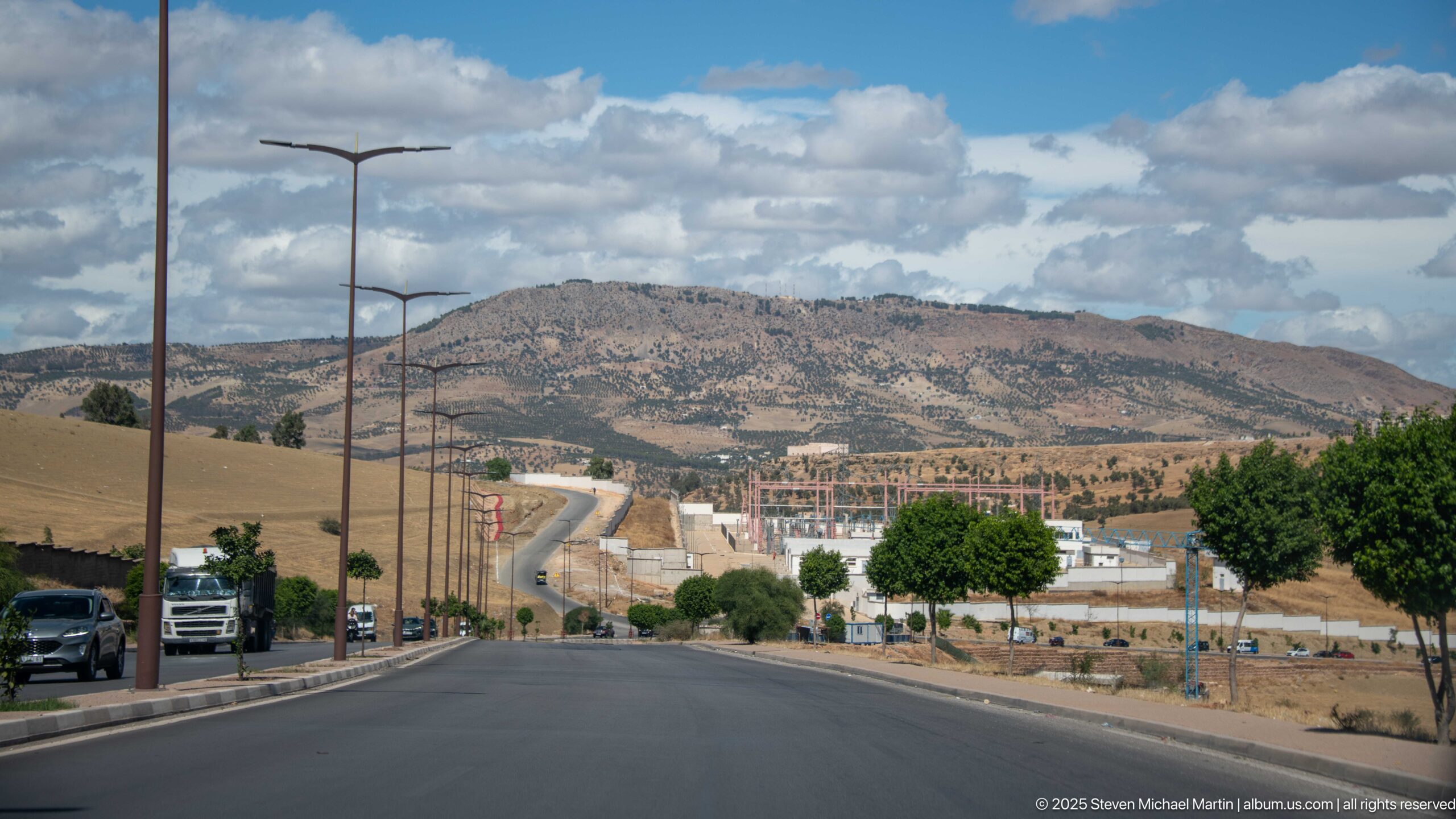
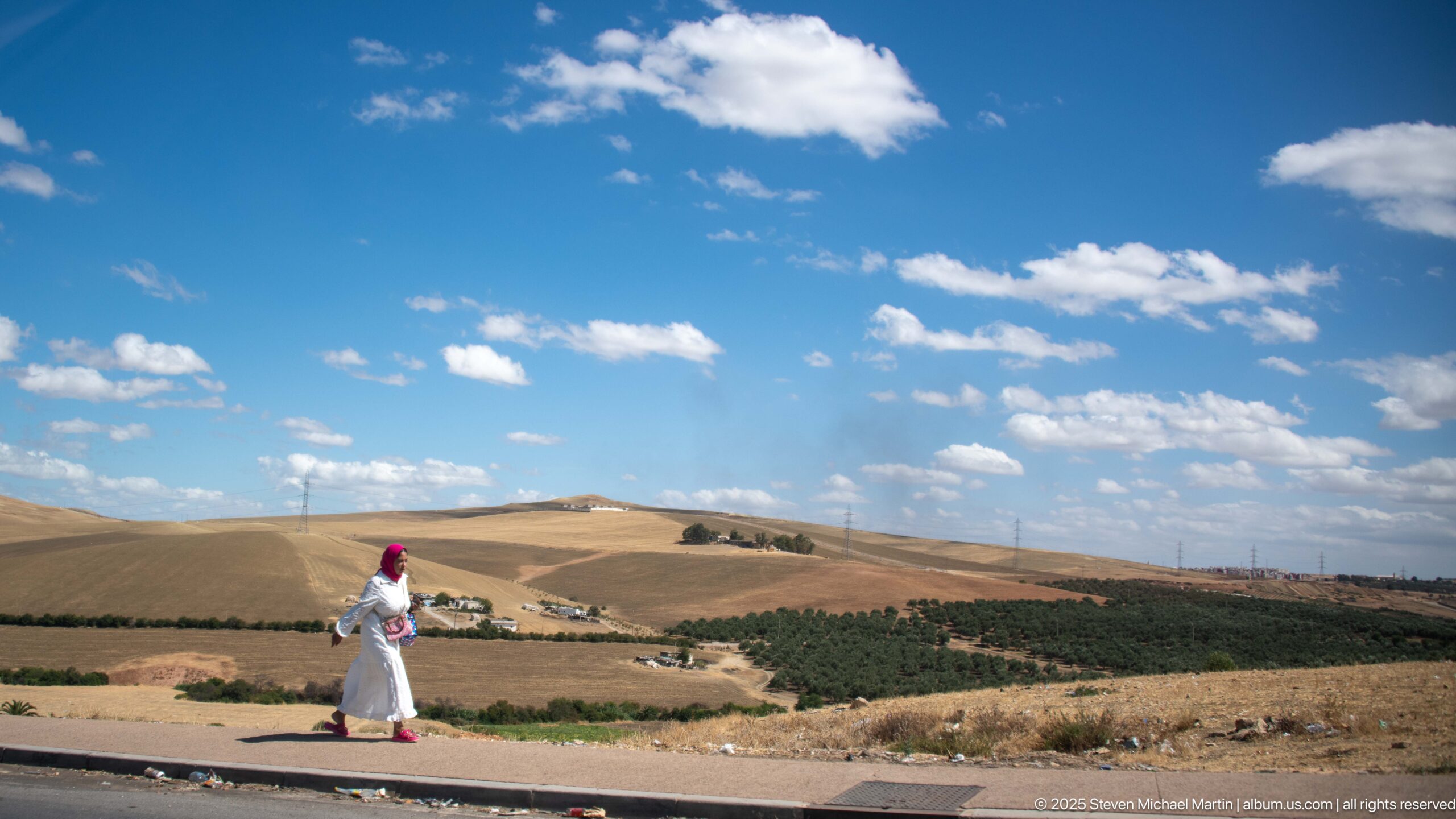
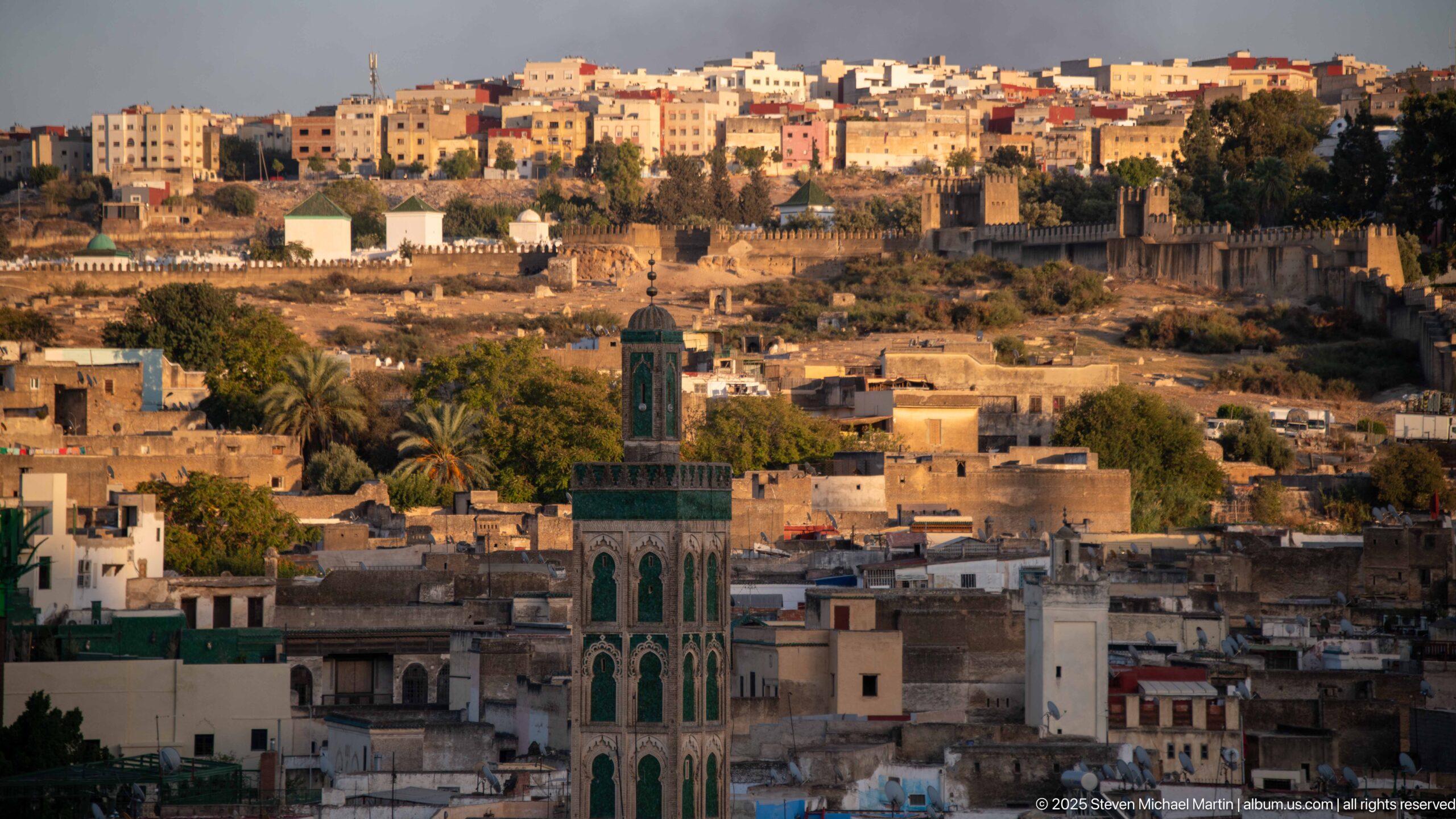
⭐ Highlights
- Fes el-Bali Medina: One of the largest and oldest medieval cities in the world.
- UNESCO World Heritage Site: Recognized for its preserved urban fabric and cultural importance.
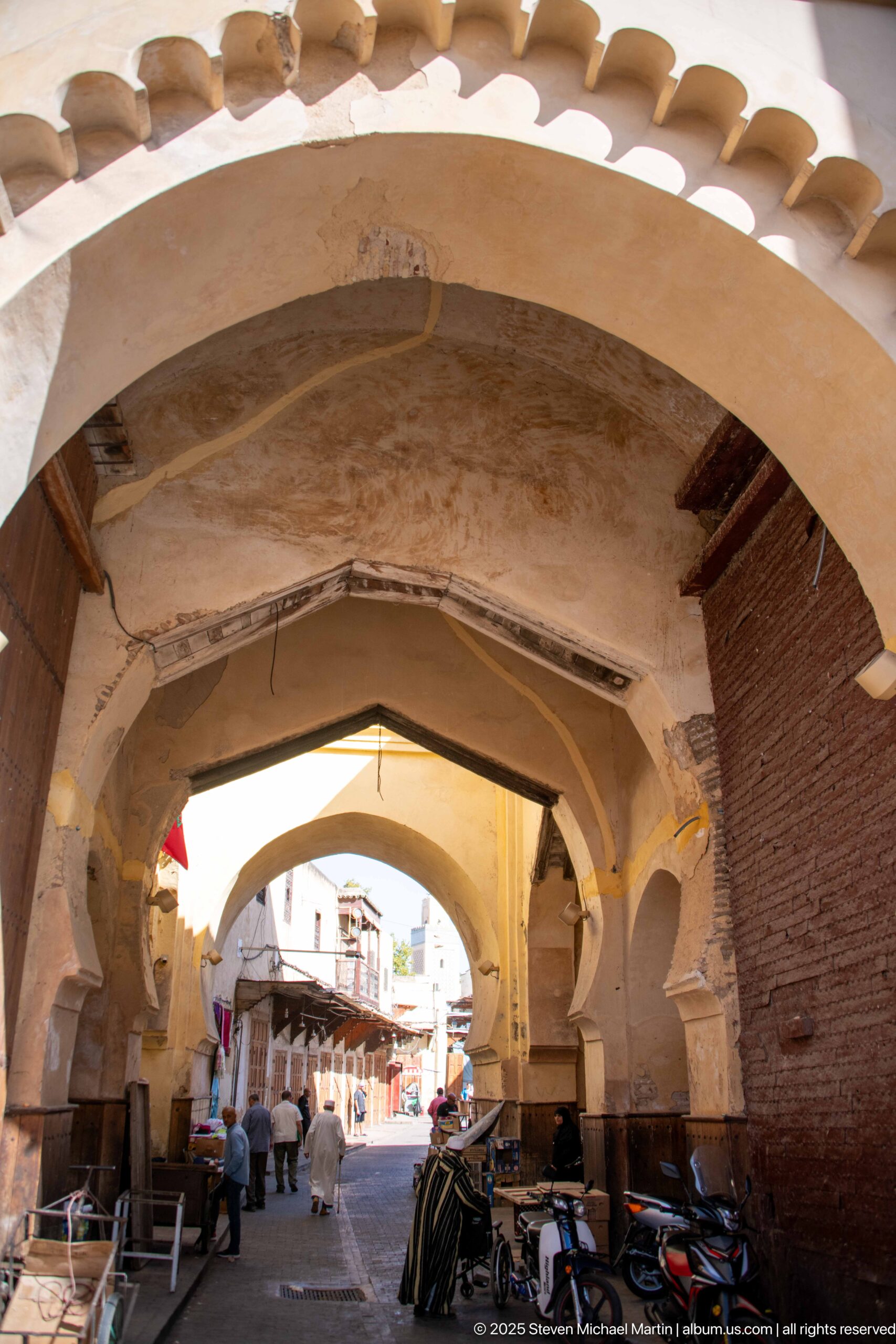
- Car-Free Labyrinth: Thousands of narrow streets and alleys form a dense, walkable environment.
- Al Quaraouiyine University: One of the oldest continuously operating educational institutions in the world.
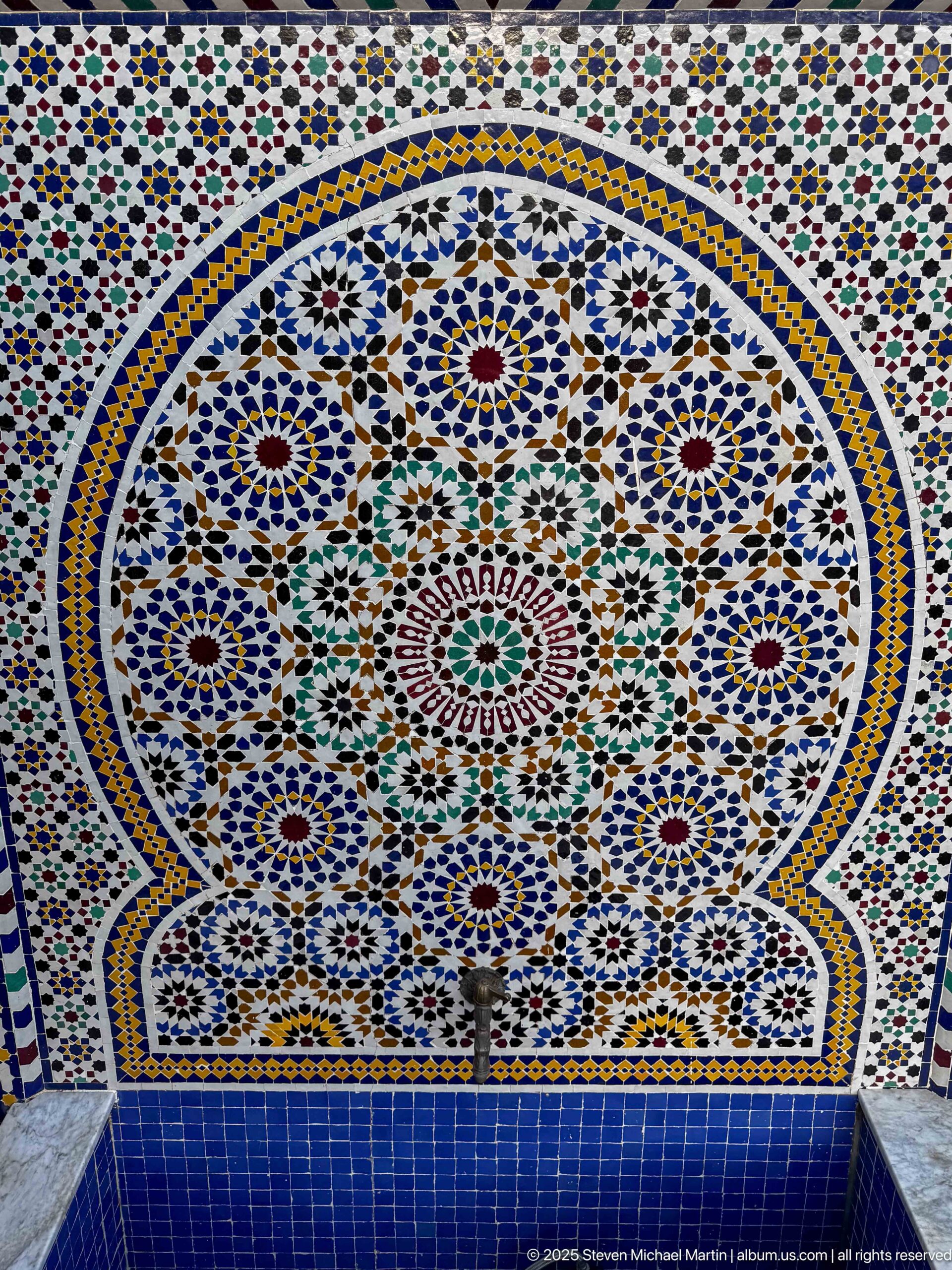
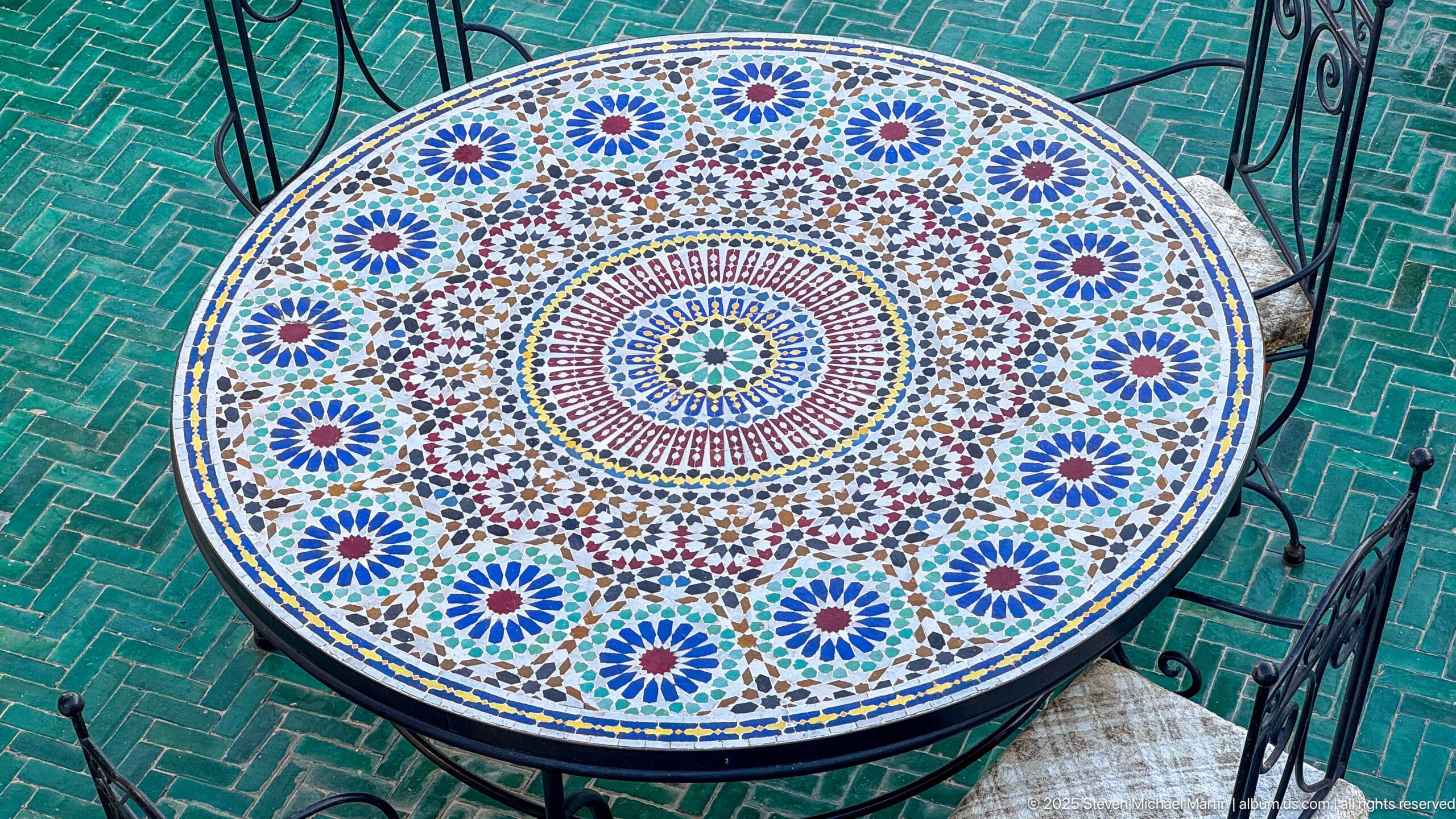
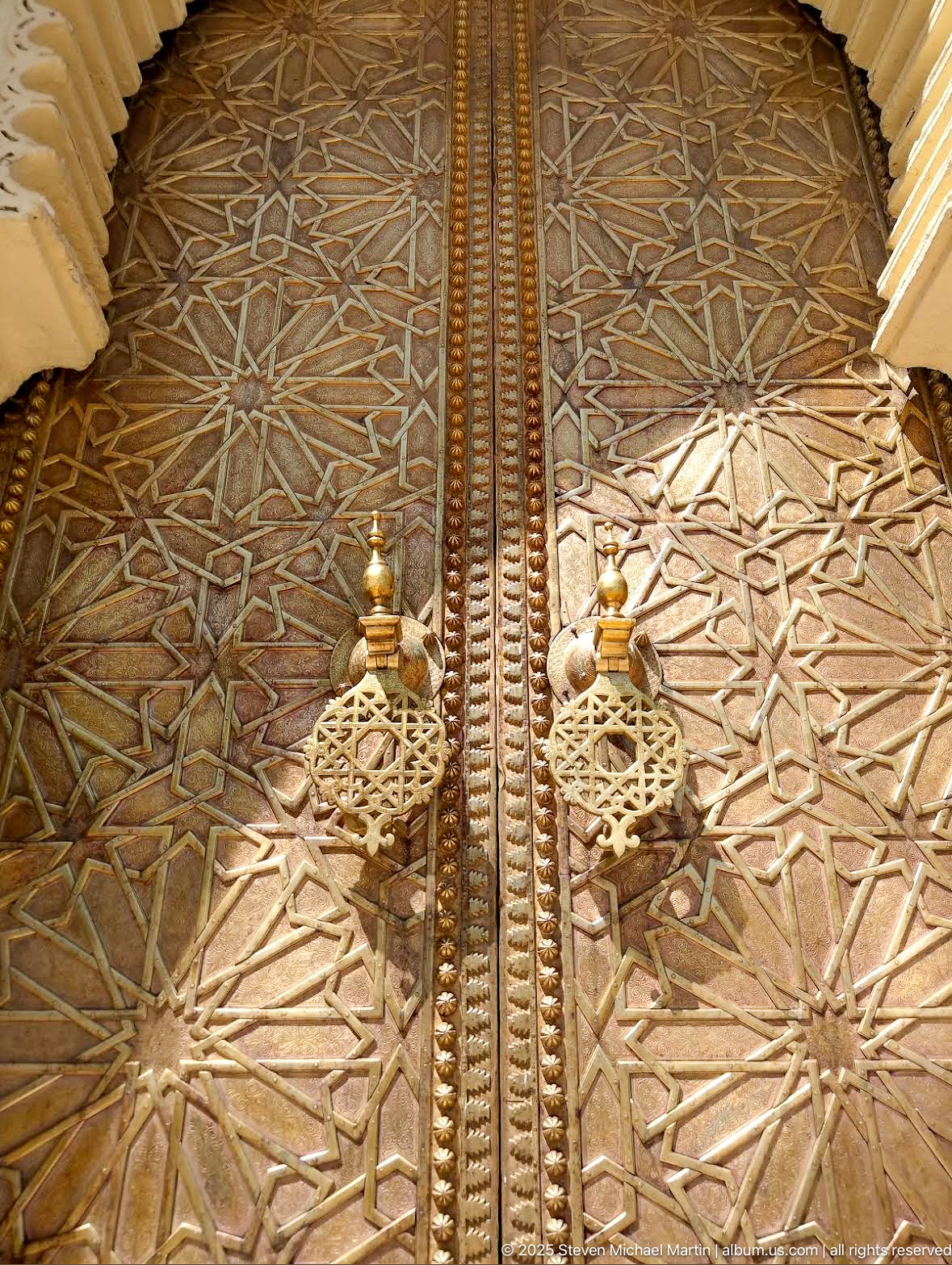
- Traditional Crafts: Tanneries, metalwork, textiles, and ceramics still produced using historic methods.
- Spiritual Center: Long regarded as Morocco’s cultural and religious heart.
🏙️ Fez Field Guide
Major features observed during this visit:
Fez is one of the most historically significant cities in the Islamic world, founded in the 9th century and developed into a major center of religion, learning, and trade. Its historic core, Fes el-Bali, remains one of the most complete medieval cities in existence, preserving its original layout, architecture, and daily life. Unlike many historic cities, Fez is not a reconstruction—it is a living, working urban environment that continues to function much as it has for centuries.
🏛️ Signature Landmarks
- Fes el-Bali – The original medina and heart of the city.
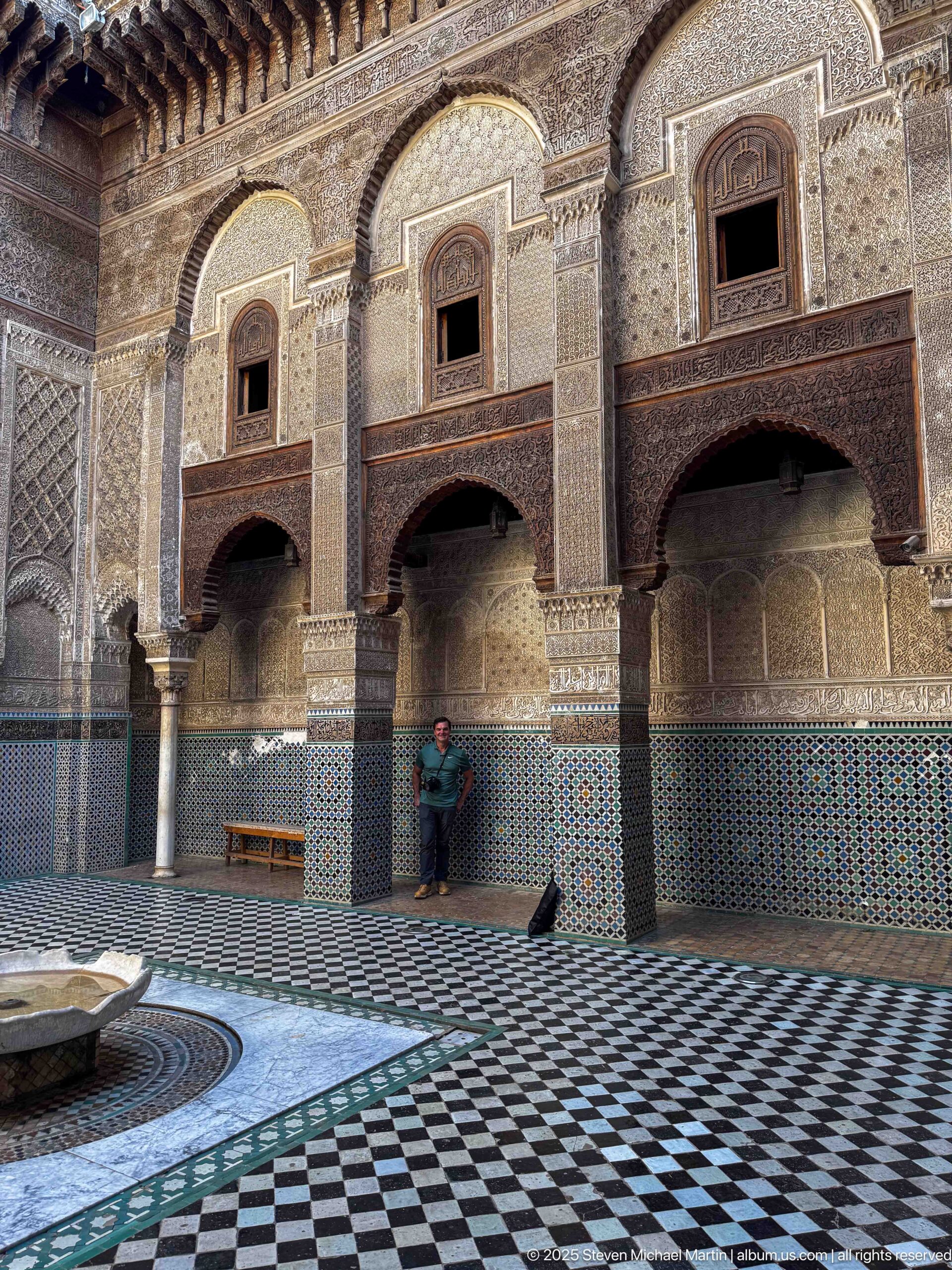
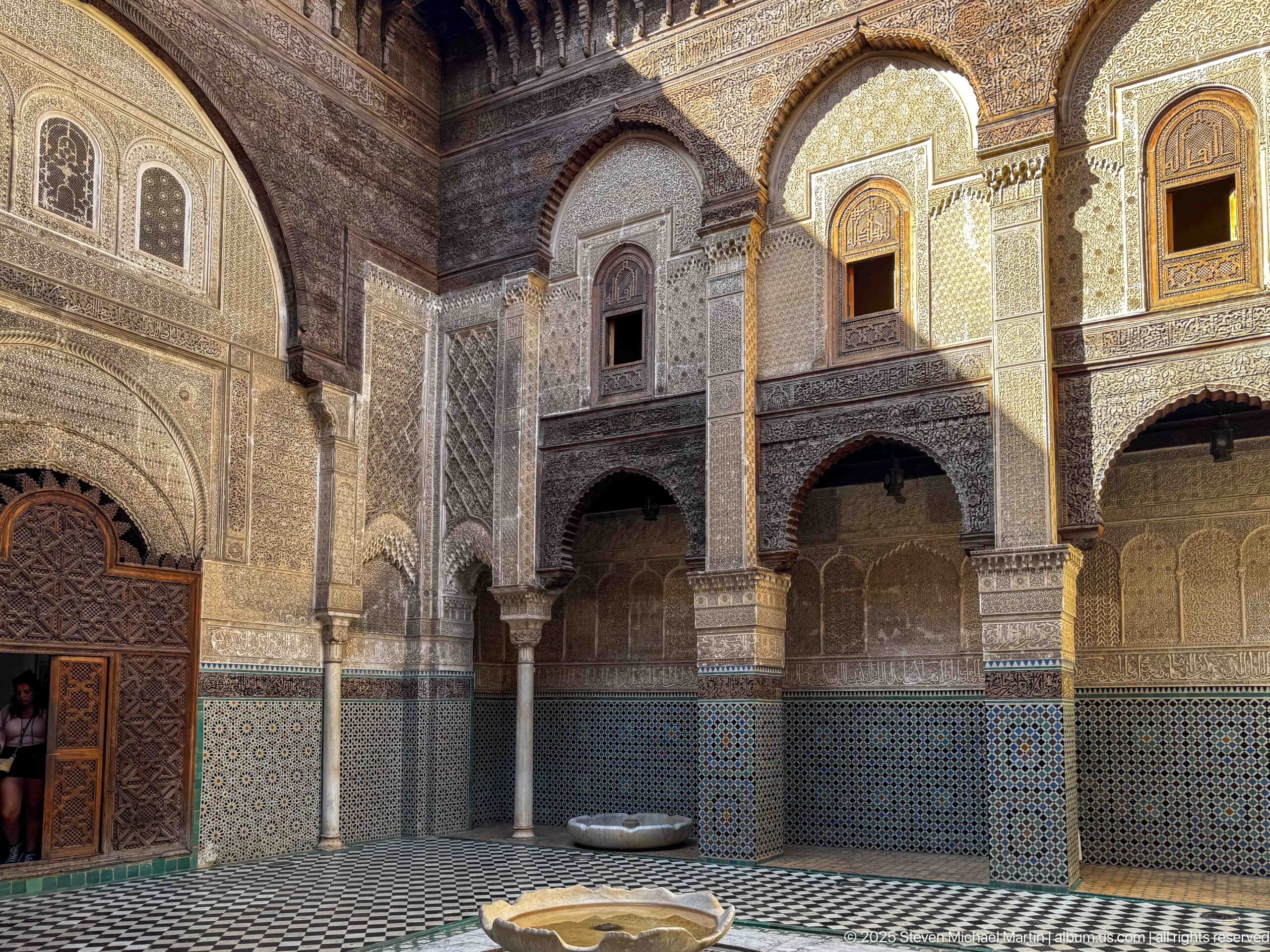
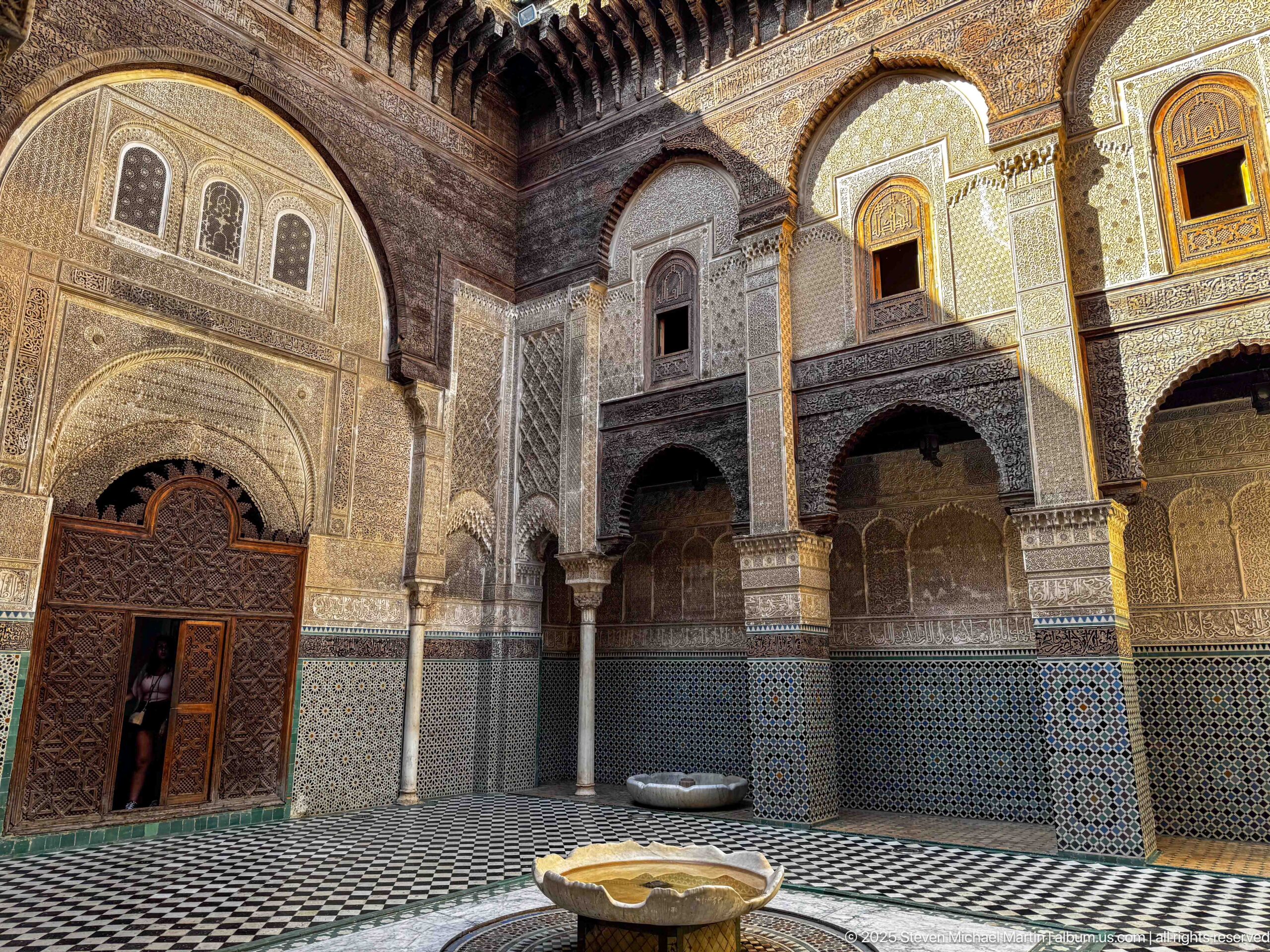
- Al Quaraouiyine Mosque & University – A historic center of learning and religion.
- Chouara Tanneries – Traditional leather production using centuries-old techniques.
- Bou Inania Madrasa – A major example of Moroccan religious architecture.
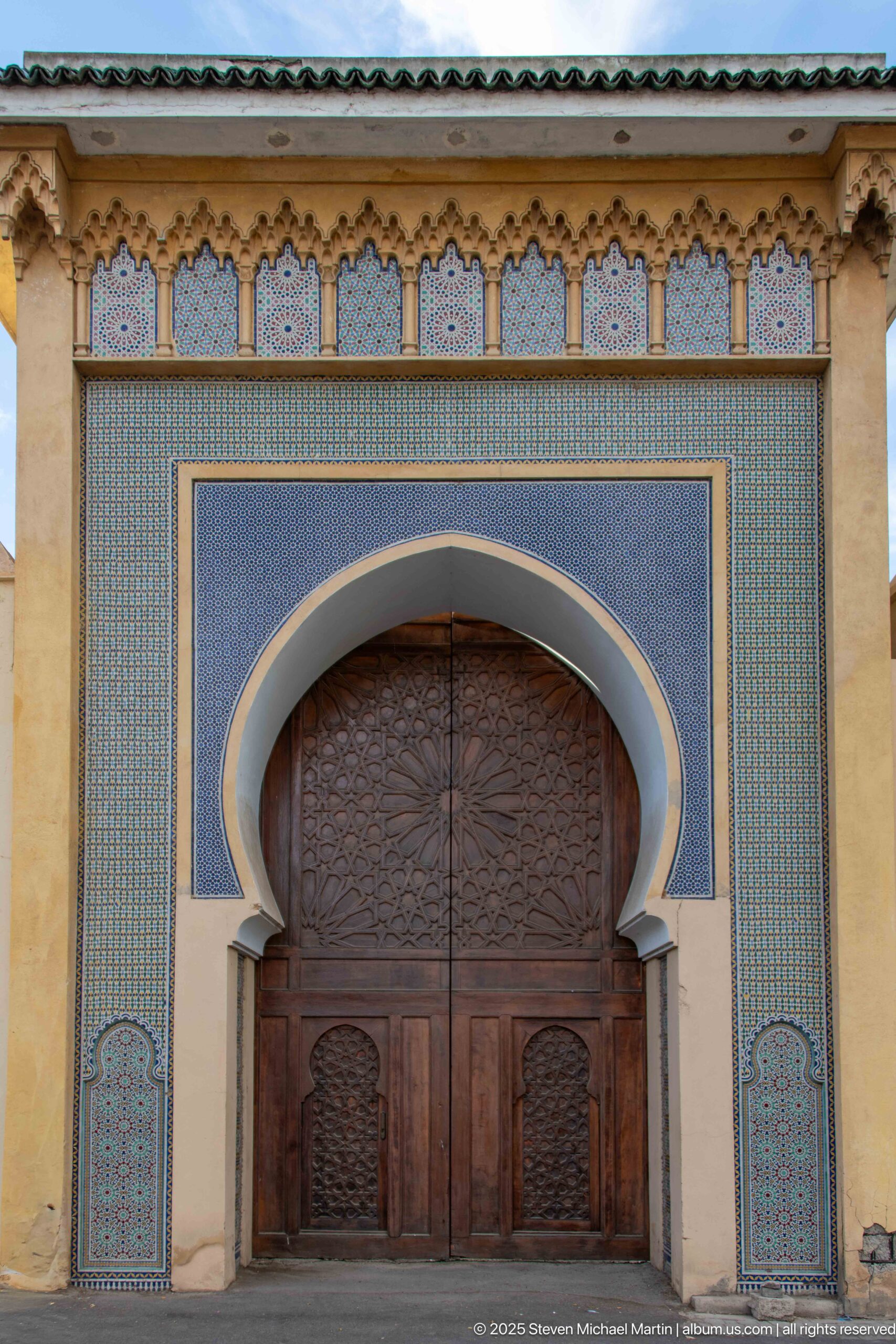
- Bab Bou Jeloud – The iconic “Blue Gate” entrance to the medina.
🧠 Historical Significance
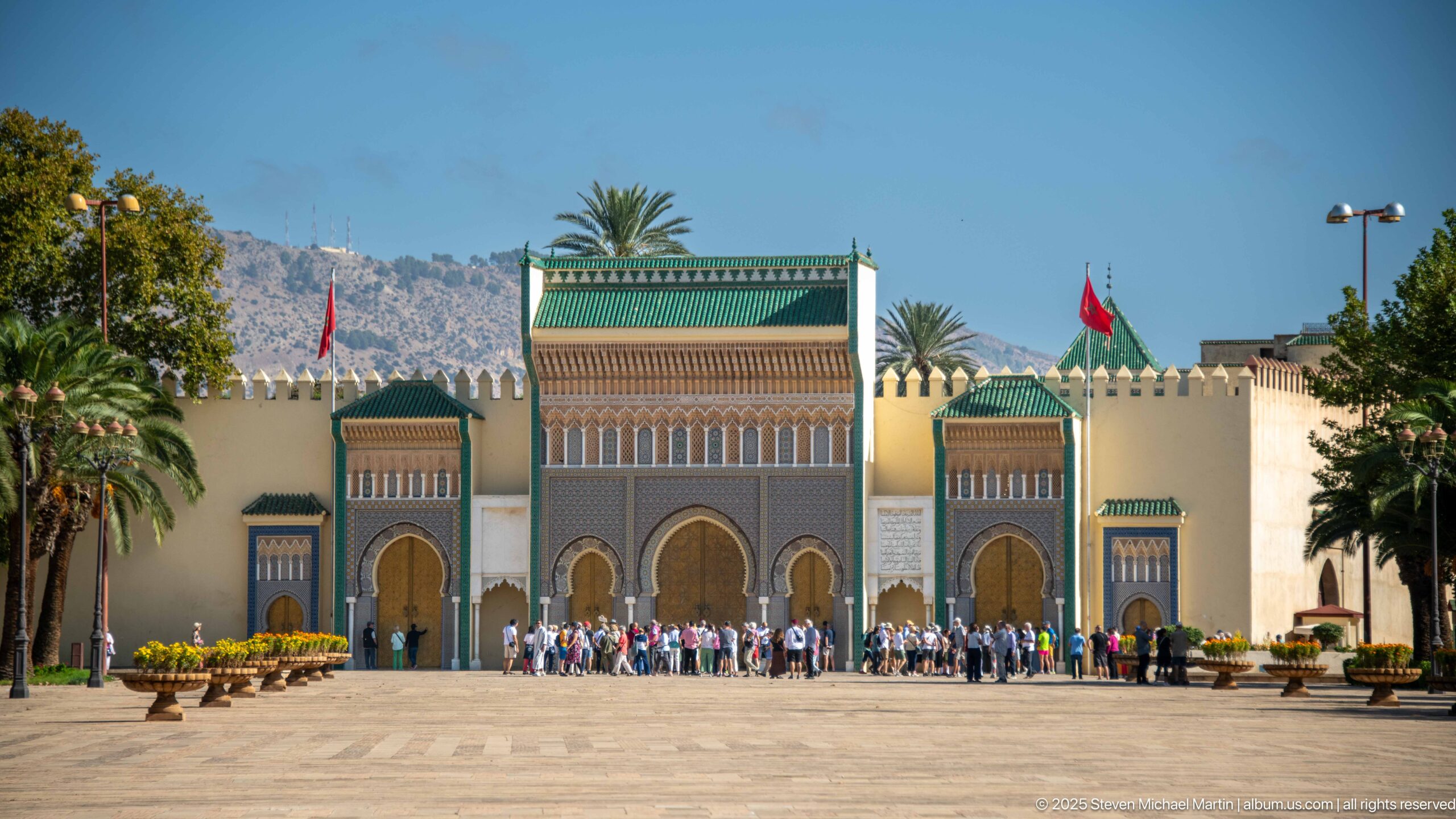
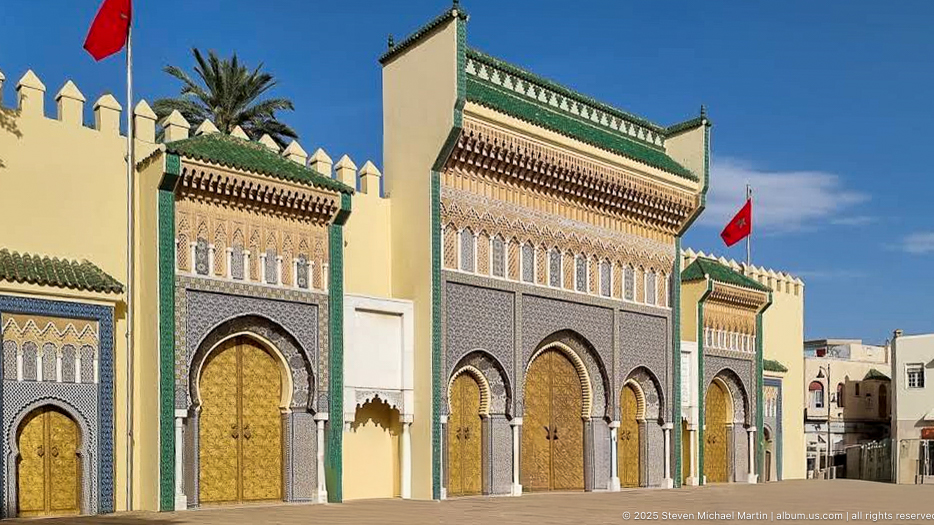
- Imperial Capital – Fez served as a capital during multiple periods of Moroccan history.
- Center of Learning – A major intellectual hub in the Islamic world for centuries.
- Medieval Peak – Reached its height in the 13th–14th centuries under the Marinid dynasty.
- Continuous Use – The medina remains inhabited and active, preserving traditional ways of life.
🌄 Urban Landscape & Setting
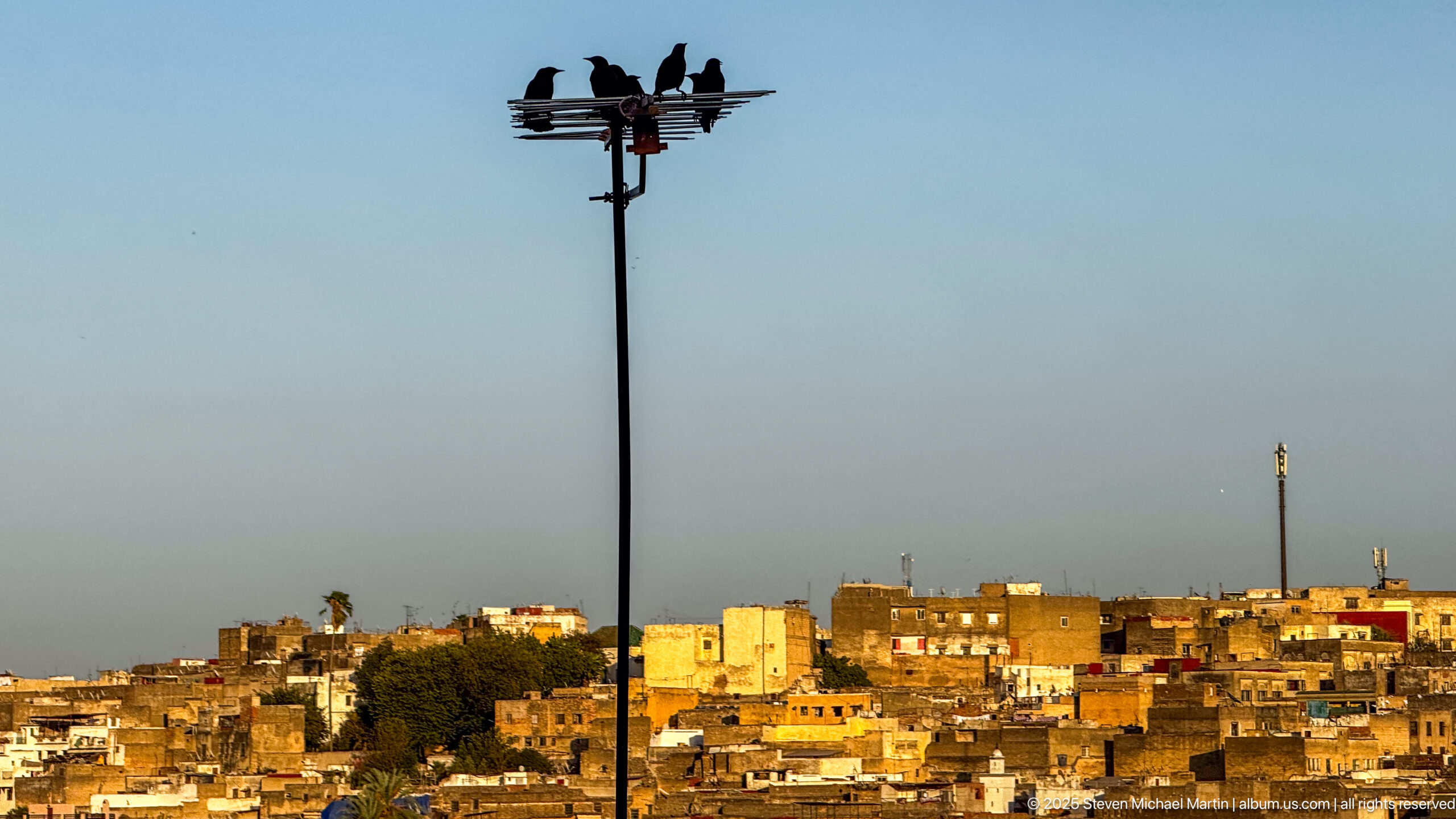
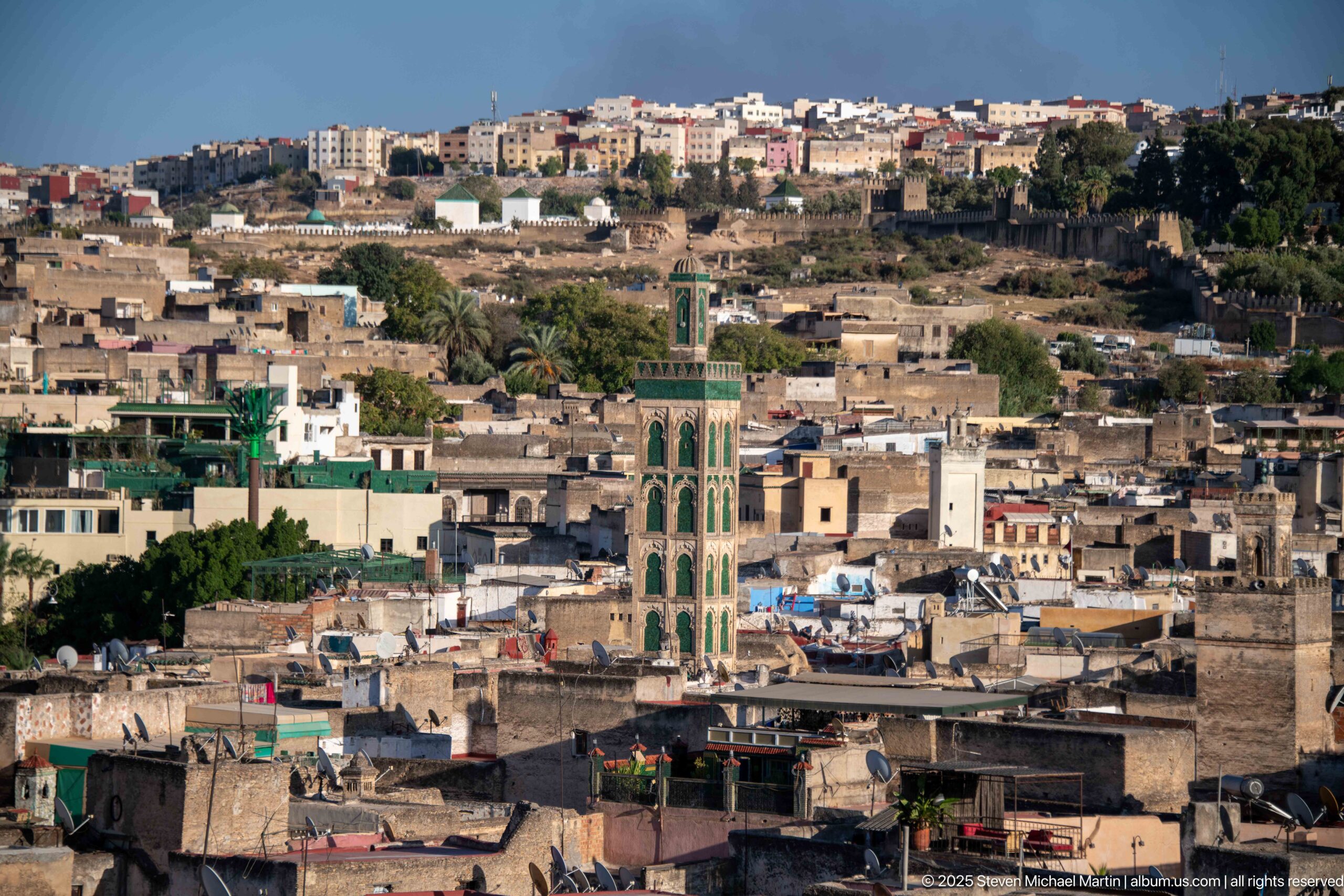
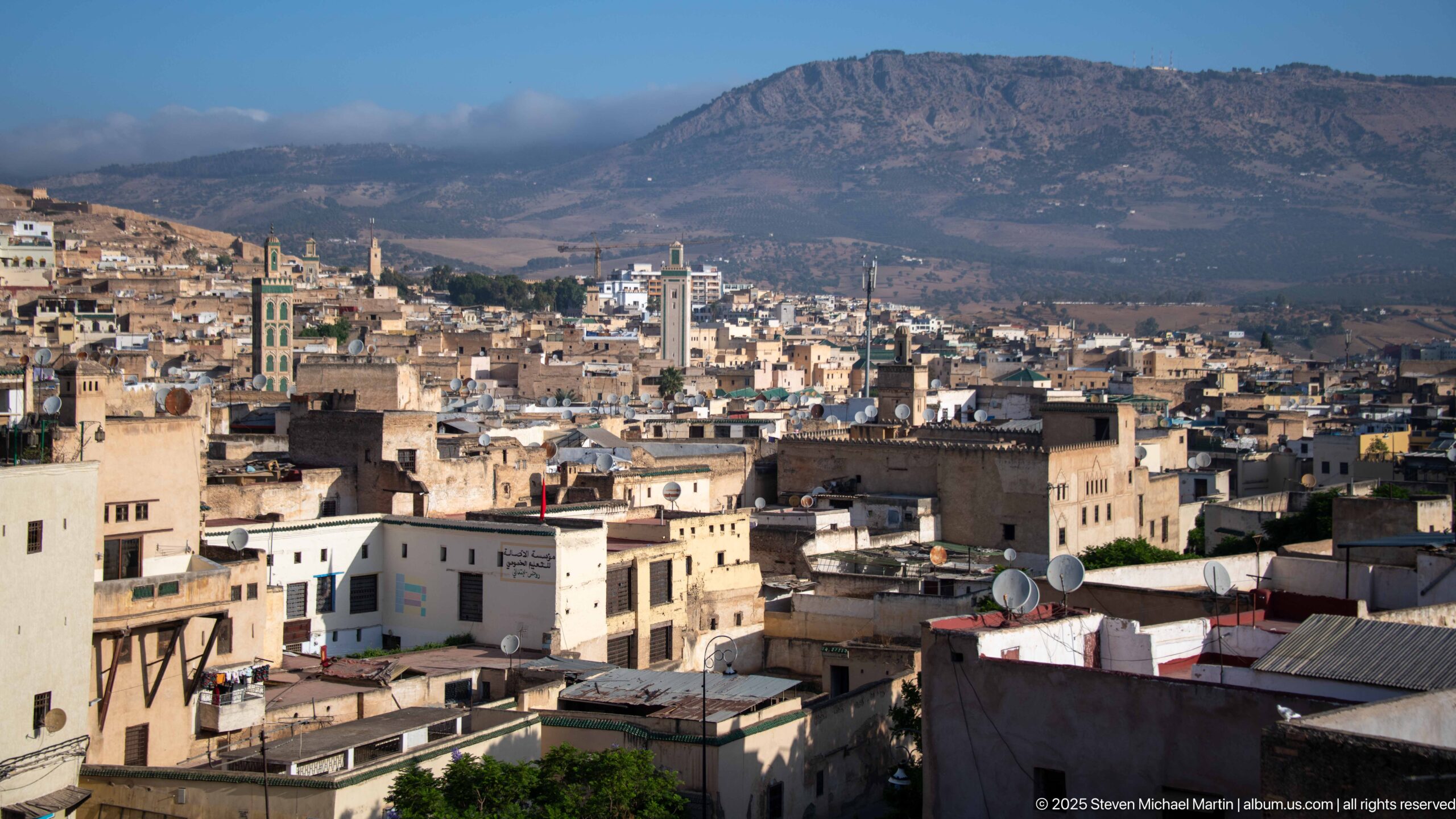
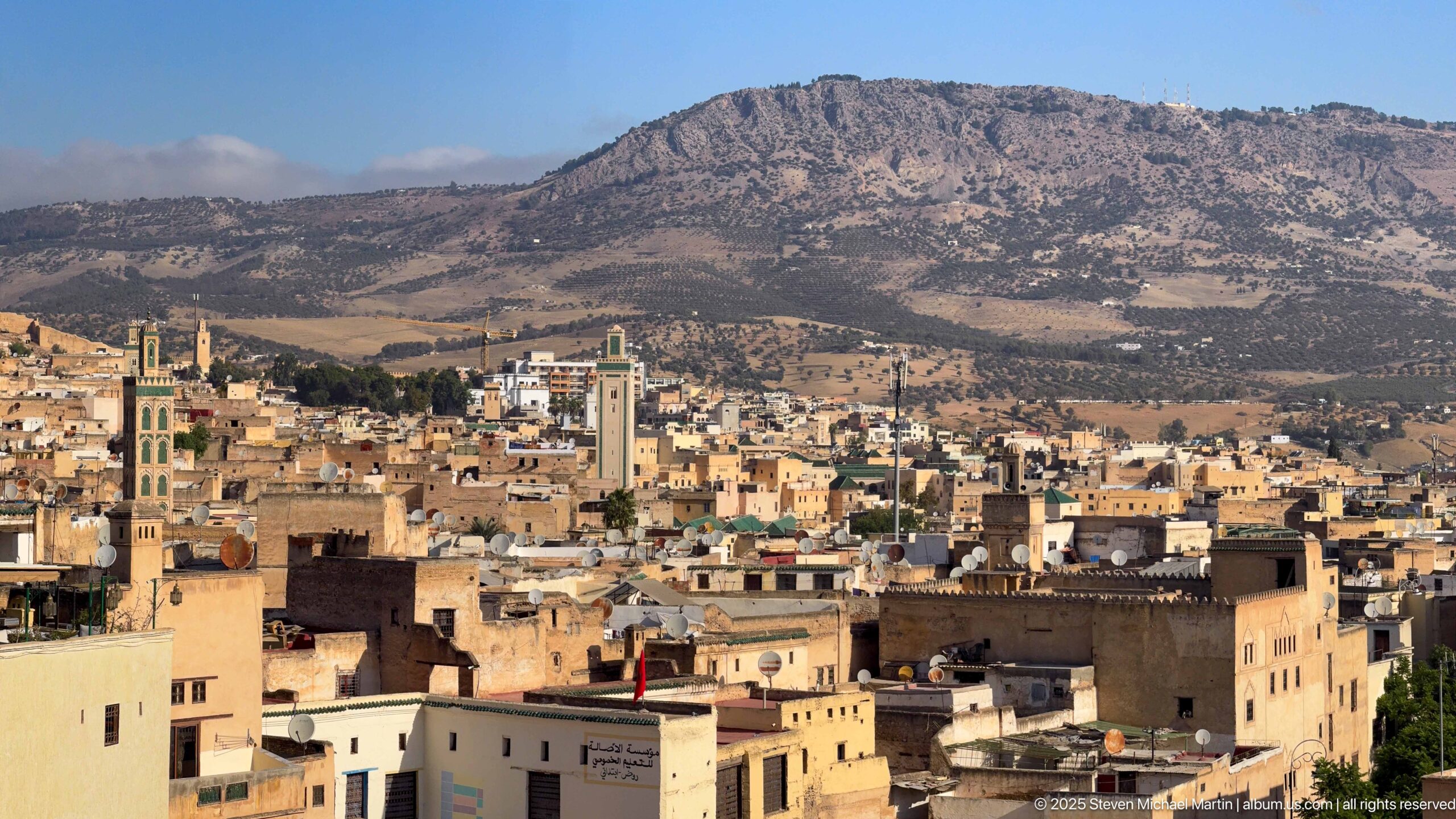
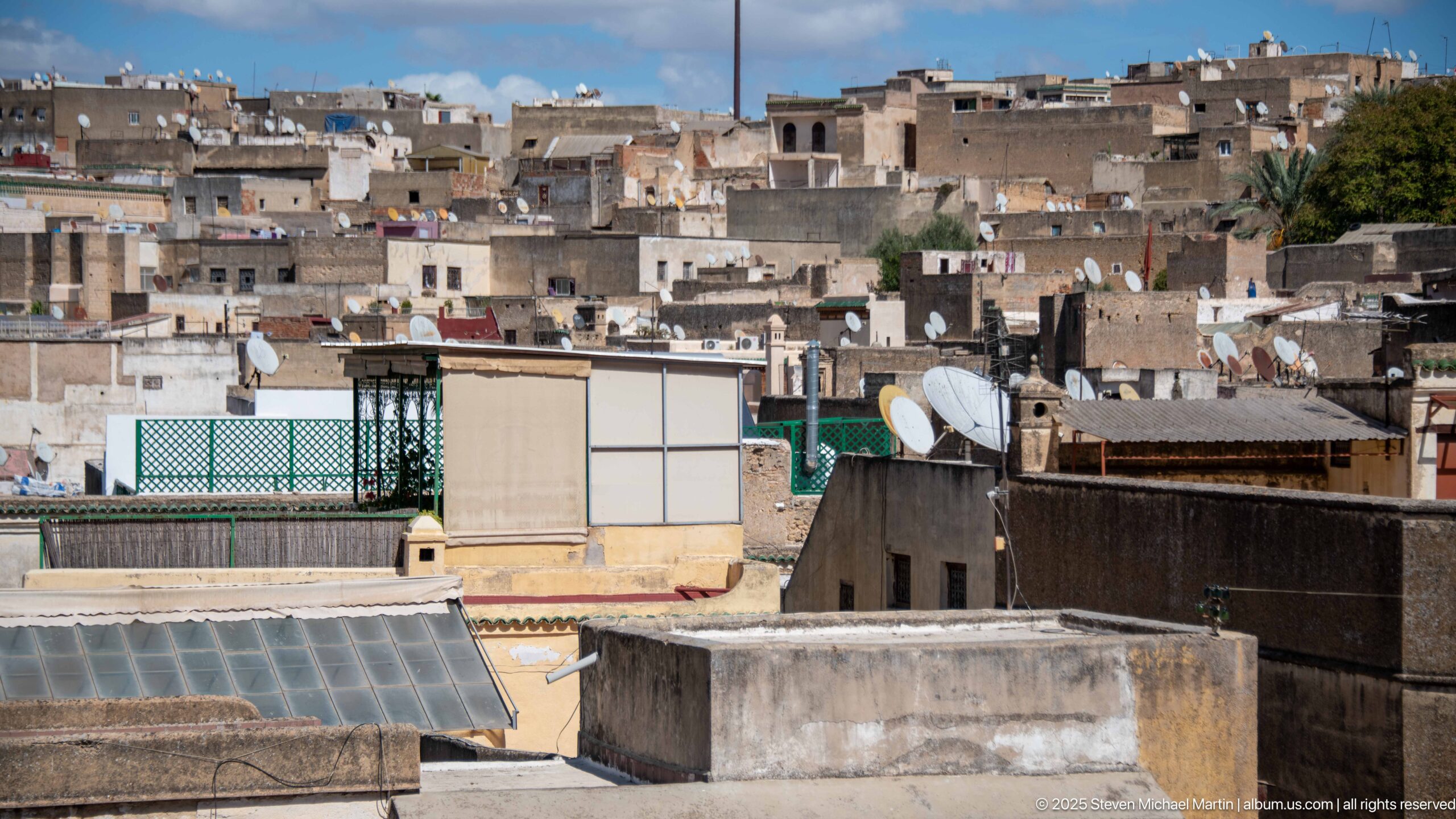
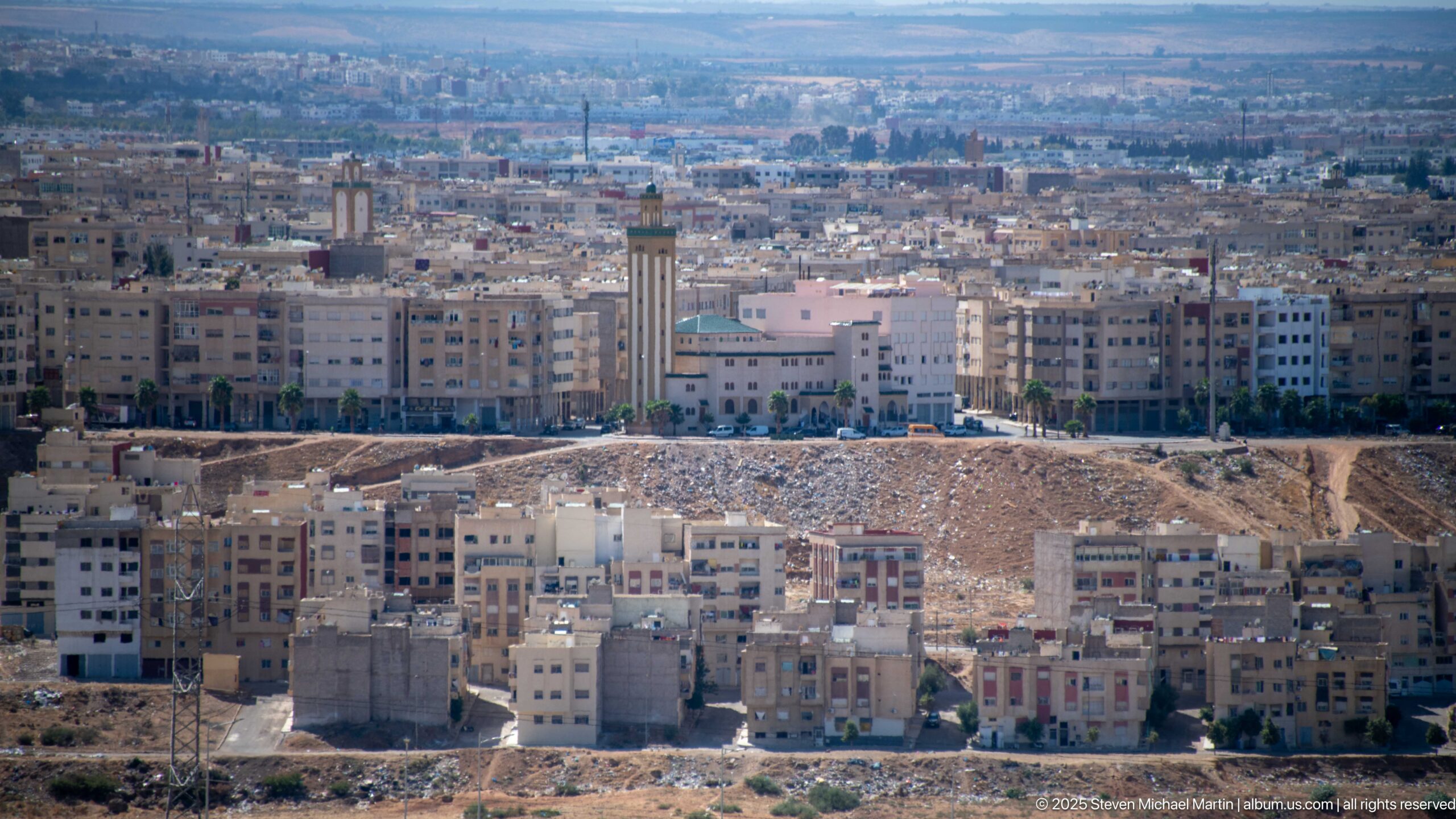
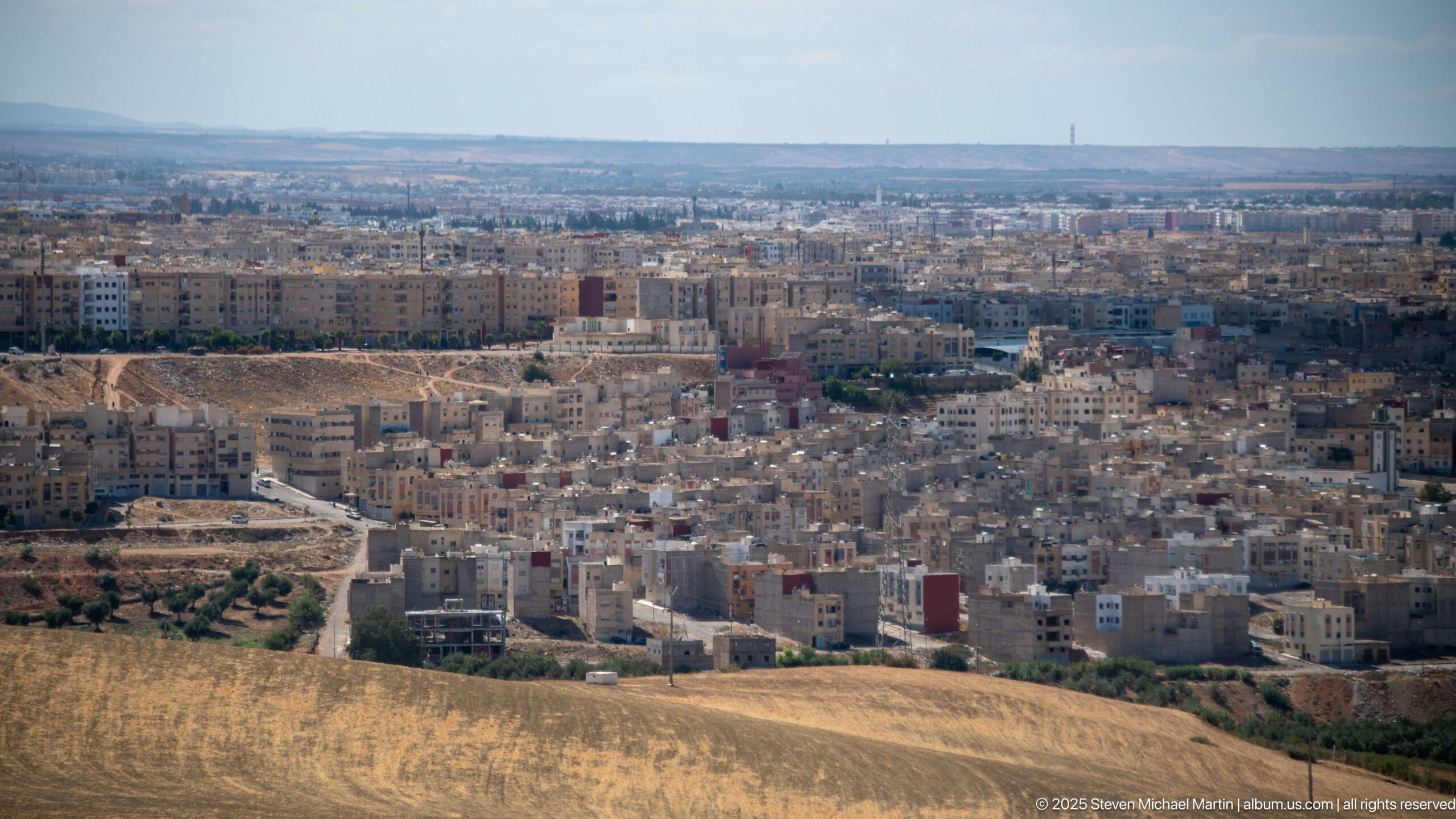
- Dense Medina – A compact, maze-like city structure with thousands of interconnected streets.
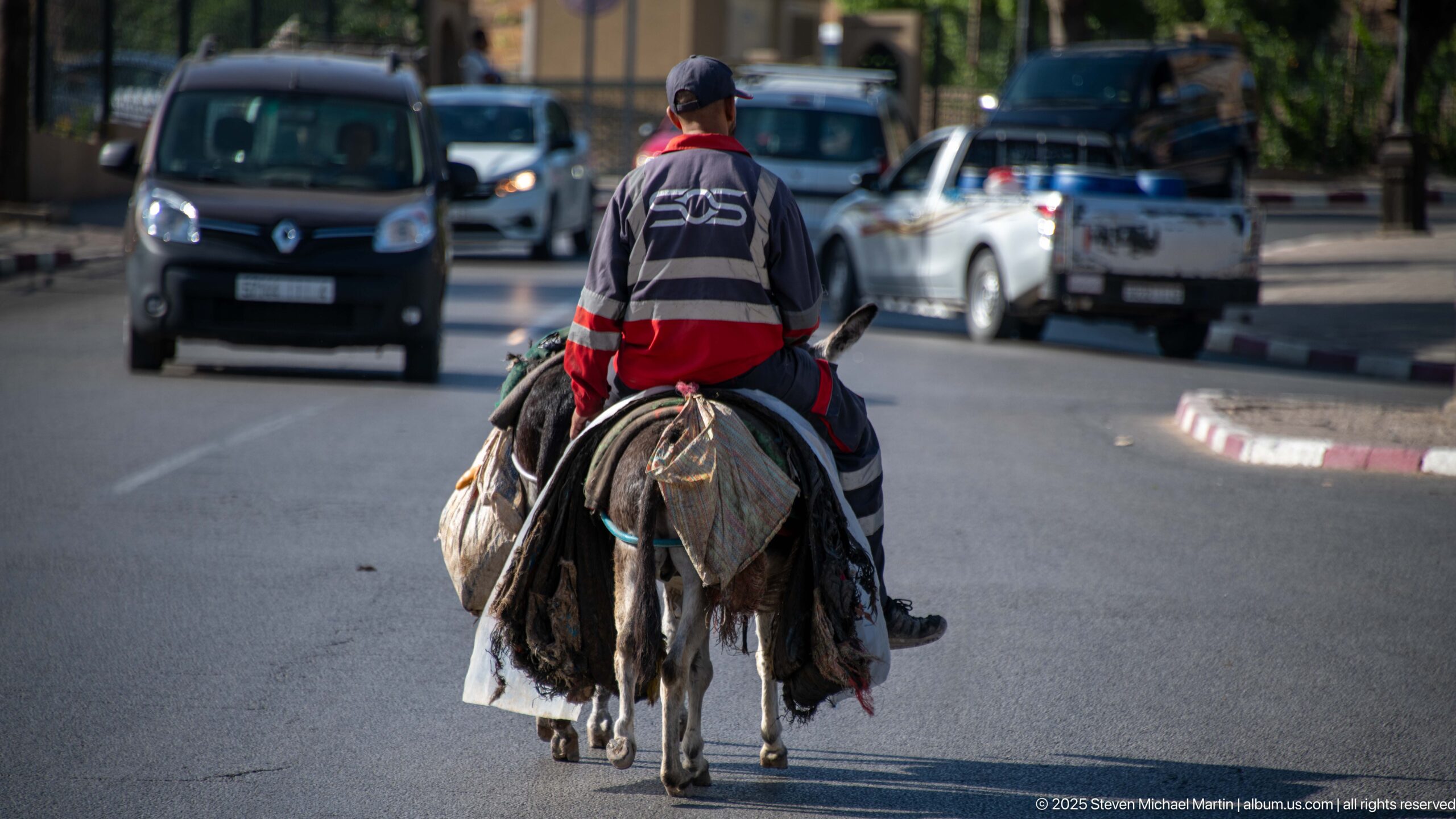
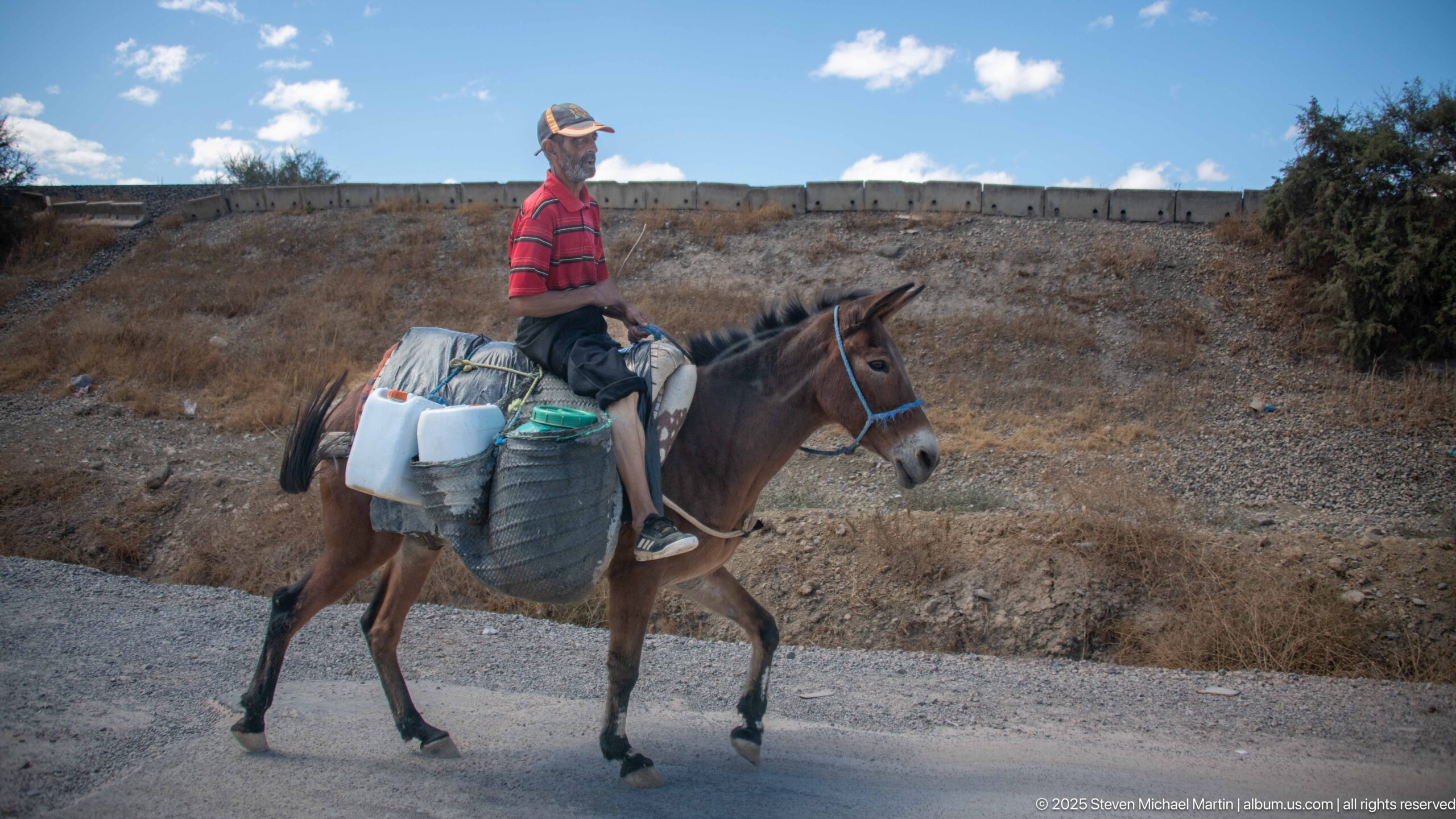
- Car-Free Environment – Movement is primarily on foot, with goods transported by hand or animal.
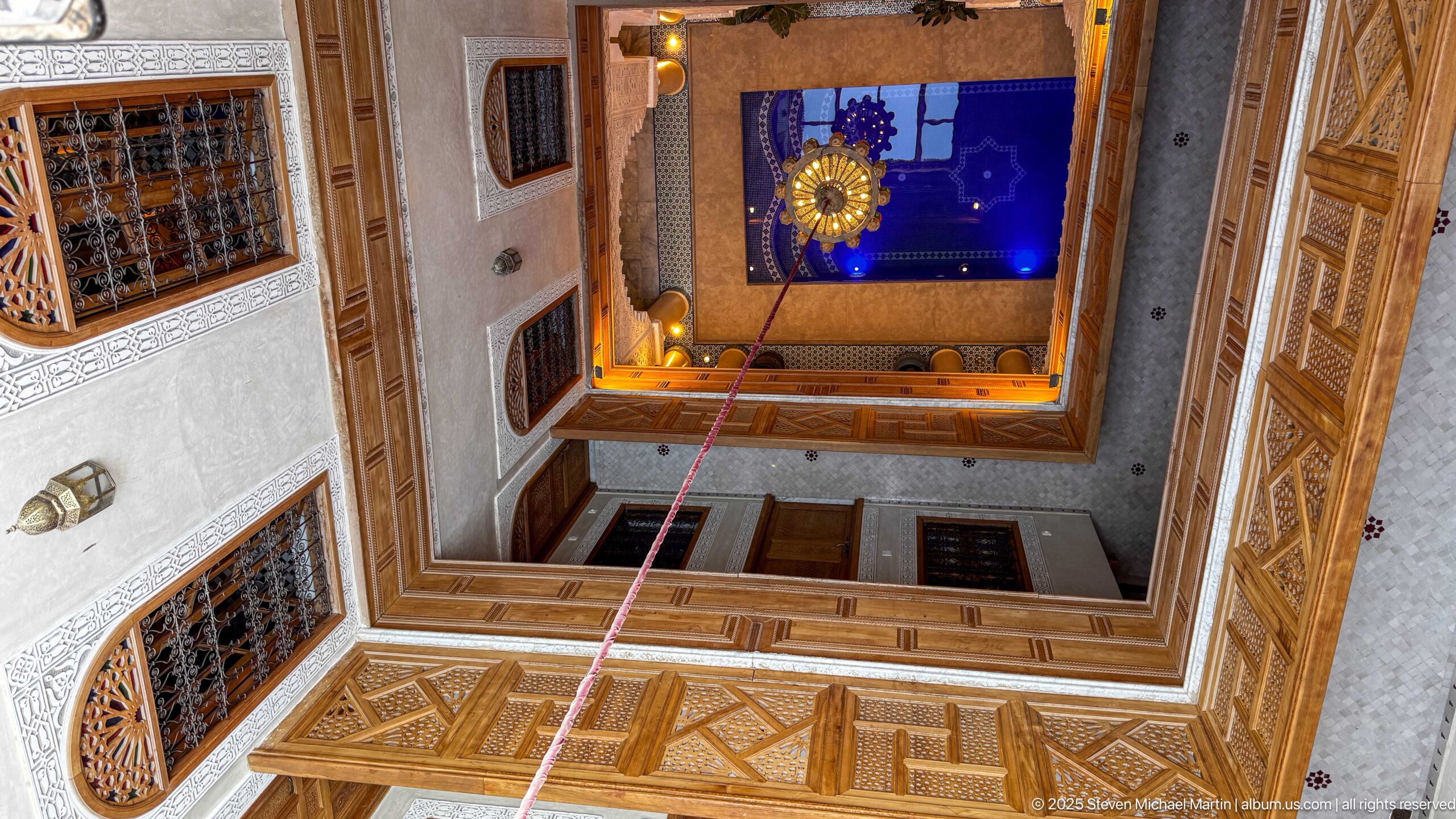
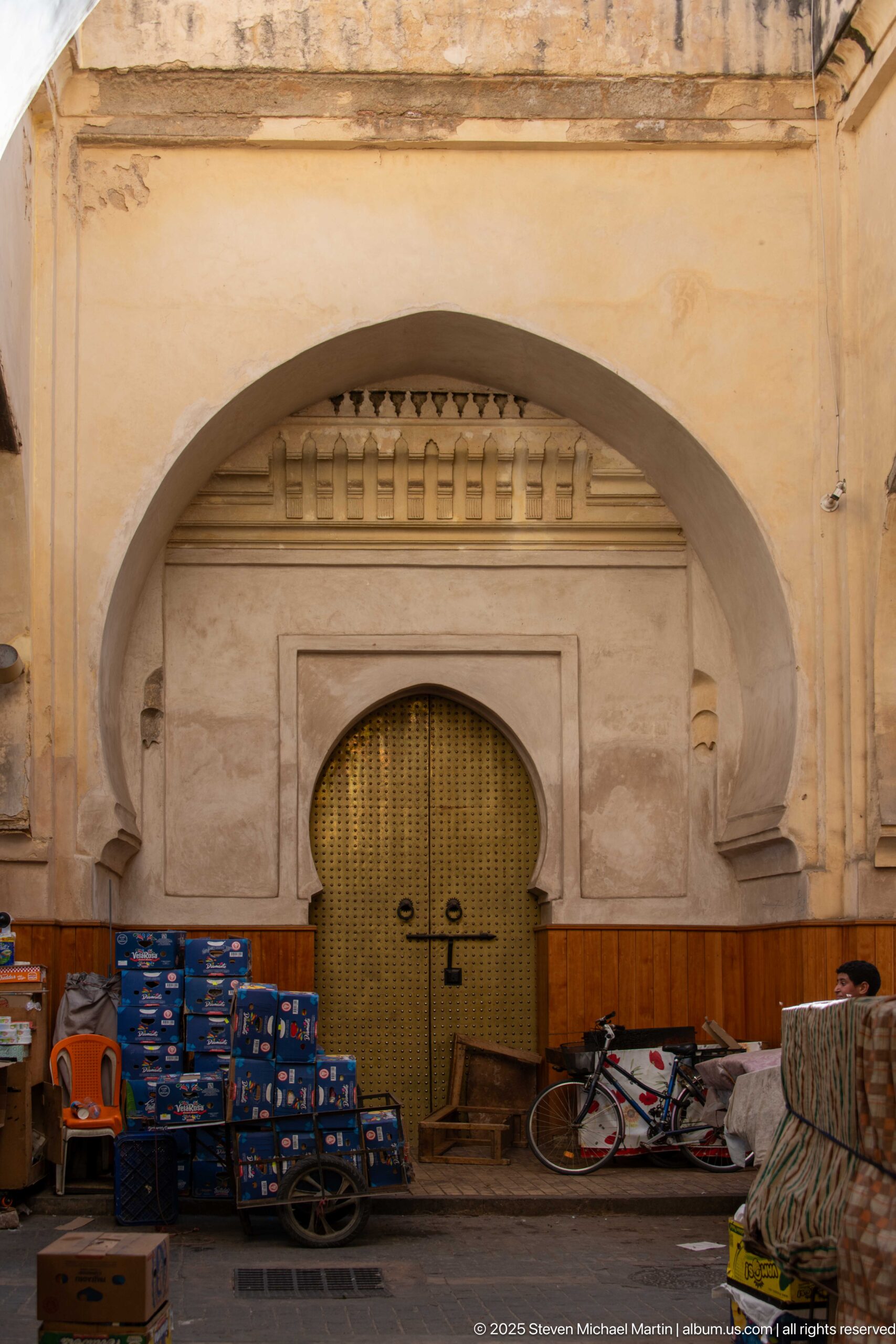
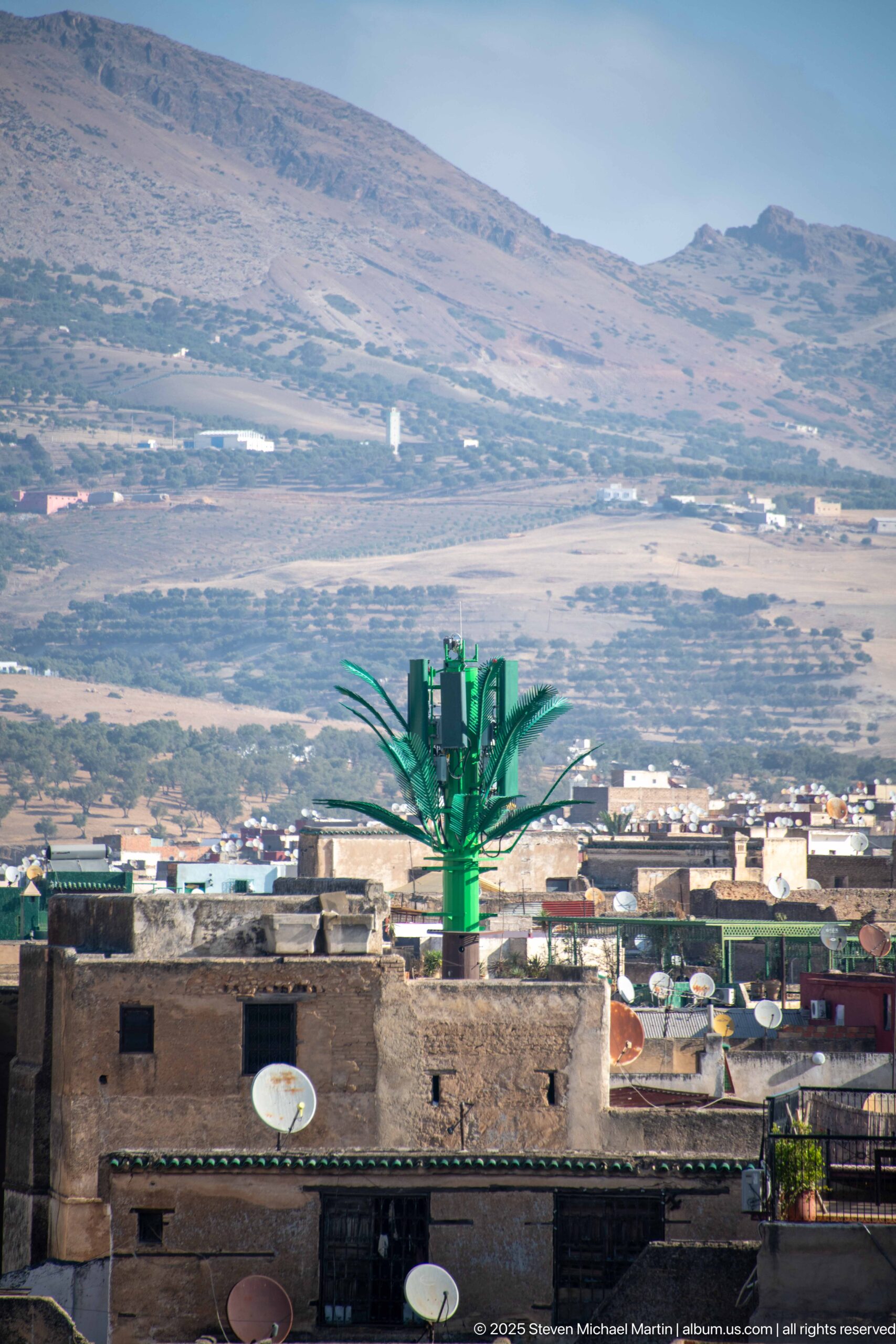
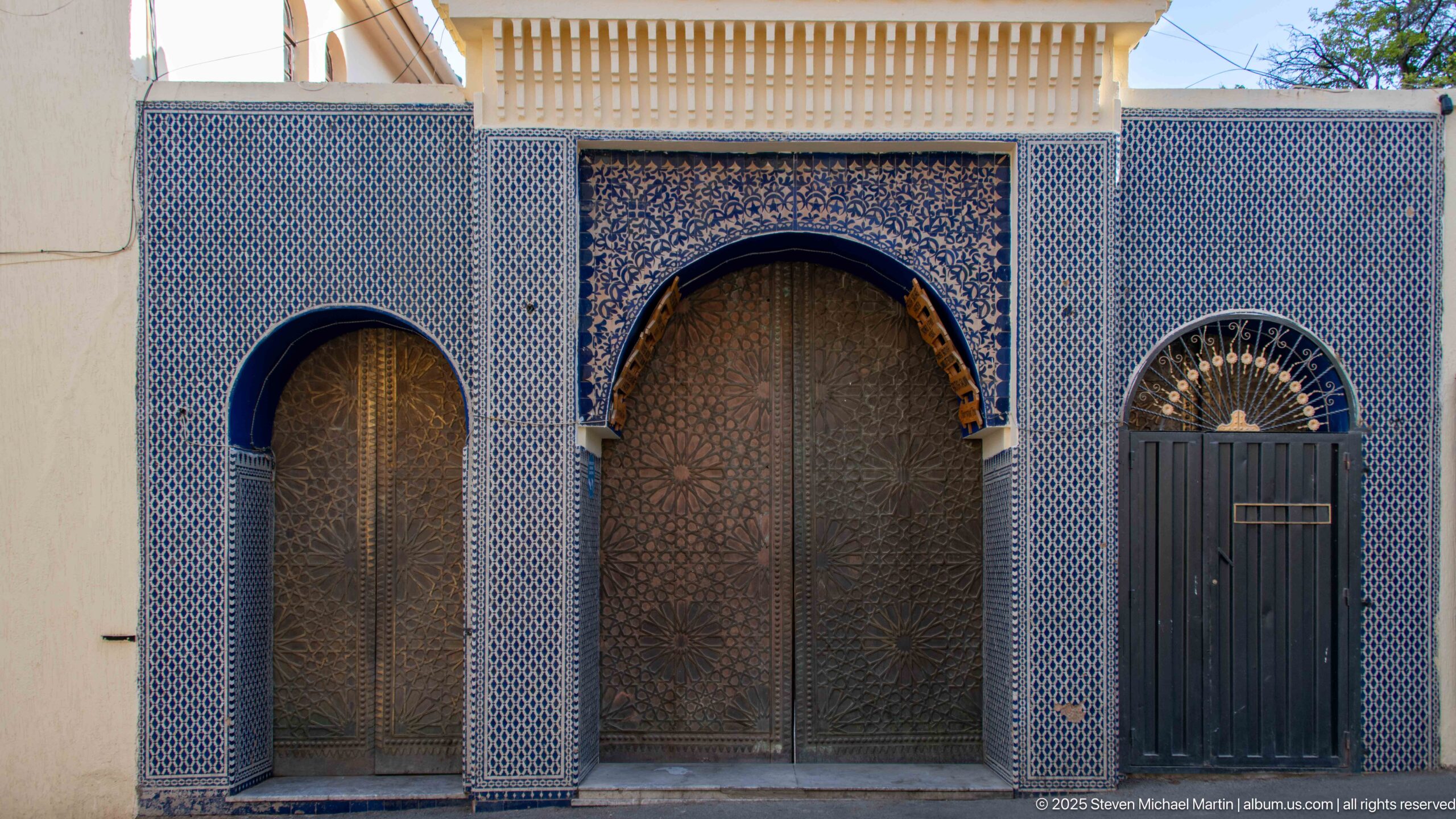
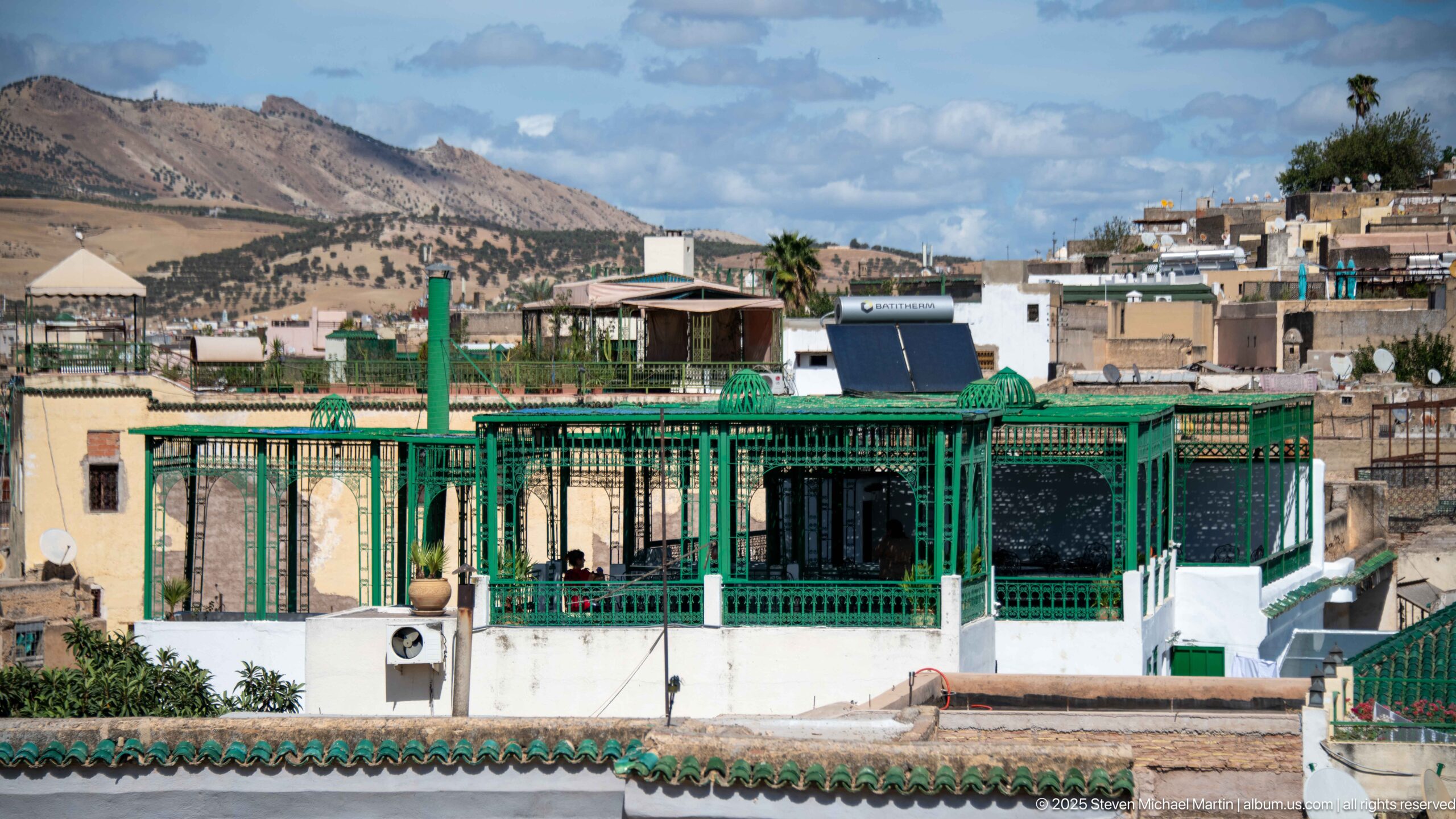
- Layered Architecture – Mosques, madrasas, homes, and markets blend into a unified fabric.
- Living City – The medina functions as both a historic site and a daily urban environment.