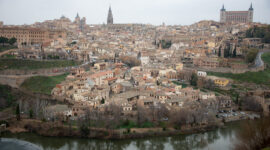
Bahia Palace – Marrakech, Morocco
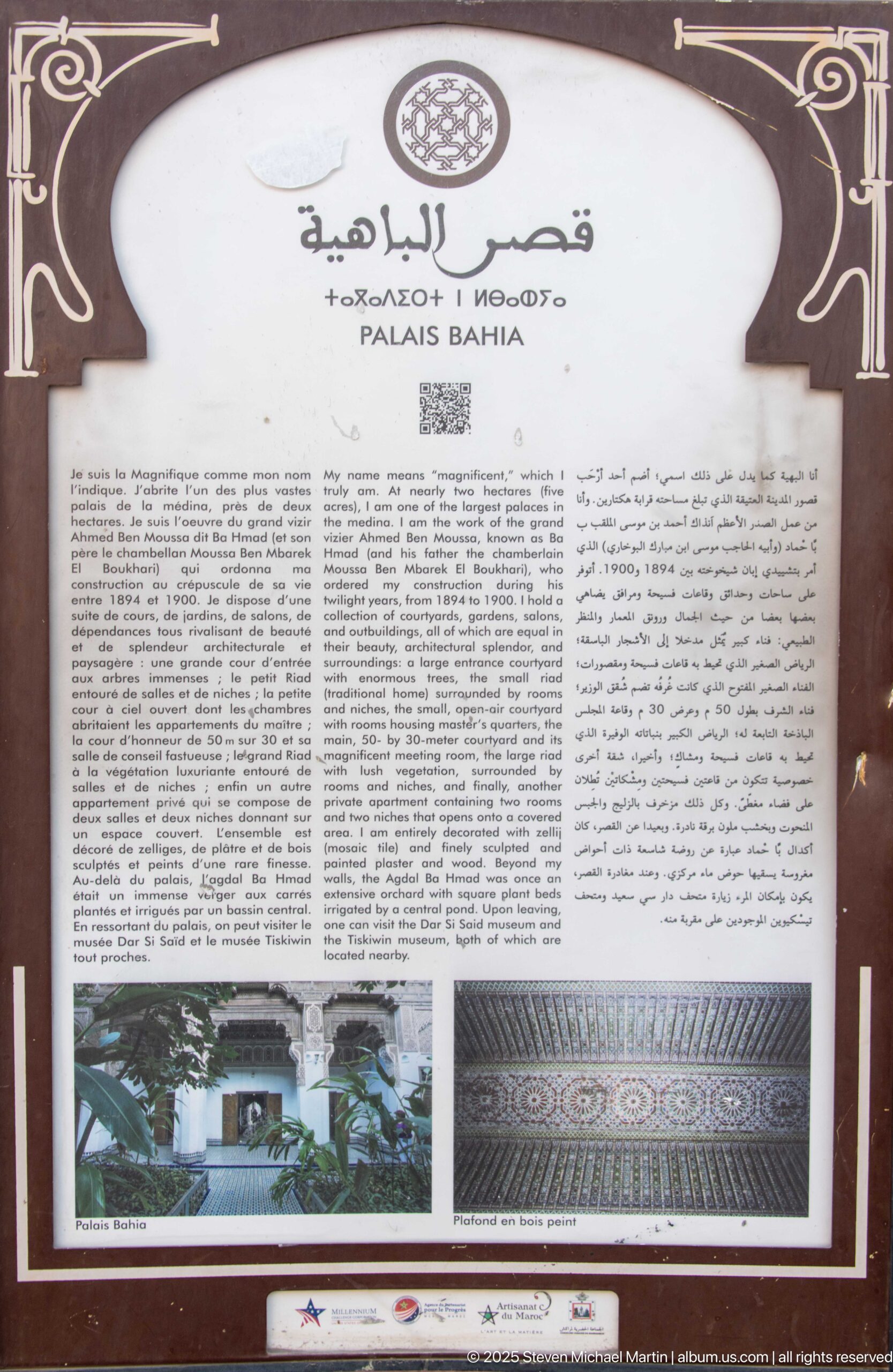
The Bahia Palace is one of the most beautiful architectural complexes in Marrakech. Constructed in the late 19th century, the palace was built as a residence for a powerful Moroccan grand vizier.
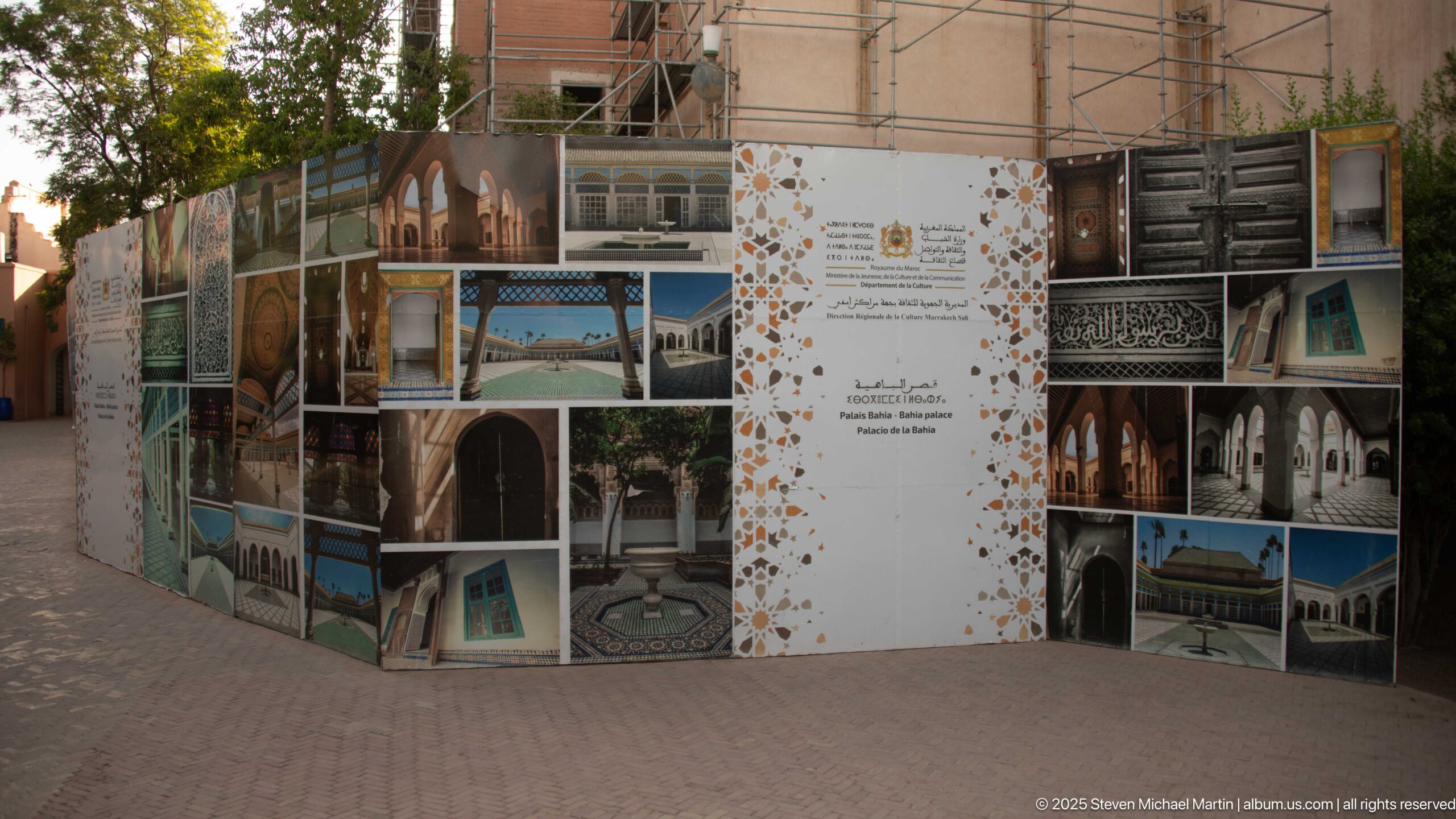
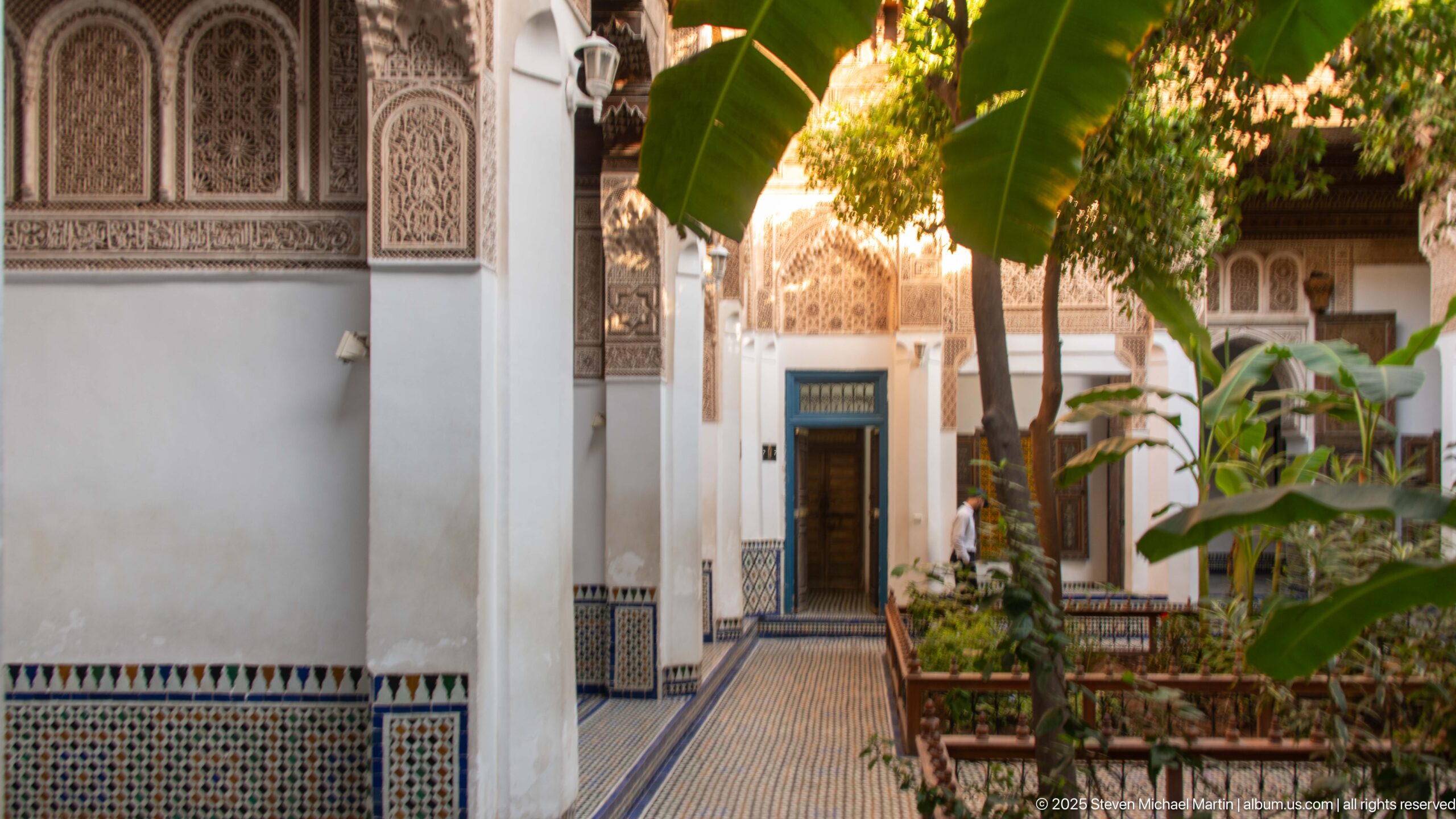
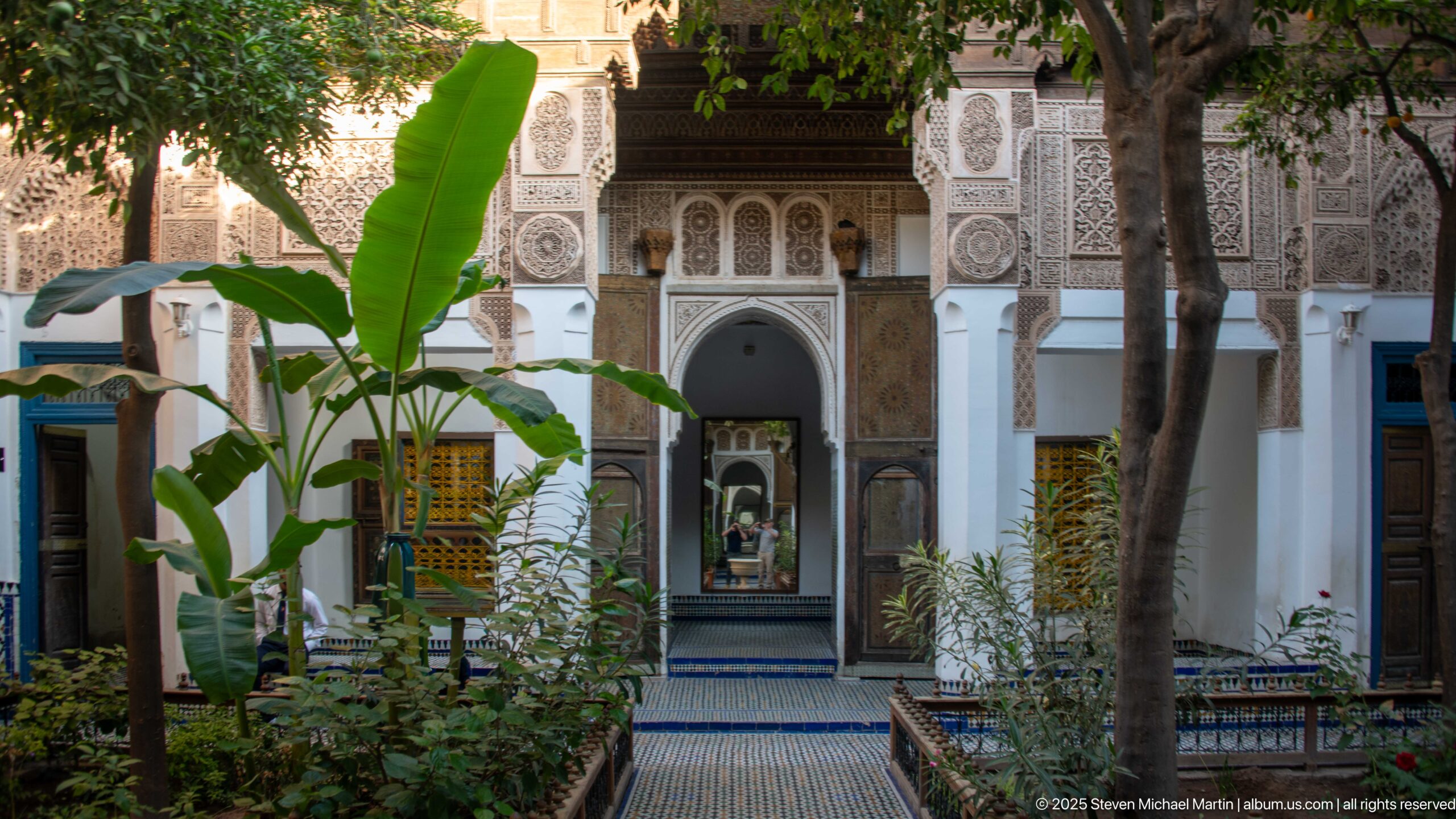
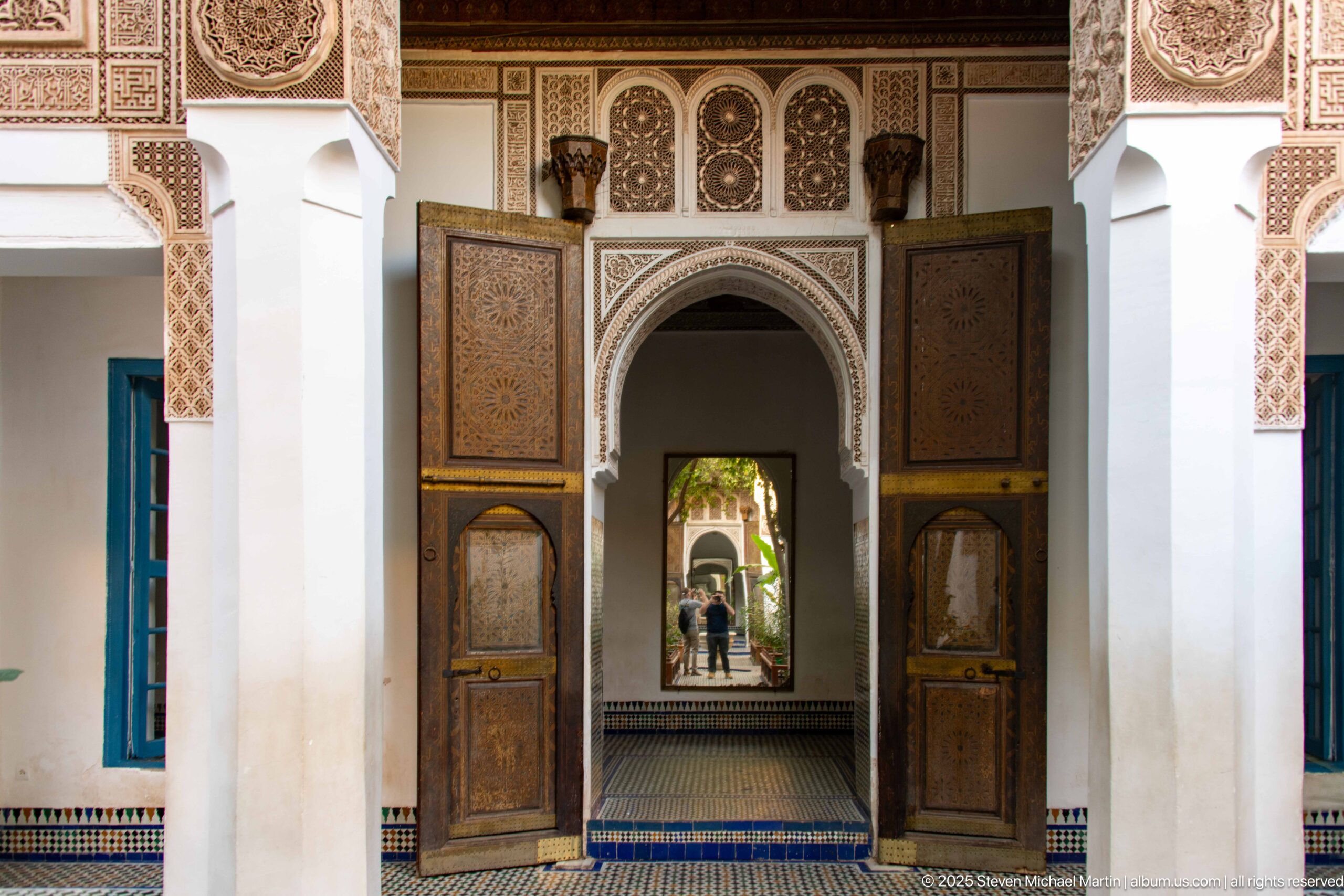
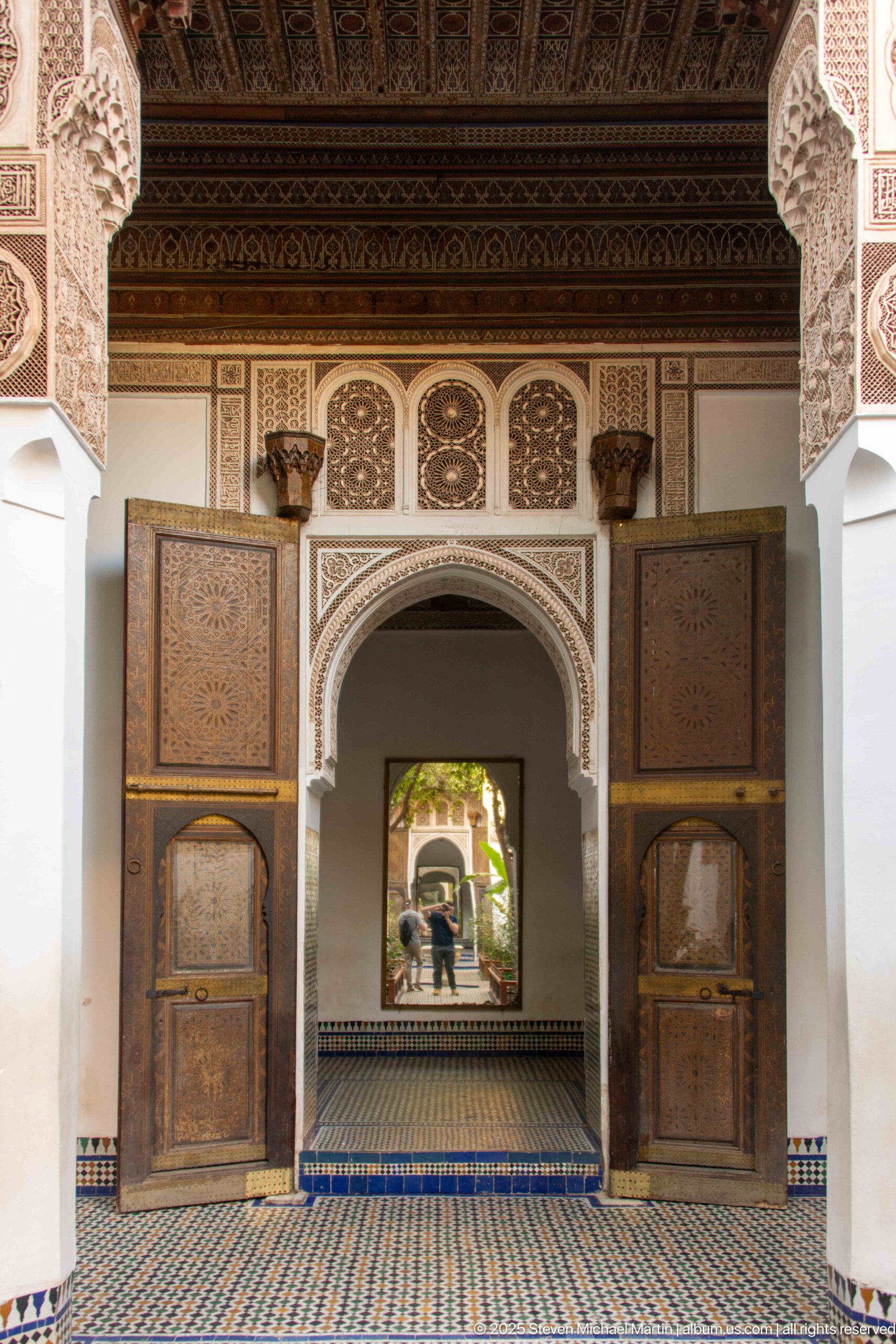
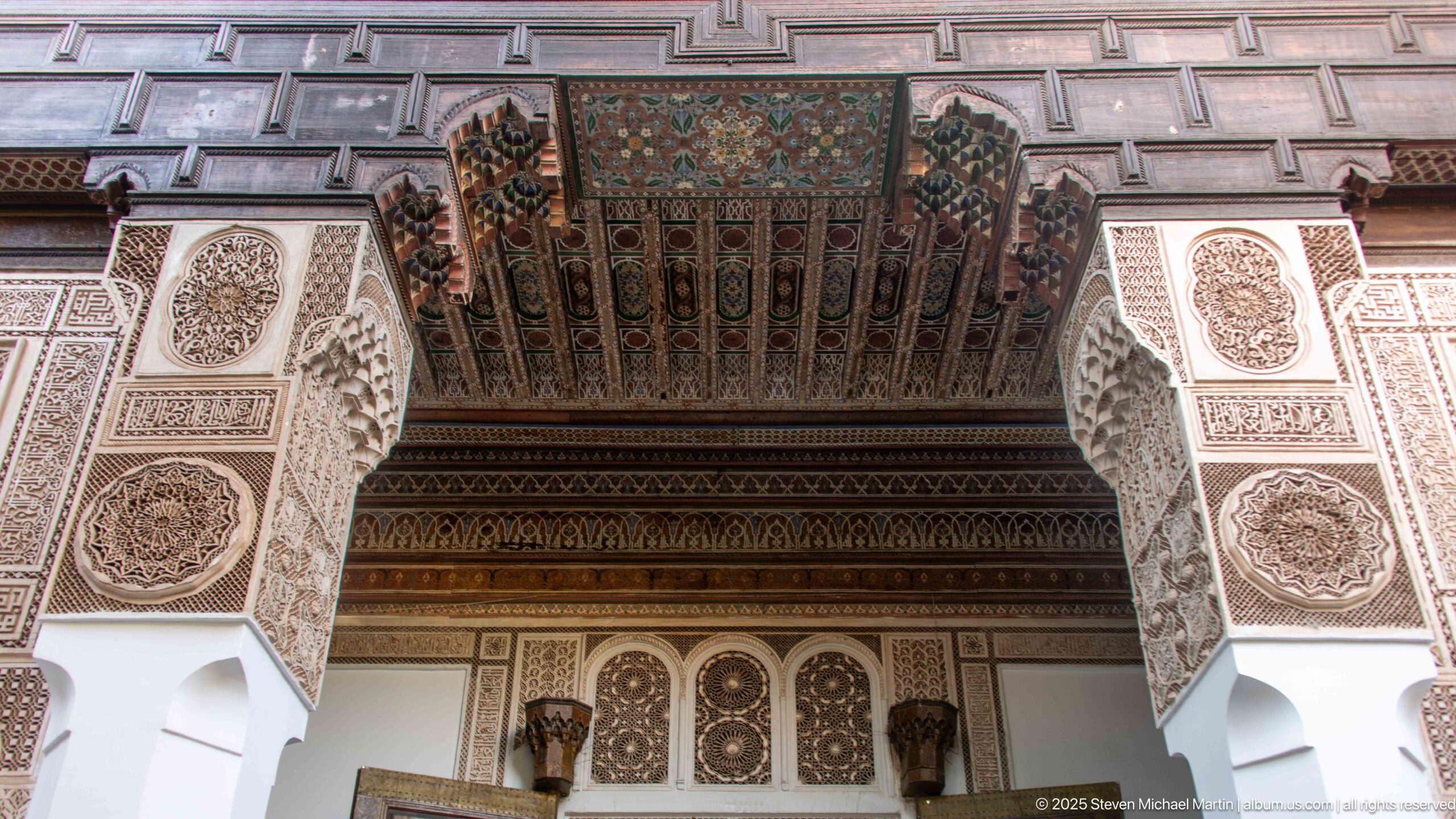
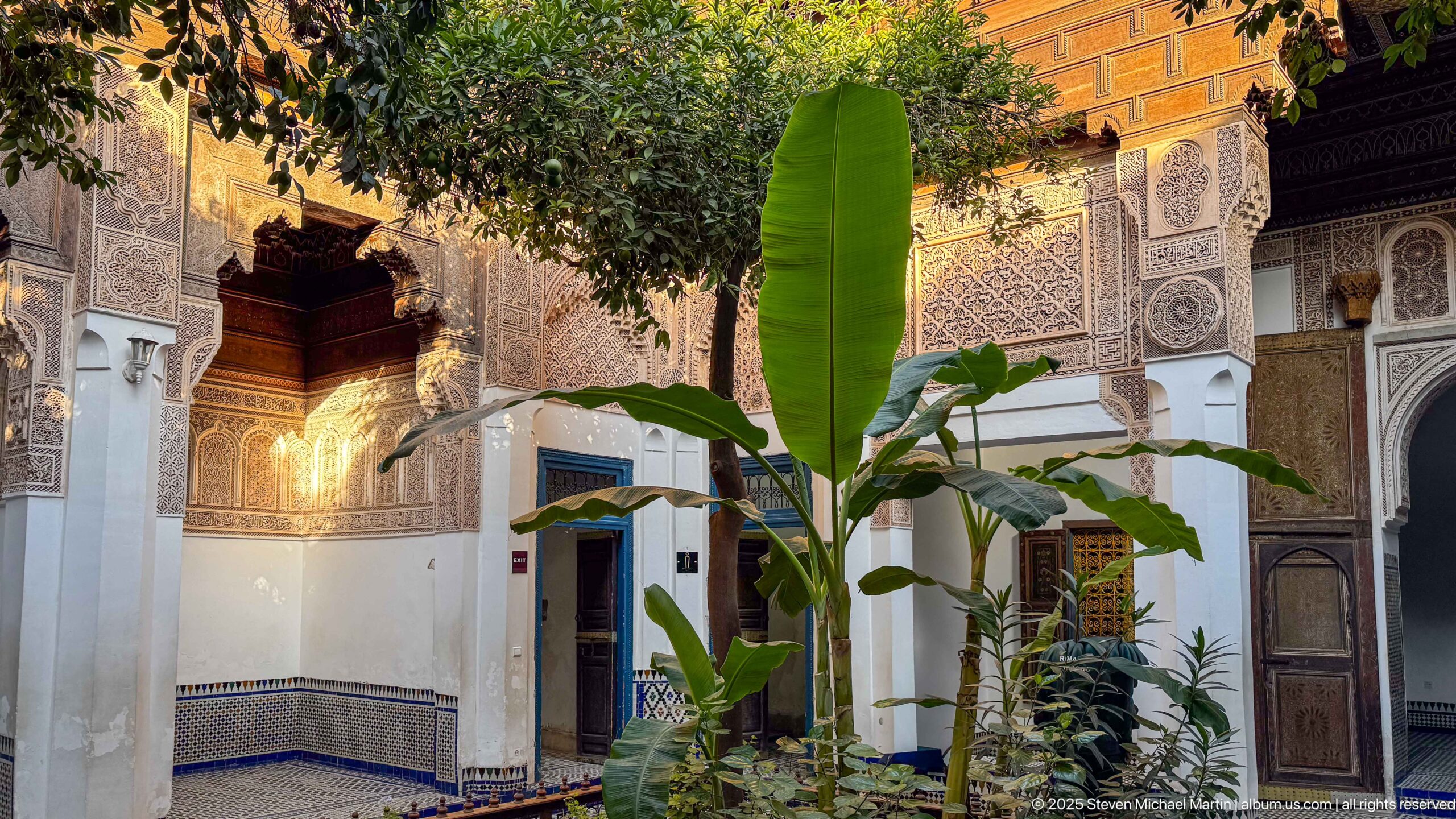
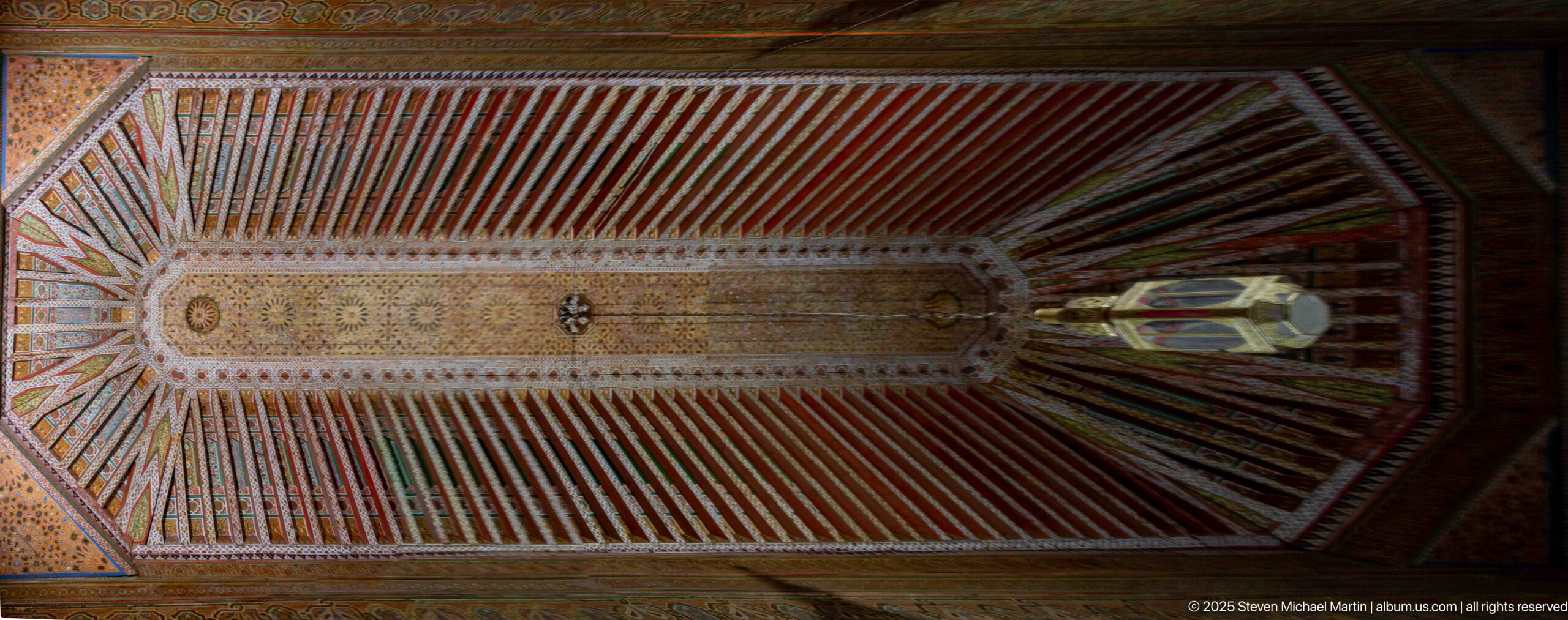
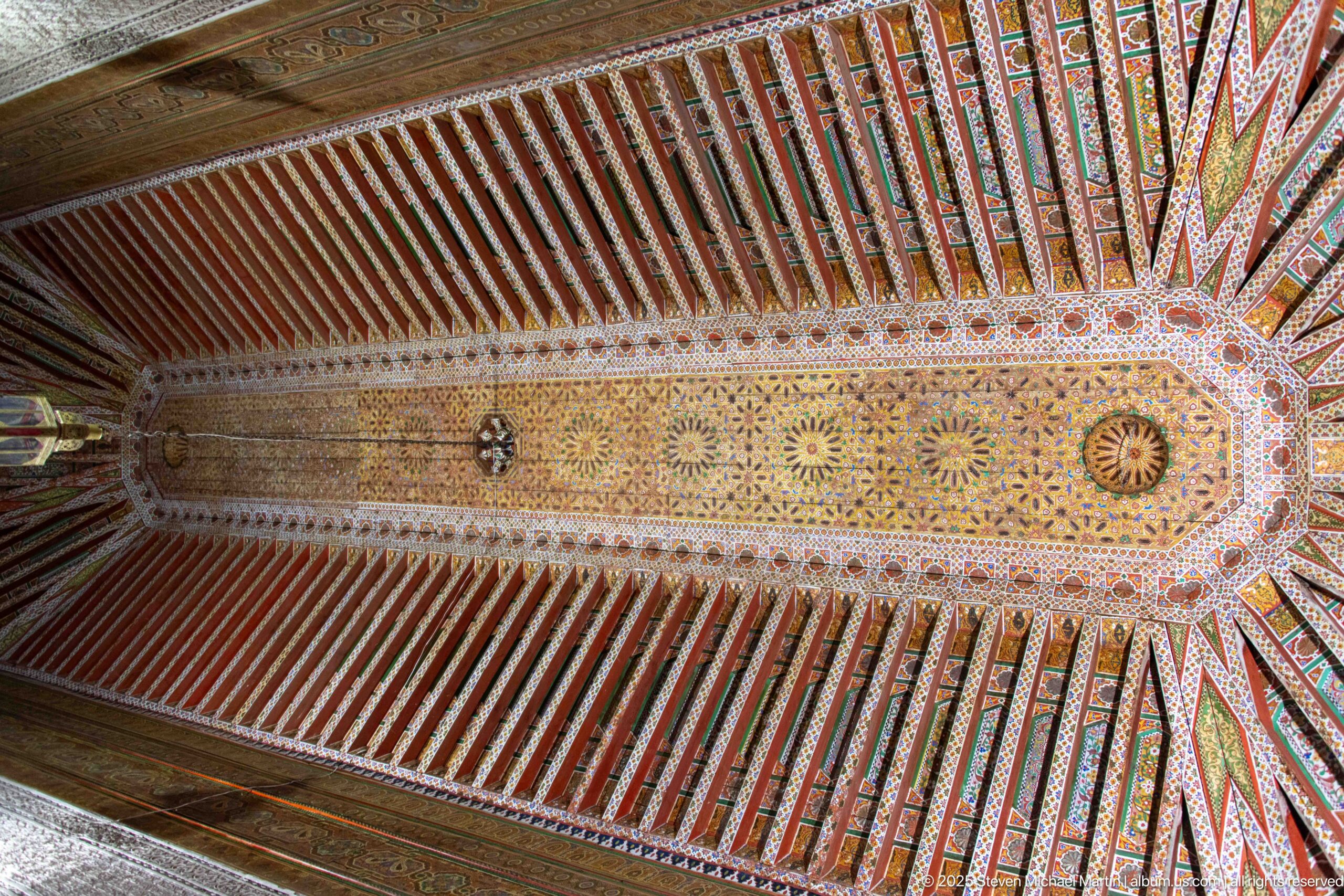
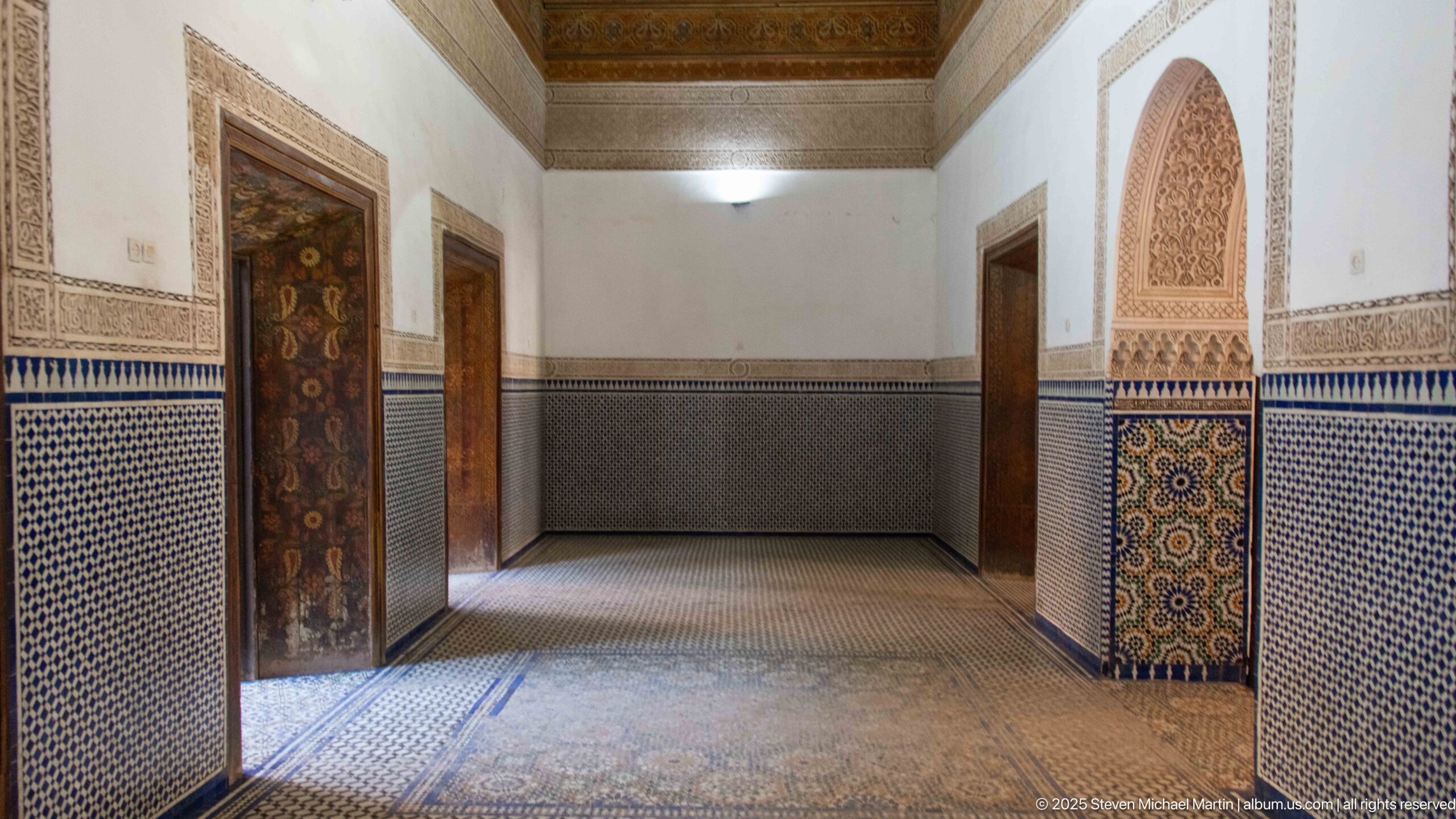
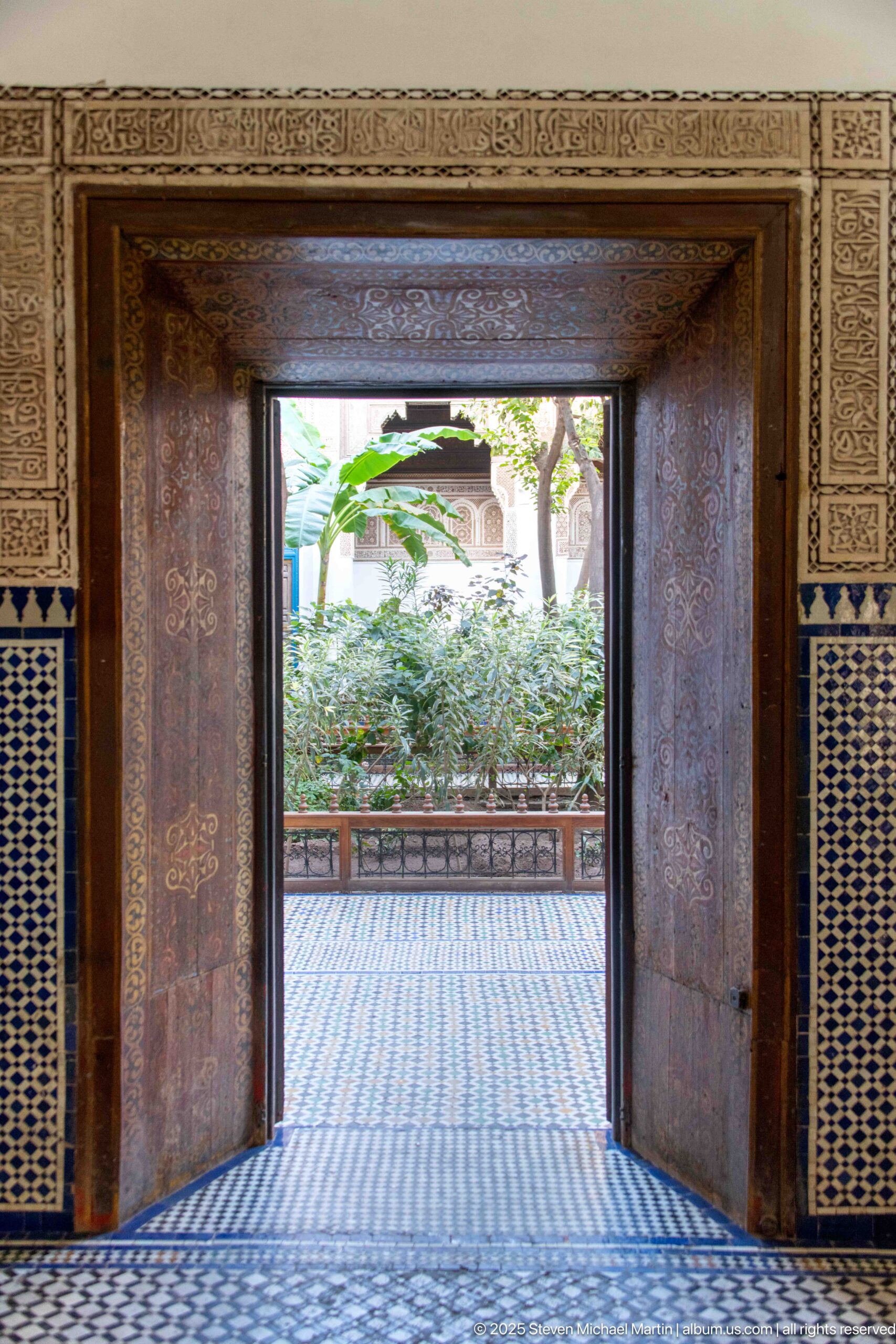
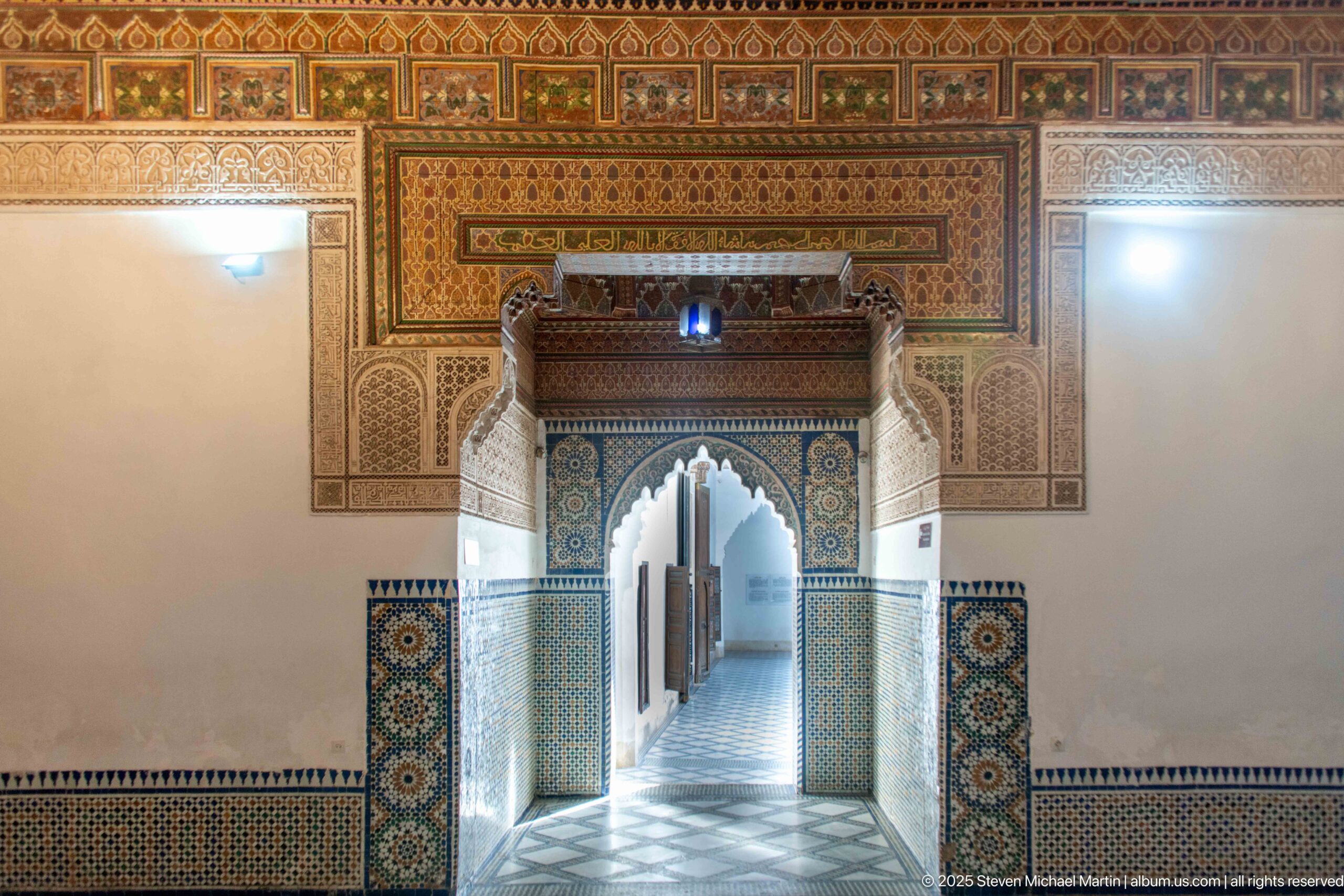
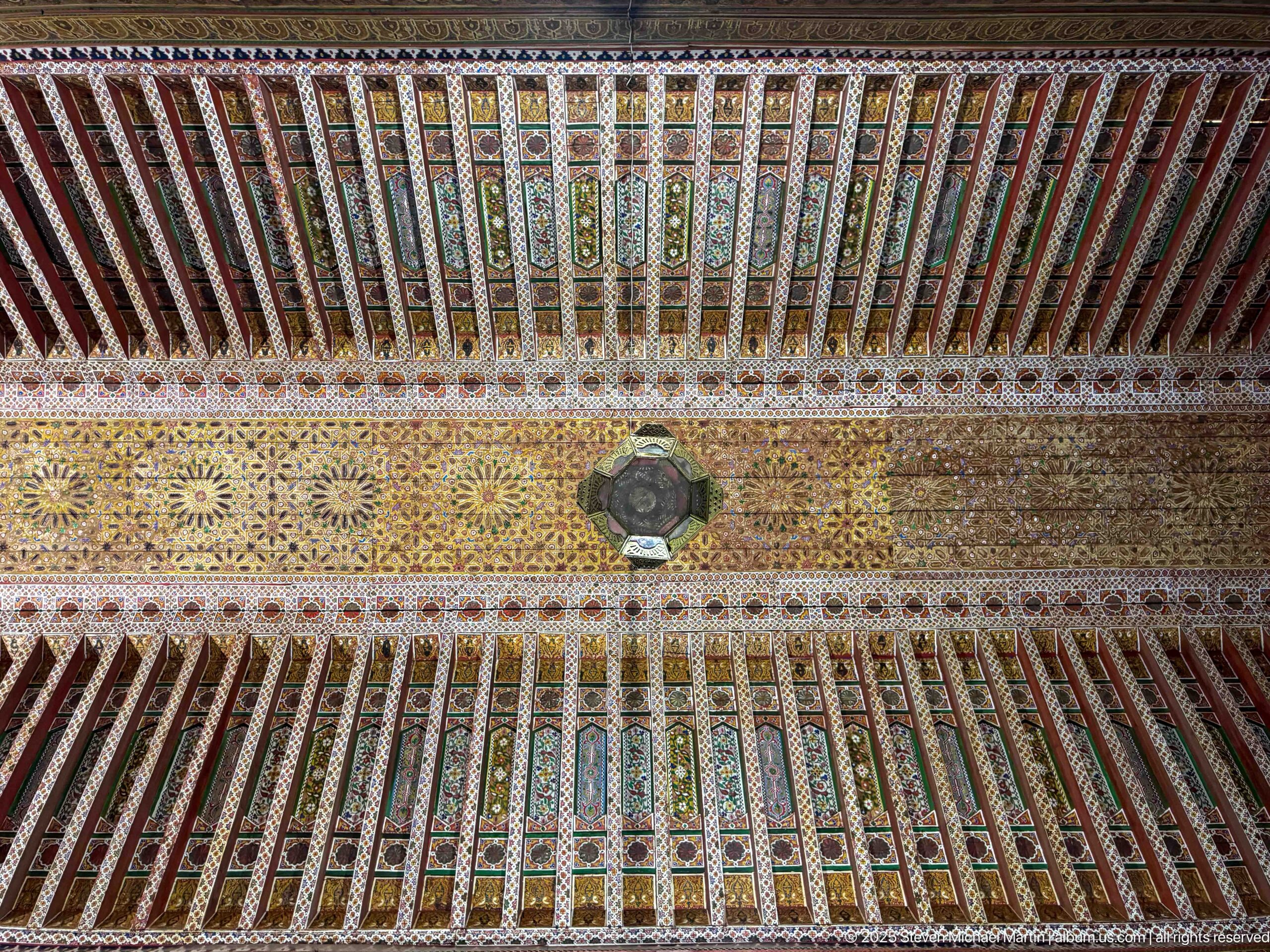
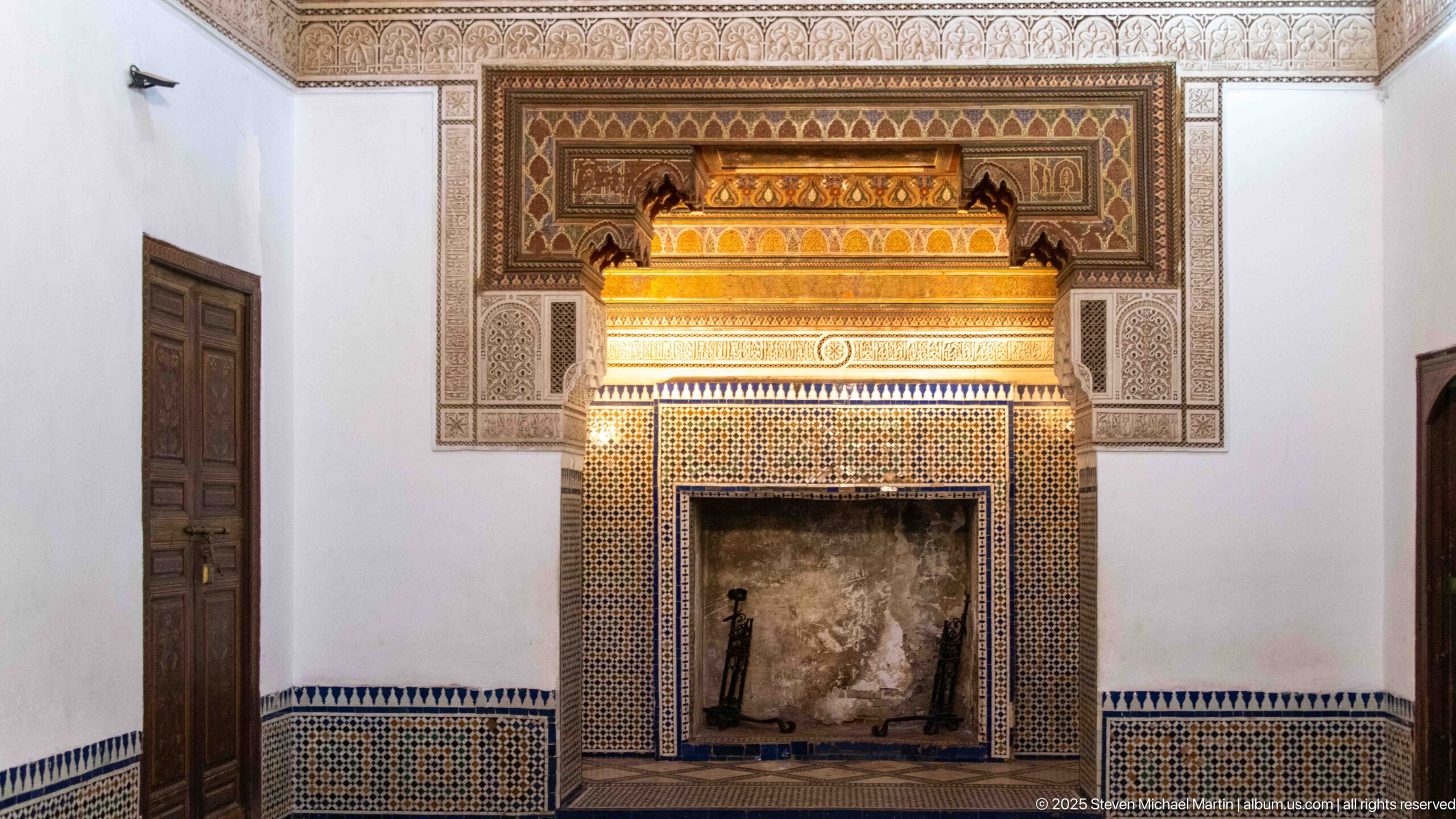
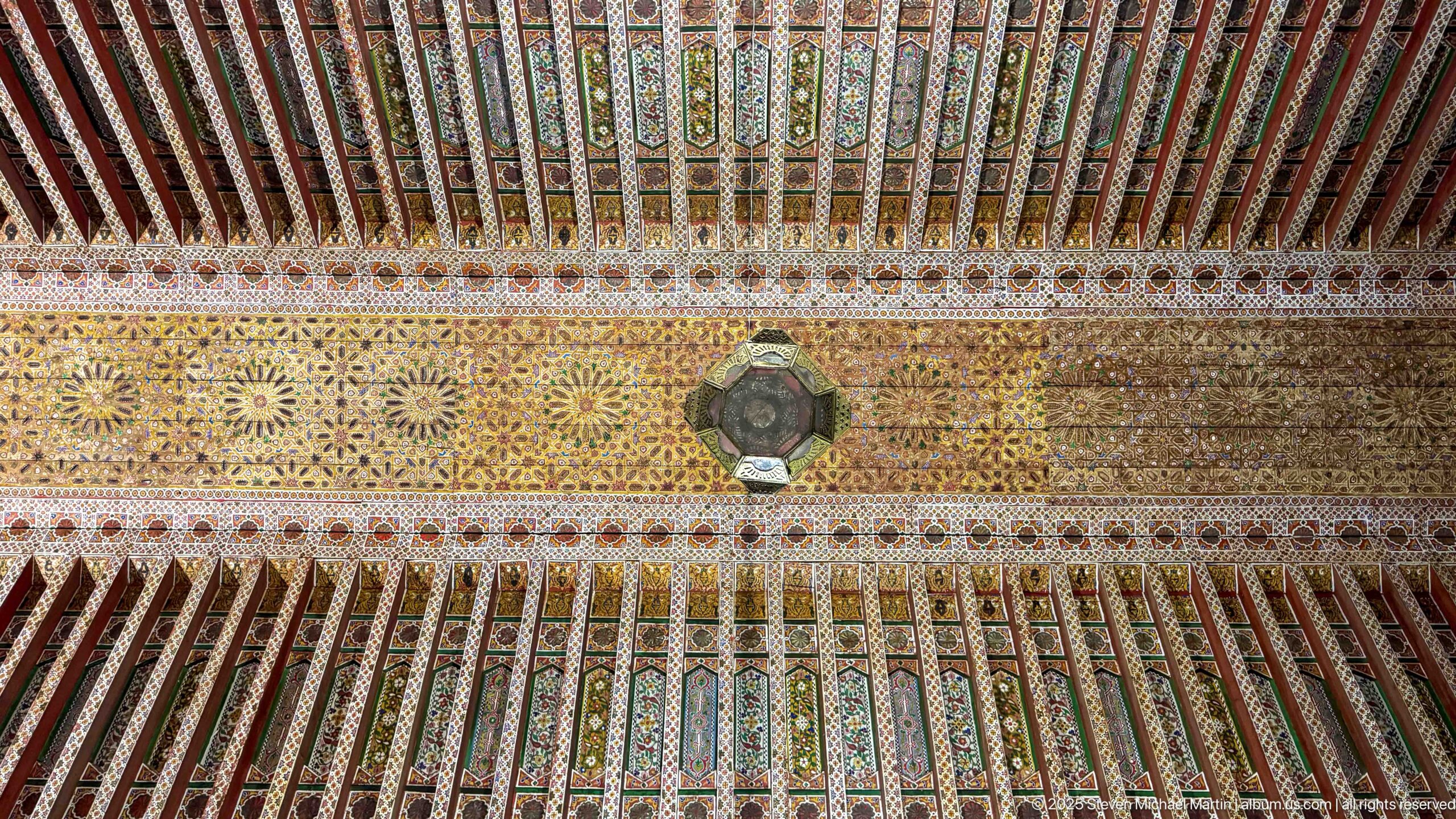
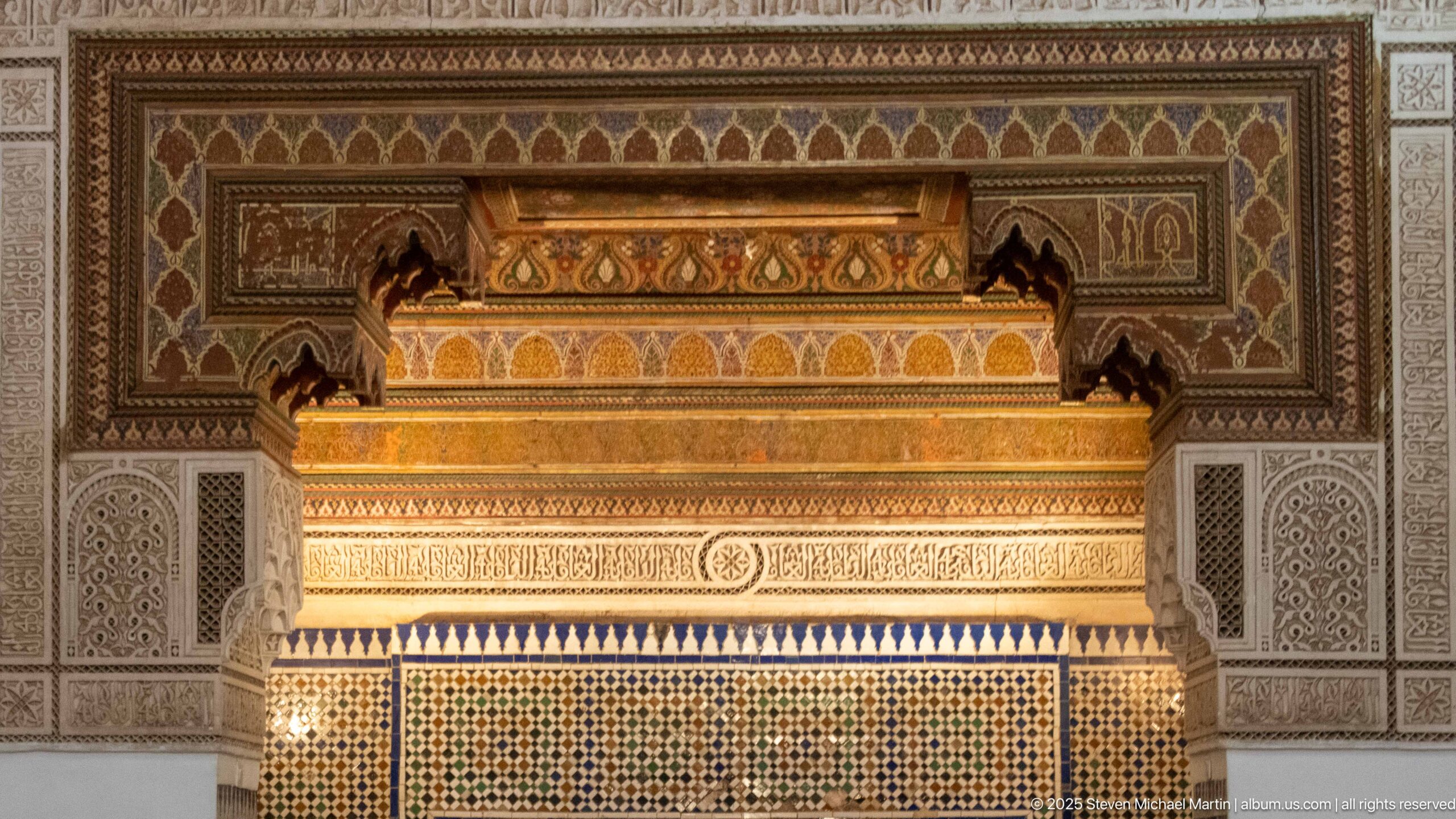
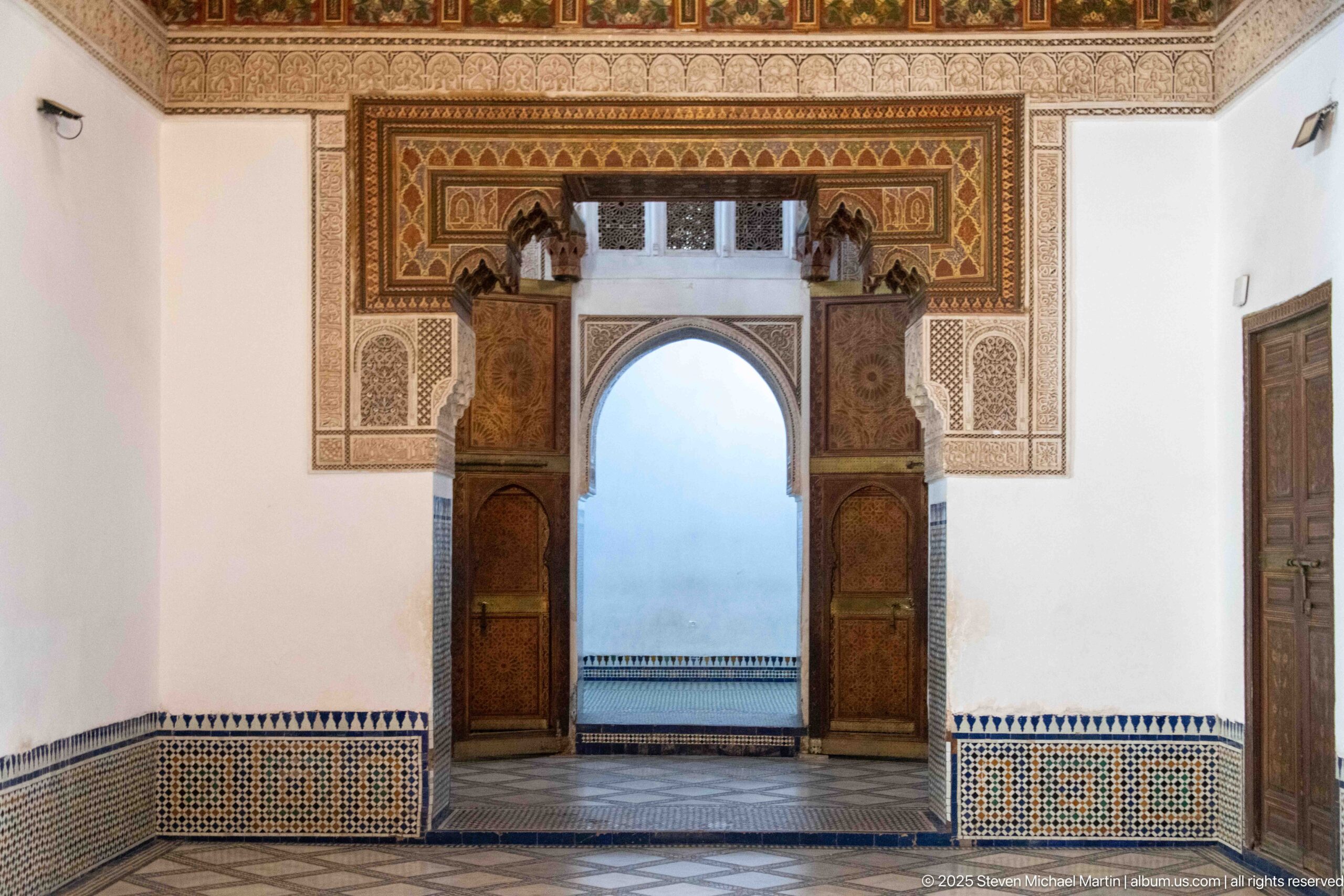
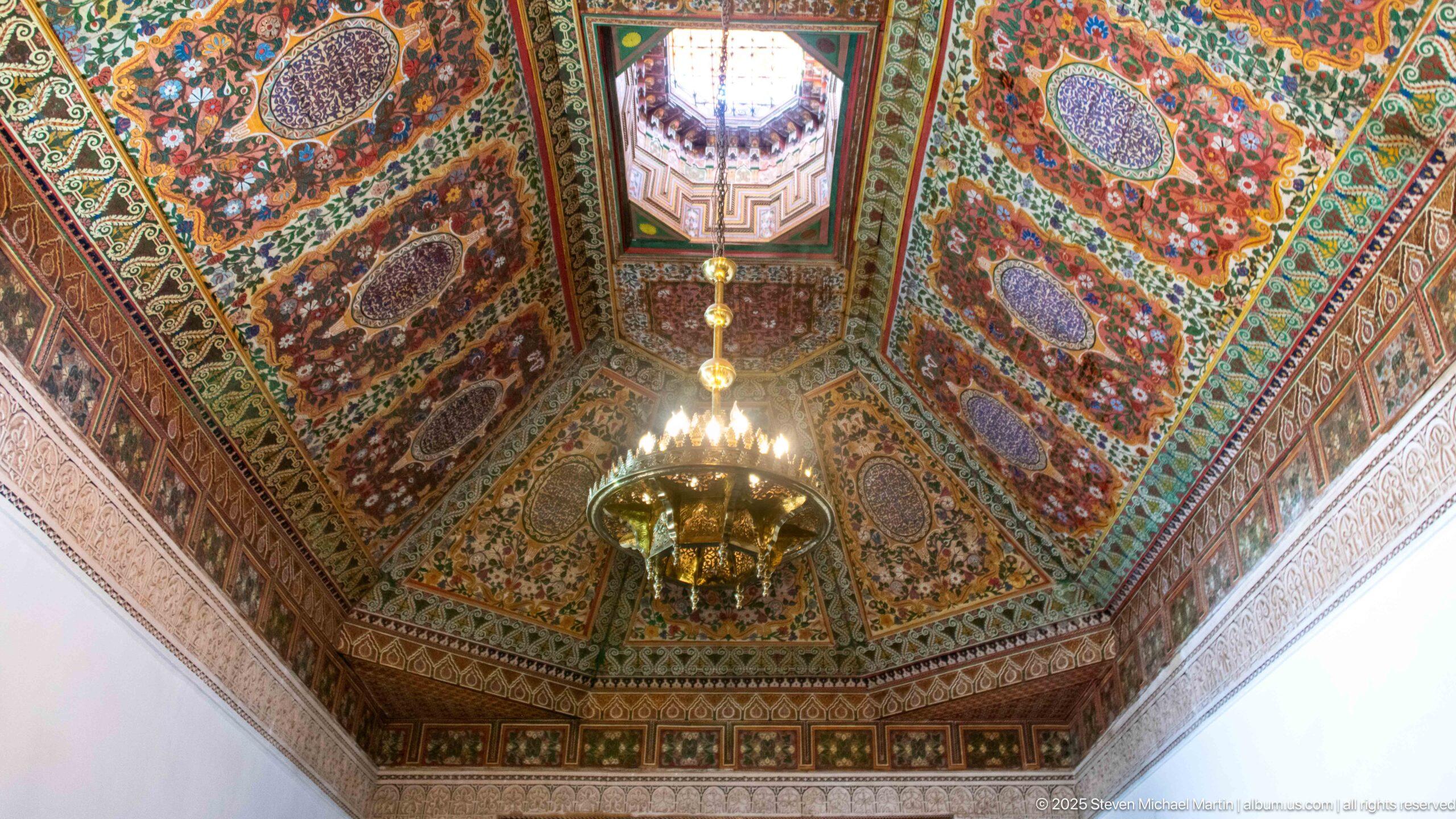
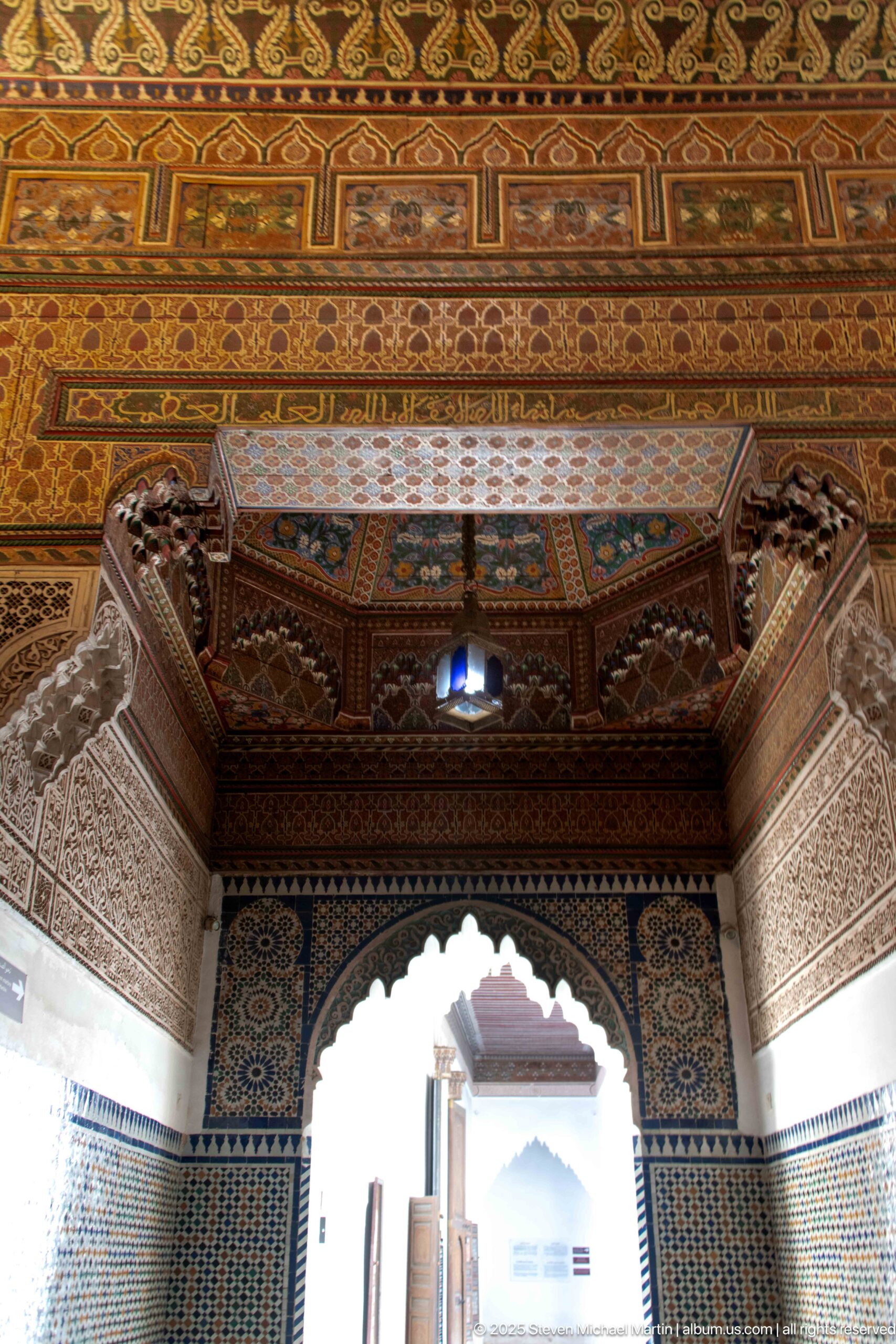
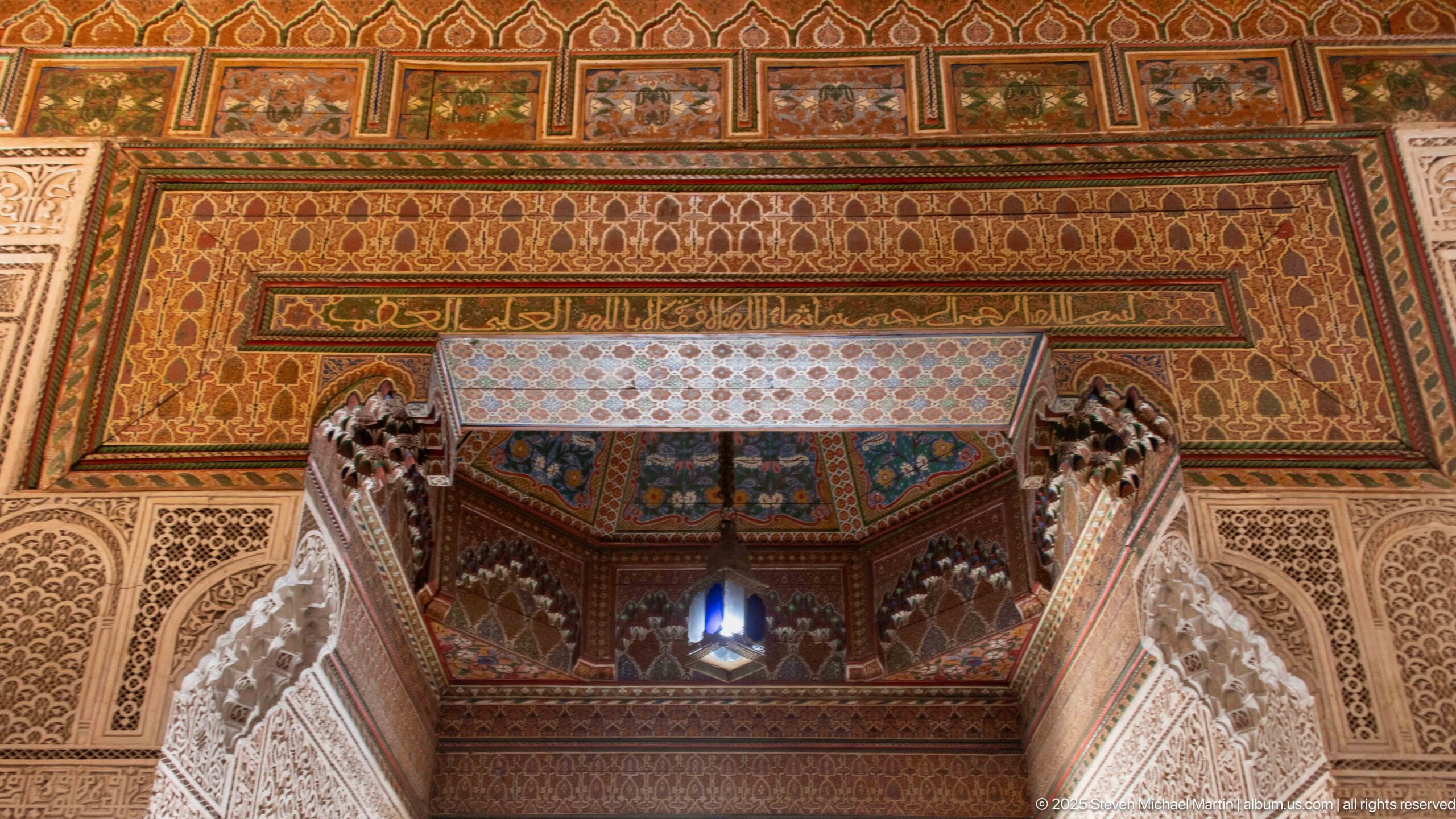
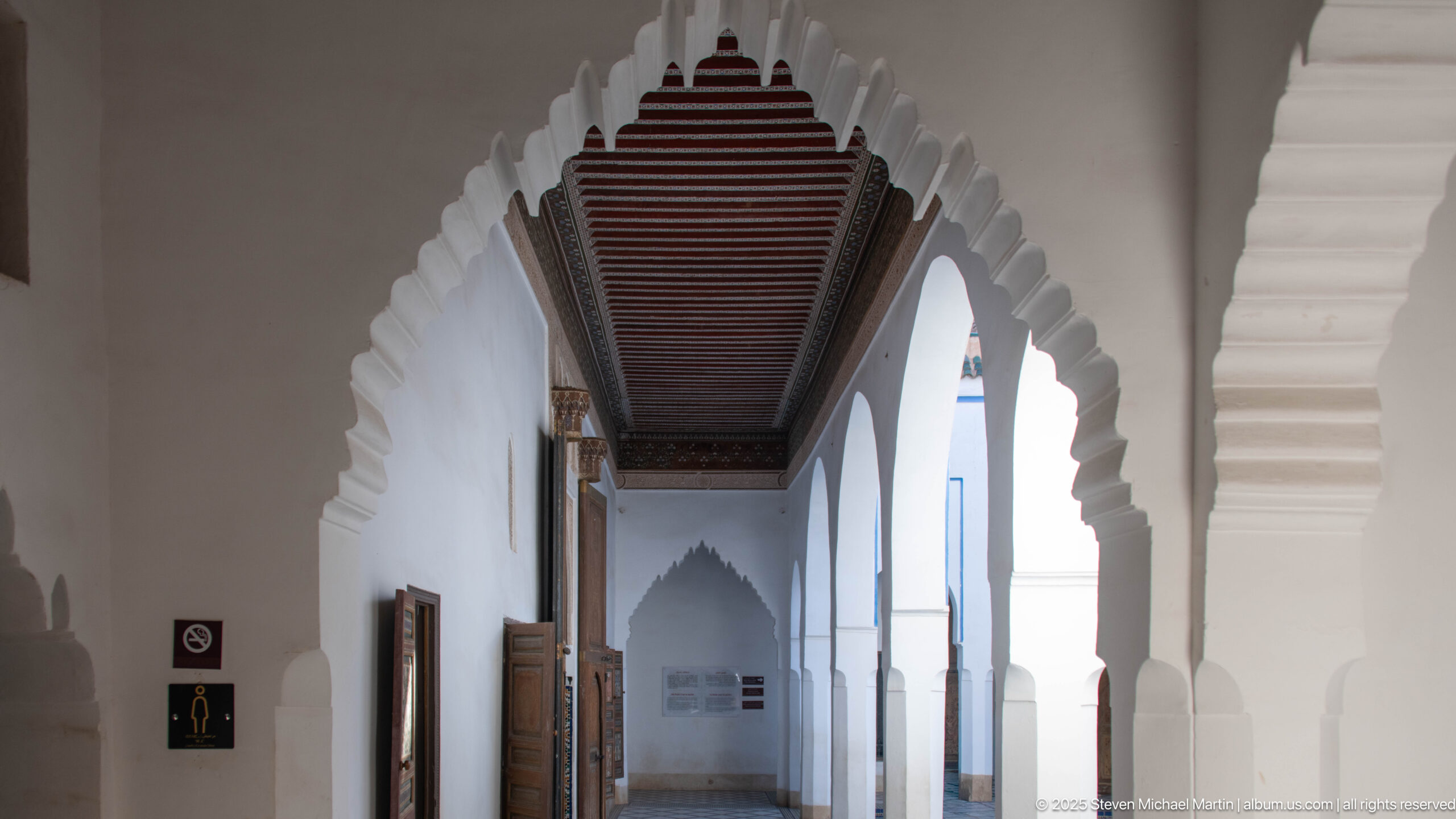
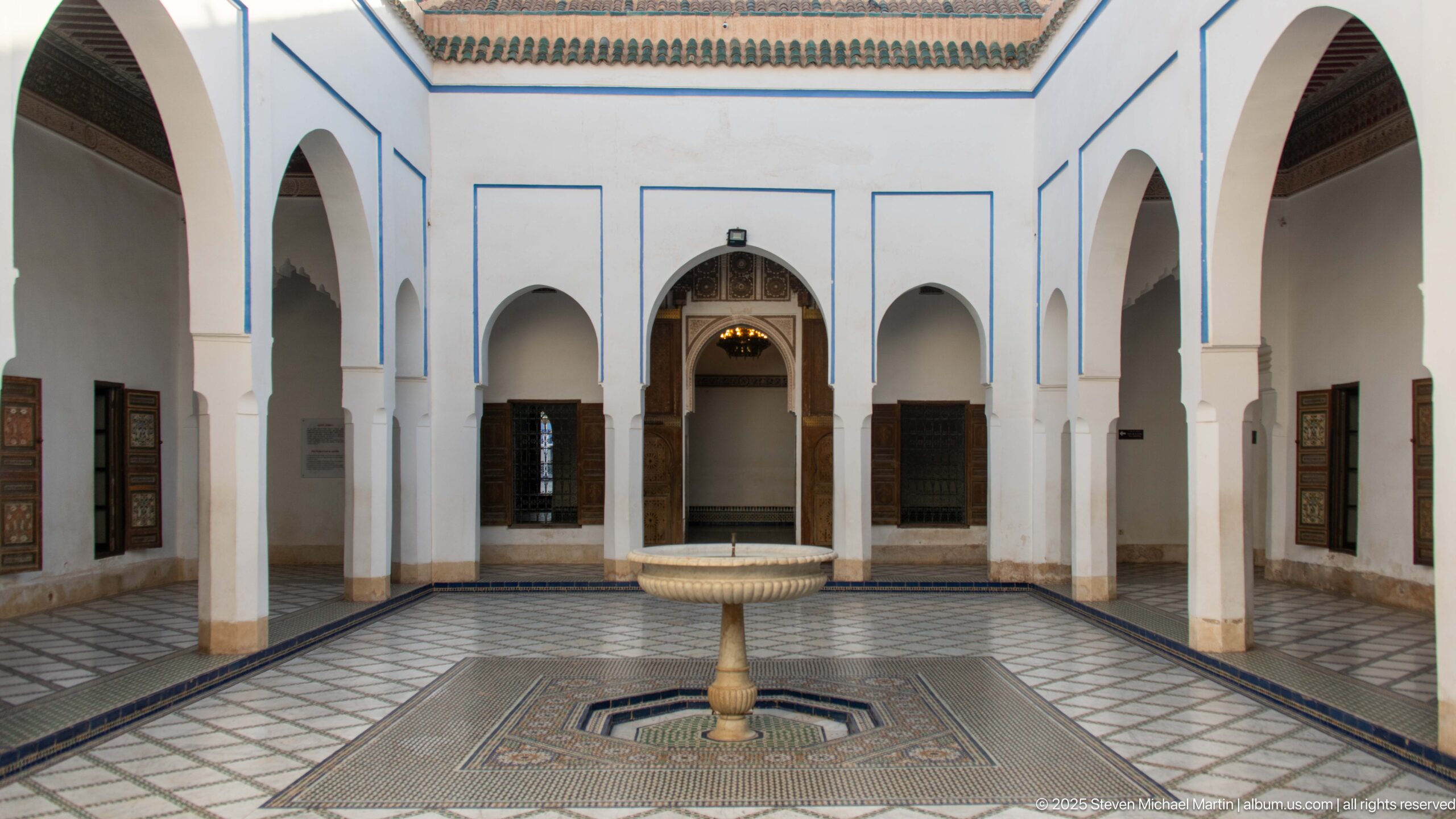
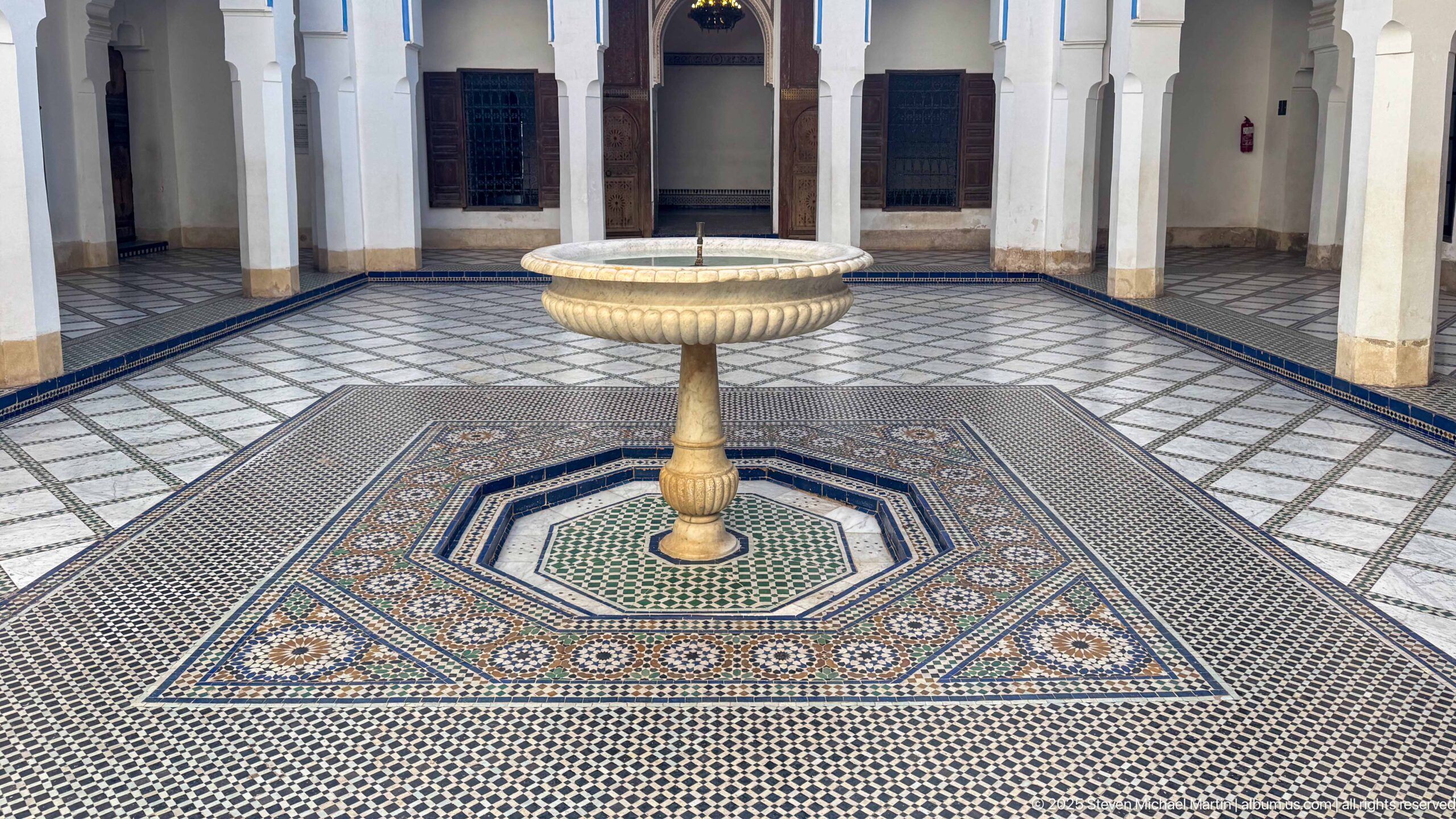
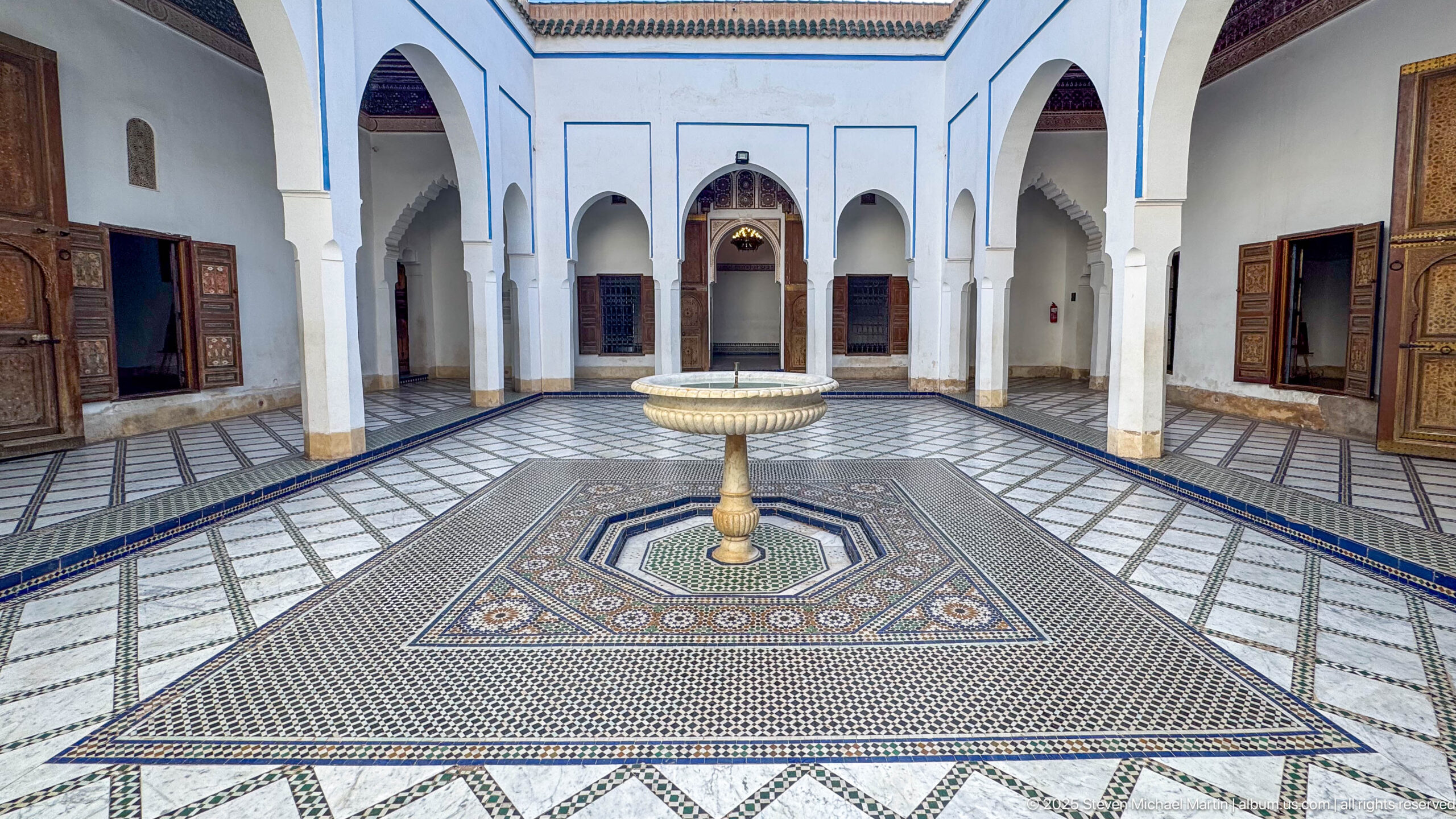
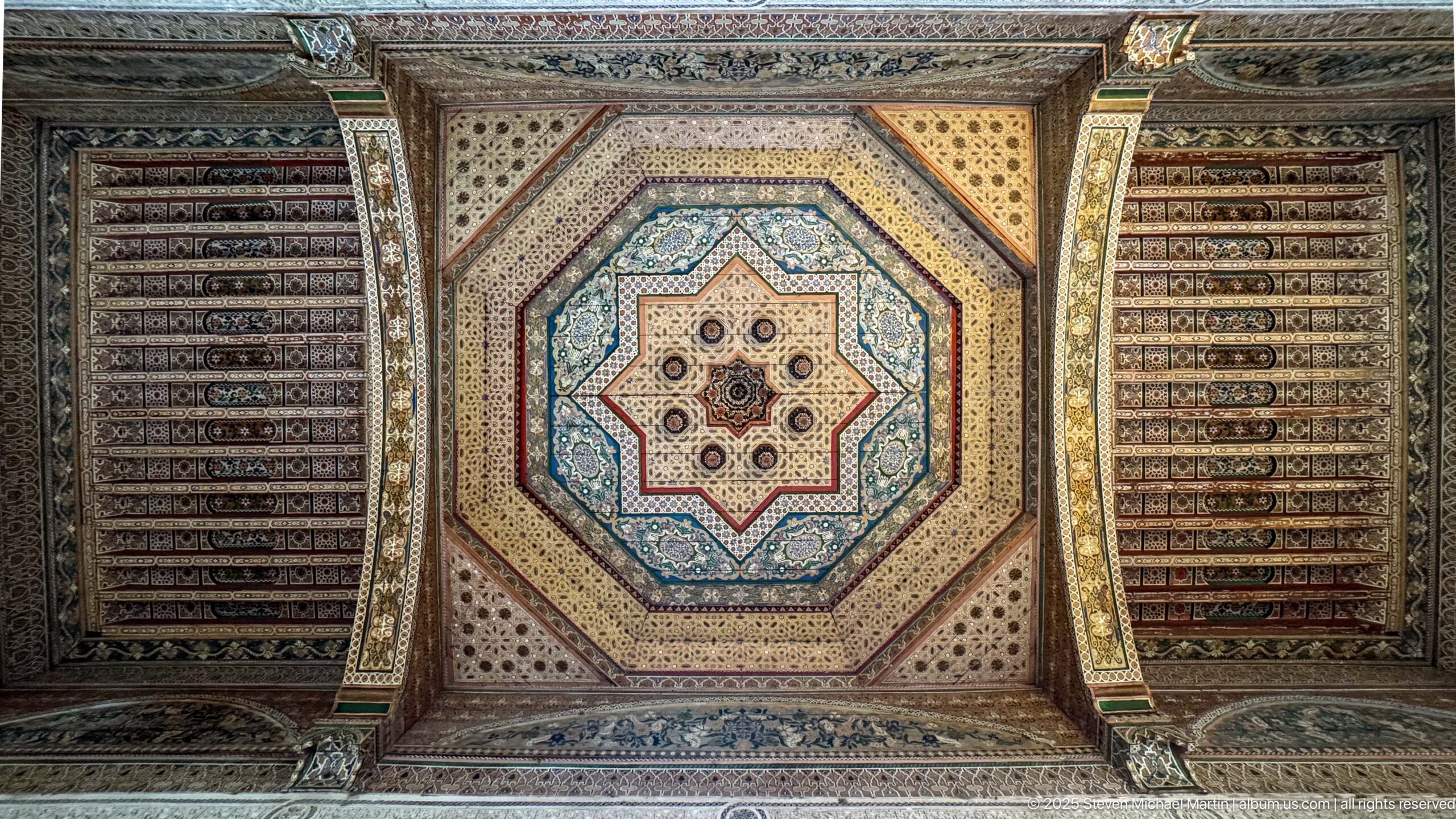
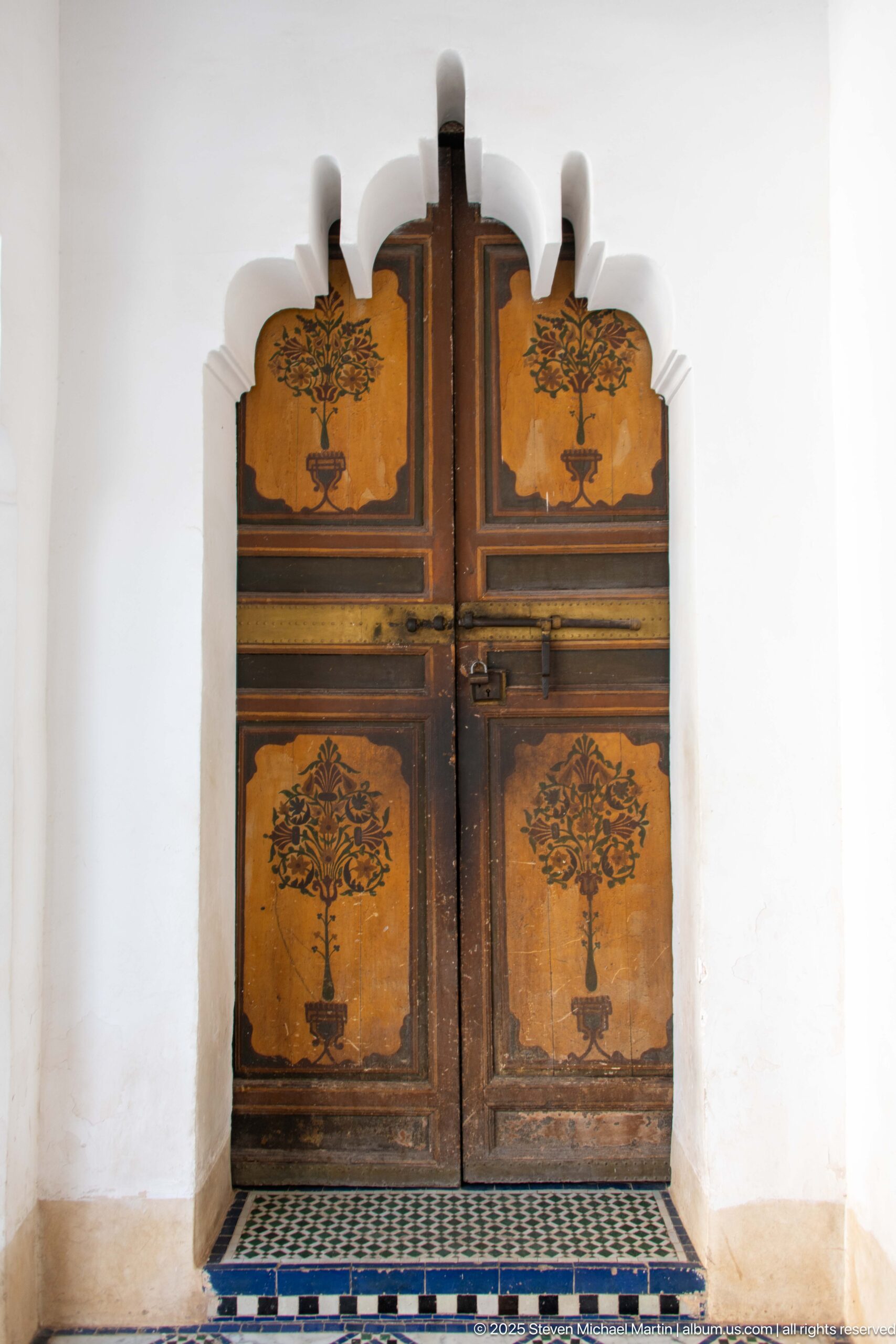
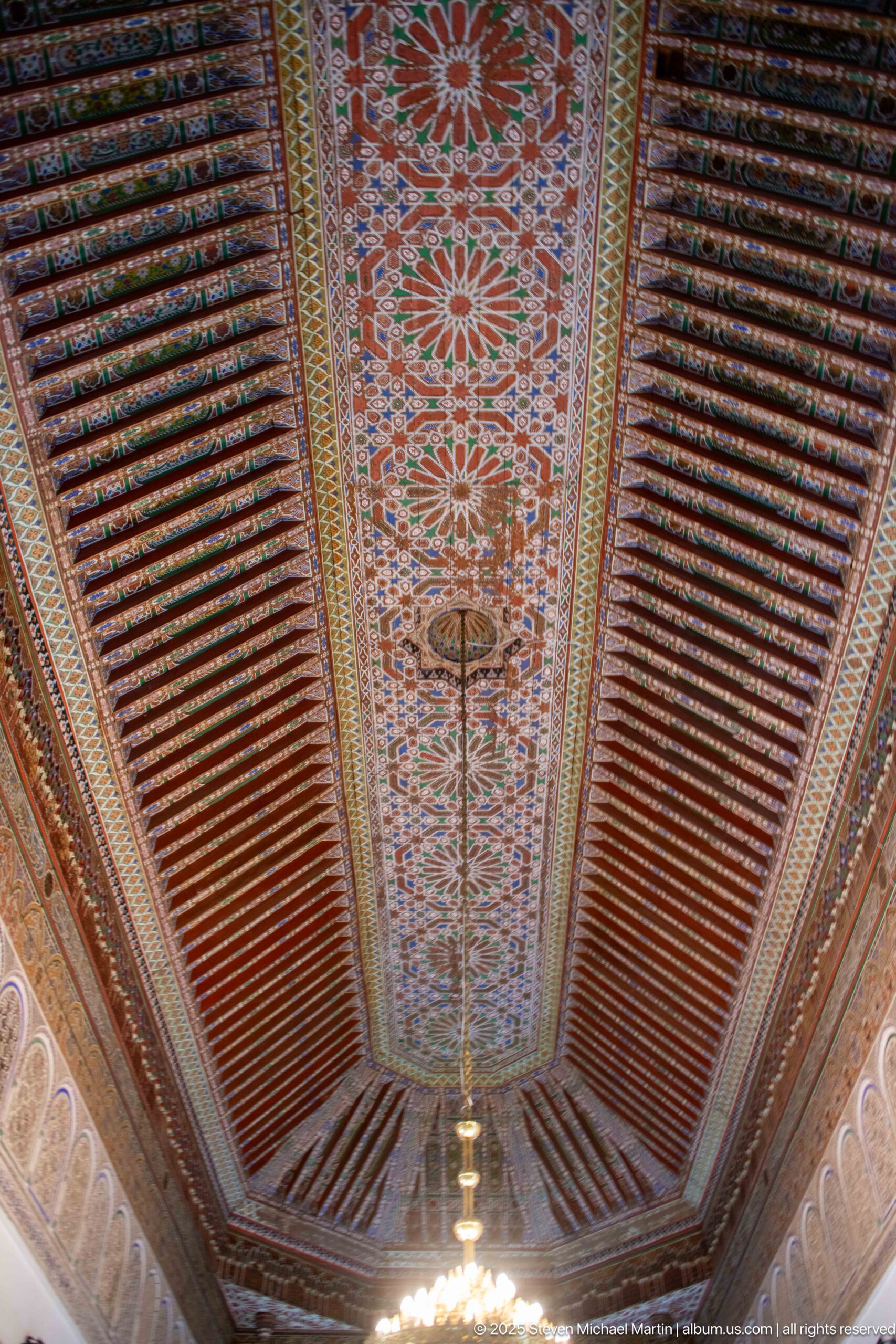
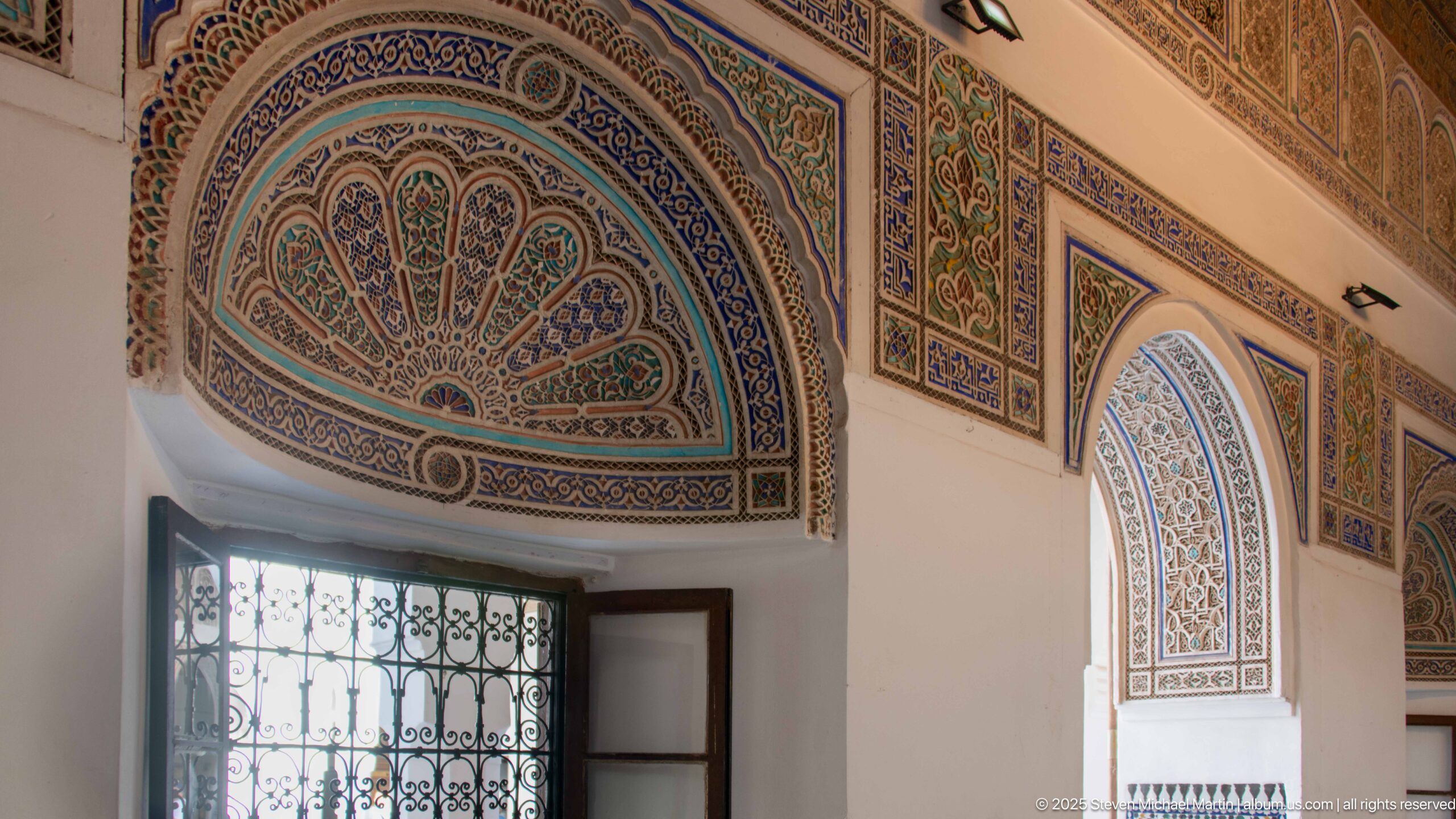
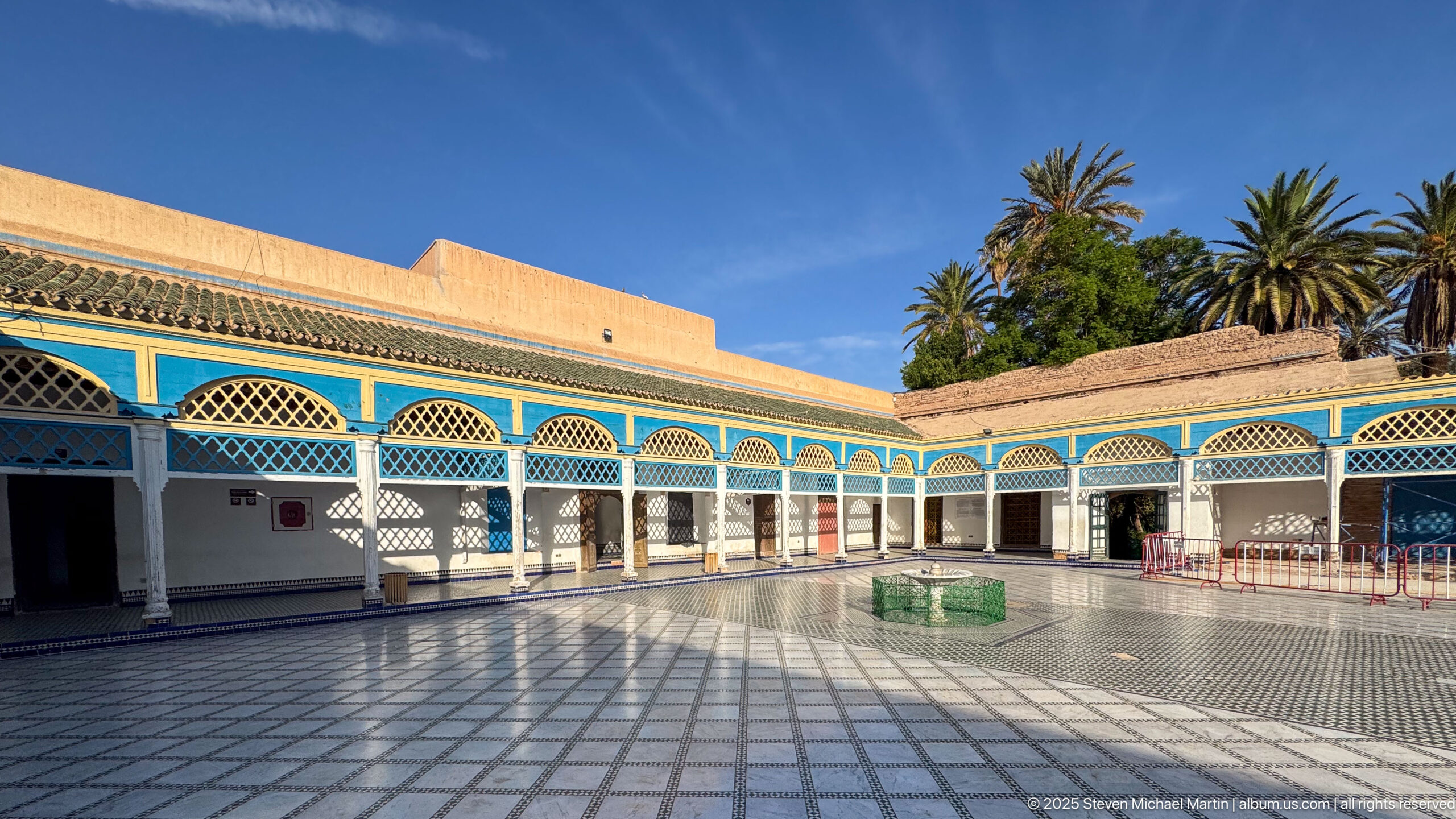
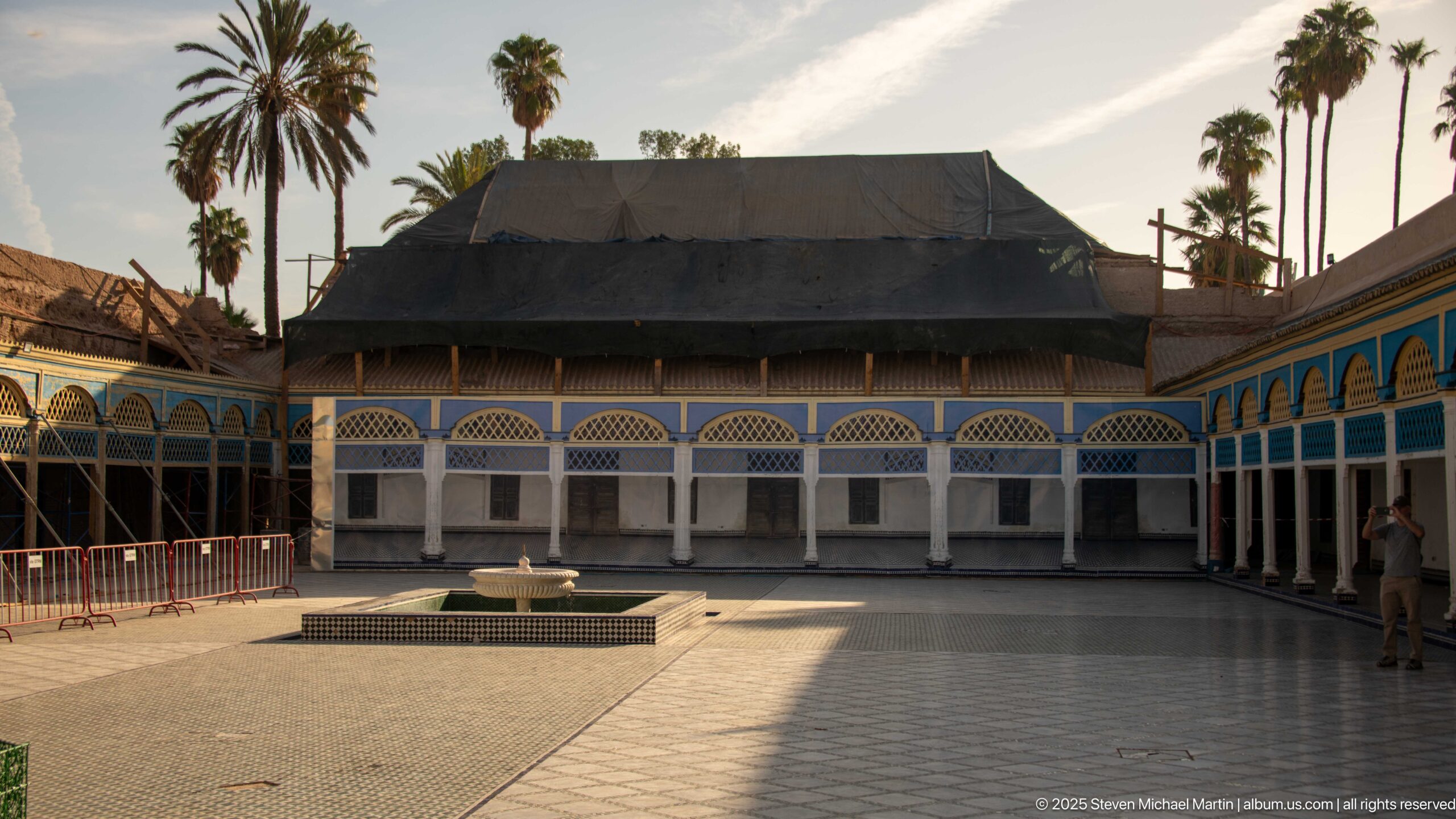
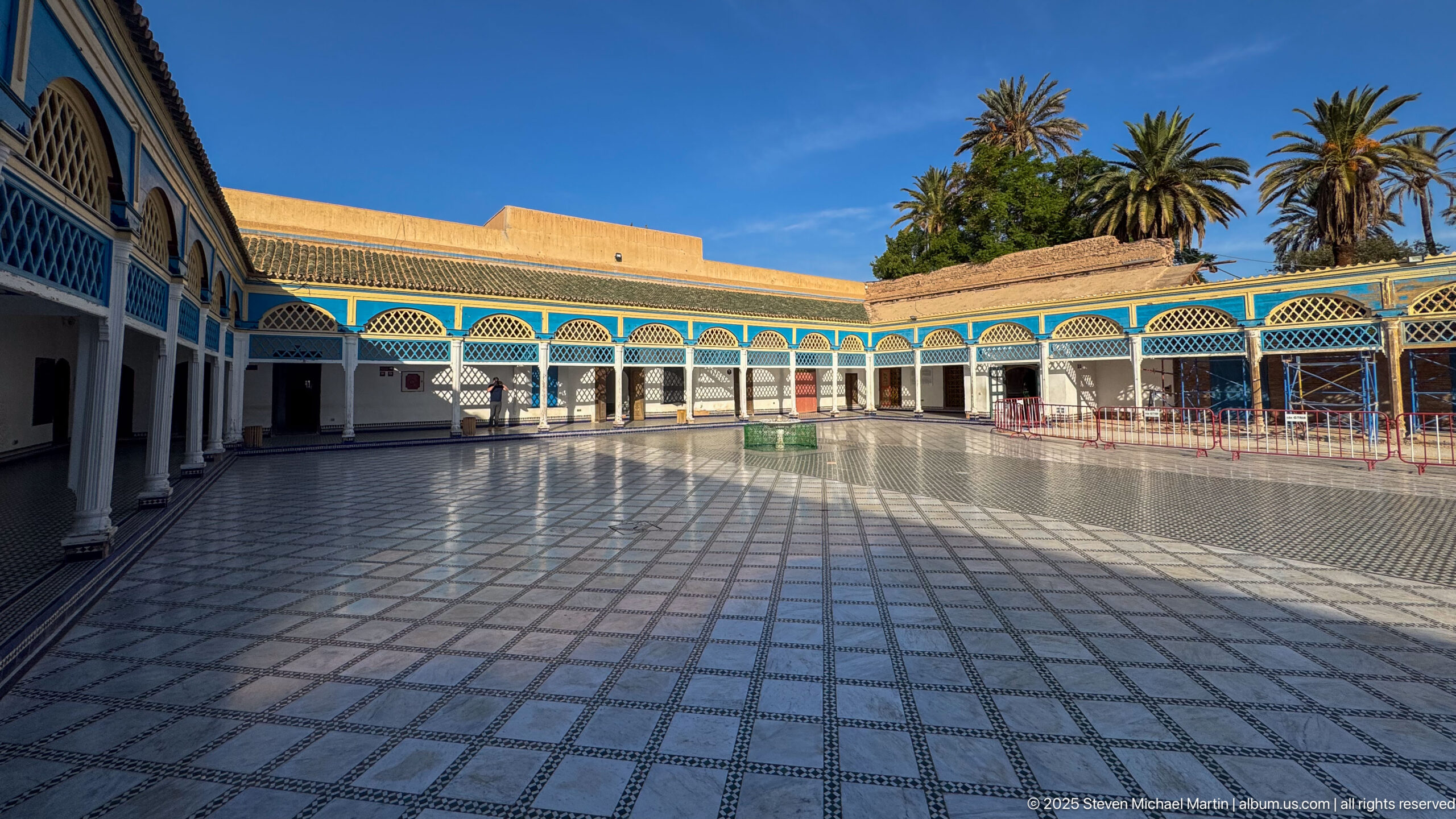
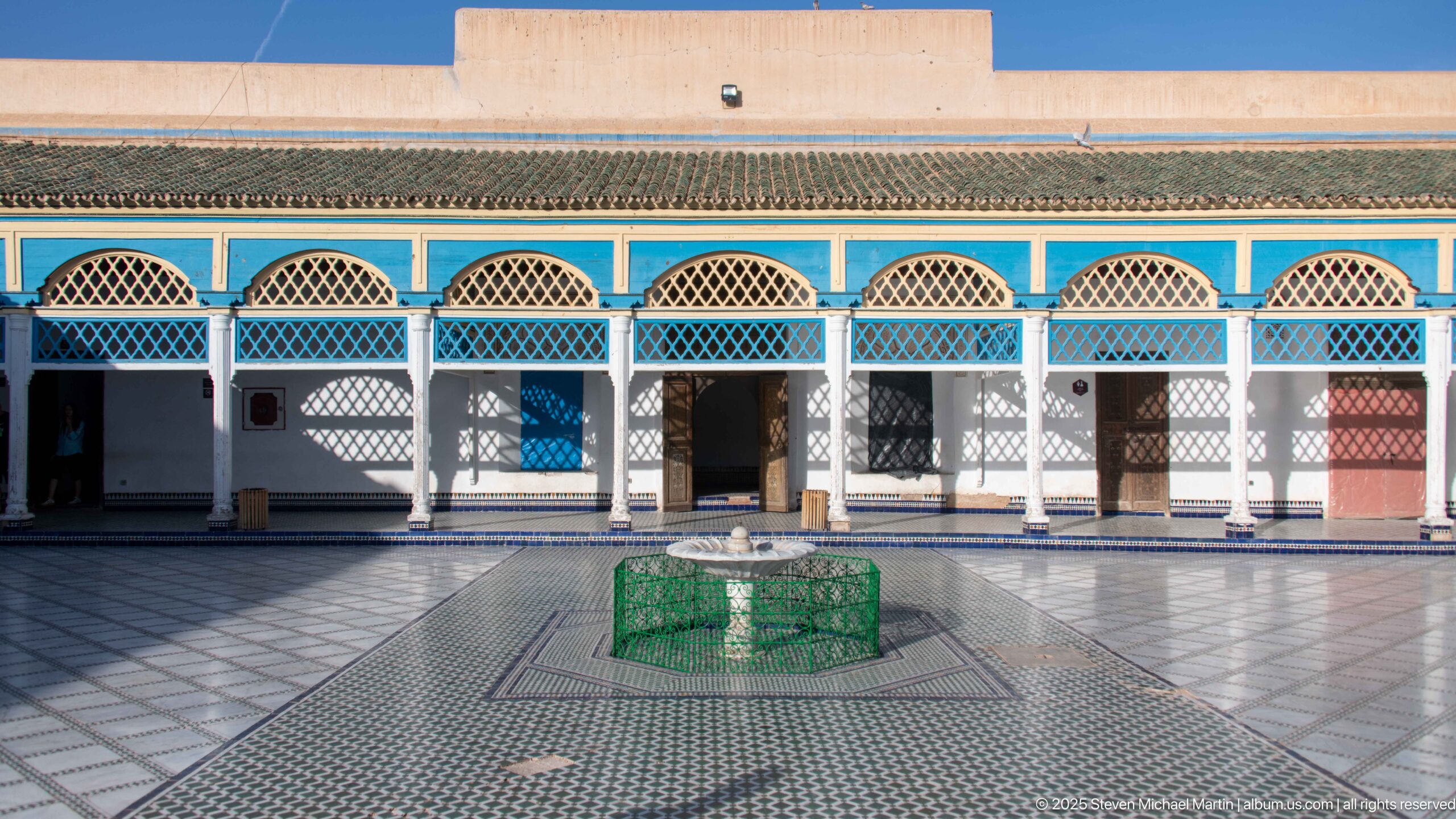
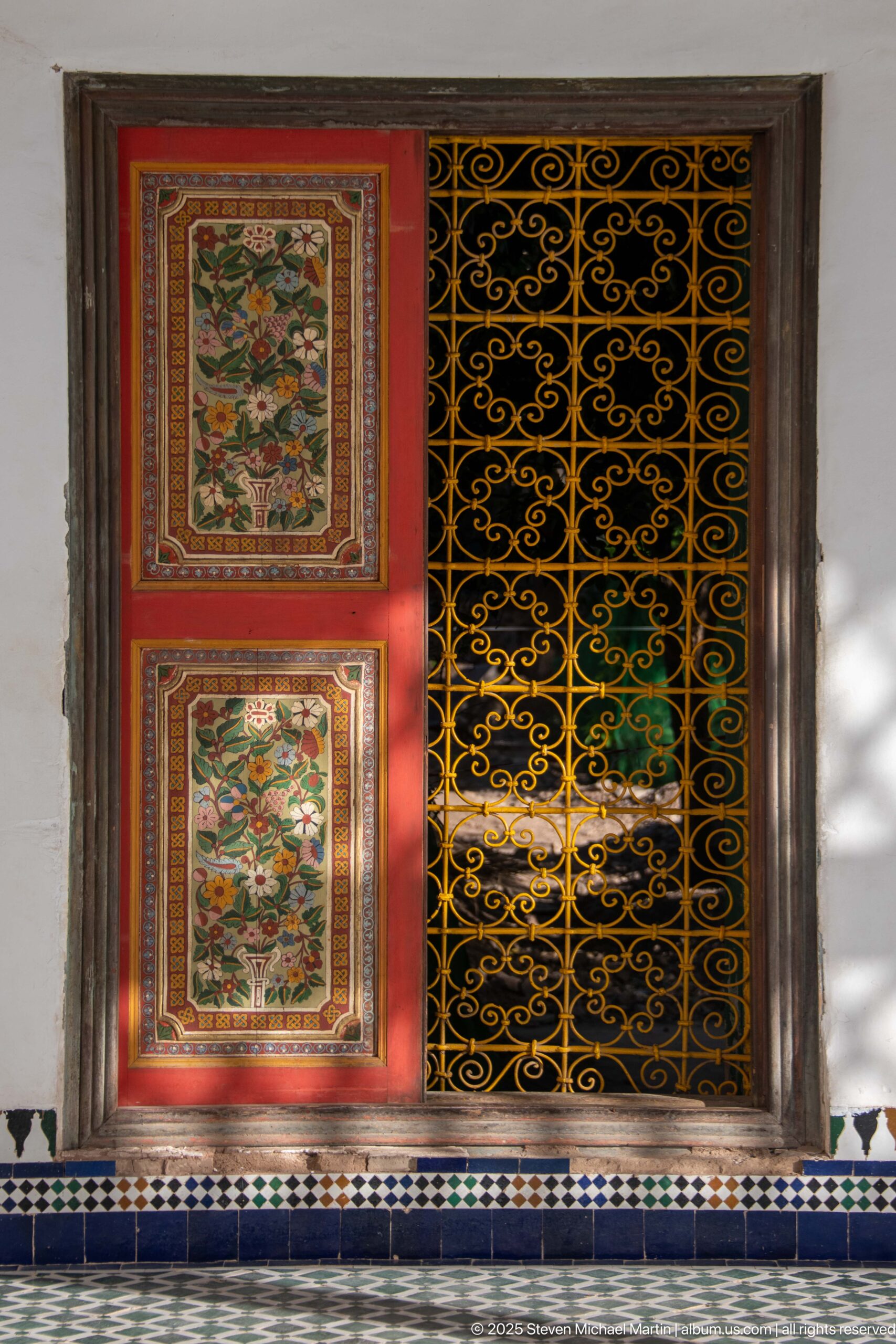
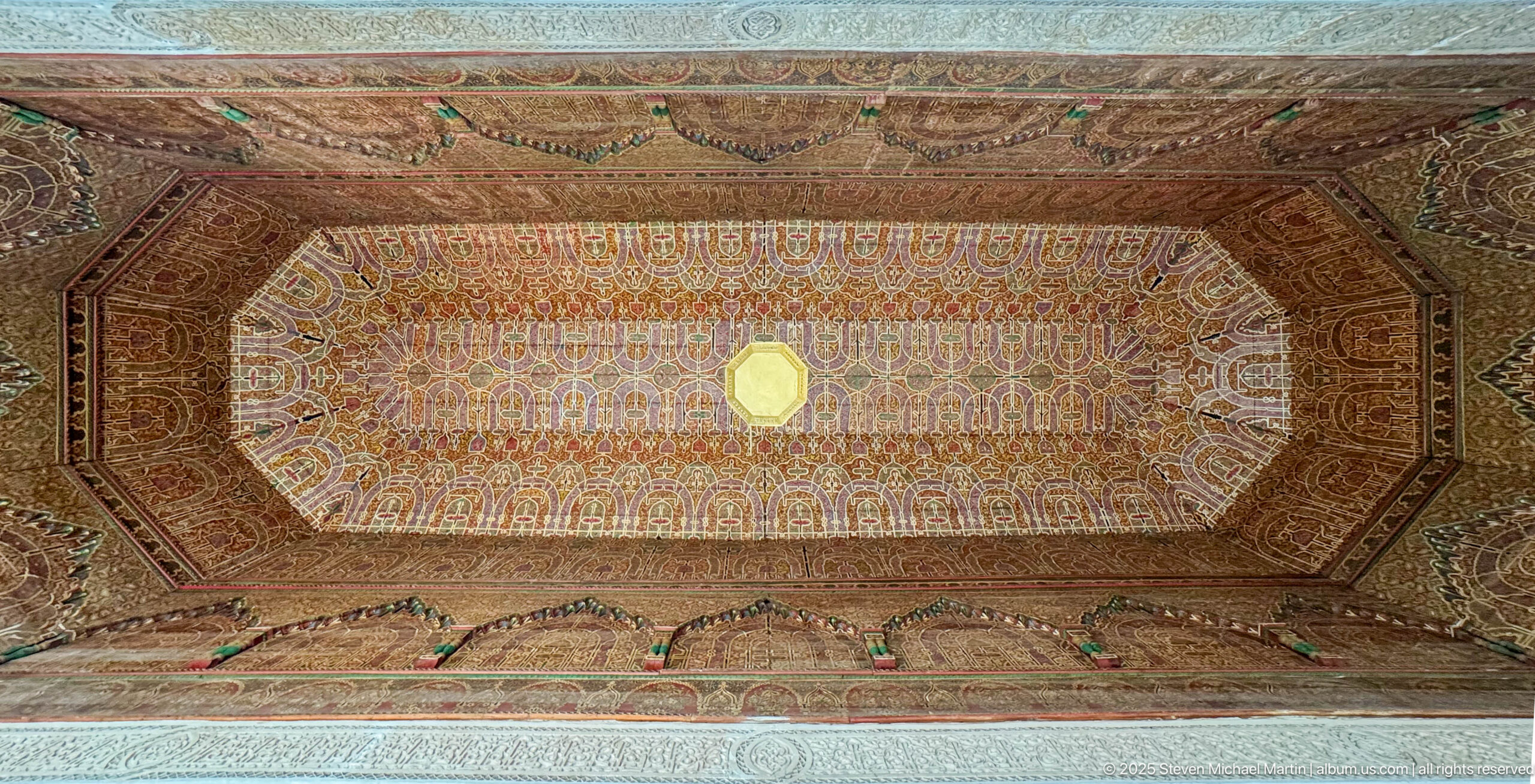
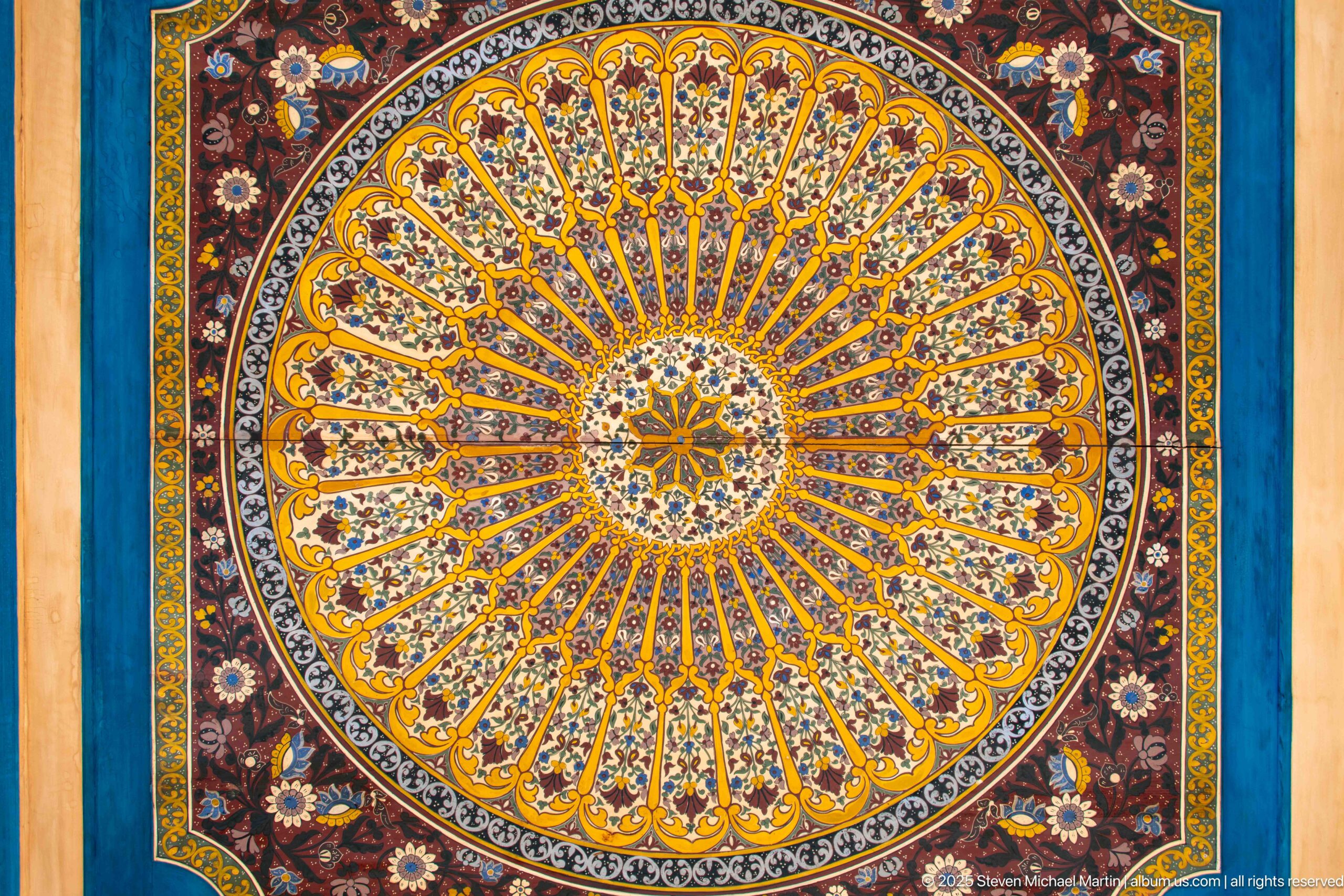
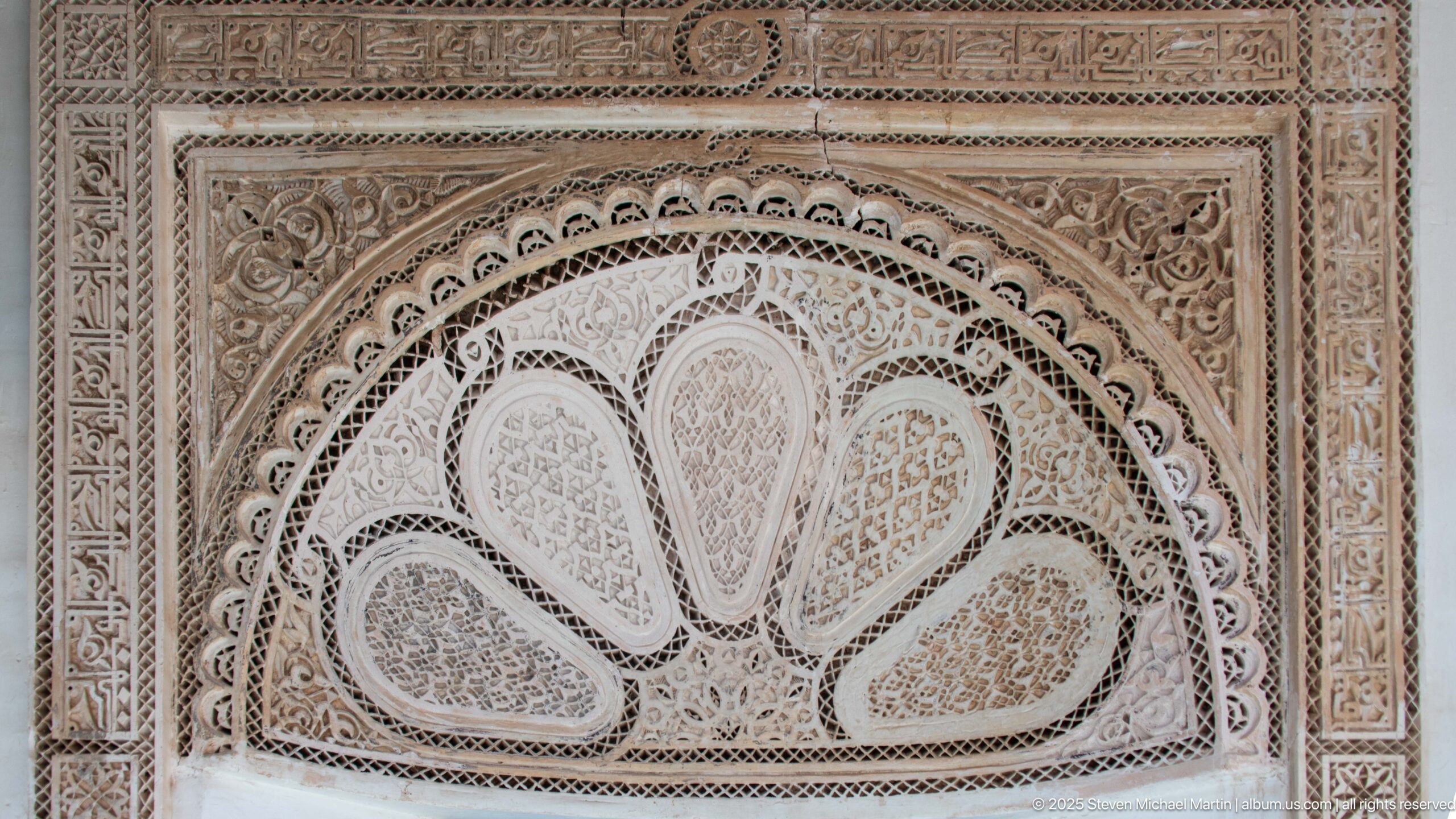
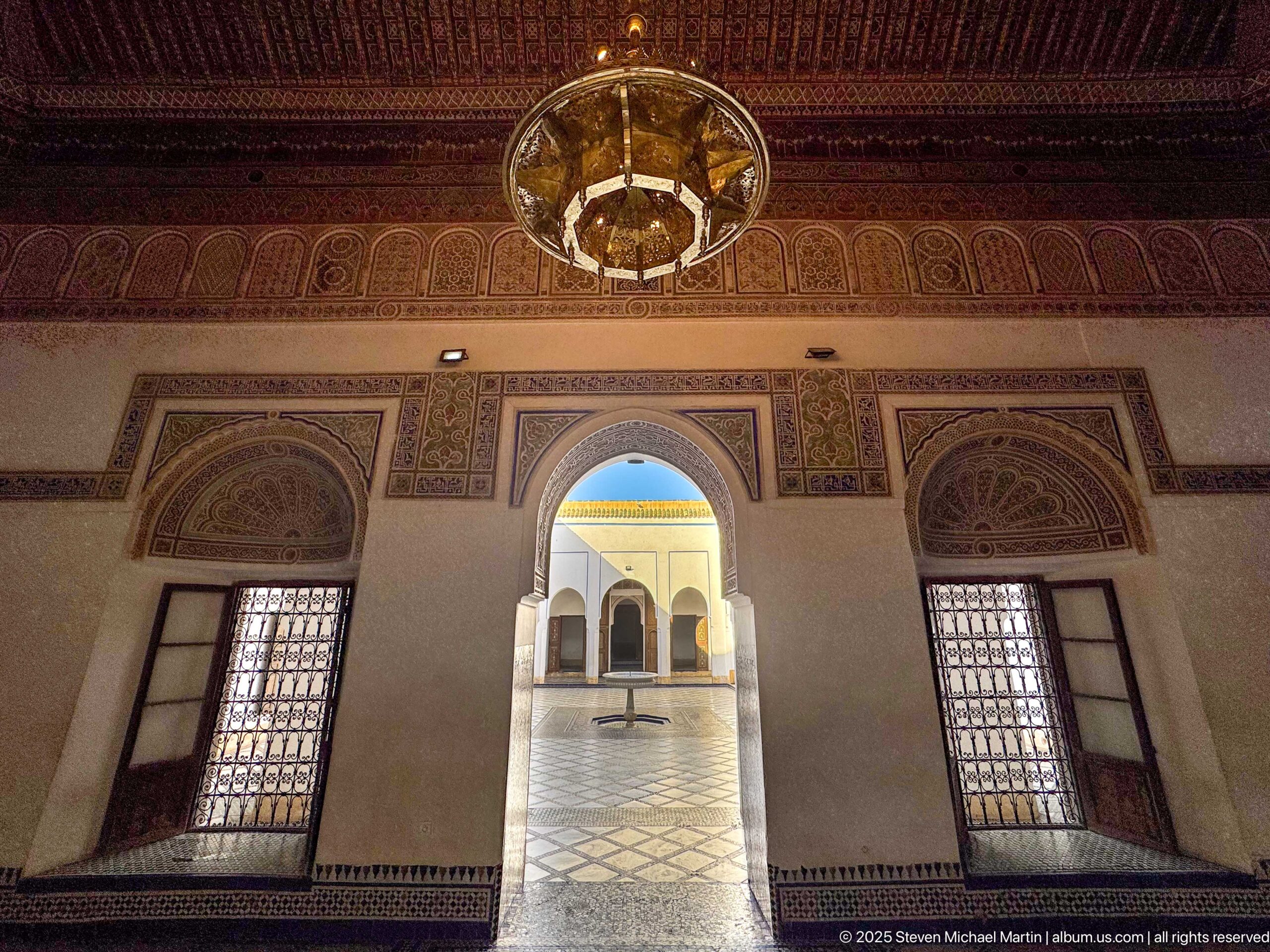
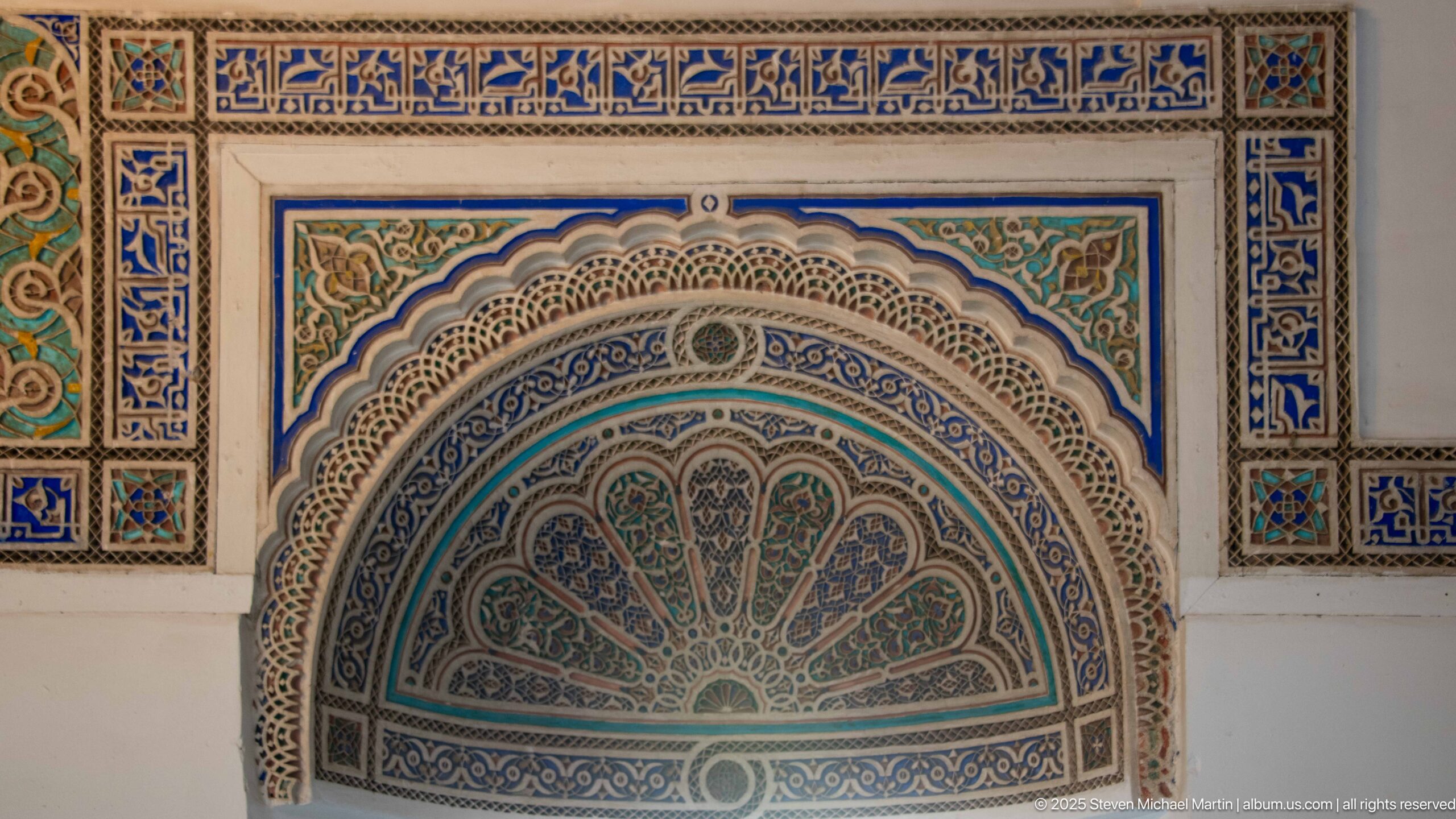
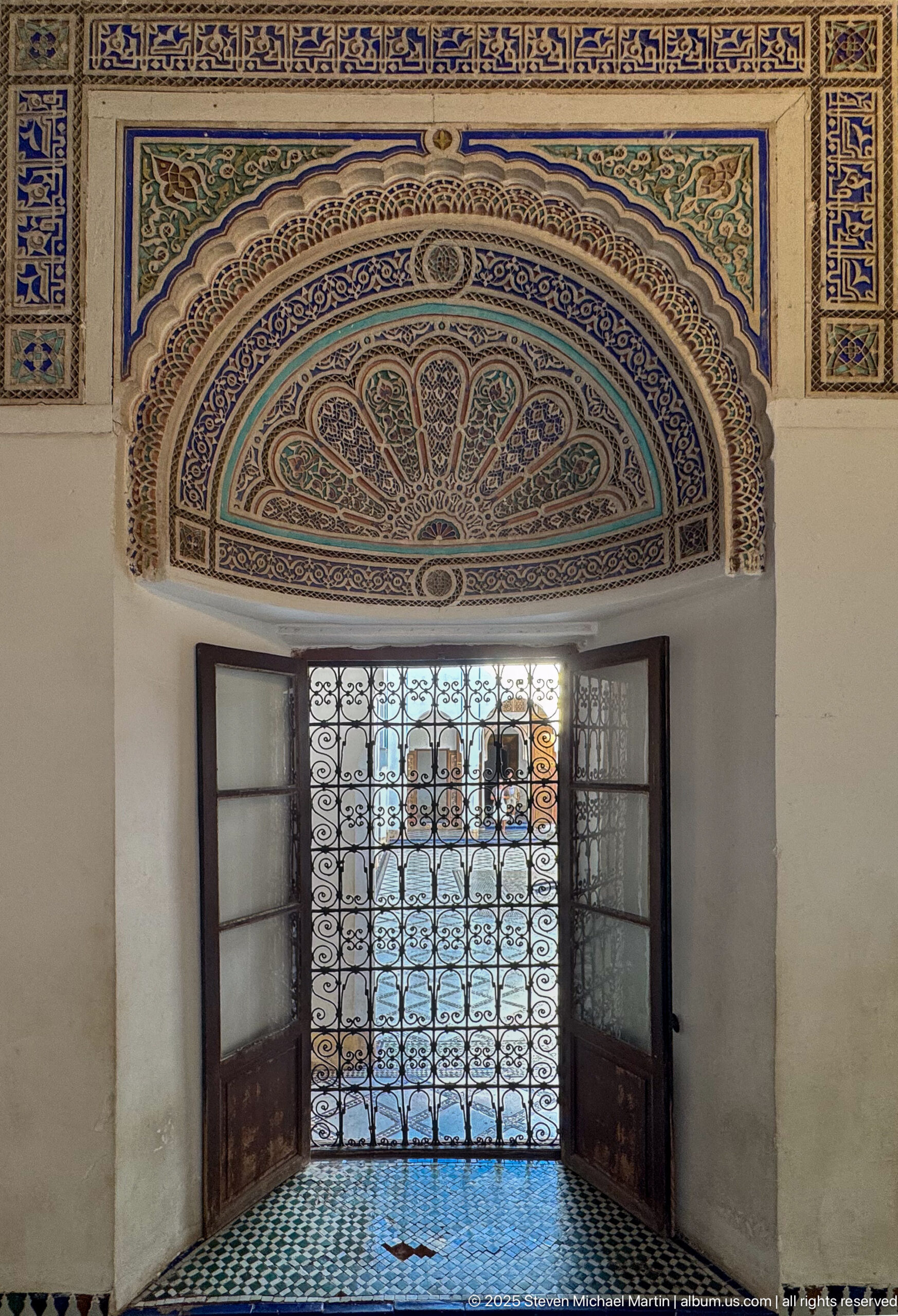
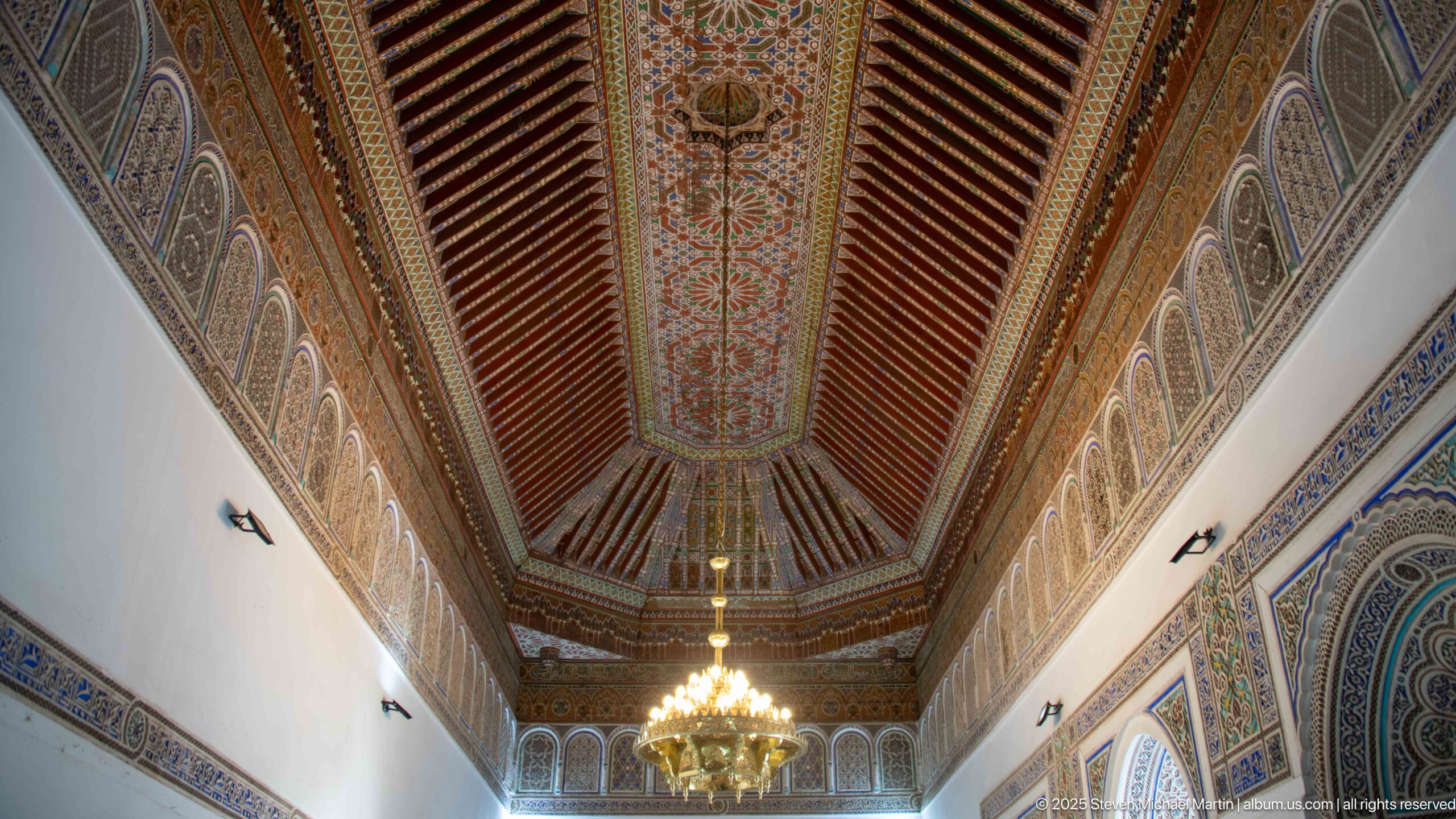
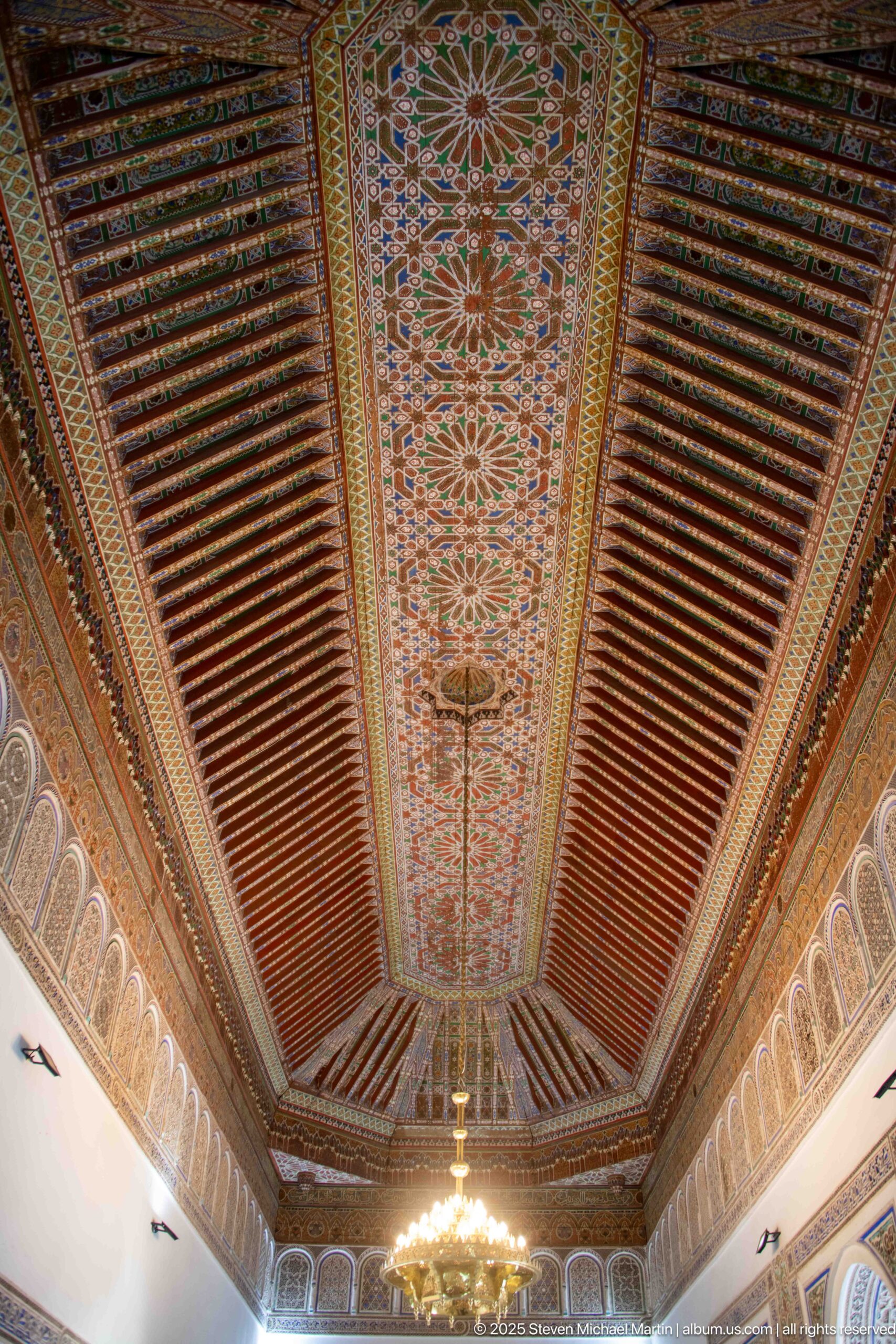
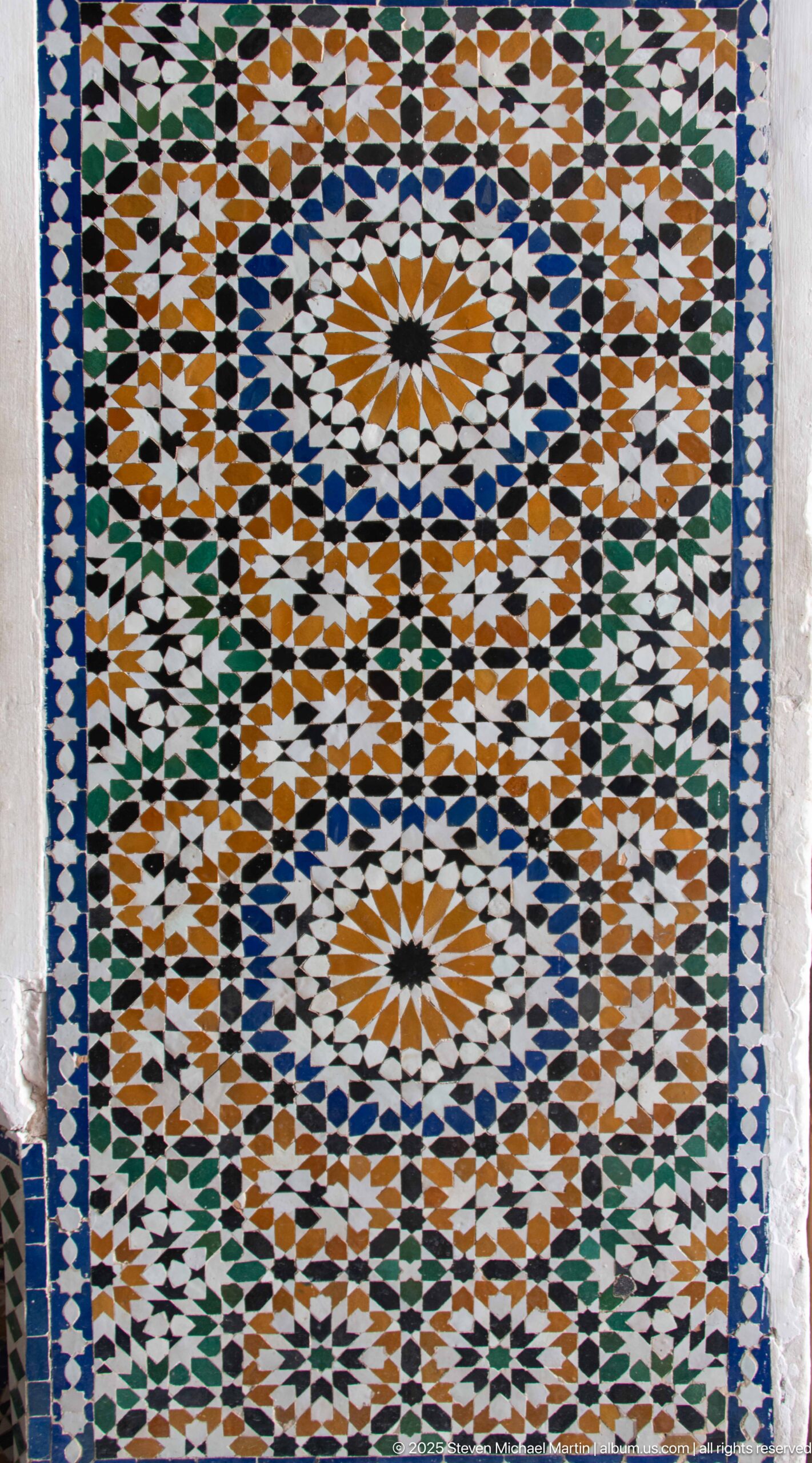
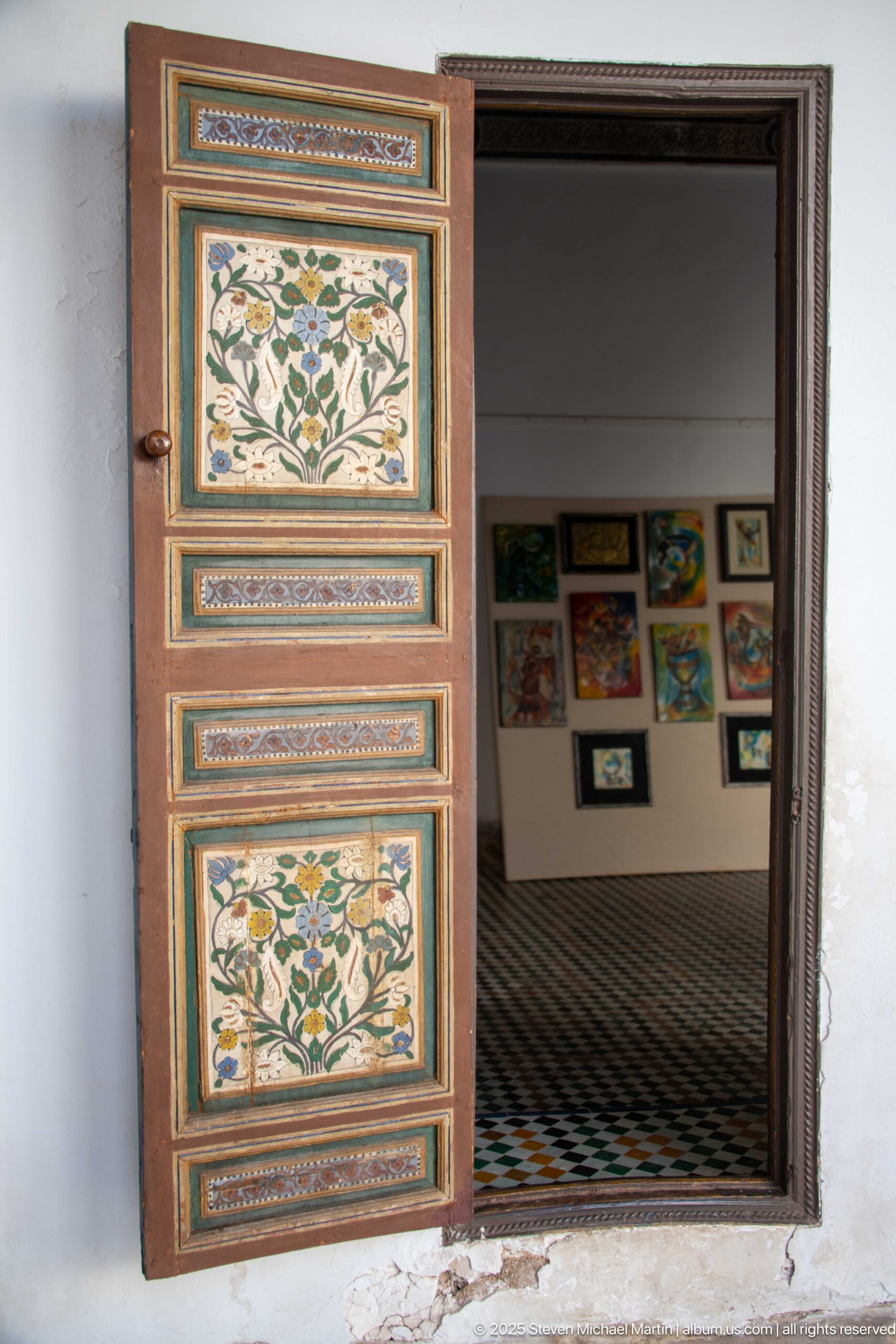
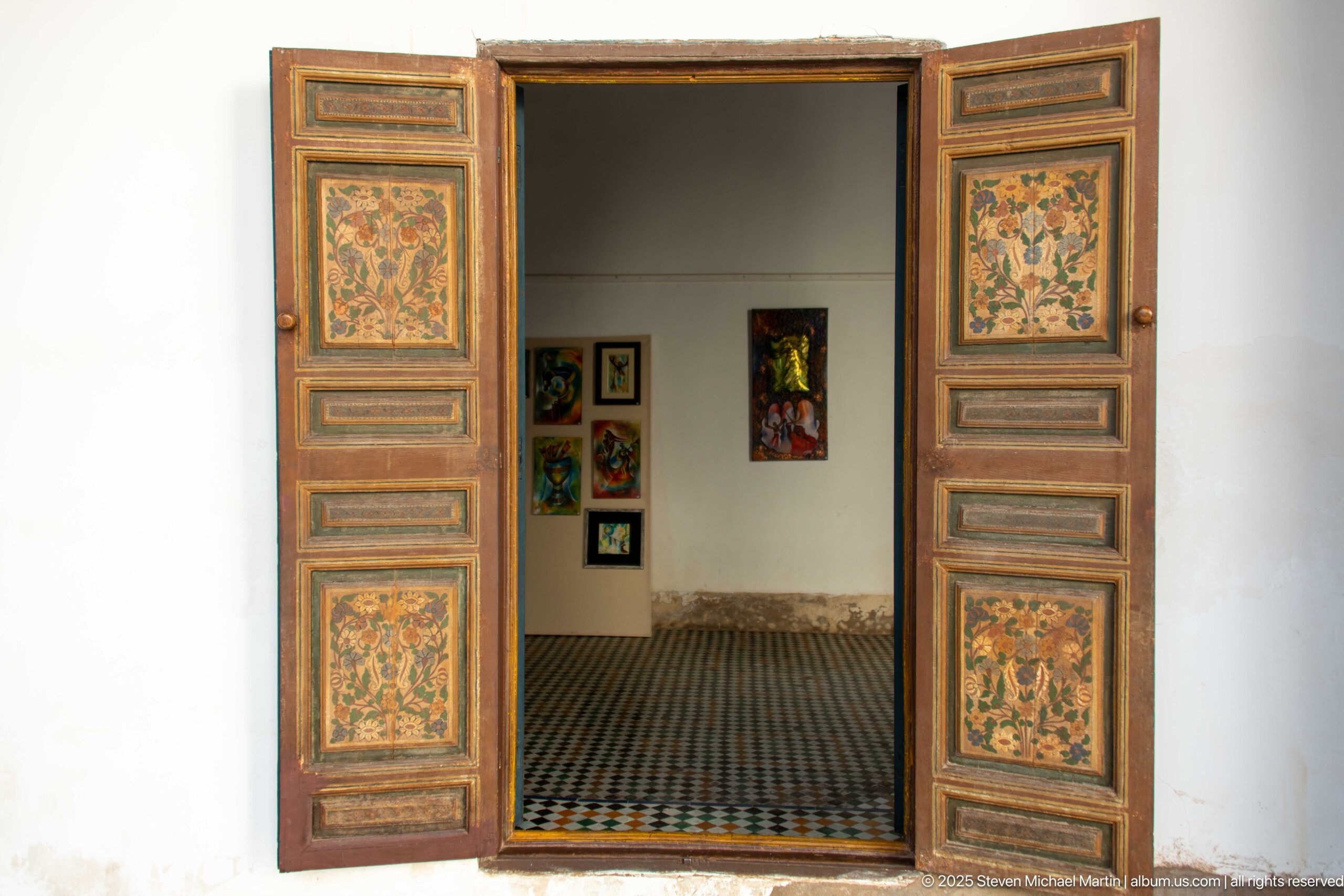
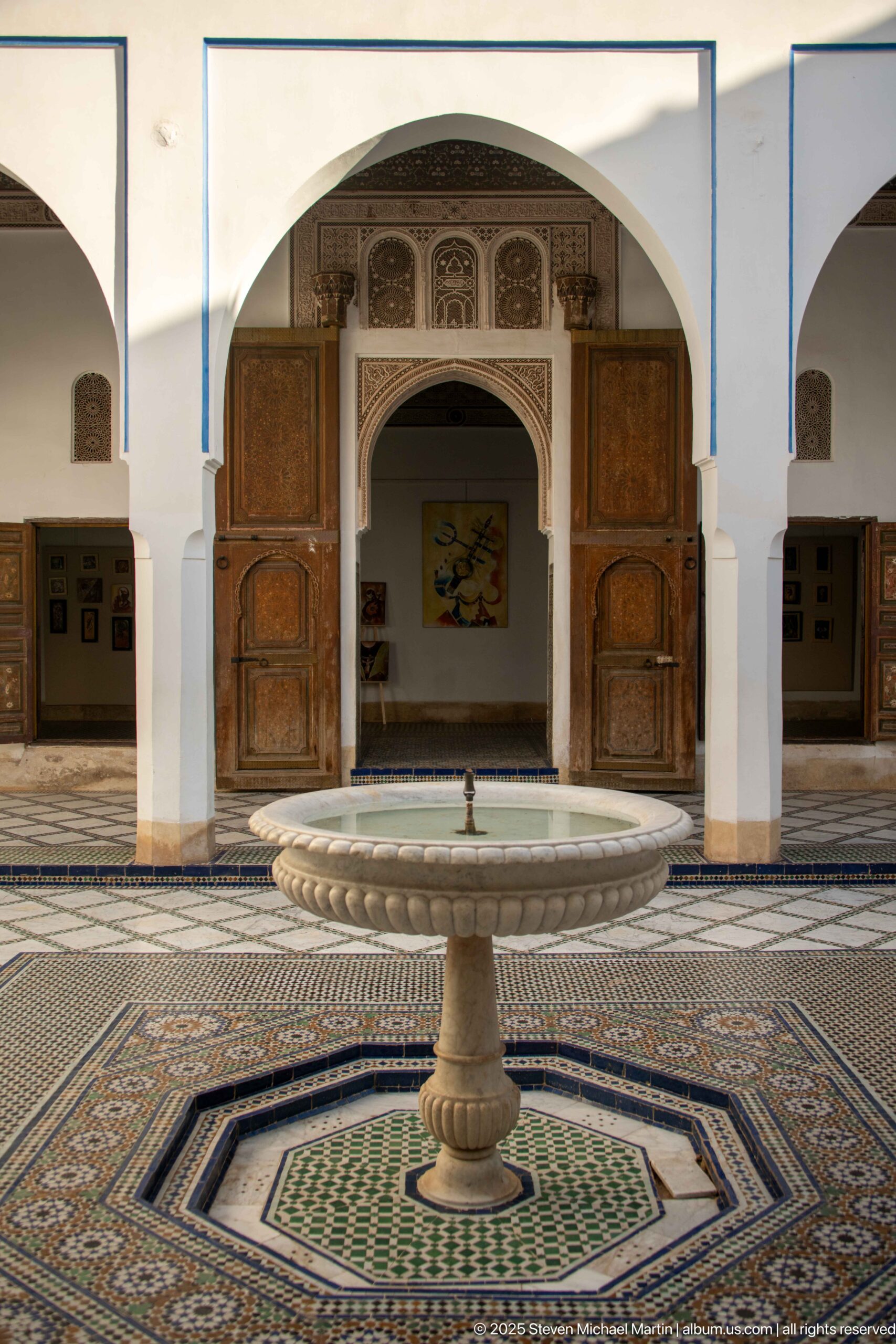
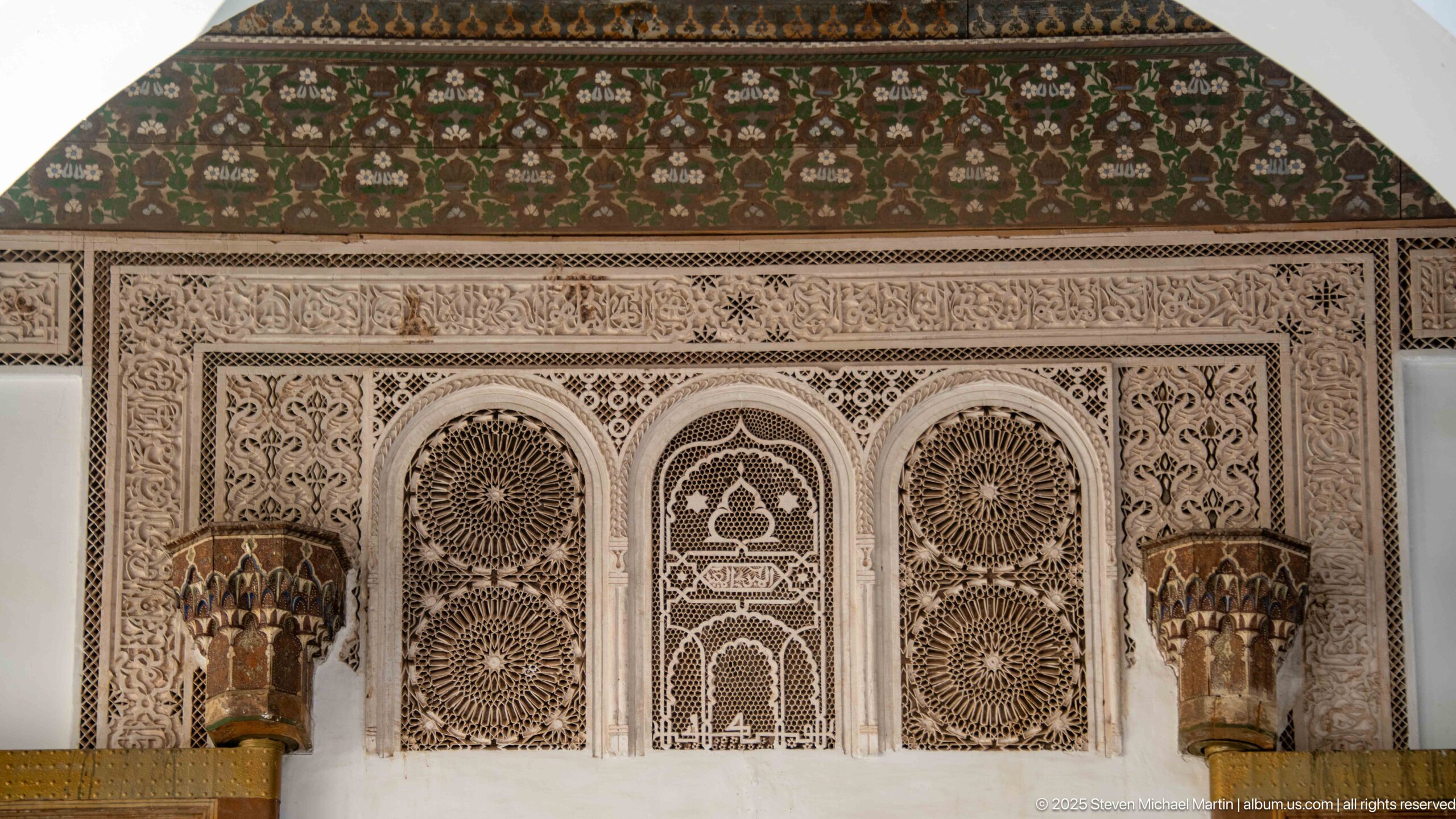
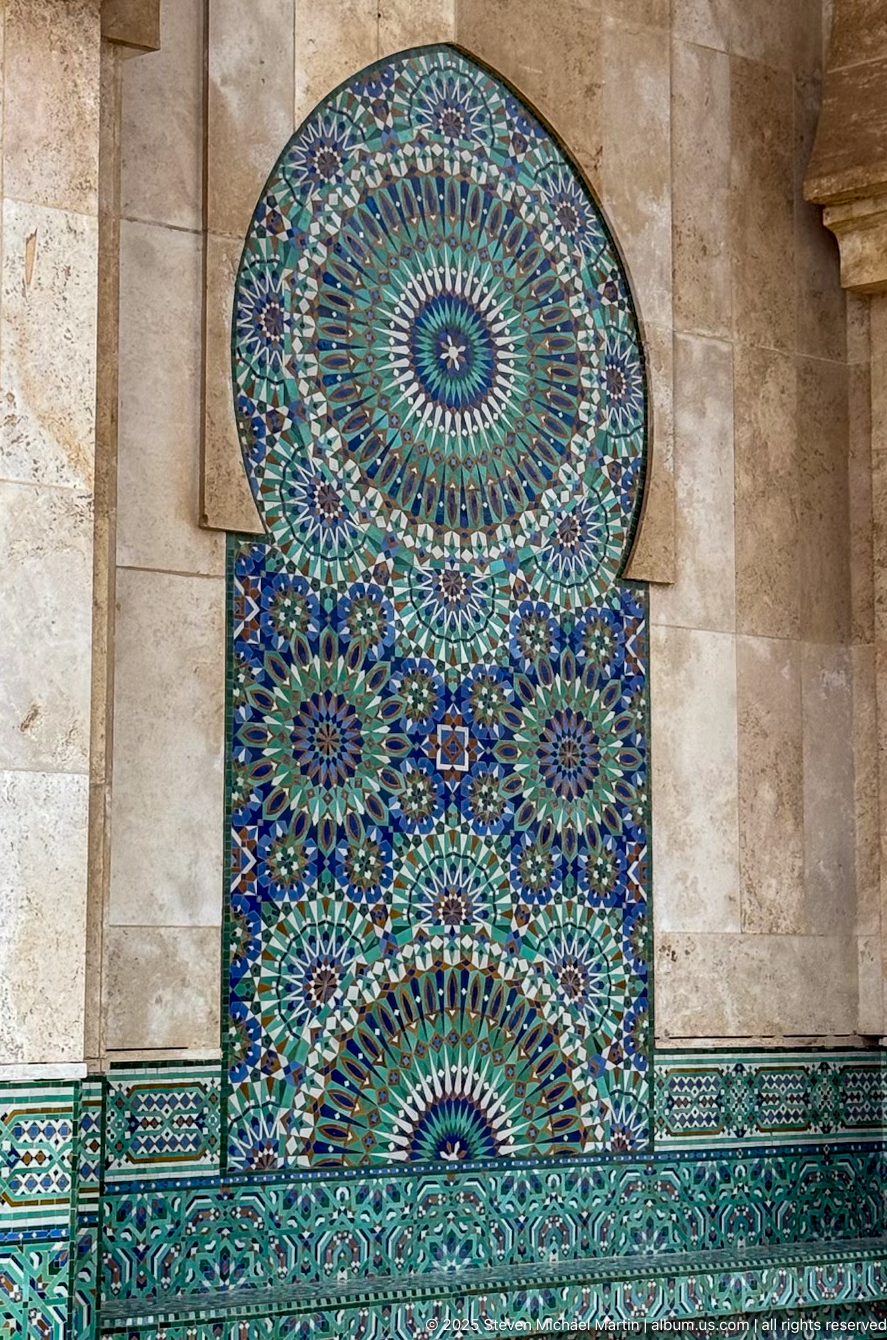
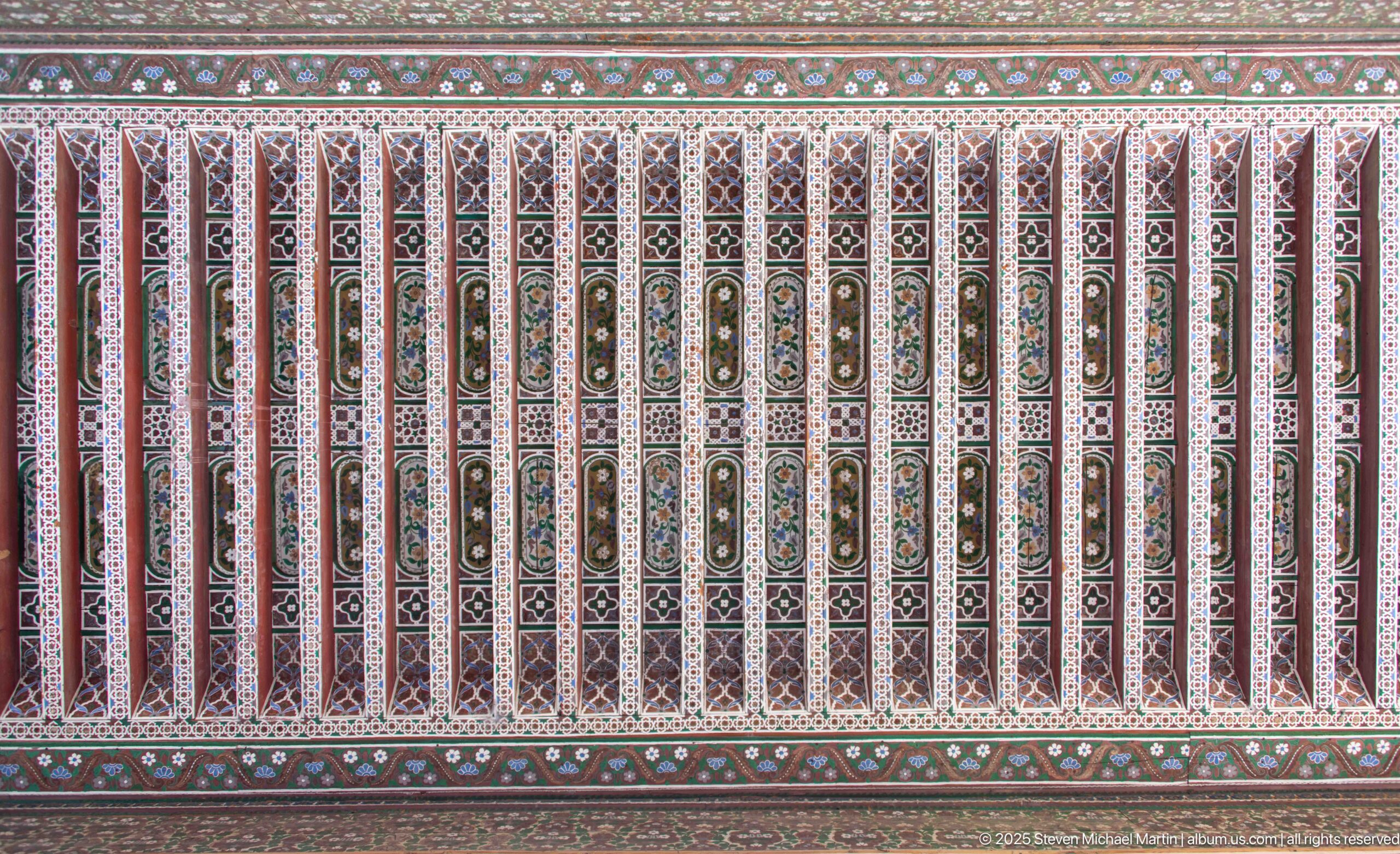
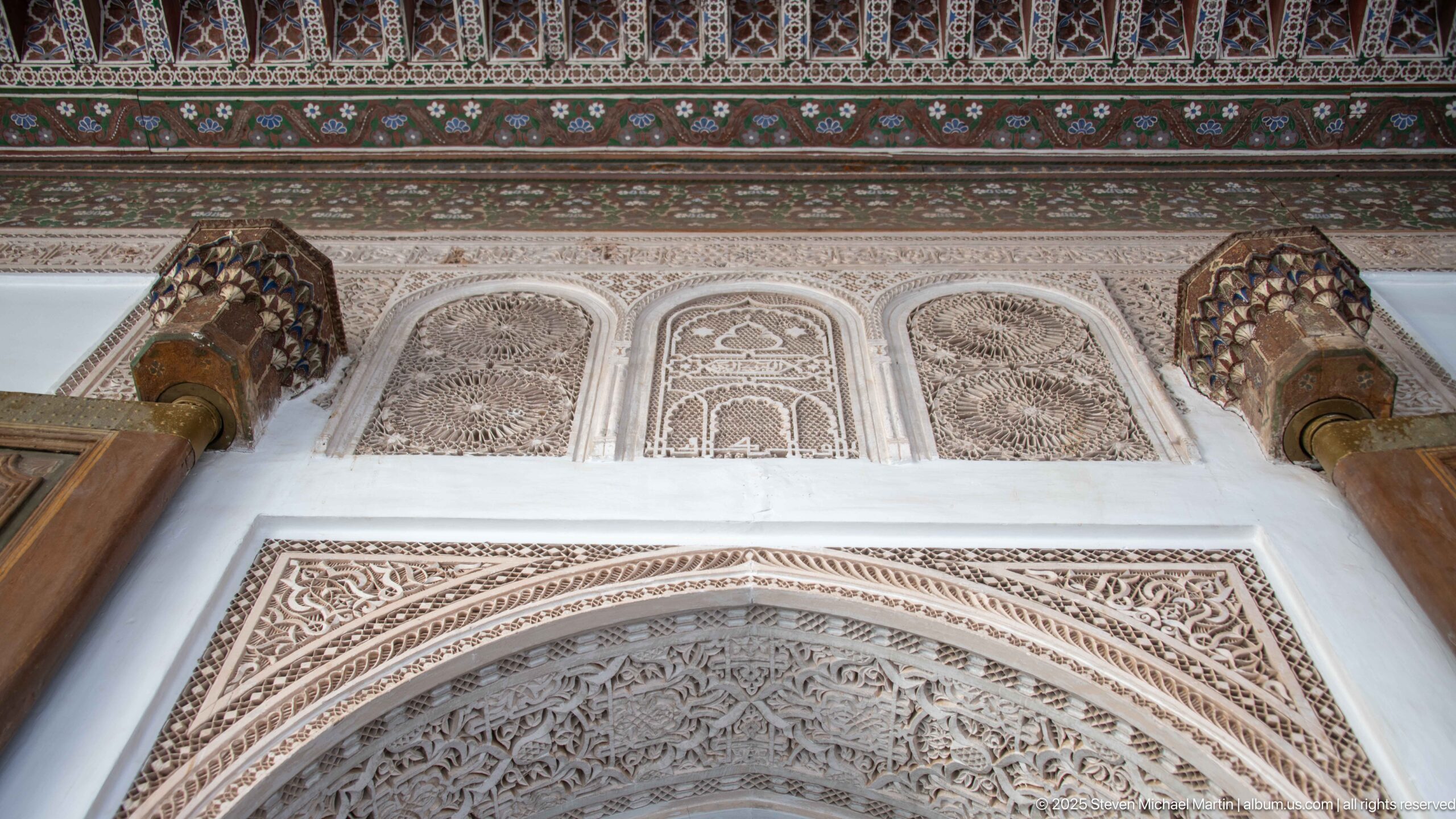
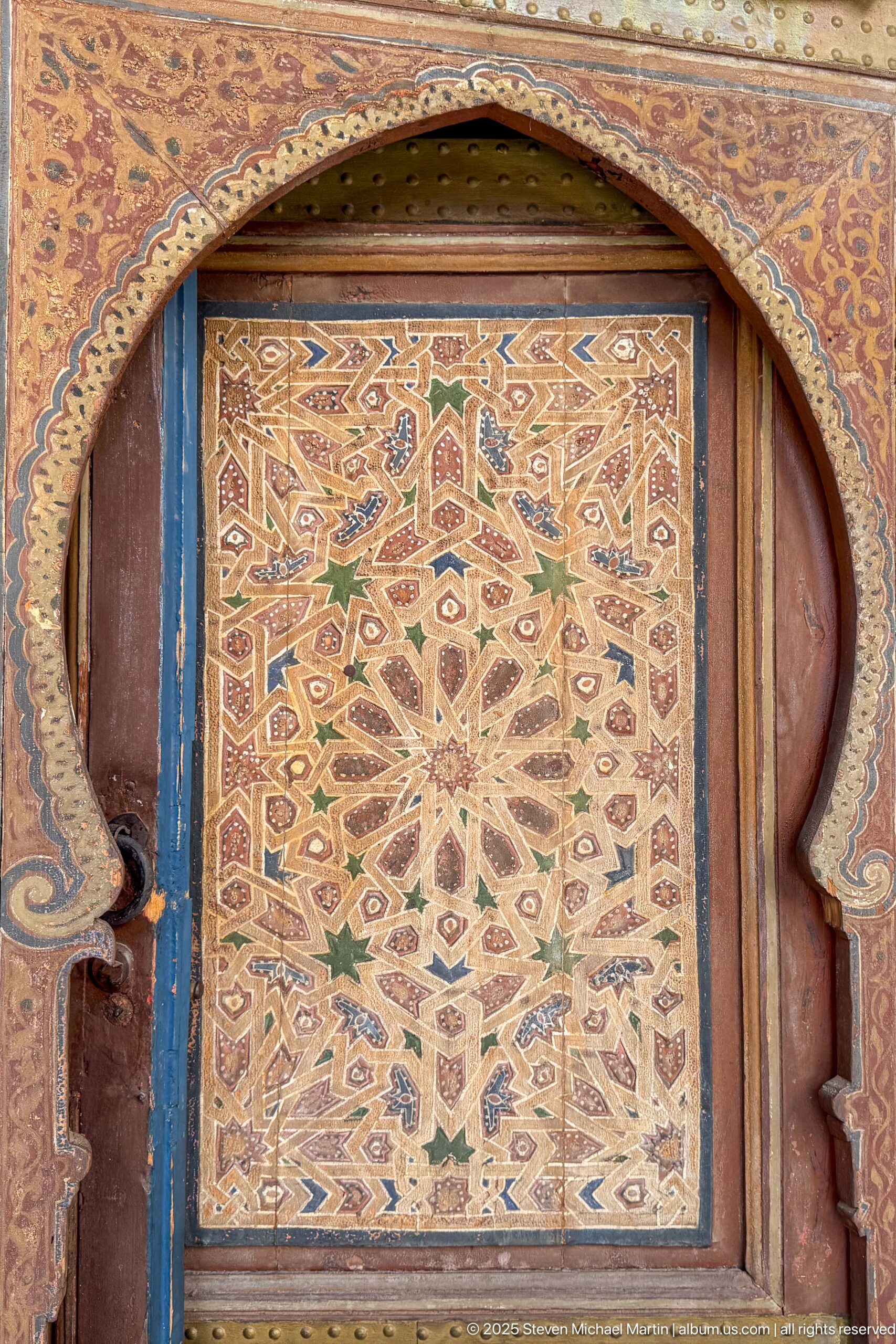
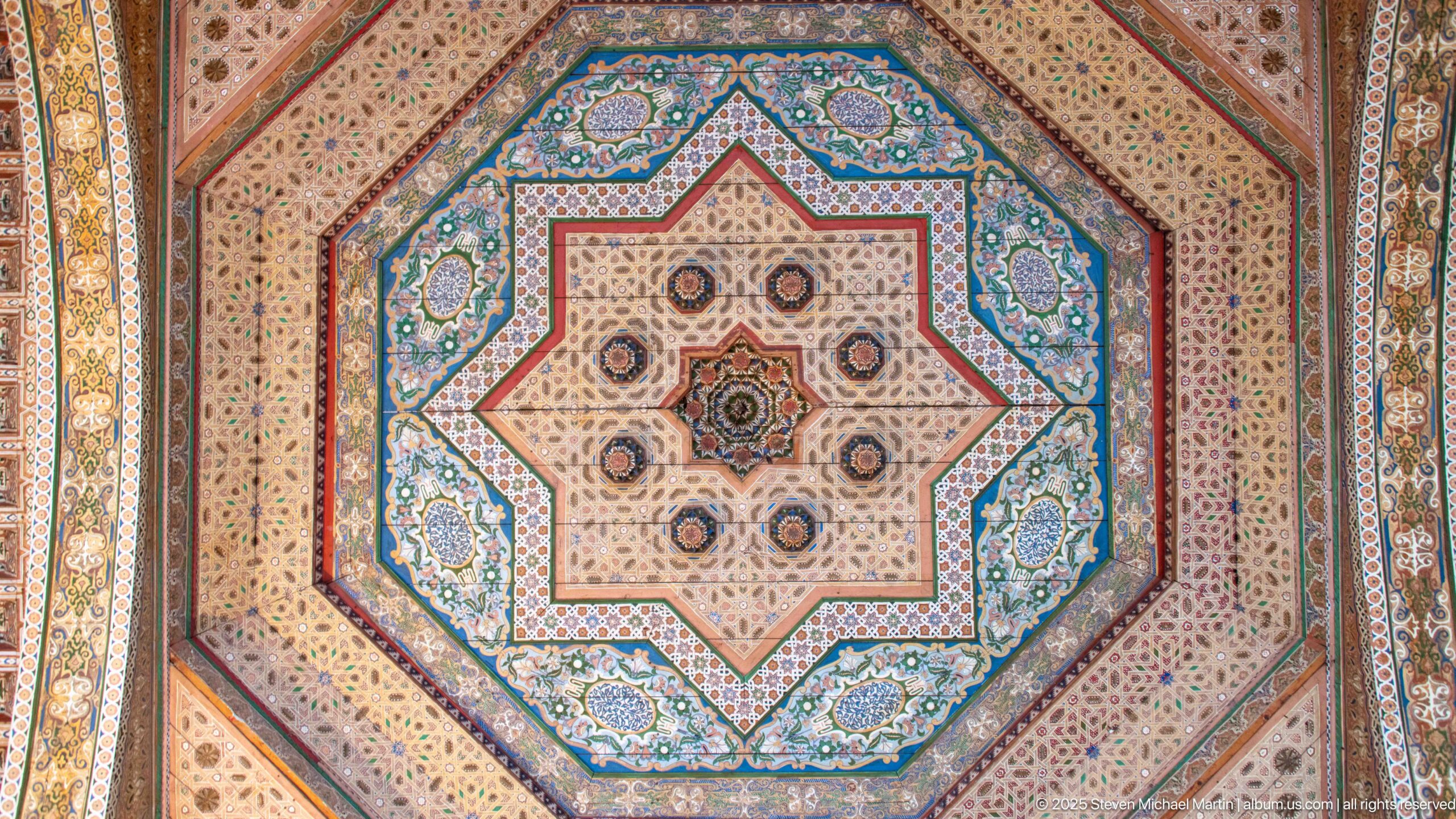
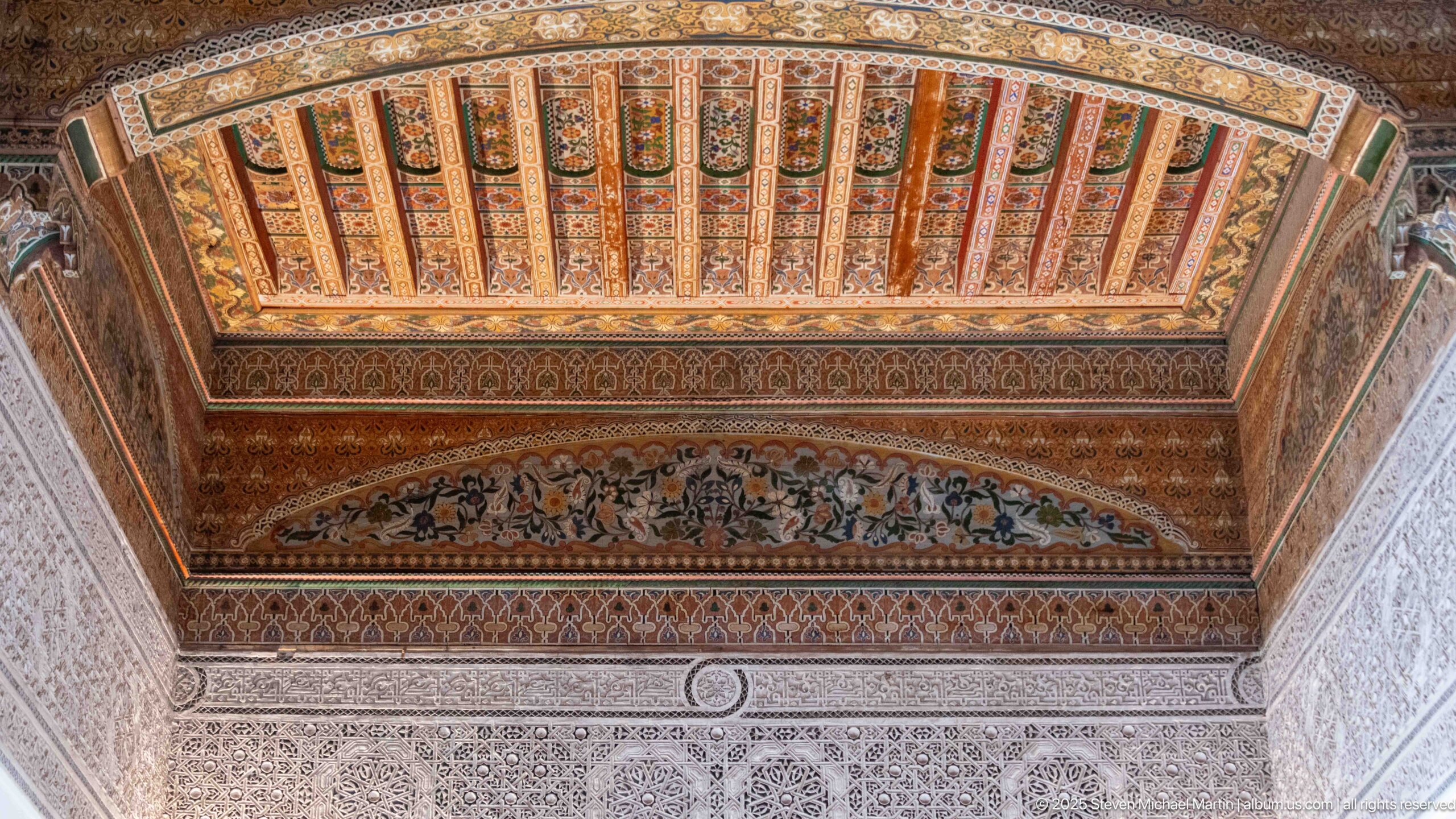
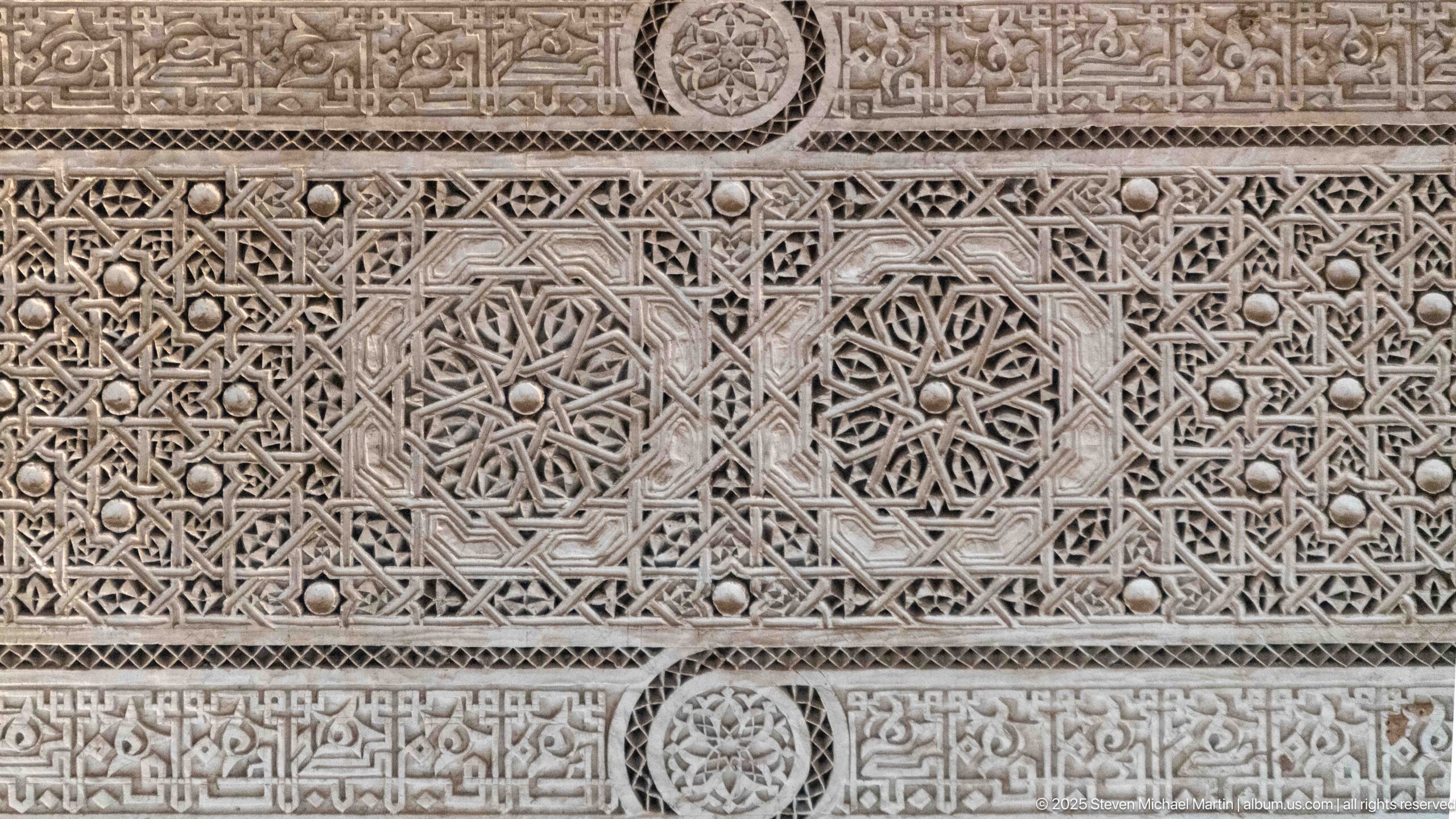
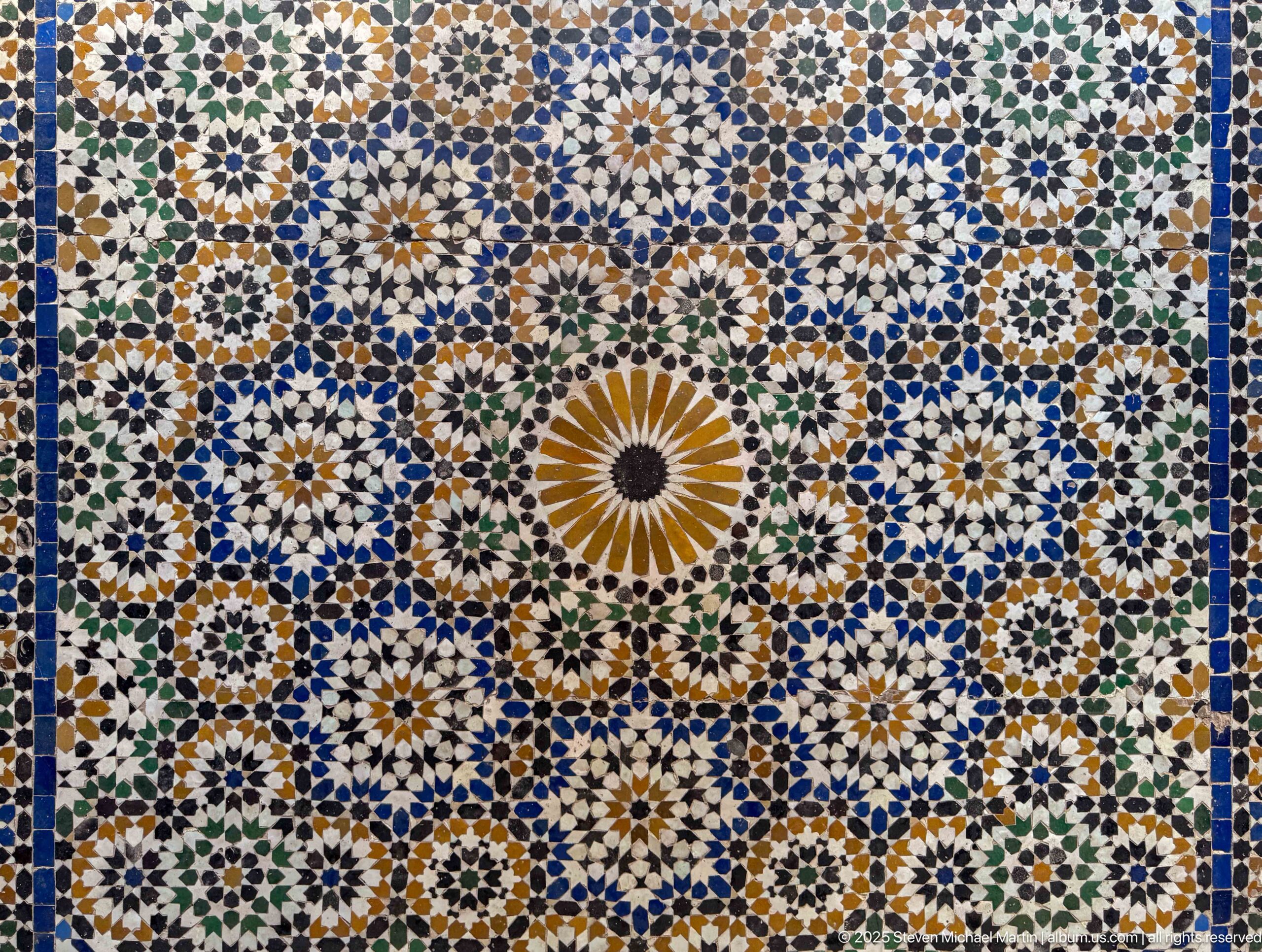
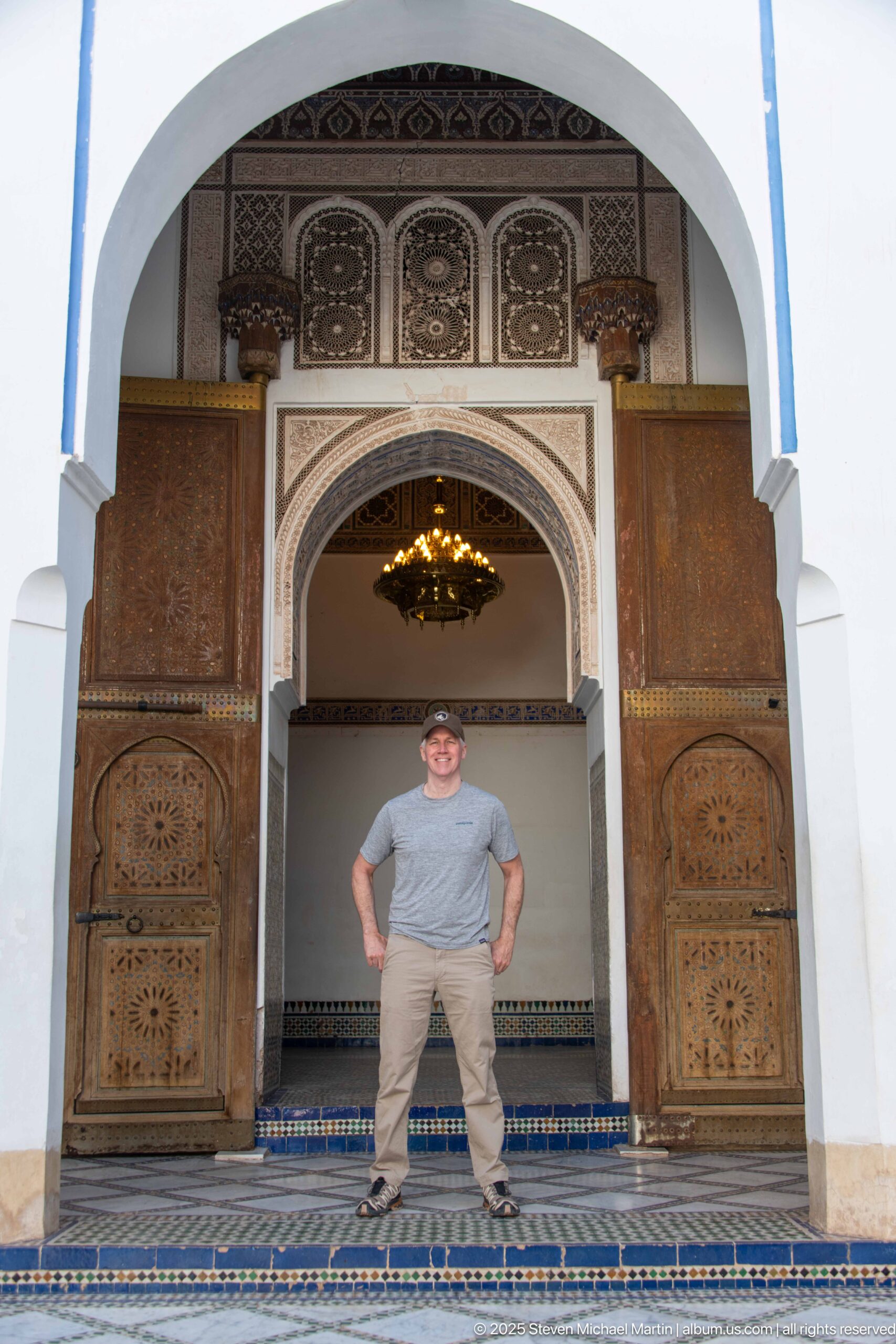
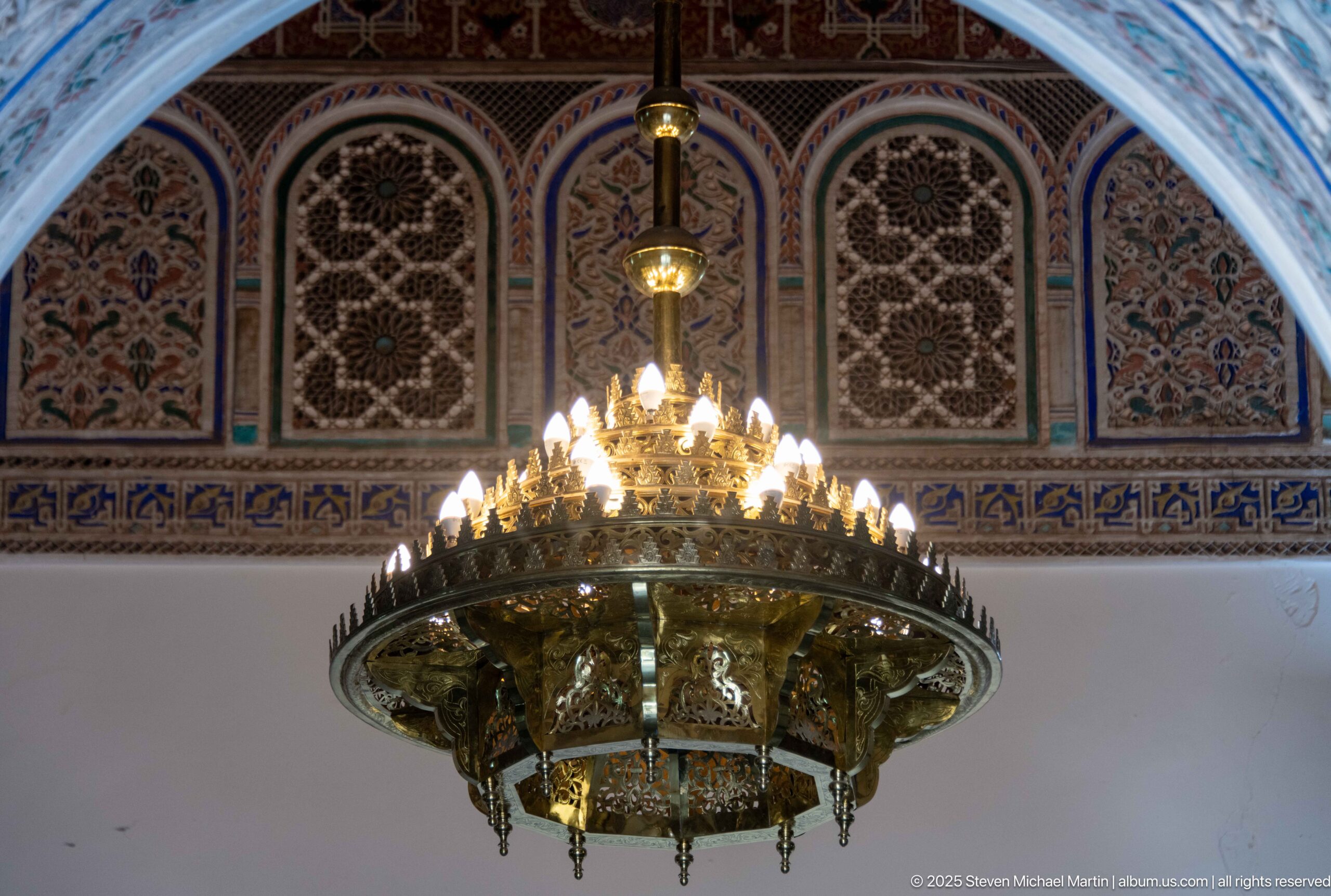
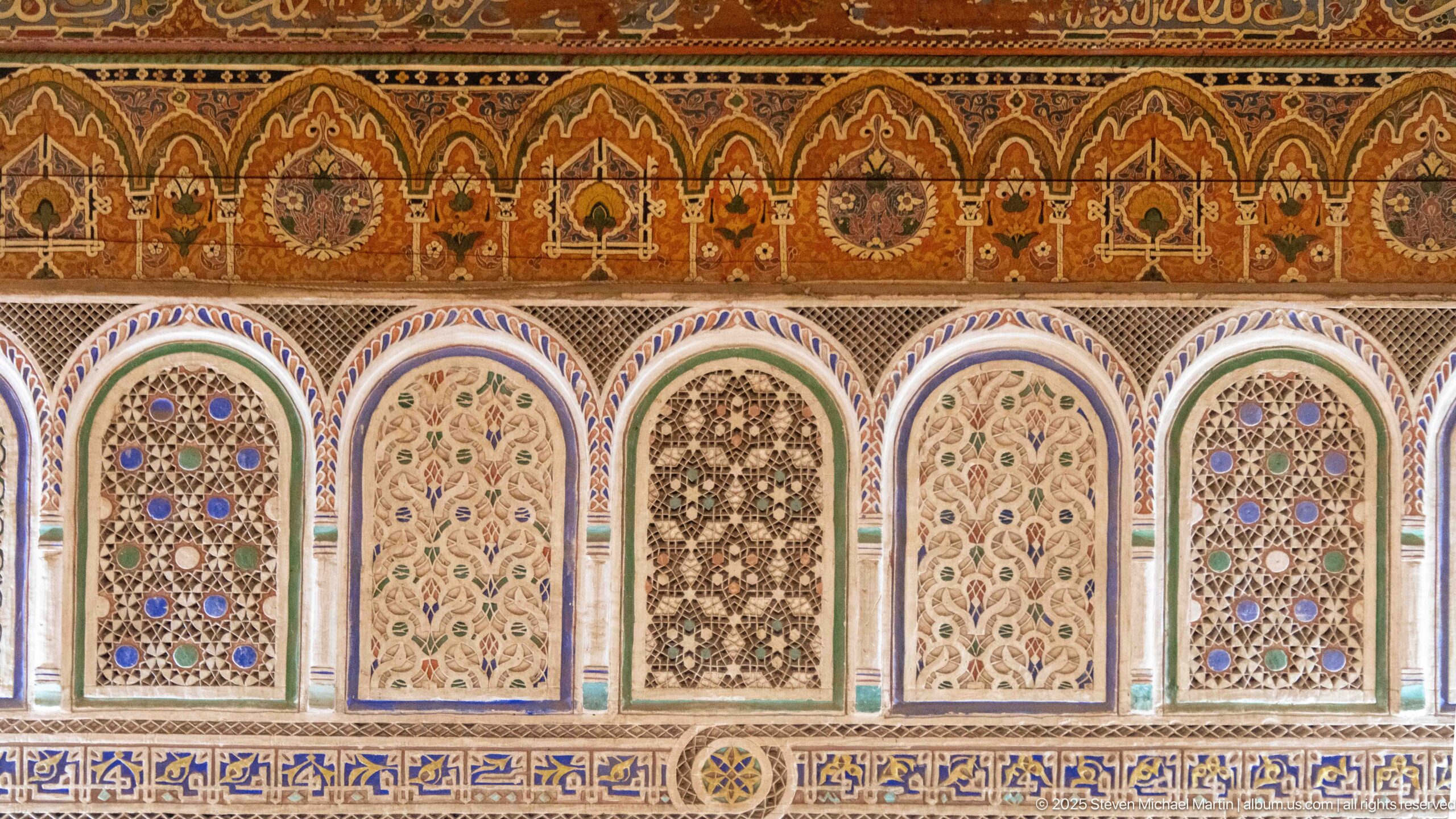
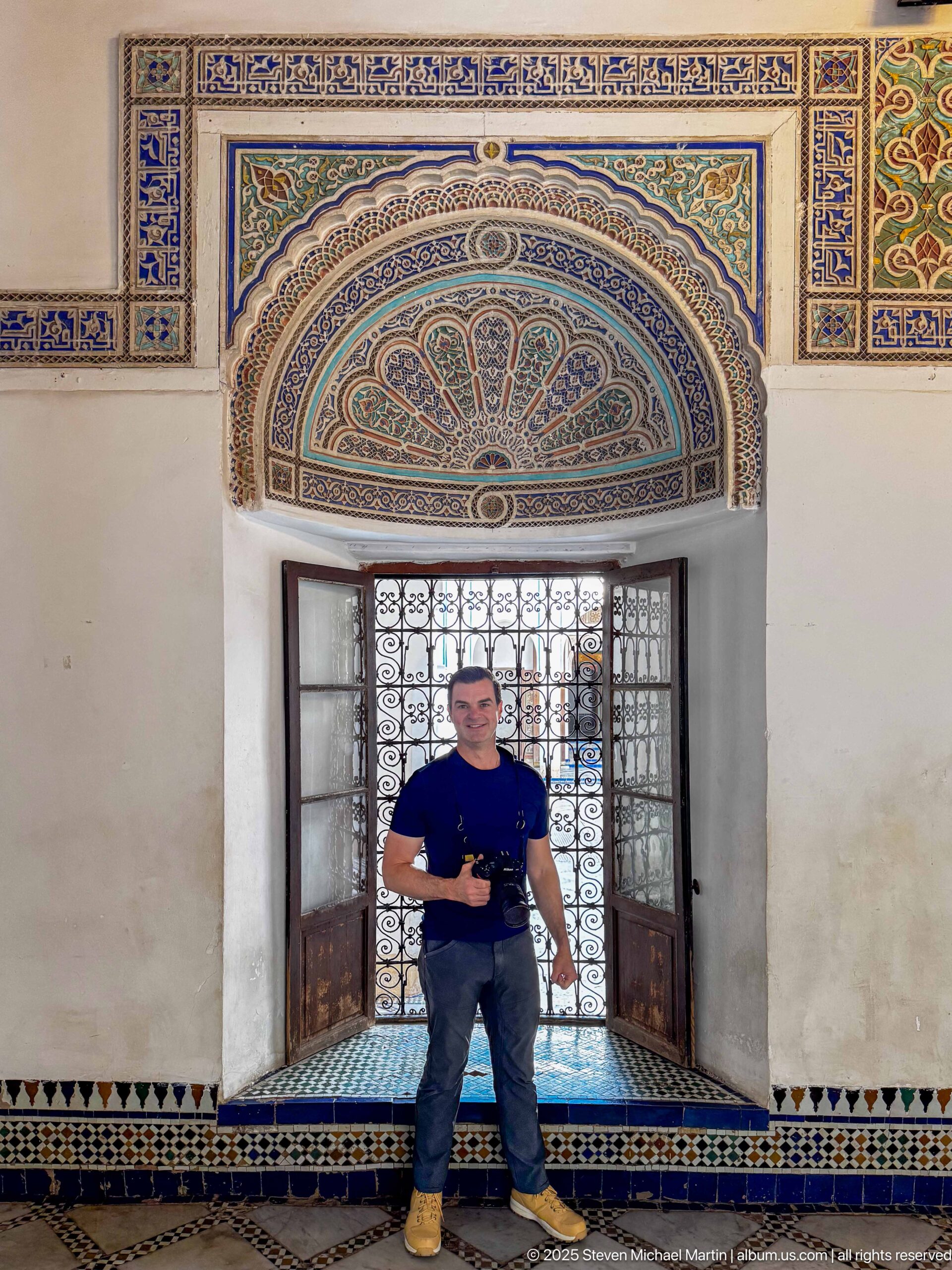
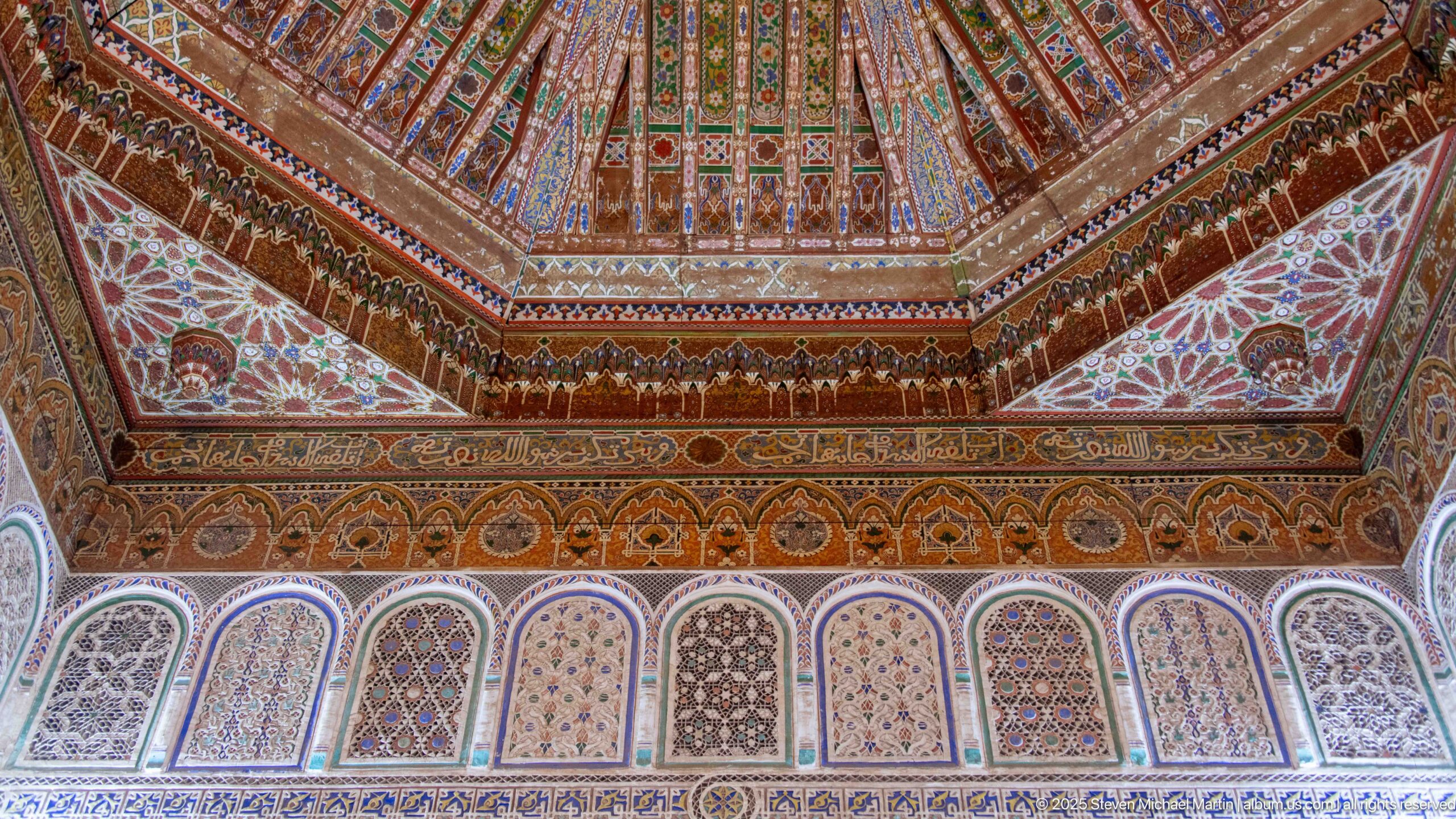
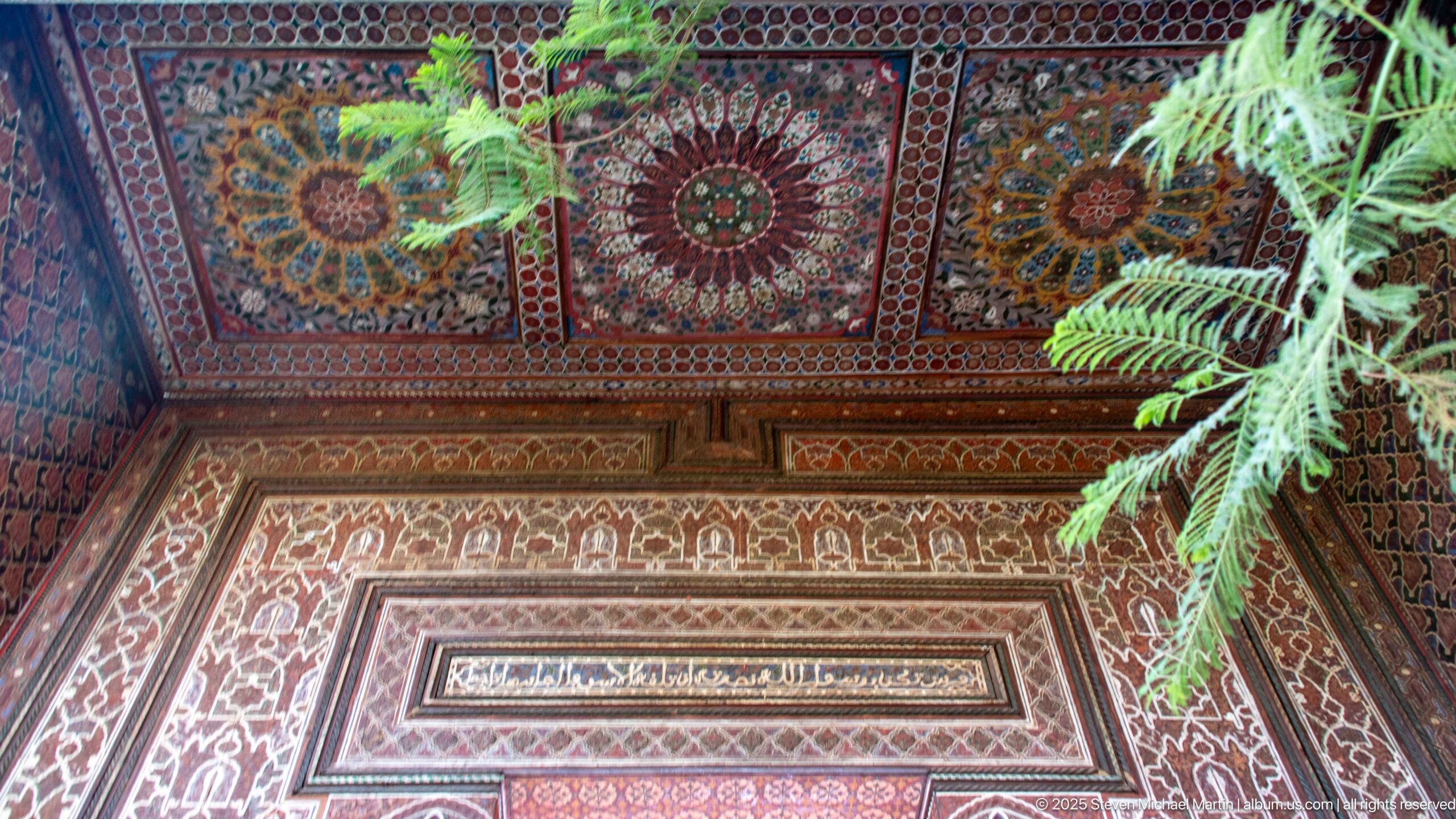
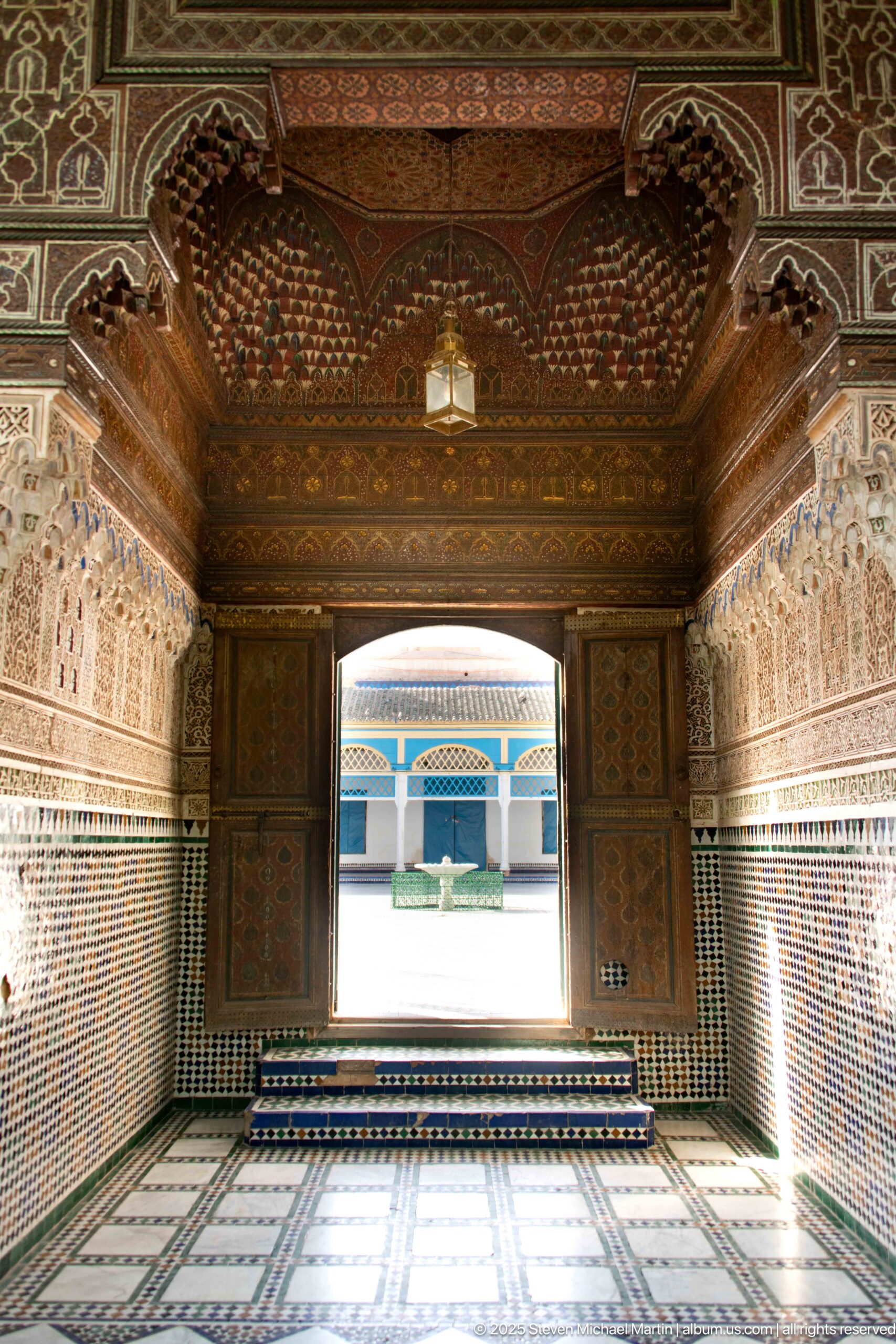
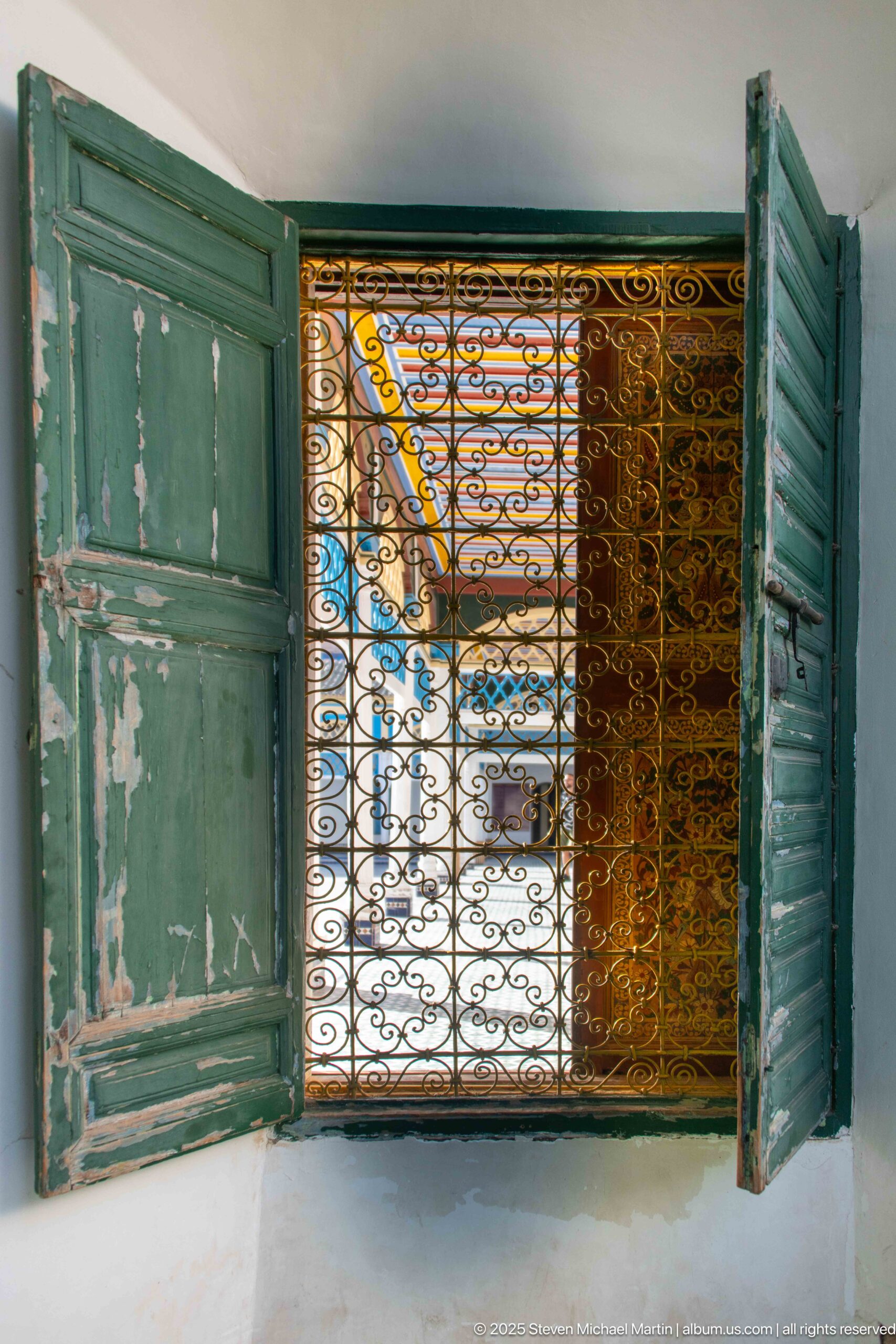
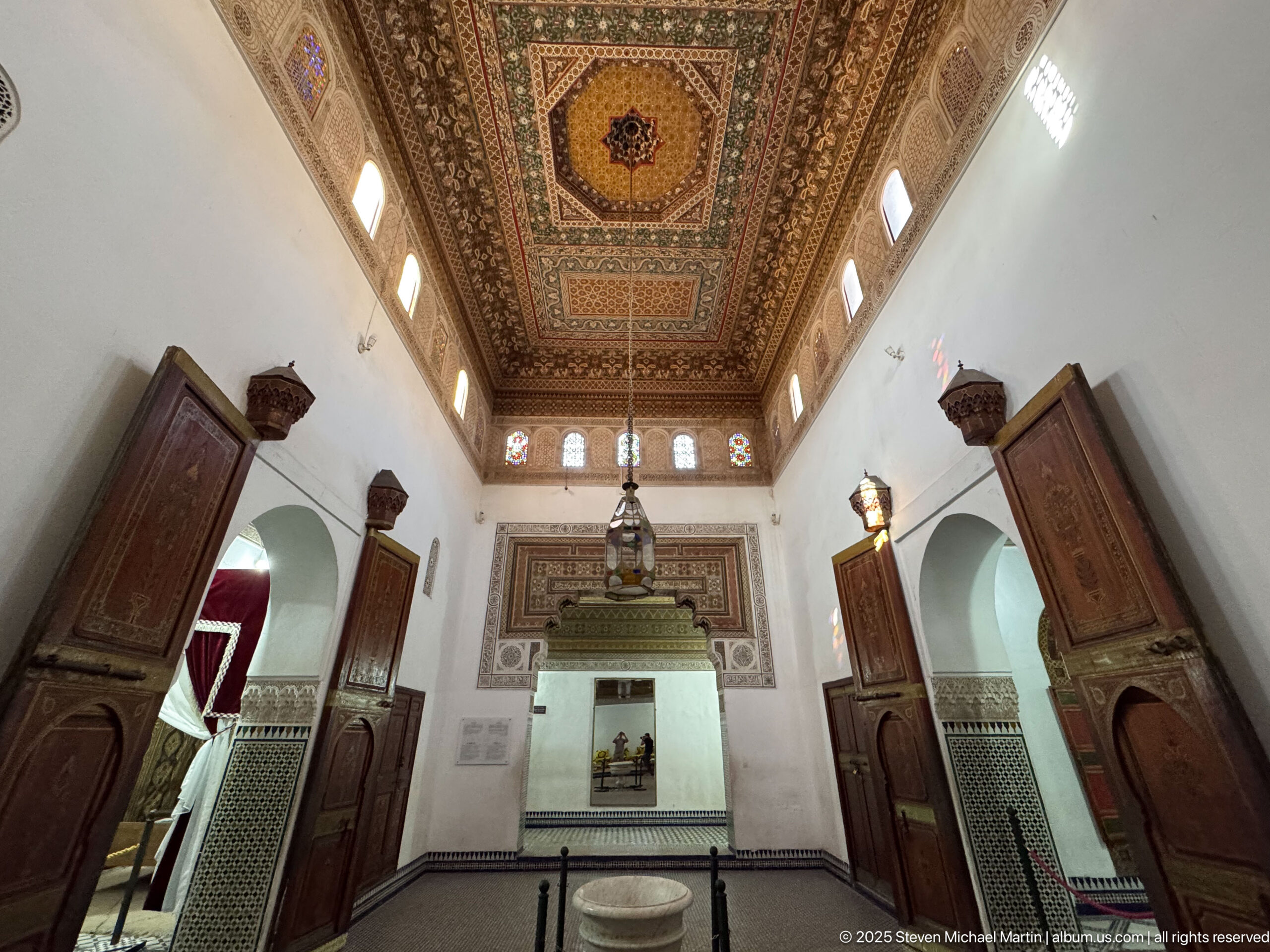
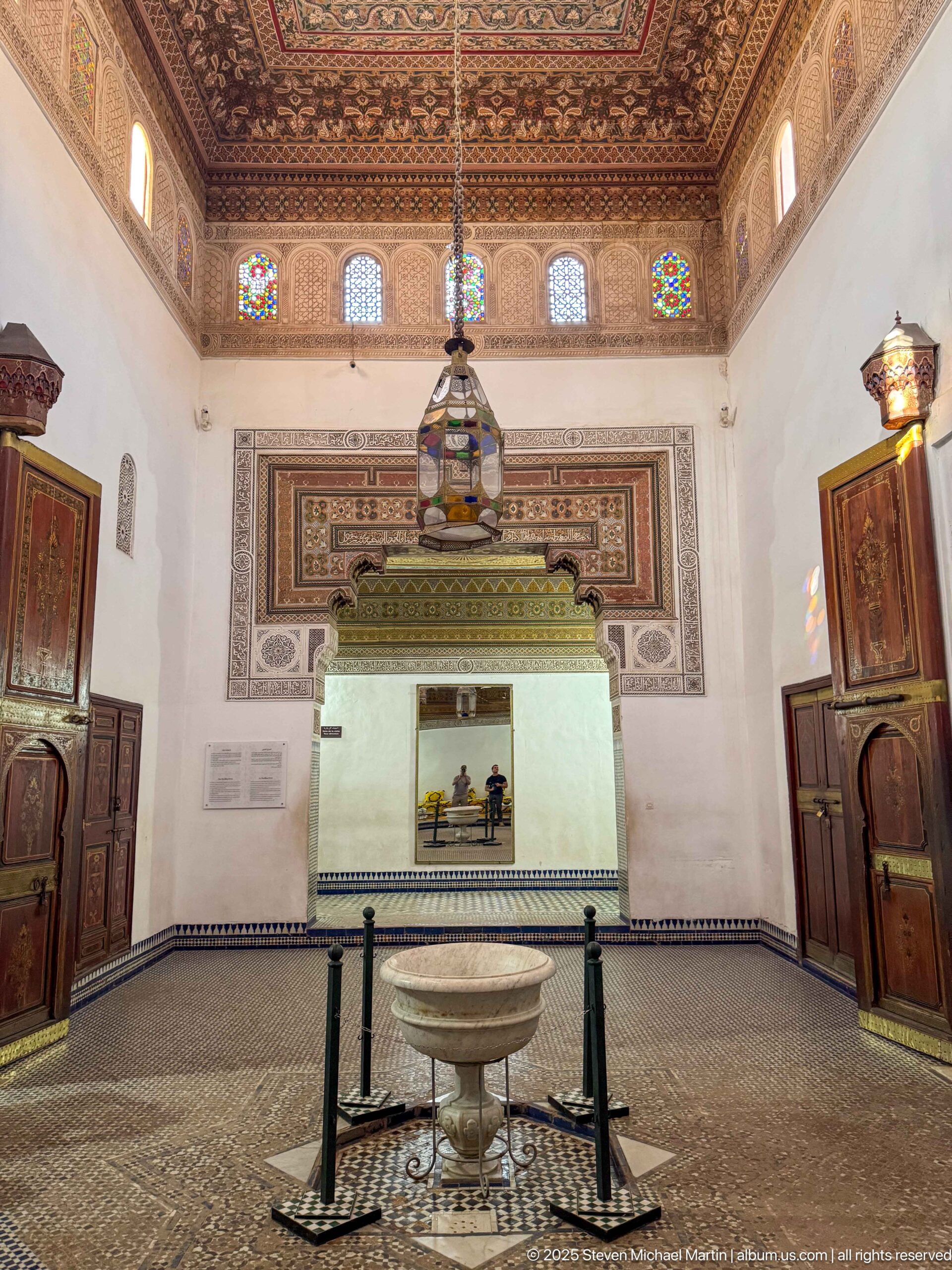
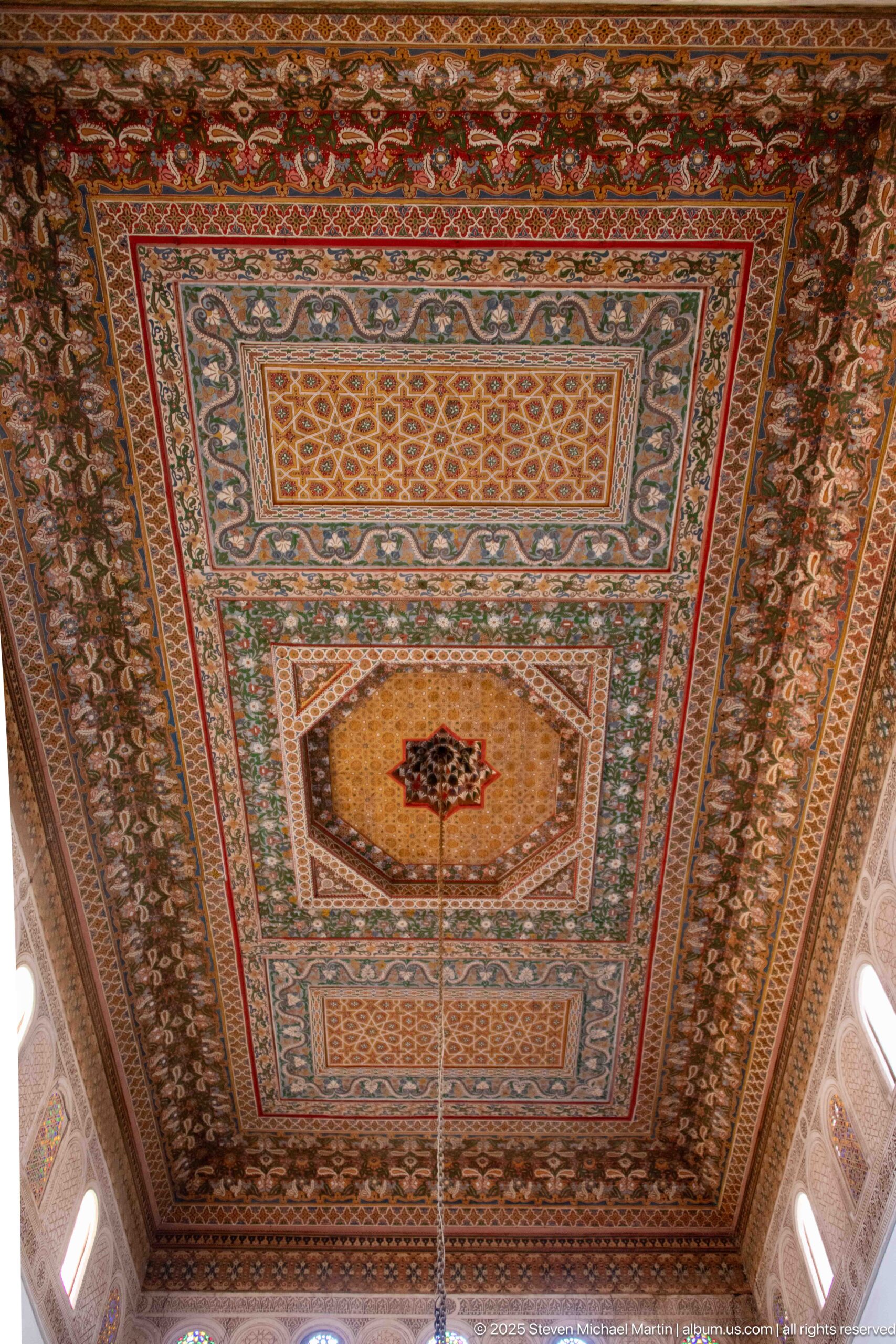
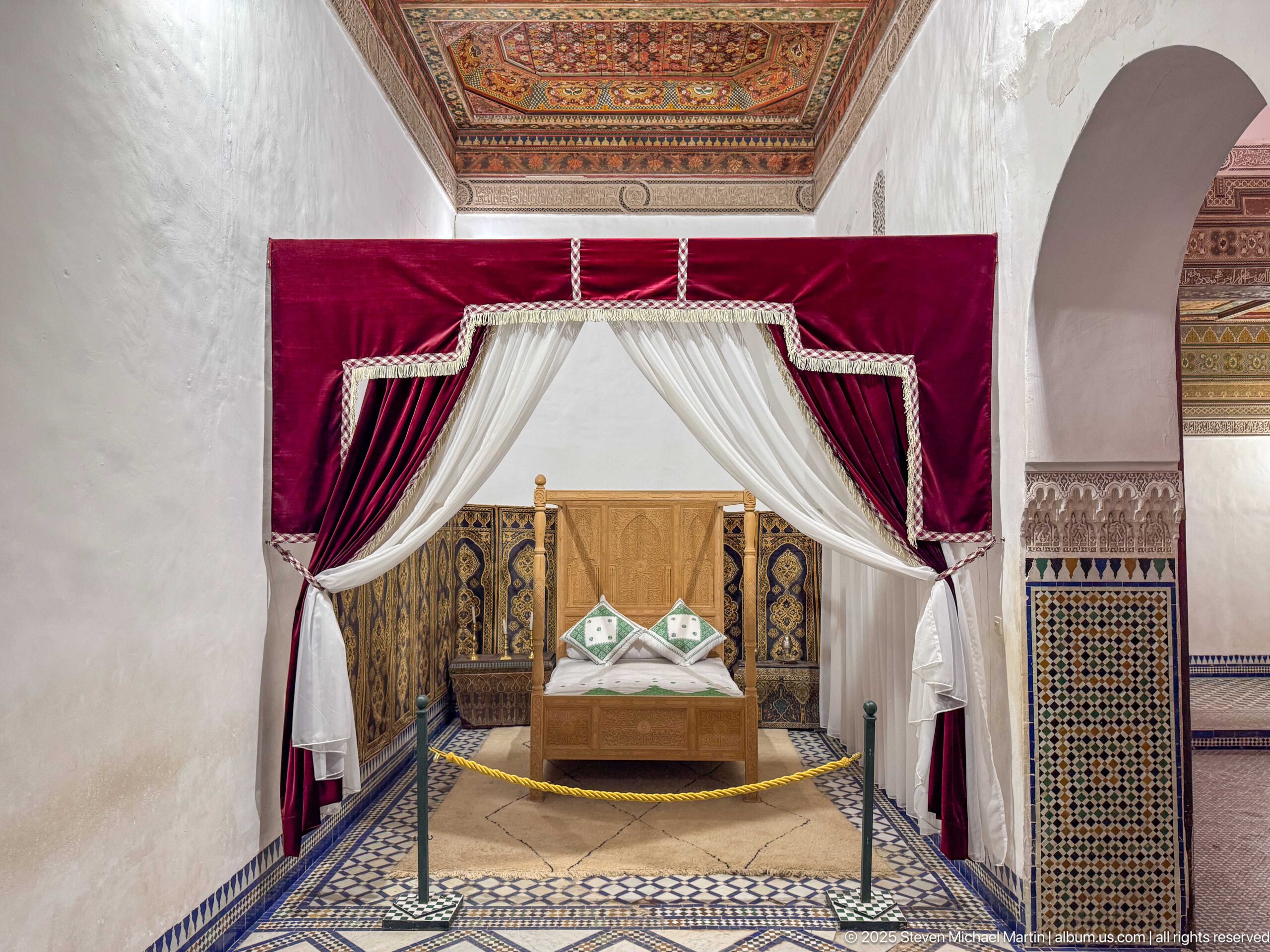
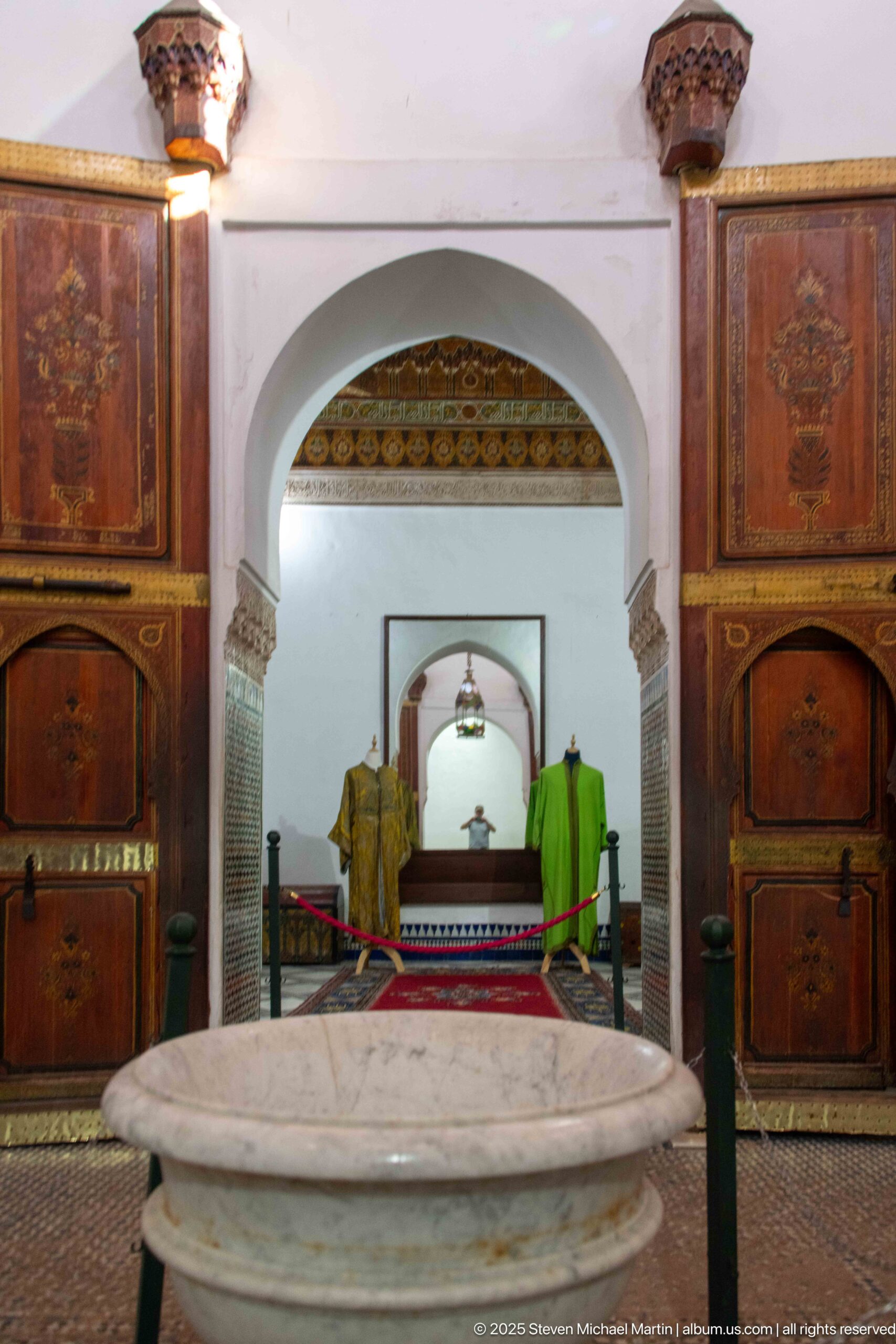
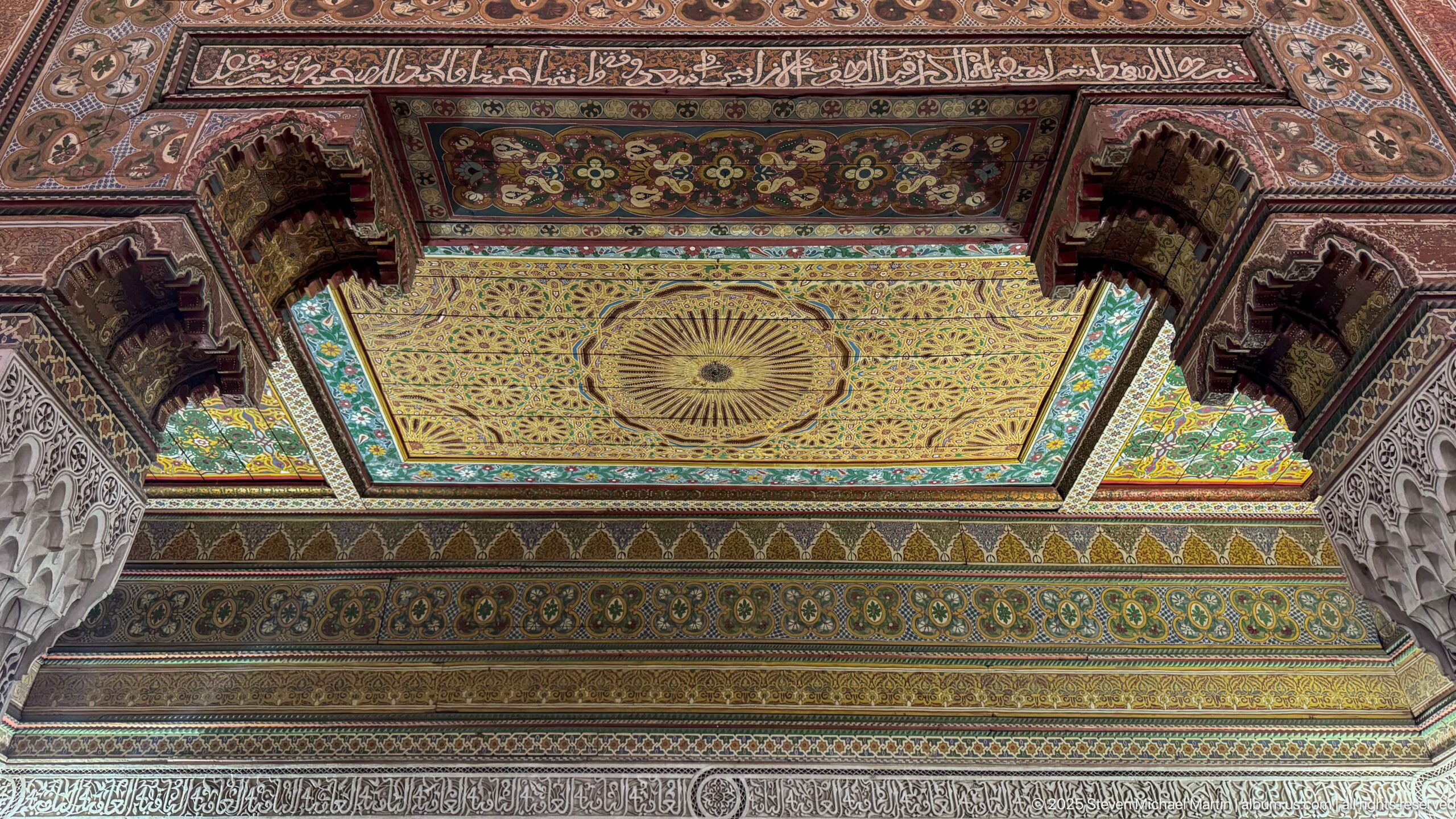
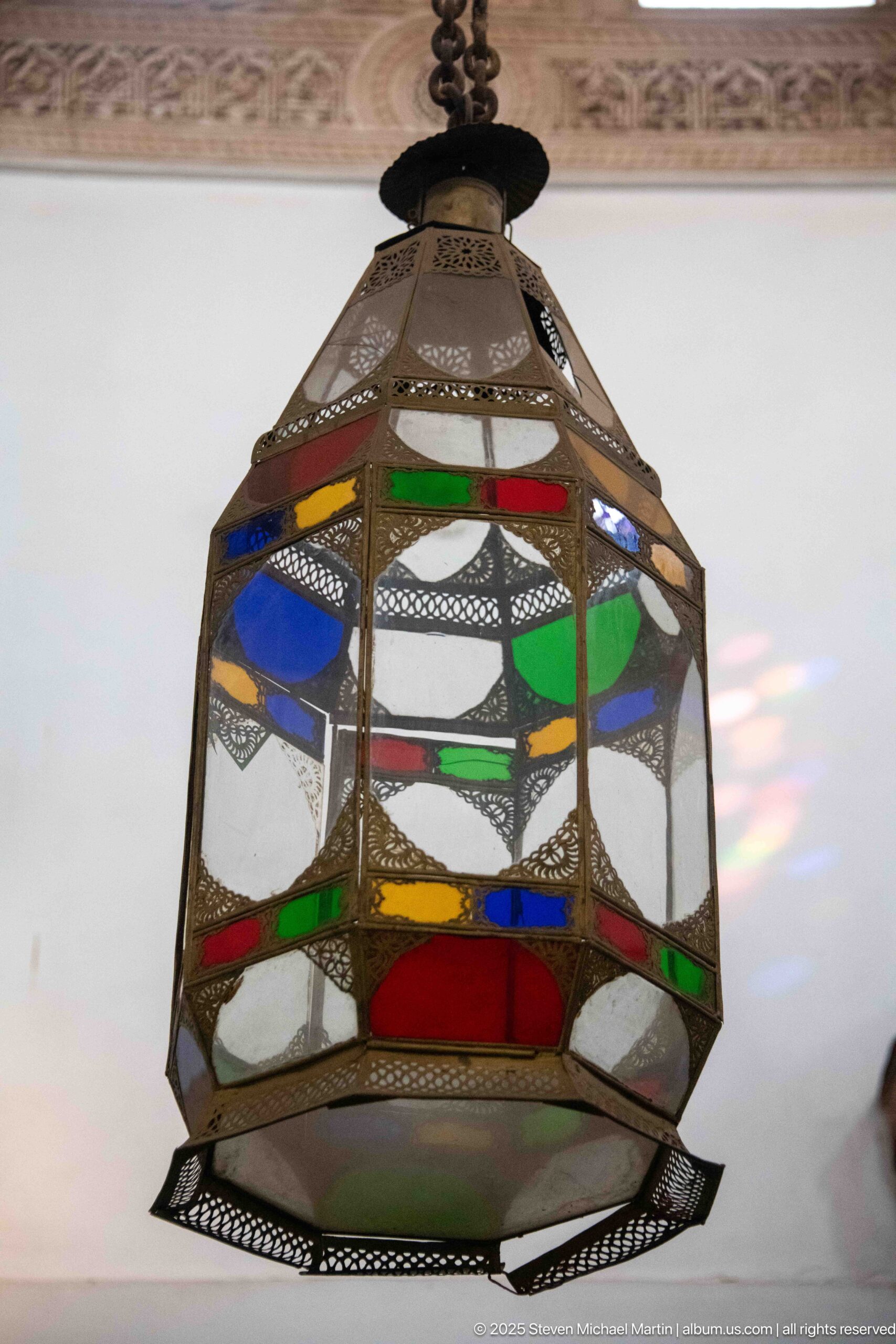
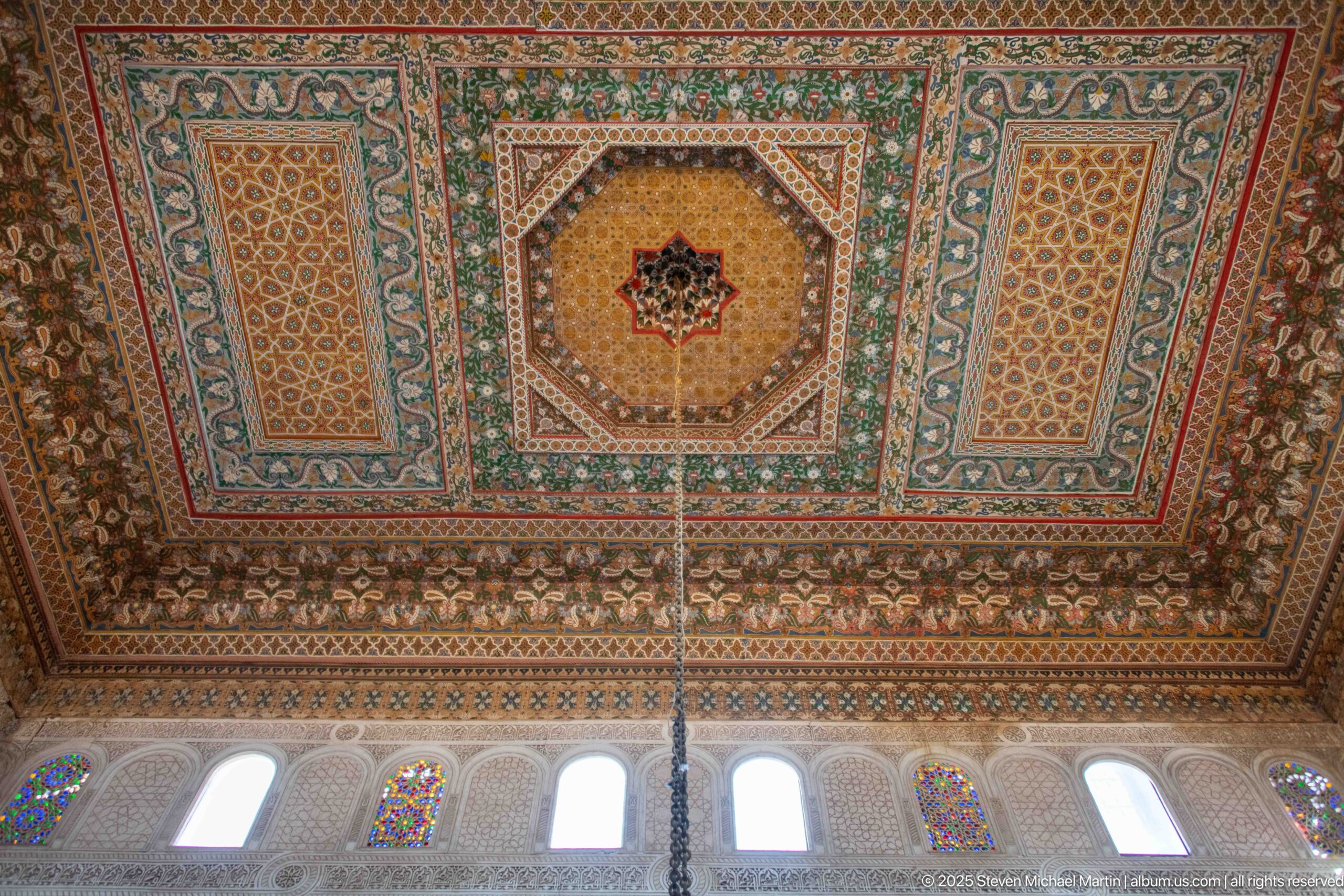
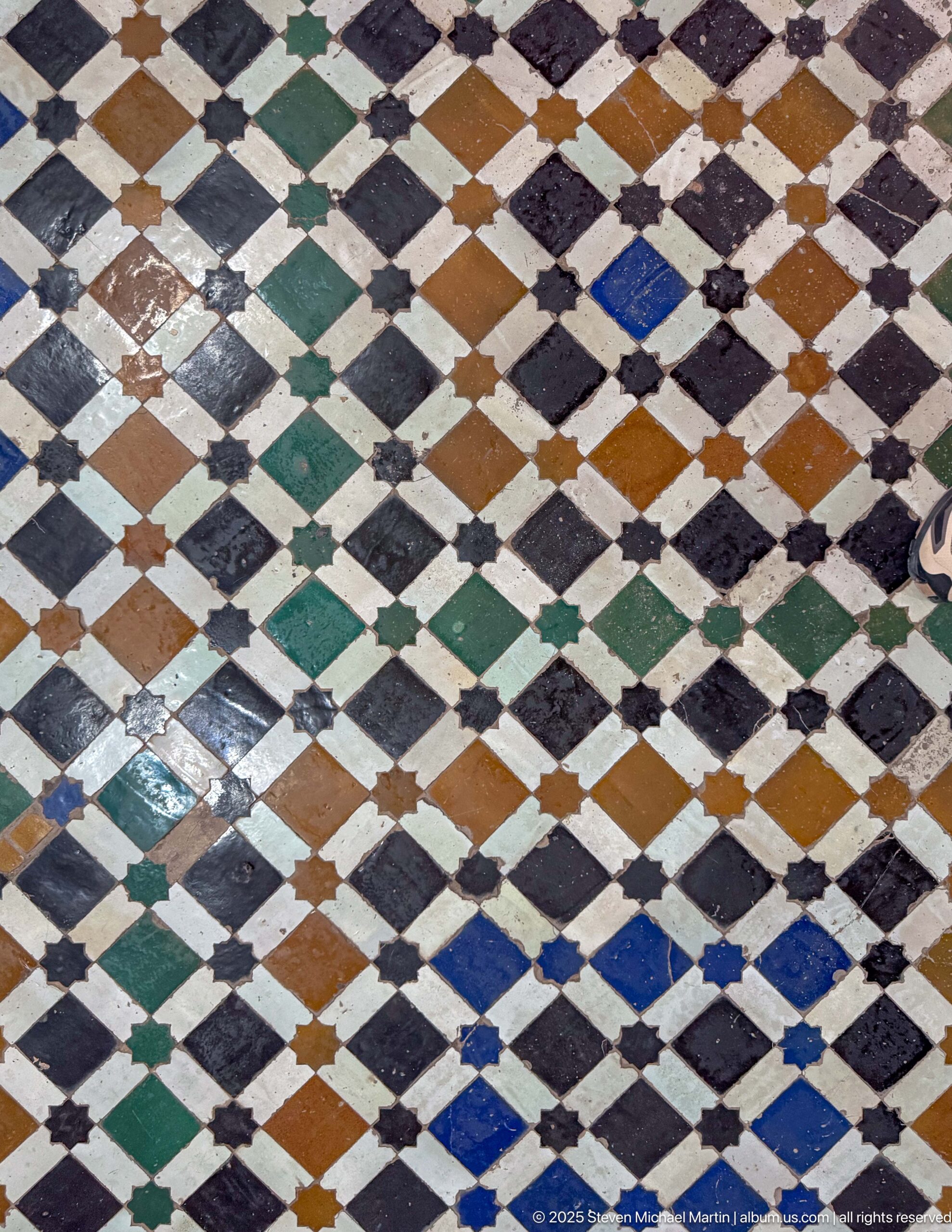
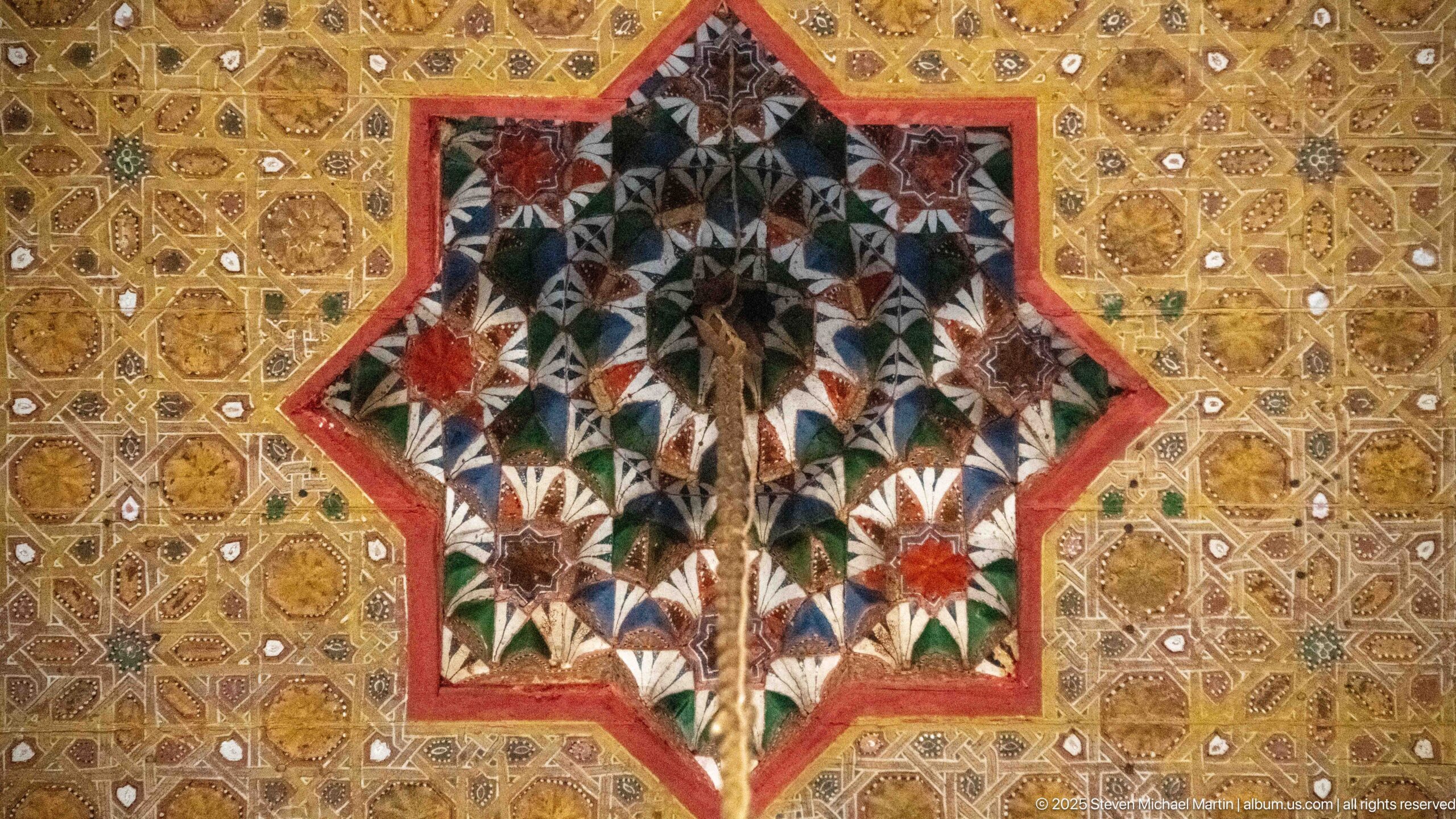
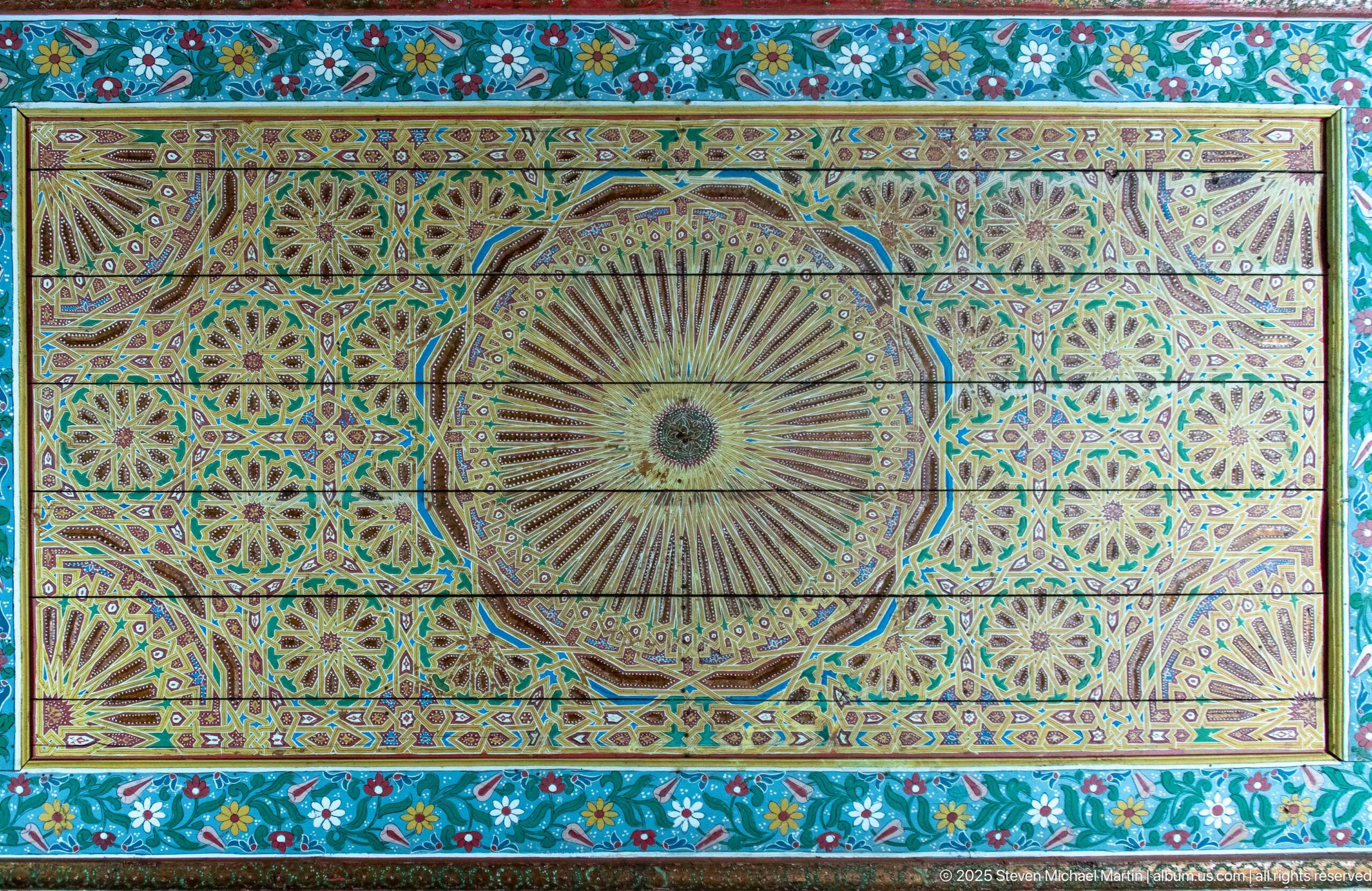
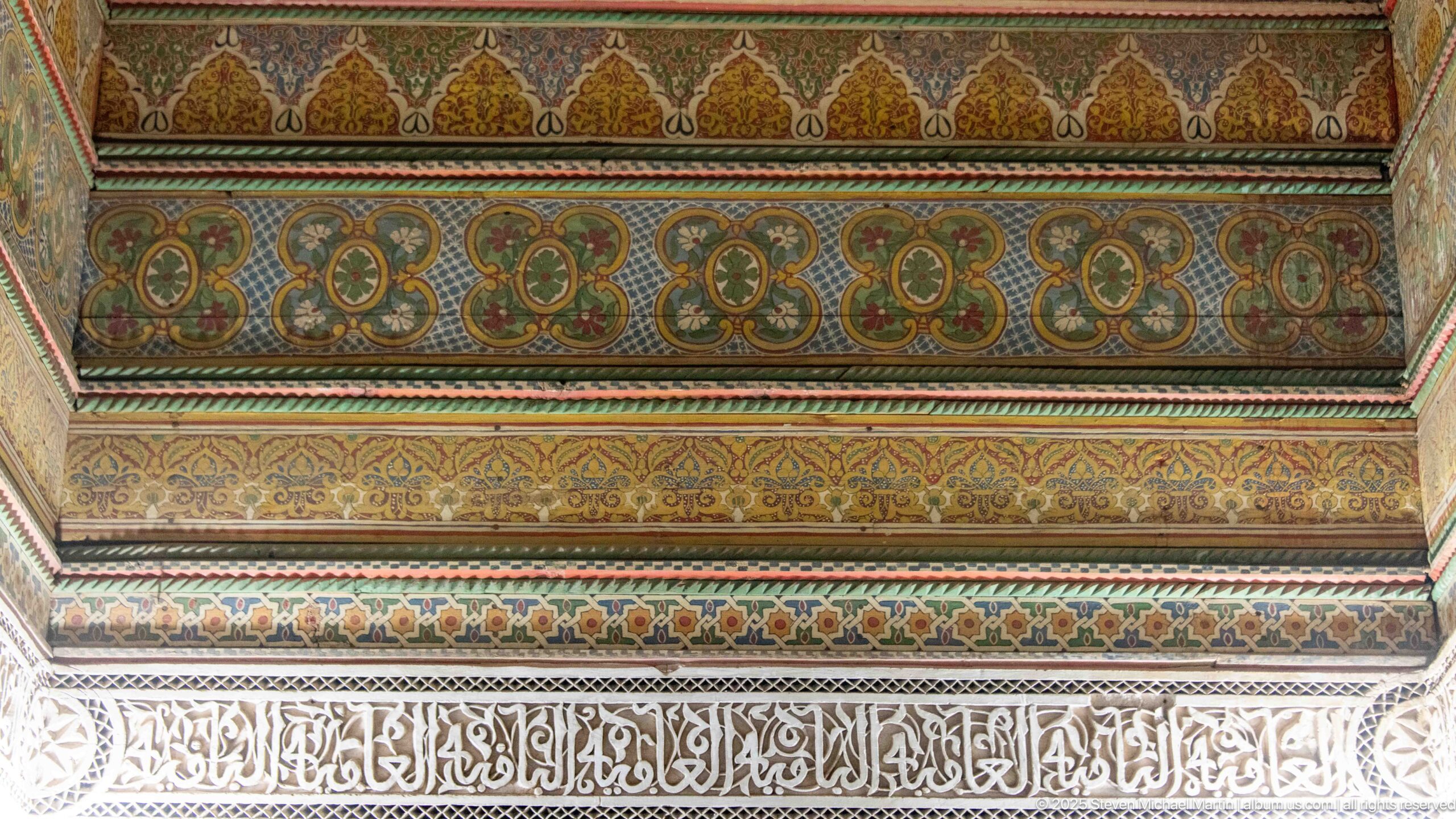
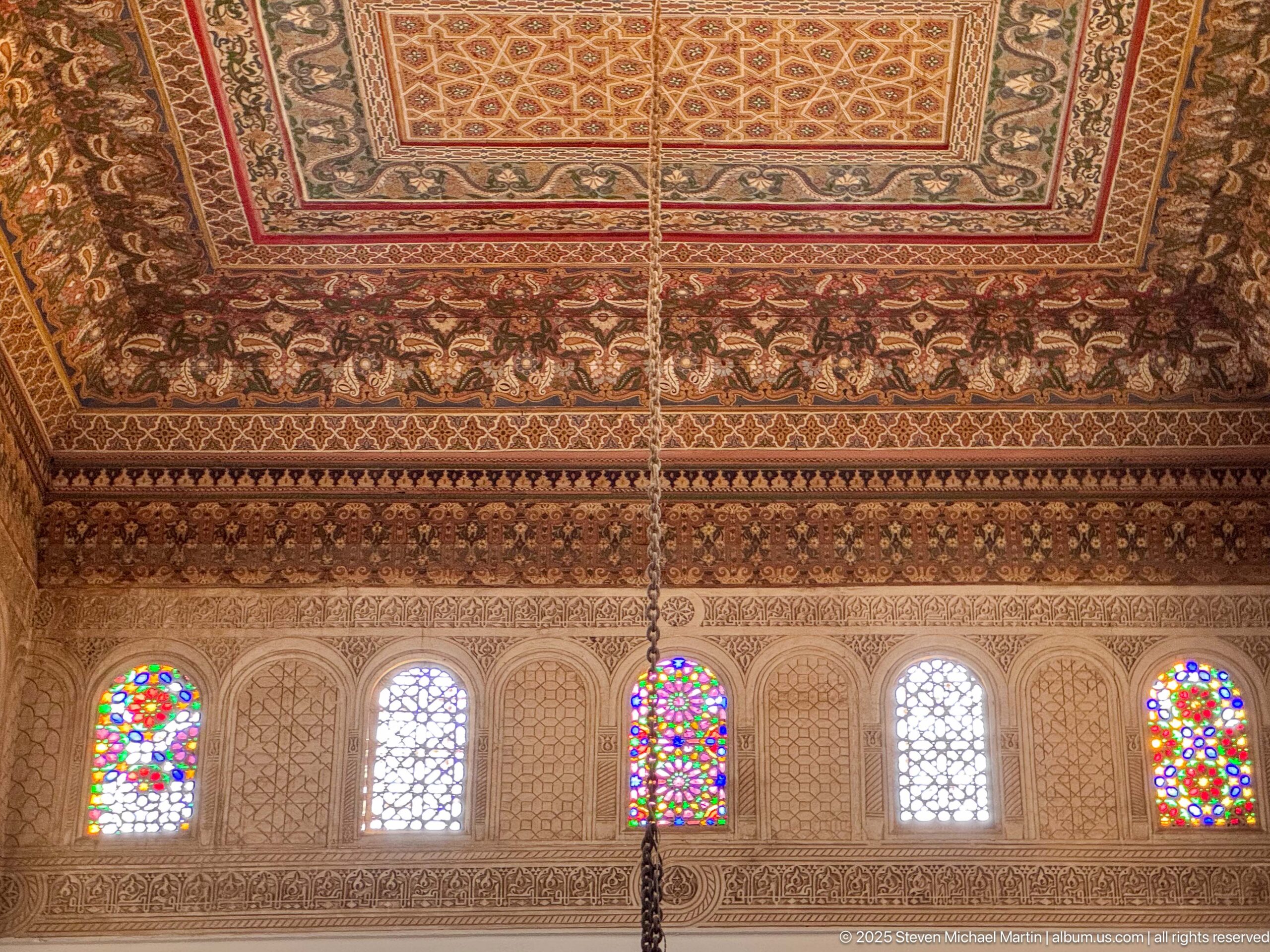
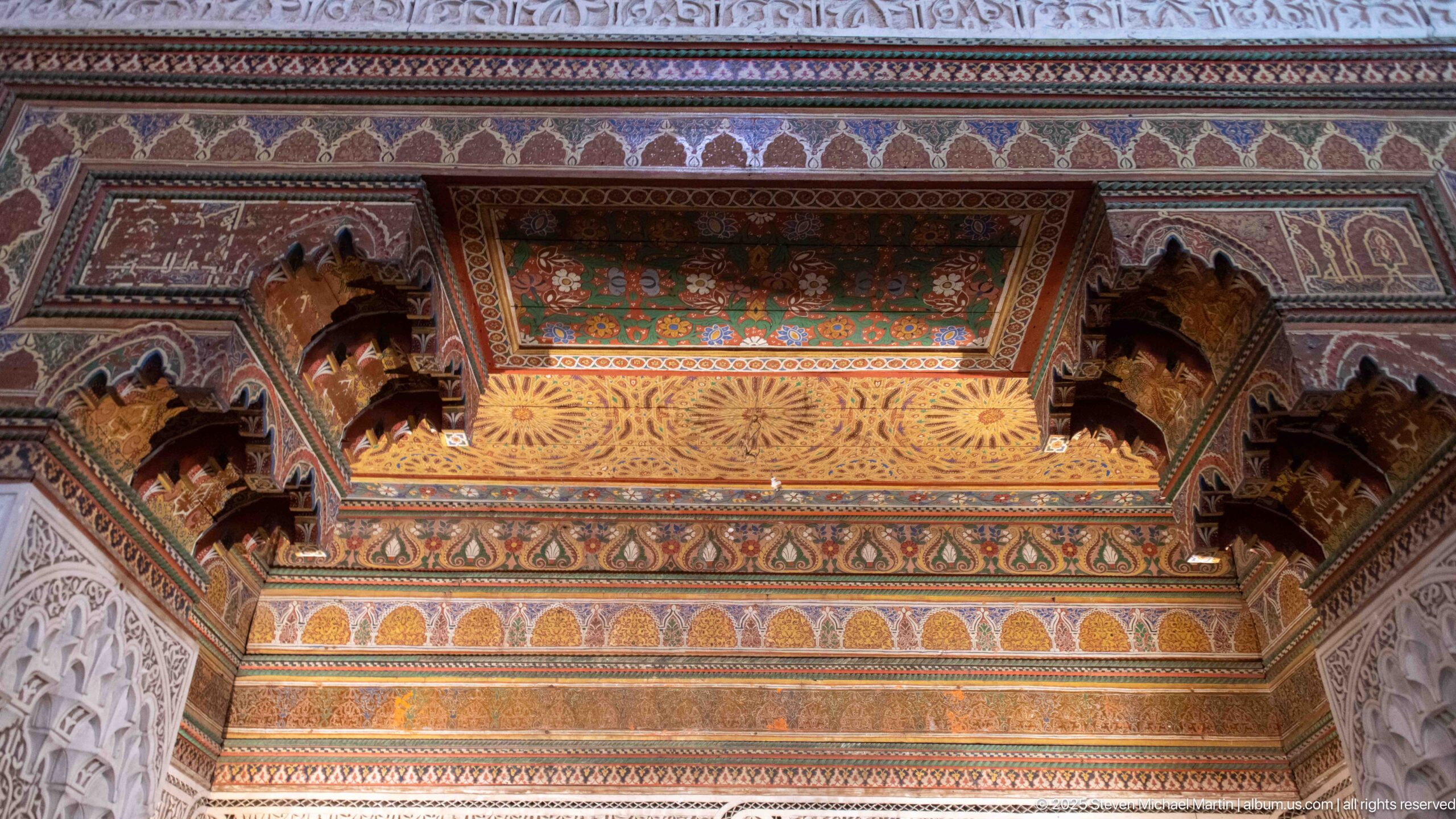
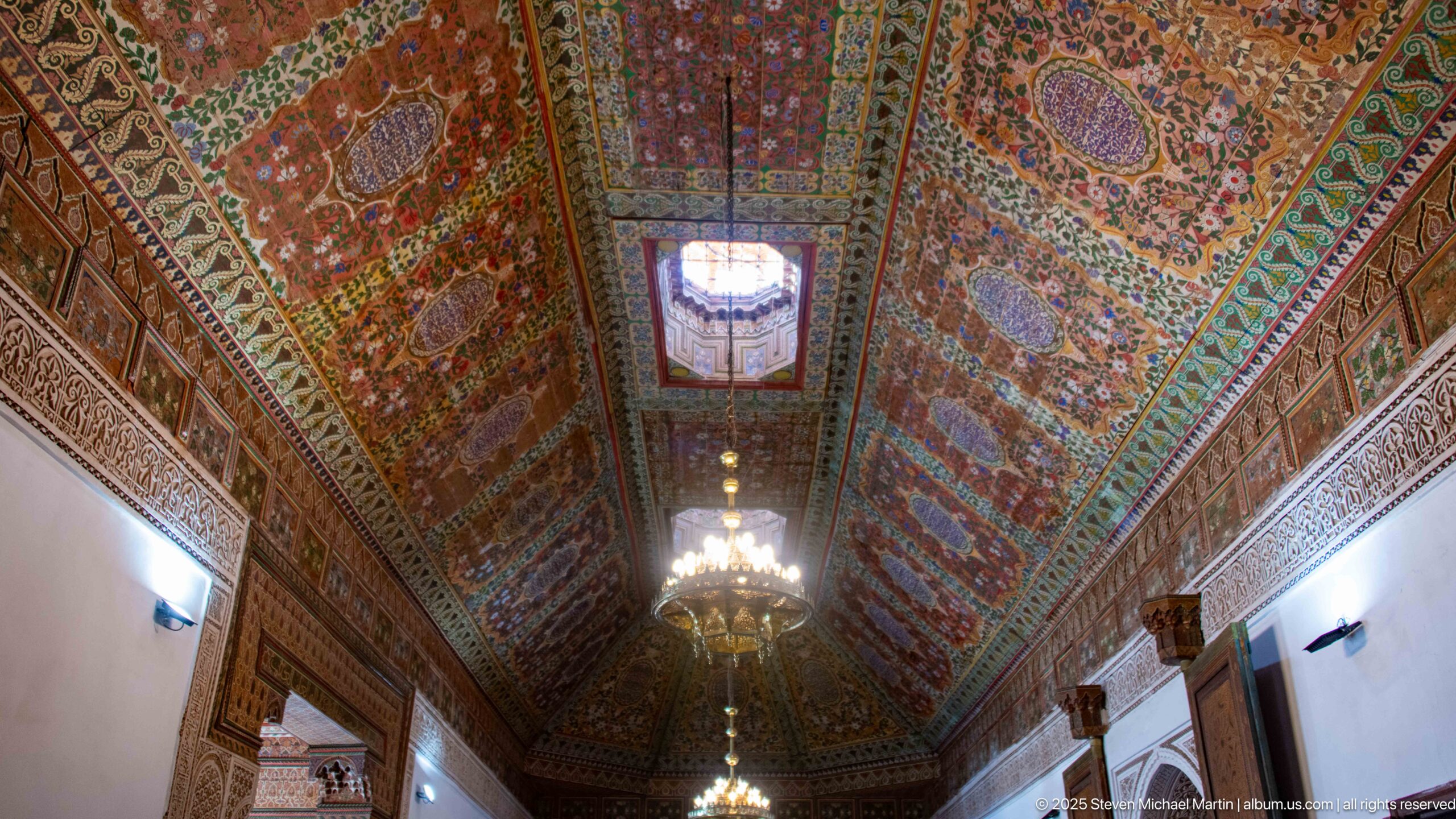
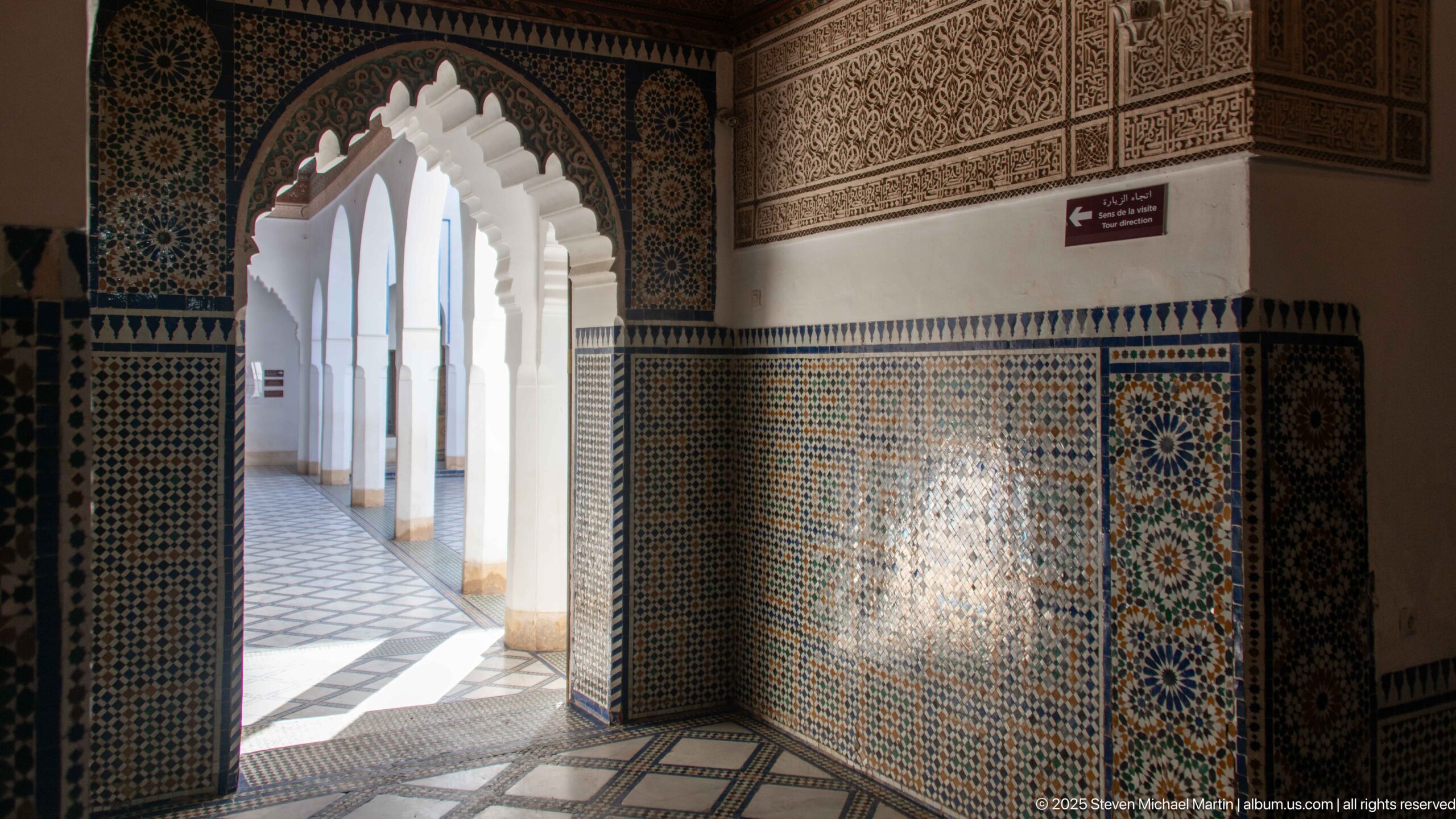
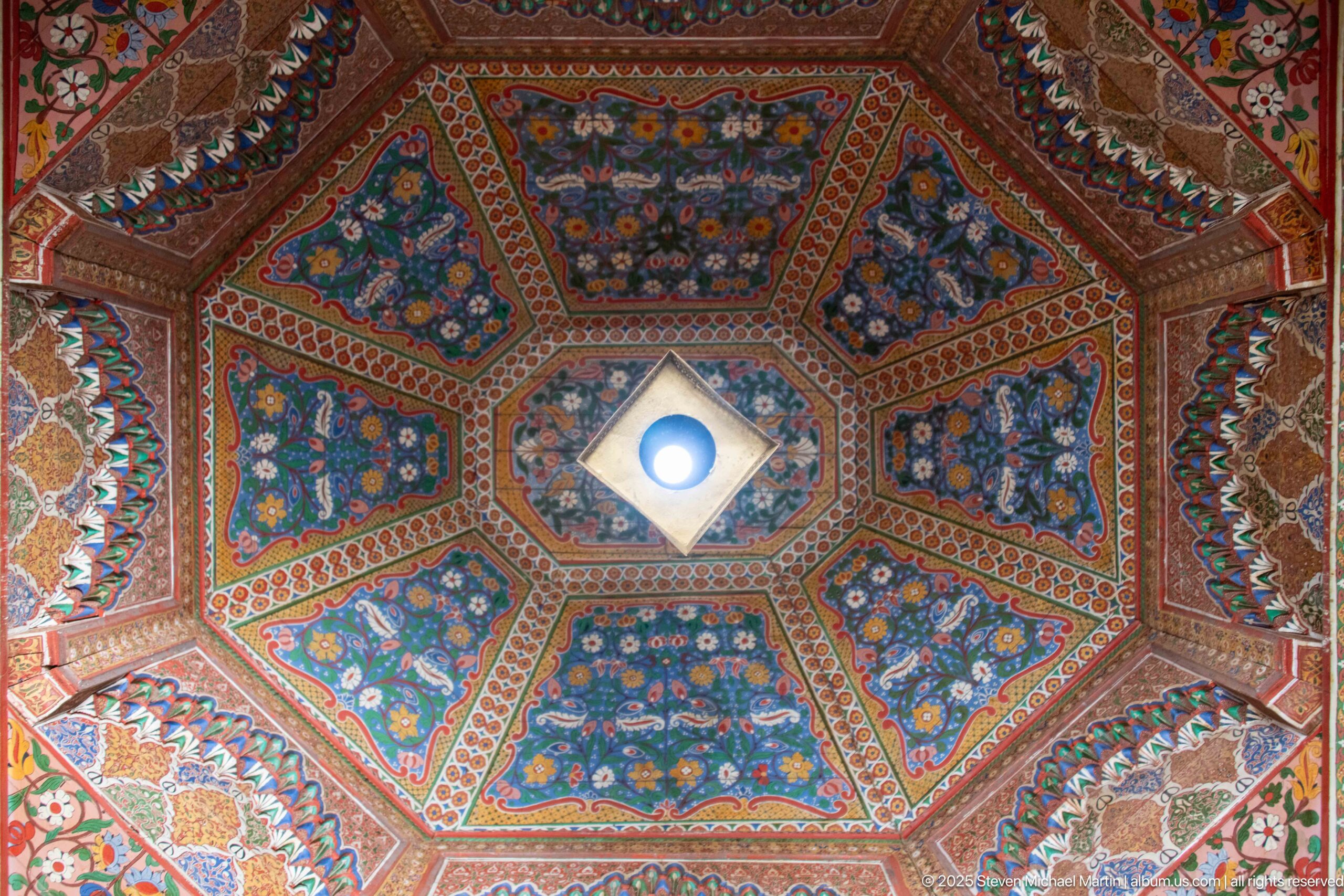
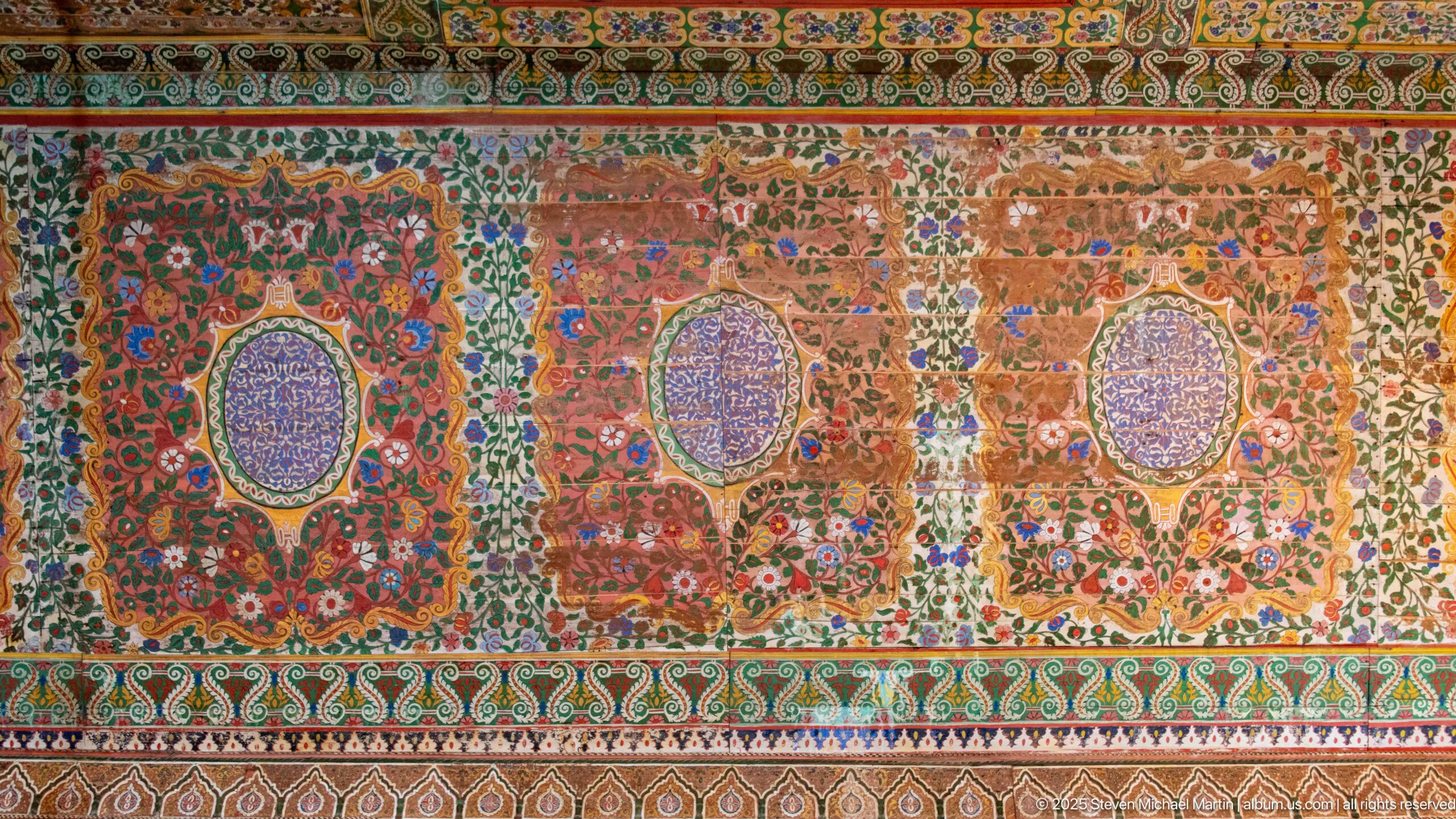
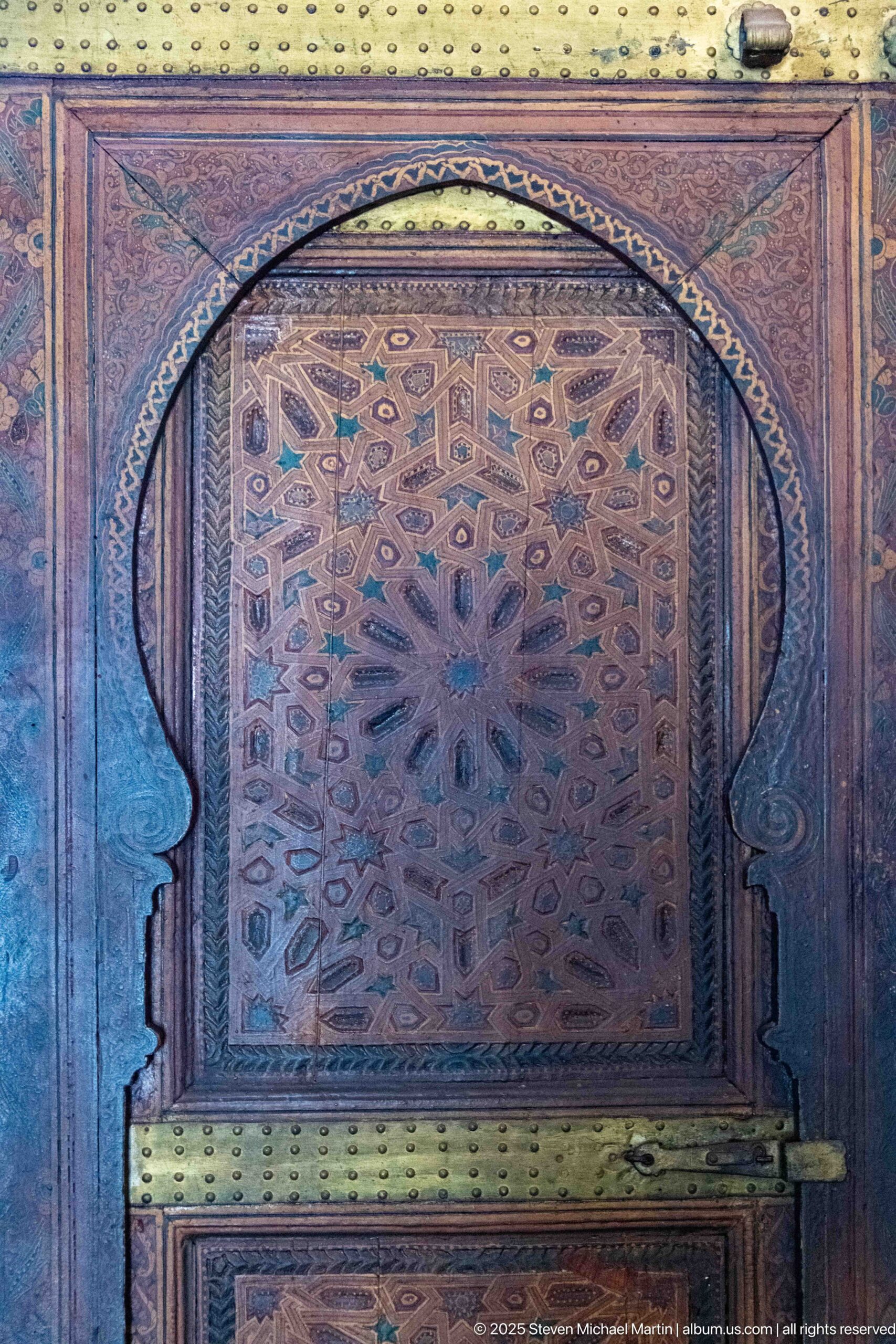
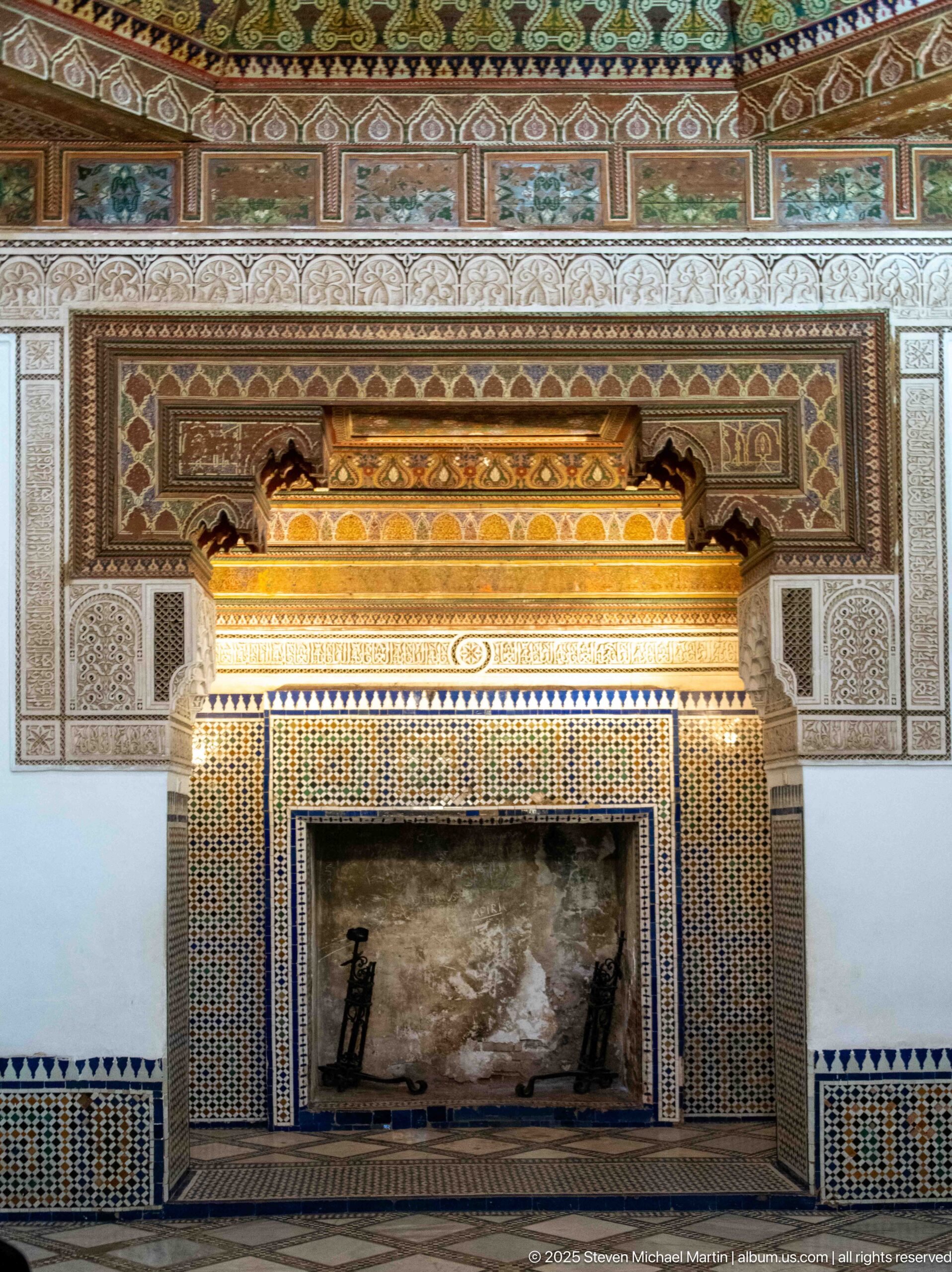
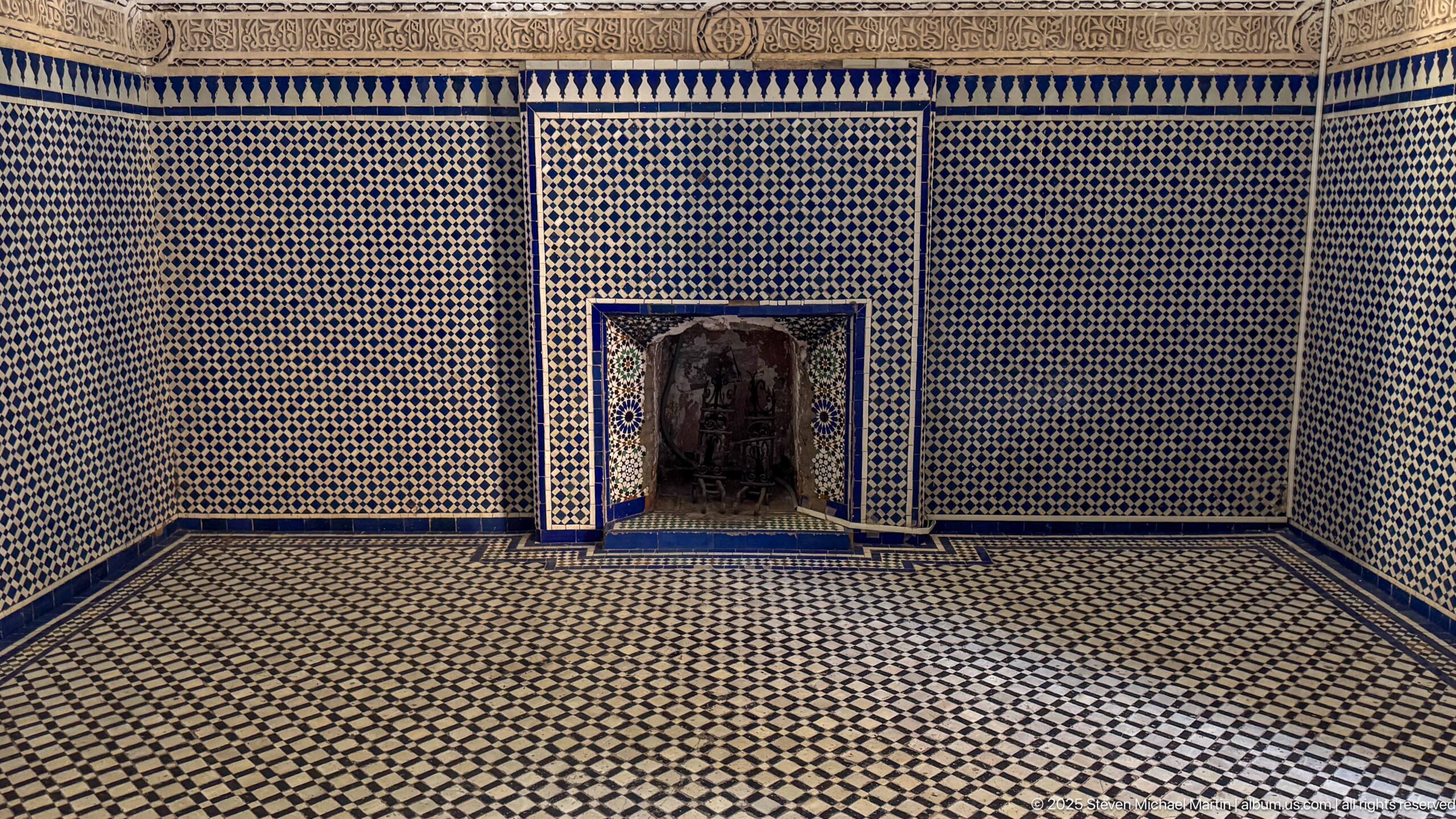
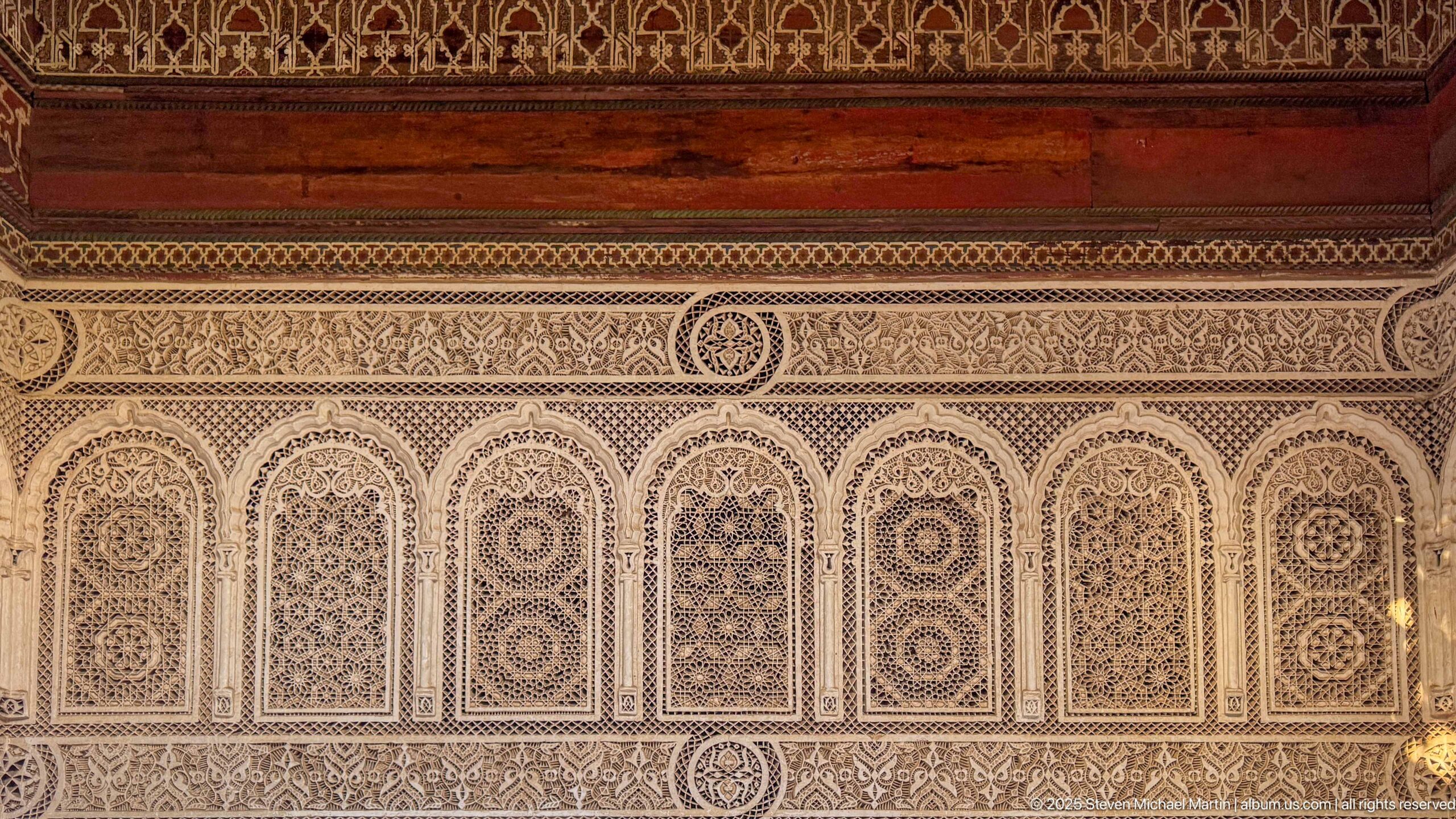
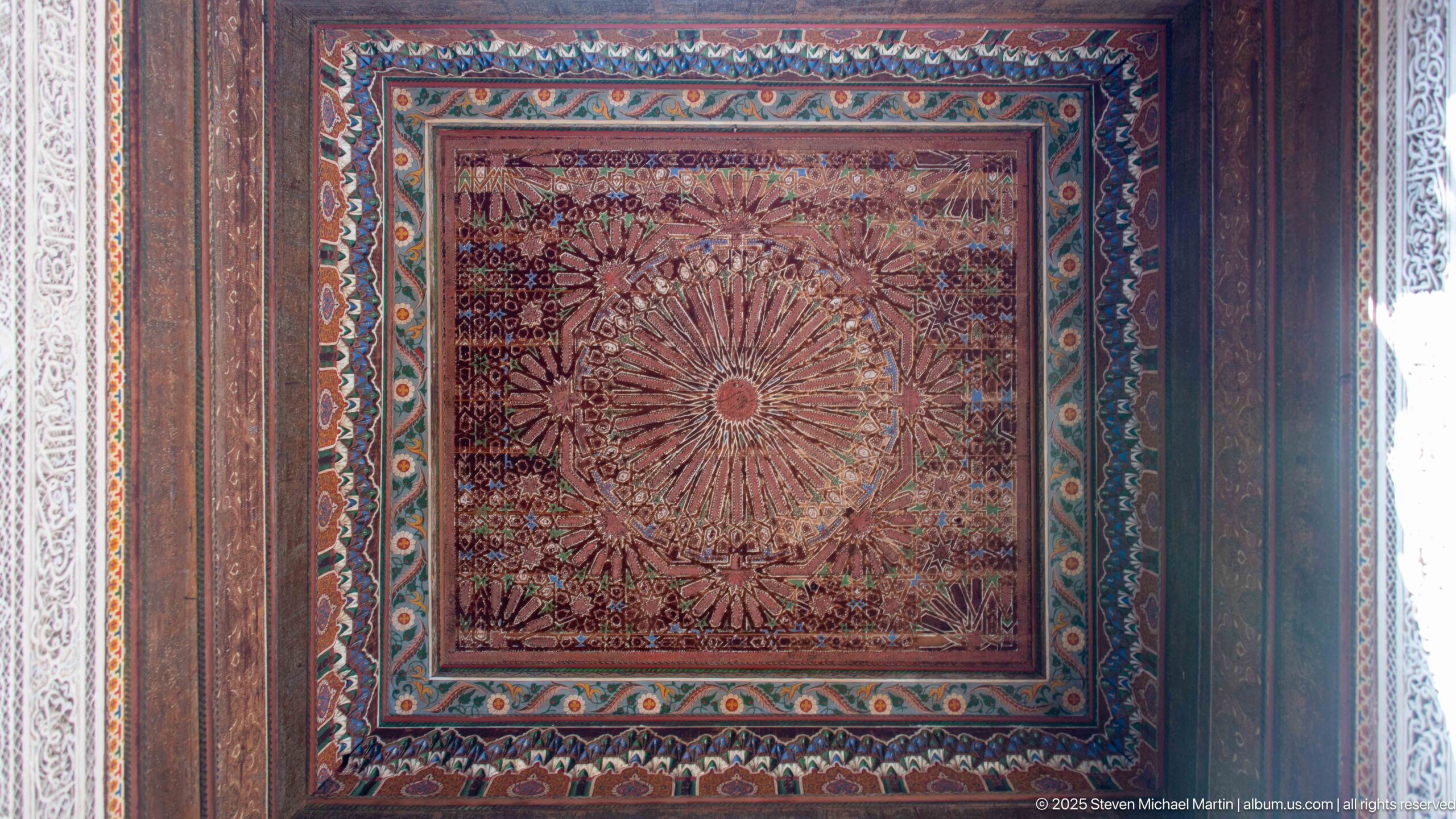
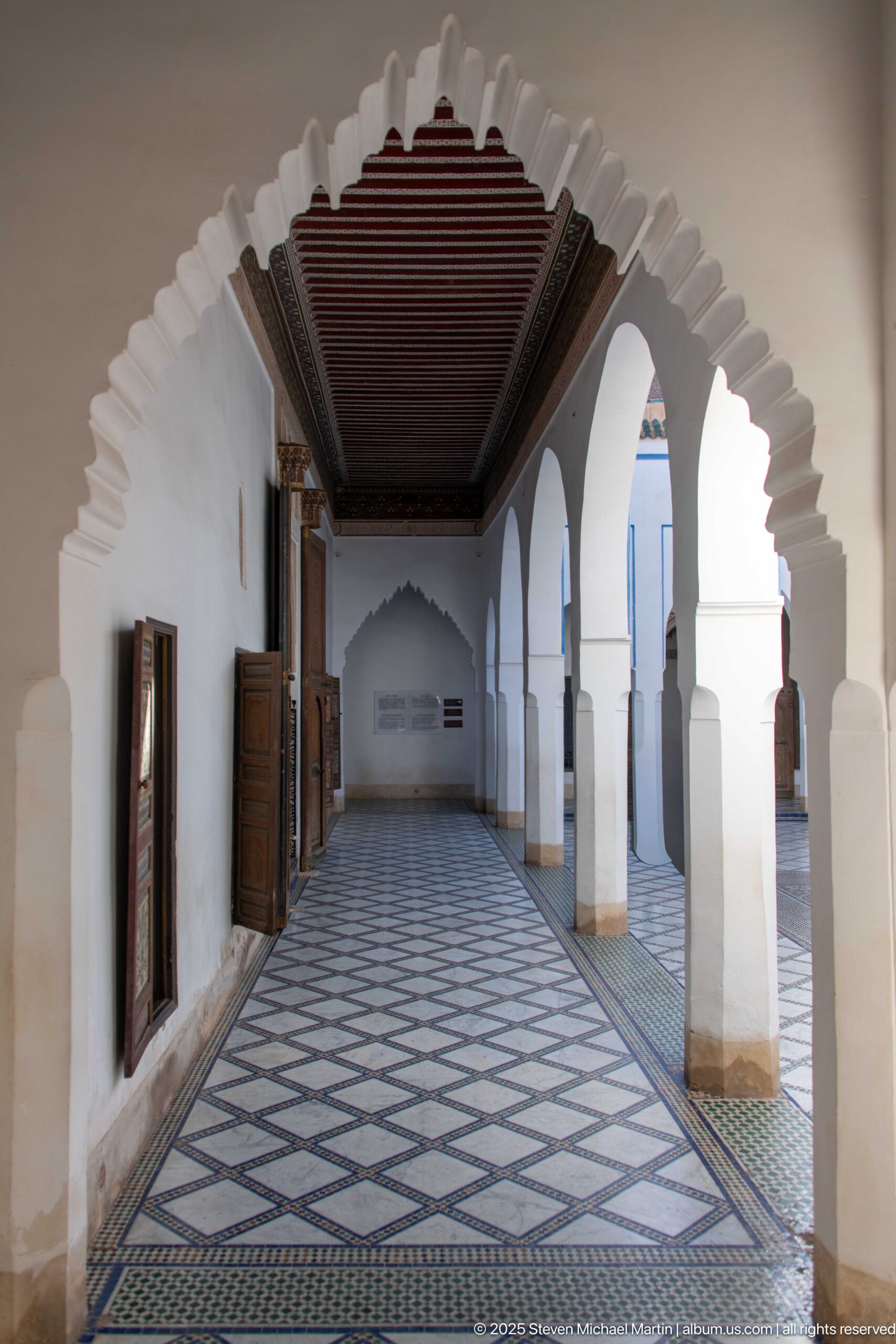
The palace is famous for its elegant courtyards, carved cedar ceilings, colorful tilework, and peaceful gardens. These decorative elements reflect the refined craftsmanship of traditional Moroccan architecture.
Today the palace offers visitors a glimpse into the luxurious lifestyle and artistic traditions of Morocco’s royal and political elite.
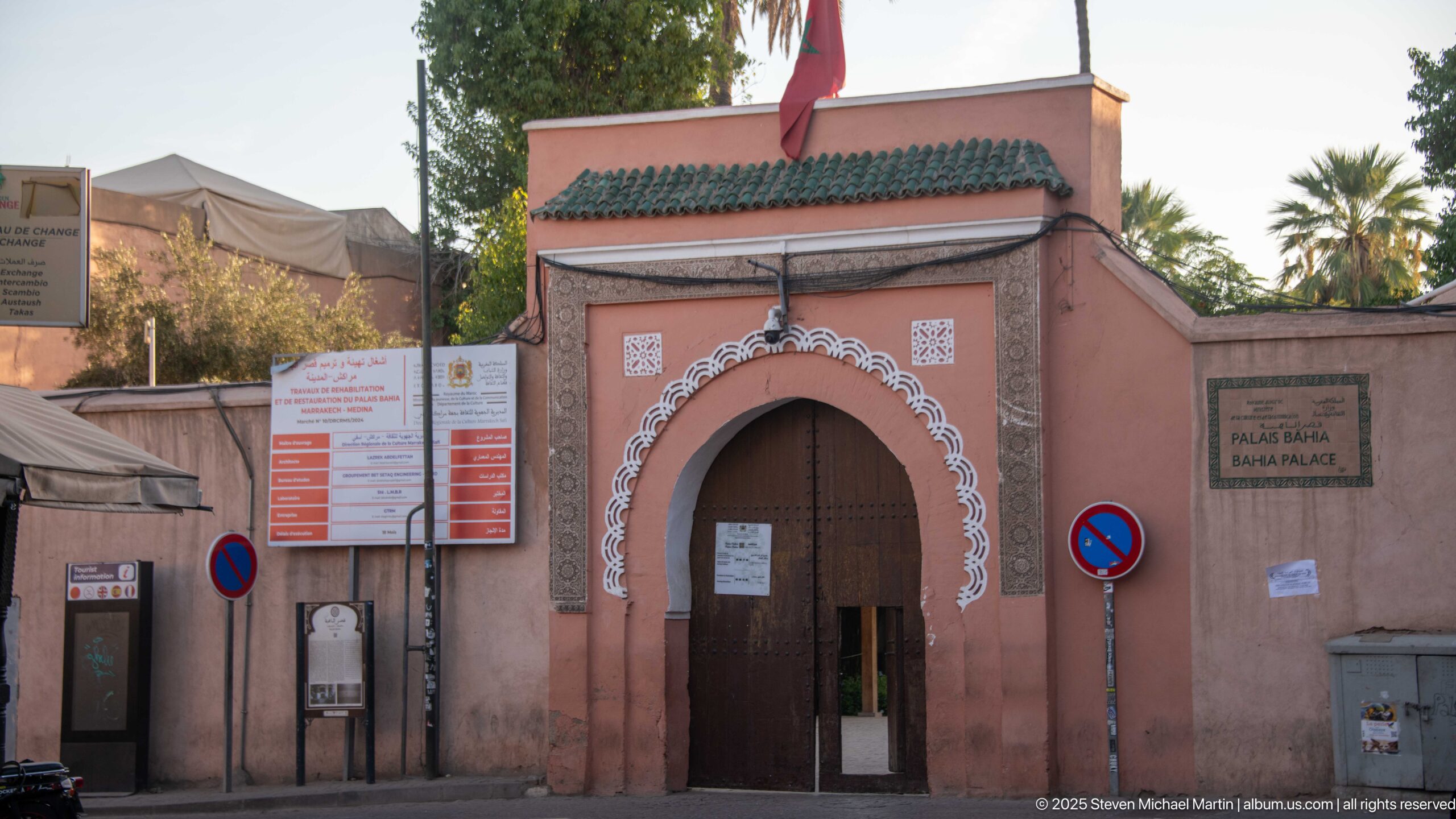
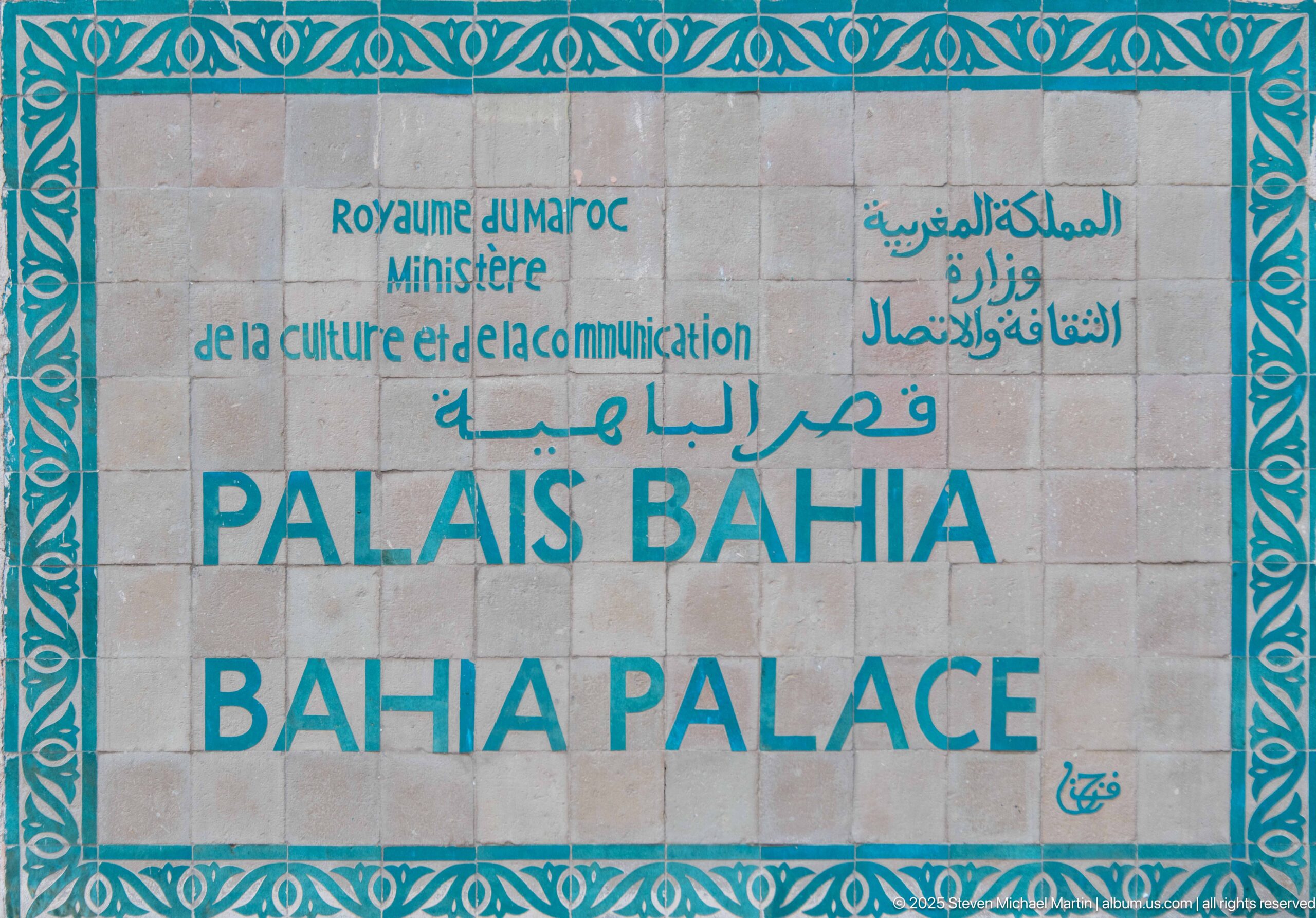
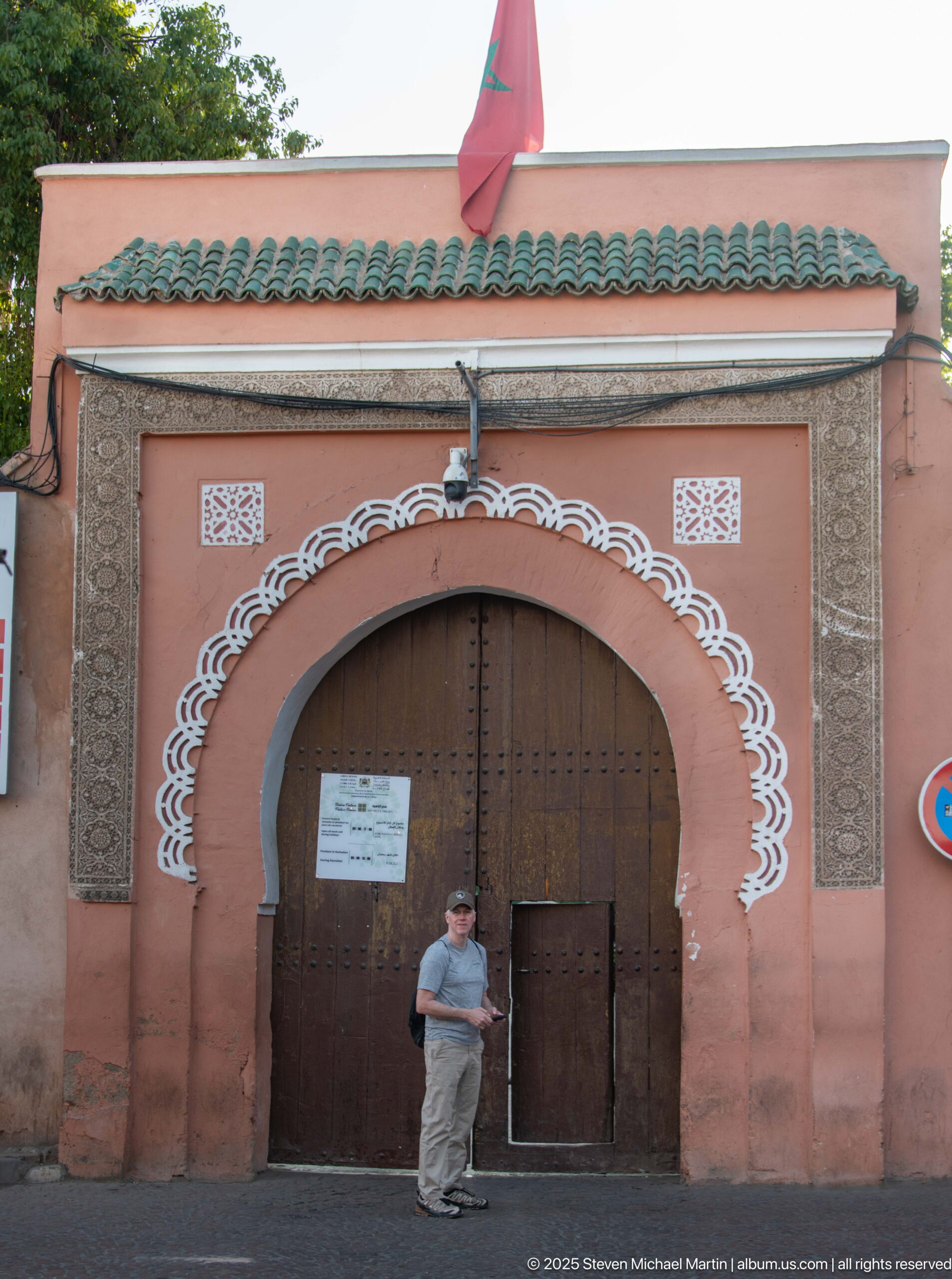

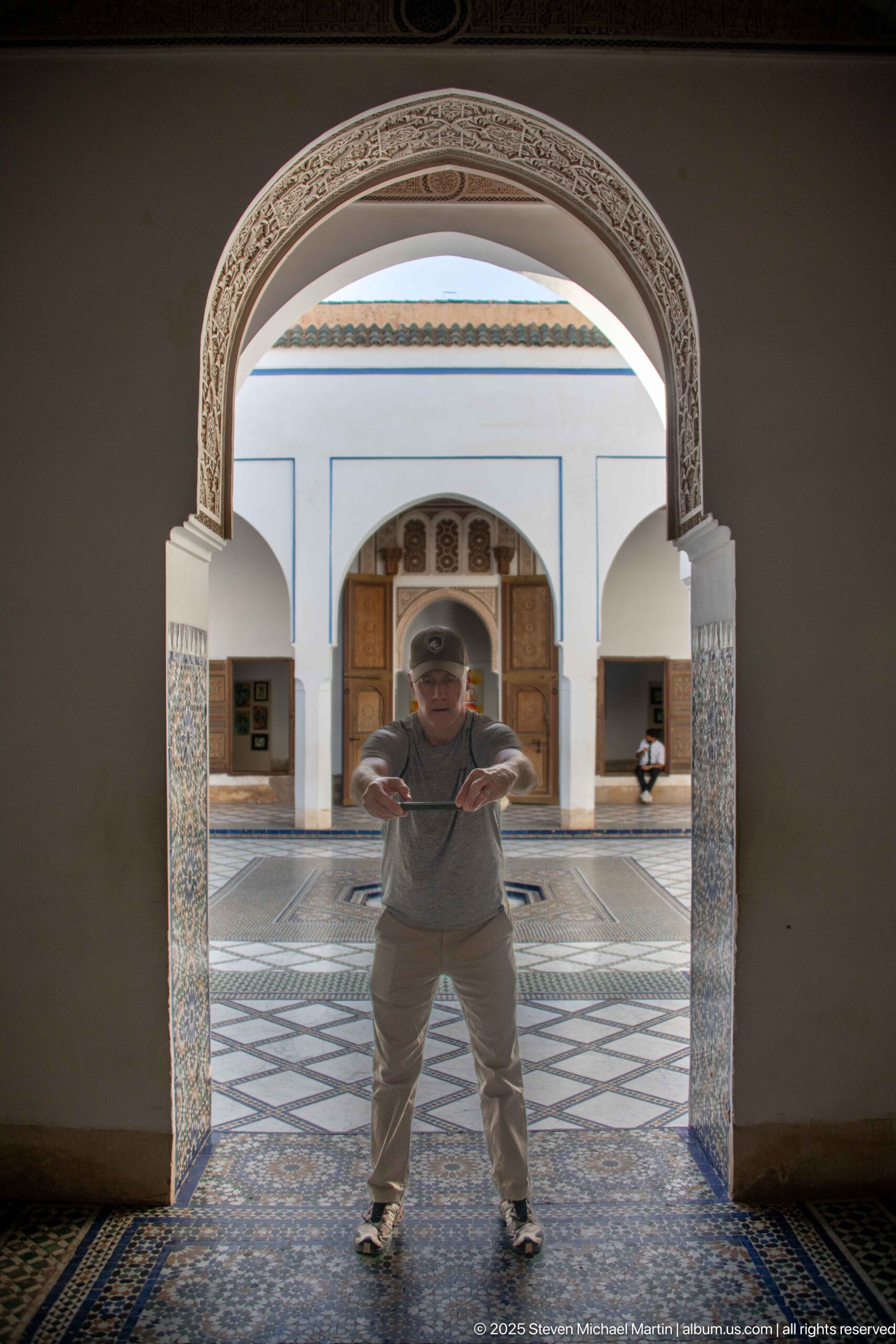
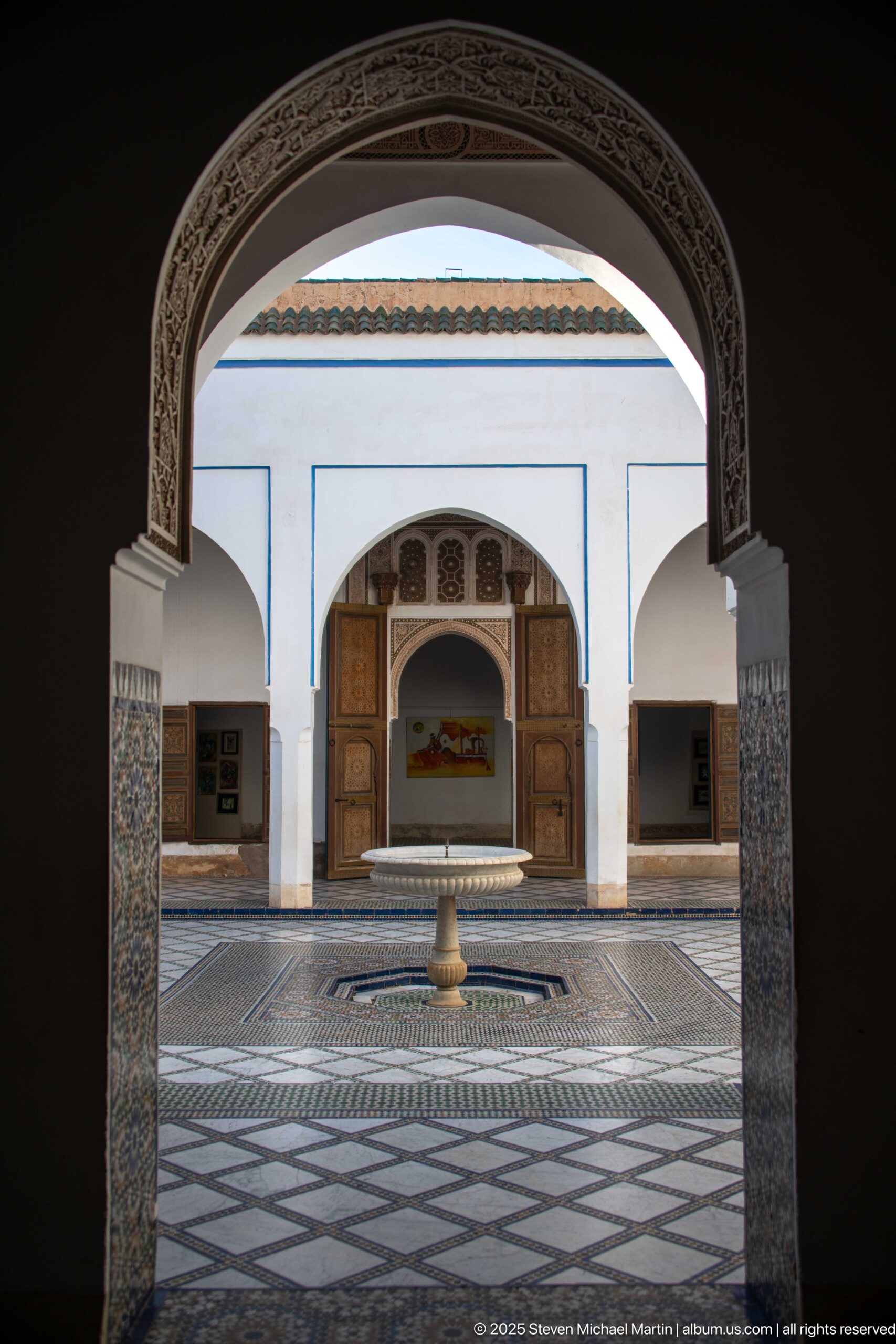
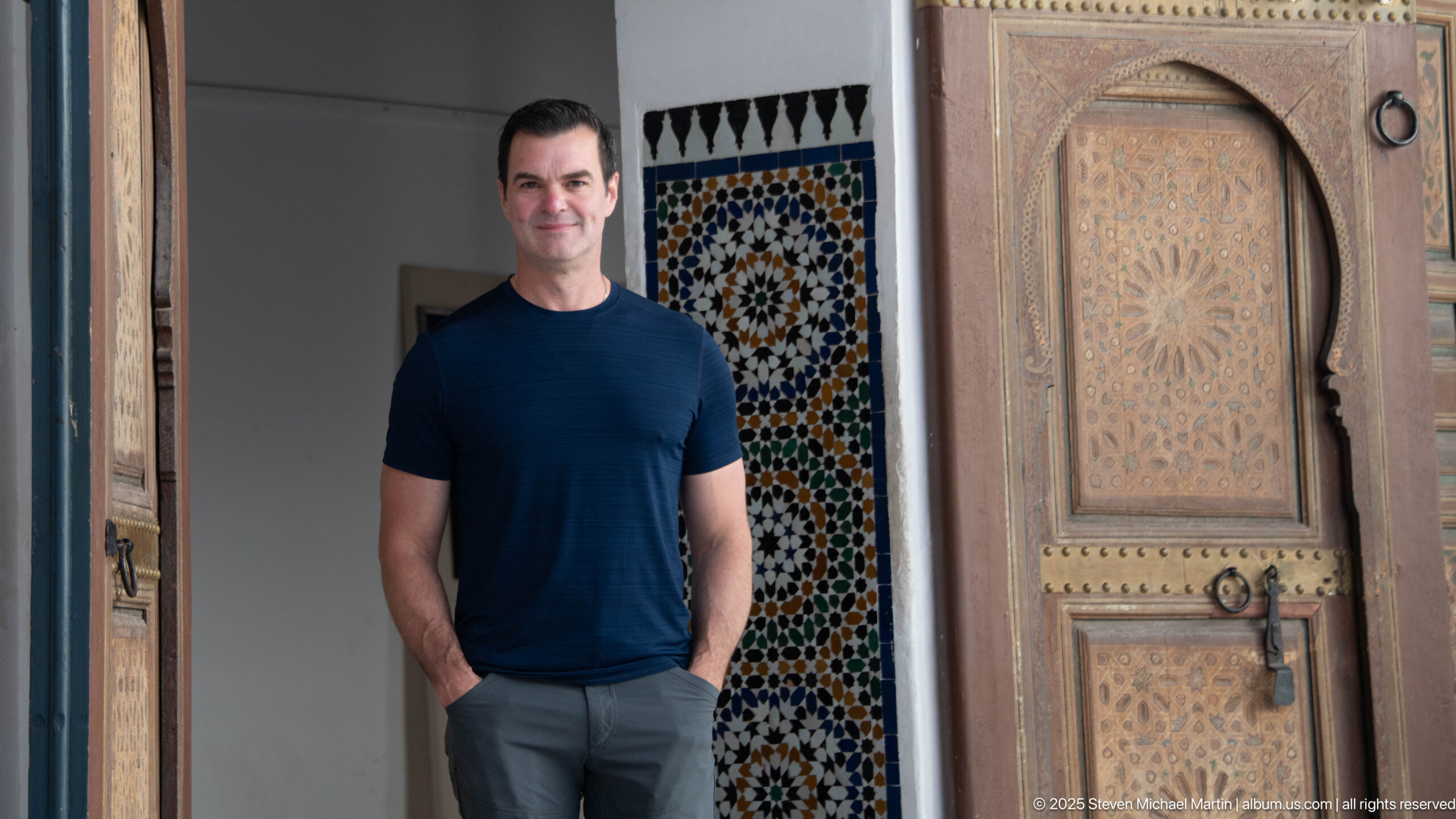
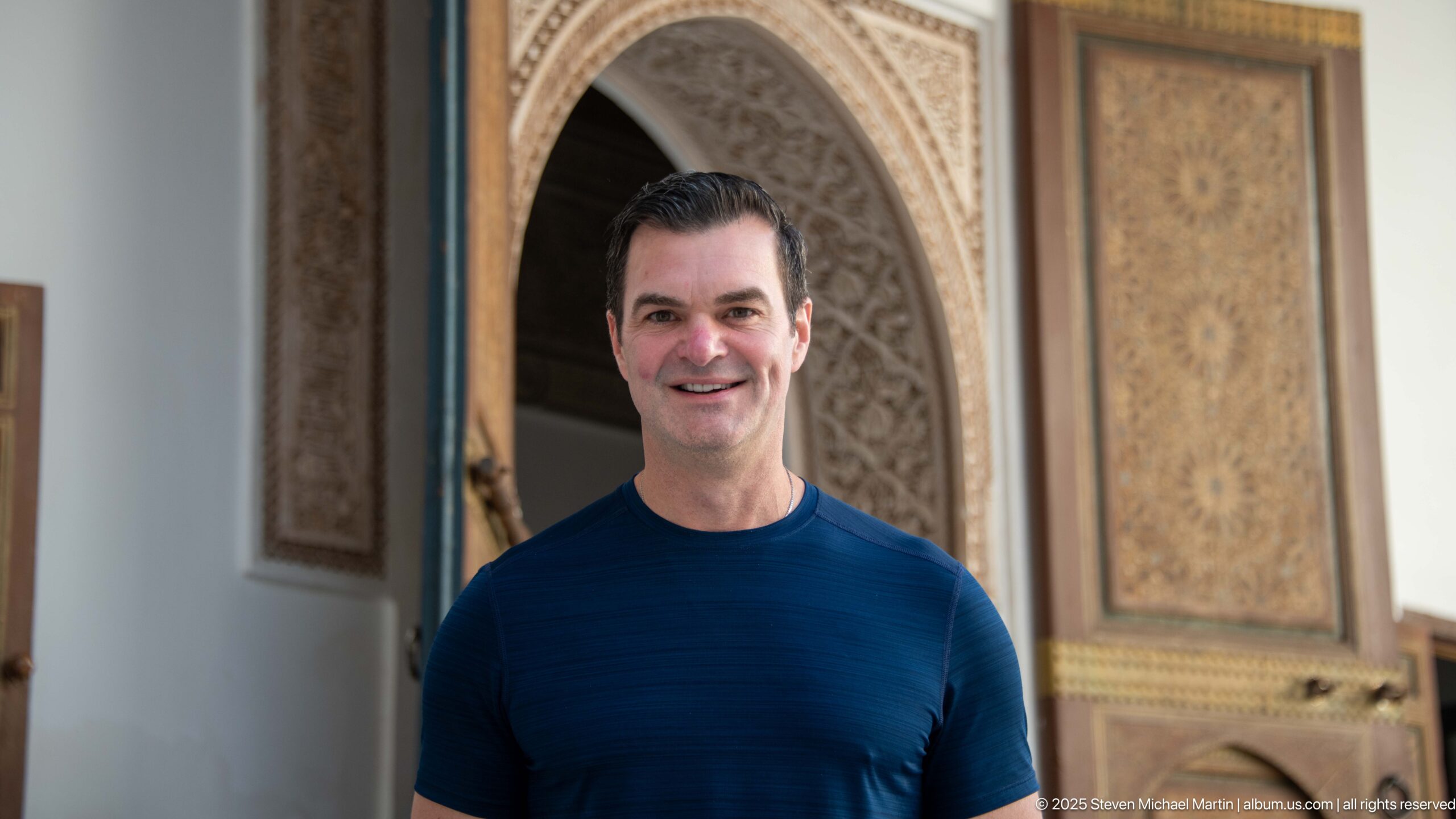
⭐ Highlights
- 19th-Century Palace: Built in the late 1800s by powerful Moroccan grand viziers.
- Architectural Masterpiece: Designed to be one of the most magnificent palaces of its time.
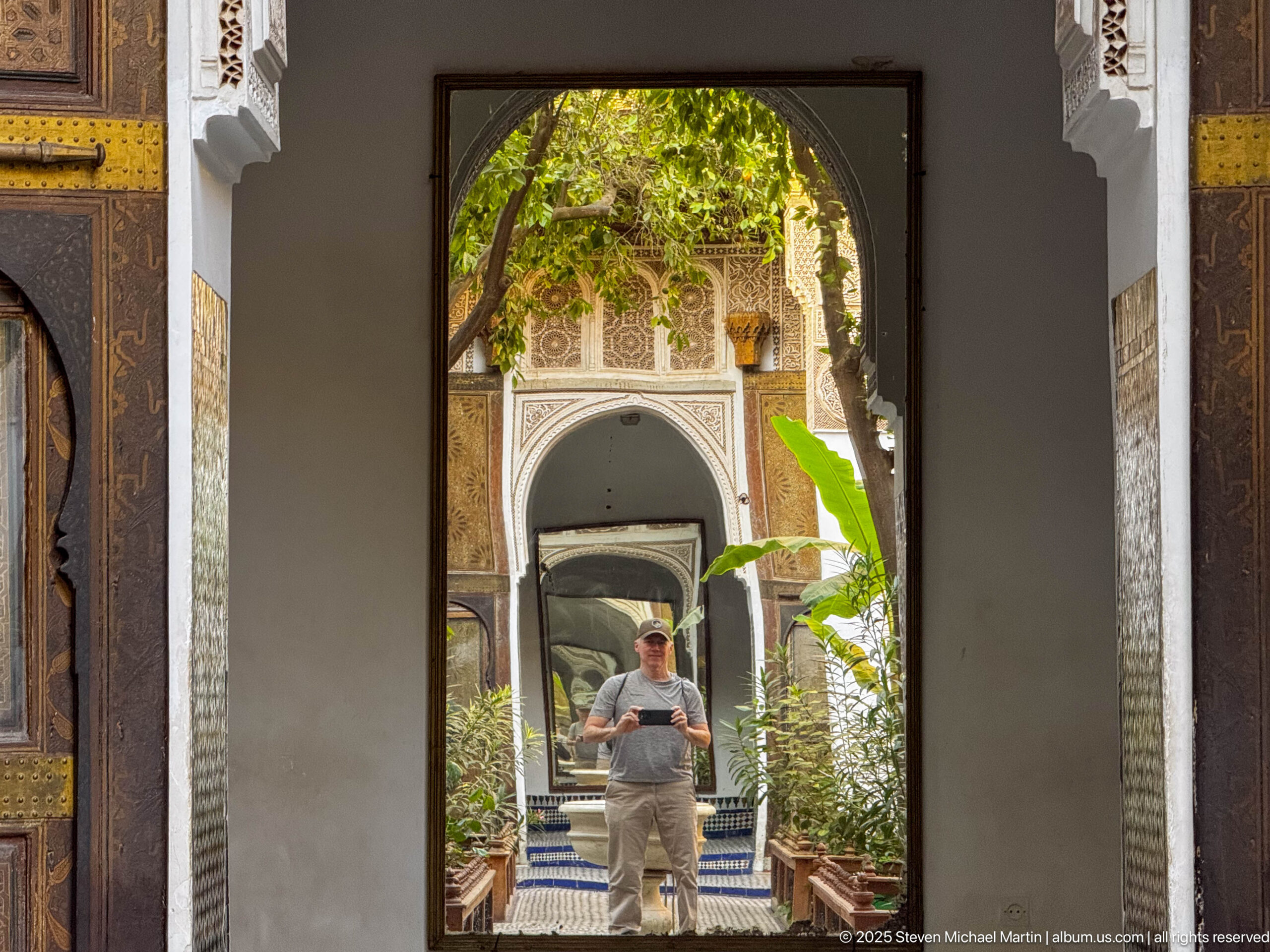
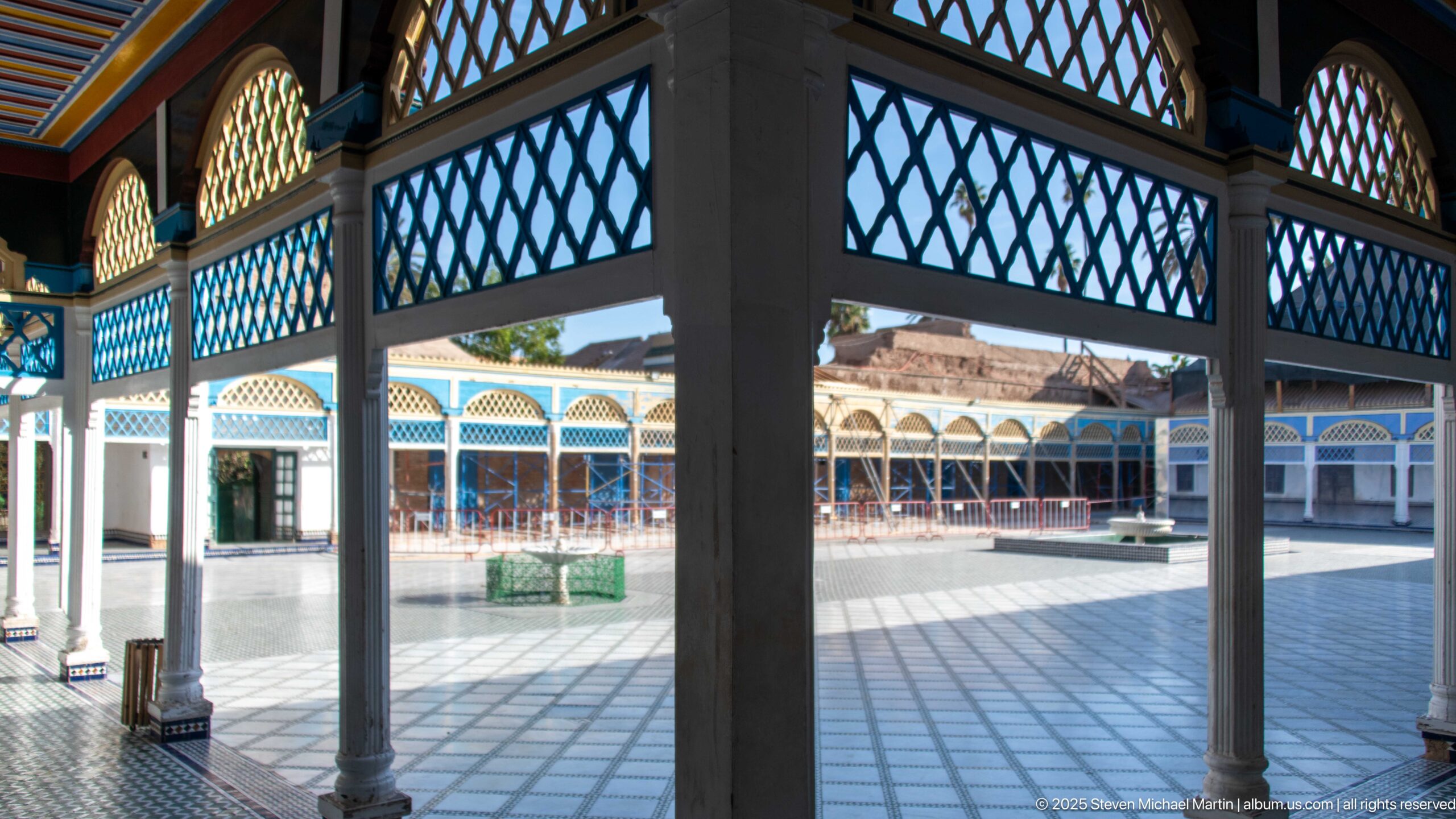
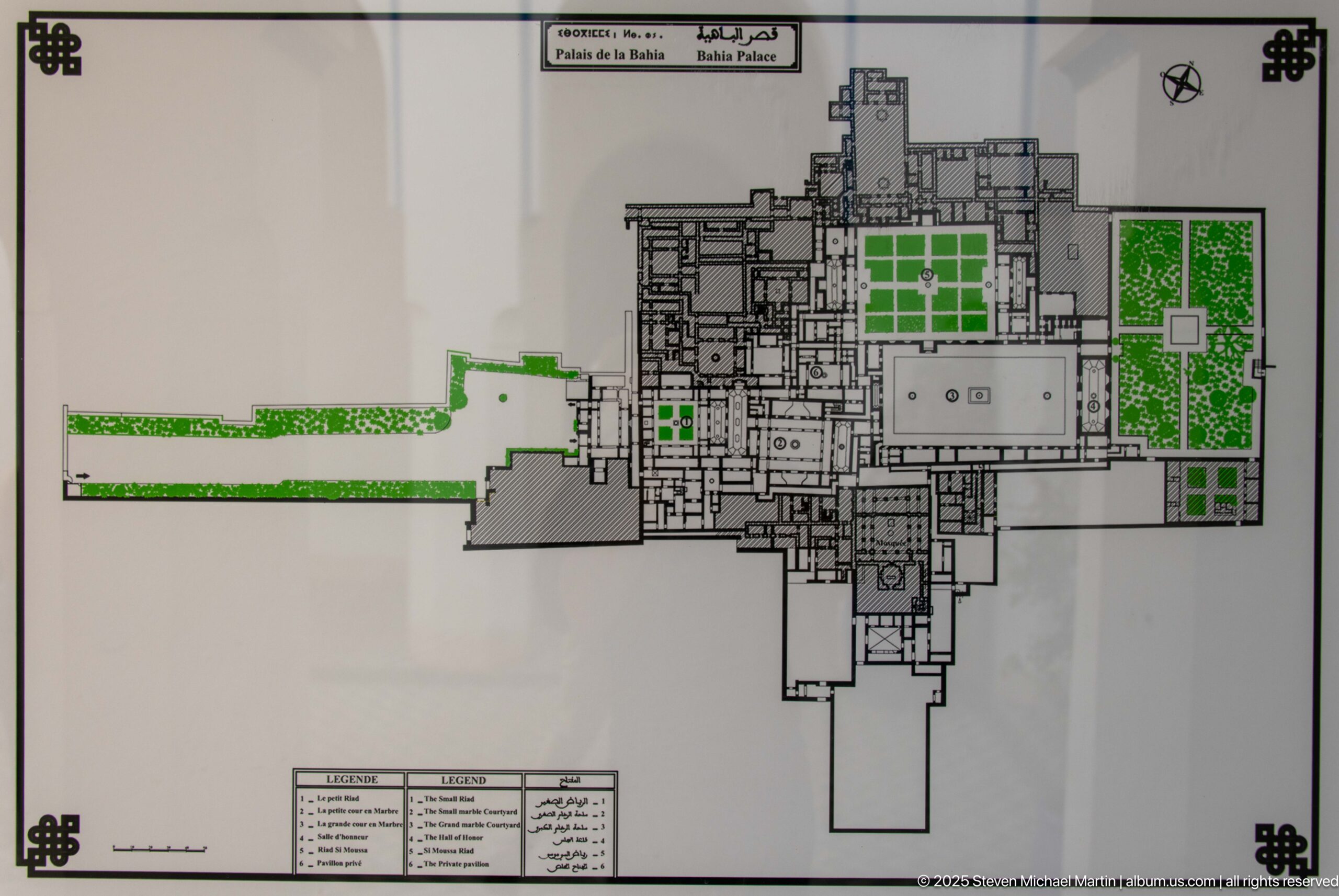
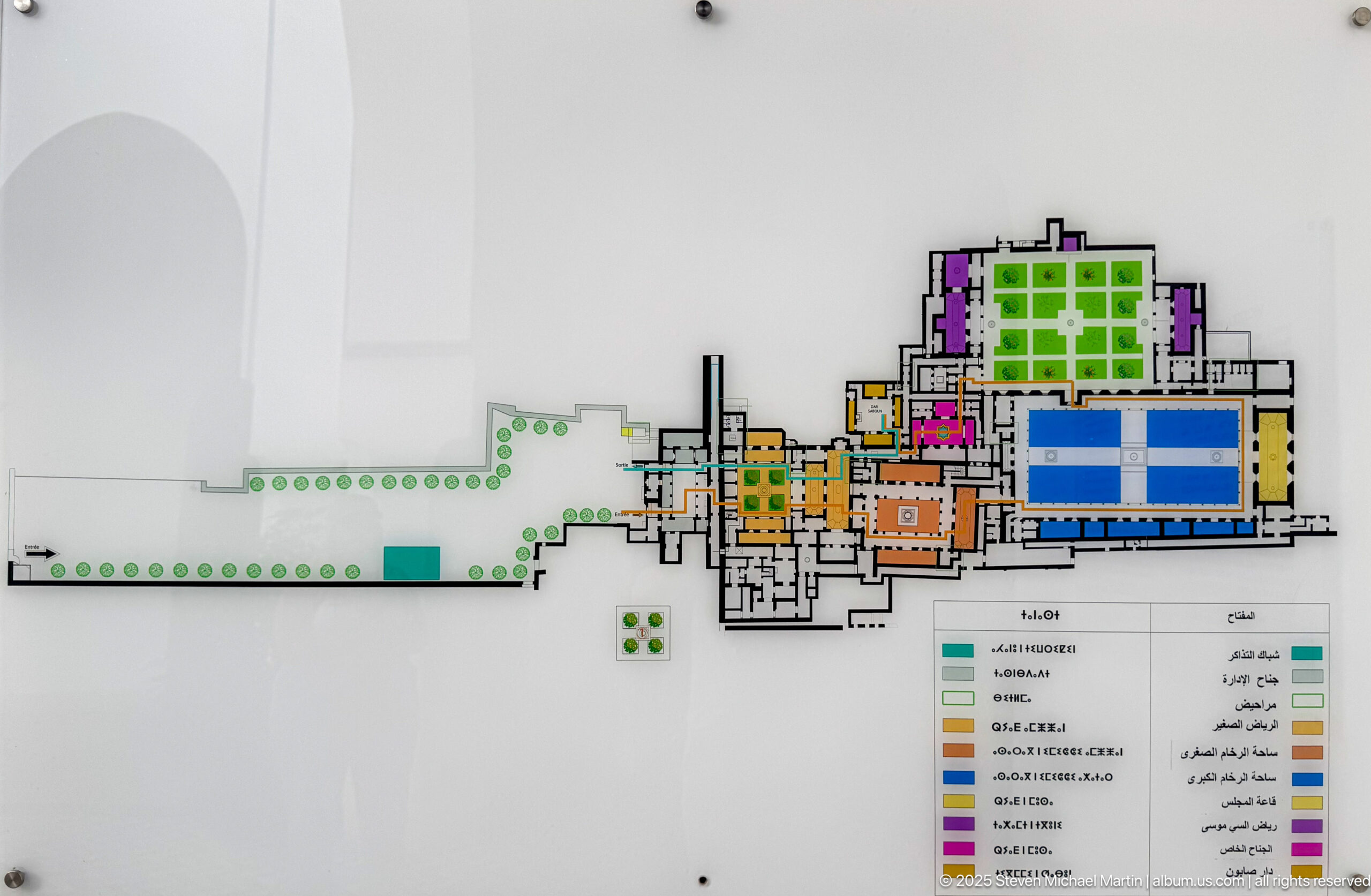
- Courtyards and Gardens: A series of interconnected riads, patios, and landscaped spaces.
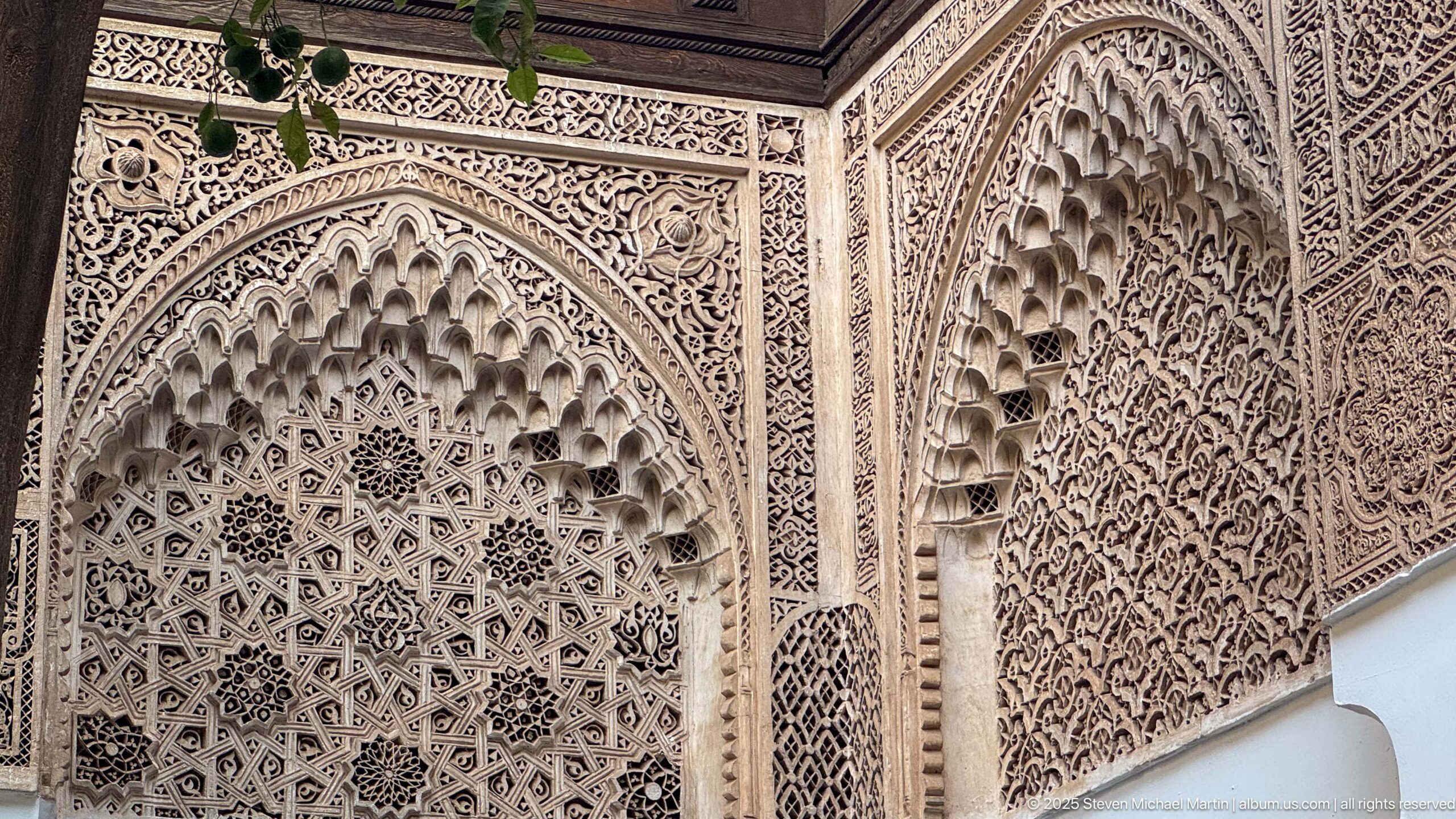
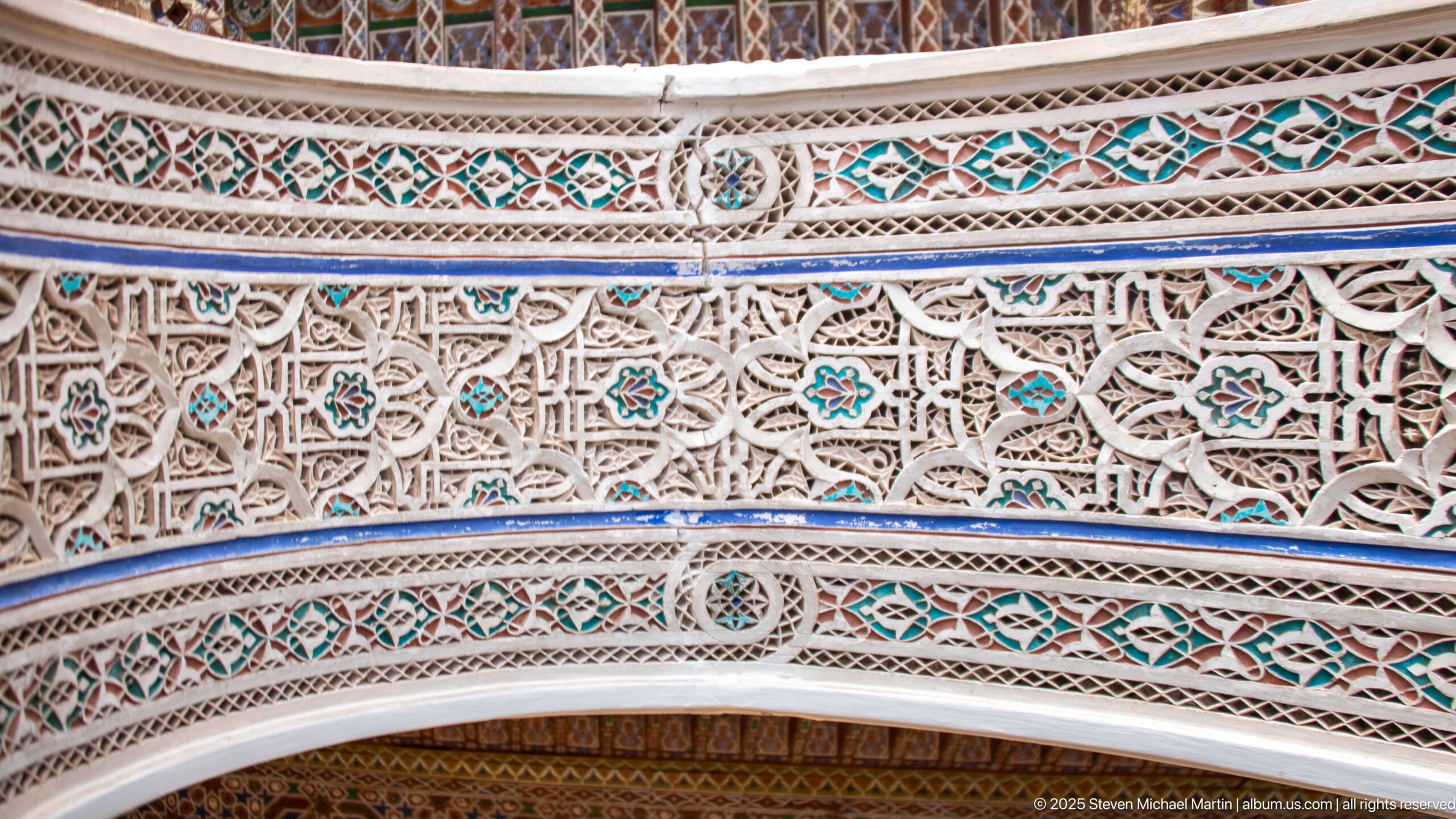
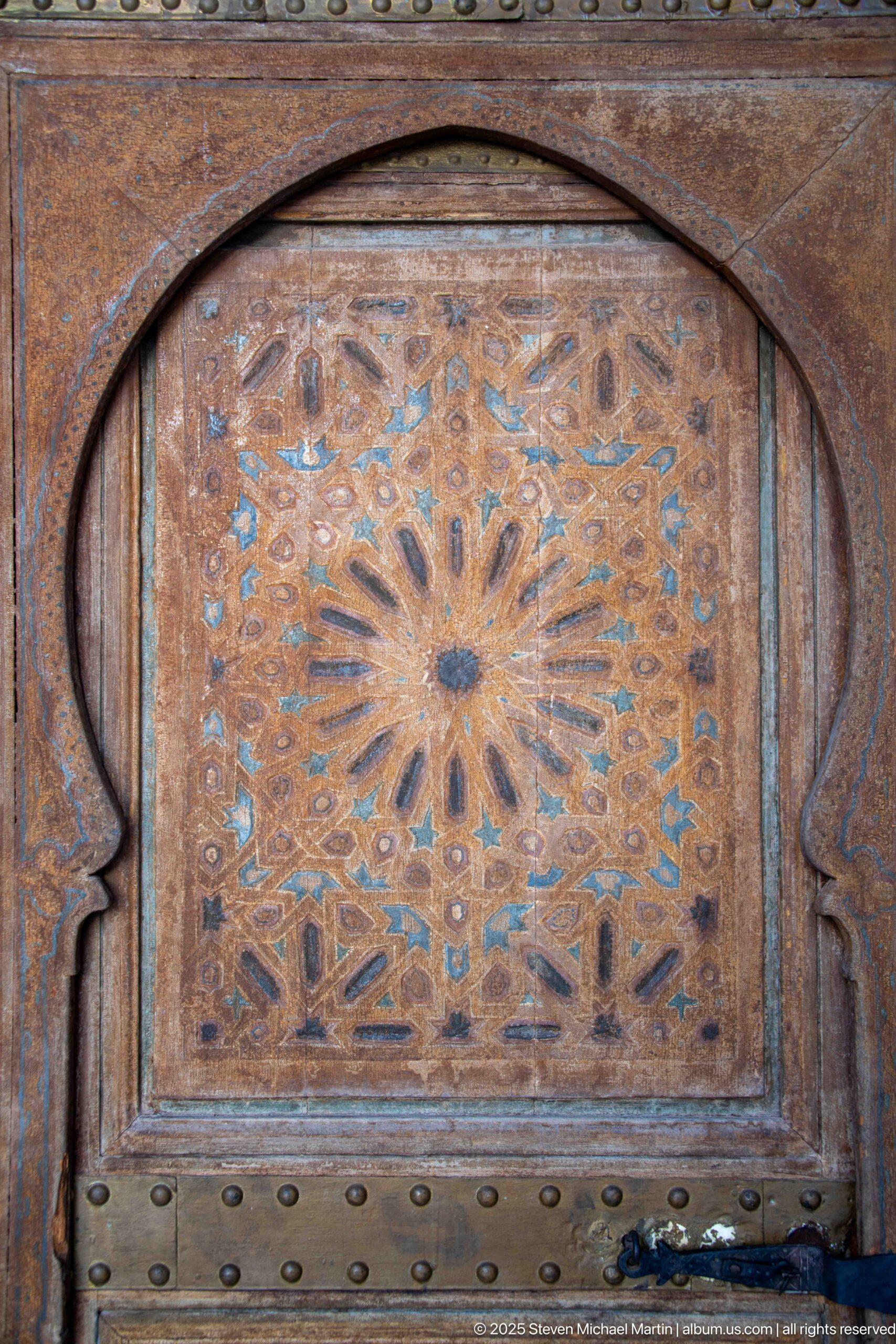
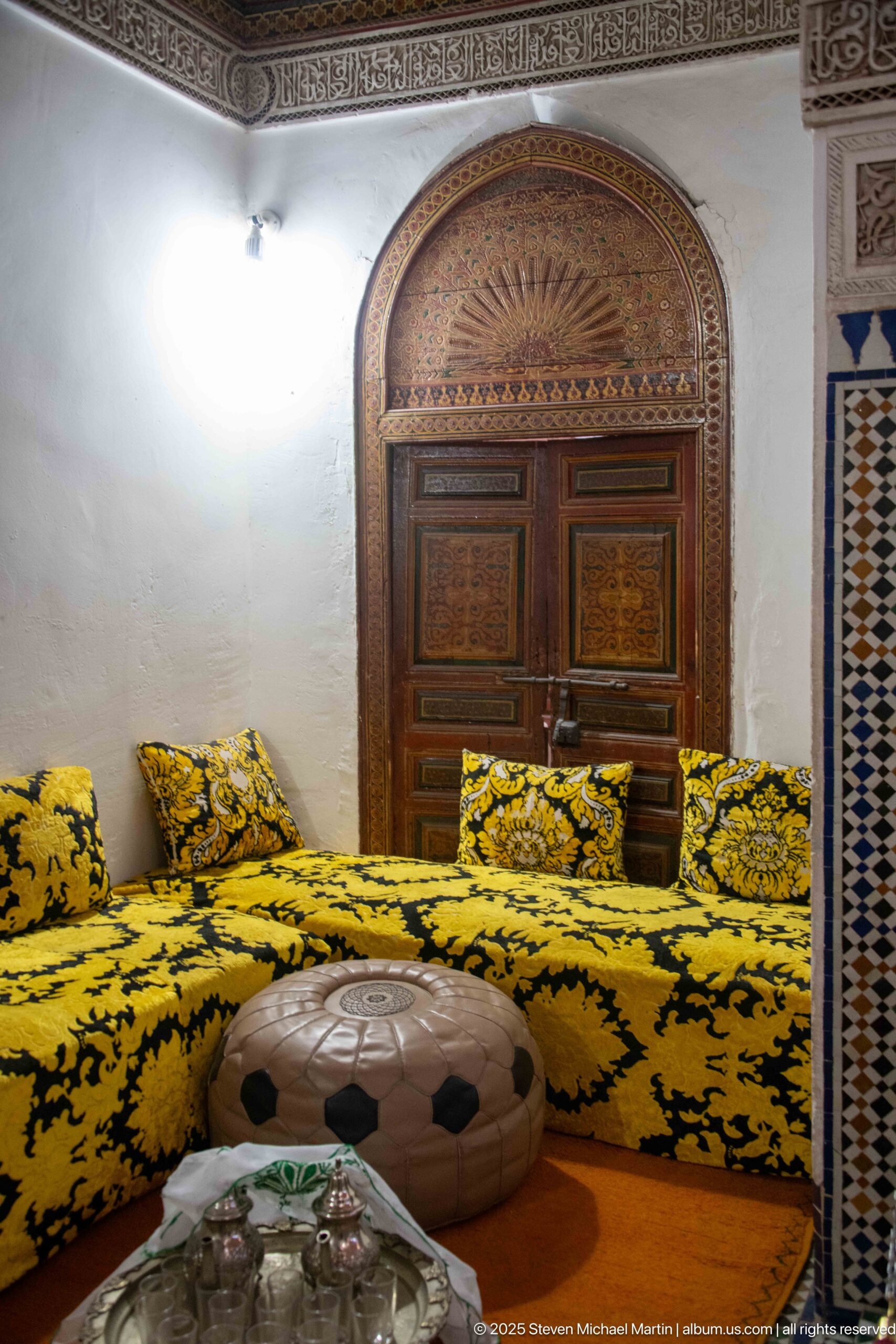
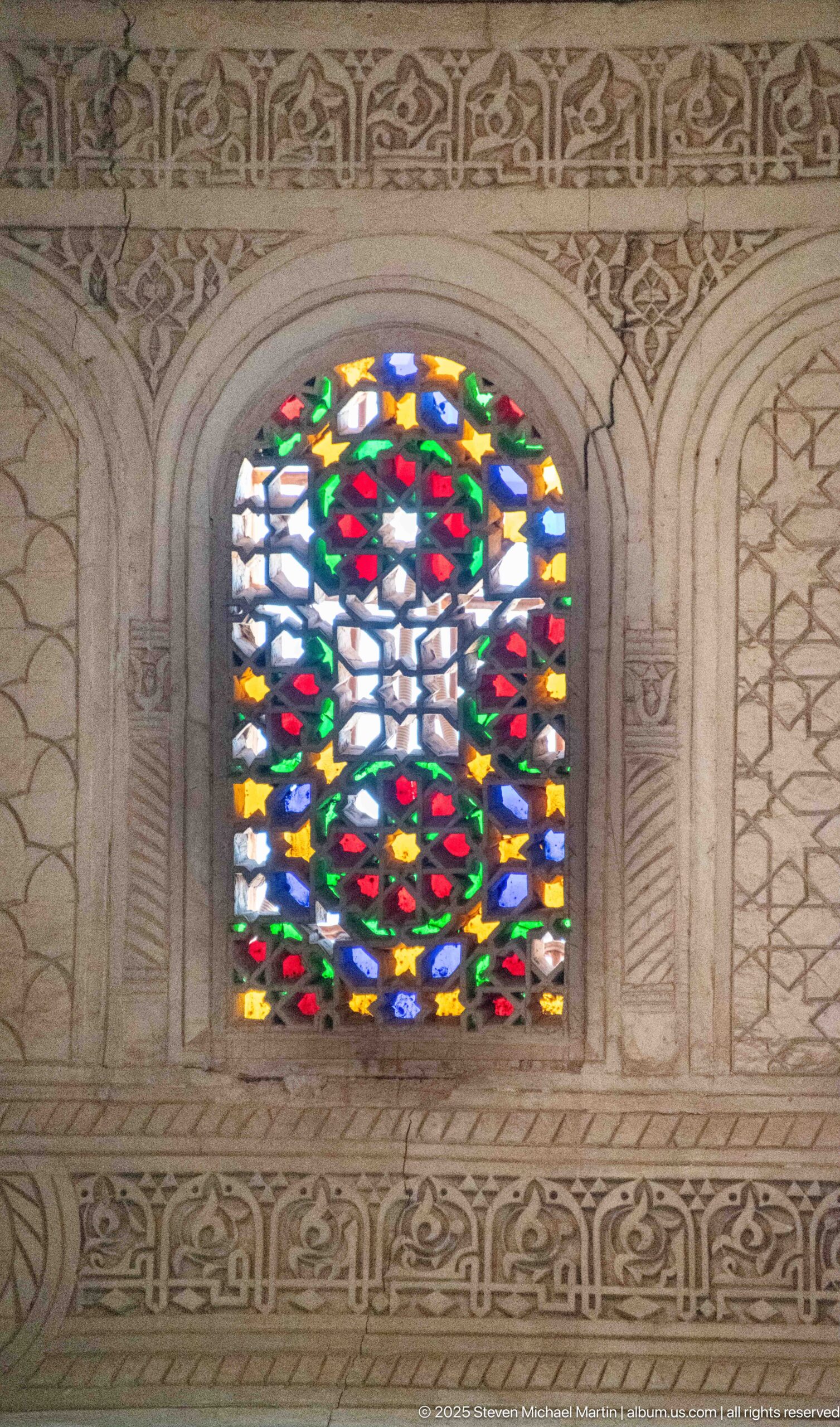
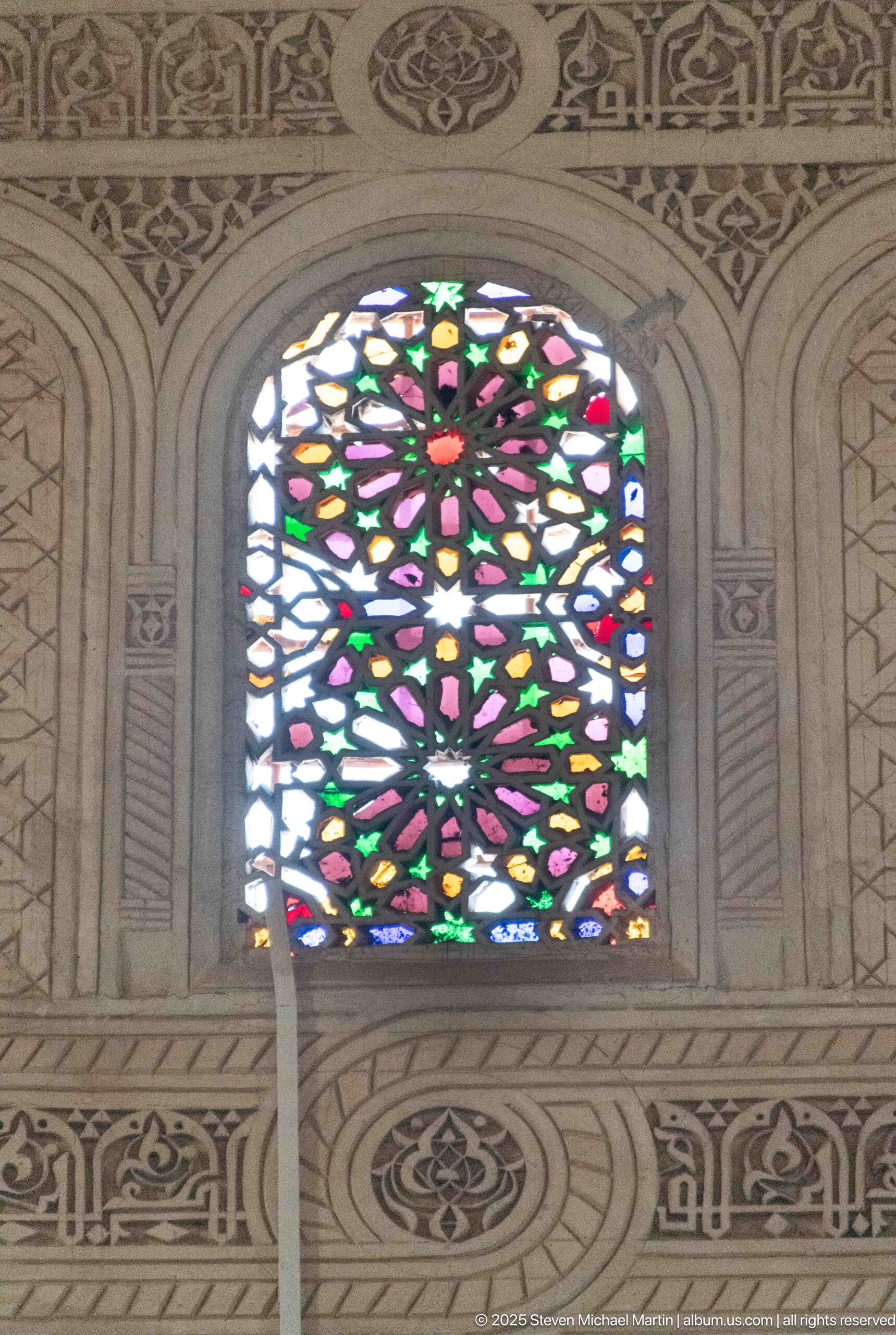
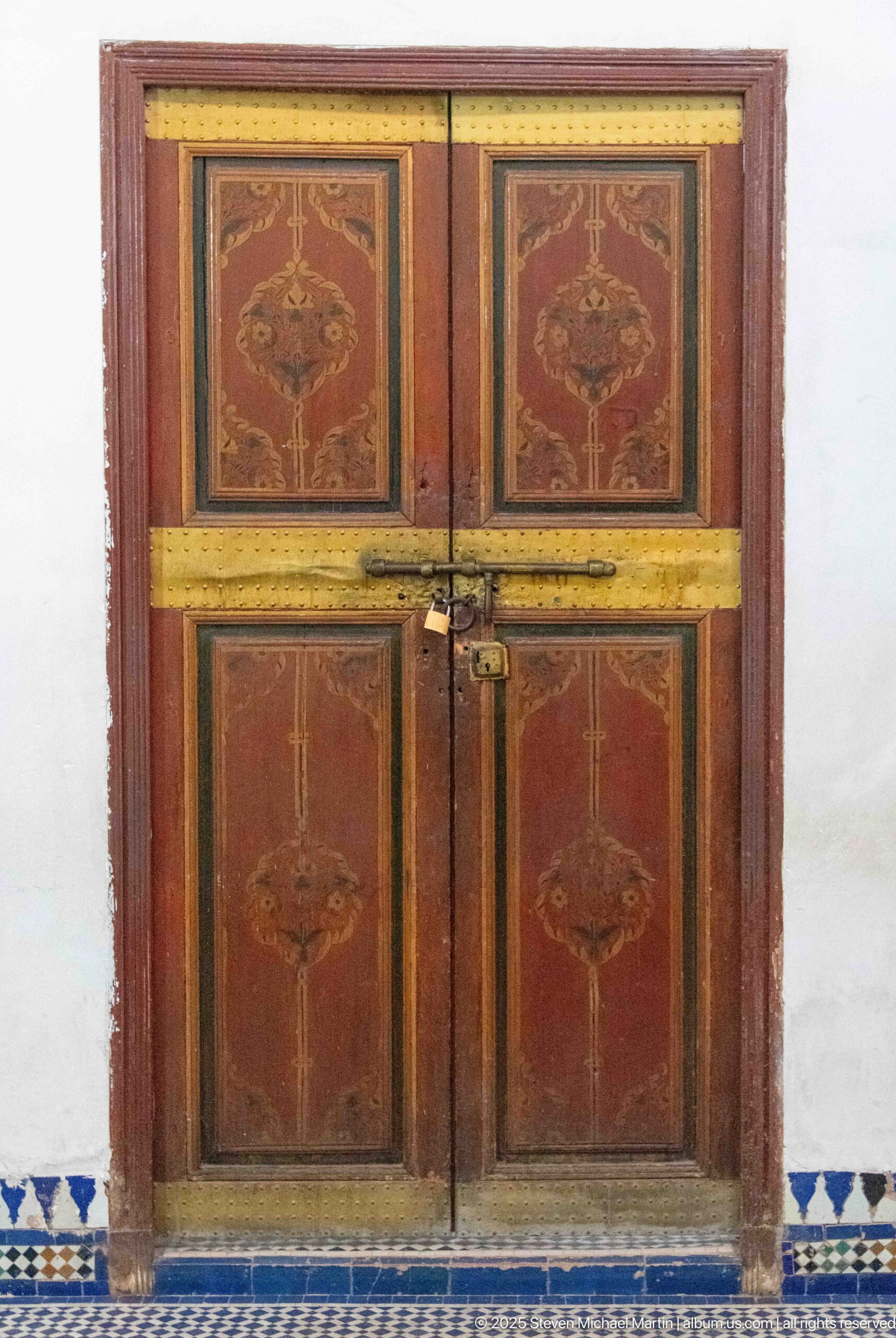
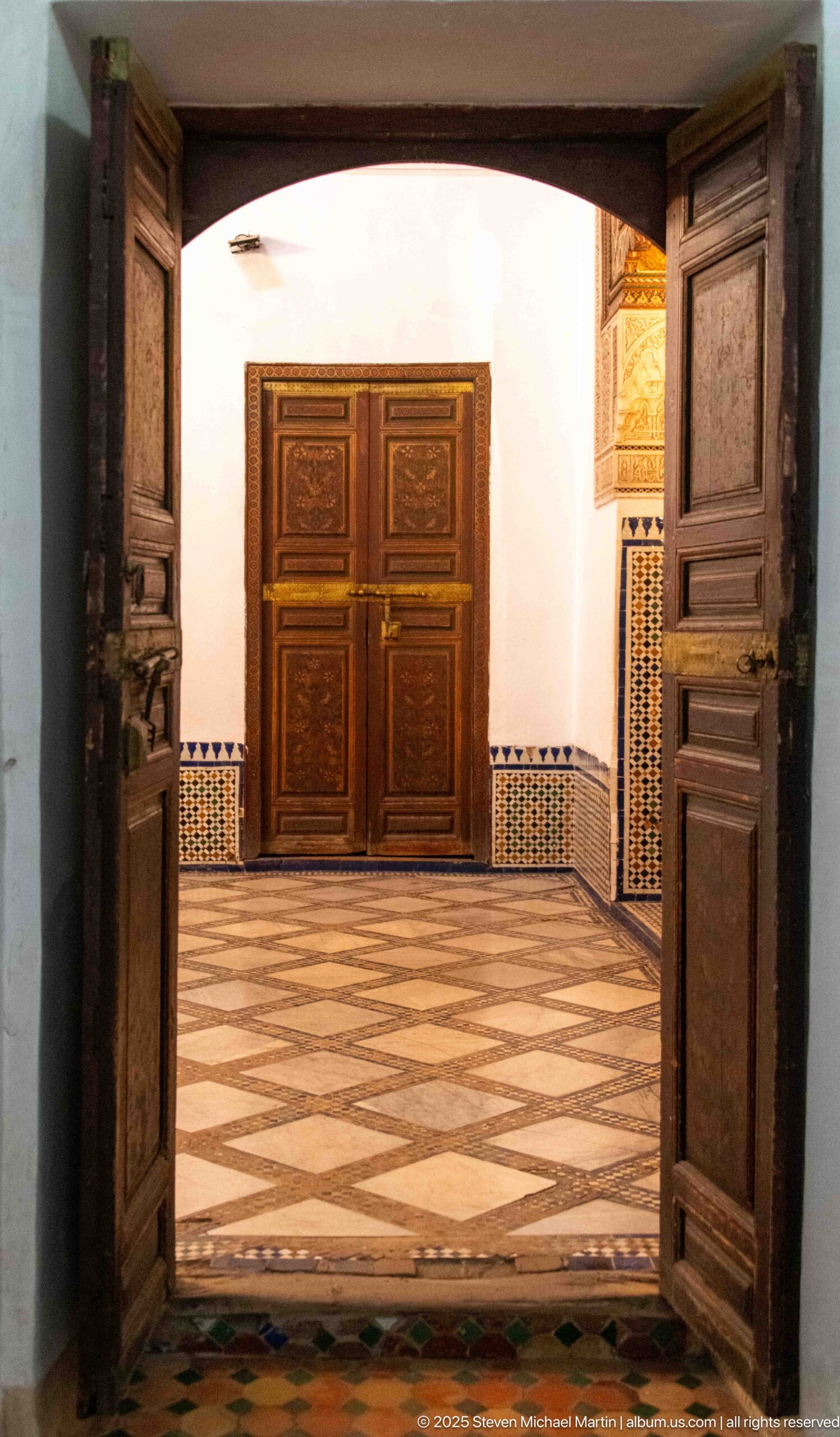
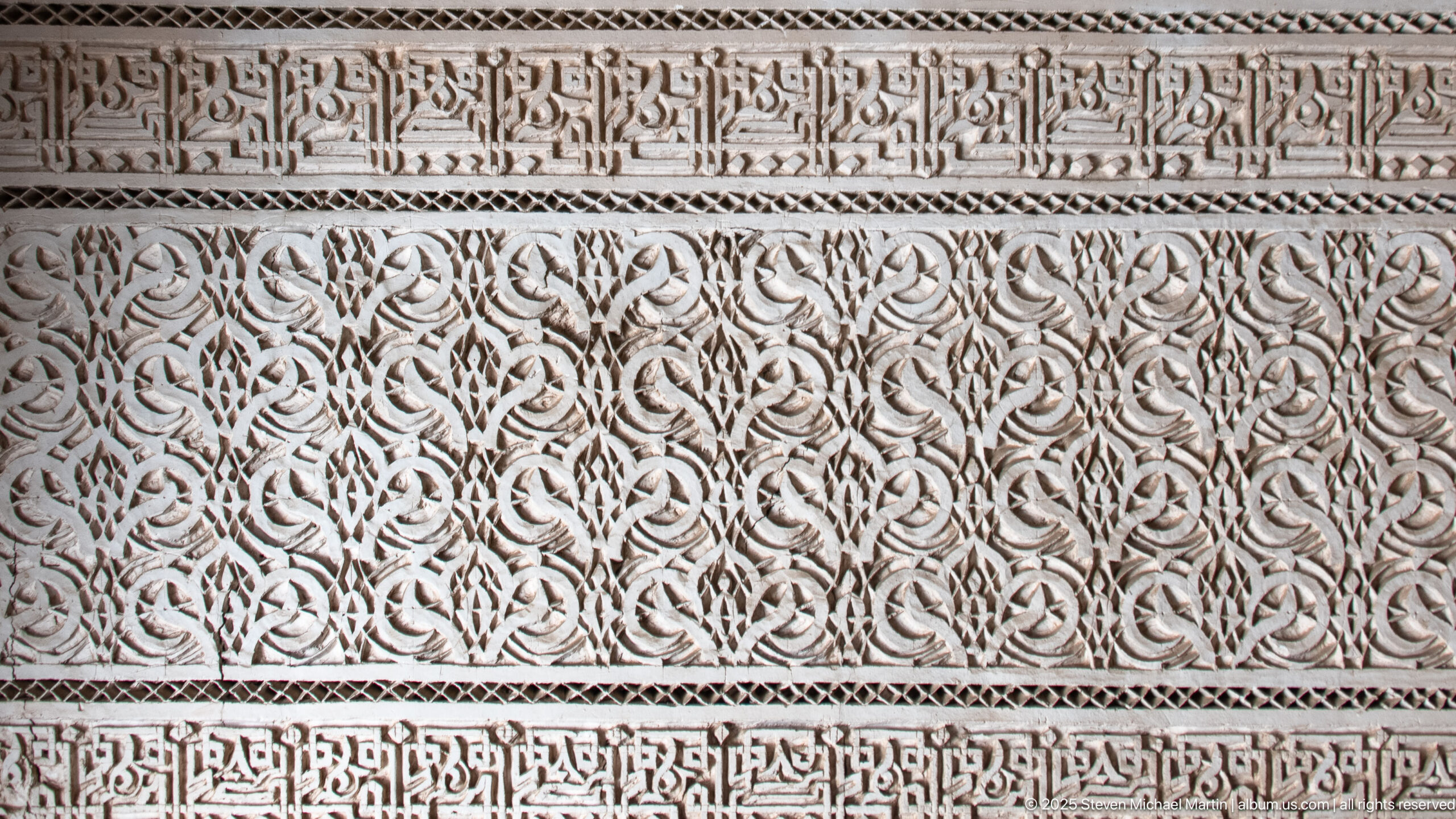
- Intricate Craftsmanship: Zellige tilework, carved cedar wood, stucco, and painted ceilings.
- Private Residence Layout: Designed around privacy, with rooms arranged inward around courtyards.
- “The Brilliant”: The name “Bahia” reflects beauty, elegance, and ambition.
🏰 Bahia Palace Field Guide
Major features observed during this visit:
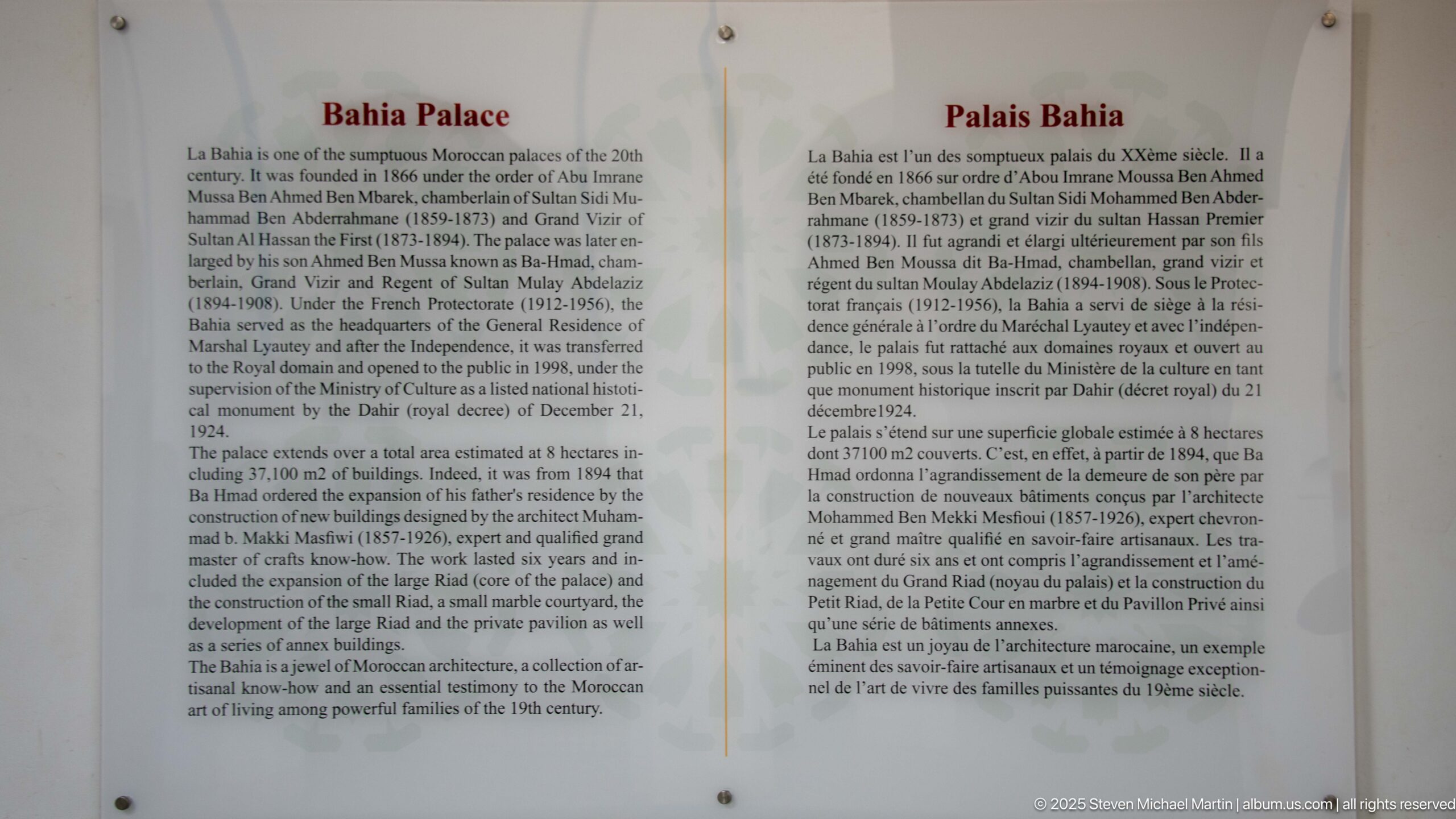
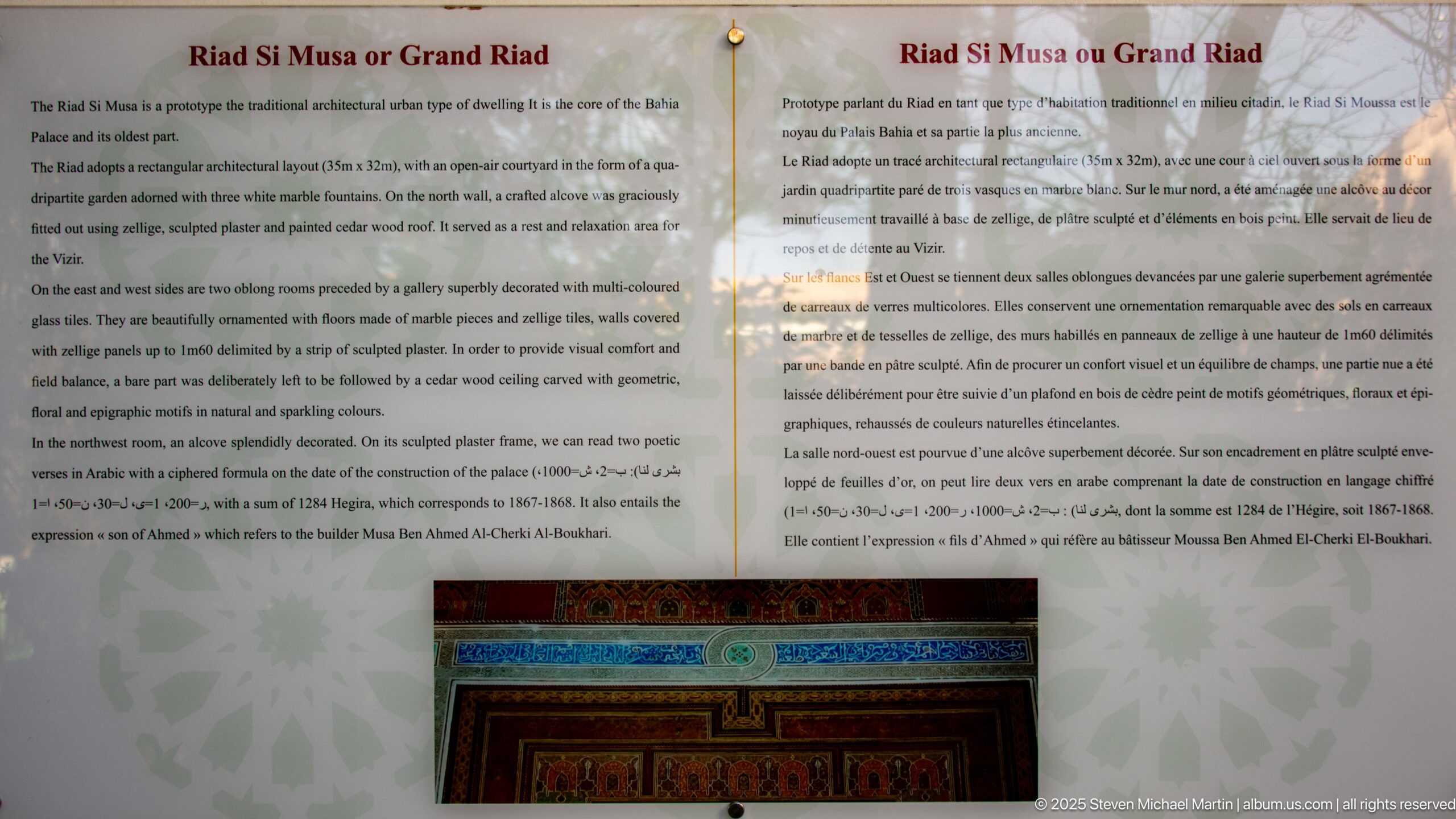
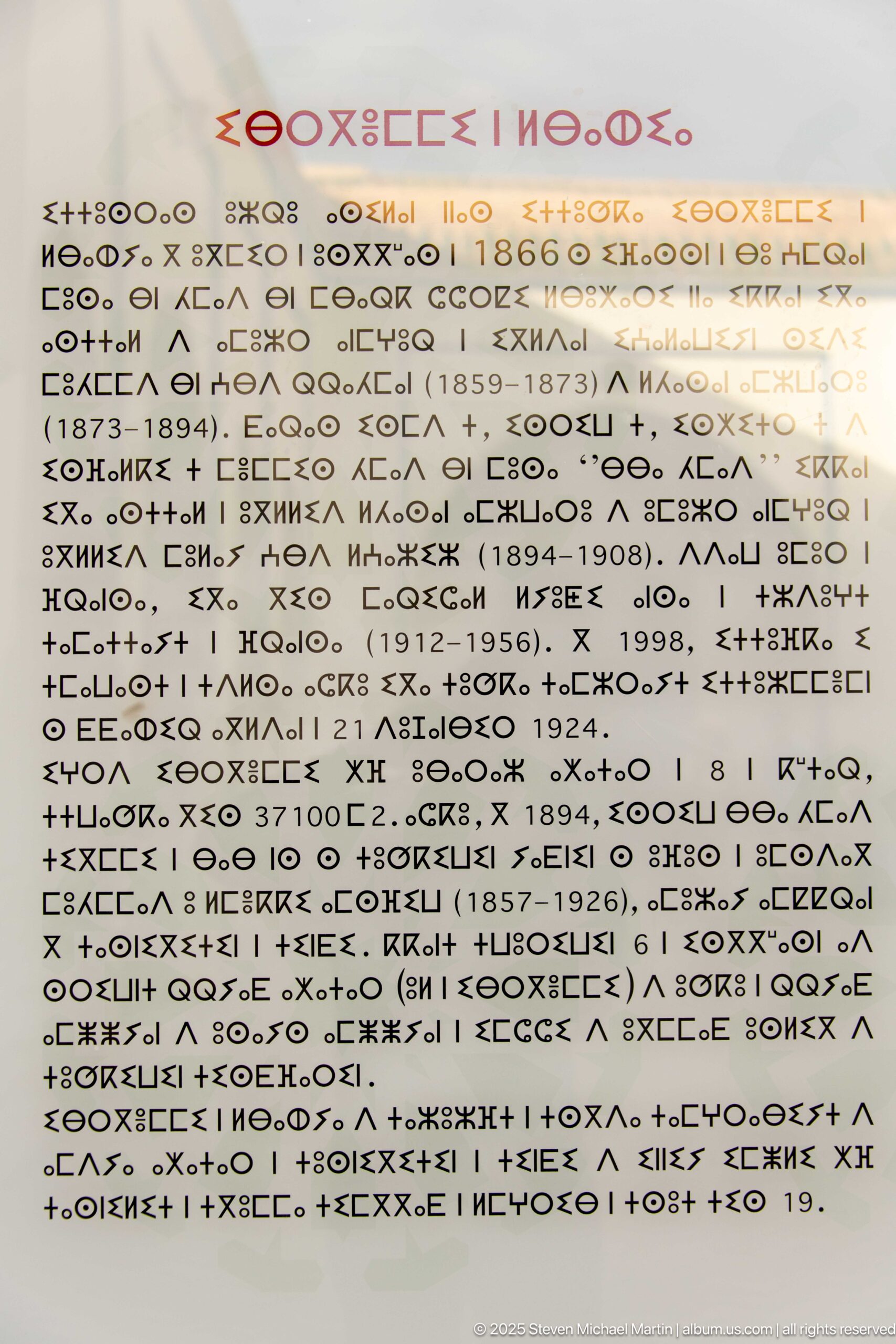
Bahia Palace is one of the finest examples of traditional Moroccan architecture, located in the medina of Marrakech. Built in the late 19th century by Si Moussa and later expanded by his son Ba Ahmed, the palace was intended to be the greatest of its time, reflecting the wealth and influence of its patrons.
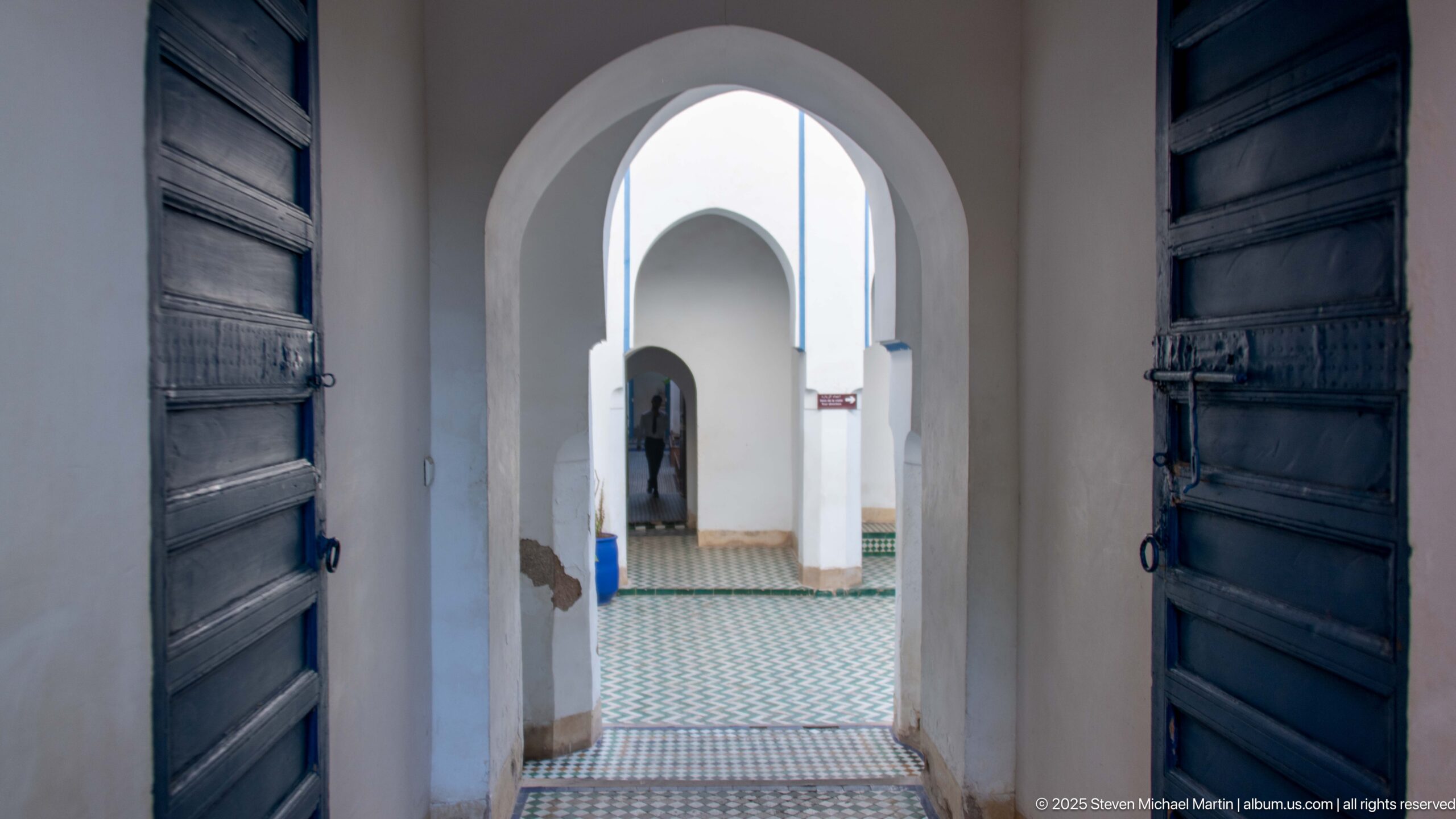
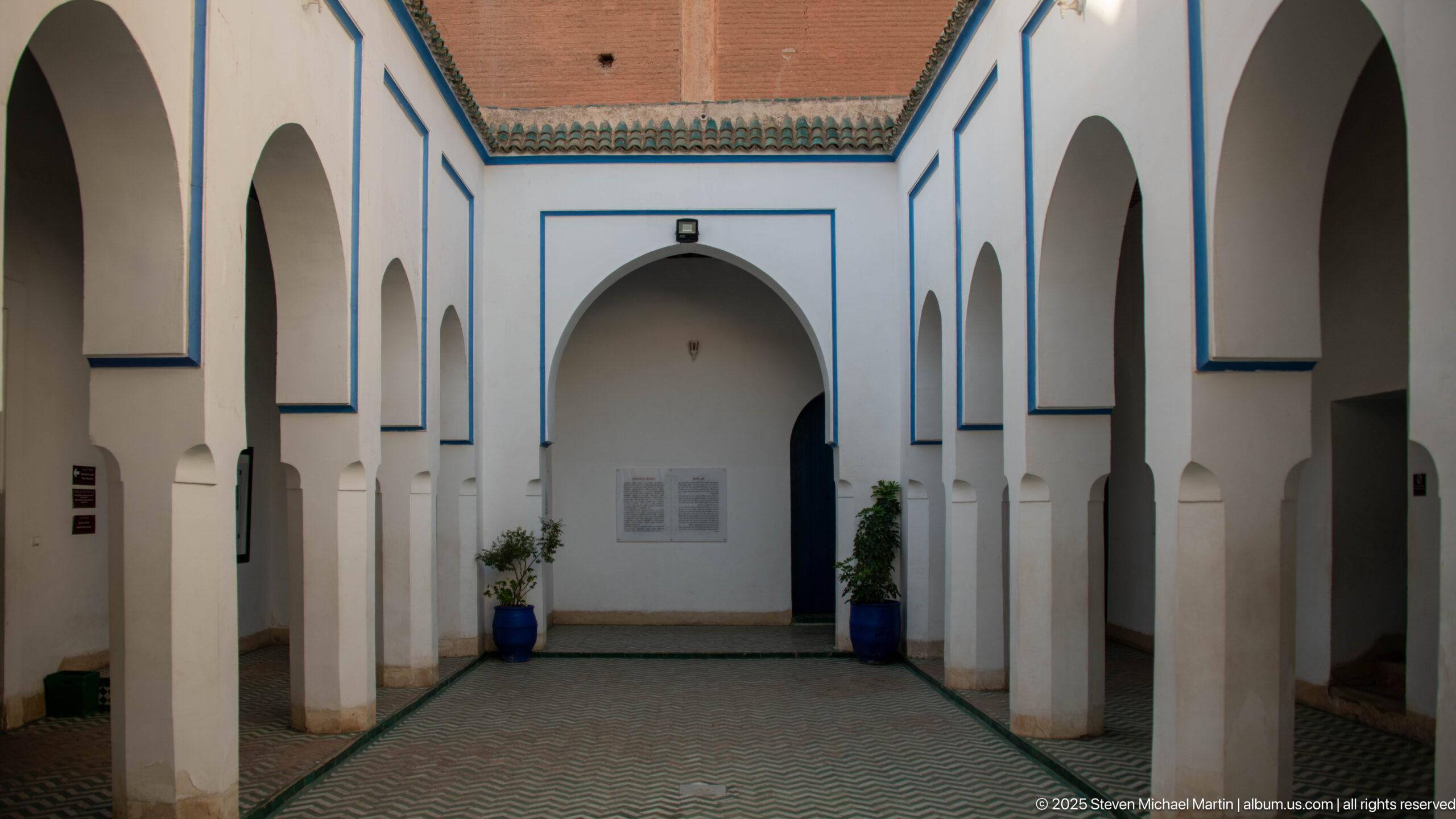
The palace is not defined by a single grand structure, but by a sequence of spaces—courtyards, gardens, and rooms—that unfold gradually. This design reflects the inward-focused nature of Moroccan architecture, where beauty is revealed through movement rather than external scale.
🏛️ Signature Features
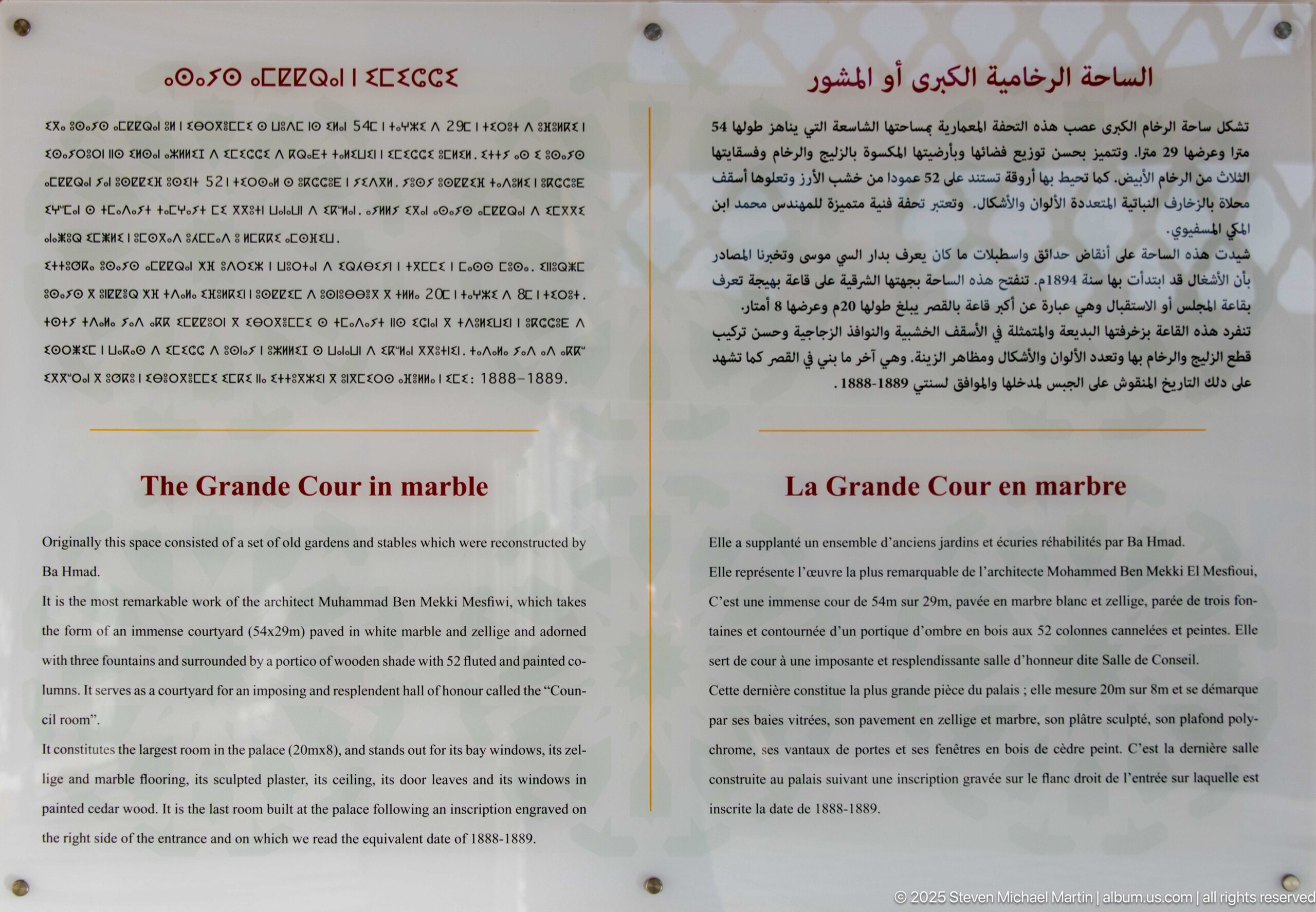
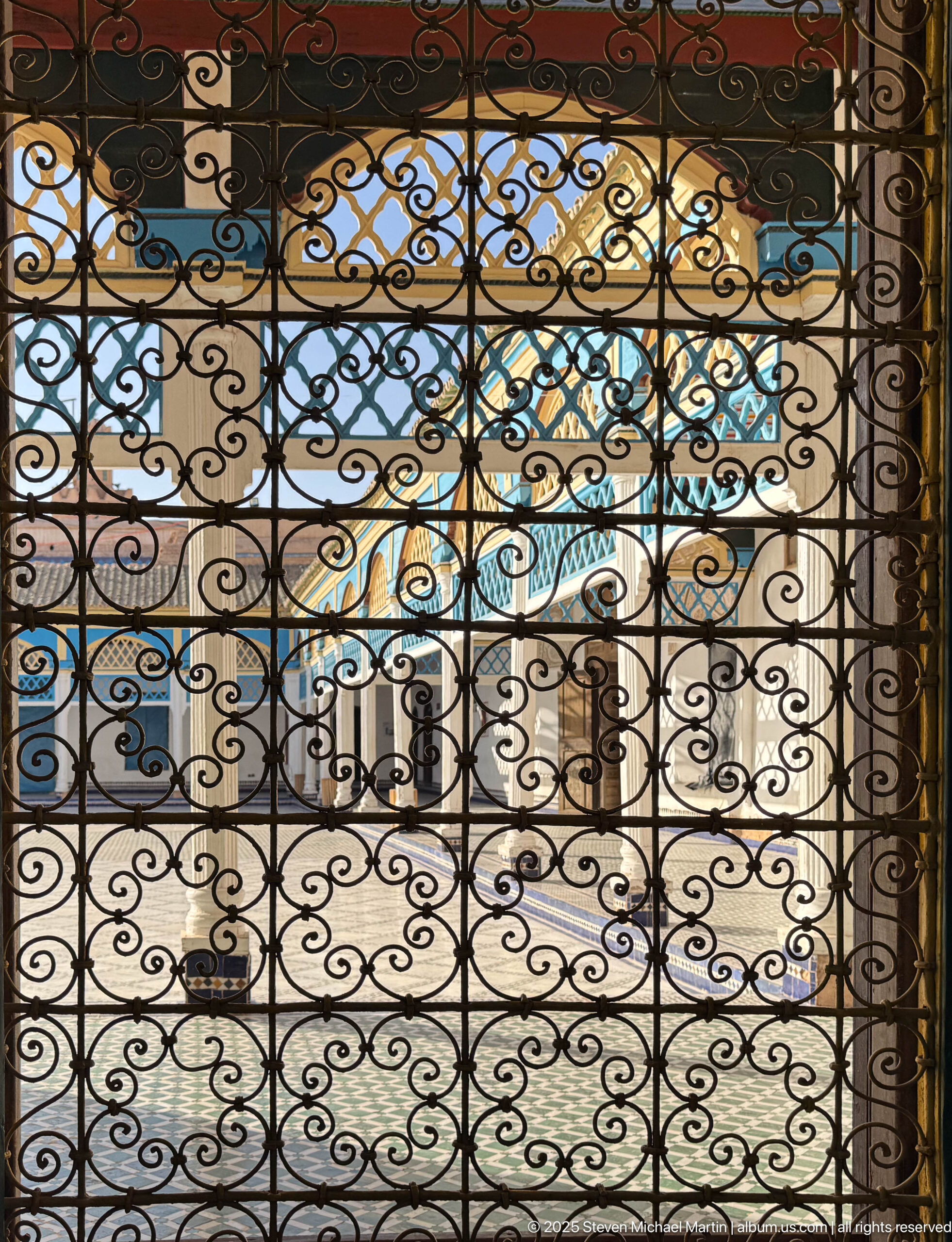
- Grand Courtyard – A large marble-paved space surrounded by decorated rooms.
- Riad Gardens – Interior gardens with fountains and symmetrical layouts.
- Reception Rooms – Finely decorated spaces used for official and private gatherings.
- Harem Quarters – Private residential areas arranged around secluded courtyards.
- Decorative Detail – Extensive use of tile, wood carving, and painted plaster.
🧠 Historical Significance
- Vizier Residence – Built and expanded by powerful political figures of the Moroccan court.
- Symbol of Prestige – Designed to display wealth, influence, and refined taste.
- Late 19th-Century Morocco – Reflects a period of political power and cultural richness.
- State Use – Later used by the royal family and for official functions.
🌄 Landscape & Setting
- Medina Location – Situated within the historic core of Marrakech.
- Inward Architecture – Exterior walls are modest, while interiors are richly decorated.
- Layered Spaces – Movement through the palace reveals a sequence of courtyards and rooms.
- Garden Integration – Green spaces and water features are central to the design.