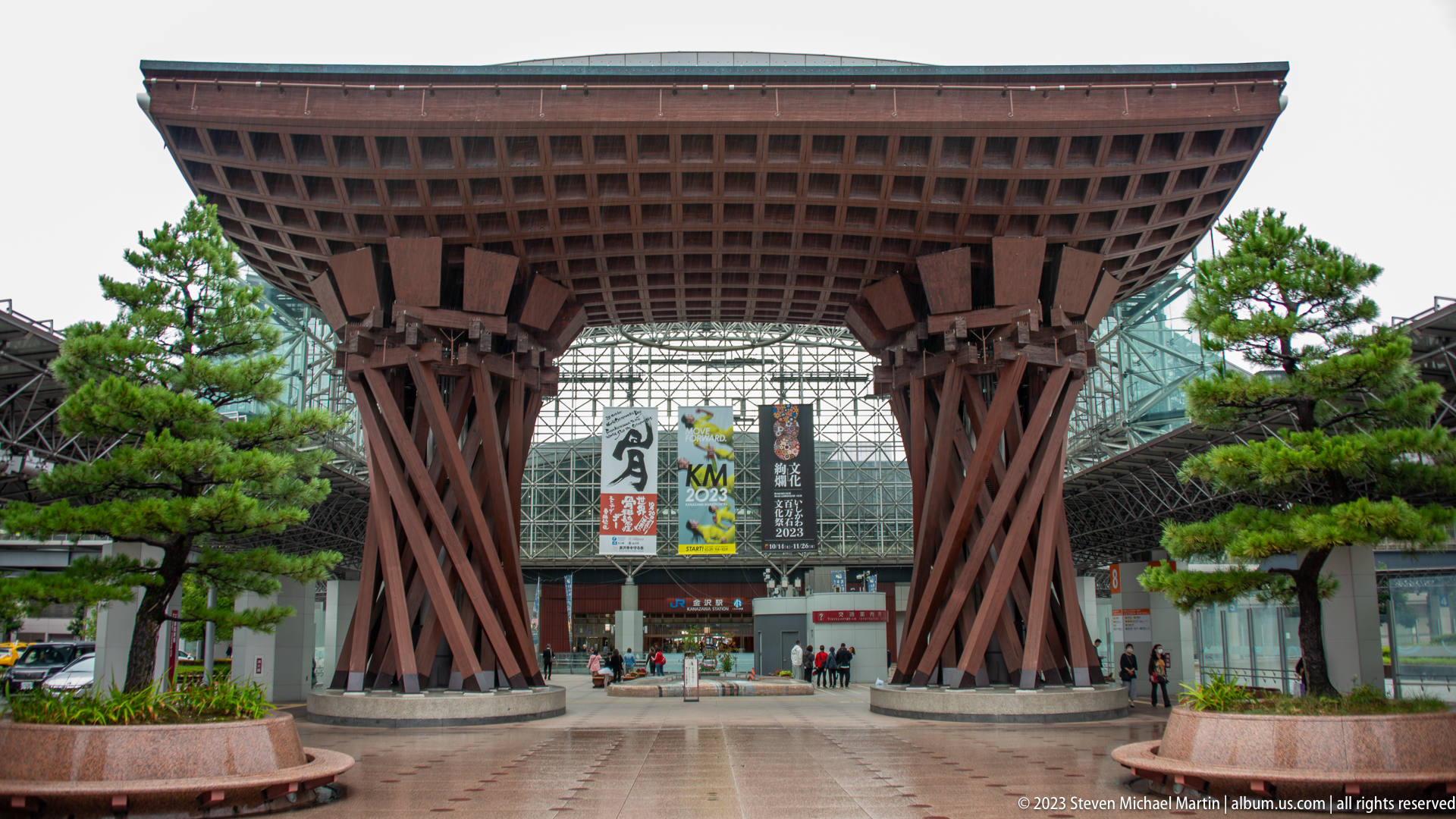
Kanazawa Kanazawa developed as an important cultural and administrative center during Japan’s Edo period under the governance of the Maeda clan. The city became known for its preservation of traditional arts including lacquerware, ceramics, and textile production. Its relative protection from wartime destruction allowed many historic districts to remain intact. Traditional neighborhoods, temples, and merchant […]
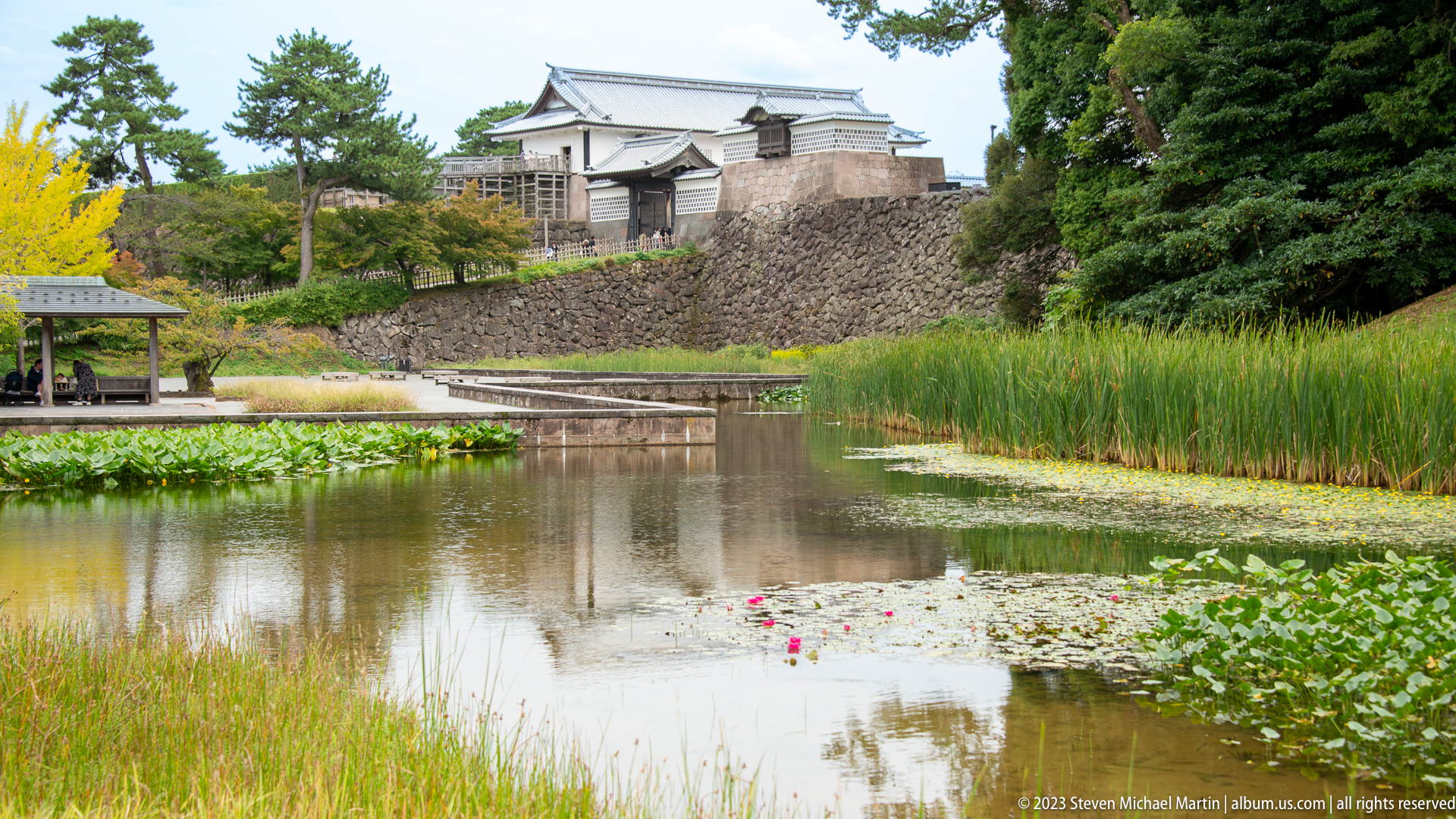
Kanazawa Castle Kanazawa Castle developed as an important regional administrative center during Japan’s feudal period. Constructed and expanded under the Maeda clan, the castle reflects defensive architectural techniques associated with political authority in early modern Japan. Its strategic location contributed to the growth of Kanazawa as a cultural and economic center. Distinctive architectural features include […]
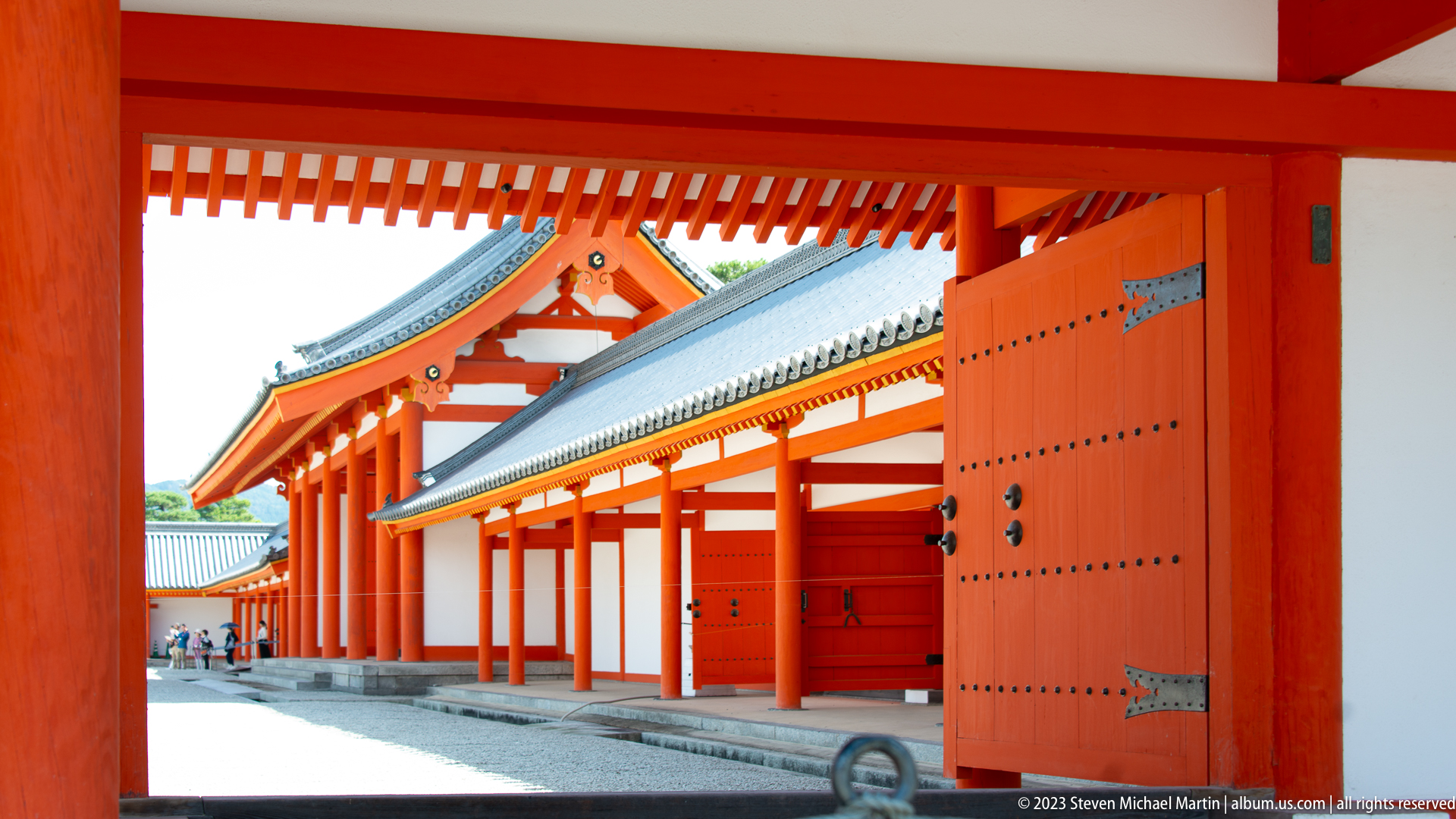
Kyoto Imperial Palace The Kyoto Imperial Palace served as the residence of Japan’s imperial family until the capital was moved to Tokyo in the nineteenth century. The palace complex reflects architectural styles associated with courtly life during Japan’s classical and medieval periods. Its design emphasizes simplicity, proportion, and careful spatial organization. Buildings within the complex […]
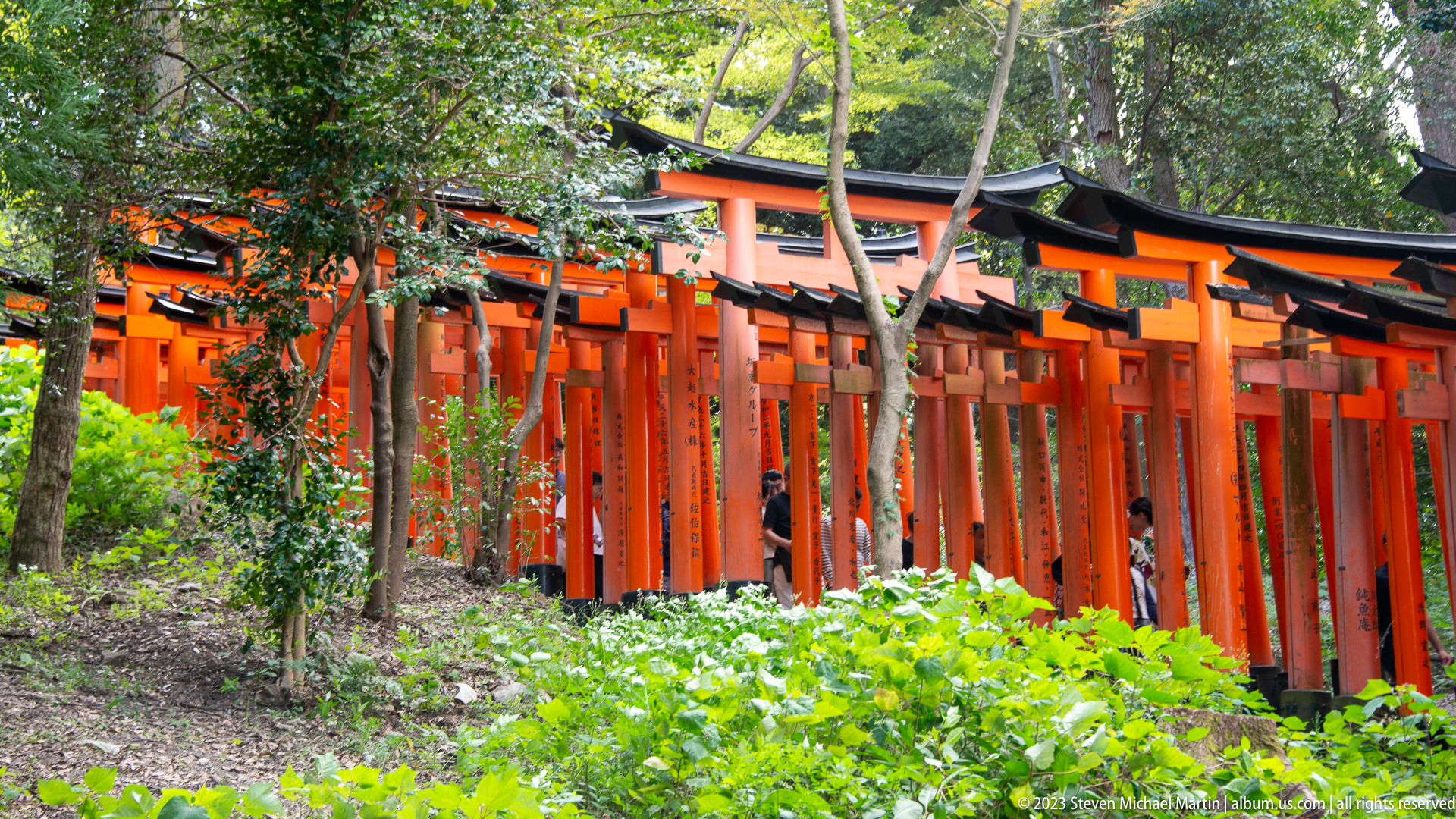
Fushimi Inari Taisha Fushimi Inari Taisha is one of Japan’s most important Shinto shrines, dedicated to Inari, the deity associated with rice, prosperity, and commerce. Founded in the eighth century, the shrine reflects the connection between agricultural success and religious practice in early Japanese society. Its location at the base of Mount Inari emphasizes the […]
Kyoto at Night Kyoto at night highlights the atmospheric qualities of historic streets and temple districts illuminated after sunset. Soft lighting emphasizes architectural detail and creates visual contrast between traditional structures and modern urban elements. Evening conditions often provide a quieter perspective on historically significant locations. Illumination enhances the visual character of wooden buildings, gates, […]
Kyoto Station Kyoto Station represents a modern architectural interpretation of transportation infrastructure within one of Japan’s most historic cities. The station serves as a major hub connecting regional and national rail networks, including high-speed Shinkansen lines. Its design reflects contemporary engineering approaches to large-scale public space. The structure incorporates extensive use of glass and steel, […]
Kyoto Kyoto served as the imperial capital of Japan for more than one thousand years and remains one of the country’s most important cultural centers. The city preserves numerous temples, shrines, and historic districts that reflect the development of Japanese religious, political, and artistic traditions. Its historical role as the seat of the imperial court […]
Chion-in (Jodo-shu) Chion-in is the head temple of the Jodo-shu, or Pure Land, school of Buddhism and was founded in the thirteenth century by the monk Honen. The temple complex reflects the development of devotional Buddhist traditions emphasizing faith and recitation. Its architectural design illustrates the scale and influence of religious institutions in Kyoto. Large […]
Nara Park and Todai-ji Temple Nara served as Japan’s capital during the eighth century and became an important center for the introduction of Buddhism into Japanese society. Todai-ji Temple was constructed during this period and houses one of the largest bronze Buddha statues in the world. The temple complex reflects early state sponsorship of Buddhist […]
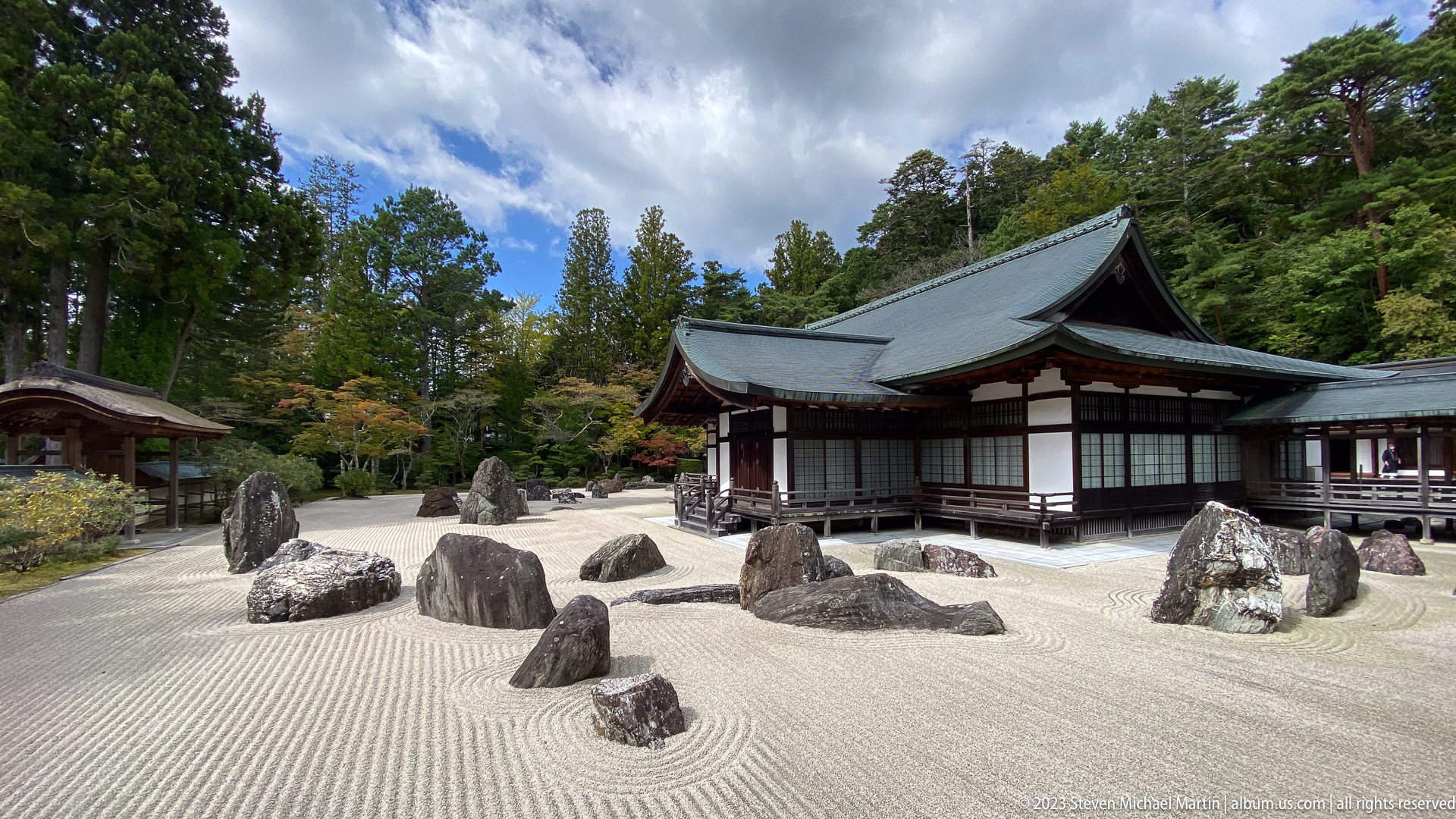
Koyasan (Mount Koya) Koyasan is an important center of Shingon Buddhism founded in the ninth century by the monk Kukai, also known as Kobo Daishi. Located in the mountains south of Osaka, the temple complex reflects the development of monastic religious communities within Japan. Its remote setting emphasizes the spiritual association between nature and Buddhist […]