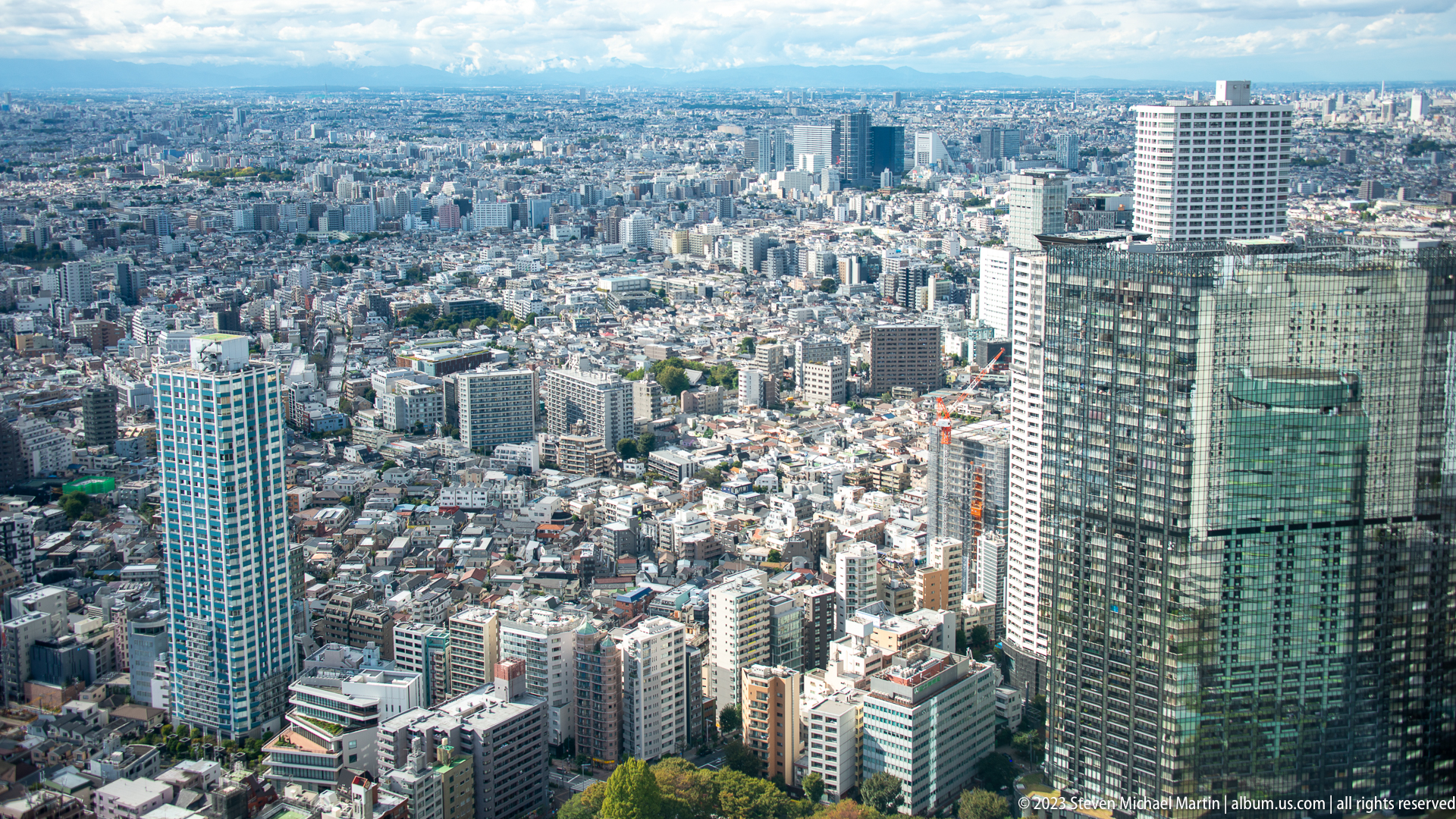
Tokyo Observation Deck Observation decks in Tokyo provide elevated views of one of the world’s most densely developed metropolitan regions. The panoramic perspective illustrates the scale of urban expansion associated with modern economic and technological development. The skyline reflects architectural innovation and planning associated with contemporary city design. High-rise structures and transportation networks demonstrate the […]
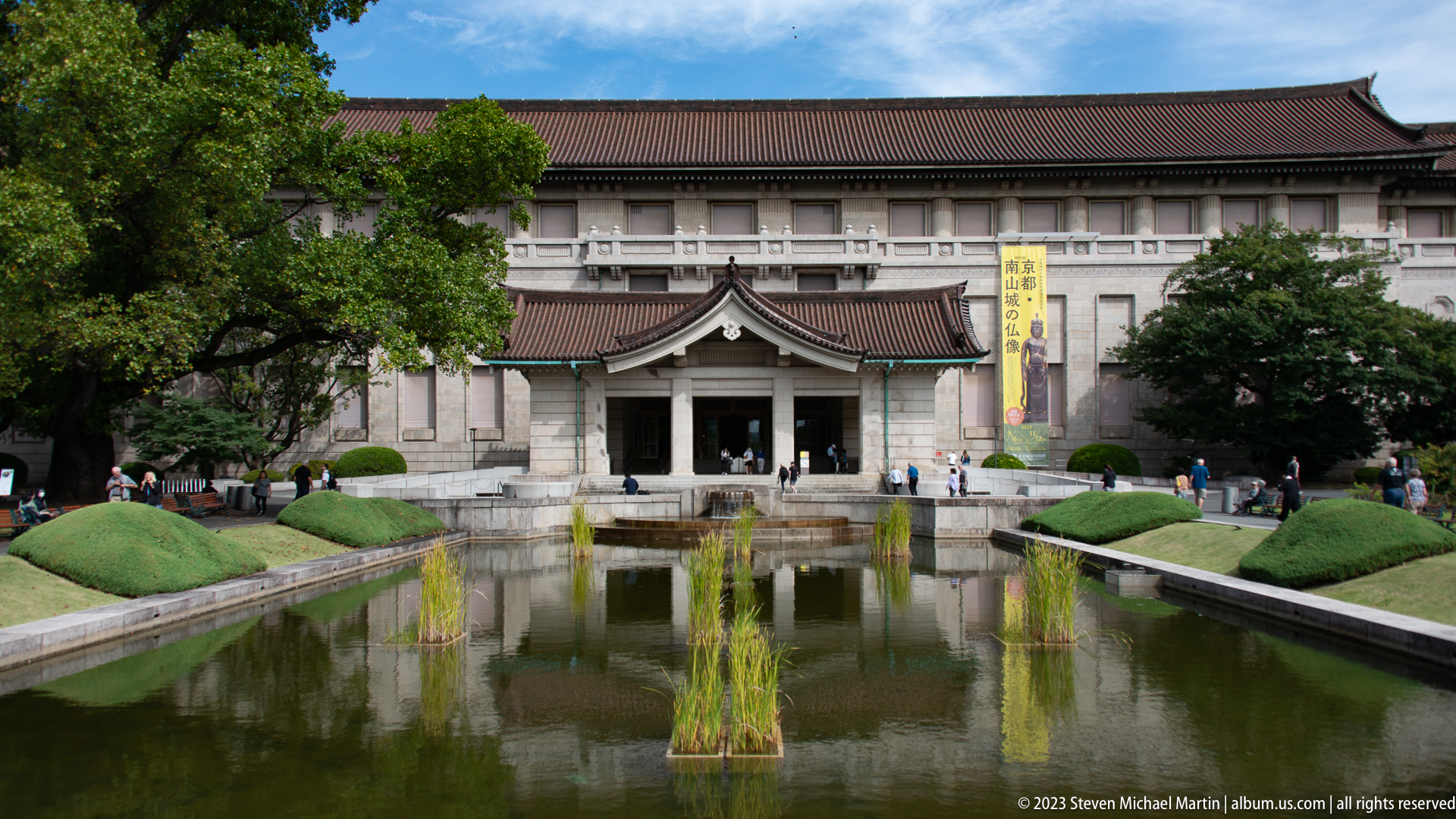
Tokyo National Museum The Tokyo National Museum houses one of the largest collections of Japanese art and archaeological material, illustrating cultural development across more than two millennia. The museum’s collections include sculpture, ceramics, textiles, and historical artifacts reflecting both religious and secular traditions. The institution plays an important role in preserving cultural heritage. Exhibits provide […]
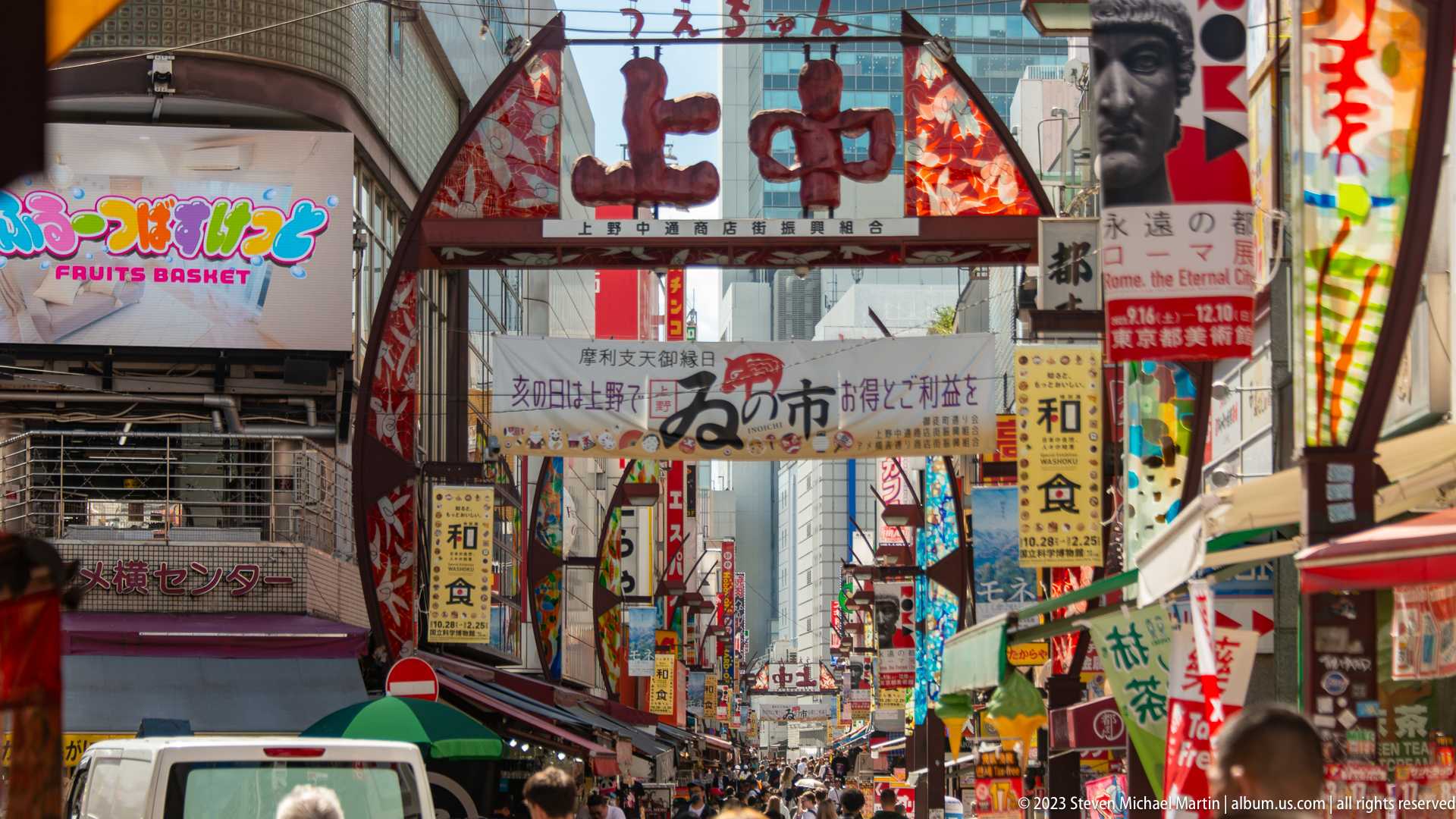
Tokyo Tokyo developed as one of the world’s largest urban centers, evolving from the earlier city of Edo, which served as the political seat of the Tokugawa shogunate beginning in the seventeenth century. The city reflects Japan’s transition from feudal governance to modern industrial and economic development. Its urban landscape demonstrates the interaction between historical […]
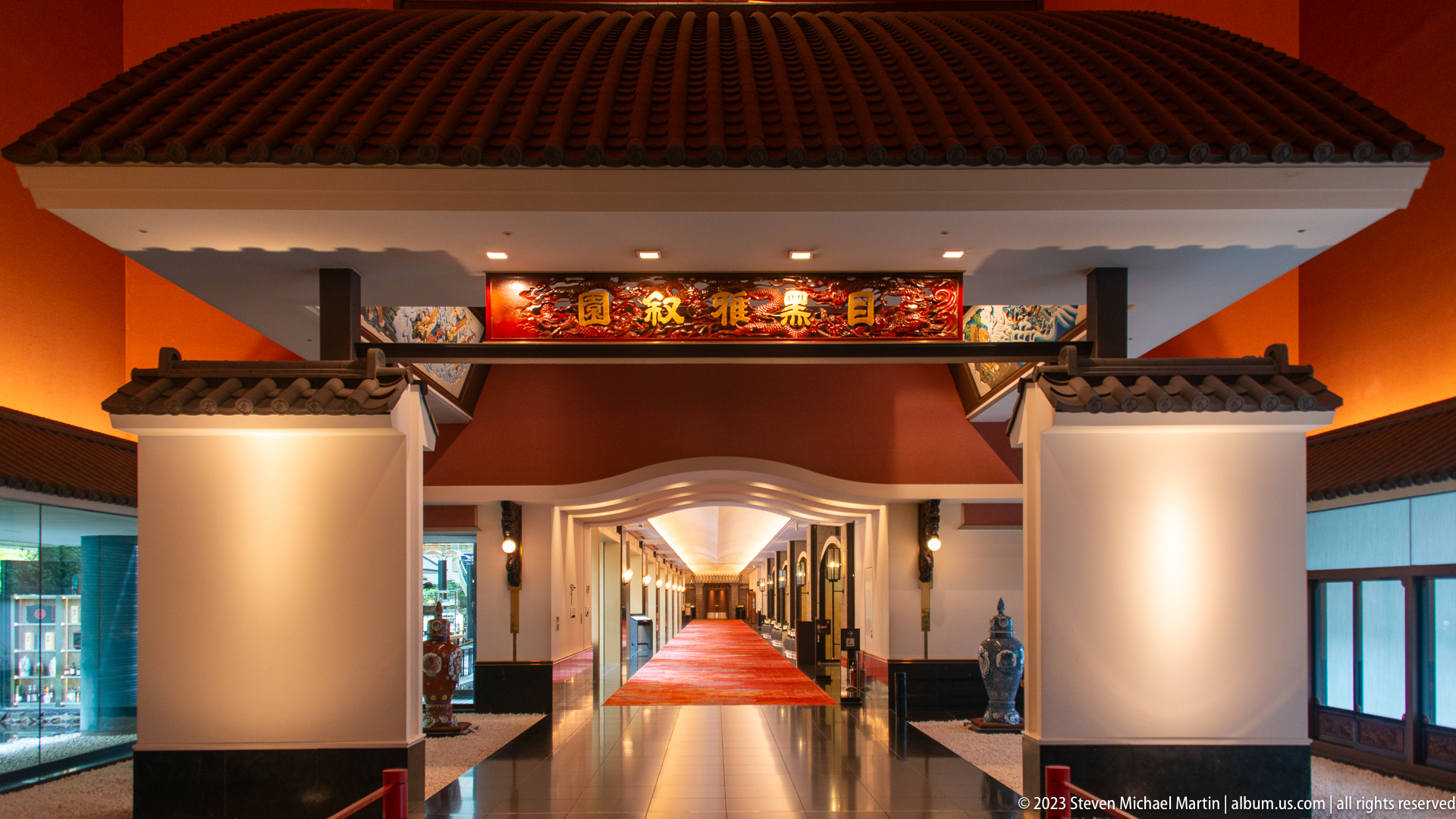
Hotel Gajoen Hotel Gajoen in Tokyo is known for its elaborate interior decoration reflecting traditional Japanese artistic craftsmanship combined with modern architectural design. Originally developed in the early twentieth century, the building incorporates decorative woodwork, painted panels, and sculptural ornamentation inspired by classical Japanese motifs. The structure illustrates the continuation of artistic traditions within contemporary […]
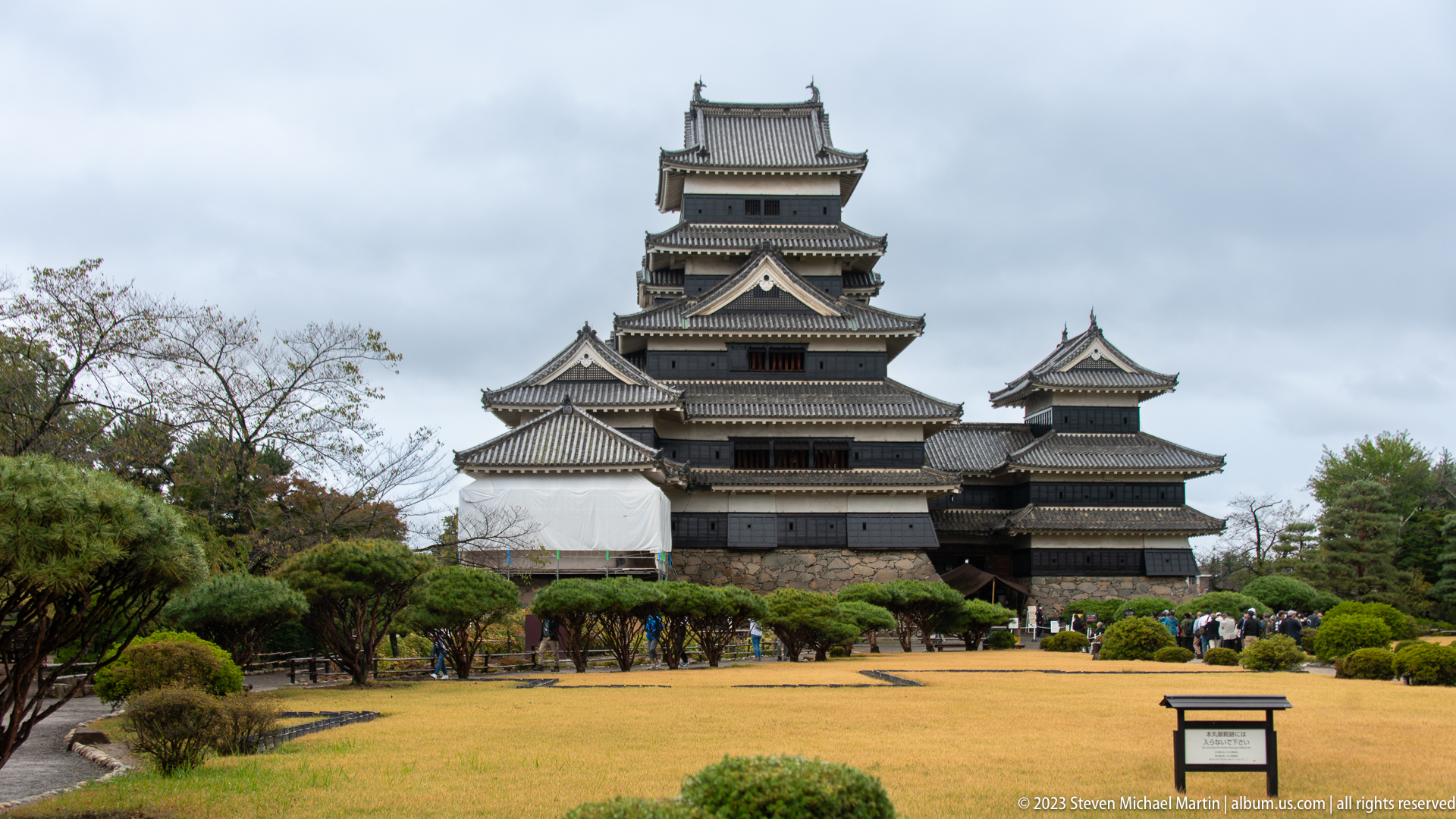
Matsumoto Castle Matsumoto Castle is one of Japan’s most well-preserved feudal castles and dates primarily to the late sixteenth century. The structure is notable for its black exterior, giving rise to the nickname “Crow Castle.” Its defensive design reflects political and military conditions during a period of regional conflict preceding national unification. The castle’s wooden […]
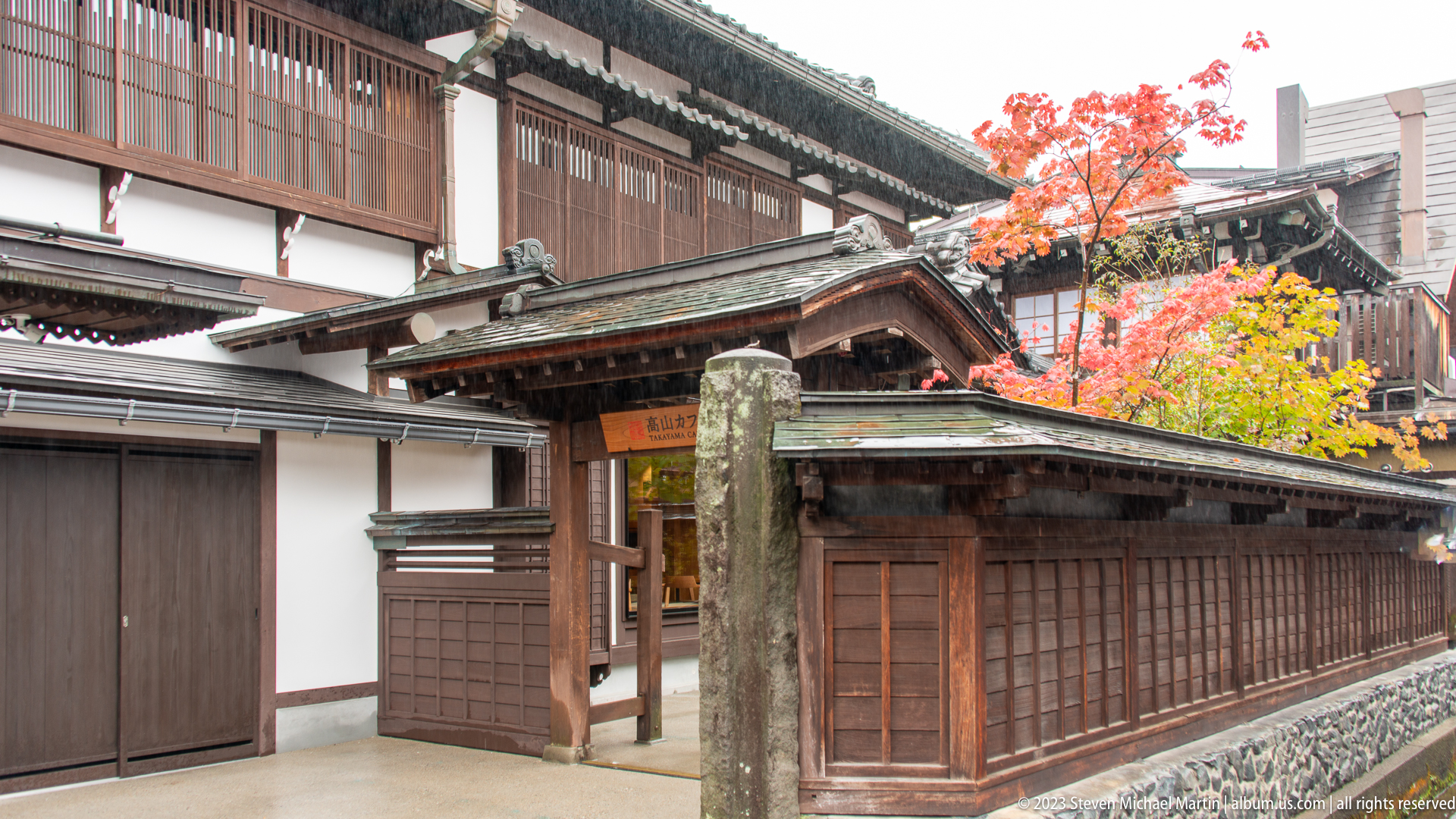
Takayama Takayama developed as a regional center during Japan’s feudal period and is known for its preserved historic district featuring traditional wooden merchant houses. The town’s location in the mountainous Hida region contributed to its relative isolation, allowing architectural traditions from the Edo period to remain largely intact. Its preserved streets illustrate early modern urban […]
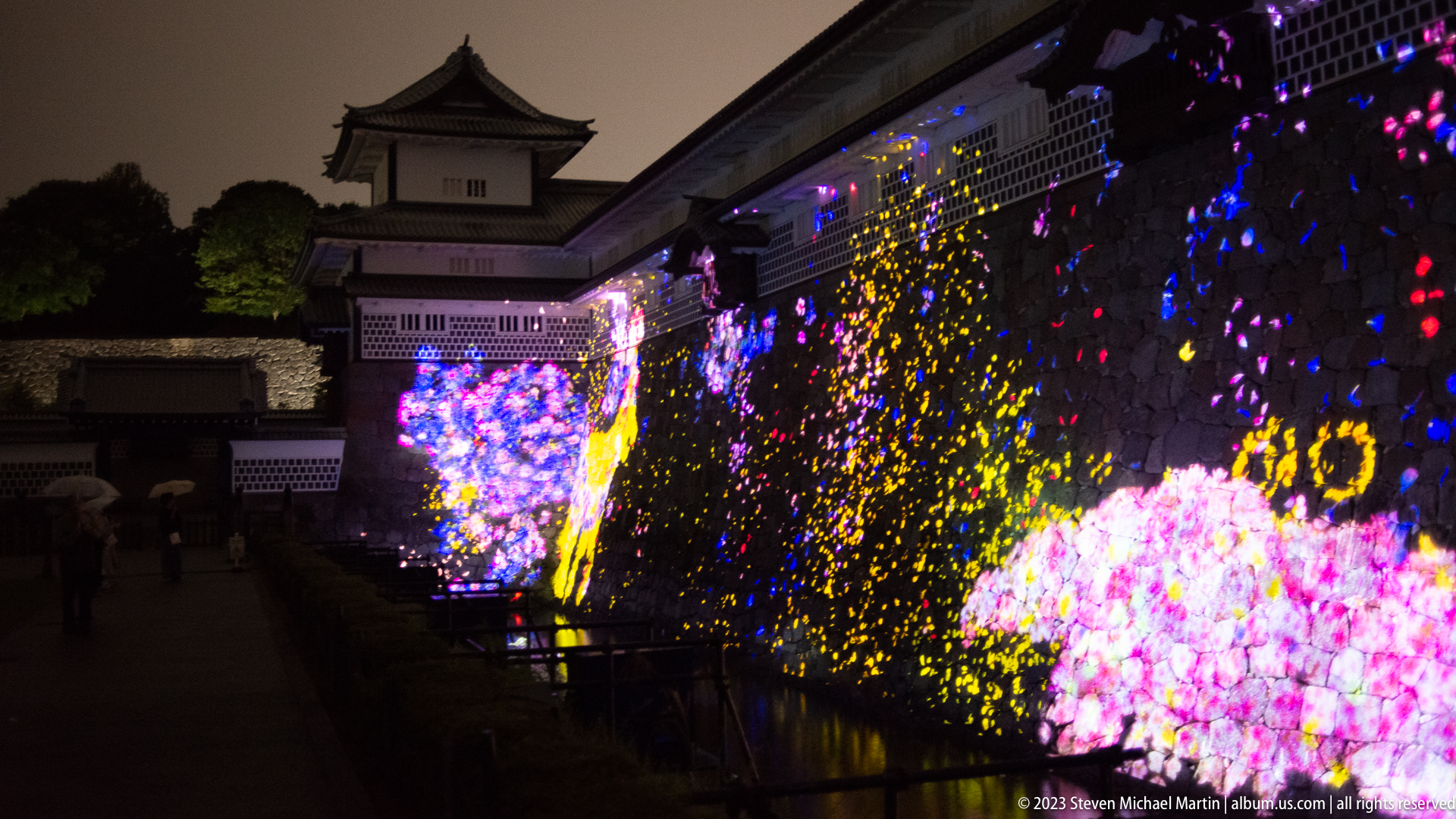
Kanazawa Castle Light Festival The Kanazawa Castle Light Festival illuminates historic castle structures, highlighting architectural details through carefully designed lighting. Evening illumination emphasizes the geometric forms of walls, gates, and towers that characterize Japanese feudal construction. The event illustrates contemporary appreciation for historical preservation. Lighting design enhances the visual contrast between stone foundations and wooden […]
Kanazawa Samurai and Ninja Homes Kanazawa preserves residential districts associated with samurai families who served regional feudal lords during the Edo period. These homes reflect architectural features adapted to social hierarchy and defensive considerations. The preserved neighborhoods illustrate the organization of urban life under feudal governance. Some structures associated with ninja traditions demonstrate architectural features […]
Kanazawa Kanazawa developed as an important cultural and administrative center during Japan’s Edo period under the governance of the Maeda clan. The city became known for its preservation of traditional arts including lacquerware, ceramics, and textile production. Its relative protection from wartime destruction allowed many historic districts to remain intact. Traditional neighborhoods, temples, and merchant […]
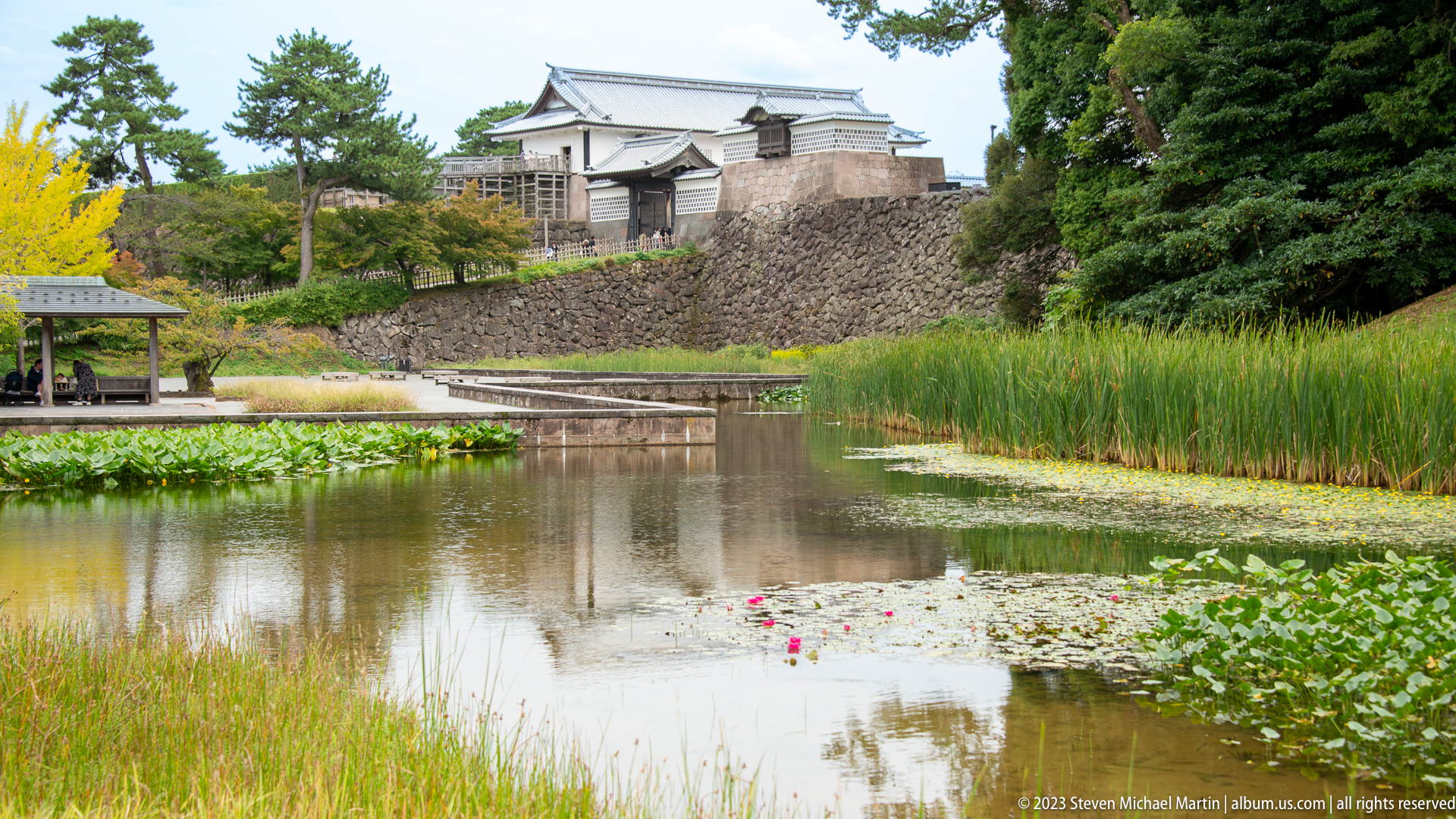
Kanazawa Castle Kanazawa Castle developed as an important regional administrative center during Japan’s feudal period. Constructed and expanded under the Maeda clan, the castle reflects defensive architectural techniques associated with political authority in early modern Japan. Its strategic location contributed to the growth of Kanazawa as a cultural and economic center. Distinctive architectural features include […]