UNESCO World Heritage Site

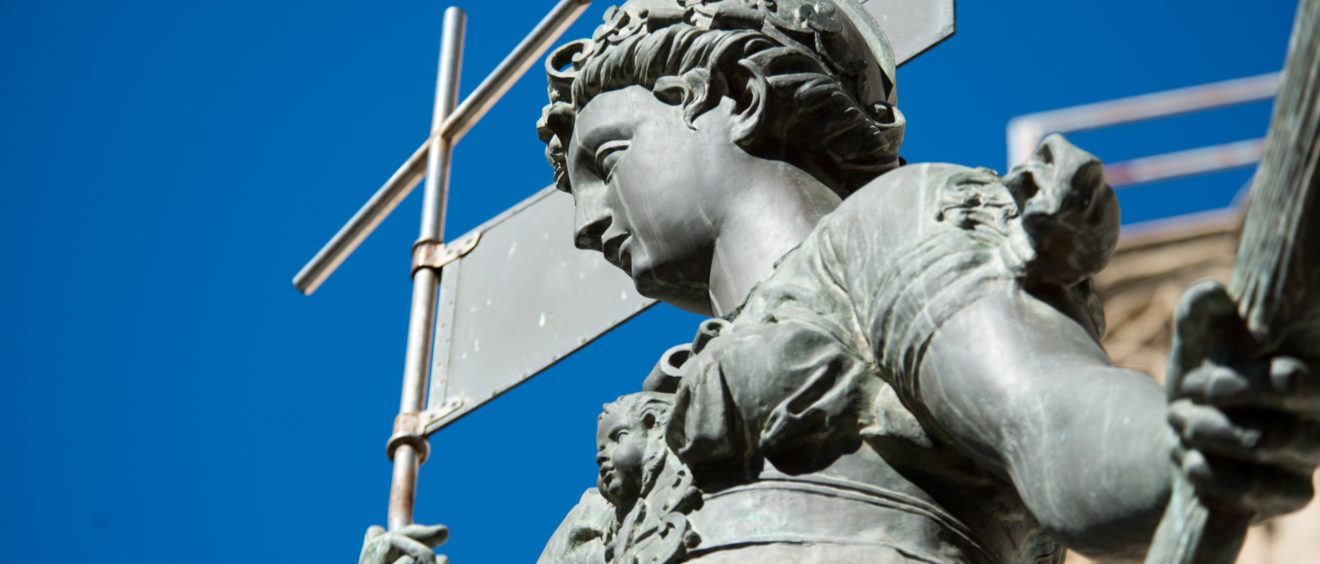
Close low-angle view of a bronze figure in historical dress holding a staff against a blue sky.

Seville, Spain

Seville Seville developed as one of the most important cultural and commercial centers of southern Spain, shaped by Roman foundations, Islamic rule, and later Christian influence following the Reconquista. Its location along the Guadalquivir River allowed the city to become a major center of trade and administration. Architectural landmarks reflect centuries of cultural exchange between […]
Explore Portfolio
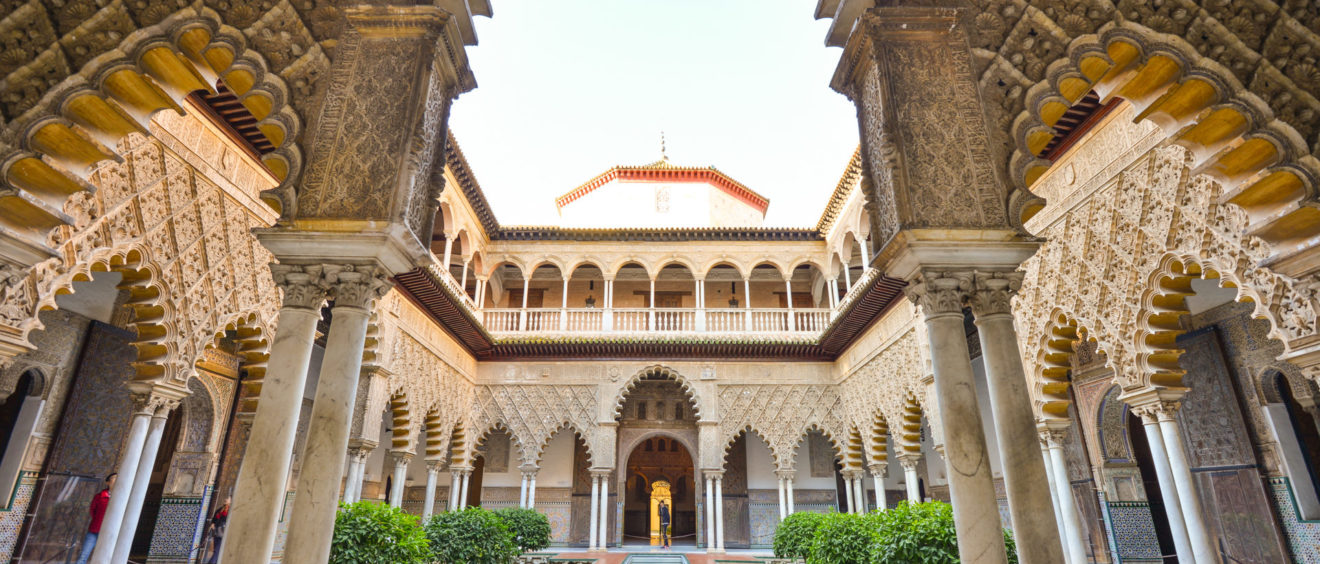
Patio de las Doncellas seen through a large multilobed arch, with reflecting pool, citrus gardens, columns, and ornate arcades.

Alcazar (Seville, Spain)

Alcázar The Alcázar refers to fortified palace complexes constructed in Spain during periods of Islamic and later Christian rule. These structures combined defensive features with refined architectural elements reflecting artistic traditions of Al-Andalus. Courtyards, decorative tilework, and geometric ornamentation illustrate the influence of Moorish design. Many alcázars were later adapted by Christian monarchs following the […]

Explore Portfolio
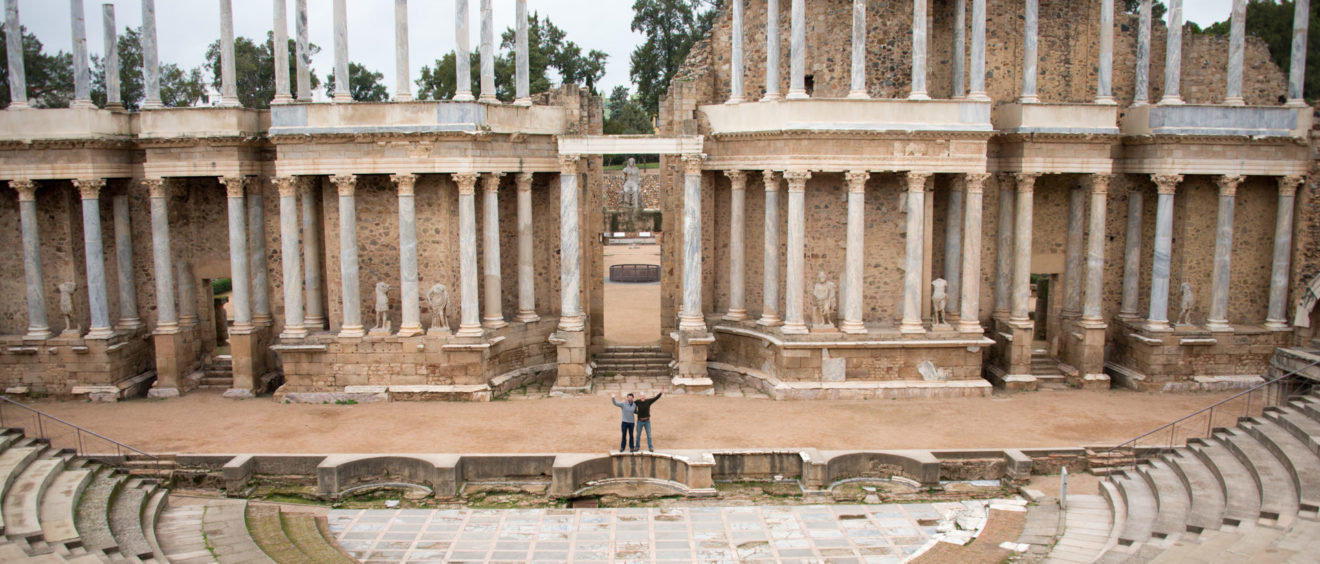
Visitor standing at center stage before the tall, symmetrical columned façade of Mérida's Roman Theatre.

Merida, Spain

Mérida Mérida was founded as a Roman colony in the first century BCE and became an important administrative center within the province of Lusitania. The city preserves significant archaeological remains including a Roman theater, amphitheater, aqueduct, and bridge. These structures demonstrate the engineering and urban planning achievements of the Roman Empire. The Roman theater illustrates […]

Explore Portfolio
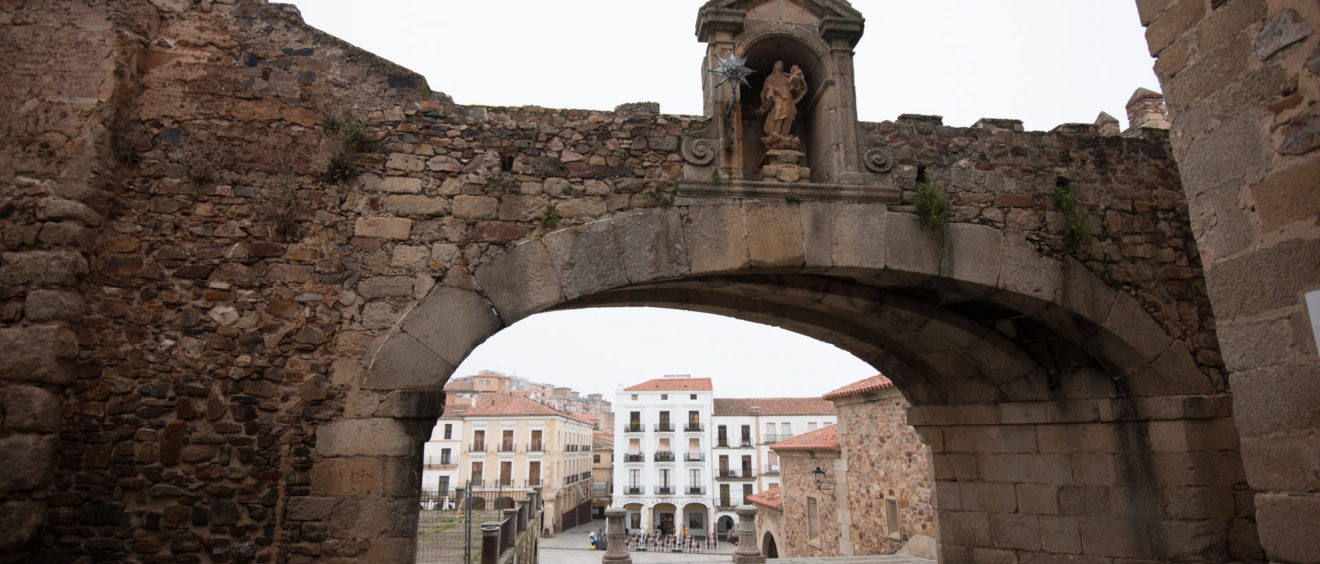
Interior-side view of the Arco de la Estrella, with its Marian niche above and Plaza Mayor visible through the opening.

Caceres, Spain

Cáceres Cáceres preserves an exceptional historic center shaped by Roman foundations, Islamic influence, and later medieval Christian development. Stone towers, fortified walls, and narrow streets reflect centuries of political change across the Iberian Peninsula. The architectural character of the city illustrates the layered cultural traditions that developed during periods of cooperation and conflict. Noble residences […]

Explore Portfolio
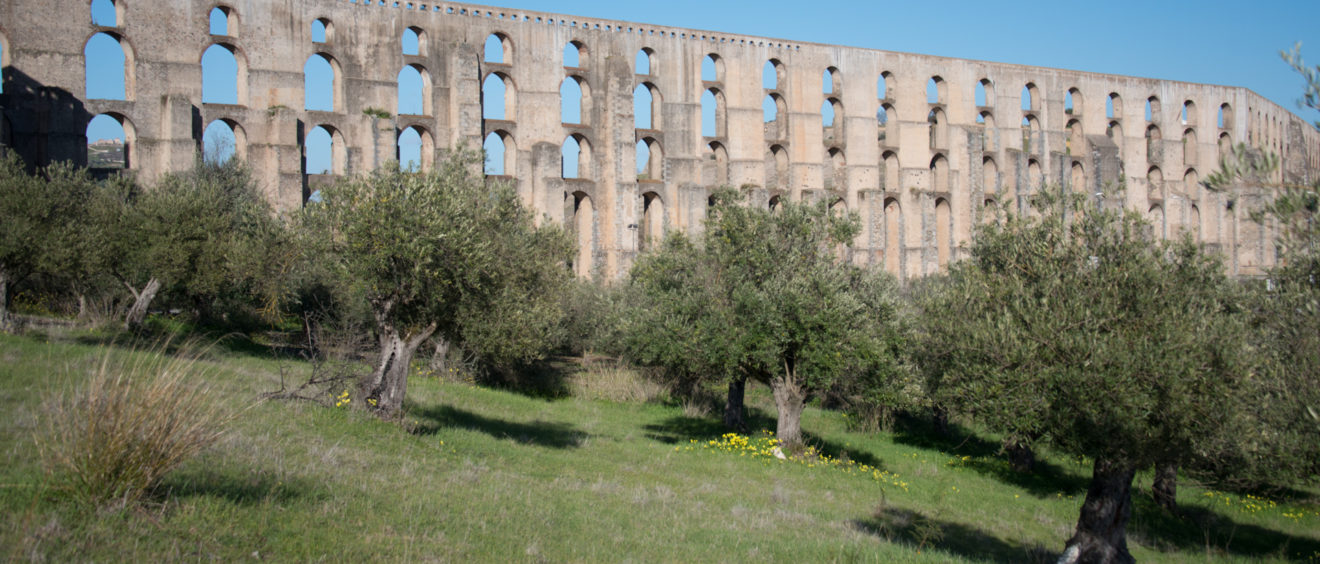
Long sunlit arcade of the Amoreira Aqueduct crossing above a grassy olive grove.

Elvas, Portugal

Elvas Elvas is known for its extensive system of defensive fortifications constructed to protect the Portuguese frontier. Star-shaped bastions and reinforced walls illustrate developments in military engineering associated with the early modern period. The town’s position near the Spanish border reflects its importance in regional defense strategies. The fortifications incorporate geometric design principles intended to […]

Explore Portfolio
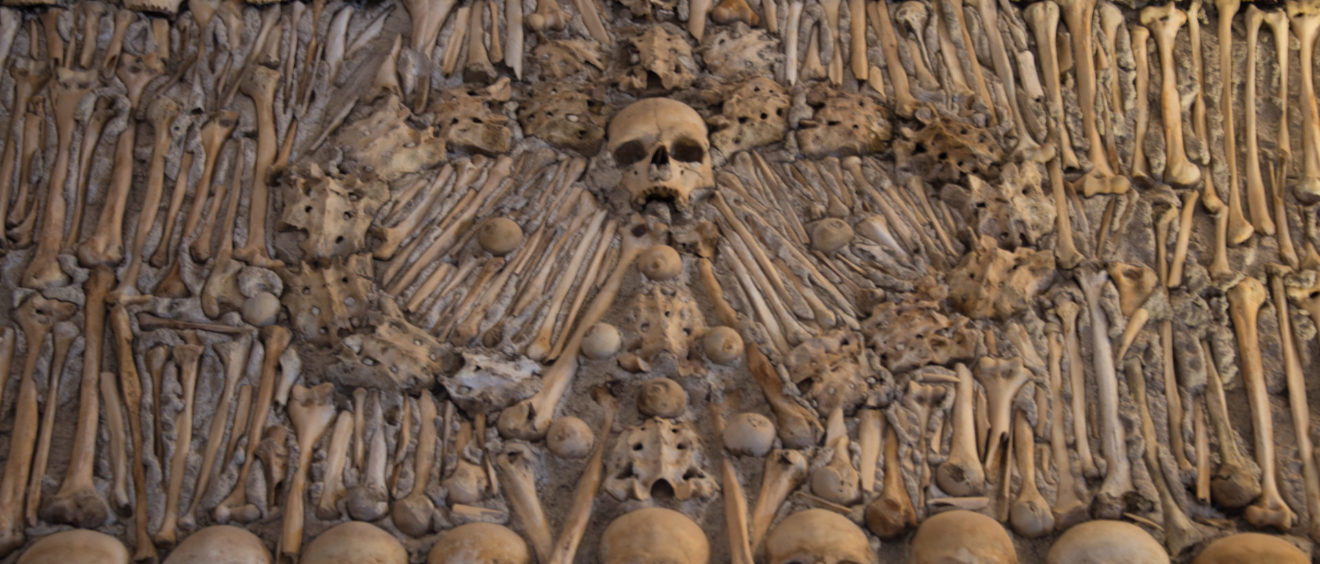
Human skulls and long bones arranged in dense radiating patterns on a wall of Évora's Chapel of Bones.

Evora, Portugal

Évora Évora developed as an important urban center influenced by Roman, medieval, and early modern traditions. The city contains preserved architectural features including Roman temples, cathedral structures, and fortified walls reflecting successive periods of political authority. Its historic center illustrates the continuity of settlement in southern Portugal over many centuries. Roman remains demonstrate the early […]

Explore Portfolio
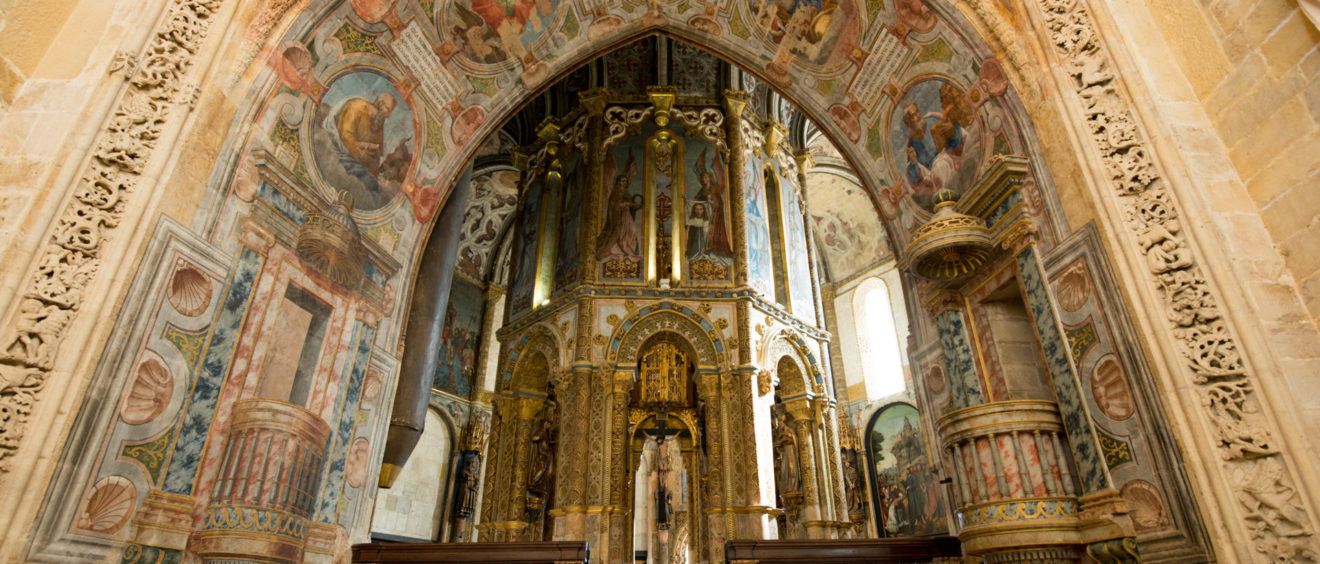
Wide interior view through a painted arch toward the gilded central Charola, with murals covering the surrounding piers and arch.

Knight’s Templar (Tomar, Portugal)

Knights Templar The Knights Templar were a medieval Christian military order founded in the early twelfth century to protect pilgrims traveling to the Holy Land during the Crusades. Over time, the order developed extensive networks across Europe, establishing fortifications, churches, and administrative centers that supported both military and financial activities. Their influence extended beyond the […]

Explore Portfolio

Jelling Mounds and Runestone, Denmark

Jelling Mounds – Denmark The historic monuments of Jelling Mounds stand among the most important Viking sites in Scandinavia. Located in the town of Jelling, the complex includes two large burial mounds, a church, and the famous Jelling Runestones. The runestones were erected during the 10th century by the Viking king Harald Bluetooth, who used […]

Explore Portfolio

Geirangerfjord, Norway

Geirangerfjord – Norway The spectacular Geirangerfjord is widely considered one of the most beautiful fjords in the world. Carved by ancient glaciers, the narrow waterway winds between steep mountain cliffs that rise dramatically from the deep blue waters below. Waterfalls cascade down the towering rock faces, including the famous Seven Sisters waterfall that plunges hundreds […]

Explore Portfolio

Bergen Norway

Bergen – Norway The historic city of Bergen sits along the rugged western coast of Norway, surrounded by mountains and deep fjords. Founded nearly a thousand years ago, Bergen developed into one of the most important trading ports of northern Europe. The city’s famous harbor district, Bryggen, preserves rows of colorful wooden buildings that once […]

Explore Portfolio