Spain

Santiago de Compostela, Spain

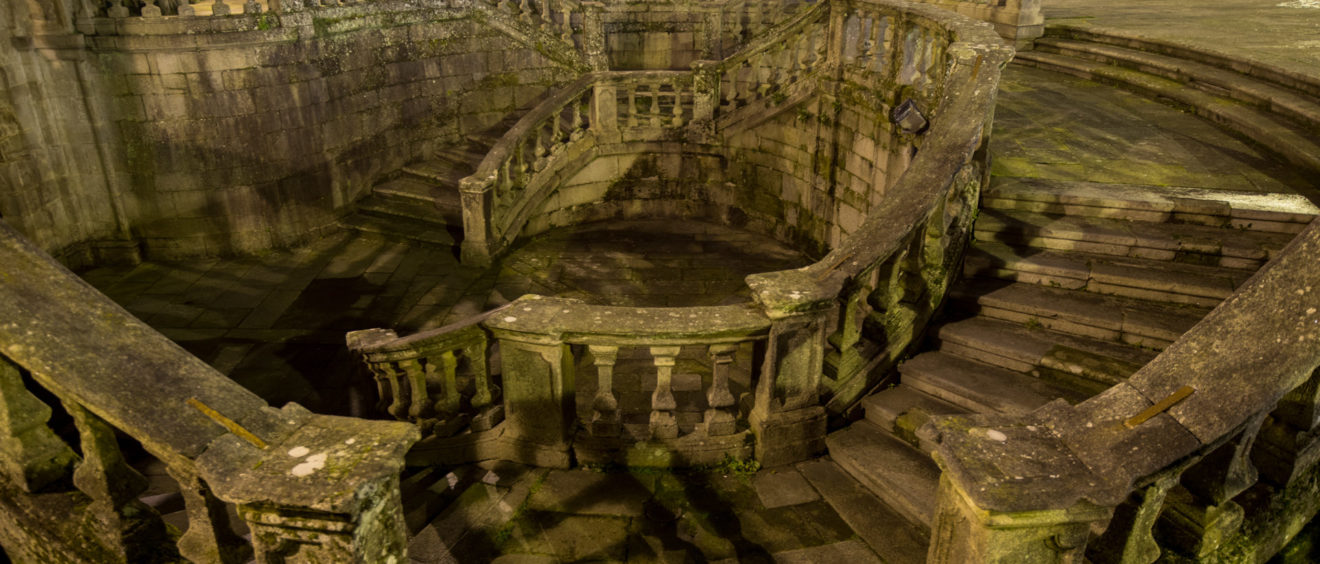
Santiago de Compostela Santiago de Compostela developed as a major religious center associated with the pilgrimage routes leading to the cathedral dedicated to Saint James. The historic urban layout reflects the importance of accommodating pilgrims traveling from across Europe. Narrow streets, plazas, and religious institutions illustrate the city’s role in medieval spiritual life. The growth […]
Read More

Lugo, Spain

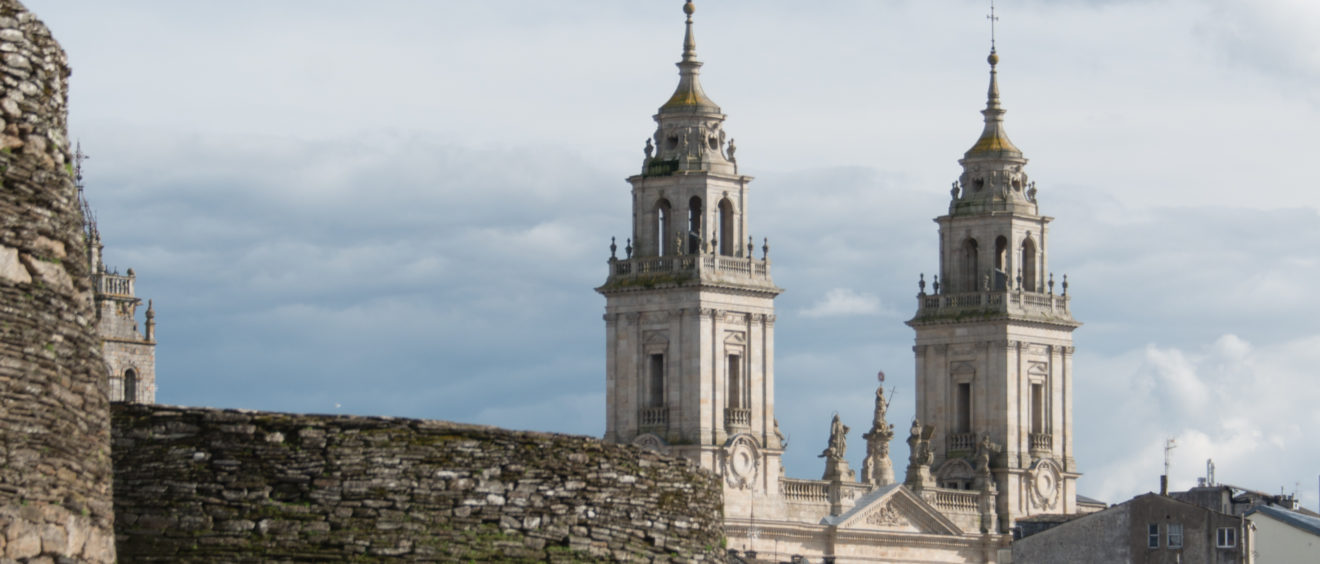
Lugo Lugo preserves one of the most complete Roman defensive walls in Europe, constructed during the third century CE to protect the settlement of Lucus Augusti. The walls extend around the historic center, demonstrating Roman engineering techniques designed for durability and strategic defense. Their continuous structure provides insight into Roman urban planning in the Iberian […]

Read More

Oviedo, Spain

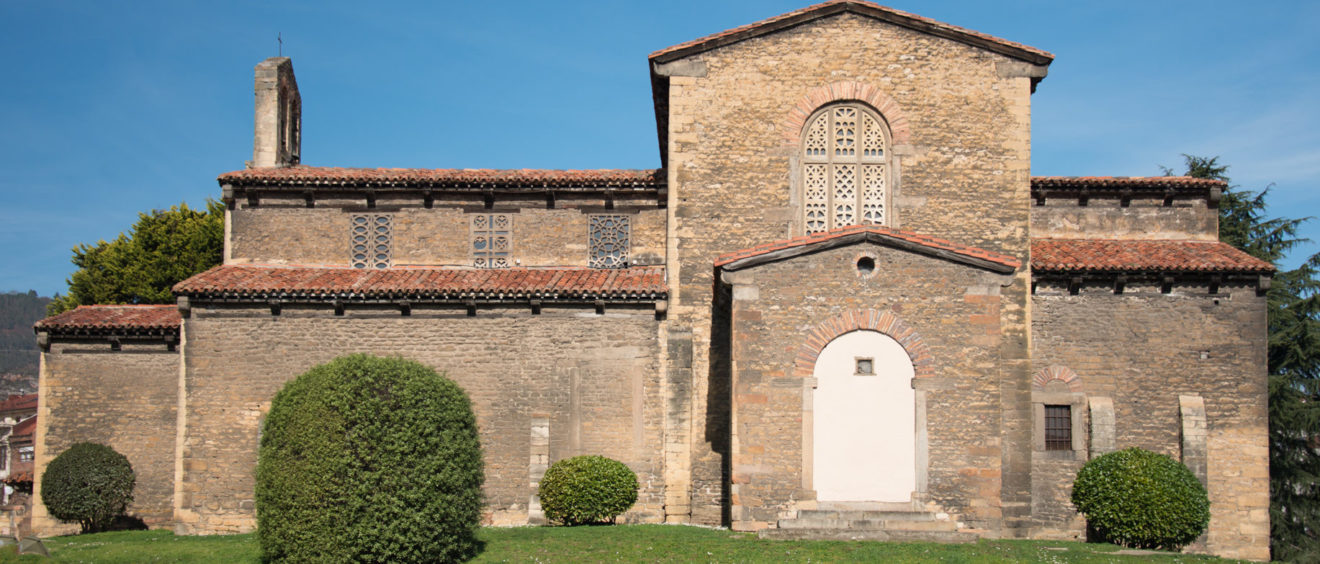
Oviedo Oviedo became an important center of Christian authority during the early stages of the Reconquista, serving as the capital of the Kingdom of Asturias. Religious architecture constructed during this period reflects the consolidation of Christian political influence in northern Iberia. The city illustrates the early formation of Christian kingdoms that later expanded southward. Pre-Romanesque […]

Read More

Santander, Spain

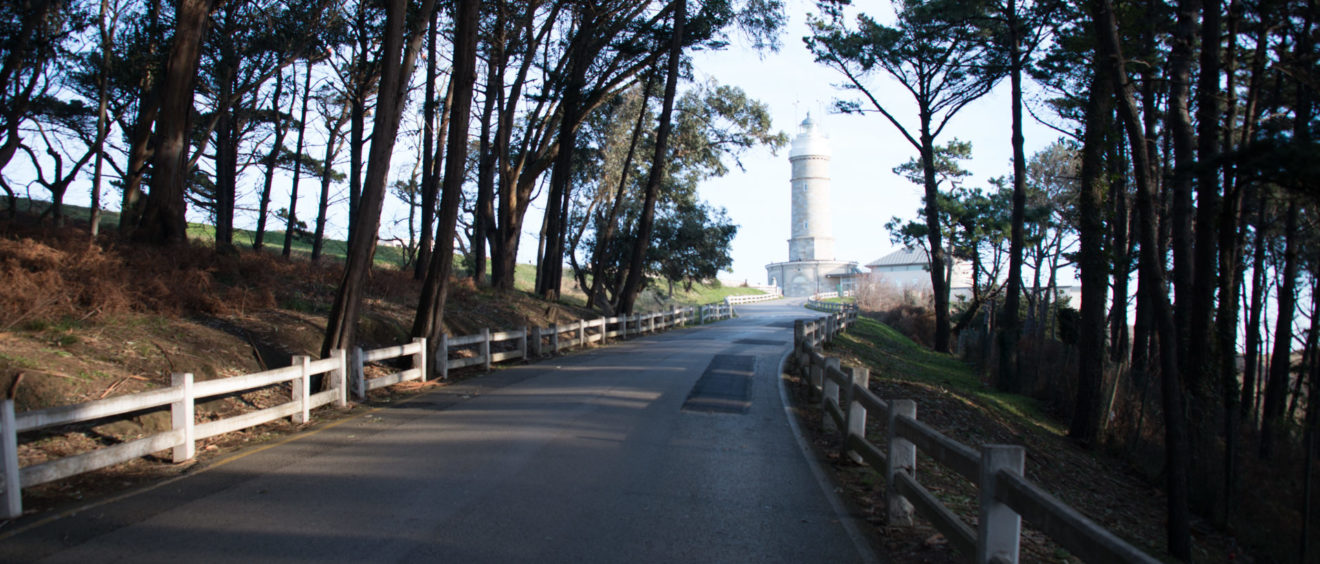
Santander Santander developed as an important coastal city along the Bay of Biscay, shaped by maritime trade and regional connections between northern Spain and broader Atlantic routes. Its harbor contributed to commercial exchange that linked Iberia with other European markets. The city reflects the importance of coastal geography in supporting economic development. Architectural landmarks illustrate […]

Read More

Bilbao, Spain

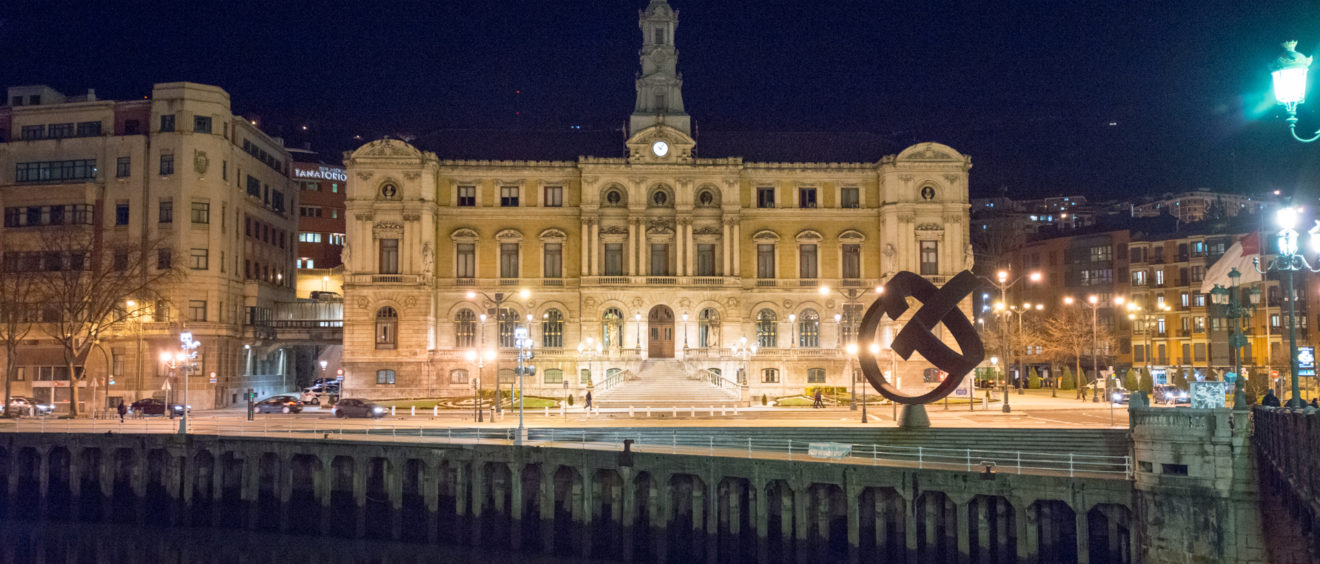
Bilbao Bilbao developed as an important commercial center in the Basque Country, influenced by maritime trade and regional industry. Its position along the Nervión River contributed to economic growth associated with shipbuilding and commerce. The city reflects the interaction between traditional Basque culture and broader European influences. Historic churches, bridges, and civic buildings illustrate the […]

Read More

Guggenheim Museum (Bilbao, Spain)

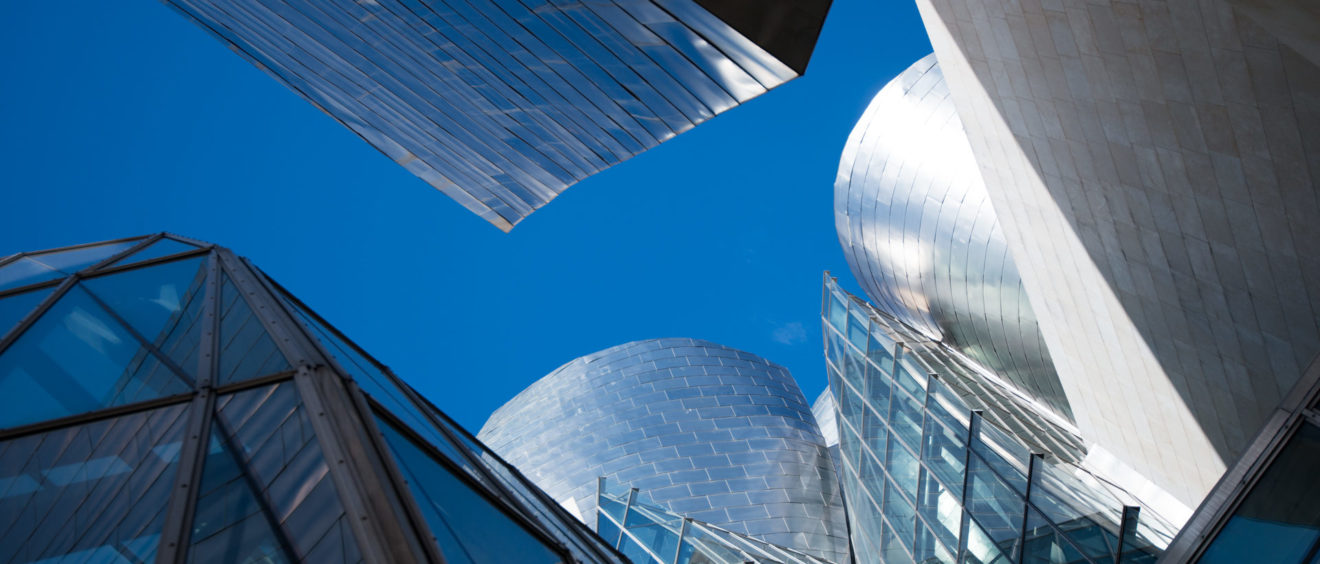
Guggenheim Bilbao The Guggenheim Museum Bilbao represents a major example of contemporary architecture designed by Frank Gehry in the late twentieth century. The building’s sculptural form incorporates curved titanium surfaces that reflect light and create changing visual perspectives. Its innovative design demonstrates the evolution of architectural expression in modern Europe. Constructed along the Nervión River, […]

Read More

Burgos, Spain

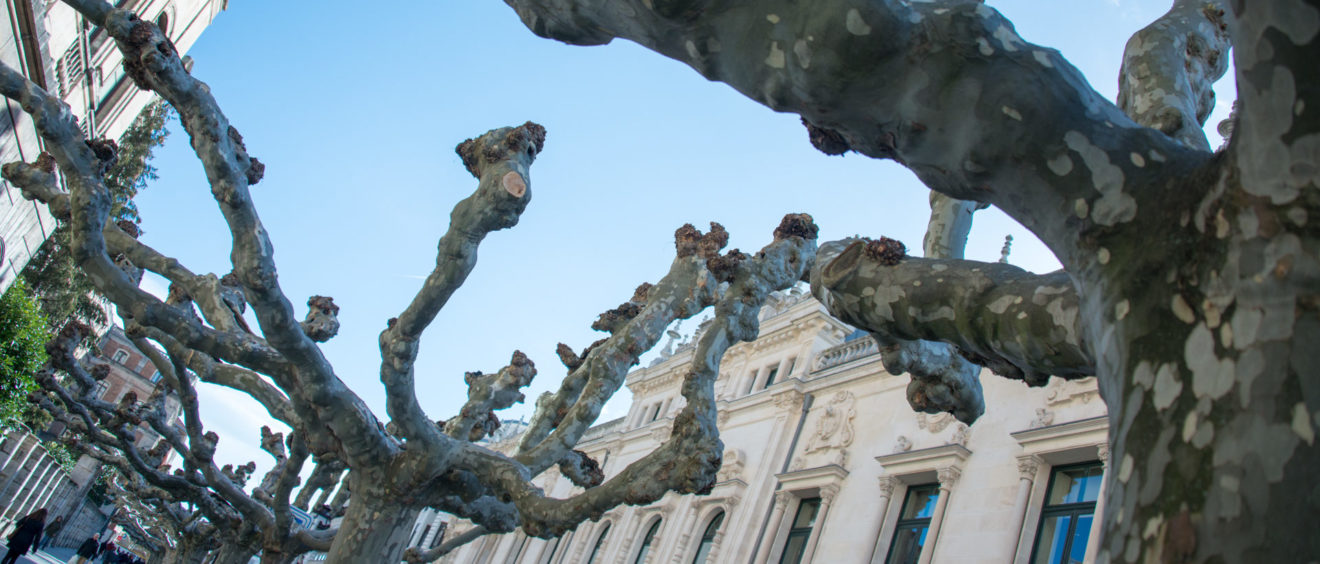
Burgos Burgos developed as an important medieval city along the Camino de Santiago pilgrimage route, contributing to its religious and economic significance. The city served as a political center within the Kingdom of Castile, reflecting the growing influence of Christian kingdoms during the later stages of the Reconquista. Its historic architecture illustrates the connection between […]

Read More

Segovia, Spain

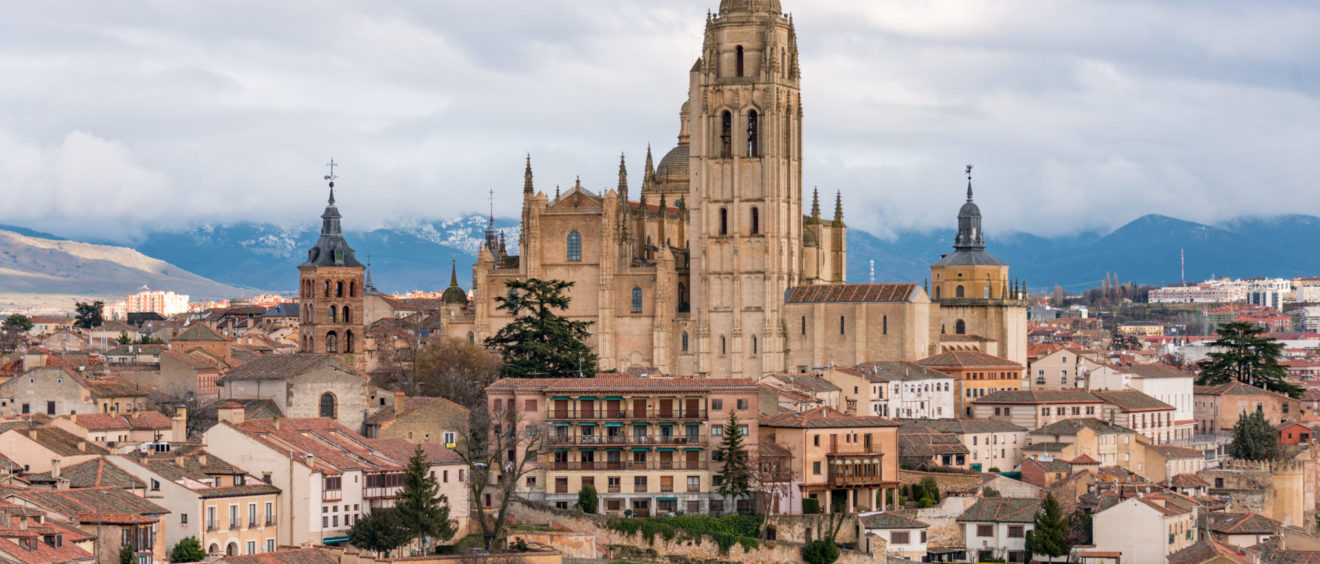
Segovia Segovia preserves significant monuments associated with Roman engineering and medieval royal authority. The Roman aqueduct, constructed in the first century CE, demonstrates advanced hydraulic engineering designed to transport water across the city. Its monumental arches illustrate the technical achievements of Roman infrastructure in Iberia. Later architectural landmarks such as the cathedral and the Alcázar […]

Read More

Avila, Spain

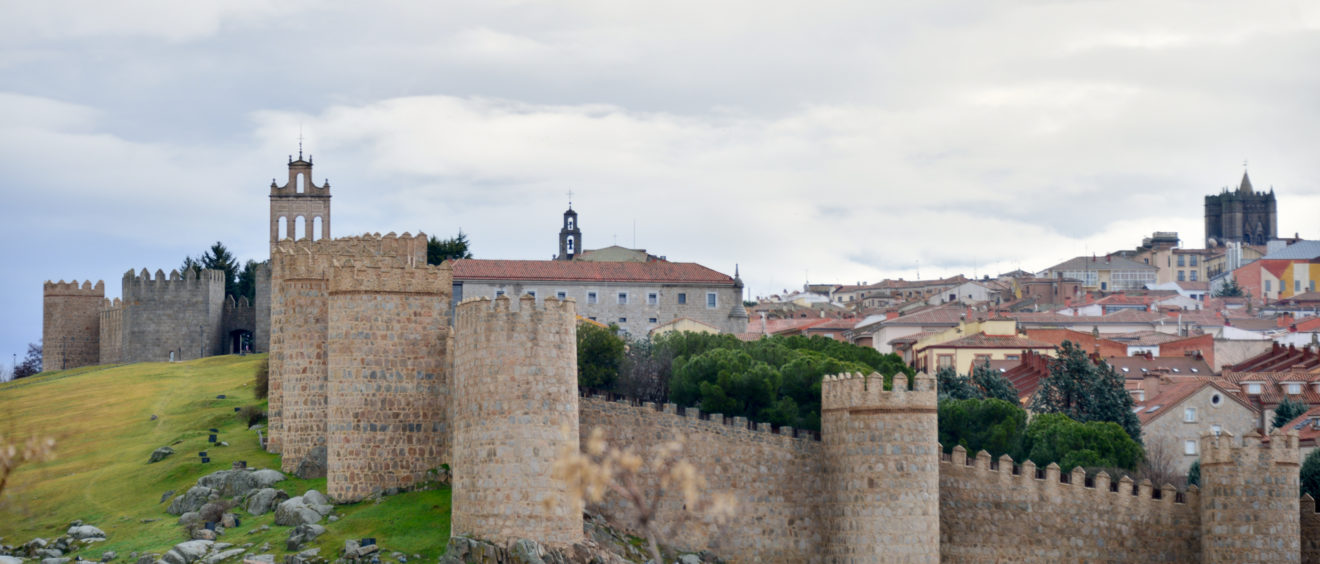
Ávila Ávila is known for its remarkably well-preserved medieval defensive walls, which encircle the historic center with towers and fortified gates. Constructed primarily during the eleventh and twelfth centuries, the walls illustrate the need for protection during periods of conflict on the Iberian Peninsula. The elevated setting provided strategic advantages for surveillance and defense. The […]

Read More

Madrid, Spain

Madrid Madrid developed as the political capital of Spain during the early modern period, reflecting the consolidation of royal authority following the Reconquista. Its central location contributed to its selection as the administrative center of a growing global empire. Urban development illustrates the transformation of Spain into a major European power during the Age of […]

Read More