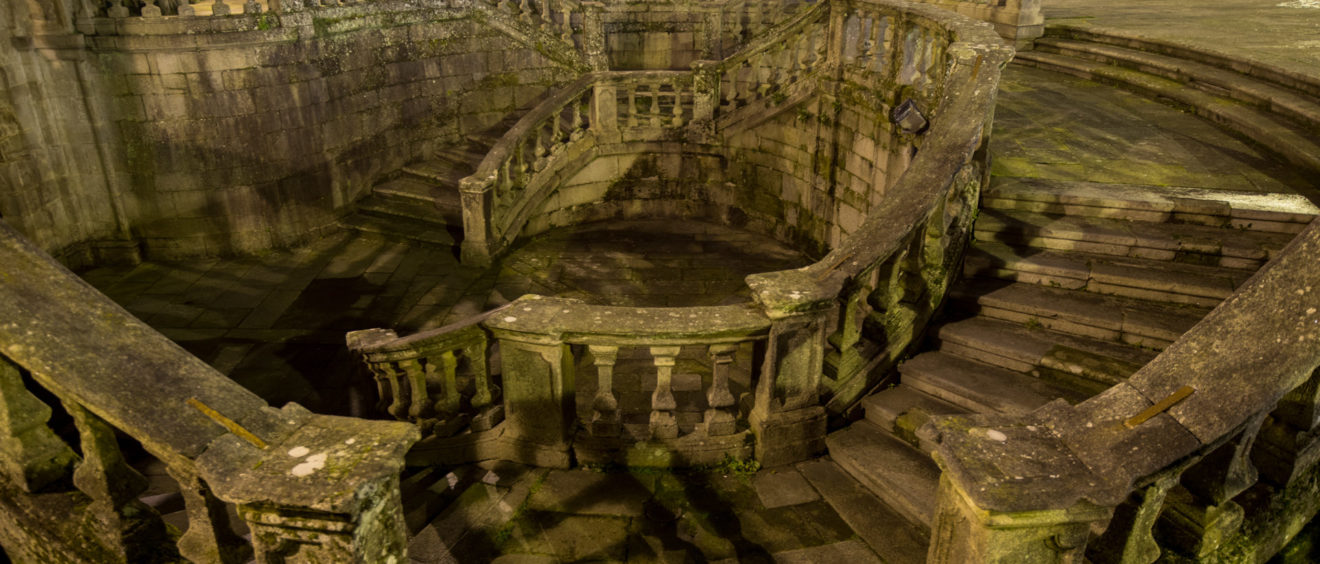
Santiago de Compostela Santiago de Compostela developed as a major religious center associated with the pilgrimage routes leading to the cathedral dedicated to Saint James. The historic urban layout reflects the importance of accommodating pilgrims traveling from across Europe. Narrow streets, plazas, and religious institutions illustrate the city’s role in medieval spiritual life. The growth […]
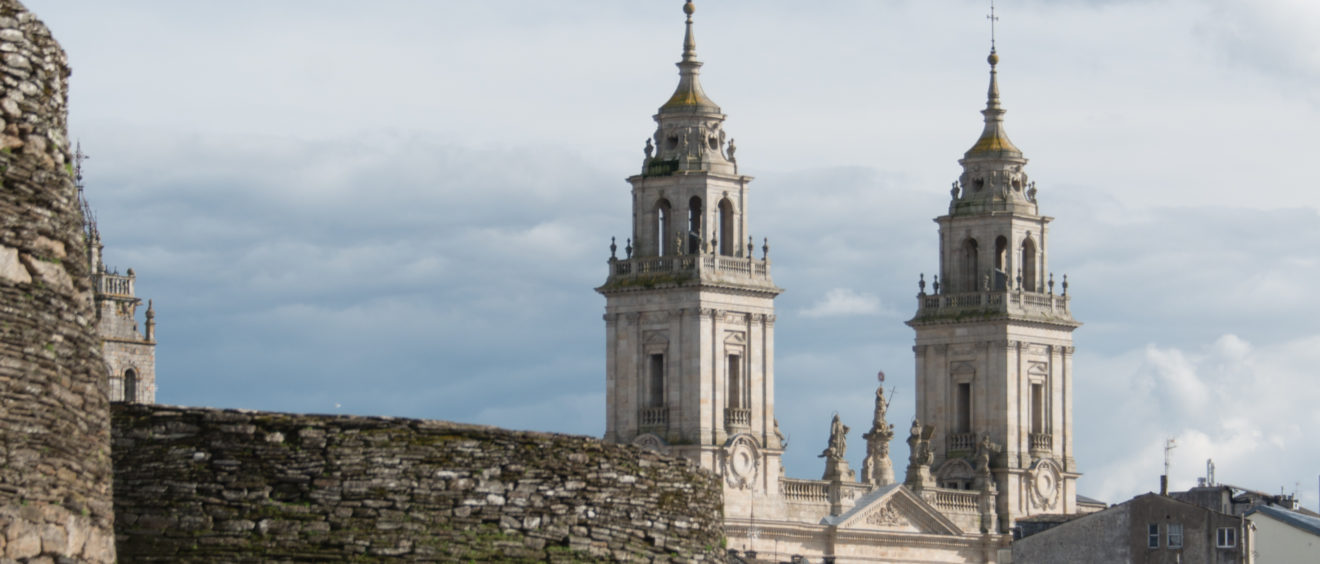
Lugo Lugo preserves one of the most complete Roman defensive walls in Europe, constructed during the third century CE to protect the settlement of Lucus Augusti. The walls extend around the historic center, demonstrating Roman engineering techniques designed for durability and strategic defense. Their continuous structure provides insight into Roman urban planning in the Iberian […]
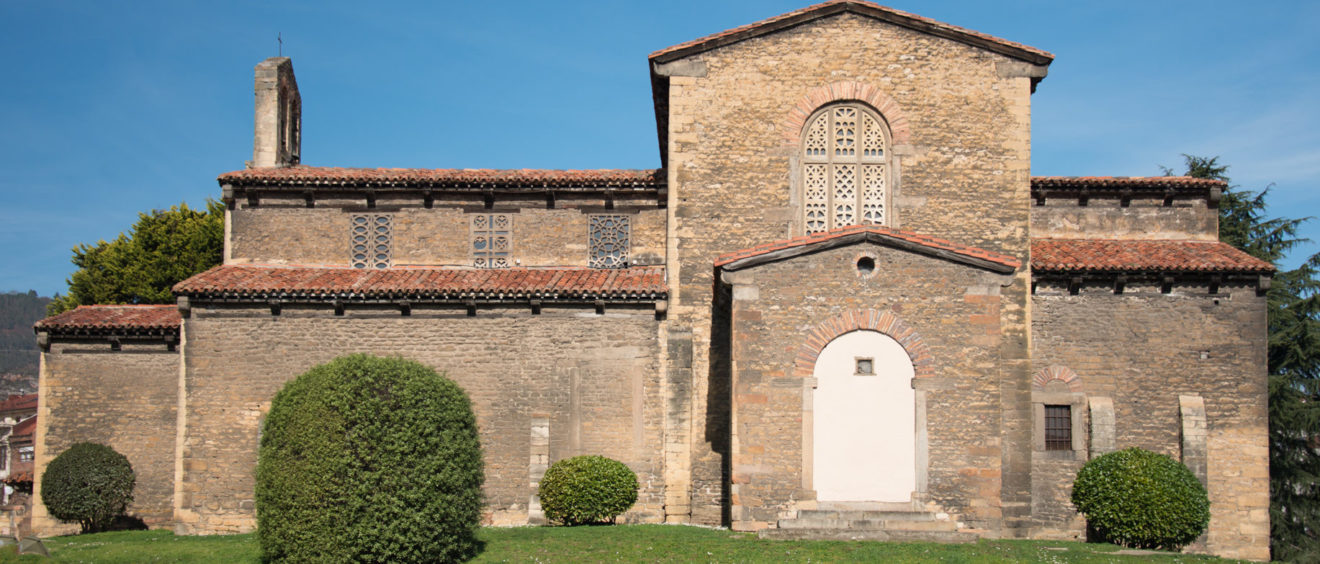
Oviedo Oviedo became an important center of Christian authority during the early stages of the Reconquista, serving as the capital of the Kingdom of Asturias. Religious architecture constructed during this period reflects the consolidation of Christian political influence in northern Iberia. The city illustrates the early formation of Christian kingdoms that later expanded southward. Pre-Romanesque […]
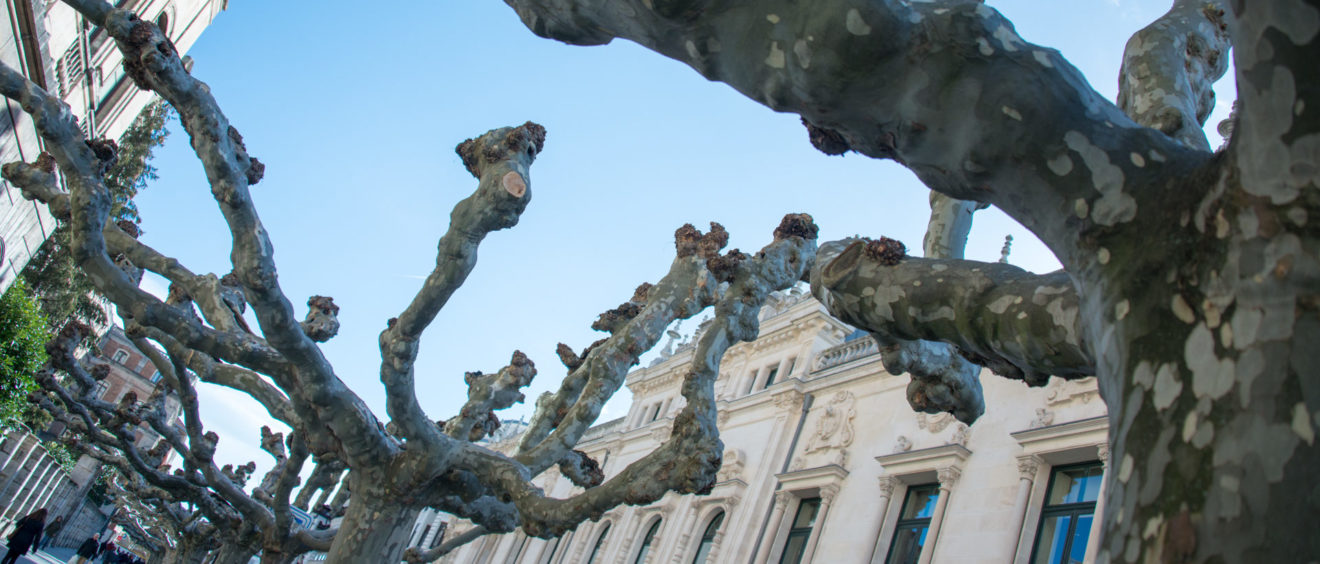
Burgos Burgos developed as an important medieval city along the Camino de Santiago pilgrimage route, contributing to its religious and economic significance. The city served as a political center within the Kingdom of Castile, reflecting the growing influence of Christian kingdoms during the later stages of the Reconquista. Its historic architecture illustrates the connection between […]
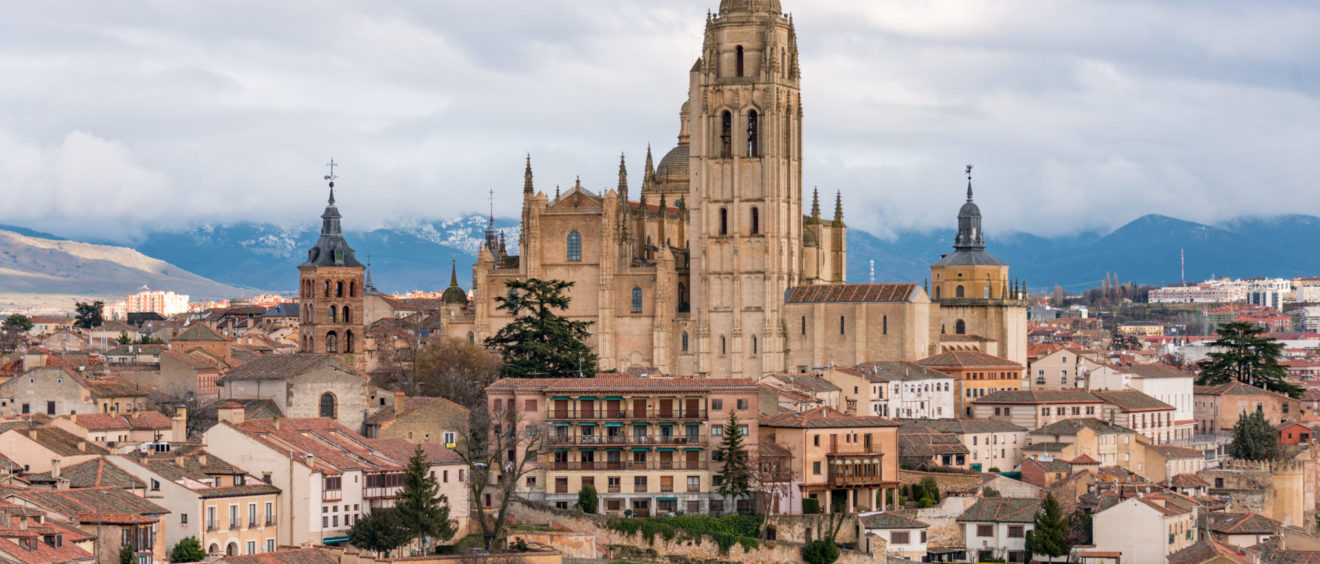
Segovia Segovia preserves significant monuments associated with Roman engineering and medieval royal authority. The Roman aqueduct, constructed in the first century CE, demonstrates advanced hydraulic engineering designed to transport water across the city. Its monumental arches illustrate the technical achievements of Roman infrastructure in Iberia. Later architectural landmarks such as the cathedral and the Alcázar […]
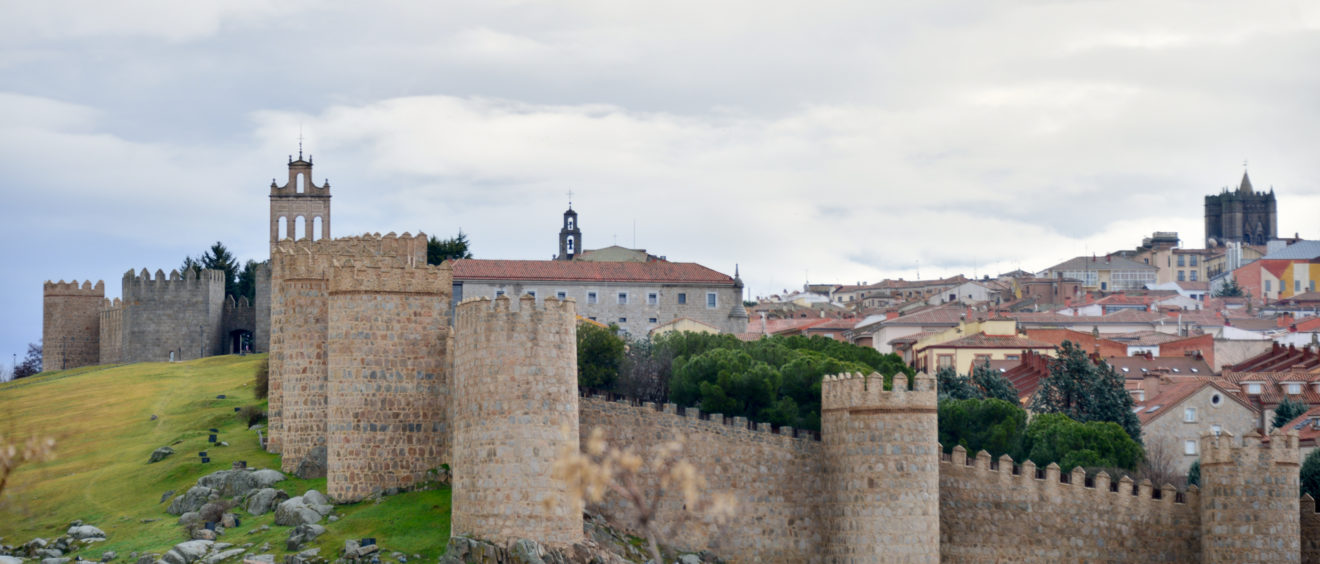
Ávila Ávila is known for its remarkably well-preserved medieval defensive walls, which encircle the historic center with towers and fortified gates. Constructed primarily during the eleventh and twelfth centuries, the walls illustrate the need for protection during periods of conflict on the Iberian Peninsula. The elevated setting provided strategic advantages for surveillance and defense. The […]
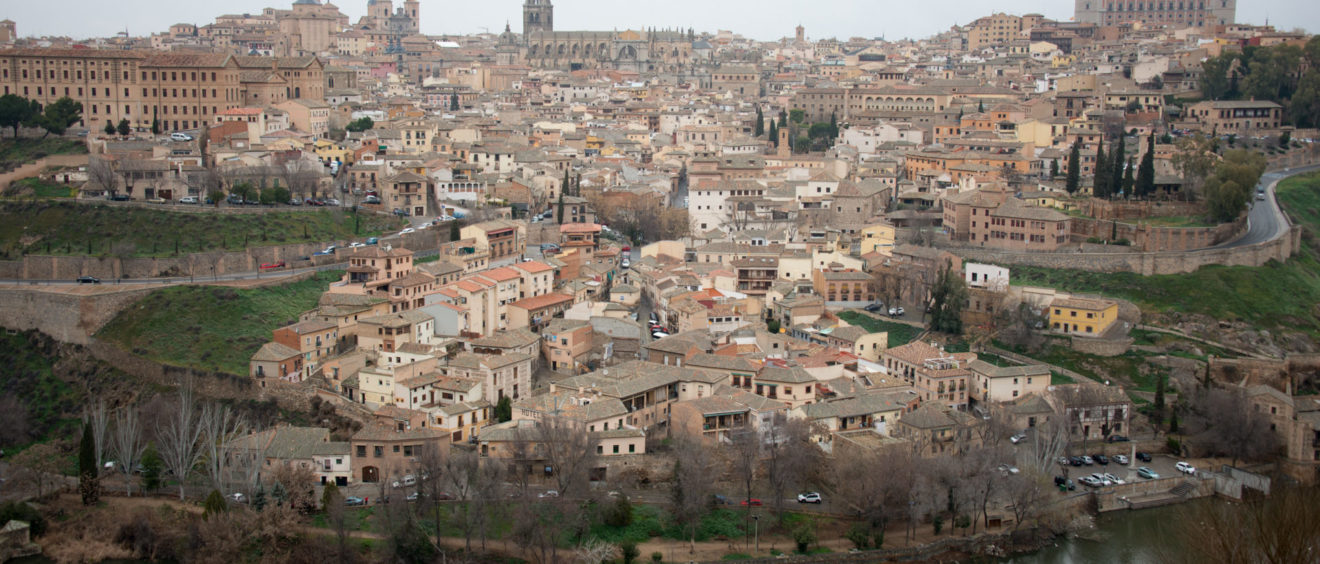
Toledo Toledo served as an important political and cultural center influenced by Roman, Islamic, and Christian traditions. Located on a hill above the Tagus River, the city’s defensive position contributed to its long-standing strategic importance. Its historic architecture illustrates the coexistence of multiple religious communities over several centuries. The city became known for intellectual exchange […]
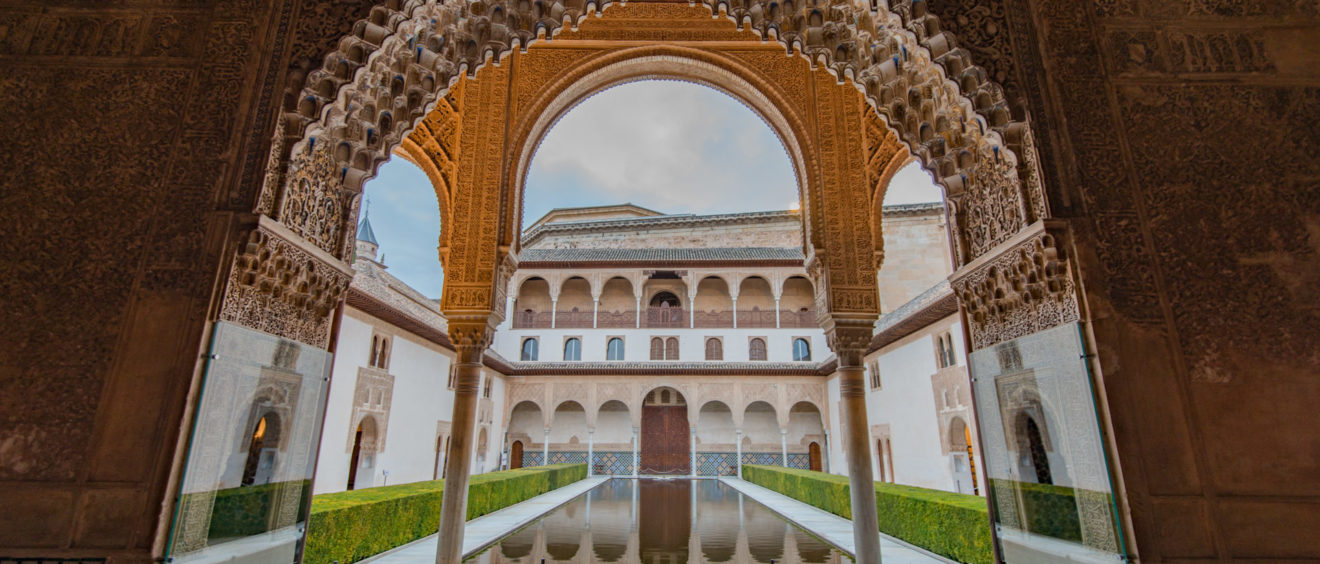
Alhambra The Alhambra is a palace and fortress complex constructed during the Nasrid dynasty and is one of the most important surviving examples of Islamic architecture in Europe. Situated on an elevated hill overlooking Granada, the complex combines defensive walls with refined palace spaces designed for royal residence. Its layout illustrates the integration of architecture, […]
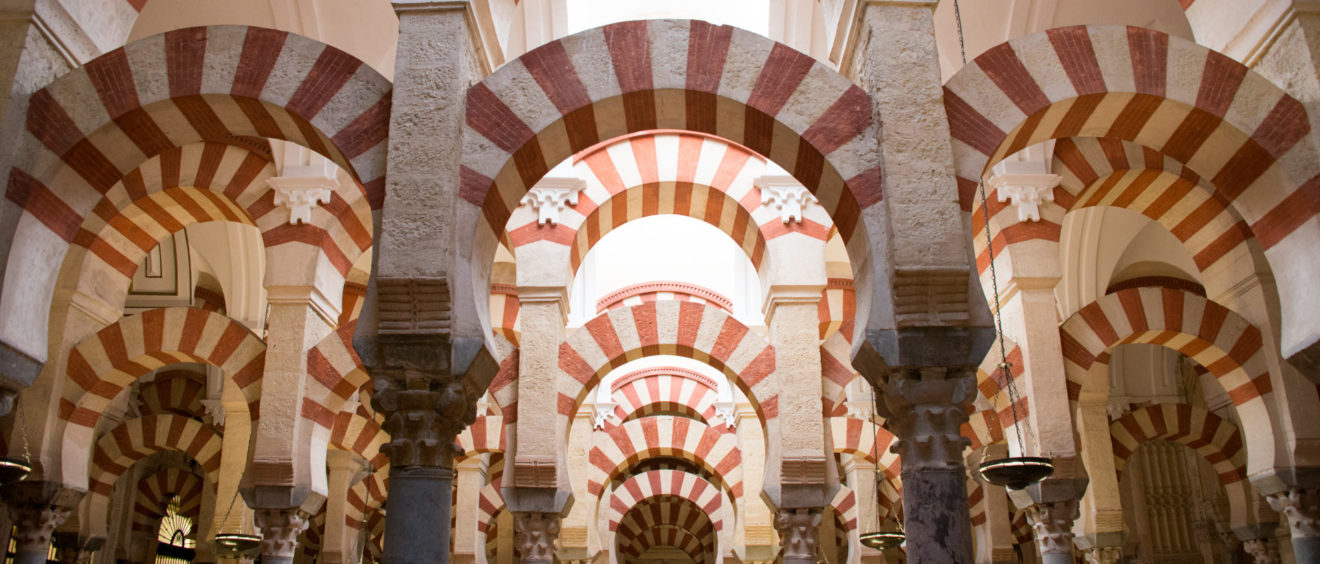
Mezquita The Mezquita of Córdoba was originally constructed as a mosque during the eighth century and later converted into a Christian cathedral following the Reconquista. The structure is recognized for its extensive hypostyle hall composed of repeating arches supported by columns of stone and marble. The architectural design demonstrates the artistic sophistication of Islamic Spain. […]
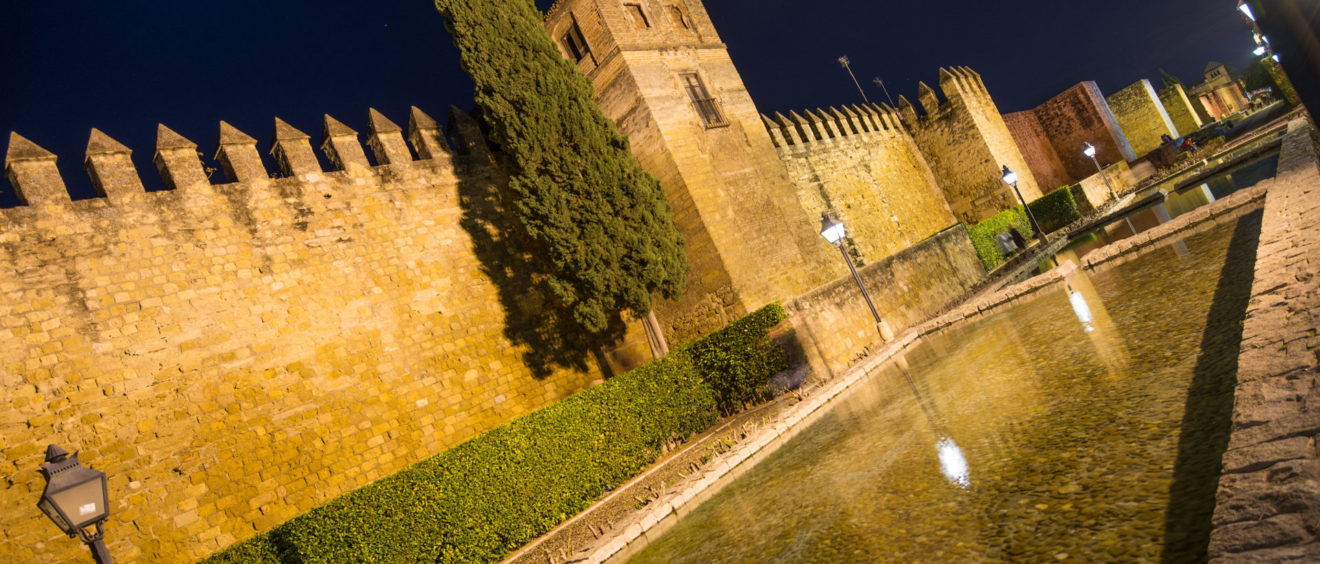
Córdoba Córdoba served as one of the most important cities of Islamic Spain during the Umayyad Caliphate, becoming a center of scholarship, trade, and artistic development. The city’s urban fabric reflects the influence of Islamic governance that contributed to advancements in science, philosophy, and architecture. Its historic streets and monuments illustrate the cultural achievements of […]