Røros – Norway The historic mining town of Røros lies high in the mountains of central Norway and preserves one of the best examples of a traditional wooden town in Scandinavia. Founded during the 17th century after the discovery of copper deposits in the region, Røros developed into an important mining center. Rows of dark […]
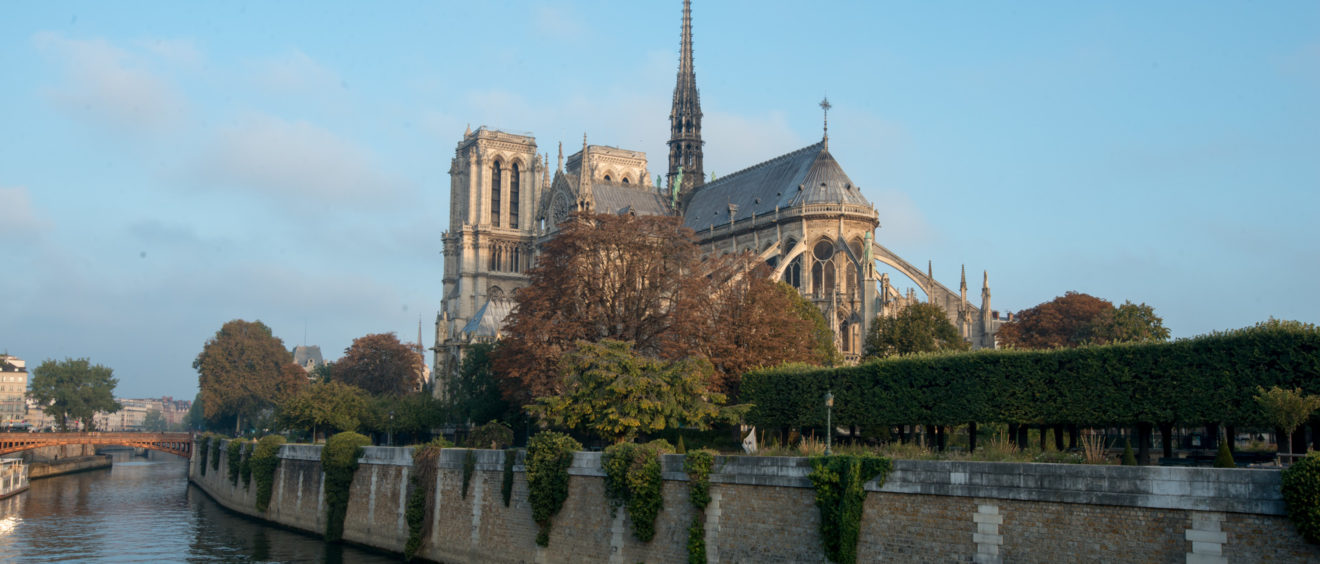
Notre-Dame de Paris Notre-Dame de Paris is one of the most influential examples of French Gothic architecture, constructed between the twelfth and fourteenth centuries on the Île de la Cité. The cathedral’s façade is defined by sculptural decoration, twin towers, and large rose windows that illustrate the artistic achievements of the medieval period. Its central […]
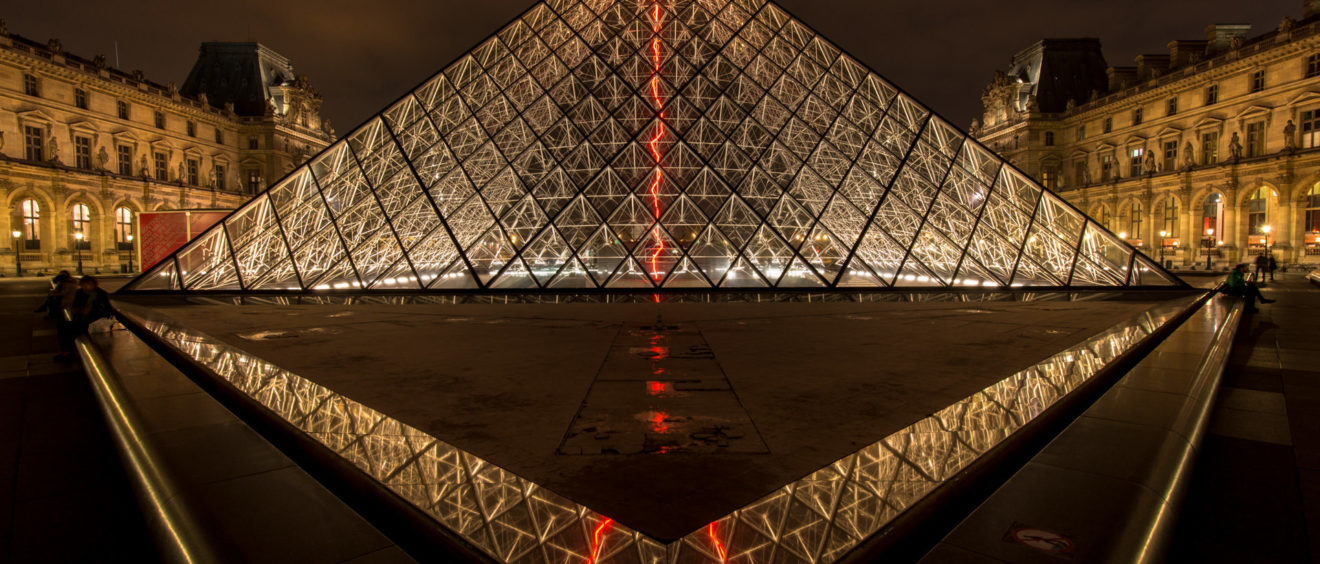
Paris at Night Paris presents a distinctive atmosphere after sunset, when architectural landmarks are illuminated against the evening sky. Carefully designed lighting emphasizes structural details of historic buildings, bridges, and public spaces. The visual contrast between light and shadow highlights the geometry and ornamentation of the city’s architecture. Monuments such as cathedrals, museums, and civic […]
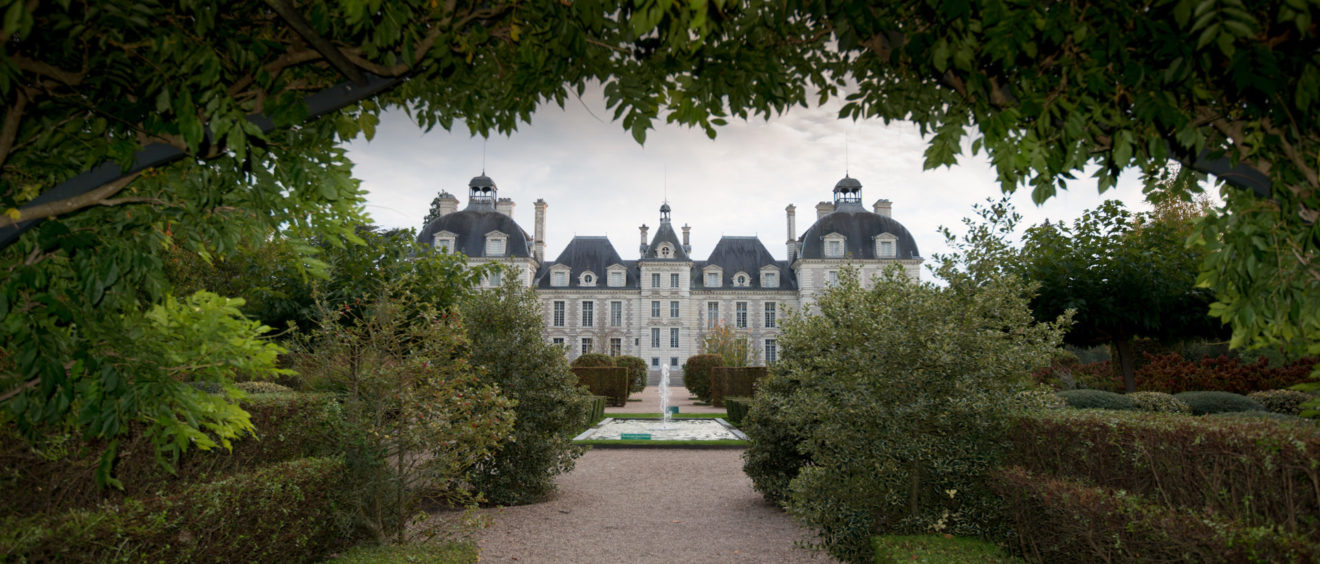
Château de Cheverny Château de Cheverny is an example of seventeenth-century classical architecture known for its balanced proportions and refined decorative elements. The estate reflects the transition toward more symmetrical and orderly design principles during the early modern period. Its clean façade contrasts with the more elaborate rooflines found in earlier Renaissance châteaux. Interior rooms […]
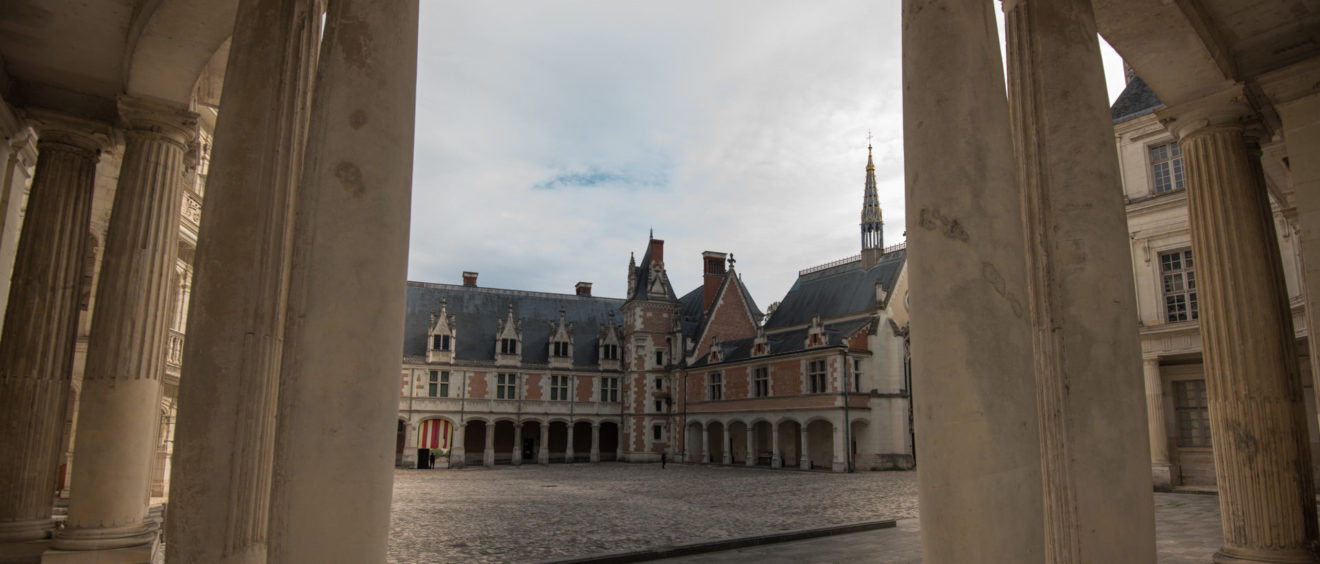
Château de Blois Château de Blois presents a visual record of evolving architectural styles from the medieval period through the Renaissance. The structure served as a royal residence for several French kings, contributing to its historical importance. Distinct wings of the château illustrate changes in design preferences over multiple centuries. The façade incorporates Gothic, Renaissance, […]
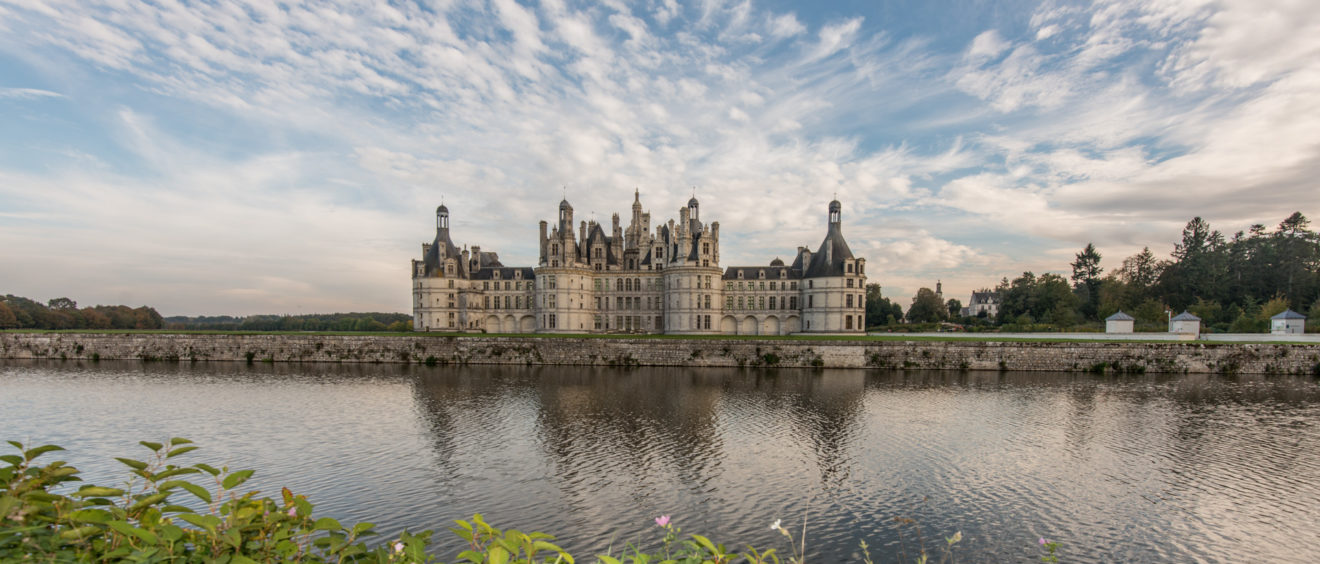
Château de Chambord Château de Chambord is one of the most recognizable Renaissance châteaux in France, distinguished by its grand scale and elaborate roofline. Commissioned by King Francis I in the sixteenth century, the structure reflects the influence of Italian Renaissance design combined with traditional French architectural forms. Its symmetrical layout and decorative towers illustrate […]
Paris — Museums and Street Life Additional visits to Paris provided opportunities to explore smaller museums and observe everyday street scenes that reveal another dimension of the city’s cultural life. The Musée de l’Orangerie houses an important collection of impressionist and post-impressionist works, including Claude Monet’s large-scale Water Lilies series, which illustrates the continued influence […]
Château de Chenonceau Château de Chenonceau spans the River Cher and is one of the most distinctive Renaissance châteaux in the Loire Valley. The structure combines late medieval foundations with later architectural additions that reflect evolving artistic styles. Its placement directly above the river creates a visually balanced composition between built form and natural landscape. […]
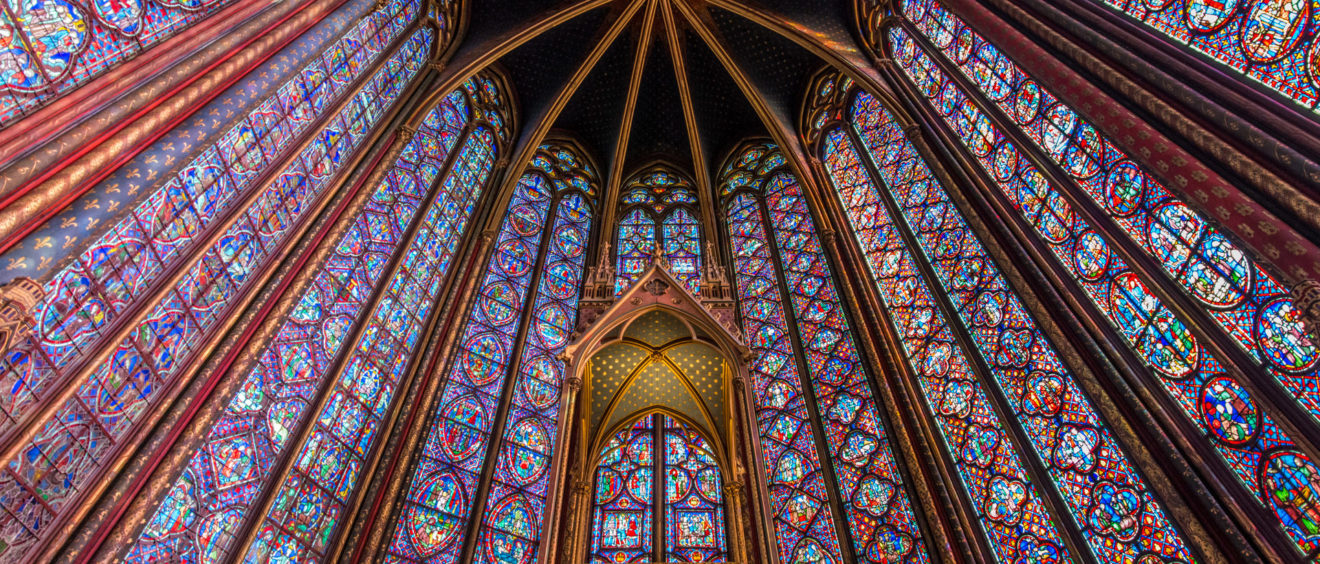
Sainte-Chapelle Sainte-Chapelle is a Gothic royal chapel located on the Île de la Cité in Paris and was constructed in the thirteenth century to house important religious relics. The chapel is renowned for its extensive stained glass windows, which create a luminous interior environment. The vertical emphasis of the architecture reflects the stylistic principles of […]
Eiffel Tower The Eiffel Tower was constructed for the 1889 Exposition Universelle and quickly became one of the most recognizable landmarks in the world. Designed by engineer Gustave Eiffel, the iron structure demonstrated the possibilities of modern materials and engineering during the late nineteenth century. Its height and open lattice design distinguished it from earlier […]