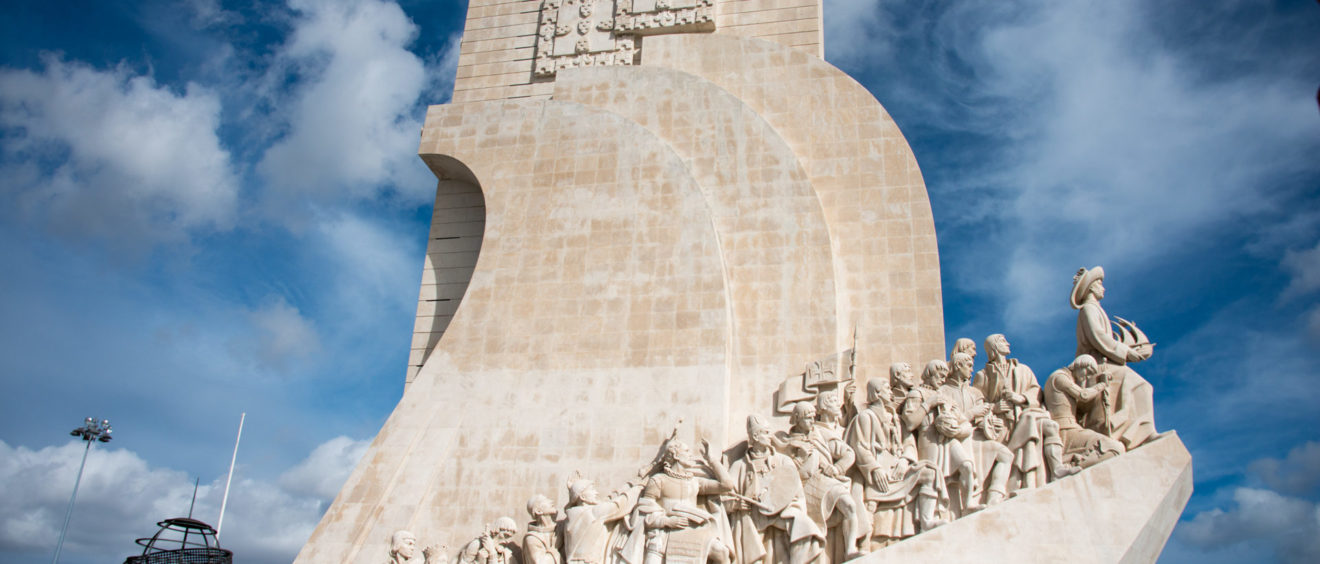
Lisbon Lisbon developed as one of Europe’s most important maritime capitals during the Age of Exploration, serving as a departure point for voyages to Africa, Asia, and the Americas. Its position along the Tagus River provided access to Atlantic trade routes that supported Portugal’s emergence as a global naval power. The city reflects the expansion […]
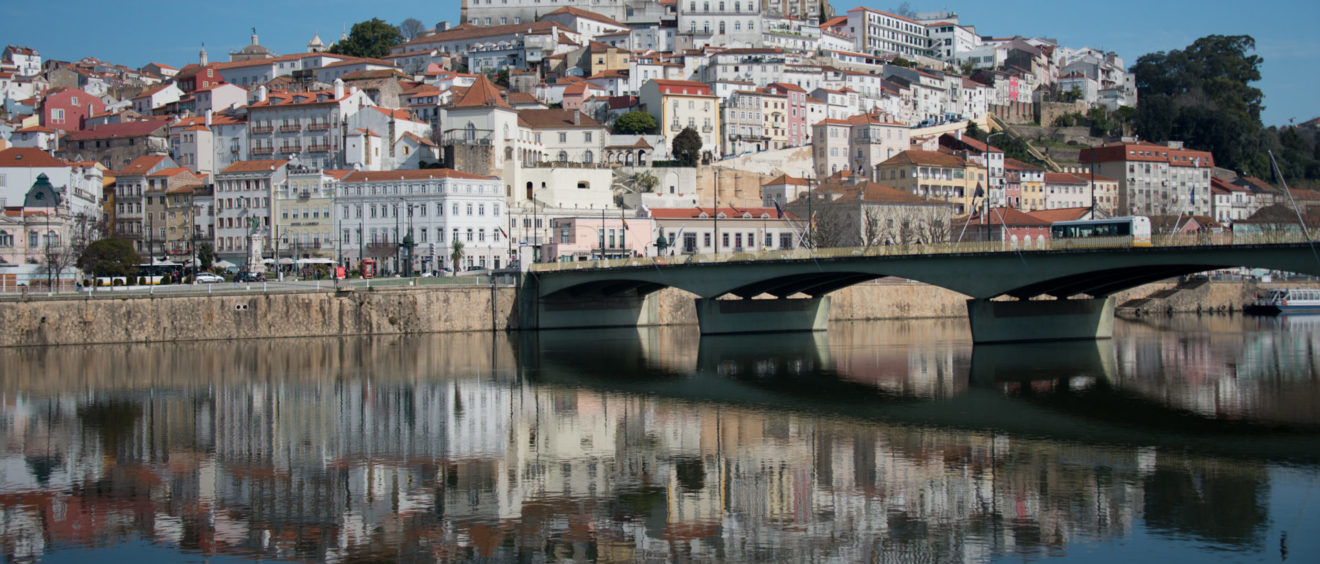
Coimbra Coimbra served as an important political and intellectual center during the formation of the Portuguese kingdom. The city became associated with one of the oldest universities in Europe, contributing to its long-standing reputation as a center of scholarship. Its elevated position above the Mondego River reflects strategic considerations associated with early settlement. Architectural landmarks […]
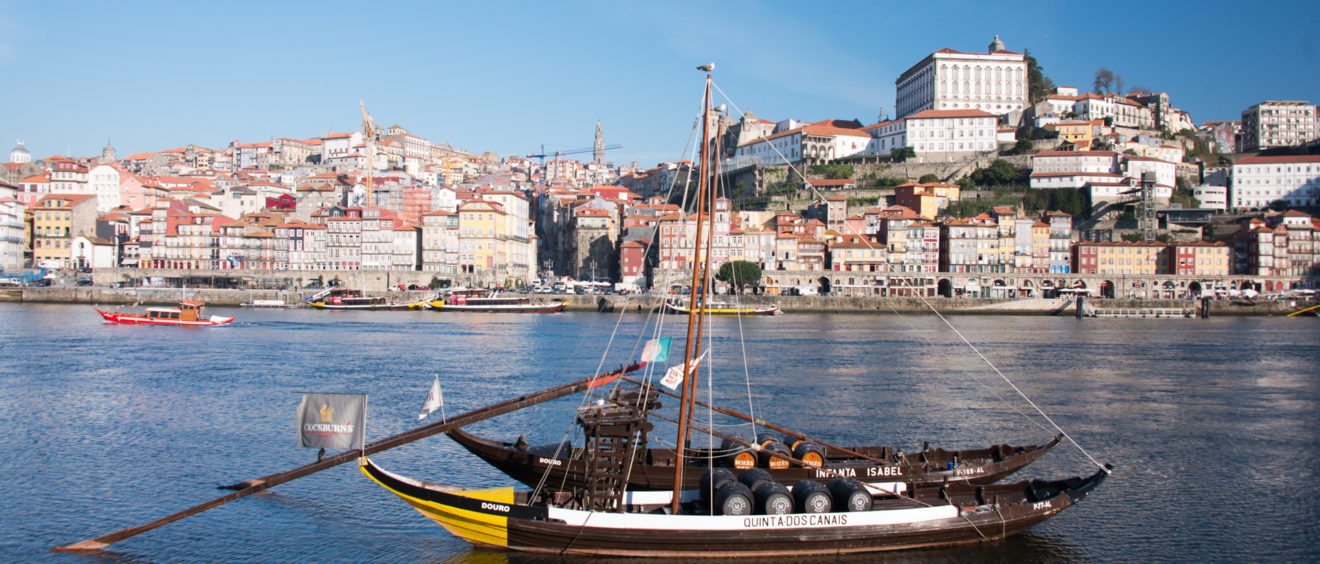
Porto Porto developed as one of Portugal’s most important commercial centers, shaped by maritime trade along the Douro River and connections to Atlantic shipping routes. The city’s historic riverfront illustrates the importance of navigation in supporting economic exchange between inland regions and international markets. Porto’s strategic coastal position contributed to the growth of Portugal as […]
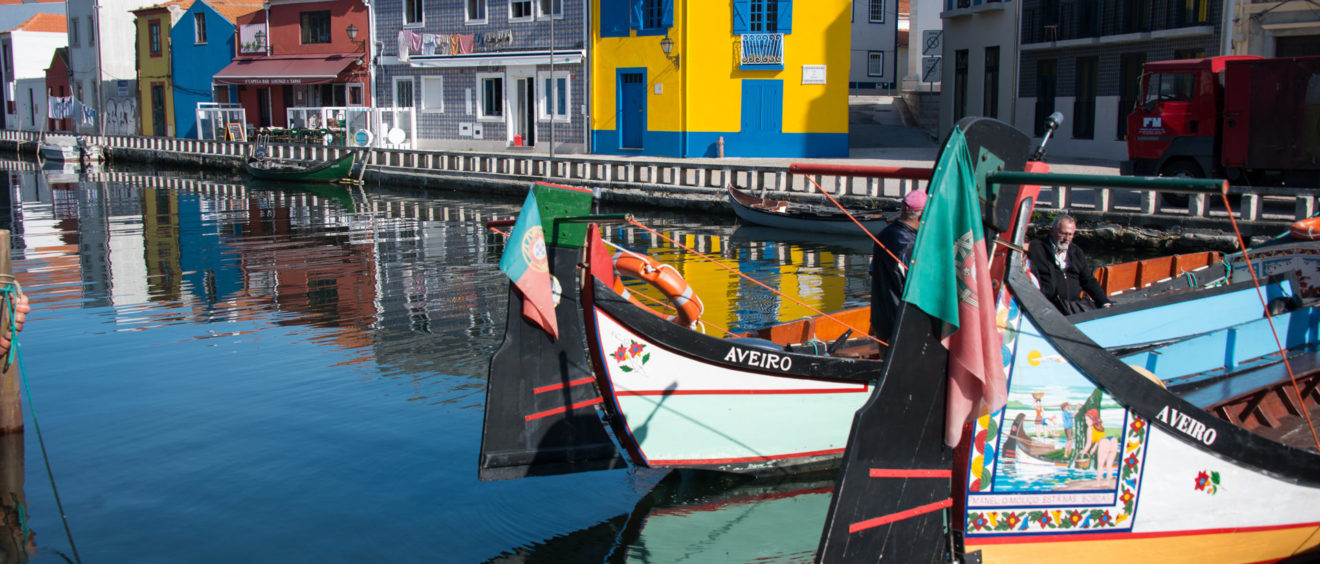
Aveiro Aveiro developed as an important coastal and lagoon-based settlement shaped by maritime trade and salt production. The network of canals reflects adaptation to the natural environment and contributed to local economic activity. The city illustrates the influence of water-based transport in shaping urban development. Architectural styles within the historic center demonstrate the evolution of […]
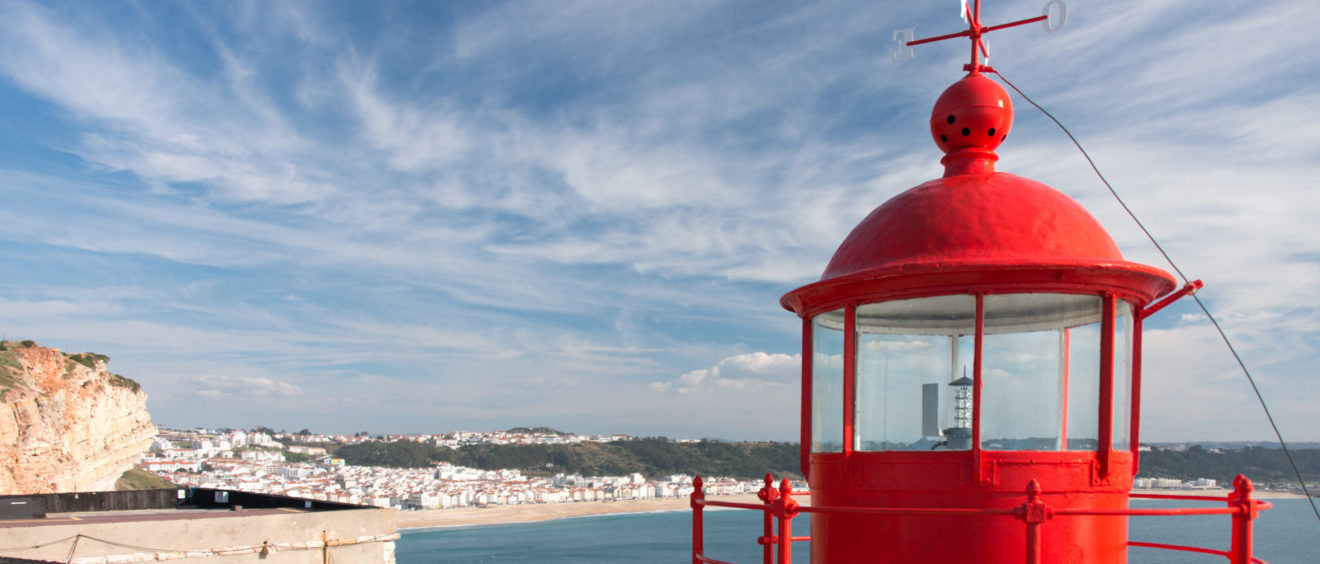
Nazaré Nazaré developed as a coastal settlement influenced by fishing traditions and maritime activity along the Atlantic Ocean. Its location along important sea routes contributed to the economic and cultural life of western Portugal. The surrounding cliffs provide views across the ocean that reflect the importance of maritime geography in regional development. Religious traditions associated […]
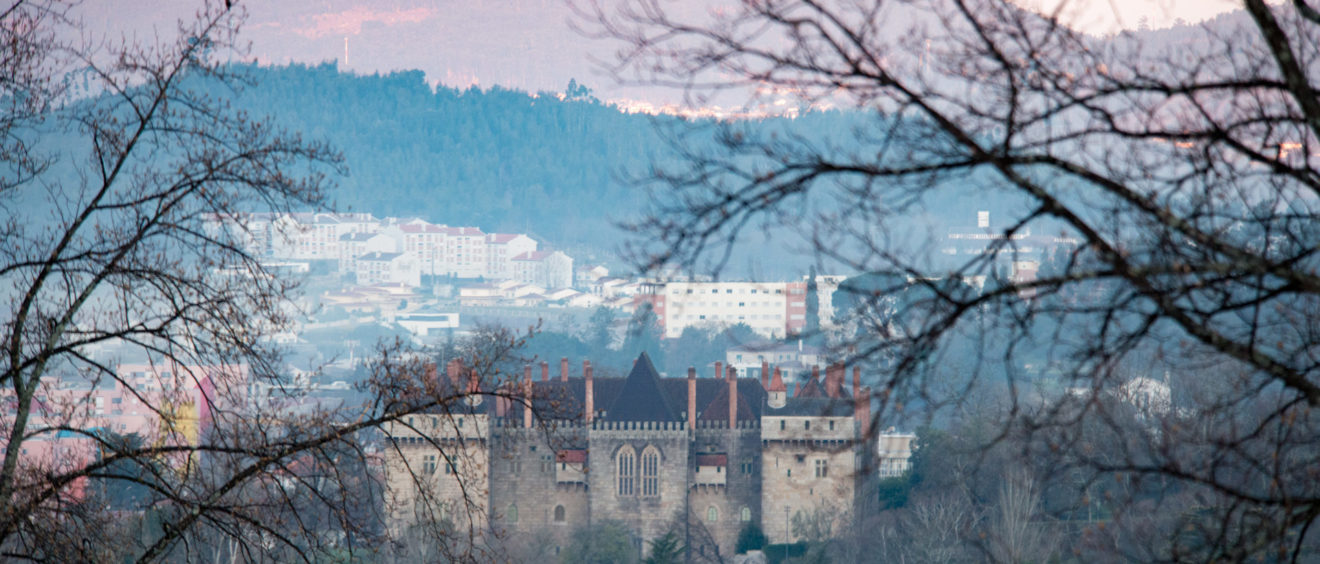
Guimarães Guimarães is often associated with the early formation of the Portuguese kingdom and is considered one of the most historically significant cities in Portugal. The medieval castle and surrounding fortifications illustrate the political conditions that contributed to the emergence of an independent Portuguese state. The preserved historic center reflects the importance of defensive architecture […]
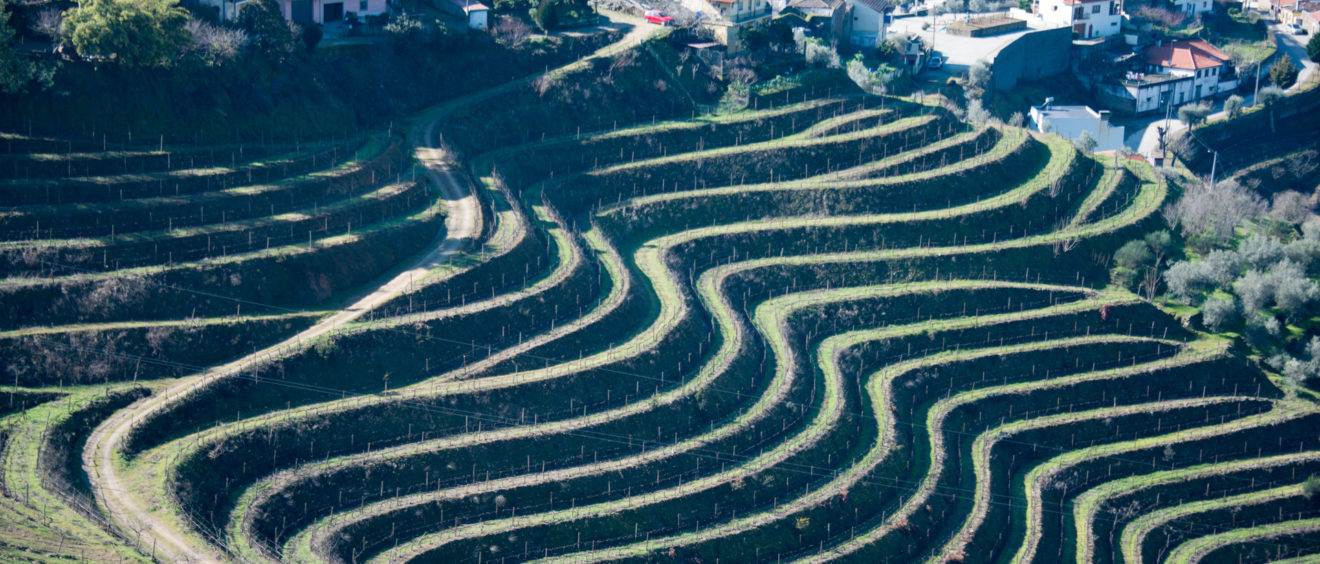
Pinhão Pinhão is located in Portugal’s Douro Valley, a region historically associated with river transport and agricultural production. The surrounding terraced vineyards illustrate traditional methods of cultivation adapted to steep terrain. The landscape reflects the relationship between geography and economic activity along the Douro River. River transport historically played an important role in moving goods […]
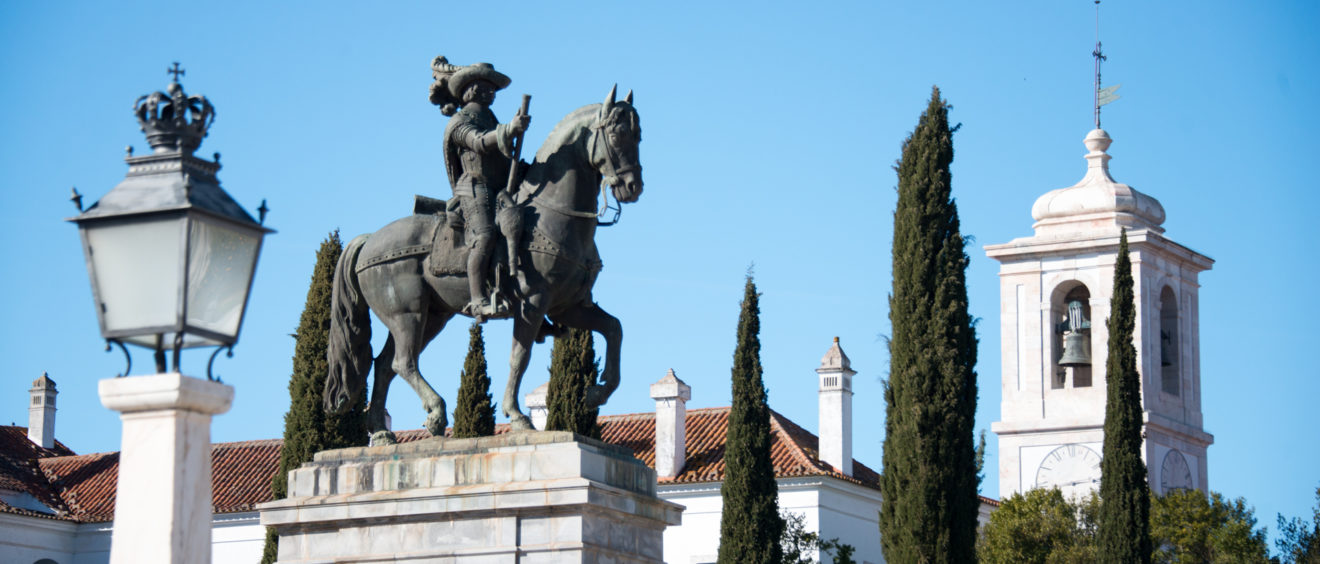
Vila Viçosa Vila Viçosa is associated with the Portuguese royal house of Braganza and reflects the transition from fortified medieval settlements to more elaborate residential palaces. The town developed as an important political center during periods when royal authority shaped regional governance. Architectural features demonstrate changing preferences toward greater refinement and symmetry. The Ducal Palace […]
Estremoz Estremoz developed as a fortified town associated with regional defense and royal residence in the Alentejo region of Portugal. Defensive walls and towers reflect the strategic importance of the settlement during periods of conflict along the Iberian frontier. The town’s elevated position provided visibility across surrounding plains. The castle at Estremoz became associated with […]
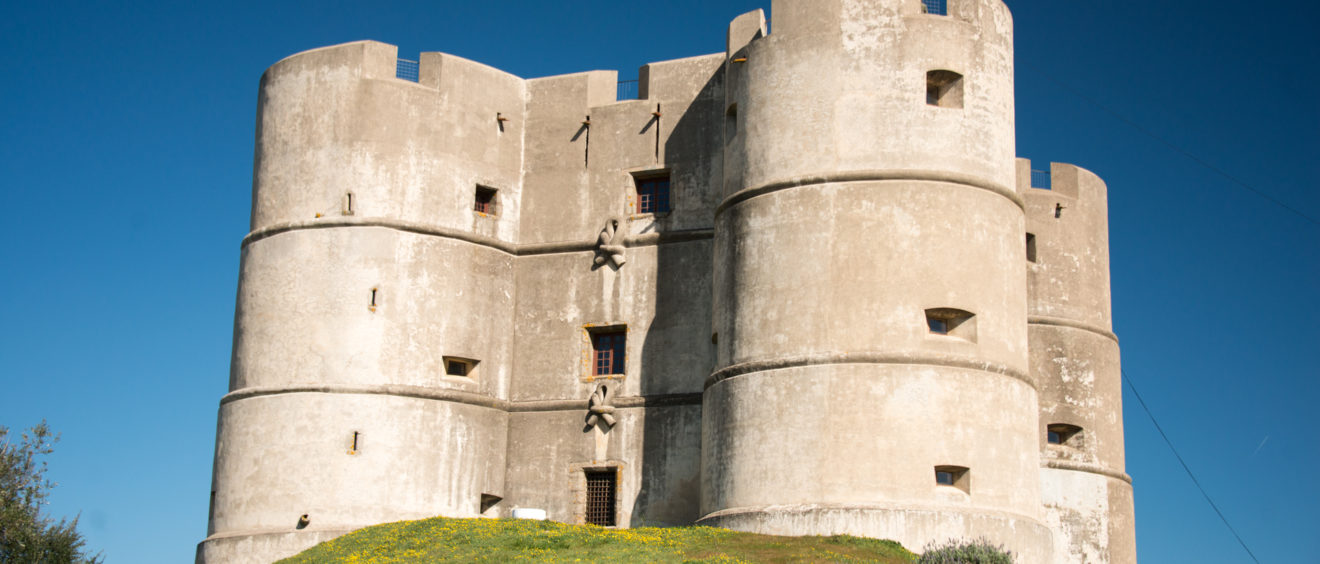
Evoramonte Evoramonte is a fortified hilltop settlement in the Alentejo region of Portugal, positioned within a landscape shaped by centuries of strategic defense. The castle reflects architectural influences from both medieval military construction and later Renaissance design elements. Its elevated position illustrates the importance of geographic advantage in regional security. The castle is associated with […]