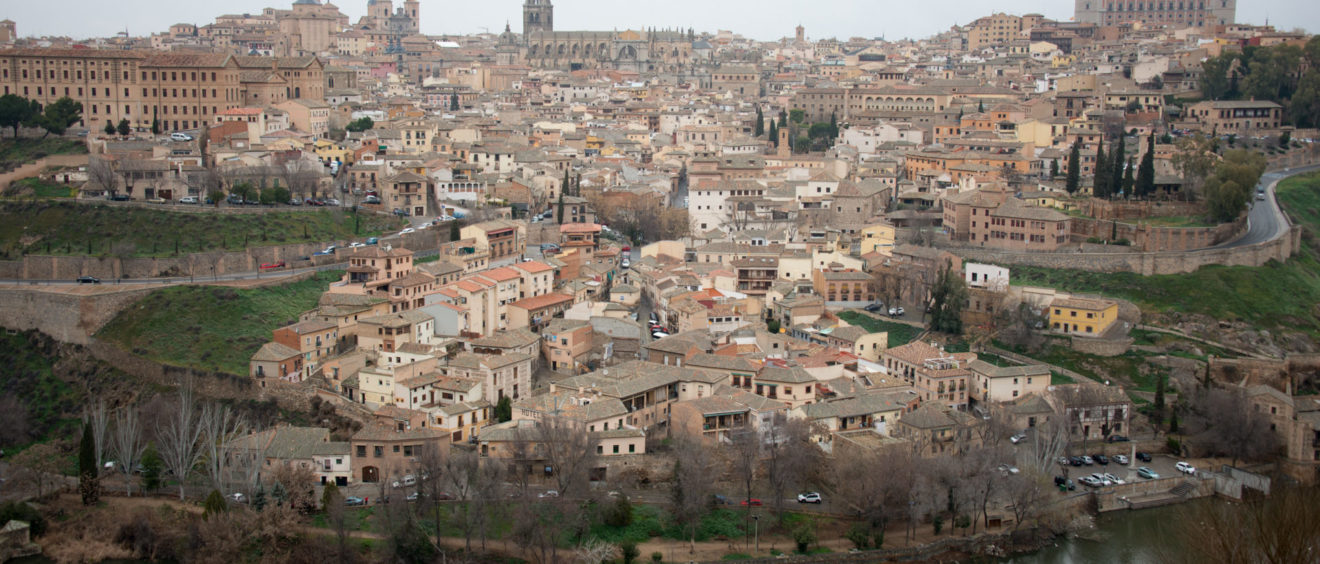
Toledo Toledo served as an important political and cultural center influenced by Roman, Islamic, and Christian traditions. Located on a hill above the Tagus River, the city’s defensive position contributed to its long-standing strategic importance. Its historic architecture illustrates the coexistence of multiple religious communities over several centuries. The city became known for intellectual exchange […]
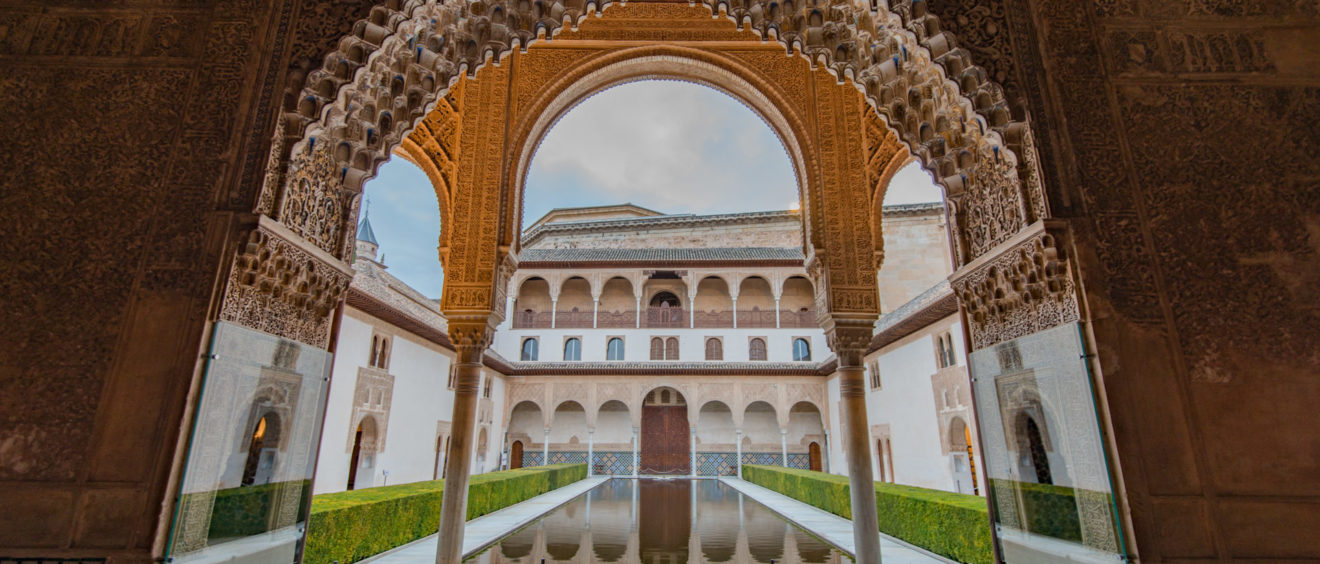
Alhambra The Alhambra is a palace and fortress complex constructed during the Nasrid dynasty and is one of the most important surviving examples of Islamic architecture in Europe. Situated on an elevated hill overlooking Granada, the complex combines defensive walls with refined palace spaces designed for royal residence. Its layout illustrates the integration of architecture, […]
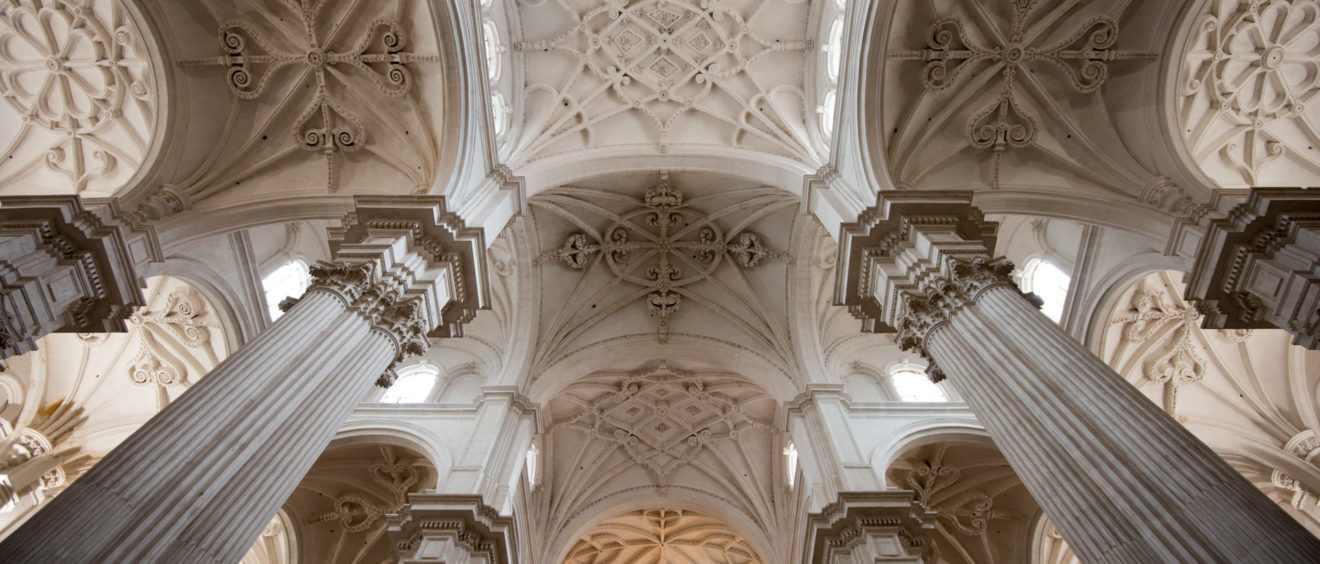
Granada Granada was the final major Islamic capital on the Iberian Peninsula before its conquest by Christian forces in 1492, marking the end of the Reconquista. The city developed under the Nasrid dynasty as an important center of artistic and intellectual life in Al-Andalus. Its location at the base of the Sierra Nevada provided natural […]
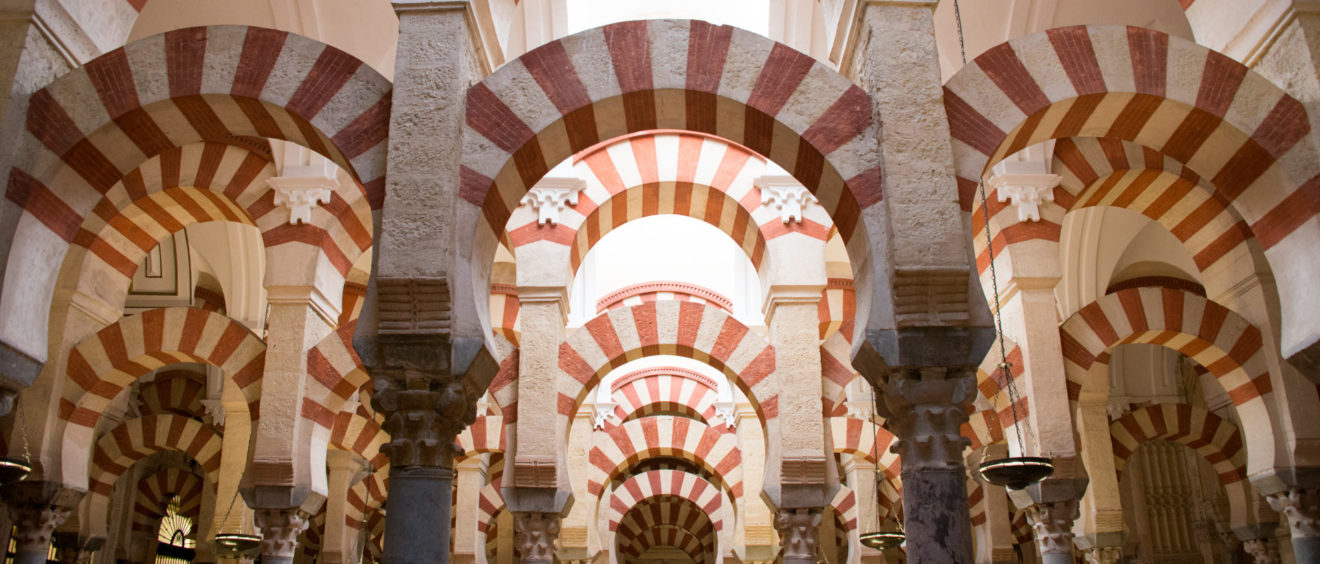
Mezquita The Mezquita of Córdoba was originally constructed as a mosque during the eighth century and later converted into a Christian cathedral following the Reconquista. The structure is recognized for its extensive hypostyle hall composed of repeating arches supported by columns of stone and marble. The architectural design demonstrates the artistic sophistication of Islamic Spain. […]
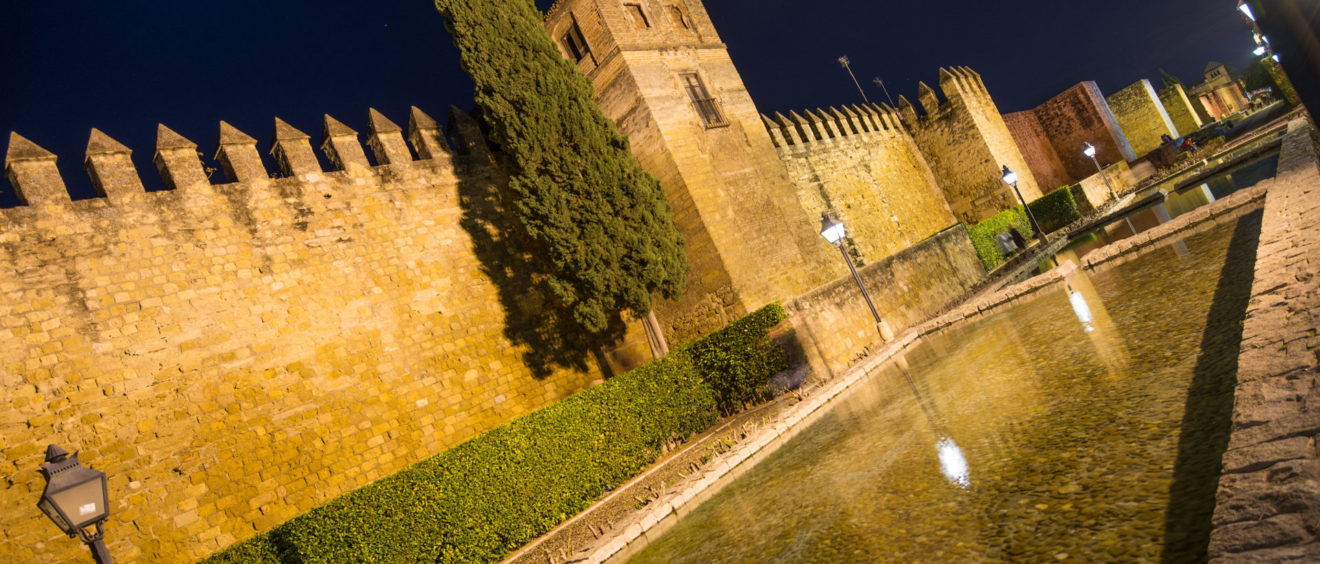
Córdoba Córdoba served as one of the most important cities of Islamic Spain during the Umayyad Caliphate, becoming a center of scholarship, trade, and artistic development. The city’s urban fabric reflects the influence of Islamic governance that contributed to advancements in science, philosophy, and architecture. Its historic streets and monuments illustrate the cultural achievements of […]
Seville Seville developed as one of the most important cultural and commercial centers of southern Spain, shaped by Roman foundations, Islamic rule, and later Christian influence following the Reconquista. Its location along the Guadalquivir River allowed the city to become a major center of trade and administration. Architectural landmarks reflect centuries of cultural exchange between […]
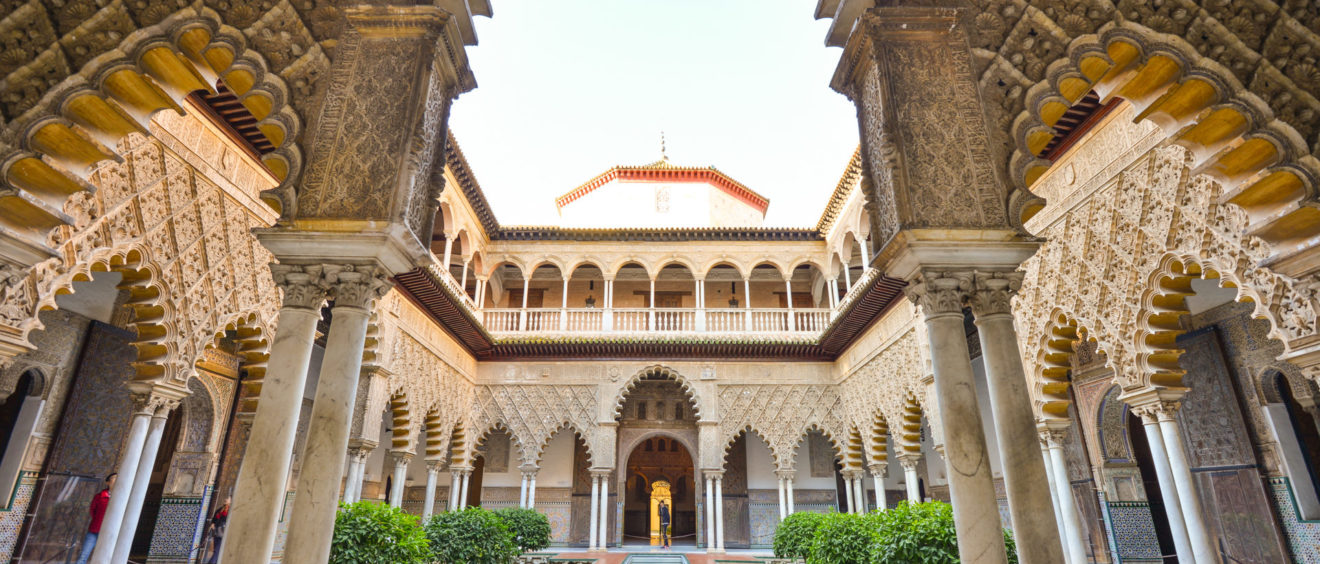
Alcázar The Alcázar refers to fortified palace complexes constructed in Spain during periods of Islamic and later Christian rule. These structures combined defensive features with refined architectural elements reflecting artistic traditions of Al-Andalus. Courtyards, decorative tilework, and geometric ornamentation illustrate the influence of Moorish design. Many alcázars were later adapted by Christian monarchs following the […]
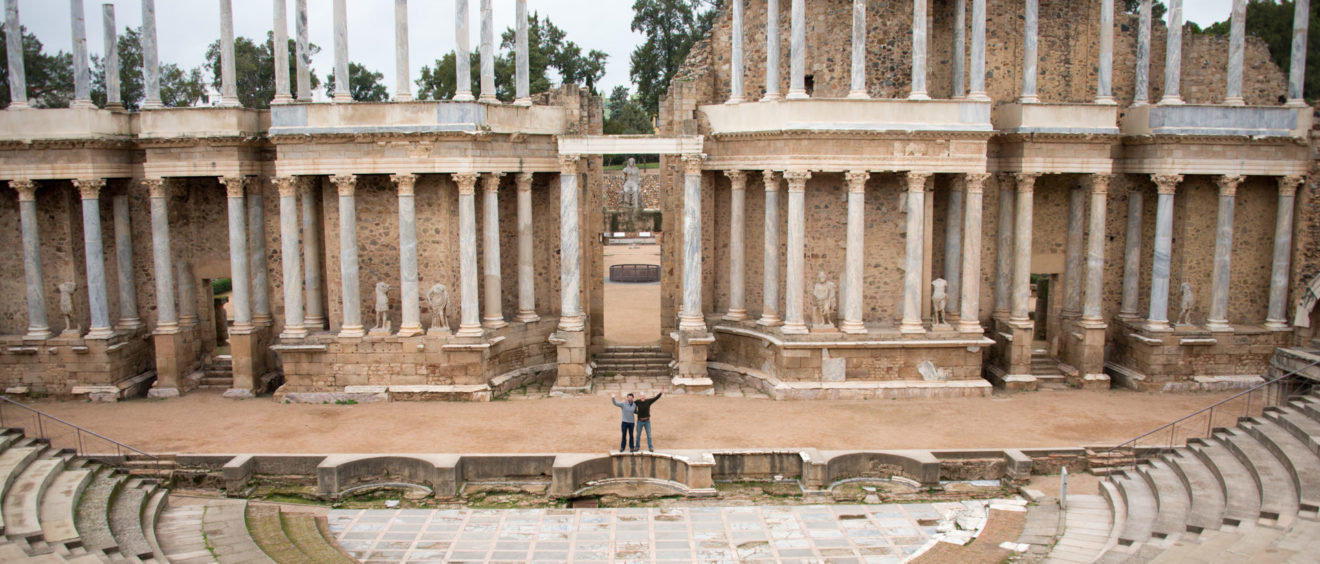
Mérida Mérida was founded as a Roman colony in the first century BCE and became an important administrative center within the province of Lusitania. The city preserves significant archaeological remains including a Roman theater, amphitheater, aqueduct, and bridge. These structures demonstrate the engineering and urban planning achievements of the Roman Empire. The Roman theater illustrates […]
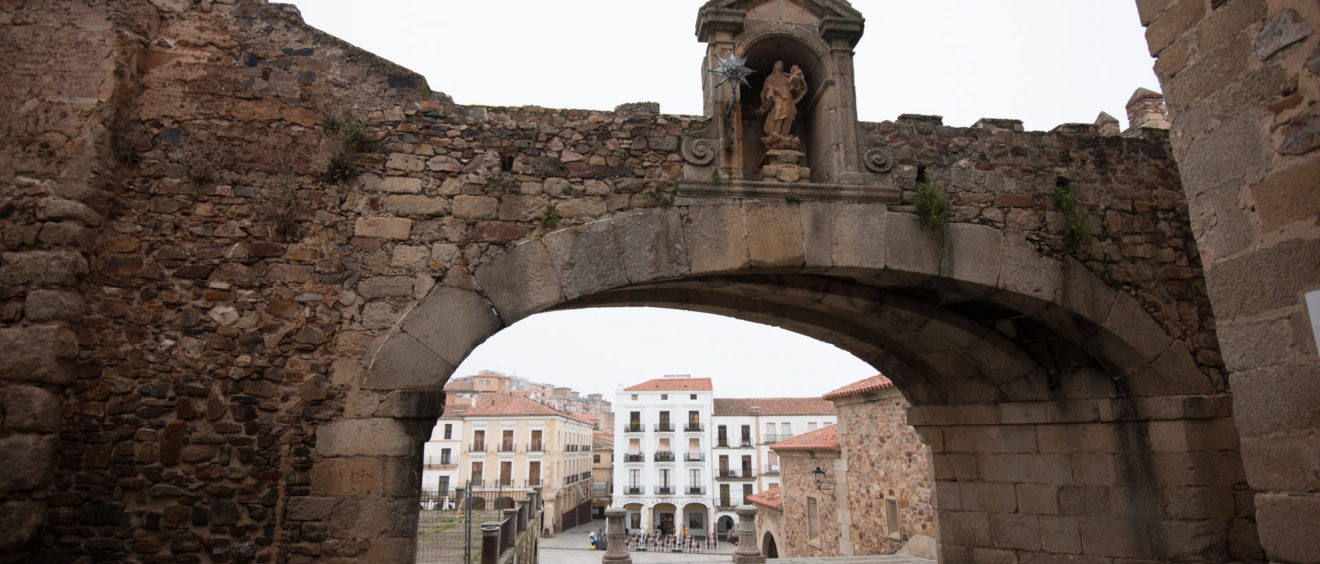
Cáceres Cáceres preserves an exceptional historic center shaped by Roman foundations, Islamic influence, and later medieval Christian development. Stone towers, fortified walls, and narrow streets reflect centuries of political change across the Iberian Peninsula. The architectural character of the city illustrates the layered cultural traditions that developed during periods of cooperation and conflict. Noble residences […]
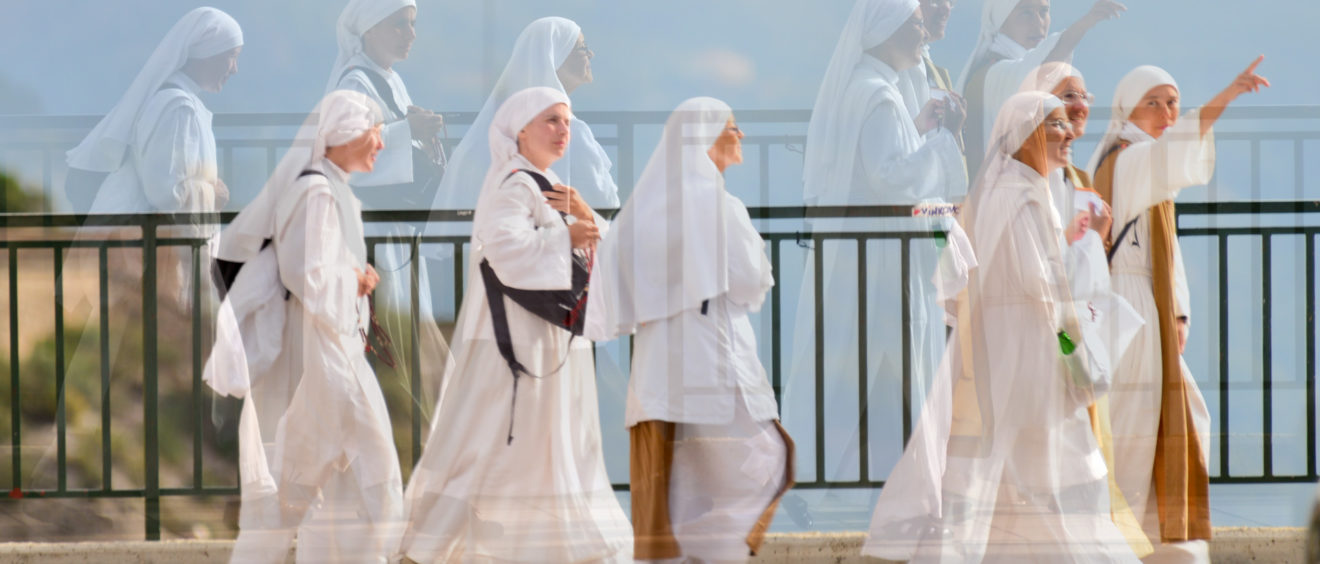
Montserrat Montserrat is a mountain range located northwest of Barcelona, recognized for its distinctive rock formations and long-standing religious significance. The Benedictine monastery situated within the mountains has served as an important pilgrimage destination for centuries. The dramatic geological landscape contributes to the spiritual and visual character of the site. The monastery houses the revered […]