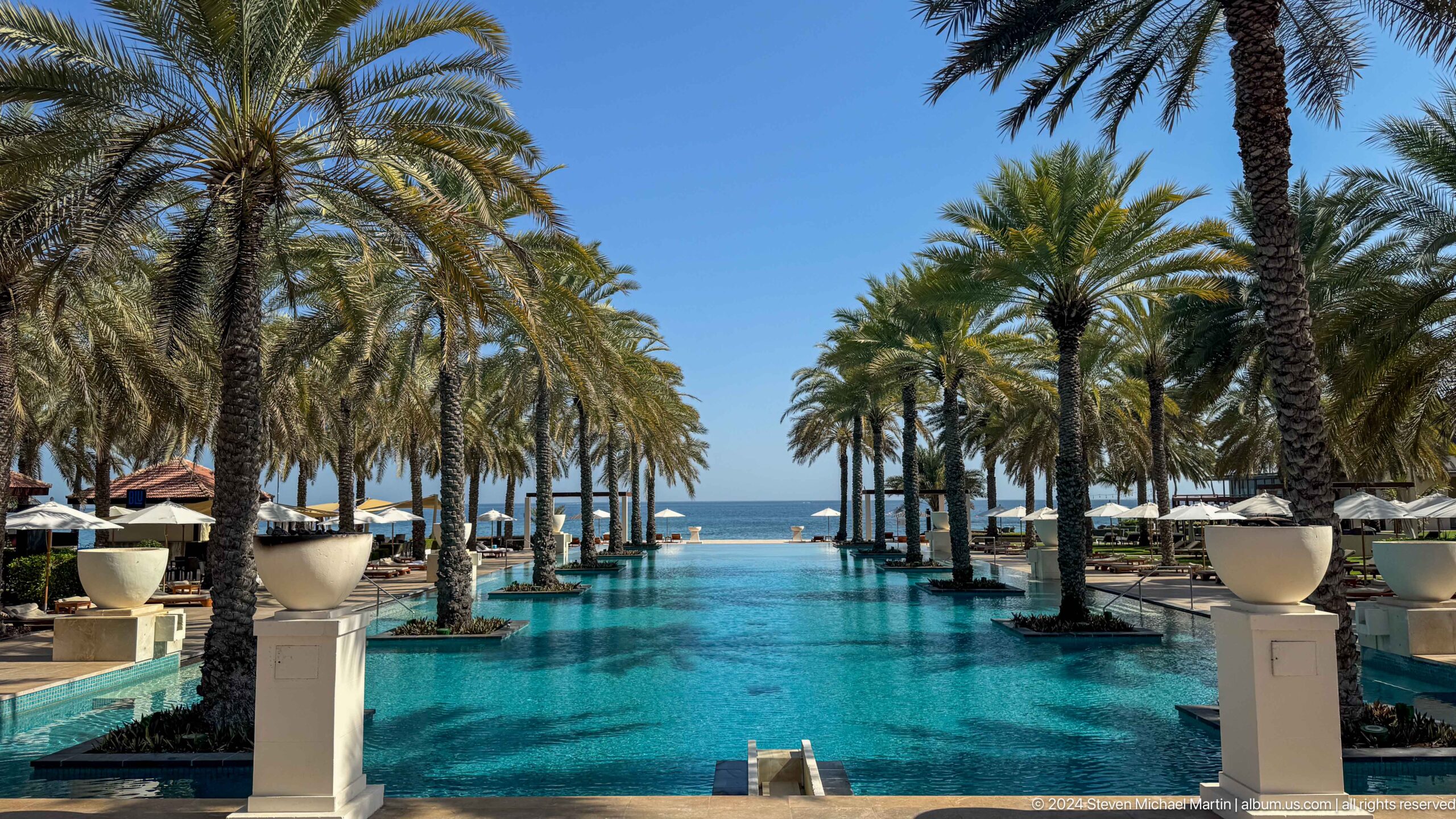
Long turquoise pool lined with palms in Muscat, Oman.

Muscat

Muscat Muscat, the capital of Oman, has long served as an important maritime trading center linking the Arabian Peninsula with East Africa, Persia, and South Asia. Its natural harbor provided a strategic location for merchants navigating trade routes that complemented the overland Silk Road network. Goods such as frankincense, spices, textiles, and precious metals passed […]
Explore Portfolio
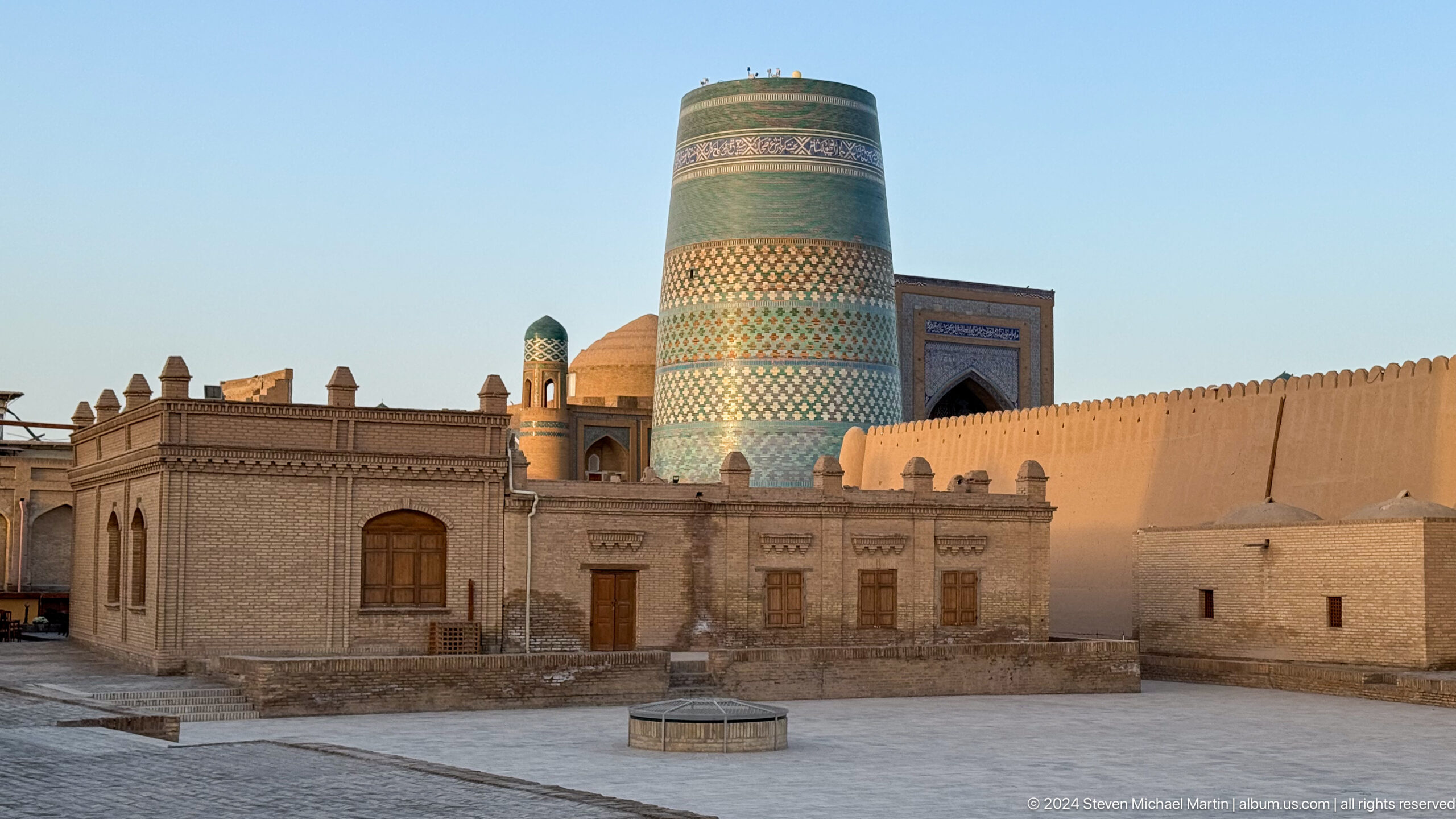
Low historic building with kalta minor behind.

Khiva

Khiva Khiva is a historic oasis city in Uzbekistan that served as an important stop along Silk Road trade routes linking Central Asia with Persia and the Caspian region. Surrounded by defensive walls, the city reflects urban planning designed to protect merchants and travelers moving across desert landscapes. Its preserved inner city, known as Itchan […]

Explore Portfolio
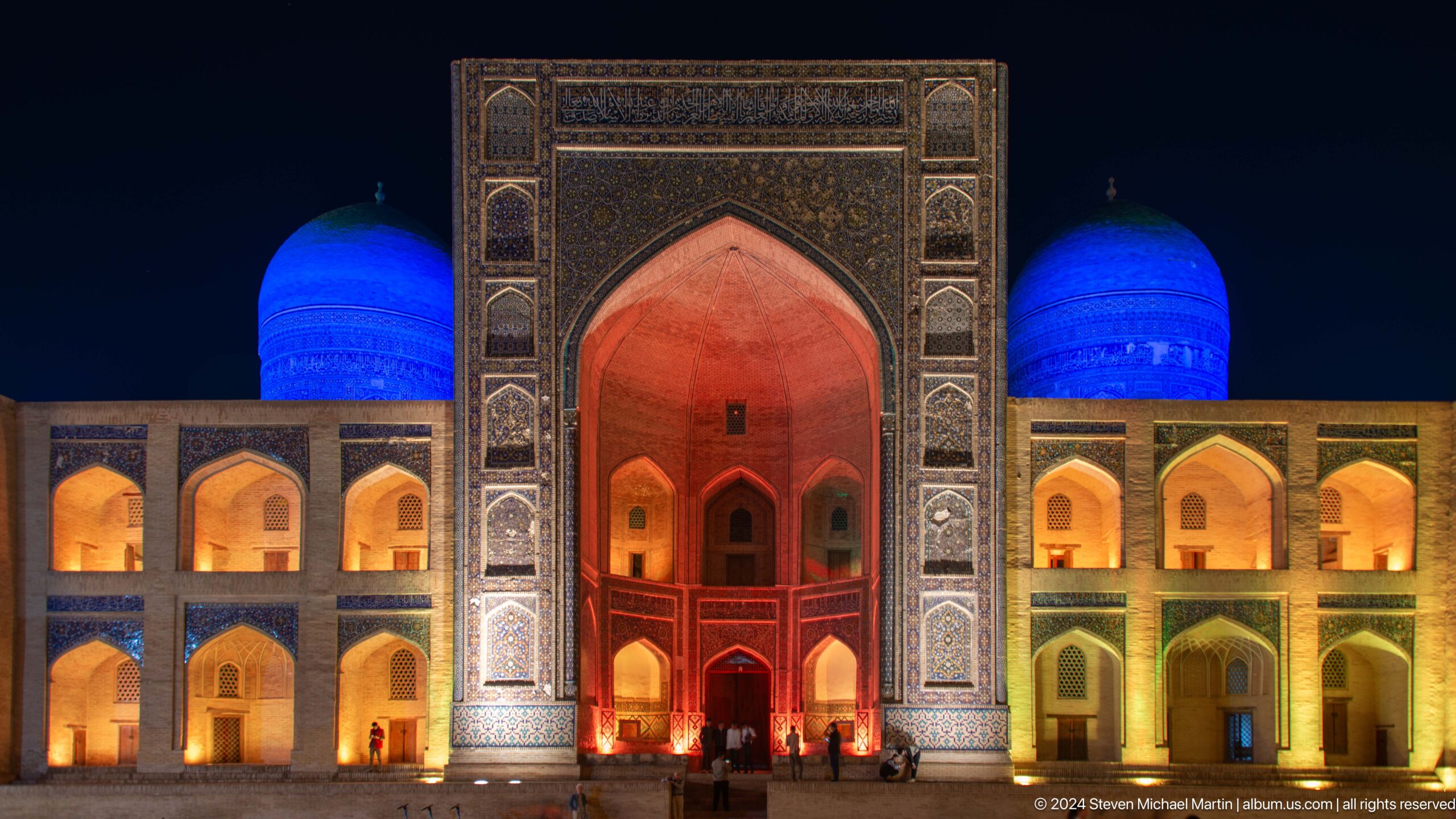
Illuminated Mir-i-Arab Madrasa with red portal and blue domes at night.

Bukhara

Bukhara Bukhara is one of the most important historic cities along the Silk Road and served as a major center of Islamic scholarship, commerce, and culture for more than a thousand years. Located in present-day Uzbekistan, the city prospered due to its position connecting trade routes between Persia, Central Asia, and China. Its historic center […]

Explore Portfolio
Distant main mosque iwan beyond a green lawn and shaped trees, with a turquoise dome and tower at right.

Samarkand Bibi-Khanym Mosque

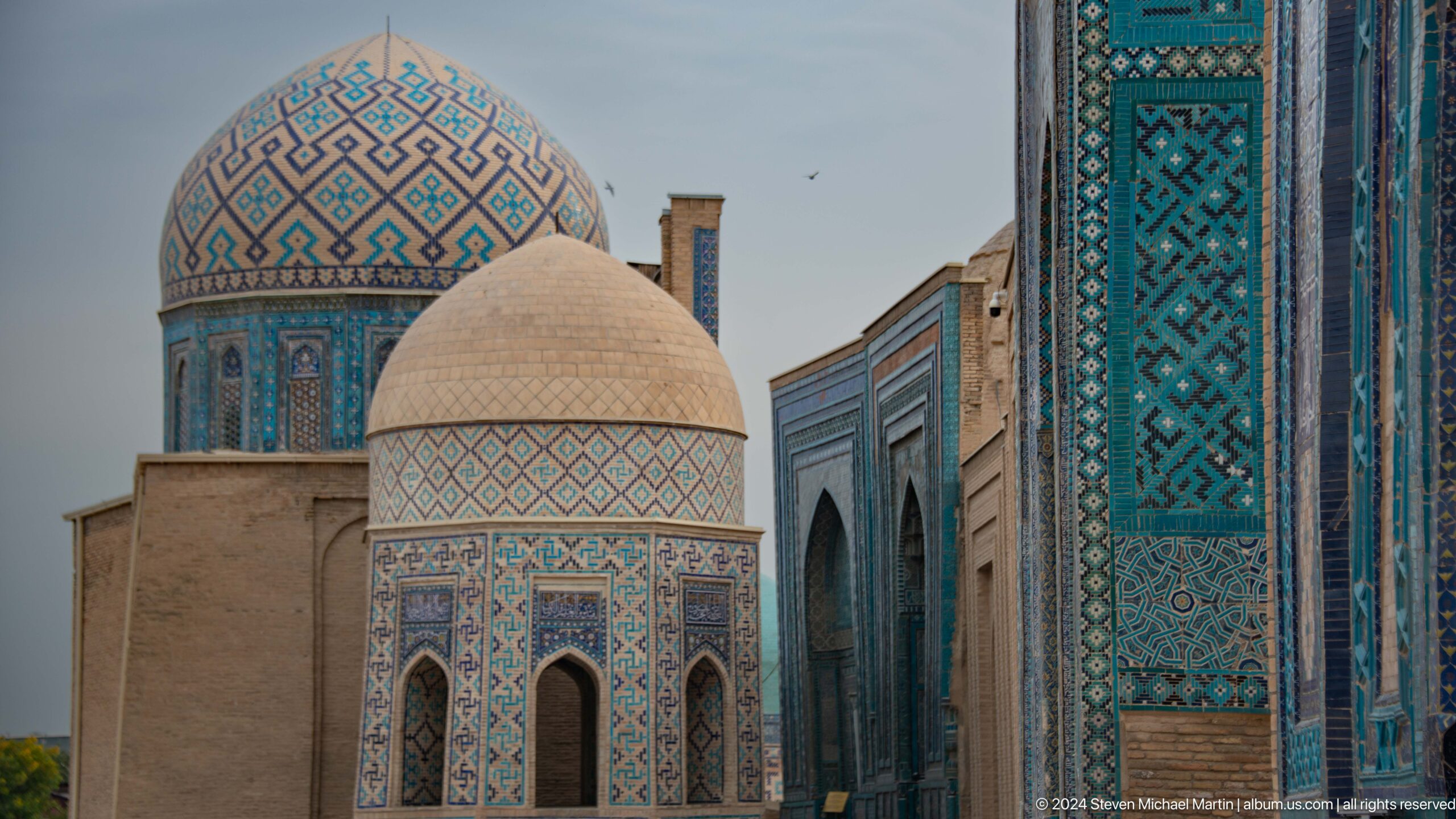
Shah-i-Zinda Shah-i-Zinda is a complex of mausoleums in Samarkand associated with Islamic pilgrimage and the commemoration of religious figures. The name means “The Living King,” referring to a tradition connected to Qusam ibn Abbas, a relative of the Prophet Muhammad. The site developed over several centuries as an important spiritual destination along Silk Road routes. […]

Explore Portfolio

Samarkand Shah-I-Zinda

Shah-i-Zinda Shah-i-Zinda is a complex of mausoleums in Samarkand associated with Islamic pilgrimage and the commemoration of religious figures. The name means “The Living King,” referring to a tradition connected to Qusam ibn Abbas, a relative of the Prophet Muhammad. The site developed over several centuries as an important spiritual destination along Silk Road routes. […]

Explore Portfolio
Wide dusk view of Registan Square with three monumental madrasas, turquoise domes, and minarets.

Samarkand Registan

Registan Registan Square served as the ceremonial and educational center of Timurid Samarkand and remains one of the most iconic architectural ensembles along the Silk Road. The square is surrounded by three monumental madrasas that reflect the importance of scholarship and religious education in Central Asia. Its symmetrical layout illustrates advanced urban planning principles. Decorative […]

Explore Portfolio
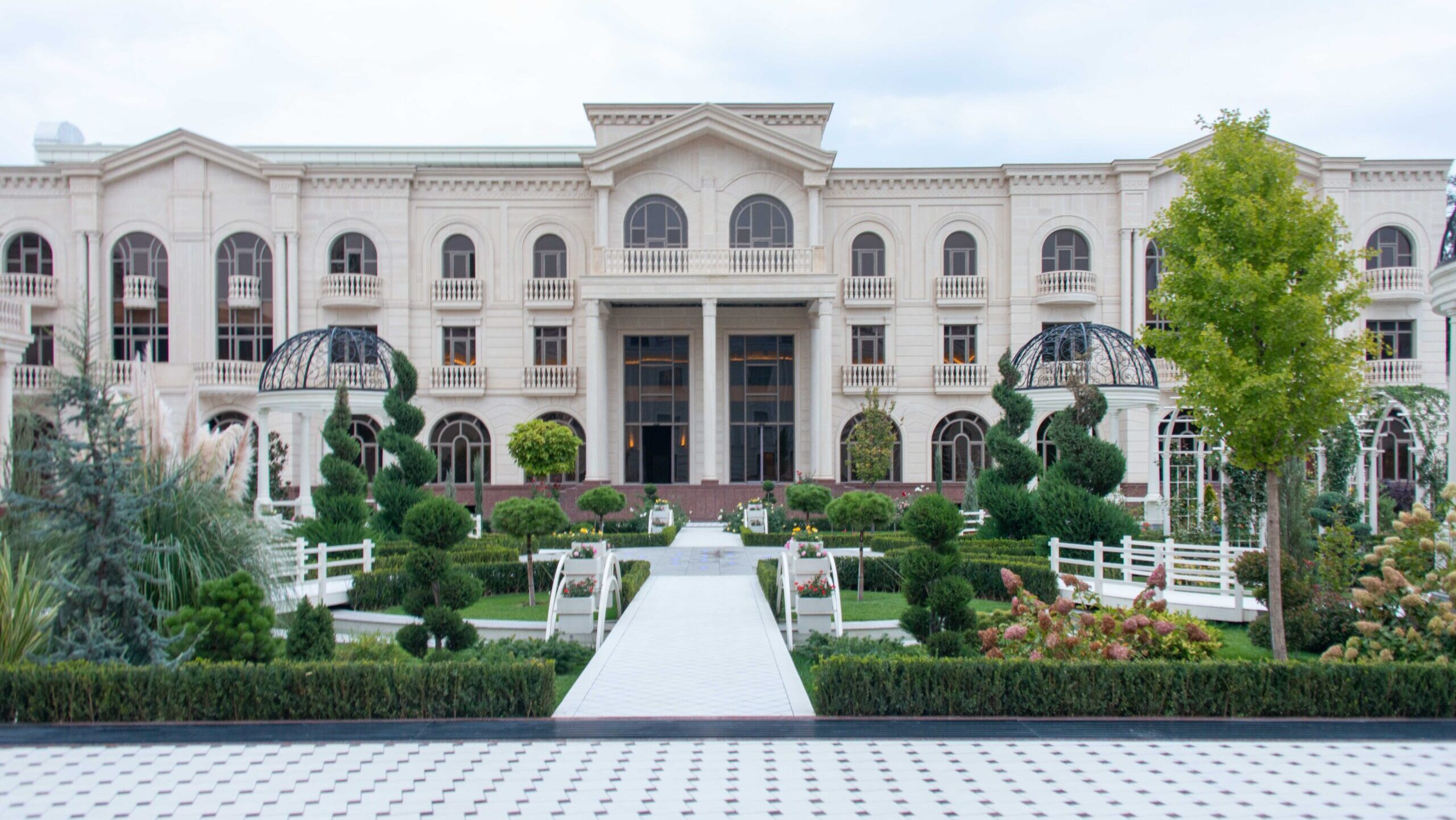
White symmetrical hotel-like building behind a formal garden with topiary and white pergolas.

Samarkand

Samarkand Samarkand is one of the most important historic cities along the Silk Road and served as a major center of trade, scholarship, and artistic production for more than two millennia. Located in present-day Uzbekistan, the city prospered due to its position connecting China, Persia, and the Mediterranean world. Its strategic location allowed merchants, scholars, […]

Explore Portfolio
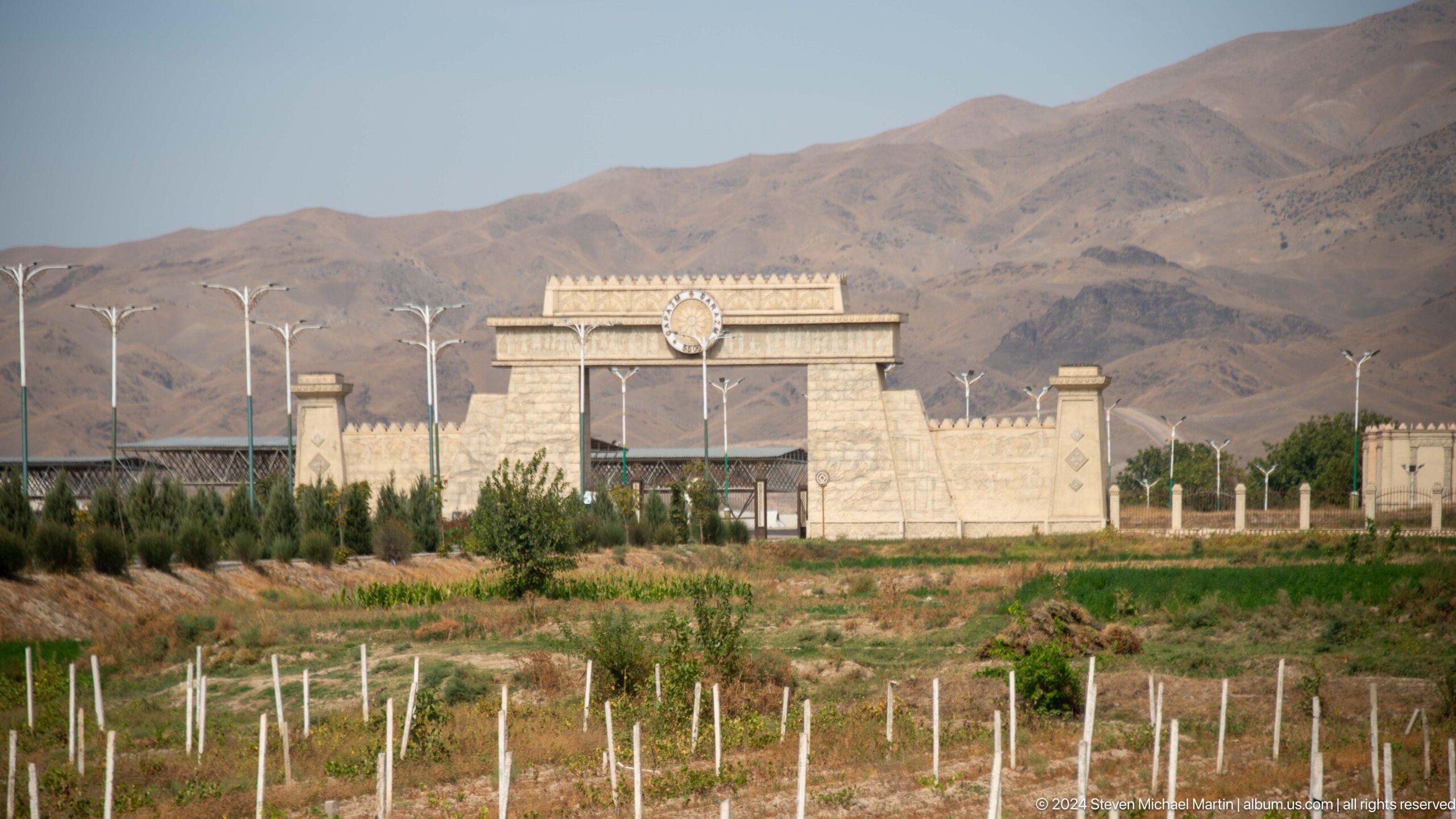
Monumental main entrance complex of Ancient Sarazm seen across a cultivated field with mountains in the background.

Ancient Sarazm

Ancient Sarazm Ancient Sarazm is one of the oldest known settlements in Central Asia, dating to the fourth millennium BCE. The archaeological site provides evidence of early agricultural and trading communities that preceded the later Silk Road network. Its location near mineral resources and fertile land supported early economic development. Excavations have revealed tools, pottery, […]

Explore Portfolio
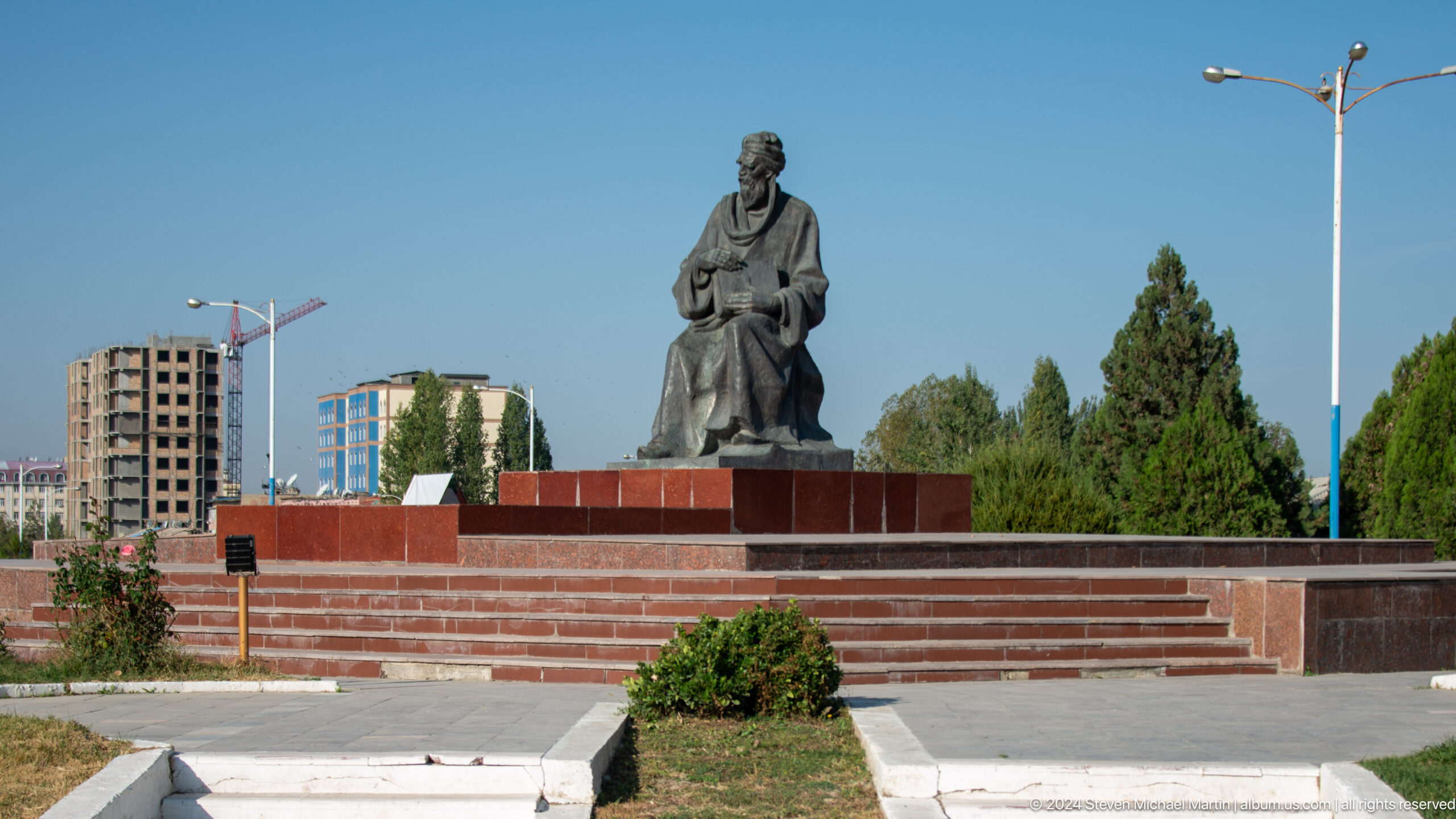
Large seated statue of Rudaki on a broad red stone stepped pedestal under a blue sky.

Rudaki Historical Museum

Rudaki Historical Museum The Rudaki Historical Museum is dedicated to the cultural legacy of Abu Abdallah Rudaki, a tenth-century Persian poet widely regarded as one of the founders of classical Persian literature. His works reflect the intellectual environment that developed in Central Asia following the spread of Islam along Silk Road routes. Literary traditions played […]

Explore Portfolio
Dense display of beads, trims, and sewing notions.

Panjakent

Panjakent Panjakent developed as an important regional center in present-day Tajikistan and reflects the cultural heritage of the Sogdian civilization, one of the most influential trading communities along the Silk Road. Its location near important caravan routes allowed merchants to connect markets in China, Persia, and Central Asia. The city illustrates the importance of intermediary […]

Explore Portfolio