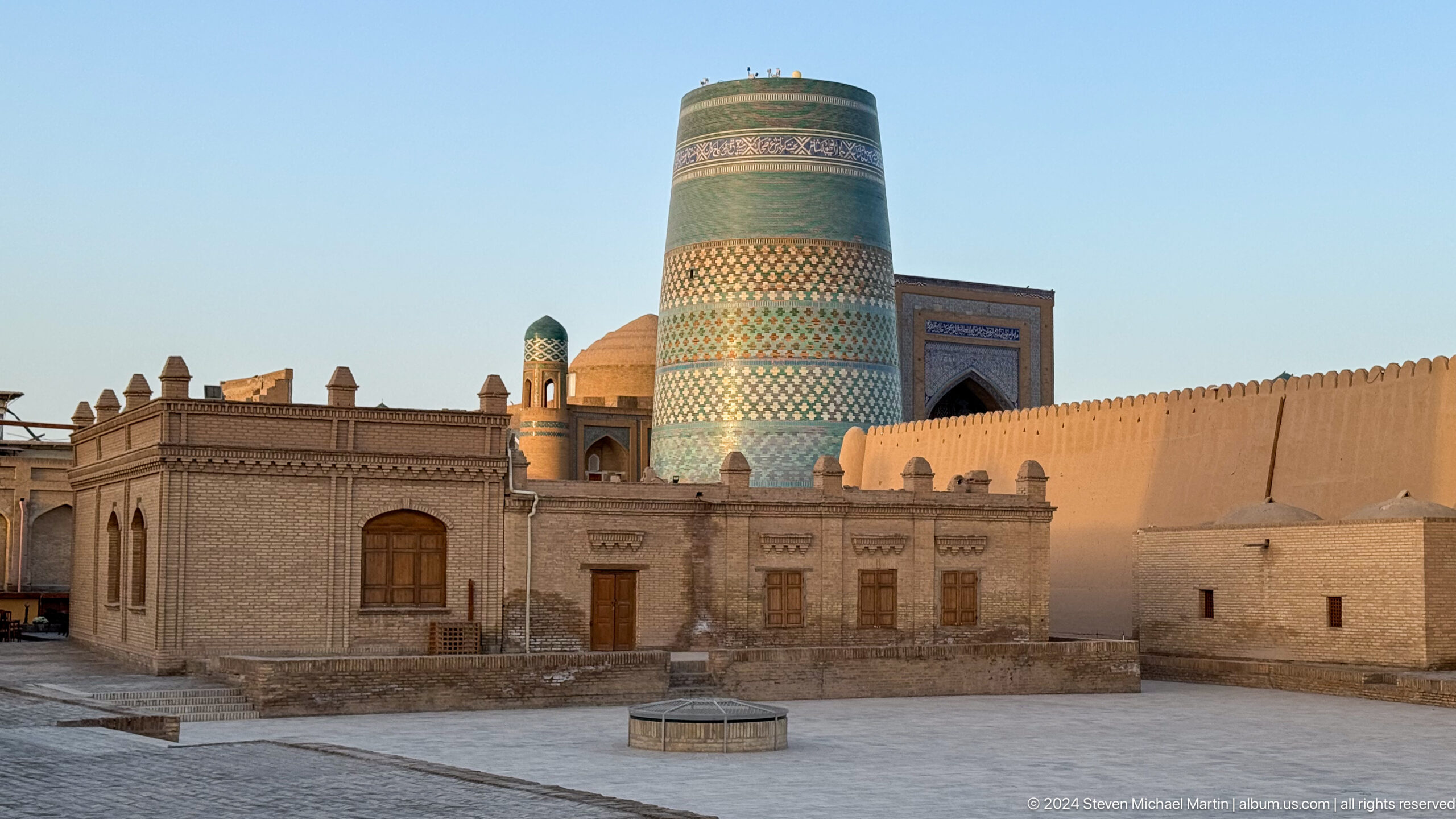
Khiva Khiva is a historic oasis city in Uzbekistan that served as an important stop along Silk Road trade routes linking Central Asia with Persia and the Caspian region. Surrounded by defensive walls, the city reflects urban planning designed to protect merchants and travelers moving across desert landscapes. Its preserved inner city, known as Itchan […]
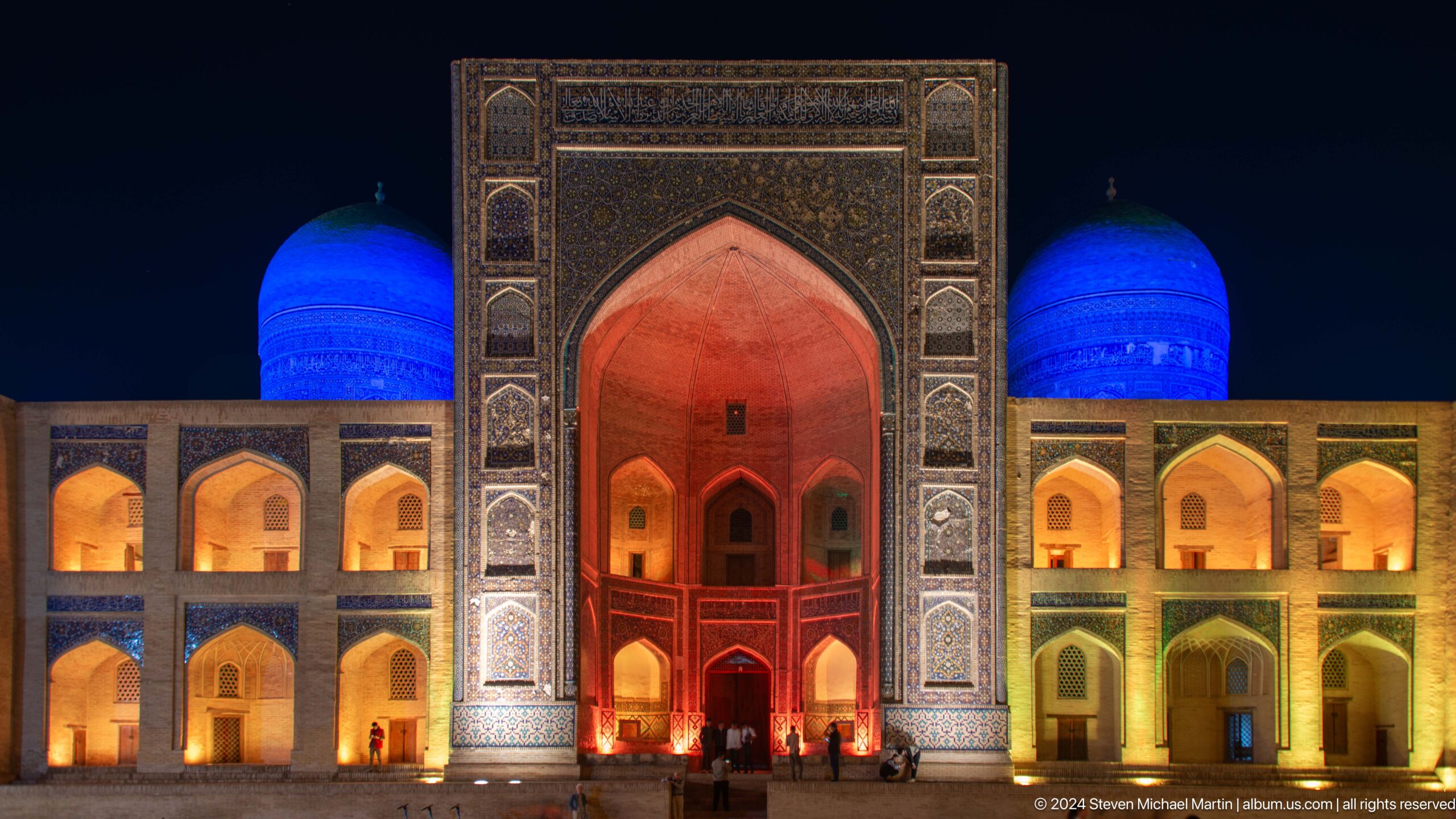
Bukhara Bukhara is one of the most important historic cities along the Silk Road and served as a major center of Islamic scholarship, commerce, and culture for more than a thousand years. Located in present-day Uzbekistan, the city prospered due to its position connecting trade routes between Persia, Central Asia, and China. Its historic center […]
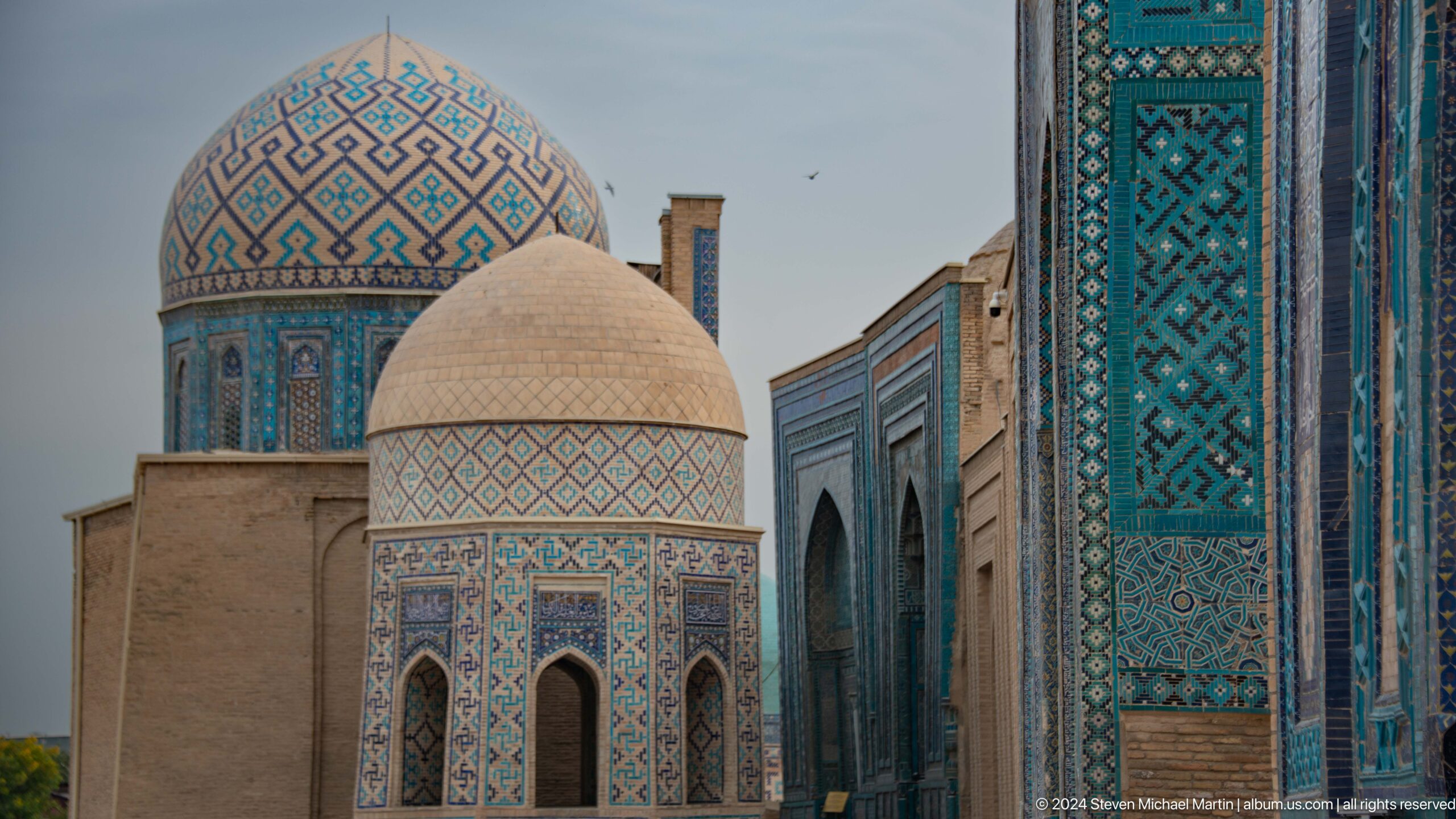
Shah-i-Zinda Shah-i-Zinda is a complex of mausoleums in Samarkand associated with Islamic pilgrimage and the commemoration of religious figures. The name means “The Living King,” referring to a tradition connected to Qusam ibn Abbas, a relative of the Prophet Muhammad. The site developed over several centuries as an important spiritual destination along Silk Road routes. […]
Registan Registan Square served as the ceremonial and educational center of Timurid Samarkand and remains one of the most iconic architectural ensembles along the Silk Road. The square is surrounded by three monumental madrasas that reflect the importance of scholarship and religious education in Central Asia. Its symmetrical layout illustrates advanced urban planning principles. Decorative […]
Samarkand Samarkand is one of the most important historic cities along the Silk Road and served as a major center of trade, scholarship, and artistic production for more than two millennia. Located in present-day Uzbekistan, the city prospered due to its position connecting China, Persia, and the Mediterranean world. Its strategic location allowed merchants, scholars, […]
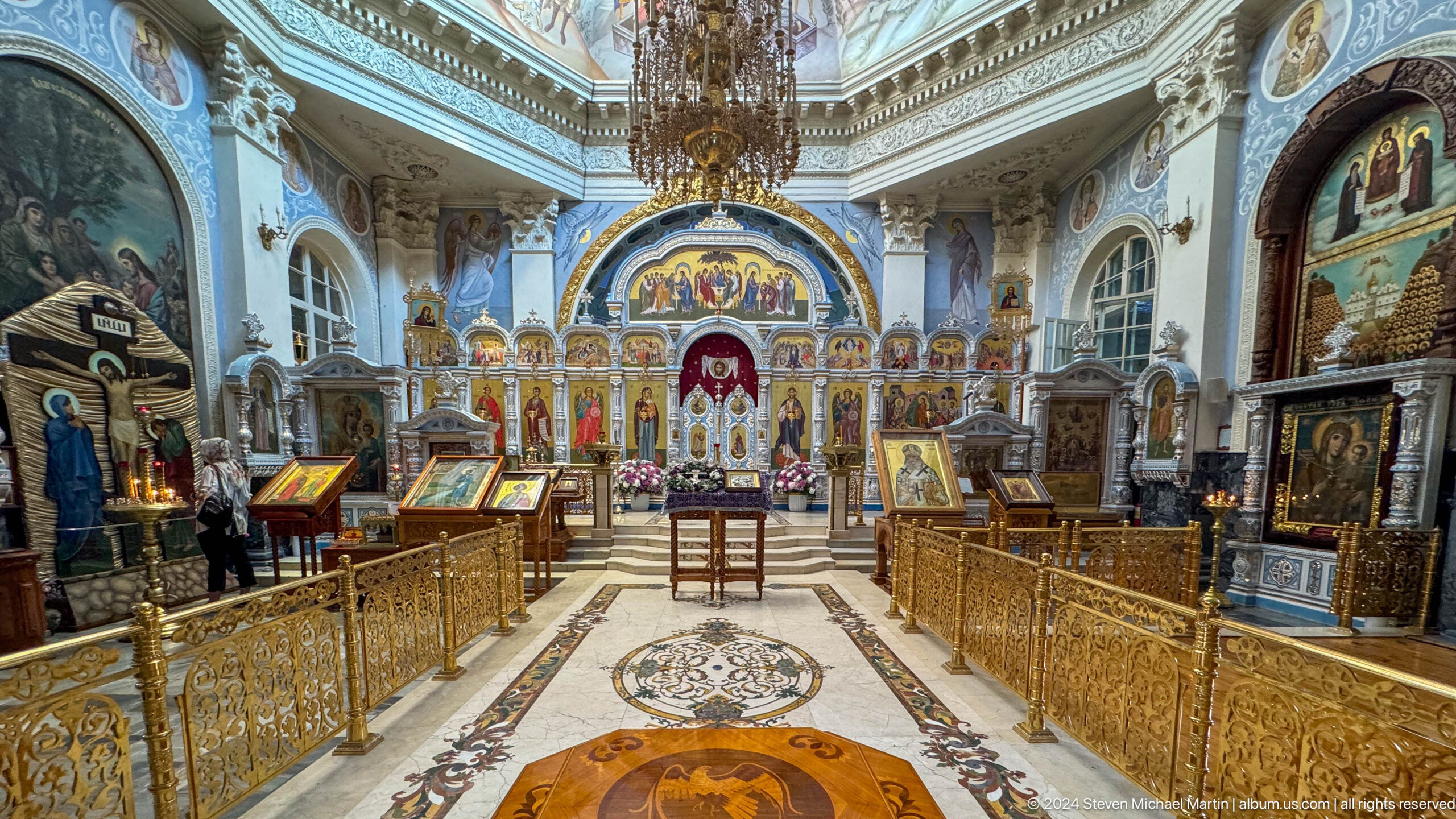
Holy Assumption Cathedral The Holy Assumption Cathedral in Tashkent represents the presence of Russian Orthodox Christianity in Central Asia during the nineteenth century. The cathedral was constructed during the period of Russian imperial expansion into the region. Its architecture reflects ecclesiastical design traditions associated with Orthodox religious practice. The structure illustrates the interaction between Slavic […]
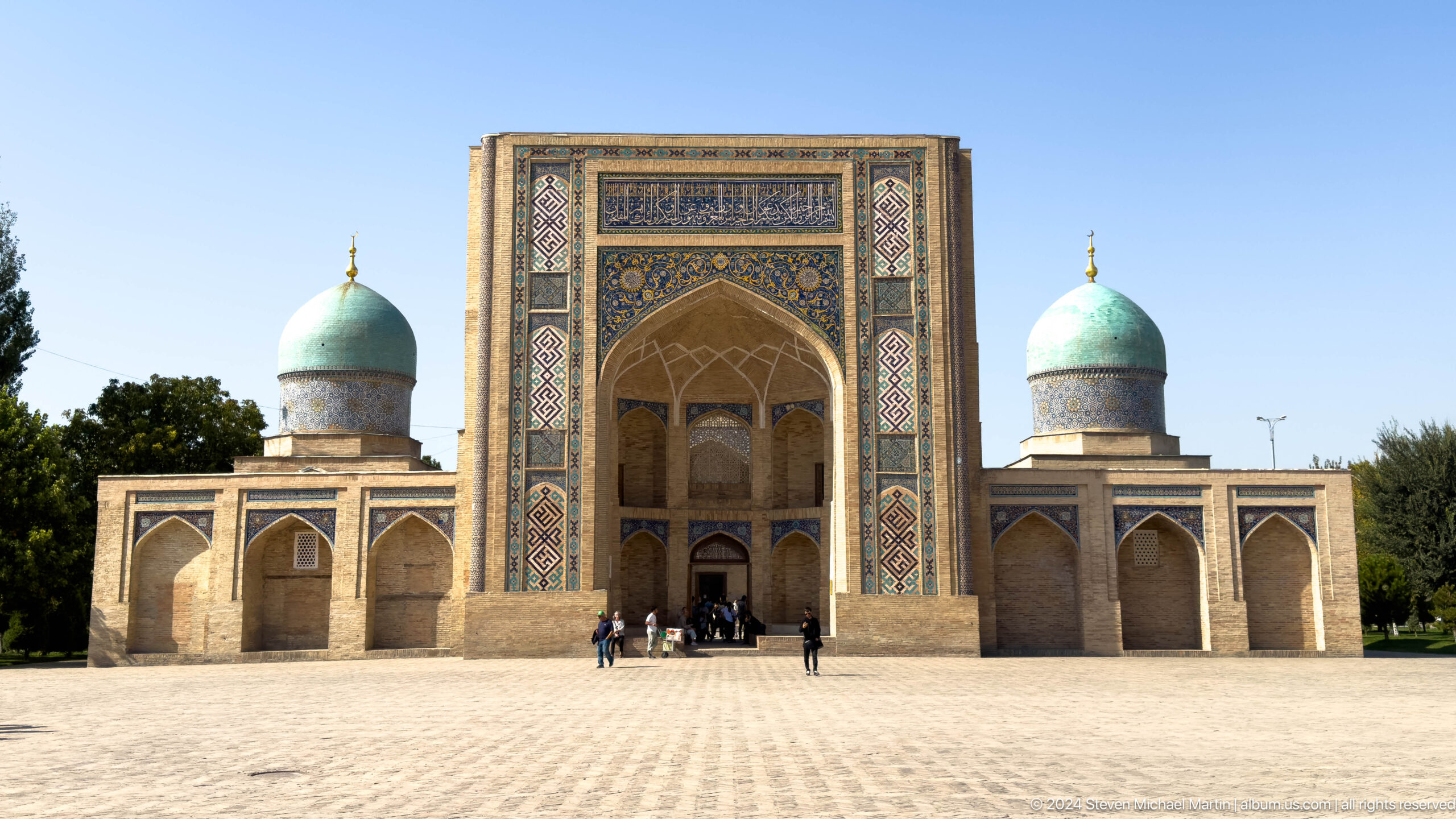
Khast Imom (Hast Imam) The Khast Imom Complex in Tashkent is an important Islamic religious center associated with the preservation of early Qur’anic manuscripts and the development of scholarship in Central Asia. The complex includes mosques, madrasas, and mausoleums reflecting architectural traditions that developed following the spread of Islam along Silk Road routes. Religious institutions […]
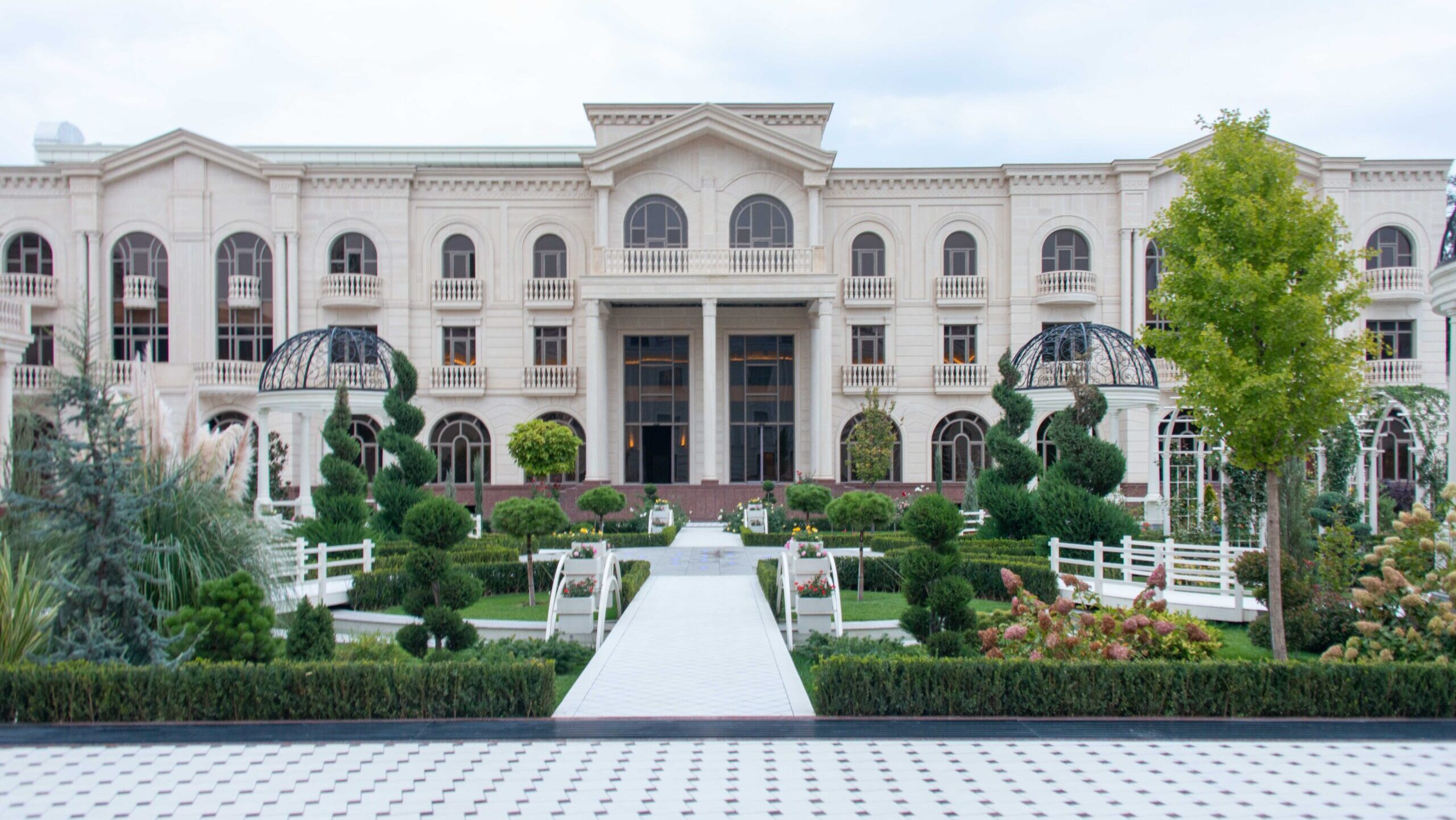
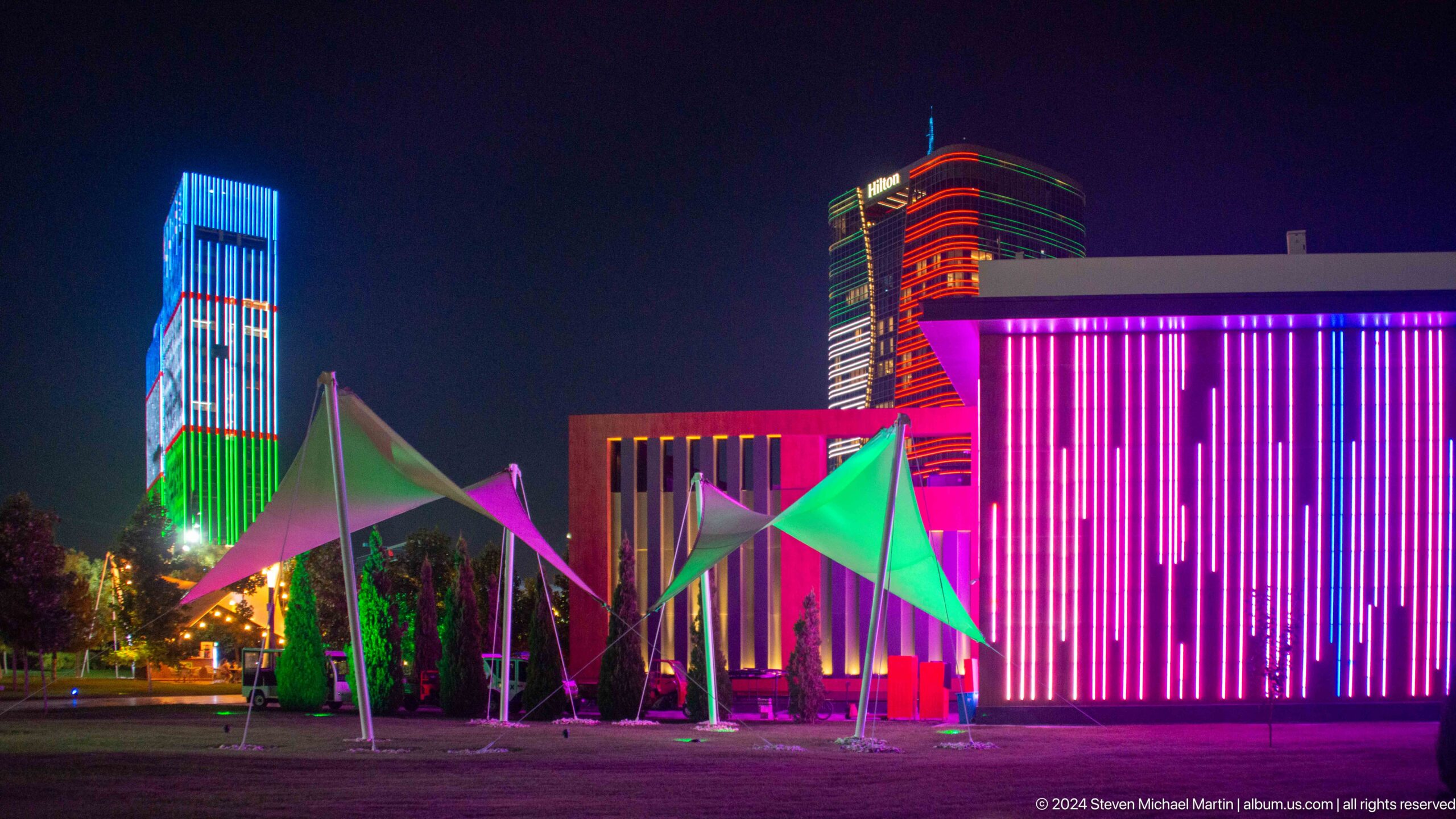
Tashkent City Park Tashkent City Park represents modern urban development within one of Central Asia’s historic Silk Road cities. Public green spaces illustrate contemporary approaches to urban planning that balance recreation with civic design. The park demonstrates the continued evolution of cities historically shaped by trade and cultural exchange. Urban parks often occupy locations influenced […]
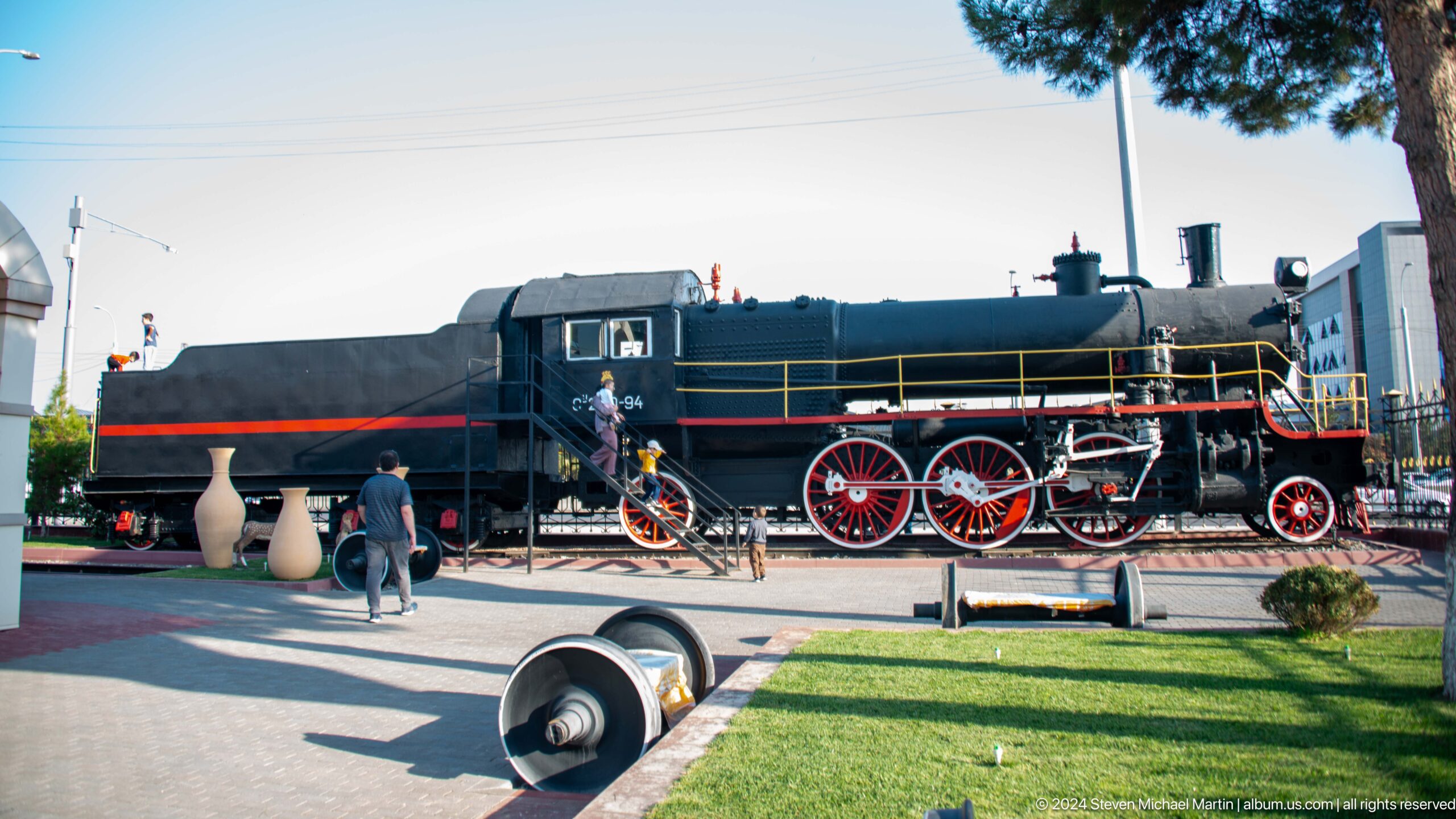
Tashkent Railway Museum The Tashkent Railway Museum reflects the development of transportation networks that connected Central Asia with broader regional economies during the nineteenth and twentieth centuries. Rail infrastructure expanded communication between historic Silk Road cities, modernizing long-distance travel across Eurasia. The museum illustrates the technological transition from caravan trade to industrial transportation. Locomotives and […]