Silk Road

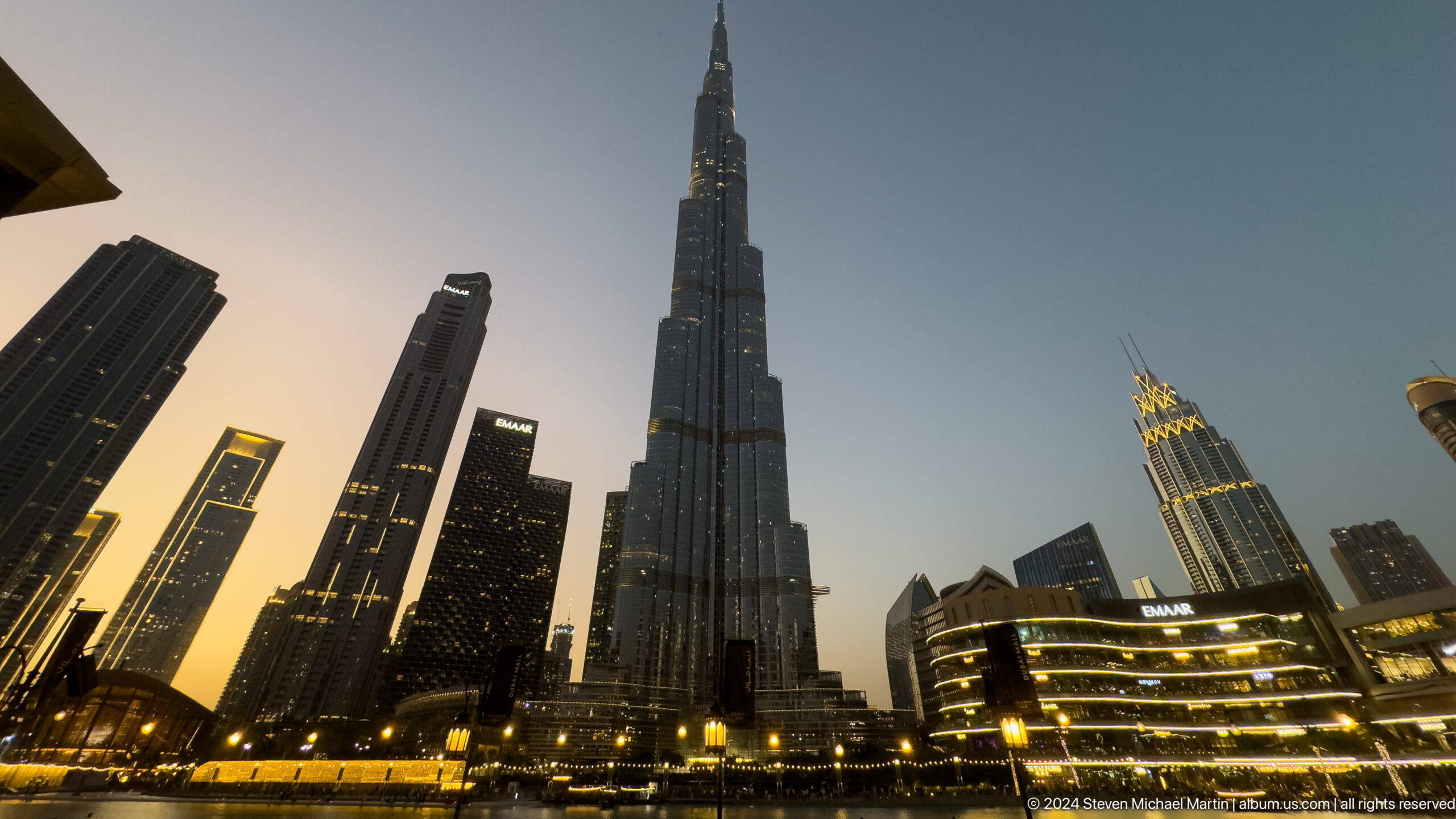
Burj Khalifa above illuminated Downtown Dubai towers at blue hour.

Dubai Burj Khalifa

Burj Khalifa The Burj Khalifa is the tallest building in the world and symbolizes Dubai’s transformation into a global center of commerce, finance, and tourism. Its construction reflects the continued importance of strategic geographic locations that historically supported Silk Road trade routes. The tower illustrates how historic trading hubs can evolve into modern centers of […]
Explore Portfolio
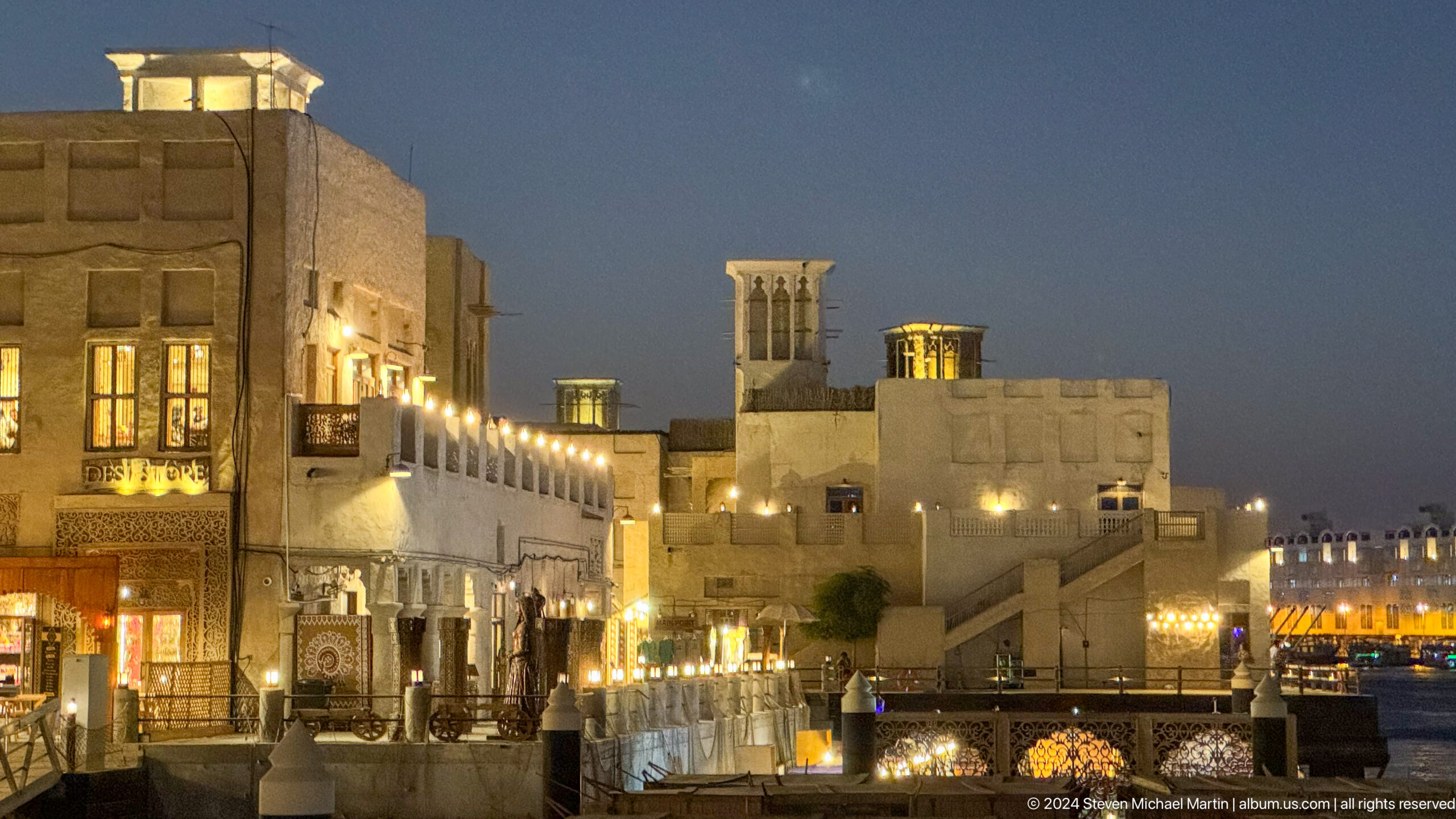
Blue-hour view of Al Seef in Dubai, with multiple illuminated heritage-style buildings and square wind towers rising beyond the creekside edge against a darkening sky.

Al Seef Dubai

Al Seef Al Seef is a waterfront district in Dubai that preserves architectural styles associated with traditional Gulf trading communities. Located along Dubai Creek, the area reflects the historic importance of maritime commerce connecting Arabia with Persia, India, and East Africa. The district illustrates how coastal settlements developed around shipping and mercantile activity. Restored buildings […]

Explore Portfolio
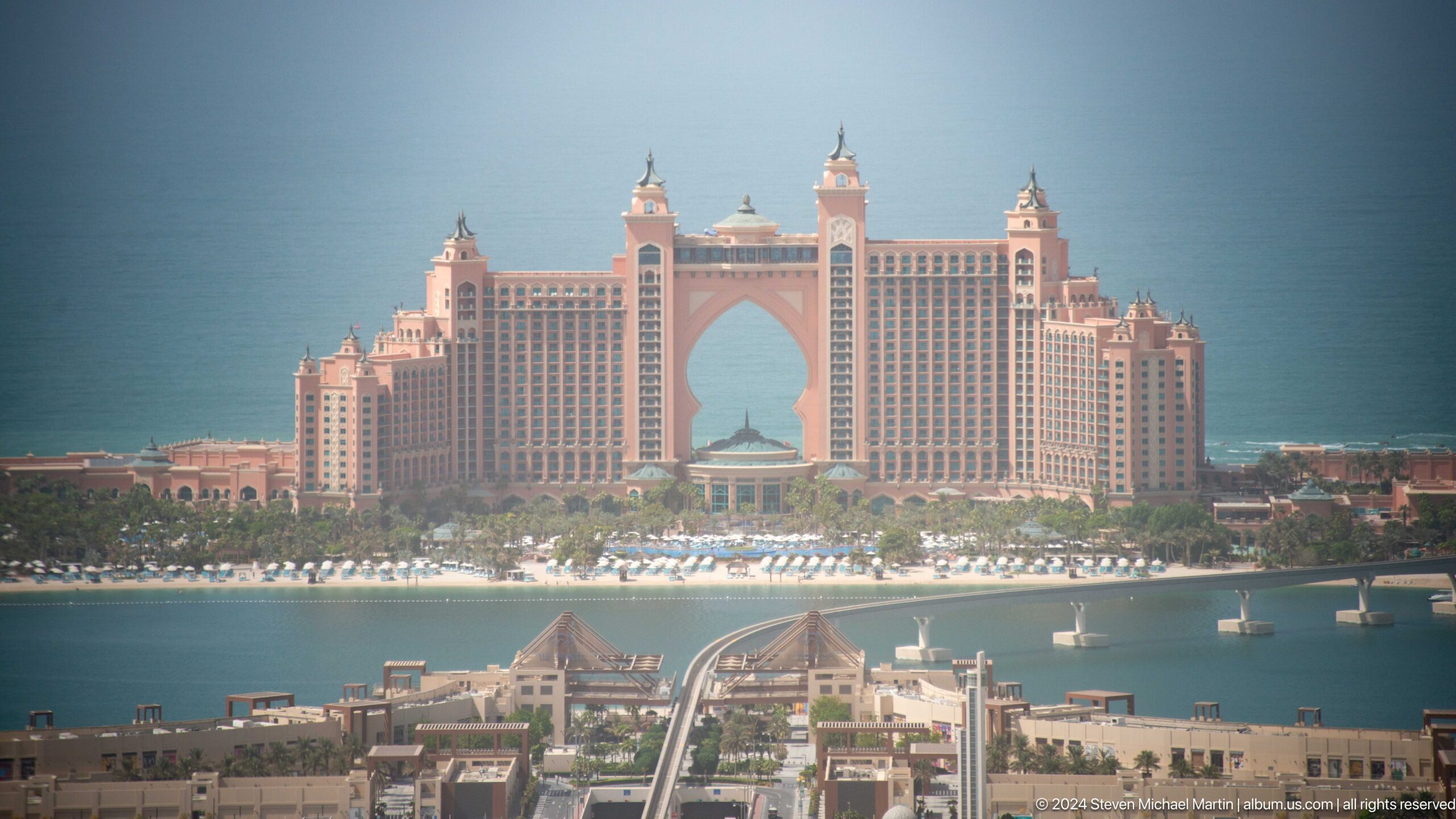
Atlantis The Palm's pink facade and central arch seen across Palm Jumeirah.

The Palm Dubai

Palm Jumeirah Palm Jumeirah is an artificial island constructed off the coast of Dubai that reflects the modern expansion of maritime trade and tourism in the Persian Gulf. Its palm-shaped design illustrates contemporary engineering innovation and the continued importance of coastal geography in shaping global economic connections. The project demonstrates how historic trading regions continue […]

Explore Portfolio
Two distant Dubai towers framed by a golden patterned edge.

Dubai

Dubai Dubai developed from a modest trading settlement into one of the most significant commercial centers in the Persian Gulf. Historically, merchants in the region traded pearls, textiles, and spices, linking Arabian maritime routes with broader networks connecting Asia, Africa, and Europe. Its coastal location made it an important intermediary between regional and international trade. […]

Explore Portfolio
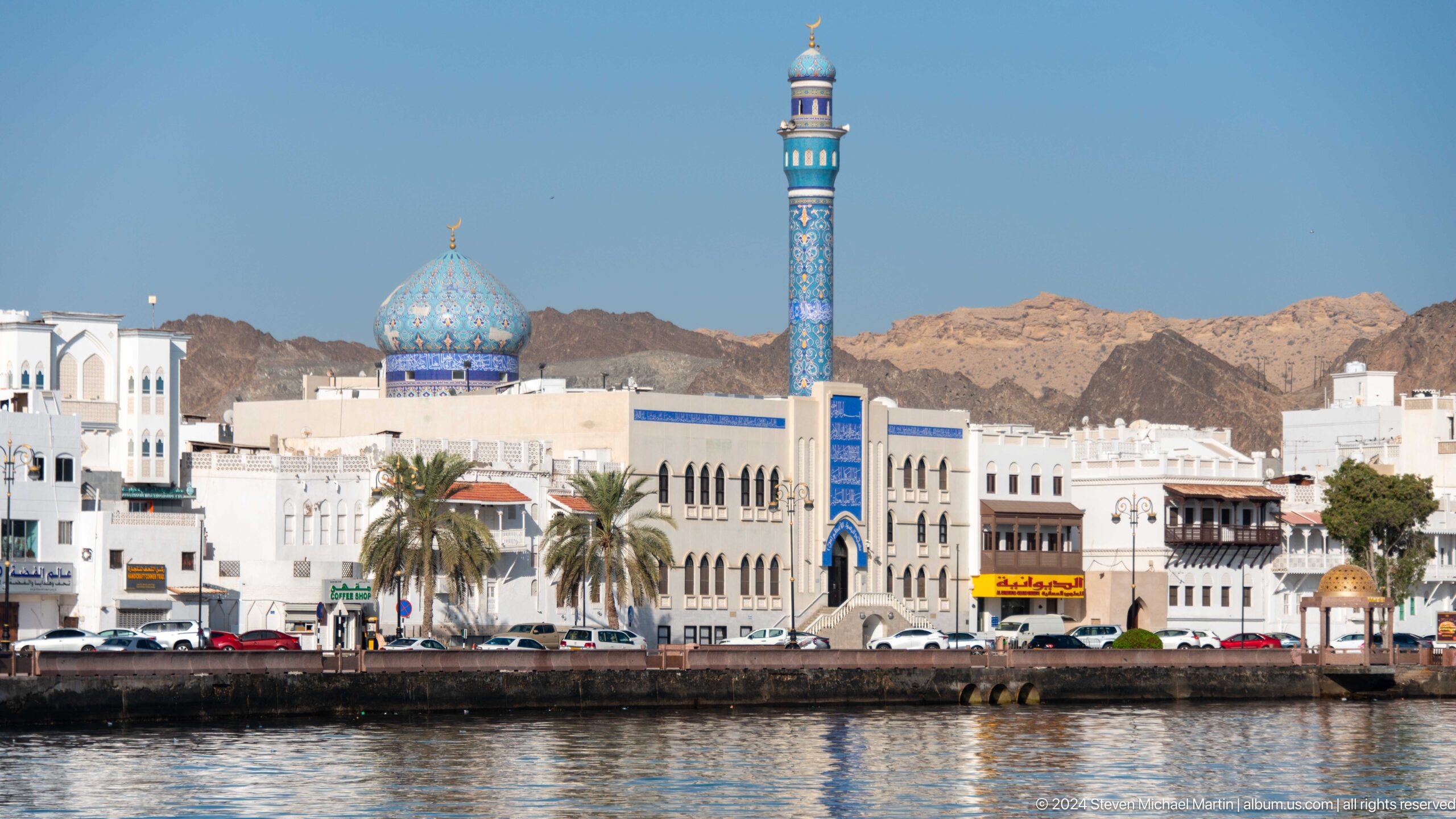
White mosque and blue minaret across waterfront.

Mutrah

Mutrah Mutrah is the historic port district of Muscat and has served as a commercial hub for centuries. Its waterfront location made it a focal point for merchants transporting goods across the Arabian Sea and Indian Ocean. Traditional souks developed in the area, reflecting the importance of trade in textiles, spices, incense, and handcrafted goods. […]

Explore Portfolio
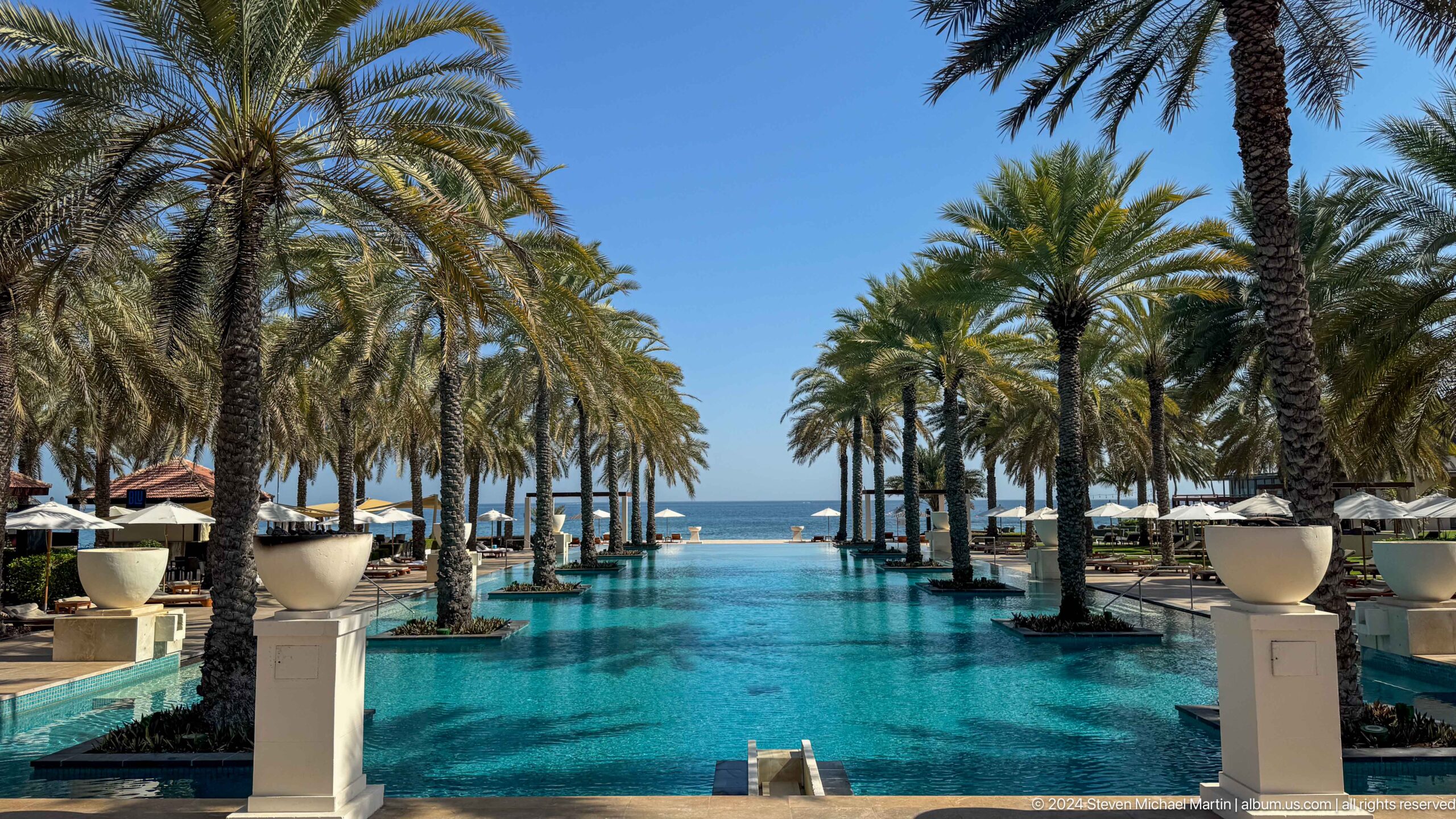
Long turquoise pool lined with palms in Muscat, Oman.

Muscat

Muscat Muscat, the capital of Oman, has long served as an important maritime trading center linking the Arabian Peninsula with East Africa, Persia, and South Asia. Its natural harbor provided a strategic location for merchants navigating trade routes that complemented the overland Silk Road network. Goods such as frankincense, spices, textiles, and precious metals passed […]

Explore Portfolio
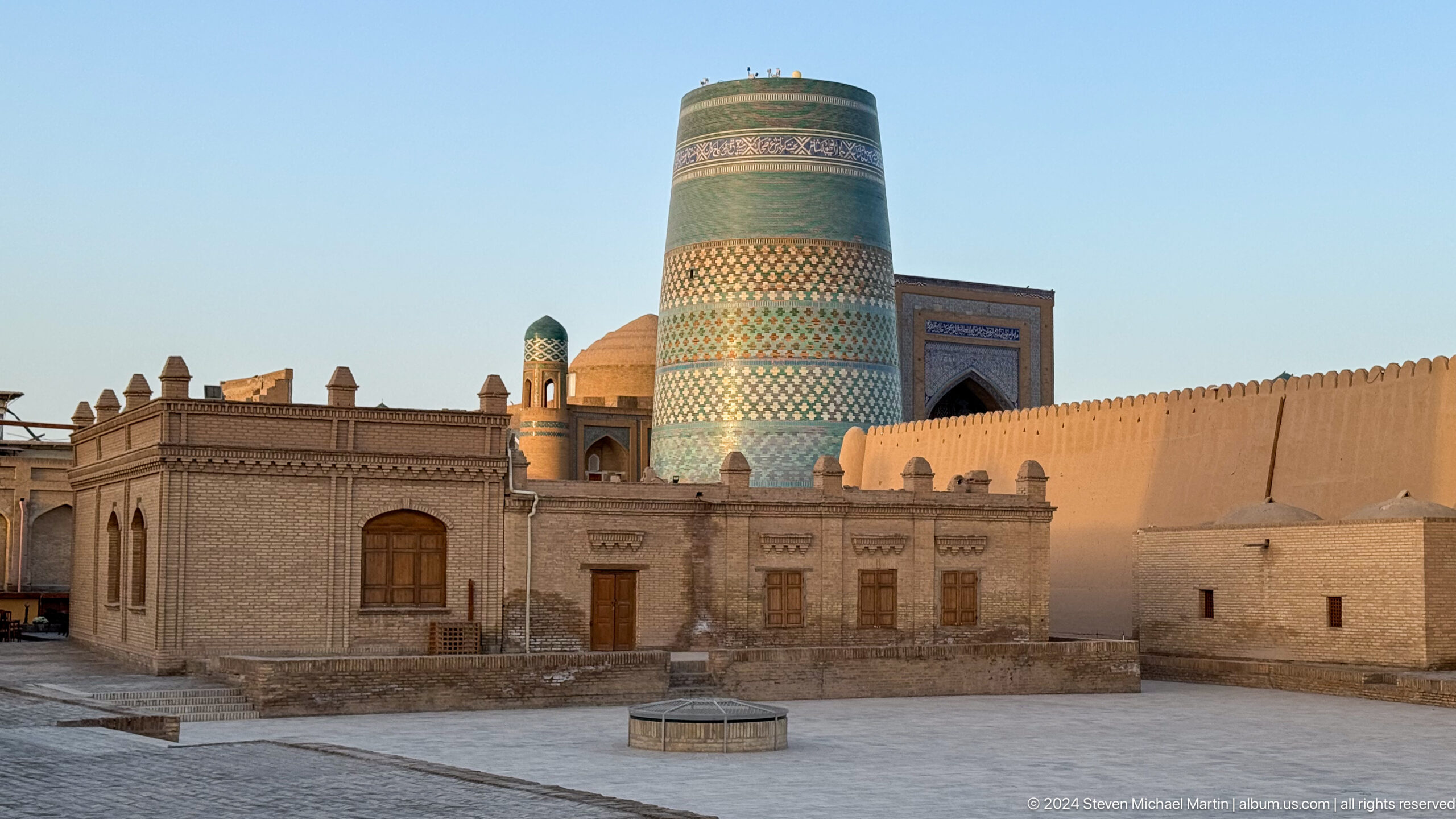
Low historic building with kalta minor behind.

Khiva

Khiva Khiva is a historic oasis city in Uzbekistan that served as an important stop along Silk Road trade routes linking Central Asia with Persia and the Caspian region. Surrounded by defensive walls, the city reflects urban planning designed to protect merchants and travelers moving across desert landscapes. Its preserved inner city, known as Itchan […]

Explore Portfolio
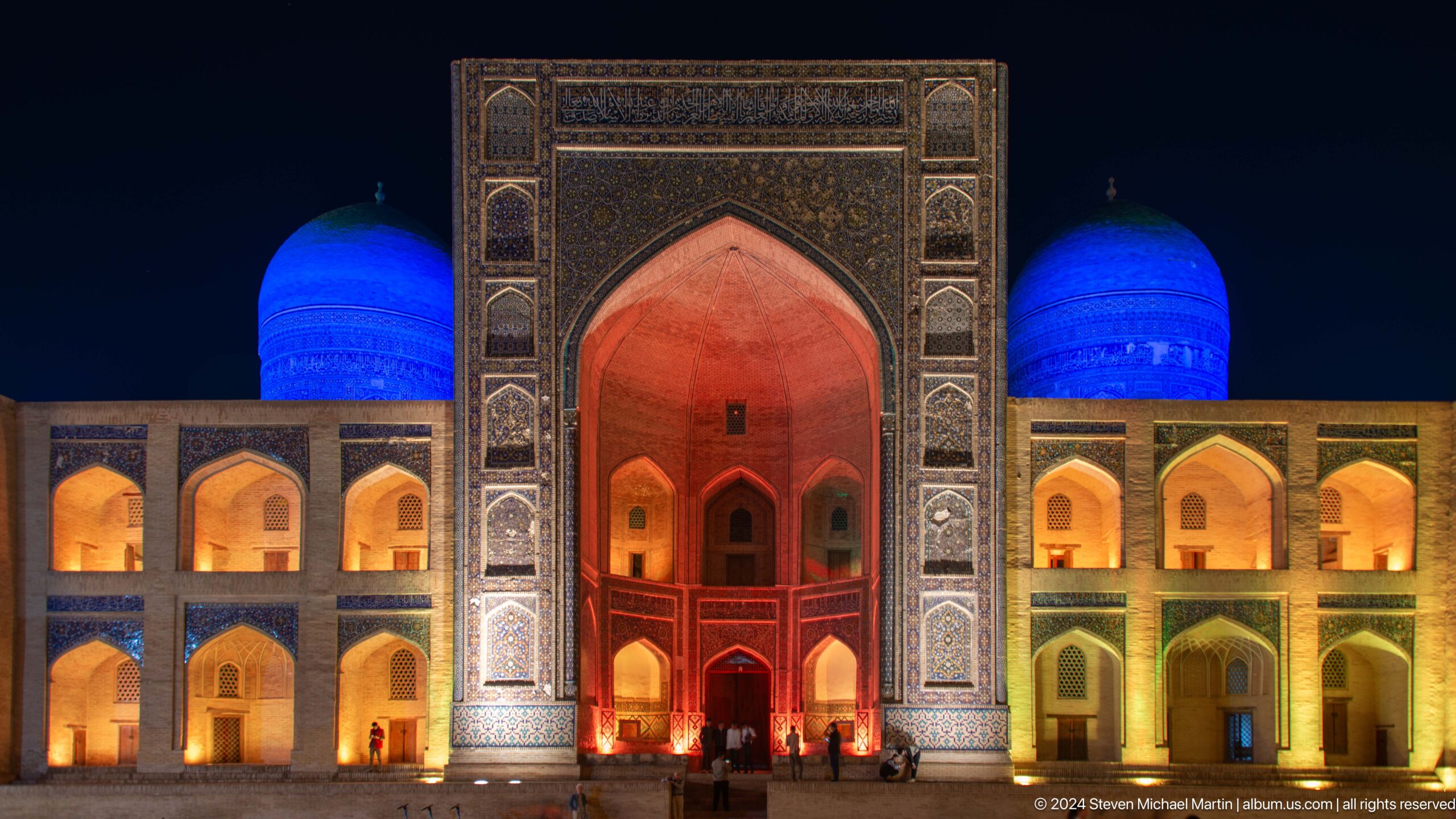
Illuminated Mir-i-Arab Madrasa with red portal and blue domes at night.

Bukhara

Bukhara Bukhara is one of the most important historic cities along the Silk Road and served as a major center of Islamic scholarship, commerce, and culture for more than a thousand years. Located in present-day Uzbekistan, the city prospered due to its position connecting trade routes between Persia, Central Asia, and China. Its historic center […]

Explore Portfolio
Distant main mosque iwan beyond a green lawn and shaped trees, with a turquoise dome and tower at right.

Samarkand Bibi-Khanym Mosque

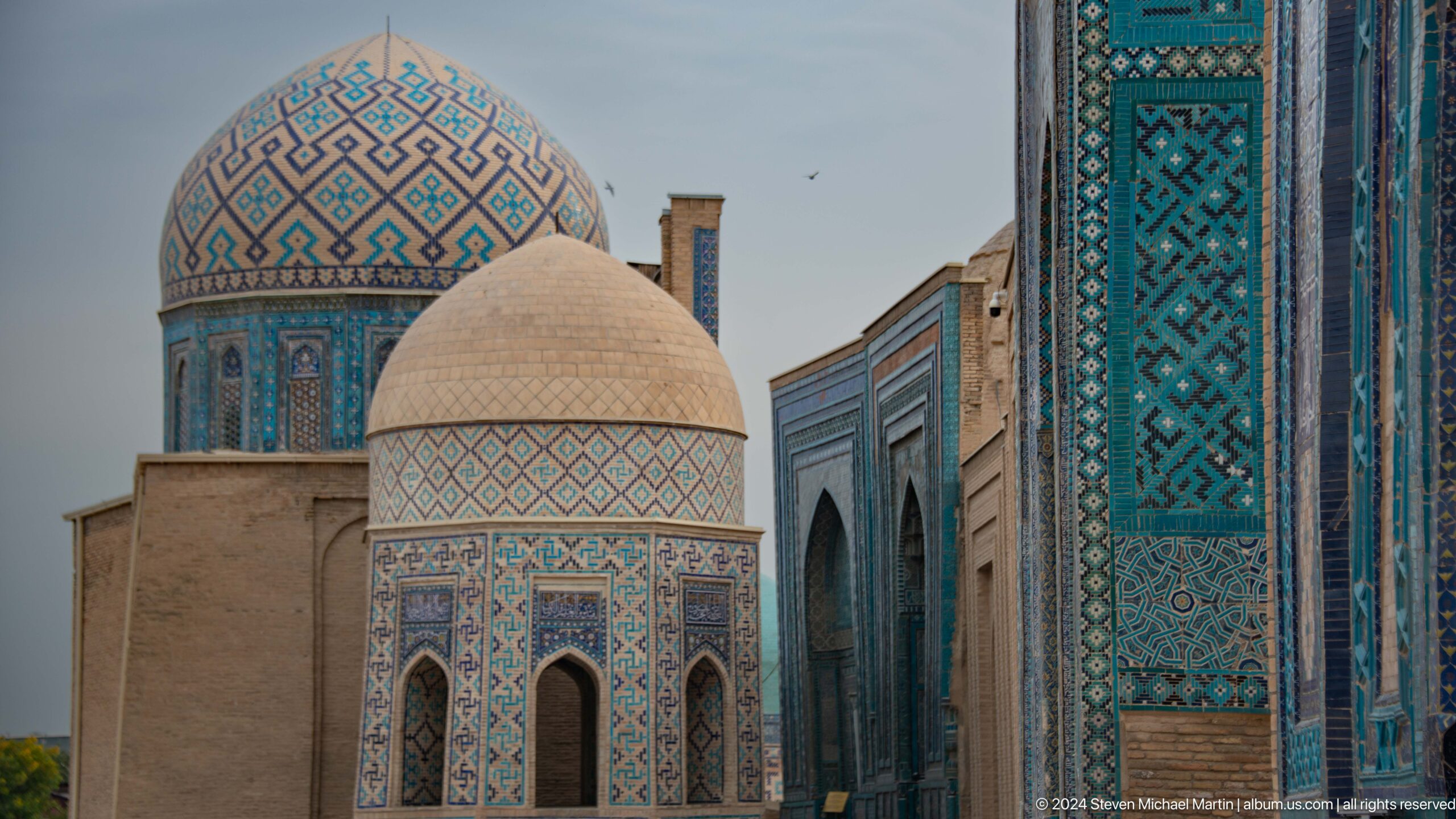
Shah-i-Zinda Shah-i-Zinda is a complex of mausoleums in Samarkand associated with Islamic pilgrimage and the commemoration of religious figures. The name means “The Living King,” referring to a tradition connected to Qusam ibn Abbas, a relative of the Prophet Muhammad. The site developed over several centuries as an important spiritual destination along Silk Road routes. […]

Explore Portfolio

Samarkand Shah-I-Zinda

Shah-i-Zinda Shah-i-Zinda is a complex of mausoleums in Samarkand associated with Islamic pilgrimage and the commemoration of religious figures. The name means “The Living King,” referring to a tradition connected to Qusam ibn Abbas, a relative of the Prophet Muhammad. The site developed over several centuries as an important spiritual destination along Silk Road routes. […]

Explore Portfolio