Lucerne
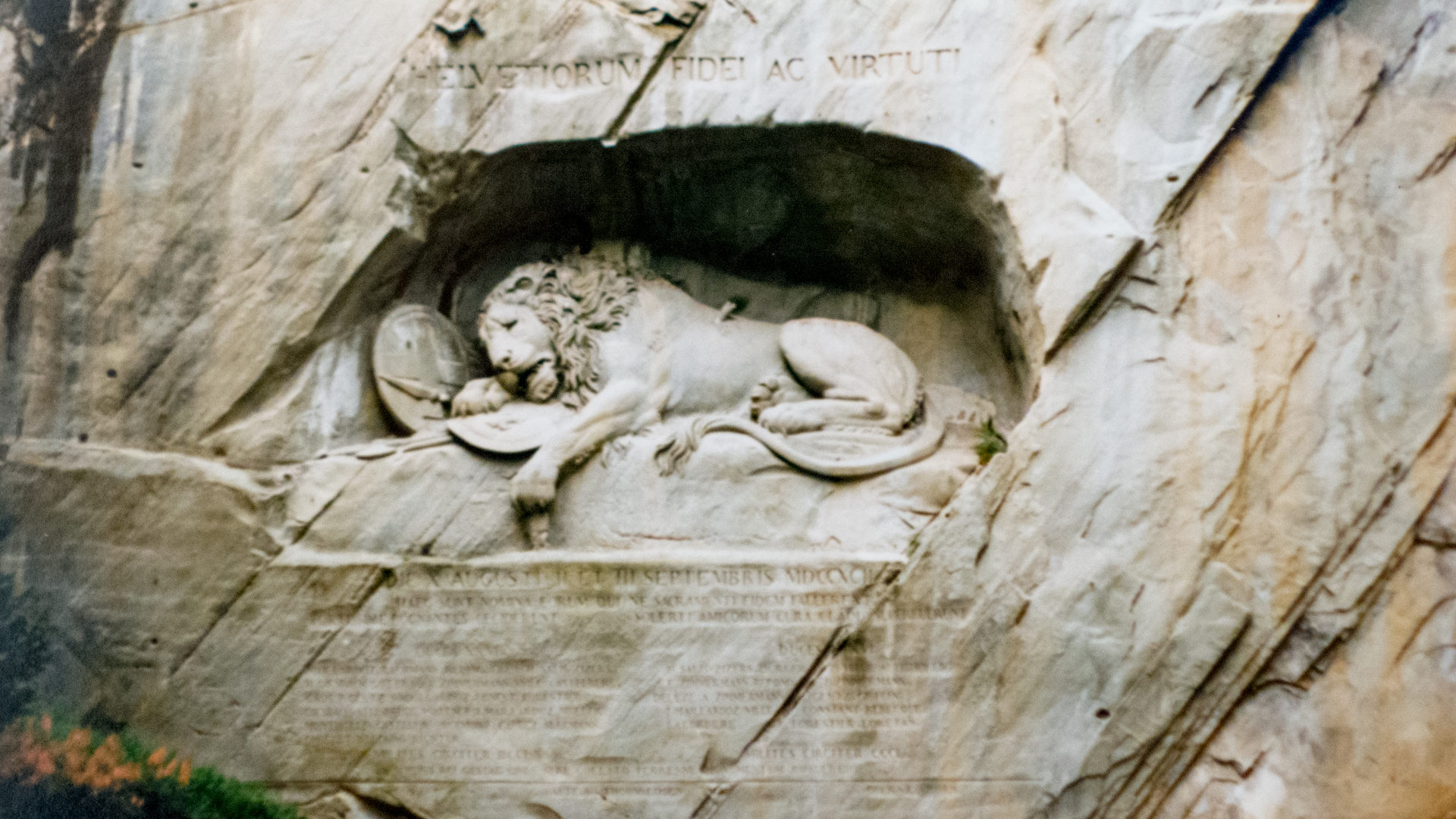
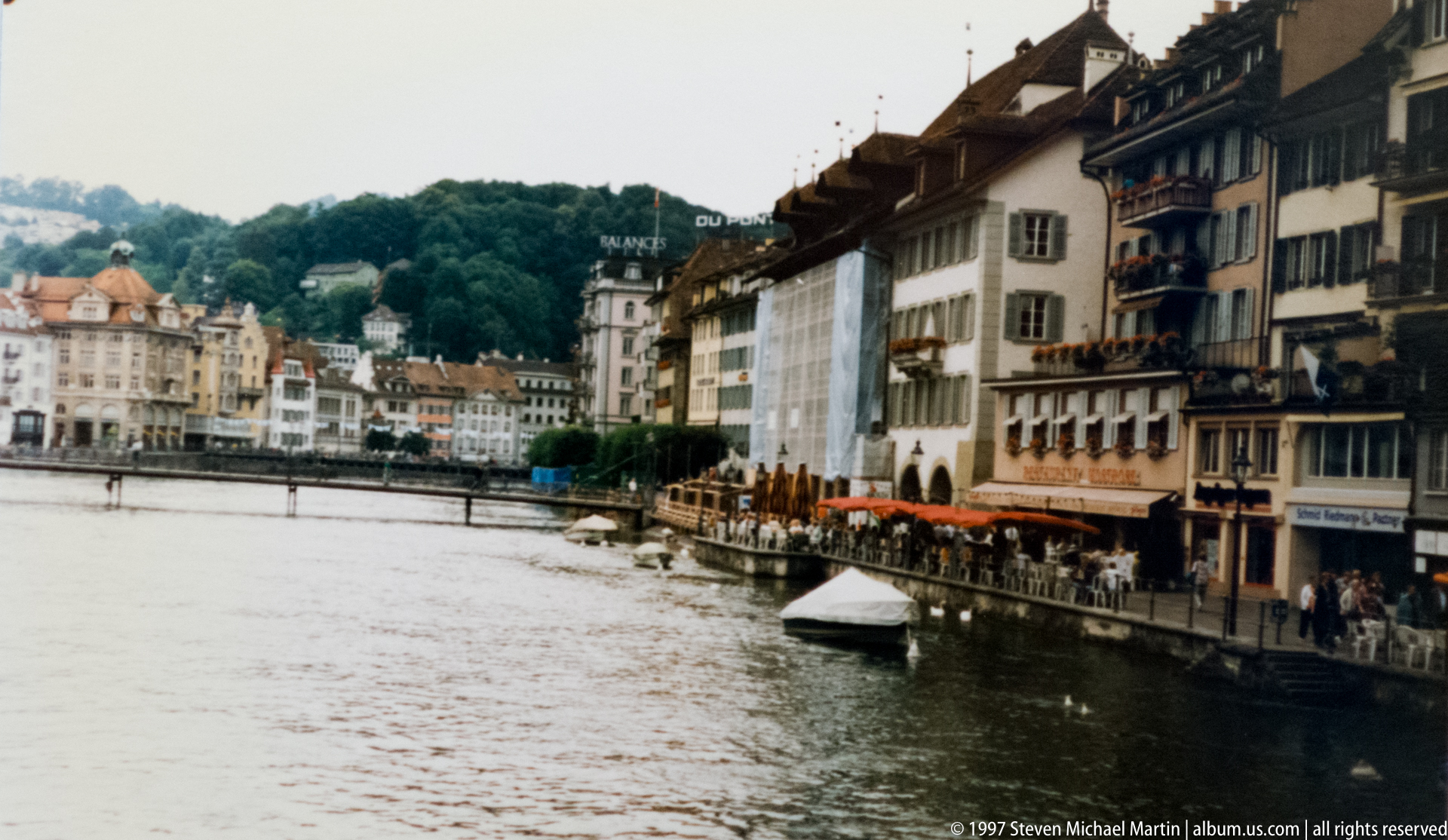
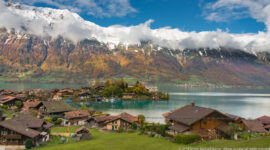
This early visit to Lucerne introduced an alpine city shaped by its location at the meeting point of Lake Lucerne and the Reuss River, surrounded by dramatic mountain landscapes. Photographed more than two decades ago using film, the images capture the tonal qualities characteristic of early travel photography while documenting a historic Swiss town known for its preserved medieval architecture and scenic setting. Lucerne developed as an important regional center connecting alpine trade routes with the broader economic networks of Central Europe.
The historic core of Lucerne reflects architectural traditions influenced by medieval defensive planning and later civic development. Landmarks such as the Kapellbrücke (Chapel Bridge) and the well-preserved waterfront illustrate the relationship between urban design and the natural geography of the surrounding lake and mountains. Over time, Lucerne evolved from a strategic settlement into a cultural destination known for its harmonious integration of historic buildings with alpine scenery.
Photographing Lucerne highlights the visual contrast between historic architecture and the surrounding alpine environment that has long defined the character of central Switzerland. These early images document an introduction to a city whose identity reflects both natural landscape and the enduring architectural traditions of the Swiss Confederation.