Moscow Metro The Moscow Metro was constructed during the Soviet period and became known for its elaborate architectural decoration and engineering scale. Many stations incorporate marble columns, mosaics, and sculptural elements intended to reflect cultural achievement and national identity. The system demonstrates how public infrastructure was designed to convey artistic and political symbolism. Station interiors […]
Kremlin The Kremlin refers to fortified complexes found in several historic Russian cities, most notably the Moscow Kremlin, which served as a center of political and religious authority. Defensive walls, towers, and cathedral structures illustrate the importance of fortified urban centers in Russian history. The complex reflects the consolidation of political power within the Russian […]
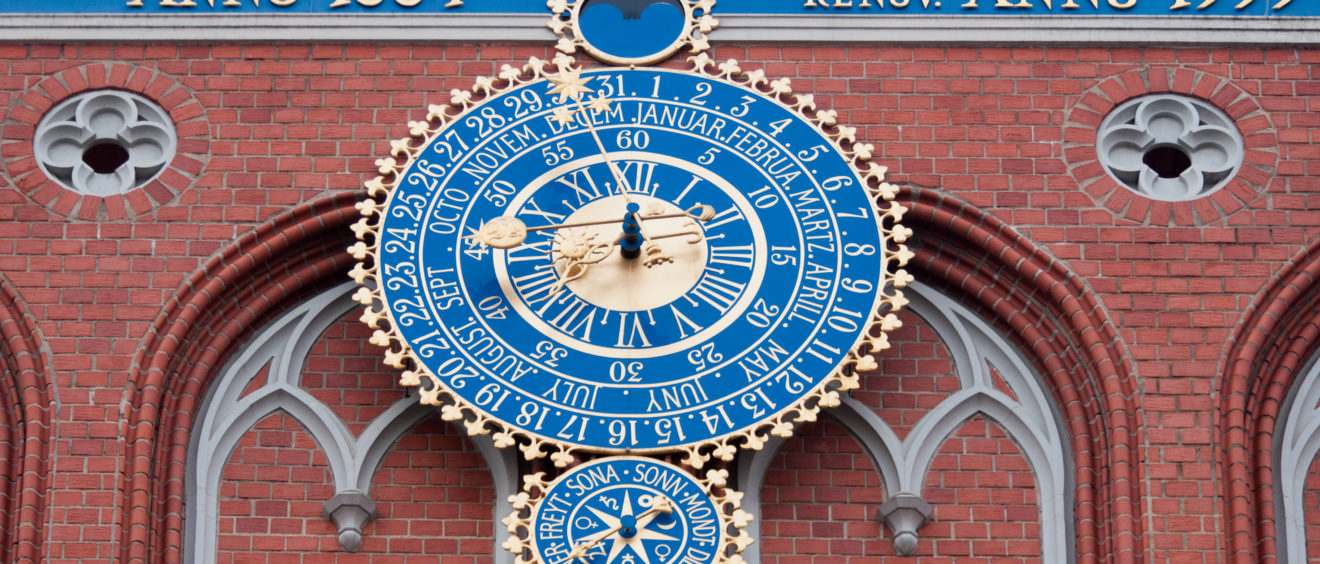
Riga Riga developed as a major Baltic port and became an influential member of the Hanseatic League, contributing to regional trade across northern Europe. Its location along the Daugava River provided access to inland markets and facilitated commercial exchange between east and west. The city’s historic center reflects the economic importance of maritime trade. Architectural […]
St. Nicholas Church, Tallinn St. Nicholas Church was constructed during the medieval period to serve merchants and sailors traveling through Tallinn’s Baltic trade routes. The church reflects the importance of religious institutions within commercial communities associated with the Hanseatic League. Its architecture illustrates Gothic design traditions adapted to northern Europe. Interior artistic works demonstrate the […]
Tallinn Tallinn developed as an important port city along the Baltic Sea and became a member of the Hanseatic League, a medieval trade network connecting northern Europe. Its fortified walls, towers, and merchant buildings reflect the economic influence of maritime commerce across the region. The preserved historic center illustrates the importance of trade in shaping […]
Landscape of Grand Pré The Landscape of Grand Pré is one of the most important historical sites associated with Acadian settlement in Nova Scotia. Located along the Minas Basin of the Bay of Fundy, Grand Pré was a prosperous agricultural community where Acadian settlers developed an innovative system of dykes and drainage channels to reclaim […]
Lunenburg Lunenburg is one of the best-preserved colonial towns in North America and reflects the complex cultural landscape that developed in Nova Scotia following the period of early Acadian settlement. Founded in 1753 by the British, the town was populated largely by German and Swiss Protestants as part of an effort to strengthen British presence […]
Strasbourg Strasbourg occupies a strategic position along the Rhine River near the modern border between France and Germany, reflecting centuries of cultural exchange between French and German traditions. The city’s historic center preserves medieval timber-framed buildings, narrow streets, and the prominent Gothic cathedral that defines Strasbourg’s architectural identity. The region of Alsace has shifted political […]
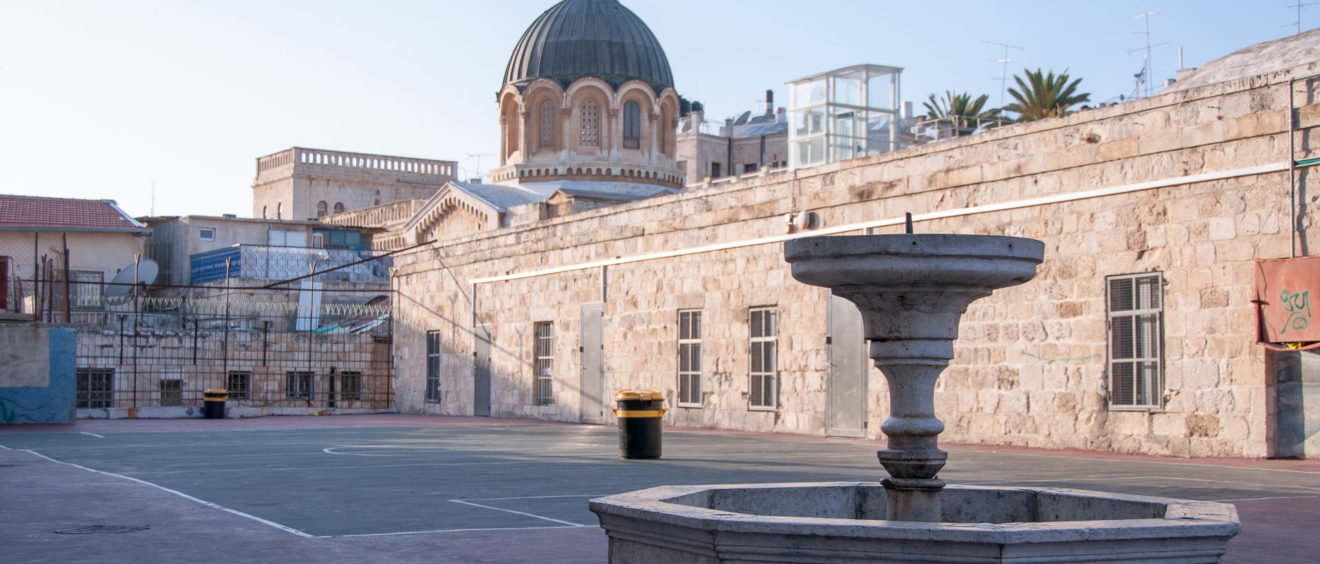
Jerusalem Jerusalem is one of the most historically and religiously significant cities in the world and has been a center of spiritual life for thousands of years. Sacred to Judaism, Christianity, and Islam, the city has served as a focal point for pilgrimage, scholarship, and religious tradition. Its historic core contains numerous monuments reflecting the […]
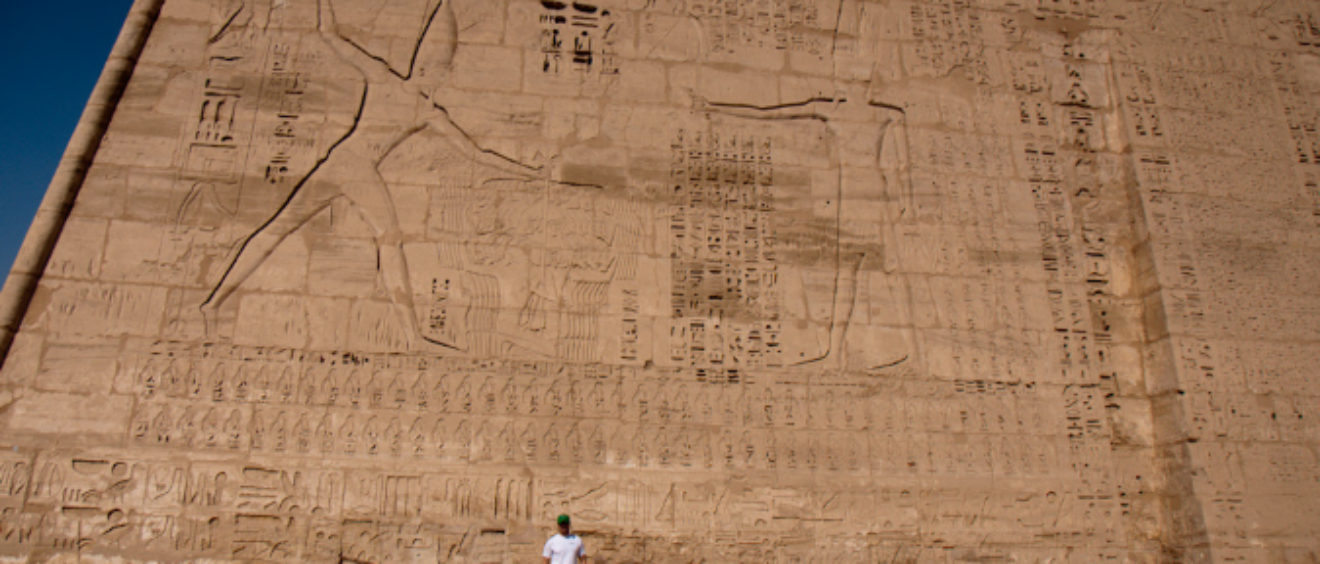
Luxor and the Valley of the Kings and Queens Luxor was one of the most important religious centers of ancient Egypt and served as the ceremonial heart of the New Kingdom. Located along the Nile River, the city is associated with major temple complexes including Luxor Temple and Karnak, which were connected by a ceremonial […]