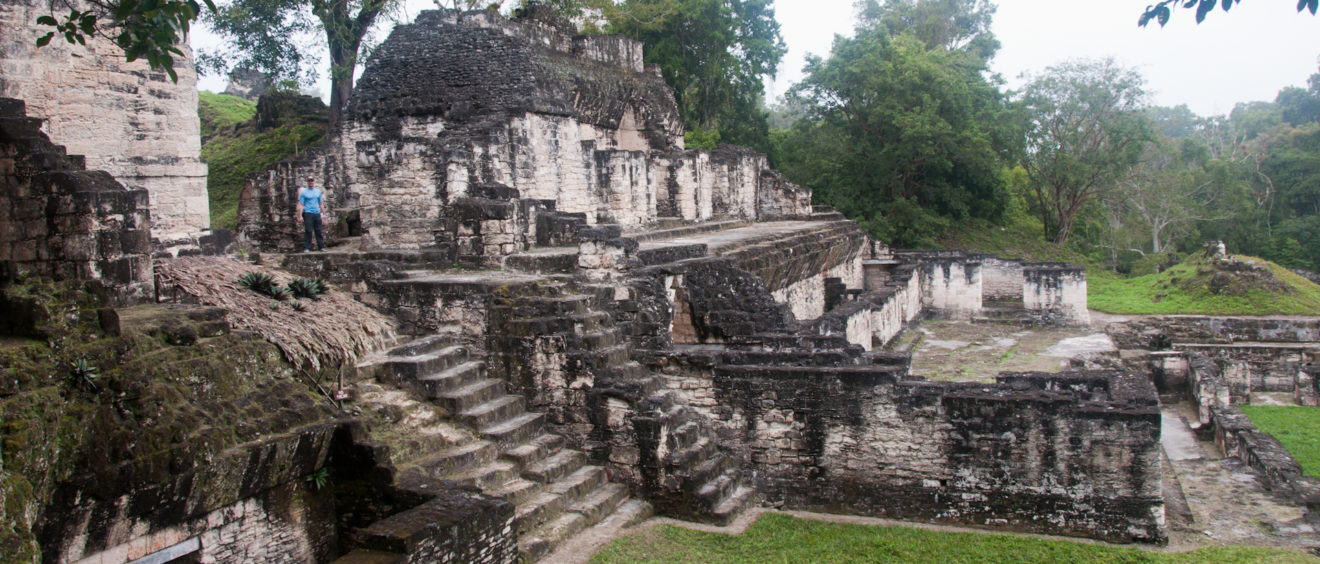
Tikal Tikal is one of the most significant archaeological sites of the ancient Maya civilization, located deep within the tropical forests of the Petén region. Towering stone temples rise above the jungle canopy, illustrating the architectural sophistication and political influence of this major ceremonial center. The scale of the structures reflects the importance of Tikal […]

Belize Barrier Reef The Belize Barrier Reef is one of the largest coral reef systems in the world, extending along the coastline of Belize and supporting a wide range of marine biodiversity. Coral formations, seagrass beds, and clear waters create habitat for fish, rays, and other ocean species. The reef demonstrates the ecological importance of […]
Rauma Rauma preserves one of the most extensive collections of wooden buildings in northern Europe, reflecting traditional construction techniques associated with maritime communities. The town developed as an important port engaged in Baltic trade, contributing to its economic significance. Its preserved urban fabric illustrates the continuity of wooden architecture across centuries. Narrow streets and timber-framed […]
Hermitage The State Hermitage Museum is one of the most famous museums in the world, celebrated not only for the scale of its collections but also for the extraordinary setting in which they are displayed. Housed largely within the Winter Palace and adjoining imperial buildings in St. Petersburg, the museum brings together architecture, decorative arts, […]
St. Petersburg St. Petersburg was founded by Peter the Great in the early eighteenth century as a new imperial capital intended to strengthen Russia’s connections with Europe. The city’s layout reflects deliberate urban planning influenced by western architectural traditions. Its location along the Neva River provided access to Baltic trade routes that supported imperial expansion. […]
Peterhof Peterhof was established by Peter the Great as an imperial residence overlooking the Gulf of Finland and reflects the influence of European palace design on Russian architecture. The palace complex incorporates extensive gardens, fountains, and decorative features that illustrate the cultural ambitions of the Russian Empire. Its coastal location emphasizes connections between Russia and […]
Church of the Savior on Spilled Blood The Church of the Savior on Spilled Blood was constructed in Saint Petersburg to commemorate the assassination of Emperor Alexander II in 1881. The church’s design reflects traditional Russian architectural forms inspired by earlier medieval models. Its decorative exterior distinguishes it from the more classical architectural style found […]
Russian Museum The Russian Museum in Saint Petersburg preserves one of the most comprehensive collections of Russian art, illustrating the development of artistic traditions from medieval icon painting through modern periods. The collection reflects the cultural priorities of imperial Russia as well as later artistic movements that shaped national identity. The museum provides insight into […]
Moscow Moscow developed as one of the principal political and cultural centers of Russia, shaped by medieval principalities and later imperial governance. The city expanded as a fortified settlement that became the administrative center of a growing state. Its historic landmarks illustrate the consolidation of political authority across multiple centuries. Architectural styles reflect influences from […]
Moscow Red Square Red Square forms the historic center of Moscow and has served as a ceremonial and political gathering space for several centuries. Located adjacent to the Kremlin, the square reflects the importance of centralized authority within Russian history. Its open design emphasizes the relationship between civic space and political identity. Surrounding architectural landmarks […]