UNESCO World Heritage Site

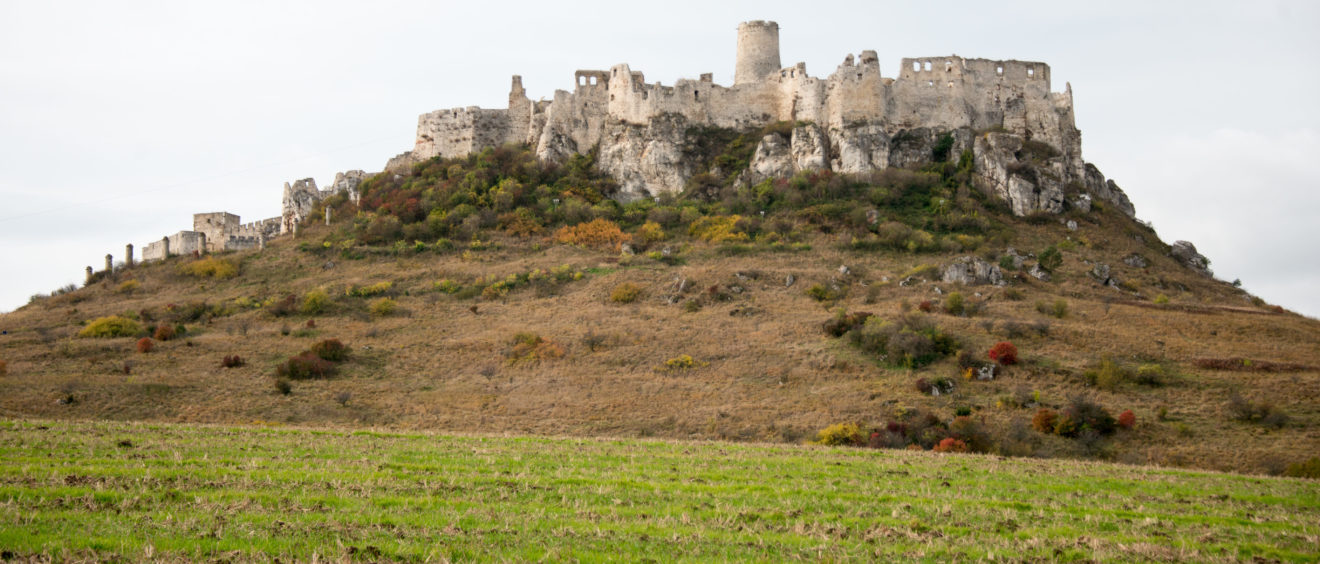
Spis Castle, Slovakia

Spiš Castle – Slovakia Spiš Castle rises dramatically above the Spiš Basin in eastern Slovakia, perched on a limestone hill overlooking the surrounding countryside. The fortress occupies one of the largest castle complexes in Europe, with massive defensive walls and towers spreading across the broad ridge. Construction of the castle began in the 12th century […]

Explore Portfolio

Tatra Mountains

  High Tatras – Slovakia and Poland The High Tatras form the highest and most dramatic portion of the Carpathian Mountain range, rising sharply along the border between Slovakia and Poland. Though relatively compact in area, the range contains rugged granite peaks, glacial valleys, alpine lakes, and steep ridgelines that give the landscape an almost […]

Explore Portfolio

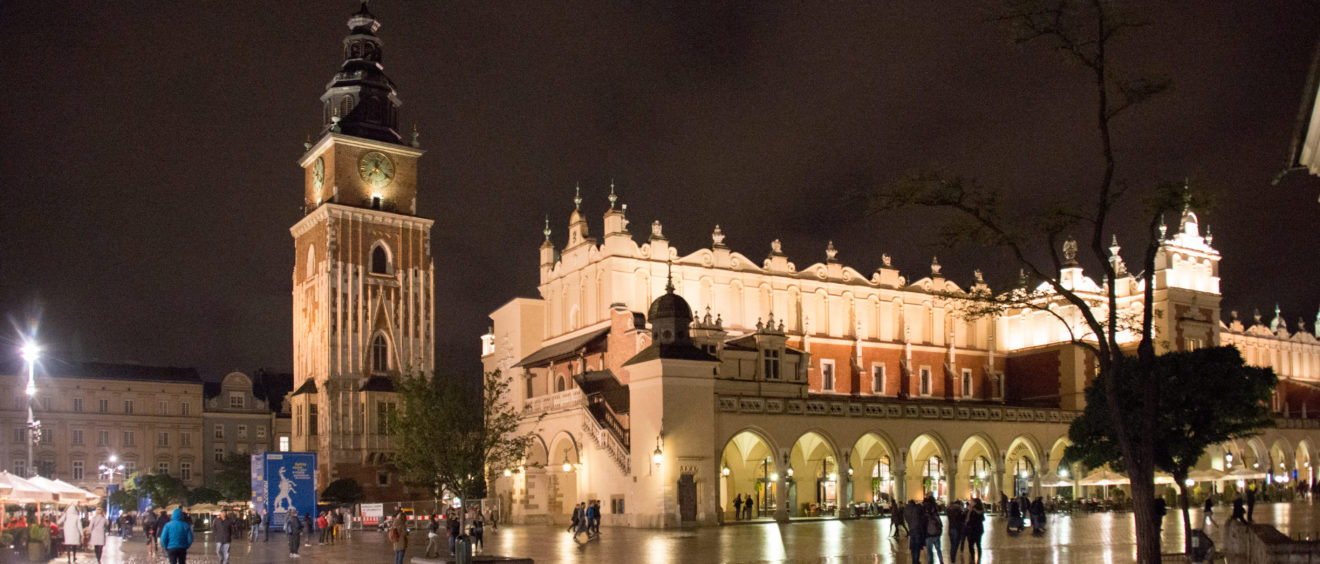
Krakow, Poland

Kraków – Poland Kraków lies along the upper Vistula River near the northern foothills of the Carpathian Mountains and is one of the most historically important cities in Poland. For centuries it served as the royal capital of the Polish kingdom, leaving behind an extraordinary concentration of medieval and Renaissance architecture. The city’s historic core […]

Explore Portfolio

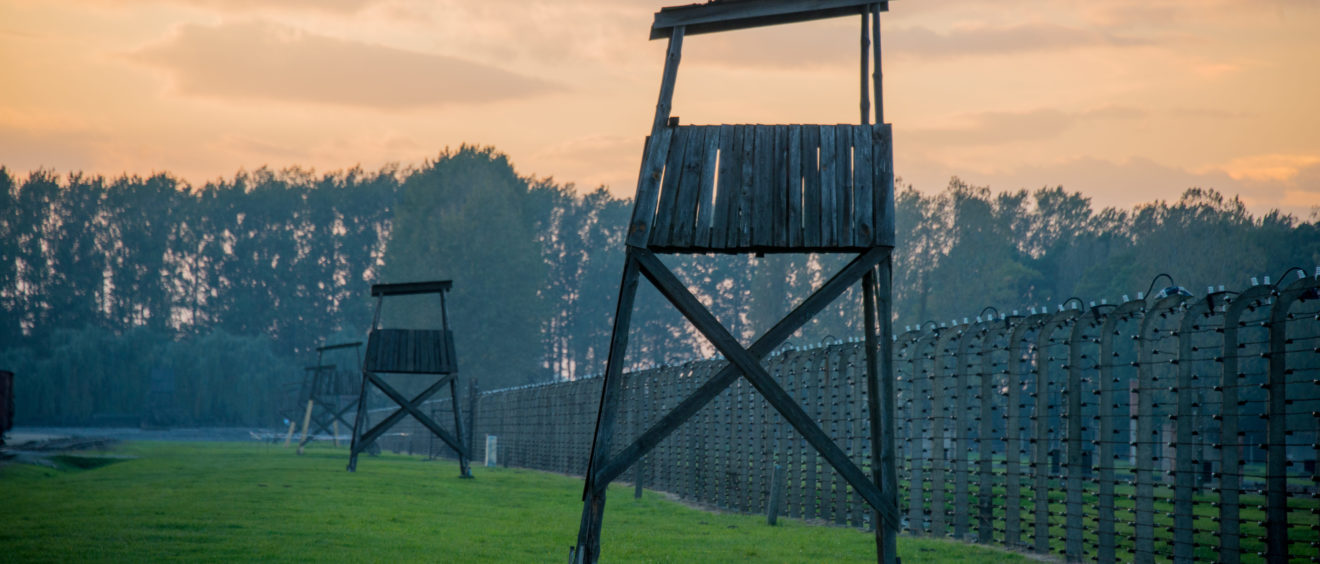
Birkenau, Poland

Birkenau (Auschwitz II) – Poland Birkenau lies about three kilometers west of Auschwitz I and formed the largest section of the Auschwitz concentration camp complex. Constructed in 1941 on open farmland outside the village of Brzezinka, the camp was designed to hold vast numbers of prisoners transported from across Nazi-occupied Europe. The most recognizable feature […]

Explore Portfolio

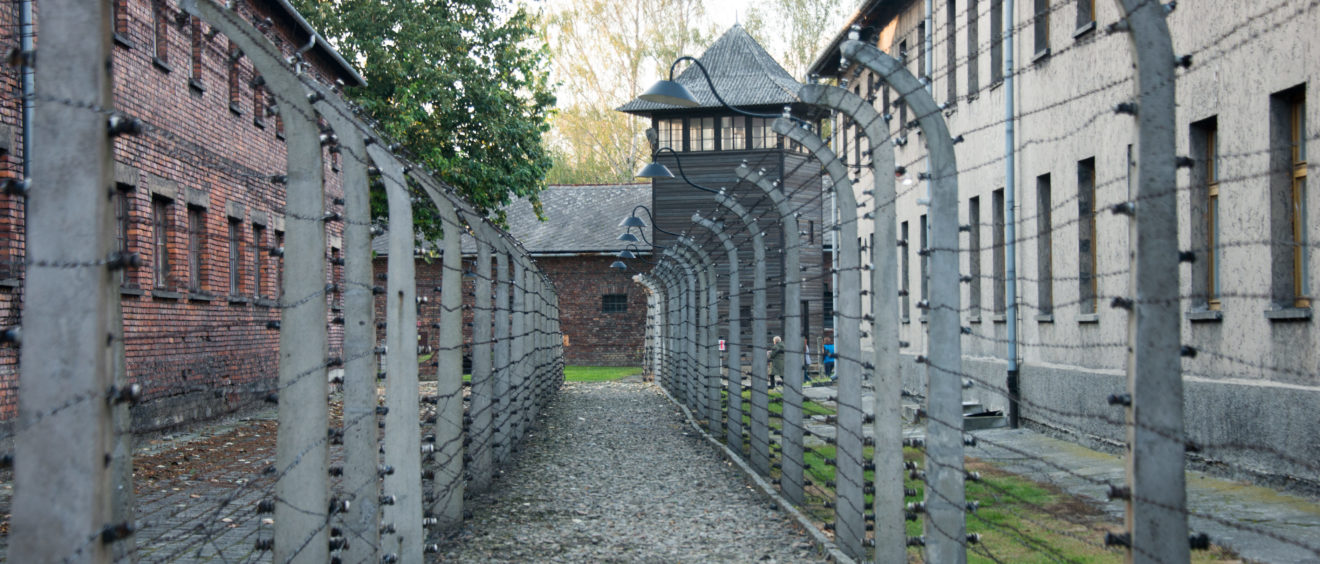
Auschwitz, Poland

Auschwitz – Oświęcim, Poland Auschwitz lies near the town of Oświęcim in southern Poland, along the Soła River, a tributary of the Vistula River. During the Second World War this location became the site of the largest complex of concentration and extermination camps established by Nazi Germany. The preserved camp known as Auschwitz I contains […]

Explore Portfolio
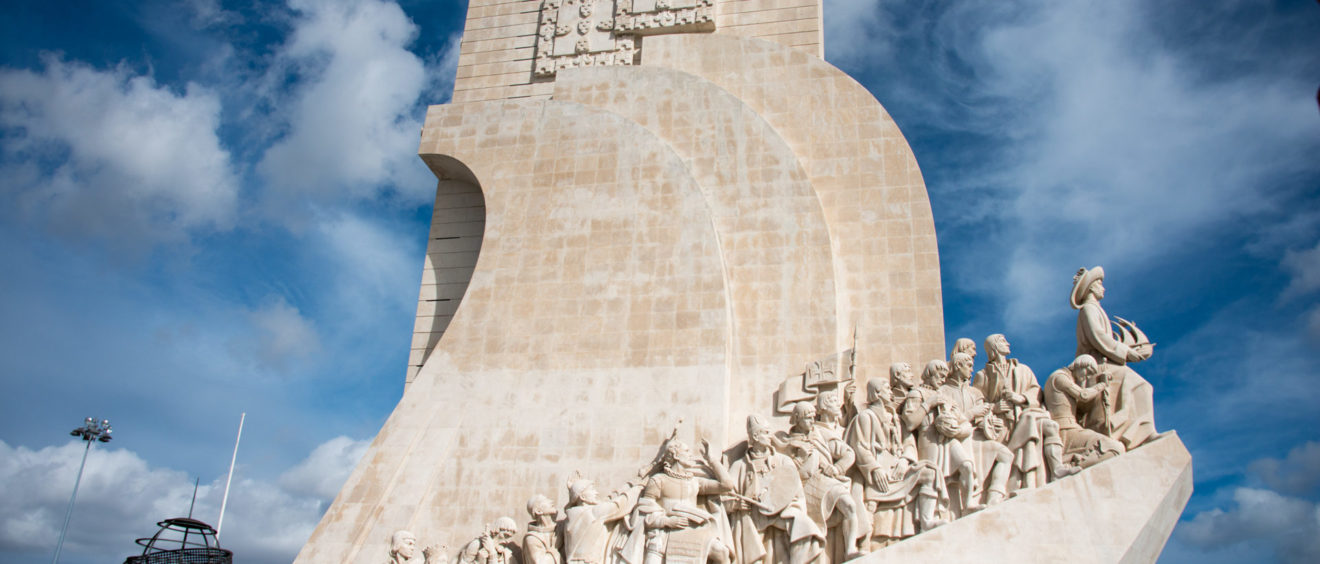
Full side view of the Monument to the Discoveries with its tall central slab and sculpted procession along the base.

Lisbon, Portugal

Lisbon Lisbon developed as one of Europe’s most important maritime capitals during the Age of Exploration, serving as a departure point for voyages to Africa, Asia, and the Americas. Its position along the Tagus River provided access to Atlantic trade routes that supported Portugal’s emergence as a global naval power. The city reflects the expansion […]

Explore Portfolio
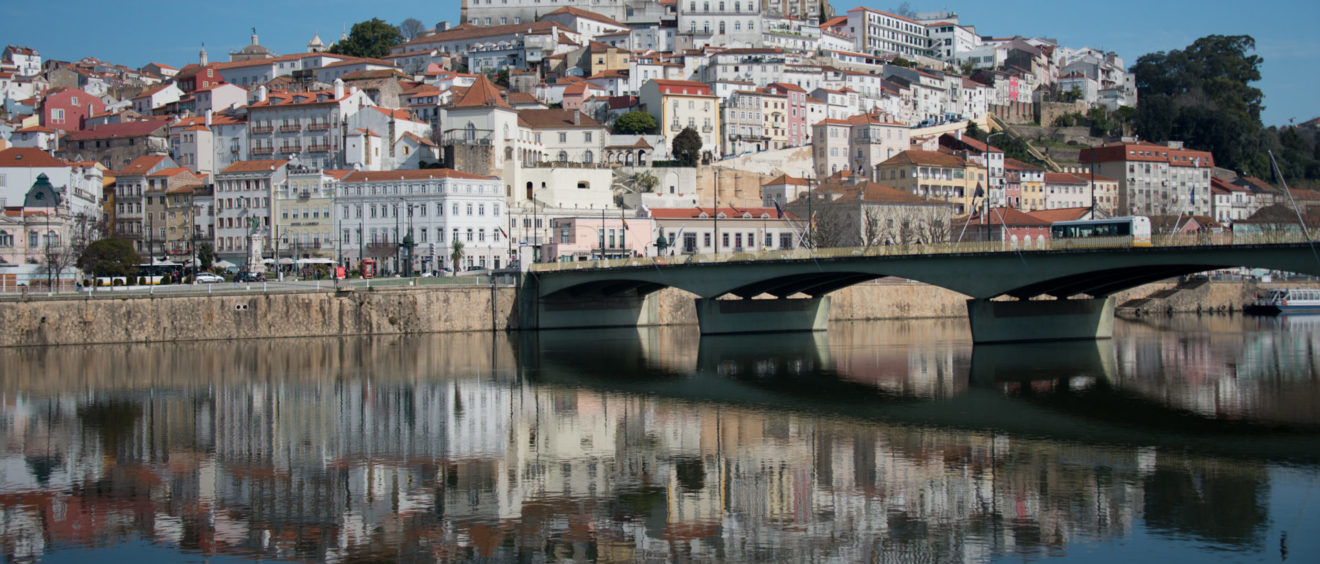
Dense Coimbra hillside with red roofs descends from the hilltop university toward the Mondego, beside Santa Clara Bridge and its reflection.

Coimbra, Portugal

Coimbra Coimbra served as an important political and intellectual center during the formation of the Portuguese kingdom. The city became associated with one of the oldest universities in Europe, contributing to its long-standing reputation as a center of scholarship. Its elevated position above the Mondego River reflects strategic considerations associated with early settlement. Architectural landmarks […]

Explore Portfolio
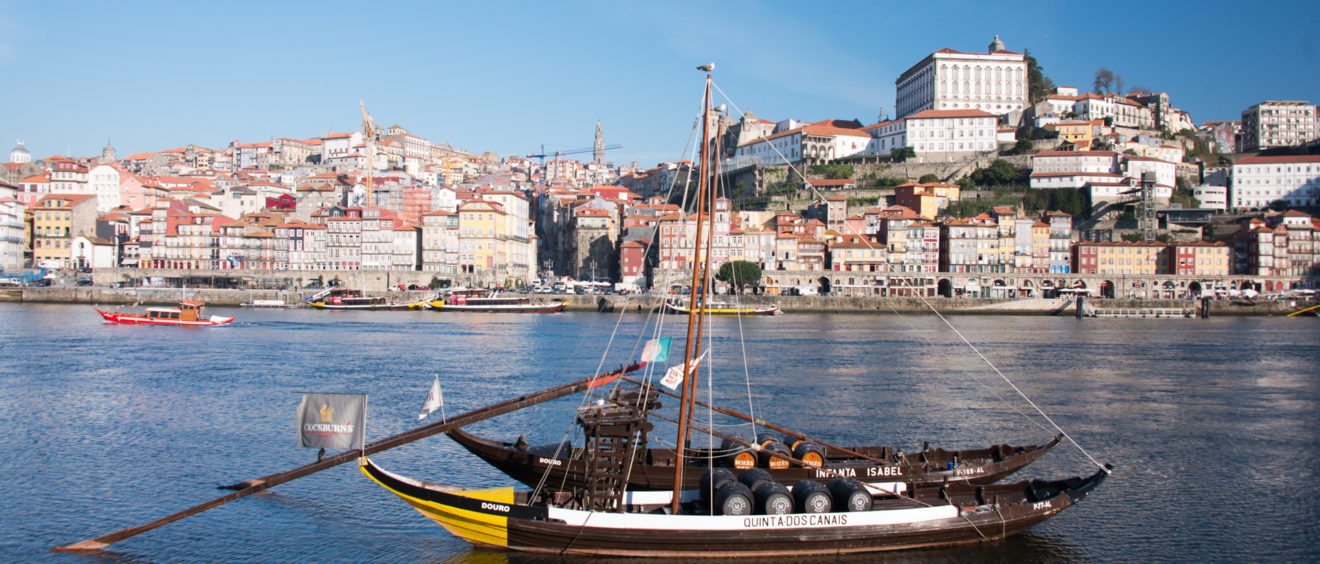
Rabelo boat with barrels and long oar on the Douro, backed by colorful buildings climbing Porto’s hillside.

Porto, Portugal

Porto Porto developed as one of Portugal’s most important commercial centers, shaped by maritime trade along the Douro River and connections to Atlantic shipping routes. The city’s historic riverfront illustrates the importance of navigation in supporting economic exchange between inland regions and international markets. Porto’s strategic coastal position contributed to the growth of Portugal as […]

Explore Portfolio
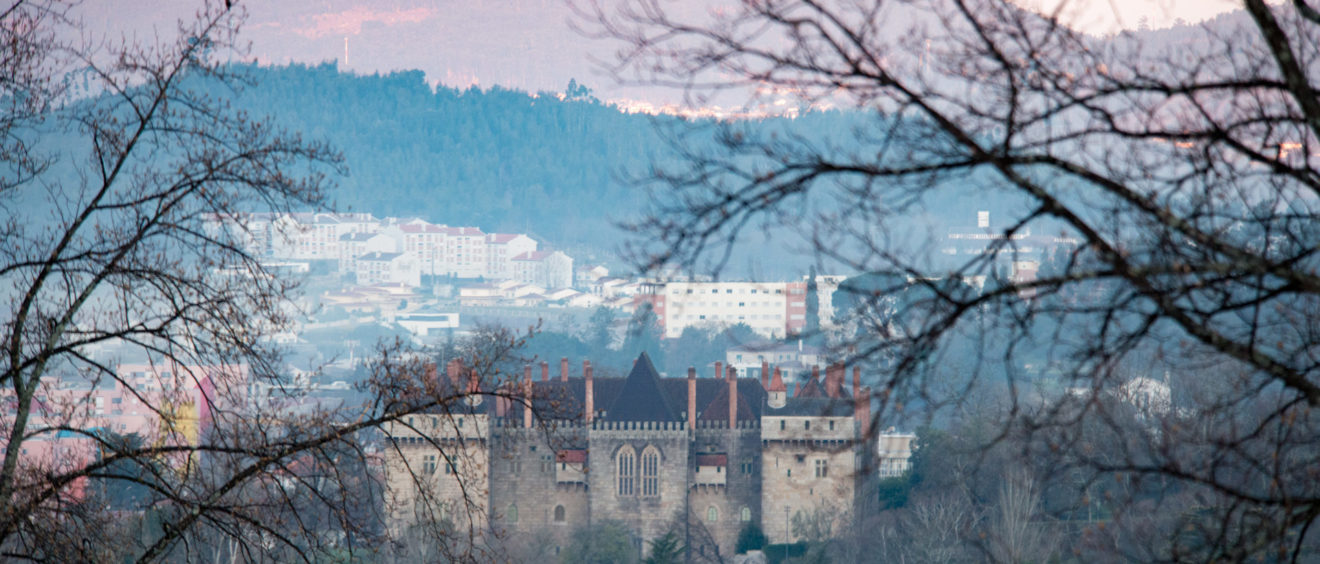
Closer distant view of the Palace of the Dukes of Braganza framed by bare branches, with tall chimneys and crenellated towers.

Castelo Guimarães, Portugal

Guimarães Guimarães is often associated with the early formation of the Portuguese kingdom and is considered one of the most historically significant cities in Portugal. The medieval castle and surrounding fortifications illustrate the political conditions that contributed to the emergence of an independent Portuguese state. The preserved historic center reflects the importance of defensive architecture […]

Explore Portfolio
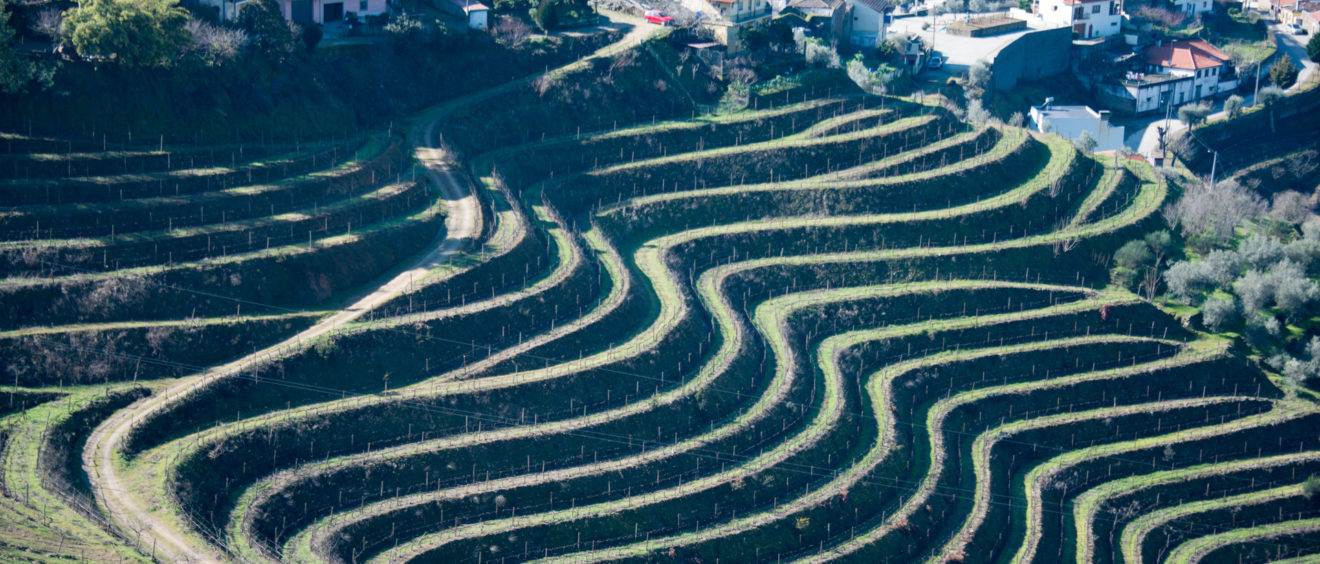
Sinuous vineyard terraces below a cluster of white, red-roofed village houses.

Pinhão, Portugal

Pinhão Pinhão is located in Portugal’s Douro Valley, a region historically associated with river transport and agricultural production. The surrounding terraced vineyards illustrate traditional methods of cultivation adapted to steep terrain. The landscape reflects the relationship between geography and economic activity along the Douro River. River transport historically played an important role in moving goods […]

Explore Portfolio