Itineraries

High-angle view of dancers performing in Kyoto Station's plaza, surrounded by spectators, bridges, and curved roofs.

Kyoto Station

Kyoto Station Kyoto Station represents a modern architectural interpretation of transportation infrastructure within one of Japan’s most historic cities. The station serves as a major hub connecting regional and national rail networks, including high-speed Shinkansen lines. Its design reflects contemporary engineering approaches to large-scale public space. The structure incorporates extensive use of glass and steel, […]

Explore Portfolio
Yasaka Shrine Buden with a dark gabled roof and rows of white paper lanterns.

Kyoto

Kyoto Kyoto served as the imperial capital of Japan for more than one thousand years and remains one of the country’s most important cultural centers. The city preserves numerous temples, shrines, and historic districts that reflect the development of Japanese religious, political, and artistic traditions. Its historical role as the seat of the imperial court […]

Explore Portfolio
Bronze statue of a robed Buddhist monk beside a tall stone lantern and an ascending temple stairway.

Chion-in Jodu-shu Headquarters

Chion-in (Jodo-shu) Chion-in is the head temple of the Jodo-shu, or Pure Land, school of Buddhism and was founded in the thirteenth century by the monk Honen. The temple complex reflects the development of devotional Buddhist traditions emphasizing faith and recitation. Its architectural design illustrates the scale and influence of religious institutions in Kyoto. Large […]

Explore Portfolio
Wide view of Todai-ji’s Daibutsuden beyond landscaped grounds with colorful festival structures in front.

Nara Park and Todai-ji Temple

Nara Park and Todai-ji Temple Nara served as Japan’s capital during the eighth century and became an important center for the introduction of Buddhism into Japanese society. Todai-ji Temple was constructed during this period and houses one of the largest bronze Buddha statues in the world. The temple complex reflects early state sponsorship of Buddhist […]

Explore Portfolio
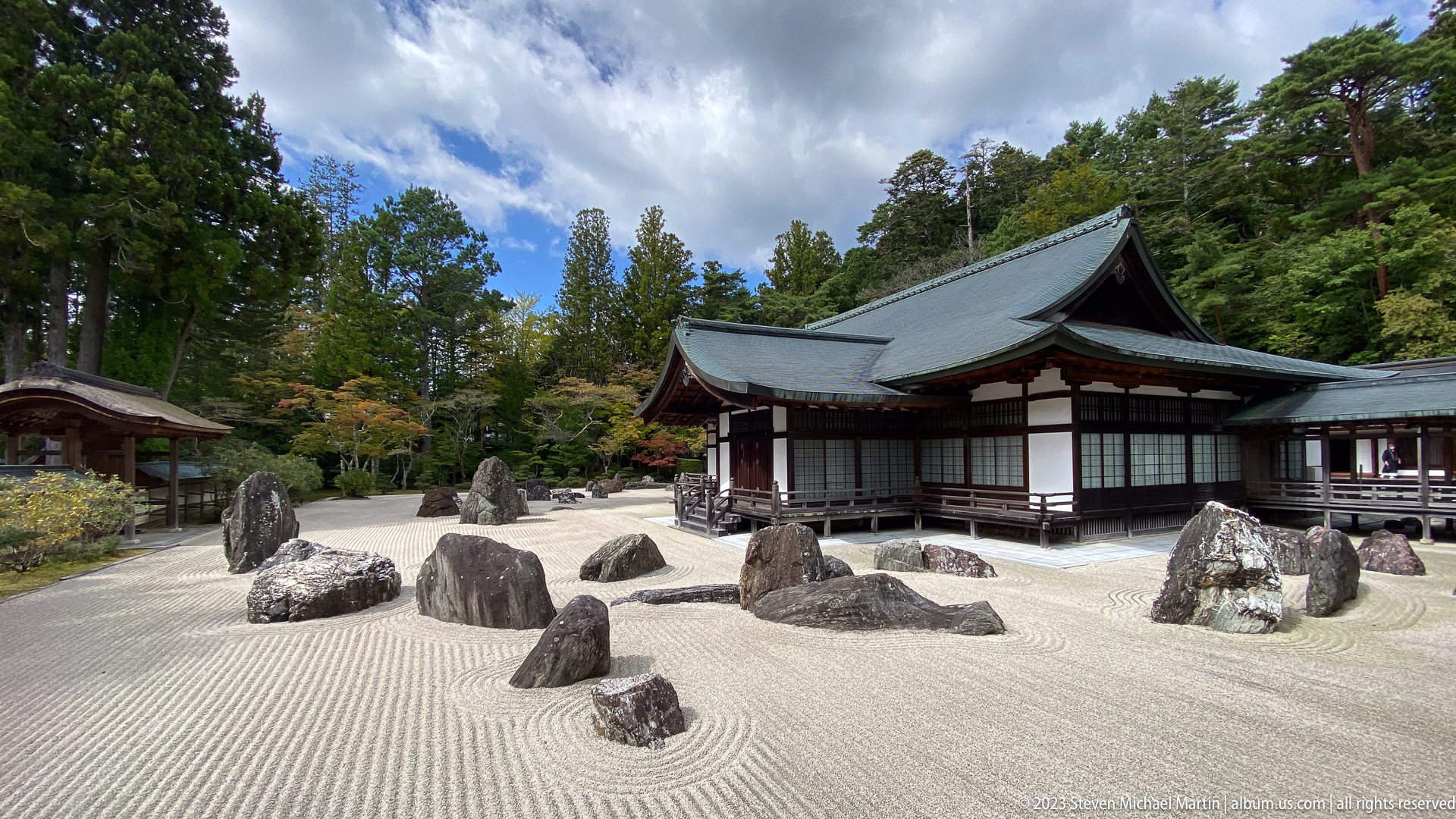
Wide Banryūtei garden with raked gravel, scattered boulders, temple buildings, and forest.

Koyasan

Koyasan (Mount Koya) Koyasan is an important center of Shingon Buddhism founded in the ninth century by the monk Kukai, also known as Kobo Daishi. Located in the mountains south of Osaka, the temple complex reflects the development of monastic religious communities within Japan. Its remote setting emphasizes the spiritual association between nature and Buddhist […]

Explore Portfolio
Centered nighttime view along Dotonbori Canal between neon-lined promenades.

Osaka

Osaka Osaka developed as an important commercial center during Japan’s early modern period, benefiting from its location along major transportation routes connecting inland regions with coastal trade networks. The city became known for its merchant culture and economic activity associated with domestic and international exchange. Urban development reflects the influence of both feudal governance and […]

Explore Portfolio
Low-angle view of Himeji Castle’s white keep above steep stone ramparts and autumn foliage.

Himeji Castle

Himeji Castle Himeji Castle is one of the best-preserved examples of Japanese feudal architecture, originally constructed in the fourteenth century and expanded during the early modern period. The castle’s defensive design reflects strategic considerations associated with political consolidation during Japan’s feudal era. Its white exterior earned it the nickname “White Heron Castle.” The complex includes […]

Explore Portfolio
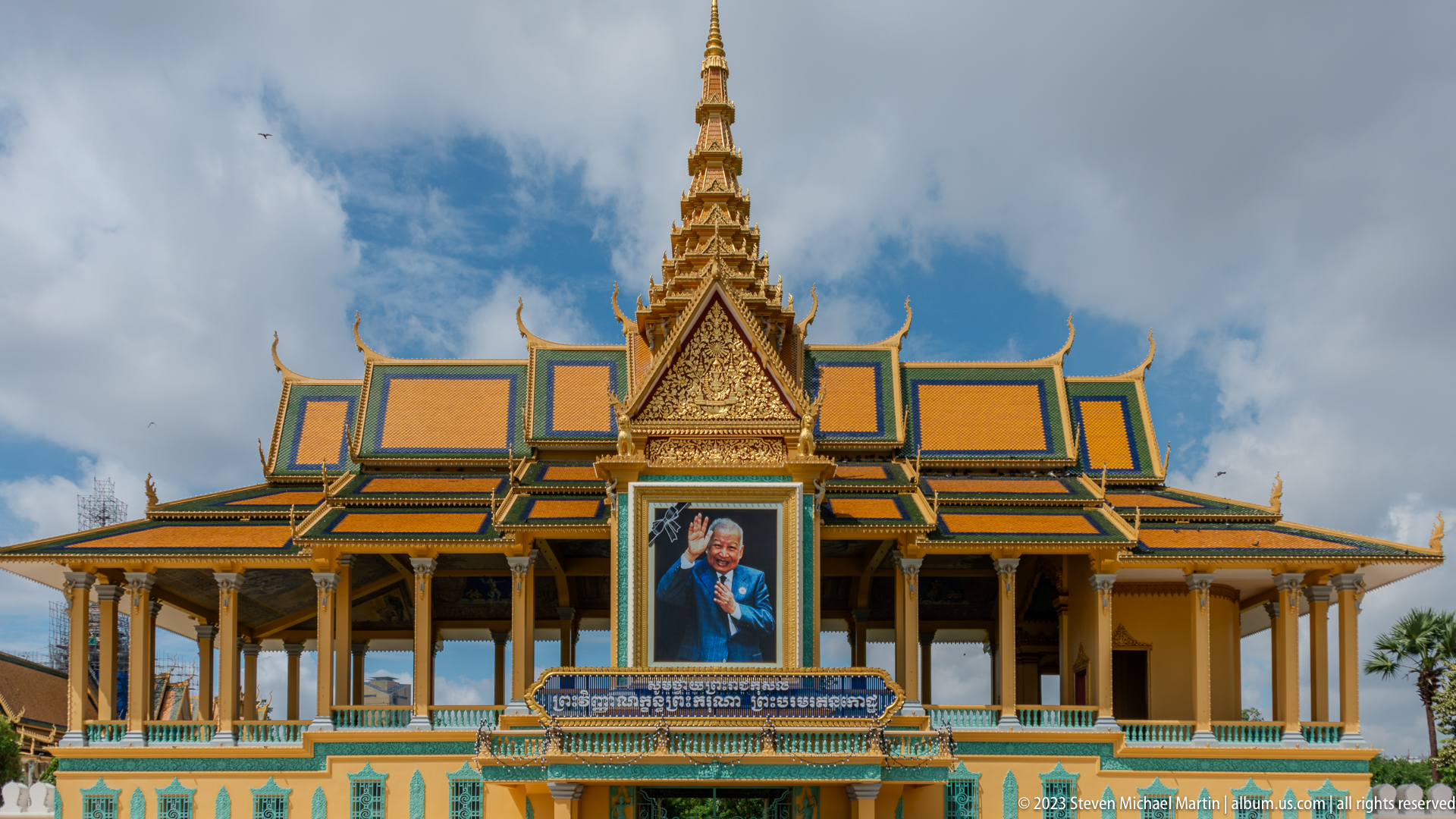
Royal pavilion with ornate Khmer roof, central spire, balcony, and a large portrait of King Norodom Sihamoni.

Royal Palace of Cambodia

Royal Palace of Cambodia The Royal Palace of Cambodia in Phnom Penh serves as the official residence of the Cambodian monarch and reflects architectural traditions associated with Khmer royal design. Constructed in the nineteenth century, the complex incorporates decorative elements influenced by classical Angkorian motifs. The palace illustrates the continuation of ceremonial architecture connected to […]

Explore Portfolio
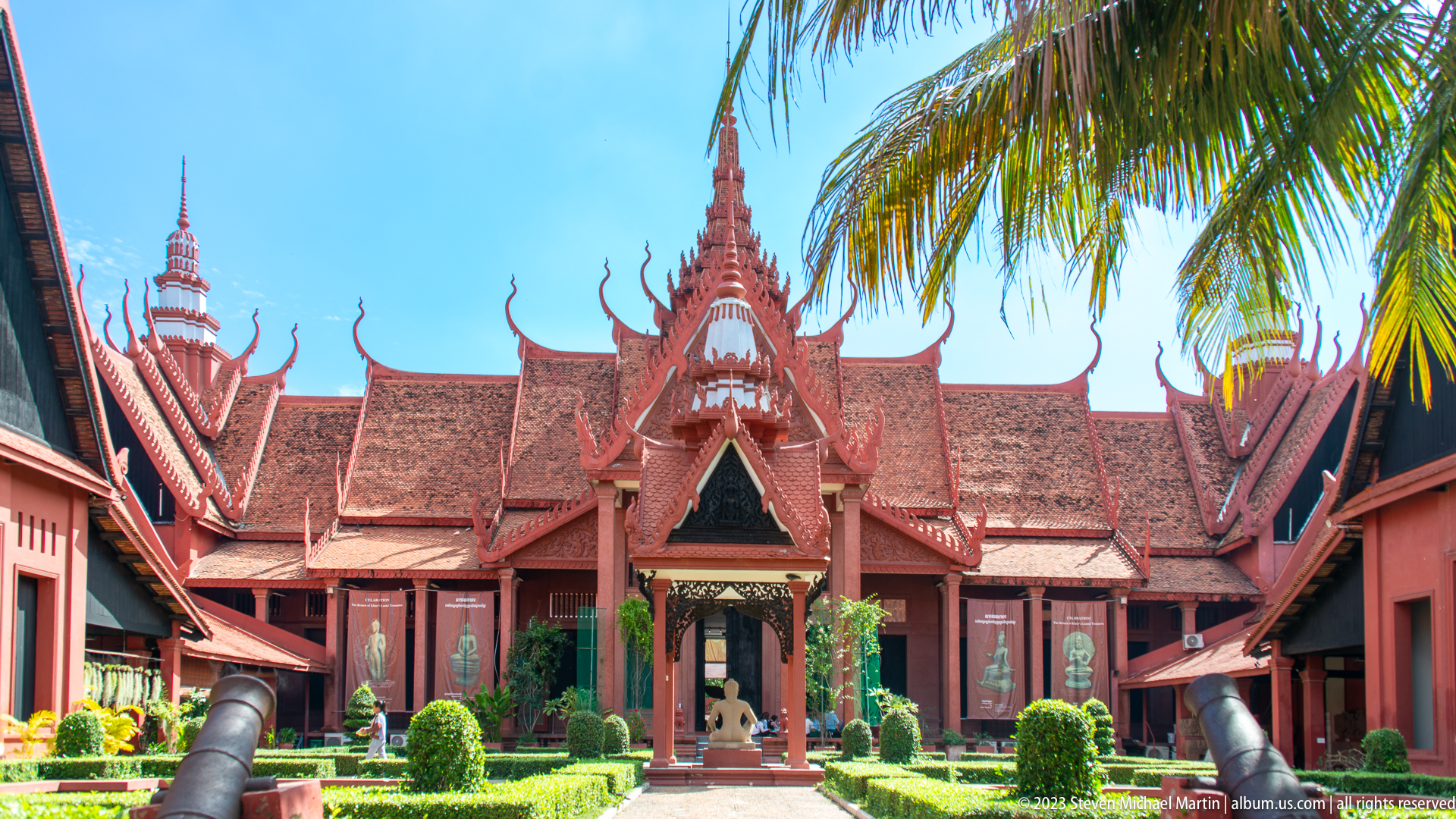
Formal museum entrance court with layered Khmer-style roofs, clipped hedges, central pavilion, and paired cannon.

National Museum of Cambodia

National Museum of Cambodia The National Museum of Cambodia houses one of the most significant collections of Khmer art and sculpture spanning more than a millennium of history. The museum’s architecture incorporates traditional Khmer design elements reflecting regional artistic heritage. Its collections provide important context for understanding the development of Angkorian civilization. Artifacts include stone […]

Explore Portfolio
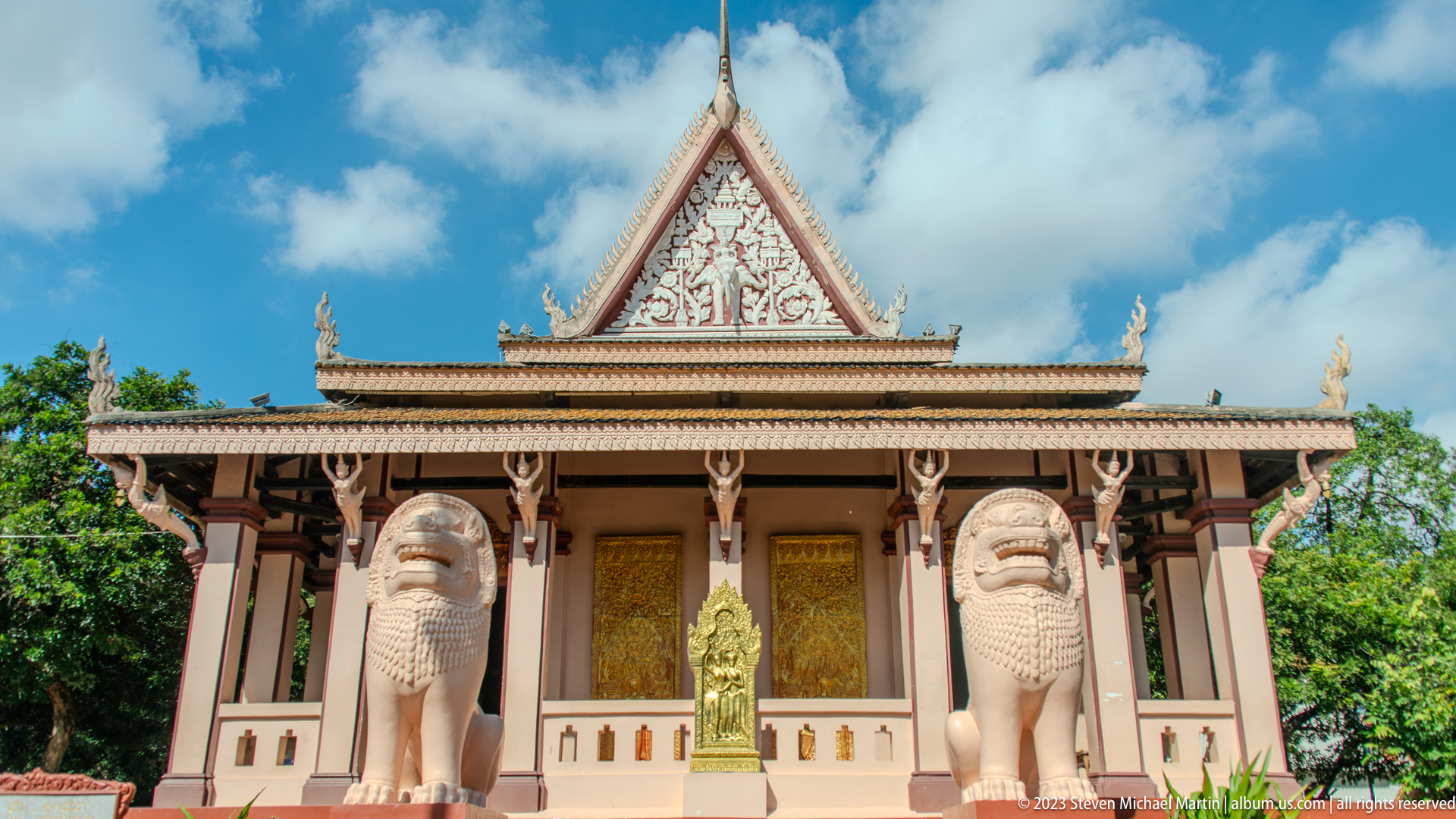
Front façade of Wat Phnom temple with decorated gable, columns, gilded doors, and paired guardian lions.

Phnom Penh

Phnom Penh Phnom Penh developed as the political and cultural capital of Cambodia and is located at the confluence of the Mekong and Tonle Sap rivers. The city’s position along major waterways contributed to its importance as a commercial and administrative center. Its historical development reflects both indigenous Khmer traditions and French colonial influence. Colonial-era […]

Explore Portfolio