Crusades, Moors & Age of Exploration

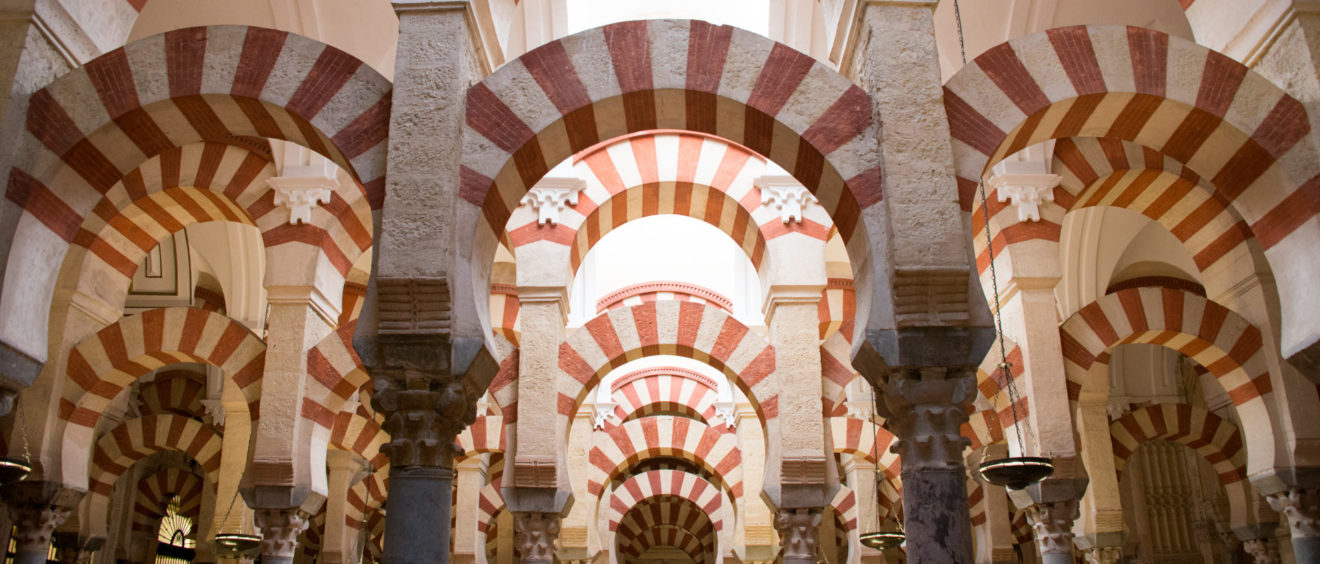
Centered view through repeating red-and-light arches and rows of stone columns in the Mezquita hypostyle hall.

Mezquita

Mezquita The Mezquita of Córdoba was originally constructed as a mosque during the eighth century and later converted into a Christian cathedral following the Reconquista. The structure is recognized for its extensive hypostyle hall composed of repeating arches supported by columns of stone and marble. The architectural design demonstrates the artistic sophistication of Islamic Spain. […]

Explore Portfolio
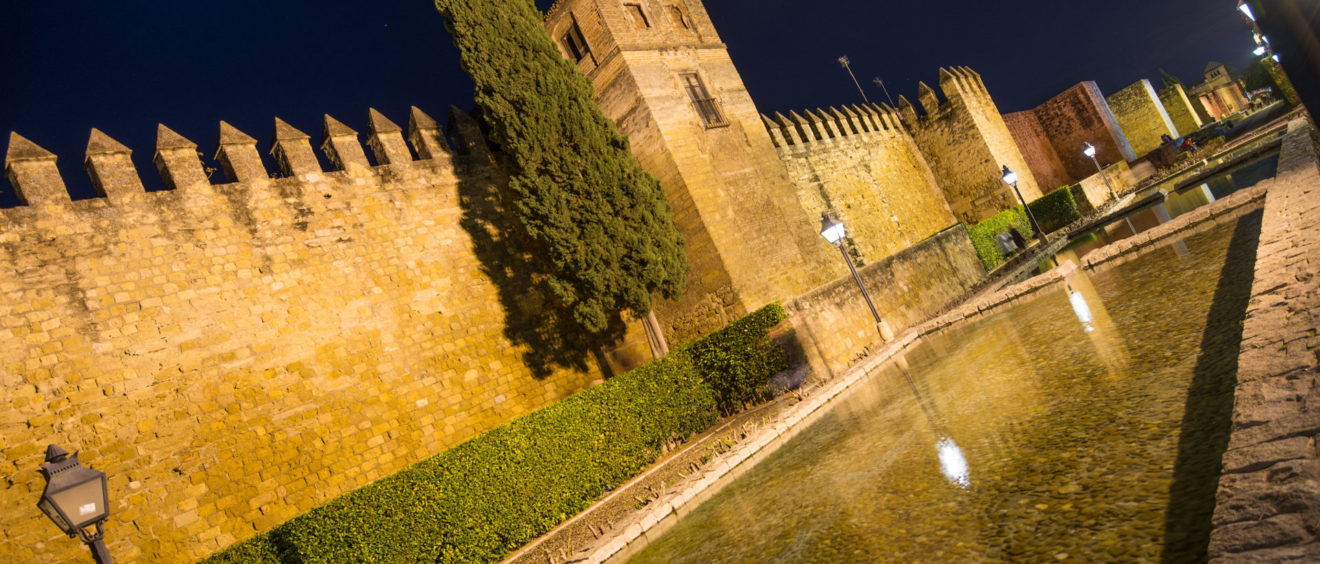
Angled view of the illuminated Alcázar wall and tower beside a narrow reflecting water channel at night.

Córdoba, Spain

Córdoba Córdoba served as one of the most important cities of Islamic Spain during the Umayyad Caliphate, becoming a center of scholarship, trade, and artistic development. The city’s urban fabric reflects the influence of Islamic governance that contributed to advancements in science, philosophy, and architecture. Its historic streets and monuments illustrate the cultural achievements of […]

Explore Portfolio
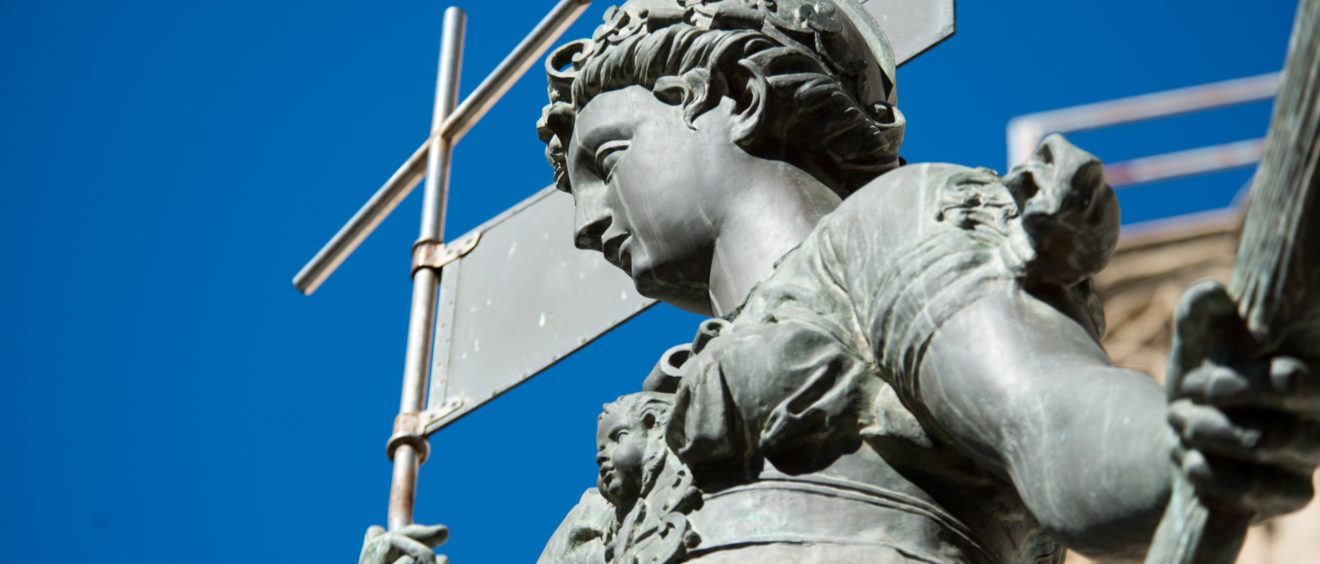
Close low-angle view of a bronze figure in historical dress holding a staff against a blue sky.

Seville, Spain

Seville Seville developed as one of the most important cultural and commercial centers of southern Spain, shaped by Roman foundations, Islamic rule, and later Christian influence following the Reconquista. Its location along the Guadalquivir River allowed the city to become a major center of trade and administration. Architectural landmarks reflect centuries of cultural exchange between […]

Explore Portfolio
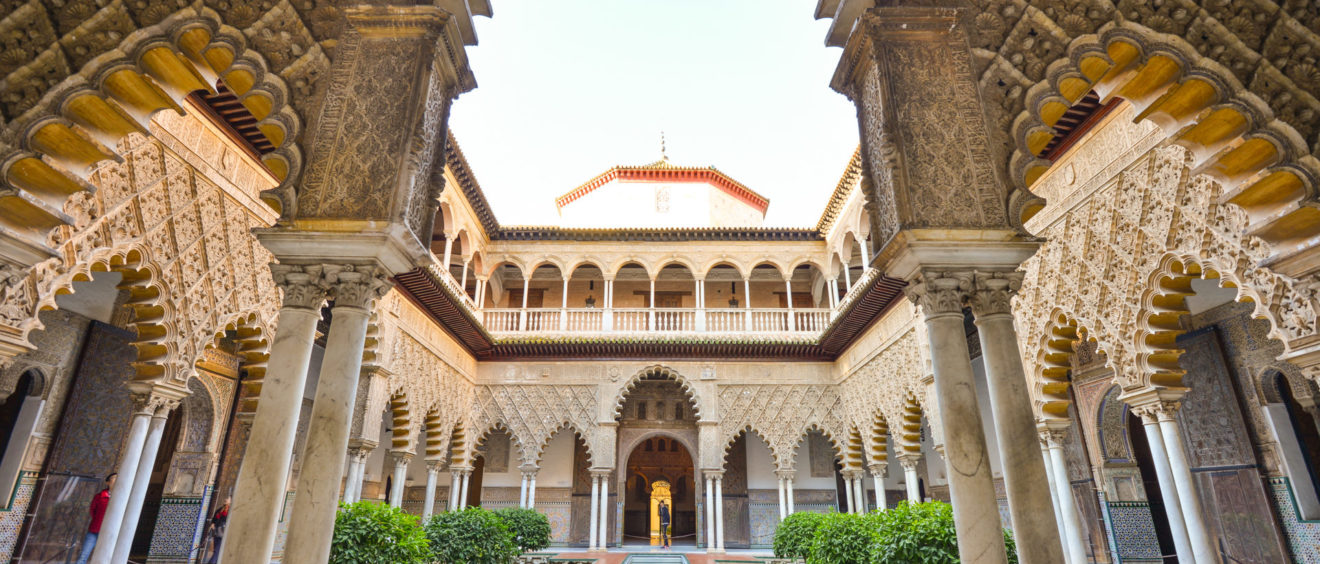
Patio de las Doncellas seen through a large multilobed arch, with reflecting pool, citrus gardens, columns, and ornate arcades.

Alcazar (Seville, Spain)

Alcázar The Alcázar refers to fortified palace complexes constructed in Spain during periods of Islamic and later Christian rule. These structures combined defensive features with refined architectural elements reflecting artistic traditions of Al-Andalus. Courtyards, decorative tilework, and geometric ornamentation illustrate the influence of Moorish design. Many alcázars were later adapted by Christian monarchs following the […]

Explore Portfolio
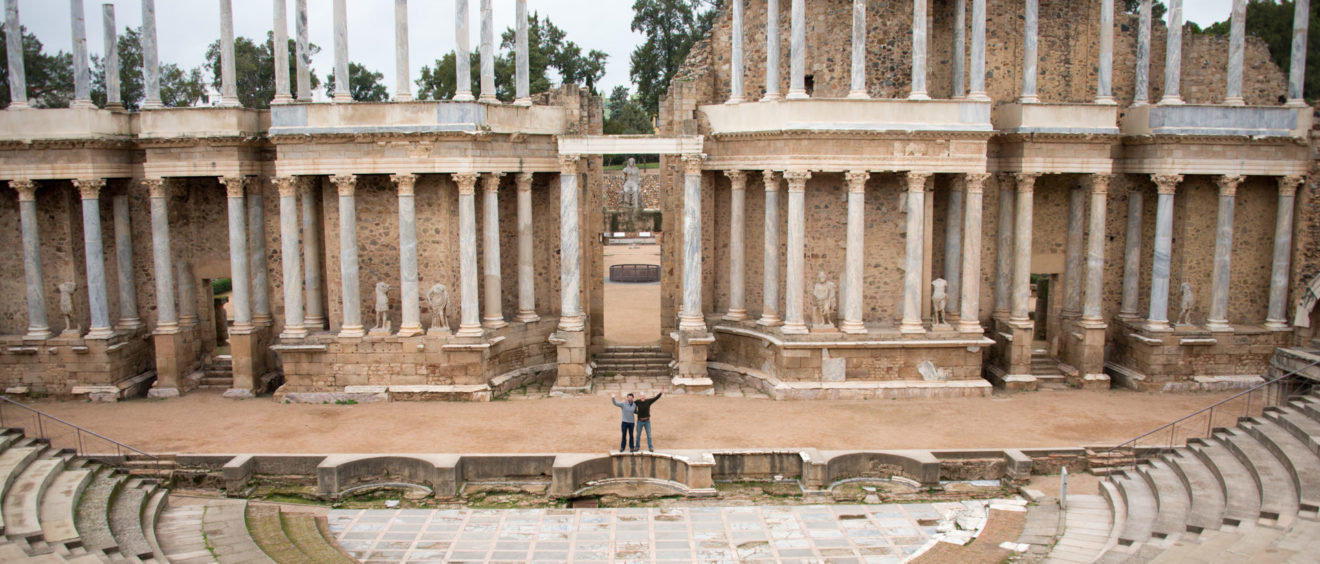
Visitor standing at center stage before the tall, symmetrical columned façade of Mérida's Roman Theatre.

Merida, Spain

Mérida Mérida was founded as a Roman colony in the first century BCE and became an important administrative center within the province of Lusitania. The city preserves significant archaeological remains including a Roman theater, amphitheater, aqueduct, and bridge. These structures demonstrate the engineering and urban planning achievements of the Roman Empire. The Roman theater illustrates […]

Explore Portfolio
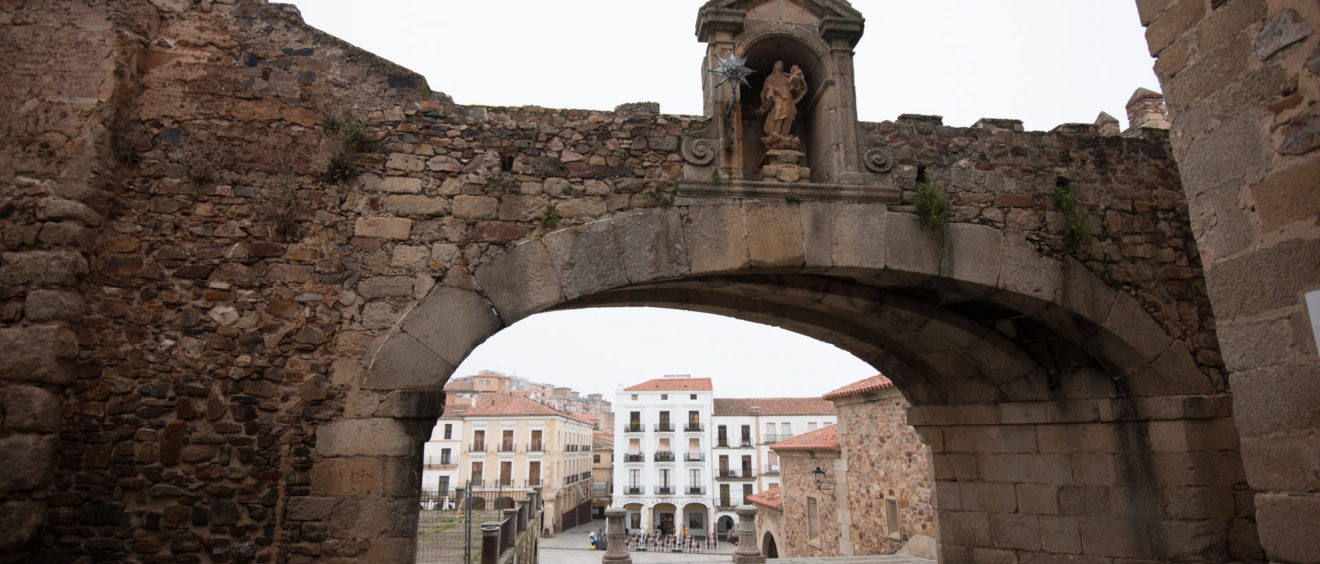
Interior-side view of the Arco de la Estrella, with its Marian niche above and Plaza Mayor visible through the opening.

Caceres, Spain

Cáceres Cáceres preserves an exceptional historic center shaped by Roman foundations, Islamic influence, and later medieval Christian development. Stone towers, fortified walls, and narrow streets reflect centuries of political change across the Iberian Peninsula. The architectural character of the city illustrates the layered cultural traditions that developed during periods of cooperation and conflict. Noble residences […]

Explore Portfolio
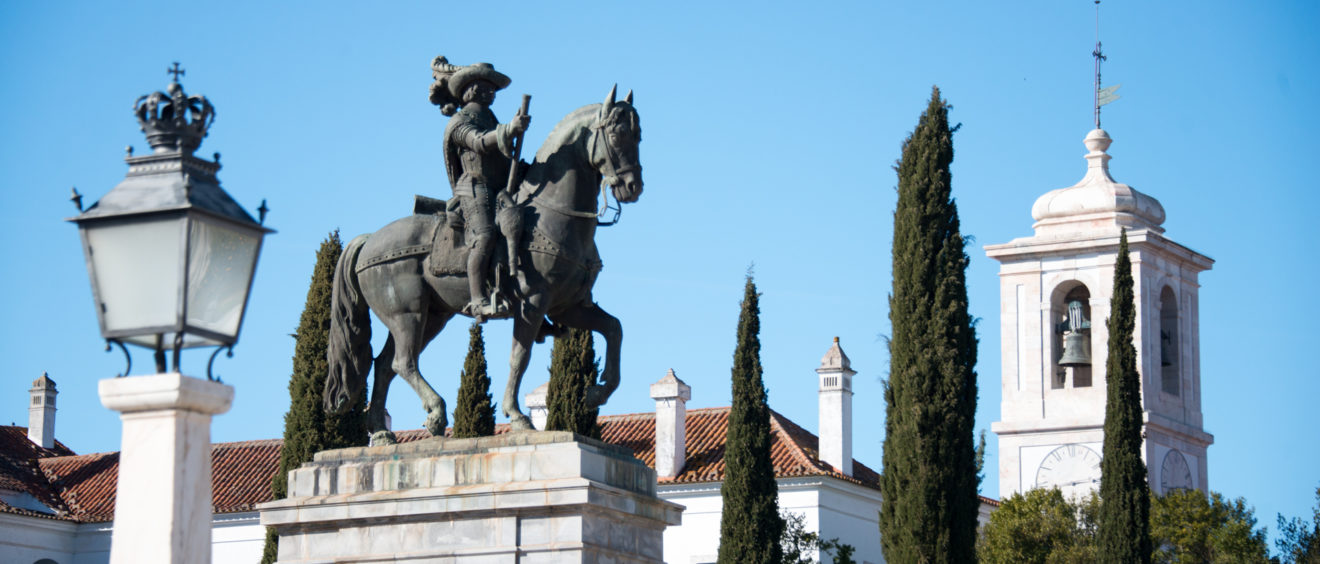
Profile of a bronze equestrian monument on a high pedestal, with cypress trees, a white bell tower and ornate streetlamp behind.

Villa Vicosa, Portugal

Vila Viçosa Vila Viçosa is associated with the Portuguese royal house of Braganza and reflects the transition from fortified medieval settlements to more elaborate residential palaces. The town developed as an important political center during periods when royal authority shaped regional governance. Architectural features demonstrate changing preferences toward greater refinement and symmetry. The Ducal Palace […]

Explore Portfolio
Whitewashed historic church with pointed stone doorway, cross-topped gable, adjoining tower, and tiled roofs.

Estremoz, Portugal

Estremoz Estremoz developed as a fortified town associated with regional defense and royal residence in the Alentejo region of Portugal. Defensive walls and towers reflect the strategic importance of the settlement during periods of conflict along the Iberian frontier. The town’s elevated position provided visibility across surrounding plains. The castle at Estremoz became associated with […]

Explore Portfolio
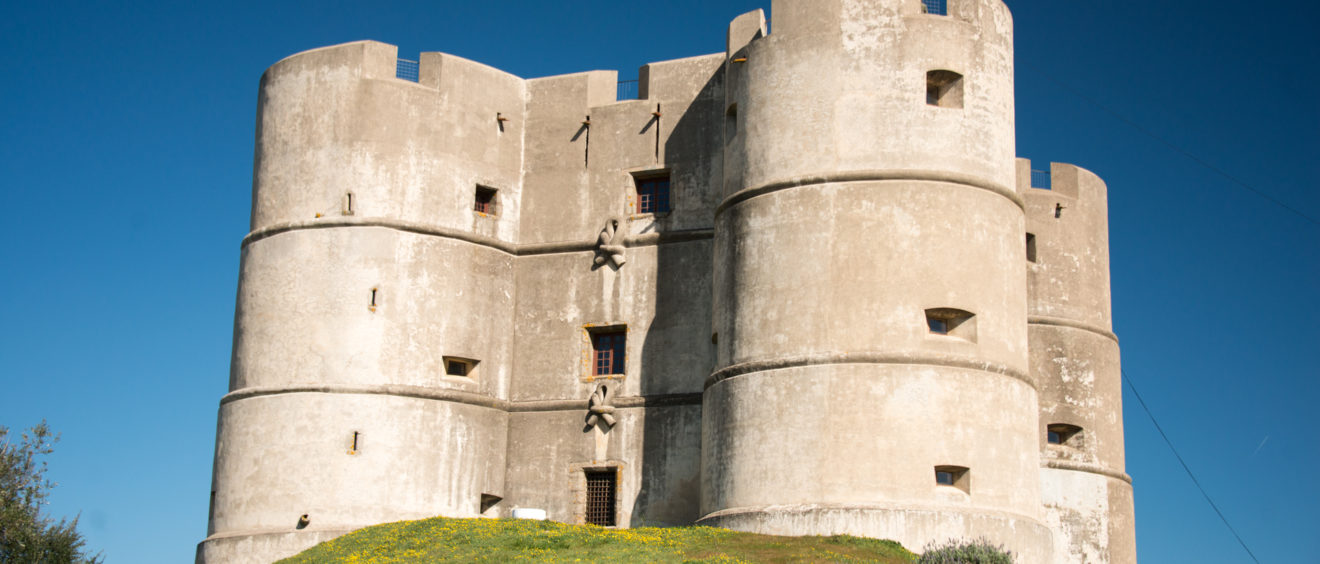
Pale stone castle keep with four cylindrical corner towers rising above a grassy hill under a clear blue sky.

Evoramonte, Portugal

Evoramonte Evoramonte is a fortified hilltop settlement in the Alentejo region of Portugal, positioned within a landscape shaped by centuries of strategic defense. The castle reflects architectural influences from both medieval military construction and later Renaissance design elements. Its elevated position illustrates the importance of geographic advantage in regional security. The castle is associated with […]

Explore Portfolio