 5 portfolios
Exploring South America
South America occupies the southern portion of the Western Hemisphere and contains some of the most dramatic geographic contrasts on Earth, including the Andes Mountains, the Amazon River basin, high plateaus, coastal deserts, and subpolar archipelagos. The Andes form the longest continental mountain chain, extending along the Pacific margin and shaping climate, river systems, and patterns of settlement across the continent. East of the mountains, vast lowland basins support tropical rainforest ecosystems, most notably the Amazon, the largest river system in the world by volume and drainage area. Together these environments illustrate the powerful influence of tectonic forces, climate systems, and hydrology in shaping landscapes that support exceptional biodiversity and long-standing cultural traditions.
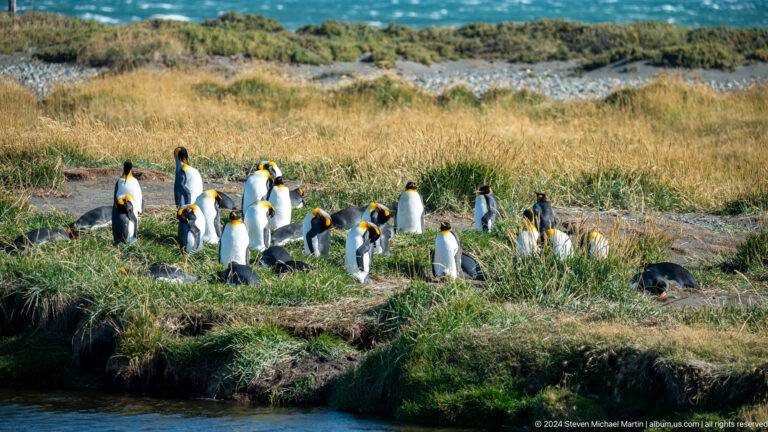
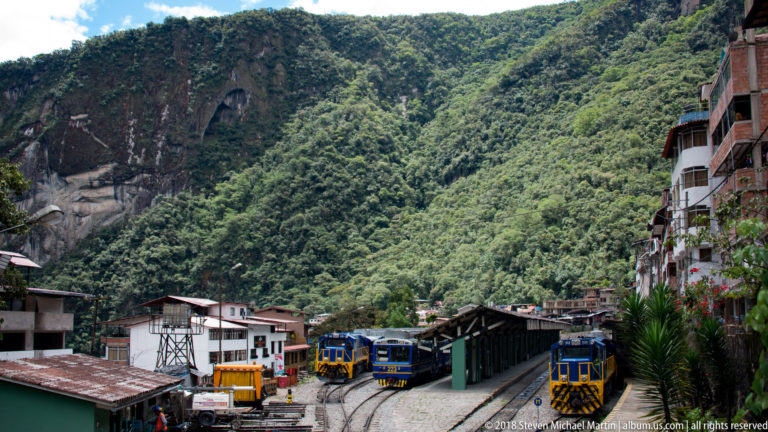
The portfolios included here illustrate key regions that reflect the continent’s geographic and cultural diversity. In Argentina, Buenos Aires, Los Glaciares National Park, Ushuaia, Beagle Channel, and Tierra del Fuego National Park illustrate environments ranging from coastal capital cities to subpolar landscapes. Brazil is represented through Rio de Janeiro and Manaus and the Amazon, highlighting both Atlantic coastal geography and equatorial rainforest ecosystems. Chile’s long Pacific corridor includes Patagonian mountain environments such as Torres del Paine – Río Serrano, maritime routes near Punta Arenas, and the remote Polynesian cultural landscapes of Rapa Nui (Easter Island). Peru illustrates continuity between Amazonian river systems such as Amazon River, Andean archaeological sites including Machu Picchu, and colonial urban centers such as Lima.
Together these regions demonstrate how geography, ecology, and cultural development interact across South America. Mountain corridors, river networks, and coastal environments have supported diverse civilizations and ecological systems that continue to influence global understanding of biodiversity, climate processes, and cultural continuity. The continent’s preserved archaeological sites, protected landscapes, and historic cities provide insight into long relationships between environment and human settlement across one of the world’s most varied geographic regions.