Browse by Country
Countries are ordered by the number of approved collection members, then alphabetically.
Morocco (10)
Morocco is represented by 10 portfolios in this collection, including Al Attarine Madrasa, Bahia Palace, and Dar Batha Museum of Islamic Arts.
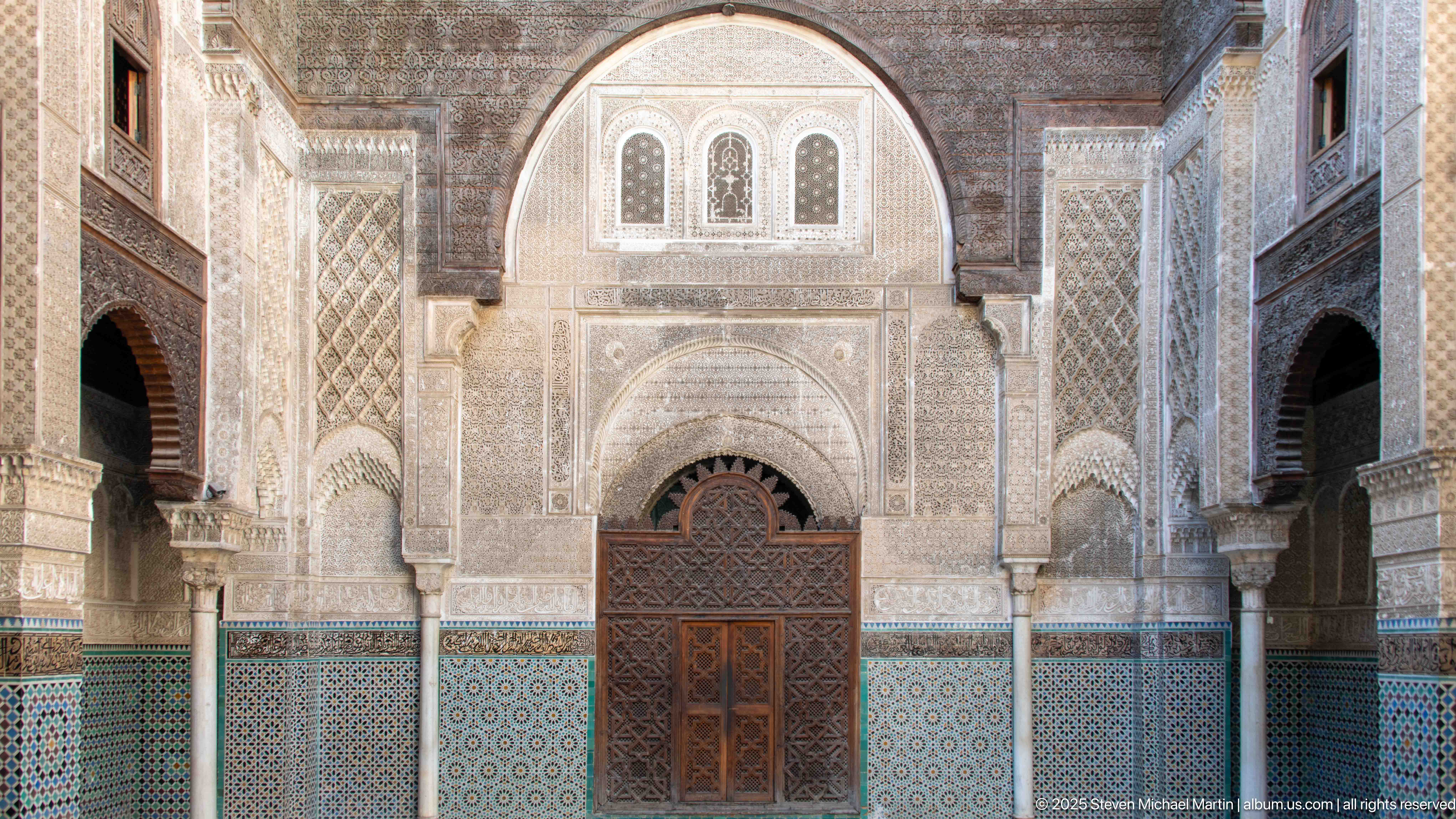
Al Attarine Madrasa
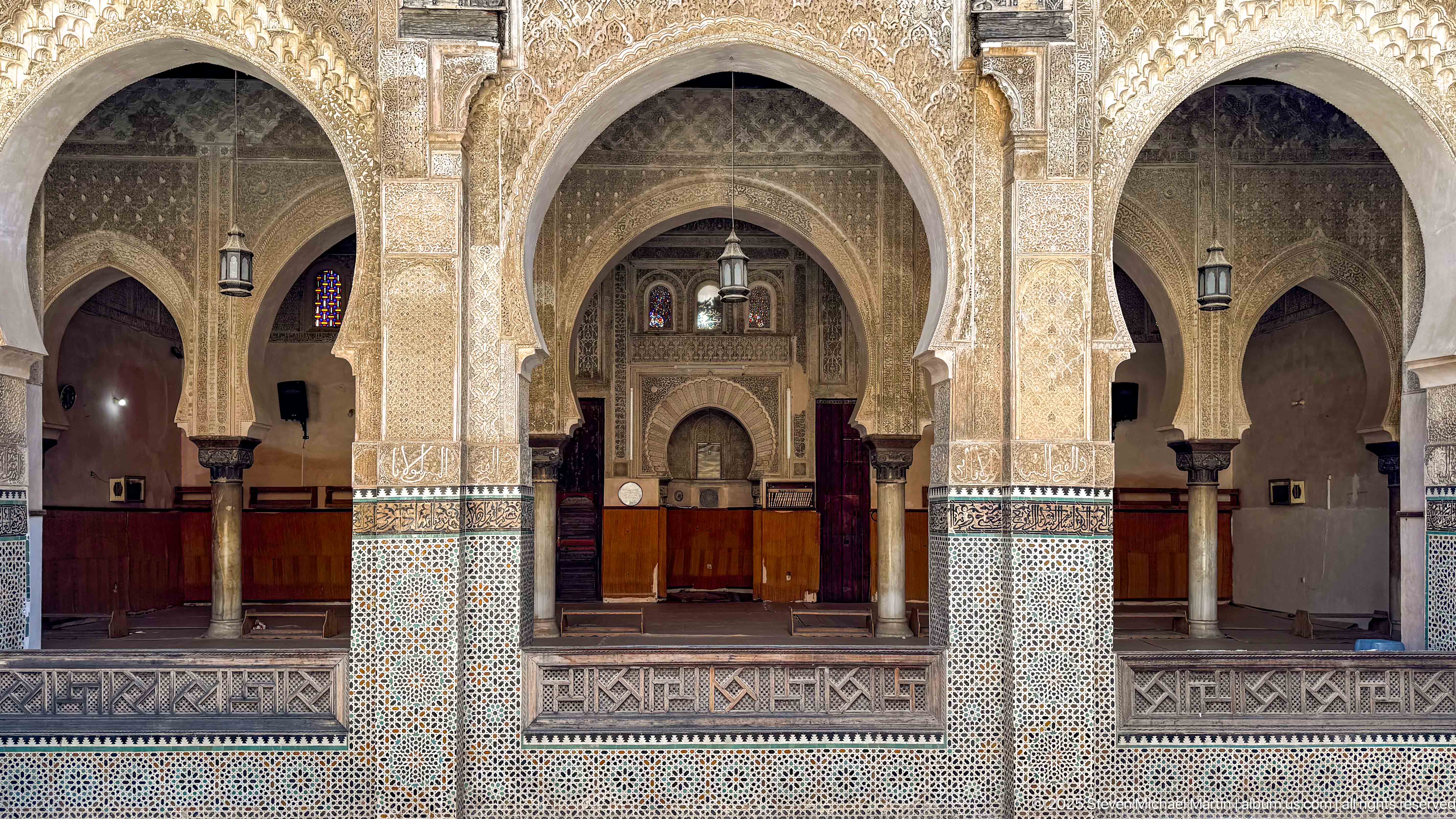
The Al-Attarine Madrasa is one of the most beautiful religious schools in Morocco.
Bahia Palace
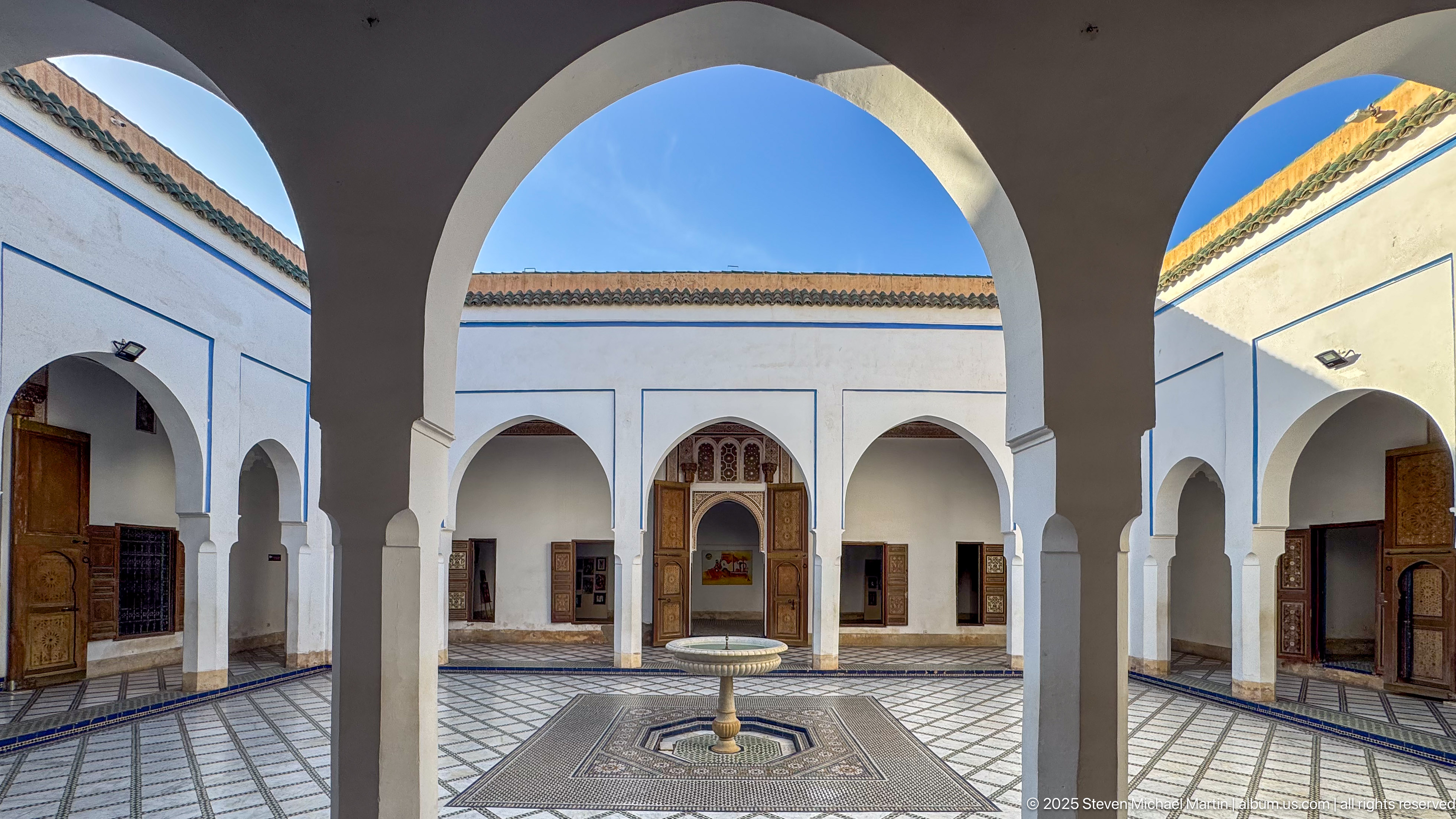
The Bahia Palace is one of the most beautiful architectural complexes in Marrakech. Constructed in the late 19th century, the palace was built as a residence for a powerful Moroccan grand vizier.
Dar Batha Museum of Islamic Arts
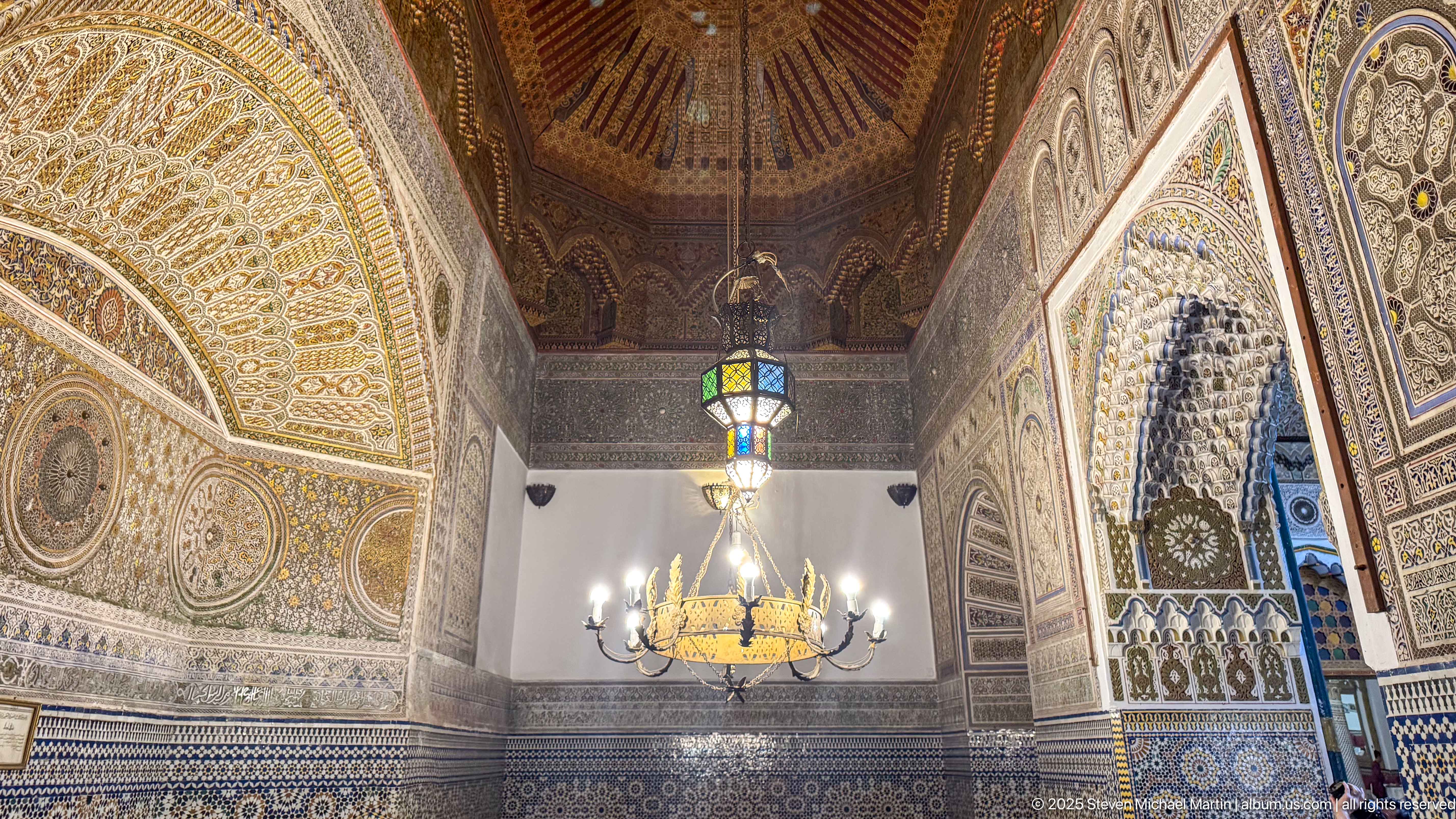
The Fes Museum of Islamic Arts is less a traditional museum and more an environment—one where architecture, pattern, and material carry as much meaning as the objects themselves.
El Badi Palace
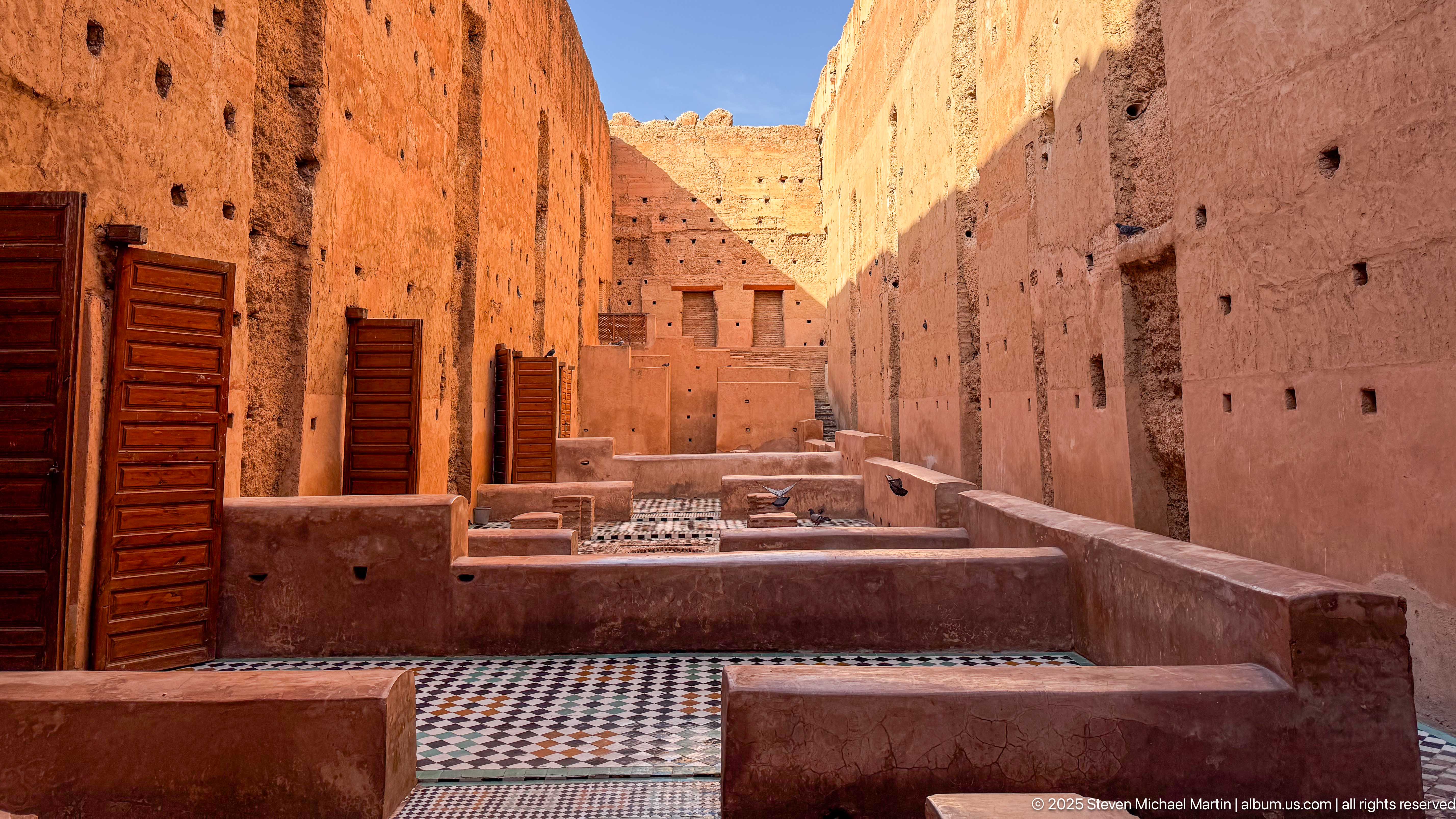
The ruins of El Badi Palace stand within the old city of Marrakech and once formed one of the most magnificent palaces in Morocco.
Fes
The city of Fez is one of the oldest and most historically significant cities in Morocco. Founded in the 8th century, Fez developed into a major center of Islamic scholarship, craftsmanship, and trade across North Africa.
Fes-Medina
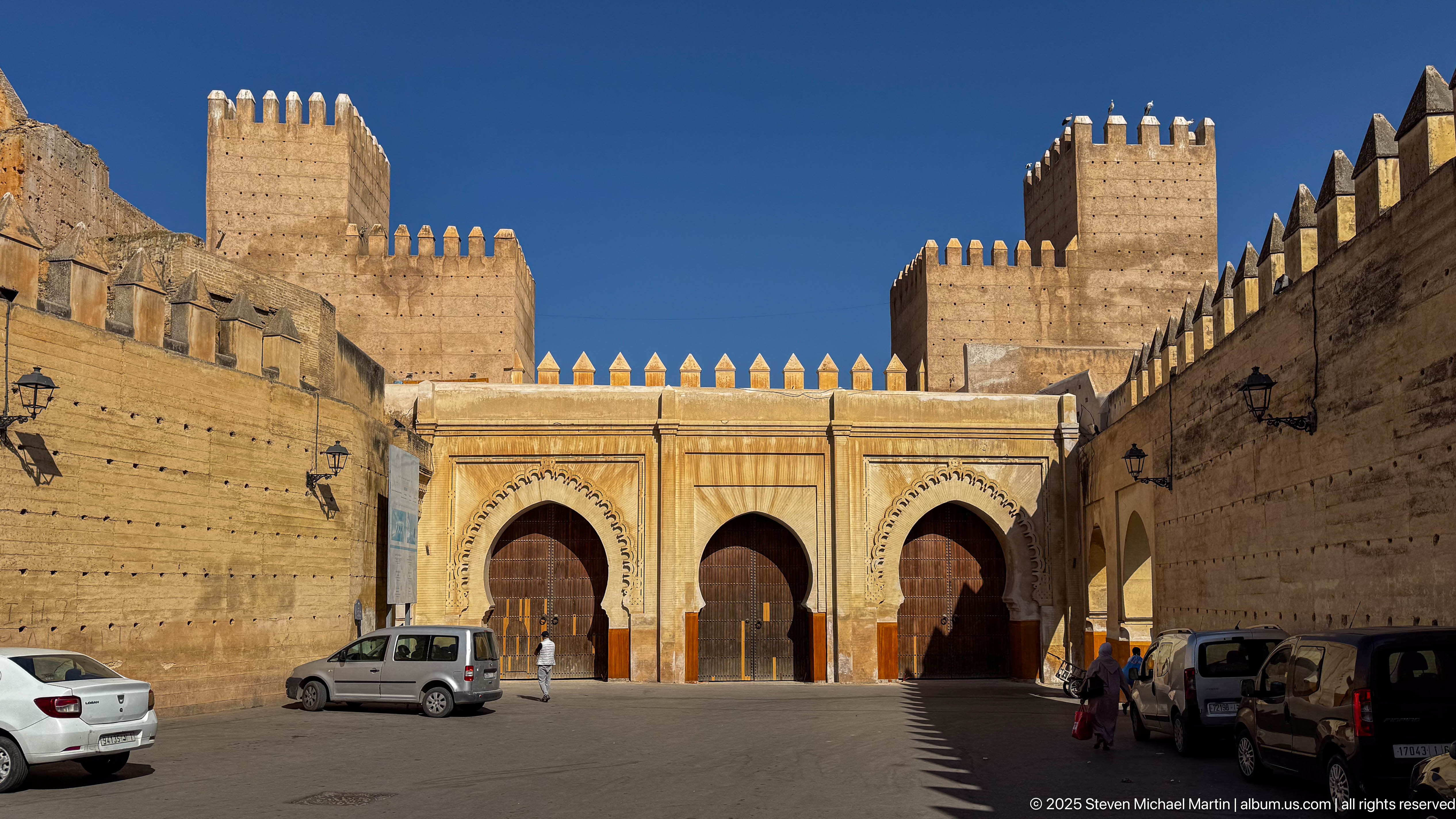
The Medina of Fez forms the ancient heart of Fez, one of the oldest and most important cities in Morocco. Founded in the 8th and 9th centuries, Fez became a major center of Islamic learning, trade, and craftsmanship in North Africa.
★ #10
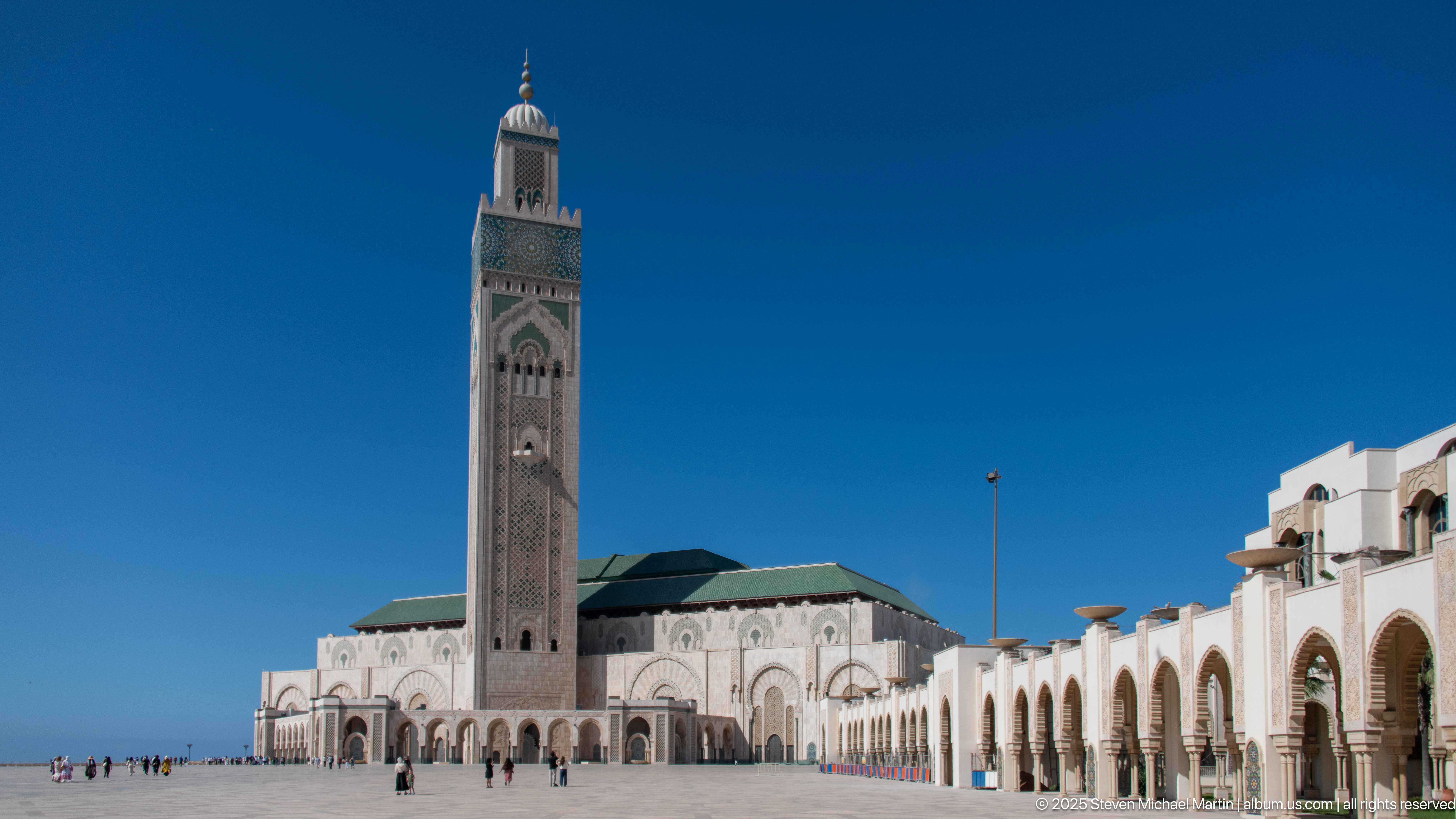
Hassan II Mosque
The Hassan II Mosque stands dramatically along the Atlantic coastline of Casablanca and is one of the largest mosques in the world. Completed in 1993, the mosque was commissioned by King Hassan II to serve as a monumental symbol of Moroccan culture and faith.
Madrasa Ben Youssef
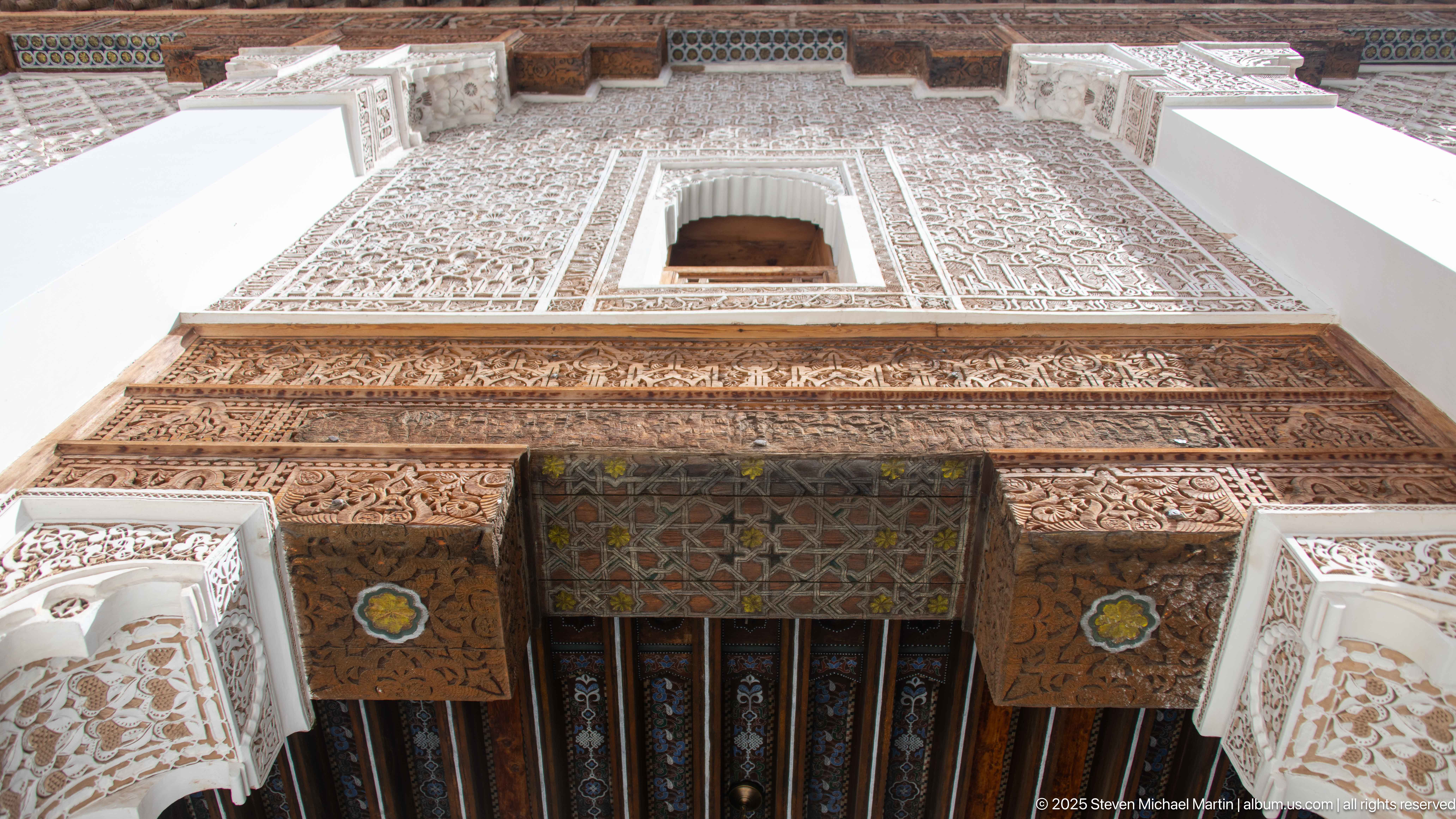
The Ben Youssef Madrasa was once one of the most important centers of Islamic learning in Morocco.
Palais Mnebhi
The historic Palais Mnebhi stands within the old city of Fez and is one of the finest examples of traditional Moroccan palace architecture.
Saadian Tombs
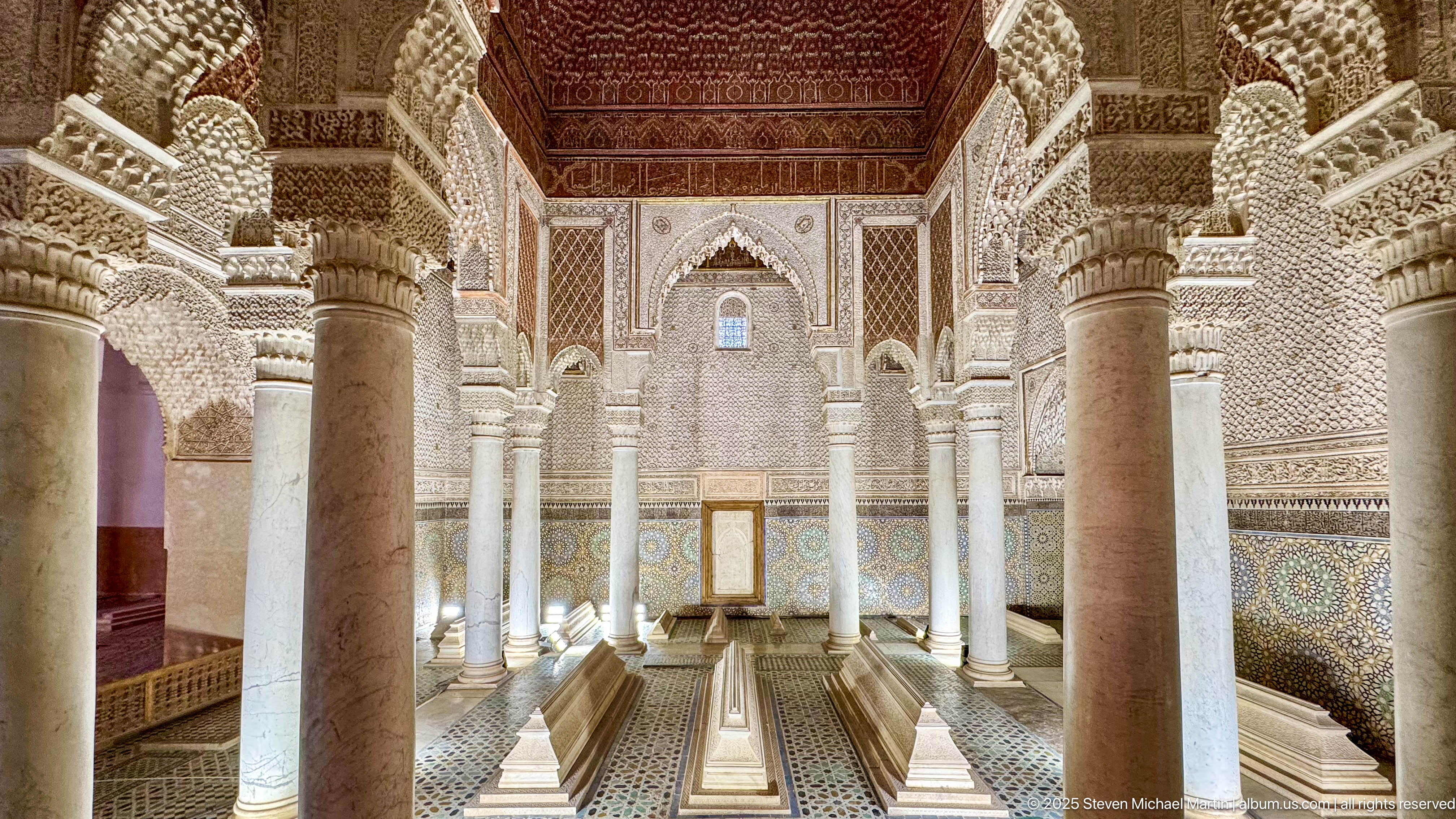
The Saadian Tombs date from the 16th century and were constructed during the rule of the Saadian dynasty, one of the great imperial families of Morocco. The tomb complex contains the burial sites of several Saadian rulers and members of the royal court.
Uzbekistan (9)
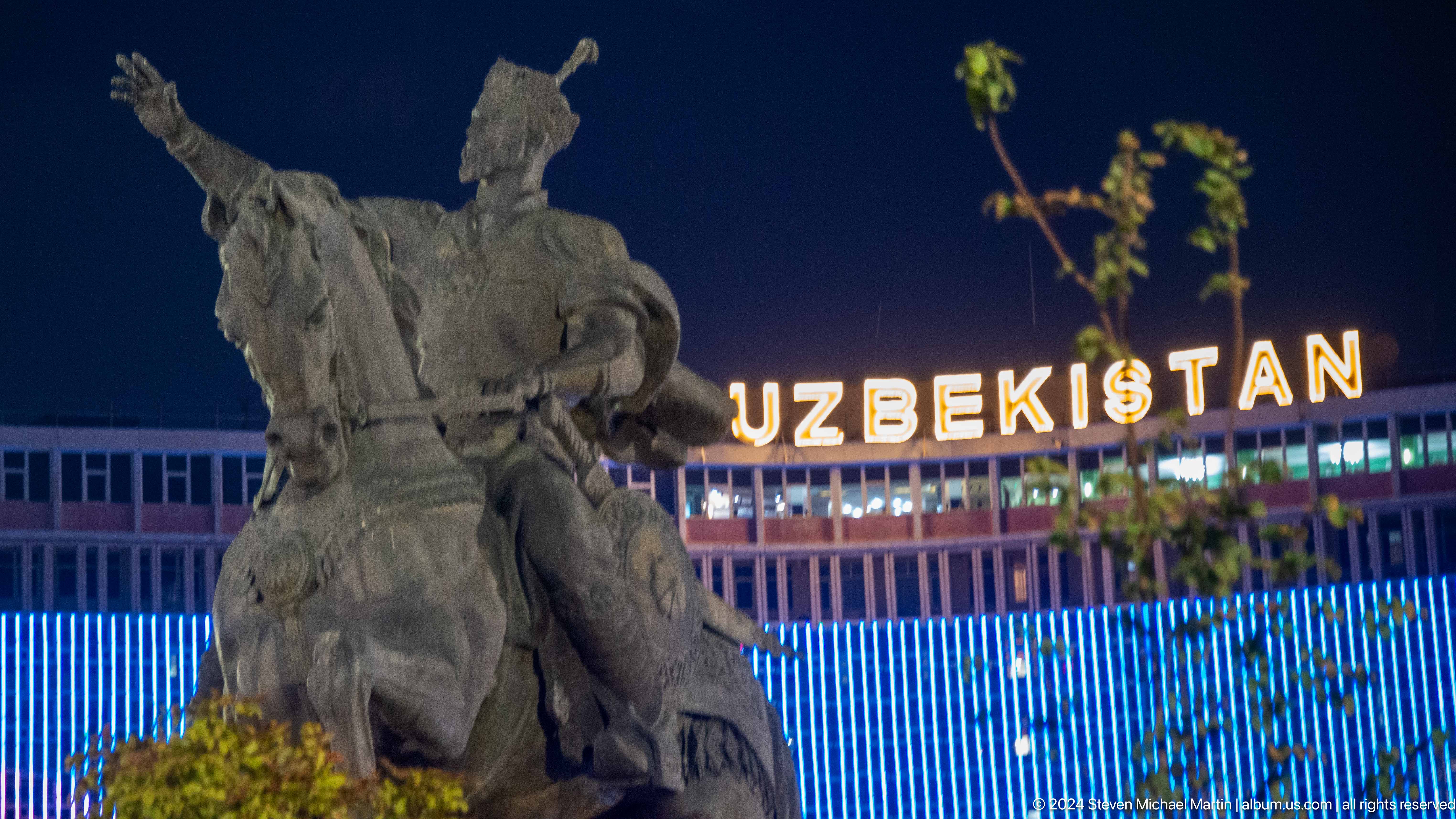
Uzbekistan is represented by 9 portfolios in this collection, including Bibi-Khanym Mosque, Bukhara, and Hazrati Imam Mosque.
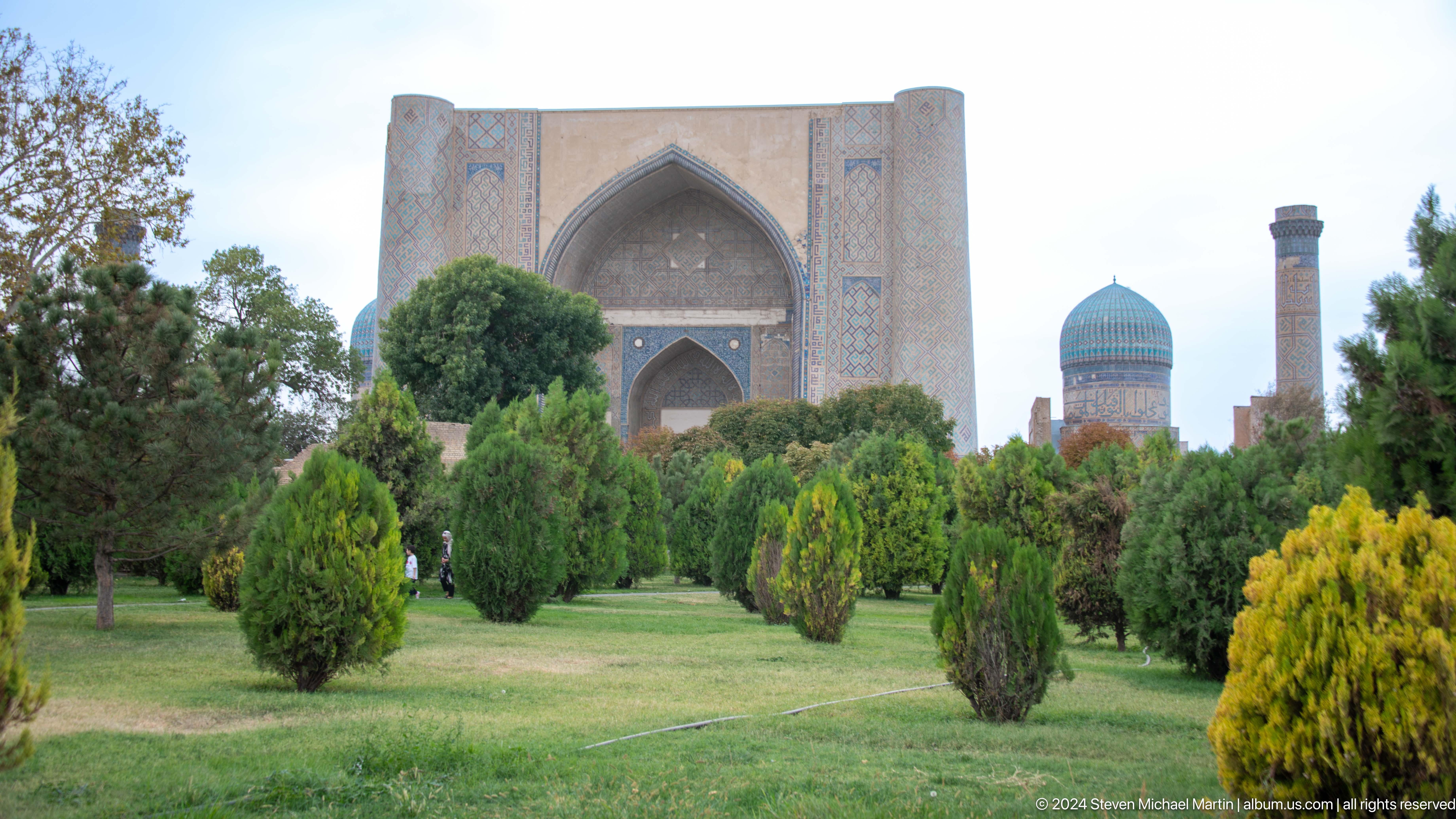
Bibi-Khanym Mosque
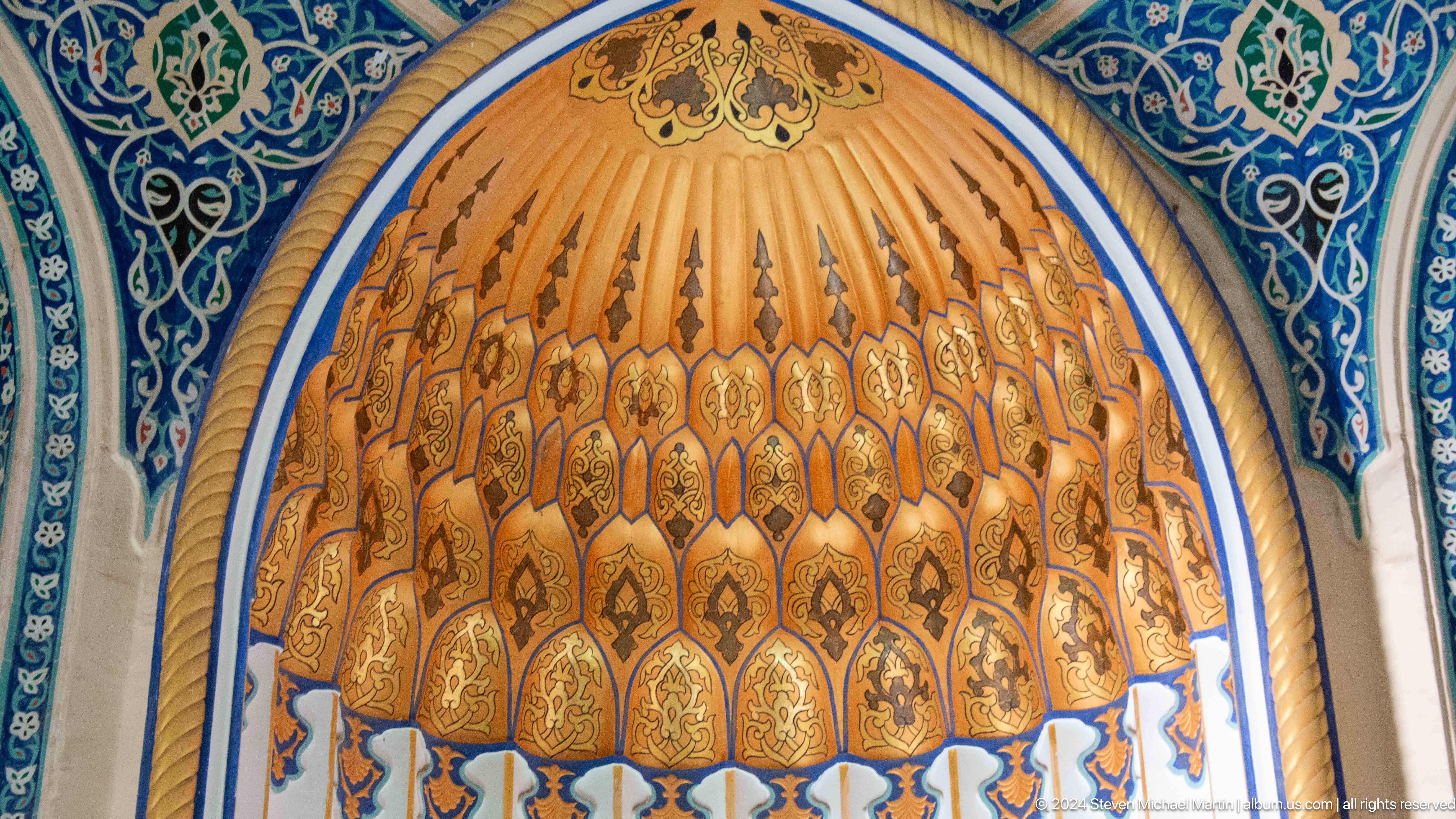
Shah-i-Zinda Shah-i-Zinda is a complex of mausoleums in Samarkand associated with Islamic pilgrimage and the commemoration of religious figures.
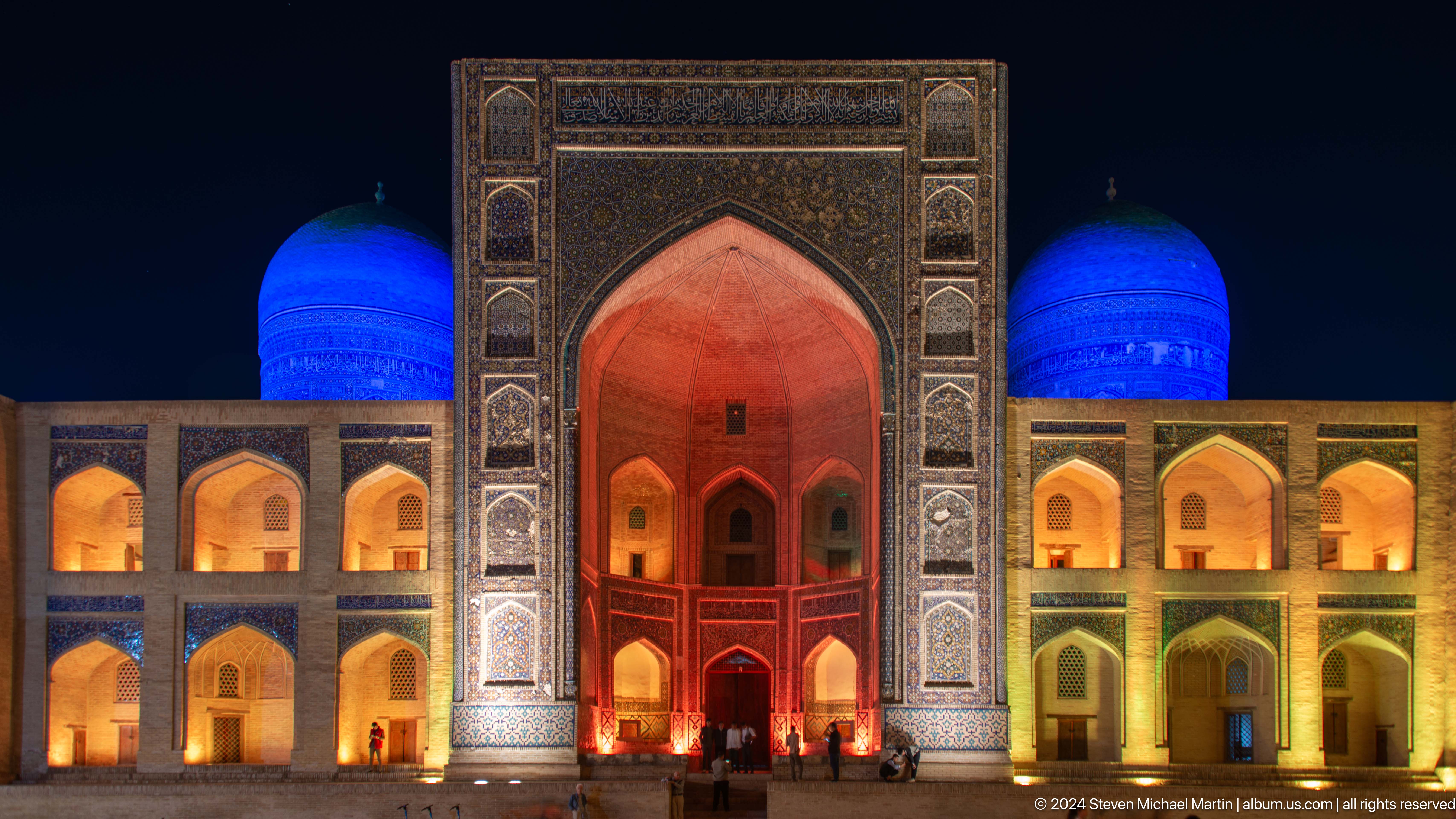
Bukhara
Bukhara Bukhara is one of the most important historic cities along the Silk Road and served as a major center of Islamic scholarship, commerce, and culture for more than a thousand years.
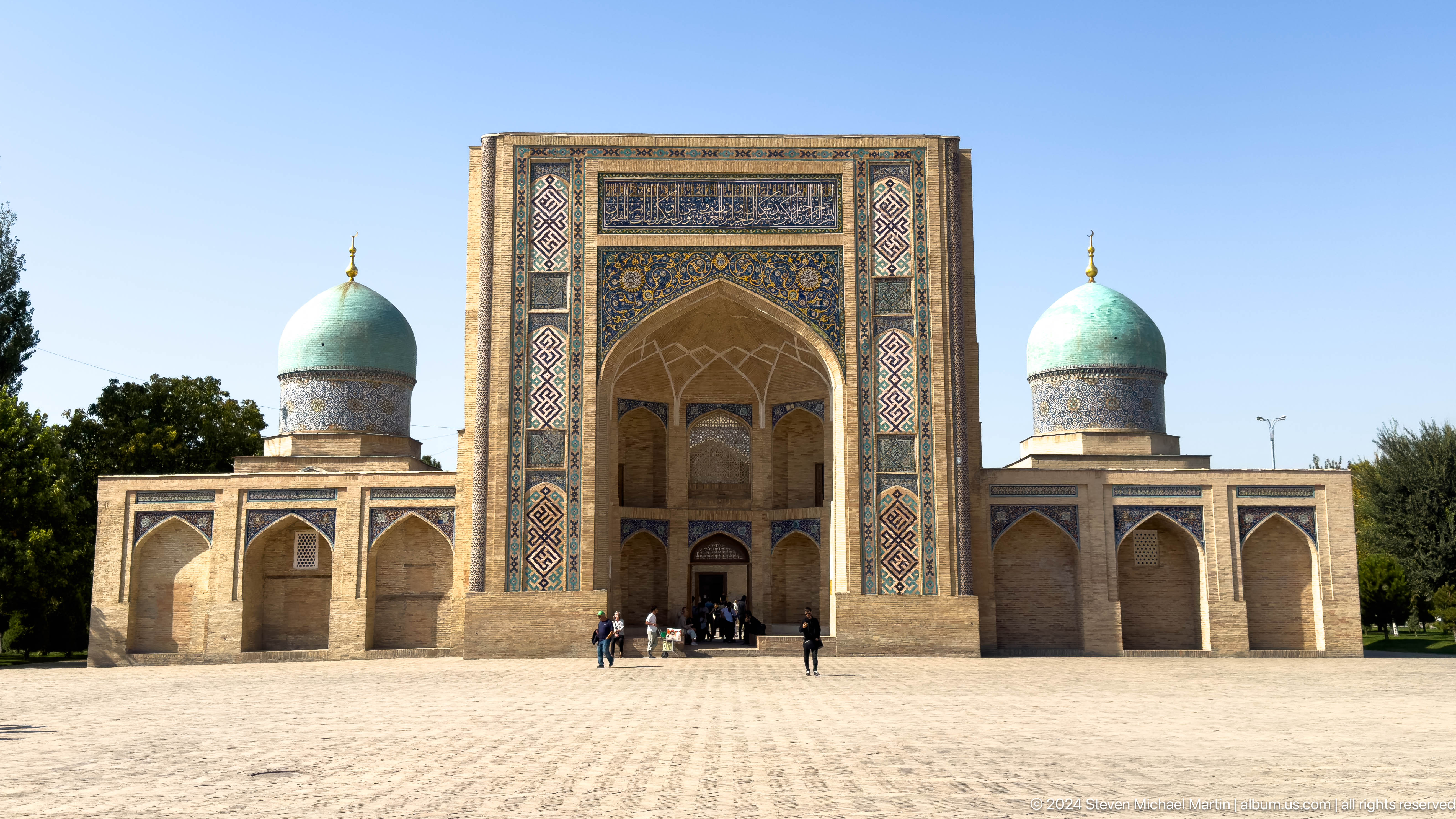
Hazrati Imam Mosque
The Khast Imom Complex in Tashkent is an important Islamic religious center associated with the preservation of early Qur’anic manuscripts and the development of scholarship in Central Asia.
★ #3
Khiva
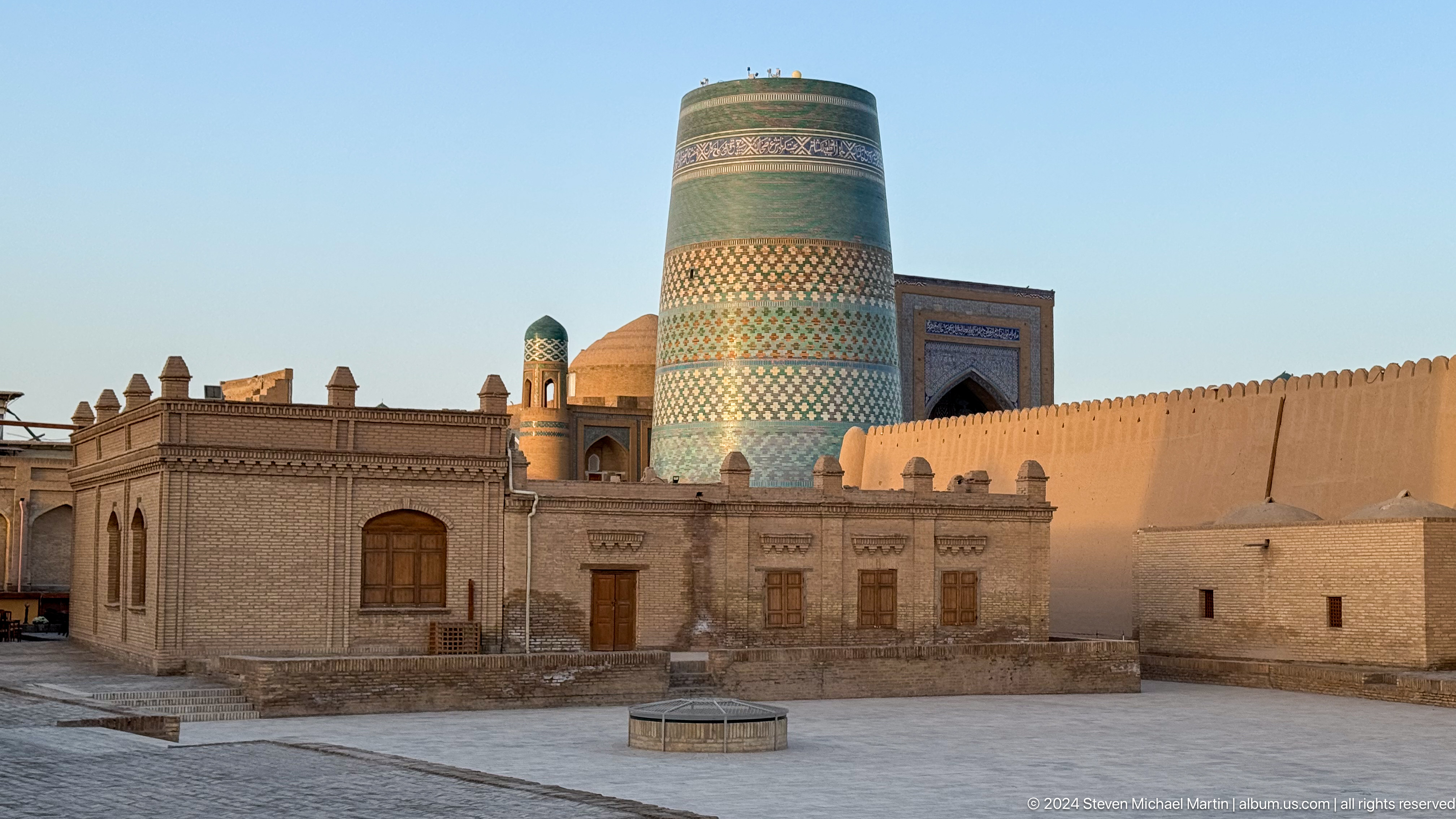
Khiva Khiva is a historic oasis city in Uzbekistan that served as an important stop along Silk Road trade routes linking Central Asia with Persia and the Caspian region.
★ #1
Registan Square
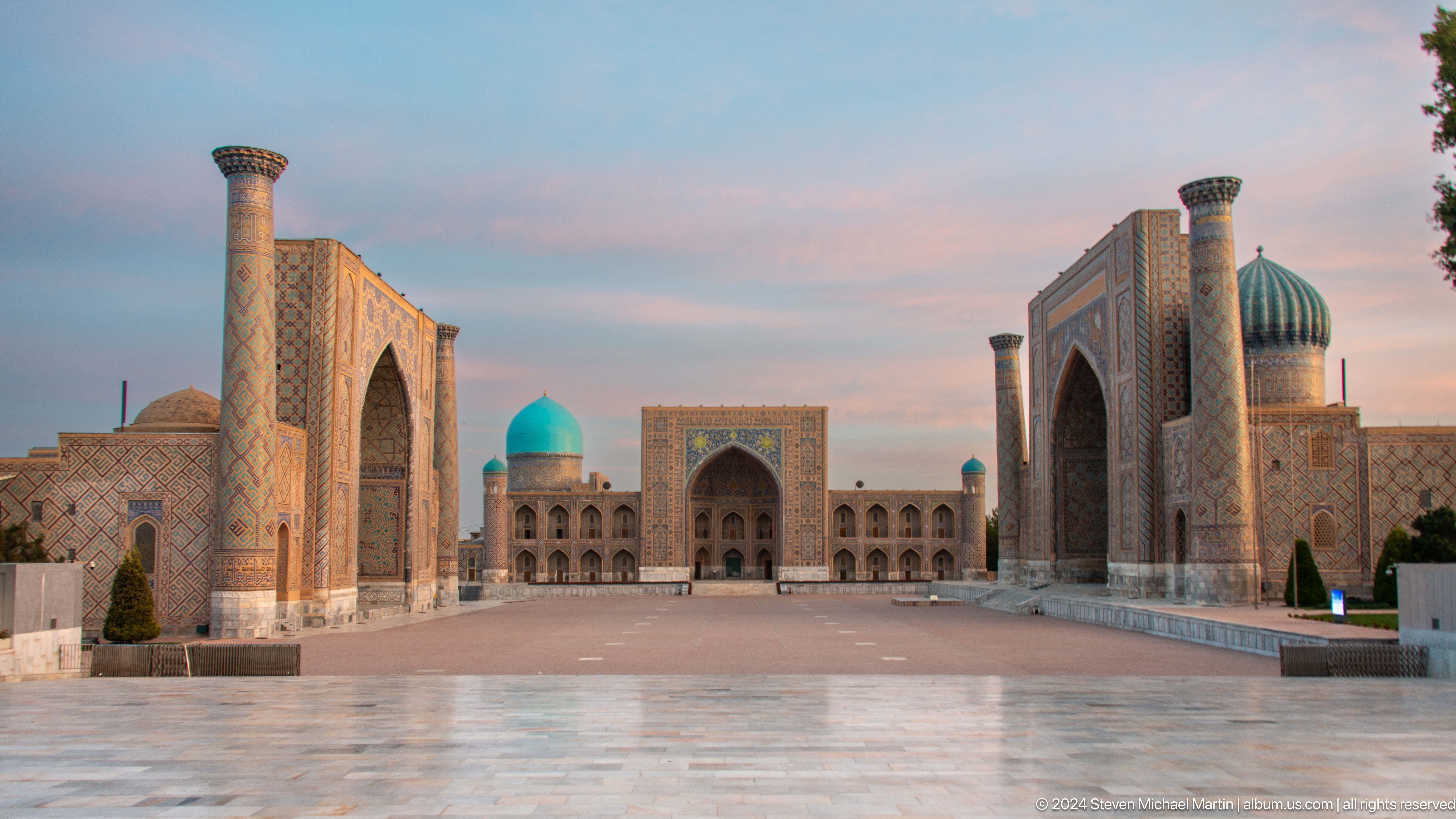
Registan Registan Square served as the ceremonial and educational center of Timurid Samarkand and remains one of the most iconic architectural ensembles along the Silk Road.
Samarkand
Samarkand Samarkand is one of the most important historic cities along the Silk Road and served as a major center of trade, scholarship, and artistic production for more than two millennia.
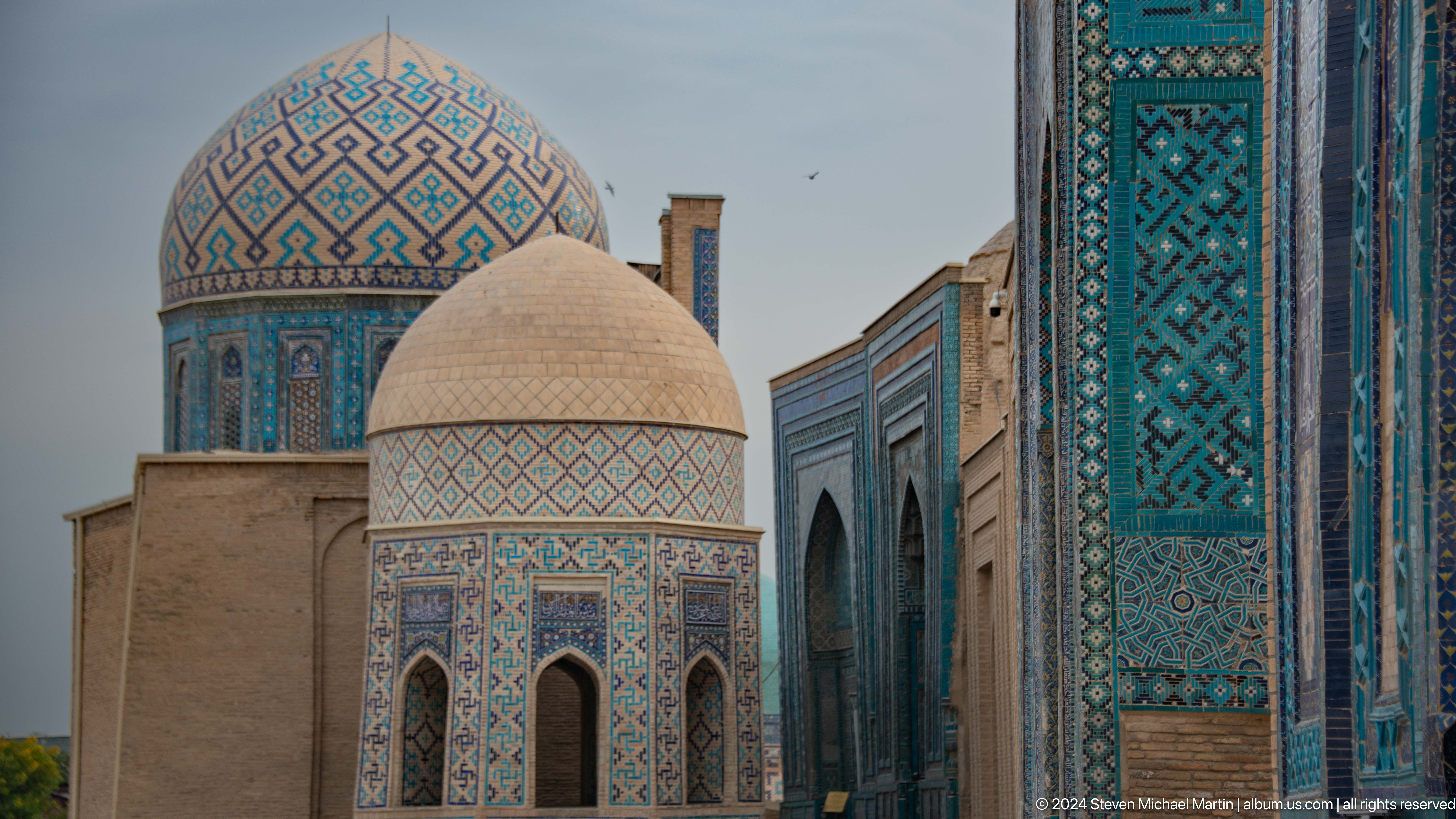
Shah-i-Zinda
Shah-i-Zinda Shah-i-Zinda is a complex of mausoleums in Samarkand associated with Islamic pilgrimage and the commemoration of religious figures.
Shayhantaur Memorial Complex
The Sheikhantaur Mausoleum Complex in Tashkent is associated with Islamic scholarship and religious leadership that developed in Central Asia following the spread of Islam along Silk Road routes.
Tashkent
Tashkent is one of the oldest cities in Central Asia and developed as an important commercial center along Silk Road trade routes connecting China with Persia and the Middle East.
Spain (5)
Spain is represented by 5 portfolios in this collection, including Alhambra, Córdoba, and Granada.
Alhambra
Alhambra The Alhambra is a palace and fortress complex constructed during the Nasrid dynasty and is one of the most important surviving examples of Islamic architecture in Europe.
Córdoba
Córdoba Córdoba served as one of the most important cities of Islamic Spain during the Umayyad Caliphate, becoming a center of scholarship, trade, and artistic development.
Granada
Granada Granada was the final major Islamic capital on the Iberian Peninsula before its conquest by Christian forces in 1492, marking the end of the Reconquista.
Mosque-Cathedral Monumental Site of Córdoba
Mezquita The Mezquita of Córdoba was originally constructed as a mosque during the eighth century and later converted into a Christian cathedral following the Reconquista.
Royal Alcázar of Seville
Alcázar The Alcázar refers to fortified palace complexes constructed in Spain during periods of Islamic and later Christian rule. These structures combined defensive features with refined architectural elements reflecting artistic traditions of Al-Andalus.
Algeria (4)
Algeria is represented by 4 portfolios in this collection, including Amir Abdel Kader Mosque, Casbah, and Cirta Museum.
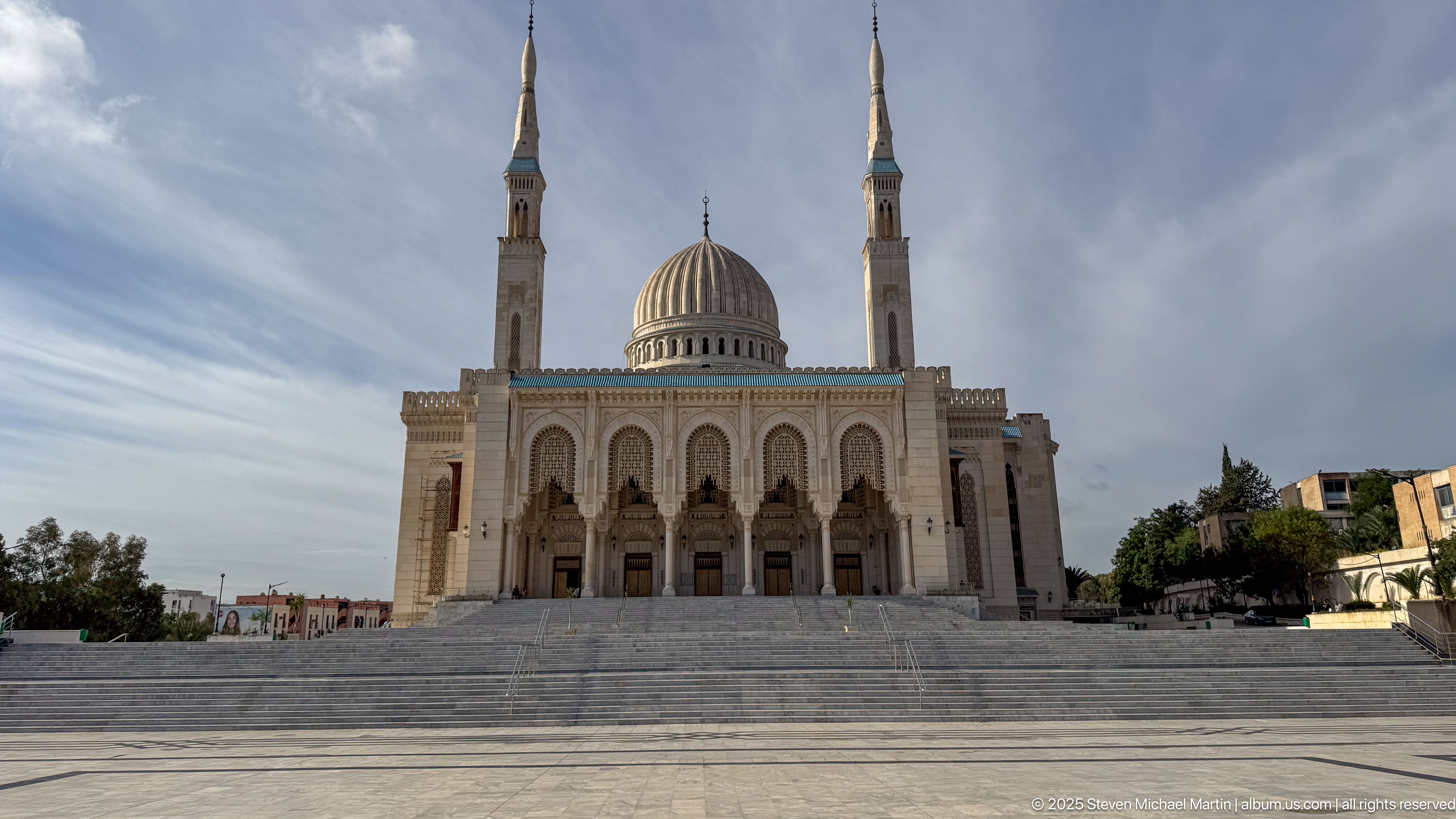
★ #5
Casbah
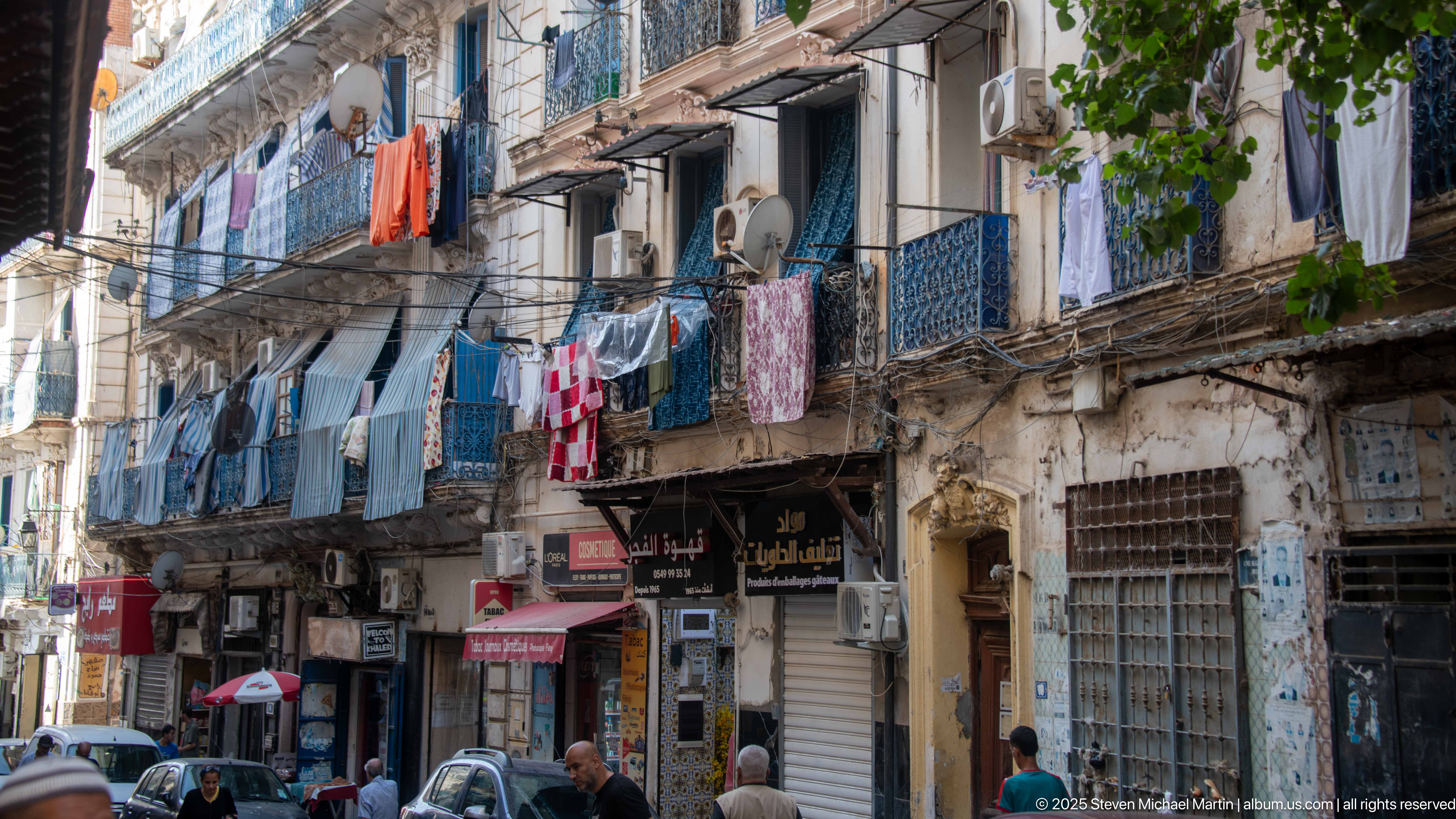
The historic Casbah of Algiers forms the ancient heart of the city, rising above the harbor in a maze of narrow streets and whitewashed buildings.
Cirta Museum
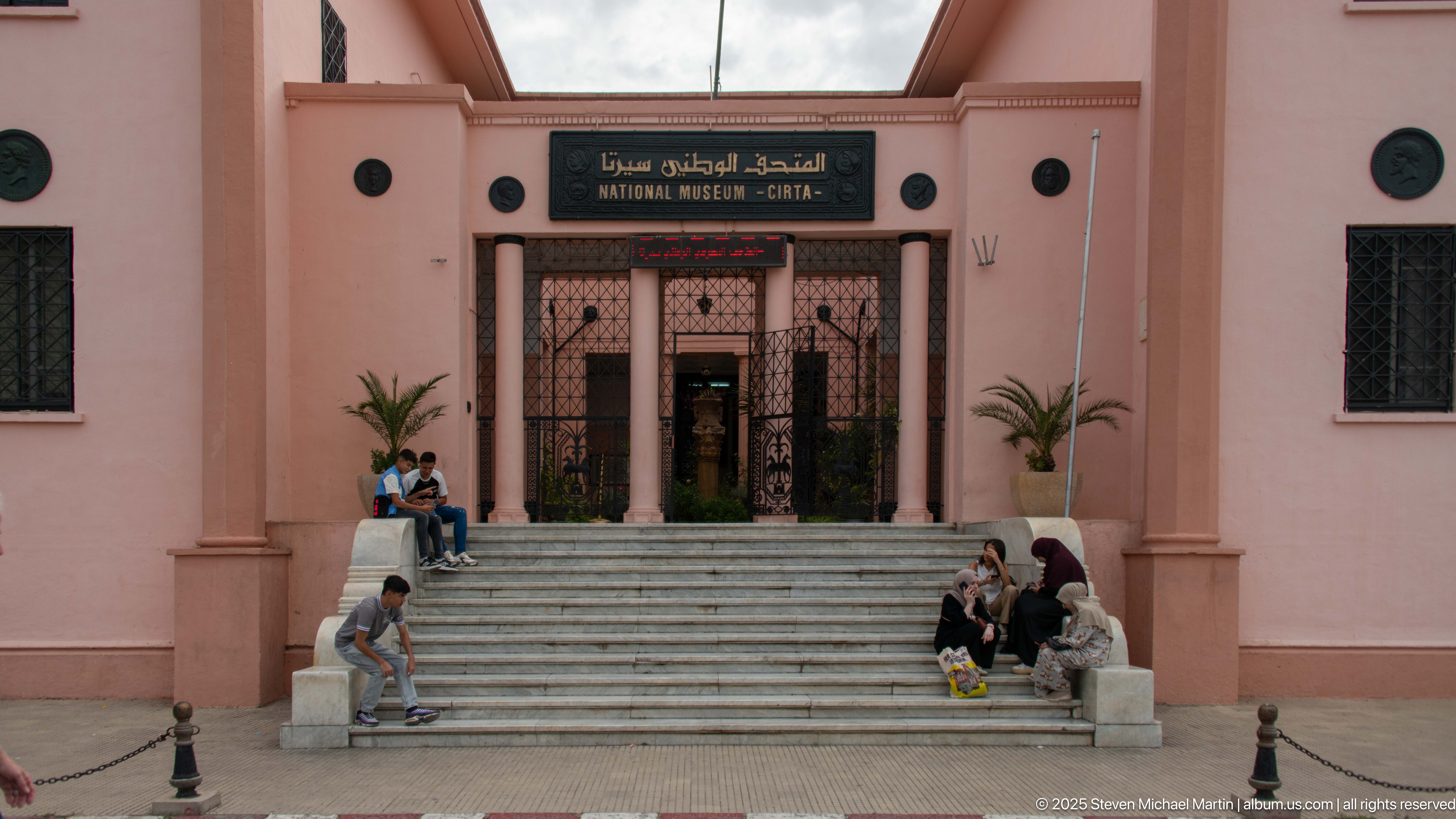
The Cirta Museum preserves artifacts that illustrate the long history of Constantine, known in ancient times as Cirta. The city served as an important center of the Numidian Kingdom and later became a significant Roman settlement in North Africa.
★ #9
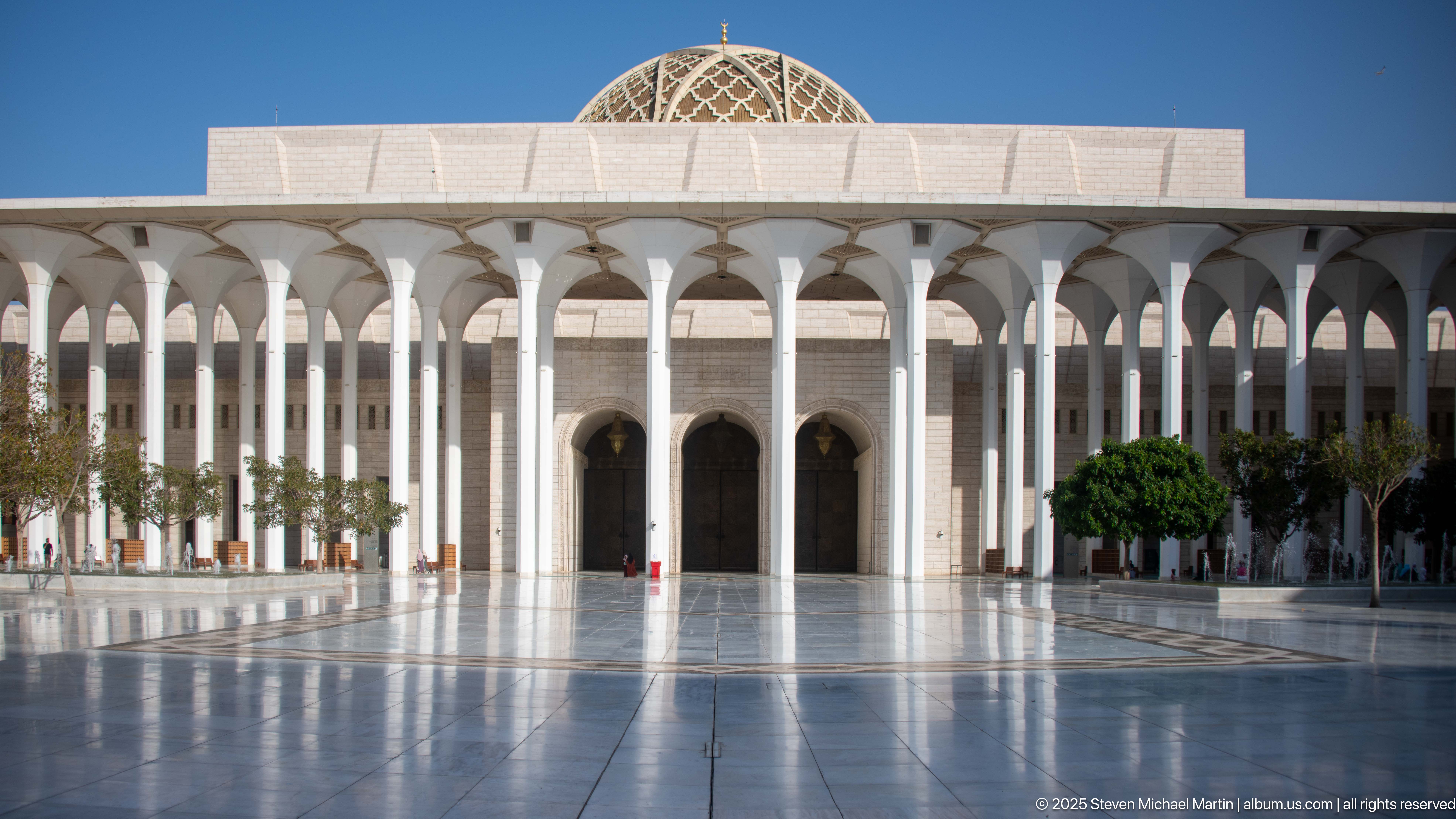
Great Mosque of Algeria
The Djamaa el Djazaïr is one of the most prominent modern landmarks in Algiers. Completed in the early 21st century, the mosque complex is among the largest in Africa and features one of the tallest minarets in the world.
Tunisia (4)
Tunisia is represented by 4 portfolios in this collection, including Bardo Museum Tunis, Tunis, and Tunis Médina.
Bardo Museum Tunis
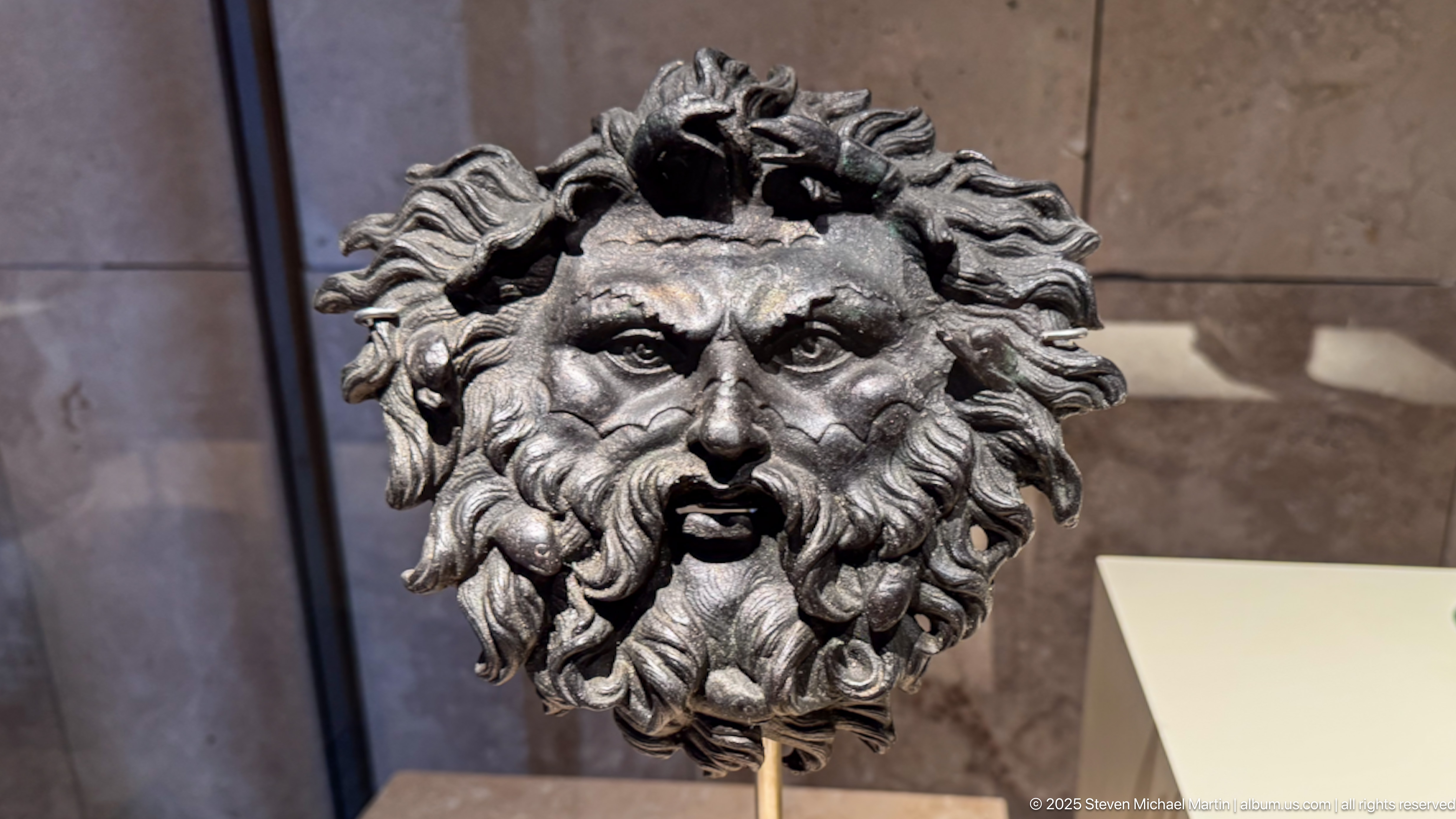
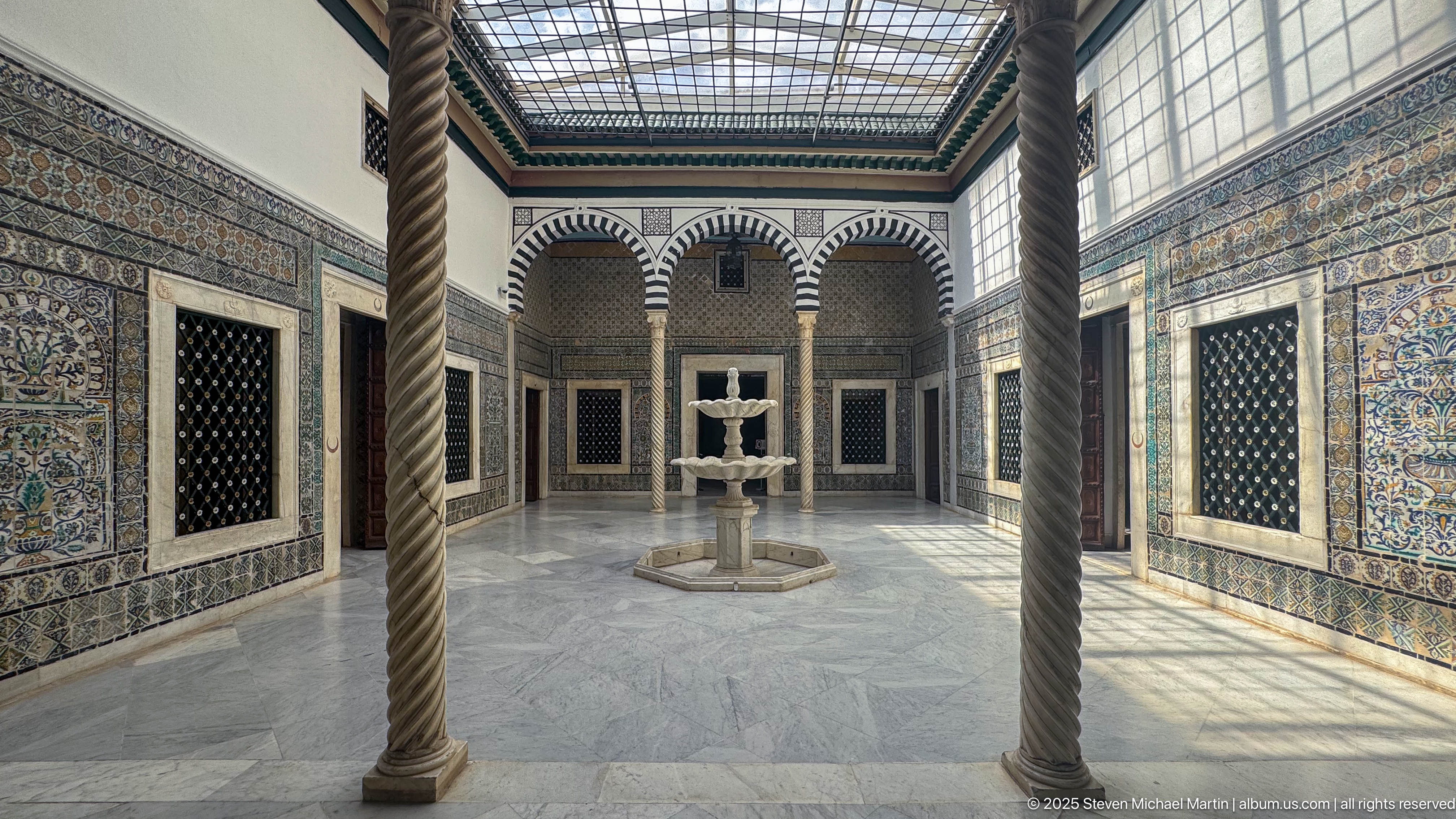
The Bardo National Museum is one of the most important museums in Tunis and among the finest archaeological museums in North Africa.
Tunis
The city of Tunis stands along the Mediterranean coast near the ancient ruins of Carthage. As the capital of Tunisia, Tunis has long served as the political, cultural, and economic center of the country.
Tunis Médina
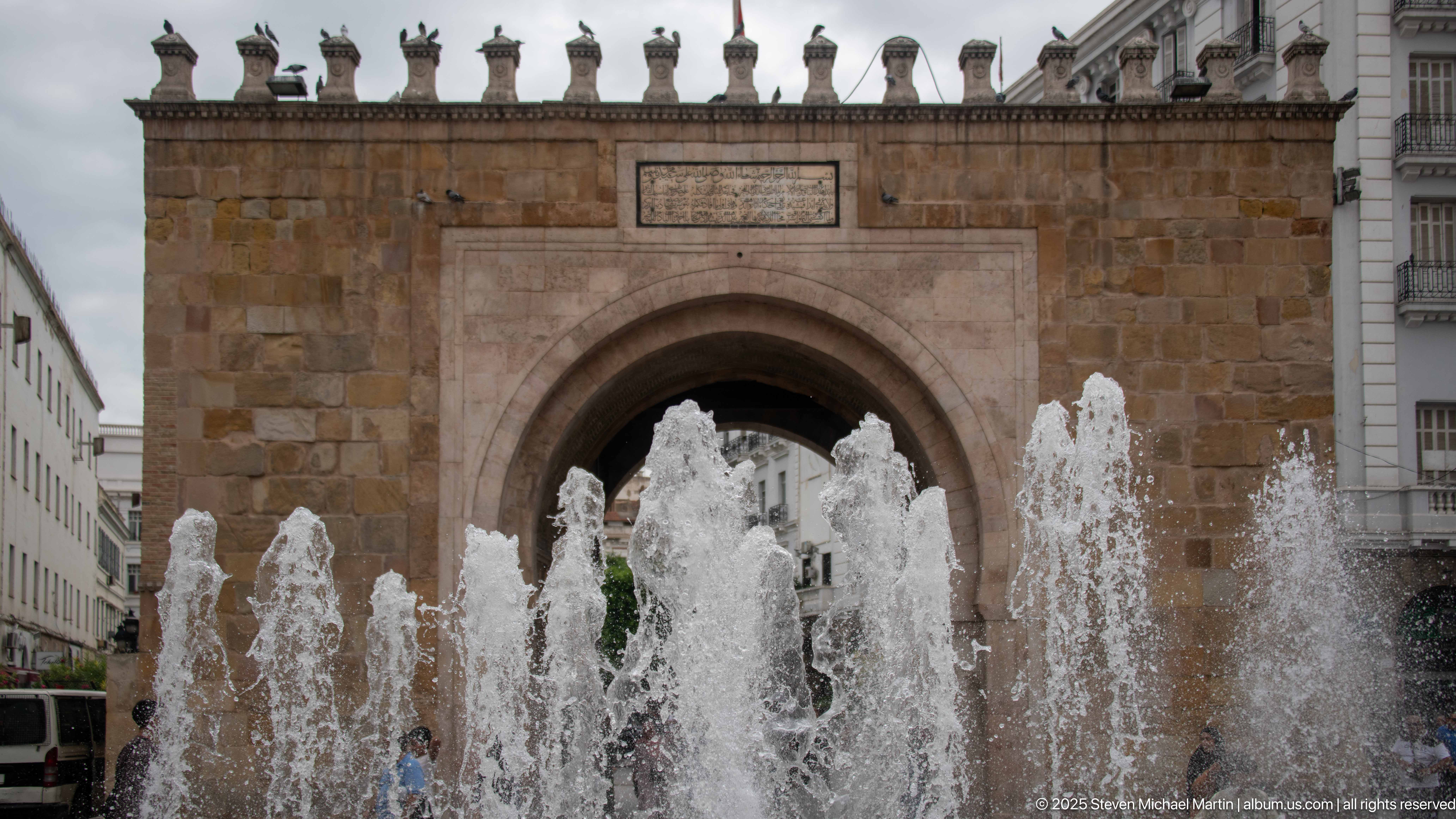
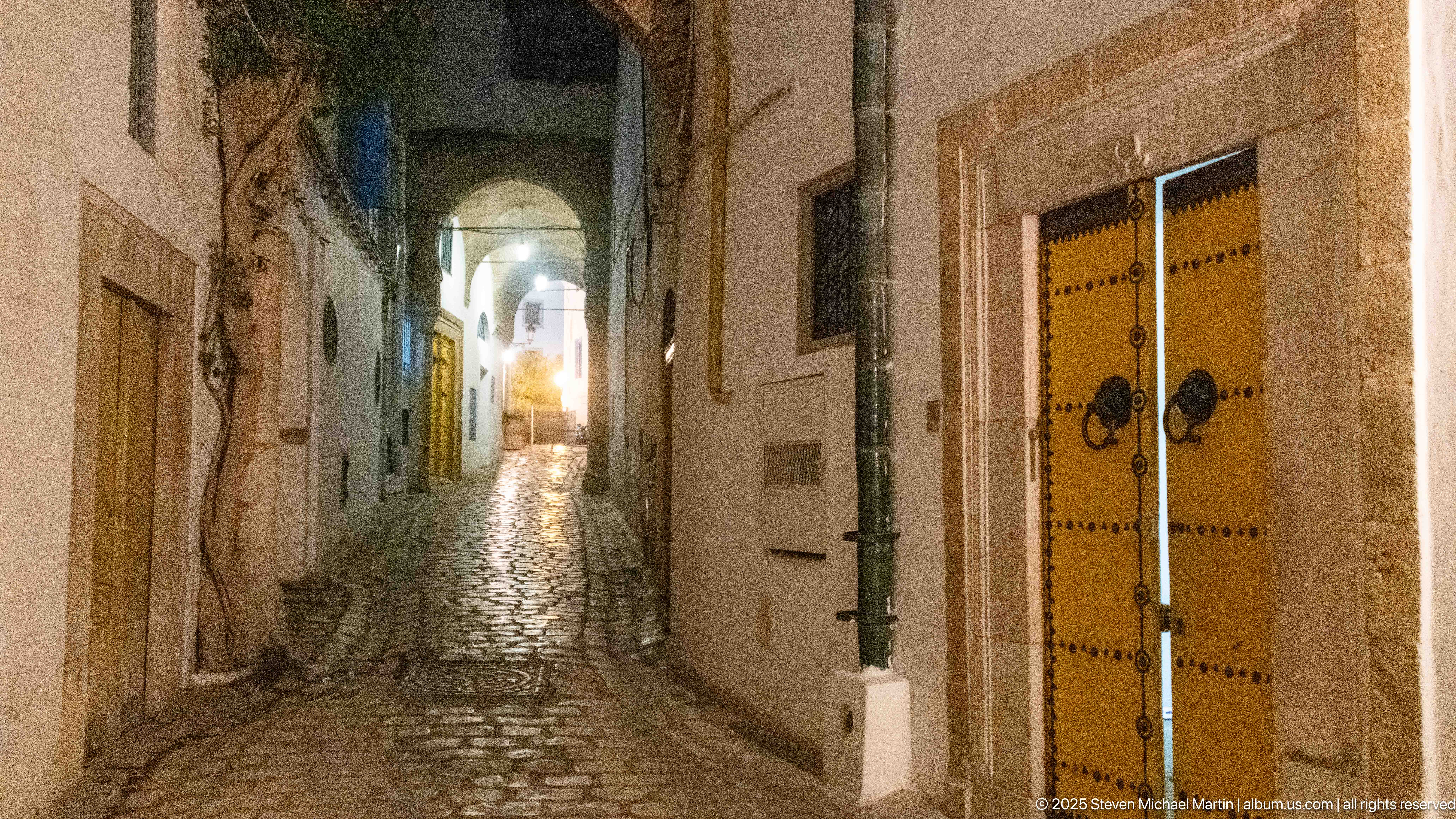
The historic Medina of Tunis forms the ancient heart of Tunis. Established more than a thousand years ago, the medina developed as a thriving center of commerce, religion, and scholarship in the medieval Islamic world.
★ #6
Zitouna Mosque
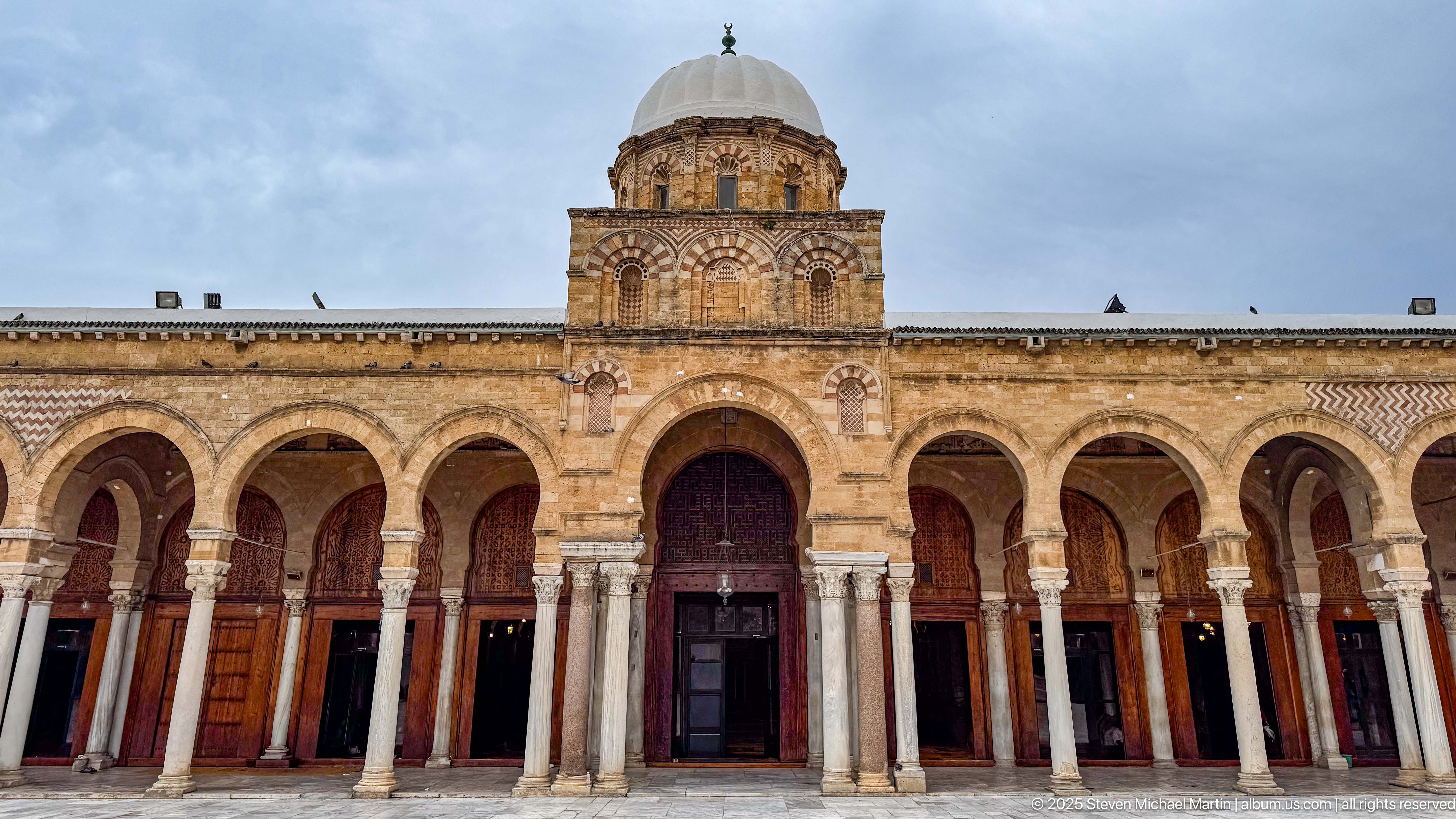
The Zitouna Mosque, often called the Zitouna Grand Mosque, stands at the heart of the historic Medina of Tunis. Founded in the 8th century, it is the oldest and most important mosque in the city.
Turkey (3)
Turkey is represented by 3 portfolios in this collection, including Hagia Sophia Grand Mosque, Suleymaniye Mosque, and The Blue Mosque.
★ #2
Hagia Sophia Grand Mosque
Hagia Sophia is one of the most historically significant buildings in the world and reflects the transformation of religious architecture across multiple empires.
Suleymaniye Mosque
The Suleymaniye Mosque is one of the most important architectural achievements of the Ottoman Empire and was designed by the renowned imperial architect Mimar Sinan in the 16th century.
★ #7
The Blue Mosque
The Blue Mosque, officially known as the Sultan Ahmed Mosque, is one of the most recognizable landmarks of Istanbul and a masterpiece of Ottoman architecture.
United Arab Emirates (2)
United Arab Emirates is represented by 2 portfolios in this collection, including Qasr Al Watan and Sheikh Zayed Grand Mosque.
Qasr Al Watan
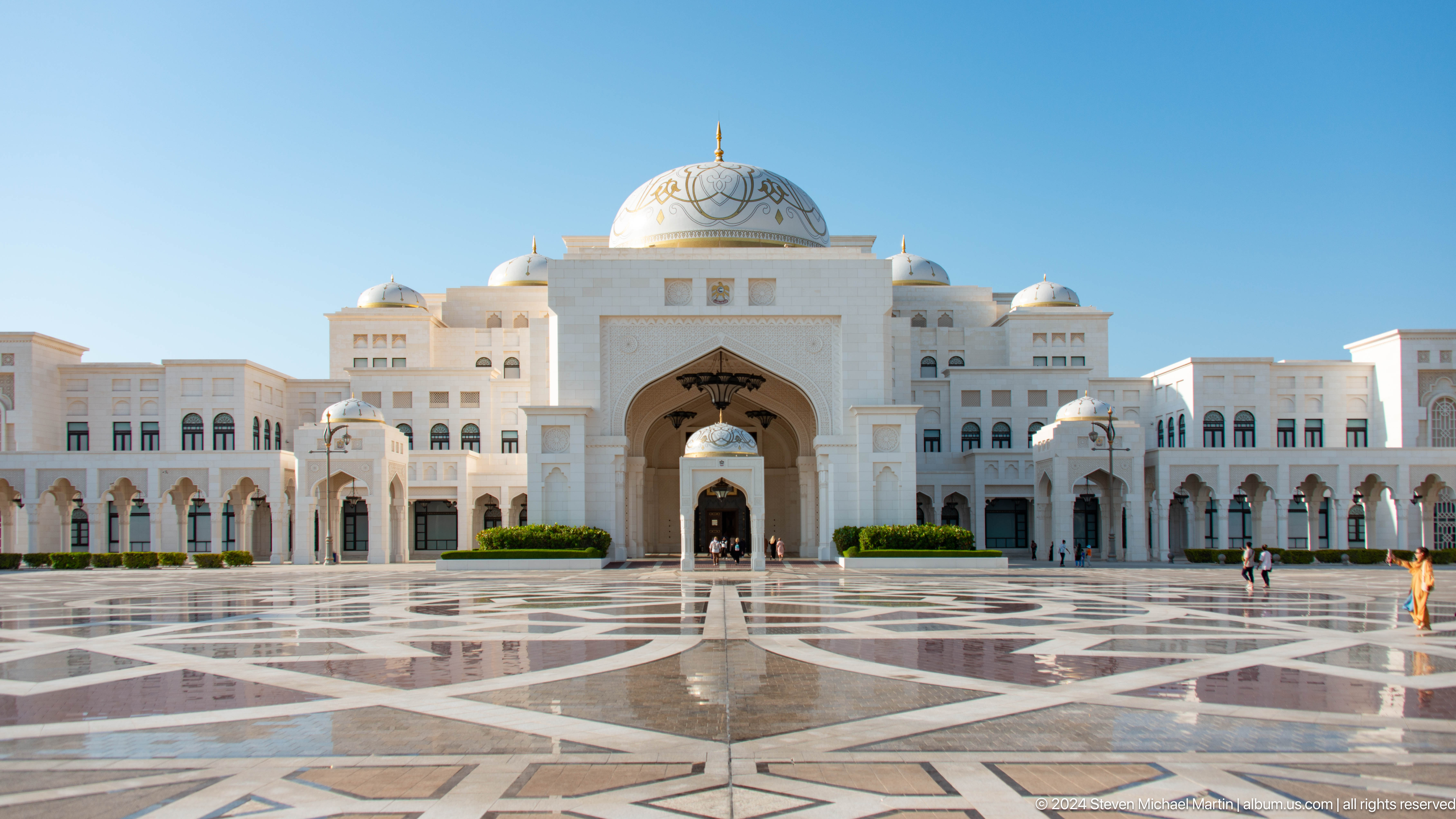
Qasr Al Watan is a presidential palace in Abu Dhabi that reflects architectural traditions inspired by classical Islamic design. The structure incorporates decorative elements emphasizing symmetry, geometric ornamentation, and formal spatial organization.
★ #8
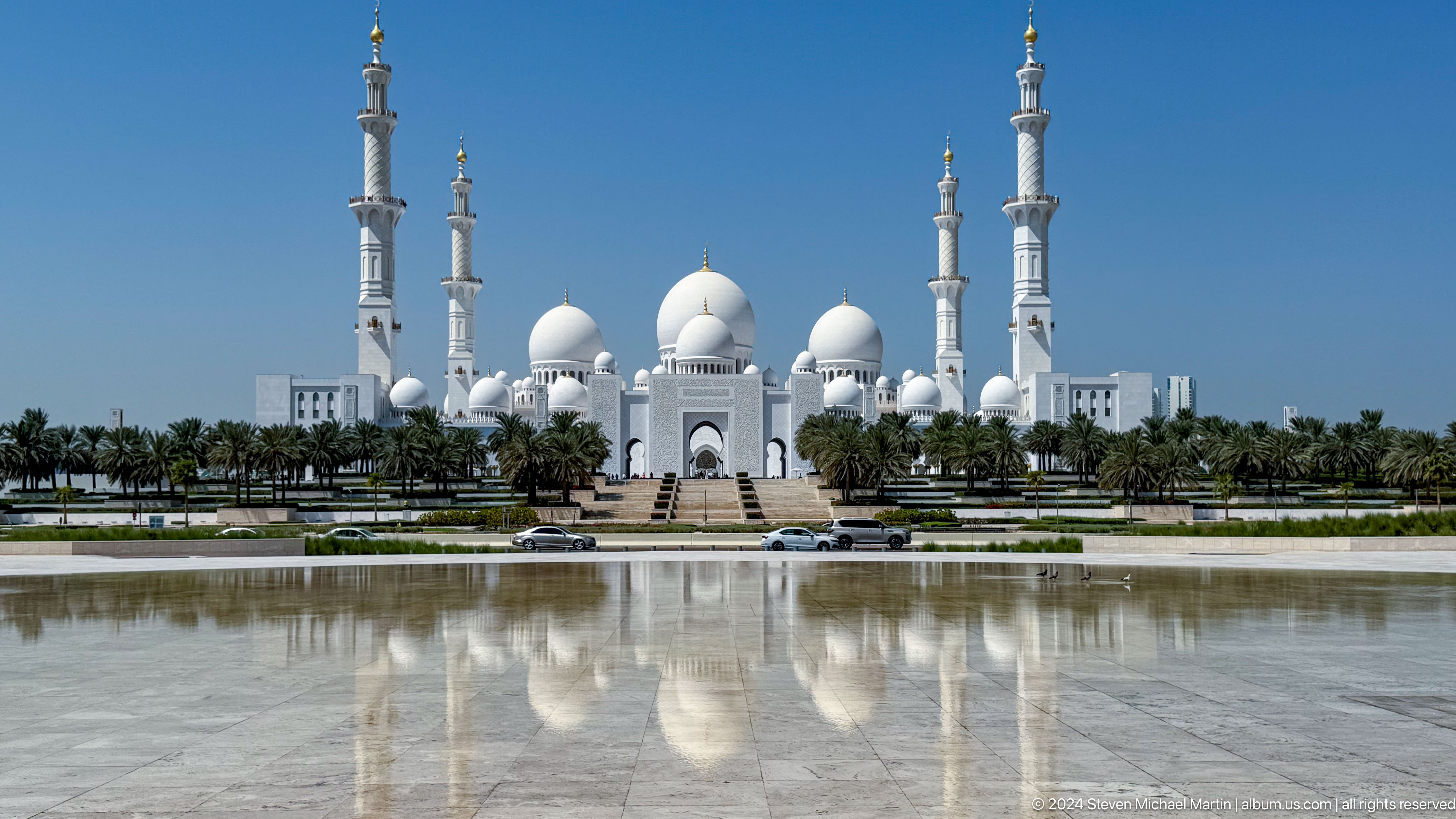
Sheikh Zayed Grand Mosque
The Sheikh Zayed Grand Mosque is one of the largest mosques in the world and reflects architectural traditions drawn from multiple regions of the Islamic world.
Israel (1)
Israel is represented by 1 portfolio in this collection, led by Temple Mount.
★ #4
Temple Mount
Temple Mount in Jerusalem is one of the most historically and religiously significant locations in the world.
Kazakhstan (1)
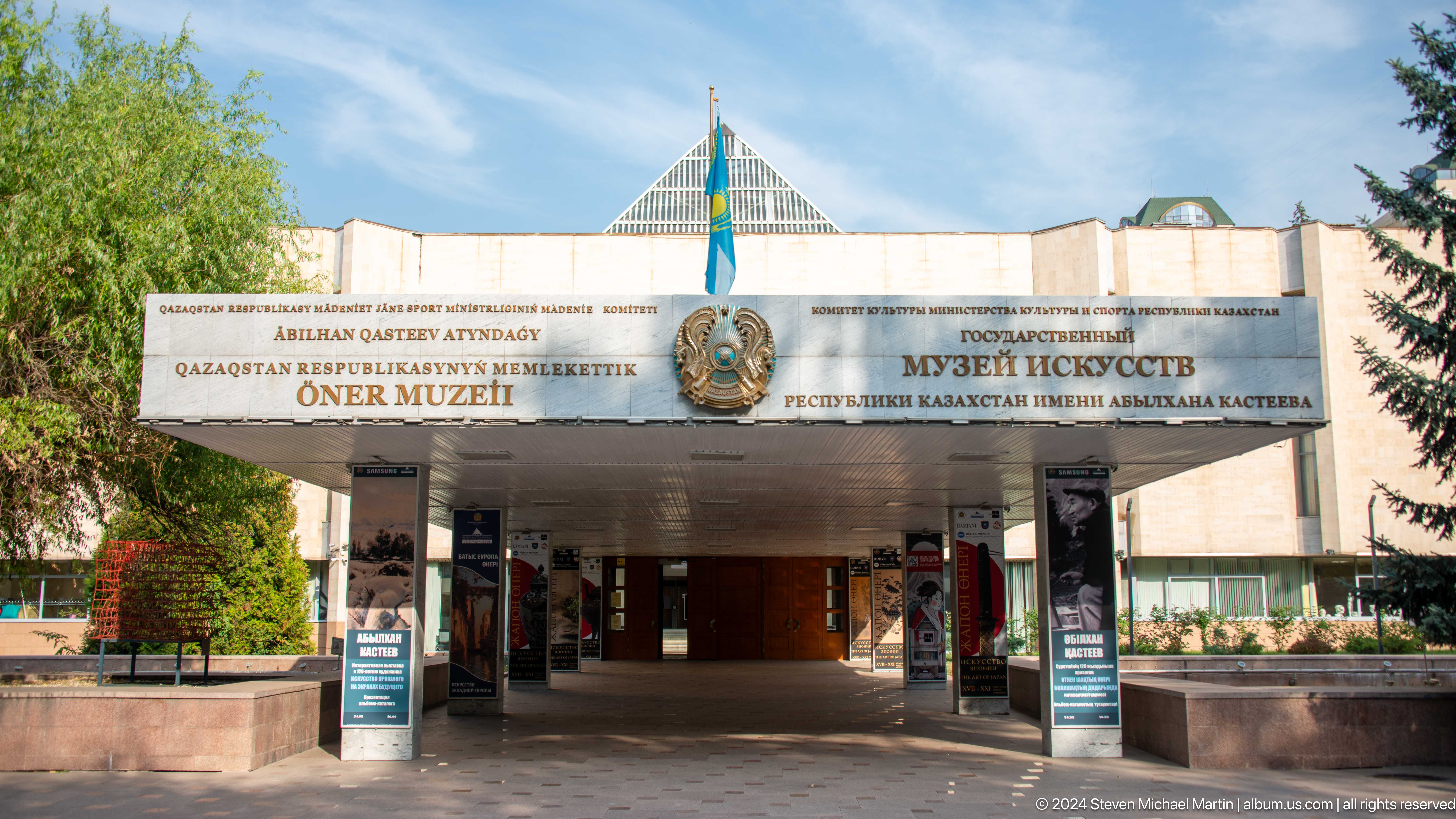
Kazakhstan is represented by 1 portfolio in this collection, led by Abilkhan Kasteev State Art Museum.
Abilkhan Kasteev State Art Museum
The Kasteev State Museum of Arts in Almaty is the largest art museum in Kazakhstan and preserves collections reflecting the cultural heritage of Central Asia.
Kyrgyzstan (1)
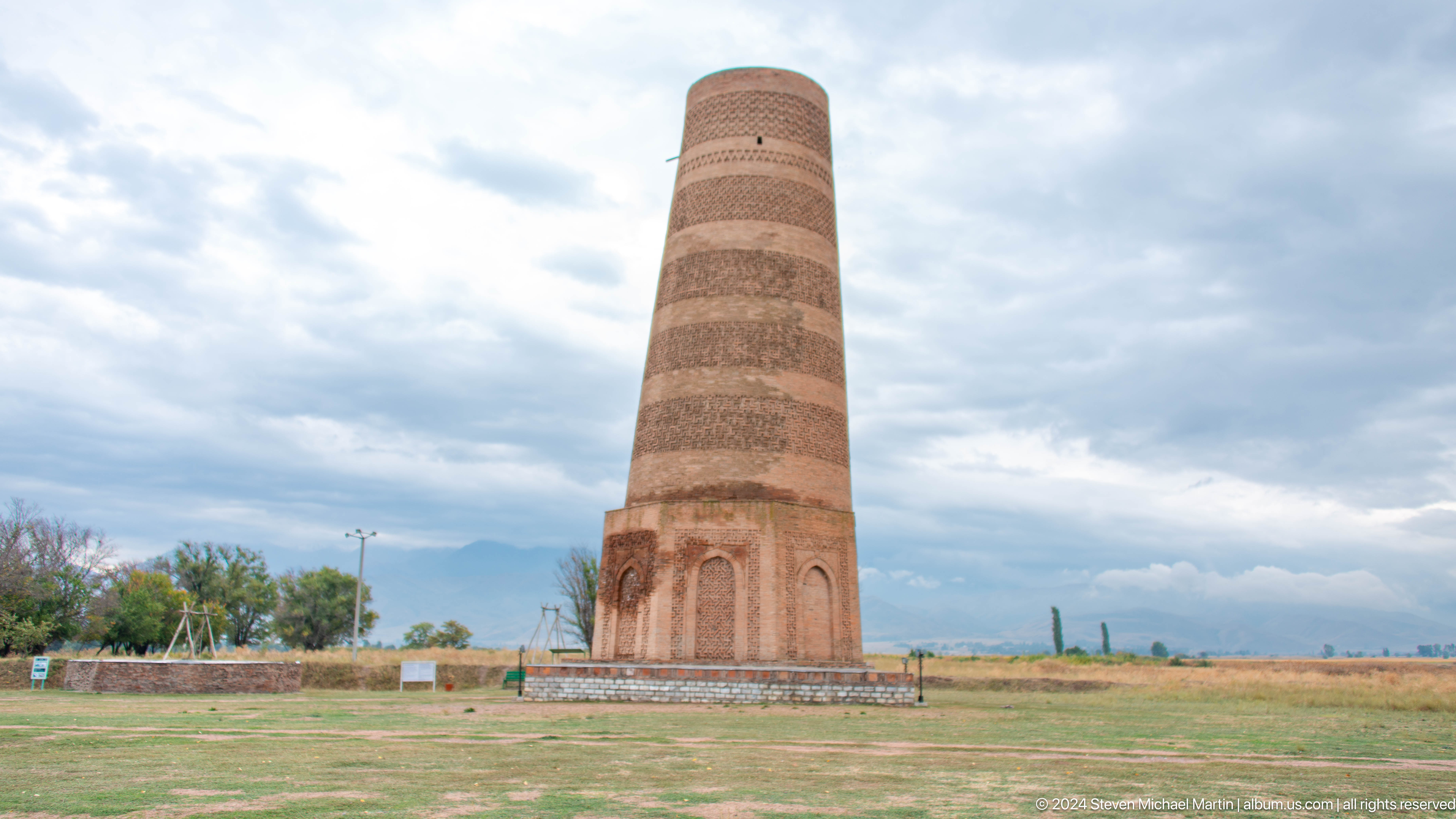
Kyrgyzstan is represented by 1 portfolio in this collection, led by Burana Tower.
Burana Tower
Burana Tower Burana Tower is a minaret dating to the eleventh century and represents one of the most important surviving structures from the city of Balasagun, an early Silk Road settlement in present-day Kyrgyzstan.
Tajikistan (1)
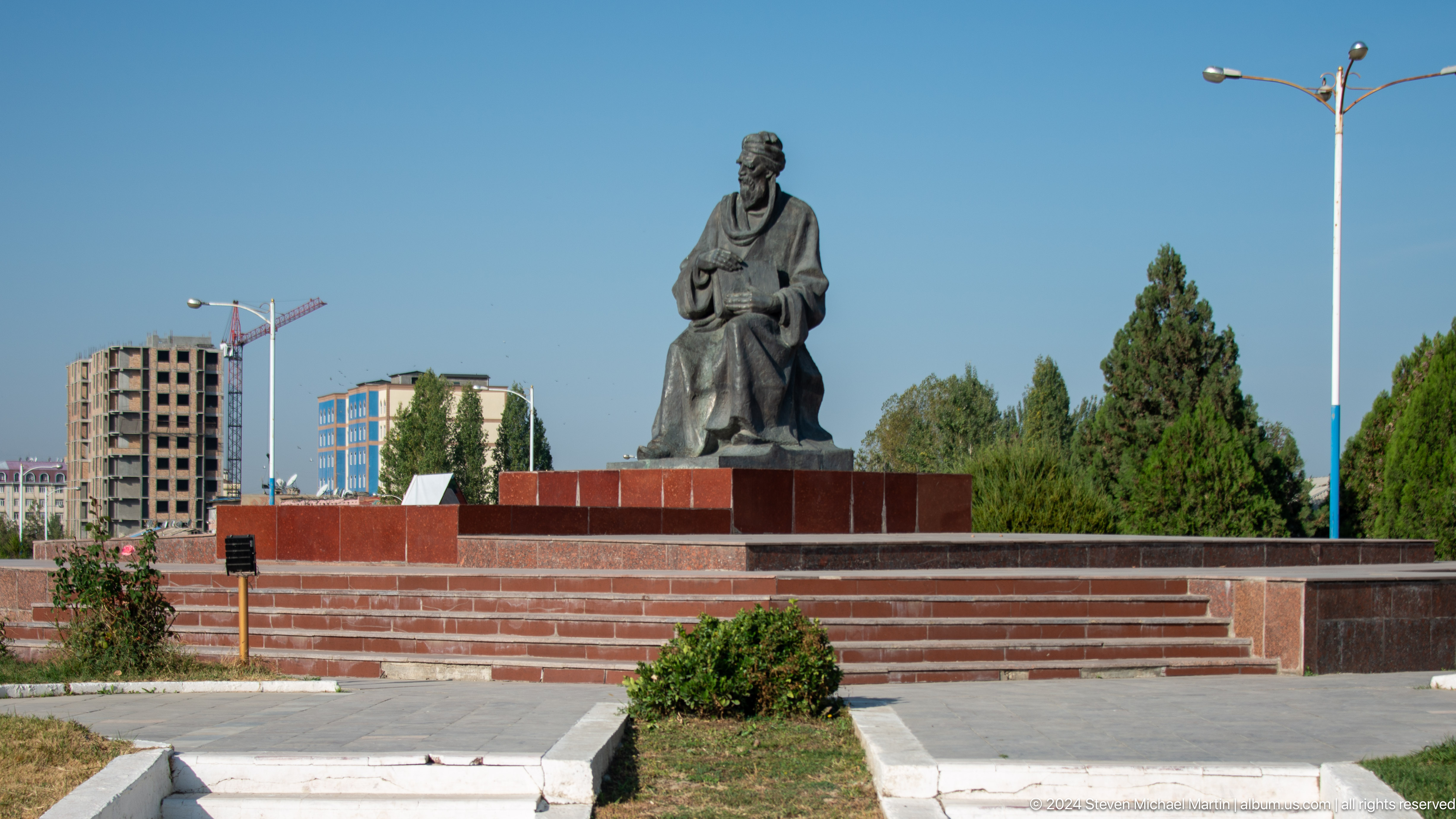
Tajikistan is represented by 1 portfolio in this collection, led by Rudaki Historical Museum.
Rudaki Historical Museum
The Rudaki Historical Museum is dedicated to the cultural legacy of Abu Abdallah Rudaki, a tenth-century Persian poet widely regarded as one of the founders of classical Persian literature.