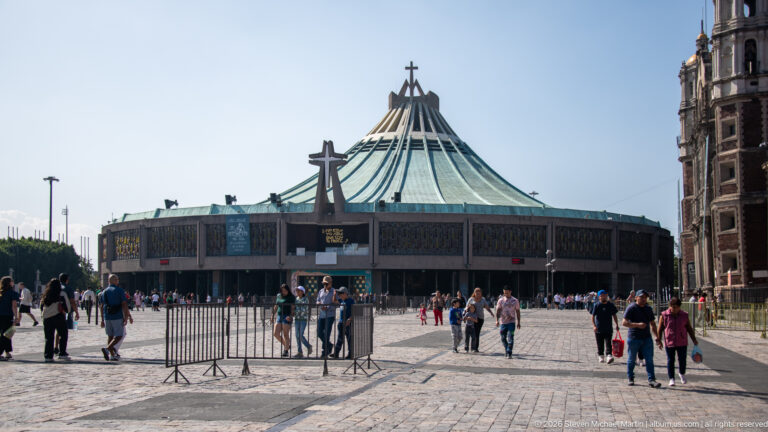
Basilica of Our Lady of Guadalupe
Basilica of Our Lady of Guadalupe The Basilica of Our Lady of Guadalupe stands at Tepeyac, one of Mexico City’s […]
Explore Portfolio
Four nights in Mexico City during Día de Muertos revealed an extraordinary convergence of ancient civilizations, magnificent colonial architecture, vibrant traditions, and exceptional cuisine. From the illuminated Zócalo to the pyramids of Teotihuacán, our three days offered an unforgettable journey through the history and culture of Mexico’s capital.
Our visit to Mexico City coincided with Día de Muertos, when the capital’s historic streets and public squares come alive with marigolds, elaborate ofrendas, colorful costumes, and celebrations honoring the departed. Staying at Hotel Bellas Artes on Avenida 5 de Mayo placed us in the heart of Centro Histórico, within walking distance of extraordinary architectural landmarks and the festivities surrounding the Zócalo. Although we missed the main parade, encounters with its elaborate floats and costumes, nighttime walks through the decorated square, and the Water Lantern Festival at Lago Mayor provided memorable experiences of the holiday.
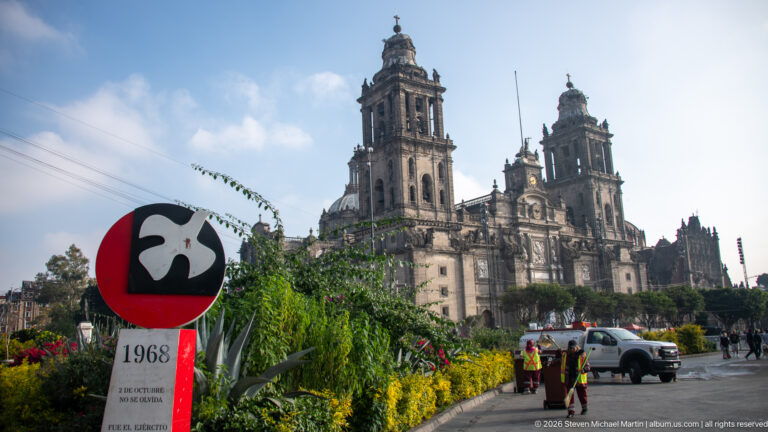
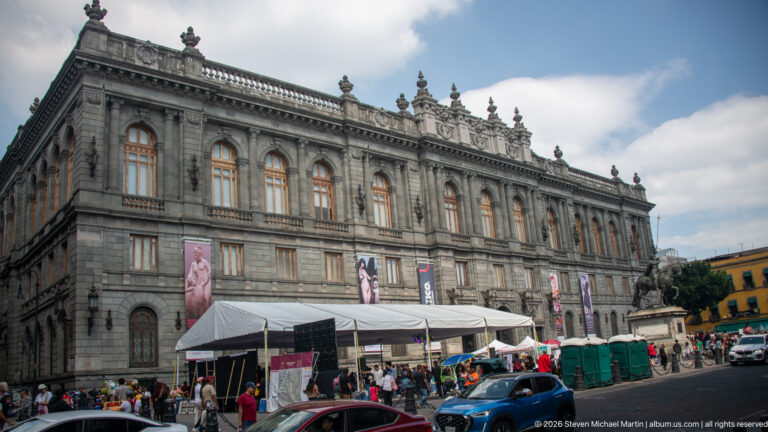
Over three full days, we explored the remarkable layers of Mexican history, from the monumental pyramids of Teotihuacán and the excavated ceremonial center of Tenochtitlan at Templo Mayor to the magnificent churches and civic buildings of colonial and modern Mexico City. The Metropolitan Cathedral and adjoining Sagrario Metropolitano were breathtaking, while the lavish interior of Palacio Postal was among the trip’s greatest architectural surprises. Visits to Chapultepec Castle, the National Museum of Anthropology, Palacio de Bellas Artes, and the Basilica of Our Lady of Guadalupe revealed the city’s extraordinary cultural and religious heritage.
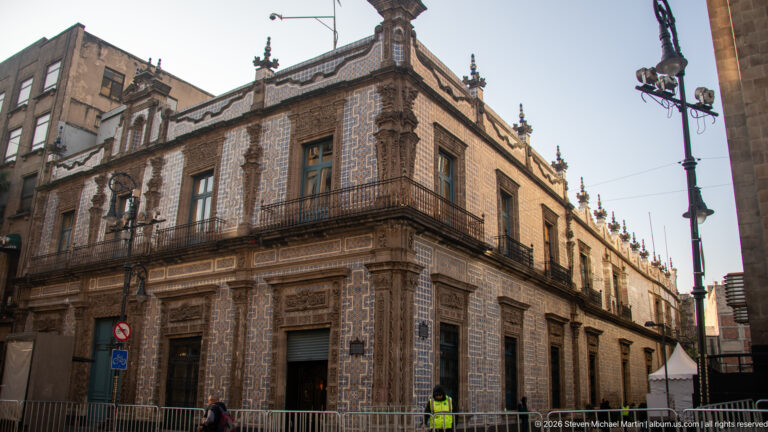
Equally memorable were the discoveries made while wandering the historic center and the exceptional food we enjoyed throughout the visit. The richly decorated Church of San Francisco, the tiled façade and courtyard of Casa de los Azulejos, and the lively pedestrian streets offered unexpected rewards. Meals at Fishers, La Única, and La Once Mil, inventive cocktails at Long Story Short, and an outstanding mole at Casa de los Azulejos made the city’s cuisine a highlight in its own right. In just three days, Mexico City exceeded our expectations, offering an extraordinary combination of archaeology, architecture, living traditions, and culinary experiences.
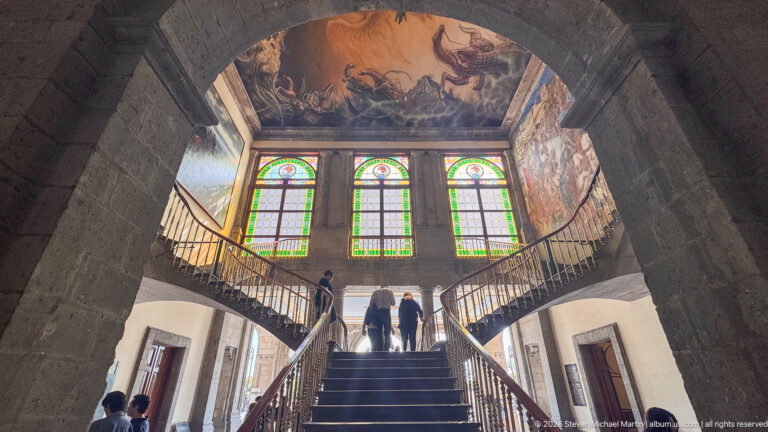
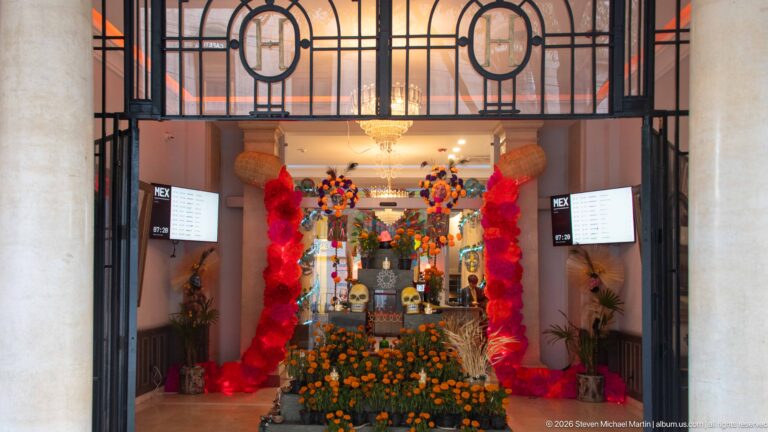
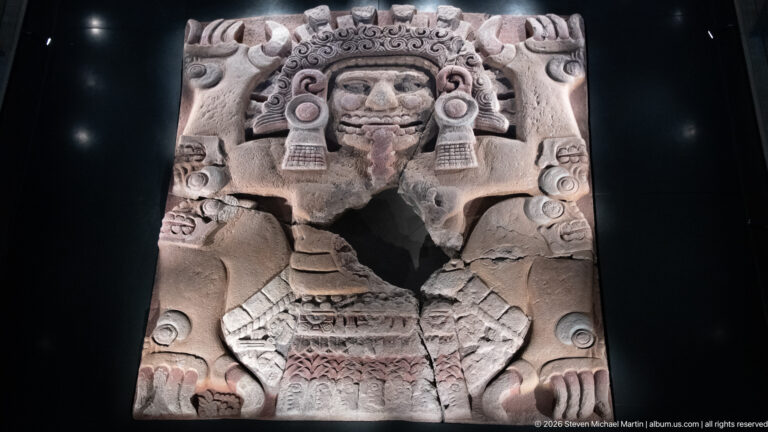
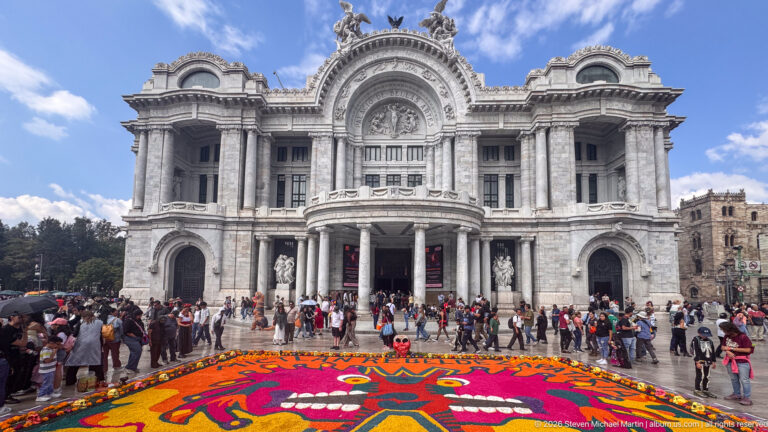
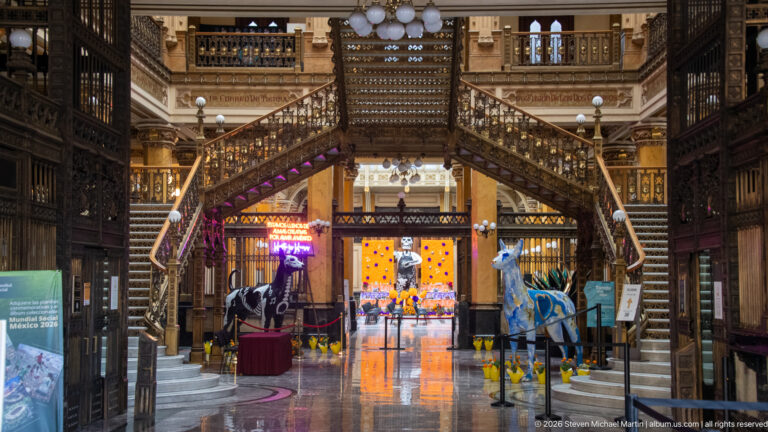
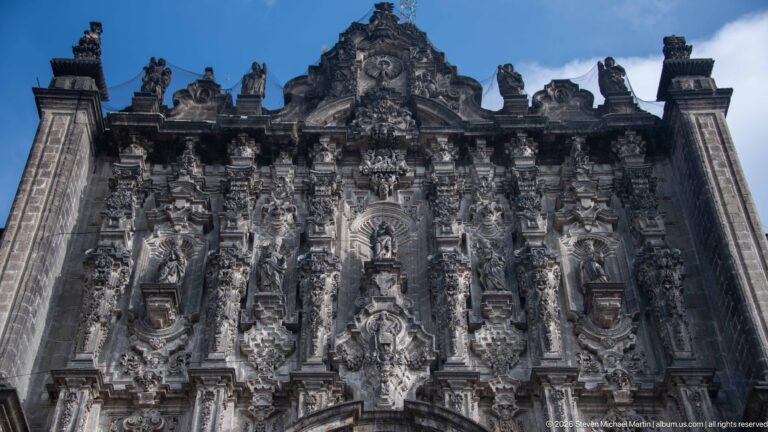
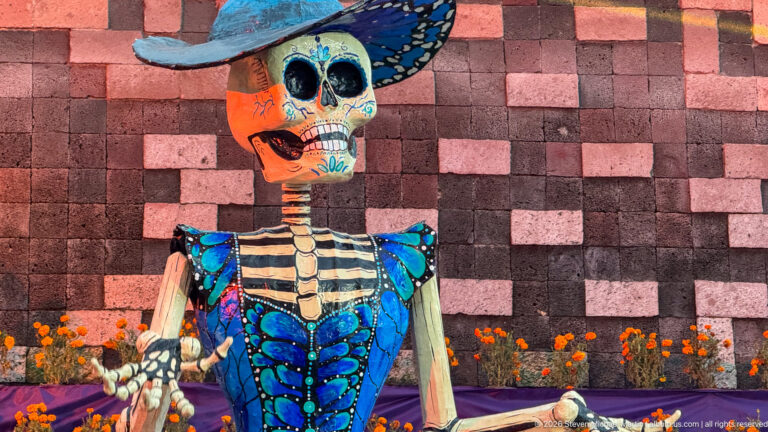
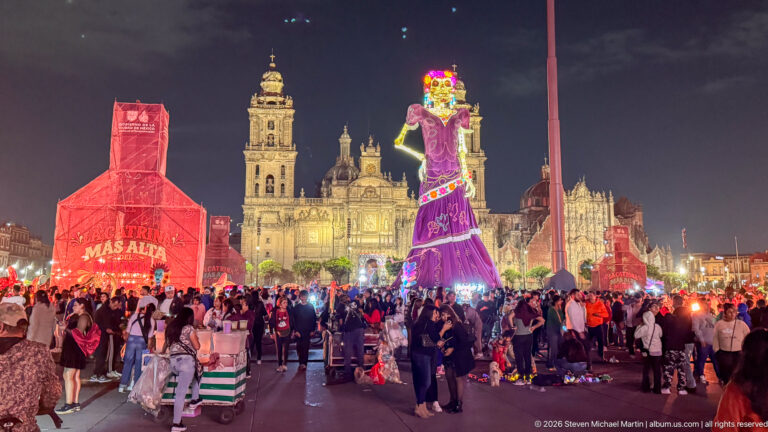
Arriving in Mexico City on Friday evening, we checked into Hotel Bellas Artes on Avenida 5 de Mayo, ideally situated for exploring the historic center on foot. Despite the late hour, we made our first visit to the Zócalo, where illuminated colonial buildings, holiday decorations, and the atmosphere of Día de Muertos provided a memorable introduction to the city.
Our first full day began at the National Museum of Anthropology, followed by Chapultepec Castle and the surrounding park. After lunch at Fishers, we returned to Centro Histórico to experience the Día de Muertos celebrations. Although we missed the main parade, we encountered elaborate floats and costumes along the parade route and later in the Zócalo. The evening concluded with creative cocktails at Long Story Short.
Sunday was devoted to the remarkable concentration of historic landmarks surrounding the Zócalo. We explored the Metropolitan Cathedral and adjoining Sagrario Metropolitano before visiting Templo Mayor, whose excavated Aztec ceremonial complex was one of the trip’s greatest surprises. Our architectural exploration continued at Palacio Postal, with its extraordinary ornate interior, and the monumental Palacio de Bellas Artes. That evening, we attended the Water Lantern Festival at Lago Mayor in Chapultepec Park before enjoying dinner at La Única.
On Día de Muertos itself, we traveled northeast to Teotihuacán to explore the monumental pyramids and ancient ceremonial city. Returning toward Mexico City, we visited the Basilica of Our Lady of Guadalupe, where historic and modern sanctuaries illustrate centuries of religious devotion. Back in Centro Histórico, an afternoon walk led to the magnificent Church of San Francisco and Casa de los Azulejos, where the traditional mole was outstanding. Our final evening concluded with dinner at La Once Mil, a fitting end to a trip distinguished as much by its exceptional cuisine as by its architecture and history.