Chapultepec Park and Castle
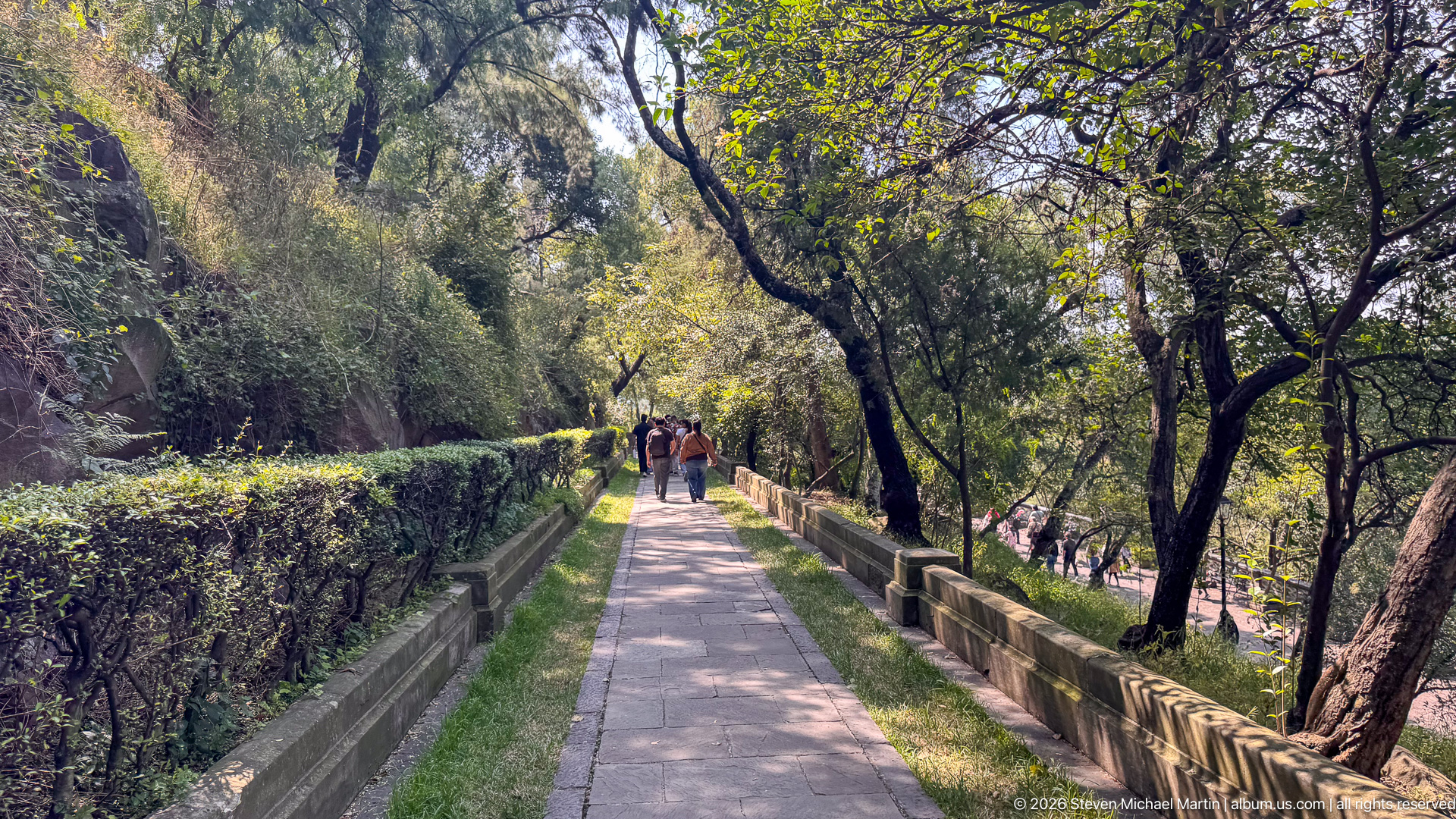
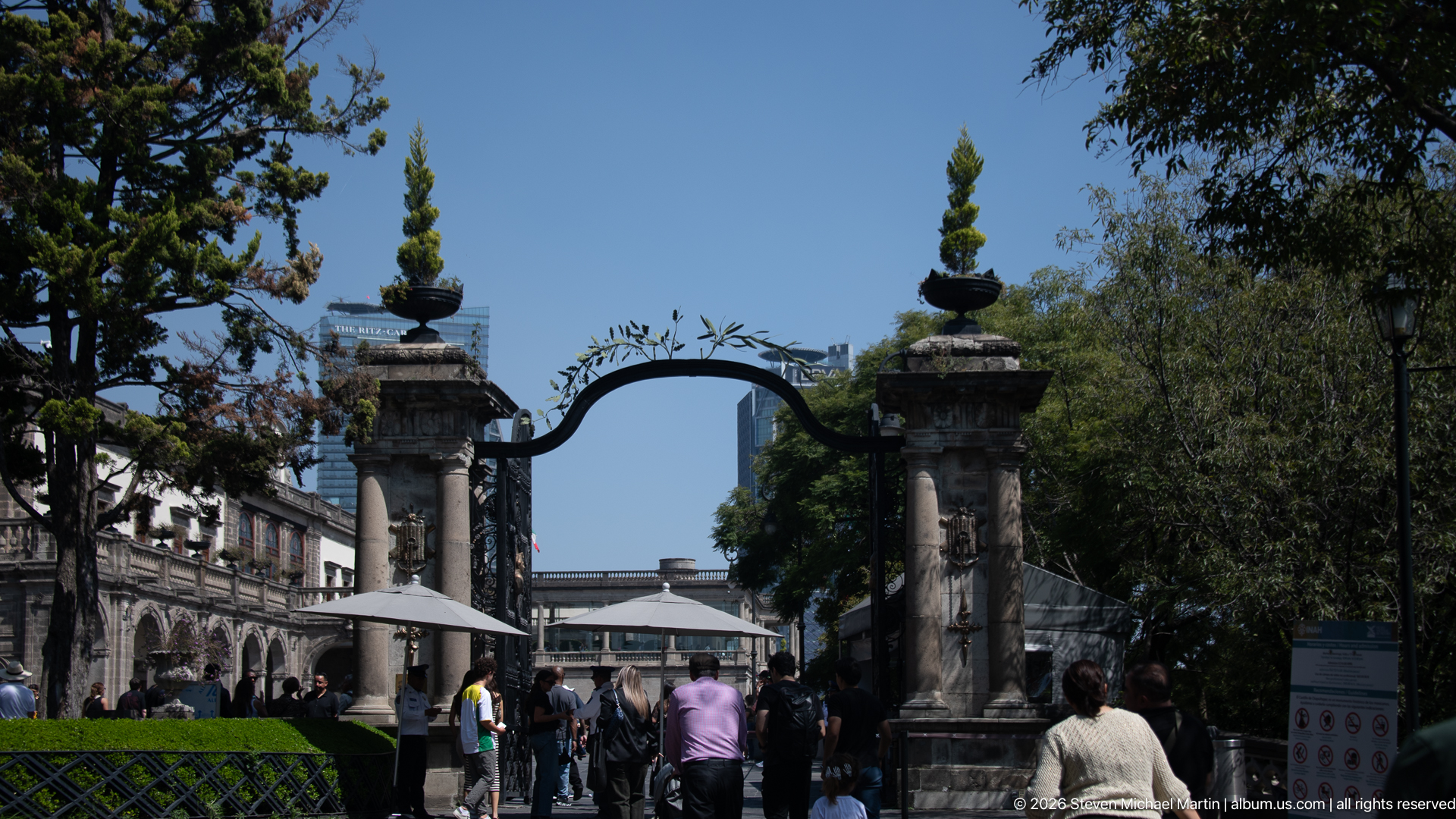
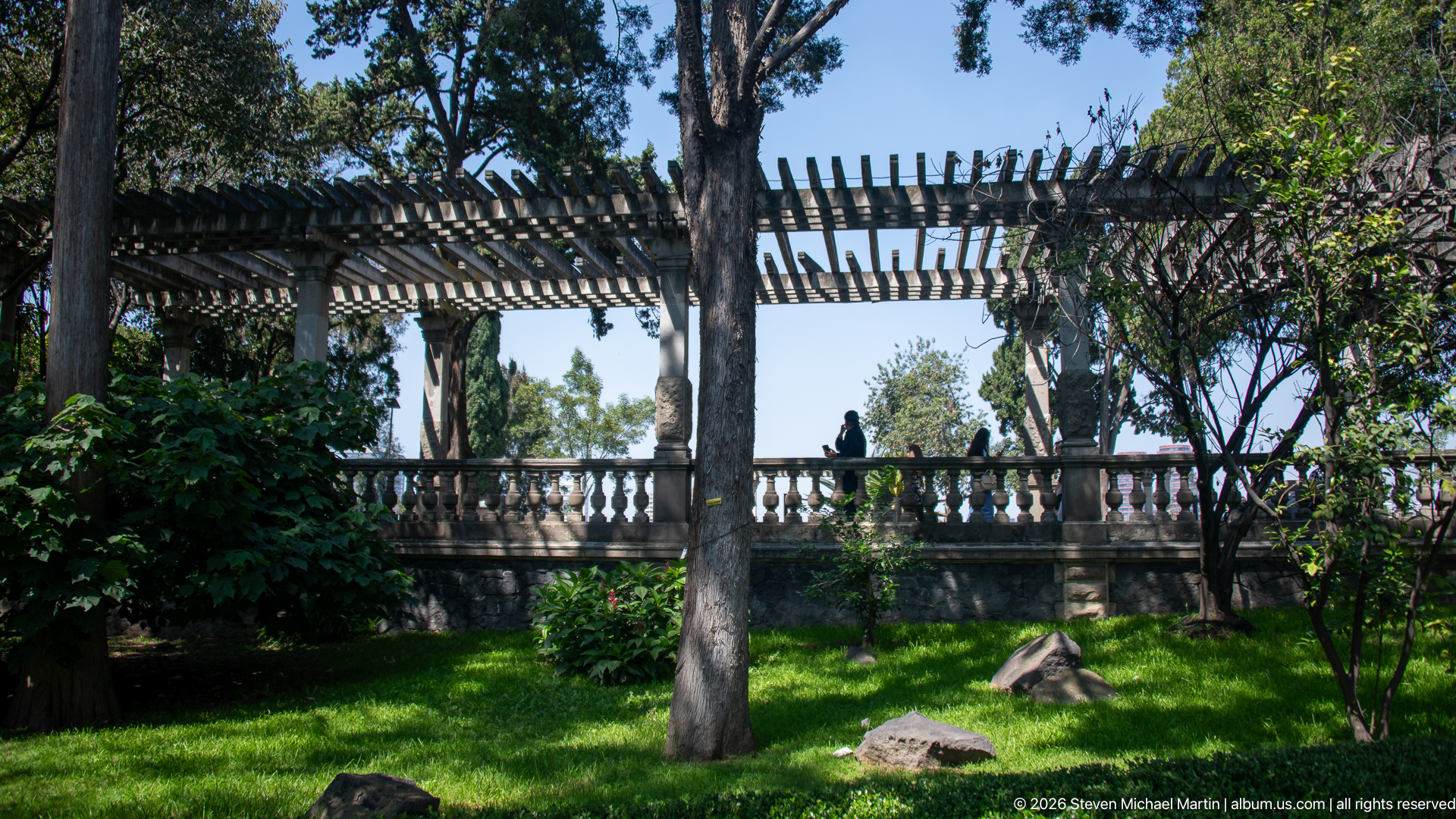
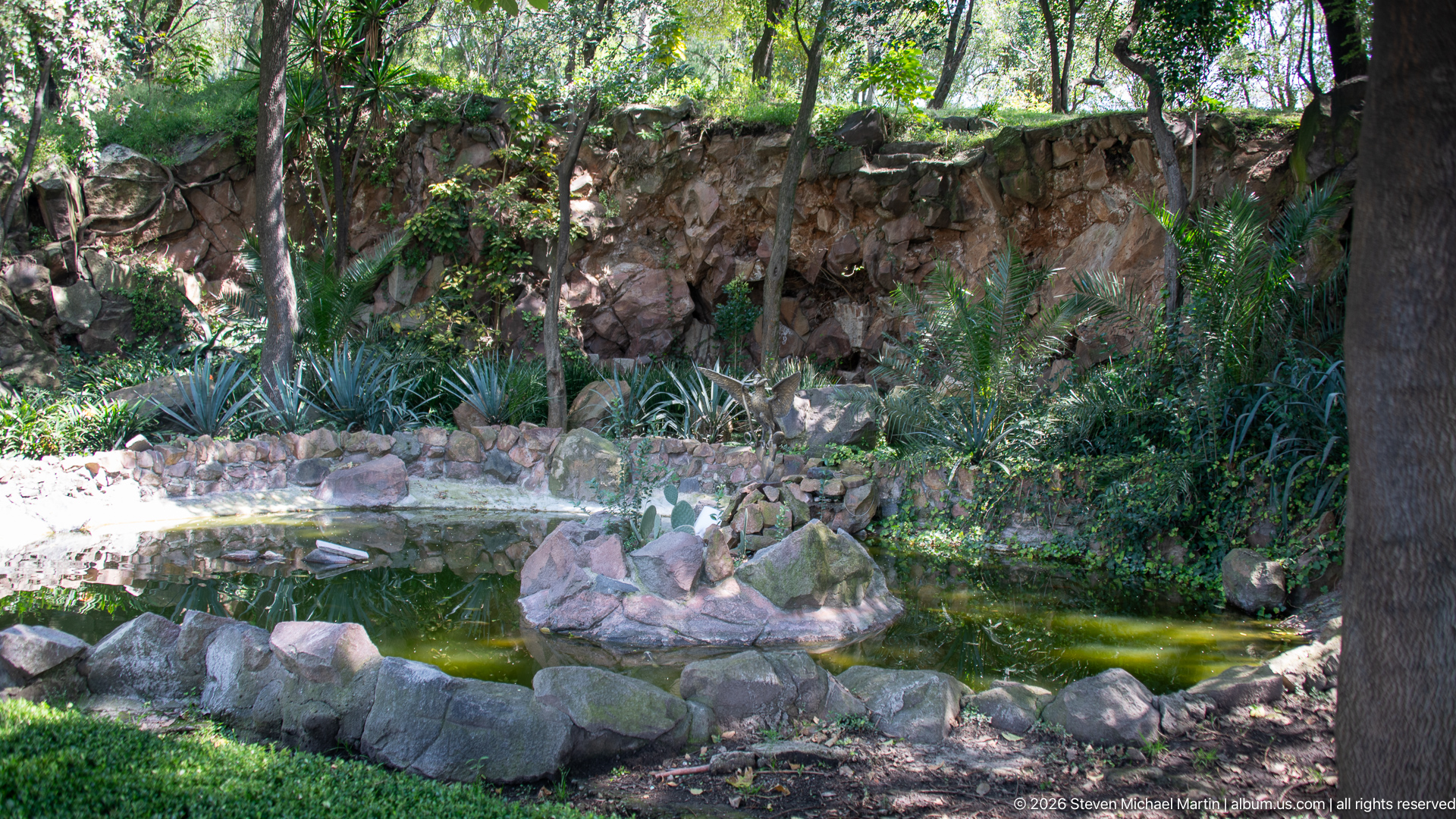
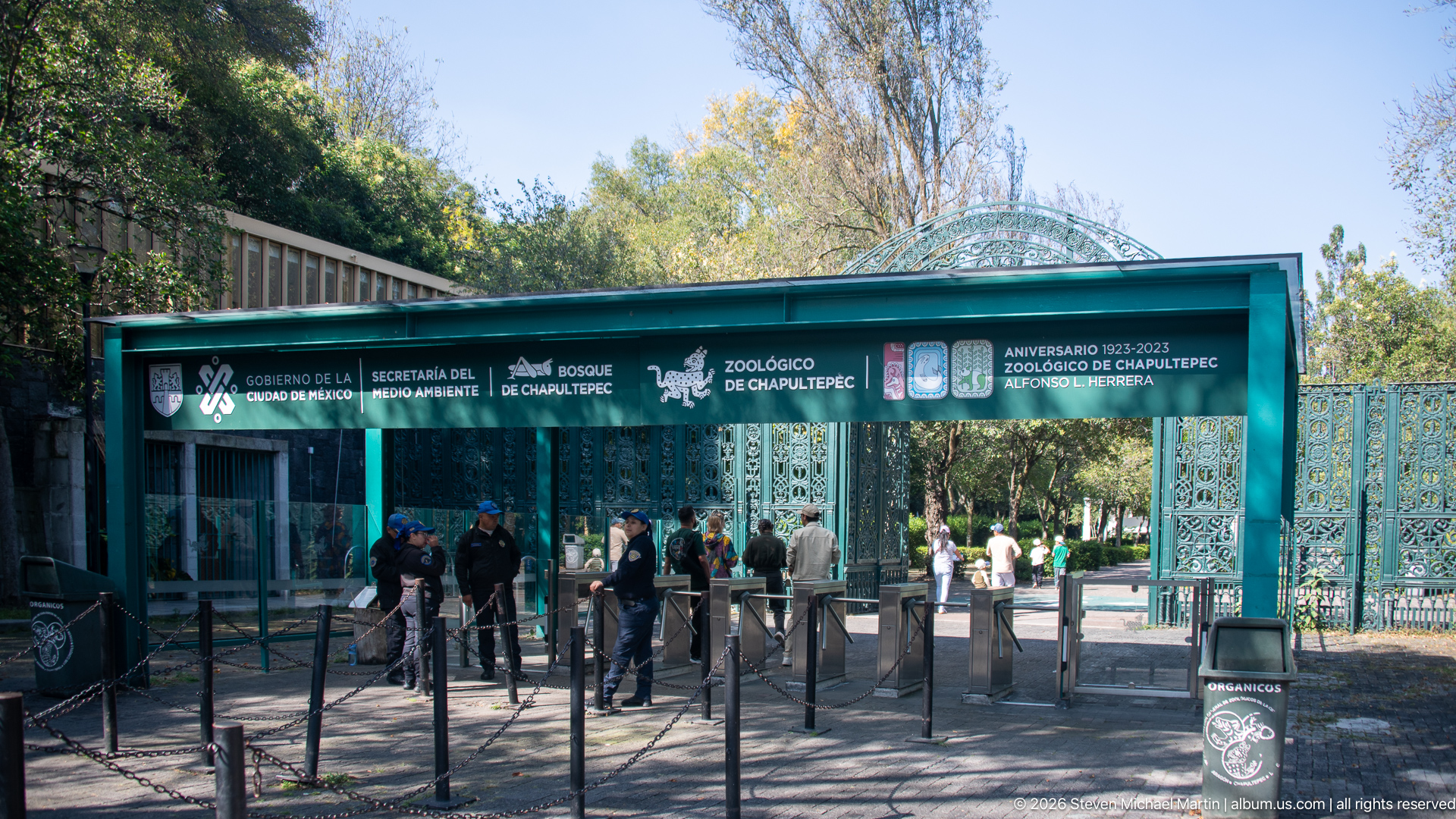
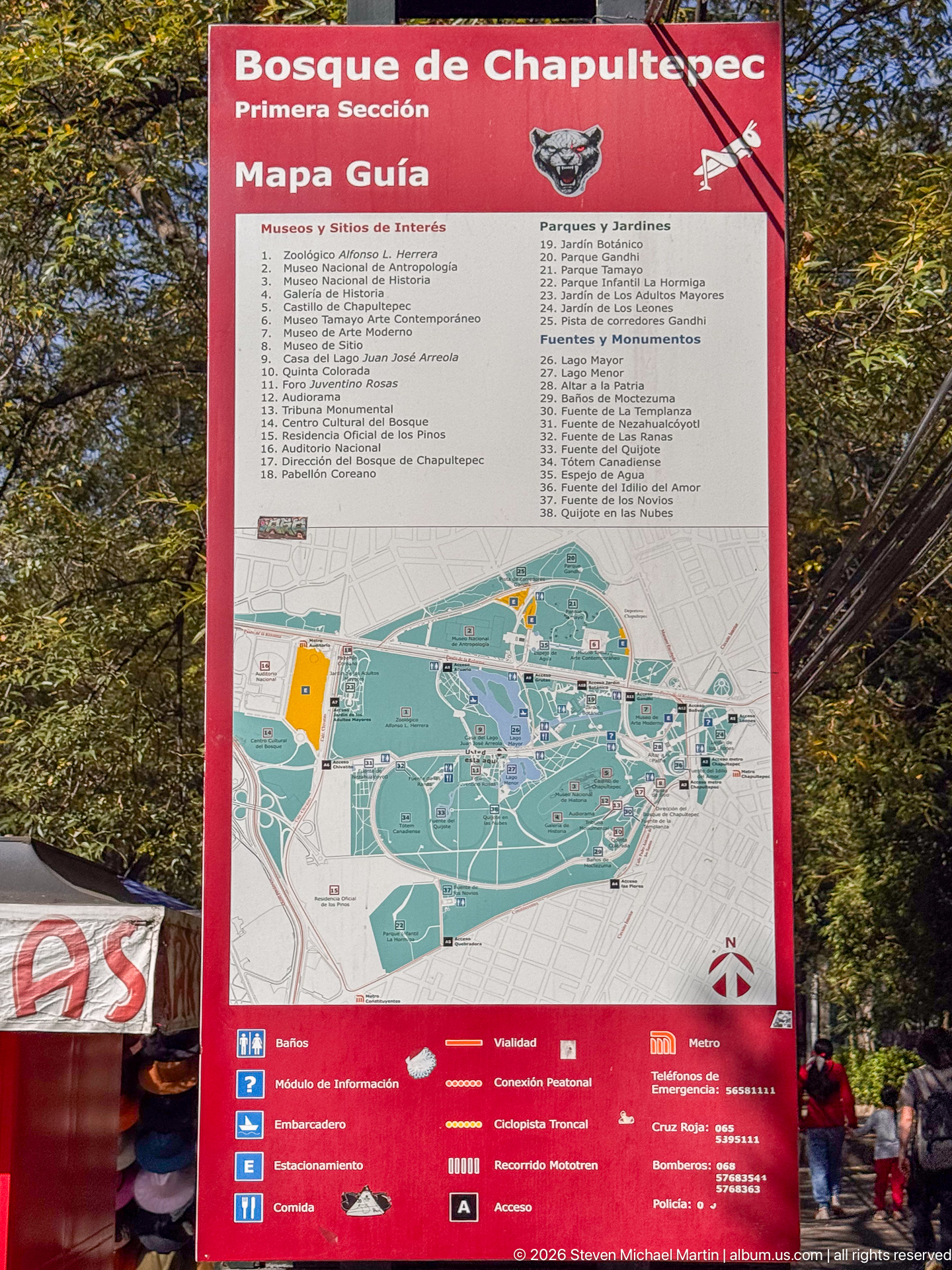
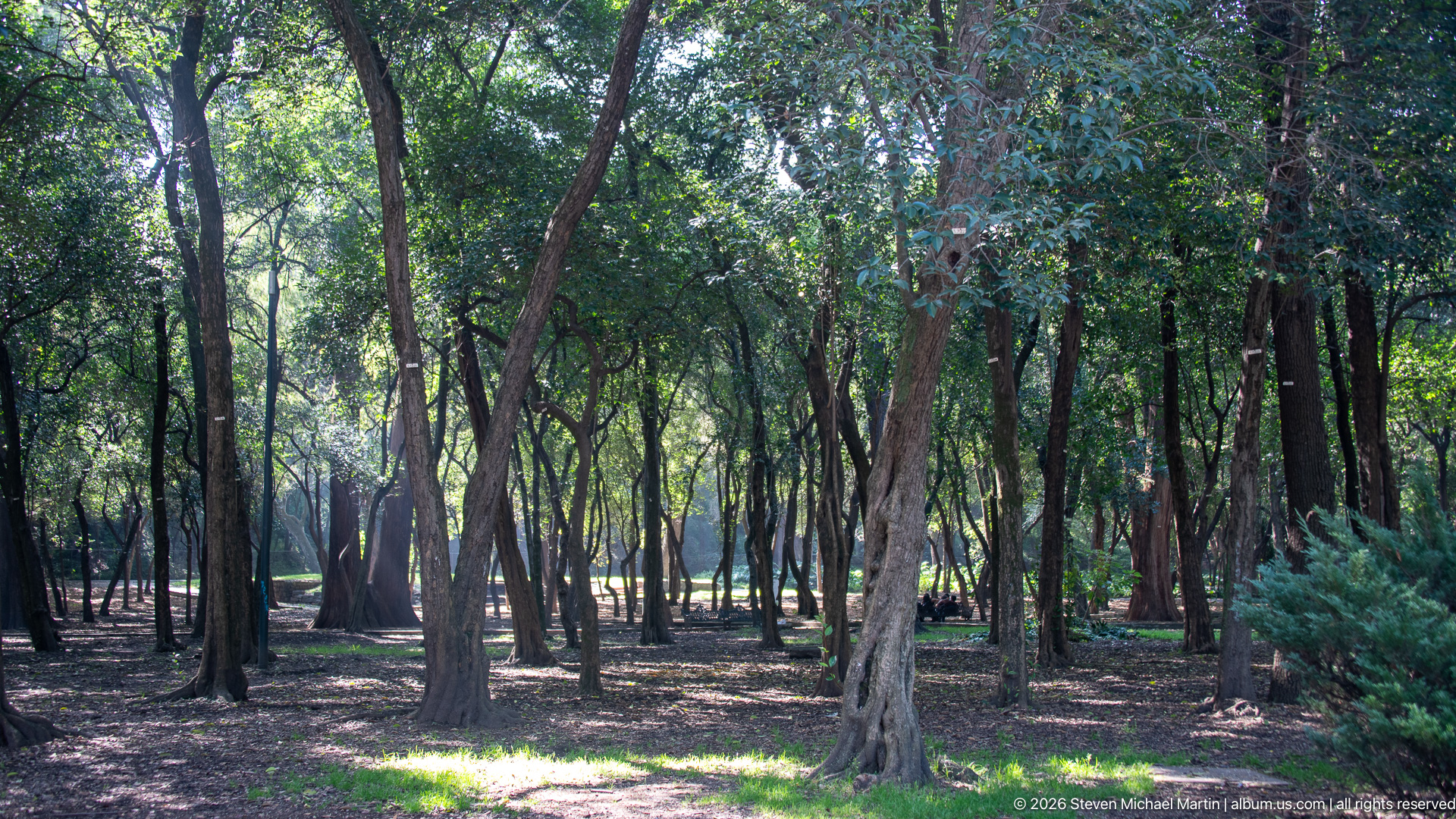
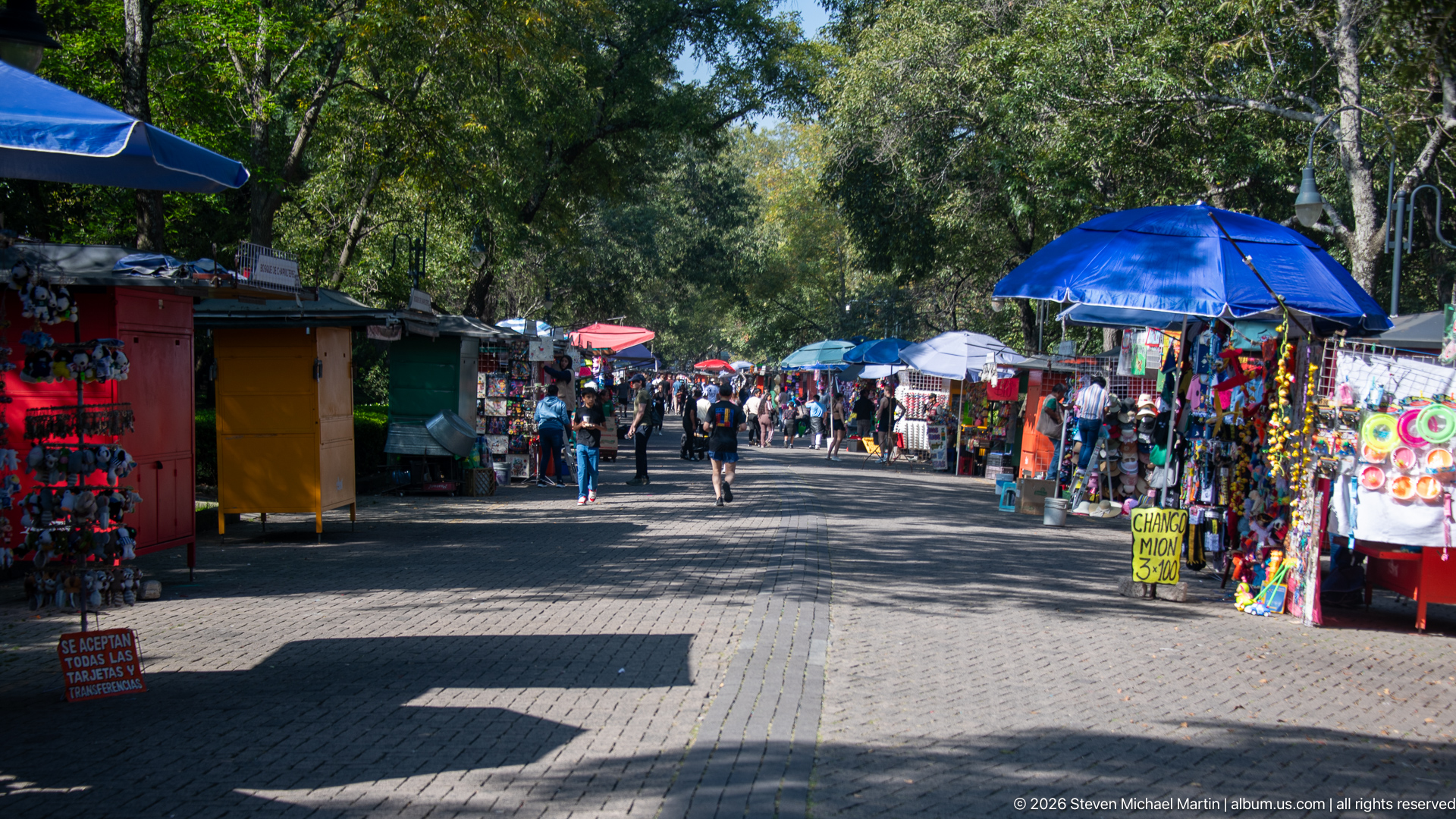
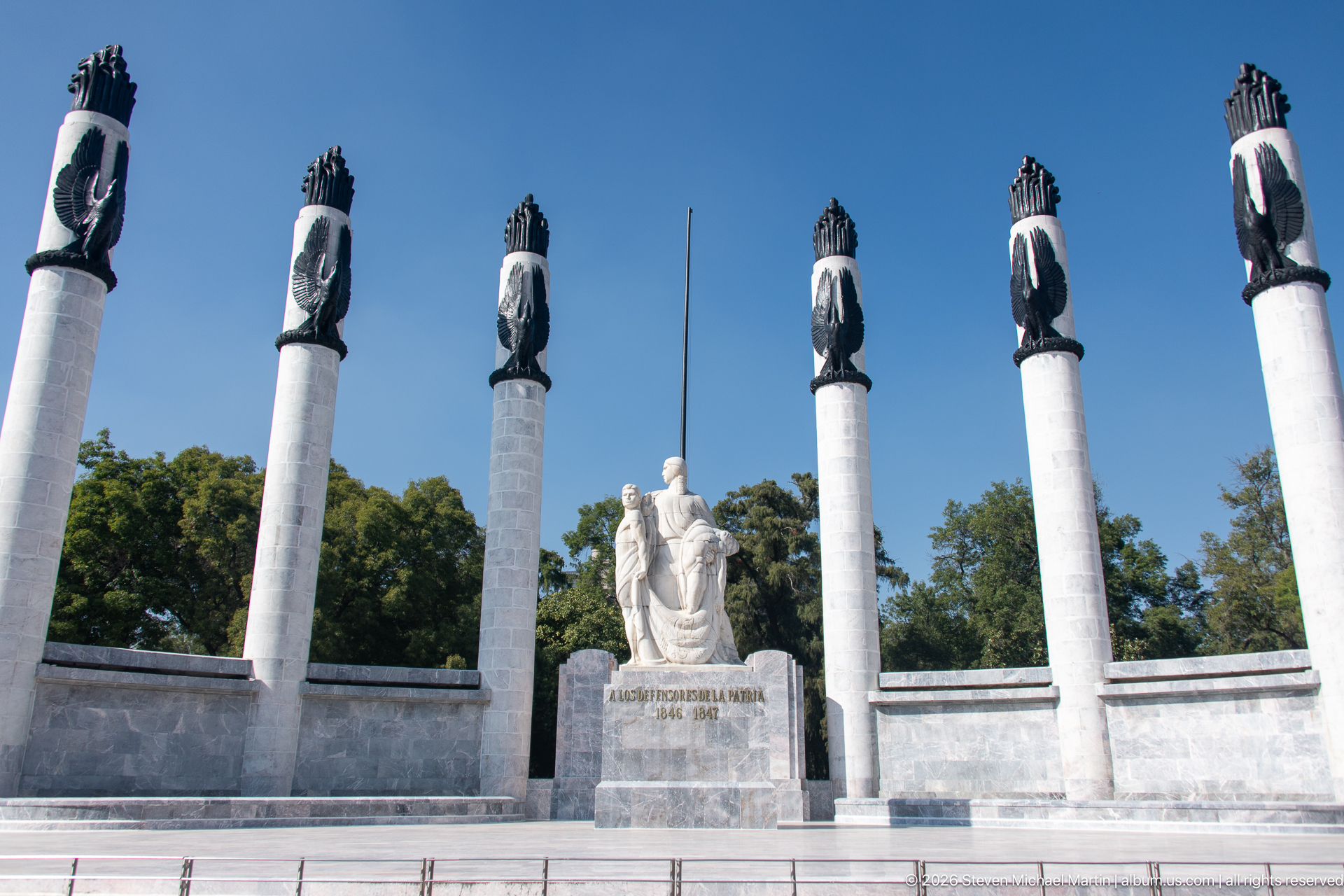
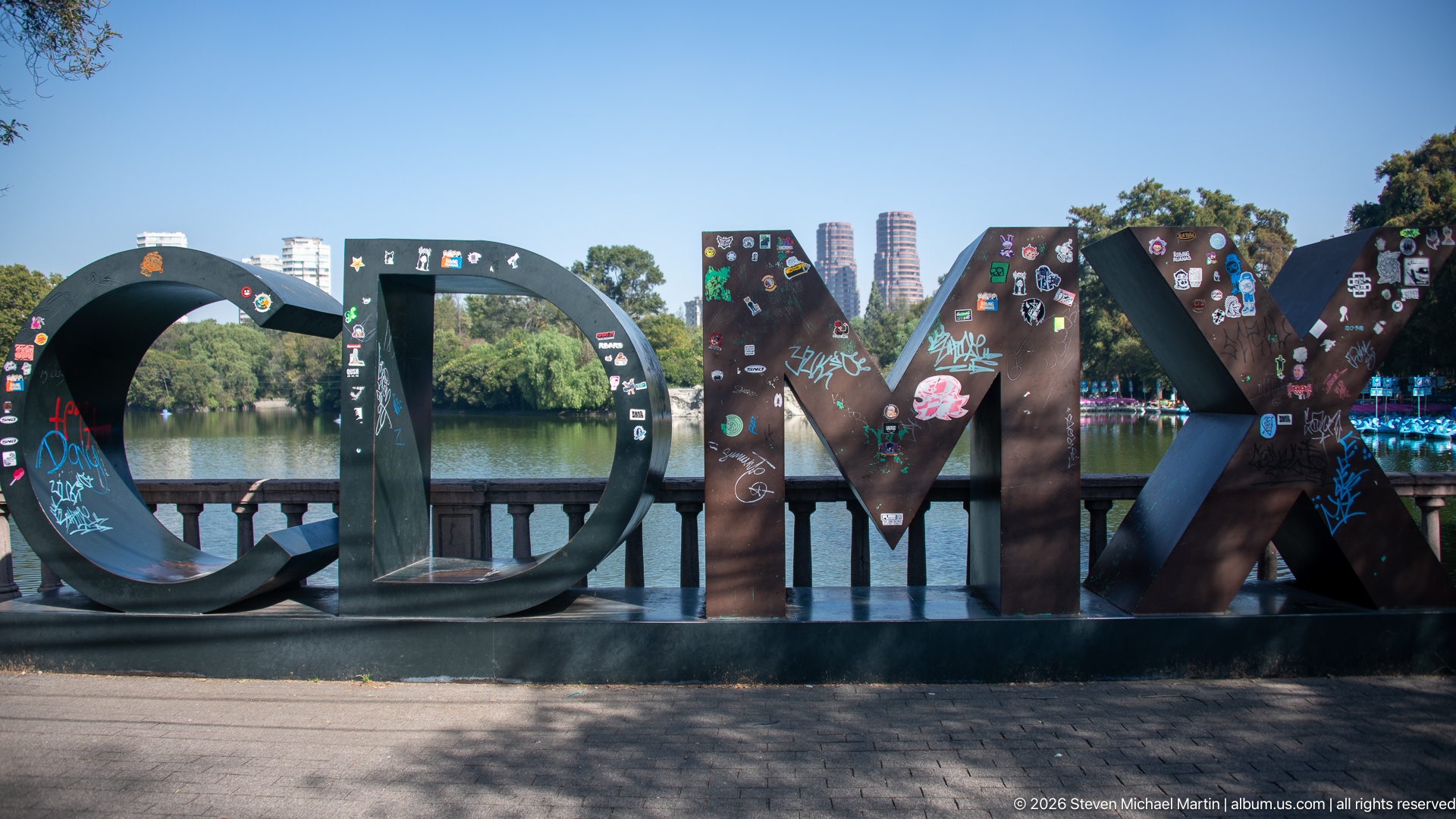
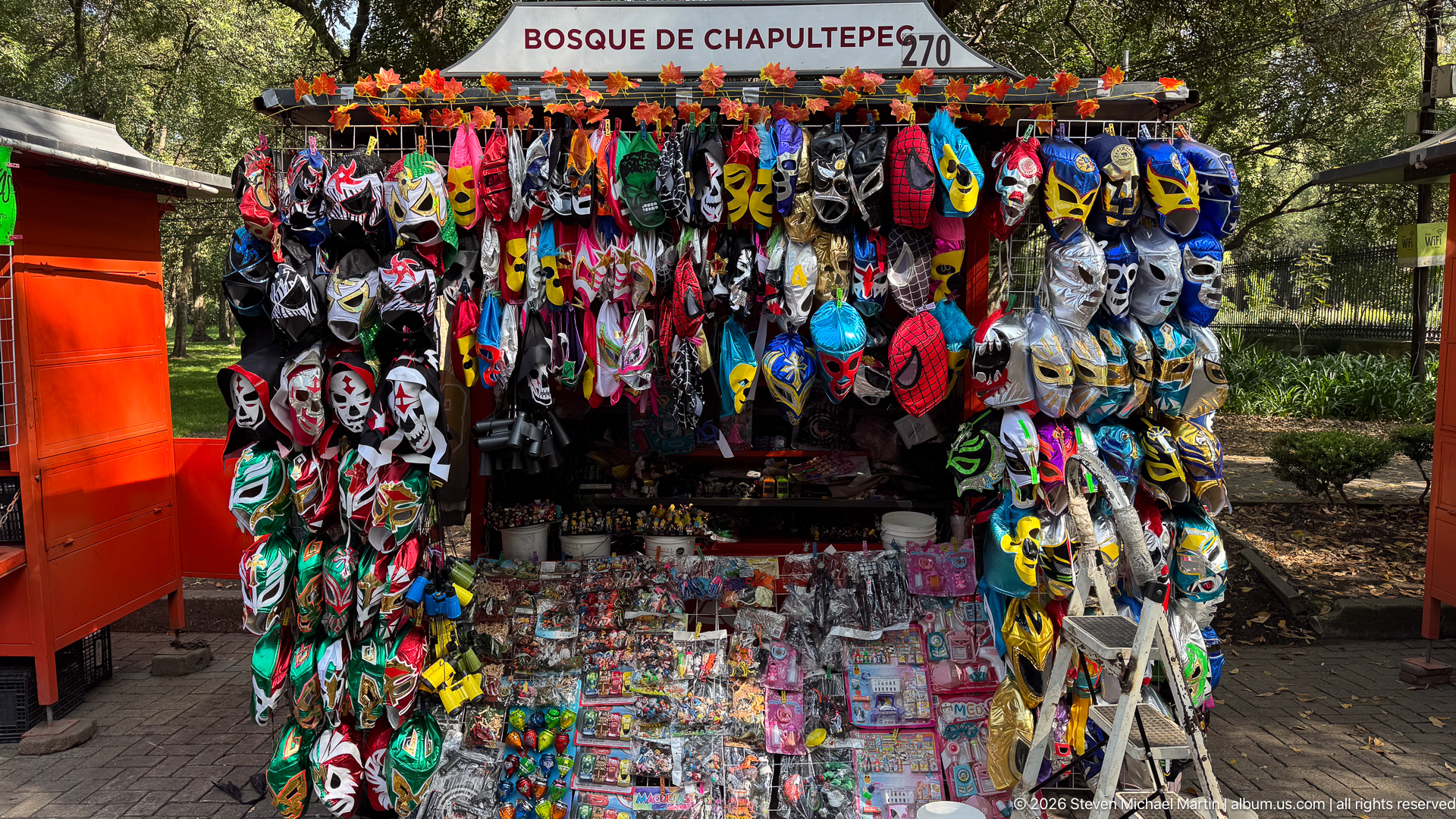
Bosque de Chapultepec is a major green space in the heart of Mexico City, where wooded paths, open lawns, and cultural landmarks offer a change of scale from the surrounding metropolis. The hill of Chapultepec held importance long before the modern city, serving as a sacred and strategic place in pre-Hispanic times. Today, the park brings together layers of history, recreation, and public life.
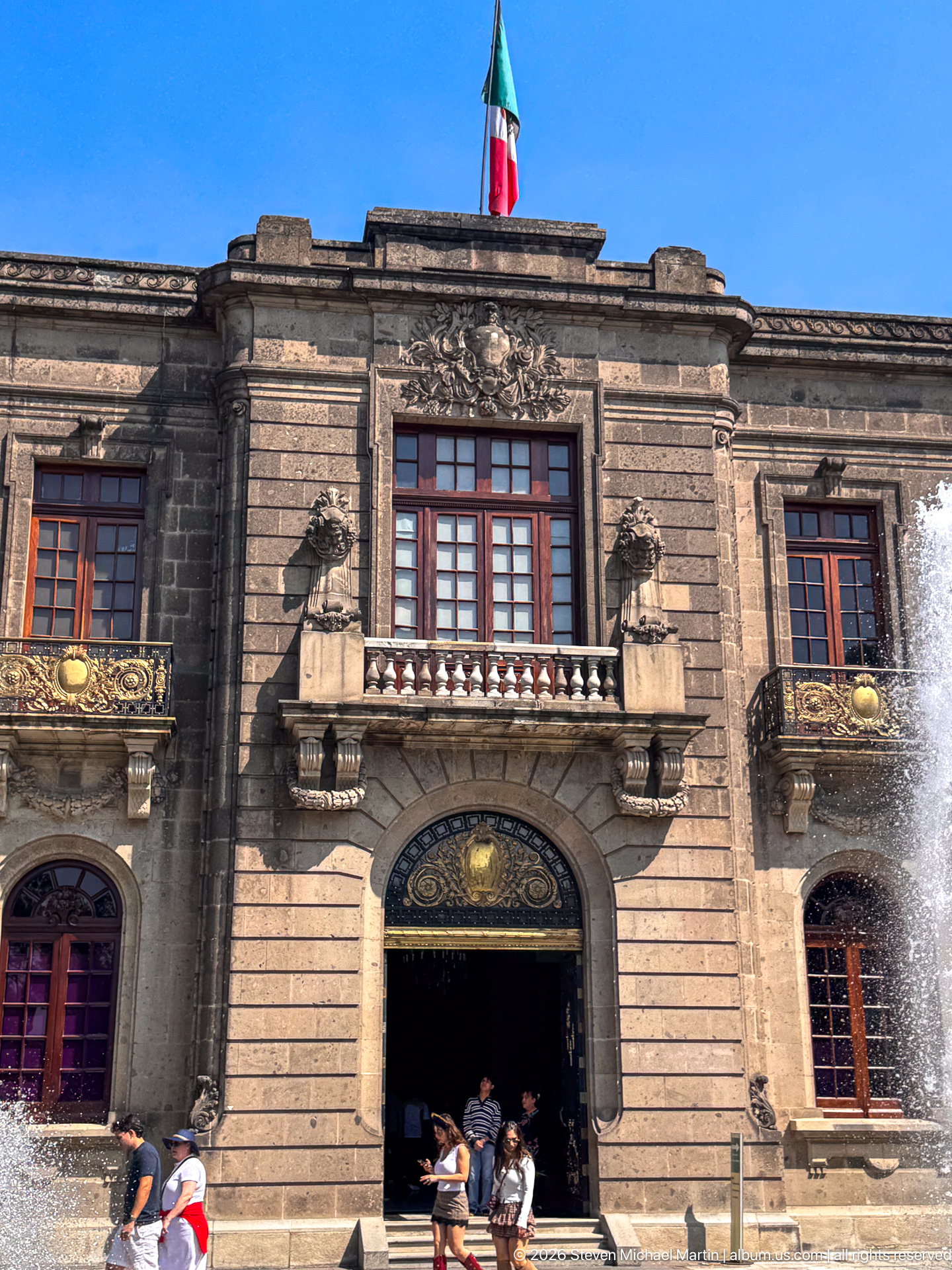
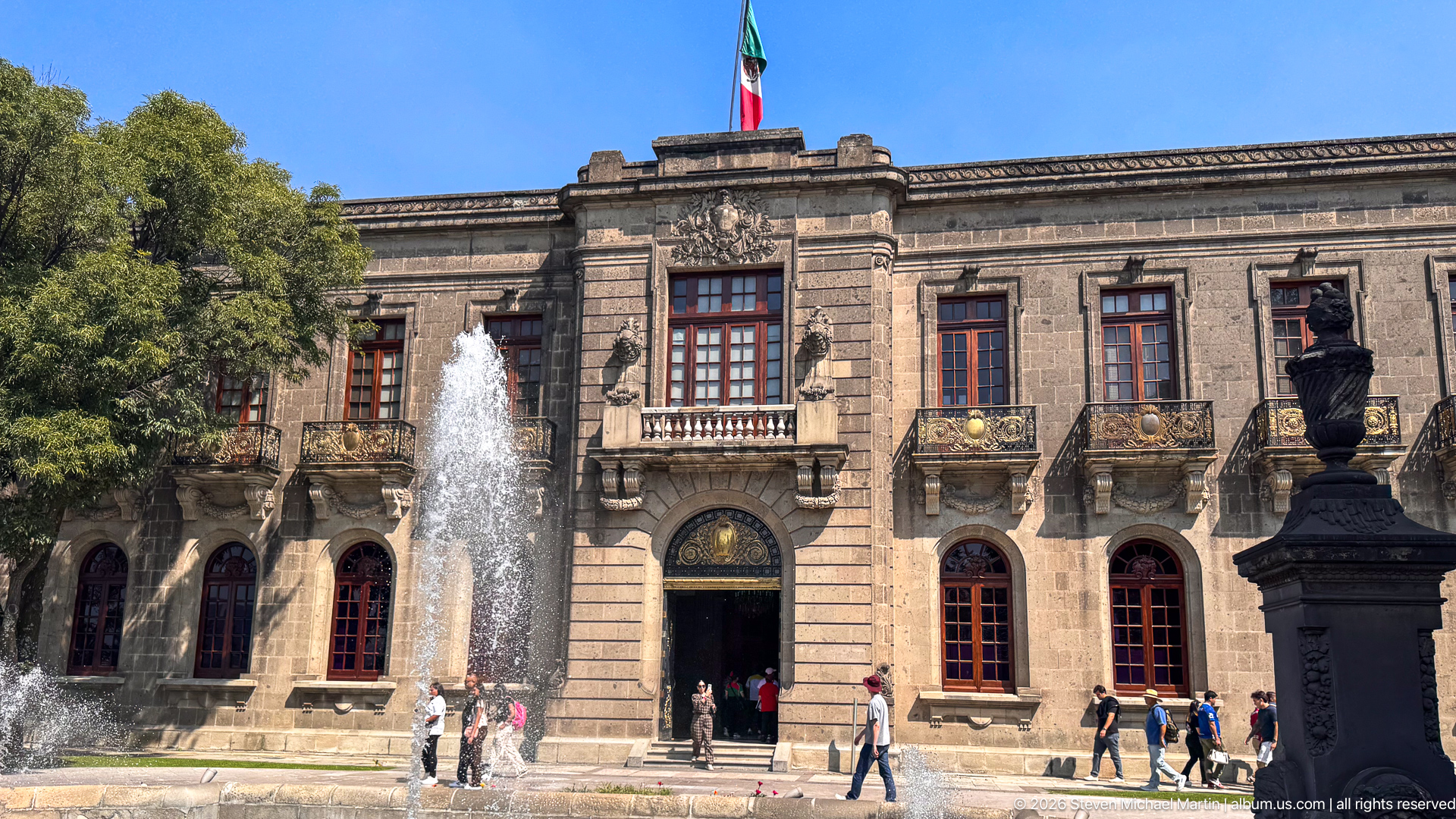
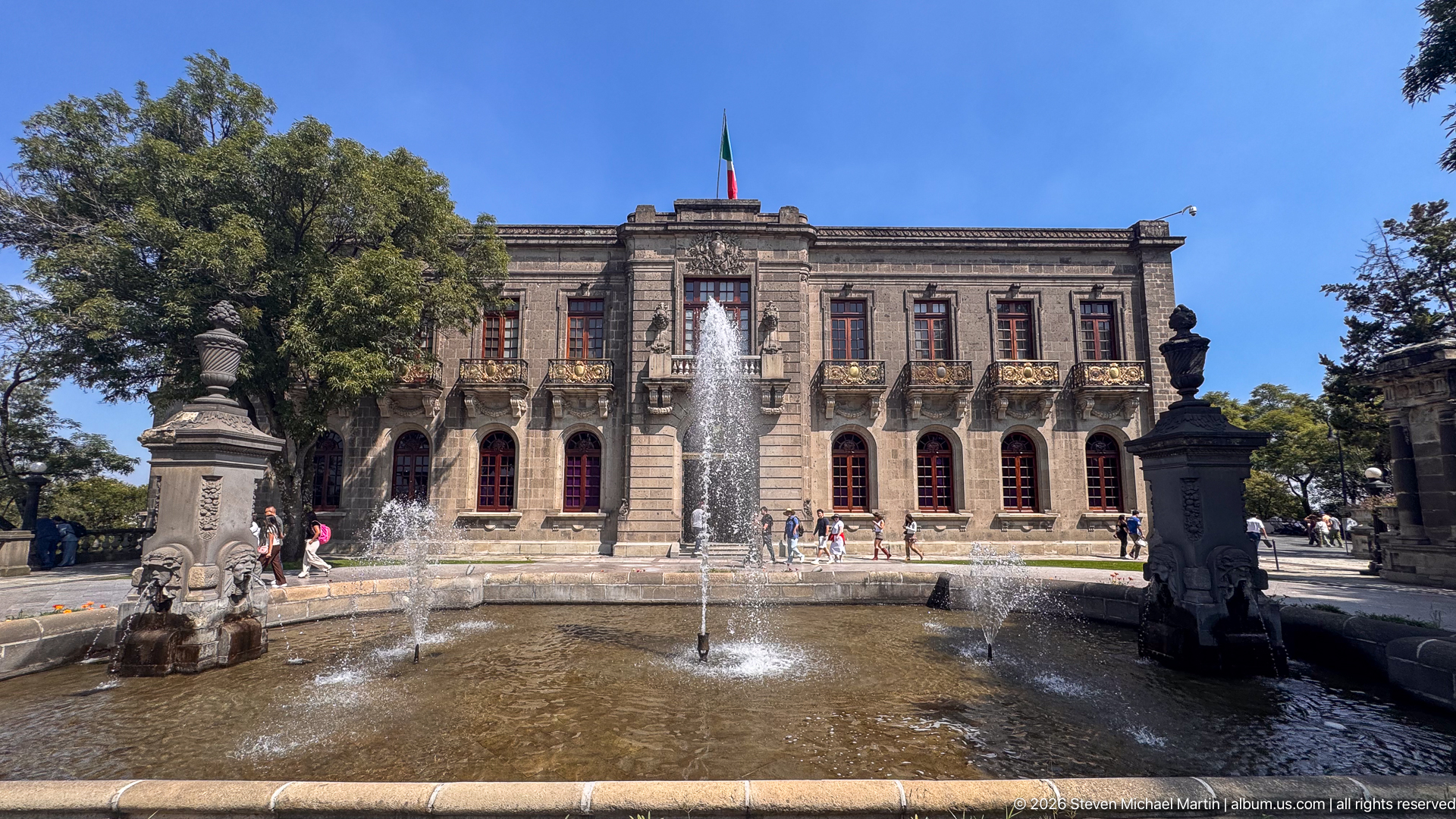
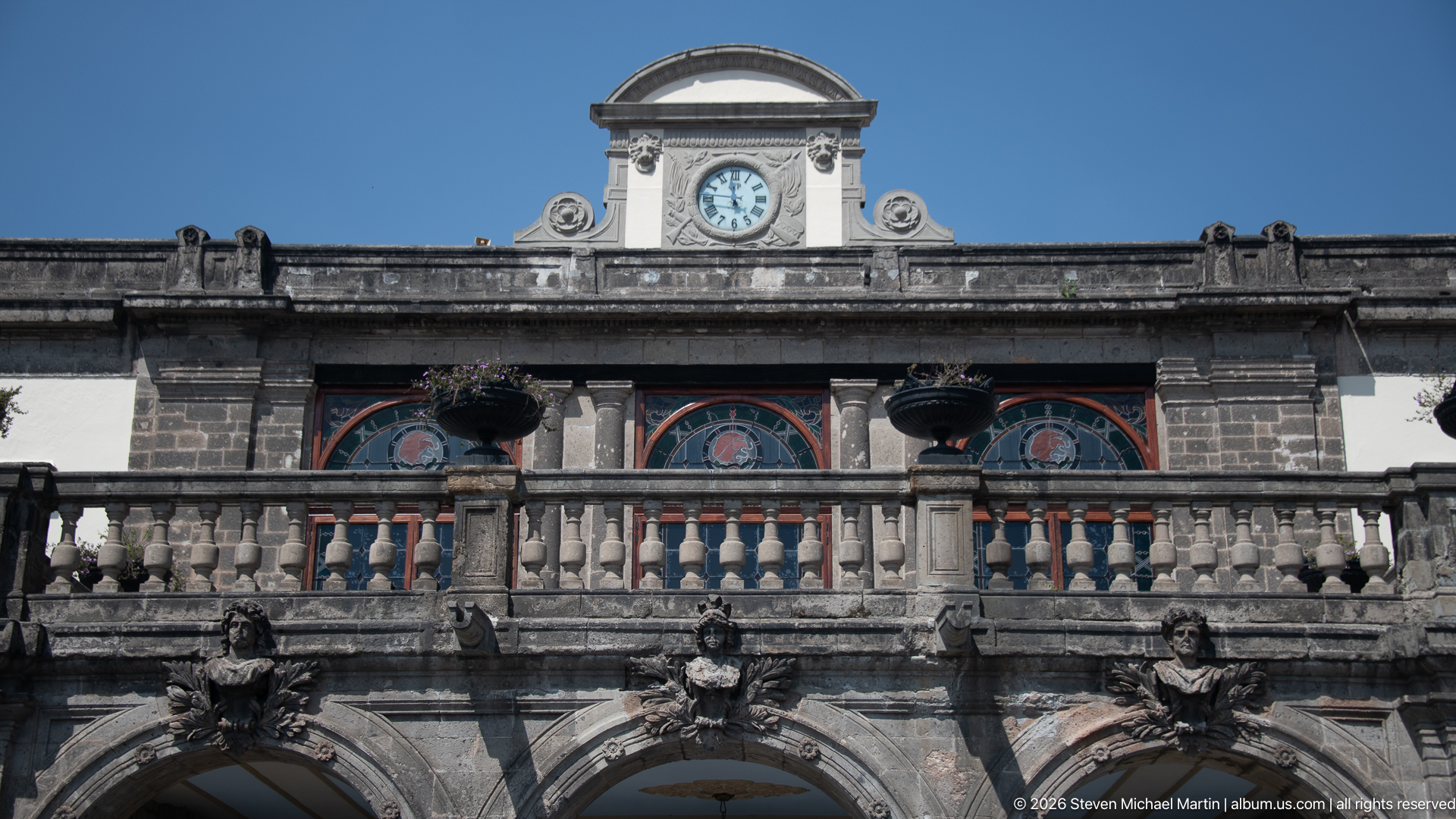
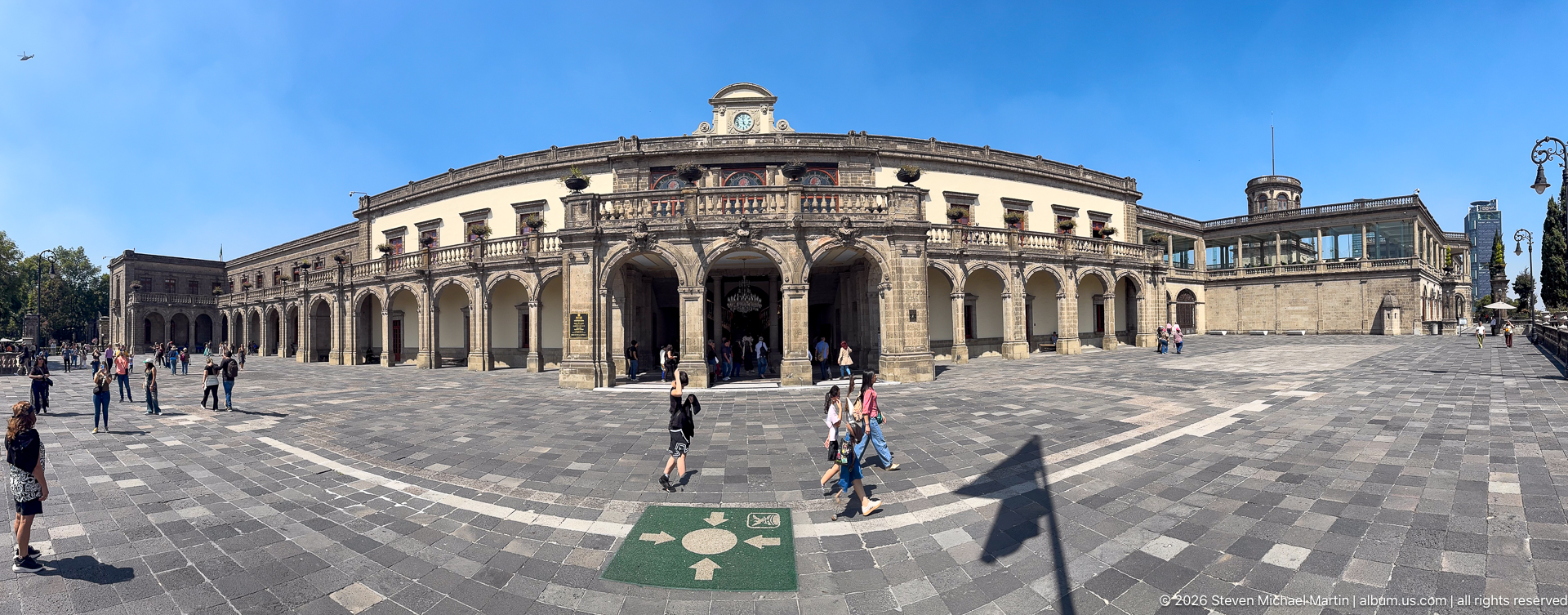
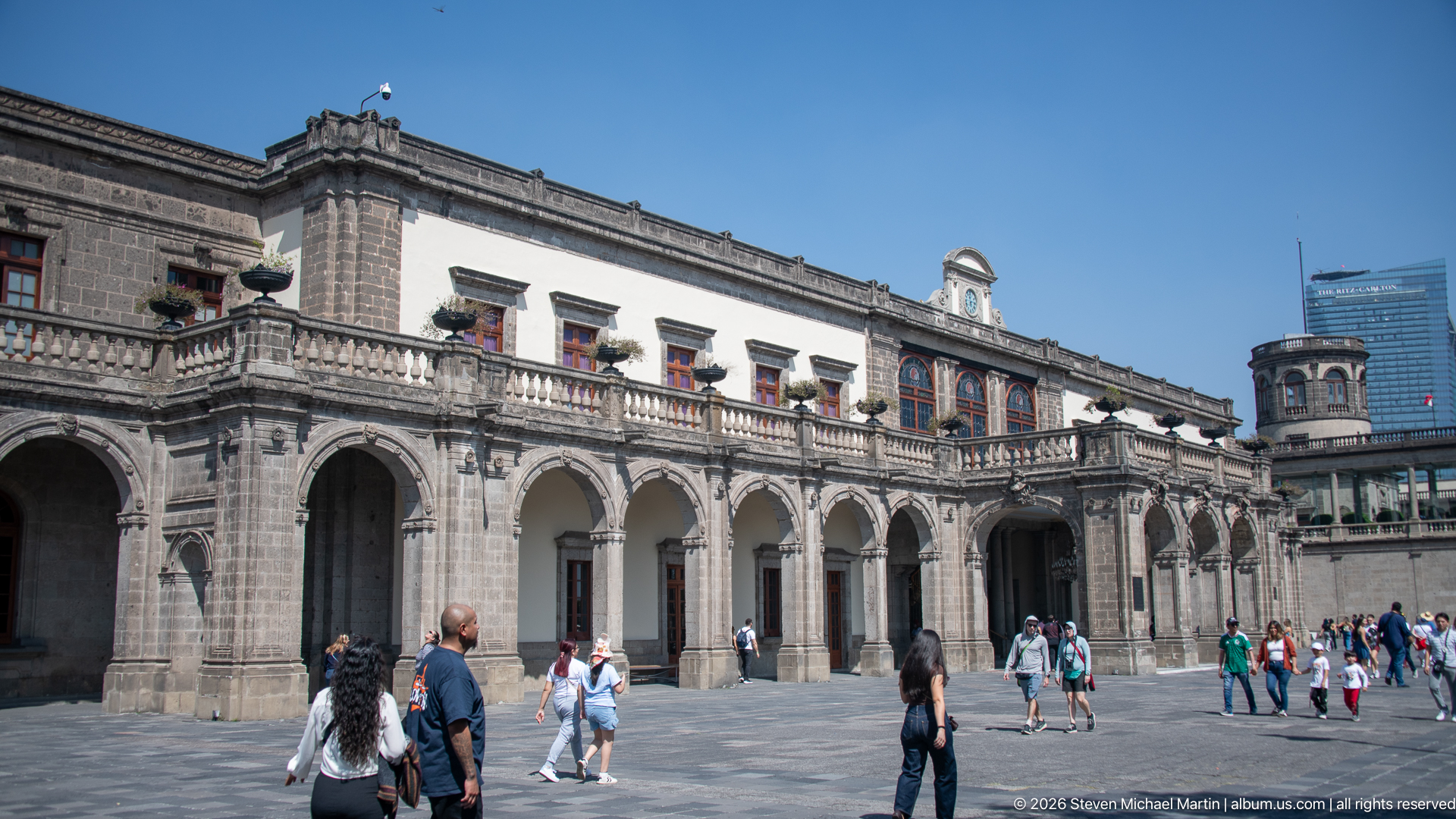
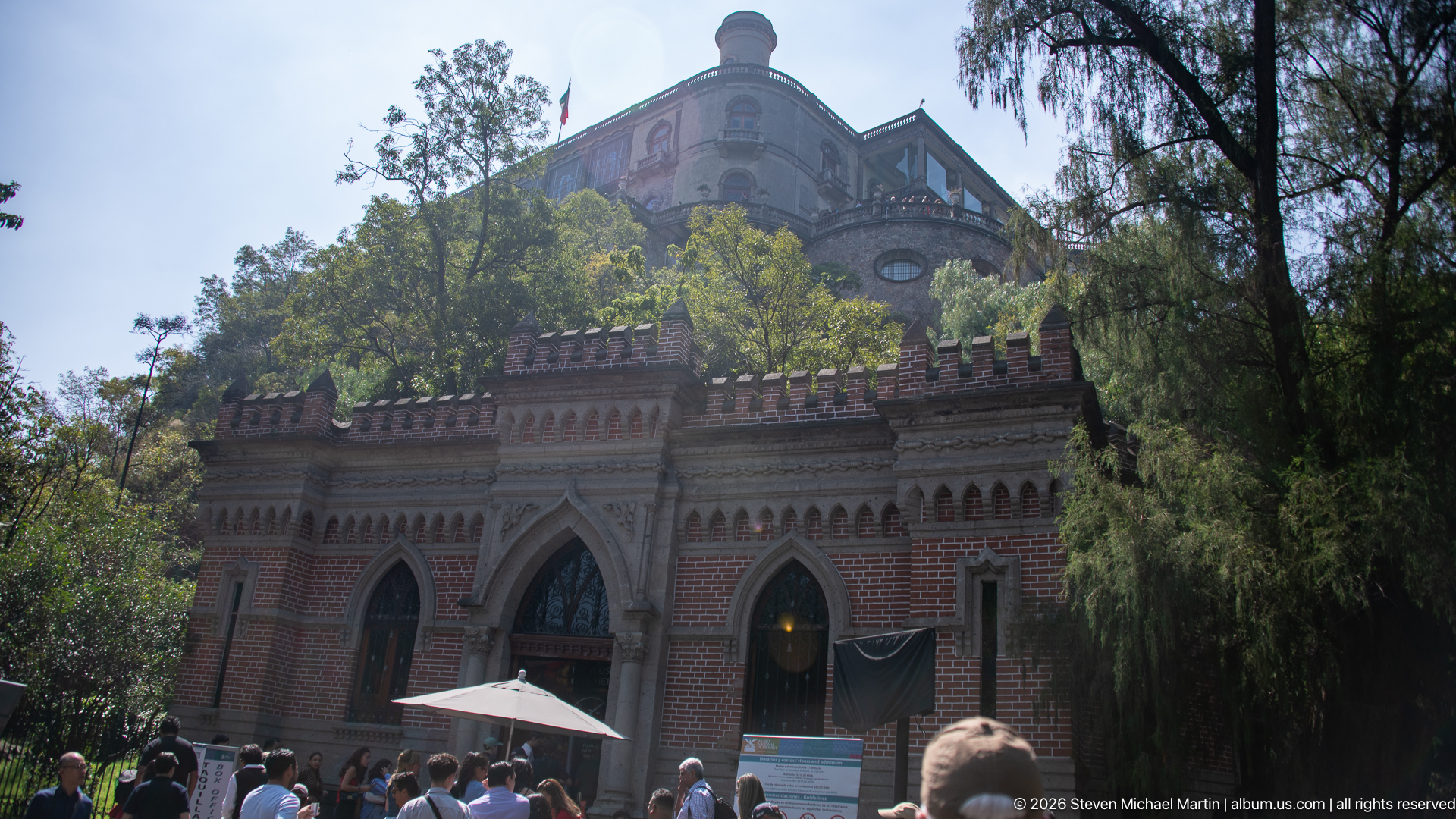
On the hilltop, Chapultepec Castle overlooks the park and the city beyond. Construction began in 1785 as a retreat for the viceroy, but the building later served as a military college, an imperial residence for Maximilian and Carlota, and a presidential residence. Each period left its mark on the Castle’s architecture and rooms.
Since 1939, the Castle has housed the National Museum of History, whose collections trace Mexico’s history from the Conquest through the Revolution. The visit moves between furnished rooms, galleries, terraces, and views across the treetops toward the city. Together, park and Castle show how Chapultepec remains both a historic site and an active part of urban life.
🏛️ Museum Field Guide
📍 Overview
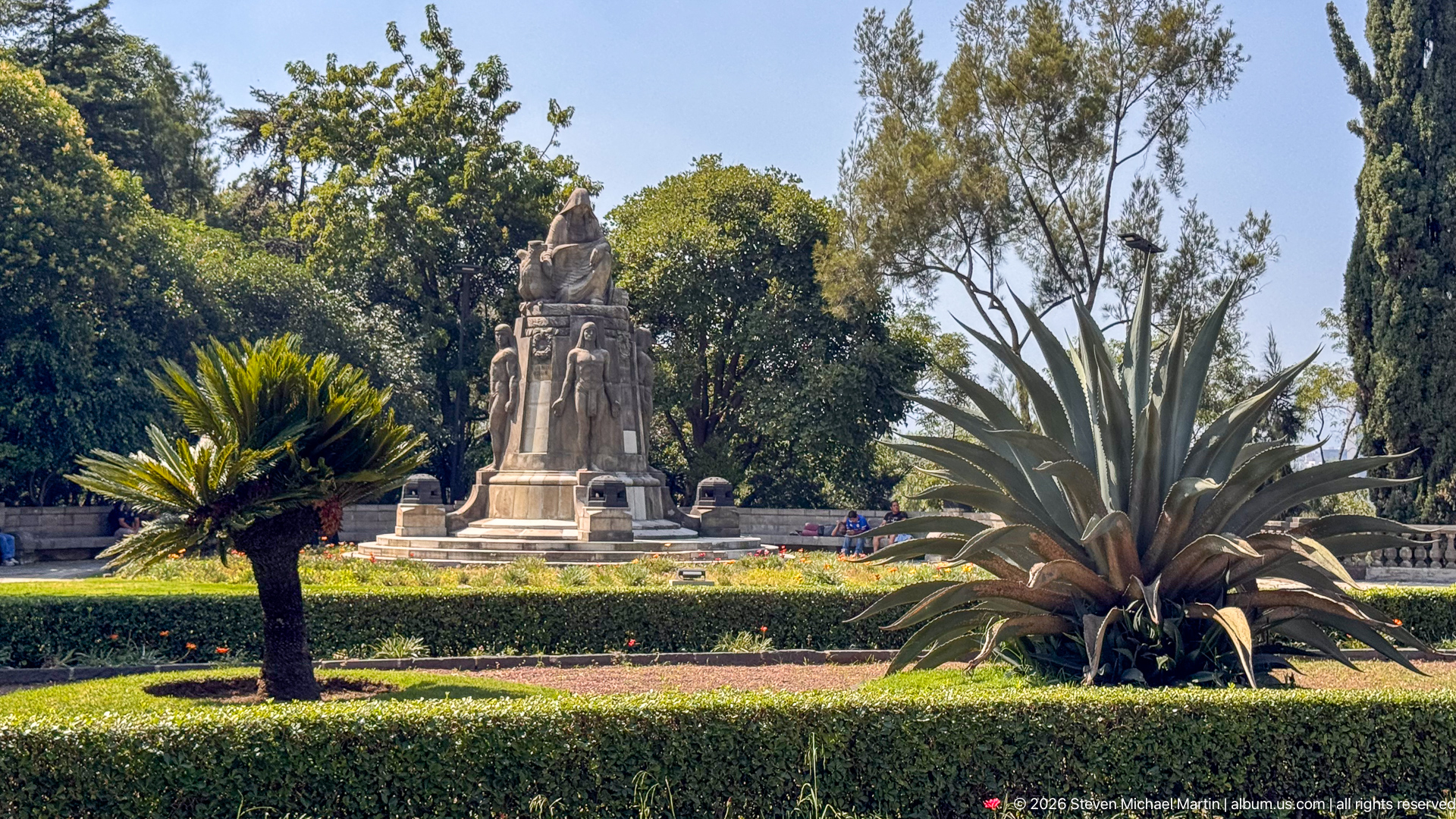
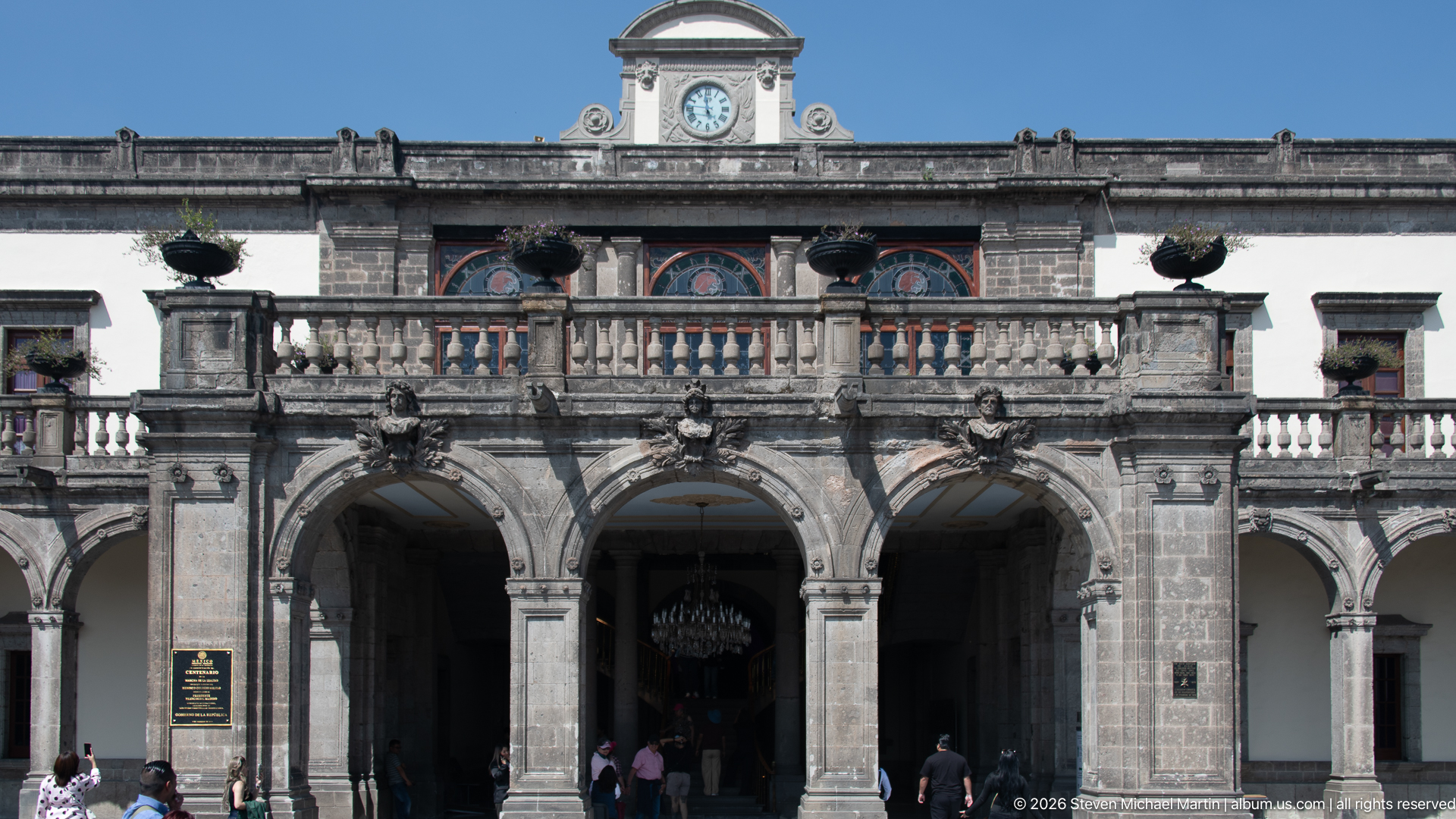
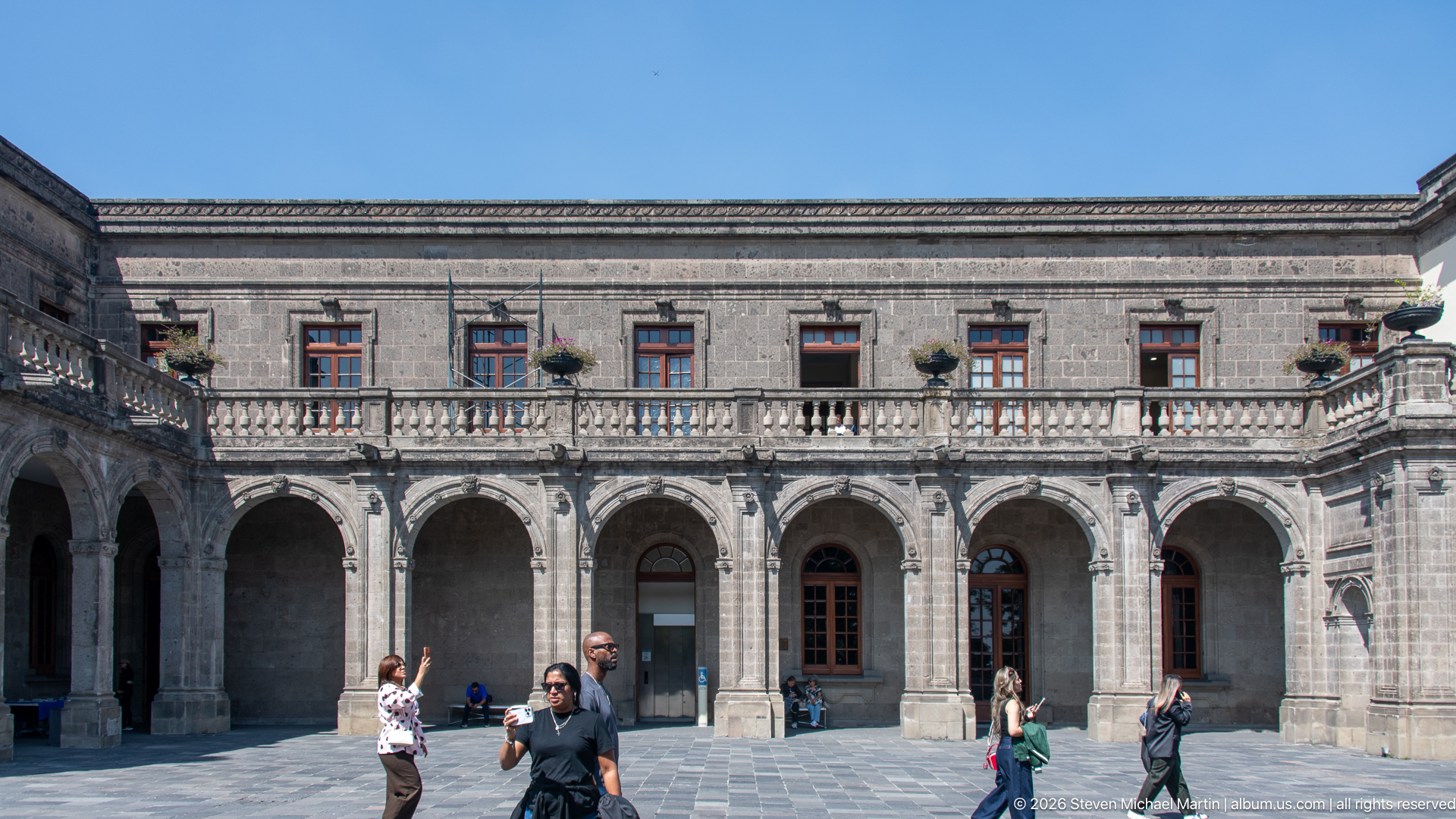
Chapultepec Castle presents Mexican history through objects, paintings, murals, documents, and the rooms that hold them. Visitors move through galleries and courtyards where portraits, military displays, religious works, maps, and decorative arts appear within the castle’s stone architecture. The museum experience also extends into the surrounding park, with terraces, gardens, monuments, and city views linking the collections to their setting.
◆ Institutional History
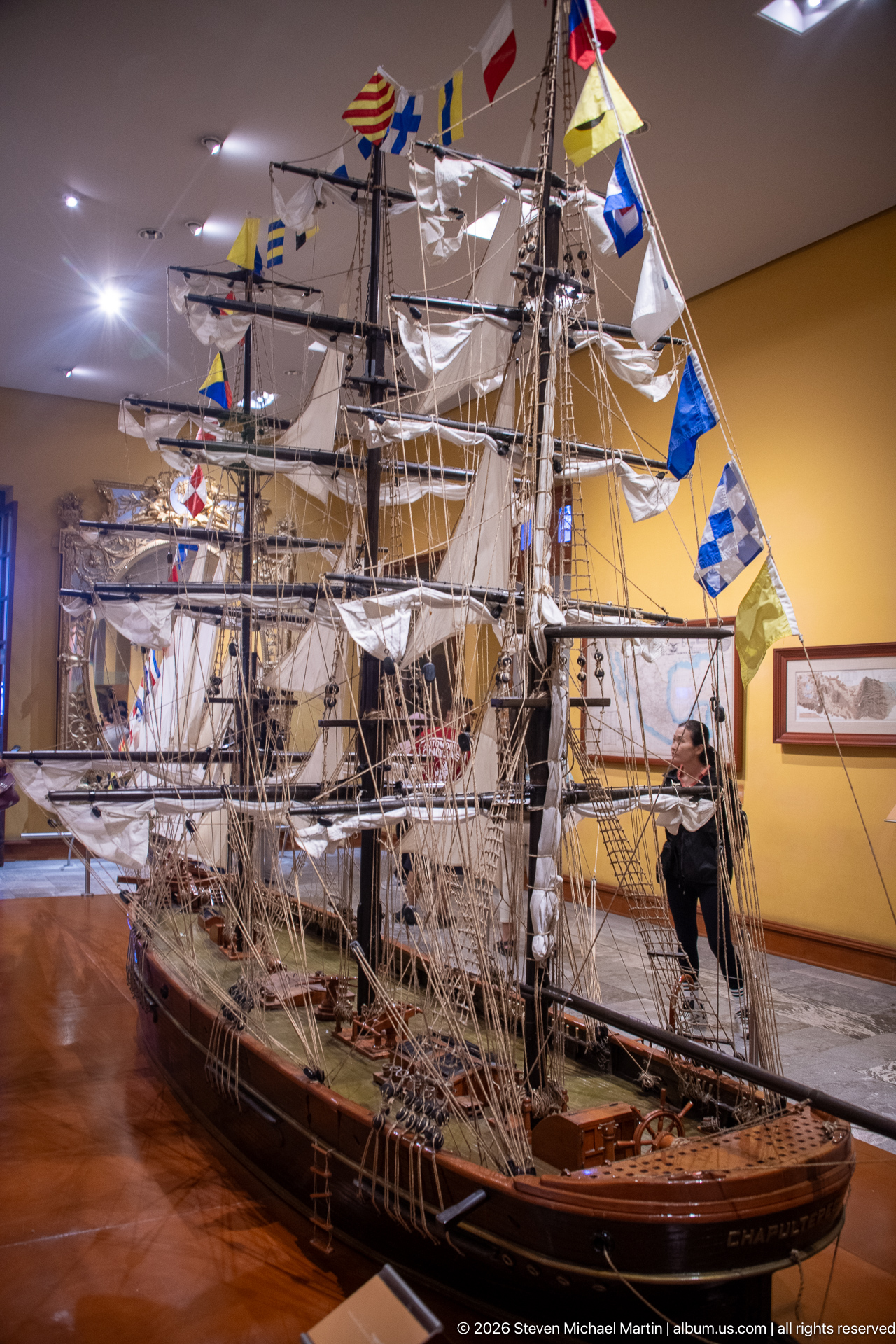
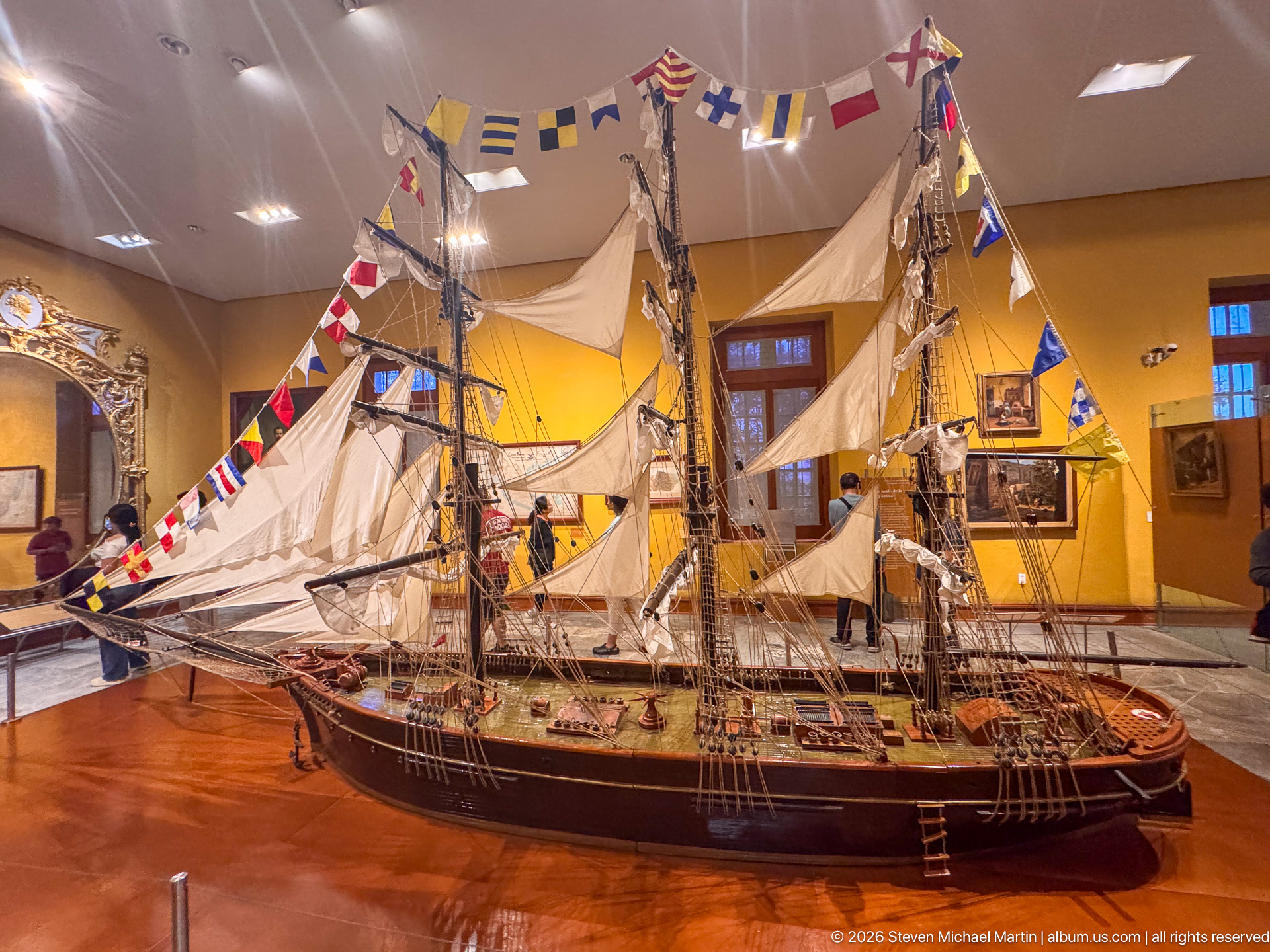
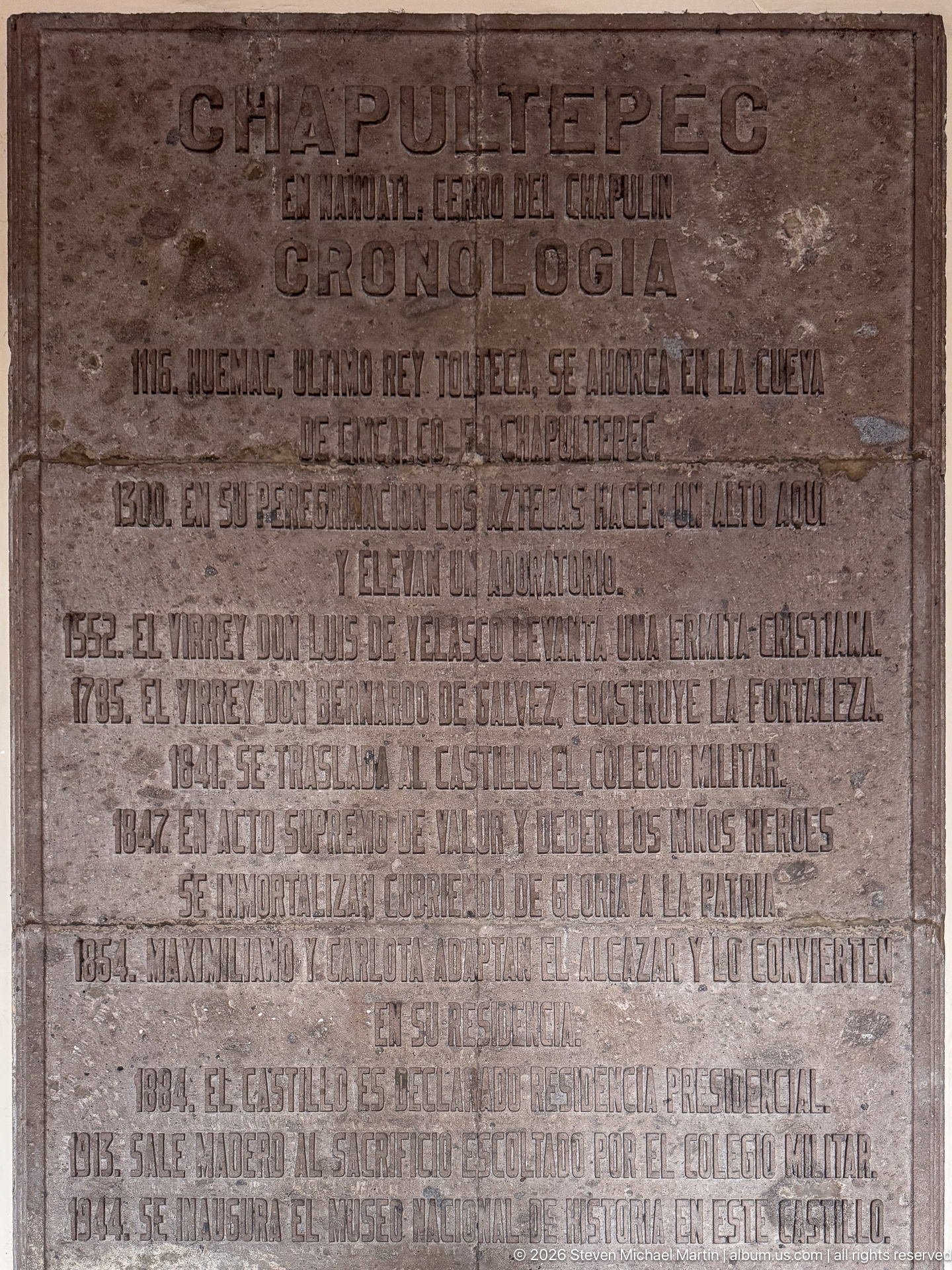
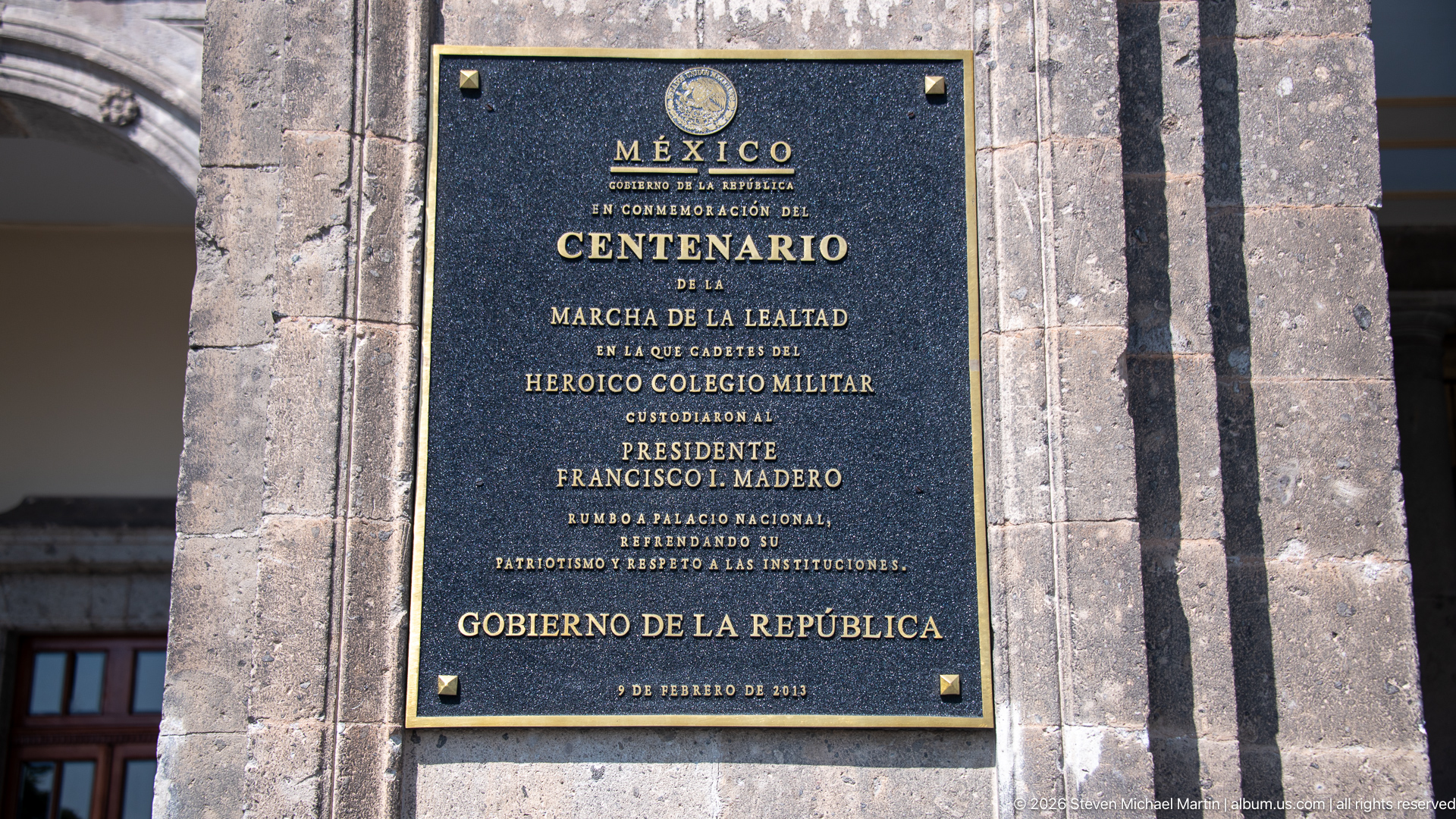
A carved chronology panel at Chapultepec Castle lays out events associated with the site from early references through the twentieth century. The building now serves as a public national history museum, where its courtyards, stair halls, and formal rooms frame displays about Mexico’s past. Commemorative objects add further time markers, including a plaque for the centenary of the March of Loyalty in 2013 and a model frigate presented as a gift in 1896.
◆ Collections
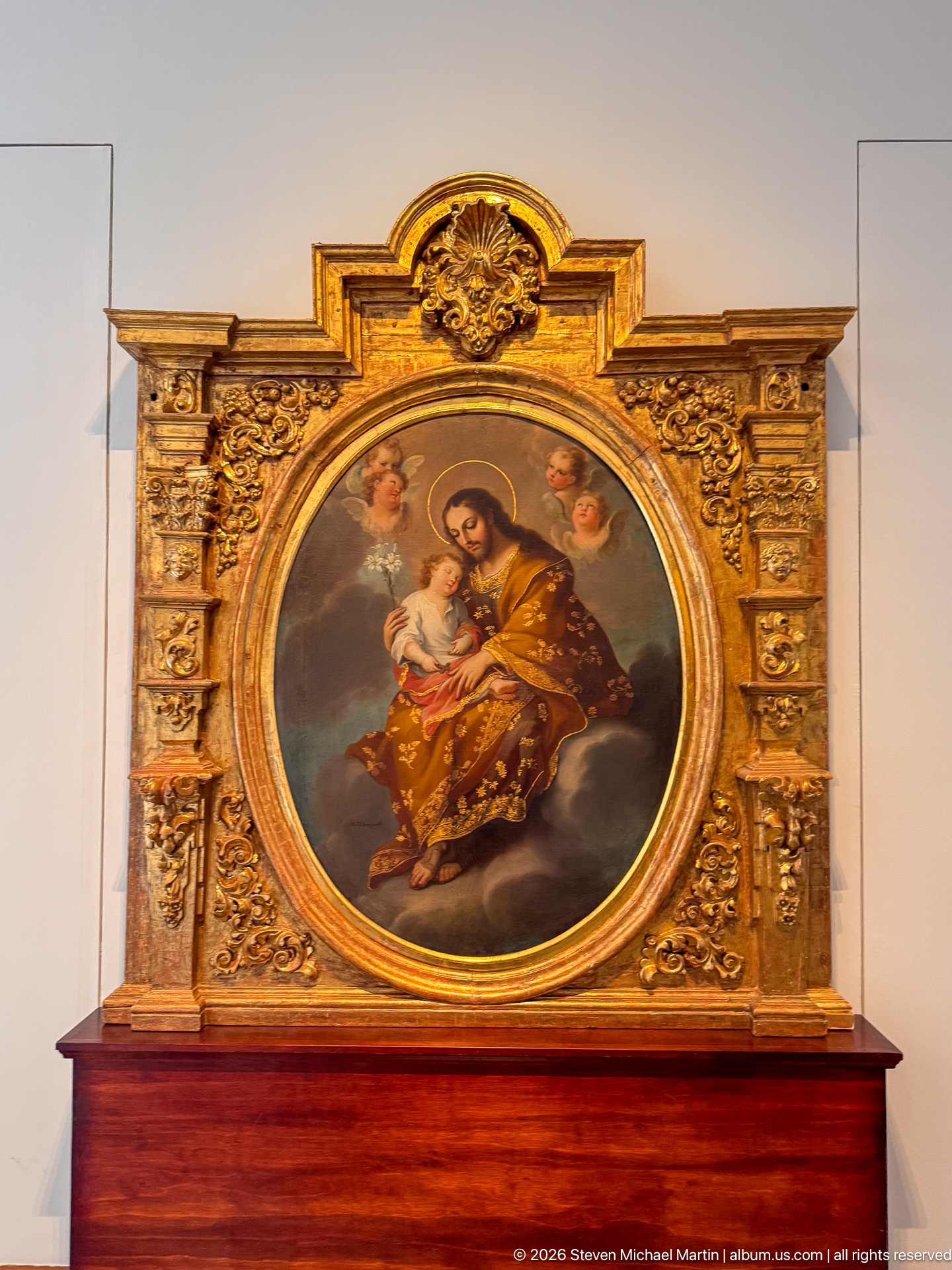
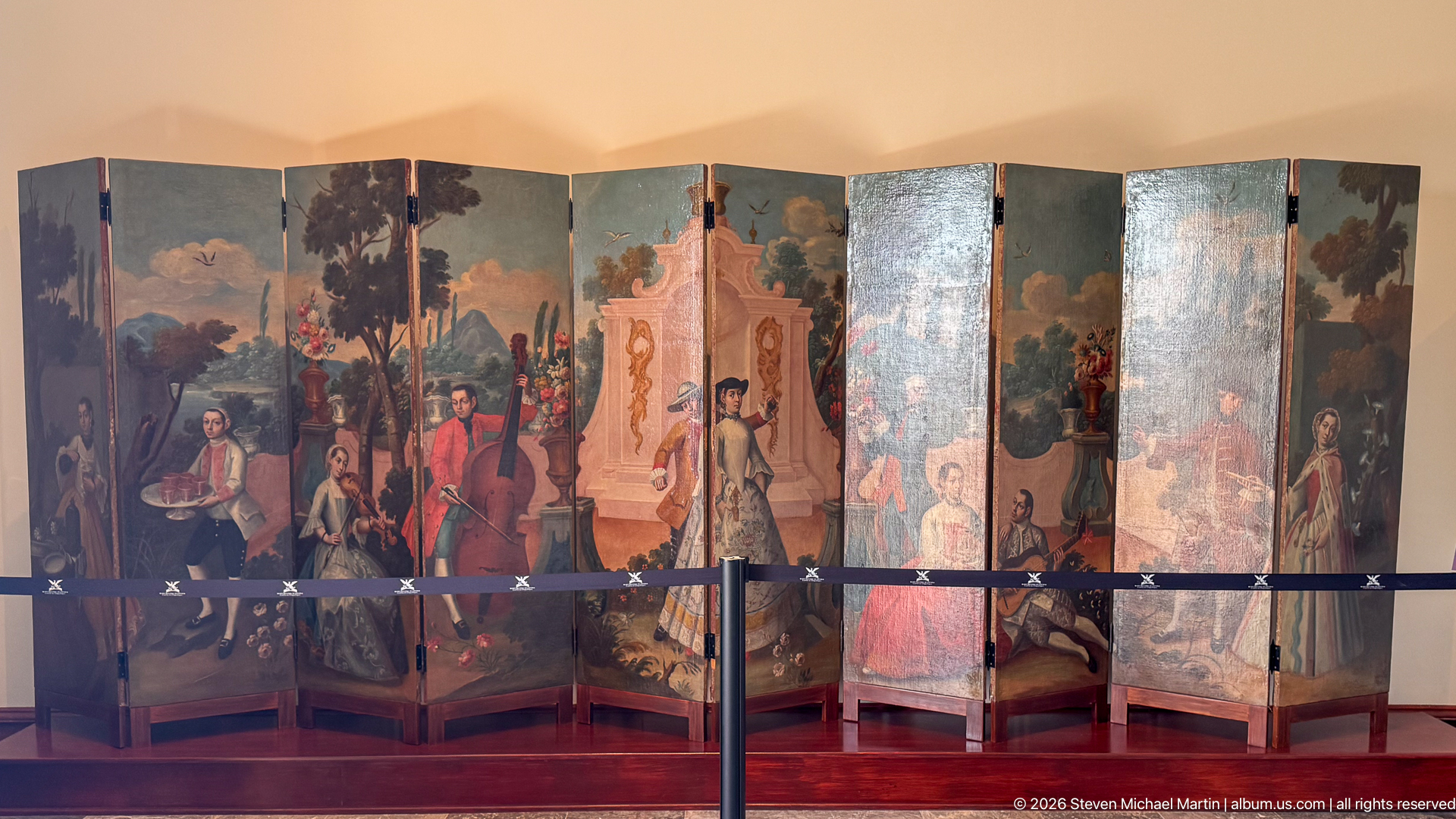
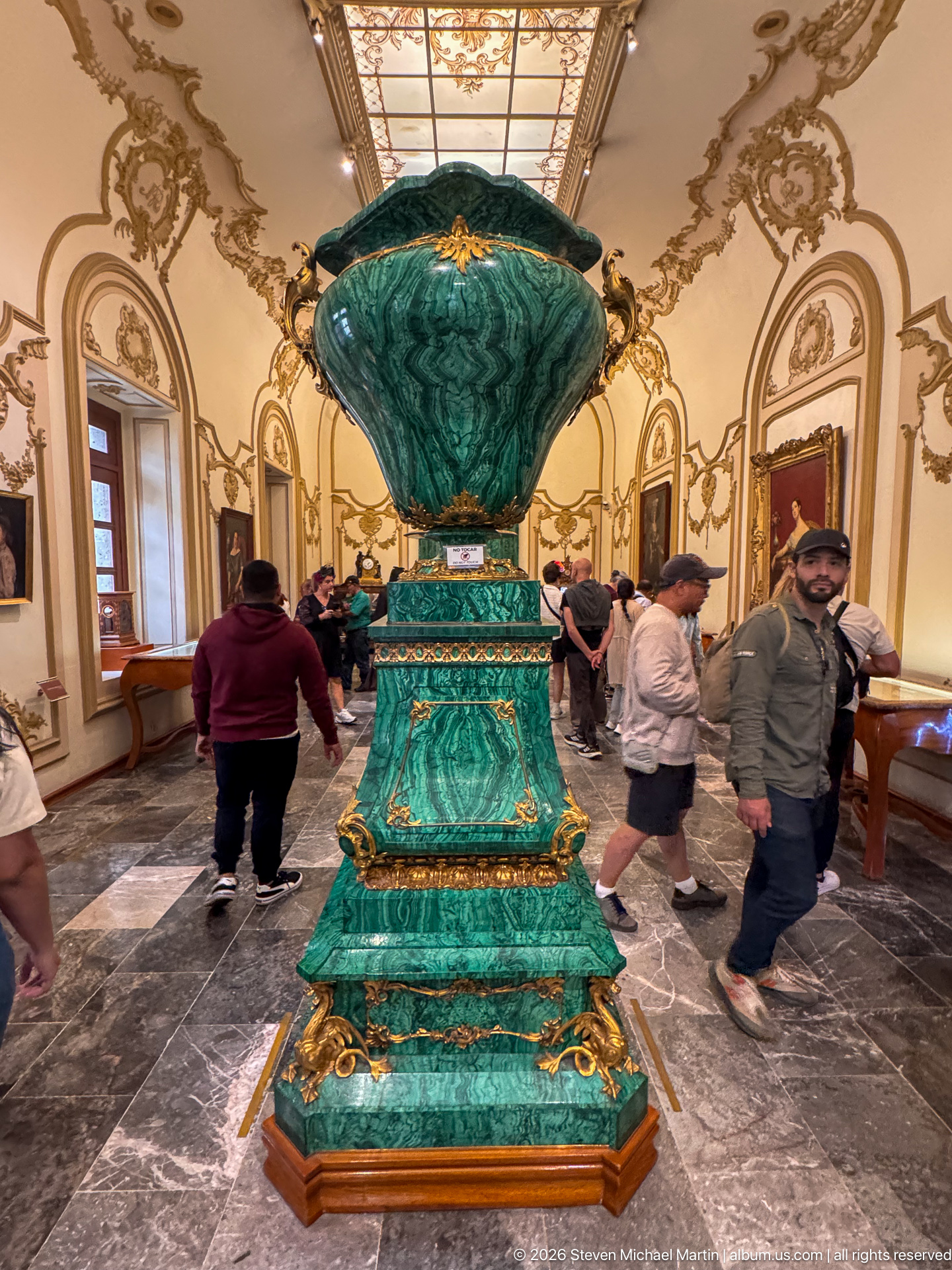
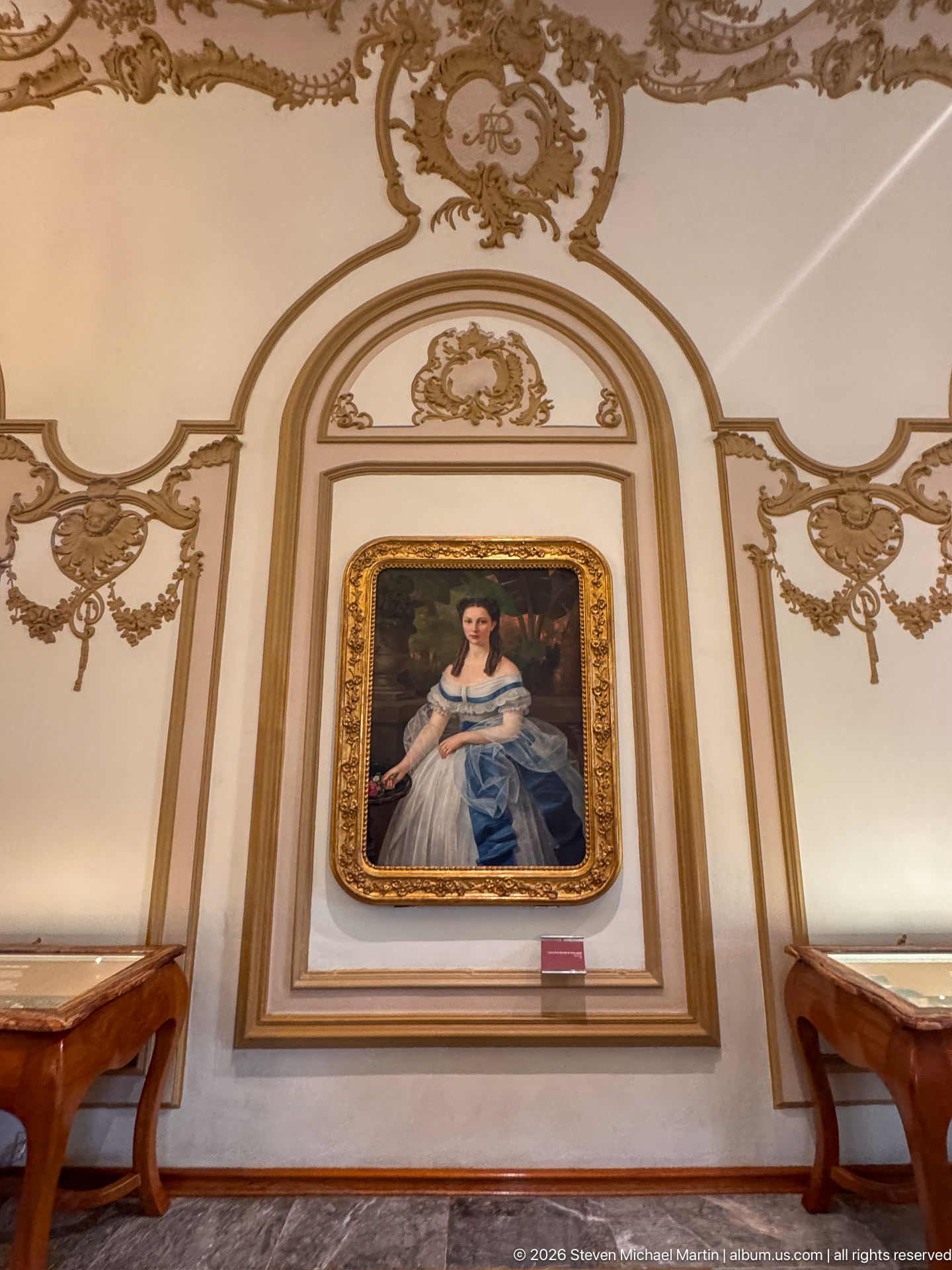
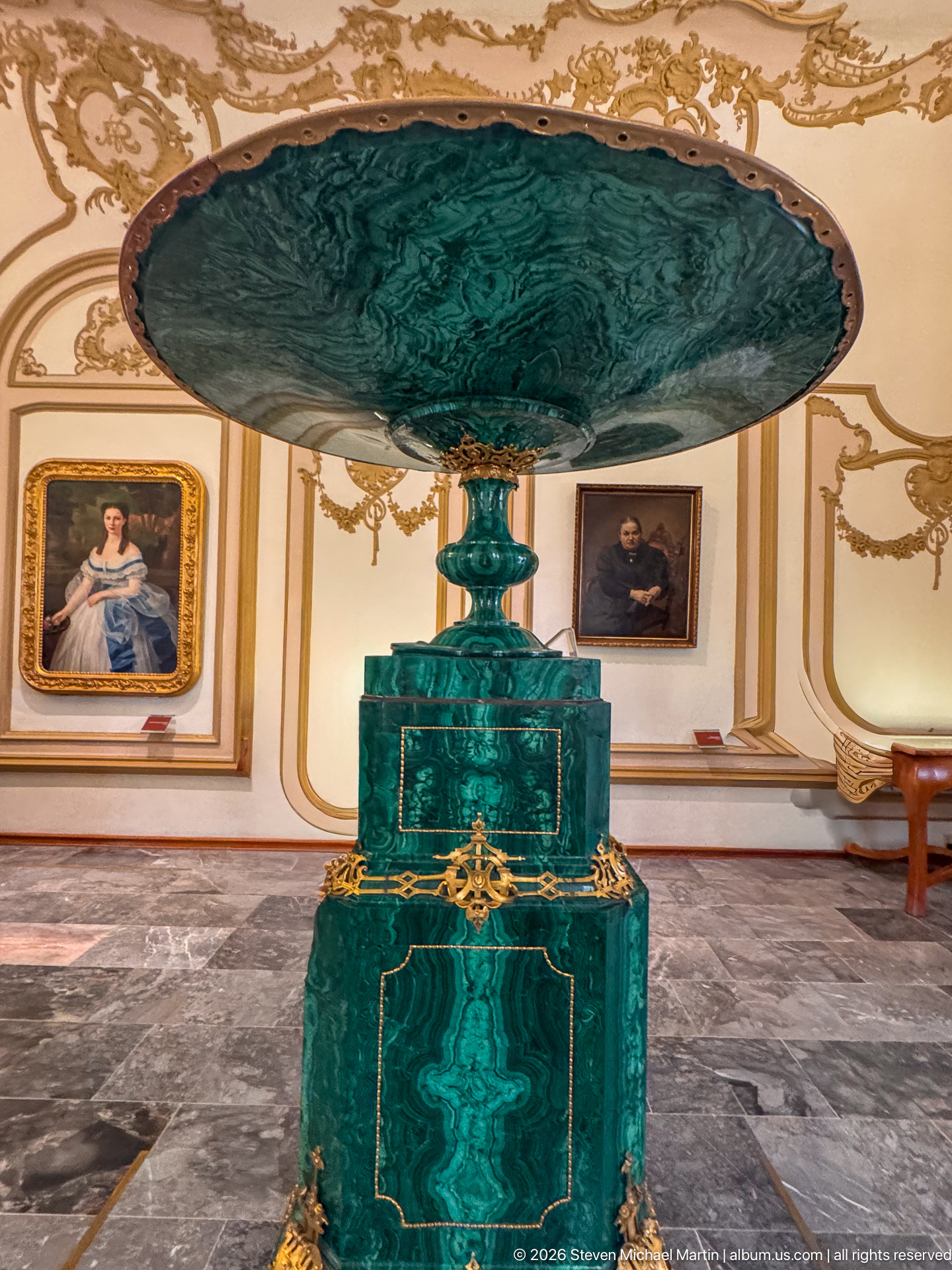
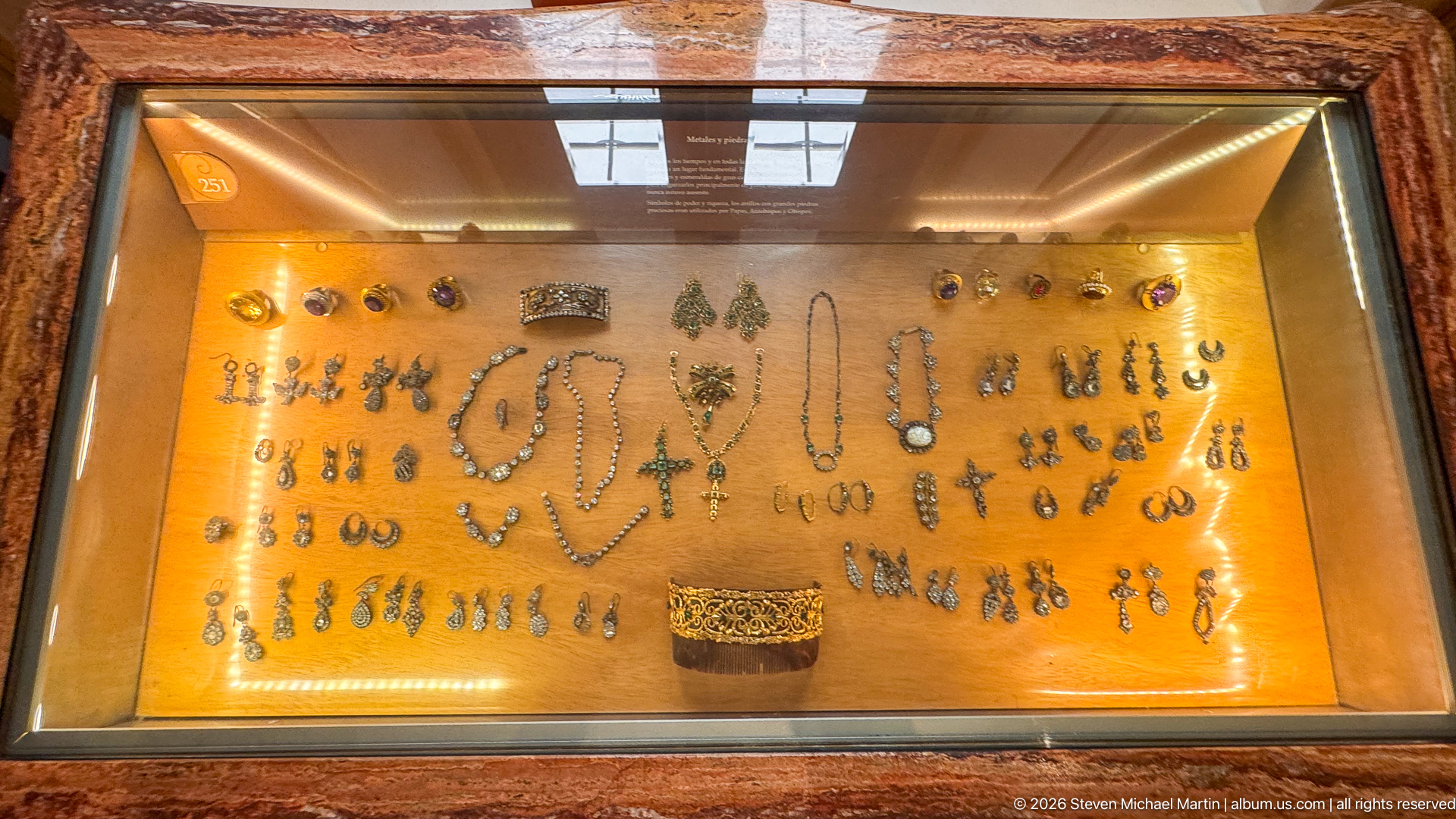
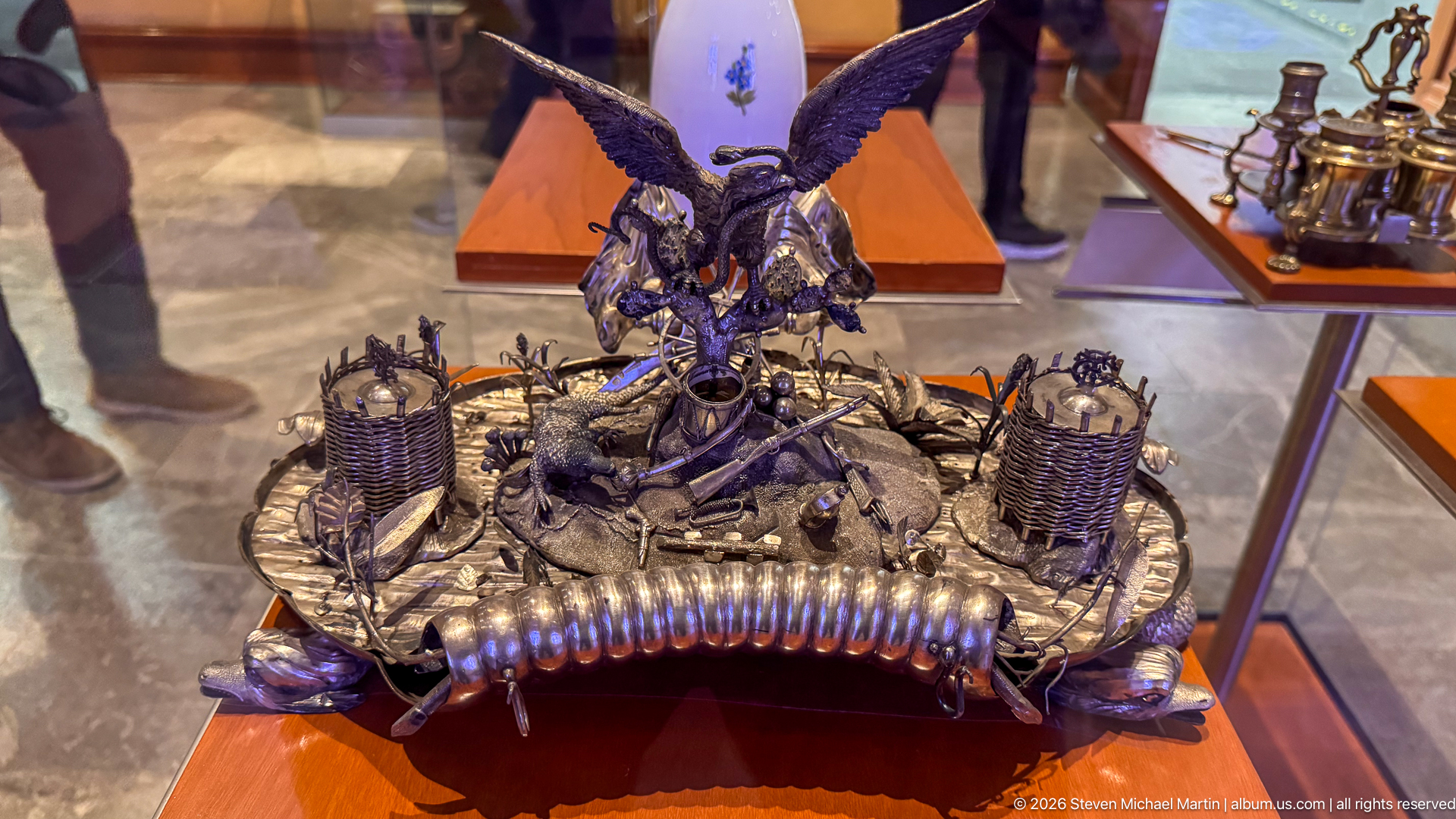
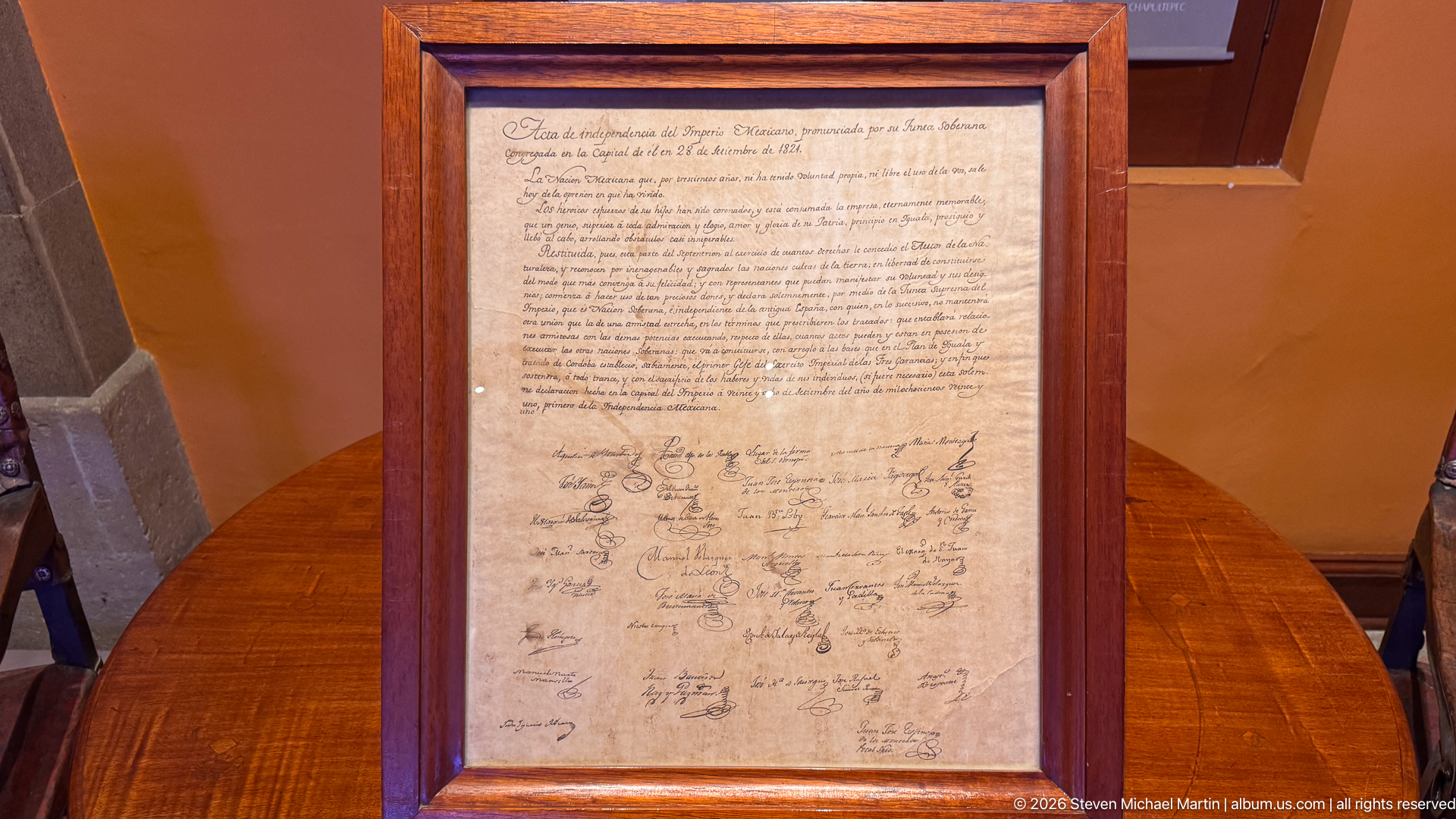
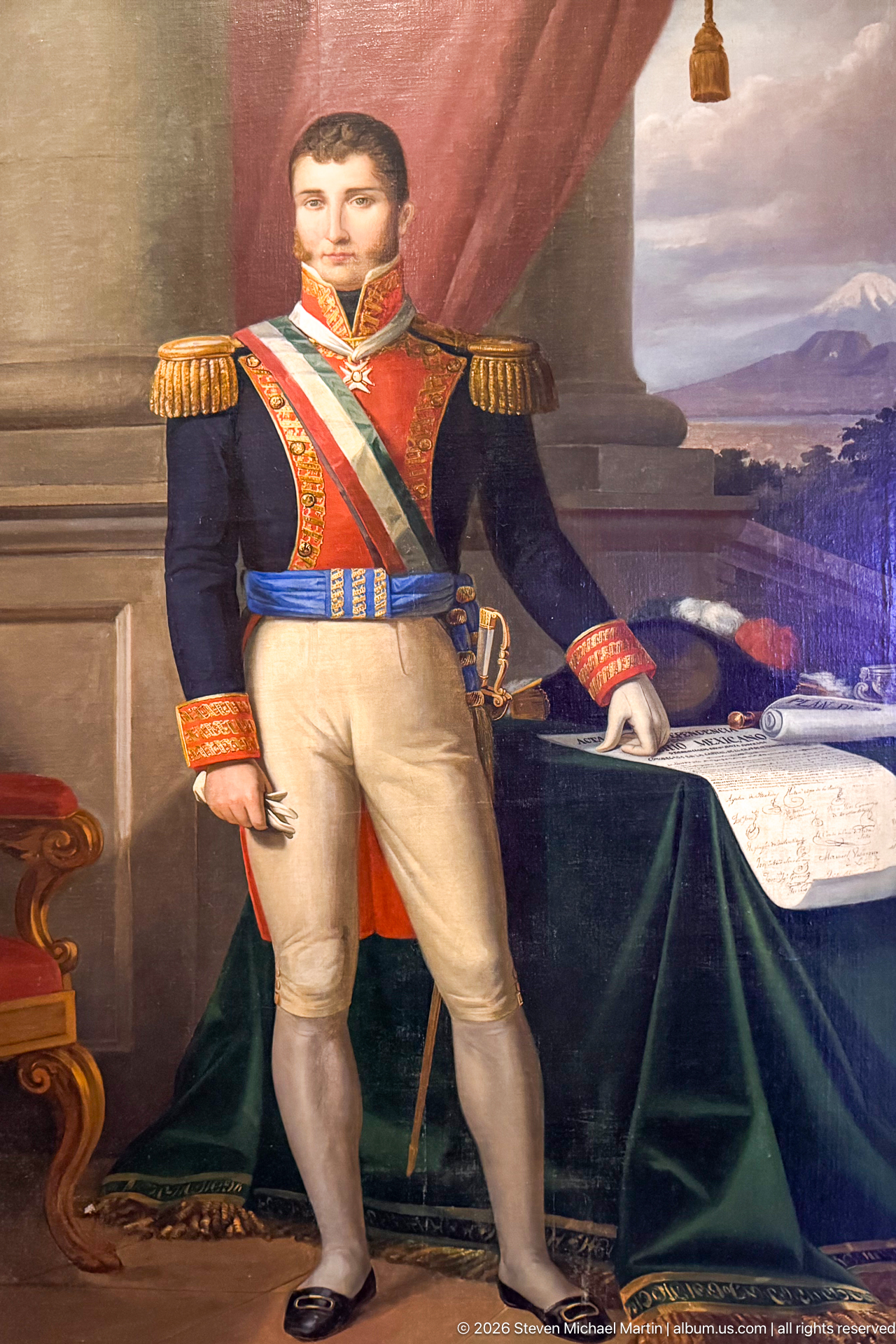
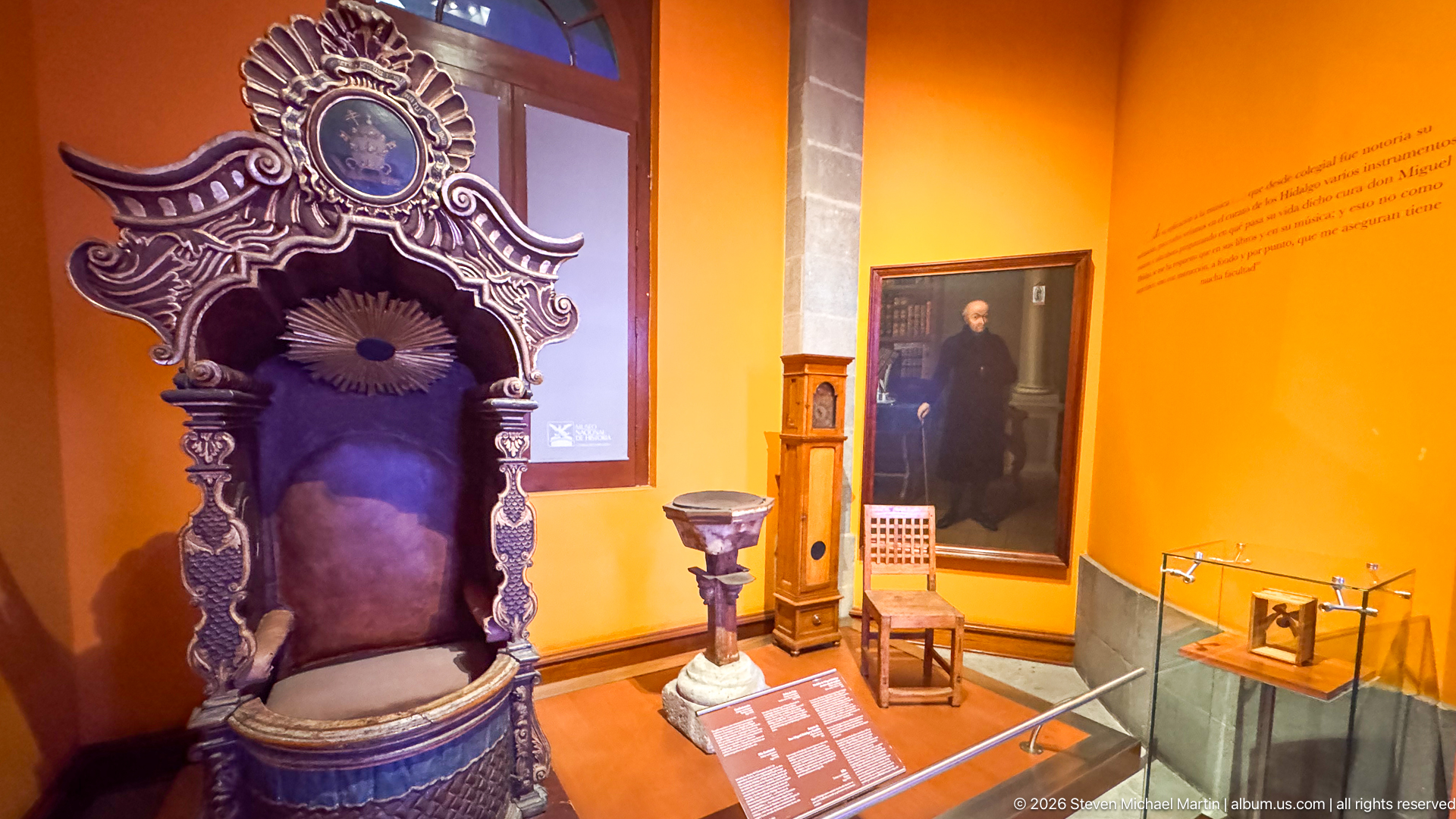
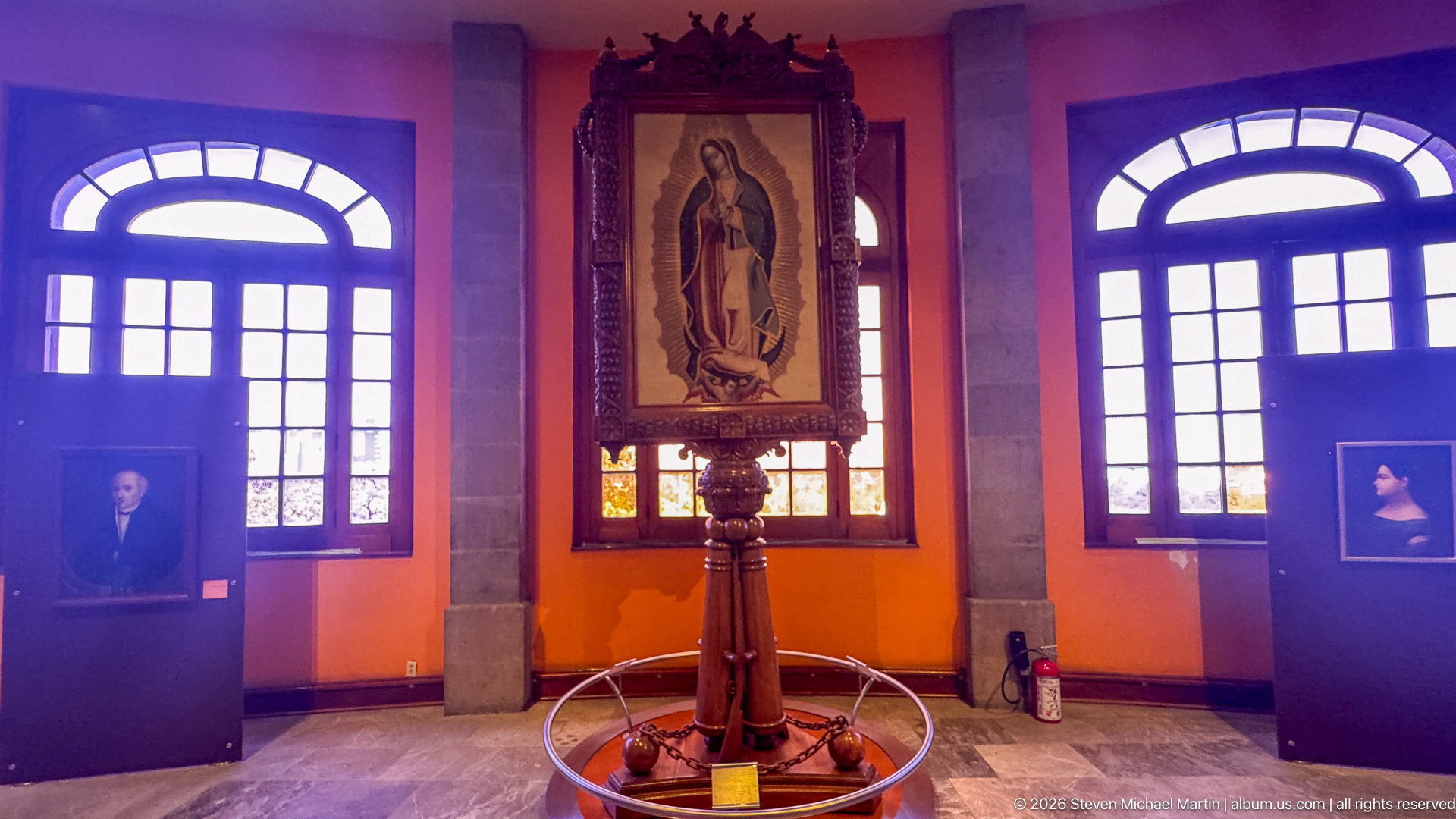
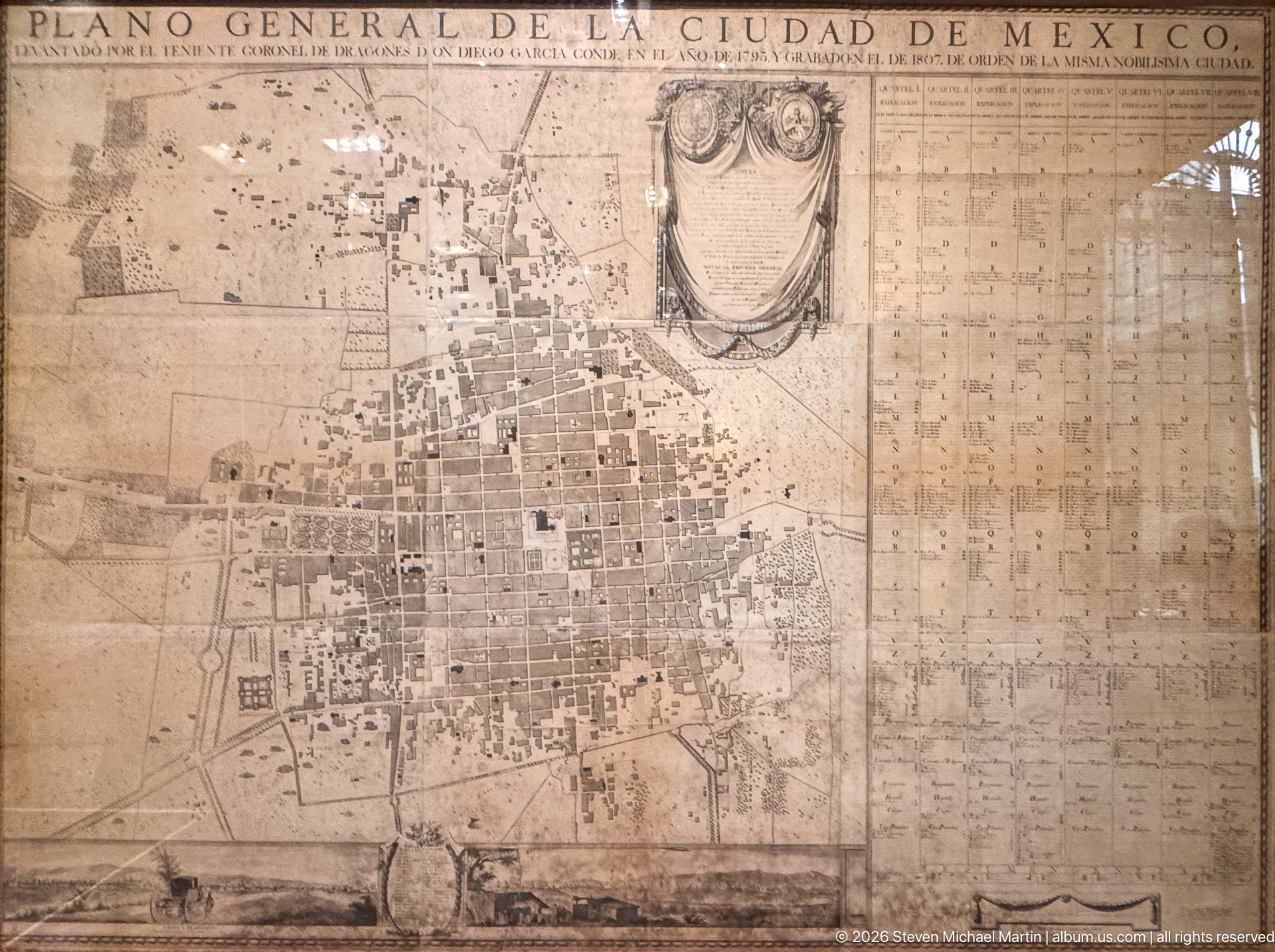
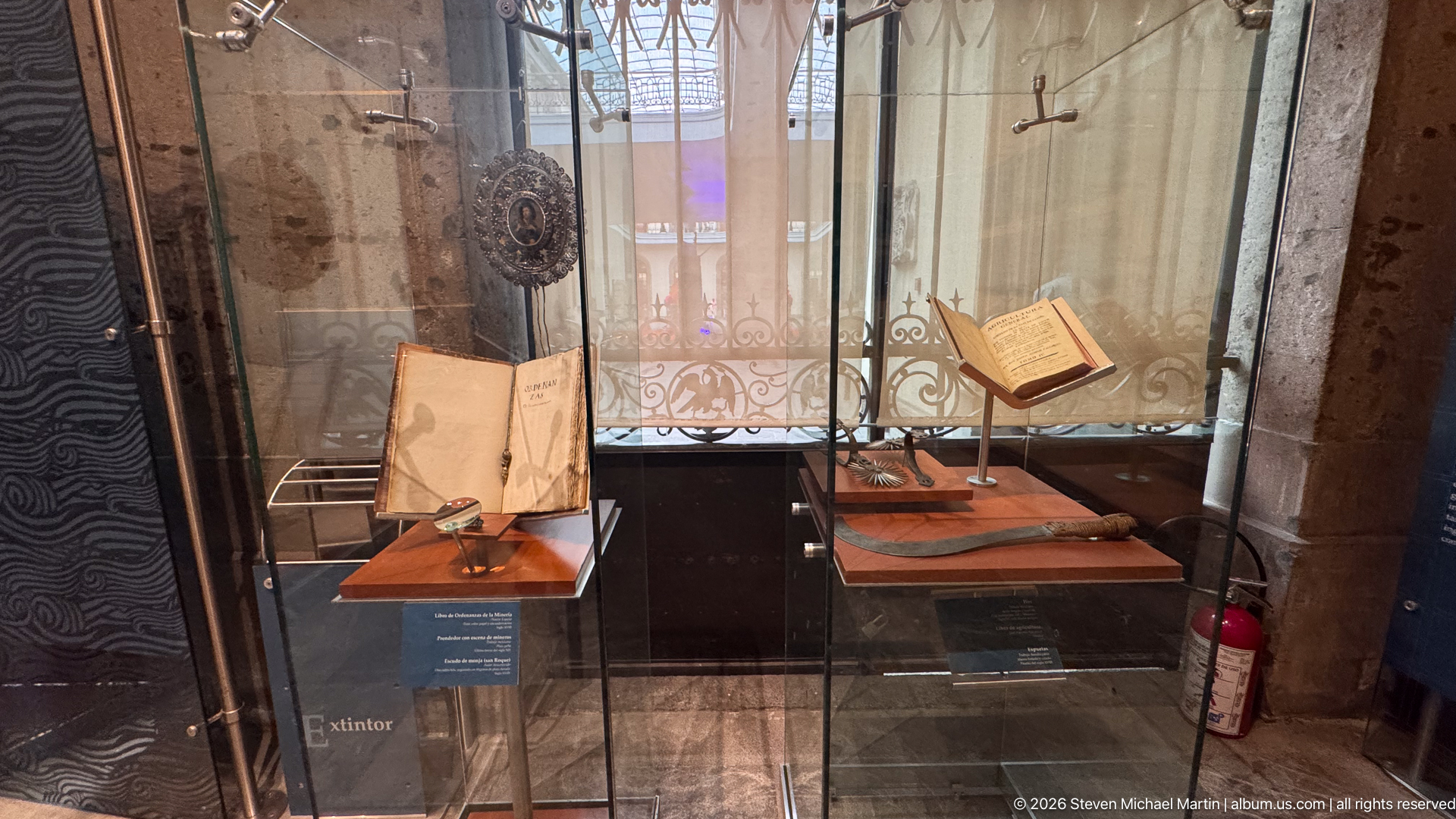
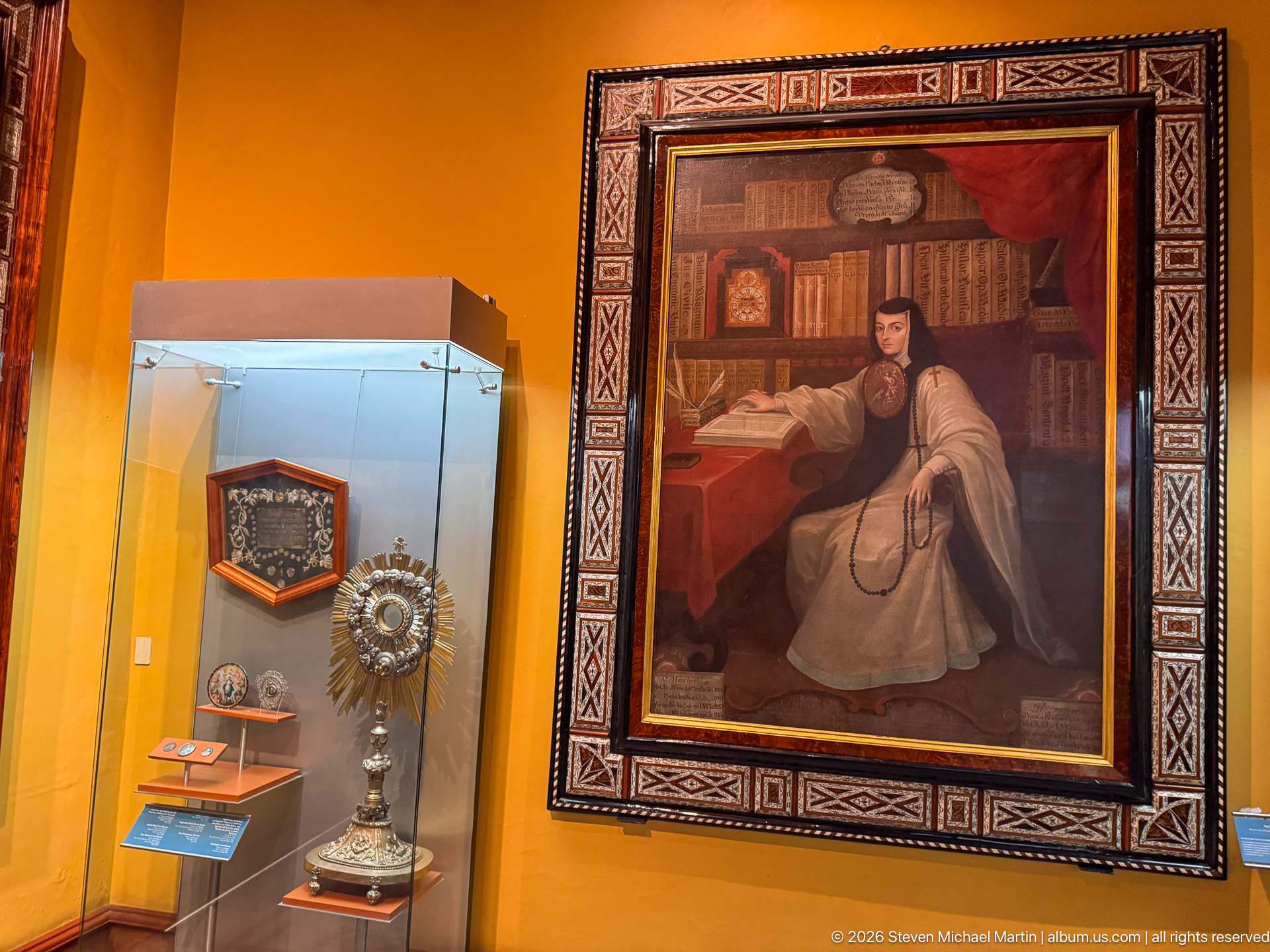
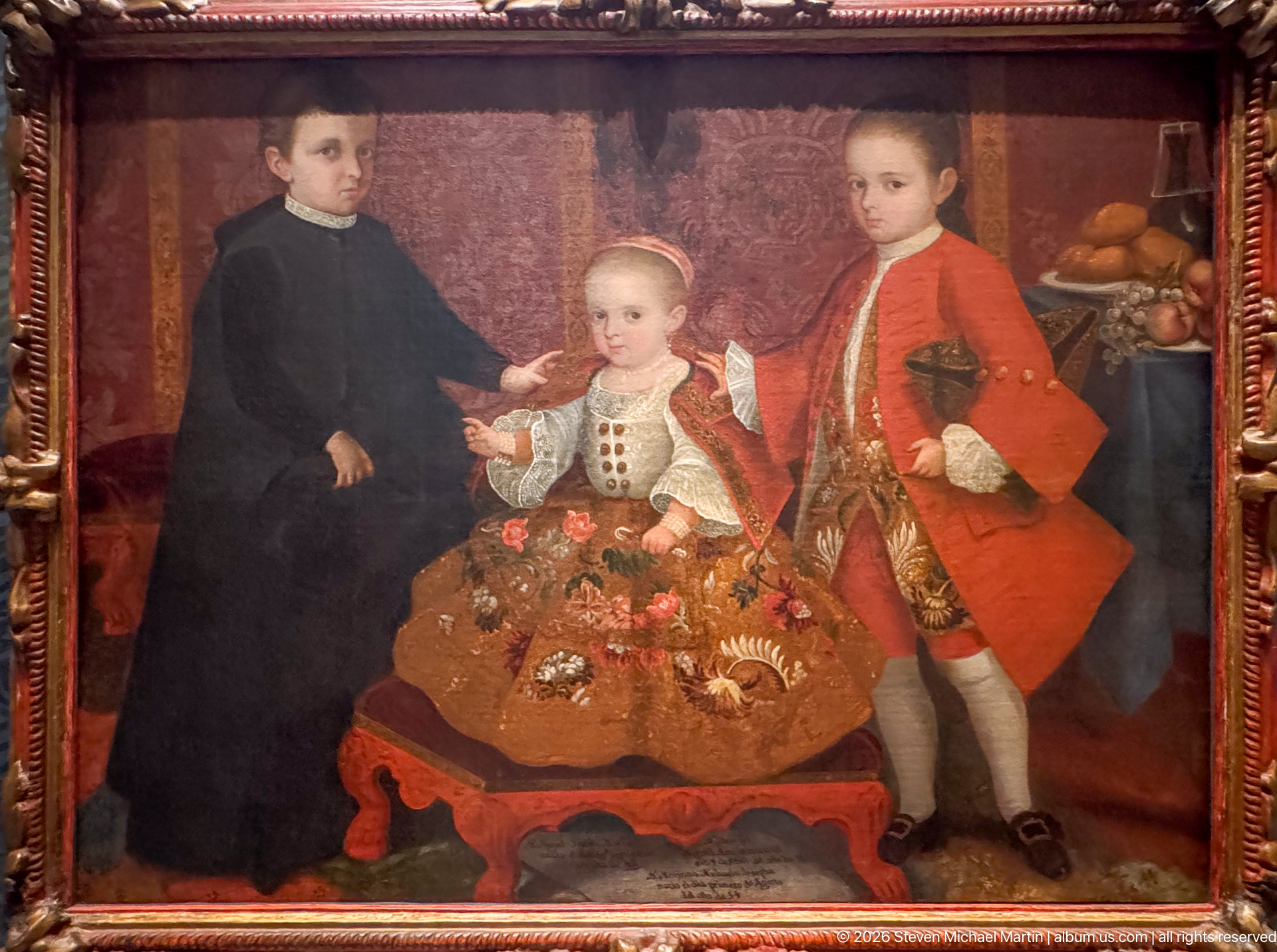
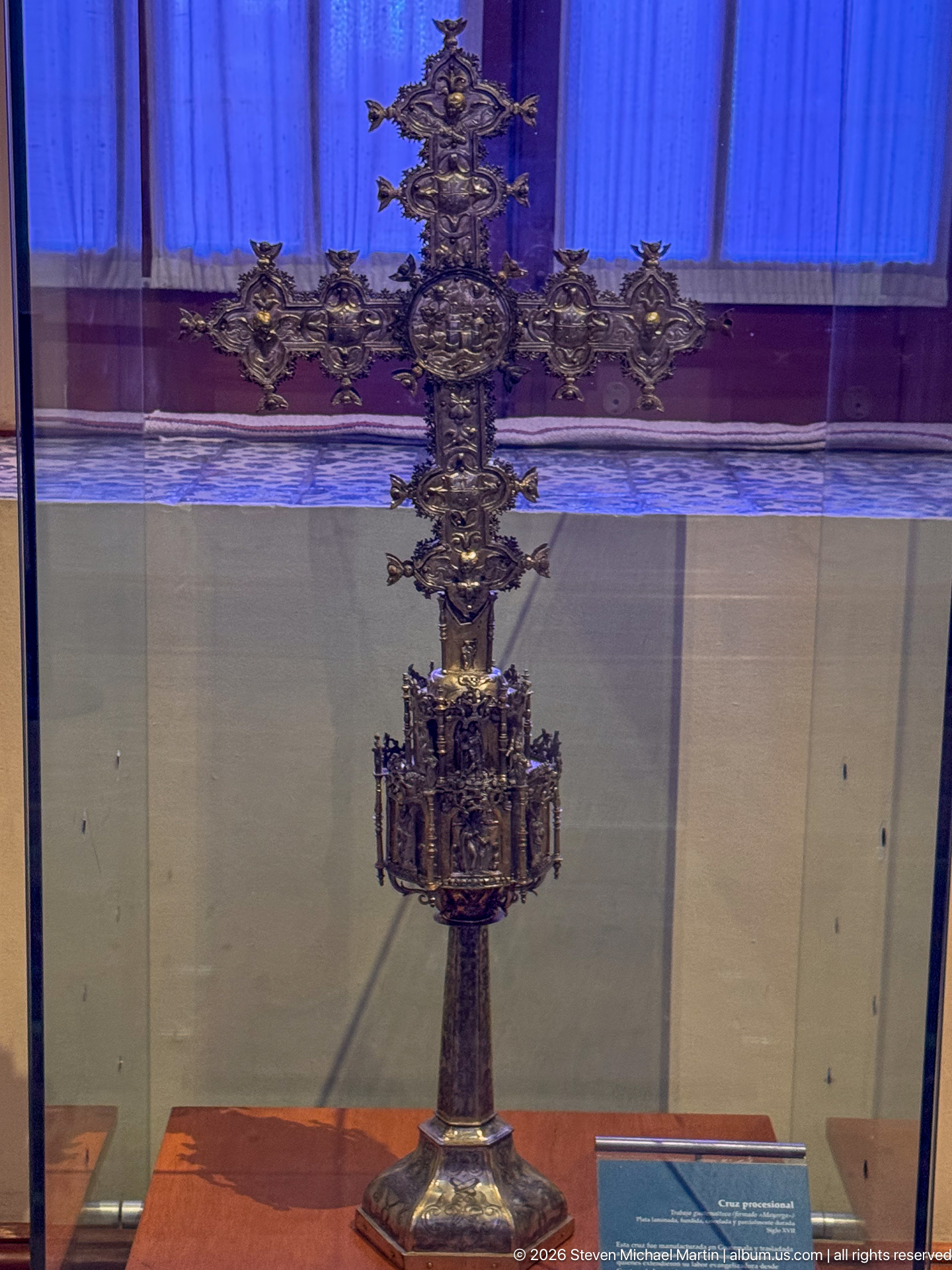
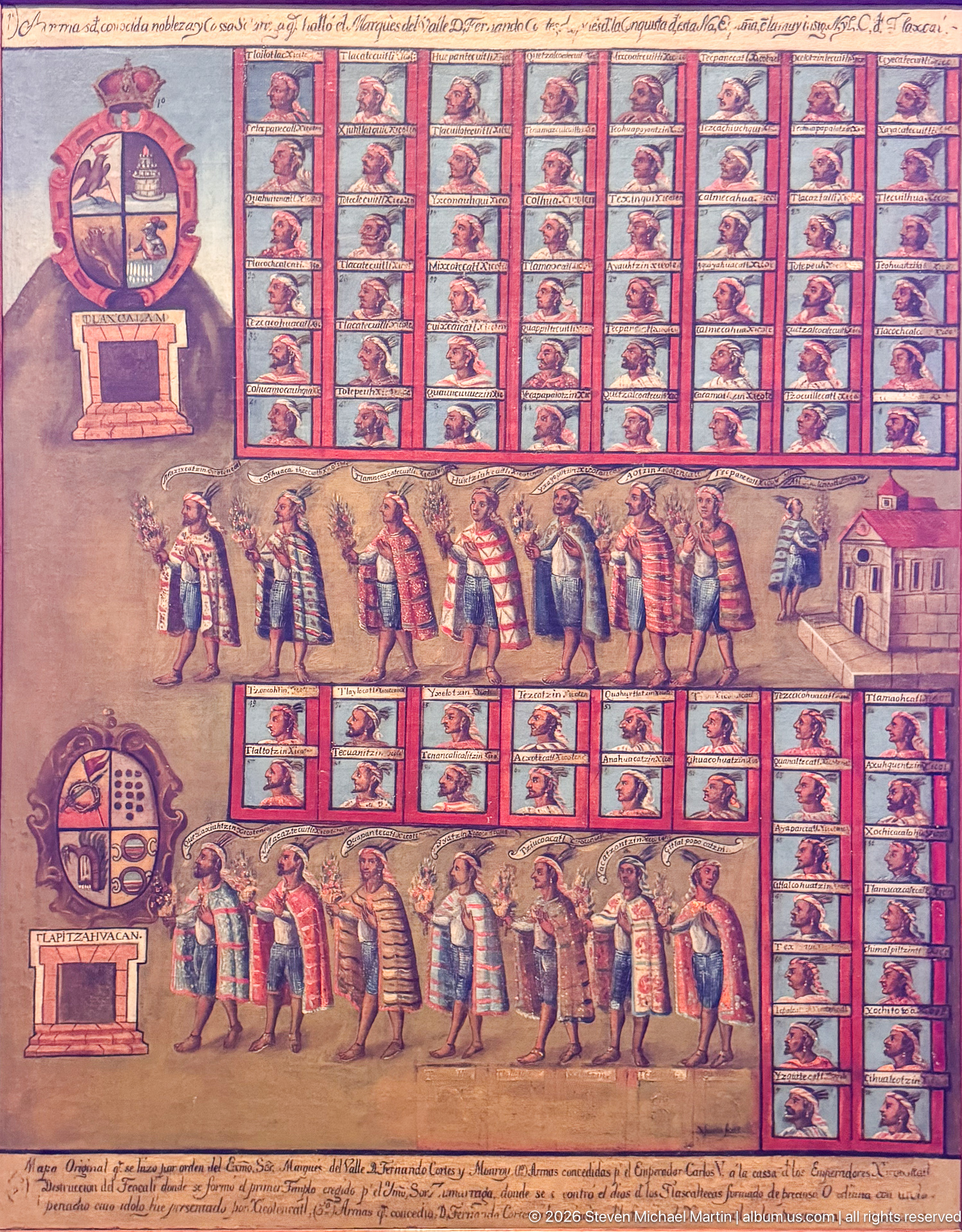
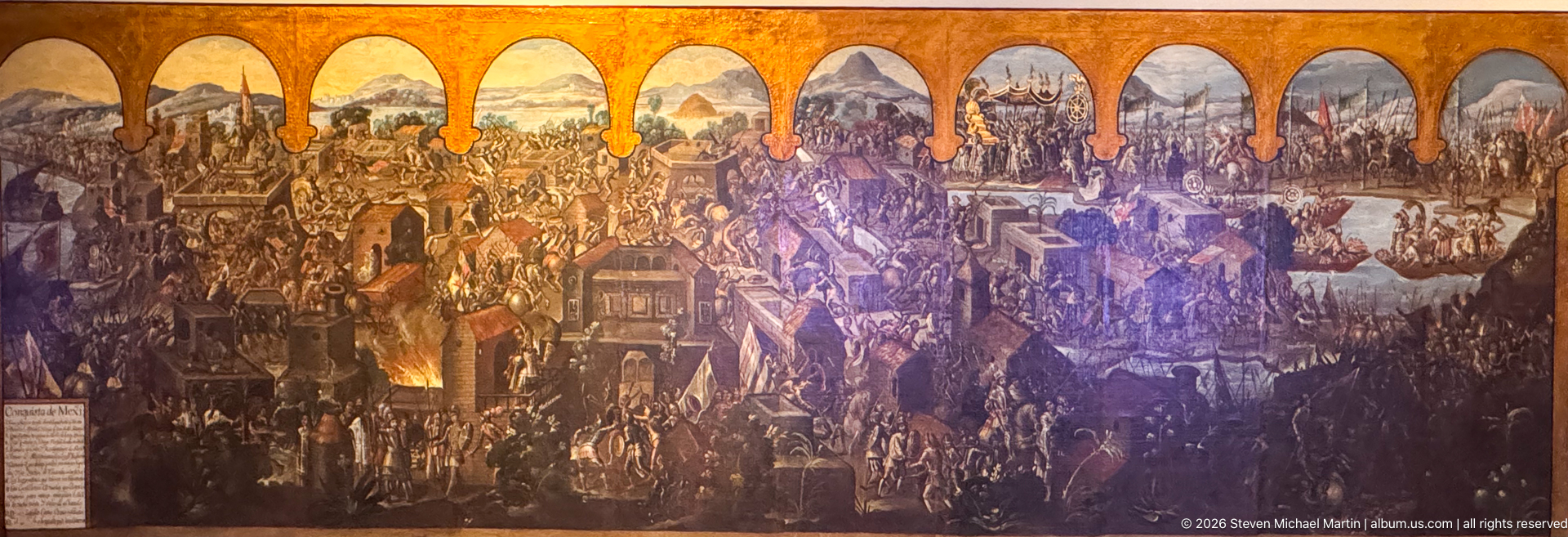
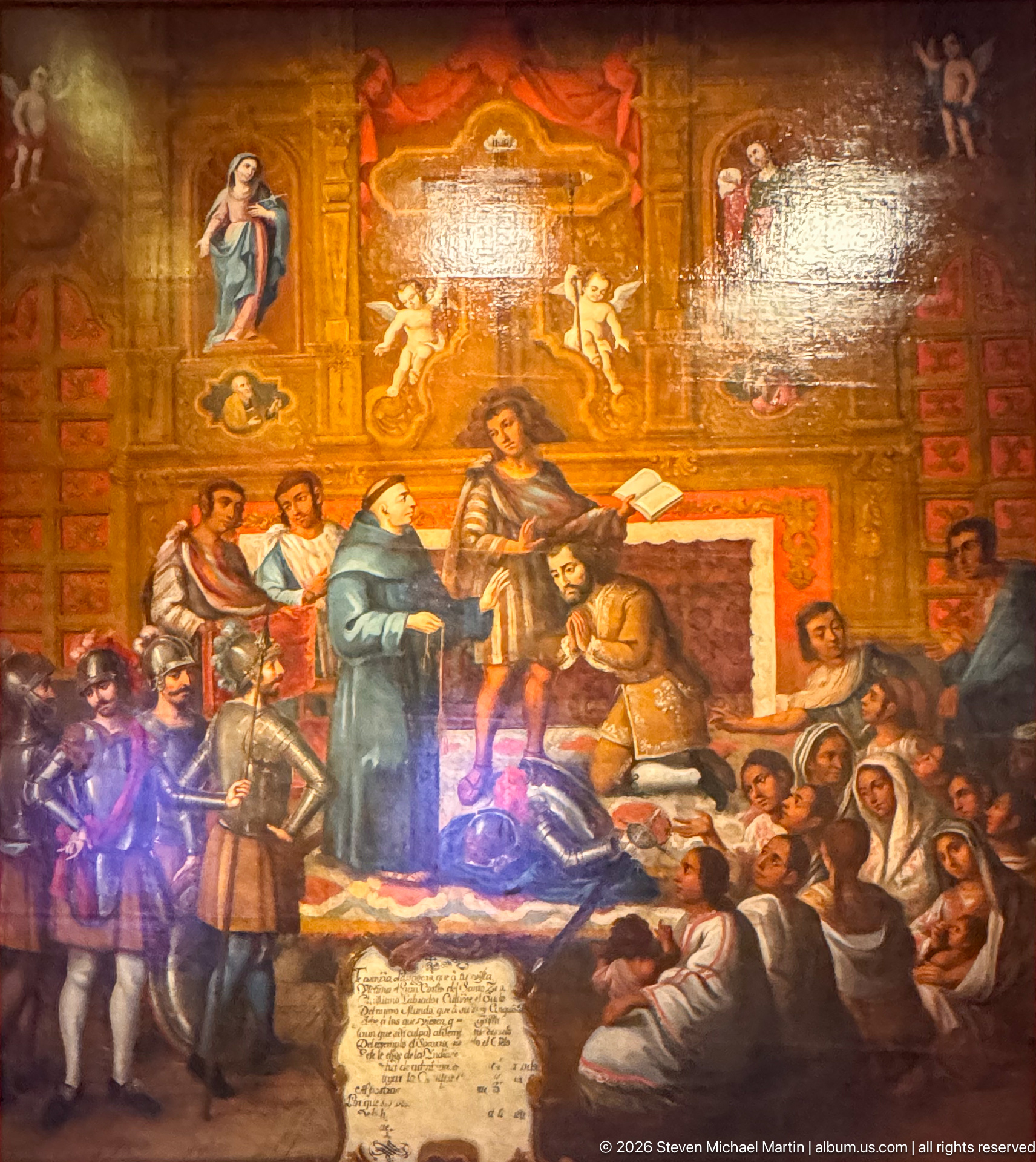
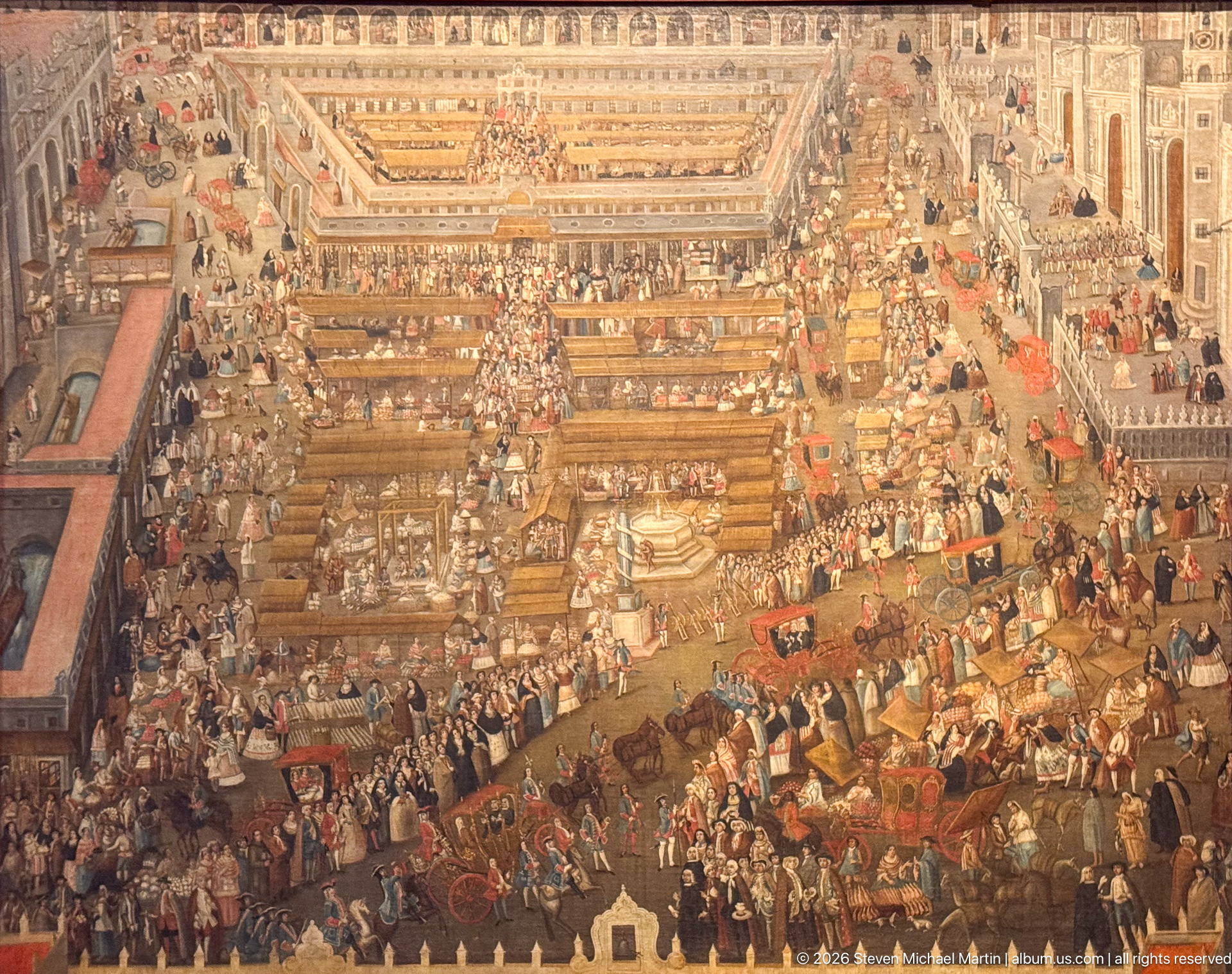
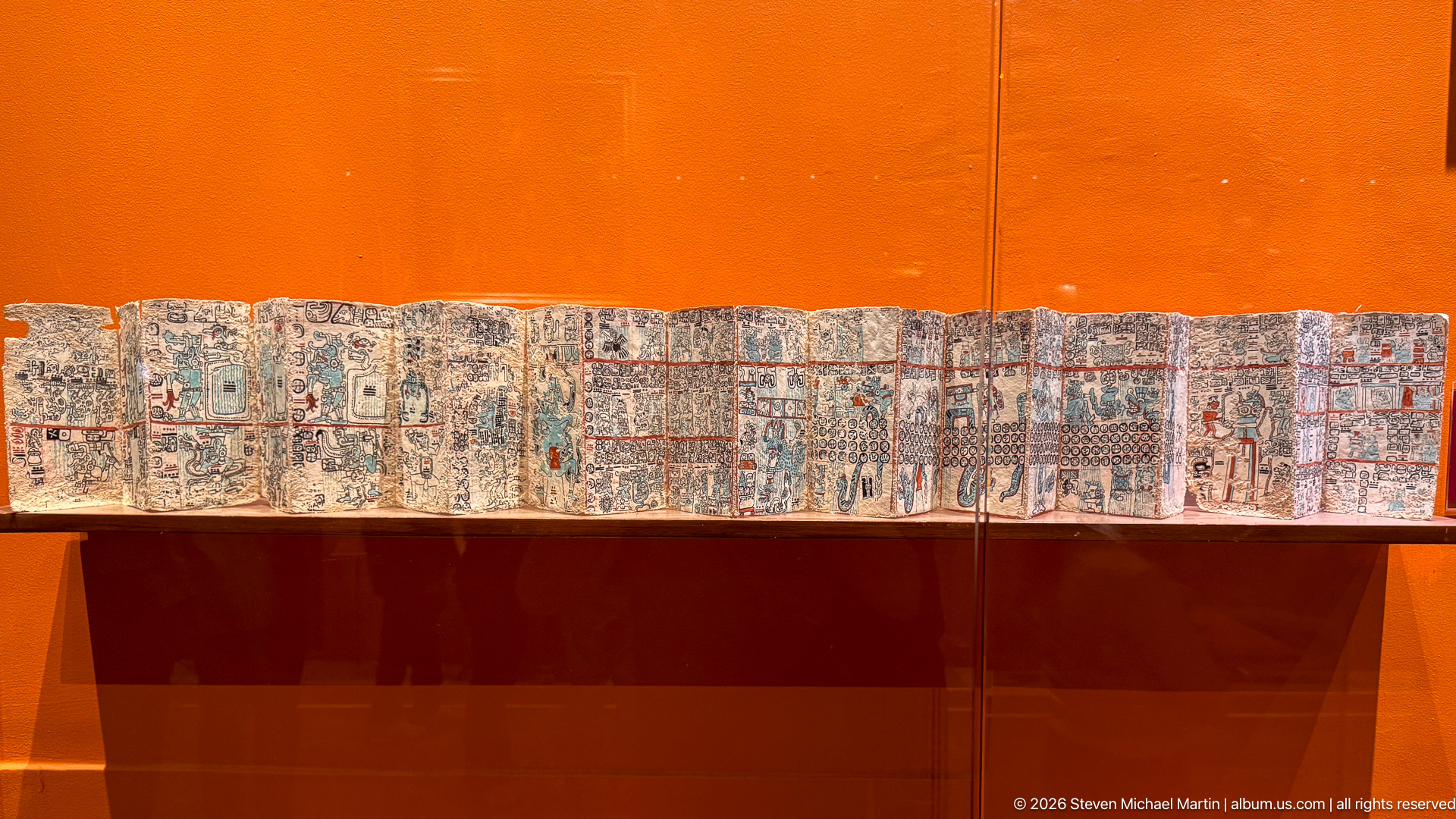
The galleries bring together military and political history, religious imagery, urban records, and objects of daily and ceremonial life. Portraits and historical documents sit alongside furniture, jewelry, processional objects, a painted folding screen, and a pre-Columbian-style accordion-fold manuscript. Maps and city paintings show Mexico City at different scales, while the casta painting presents colonial-era social classifications through labeled family groups.
◆ Signature Objects
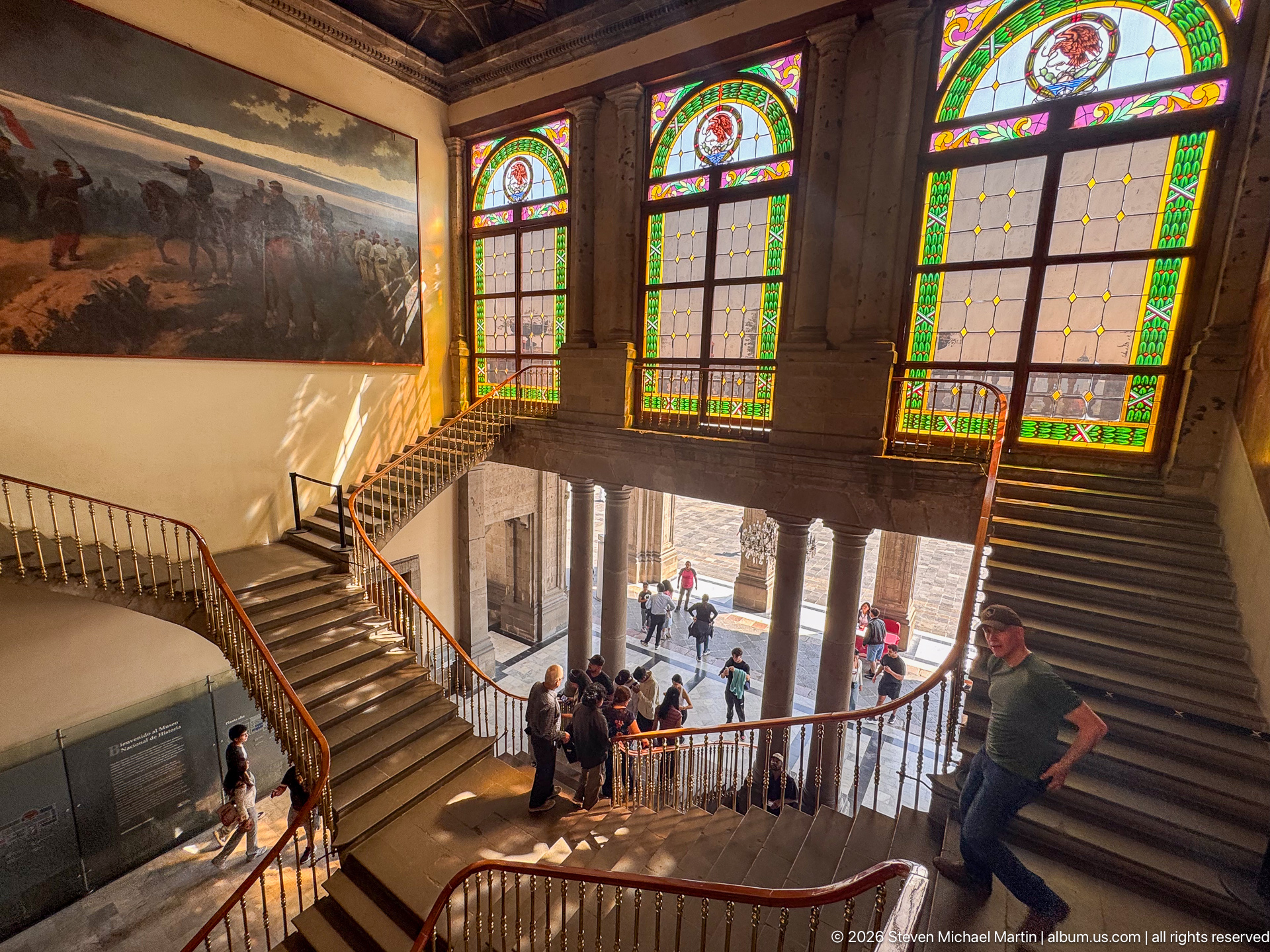
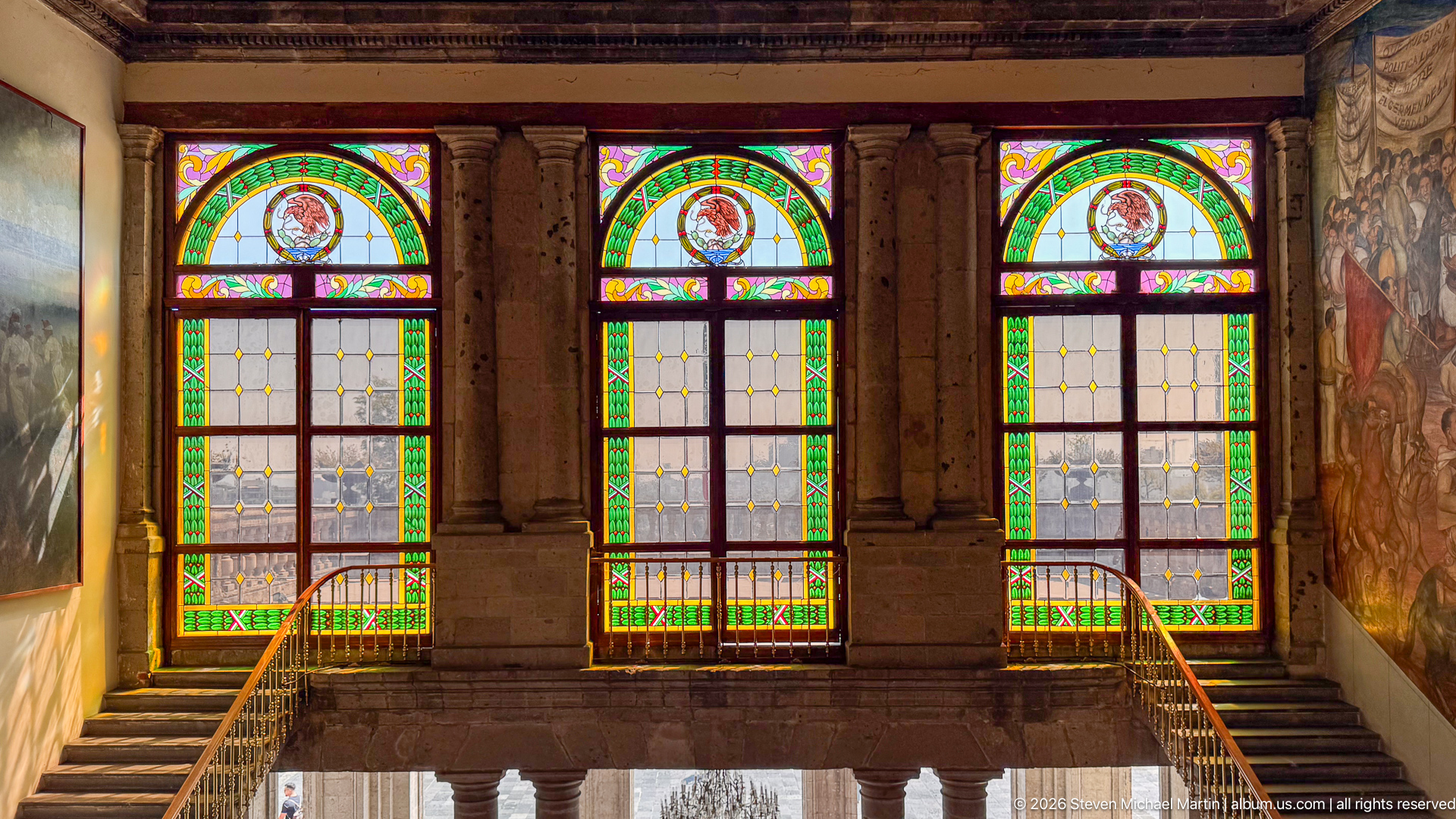
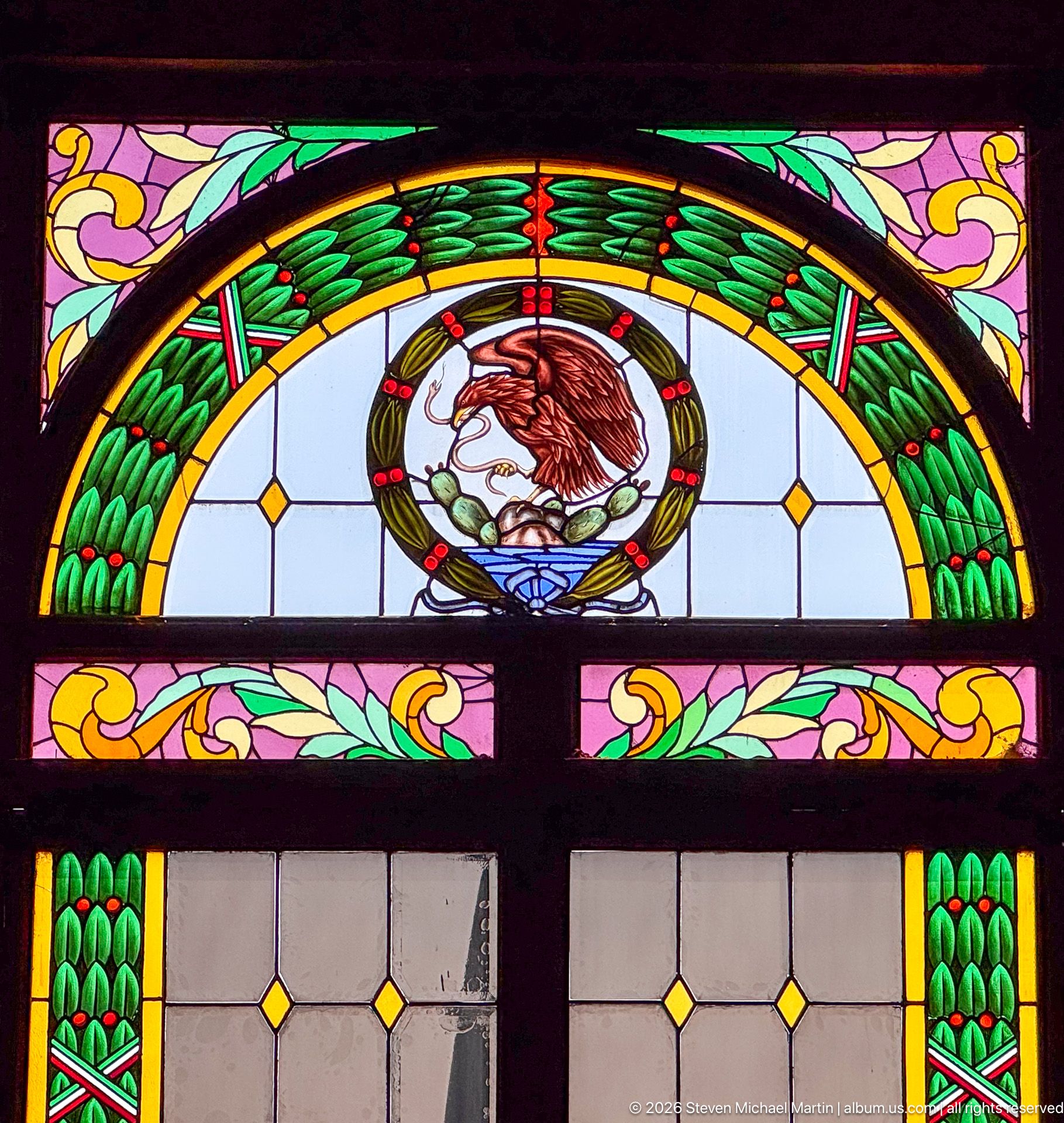
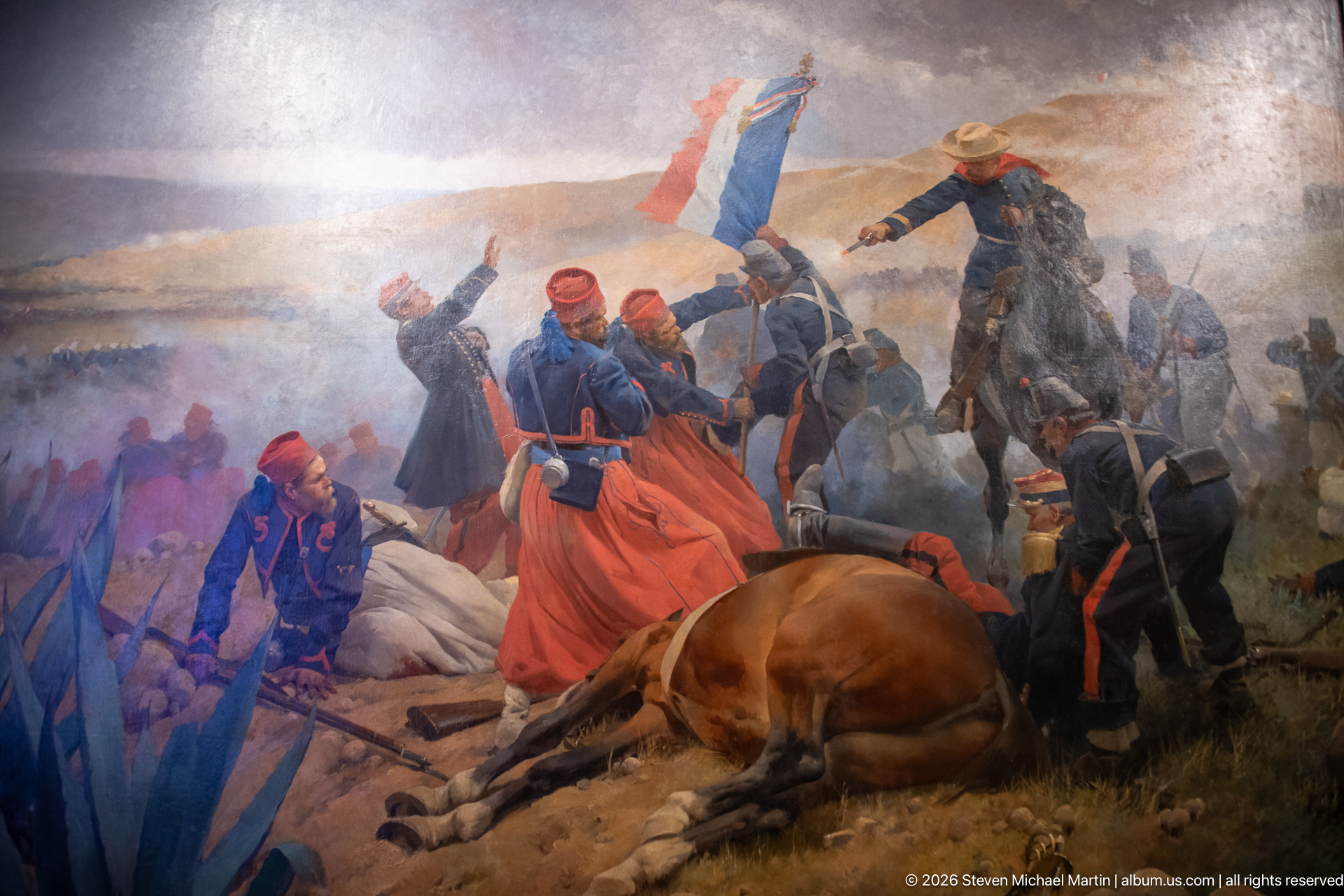
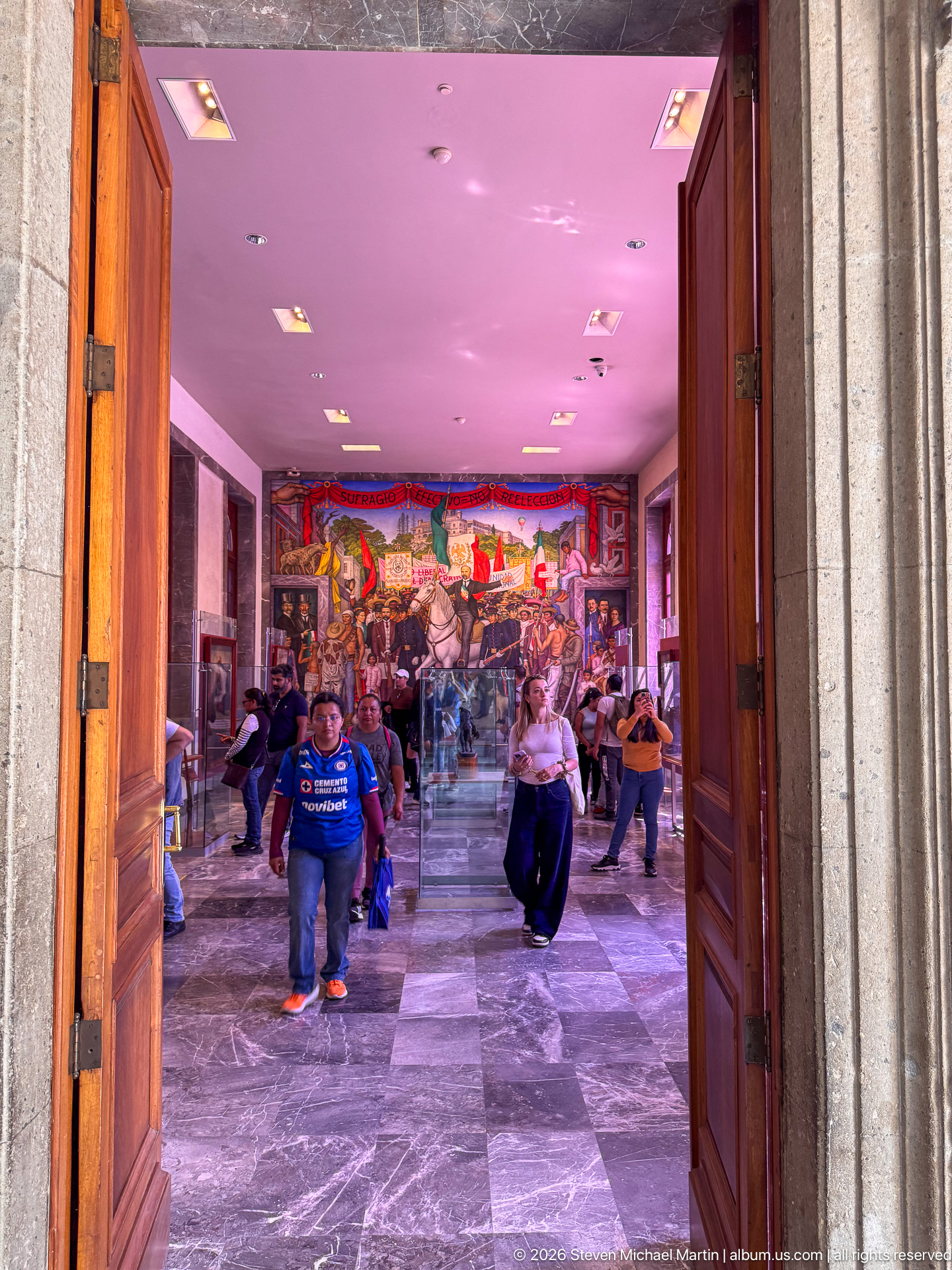
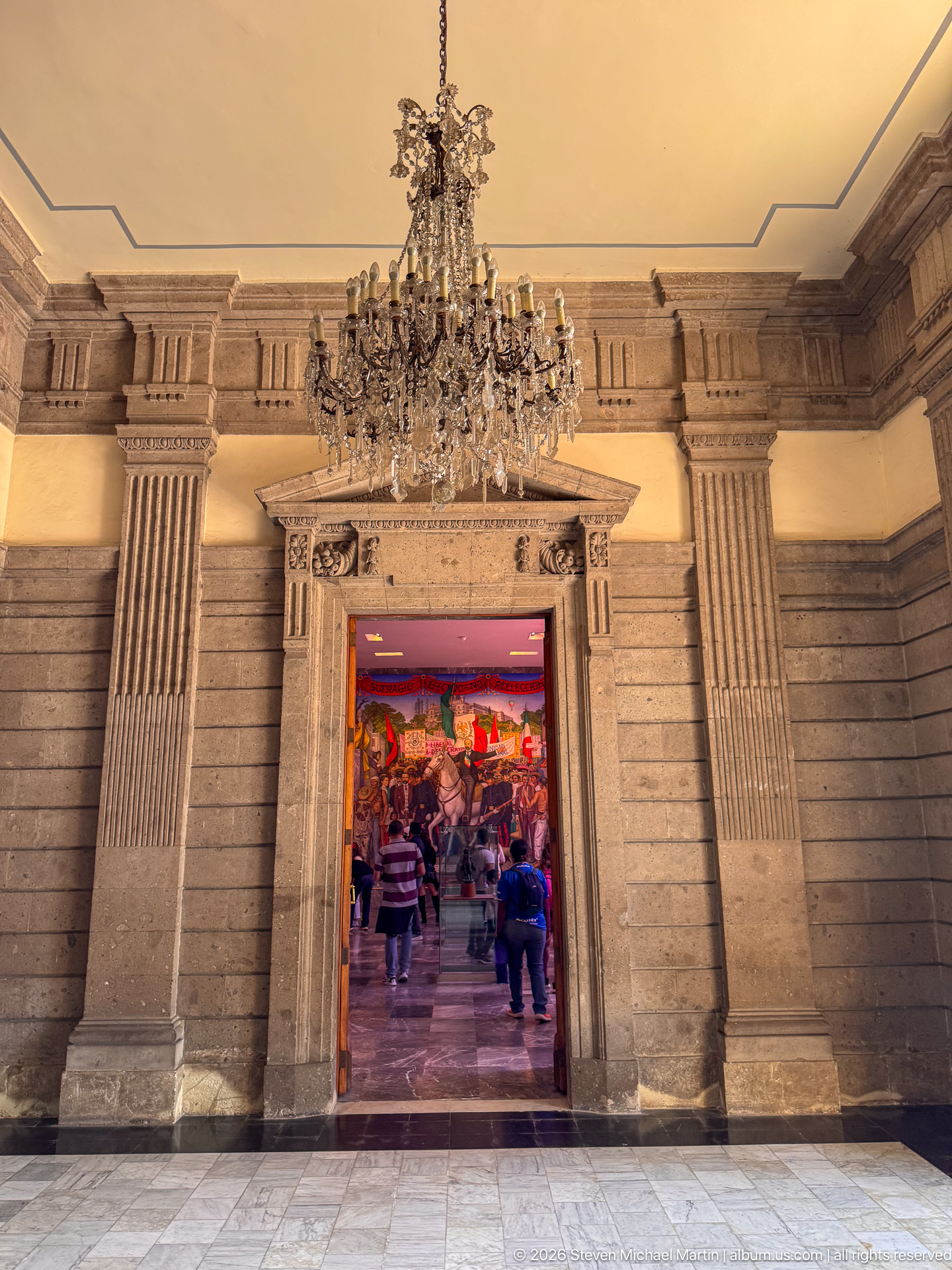
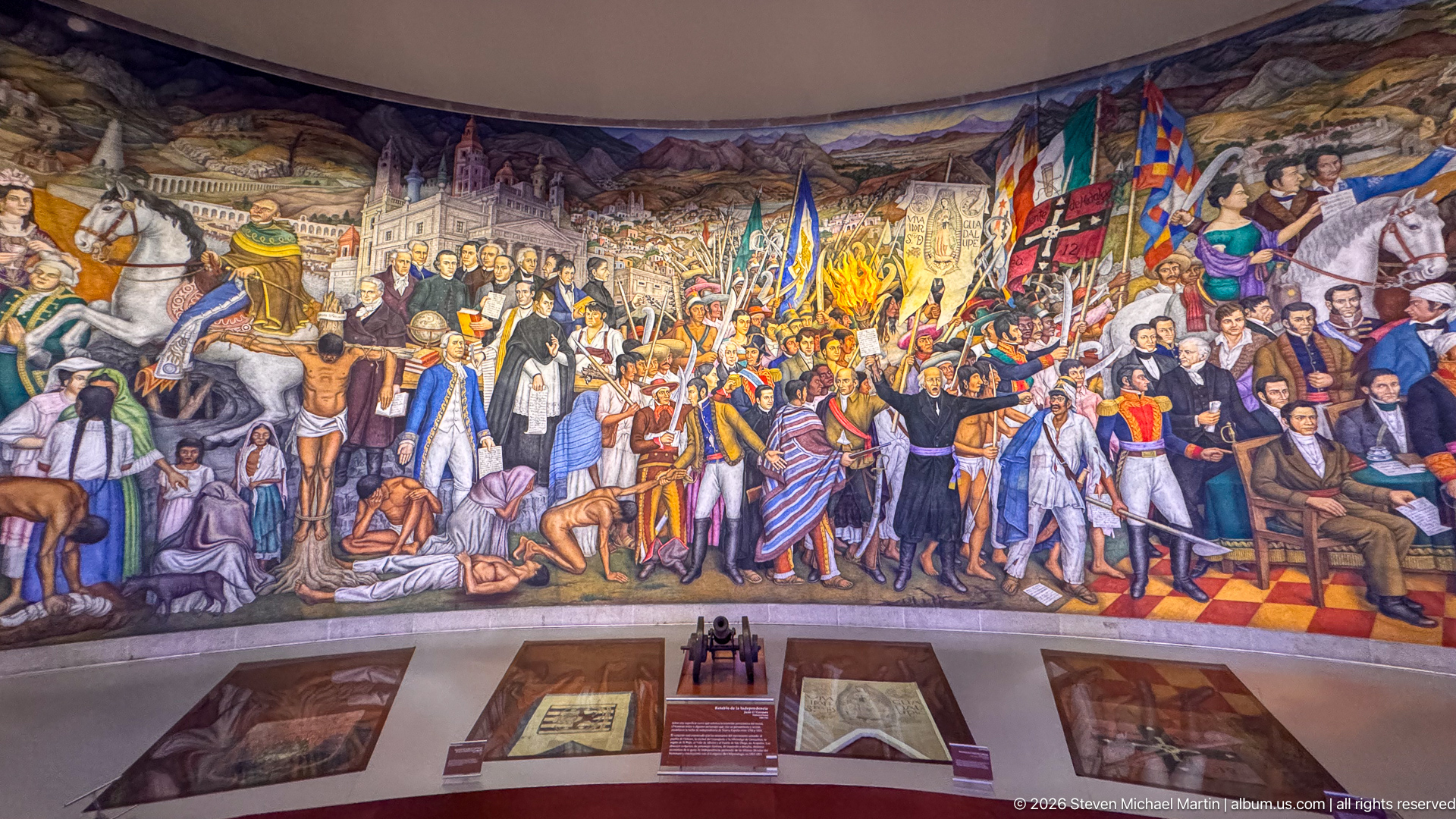
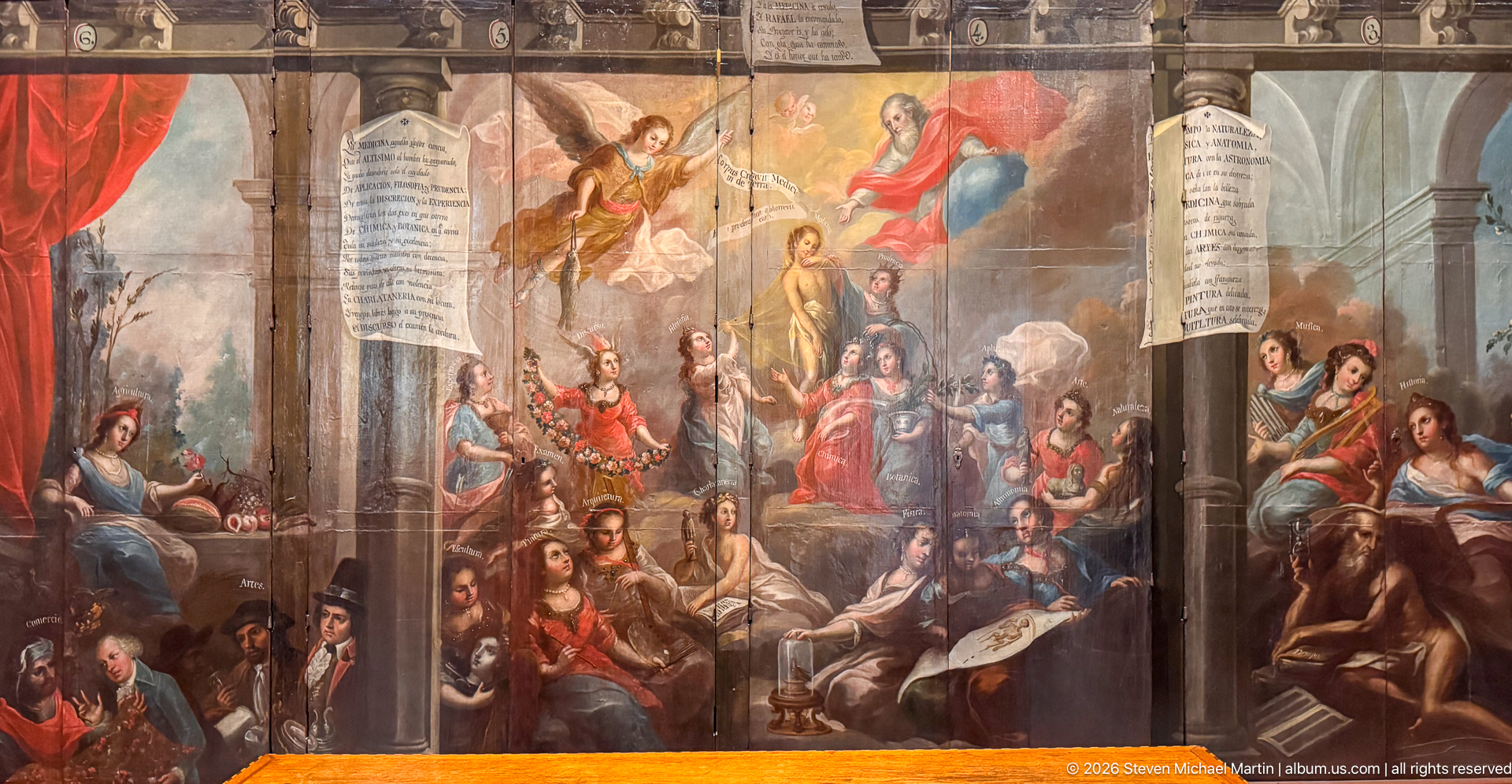
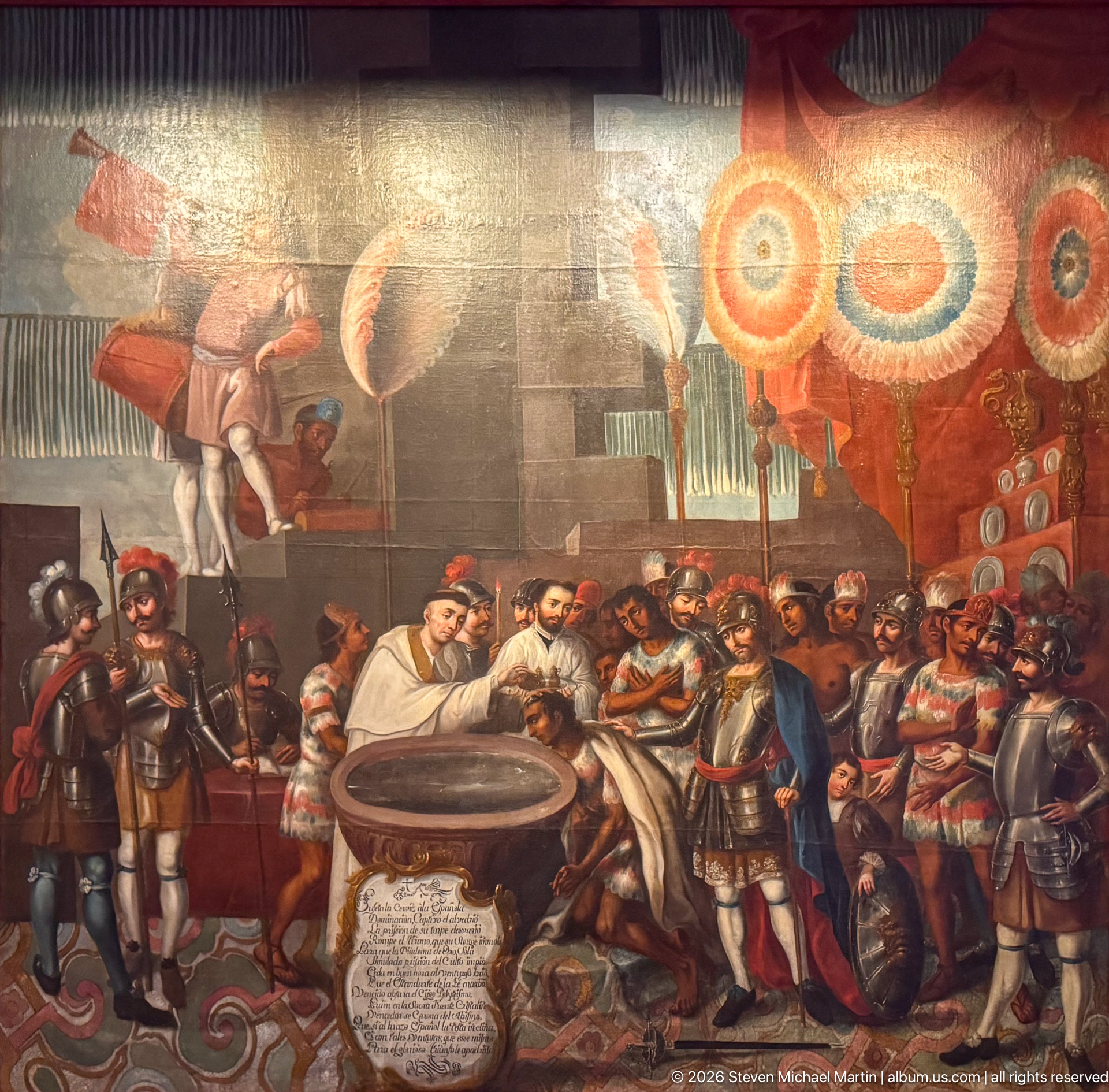
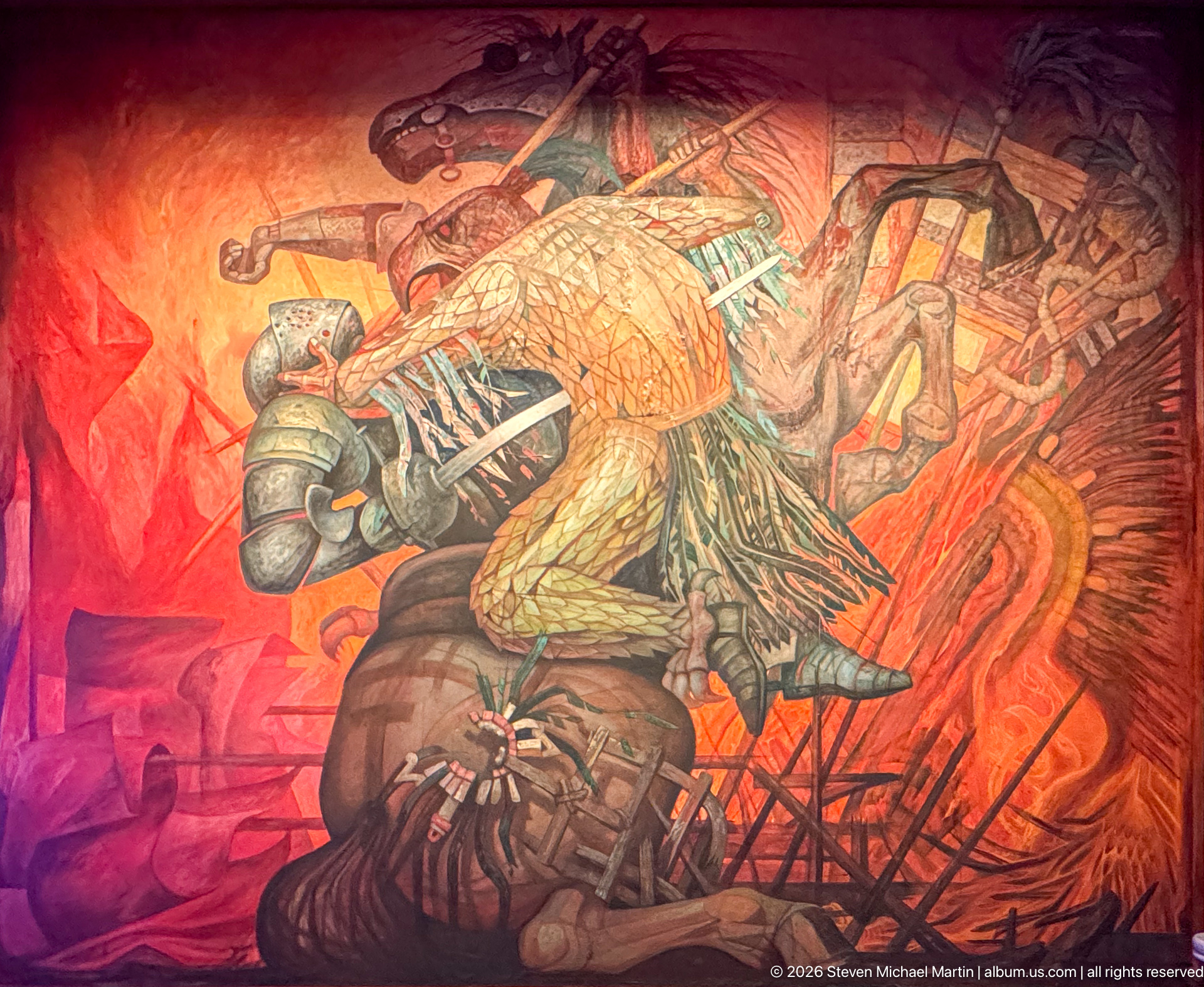
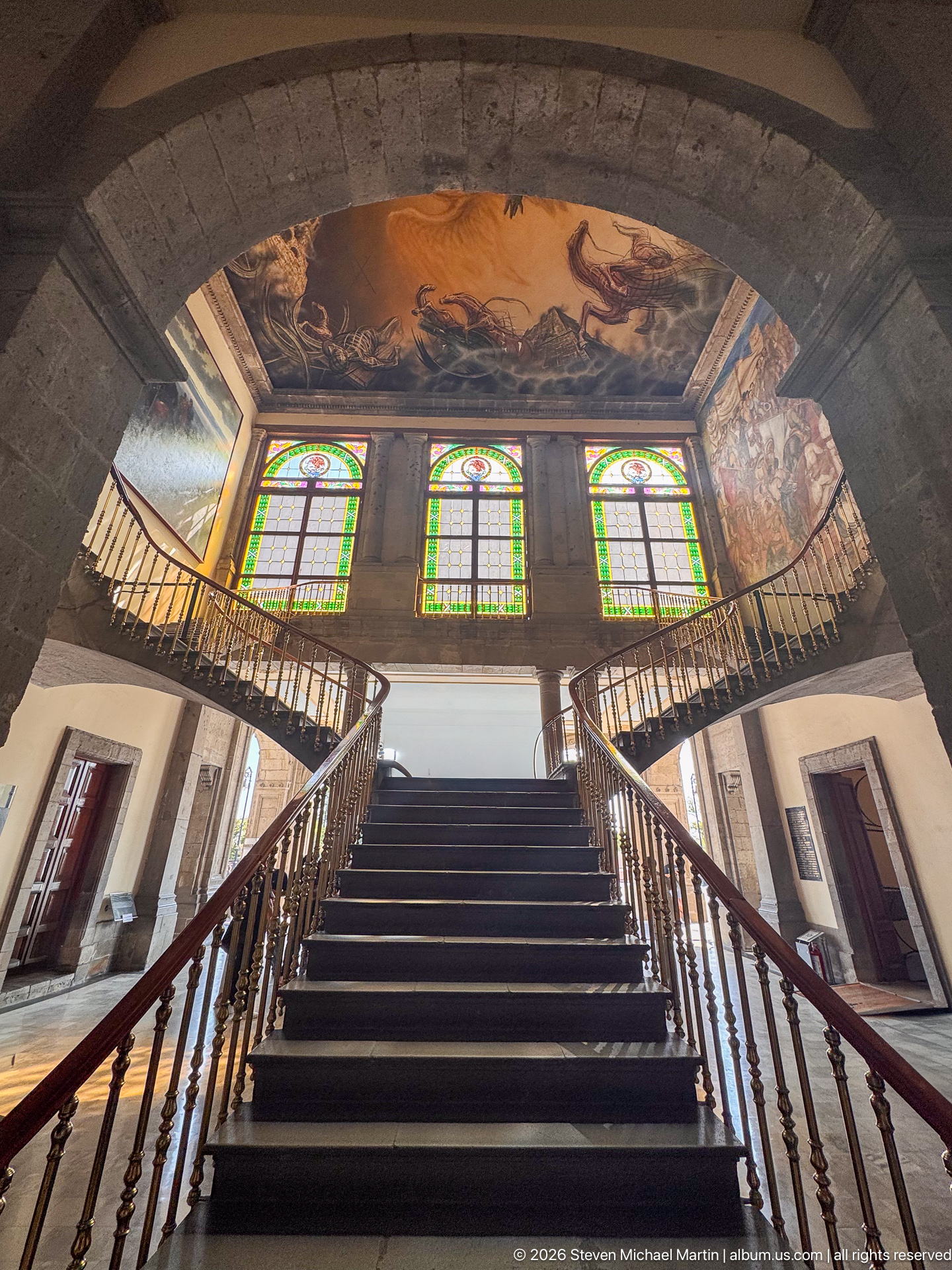
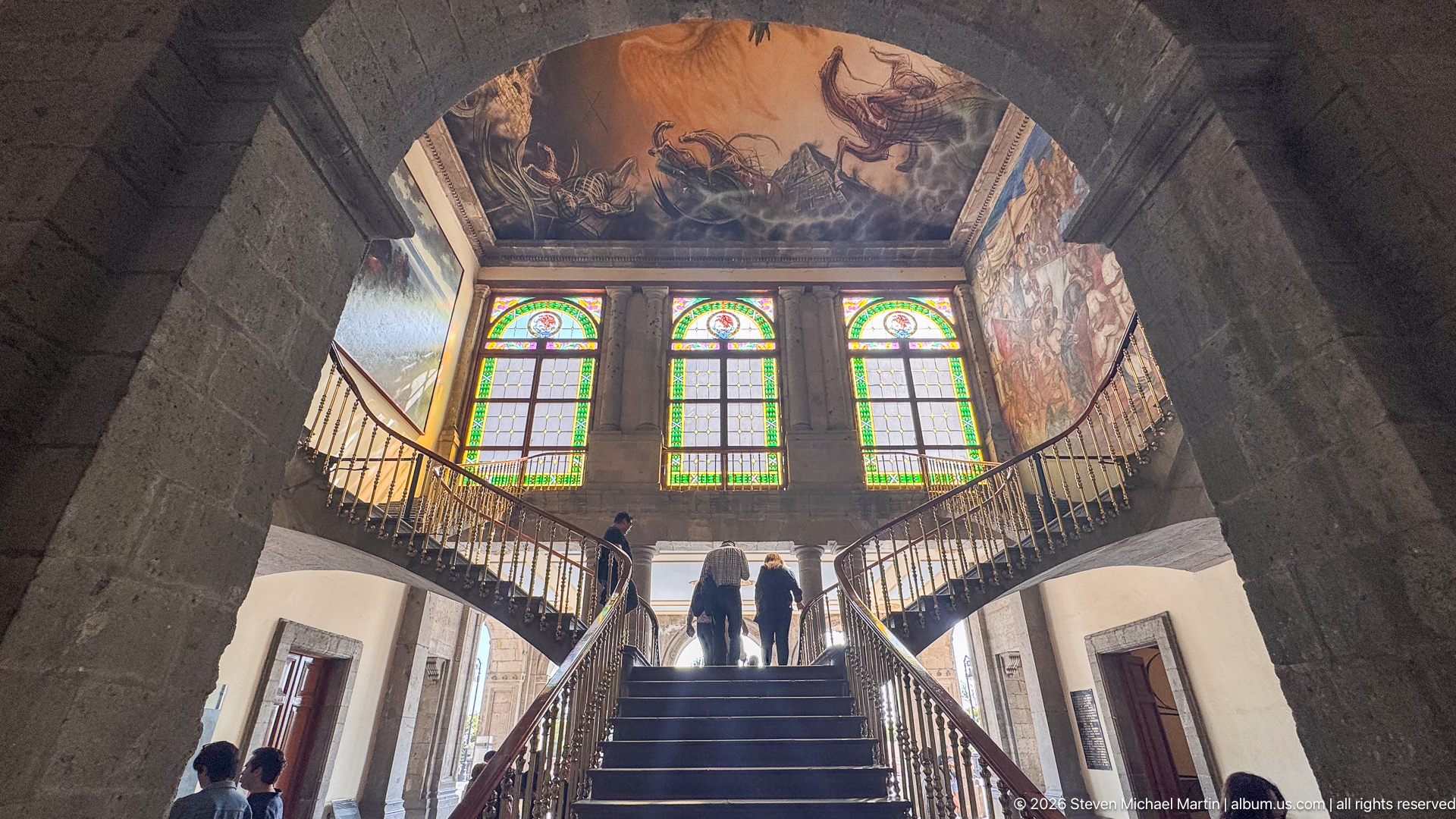
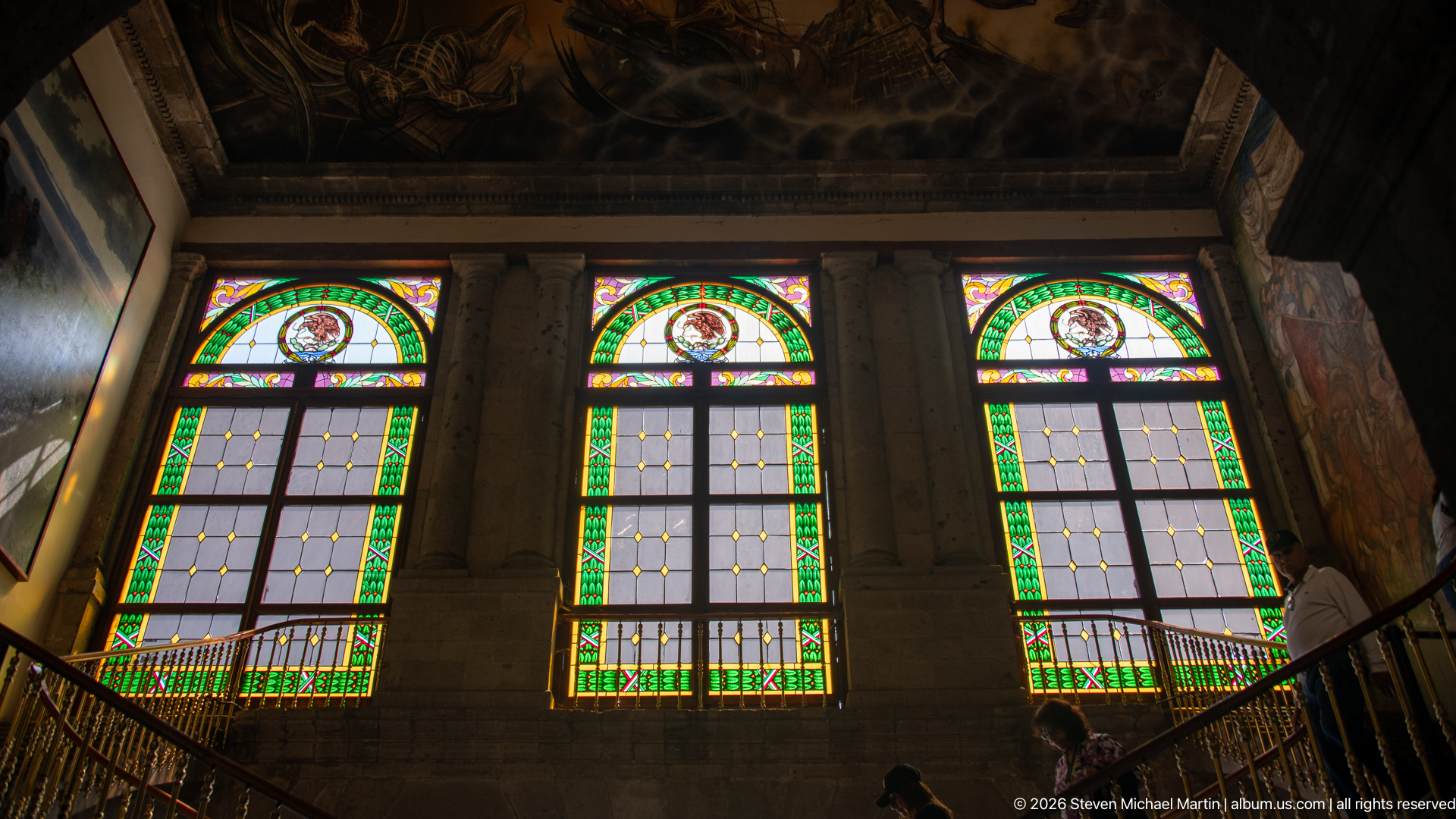
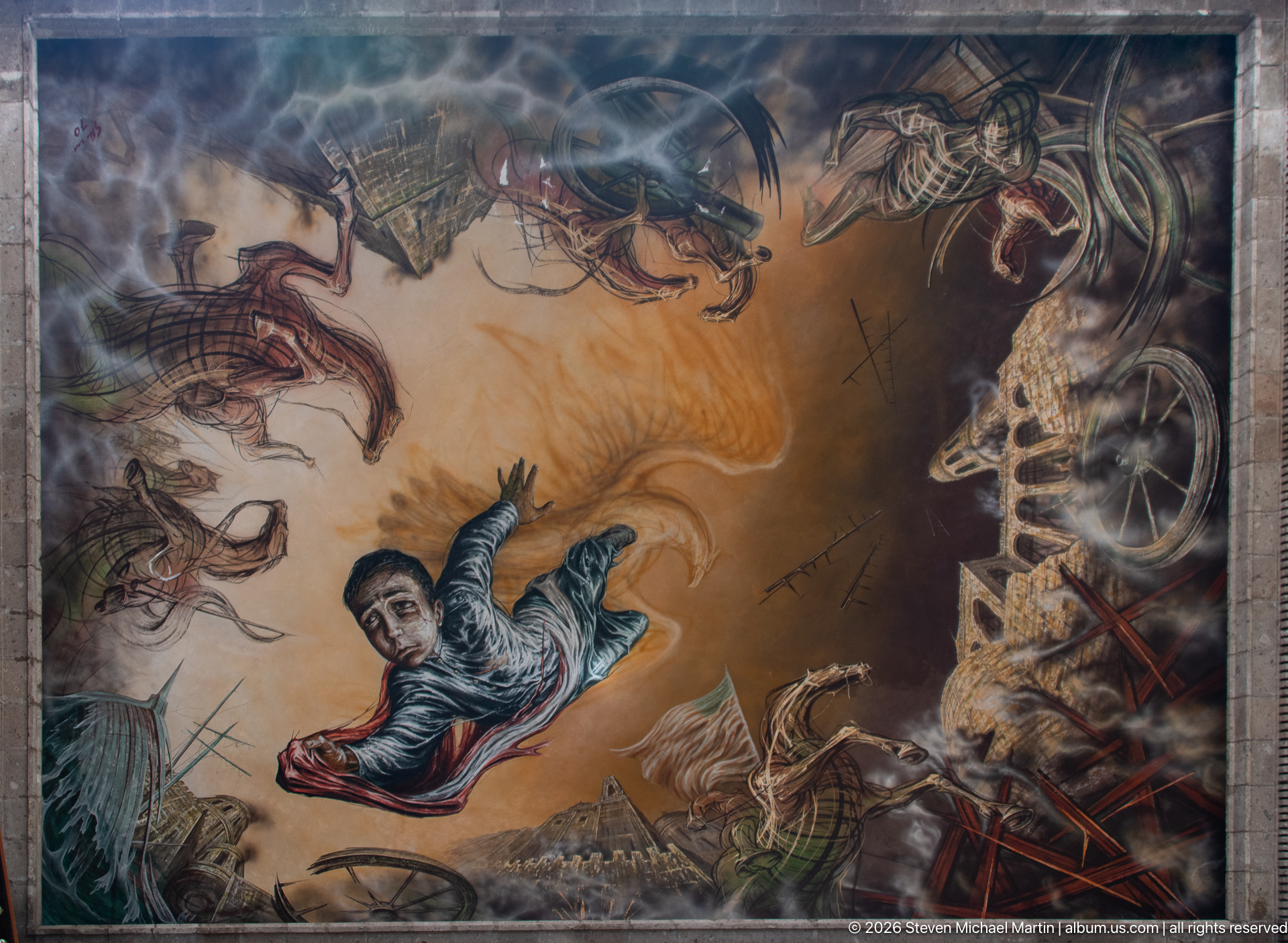
Juan O’Gorman’s *Retablo de la Independencia* stretches across a curved gallery wall, assembling crowds, leaders, soldiers, and banners into a sweeping account of Mexico’s independence struggle. The frigate model named “Chapultepec,” with its sails, rigging, and signal flags, offers a detailed study of a ship presented to the museum in 1896. Other memorable works include the *Plano General de la Ciudad de México*, the casta painting, the Mexican eagle in the stairwell stained glass, and the large painted murals integrated into the castle’s rooms.
◆ Interpretation & Display
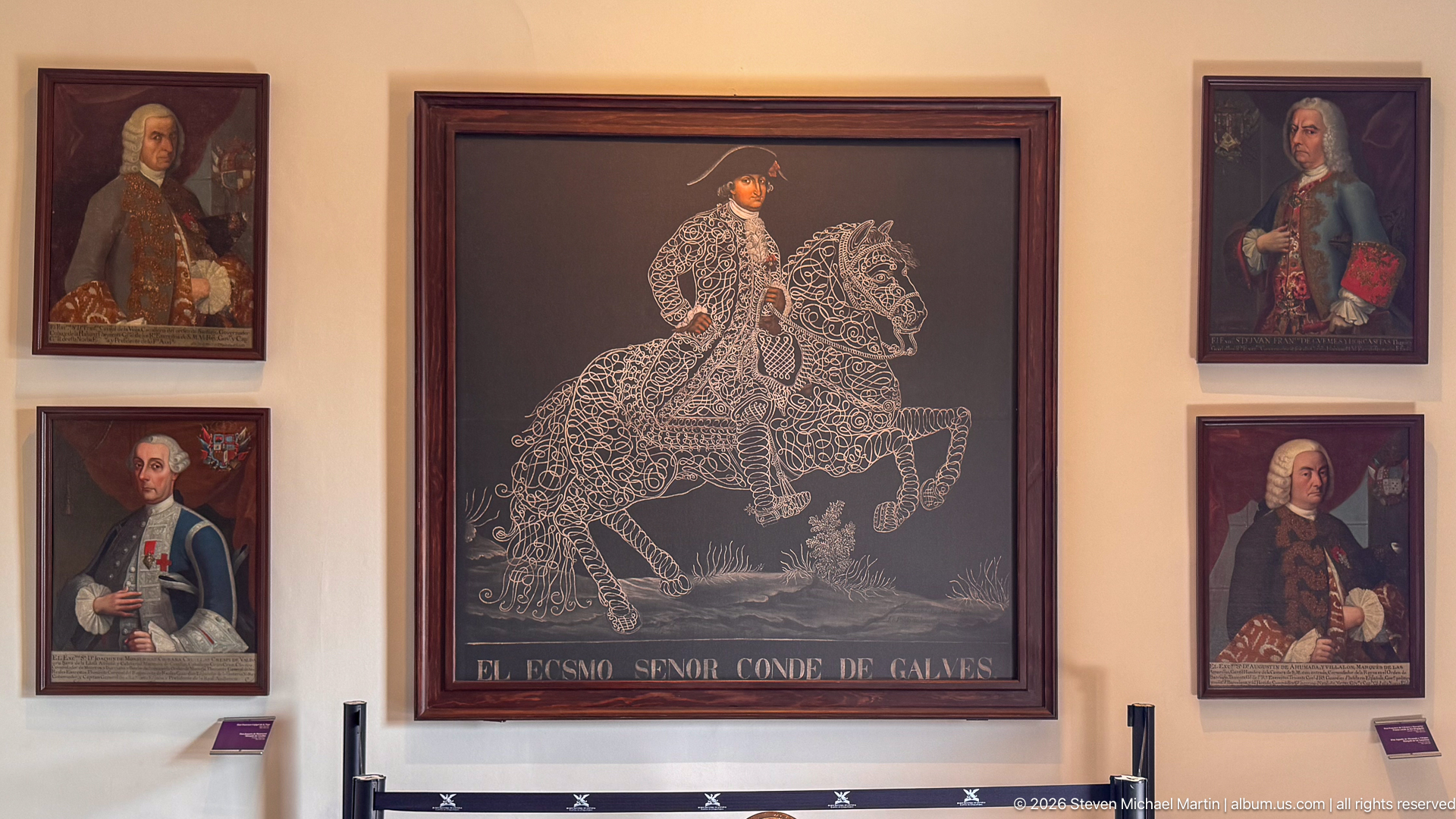
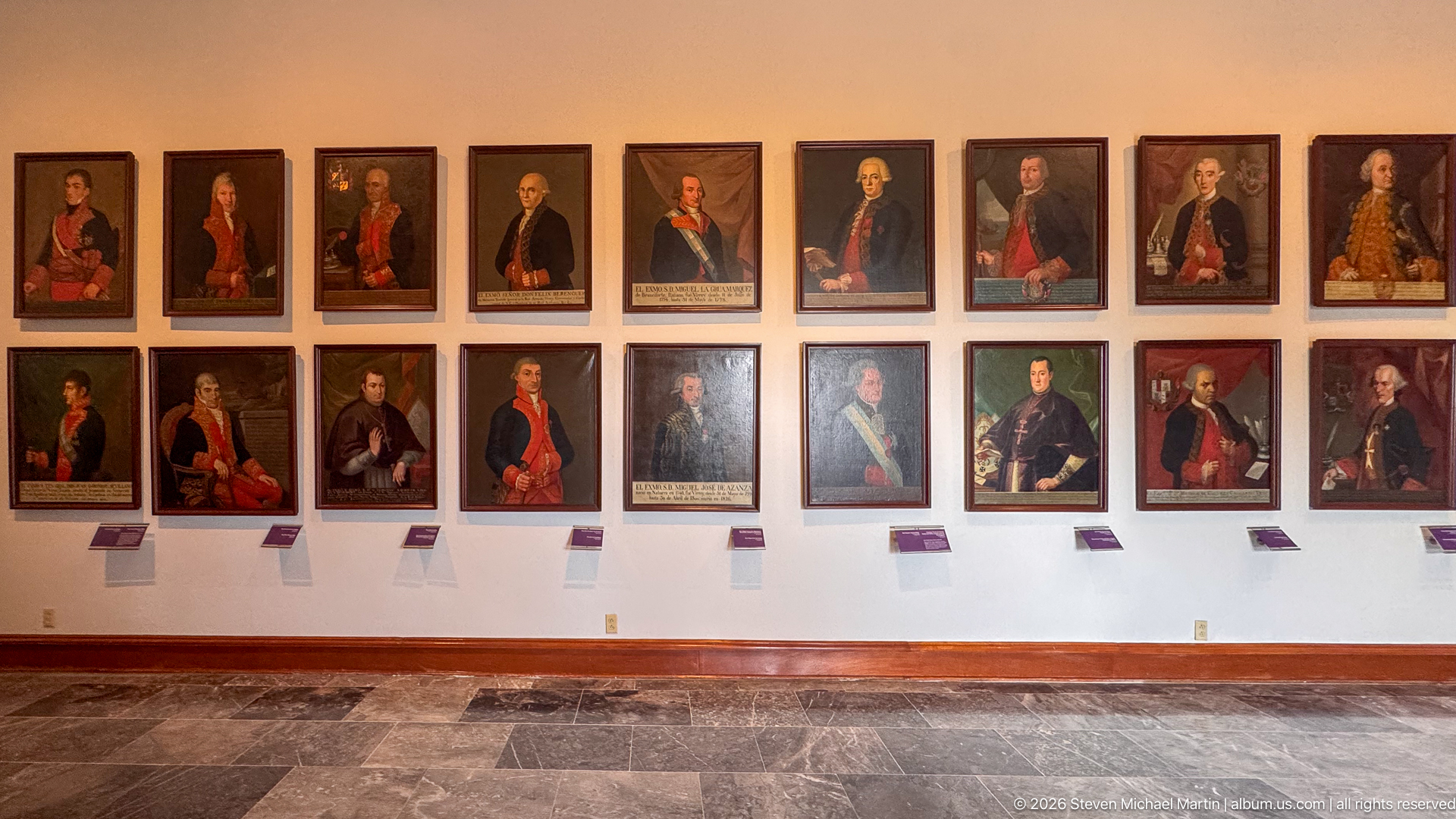
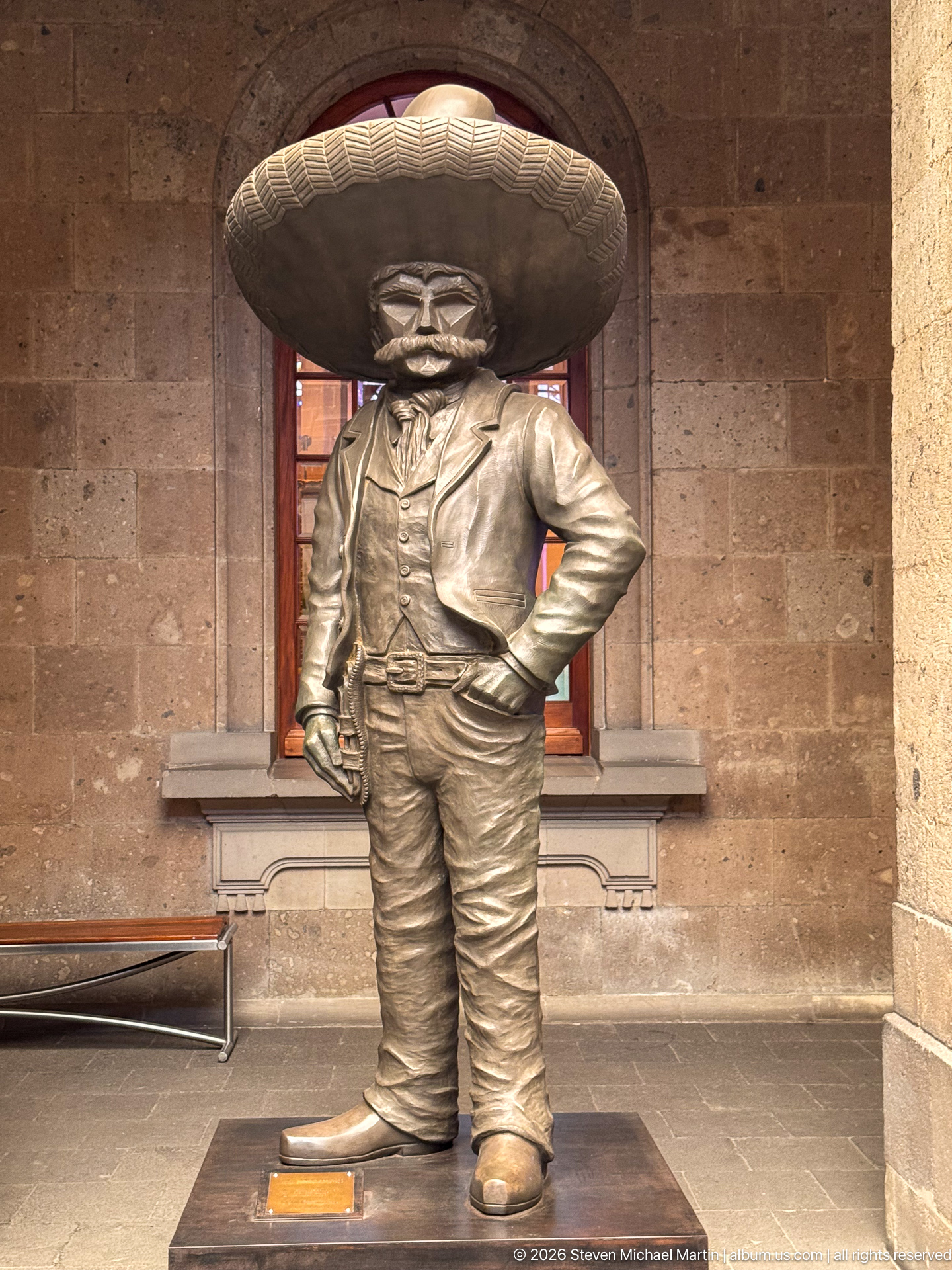
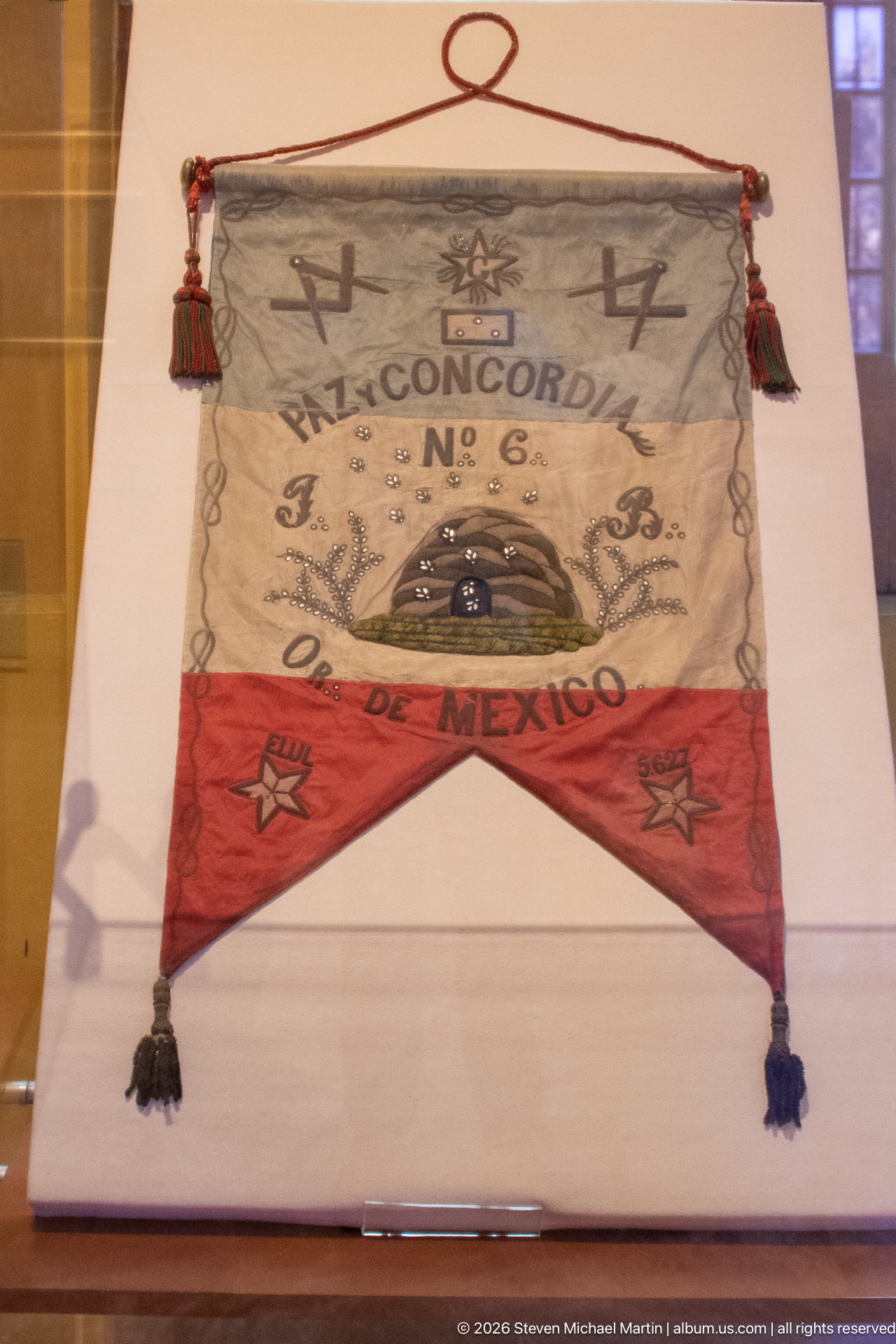
The displays use different forms to tell history. Murals stage events through crowded scenes and allegorical figures; portraits offer individual likenesses; documents and plaques preserve written records; and maps organize the city on paper. The castle itself is part of the interpretation: objects appear in salons, courtyards, and stair halls, where visitors can see how museum collections meet the architecture that surrounds them. Read labels and inscriptions alongside the objects, especially where names or dates are too small to make out from a distance.
🥾 Visitor Experience
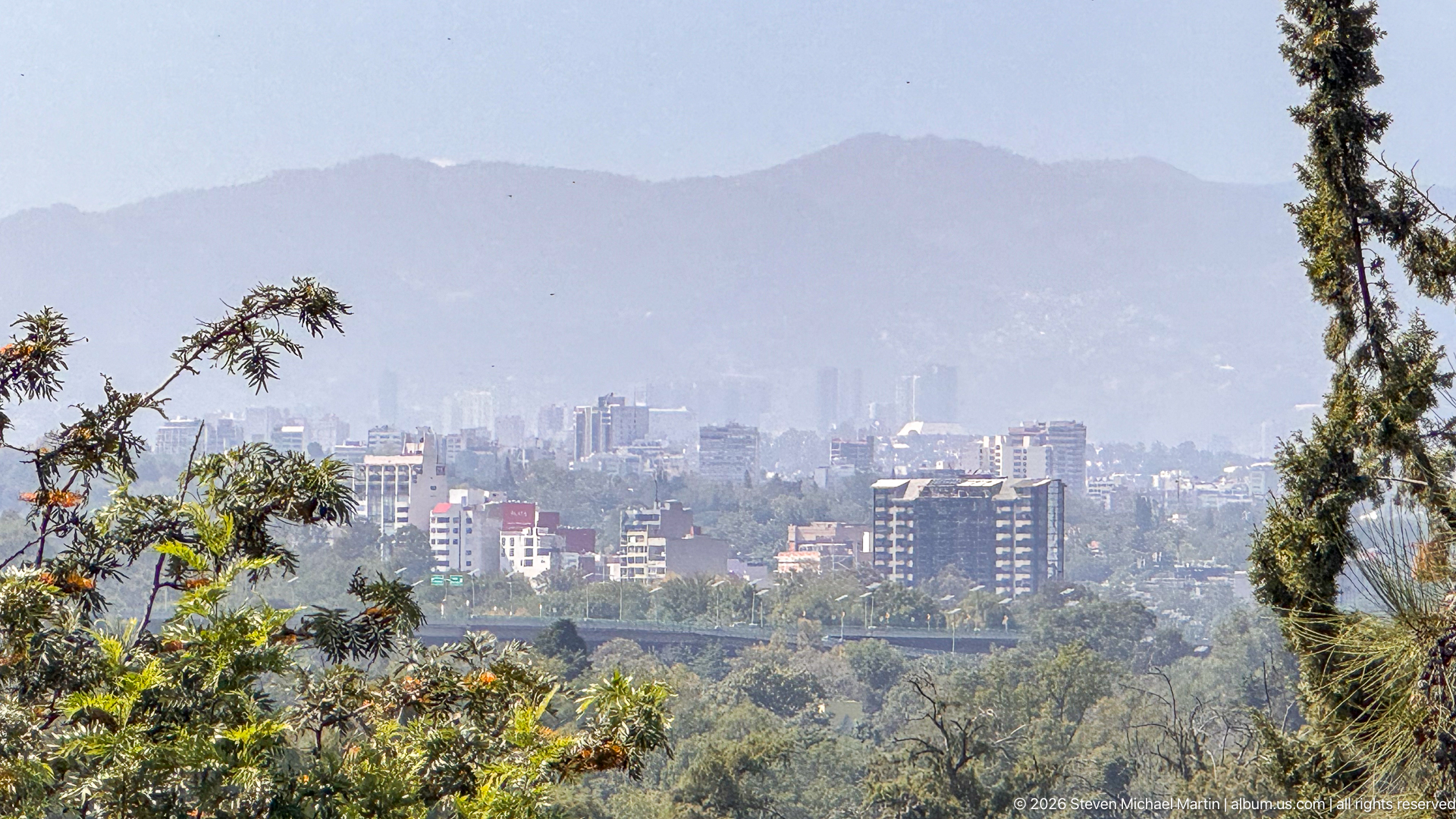
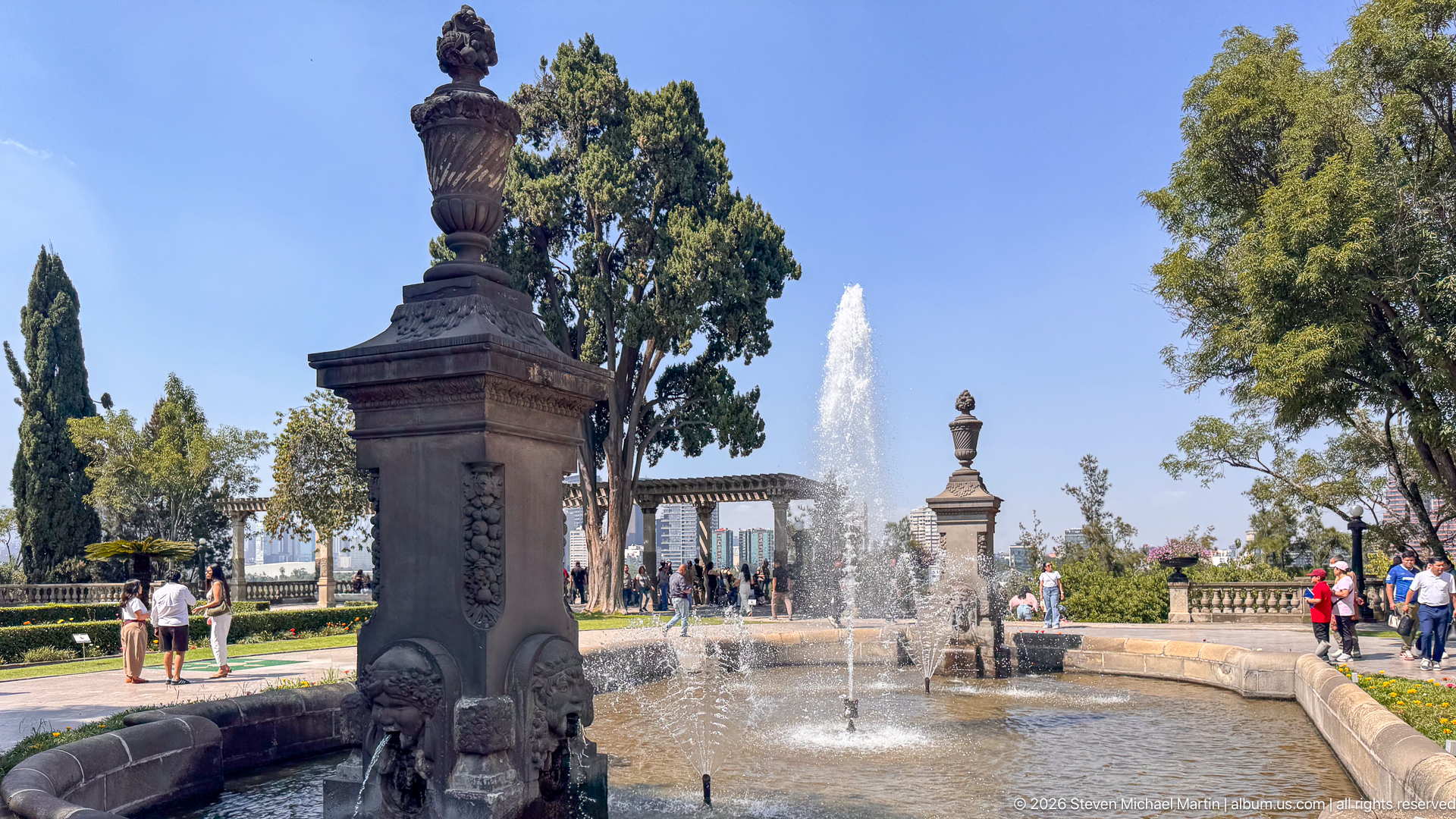
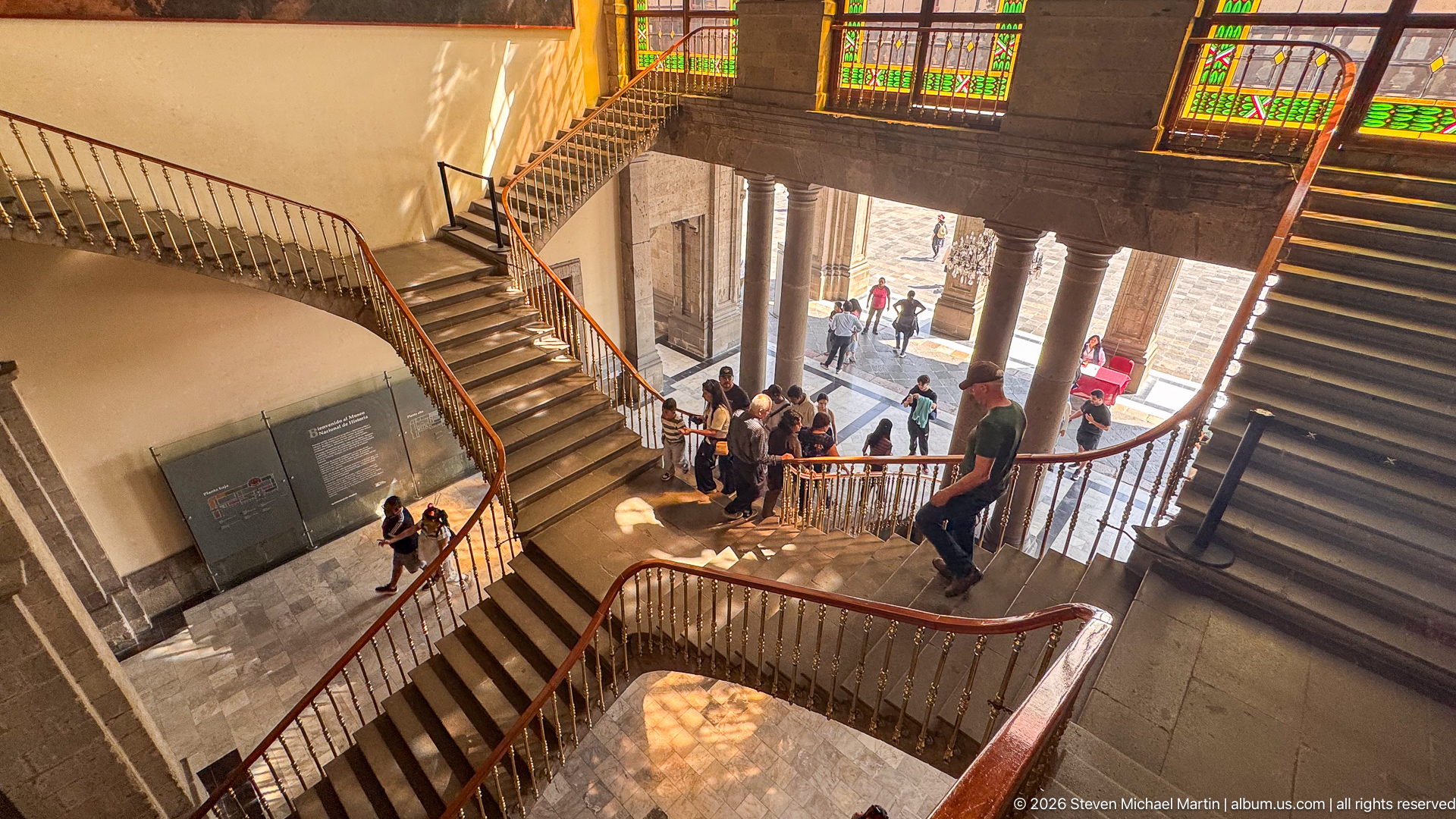
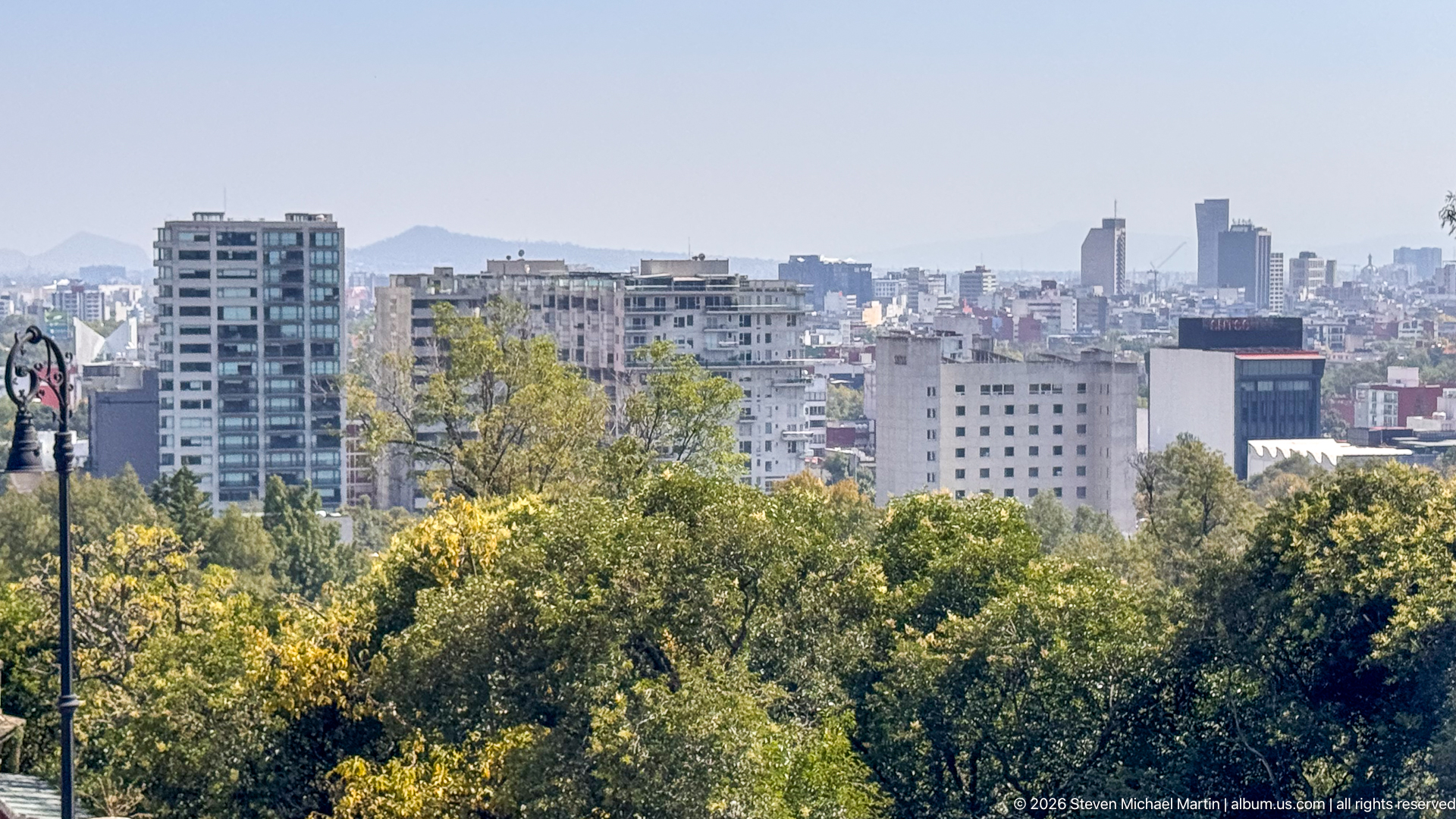
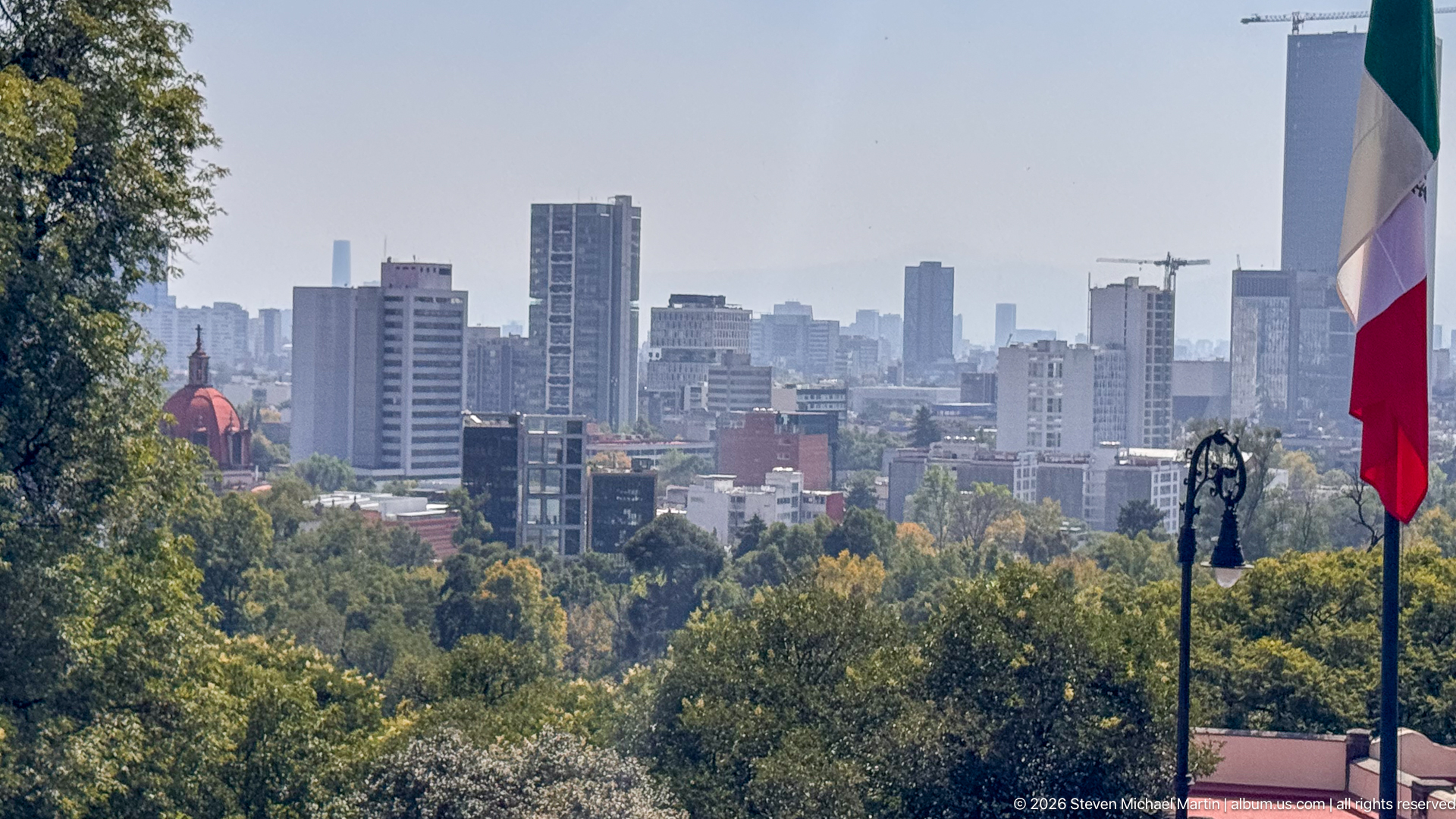
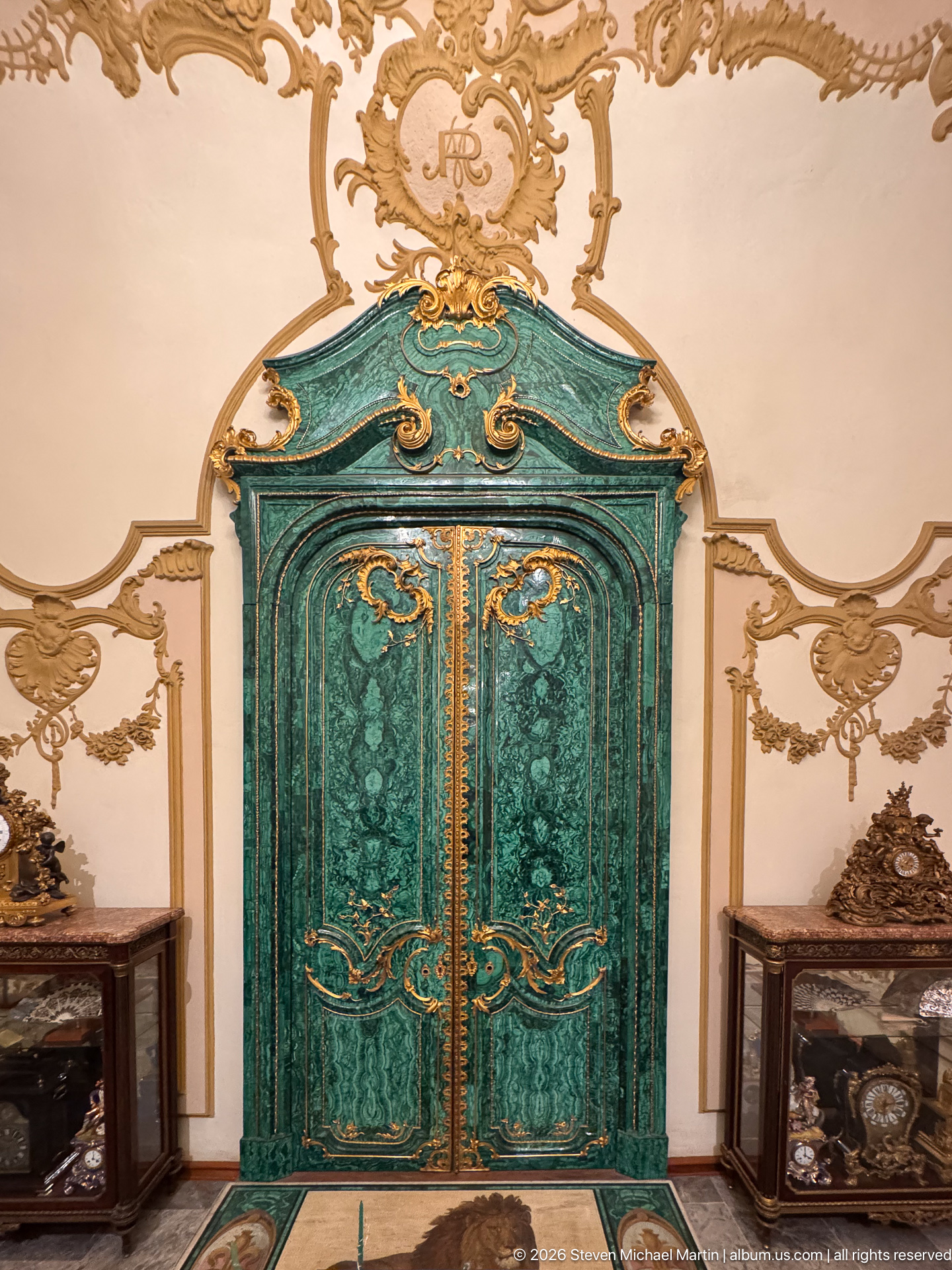
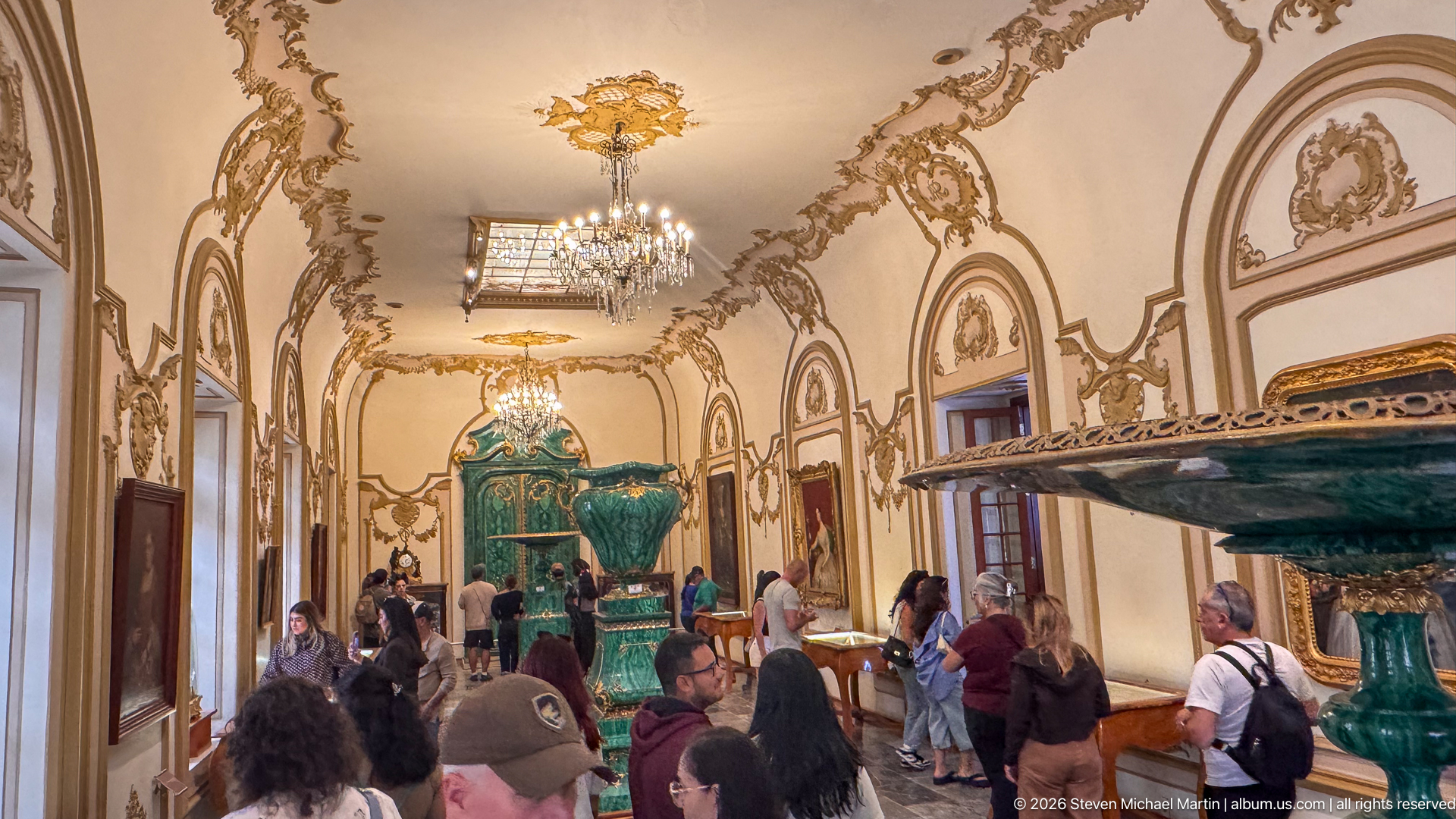
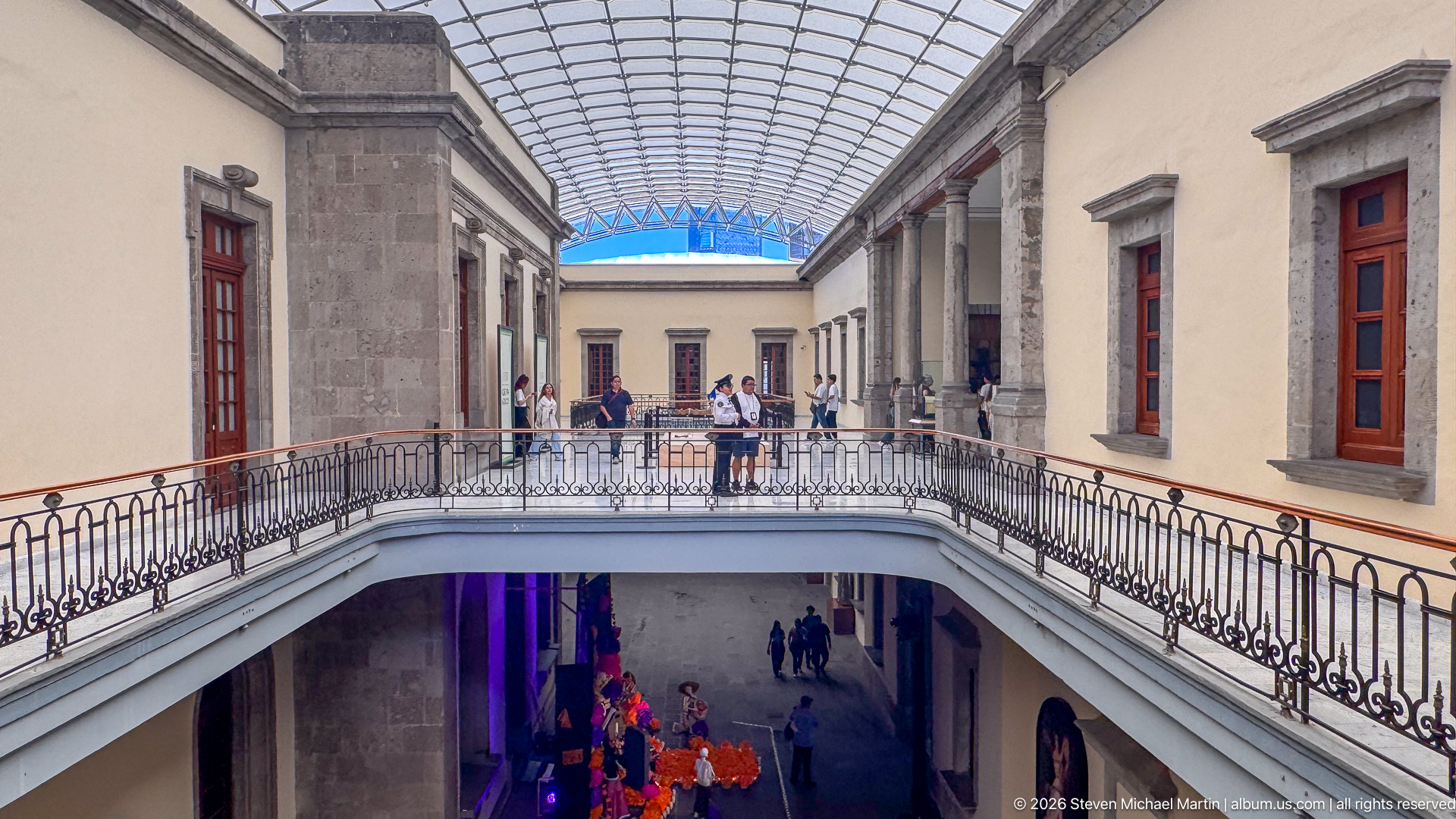
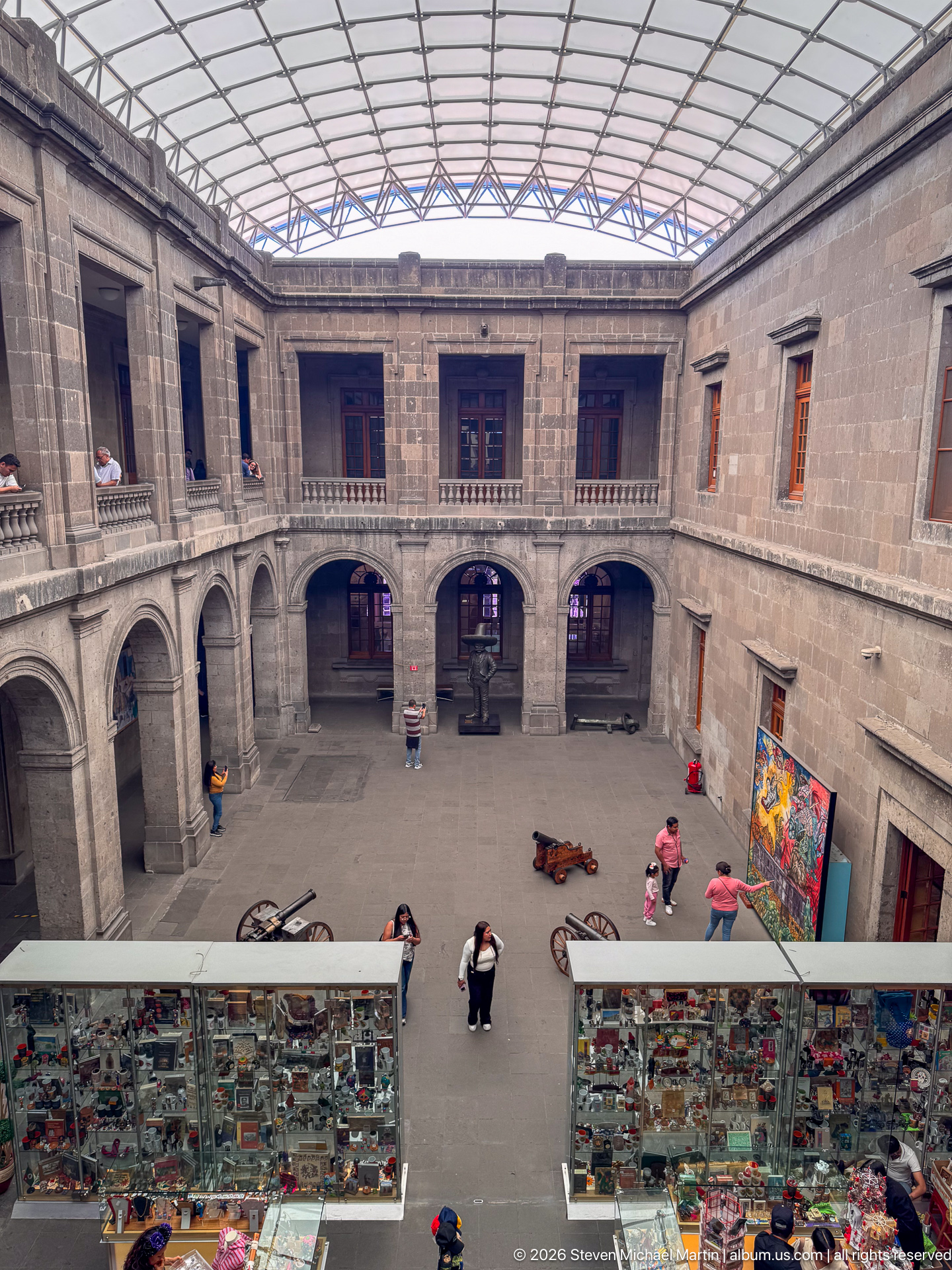
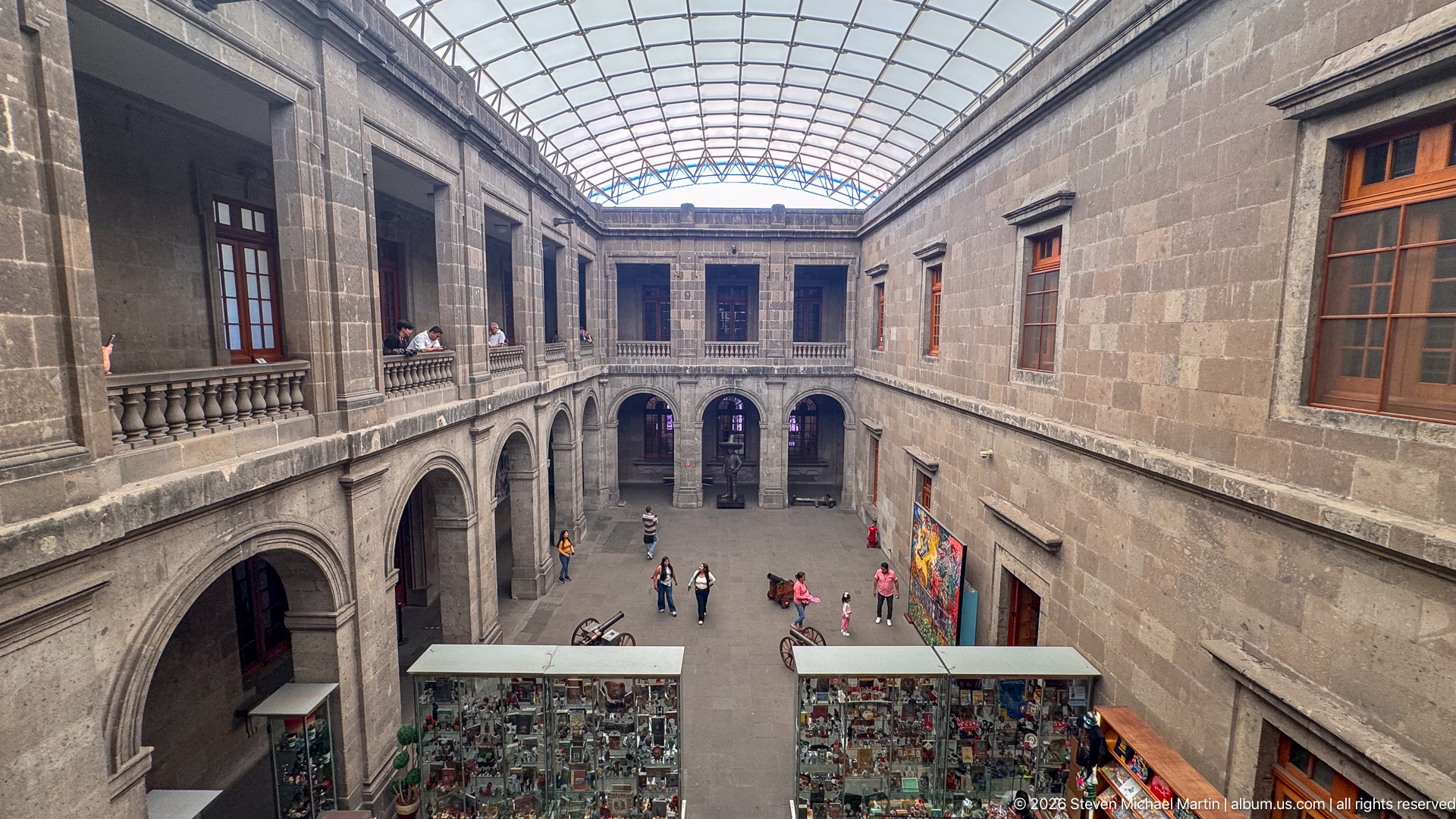
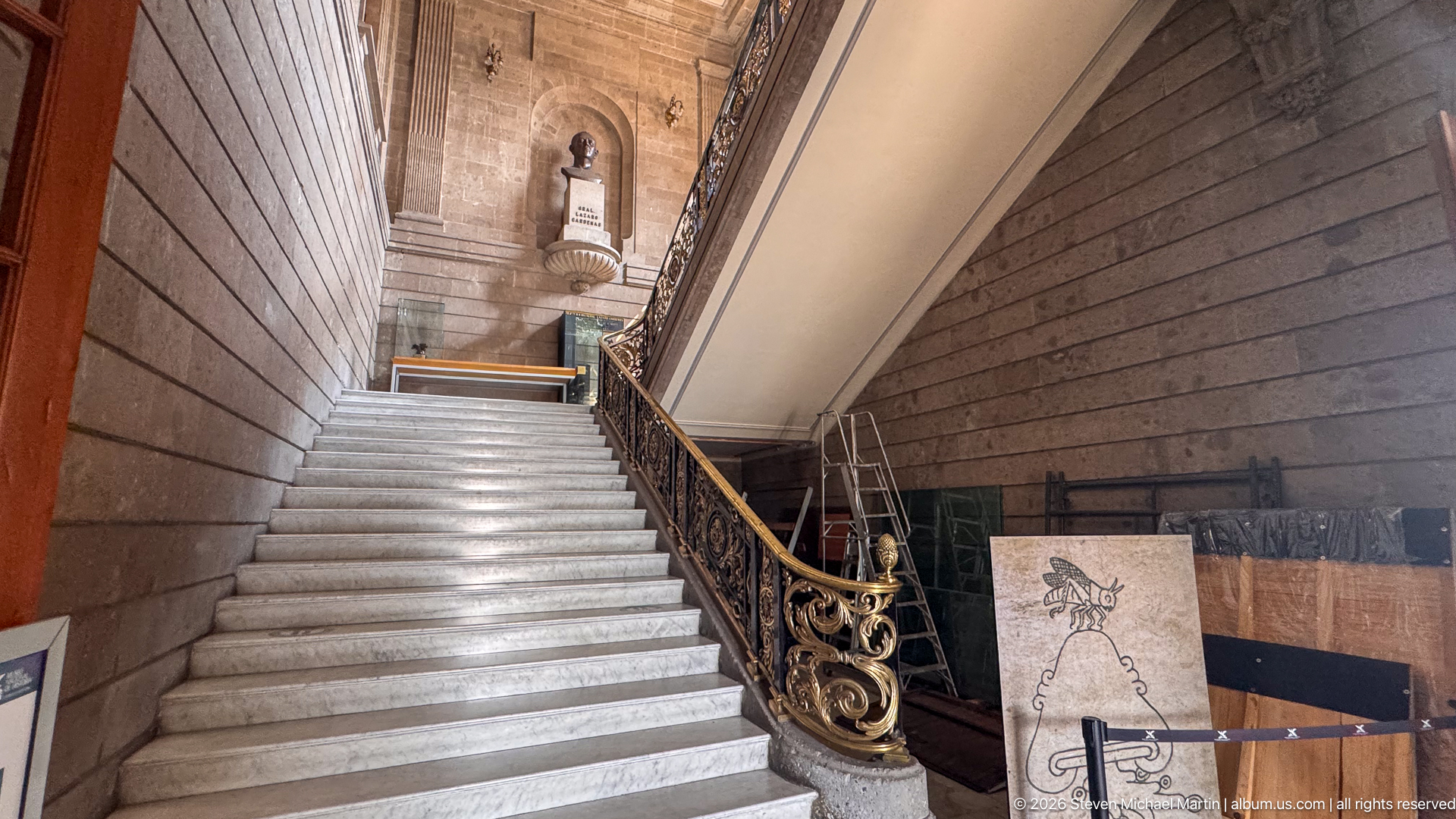
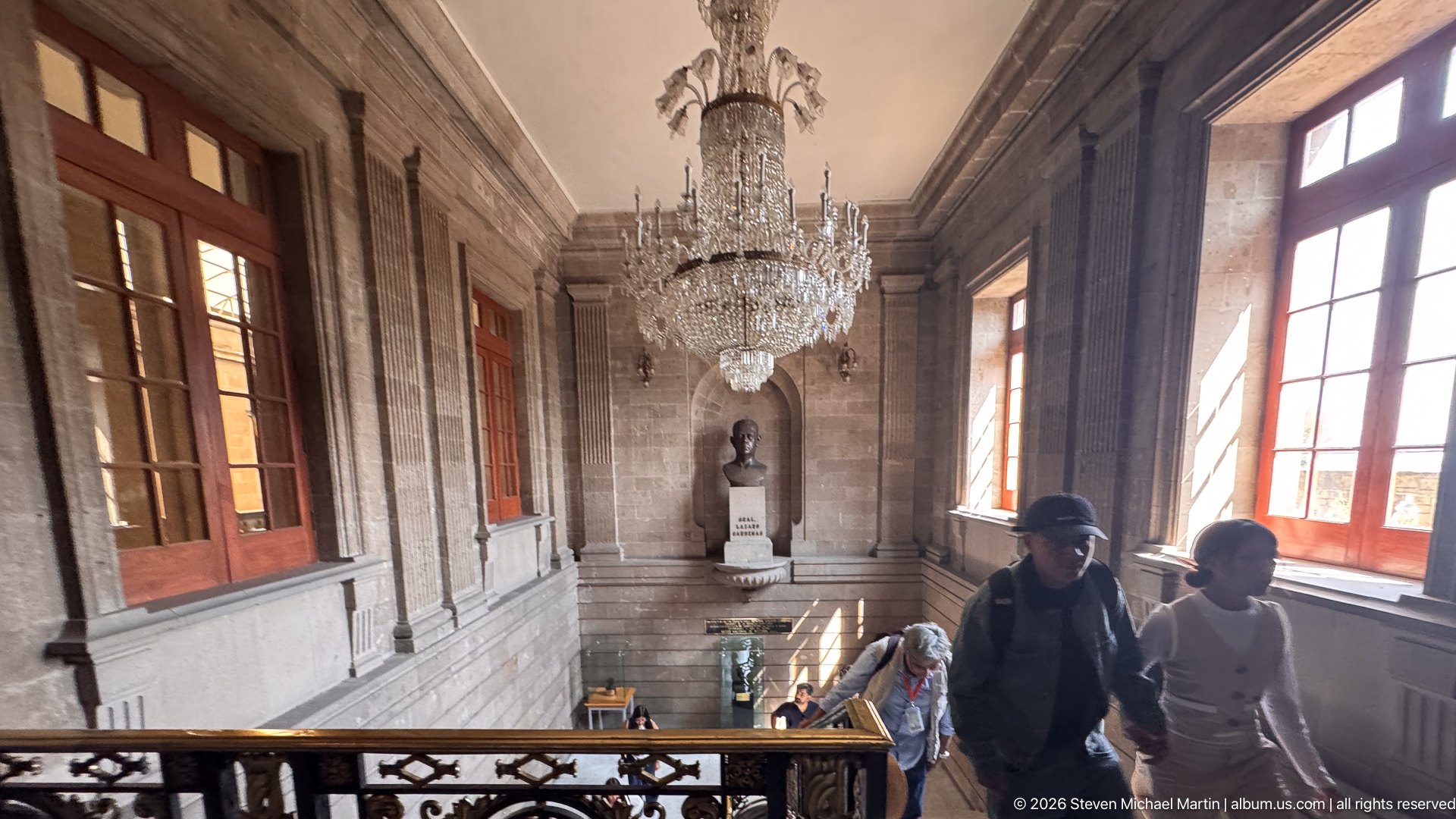
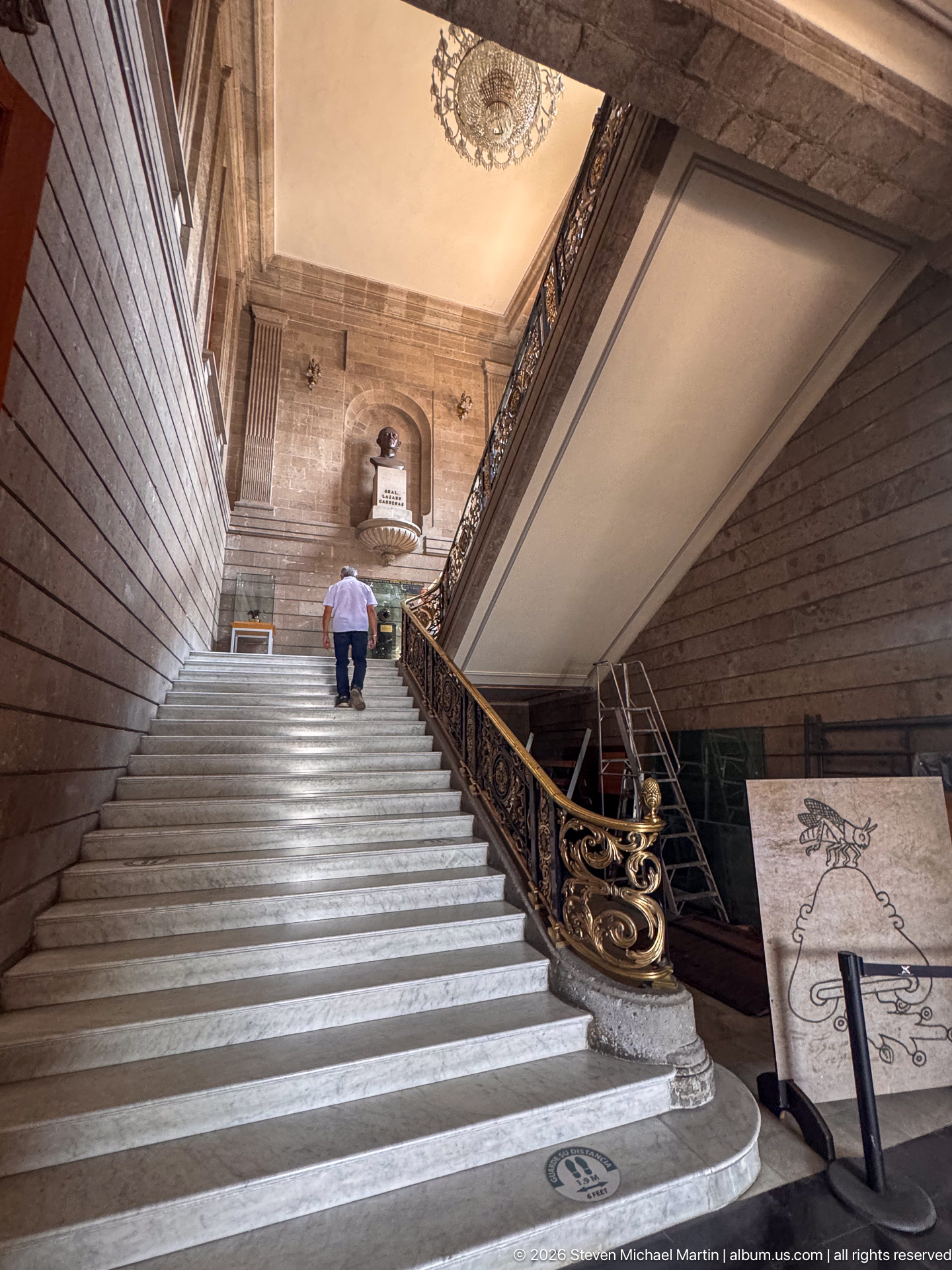
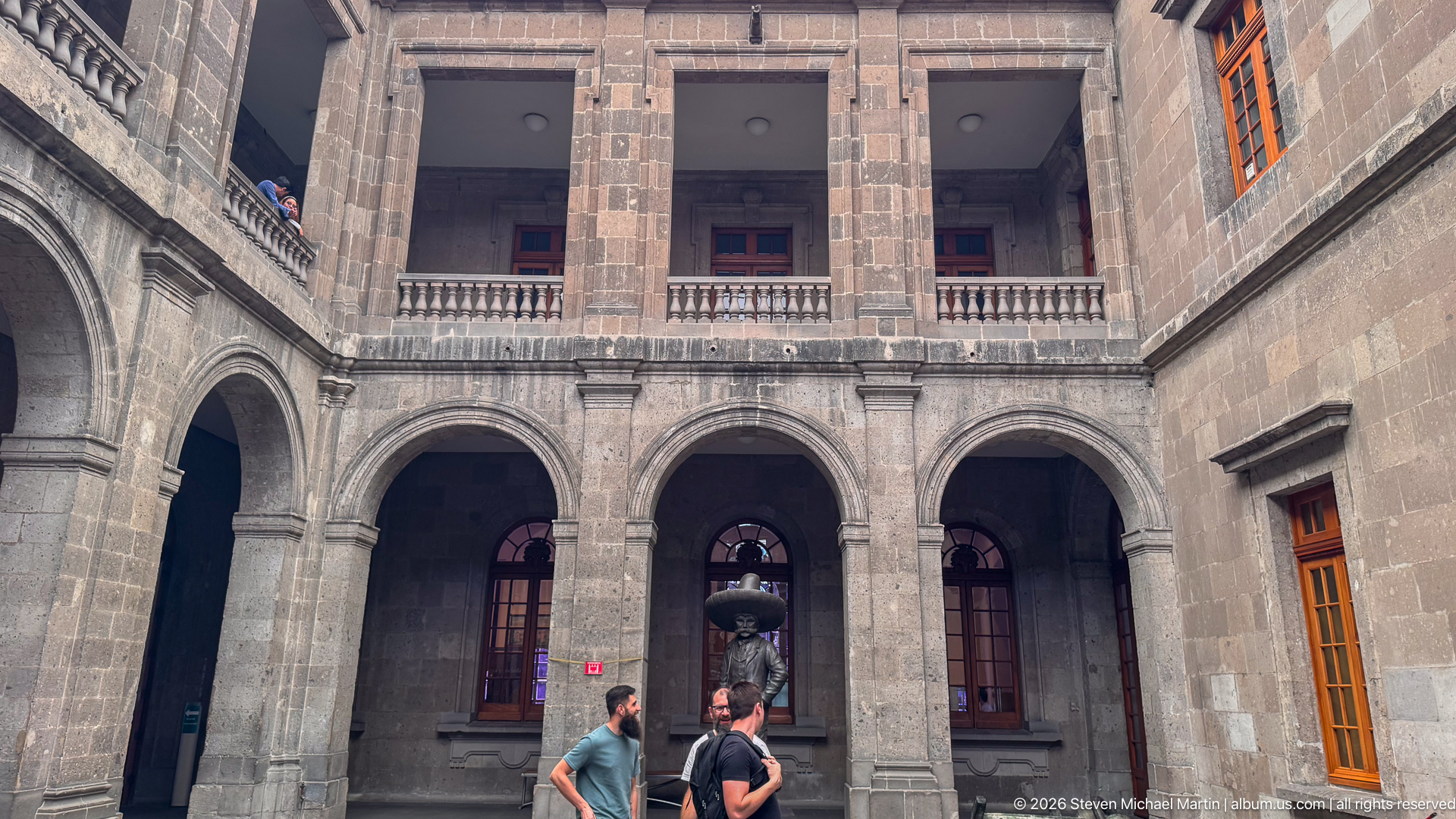
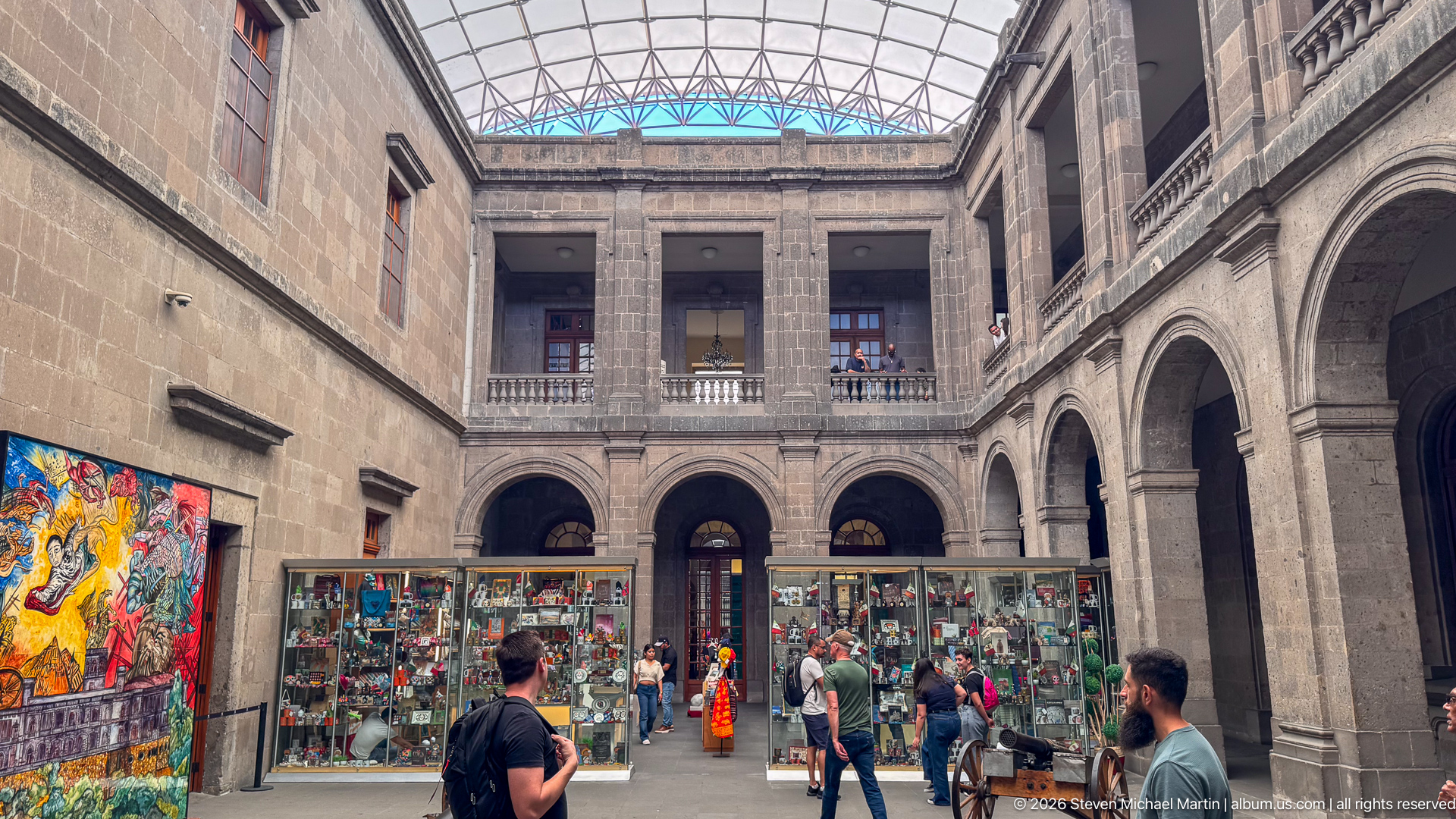
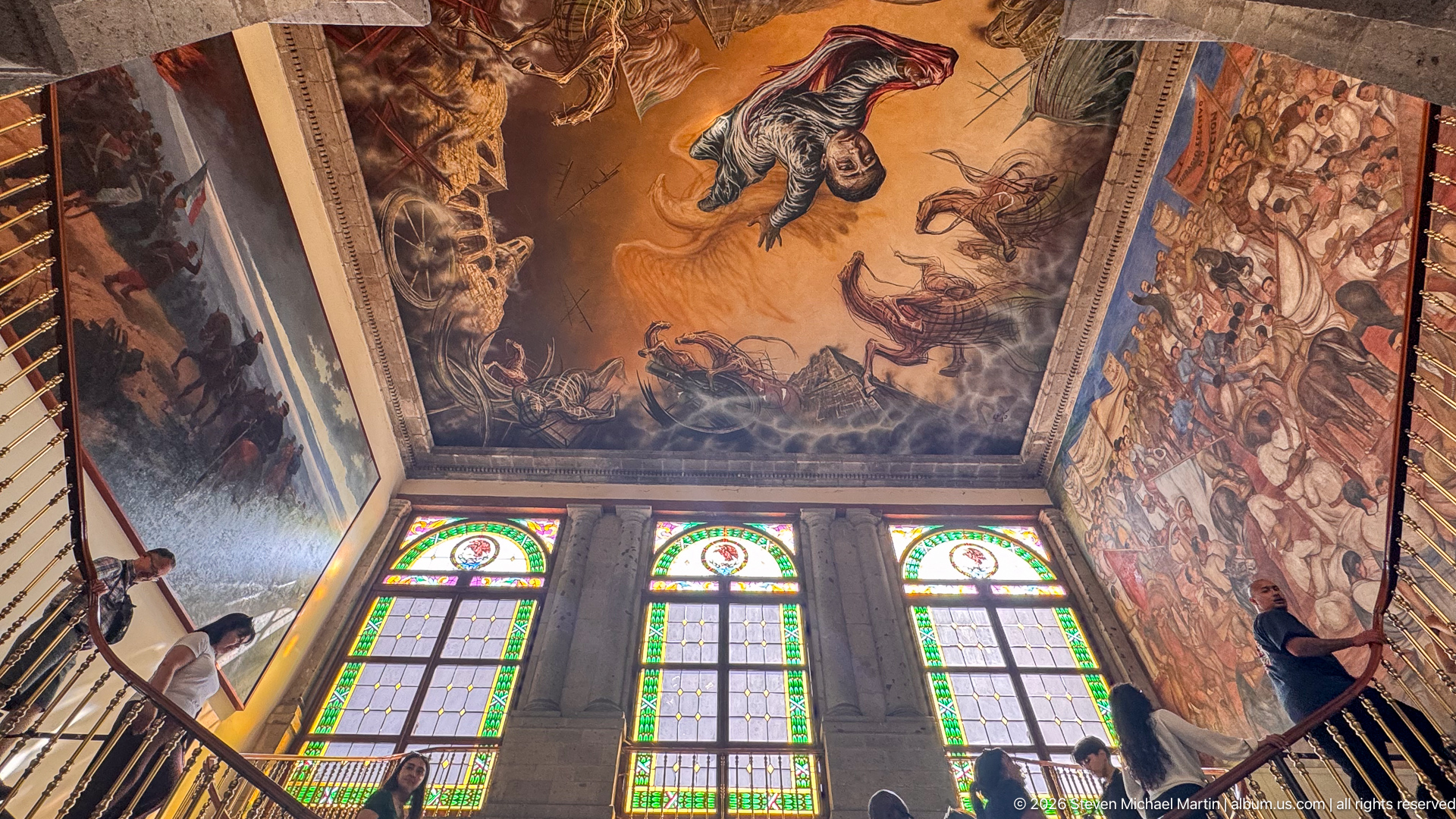
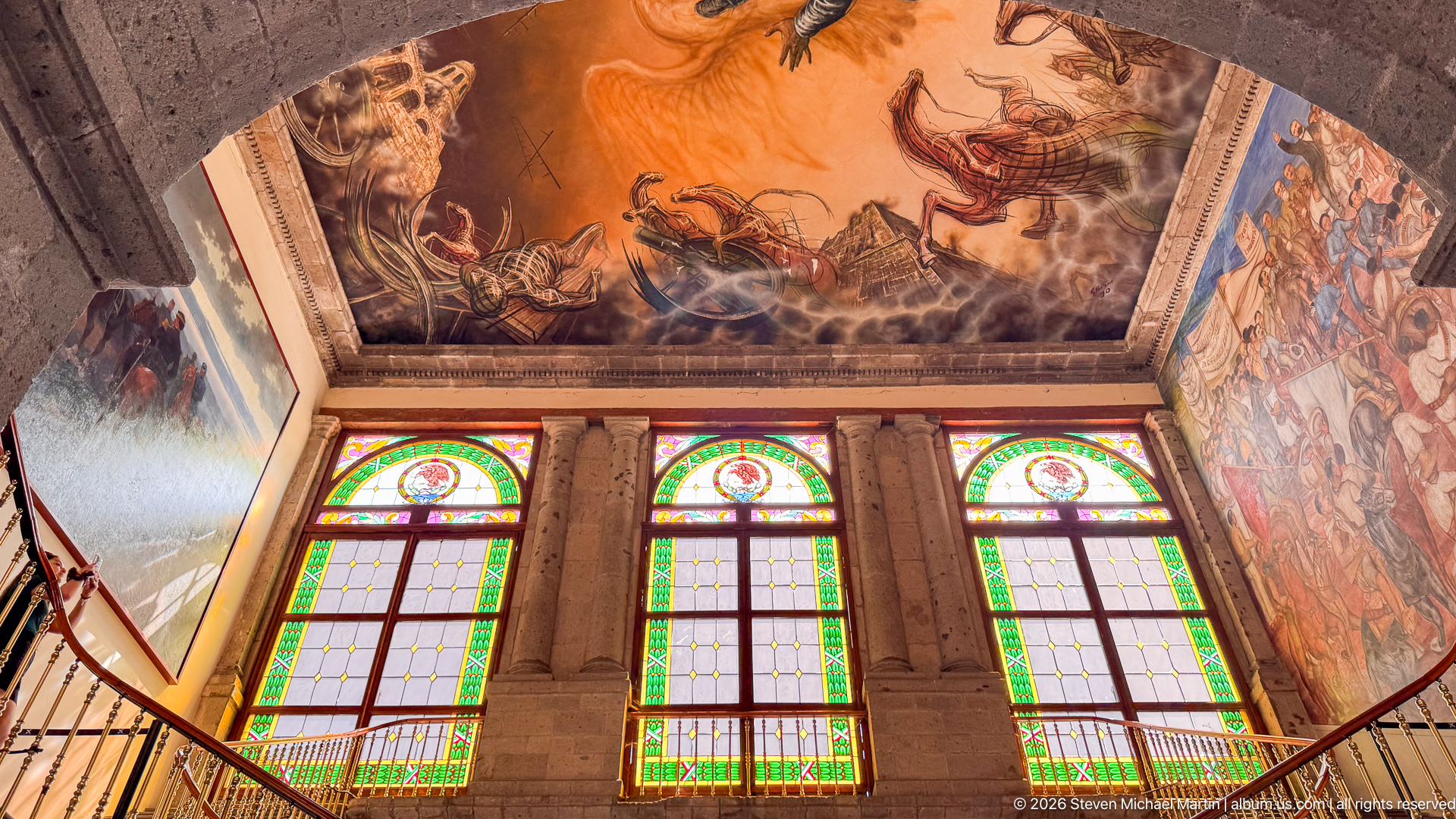
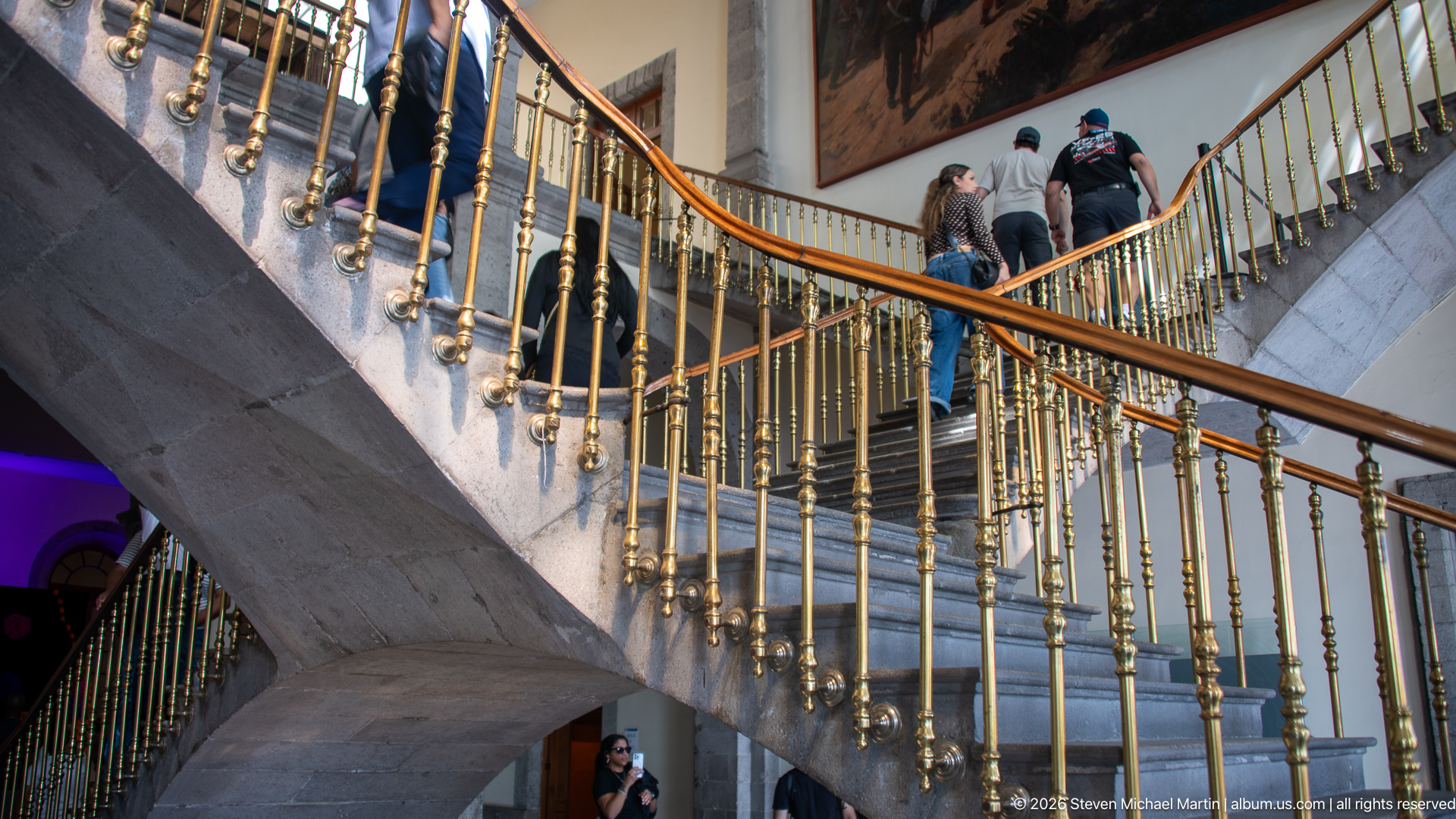
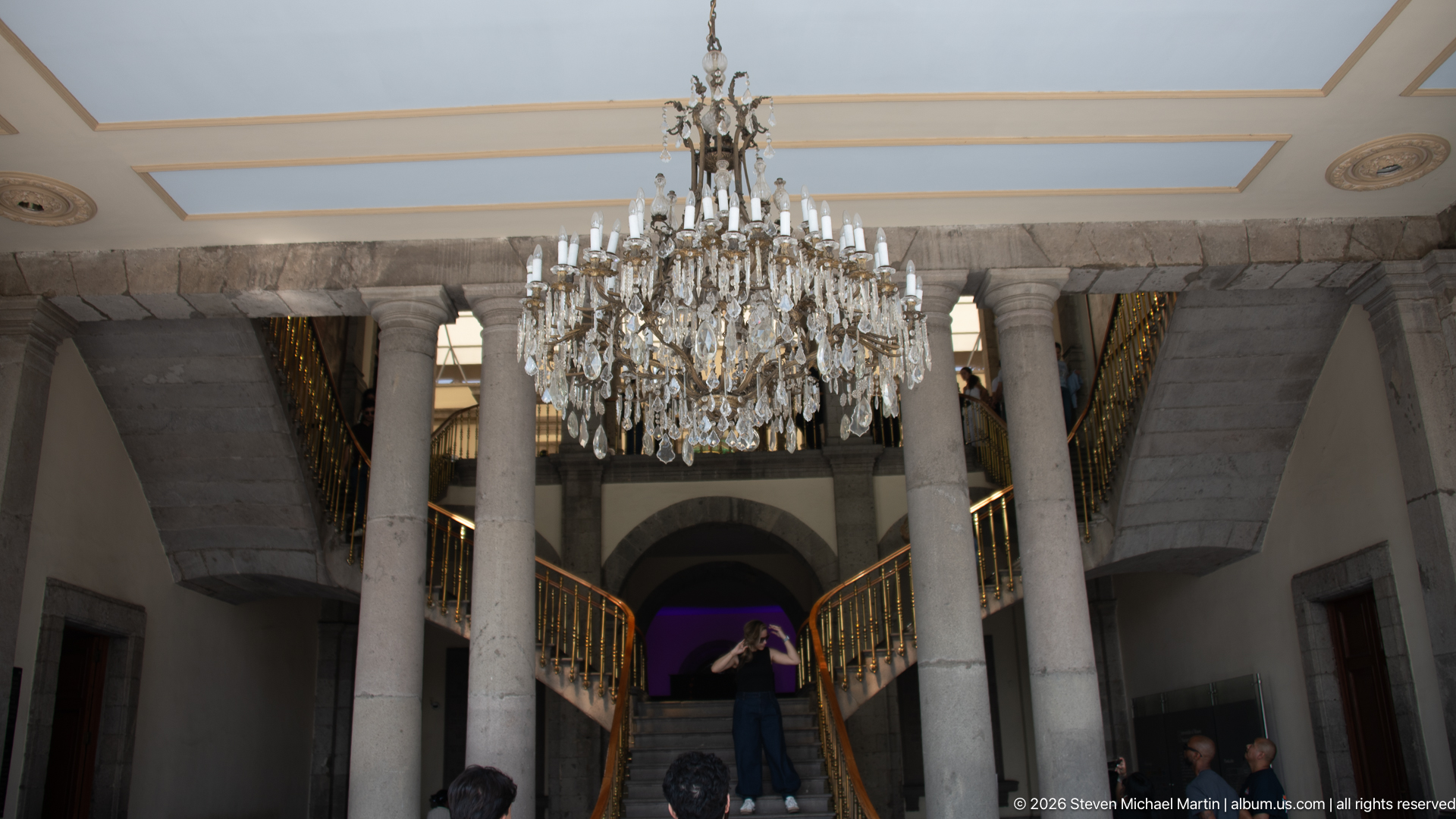
The route alternates between galleries and striking interior spaces. A monumental staircase rises beneath painted ceilings and colored windows; arcaded courtyards open beneath a glazed roof; and formal salons gather chandeliers, portraits, and display objects in richly decorated rooms. Visitors encounter the collections while moving through these spaces, then can look outward from terraces and park paths toward Chapultepec’s tree canopy and the Mexico City skyline.
📷 Photography Notes
For a sense of the museum as a whole, photograph the murals and major objects with enough surrounding room to show their scale and setting. In the stair hall, connect the stained-glass windows, mural, balustrades, and visitors across different levels. Close views work well for the frigate’s rigging, map lettering, carved furniture, textiles, and painted details; angle away from display-case reflections where possible. Outside, include the castle, terraces, gardens, and skyline to show the relationship between the museum and Chapultepec Park.