Silk Road

Wide dusk view of Registan Square with three monumental madrasas, turquoise domes, and minarets.

Samarkand Registan

Registan Registan Square served as the ceremonial and educational center of Timurid Samarkand and remains one of the most iconic architectural ensembles along the Silk Road. The square is surrounded by three monumental madrasas that reflect the importance of scholarship and religious education in Central Asia. Its symmetrical layout illustrates advanced urban planning principles. Decorative […]
Explore Portfolio
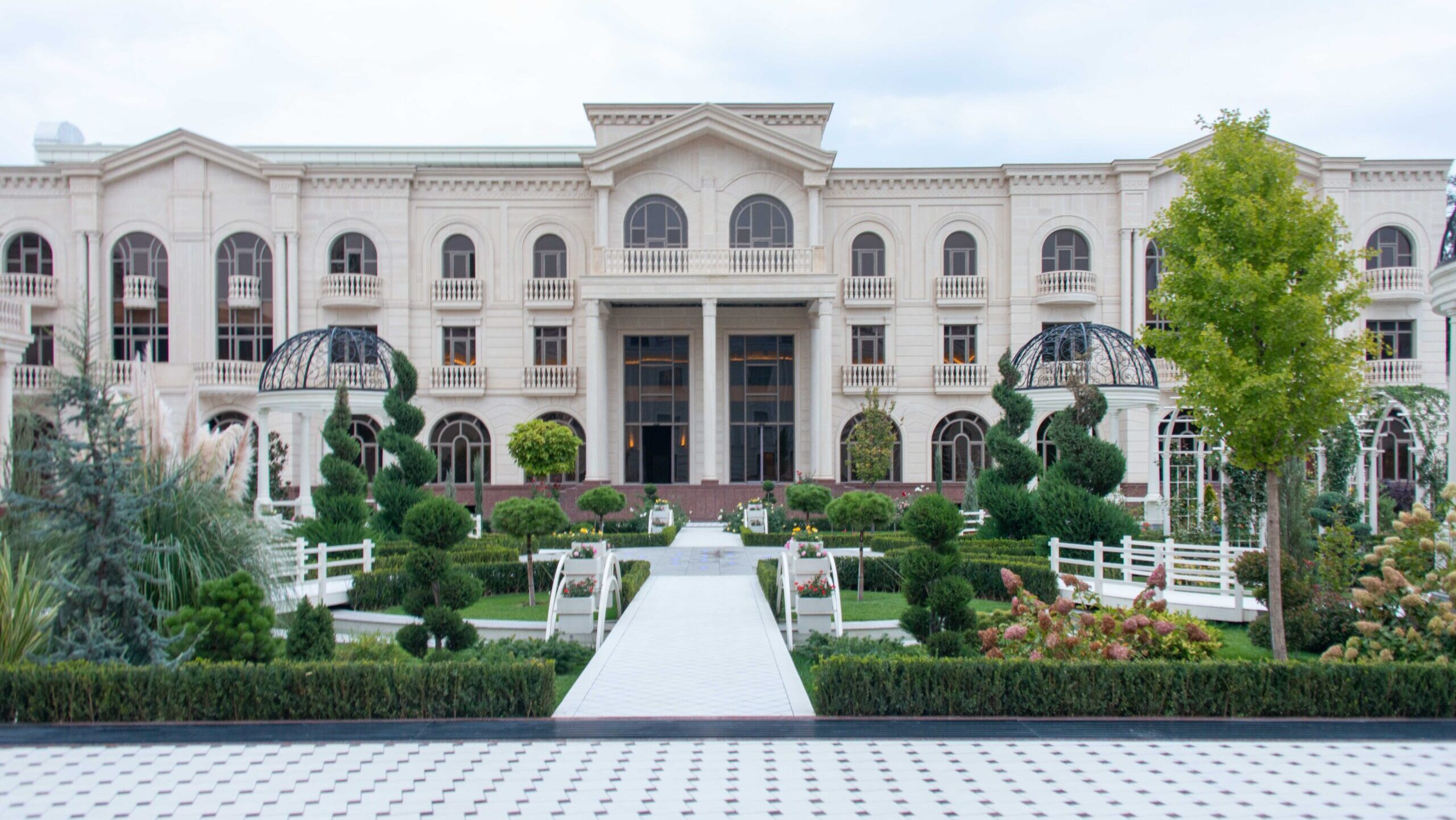
White symmetrical hotel-like building behind a formal garden with topiary and white pergolas.

Samarkand

Samarkand Samarkand is one of the most important historic cities along the Silk Road and served as a major center of trade, scholarship, and artistic production for more than two millennia. Located in present-day Uzbekistan, the city prospered due to its position connecting China, Persia, and the Mediterranean world. Its strategic location allowed merchants, scholars, […]

Explore Portfolio
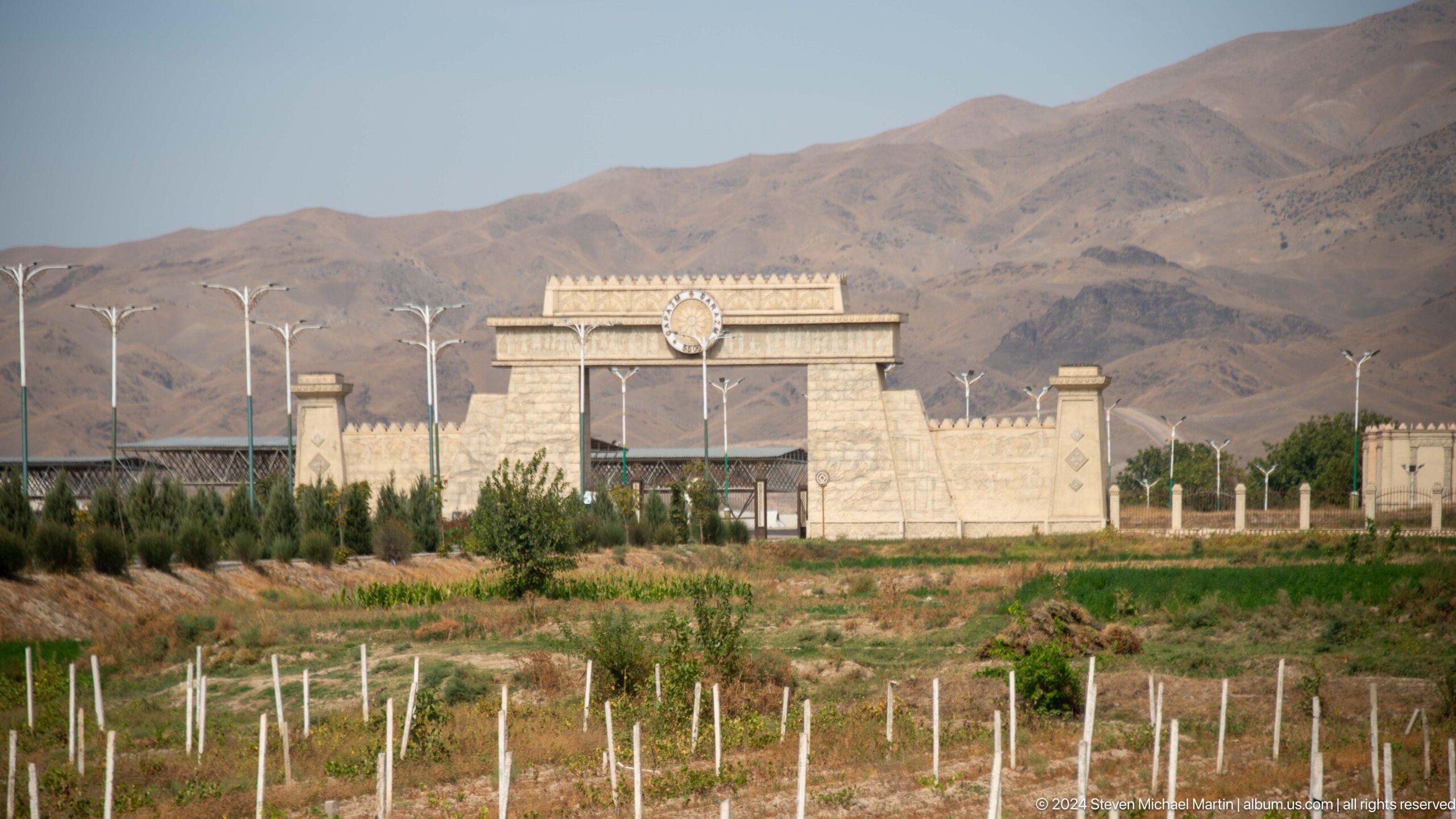
Monumental main entrance complex of Ancient Sarazm seen across a cultivated field with mountains in the background.

Ancient Sarazm

Ancient Sarazm Ancient Sarazm is one of the oldest known settlements in Central Asia, dating to the fourth millennium BCE. The archaeological site provides evidence of early agricultural and trading communities that preceded the later Silk Road network. Its location near mineral resources and fertile land supported early economic development. Excavations have revealed tools, pottery, […]

Explore Portfolio
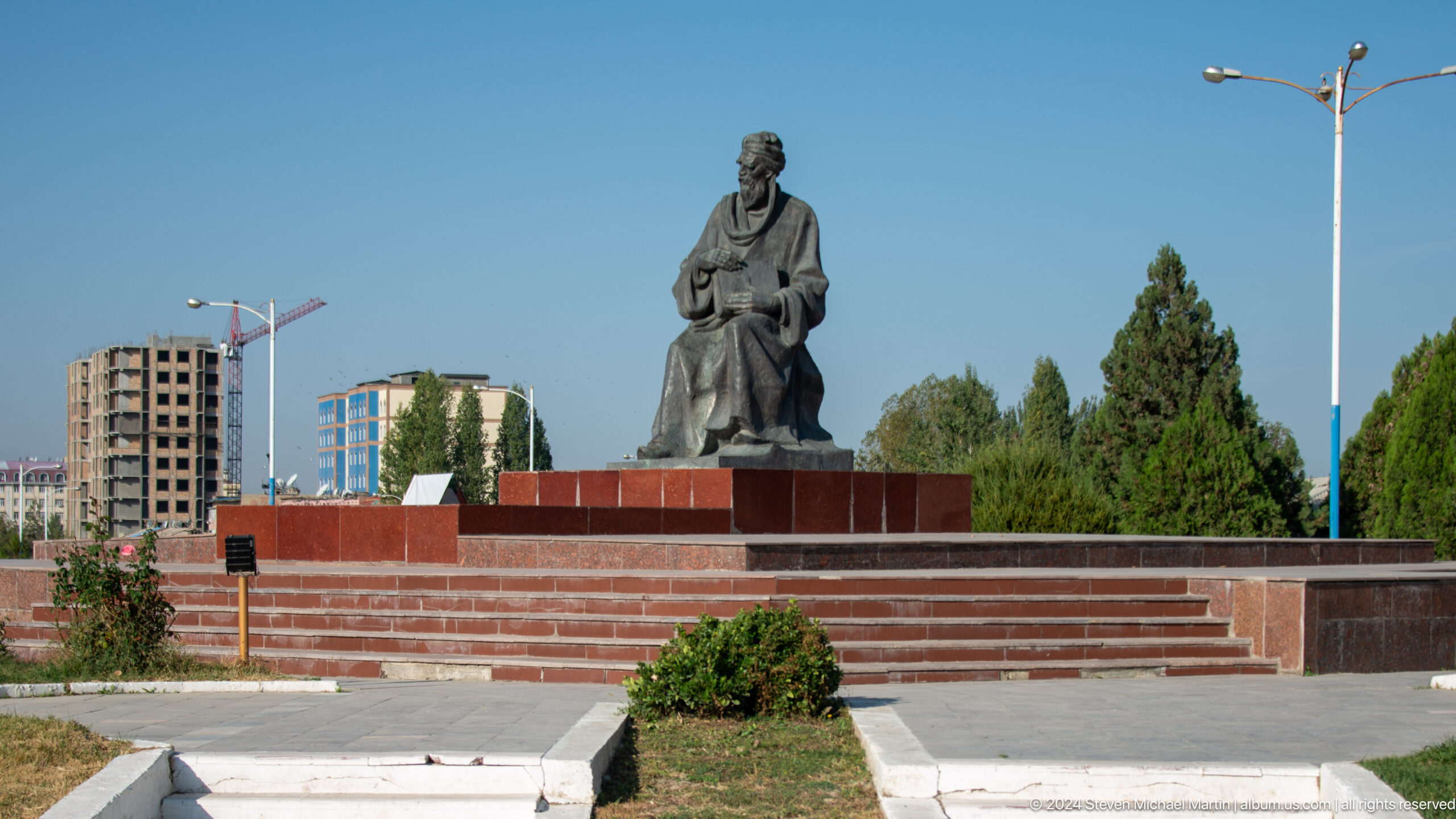
Large seated statue of Rudaki on a broad red stone stepped pedestal under a blue sky.

Rudaki Historical Museum

Rudaki Historical Museum The Rudaki Historical Museum is dedicated to the cultural legacy of Abu Abdallah Rudaki, a tenth-century Persian poet widely regarded as one of the founders of classical Persian literature. His works reflect the intellectual environment that developed in Central Asia following the spread of Islam along Silk Road routes. Literary traditions played […]

Explore Portfolio
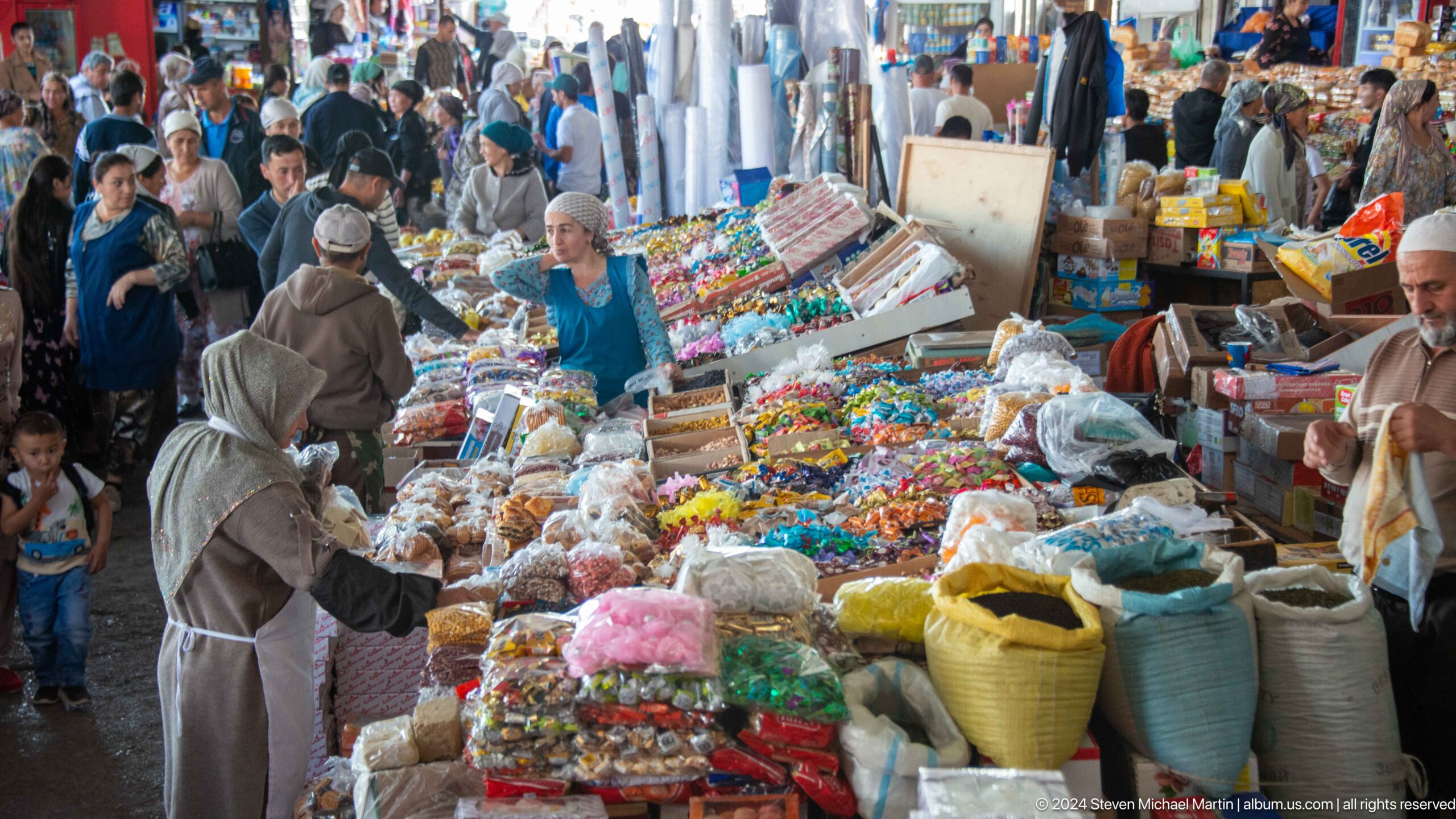
Dense display of beads, trims, and sewing notions.

Panjakent

Panjakent Panjakent developed as an important regional center in present-day Tajikistan and reflects the cultural heritage of the Sogdian civilization, one of the most influential trading communities along the Silk Road. Its location near important caravan routes allowed merchants to connect markets in China, Persia, and Central Asia. The city illustrates the importance of intermediary […]

Explore Portfolio
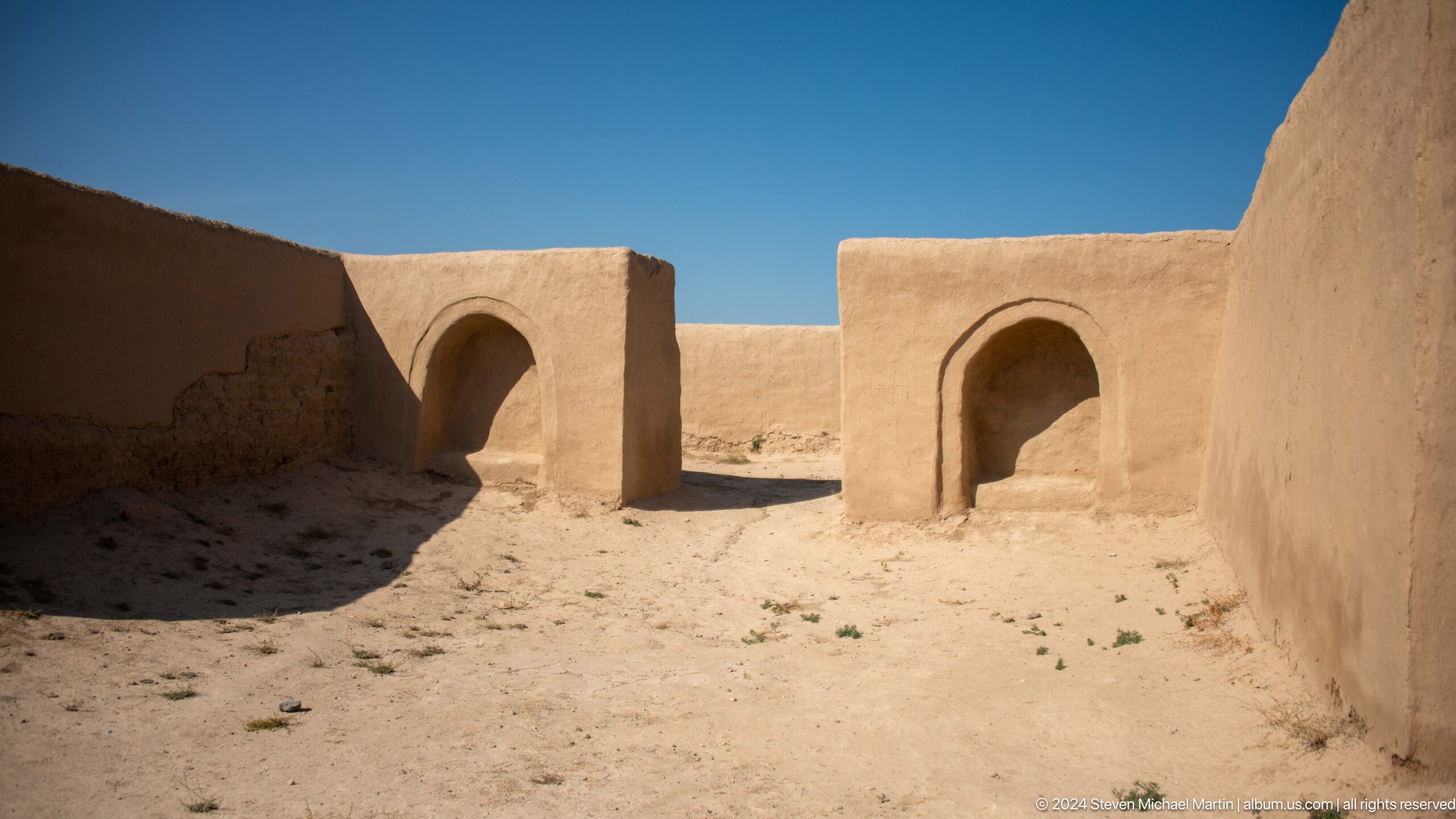
Conserved earthen courtyard with smooth brown walls and a row of restored pointed arches under an open sky.

Ancient Panjakent Ruins

Ancient Panjakent Ruins The ruins of ancient Panjakent in present-day Tajikistan represent one of the most important archaeological sites associated with Sogdian civilization, a major cultural group involved in Silk Road trade. The city flourished between the fifth and eighth centuries and served as a regional center of commerce and artistic production. Its location along […]

Explore Portfolio
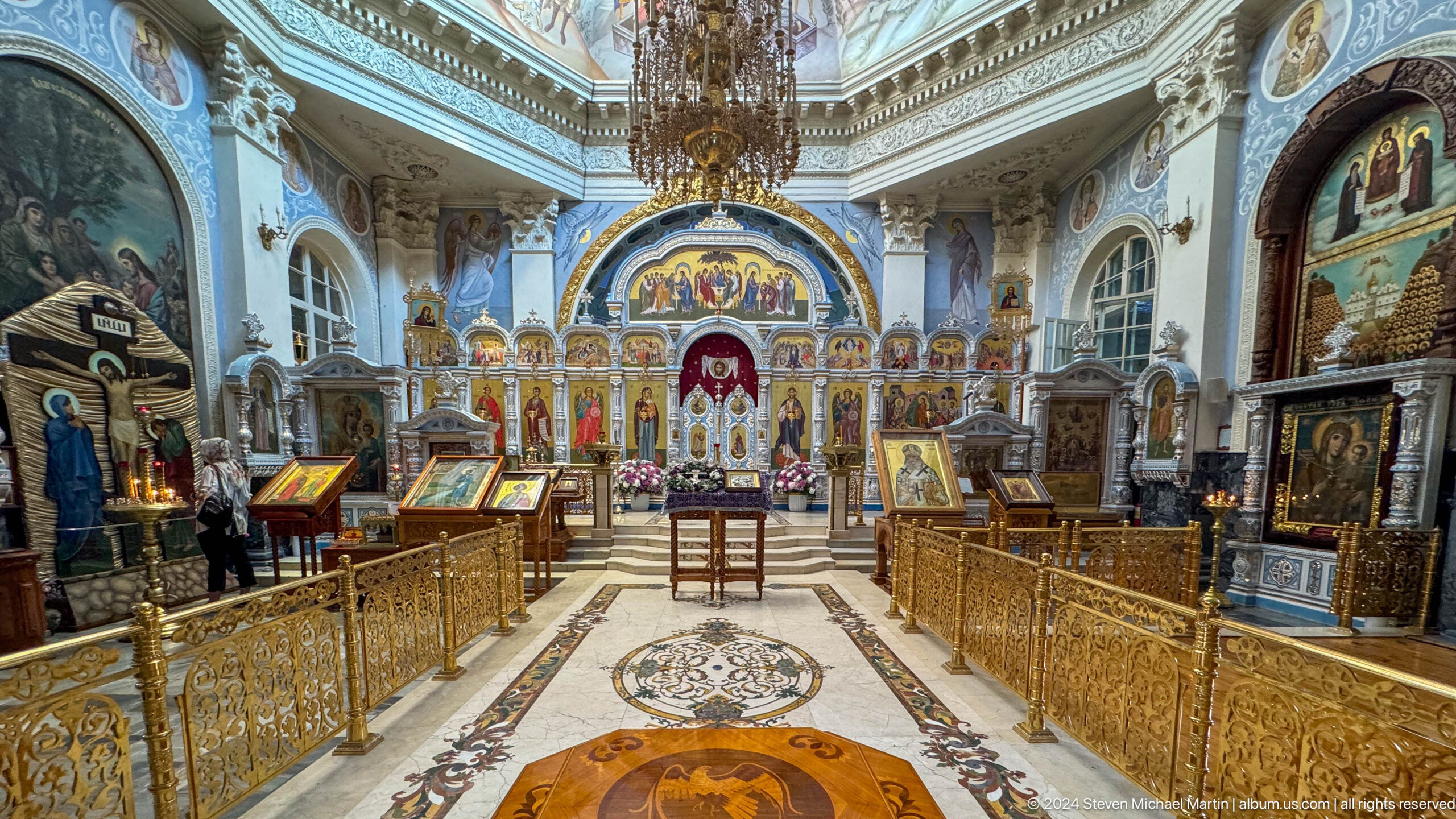
Symmetrical cathedral nave with marble aisle, gold railings, chandelier, and iconostasis.

Tashkent Holy Assumption Cathedral

Holy Assumption Cathedral The Holy Assumption Cathedral in Tashkent represents the presence of Russian Orthodox Christianity in Central Asia during the nineteenth century. The cathedral was constructed during the period of Russian imperial expansion into the region. Its architecture reflects ecclesiastical design traditions associated with Orthodox religious practice. The structure illustrates the interaction between Slavic […]

Explore Portfolio
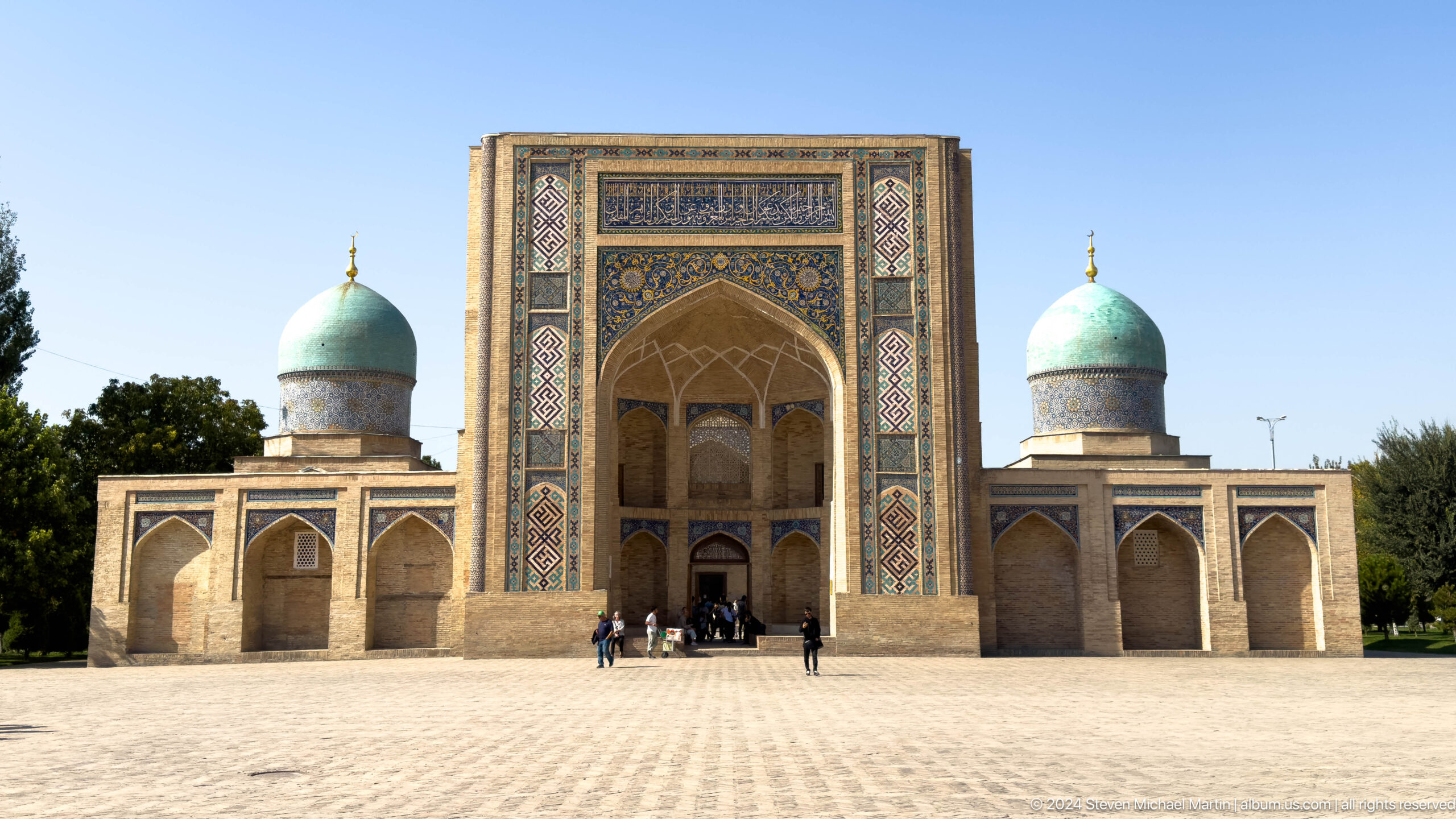
Tiled central pishtaq flanked by turquoise domed towers with visitors at entrance at the Khast Imom complex in Tashkent.

Tashkent Khast Imom Square

Khast Imom (Hast Imam) The Khast Imom Complex in Tashkent is an important Islamic religious center associated with the preservation of early Qur’anic manuscripts and the development of scholarship in Central Asia. The complex includes mosques, madrasas, and mausoleums reflecting architectural traditions that developed following the spread of Islam along Silk Road routes. Religious institutions […]

Explore Portfolio
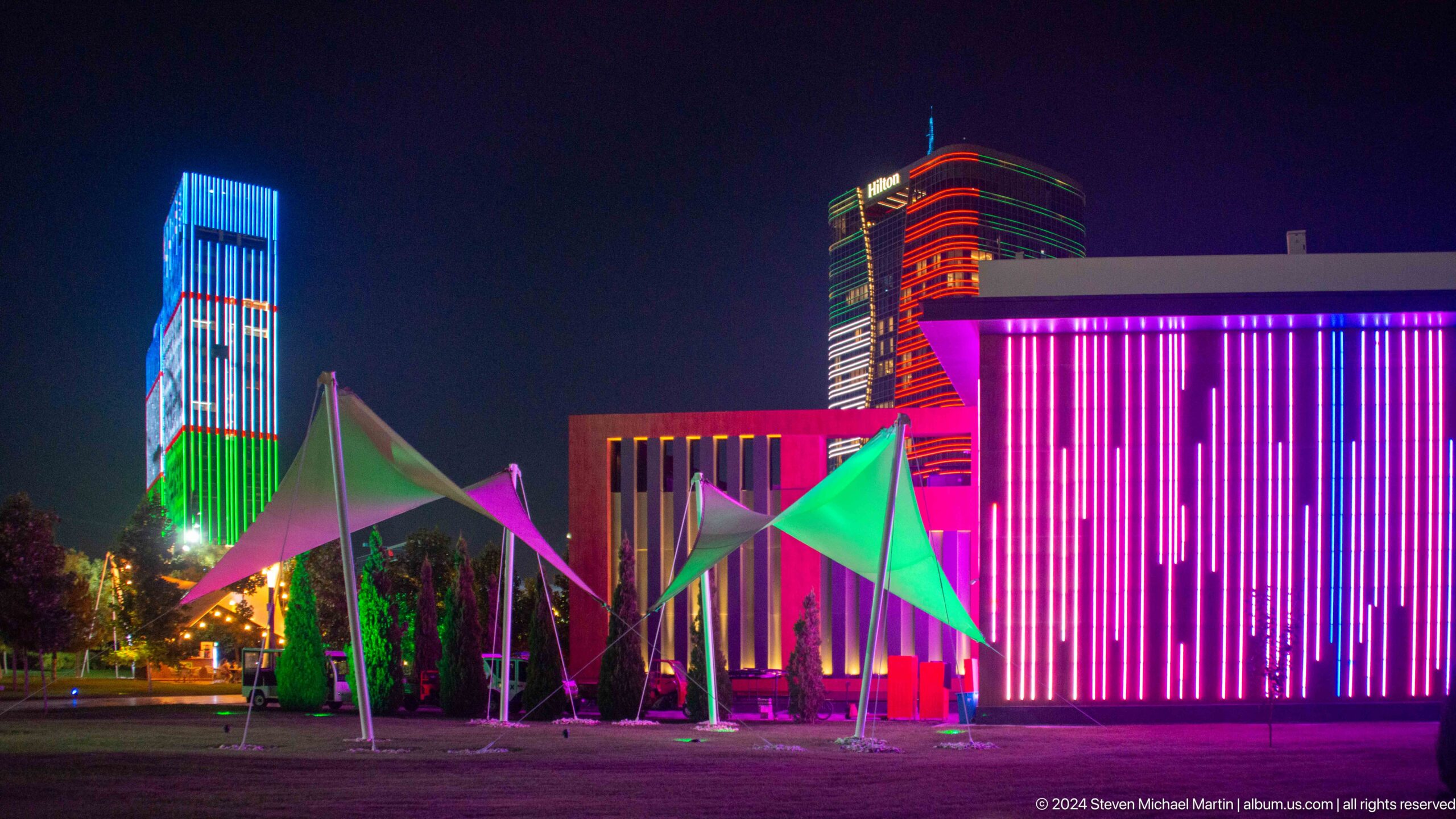
Color-lit triangular canopies stand before a magenta-striped pavilion with illuminated towers behind.

Tashkent City Park

Tashkent City Park Tashkent City Park represents modern urban development within one of Central Asia’s historic Silk Road cities. Public green spaces illustrate contemporary approaches to urban planning that balance recreation with civic design. The park demonstrates the continued evolution of cities historically shaped by trade and cultural exchange. Urban parks often occupy locations influenced […]

Explore Portfolio
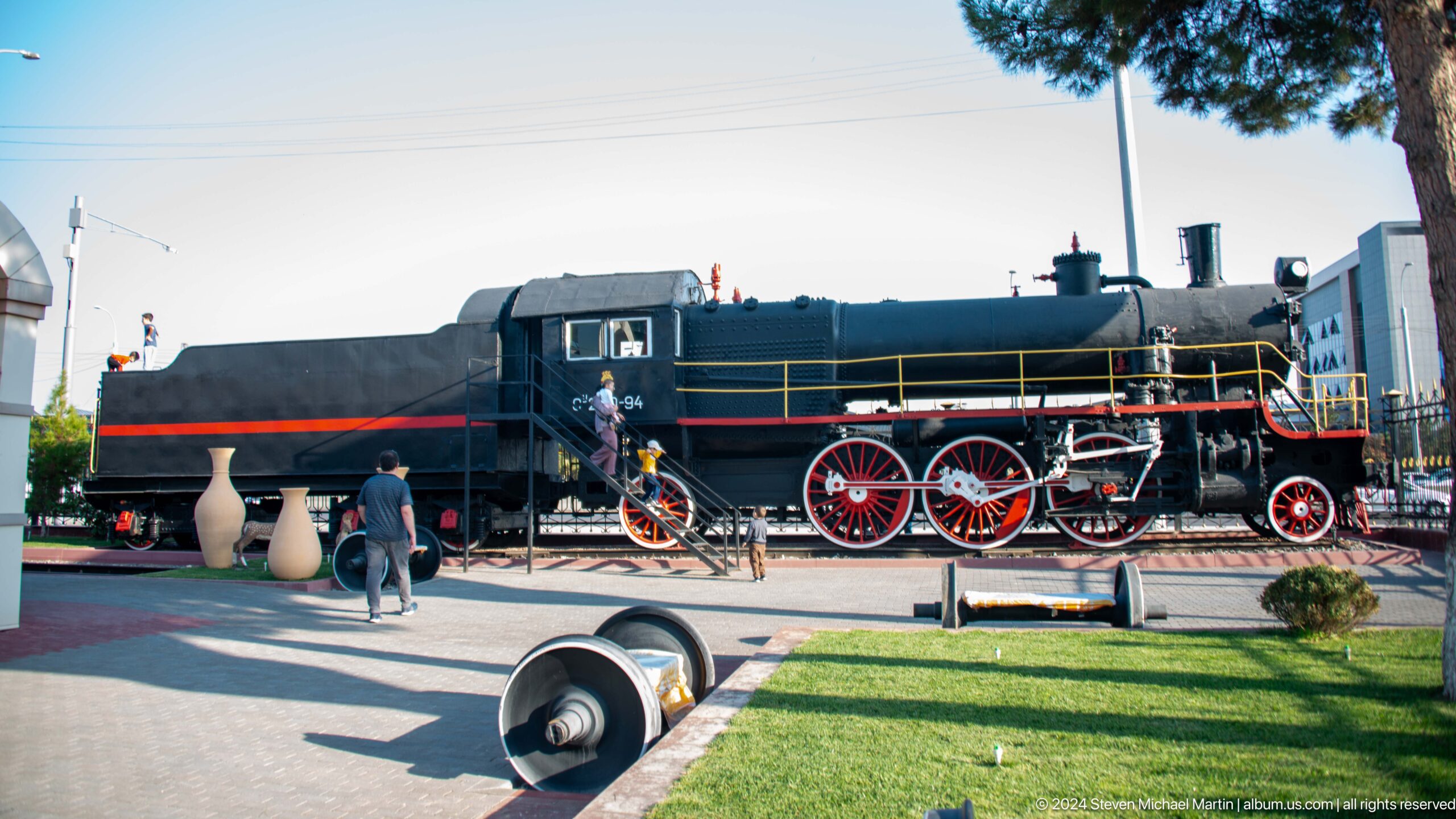
Large black steam locomotive with red driving wheels, yellow railings, and visitors beside its cab.

Tashkent Railway Museum

Tashkent Railway Museum The Tashkent Railway Museum reflects the development of transportation networks that connected Central Asia with broader regional economies during the nineteenth and twentieth centuries. Rail infrastructure expanded communication between historic Silk Road cities, modernizing long-distance travel across Eurasia. The museum illustrates the technological transition from caravan trade to industrial transportation. Locomotives and […]

Explore Portfolio