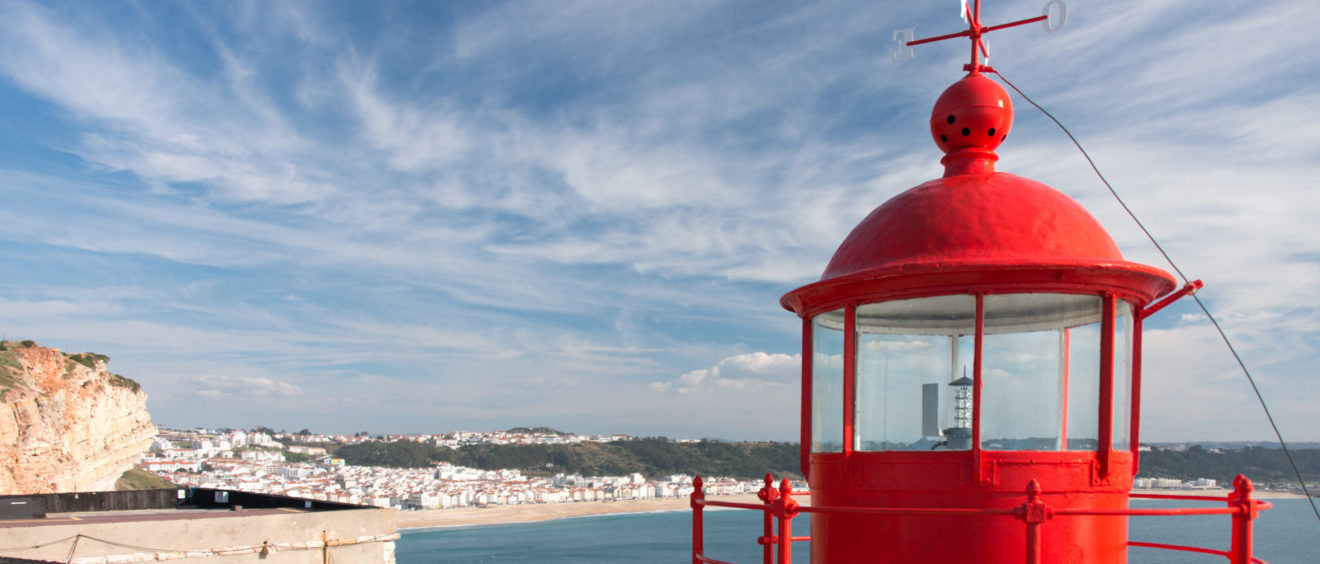
Nazaré Nazaré developed as a coastal settlement influenced by fishing traditions and maritime activity along the Atlantic Ocean. Its location along important sea routes contributed to the economic and cultural life of western Portugal. The surrounding cliffs provide views across the ocean that reflect the importance of maritime geography in regional development. Religious traditions associated […]
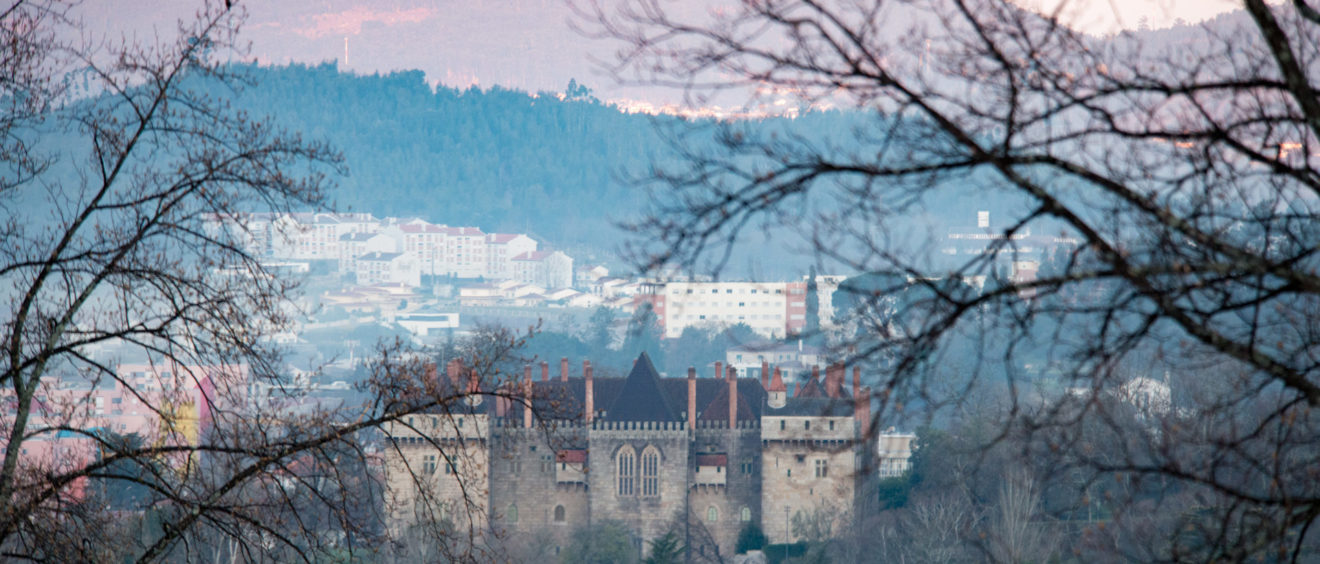
Guimarães Guimarães is often associated with the early formation of the Portuguese kingdom and is considered one of the most historically significant cities in Portugal. The medieval castle and surrounding fortifications illustrate the political conditions that contributed to the emergence of an independent Portuguese state. The preserved historic center reflects the importance of defensive architecture […]
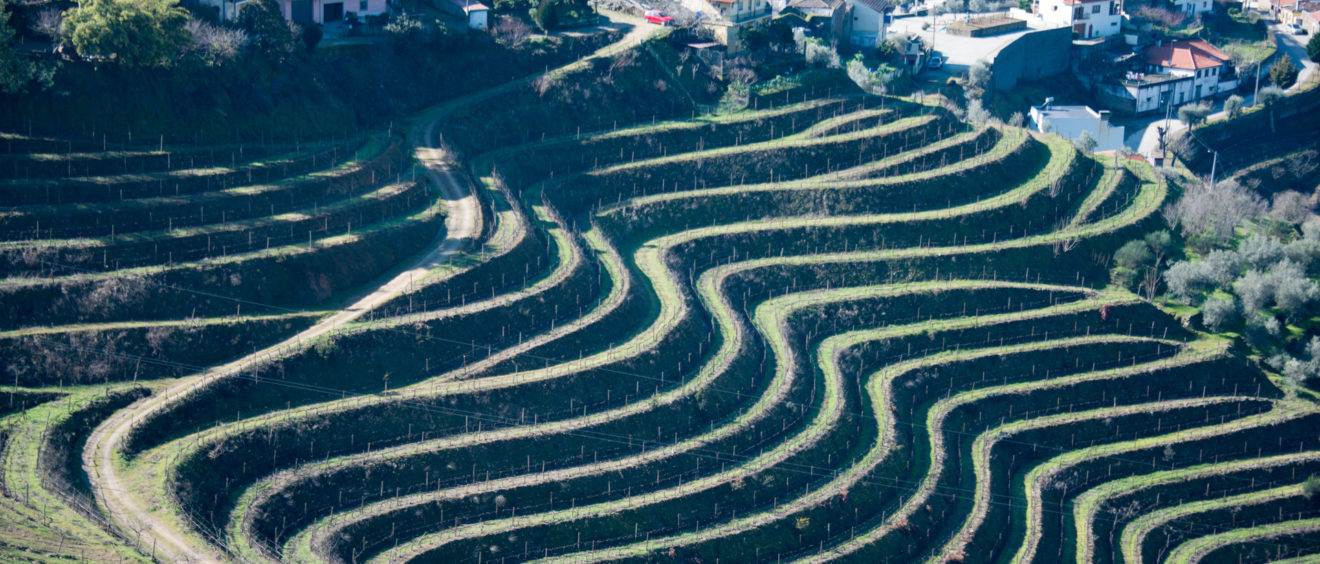
Pinhão Pinhão is located in Portugal’s Douro Valley, a region historically associated with river transport and agricultural production. The surrounding terraced vineyards illustrate traditional methods of cultivation adapted to steep terrain. The landscape reflects the relationship between geography and economic activity along the Douro River. River transport historically played an important role in moving goods […]
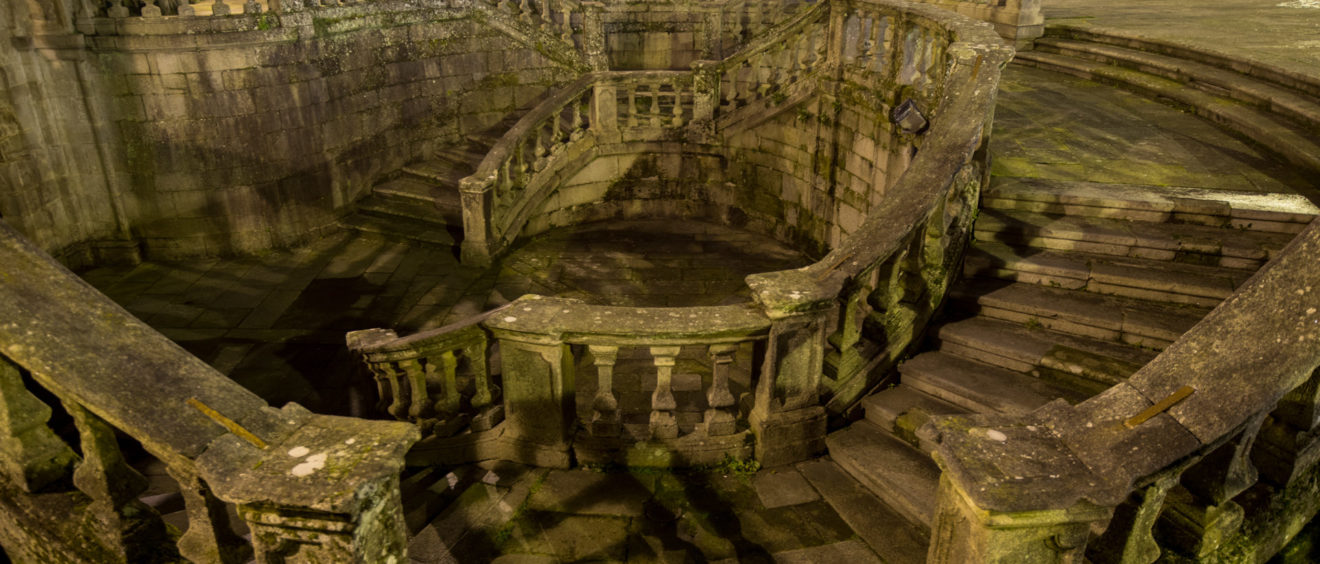
Santiago de Compostela Santiago de Compostela developed as a major religious center associated with the pilgrimage routes leading to the cathedral dedicated to Saint James. The historic urban layout reflects the importance of accommodating pilgrims traveling from across Europe. Narrow streets, plazas, and religious institutions illustrate the city’s role in medieval spiritual life. The growth […]
Santiago de Compostela Cathedral Santiago de Compostela Cathedral marks the traditional burial place of Saint James and became one of the most important pilgrimage destinations in medieval Europe. Pilgrims traveled across the continent along the Camino de Santiago, contributing to the exchange of artistic, cultural, and religious traditions. The cathedral reflects the importance of pilgrimage […]
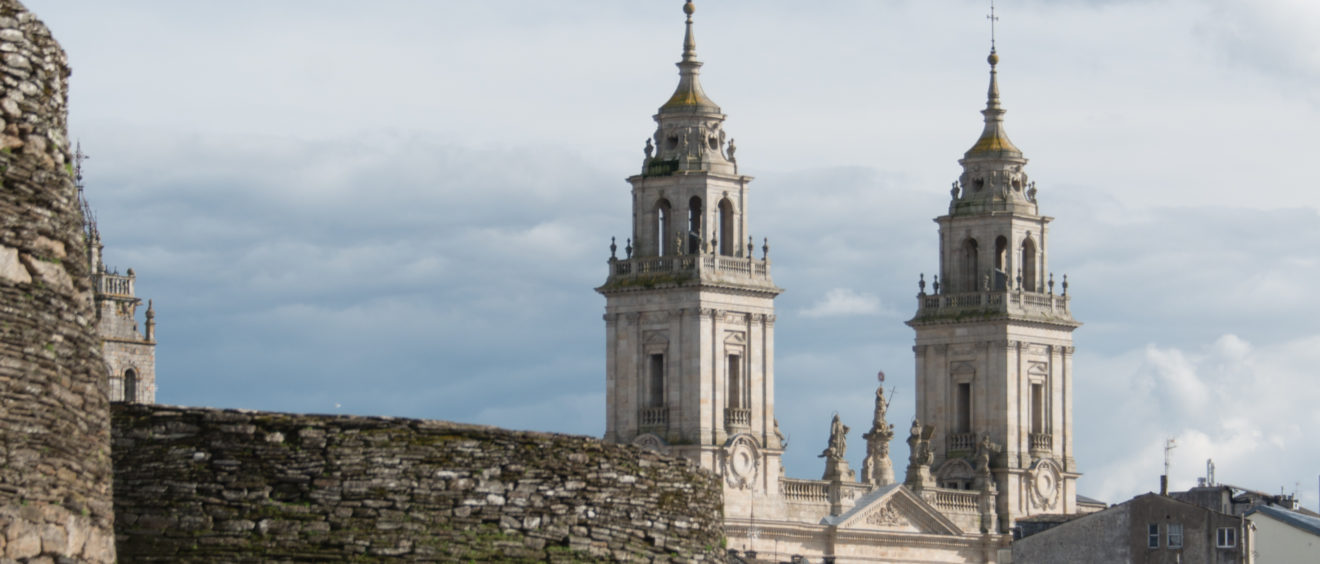
Lugo Lugo preserves one of the most complete Roman defensive walls in Europe, constructed during the third century CE to protect the settlement of Lucus Augusti. The walls extend around the historic center, demonstrating Roman engineering techniques designed for durability and strategic defense. Their continuous structure provides insight into Roman urban planning in the Iberian […]
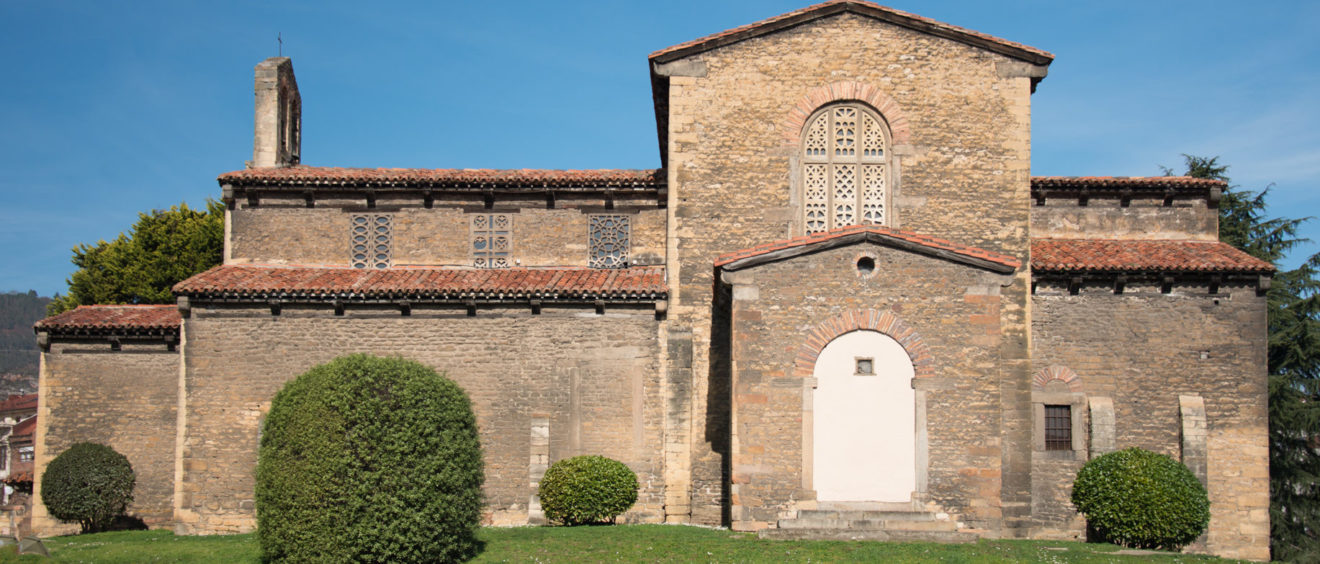
Oviedo Oviedo became an important center of Christian authority during the early stages of the Reconquista, serving as the capital of the Kingdom of Asturias. Religious architecture constructed during this period reflects the consolidation of Christian political influence in northern Iberia. The city illustrates the early formation of Christian kingdoms that later expanded southward. Pre-Romanesque […]
Santander Santander developed as an important coastal city along the Bay of Biscay, shaped by maritime trade and regional connections between northern Spain and broader Atlantic routes. Its harbor contributed to commercial exchange that linked Iberia with other European markets. The city reflects the importance of coastal geography in supporting economic development. Architectural landmarks illustrate […]
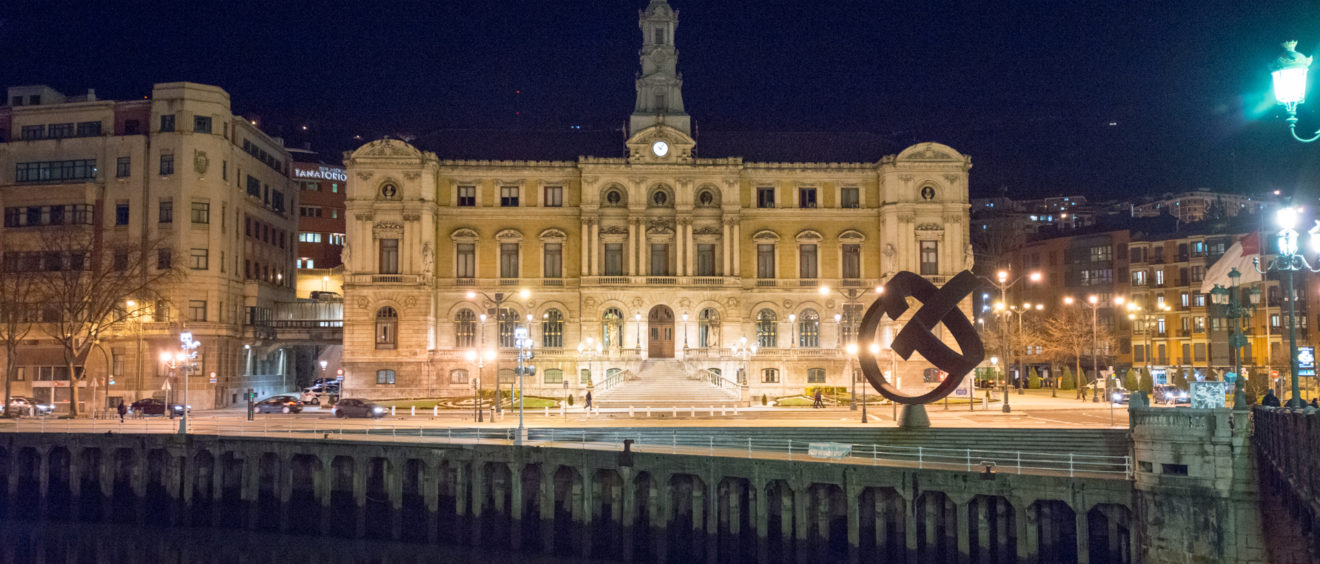
Bilbao Bilbao developed as an important commercial center in the Basque Country, influenced by maritime trade and regional industry. Its position along the Nervión River contributed to economic growth associated with shipbuilding and commerce. The city reflects the interaction between traditional Basque culture and broader European influences. Historic churches, bridges, and civic buildings illustrate the […]
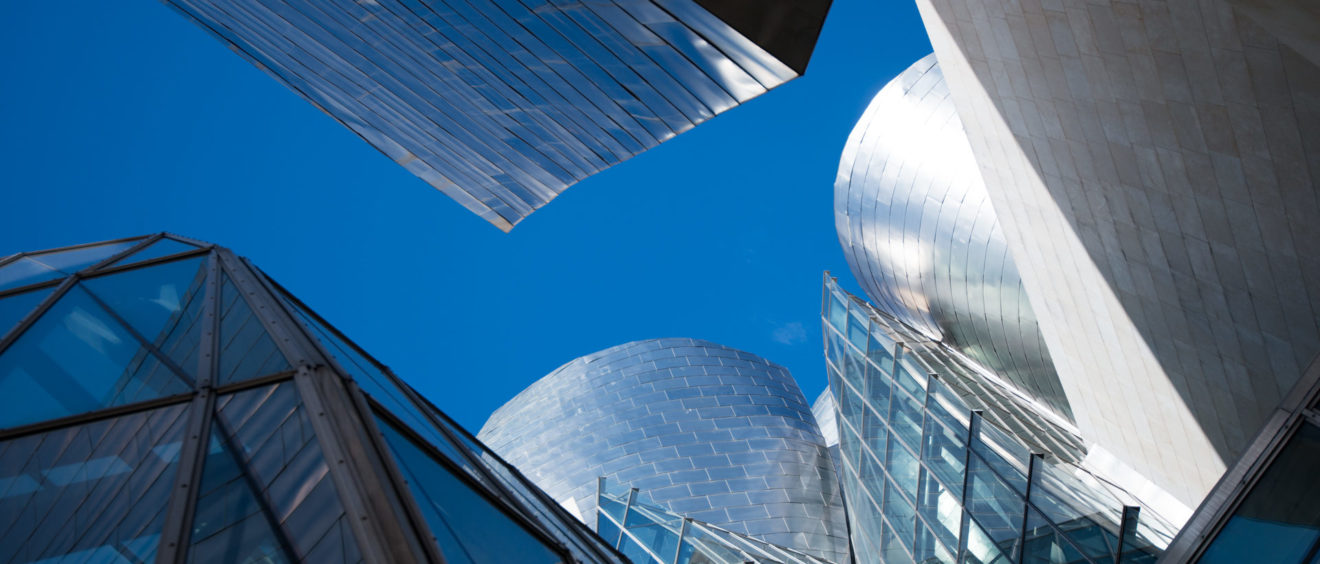
Guggenheim Bilbao The Guggenheim Museum Bilbao represents a major example of contemporary architecture designed by Frank Gehry in the late twentieth century. The building’s sculptural form incorporates curved titanium surfaces that reflect light and create changing visual perspectives. Its innovative design demonstrates the evolution of architectural expression in modern Europe. Constructed along the Nervión River, […]