
Bethlehem
Bethlehem Bethlehem is one of the most historically significant religious cities in the world and is traditionally recognized as the […]
Explore Portfolio
This journey explores some of the world’s most remarkable religious and ceremonial architecture, tracing how civilizations expressed spiritual beliefs through monumental design. From the pyramids of ancient Egypt to the grand mosques of Islamic empires, these sites illustrate how faith, political authority, and artistic achievement shaped cultural landscapes across thousands of years.
Across different eras and regions, religious architecture has served as a powerful expression of identity, cosmology, and technological innovation. The massive stone pyramids of Egypt reflect early beliefs about the afterlife and divine kingship. Temple complexes along the Nile demonstrate evolving ritual traditions tied to seasonal cycles and political power. Later Islamic architecture introduced new aesthetic forms emphasizing geometric harmony, calligraphy, and spatial balance.
Together, these sites illustrate both continuity and transformation in sacred design. Monumental construction techniques, symbolic orientation, and decorative traditions reveal how cultures expressed connections between the earthly and the divine. The itinerary highlights the enduring importance of religious structures as centers of community, learning, and artistic achievement.
While each civilization developed distinct architectural styles, common themes emerge: symmetry, symbolic geometry, alignment with celestial or geographic features, and the use of durable materials intended to convey permanence. These elements demonstrate how sacred architecture functioned as both a spiritual and cultural legacy.
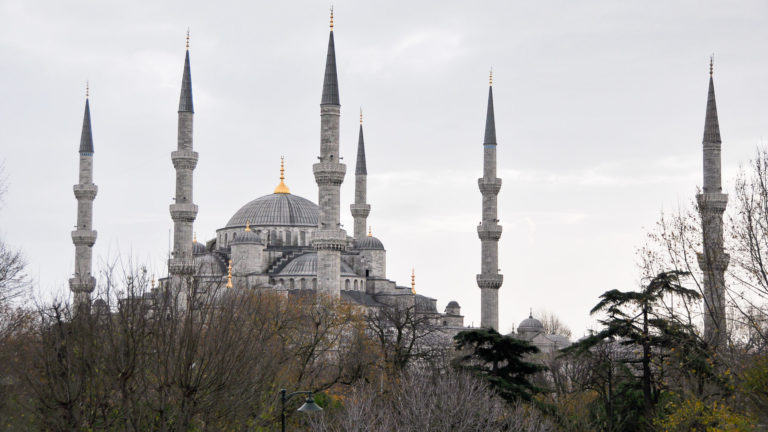
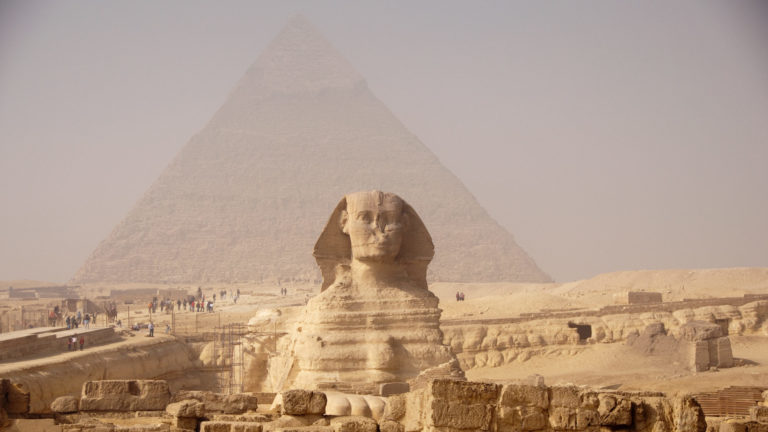
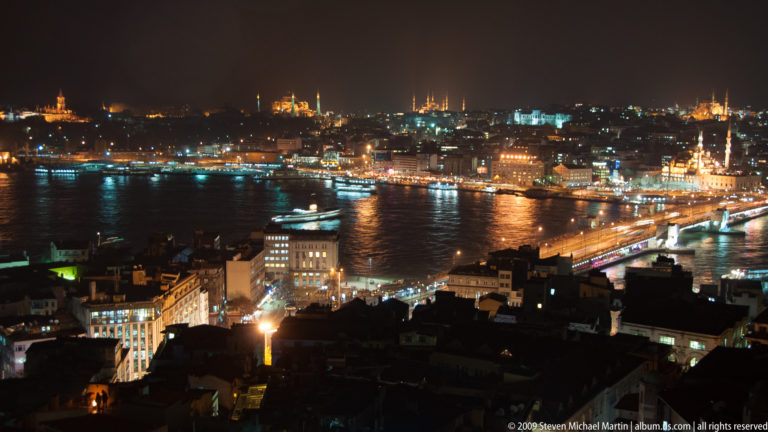
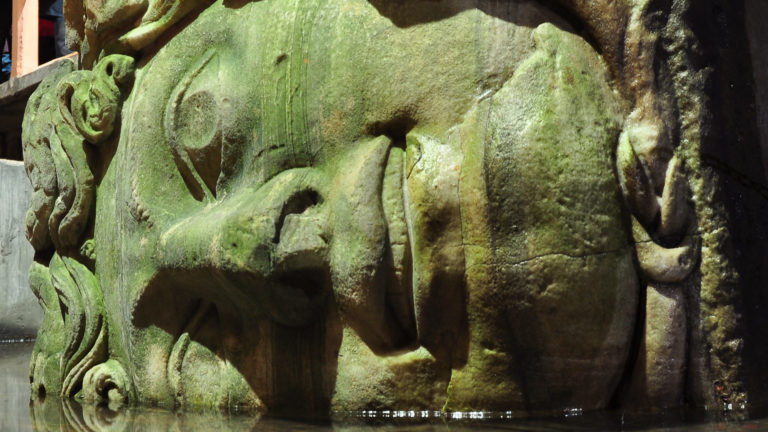
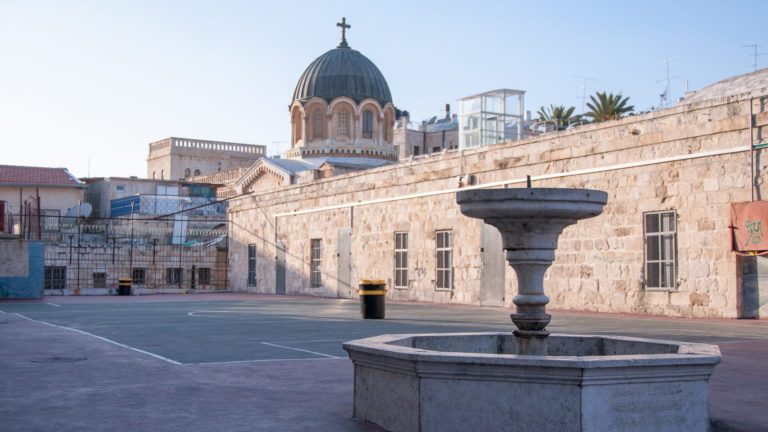


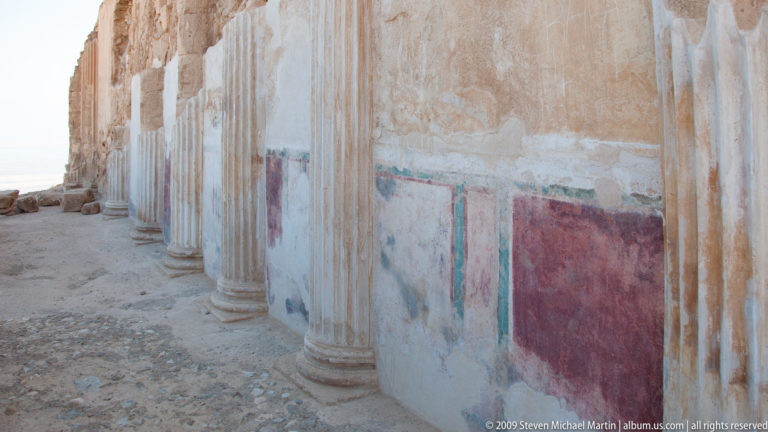
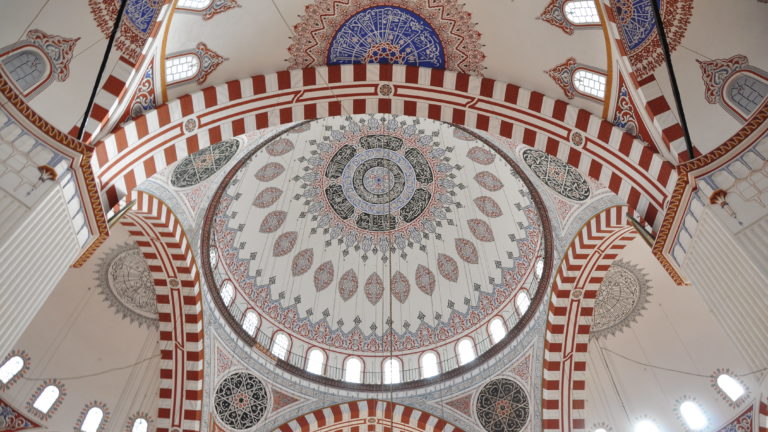
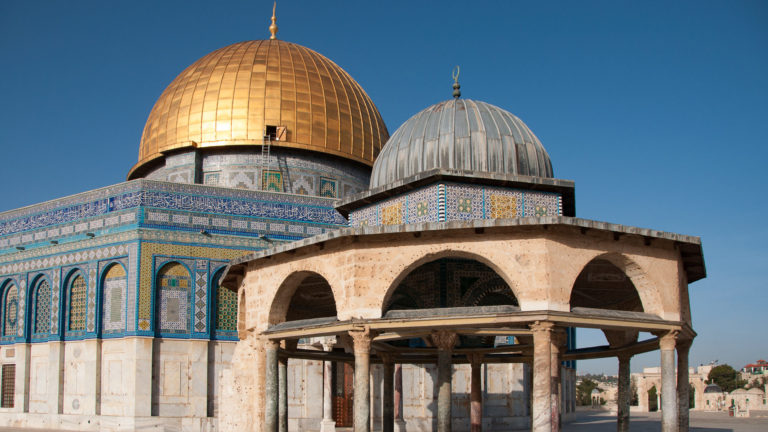
The journey begins in Egypt, where the pyramids of Giza represent one of the earliest and most influential forms of monumental religious architecture. Temple complexes at Luxor and Karnak demonstrate the ceremonial and political significance of ancient Egyptian religious practice, while Abu Simbel illustrates the relationship between imperial power and divine symbolism.
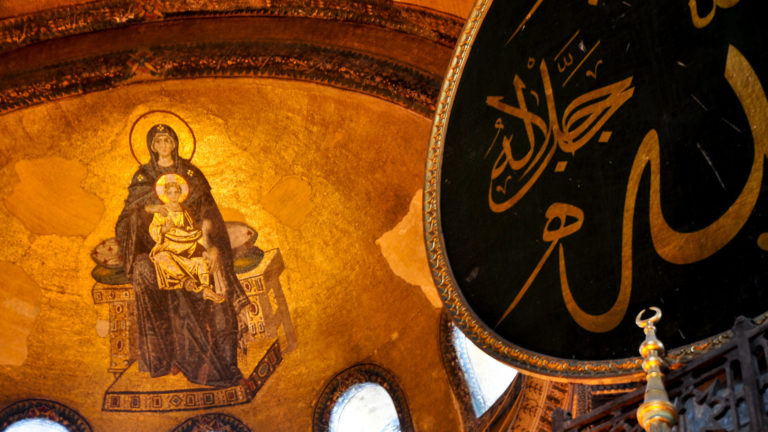
Later sites reflect the evolution of sacred architecture in the Islamic world, including mosques characterized by domes, minarets, and intricate decorative traditions. Together, these locations show how religious architecture adapted to changing empires, technologies, and artistic influences while continuing to serve as focal points of cultural identity.
Viewed collectively, the itinerary reveals how sacred spaces connect past and present, providing insight into how civilizations expressed beliefs about creation, authority, and the relationship between humanity and the divine.