Pitti Palace – Florence, Italy The massive Palazzo Pitti stands on the south side of the Arno River and served for centuries as one of the principal residences of the Medici family. Originally constructed in the 15th century, the palace was later expanded into an enormous complex housing royal apartments, galleries, and museums. Today the […]
Veliko Tarnovo – Bulgaria Veliko Tarnovo rises dramatically along the winding Yantra River, where steep hills surround a narrow valley in the foothills of the Balkan Mountains (Stara Planina). During the Middle Ages the city served as the capital of the Second Bulgarian Empire, making it one of the most important historic cities in Bulgaria. […]
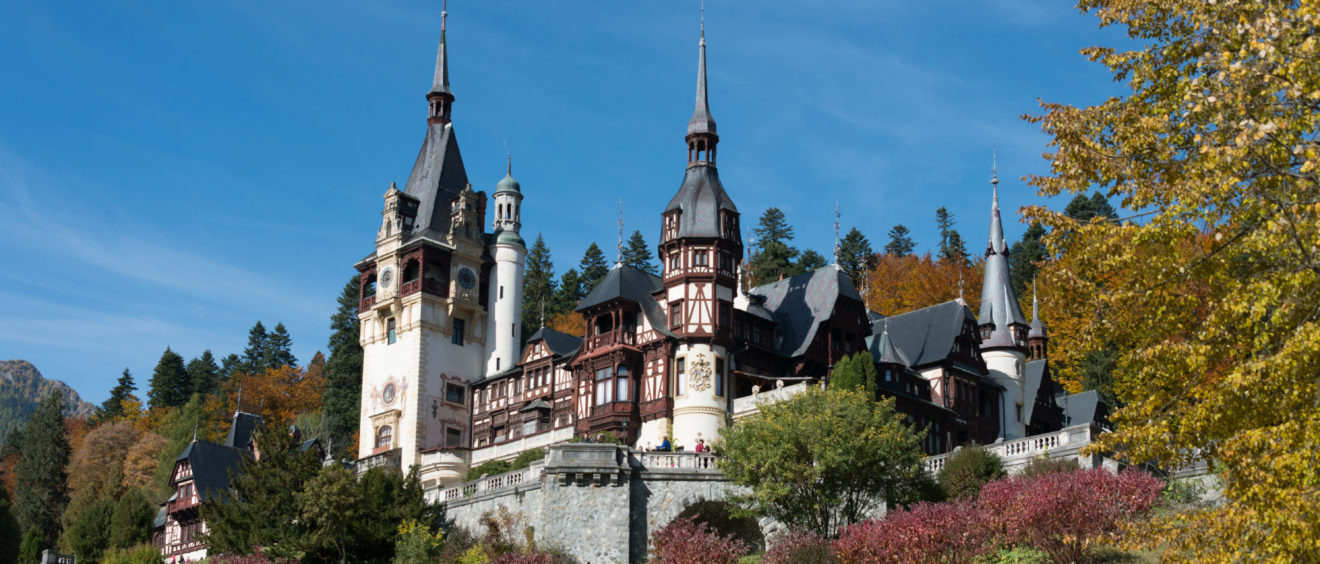
Sinaia – Prahova Valley, Romania Sinaia lies in the scenic Prahova River Valley within the forested slopes of the Bucegi Mountains, part of the southern Carpathian range. During the late nineteenth century the area became a favored retreat for the Romanian royal family because of its cool alpine climate and dramatic mountain scenery. The town […]
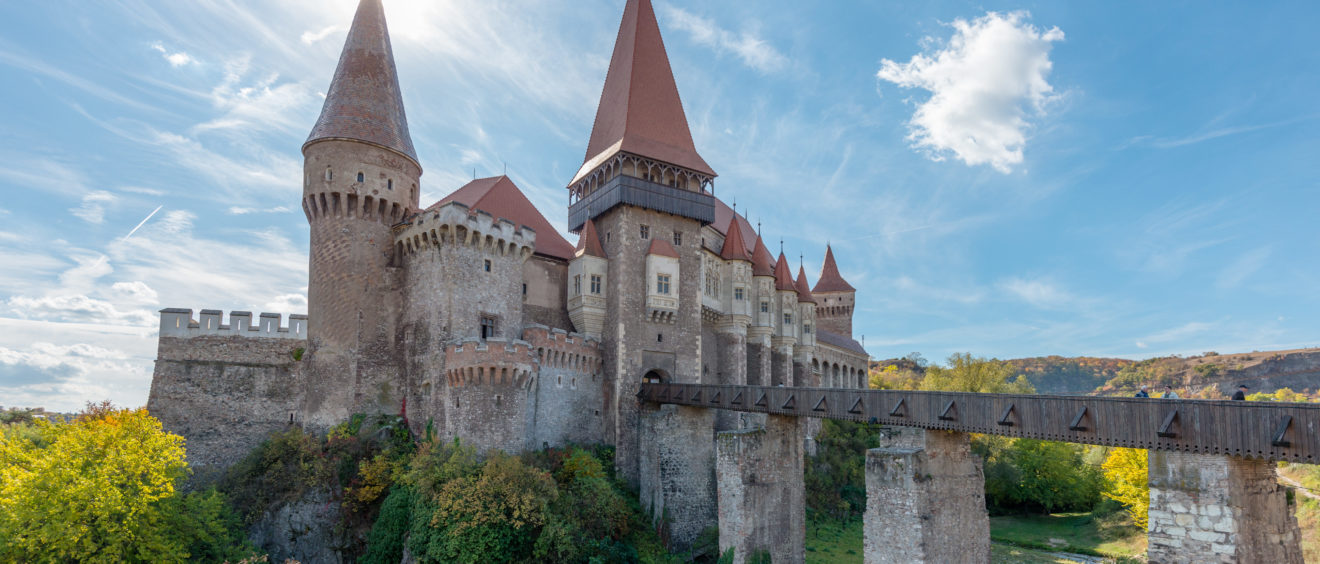
Corvin Castle – Hunedoara, Romania Corvin Castle (also known as Hunyadi Castle) stands above the Zlaști River valley in the city of Hunedoara in western Romania. The fortress is one of the largest and most impressive Gothic castles in Eastern Europe. Originally constructed in the 15th century by John Hunyadi, a powerful military leader of […]
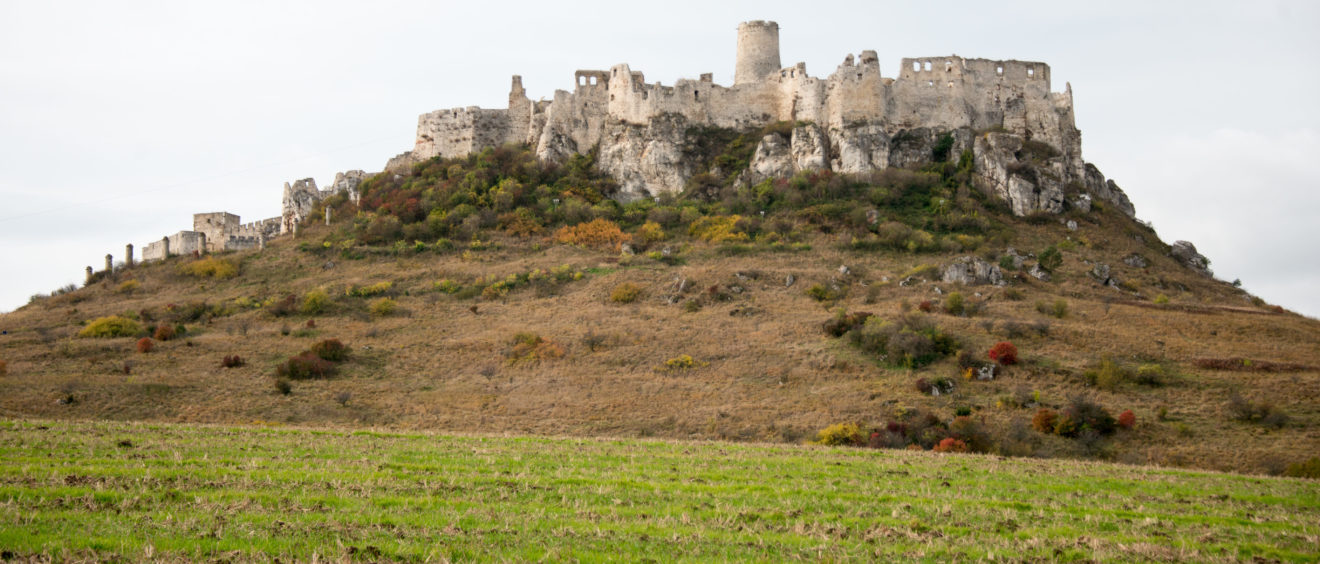
Spiš Castle – Slovakia Spiš Castle rises dramatically above the Spiš Basin in eastern Slovakia, perched on a limestone hill overlooking the surrounding countryside. The fortress occupies one of the largest castle complexes in Europe, with massive defensive walls and towers spreading across the broad ridge. Construction of the castle began in the 12th century […]
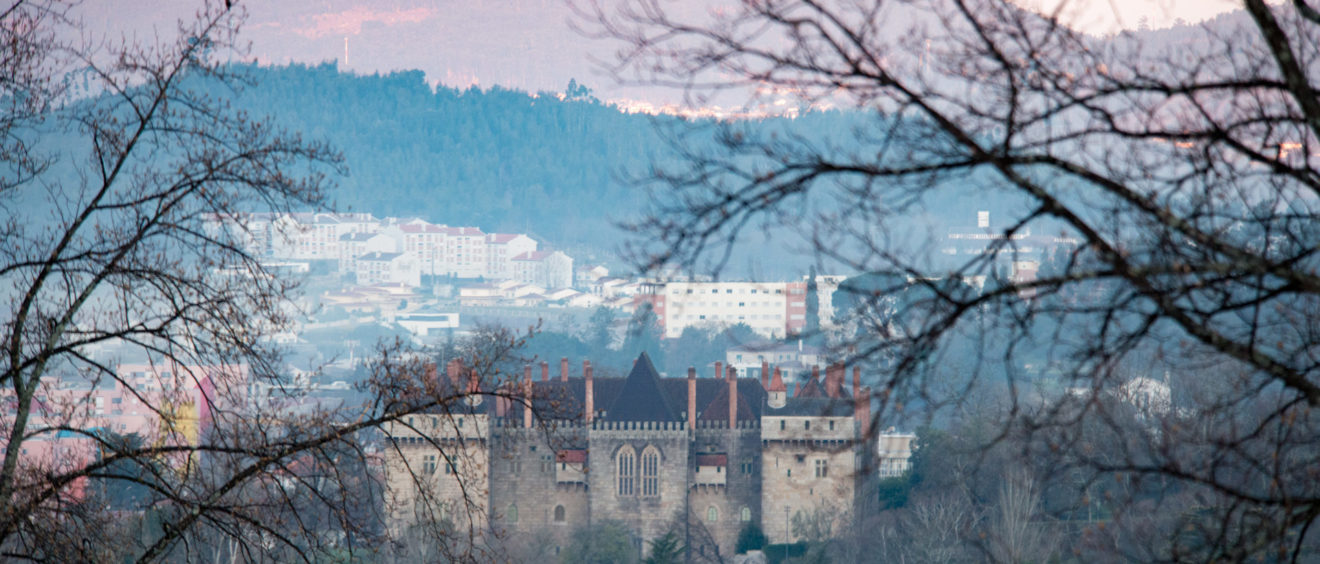
Guimarães Guimarães is often associated with the early formation of the Portuguese kingdom and is considered one of the most historically significant cities in Portugal. The medieval castle and surrounding fortifications illustrate the political conditions that contributed to the emergence of an independent Portuguese state. The preserved historic center reflects the importance of defensive architecture […]
Madrid Madrid developed as the political capital of Spain during the early modern period, reflecting the consolidation of royal authority following the Reconquista. Its central location contributed to its selection as the administrative center of a growing global empire. Urban development illustrates the transformation of Spain into a major European power during the Age of […]
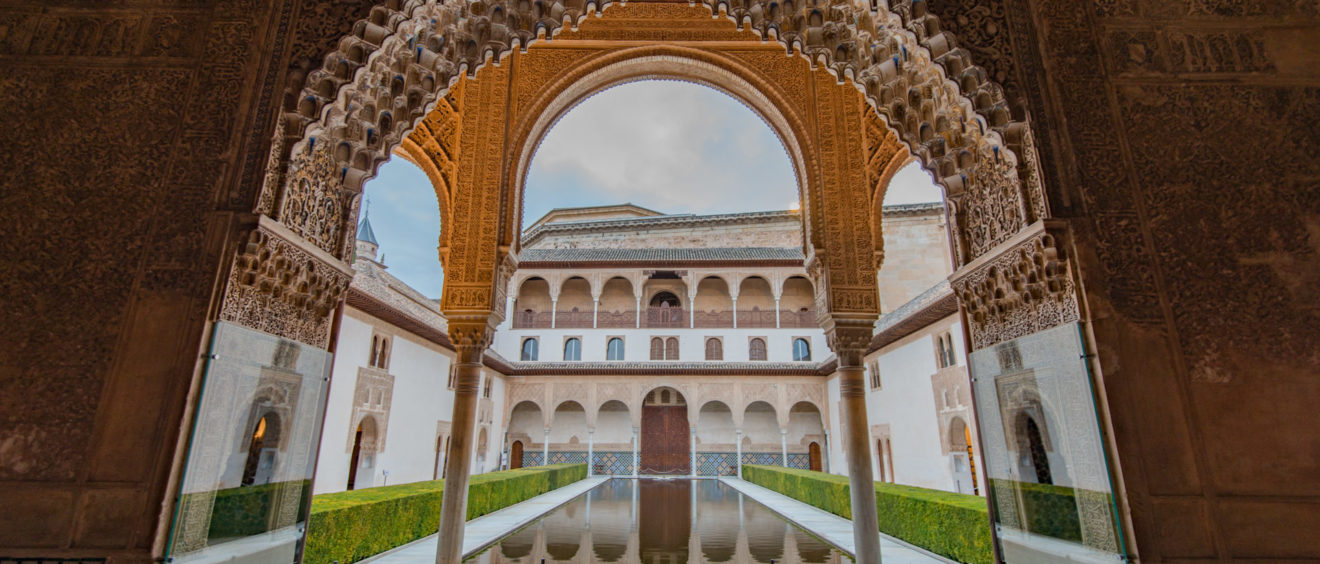
Alhambra The Alhambra is a palace and fortress complex constructed during the Nasrid dynasty and is one of the most important surviving examples of Islamic architecture in Europe. Situated on an elevated hill overlooking Granada, the complex combines defensive walls with refined palace spaces designed for royal residence. Its layout illustrates the integration of architecture, […]
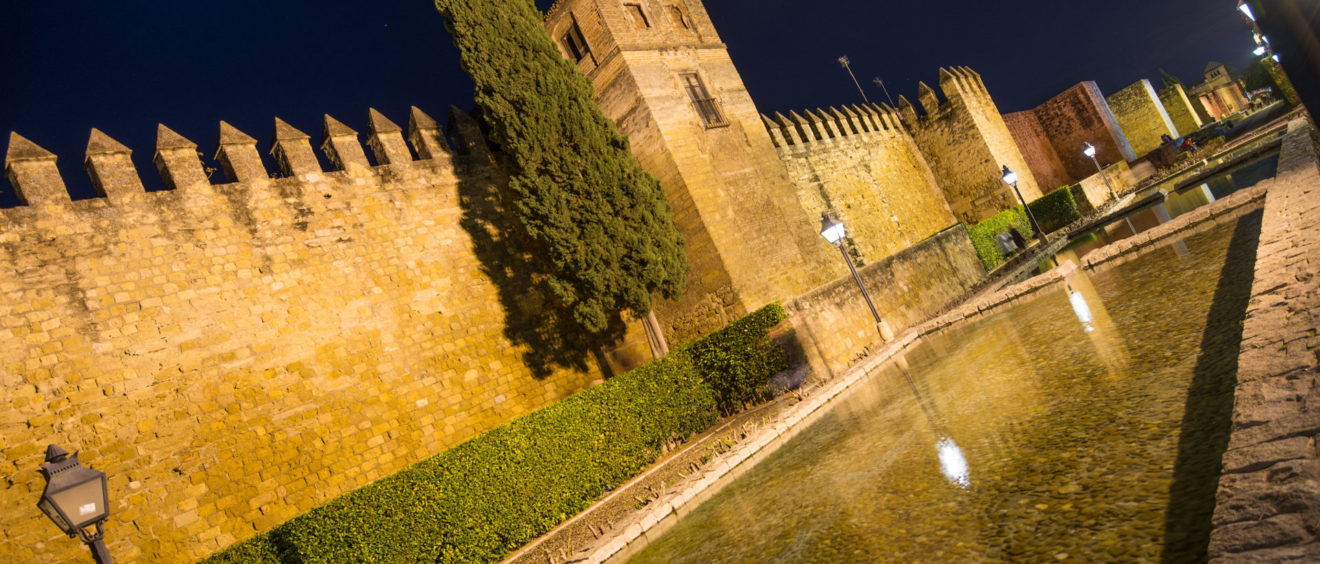
Córdoba Córdoba served as one of the most important cities of Islamic Spain during the Umayyad Caliphate, becoming a center of scholarship, trade, and artistic development. The city’s urban fabric reflects the influence of Islamic governance that contributed to advancements in science, philosophy, and architecture. Its historic streets and monuments illustrate the cultural achievements of […]
Seville Seville developed as one of the most important cultural and commercial centers of southern Spain, shaped by Roman foundations, Islamic rule, and later Christian influence following the Reconquista. Its location along the Guadalquivir River allowed the city to become a major center of trade and administration. Architectural landmarks reflect centuries of cultural exchange between […]