Château de Chenonceau Château de Chenonceau spans the River Cher and is one of the most distinctive Renaissance châteaux in the Loire Valley. The structure combines late medieval foundations with later architectural additions that reflect evolving artistic styles. Its placement directly above the river creates a visually balanced composition between built form and natural landscape. […]
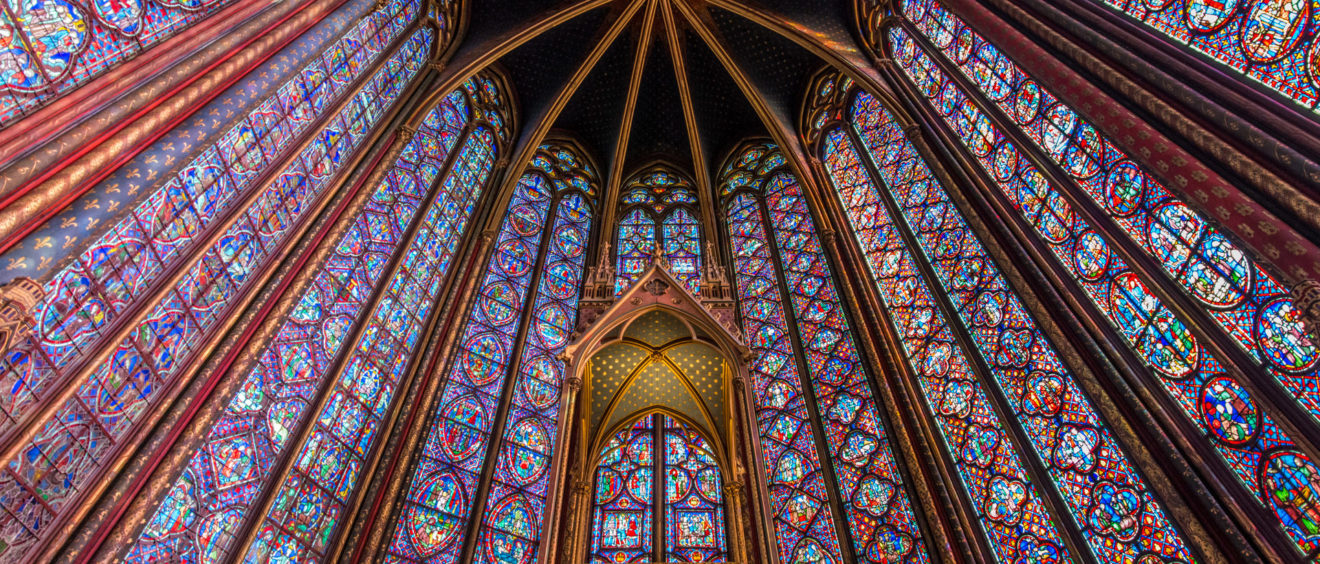
Sainte-Chapelle Sainte-Chapelle is a Gothic royal chapel located on the Île de la Cité in Paris and was constructed in the thirteenth century to house important religious relics. The chapel is renowned for its extensive stained glass windows, which create a luminous interior environment. The vertical emphasis of the architecture reflects the stylistic principles of […]
Eiffel Tower The Eiffel Tower was constructed for the 1889 Exposition Universelle and quickly became one of the most recognizable landmarks in the world. Designed by engineer Gustave Eiffel, the iron structure demonstrated the possibilities of modern materials and engineering during the late nineteenth century. Its height and open lattice design distinguished it from earlier […]
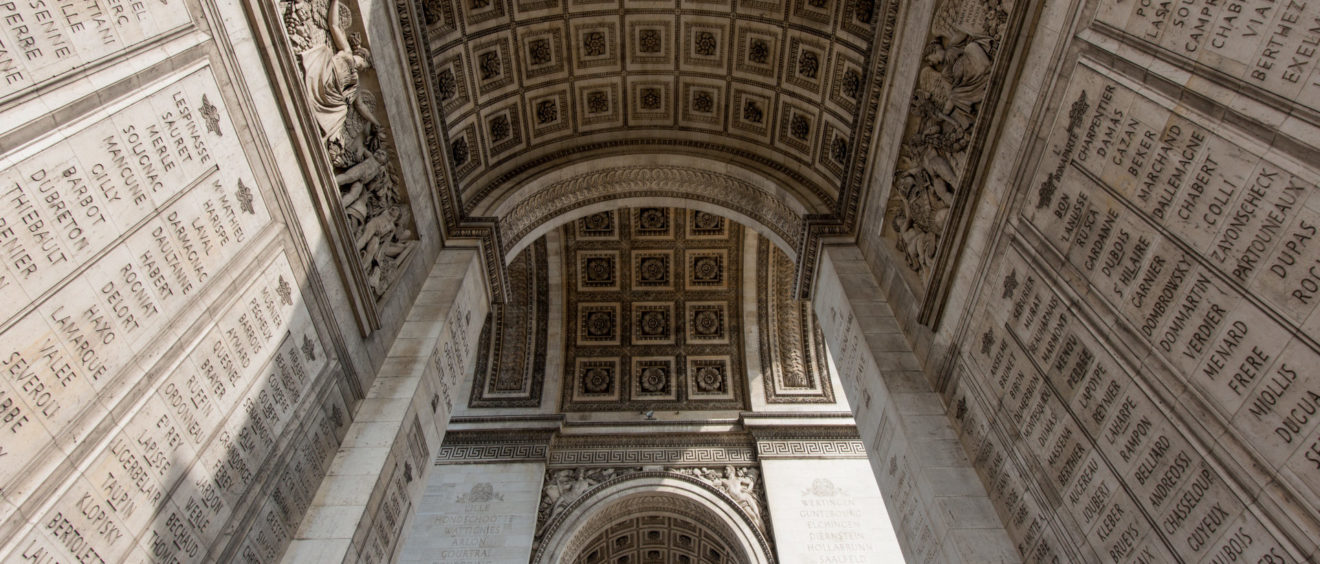
Arc de Triomphe The Arc de Triomphe stands at the western end of the Champs-Élysées in Paris and commemorates military achievements associated with the Napoleonic era. Inspired by classical Roman triumphal arches, the monument reflects the revival of classical forms during the early nineteenth century. Its prominent location emphasizes the symbolic importance of national memory […]
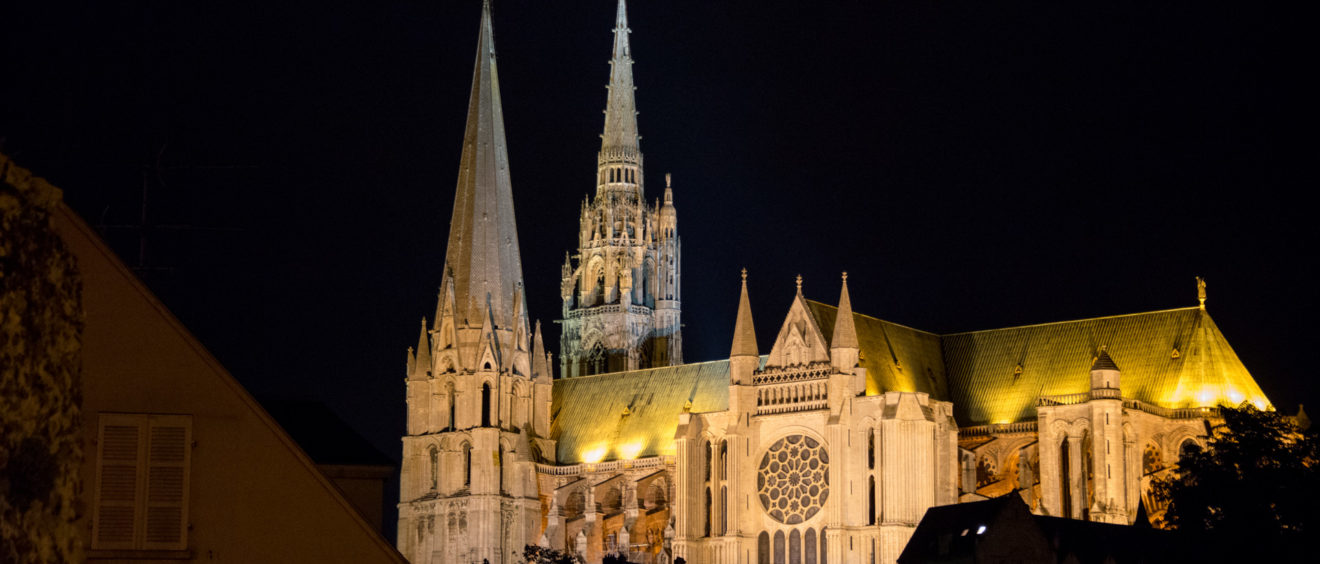
Chartres Cathedral Chartres Cathedral is one of the most important examples of French Gothic architecture, known for its harmonious proportions and extensive collection of medieval stained glass. The cathedral developed as a major pilgrimage destination, attracting visitors seeking religious devotion and artistic inspiration. Its architectural design emphasizes verticality and light. The stained glass windows depict […]
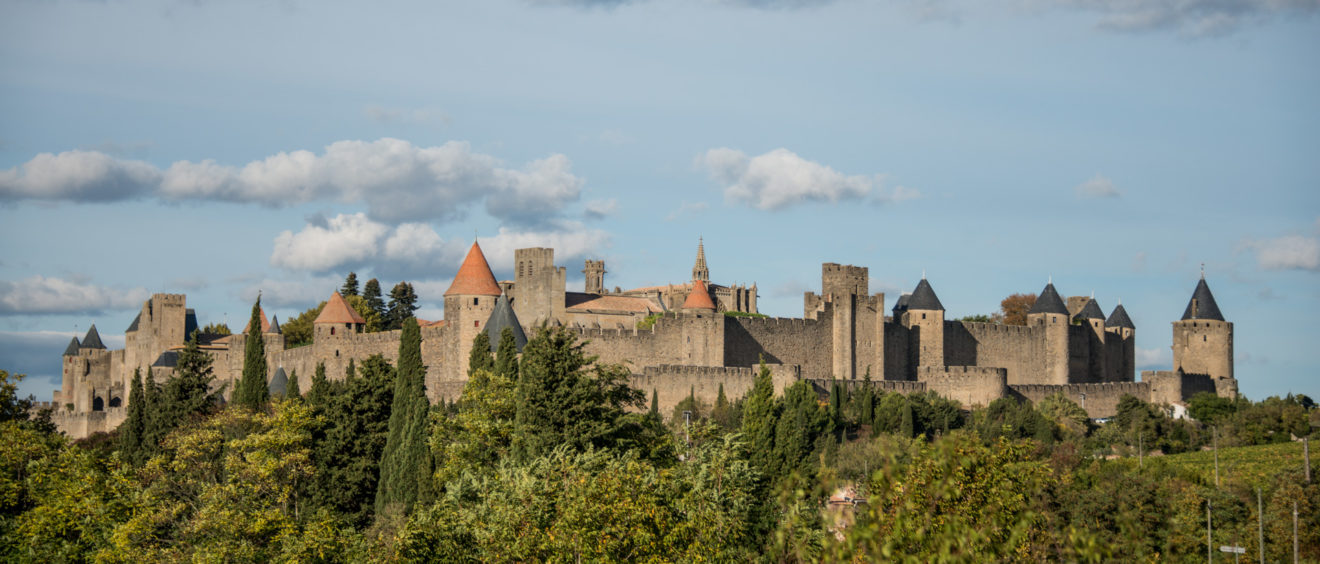
Carcassonne The fortified city of Carcassonne occupies a strategic position along historic trade routes linking the Mediterranean coast with the interior of southern France. Located in the Aude River valley between the Pyrenees Mountains and the Massif Central, the site has served as a defensive stronghold since the Roman period. Its elevated position allowed control […]
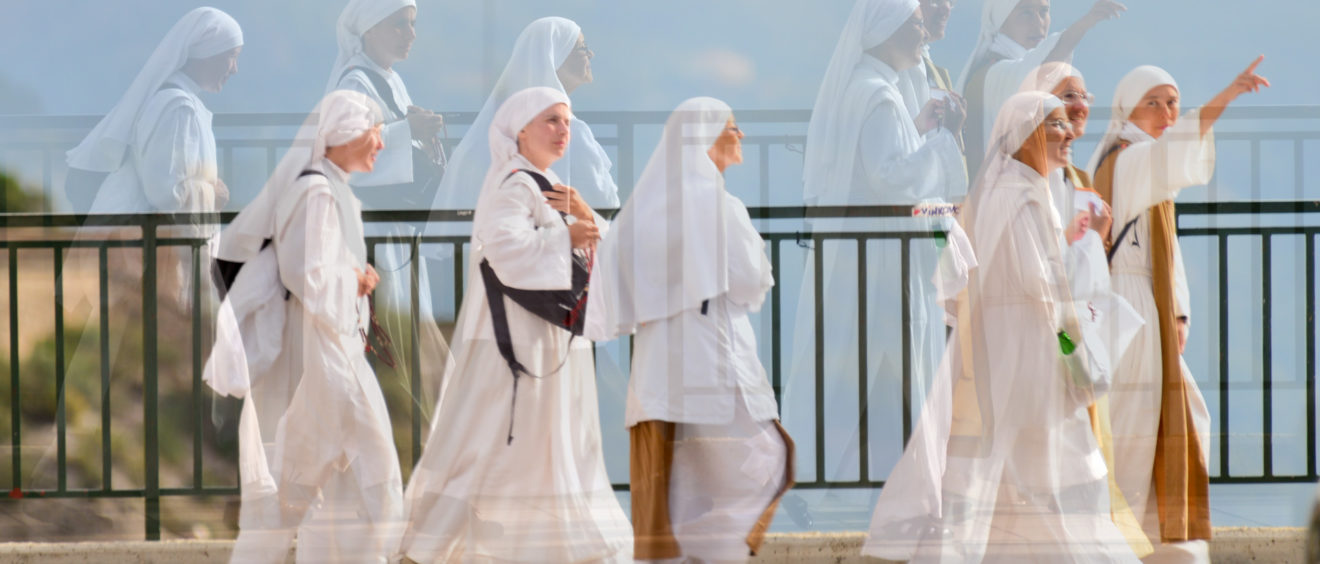
Montserrat Montserrat is a mountain range located northwest of Barcelona, recognized for its distinctive rock formations and long-standing religious significance. The Benedictine monastery situated within the mountains has served as an important pilgrimage destination for centuries. The dramatic geological landscape contributes to the spiritual and visual character of the site. The monastery houses the revered […]
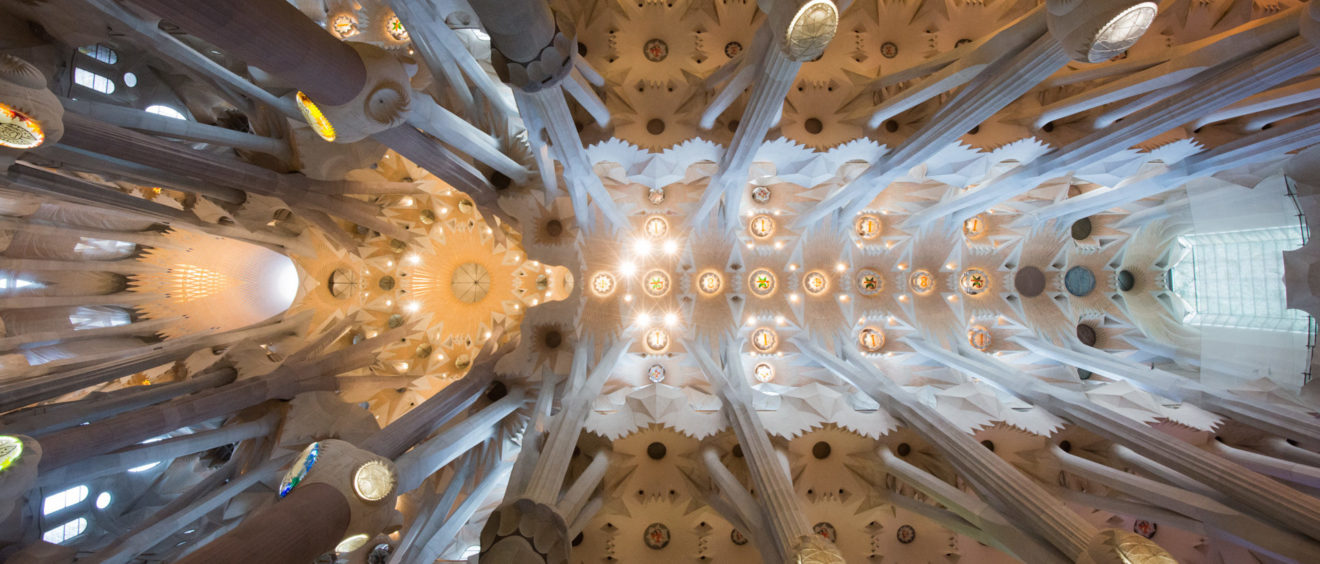
Sagrada Família The Sagrada Família is one of the most recognizable architectural works in Barcelona, designed by Antoni Gaudí and begun in the late nineteenth century. The basilica combines Gothic structural principles with innovative forms inspired by natural geometry. Its vertical towers and sculptural façades create a distinctive visual presence within the city. Interior spaces […]
San Sebastián San Sebastián is located along the Bay of Biscay in Spain’s Basque Country and is known for its natural harbor and distinctive coastal geography. The city developed as both a defensive location and a cultural center, shaped by maritime activity and regional traditions. Its position between mountains and sea contributes to its visual […]
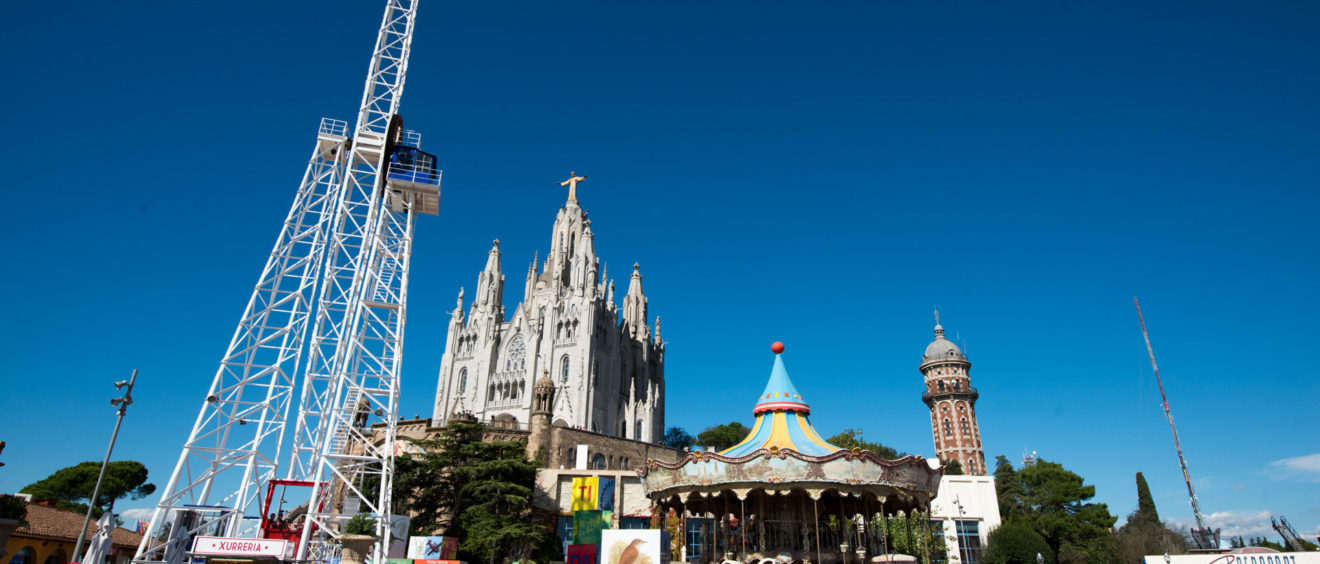
Barcelona Barcelona reflects the layered history of Catalonia, combining Roman foundations, medieval quarters, and later architectural innovation. The city developed as an important Mediterranean port, connecting trade routes between southern Europe and North Africa. Its urban fabric illustrates continuity between ancient settlement and modern cultural identity. Historic districts such as the Gothic Quarter preserve narrow […]