Itineraries

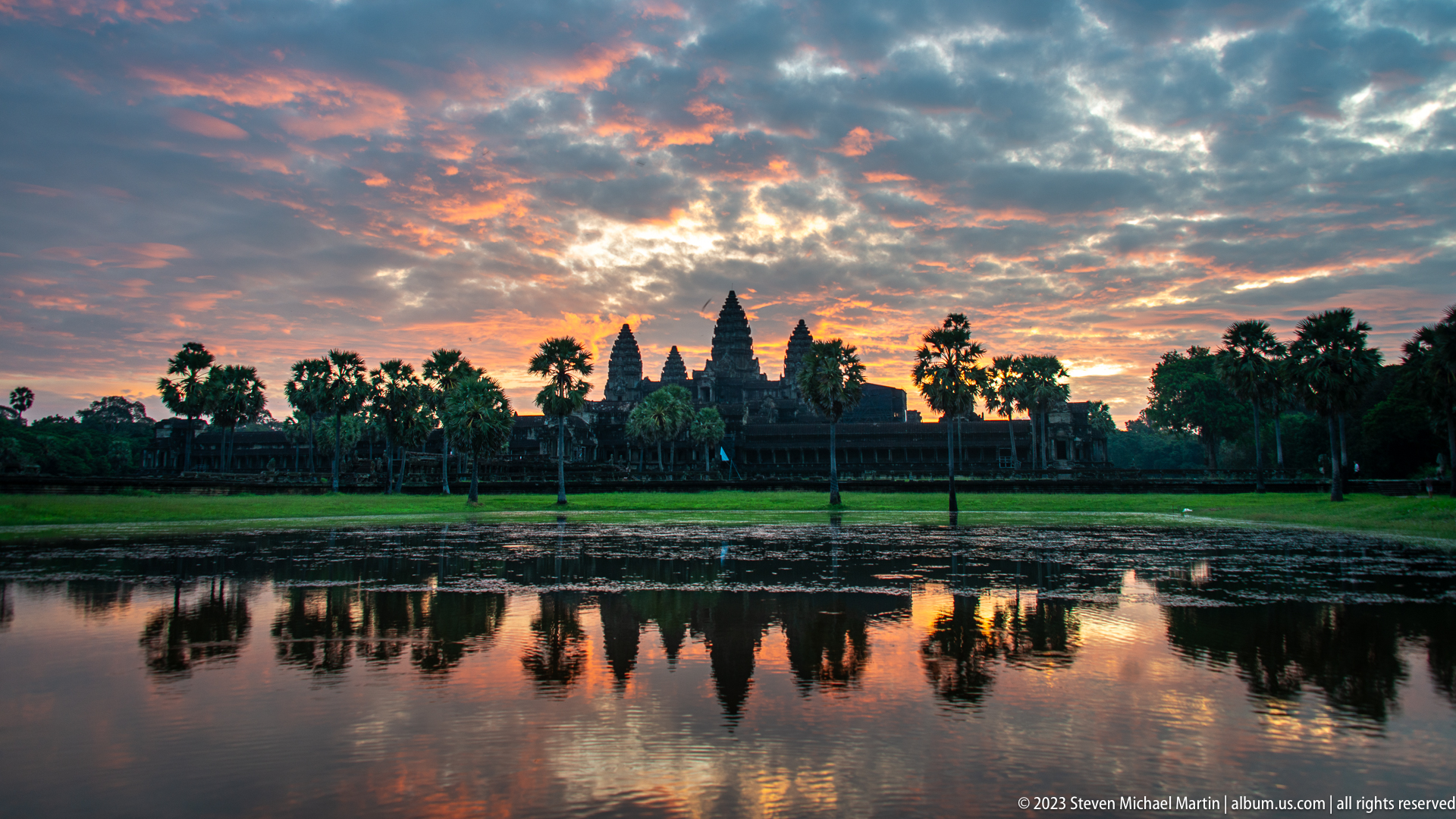
Wide sunrise silhouette of Angkor Wat and trees beneath layered clouds with a broad pool reflection at Angkor Wat.

Angkor Wat

Angkor Wat Angkor Wat is one of the largest and most significant temple complexes in the world, constructed in the twelfth century during the reign of King Suryavarman II. Originally dedicated to the Hindu god Vishnu, the temple later became an important Buddhist religious site. Its architectural design reflects advanced engineering and symbolic cosmology associated […]

Explore Portfolio
Siem Reap Pub Street at night with neon signs, colorful lanterns, pedestrians, bars, and restaurants.

Siem Reap

Siem Reap Siem Reap developed as the principal gateway to the Angkor archaeological region, one of the most significant cultural landscapes in Southeast Asia. The city’s growth reflects its role in supporting exploration of Khmer temple complexes constructed between the ninth and fifteenth centuries. Its location near the Tonle Sap basin contributed to the development […]

Explore Portfolio
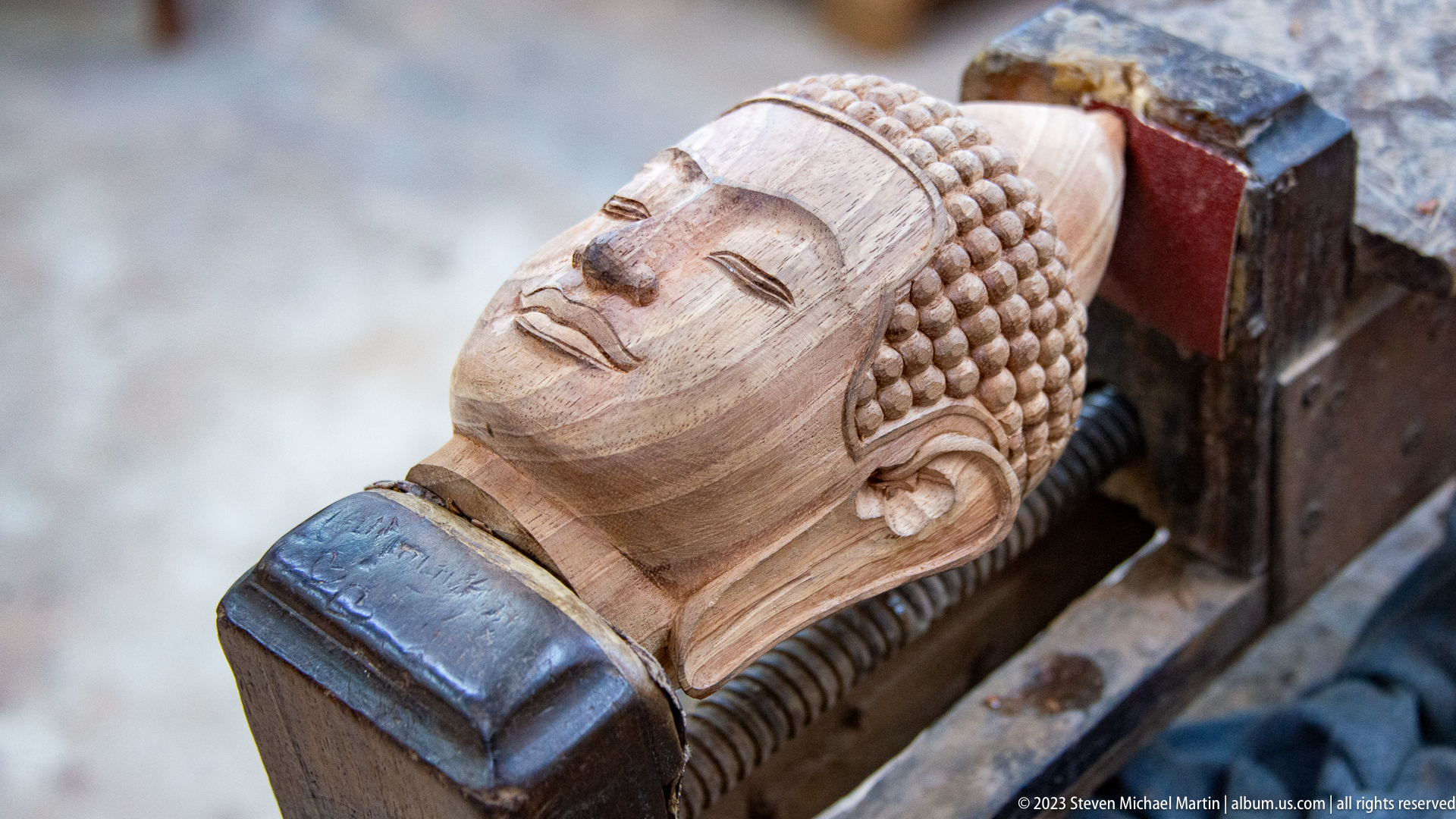
Unfinished wooden Buddha head with closed eyes resting horizontally in a padded clamp.

Artisans of Angkor

Artisans Angkor Artisans Angkor preserves traditional Khmer artistic techniques that have been practiced for centuries in Cambodia. The workshops focus on stone carving, wood sculpture, silk weaving, and lacquer work, reflecting craftsmanship associated with the Angkorian artistic tradition. These skills represent a continuation of cultural practices that flourished during the height of the Khmer Empire. […]

Explore Portfolio
Broad multi-curtain waterfall descending through dense tropical forest.

Phnom Kulen

Phnom Kulen Phnom Kulen is a mountain region in Cambodia associated with early Khmer civilization and the establishment of Angkorian political authority. Archaeological remains in the area illustrate the development of religious and ceremonial practices associated with early Hindu and later Buddhist traditions. The site reflects the importance of geography in shaping early Southeast Asian […]

Explore Portfolio
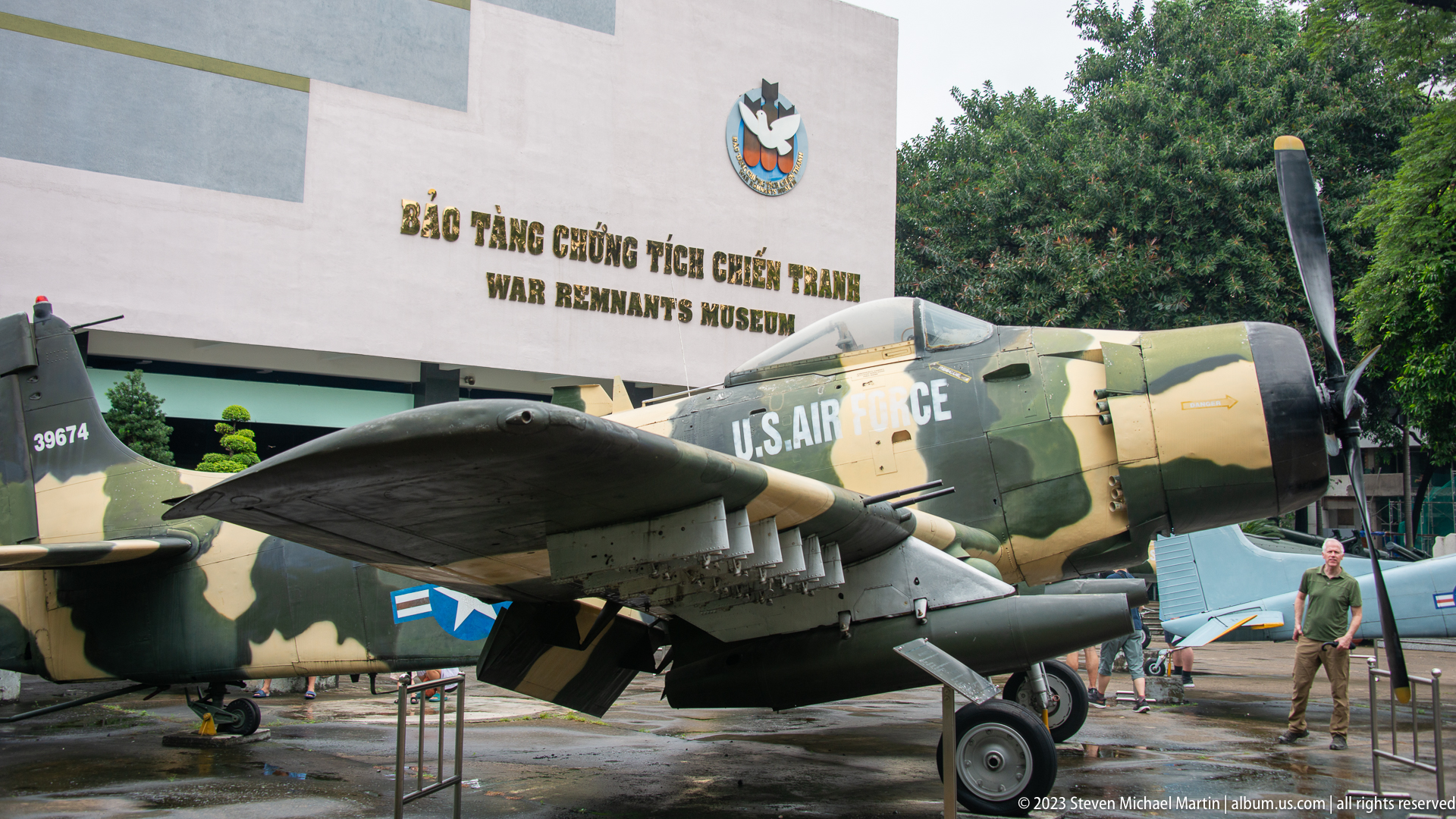
Front-right view of a camouflaged U.S. Air Force A-1 Skyraider.

War Remnants Museum

War Remnants Museum The War Remnants Museum in Ho Chi Minh City documents the historical events associated with the Vietnam War and its impact on Vietnamese society. Exhibits present photographic, historical, and military materials illustrating the effects of twentieth-century conflict in Southeast Asia. The museum reflects the importance of preserving historical memory related to political […]

Explore Portfolio
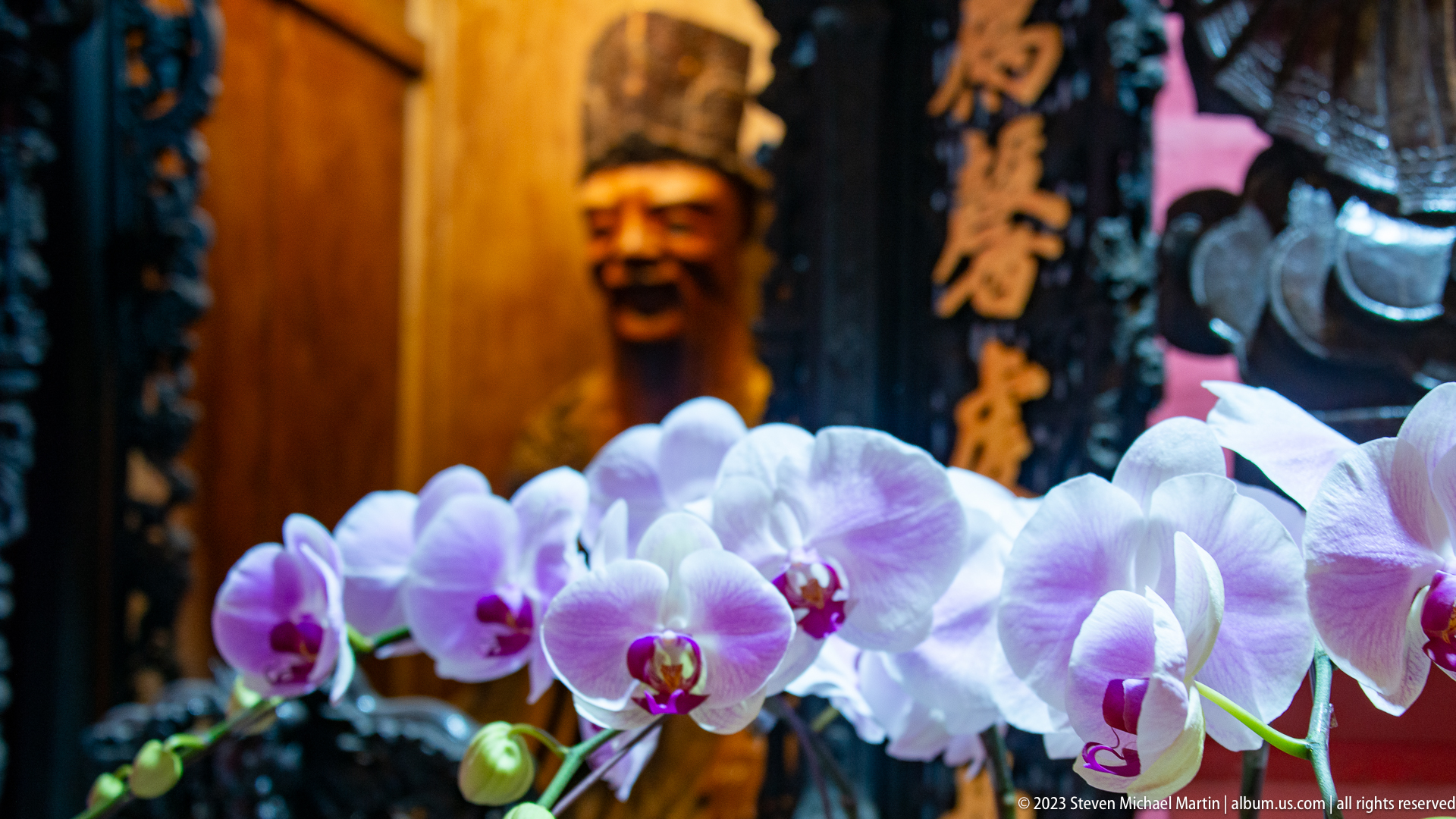
White and lavender orchids in focus with a blurred bearded temple figure behind them.

Jade Emporor Pagoda

Jade Emperor Pagoda The Jade Emperor Pagoda in Ho Chi Minh City reflects religious traditions influenced by Chinese spiritual practices introduced through migration and trade networks. Constructed in the early twentieth century, the temple illustrates the continuation of Taoist and Buddhist devotional architecture in Southeast Asia. Decorative carvings and symbolic imagery reflect religious beliefs associated […]

Explore Portfolio
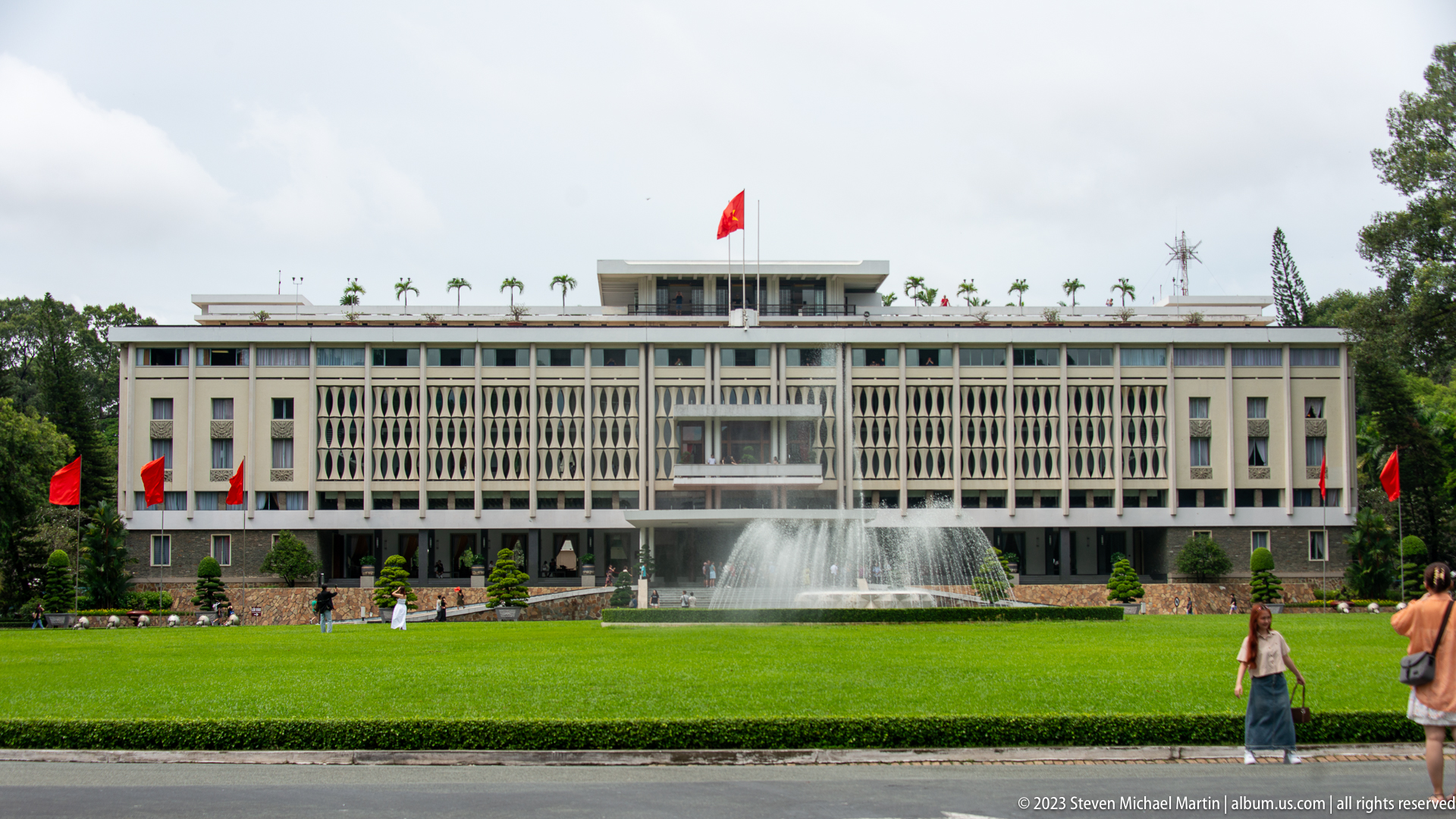
Frontal view of Independence Palace behind hedges and a fountain, with red flags and visitors in front.

Independence Palace

Independence Palace The Independence Palace in Ho Chi Minh City served as the presidential residence of South Vietnam during the twentieth century. The building became associated with major historical events marking the conclusion of the Vietnam War in 1975. Its architecture reflects modernist design principles influenced by mid-twentieth-century planning. Interior spaces illustrate the administrative functions […]

Explore Portfolio
Large crowd of scooter riders moving toward the camera across several traffic lanes.

Ho Chi Minh City

Ho Chi Minh City Ho Chi Minh City developed as a major commercial center influenced by French colonial administration and regional trade networks in Southeast Asia. The city’s location along the Saigon River contributed to its importance as a transportation hub connecting inland regions with maritime routes. Urban development reflects the influence of both European […]

Explore Portfolio
Wide Buddhist temple ceremony with monks, offerings, seated worshippers, and illuminated shrine walls.

Singapore Chinatown

Singapore Chinatown Singapore’s Chinatown developed as an important settlement area for Chinese merchants who participated in maritime trade networks across Southeast Asia. The district reflects migration patterns shaped by commercial opportunities associated with regional trade routes. Traditional shophouses and narrow streets illustrate architectural forms adapted to dense urban environments. Markets, temples, and residential buildings demonstrate […]

Explore Portfolio
Elephant-headed Ganesha seated under a colorful canopy with large attendants and smaller figures.

Singapore Little India

Singapore Little India Little India developed as a cultural district shaped by migration associated with British colonial trade networks. Indian laborers, merchants, and administrators contributed to the multicultural character of Singapore’s urban environment. The district reflects the diversity of communities connected through maritime commerce. Religious buildings, markets, and traditional shops illustrate the continuation of cultural […]

Explore Portfolio