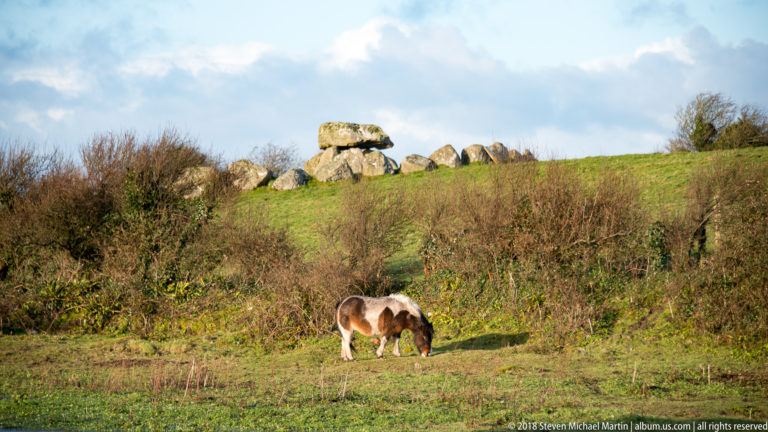
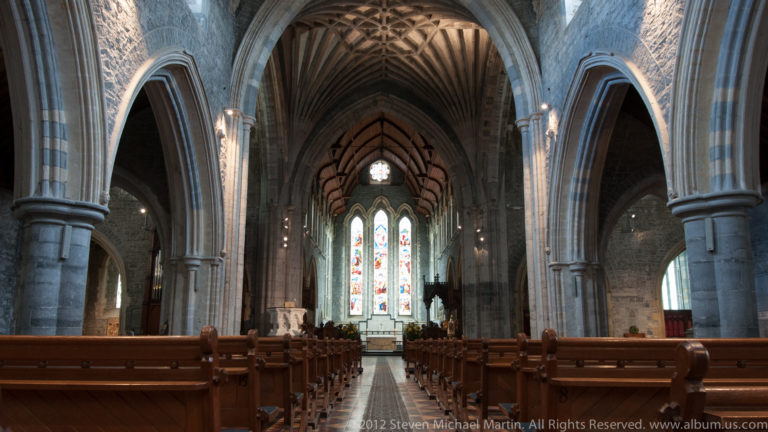
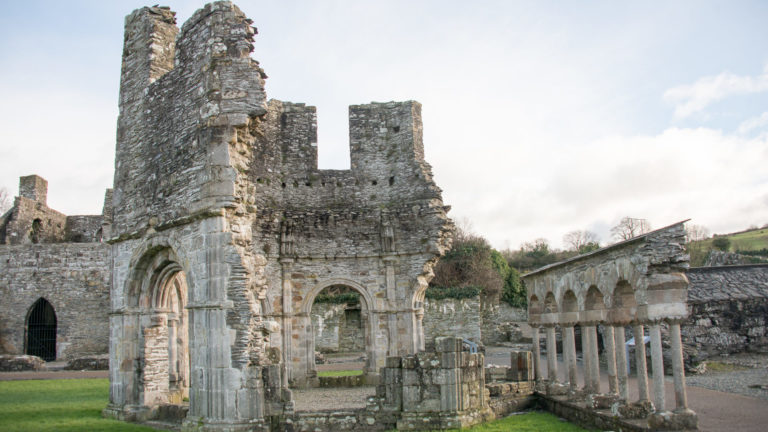
Ireland’s cultural landscape reflects thousands of years of human settlement shaped by Atlantic geography, early religious traditions, and medieval political development. Prehistoric ceremonial sites such as Brú na Bóinne and Carrowmore Megalithic Cemetery preserve some of the oldest surviving monumental structures in Europe, illustrating the importance of ritual landscapes during the Neolithic period. Early monastic communities, represented by sites such as Old Mellifont Abbey, reflect the development of Christian religious traditions that played a central role in preserving scholarship during the early medieval era.
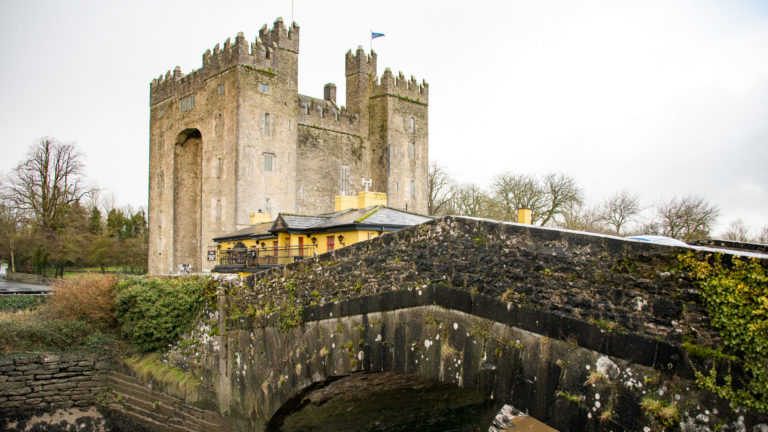
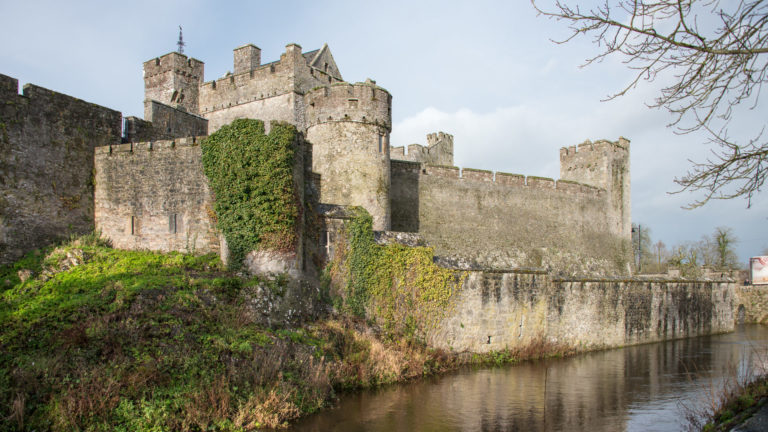
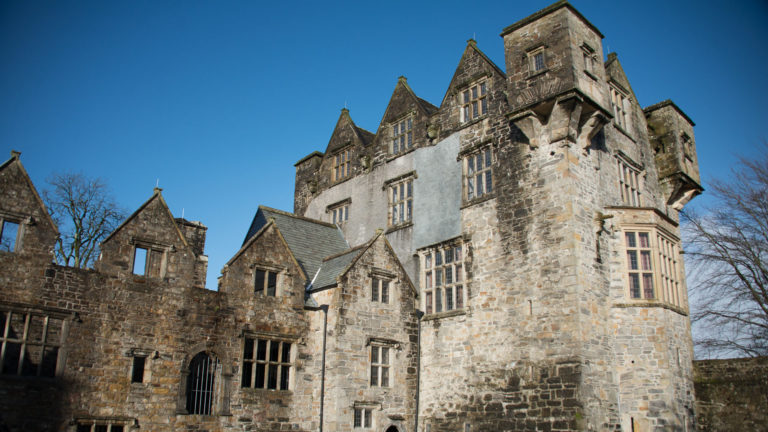
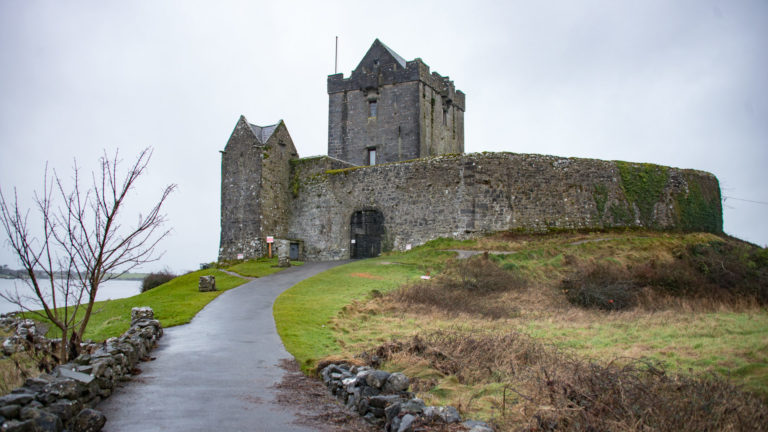
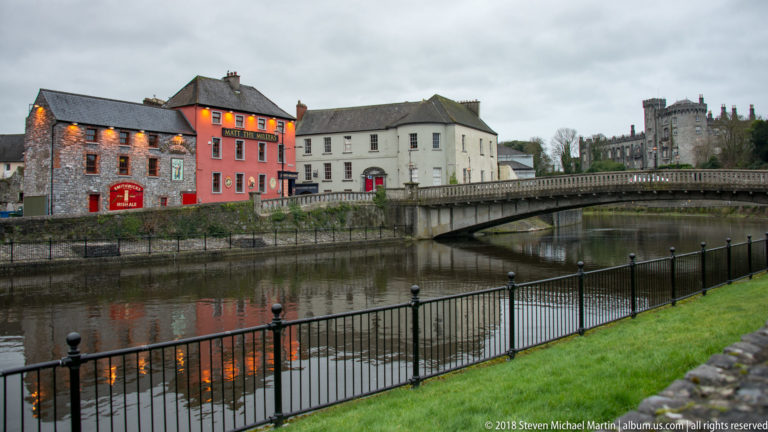
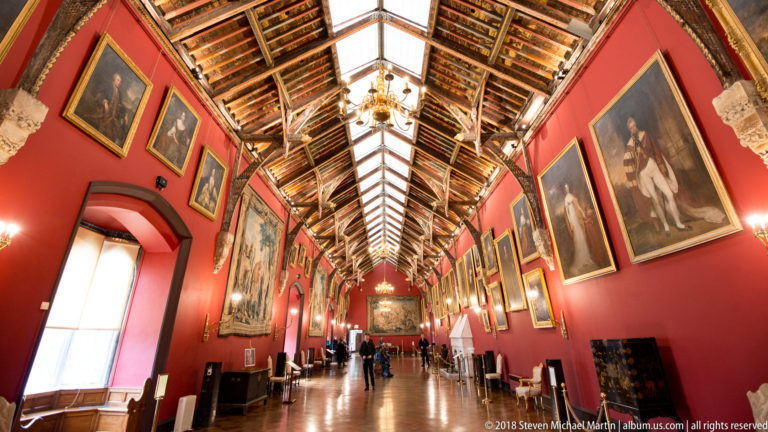
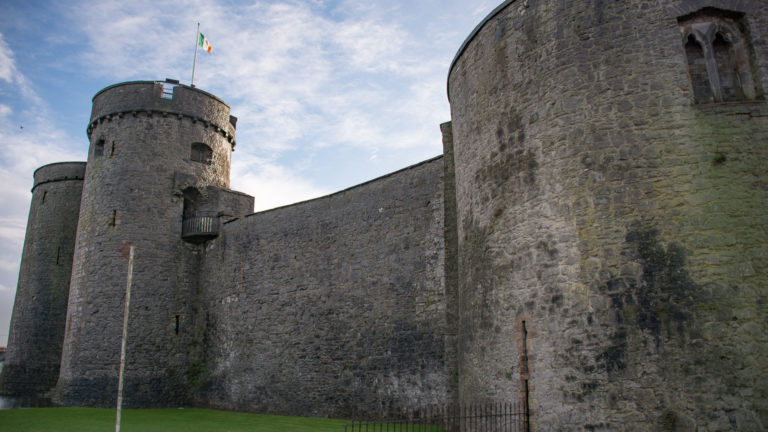
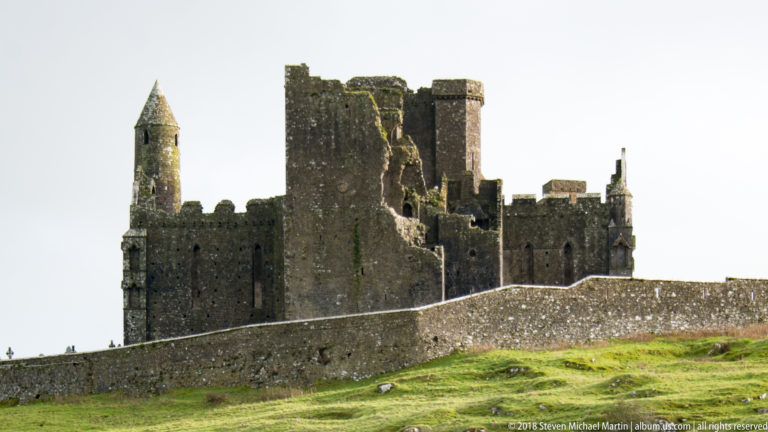
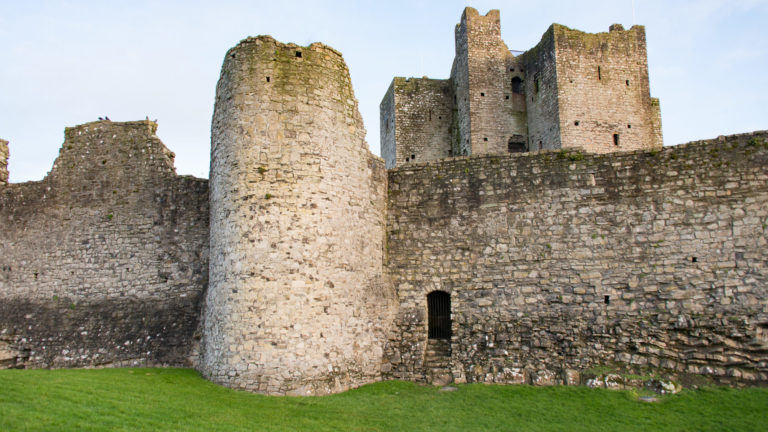
Medieval fortifications illustrate the political transitions that shaped Ireland following the arrival of Norman influence. Castles including Trim Castle, Cahir Castle, Kilkenny Castle, Bunratty Castle, King John’s Castle, Donegal Castle, and Dunguaire Castle demonstrate the strategic importance of fortified settlements across the island. Ecclesiastical and royal sites such as the Rock of Cashel further illustrate the intersection of religious authority and political power in medieval Ireland.
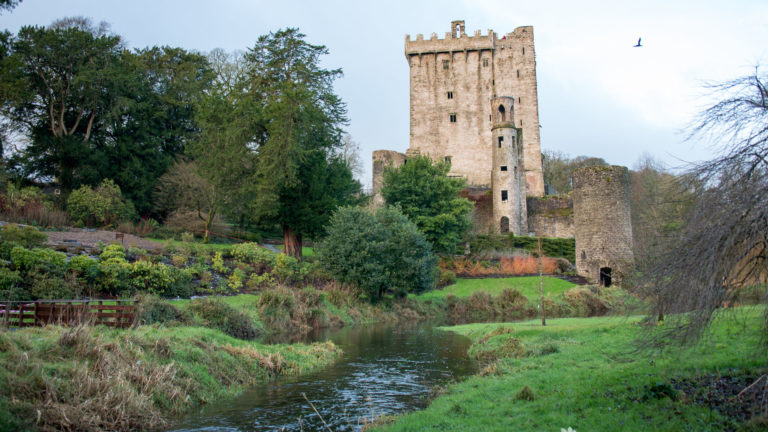
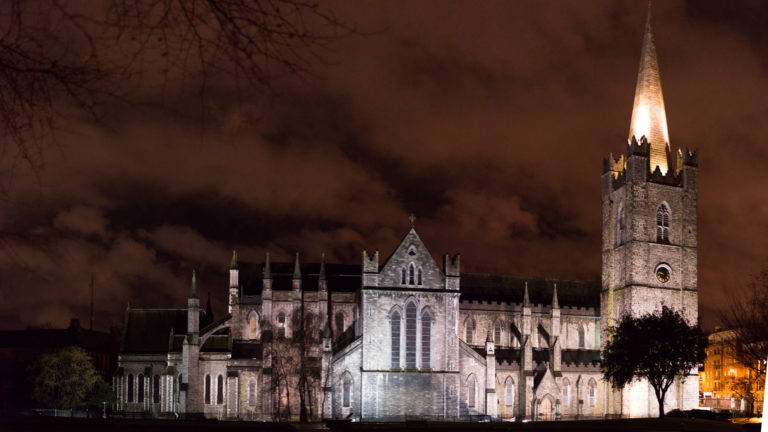
Historic towns including Kilkenny, Galway, Cork, and Dublin reflect the evolution of Irish civic life shaped by trade, education, and literary tradition. Landmarks such as Blarney Castle contribute to Ireland’s cultural identity through enduring folklore associated with national storytelling traditions.
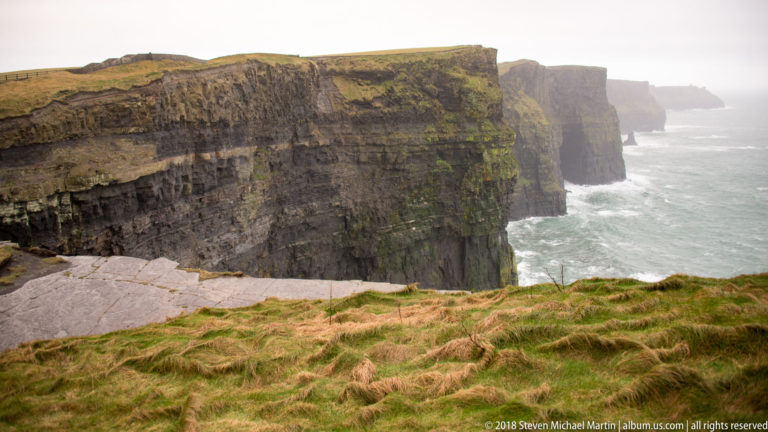
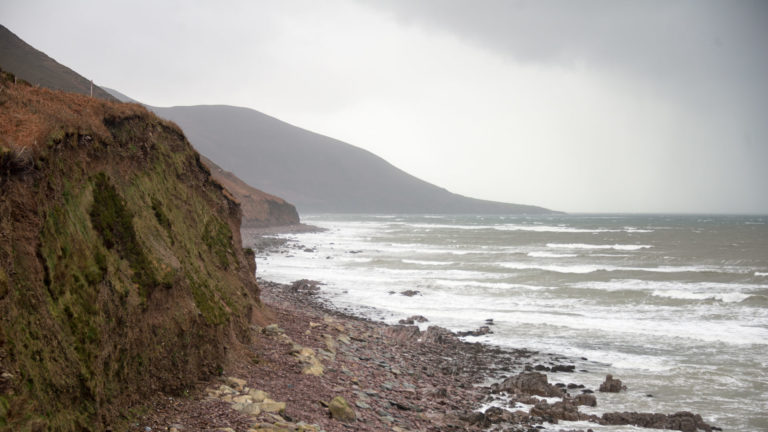
The Irish landscape itself plays an equally important role in shaping national identity. Coastal environments along the Ring of Kerry and the dramatic Atlantic cliffs at the Cliffs of Moher illustrate the interaction between geology, climate, and settlement patterns that define much of the island’s character. Rugged coastlines, green countryside, and shifting weather conditions contribute to Ireland’s distinctive visual atmosphere.
Collectively, these sites illustrate Ireland’s historical continuity from prehistoric ceremonial landscapes through medieval castles and into modern cultural centers. The combination of archaeological heritage, historic architecture, and dramatic coastal scenery creates a rich visual record of a country whose cultural identity has been shaped by both geography and history.