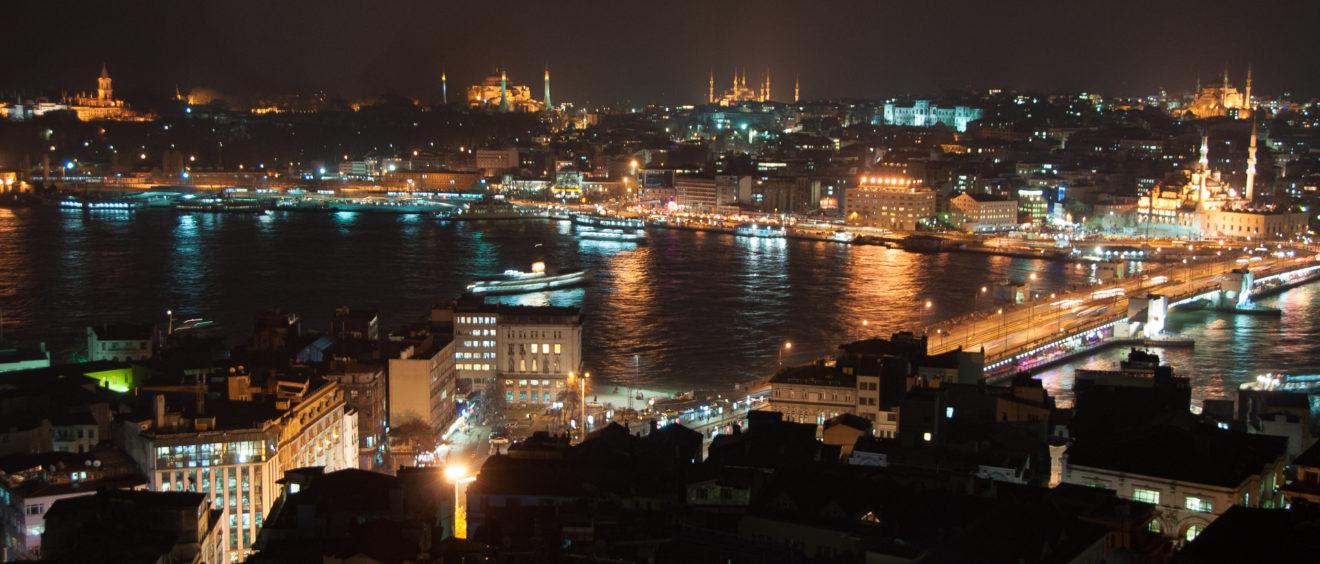
Istanbul Istanbul has served as one of the most important crossroads between Europe and Asia for more than two thousand years. Known historically as Byzantium and later Constantinople, the city became the capital of both the Byzantine and Ottoman Empires. Its strategic location along the Bosphorus connected trade routes linking the Mediterranean, Black Sea, and […]
Suleymaniye Mosque The Suleymaniye Mosque is one of the most important architectural achievements of the Ottoman Empire and was designed by the renowned imperial architect Mimar Sinan in the 16th century. Commissioned by Sultan Suleiman the Magnificent, the mosque reflects the political and cultural strength of the Ottoman state during its period of greatest expansion. […]
Hagia Sophia Hagia Sophia is one of the most historically significant buildings in the world and reflects the transformation of religious architecture across multiple empires. Originally constructed as a cathedral in 537 CE during the reign of Byzantine Emperor Justinian I, the structure represented the height of Byzantine engineering and artistic achievement. Its massive dome […]
Basilica Cistern The Basilica Cistern is an underground water reservoir constructed during the reign of Byzantine Emperor Justinian I in the 6th century CE. Built to supply water to the imperial palace and surrounding structures, the cistern demonstrates the advanced engineering capabilities of the Byzantine Empire. Its vast interior space is supported by rows of […]
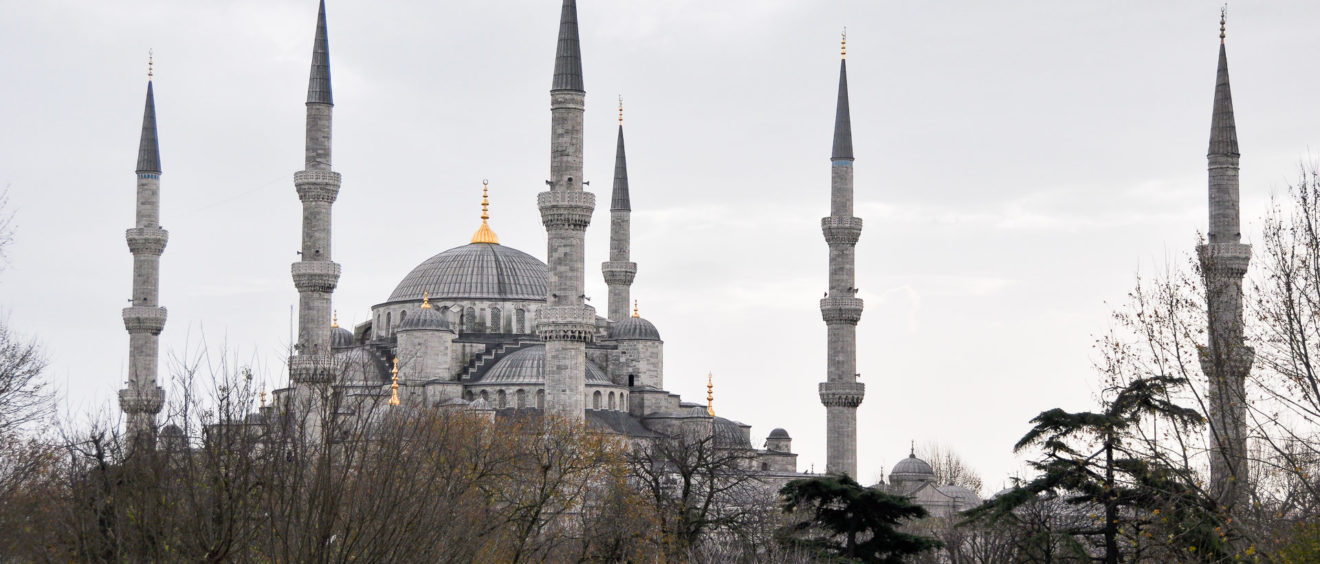
Blue Mosque (Sultan Ahmed Mosque) The Blue Mosque, officially known as the Sultan Ahmed Mosque, is one of the most recognizable landmarks of Istanbul and a masterpiece of Ottoman architecture. Constructed in the early 17th century during the reign of Sultan Ahmed I, the mosque reflects the artistic and political ambitions of the Ottoman Empire […]